

Embark on a culinary journey to North India with this truly amazing Lucknowi Biryani, reimagined for effortless home cooking. Our North Indian Spiced Tofu Rice Bake offers an explosion of flavors, thanks to its unique and aromatic blend of traditional spices. What makes this recipe stand out is its incredible simplicity: it’s entirely baked in the oven using just a single pan, requiring only about 15 minutes of active preparation time. This innovative two-step baking method eliminates the need for constant stirring or sautéing of tofu and aromatics, making it perfect for busy weeknights or relaxed weekend meals. Plus, it’s naturally gluten-free, with readily available options for soy-free, nut-free, and even oil-free diets.

Table of Contents
- Why You’ll Love This Lucknowi Biryani
- The Essence of Biryani and Lucknowi Cuisine
- More Delicious Biryani Recipes
- Lucknowi Biryani (North Indian Spiced Tofu Rice Bake) Recipe
- Key Ingredients and Smart Substitutions
- 💡 Expert Tips for a Perfect Biryani
- Step-by-Step Guide to Making Lucknowi Biryani
- Frequently Asked Questions
Following the immense popularity of our baked jackfruit biryani, we’re thrilled to introduce another fantastic baked biryani recipe tailored for you. Biryani, a celebrated rice dish often featuring succulent meats, boasts a rich tapestry of regional variations across India. These variations can differ significantly, not just in their subtle spice blends but also in their intricate cooking processes and methods. Today, we delve into the regal culinary heritage of Awadhi (Lucknowi) cuisine to bring you a truly royal biryani experience.
Lucknowi cuisine, hailing from north-central India, is a magnificent fusion influenced by Mughal, Nawabi, and Punjabi traditions, while retaining its distinct identity. Traditionally, Lucknowi Biryani is crafted with meats like lamb, renowned for its rich and aromatic profile. In our vegan rendition, we ingeniously use tofu as the primary protein, ensuring that every bite carries the same ultra-delicious and special spice blend that defines this beloved dish. Join us as we continue our mission to explore the vast diversity of regional Indian cuisine and expertly transform classic meat-heavy recipes into incredible vegan versions!

At its heart, biryani is a layered rice dish characterized by a deeply flavorful protein component. Traditionally, all ingredients are meticulously layered in a pot and slow-cooked in a sealed container (a technique known as “dum pukht”) to allow the myriad flavors to infuse into every grain of rice. This intricate process often demands multiple pans and extensive active cooking time to achieve the perfect flavor in both the protein and the rice before layering. However, our simplified approach revolutionizes this by baking the biryani. This means you achieve all the incredible, infused flavors with just one baking dish and significantly reduced active kitchen time – a culinary game-changer!
For this recipe, we utilize a very specific array of spices to capture that authentic Lucknowi flavor profile. While we encourage using the suggested spices for the best results, don’t hesitate to adapt! If you don’t have all of them, use what’s available and supplement with extra garam masala, or explore the spice blend from our popular jackfruit biryani for an equally delightful outcome.

Why You’ll Love This Lucknowi Biryani
- Exquisite Flavor & Texture: Experience the delightful combination of crisp, spiced tofu and tender rice, each grain infused with a complex blend of both whole and ground spices. This biryani offers a multi-dimensional taste profile that truly satisfies.
- Simplified One-Pan Baking: Achieve the same incredible, layered, and complex flavors of traditional biryani, but with the convenience of baking in a single pan in your oven. This method dramatically cuts down on washing up and active cooking.
- Minimal Active Time: With only about 15 minutes of hands-on prep, the oven does most of the work for you. The rest of the hour is dedicated to slow baking, allowing you to focus on other tasks while your biryani cooks to perfection.
- Dietary Inclusivity: This recipe is naturally gluten-free, making it suitable for many dietary needs. We also provide easy-to-follow options for making it completely nut-free, soy-free, and oil-free, ensuring everyone can enjoy this delicious dish.
- Authentic Yet Accessible: Despite its simplified process, this biryani stays true to the aromatic essence of Lucknowi cuisine, bringing royal Indian flavors to your everyday table without the traditional complexity.

The Essence of Biryani and Lucknowi Cuisine
Biryani is more than just a rice dish; it’s a celebration of flavors, textures, and culinary artistry that has captivated palates across the Indian subcontinent for centuries. Originating from Persia, biryani evolved into countless regional variations, each reflecting the unique ingredients and cooking traditions of its locale. From the subtle aromatic notes of Hyderabadi Biryani to the fiery zest of Malabar Biryani, each version tells a distinct story.
Our featured dish, Lucknowi Biryani, is a jewel in the crown of Awadhi cuisine. Awadhi cuisine, patronized by the Nawabs of Awadh, is synonymous with refinement and slow-cooking techniques, famously known as “Dum Pukht.” This method involves cooking ingredients in sealed containers over low heat, allowing them to tenderize in their own juices and aromas, resulting in an unparalleled depth of flavor. Lucknowi Biryani, also known as Awadhi Biryani, is characterized by its delicate spices, tender meat (traditionally mutton or lamb), and fragrant basmati rice, often prepared with a distinct white appearance compared to other biryanis. The spices are often whole and gently used to impart flavor without overwhelming the dish, focusing on subtlety and aromatic complexity.
The influences of Mughal, Nawabi, and Punjabi cuisines are evident in Lucknowi cooking, contributing to its rich gravies, aromatic spices, and a penchant for slow-cooked perfection. By adapting this regal recipe into a vegan, one-pan baked version, we aim to make these exquisite flavors accessible to everyone, without compromising on the authentic taste experience. Our tofu-based biryani captures the spirit of the original, proving that plant-based ingredients can deliver the same luxurious and satisfying culinary experience.
More Delicious Biryani Recipes
If you love biryani as much as we do, explore these other fantastic plant-based variations from our kitchen:
- Mushroom Biryani
- Chickpea Cauliflower Rice Biryani
- Quinoa Cauliflower Biryani
- Lentil Biryani
- Baked Chana Pulao – Indian Chickpea Rice Bake
Lucknowi Biryani (North Indian Spiced Tofu Rice Bake)
Vegan Richa
15
45
1
4
Main, Main Course, Side, Side Dish
Indian, North Indian

Print Recipe
Experience the rich and aromatic flavors of our Baked Indian Lucknowi Biryani. This North Indian Spiced Tofu Rice bake delivers fantastic taste with its unique blend of traditional spices, all in one pan! It requires just 15 minutes of active preparation time thanks to its clever 2-step baking method, eliminating the need to stand around sautéing tofu or aromatics. This recipe is naturally gluten-free and offers easy options for soy-free and nut-free diets.
Ingredients
For the Spice Powder
- 1 1/2 teaspoons fennel seeds
- 1 1/2 teaspoons cumin seeds
- 2 whole green cardamom pods
- 1 black cardamom pod
- 2 whole cloves
- 6 to 8 black peppercorns
- 1 tablespoon Kashmiri chili powder
- 1/8 teaspoon nutmeg
For the Biryani
- 2 teaspoons oil, optional, see note for oil-free
- 2″ cinnamon stick
- 2 whole cloves
- 2 green cardamom pods, opened slightly
- 2 bay leaves
- 2 tablespoons ginger garlic paste
- 1 tablespoon non-dairy yogurt
- 1/2 teaspoon salt
- 1 1/2 cups chopped red onion
- 8 ounces firm or extra firm tofu, pressed for at least 15 minutes
For the Rice
- 1 cup long grain Indian white basmati rice, washed really well and soaked for five minutes
- 2 cups water or stock, hot
- 2 tablespoons non-dairy yogurt
- 1/4 teaspoon salt
- cilantro, lime juice, pepper flakes, and roasted cashews, for garnish
Instructions
-
Preheat your oven to 410° F (210° C).
-
In a spice grinder, small food processor, or coffee grinder, combine all the whole and ground spices listed under the “Spice Powder” heading. Process until you achieve a coarse powder. Set this aromatic blend aside.
-
To a 10×12-inch (or similar-sized) baking dish, add the oil (if using). Then, add all of the remaining whole spices (cinnamon stick, cloves, green cardamom, bay leaves) and stir them into the oil. Next, add the ginger garlic paste, non-dairy yogurt, the prepared powdered spice mixture, and 1/2 teaspoon of salt to the center of the pan. Mix these ingredients together thoroughly to form a fragrant paste.
-
Carefully place the chopped red onion on one side of the pan. On the other side, tear the pressed tofu into roughly 1-inch pieces and arrange them. Toss the onion with half of the prepared spice paste and the tofu with the other half. For best results and crispier tofu, try to keep the tofu slightly separated from the onion.
-
Place the baking dish into the preheated oven and bake for 25 to 35 minutes, or until the onions are tender and caramelized, and the tofu begins to develop a crispy exterior. During baking, stir the contents once to ensure even cooking and prevent the onions from scorching too much on the edges. If any edges look too brown, gently scoop those onions towards the middle of the pan.
-
Once the onions are perfectly cooked and the tofu is crisp, remove the pan from the oven. Set aside a small portion of the crispy tofu to use as a garnish later. Now, add the well-washed and drained basmati rice to the pan. Pour in the hot water or vegetable broth, add the remaining 2 tablespoons of non-dairy yogurt, and the final 1/4 teaspoon of salt. Mix these ingredients lightly, being careful not to overmix, which helps preserve some of the delicious scorched onion edges.
-
Cover the baking pan tightly with parchment paper (and foil if your parchment isn’t wide enough) and return it to the oven for an additional 20 to 25 minutes. At the 20-minute mark, check if the rice is fully cooked. If it appears plump and all liquid has been absorbed, check for doneness. If the rice is still firm or there’s visible liquid, re-cover the pan and continue baking for another 5 minutes, or until perfectly tender.
-
Remove the baking dish from the oven and gently fluff the biryani with a fork. Squeeze a little fresh lime juice evenly over the top. Garnish generously with the reserved crispy tofu, fresh cilantro (or any other herbs you prefer), roasted cashews (if not nut-free), and a sprinkle of pepper flakes for an extra kick of heat. Serve immediately with a side of cooling raita (see notes for recipe) or plain non-dairy yogurt.
-
Leftovers can be stored in a sealed container in the refrigerator for up to 3 days.
Video
Notes
Raita is a refreshing yogurt dip that perfectly complements the rich flavors of biryani. To prepare it, simply mix 1/2 cup of non-dairy yogurt with a few tablespoons of non-dairy milk or water until smooth. Stir in 1/8 teaspoon each of salt, cayenne pepper, and ground cumin. Sprinkle some extra ground cumin and cayenne on top for garnish, along with a little fresh cilantro. Serve chilled with your biryani.
Lucknowi biryani, as prepared in this recipe, is naturally gluten-free.
For a Nut-Free Biryani: Ensure you do not add the roasted cashews as a topping. Also, select a non-dairy yogurt that is specifically labeled as nut-free.
To Make This Recipe Soy-Free: Use a soy-free non-dairy yogurt. For the protein, opt for soy-free tofu alternatives such as chickpea tofu or pumpkin seed tofu. Alternatively, you can use commercially available soy-free vegan chicken substitutes, or even whole ingredients like chickpeas, jackfruit, or seitan instead of tofu, adjusting cooking times as needed.
Using Brown Rice: If you prefer brown rice, parboil it for approximately 20 minutes before adding it to the casserole dish. When adding liquids, use 1 cup of hot water or broth instead of the 2 cups specified for white basmati rice. Then, continue with the recipe instructions as written from that point onwards.
Nutrition
Carbohydrates: 50g,
Protein: 11g,
Fat: 6g,
Saturated Fat: 1g,
Polyunsaturated Fat: 2g,
Sodium: 488mg,
Potassium: 240mg,
Fiber: 5g,
Sugar: 4g,
Vitamin A: 614IU,
Vitamin C: 7mg,
Calcium: 157mg,
Iron: 3mg
Nutrition information is automatically calculated and should only be used as an approximation.
Did you make this recipe? We’d love to hear from you! Rate and comment below!
Share your culinary creations and feedback.
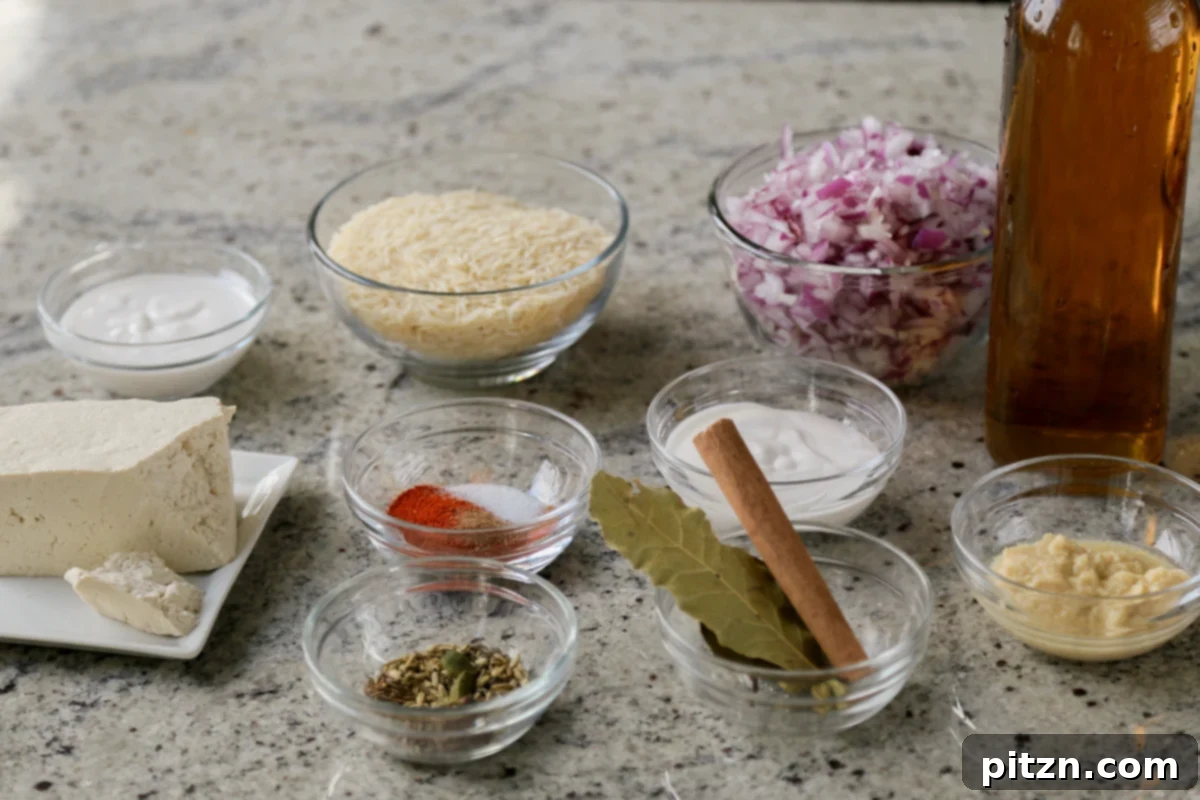
Key Ingredients and Smart Substitutions
Crafting the perfect Lucknowi Biryani relies on a thoughtful selection of ingredients. Here’s a closer look at what you’ll need and how to make thoughtful substitutions:
- Spice Powder Mix: This blend is the heart of our biryani’s unique flavor. It combines both whole and ground spices.
- For the **whole spices**, you’ll need aromatic fennel seeds, earthy cumin seeds, fragrant green and bold black cardamom pods, pungent whole cloves, and a kick of black peppercorns.
- The **ground spices** include vibrant Kashmiri chili powder, which offers color and mild heat, and a touch of nutmeg for its warm, sweet notes.
- Substitution Tip: If you’re missing a specific whole spice, a good quality garam masala can be used as a supplementary flavor enhancer. For chili powder, any mild red chili powder will work, though Kashmiri is preferred for its color.
- Oil: A small amount of oil is used to help crisp up the tofu and perfectly brown the onions, deepening their flavor.
- Oil-Free Option: To make this recipe completely oil-free, line your baking pan with parchment paper to prevent sticking and proceed without oil. The flavors will still be fantastic!
- Whole Spices (for Biryani Base): These are added directly to the biryani base for a foundational layer of aroma.
- You’ll use a cinnamon stick, additional whole cloves, green cardamom pods (slightly opened to release their fragrance), and bay leaves. These infuse the oil and subsequently the entire dish with a rich, complex aroma.
- Ginger Garlic Paste: A staple in Indian cooking, this paste provides a powerful umami base and supports the intricate spice blend.
- Substitution Tip: If you don’t have paste, simply mince fresh ginger and garlic finely and use in equal measure.
- Non-Dairy Yogurt: This ingredient is crucial for balancing the heat from the spices, adding a creamy richness, and contributing to the traditional texture of biryani.
- Substitution Tip: Choose a soy-free and/or nut-free non-dairy yogurt if you have dietary restrictions. Alternatively, a good quality non-dairy cream of your choice can also be used for richness.
- Onion: Finely chopped red onion browns beautifully in the baking pan, adding a significant depth of sweet and savory umami flavor to the dish.
- Tofu: This firm plant-based protein stands in for the traditional mutton, providing a satisfying texture and absorbing the rich biryani flavors.
- Soy-Free & Alternative Proteins: For a soy-free version, consider using soy-free tofu varieties like chickpea tofu or pumpkin seed tofu. Other excellent protein substitutes include chickpeas, hearty jackfruit, or flavorful seitan, which can be adapted to this recipe with slight adjustments to baking times.
- Rice: Long grain Indian white basmati rice is highly recommended for its distinct aroma, fluffy texture, and ability to absorb flavors without becoming mushy.
- Preparation Note: Always wash basmati rice thoroughly and soak it for about five minutes before use to ensure perfect cooking.
- Water or Vegetable Stock: Using hot liquid is key here, as it helps to immediately dissolve and activate all those amazing spices, kickstarting the flavor infusion.
- Garnishes: These finishing touches elevate both the presentation and the flavor.
- Fresh cilantro adds a burst of herbaceous freshness, lime juice brightens the overall taste, pepper flakes offer an optional extra layer of heat, and roasted cashews provide a delightful crunch.
- Dietary Notes: Omit pepper flakes for less heat or cashews for a nut-free option.
💡 Expert Tips for a Perfect Biryani
- Choose the Right Rice: Basmati rice is paramount for an authentic biryani experience. Its long grains and distinct aroma contribute immensely to the dish’s flavor and texture. For the most authentic and fluffy results, opt for high-quality, long-grain Indian basmati varieties like Royal Extra Long or India Gate XL. Proper washing and a brief soak are crucial for perfect separation and absorption of flavors.
- Mastering the Spice Blend: The spice powder is the soul of this Lucknowi Biryani. Grinding your own whole spices just before cooking releases potent, fresh aromas that pre-ground spices simply cannot match. Don’t skip the combination of green and black cardamom, fennel, and cumin, as these are signature to the Awadhi profile.
- Achieving Crispy Tofu & Caramelized Onions: Keeping the tofu separate from the onions during the initial bake is a clever trick. This allows the tofu to crisp up beautifully while the onions caramelize without steaming each other. Stirring once mid-bake helps ensure even cooking and prevents any burning, contributing to the distinct textures of the final dish.
- Hot Liquid is Key: Adding hot water or broth to the rice and spice mixture is not just for temperature; it’s about efficient flavor extraction. The hot liquid immediately awakens the spices and helps them infuse thoroughly into the rice, creating a more cohesive and aromatic biryani.
- The Raita Companion: A cooling raita is the traditional and perfect accompaniment to biryani, offering a refreshing contrast to the rich, spiced rice. To prepare a delicious non-dairy raita, simply whisk 1/2 cup of non-dairy yogurt with a few tablespoons of non-dairy milk or water until smooth. Season with 1/8 teaspoon each of salt, cayenne pepper, and ground cumin. Finish with a sprinkle of extra ground cumin, cayenne, and fresh cilantro on top.
- Preventing Screen Sleep (Cook Mode): While we’ve removed JavaScript, traditionally, many recipe sites offer a “cook mode” to prevent your screen from going dark. Keep your device charged or adjust your screen settings if you plan to follow along step-by-step.
Step-by-Step Guide to Making Lucknowi Biryani
Creating this flavorful, one-pan Lucknowi Biryani is surprisingly simple. Follow these steps for a perfect meal:
First, preheat your oven to a precise 410° F (210° C). This ensures the oven is at the optimal temperature for both crisping the tofu and cooking the rice perfectly.
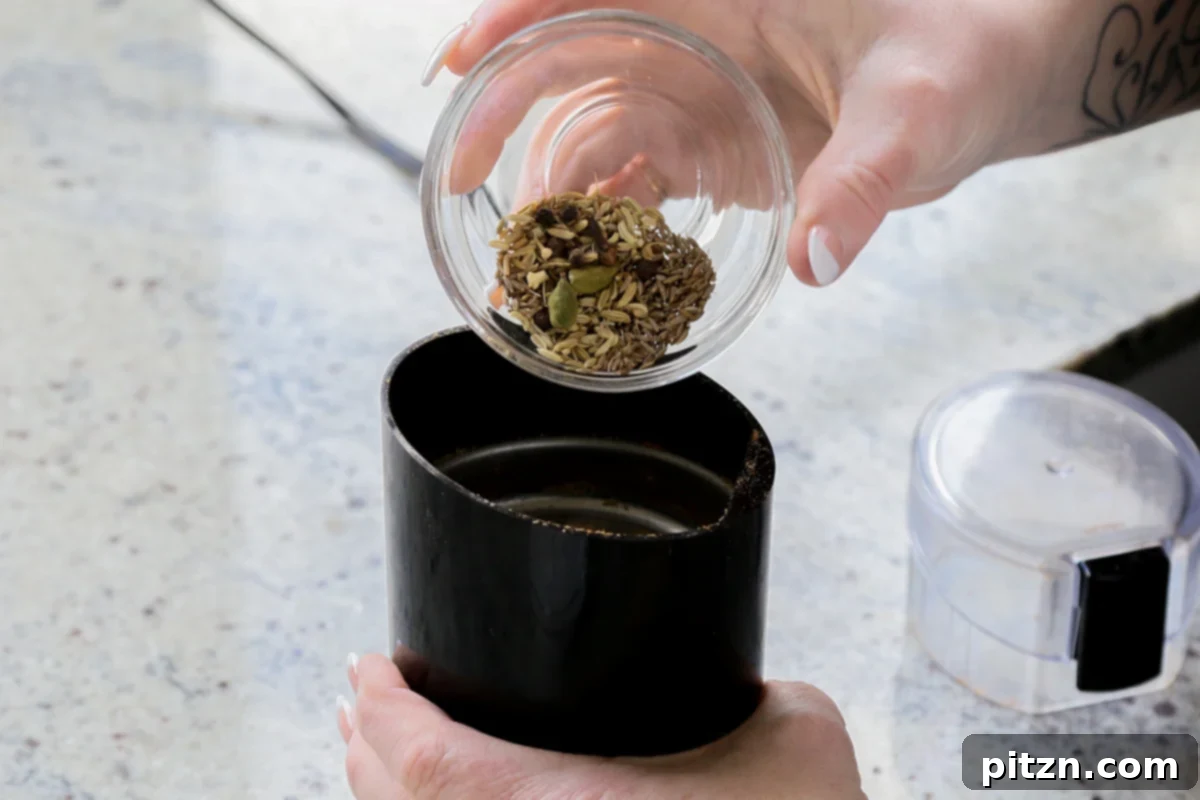
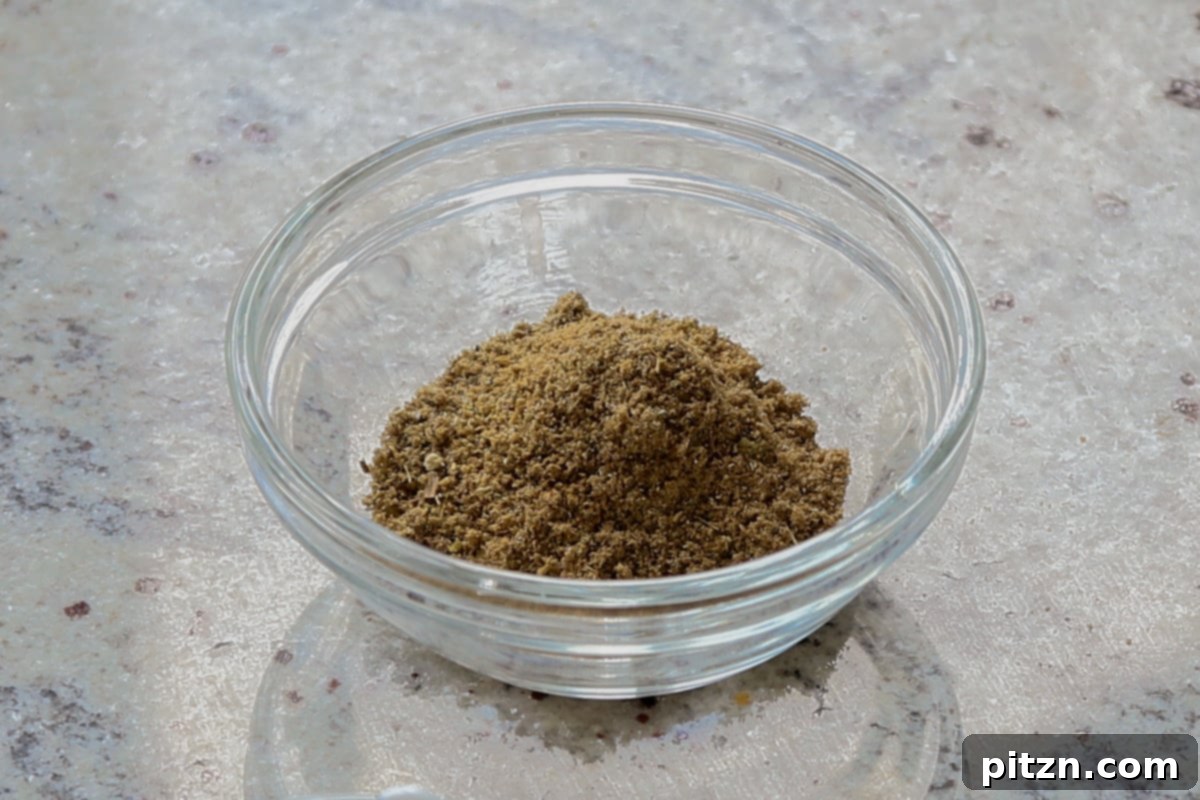
Next, gather all the whole and ground spices listed under the “Spice Powder” heading. Add these to a spice grinder, a small food processor, or even a coffee grinder. Process them until you achieve a coarse, aromatic powder. Set this fragrant blend aside, as it’s a key flavor component.
Now, take a 10×12-inch baking dish (or one of a similar size). If using oil, add it to the dish. Then, add all of the *remaining* whole spices destined for the biryani itself—cinnamon stick, cloves, green cardamom pods, and bay leaves—and mix them well into the oil. These spices will form the aromatic foundation.
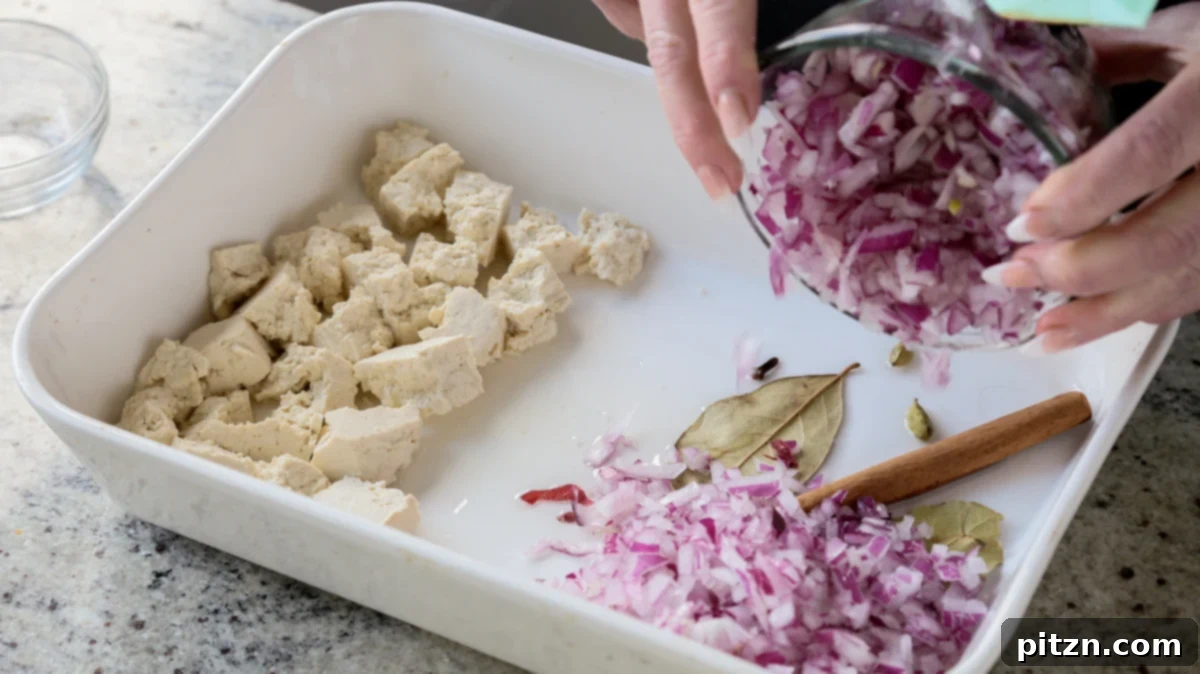
On one side of the pan, arrange the chopped red onion. On the opposite side, tear the pressed tofu into roughly 1-inch irregular pieces and place them. Keeping them separate initially helps achieve better texture for both.
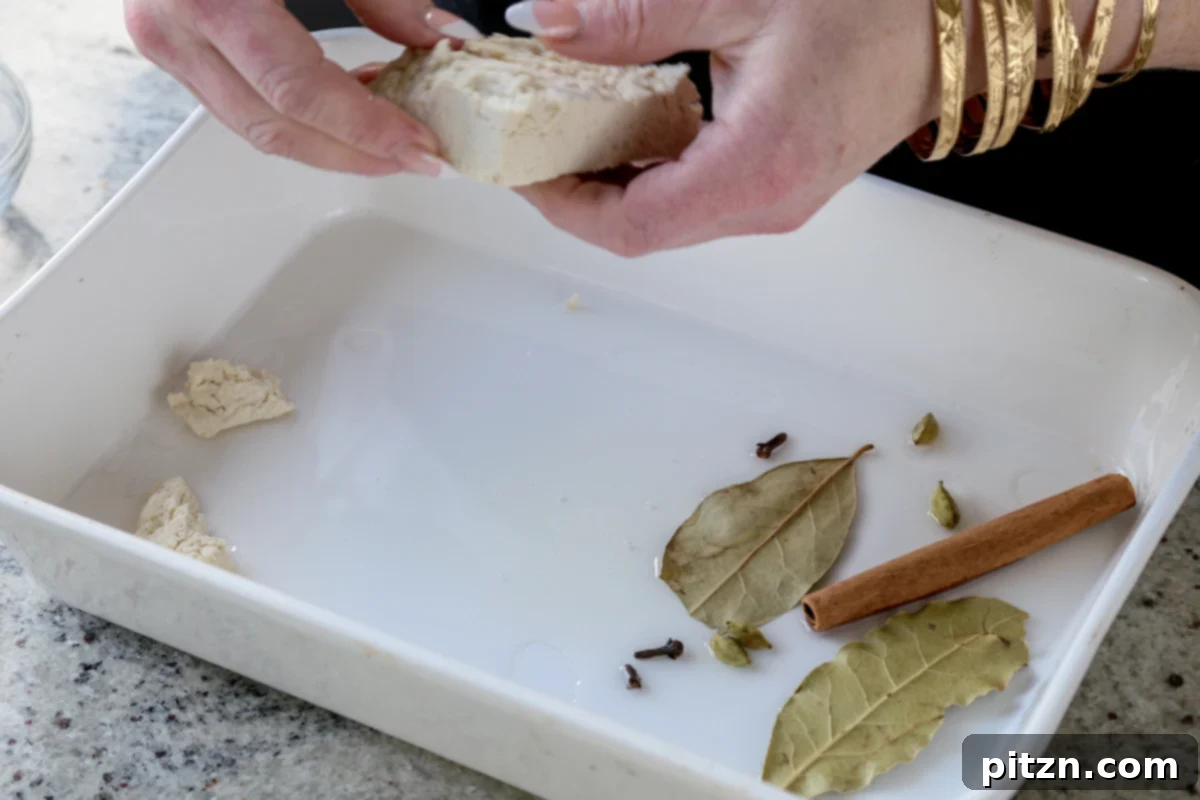
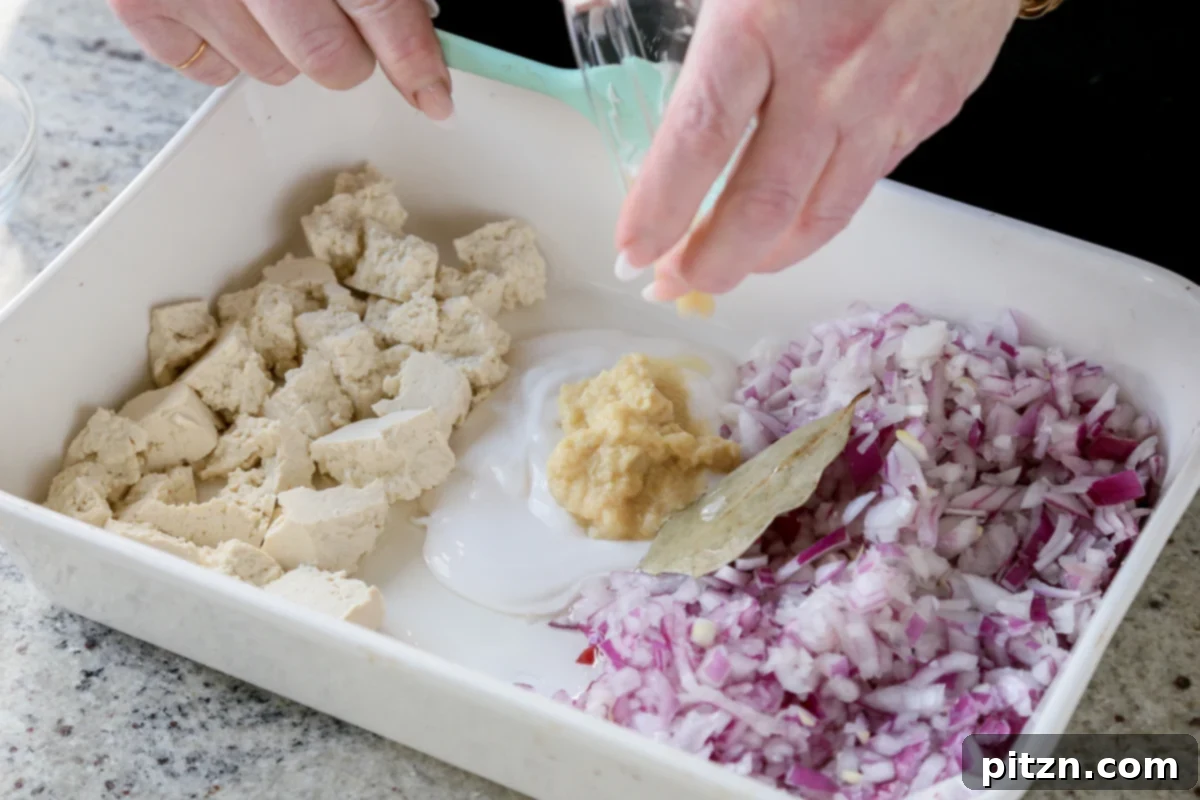
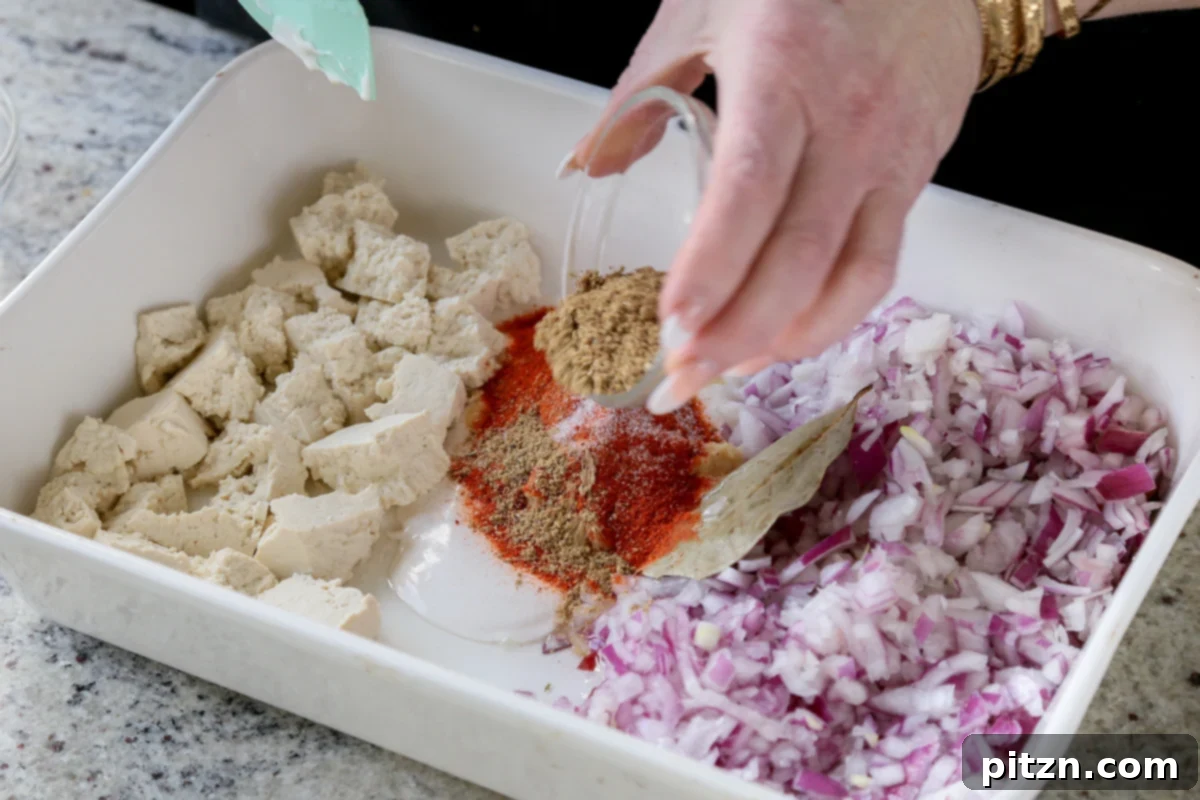
To the center of the pan, add the ginger garlic paste, non-dairy yogurt, the freshly prepared powdered spice mixture, and 1/2 teaspoon of salt. Mix these ingredients thoroughly to form a paste. Then, carefully toss the onion with half of this paste and the tofu with the other half. For crispier tofu, ensure the tofu remains somewhat separated from the onion during this step.
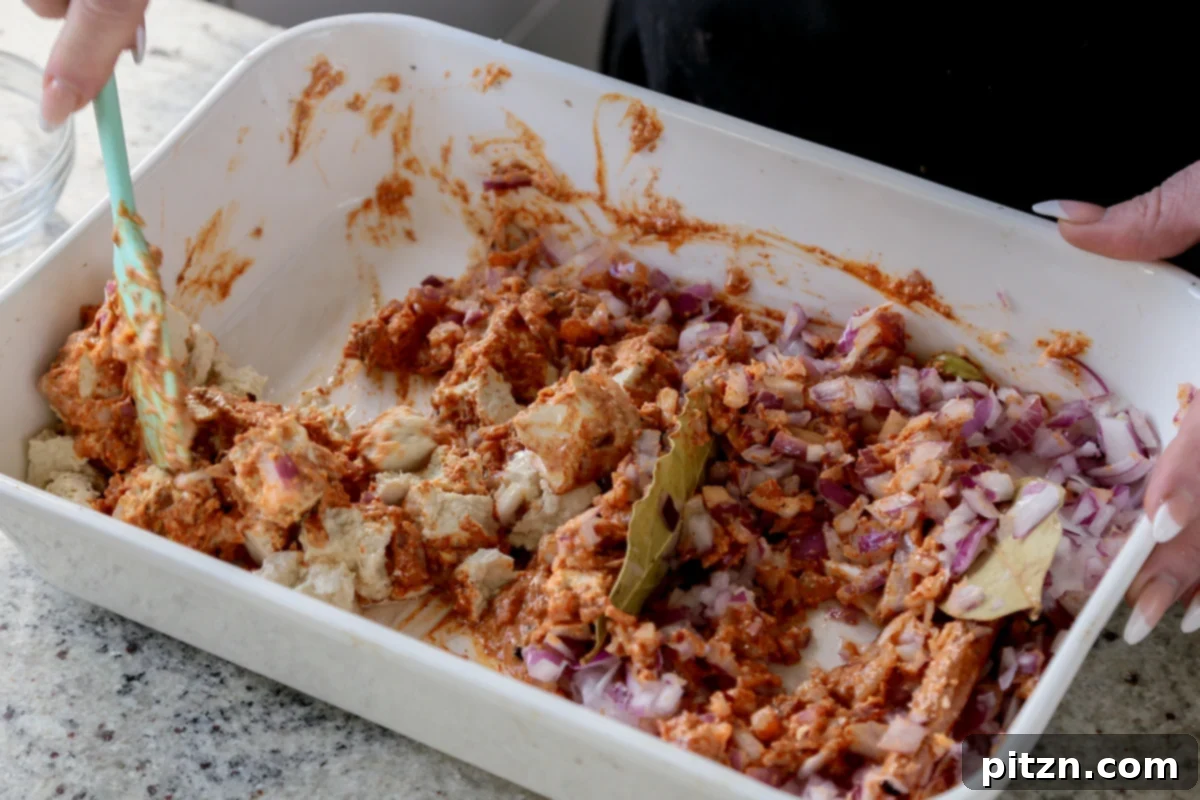
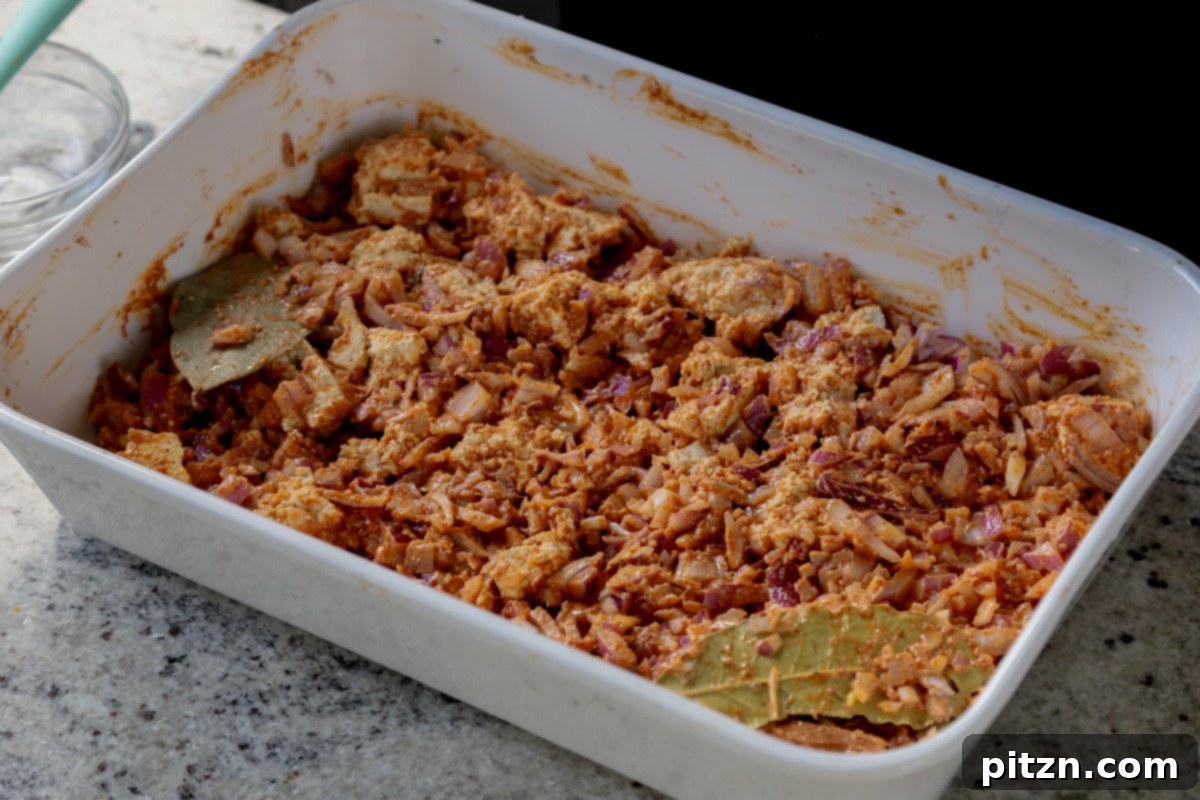
Place the baking dish in your preheated oven and bake for 25 to 35 minutes. You’re looking for the onions to become tender and nicely caramelized, and the tofu to start developing a crispy, golden exterior. During this time, it’s a good idea to stir the contents once to ensure even cooking and prevent any part of the onions from scorching. If edges appear too dark, gently move those onions towards the middle of the pan.
Once the onions are cooked and the tofu is beautifully crisp, remove the pan from the oven. Set aside a small amount of the crispy tofu for garnishing later. Now, add the thoroughly washed and drained basmati rice directly to the pan. Pour in the hot water or vegetable broth, add the remaining 2 tablespoons of non-dairy yogurt, and the final 1/4 teaspoon of salt. Mix these new additions lightly, taking care not to overmix, as this helps retain some of those delicious, slightly scorched onion bits that add extra flavor.
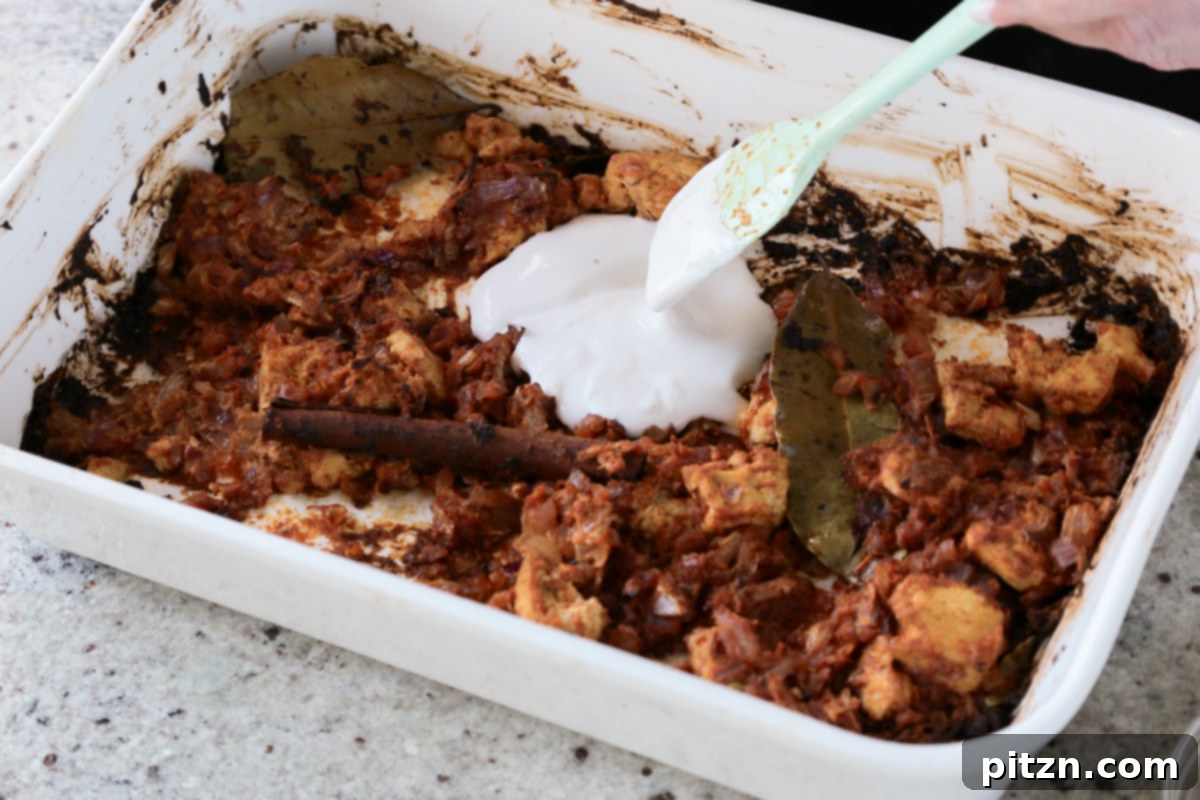
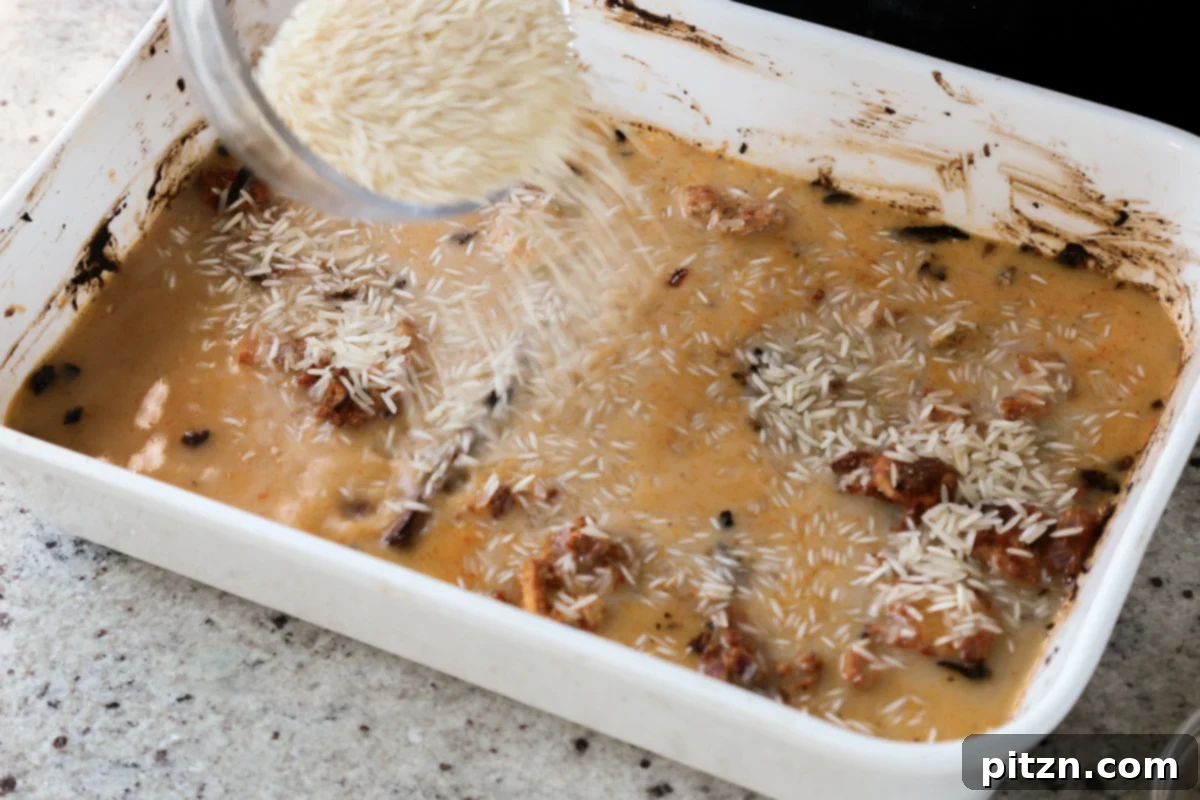

Cover the pan tightly with parchment paper (you can also add a layer of foil over the parchment for extra sealing) and return it to the oven for another 20 to 25 minutes. Check at the 20-minute mark to assess the rice’s doneness. If the rice appears plump and all liquid has been absorbed, verify if it’s cooked through. If it’s still firm or you can see remaining liquid, re-cover the pan and continue baking for approximately 5 more minutes, or until the rice is perfectly tender and fluffy.
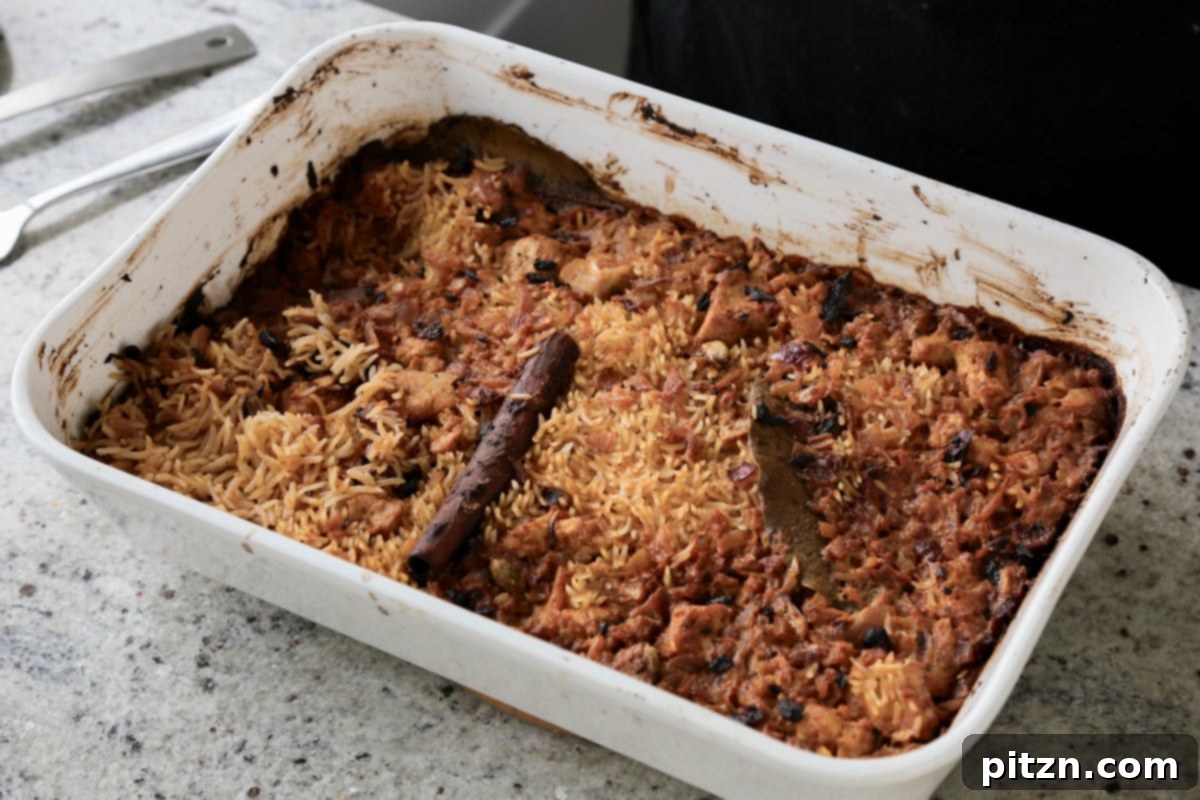
Finally, remove the baking dish from the oven and gently fluff the biryani with a fork. Squeeze a little fresh lime juice all over the top for a bright finish. Garnish generously with the reserved crispy tofu mixture, fresh cilantro or any other preferred herbs, roasted cashews (if not nut-free), and a sprinkle of pepper flakes if you desire an extra touch of heat.
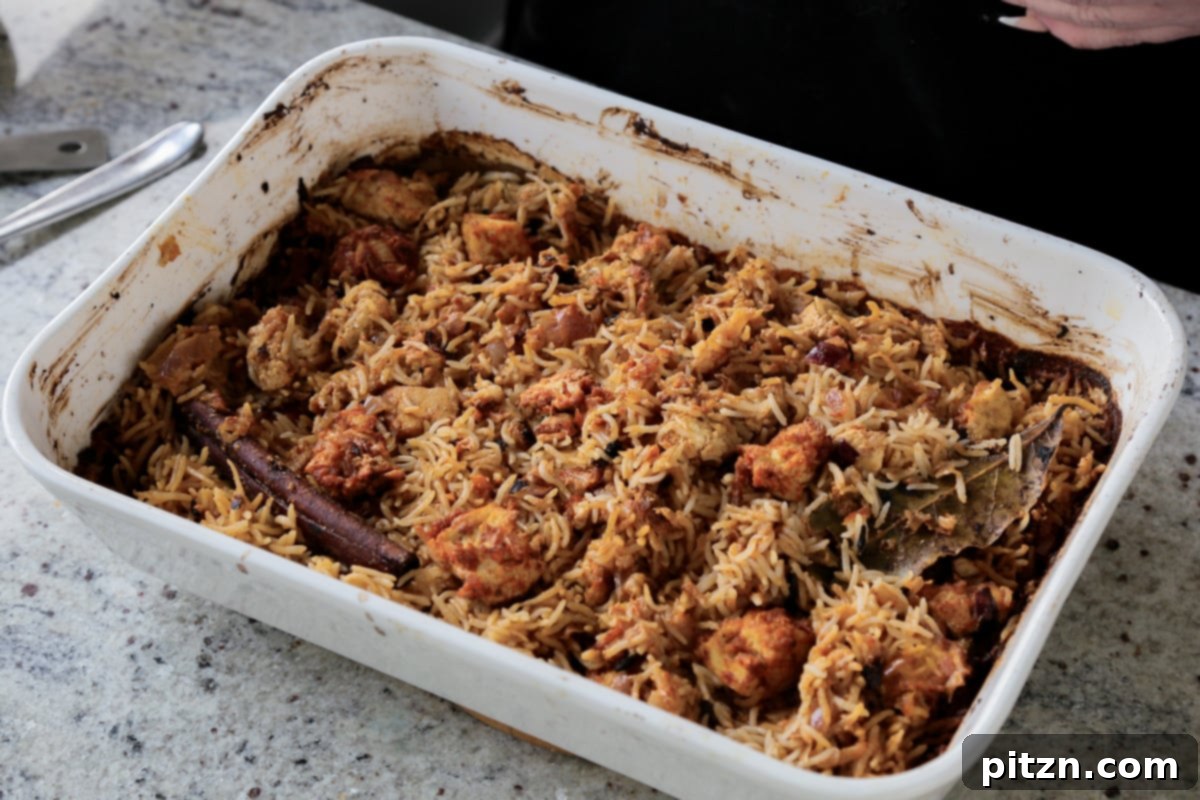
Serve your magnificent Lucknowi Biryani immediately with a cooling side of raita (refer to the tips section for the easy recipe) or plain non-dairy yogurt for a complete and satisfying meal.

Frequently Asked Questions
Yes, our Lucknowi Biryani recipe is naturally gluten-free. We also provide several simple modifications to cater to other common allergies.
- To make this recipe entirely nut-free, simply omit the roasted cashews used as a topping and ensure that the non-dairy yogurt you choose is certified nut-free.
- For a soy-free version, substitute the regular tofu with a soy-free alternative like chickpea tofu or pumpkin seed tofu. You can also opt for soy-free vegan chicken substitutes, or use other plant-based proteins such as chickpeas, jackfruit, or seitan, adjusting cooking times as needed.
Absolutely! Achieving an oil-free biryani with this recipe is straightforward. Instead of using oil, simply line your baking pan with parchment paper to prevent sticking. The remaining ingredients and cooking steps can be followed as written, and you will still achieve a wonderfully flavorful biryani without any added oil.
Leftover Lucknowi Biryani can be stored in an airtight container in the refrigerator for up to 3 days. To reheat, you can gently warm it in a microwave or on the stovetop over low heat, adding a splash of water or vegetable broth to prevent drying out and to help steam the rice back to its fluffy texture. Cover while reheating for best results.
For the most authentic and aromatic biryani, we highly recommend using high-quality, long-grain Indian white basmati rice. Brands like Royal Extra Long or India Gate XL are excellent choices. The long grains cook up fluffy and separate, absorbing the complex flavors beautifully without becoming sticky or mushy.