
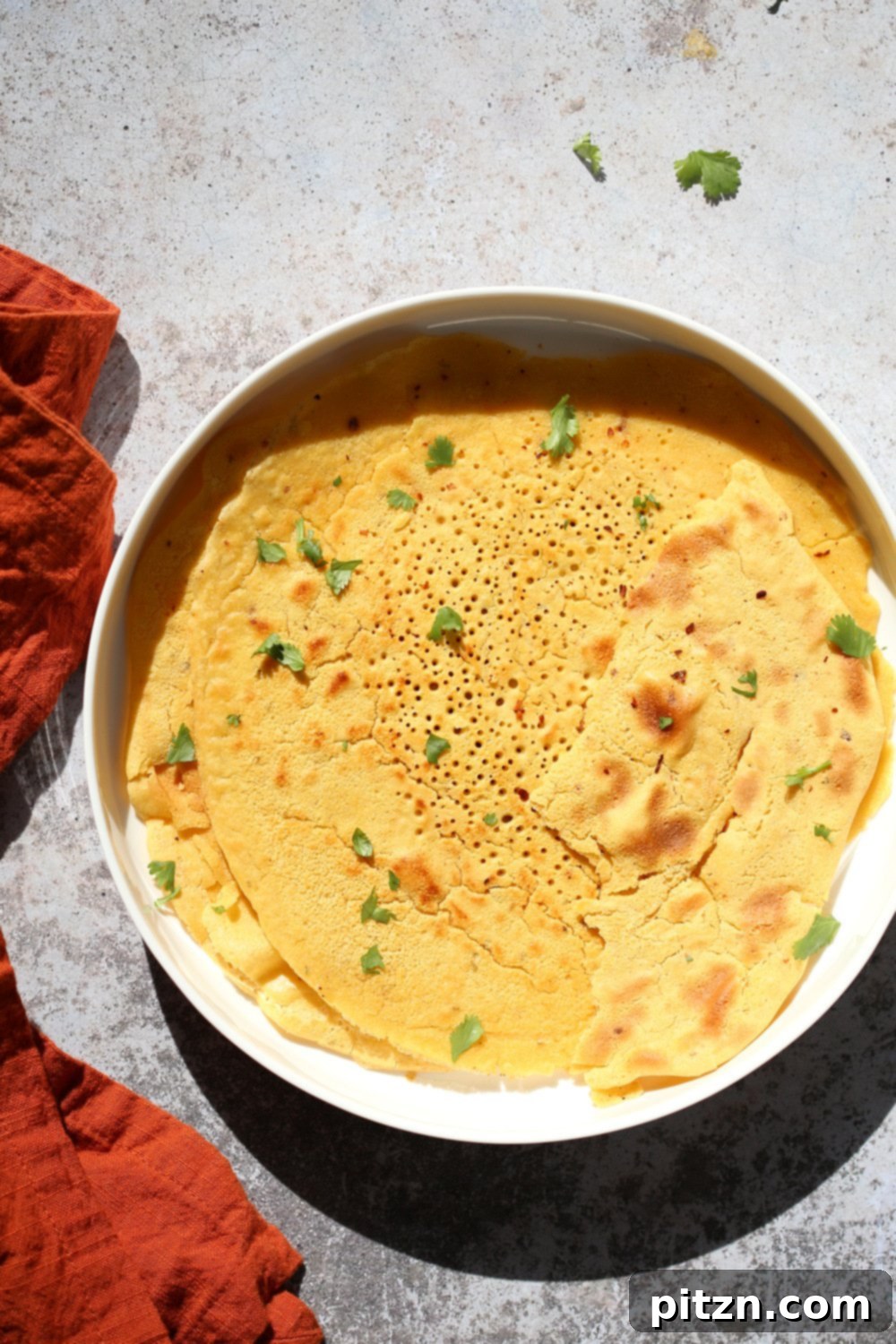
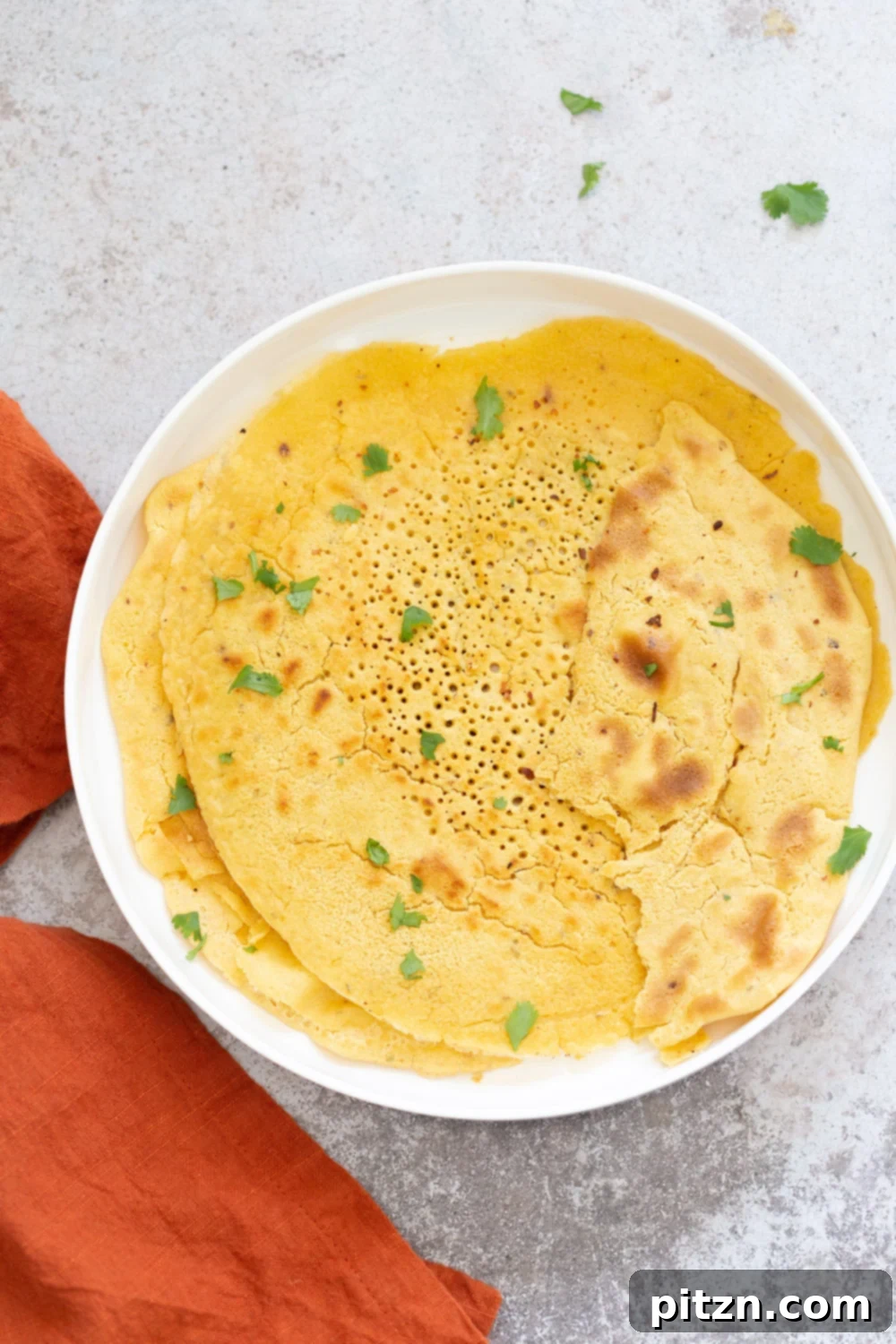
Welcome to the ultimate guide for creating a truly delightful and versatile dish: Easy Vegan Socca, also known as Chickpea Flatbread. This savory, gluten-free, and inherently vegan flatbread is a culinary marvel that requires minimal effort, just one bowl, and a handful of simple ingredients. It’s naturally grain-free, soy-free, and nut-free, making it an excellent choice for a wide range of dietary preferences and allergies. Prepare to discover your new favorite staple that’s as simple to make as it is delicious to eat. From a quick snack to a creative pizza base, this chickpea flatbread recipe opens up a world of possibilities in your plant-based kitchen.
Jump to Recipe
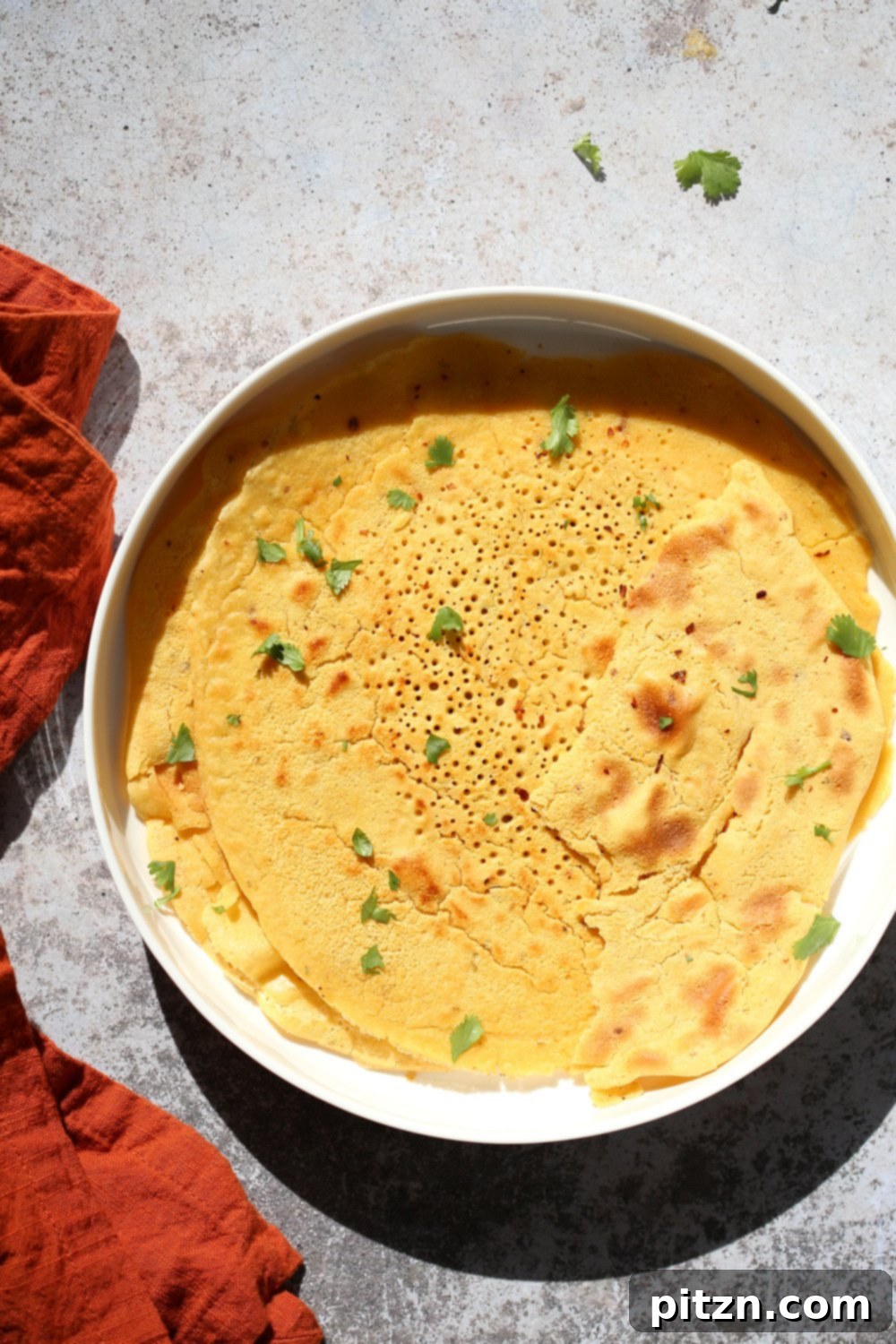
What is Socca? A Culinary Journey of Chickpea Flatbread
Socca is a traditional, thin, unleavened pancake or flatbread, originating from the Mediterranean regions of France (specifically Nice) and Italy (where it’s known as Farinata or Cecina in Tuscany, or Fainâ in Liguria). It’s lovingly crafted from chickpea flour, water, and olive oil, often seasoned with salt and pepper. This humble yet incredibly flavorful dish has a rich history, dating back centuries, and is a staple street food in many parts of its native lands. Its appeal lies not only in its delicious taste and satisfying texture—crispy on the outside, tender on the inside—but also in its remarkable simplicity and inherent dietary benefits.
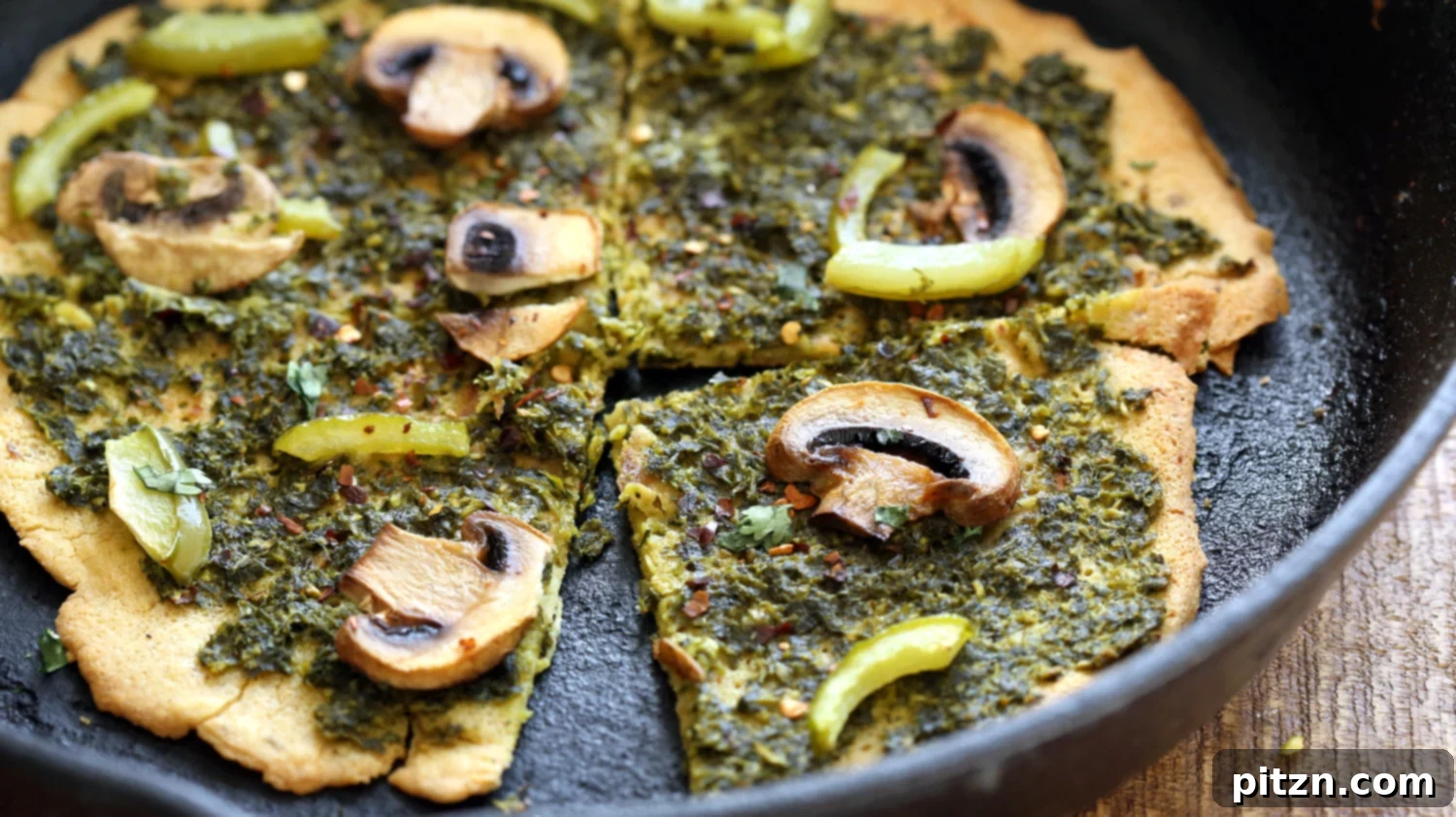
While Socca is typically thin, it can be adapted to be thicker, resembling a dense pancake or even a small loaf, depending on regional variations and personal preference. Its natural gluten-free and grain-free composition makes it an exceptional alternative to wheat-based breads for those with sensitivities or seeking lighter options. Beyond being enjoyed on its own or with a simple drizzle of olive oil, Socca serves as an incredibly versatile base. Imagine it as a canvas for savory toppings, transforming into a quick and healthy pizza base, or even as a sturdy wrap for your favorite fillings. The magic of chickpea flour, a truly versatile and globally cherished ingredient, makes all this possible!
Why You’ll Love This Easy Vegan Socca Recipe
This vegan socca recipe stands out for its incredible ease and versatility. If you’re looking for a healthy, quick, and satisfying meal component that aligns with a plant-based lifestyle, look no further. It requires minimal preparation, typically just 10 minutes of active work, followed by a brief resting period for the batter, which is crucial for the best texture. The primary ingredients are chickpea flour and water, combined with salt, aromatic rosemary, and a touch of pepper flakes for a burst of flavor. While baking is an option, the skillet method offers a quicker and more hands-on approach, allowing you to perfectly control the crispiness and thickness to your liking. This adaptability makes it perfect for busy weeknights or relaxed weekend brunches.
Beyond its simple preparation, this socca is a nutritional powerhouse. Chickpea flour is rich in protein and fiber, contributing to satiety and digestive health. As a naturally gluten-free, grain-free, soy-free, and nut-free dish, it caters to a wide array of dietary needs without compromising on taste or texture. You can enjoy slices of socca with your favorite dips, a generous drizzle of olive oil, or elevate it into a gourmet experience by topping it with fresh pesto or chimichurri, an assortment of colorful vegetables, and a quick bake for a delectable pesto pizza. Chickpea flour, also known as garbanzo bean flour, is now widely available in most grocery stores and online, making this delicious flatbread accessible to everyone.
 Essential Ingredients for Perfect Socca Bread
 Essential Ingredients for Perfect Socca Bread
Creating delicious socca requires just a few basic ingredients, but understanding each component and potential variations is key to a perfect outcome. Here’s a closer look at what you’ll need:
- Chickpea Flour (Garbanzo Bean Flour): This is the star of our show and the main ingredient. Ensure you use high-quality chickpea flour for the best flavor and texture. It’s now readily available in the baking aisle of most major grocery stores or can be conveniently purchased online. Its unique properties give socca its signature earthy taste and wonderful crisp-yet-tender consistency.
- Salt, Herbs, and Pepper Flakes: These ingredients are crucial for infusing flavor into your socca. Salt enhances all the other flavors, while rosemary provides an authentic Mediterranean aroma. Red pepper flakes add a subtle hint of warmth and spice. Feel free to experiment with other herbs and spices to customize your socca; dried oregano, thyme, garlic powder, or a pinch of smoked paprika can offer delightful variations.
- Oil: A teaspoon of oil, typically olive oil, is added to the batter to help achieve a crispier result. While optional, it’s highly recommended for that desirable golden-brown exterior. You’ll also need a bit more oil for cooking on the skillet, preferably a neutral oil like avocado or grapeseed, or more olive oil for robust flavor.
- Water: The amount of water is critical for achieving the right batter consistency. Chickpea flour can vary in how much moisture it absorbs, depending on its grind and how densely it’s packed. Start with the recommended amount and adjust gradually. For thicker, softer pancakes, use a slightly thicker batter. For a crispy, crepe-like socca, a thinner batter is ideal. The goal is a smooth, pourable consistency, similar to thin pancake batter.
- Important Note: Besan vs. Chickpea Flour: It’s vital to understand that Indian Besan, while sometimes labeled as chickpea flour, is typically made from brown chickpeas (or chana dal – split brown chickpeas) or a blend of split chickpeas and split peas. True chickpea flour, or garbanzo bean flour, is made from white chickpeas. Besan is often much finer ground and absorbs less water. If substituting with besan, start with less water (around 3/4 cup for this recipe) and add more slowly until you reach the desired smooth batter consistency. The taste might also differ slightly, with besan having a slightly nuttier, more intense flavor.
Crafting Your Socca: Step-by-Step Skillet Method with Visual Guidance
Making socca on a skillet is an incredibly satisfying and straightforward process. Follow these detailed steps to achieve perfect chickpea flatbread every time.
First, begin by accurately measuring your chickpea flour. As mentioned, the absorbency can vary. While 1 cup of water is generally a good starting point for 1 cup of flour, be prepared to adjust. Having extra flour or water on hand allows for precise batter consistency adjustments later.
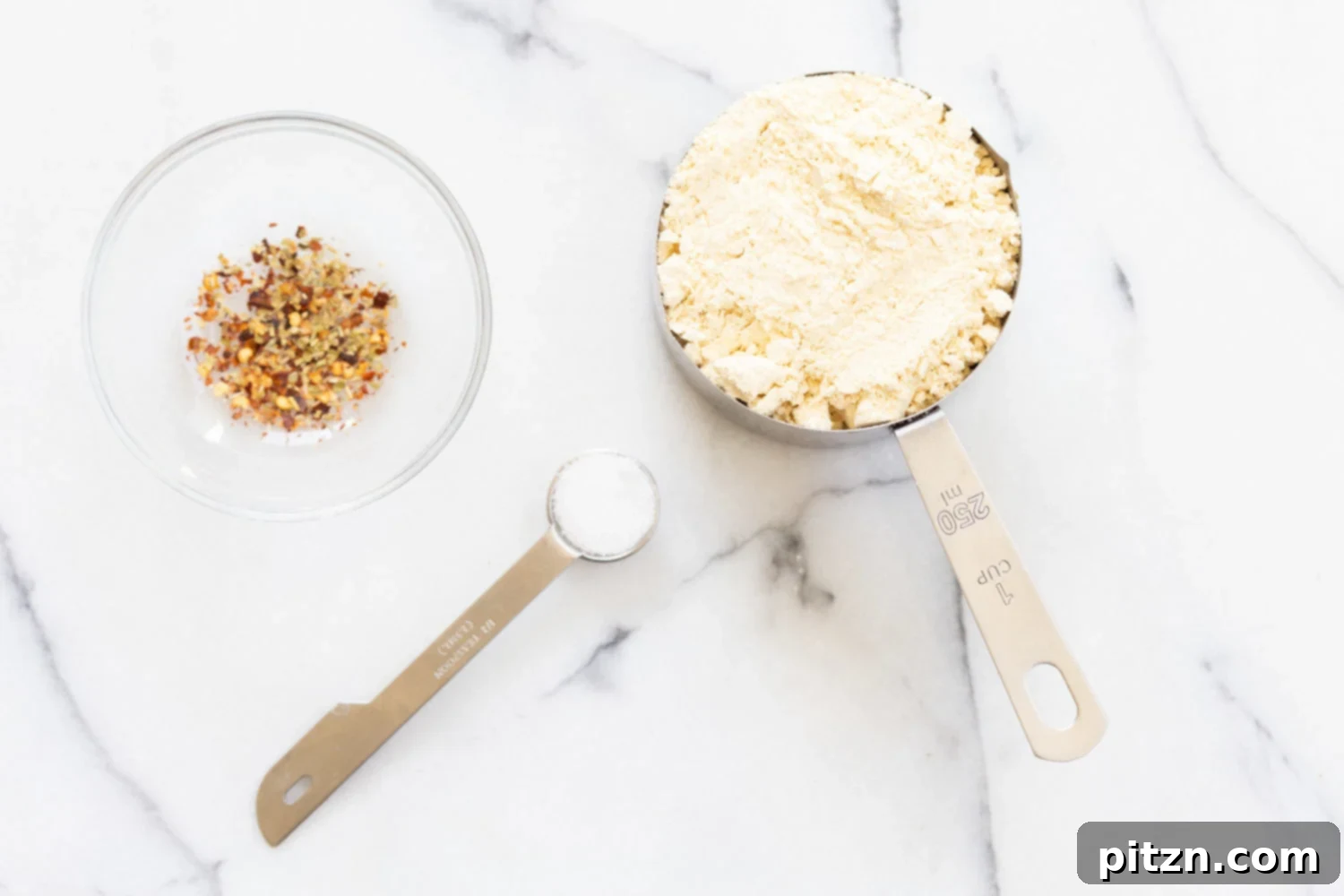
In a medium-sized mixing bowl, combine the measured chickpea flour with salt, pepper flakes, and rosemary. Whisk these dry ingredients thoroughly to ensure an even distribution of flavor. Then, add the specified amount of oil and approximately 3/4 cup of water. Using a whisk, vigorously mix the ingredients until a smooth batter forms. If the batter appears too thick, gradually add more water, one tablespoon at a time, until it reaches a pourable, slightly thinner consistency for crispier socca, or a thicker, pancake-like consistency for a softer result. Ensure there are no lumps.
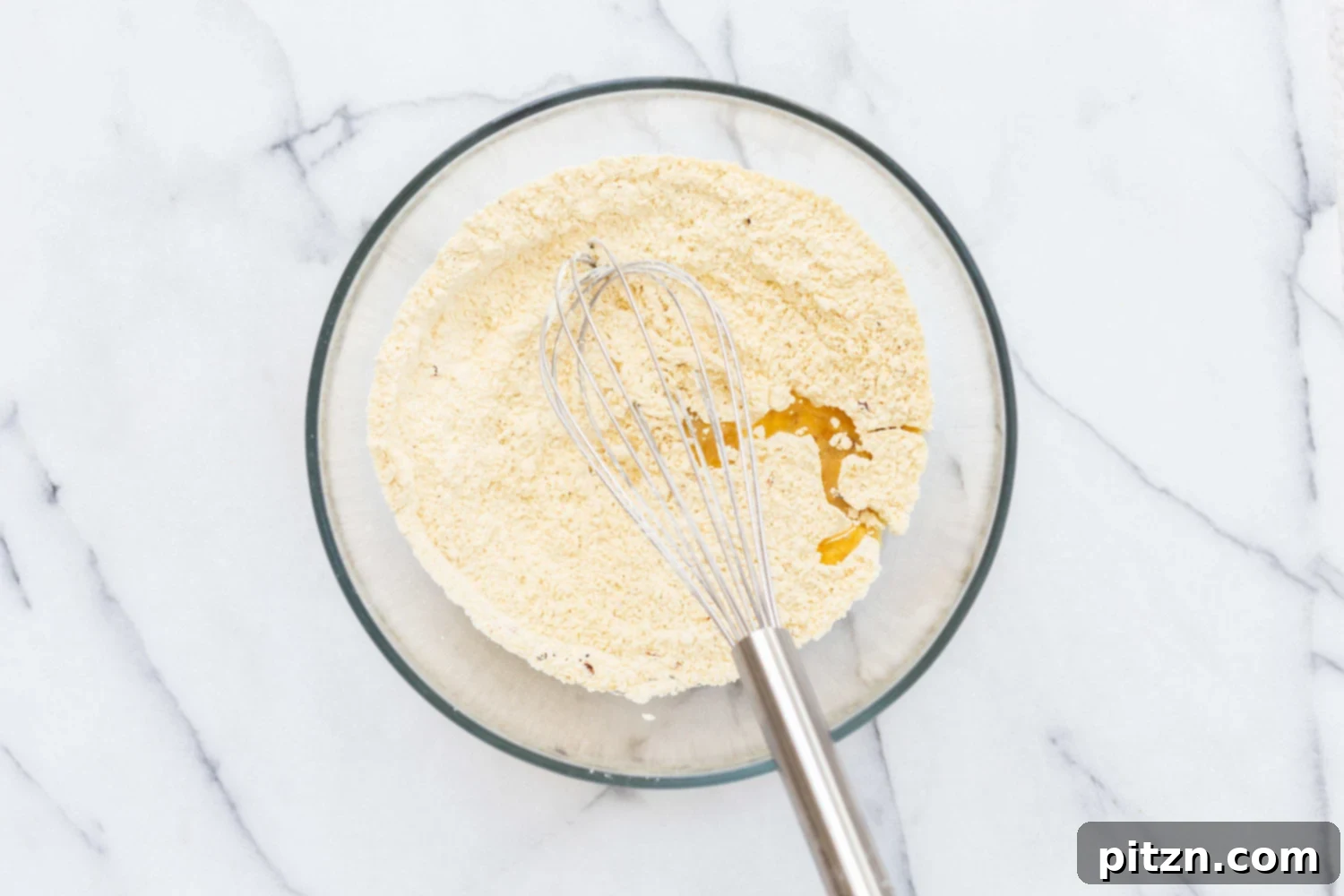
Once your batter is smooth, cover the bowl and let it rest for at least 30 minutes, or even overnight in the refrigerator. This resting period is crucial for allowing the chickpea flour to fully hydrate and absorb the moisture evenly. This process yields a smoother batter, which in turn results in a more uniformly textured and delicious socca, preventing any potential grittiness. Don’t skip this step for the best results!
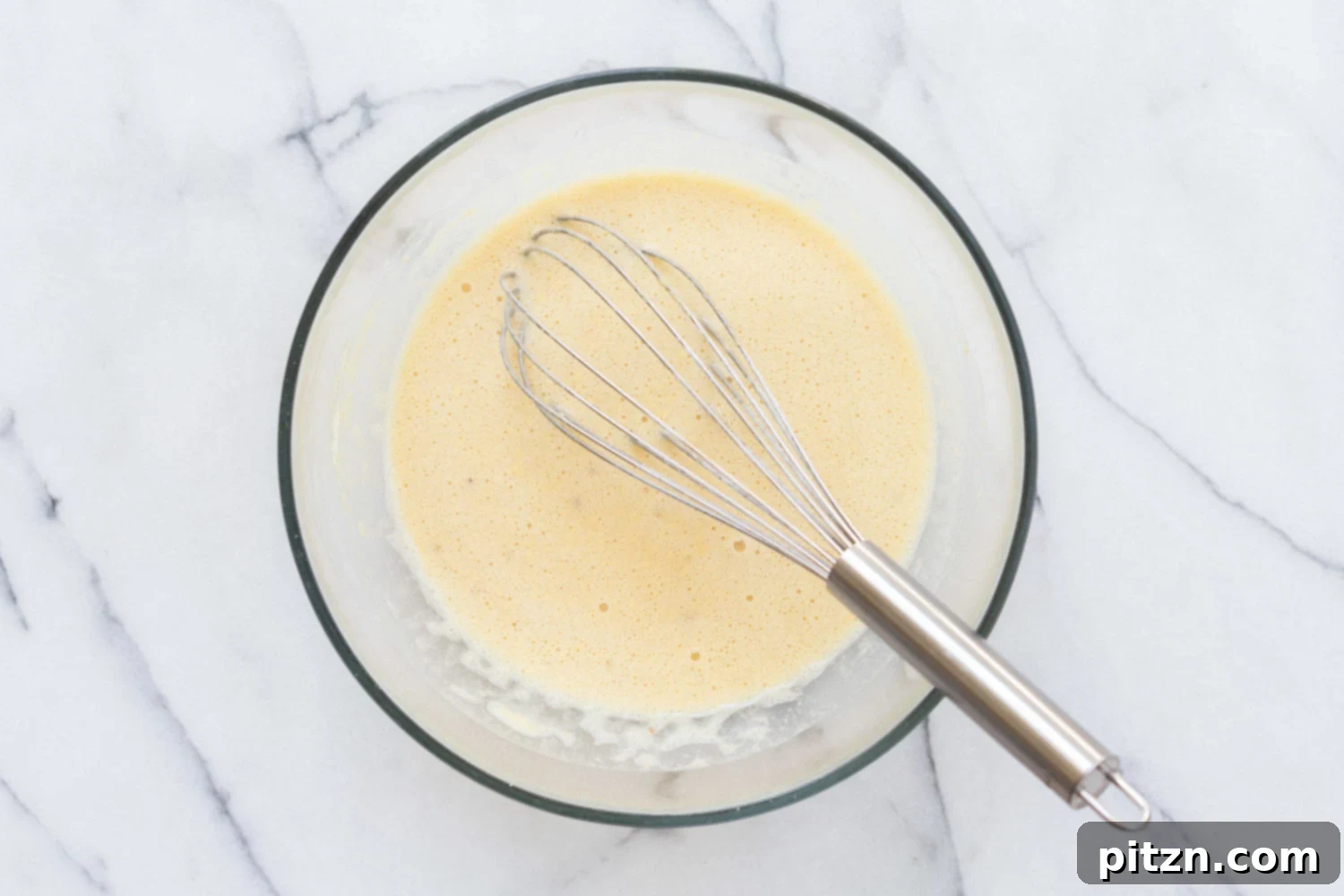
When ready to cook, heat a well-seasoned cast iron skillet or a good quality non-stick skillet over medium heat. It’s essential that the pan is adequately hot to prevent sticking and ensure a crispy finish. Add a few drops of oil to the hot skillet and spread it evenly. Pour a ladle-full of the rested batter into the hot pan, tilting the skillet to spread it into a thin, even circle, similar to a crepe or pancake. Cook for about 4 to 6 minutes, or until the edges begin to crisp, and the top surface appears dry and firm. This is a crucial indicator that it’s ready to be flipped. If the socca is still sticking when you try to loosen it with a spatula, it needs more cooking time. Be patient, let it cook a bit longer, then try again. Once loosened, flip the flatbread and cook for another 2 to 3 minutes on the second side until it’s golden brown and cooked through. The exact cooking time will vary based on your pan, stove, and the thickness of your batter. Repeat with the remaining batter, adding a touch more oil to the pan as needed.
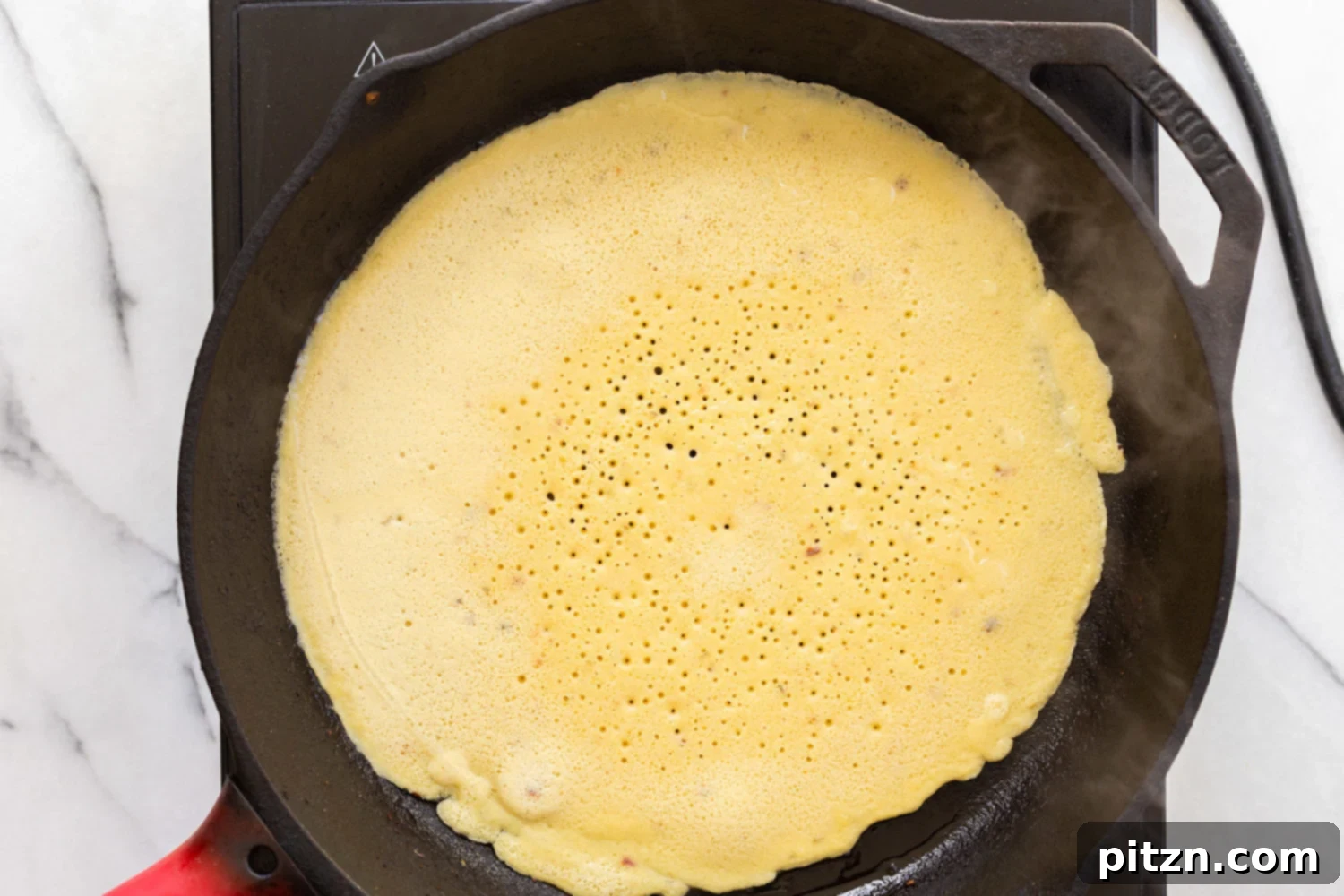
Choosing the Right Skillet for Chickpea Flour Flatbread, Pancake, or Crepe
The type of skillet you use can significantly impact the success of your chickpea flour creations. Chickpea flour batter, like many flour-based batters, has a tendency to stick, especially if the pan isn’t quite right or properly prepared.
- Seasoned Cast Iron: Without a doubt, a well-seasoned cast iron skillet, when heated properly, is the gold standard for cooking chickpea flour batter. Its even heat distribution and naturally non-stick surface (once adequately seasoned) create the perfect environment for achieving that desirable crispy exterior and tender interior. Ensure your cast iron is thoroughly heated before adding the batter.
- Good Quality Non-Stick Skillets: A thick-bottomed, high-quality non-stick skillet can also yield excellent results. However, non-stick coatings can degrade over time, especially with frequent use for diverse cooking tasks like stir-frying or general sautéing that involve stirring and scraping. For the best performance and longevity of the non-stick properties, it is highly recommended to dedicate a specific non-stick skillet solely for pancakes, crepes, and flatbreads made from batter. This prevents the wear and tear from other cooking methods that can compromise the non-stick surface. If you find your socca consistently sticking despite a well-heated pan and appropriate batter consistency, it might be a sign that your non-stick pan has seen better days and it’s time for a replacement. A dedicated pan ensures consistent success and a hassle-free cooking experience.
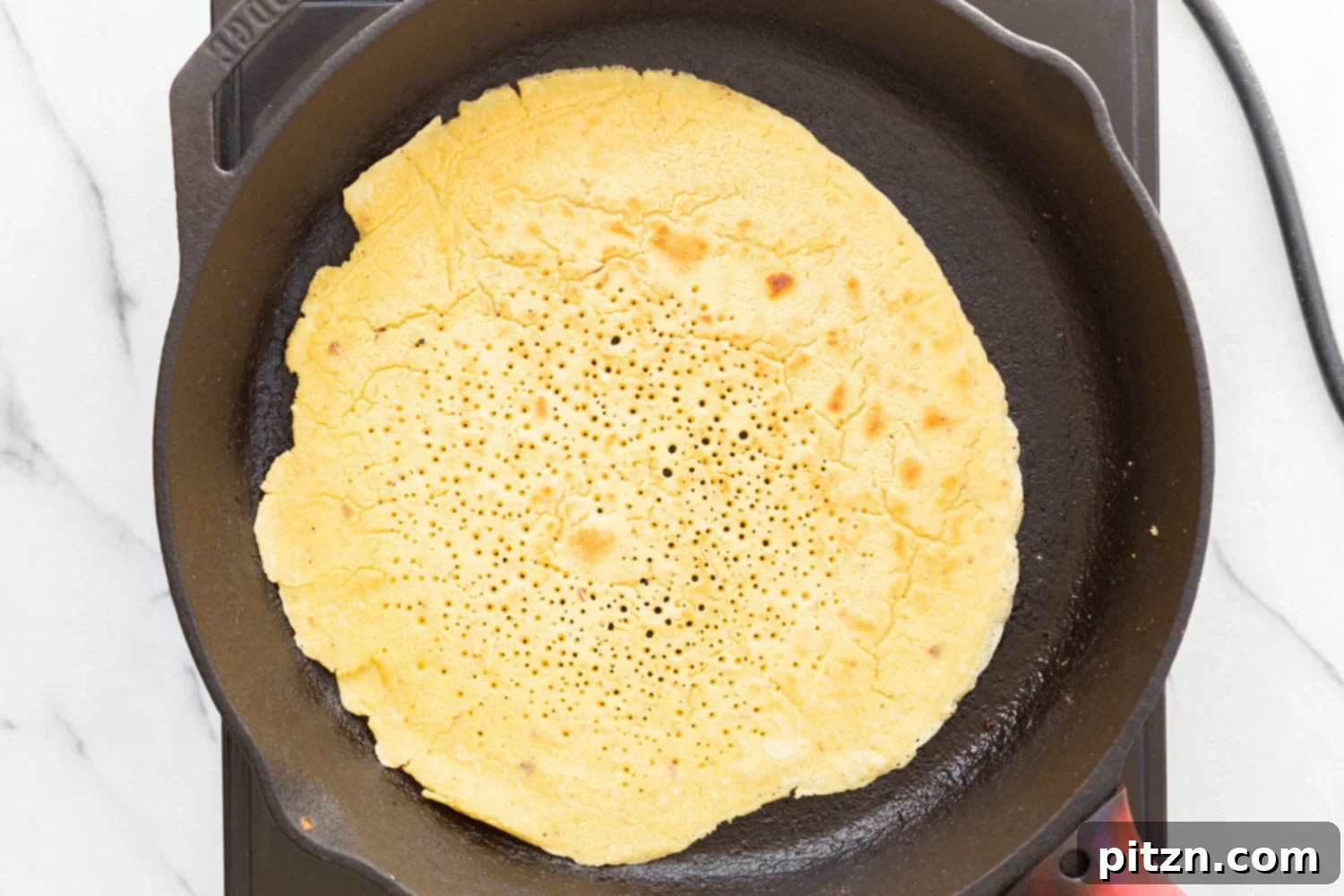
Storage and Reheating Tips for Socca Bread
Freshly made socca boasts the best flavor and texture—crispy on the outside, soft on the inside. However, you can certainly prepare it ahead of time. Store cooked socca bread covered lightly with a towel on your counter for up to a day to maintain some of its texture. For longer storage, cooked socca can be refrigerated in an airtight container for up to 3-4 days. To reheat, simply place it back on a dry, hot skillet for a few minutes until warmed through and re-crisped, or briefly in a toaster oven. Avoid microwave reheating, as it can make the socca soft and chewy.
For optimal freshness, a better strategy is to store the batter instead of the cooked flatbread. The prepared socca batter can be covered and refrigerated for up to 2 days. This allows you to cook fresh socca as needed, ensuring the best possible taste and texture whenever you desire this delightful chickpea flatbread. Just give the batter a good whisk before cooking if it has settled.
Beyond Socca: More Delicious Gluten-Free Chickpea Flour Recipes
Chickpea flour is a powerhouse ingredient, offering incredible versatility in gluten-free and vegan cooking. If you’ve enjoyed making this socca, you’re in for a treat with these other fantastic chickpea flour recipes, all naturally gluten-free and packed with flavor. Explore the diverse possibilities and expand your culinary repertoire:
- Gluten-Free Naan: A soft, pliable flatbread perfect for scooping up curries or dips.
- Indian Chickpea Flour Pancakes – Chilla: Savory, spiced pancakes that make a wonderful breakfast or light meal.
- Chickpea Flour Frittata: A hearty and impressive egg-free frittata that’s perfect for brunch.
- Cauliflower Flatbread: A grain-free flatbread combining the goodness of cauliflower with chickpea flour.
- Chickpea Flour “Egg” Scramble: A quick and easy vegan alternative to scrambled eggs, ideal for a protein-rich breakfast.
- Chickpea Flour Tofu – Soy-Free Tofu: Learn how to make your own firm, soy-free tofu using just chickpea flour.
- Chickpea Flour Fluffy Omelet: Another fantastic egg-free option, yielding a surprisingly fluffy and satisfying omelet.
Socca Recipe (Chickpea Flatbread)
Equipment
-
Cast iron skillet
-
spatula
Ingredients
- 1 cup chickpea flour, (garbanzo bean flour)
- 1/2 tsp salt
- 1/4 tsp pepper flakes, or to taste
- 1/2 tsp rosemary
- 1 tsp oil, , plus more for cooking.(I use olive oil in the batter and a neutral oil for cooking)
- 1 cup water
Instructions
-
Mix all the dry ingredients in a bowl until well combined.
-
Add the oil and 3/4 cup water, then whisk to create a thick, smooth batter. Adjust water as needed for preferred consistency (thicker for pancakes, thinner for crispy crepes). Cover and let the batter rest for at least half an hour, or refrigerate overnight.
-
Stovetop Method: Heat a cast iron skillet over medium heat until hot. Add a few drops of oil and spread evenly. Pour a ladle-full of batter onto the skillet. Cook for 4 to 6 minutes until the top is dry and the edges are firm. If sticking, allow to cook longer. Flip and cook for an additional 2 to 3 minutes until golden and crisp.
-
Baking Method: Preheat your oven to 450°F (230°C). Place the cast iron skillet in the oven for 20 minutes to heat up. Carefully remove the hot skillet, drizzle with oil, and pour the batter onto it, spreading evenly. Bake for 8 to 12 minutes, depending on thickness. For a pizza, add toppings now and bake for another 3-5 minutes. For extra crispiness, you can carefully flip the socca and bake for another 3 to 5 minutes.
-
Serve socca immediately, either as is, sliced as a flatbread with dips, or alongside soups. Store cooked socca covered with a towel on the counter for the day, or refrigerate for up to 3 days. For best results, store batter (refrigerated for up to 2 days) and cook fresh as needed.
Notes
** You can easily adjust the batter consistency at any time by whisking in 1 tablespoon of extra flour (if too thin) or 1 tablespoon of extra water (if too thick) until your desired consistency is achieved.
Nutrition information is calculated for 1 serving of Socca.
Nutrition
Nutrition information is automatically calculated, so should only be used as an approximation.
Did you make this recipe? Rate and comment below!