
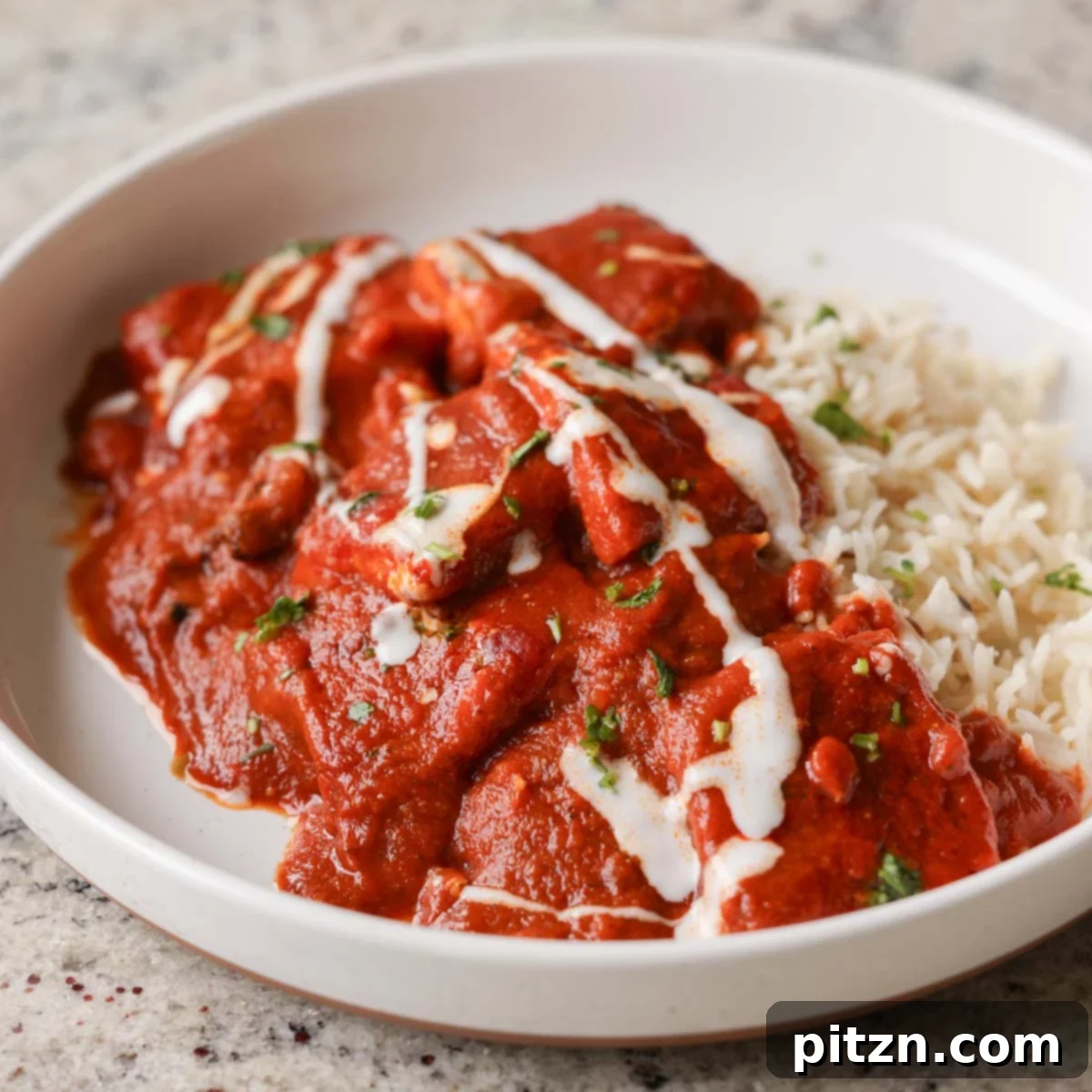
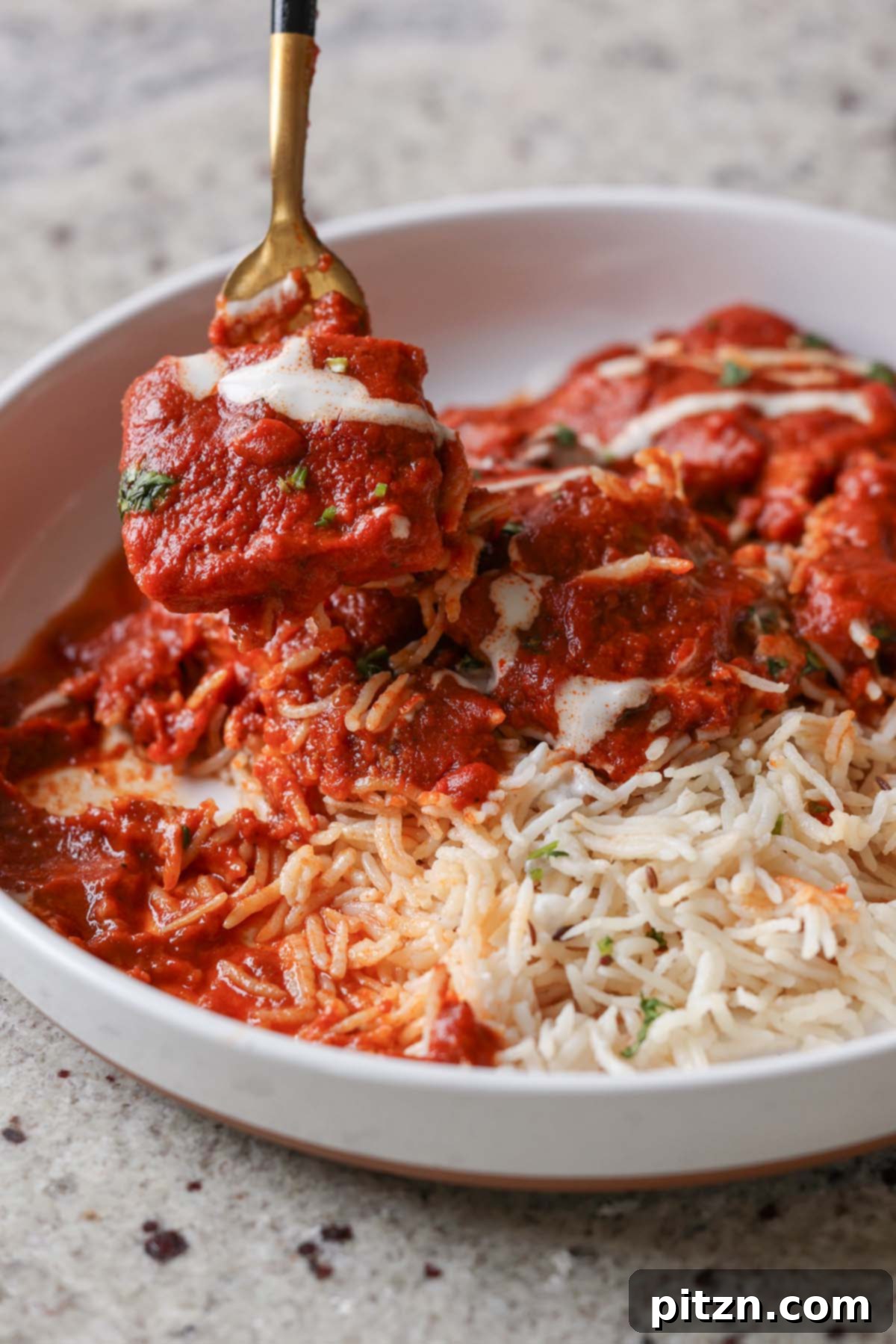
Embark on a culinary journey to the vibrant northern regions of India with this exquisite **Vegan Kashmiri Lal Tofu**. This dish is a plant-based homage to the revered North Indian classic, Kashmiri Lal Paneer, replacing traditional dairy paneer with perfectly pan-seared tofu. Each bite delivers an aromatic, fiery, and deeply flavorful experience, thanks to a rich tomato-based curry infused with the unique essence of Kashmiri chili.
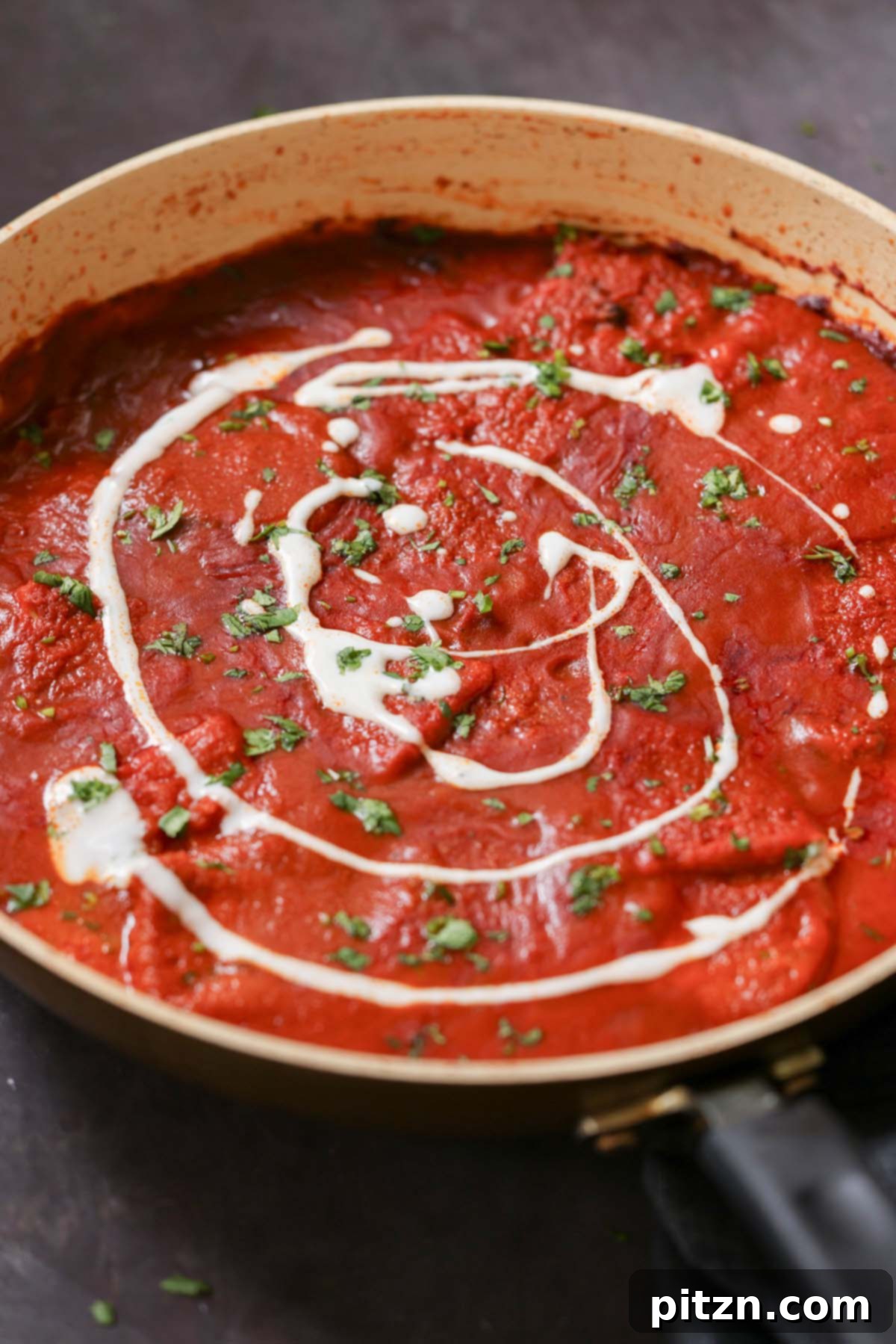
Table of Contents
- Unveiling Kashmiri Lal Tofu: A Culinary Gem
- Why You’ll Love This Vegan Kashmiri Delicacy
- Exploring Kashmiri Cuisine and the Magic of ‘Lal’
- Essential Ingredients for Kashmiri Lal Tofu
- Pro Tips for Perfect Kashmiri Lal Tofu
- Step-by-Step Guide to Making Vegan Kashmiri Lal Tofu
- What to Serve with Kashmiri Lal Tofu
- Frequently Asked Questions
- More North Indian Curries
- Kashmiri Lal Tofu (Tofu in Kashmiri Chili Tomato Curry Sauce) Recipe Card
Unveiling Kashmiri Lal Tofu: A Culinary Gem
Kashmiri Lal Tofu, often referred to as Lal Chaman in its traditional paneer form, is more than just a dish; it’s a celebration. Originating from Kashmir, India’s breathtaking northernmost state nestled in the Himalayas, this curry is traditionally reserved for grand occasions, festive gatherings, weddings, and special feasts known as “Wazwan.” Its signature characteristic is its vibrant, deep red hue – “Lal” meaning red – derived from the generous use of authentic Kashmiri chili powder. This unique spice is celebrated for imparting a striking color and distinct flavor without an overwhelming heat, making it a cornerstone of Kashmiri cuisine.
My version thoughtfully simplifies the preparation without compromising the rich, authentic flavors. While Kashmir’s high-altitude climate sometimes limits the availability of fresh produce, traditional recipes can vary. Some versions utilize an abundance of fresh aromatics like onions, garlic, ginger, and tomatoes, while others, particularly those from more remote areas, might omit them, relying instead on a precise blend of spices and a touch of yogurt for the sauce. I’ve chosen a balanced approach, incorporating onions and dried aromatics like ground ginger and garlic powder, enhancing flavor depth while streamlining the cooking process for the home chef.
To further enrich the flavor profile, this recipe draws inspiration from other renowned Kashmiri dishes, like their flavorful chicken curries, by incorporating a wider array of whole and ground spices. Don’t be deterred if you’re missing one or two spices; the dish will still be incredibly delicious and rewarding. The beauty of this curry lies in its complex yet harmonious blend, creating a sauce that is truly addictive. It’s a wonderful way to explore the diverse and rich tapestry of regional Indian cuisine, simplified for your kitchen.
This versatile “Lal” sauce isn’t limited to tofu; it provides an incredible base for various proteins such as chickpeas, kidney beans, vegan chicken pieces, or even soy curls. The intensity of the sauce can be adjusted to your preference. Kashmiri chili powder brands can vary in heat, and black pepper adds its own kick. If you find your curry too spicy, a swirl of cashew cream or non-dairy yogurt can beautifully mellow the heat. Beyond a main course, the sauce itself is so flavorful it can even be used as a marinade or a vibrant dressing, much like a peri-peri sauce!
For those eager to delve deeper into the regional flavors of India, my blog offers several other authentic Kashmiri recipes, including Kashmiri Mushrooms with an umami-rich sun-dried tomato sauce, a simple yet comforting Kashmiri Dal, and the more widely known, creamy Vegan Tofu Rogan Josh. These recipes are a testament to the incredible diversity of Indian cuisine. While some traditional Indian dishes might seem intimidating due to extensive spice lists or multiple steps, I strive to simplify them without sacrificing their authentic essence. If you’re new to vegan Indian cooking, I recommend starting with easier, quicker recipes like my One-Pan Butter Chickpeas, Palak Tofu, or Dal Tadka. Let me know which regional Indian recipes you enjoy – your feedback inspires my culinary explorations!
Why You’ll Love This Vegan Kashmiri Delicacy
- Explosive Flavor Profile: Indulge in an incredibly aromatic and flavorful tomato chili curry sauce, deeply infused with the warming spices of Kashmiri chili powder, turmeric, ginger, garlic, and cumin.
- Perfectly Textured Tofu: Enjoy crispy, pan-seared tofu pieces that are seasoned to perfection with Kashmiri chili powder and garlic powder, offering a delightful texture contrast to the rich sauce.
- Effortless One-Pan Cooking: This simplified version of a traditional Kashmiri special occasion dish comes together in approximately one hour, primarily using a single pan for convenience.
- Dietary Friendly: A naturally gluten-free recipe with easy adaptations for soy-free and nut-free diets, making it accessible for various dietary needs.
- Impressive & Satisfying: Despite its simplified preparation, this dish boasts an impressive appearance and a comforting, satisfying depth of flavor that’s perfect for entertaining or a special family meal.
Exploring Kashmiri Cuisine and the Magic of ‘Lal’
Kashmir, known as “Paradise on Earth,” offers not only breathtaking landscapes but also a unique culinary tradition. Kashmiri cuisine is distinct from other regional Indian cuisines, heavily influenced by its cold climate, diverse cultural history, and the availability of local ingredients. The region’s food is renowned for its aromatic spices, rich gravies, and the vibrant colors that adorn its dishes. “Lal,” meaning red, is a predominant color in Kashmiri cooking, and it’s almost always achieved through the use of Kashmiri chili powder.
Unlike other chili powders that primarily add heat, Kashmiri chili powder (often referred to as ‘Deggi Mirch’ when finely ground for color) is prized for its brilliant red hue and mild, fruity flavor. It allows dishes to achieve a visually stunning deep red color without making them overwhelmingly spicy, a characteristic much loved in Kashmiri households. This quality is crucial for a dish like Kashmiri Lal Tofu, where the visual appeal is as important as the taste.
This recipe thoughtfully balances traditional elements with modern cooking convenience. While classic Kashmiri Lal Paneer might involve deep-frying the paneer and sometimes the onions, our vegan tofu version opts for pan-searing the tofu and sautéing the onions until golden. This method reduces oil usage and complexity while still developing crucial flavors and textures. The slow simmering of the sauce is key to allowing the whole and ground spices to meld, creating the characteristic rich, roasted aroma and deep color that signifies a truly authentic Kashmiri curry.
Essential Ingredients for Kashmiri Lal Tofu
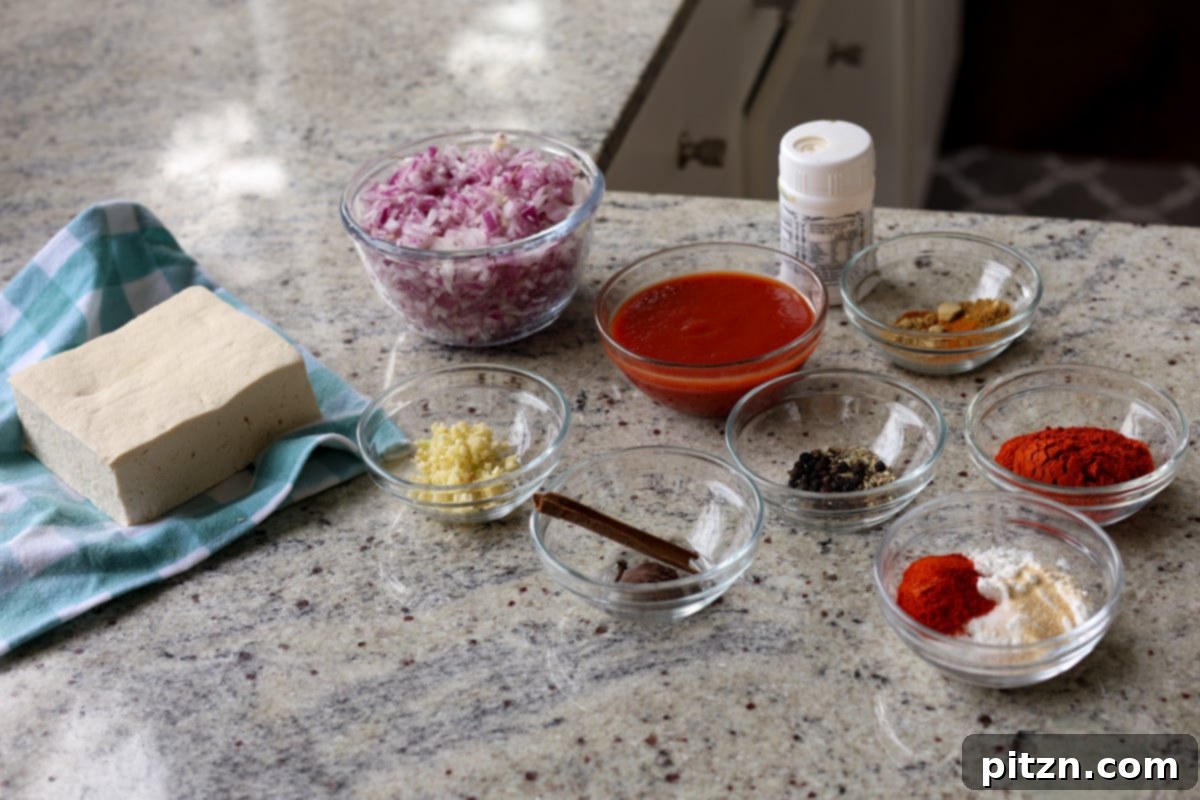
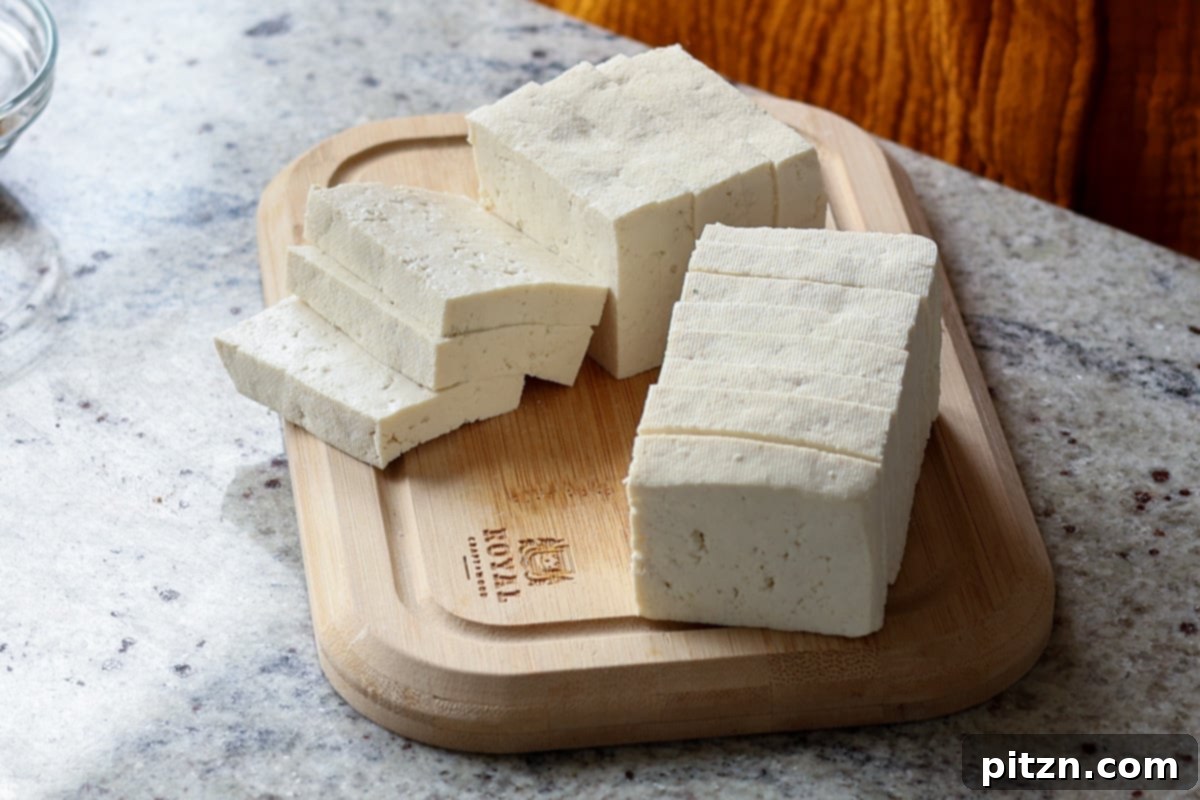
- Tofu: The star of our vegan “paneer.” Opt for firm or extra-firm tofu, ensuring it’s well-pressed to remove excess water. This step is crucial for achieving a crispy texture and allowing it to absorb the flavors. For a soy-free alternative, consider homemade chickpea flour tofu, pumpkin seed tofu, or seitan. Alternatively, you can skip the crisping step and directly add cooked chickpeas, various beans, or your favorite vegetables to the sauce for a wholesome variation.
- Ground Spices:
- For the Tofu: Kashmiri chili powder, garlic powder, salt, and cornstarch are used to create a flavorful, crispy coating.
- For the Sauce: Hing (asafoetida – optional, omit for strict gluten-free as some brands contain wheat, but it adds a lovely pungent depth), turmeric for its earthy warmth and color, ground ginger for its aromatic kick, cumin for its nutty undertones, and salt to season.
- Oil: A neutral oil like canola or sunflower oil is suitable for pan-searing the tofu and sautéing the onions. Mustard oil can also be used for a more traditional, pungent flavor if desired.
- Onion: Chopped red onion forms a crucial aromatic base, contributing sweetness and depth of flavor when sautéed until golden.
- Whole Spices: These unlock layers of complex aromas. You’ll need whole fennel seeds and black peppercorns for the initial sauté with onions. Later, black cardamom (slightly opened to release its smoky notes), whole cloves, and a cinnamon stick are added to infuse the curry with warmth and richness. If you prefer not to blend the sauce, you can substitute ground fennel and black pepper.
- Garlic: Freshly minced garlic provides essential pungent notes and umami, enhancing the overall depth of the curry.
- Tomato Puree: This forms the rich, slightly tangy base of the curry alongside the blended onions and Kashmiri chili. Canned tomato puree, tomato passata, unseasoned tomato sauce, or freshly pureed ripe tomatoes all work wonderfully.
- Garnishes: A sprinkle of fresh cilantro, a dollop of non-dairy yogurt or cream (ensure it’s nut-free for nut-free diets), and a squeeze of fresh lemon juice are perfect for brightening the flavors and adding a creamy finish.
Pro Tips for Perfect Kashmiri Lal Tofu
- Achieving Crispy Tofu: Pressing your tofu thoroughly is the first step. For an even crispier exterior, ensure your skillet is hot and the oil is shimmering before adding the tofu. Avoid overcrowding the pan to allow for proper browning, and let each side cook undisturbed until golden.
- The Art of Cooking Onions: While splashing a little water to prevent burning is fine, the goal is to sauté the onions until they are deeply golden and slightly dried out, not mushy. This caramelization is vital for the sauce’s flavor. Traditionally, onions might be deep-fried, but pan-frying to a rich golden brown achieves a similar depth of flavor more healthily.
- Patience with the Sauce: The key to a rich, aromatic Kashmiri Lal Tofu is slow simmering. Allow the sauce ample time (20-30 minutes) to cook over low heat. It’s ready when it thickens slightly, its color deepens, and a subtle sheen of oil may appear on top, indicating that the spices have bloomed and the flavors have fully melded. Even without the oil sheen, a rich, roasted aroma is a sure sign of perfection.
- Flavor Balance is Key: Don’t hesitate to taste and adjust the seasoning after simmering. A pinch of sugar can balance the tartness of the tomatoes and spices, while a squeeze of lemon juice can brighten the overall flavor profile.
- Make Ahead Magic: Like many spice-rich Indian curries, Kashmiri Lal Tofu tastes even better the next day as the flavors deepen and meld. This makes it an excellent meal prep option.
- Storage: Store leftovers in an airtight container in the refrigerator for up to 3 days. For longer storage, it freezes beautifully in a freezer-safe container for up to 3 months.
Step-by-Step Guide to Making Vegan Kashmiri Lal Tofu
1. Prepare and Cook the Tofu
Begin by pressing your firm or extra-firm tofu for at least 15 minutes to remove excess water. This step is crucial for achieving a desirable texture. Once pressed, slice the tofu into ½-inch thick and 1½-inch to 2-inch wide pieces. For a more rustic, chicken-like texture that absorbs more flavor, you can also tear the tofu into organic shapes.
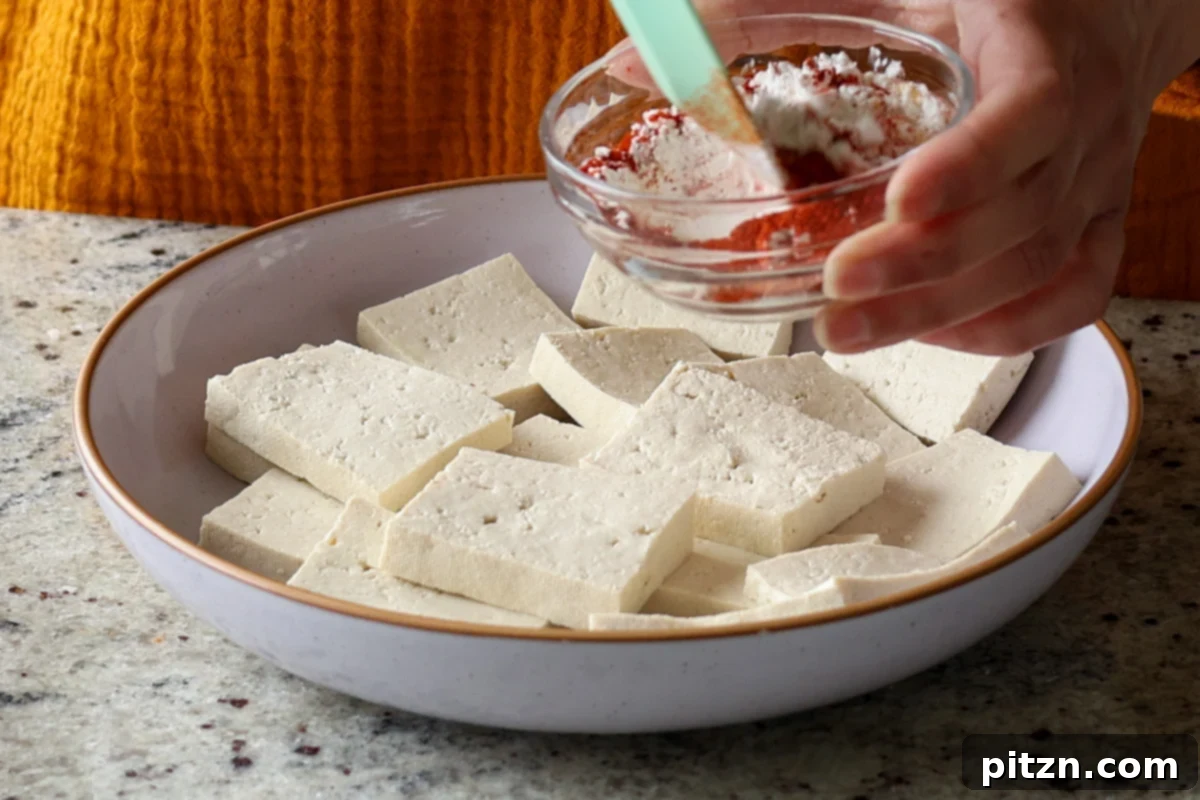
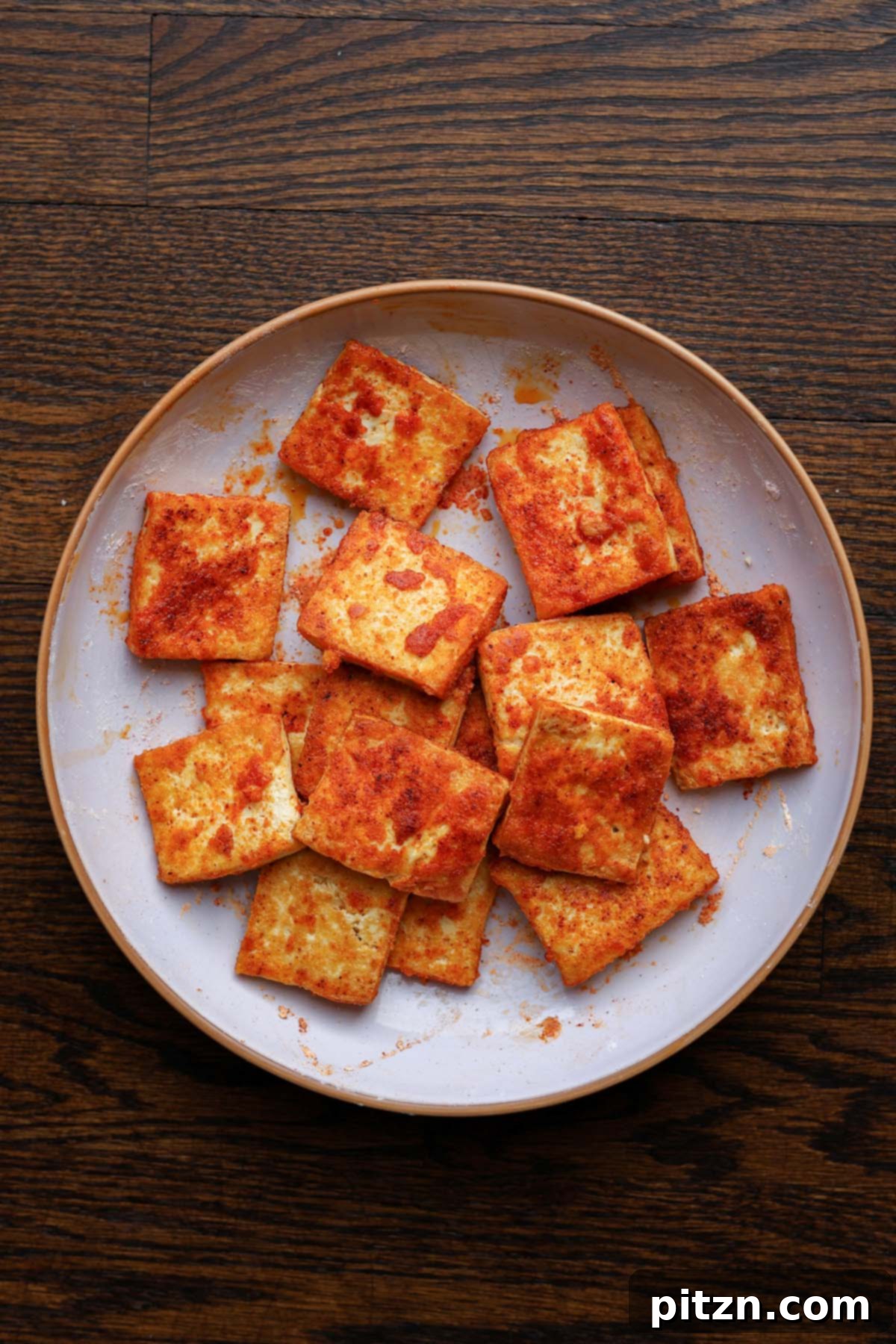
In a shallow bowl, combine 1 teaspoon Kashmiri chili powder, ½ teaspoon garlic powder, ½ teaspoon salt, and 1 tablespoon cornstarch. Mix these dry ingredients thoroughly until well combined. Add half of the tofu slices to the bowl and gently toss to coat them evenly with the spice mixture. Remove these coated slices and then add the remaining tofu to coat. If you opted for torn tofu, you can add all of it at once and toss until every piece is well-covered. Set the seasoned tofu aside.
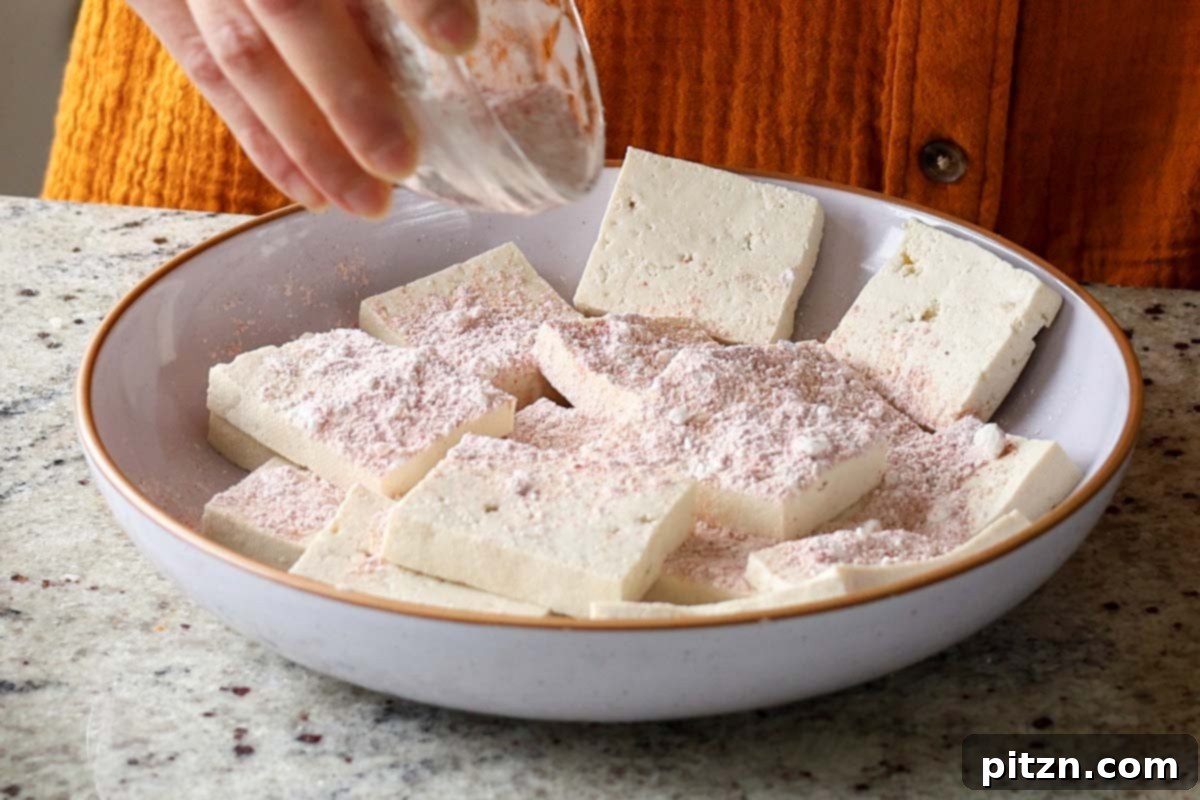
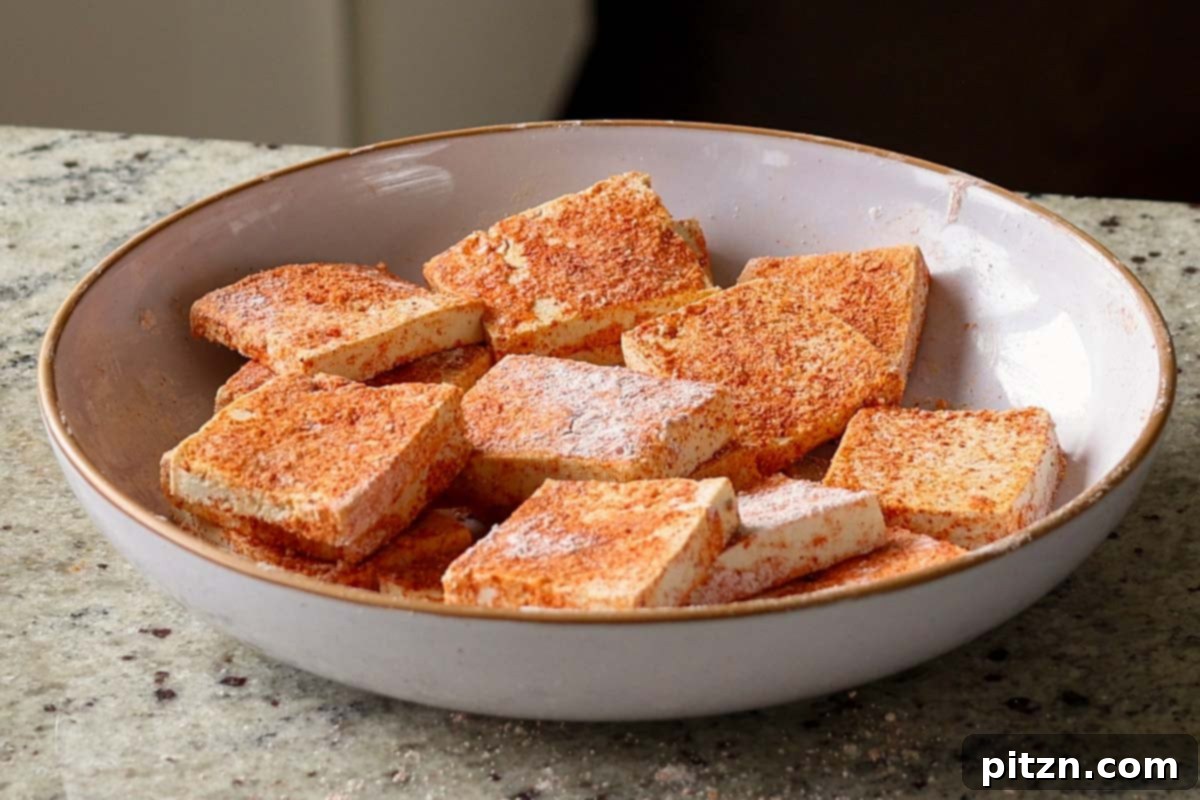
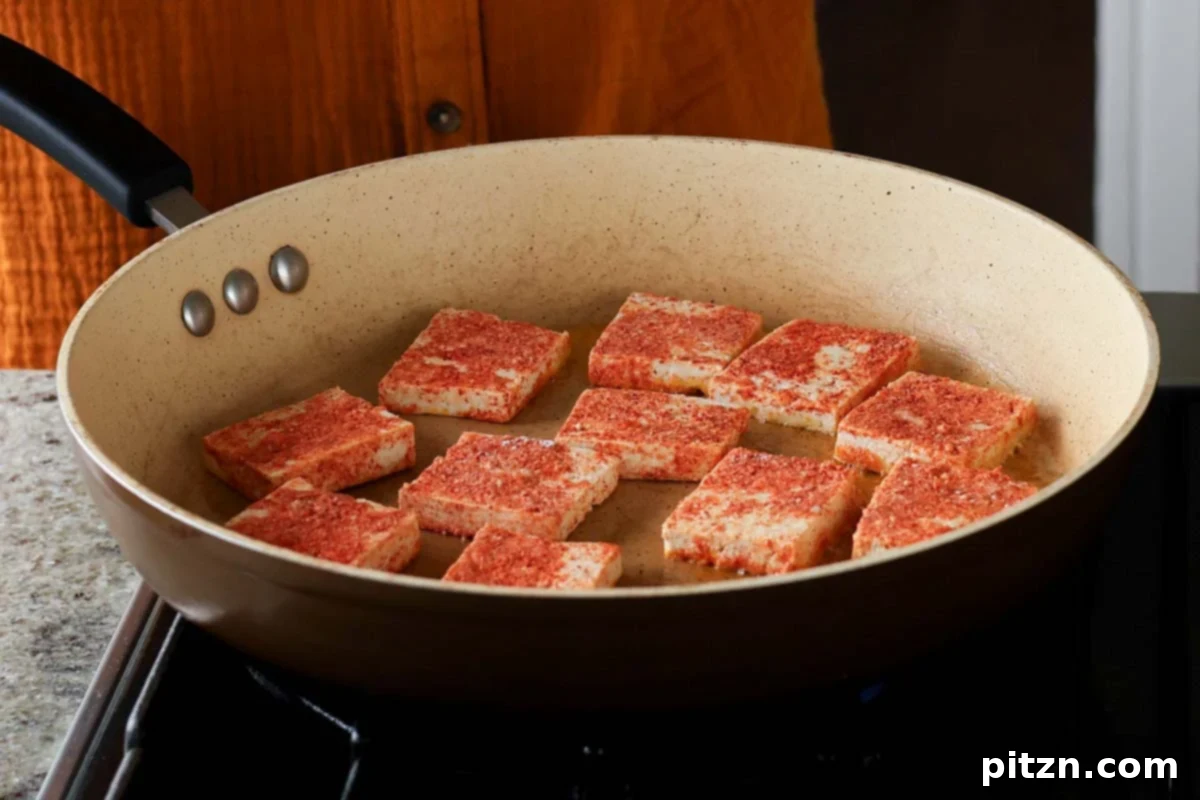
Heat a large skillet over medium-high heat. Add 2 teaspoons of mustard oil or neutral oil. Once the oil is hot and shimmering, carefully add the coated tofu pieces, spreading them evenly in a single layer. Let them cook undisturbed for 2-3 minutes, or until the bottom side turns a beautiful golden brown and develops a slight crust. Flip the tofu and cook the other side until it’s also nicely golden and somewhat browned. Once cooked, remove the crispy tofu from the skillet and set it aside.

2. Prepare the Aromatic Sauce Base
Using the same skillet, add another teaspoon of oil over medium-high heat. Introduce the whole spices: 1½ cups chopped red onion, ½ teaspoon fennel seeds, ½ teaspoon black peppercorns, and ⅛ teaspoon salt. Stir everything together and cook until the onions turn deeply golden brown, softening and caramelizing. Since we’ll be blending this mixture later, whole spices are ideal here. If you prefer a rustic sauce and don’t plan to blend, use ground fennel and ground black pepper instead.
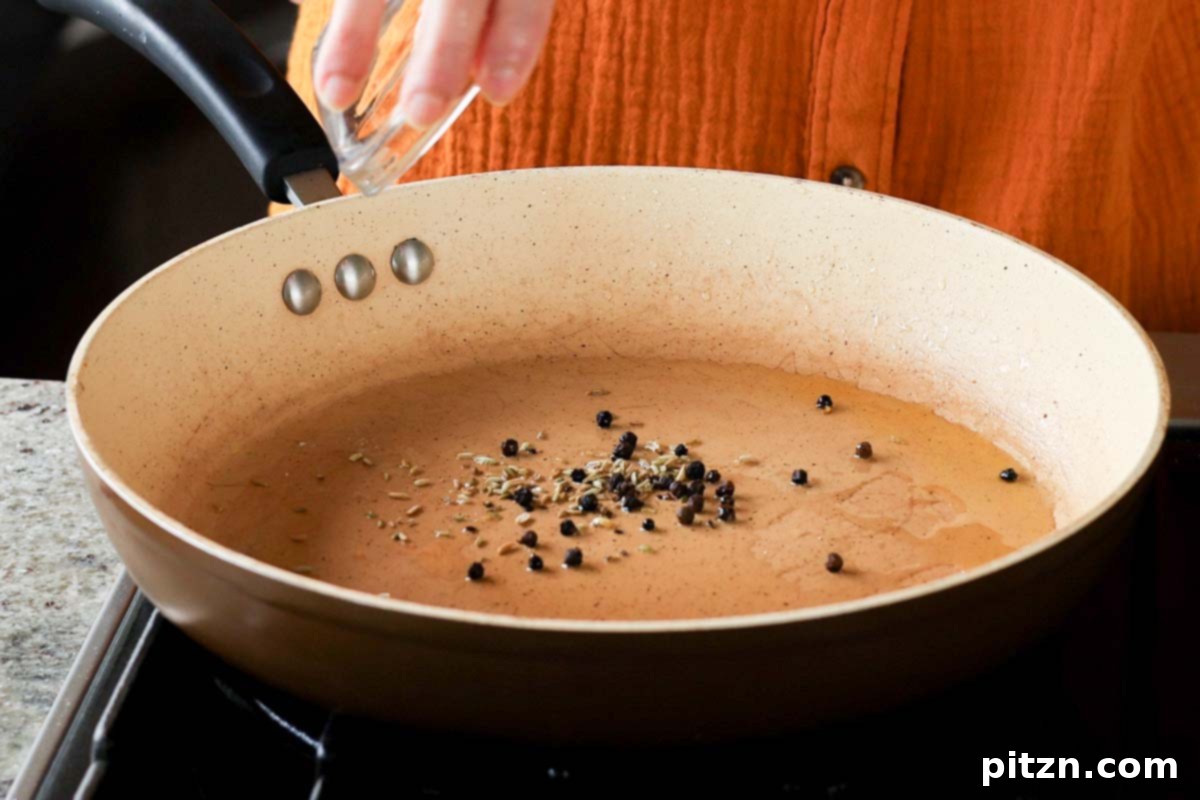
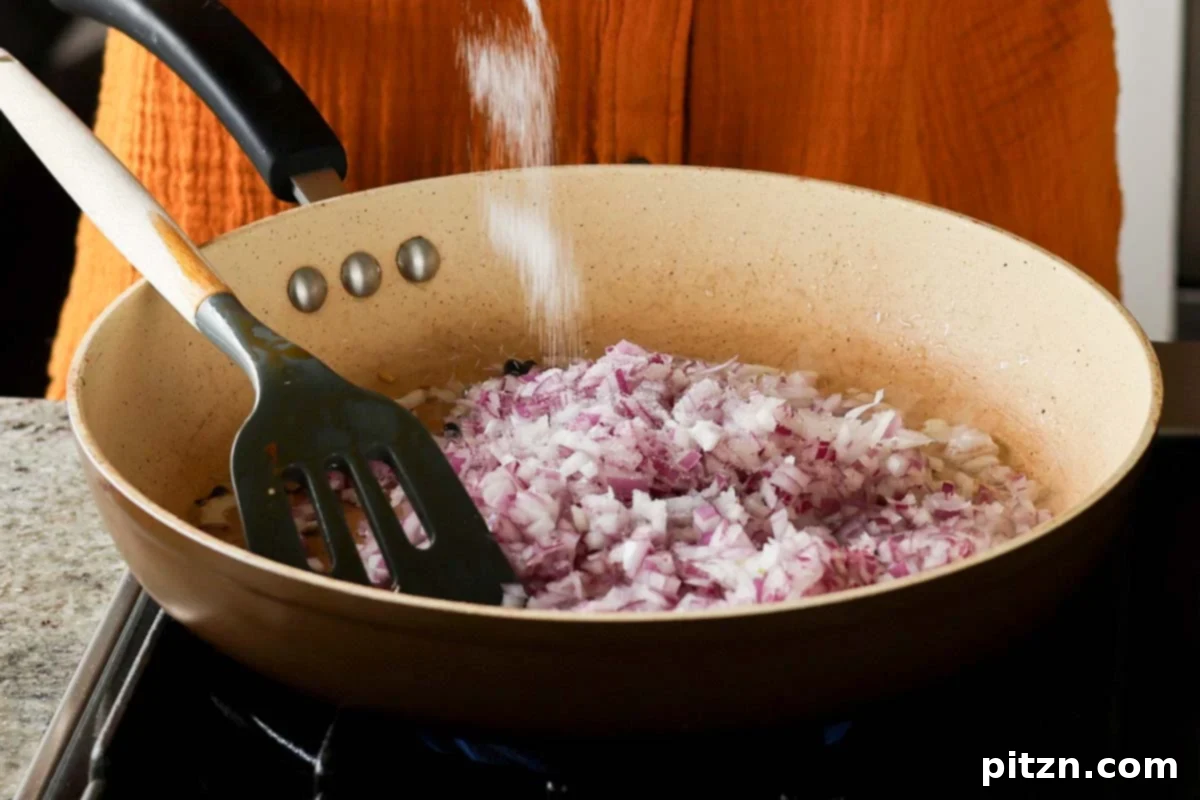
As the onions cook, add small splashes of water periodically if needed to prevent them from sticking or burning, ensuring even cooking. However, be mindful not to add too much water; the goal is for the onions to become golden and slightly dried out, not mushy. This process mimics the flavor development of traditionally fried onions.
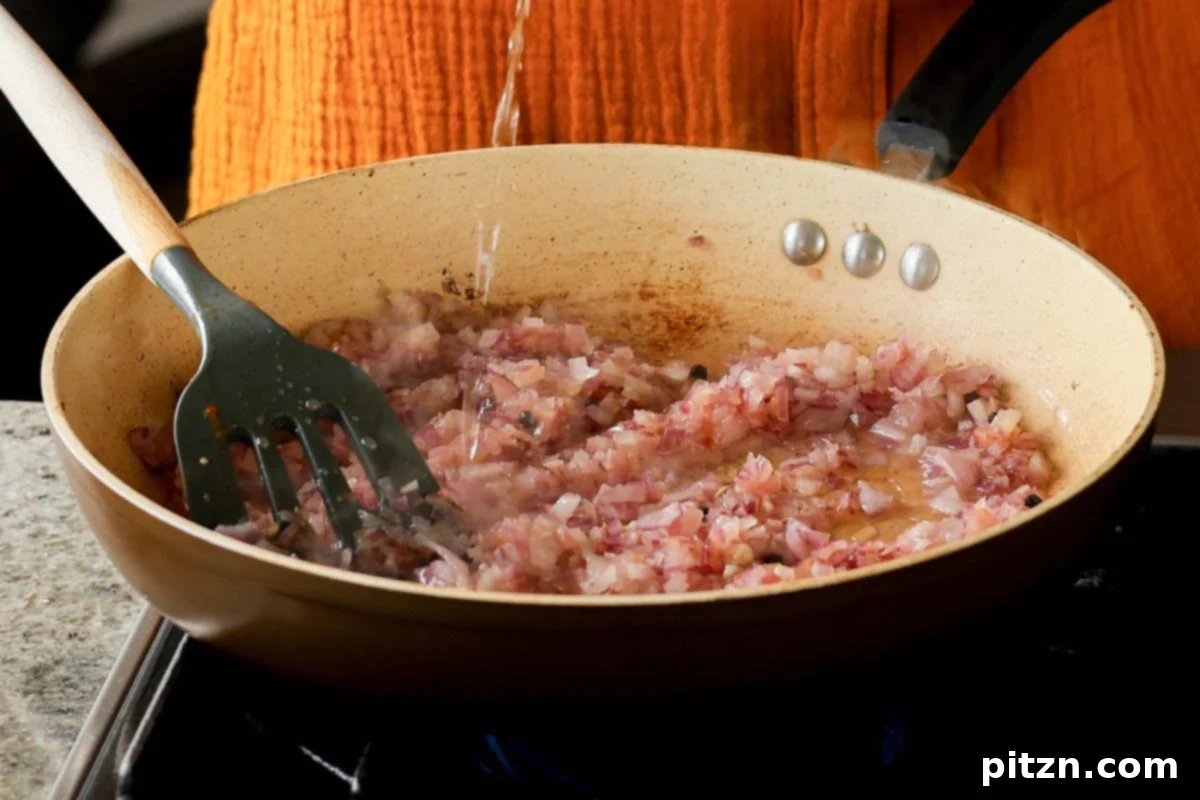

Halfway through the onion cooking process, add 3 cloves of minced garlic and continue to sauté until the onions are perfectly golden. Once cooked, transfer the entire onion mixture to a blender. Add 1½ to 2 tablespoons of Kashmiri chili powder (adjust according to desired color and mild heat) and 1 cup of water. Blend until the mixture is completely smooth and creamy. You might need to blend for a minute, let it rest for a few minutes, then blend again for another 30 seconds to achieve optimal smoothness. If the mixture remains too thick, add a little more water to aid the blending process. (If not blending, simply remove the onion mixture from the skillet, stir in the Kashmiri chili powder, and set aside.)

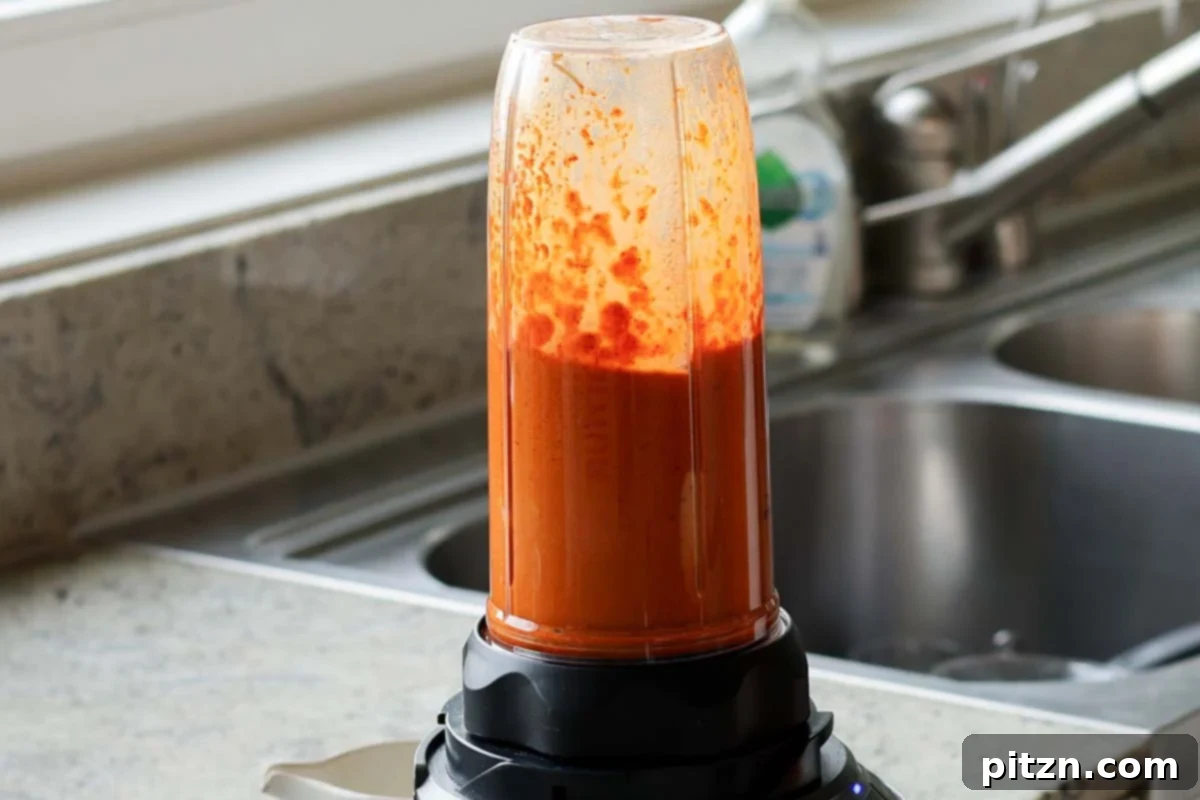
3. Assemble and Simmer the Curry
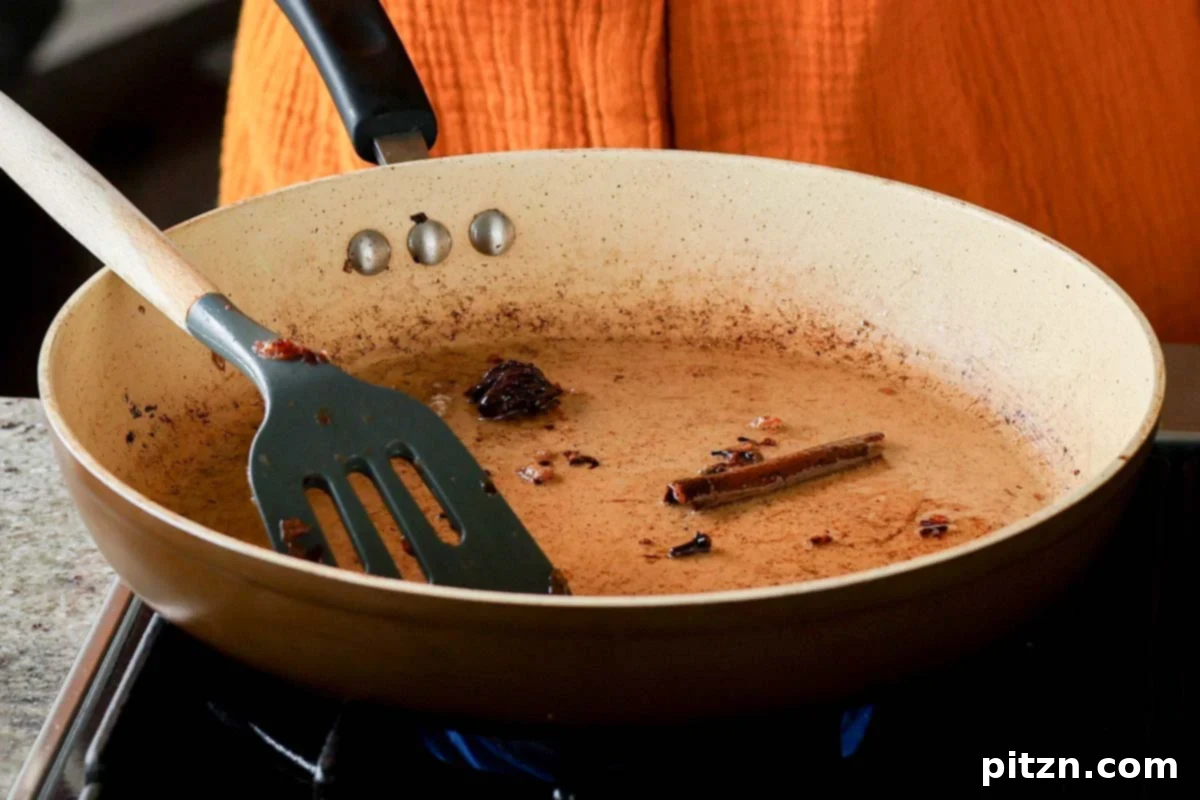
Return to the same skillet, adding another teaspoon of oil over medium heat. Add the remaining whole spices: 1 black cardamom (slightly opened), 2 whole cloves, and 1 cinnamon stick (1½” to 2” long). Sauté these for a few seconds until they become fragrant. If using, add a generous pinch of asafoetida (hing) and cook for another 2 seconds.
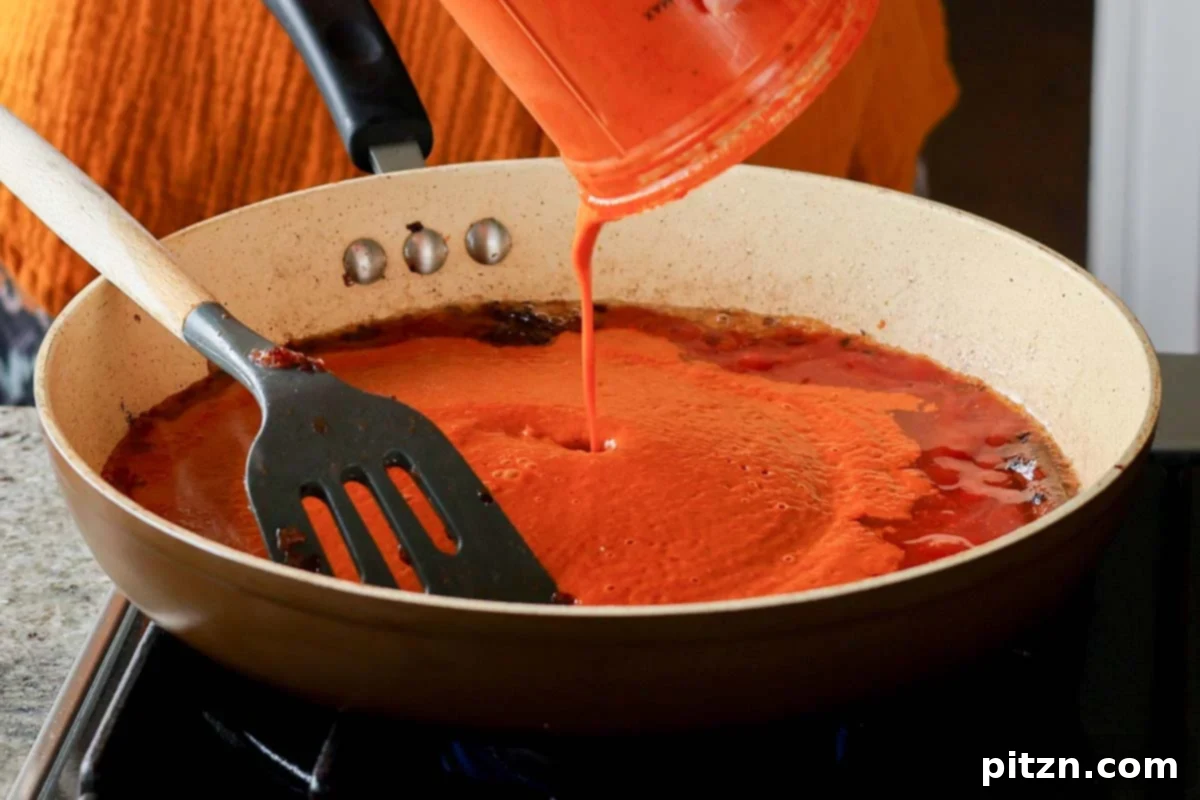
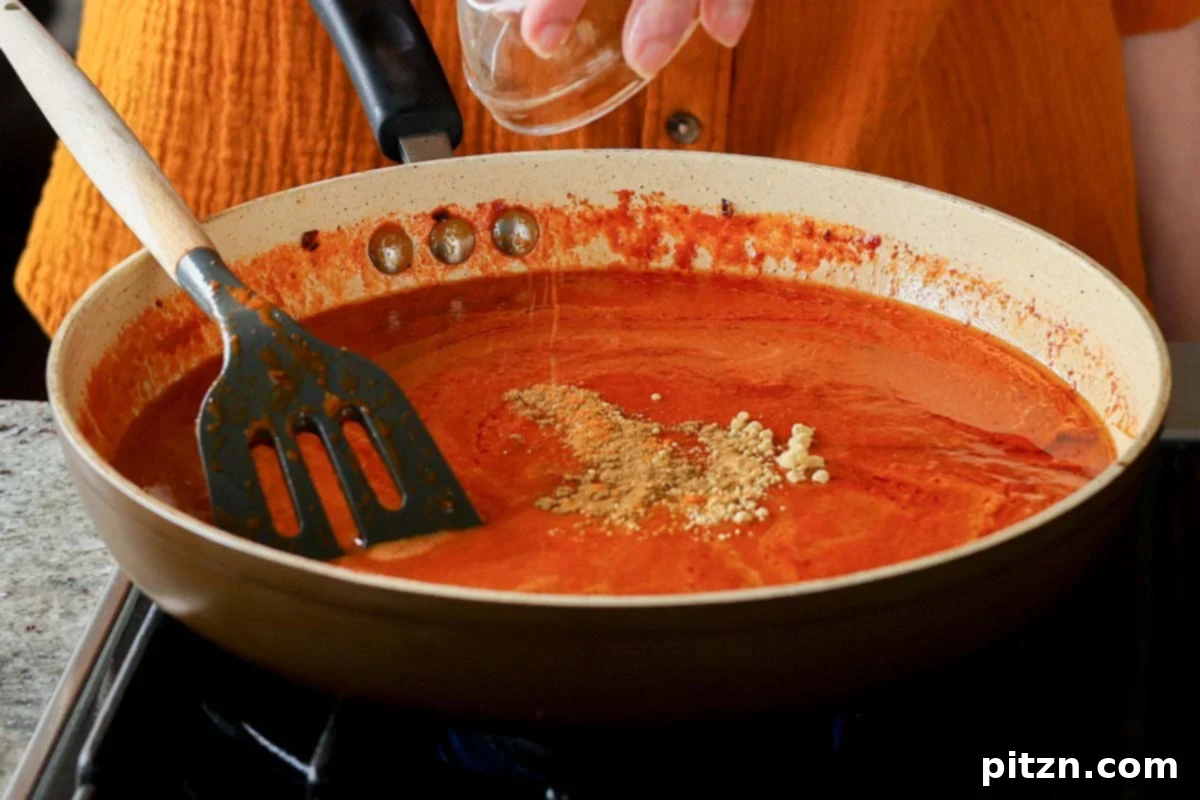
Next, pour in the blended onion mixture from the blender, along with 4 ounces of tomato puree, ¼ teaspoon turmeric, ½ teaspoon ground ginger, ½ teaspoon ground cumin, and the remaining ½ teaspoon salt. Stir everything thoroughly to combine.
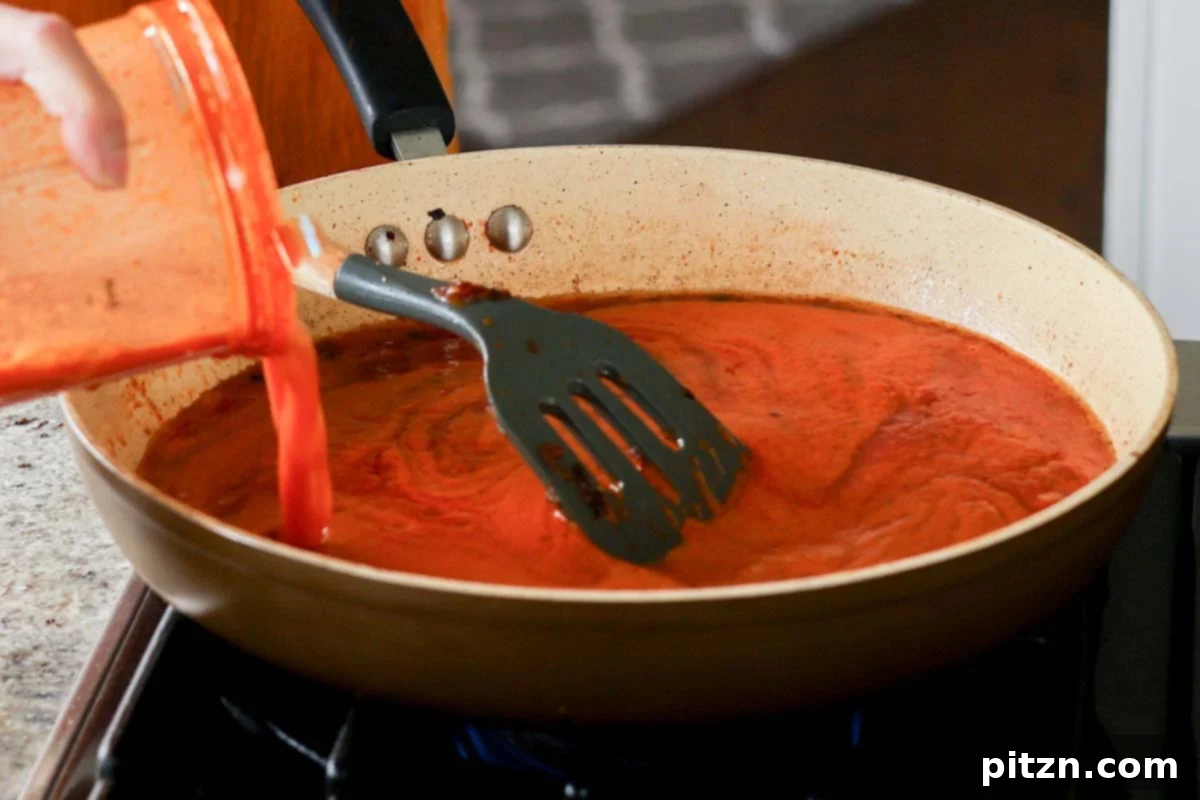
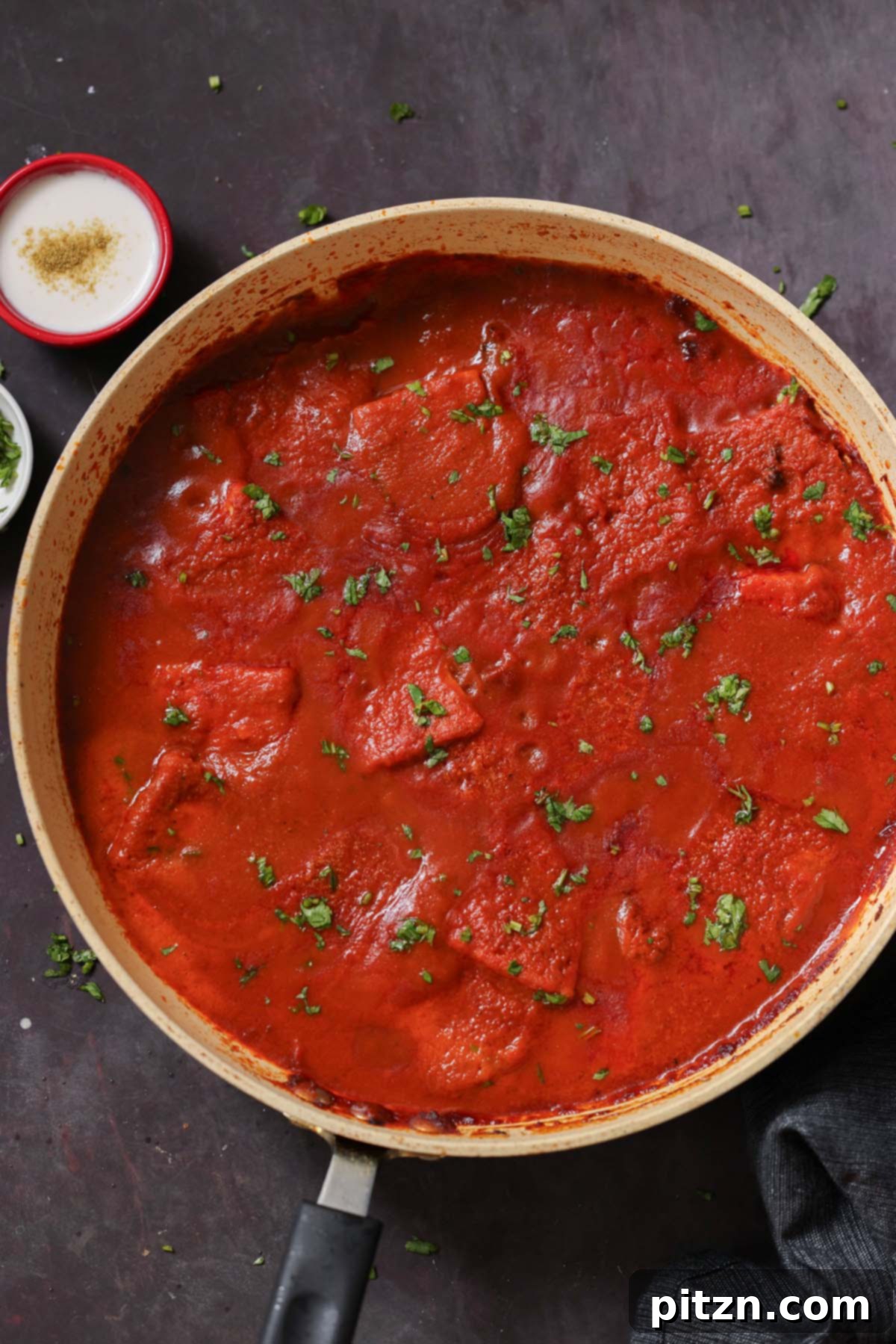
Rinse out your blender with ½ cup of water and add this flavorful rinse to the skillet, ensuring you capture all the remaining spices. Then, gently add the cooked crispy tofu slices to the simmering sauce. Reduce the heat to low, cover the skillet, and let the curry simmer gently for 20-30 minutes. This slow and low cooking is essential for the flavors to fully develop and meld. The sauce will thicken slightly, its color will deepen, and you might notice a beautiful red sheen of oil on the surface – a sign of a well-cooked curry. Even if the sheen doesn’t fully develop, the darkening color and rich, roasted aroma will indicate it’s progressing beautifully.
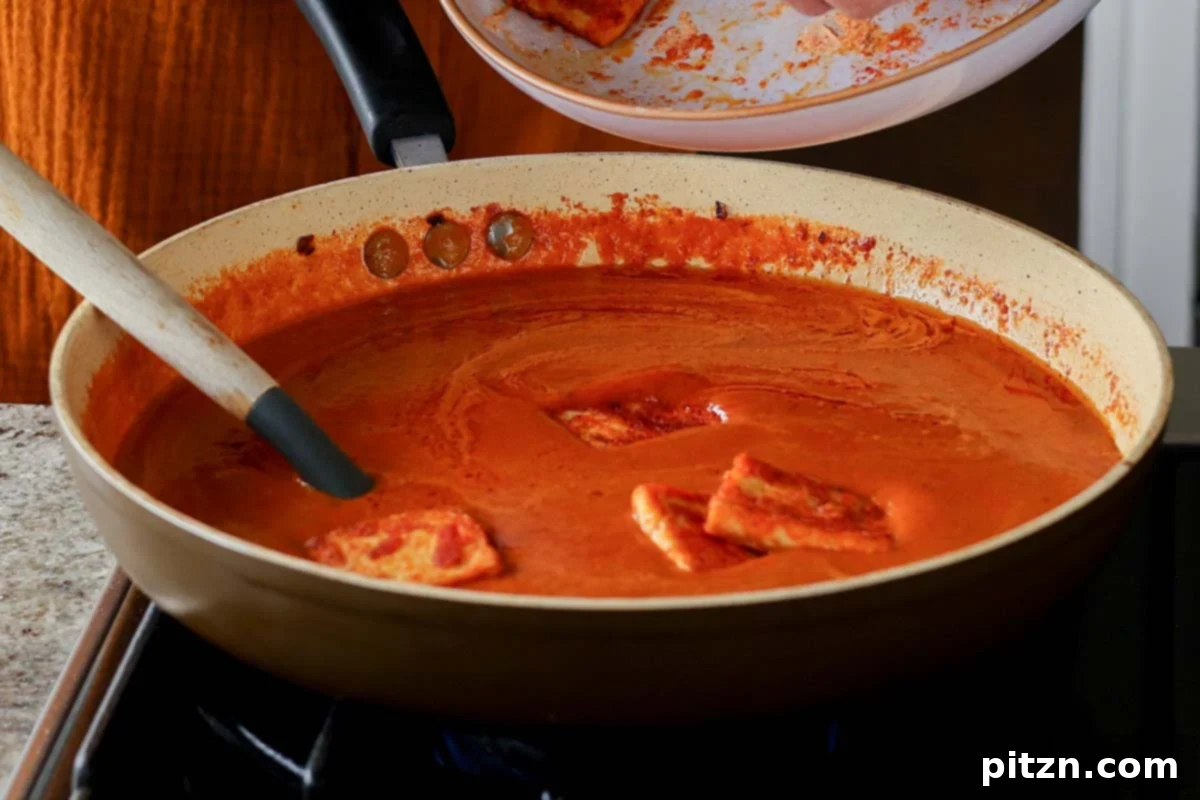
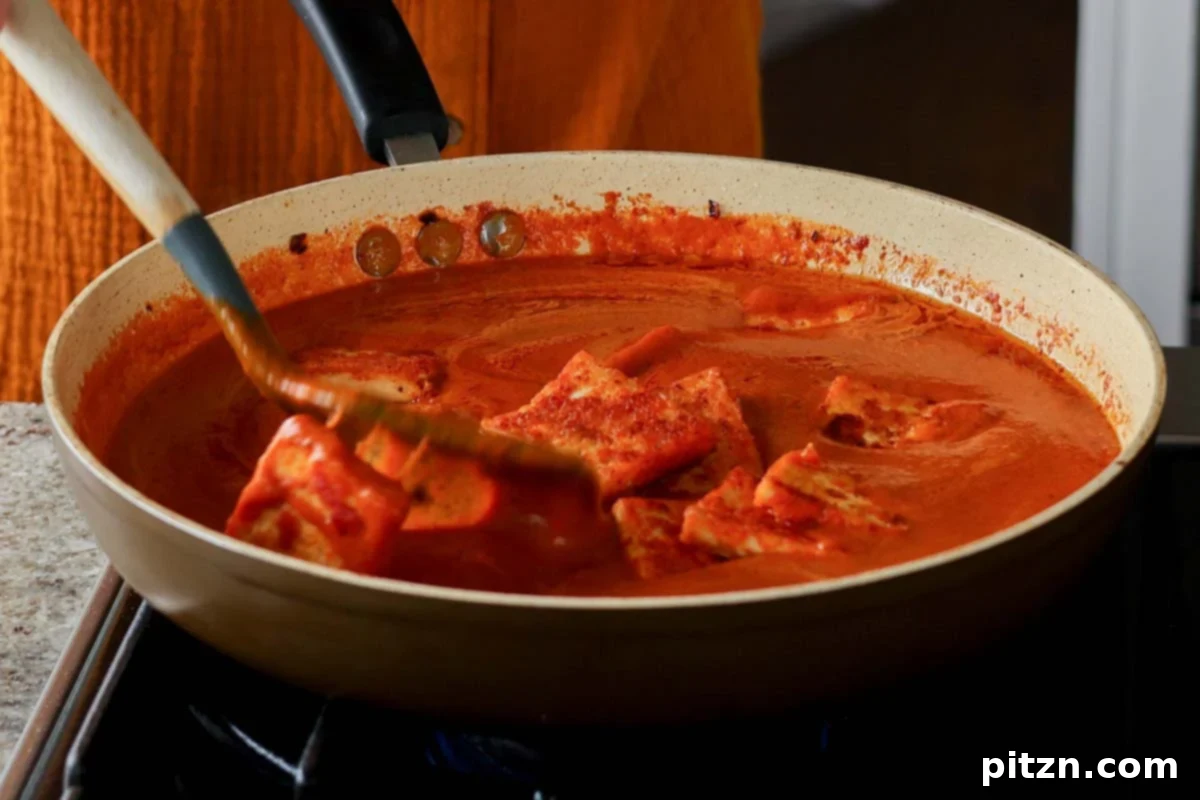
After 20-25 minutes of simmering, taste the curry and adjust the salt and any other seasonings as needed. If you desire, add a touch of sugar to balance the flavors or a squeeze of fresh lemon juice for brightness. Let it simmer for another few minutes to allow the flavors to harmonize perfectly, then switch off the heat. Before serving, garnish generously with fresh cilantro and a swirl of non-dairy yogurt or non-dairy cream, if you wish. This delicious vegan Kashmiri Lal Tofu is now ready to be savored!
What to Serve with Kashmiri Lal Tofu
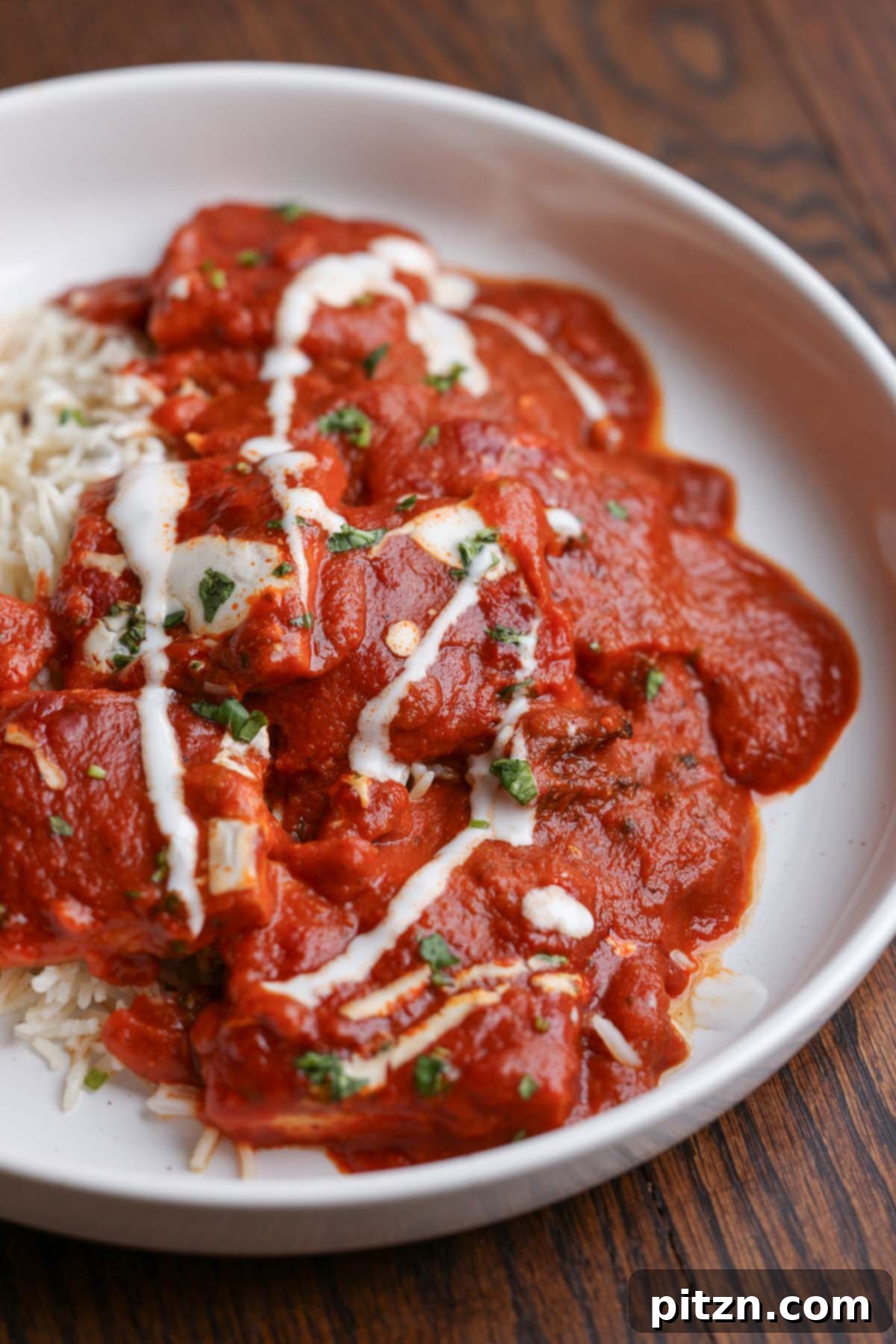
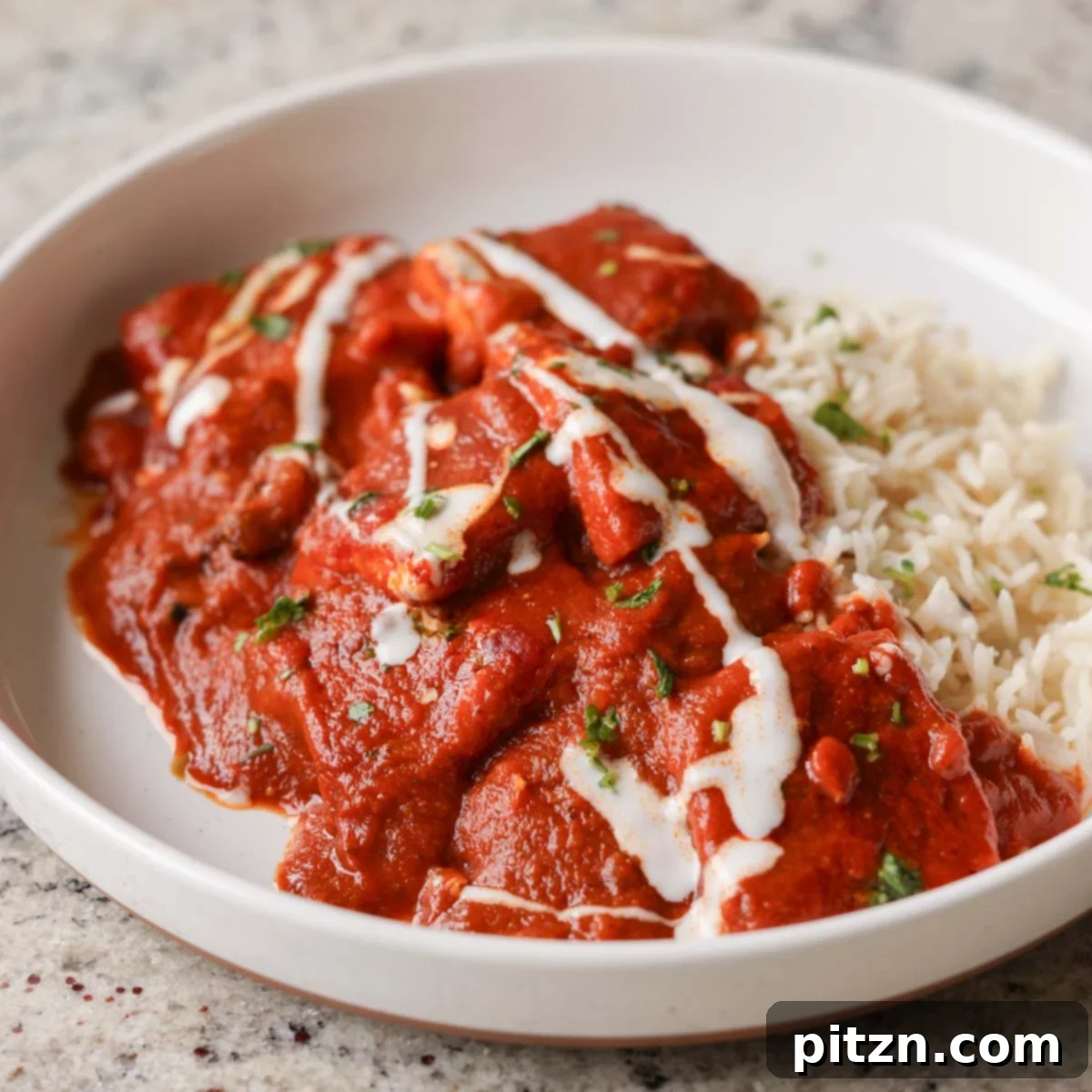
This rich and flavorful Vegan Kashmiri Lal Tofu pairs beautifully with a variety of staples, turning any meal into a delightful feast. For a traditional pairing, serve it with fluffy basmati rice, aromatic pulao, or warm, soft naan bread. It’s equally delicious with other flatbreads, crusty sourdough, or alongside simply roasted vegetables for a lighter option. The thick, vibrant sauce is so versatile it complements almost any grain or side you choose.
Get creative by making delicious wraps! Slice the saucy tofu and combine it with crunchy fresh vegetables like lettuce or cabbage, pickled onions, and a generous drizzle of the curry sauce, all nestled within warm naan or pita bread. This dish is designed to inspire your culinary imagination!
Frequently Asked Questions
This recipe is naturally gluten-free if you omit the asafoetida (hing), as some brands may contain wheat. To ensure it’s nut-free, simply use a non-dairy yogurt or cream that is confirmed to be nut-free for your garnish.
For a soy-free version, you can easily replace the tofu with homemade chickpea flour tofu, pumpkin seed tofu, or seitan. Always check that your chosen non-dairy yogurt is also soy-free. Alternatively, you can skip the crisping step for tofu entirely and add cooked chickpeas, various beans, or a mix of hearty vegetables directly to the sauce for a delicious soy-free and tofu-free meal.
Like many aromatic Indian curries made with whole spices, the flavors of Kashmiri Lal Tofu intensify and deepen as the dish rests, often making it even more delicious on the second day! Store any leftovers in an airtight container in the refrigerator for up to 3 days. This curry is also freezer-friendly; transfer it to a freezer-safe container and store for up to 3 months for a convenient future meal.
Absolutely! Kashmiri chili powder is primarily for color, offering mild heat, but brands can vary. You can start with the lower amount (1.5 tablespoons) and add more to taste. If you prefer a spicier curry, you can add a small amount of a hotter red chili powder like cayenne, or simply increase the black peppercorns. If you accidentally make the sauce too spicy, a swirl of non-dairy cream, cashew cream, or extra non-dairy yogurt at the end can help mellow the heat.
More North Indian Curries to Explore
If you’ve enjoyed the rich flavors of this Kashmiri Lal Tofu, you might love exploring these other delicious North Indian curry recipes:
- Restaurant-Style Vegan Butter Chicken
- Vegan Chicken Angara
- Vegan Rara Chicken Curry
- Saag Butter Beans
Kashmiri Lal Tofu (Tofu in Kashmiri Chili Tomato Curry Sauce)
Ingredients
For the Tofu
- 14 ounces firm or extra-firm tofu, pressed for at least 15 minutes, then sliced into ½-inch thick and 1½-inch wide slices, or torn into organic shapes
- 1 teaspoon Kashmiri chili powder
- ½ teaspoon garlic powder
- ½ teaspoon salt
- 1 tablespoon cornstarch
- 2 teaspoons mustard oil or neutral oil, for cooking
For the Sauce
- 2 teaspoons oil
- 1½ cups chopped red onion
- ½ teaspoon fennel seeds
- ½ teaspoon black peppercorns
- 3 cloves garlic, minced
- 1.5 to 2 tablespoons Kashmiri chili powder
- 1 black cardamom, slightly opened
- 2 whole cloves
- 1 cinnamon stick, 1½” to 2” long
- generous pinch asafoetida, aka hing, optional
- ¼ teaspoon turmeric
- ½ teaspoon ground ginger
- ½ teaspoon ground cumin
- ½ teaspoon salt, divided
- 4 ounces tomato puree, or tomato passata, unseasoned tomato sauce, or freshly pureed tomatoes
For Garnish
- cilantro, lemon juice
- non-dairy yogurt, or non-dairy cream
Instructions
Cook the Tofu
-
Press the tofu, if you haven’t already, then slice it into 1½” to 2” big slices that are about ½ inch thick. You can also tear the tofu into organic shapes for a more chicken-like texture, which will also allow it to pick up more flavor.
-
In a shallow bowl, add Kashmiri chili powder, garlic powder, salt, and cornstarch. Mix well. Add half of the tofu slices to the bowl, toss to coat. Remove those slices, then add the remaining slices and toss again. (If using torn tofu, add all of it at once and toss well to coat.) Set aside.
-
Heat a large skillet over medium-high heat. Add the oil, and once the oil is hot, add the tofu. Spread evenly and let them cook undisturbed for 2-3 minutes or until the bottom turns golden. Flip and cook the other side until nicely golden and somewhat browned. Remove from the skillet and set aside.
Prepare the Sauce
-
In the same skillet, add a teaspoon of oil over medium-high heat. Add the onion, fennel seeds, black peppercorns, and ⅛ teaspoon salt. Mix in and cook until the onions turn golden. We are using whole spices here, because we are going to blend the onion mixture. If you don’t want to blend the onion mixture, then use ground fennel seeds and ground black pepper instead.
-
Add splashes of water as needed to help the onion cook evenly, but don’t add too much water, because we want to get the onion golden and also slightly dried out rather than mushy. Traditionally, you use fried onion in this recipe, but here we will cook it until golden brown before proceeding.
-
Midway through cooking the onion, add the garlic and continue to cook. Once the onion is golden, transfer it to a blender. Add 1½ to 2 tablespoons of Kashmiri chili powder and 1 cup of water, then blend the mixture until smooth. You may need to blend for a minute, let it sit for 2-3 minutes, and then blend again for another 30 seconds. If the mixture is too thick, add more water to help blend it smoothly. (If not blending, just remove the onion mixture from the skillet, mix in the Kashmiri chili powder and set aside.)
Make the Curry
-
In the same skillet over medium heat, add a teaspoon of oil. Add the black cardamom, cloves, and cinnamon stick and sauté for a few seconds. Then add the asafoetida (if using), cook for a 2 seconds, then add the blended onion mixture, tomato puree, all of the ground spices, and remaining salt. Mix in.
-
Rinse out the blender with ½ cup of water and add it to the skillet. Then, add the cooked tofu slices, reduce the heat to low, cover, and let it simmer for 20-30 minutes. The sauce should cook low and slow to develop all of that flavor. It will thicken slightly and there will be red sheen of oil on top. Even if no sheen develops, the color will darken, and the dish will start to smell rich and roasted.
-
After 20-25 minutes, taste and adjust the salt and flavor. Add a touch of sugar to balance the flavors, if you like, or a touch of lemon juice. Let it simmer for another few minutes, then switch off the heat. Garnish with some cilantro and non-dairy yogurt, if you wish.
Serve this delicious vegan Kashmiri Lal Tofu with rice, quinoa, naan, flatbread, sourdough, or roasted vegetables. The thick and flavorful sauce pairs well with any protein of your choice. Or make pita wraps with the saucy tofu, crunchy veggies, pickled onion. You can also use the sauce like a peri peri sauce for marinating or dressing!
Video
Notes
For soy-free: Replace the tofu with chickpea flour tofu, pumpkin seed tofu, or seitan, and make sure that your non-dairy yogurt/cream is soy-free. You can also skip the crisping up step for the protein and add cooked chickpeas, beans, or vegetables directly to the sauce.
Store: Like many spiced sauces with whole spices, the flavors will get stronger as the dish sits, making it even more delicious the next day. It is also freezer-friendly in a freezer-safe container for up to 3 months or can be stored in the fridge for up to 3 days.
Nutrition
Carbohydrates: 21g,
Protein: 14g,
Fat: 9g,
Saturated Fat: 1g,
Polyunsaturated Fat: 4g,
Monounsaturated Fat: 3g,
Sodium: 614mg,
Potassium: 358mg,
Fiber: 5g,
Sugar: 6g,
Vitamin A: 405IU,
Vitamin C: 11mg,
Calcium: 225mg,
Iron: 3mg
Nutrition information is automatically calculated, so should only be used as an approximation.
Did you make this recipe? We’d love to hear from you! Rate and comment below!