
Crafting Delicious & Nutritious Pizzas: An In-Depth Look at Mark Sutton’s Heart Healthy Pizza Cookbook
In a culinary landscape often dominated by indulgent and calorie-laden options, the quest for truly delicious yet unequivocally healthy food can feel like an uphill battle, especially when it comes to beloved comfort classics like pizza. Mark Sutton’s revolutionary book, Heart Healthy Pizza, emerges as a beacon for those seeking to transform this cherished dish into a cornerstone of a wholesome diet. Far from being just another cookbook, it’s a meticulously organized guide that slowly but surely reveals an incredible array of possibilities, making healthy eating both accessible and exciting.
Upon first glance, the compact volume might seem unassuming, but its pages are packed with innovative techniques and recipes designed to empower anyone to create scrumptious, plant-based pizzas free from added oils. Sutton’s approach is refreshing, challenging traditional notions of what pizza can be and demonstrating how nourishing ingredients can come together to form truly satisfying meals.
A Comprehensive Guide to Healthy Pizza Innovation
The brilliance of Heart Healthy Pizza lies in its thoughtful organization. Sutton meticulously structures the book into dedicated chapters covering every essential element of pizza making: diverse crust options, an extensive collection of sauces, and ingenious “cheese-like” toppings. Beyond these core components, the book delves into broader topics such as plant-based eating principles, understanding healthy fats and oils, and practical guidance on cooking legumes and grains. This holistic approach ensures readers gain not just recipes, but a foundational understanding of the ingredients and techniques that underpin a heart-healthy lifestyle.
Each chapter is introduced with insightful tips and proven techniques, demystifying the process of crafting healthful pizzas. The sheer volume of content is impressive, featuring over 60 distinct topping sauces, a plethora of bottom sauces, and various crust options, including numerous gluten-free alternatives. This extensive selection allows for endless customization, catering to a wide range of dietary needs and flavor preferences. What’s more, the versatility of these sauces extends far beyond pizza; they can effortlessly elevate bowls, salads, and pasta dishes, making the book a valuable resource for general plant-based cooking.
Unlocking Culinary Diversity and Dietary Inclusivity
One of the most commendable aspects of Sutton’s work is its commitment to inclusivity. The book thoughtfully provides options that are gluten-free, soy-free, and nut-free, ensuring that individuals with various dietary restrictions can still enjoy delicious, homemade pizza. This dedication opens up a diverse palette of tastes and textures, inviting readers to explore new culinary horizons.
The recipes themselves are delightfully “out-of-the-box,” often prompting a moment of delightful pause as one considers the imaginative combinations. Yet, once tried, their brilliance becomes evident. They are designed to be easily adaptable, allowing home cooks to build upon them and tailor flavors and textures to their personal preferences. This flexibility transforms the cooking process into an engaging, creative endeavor rather than a rigid adherence to instructions.
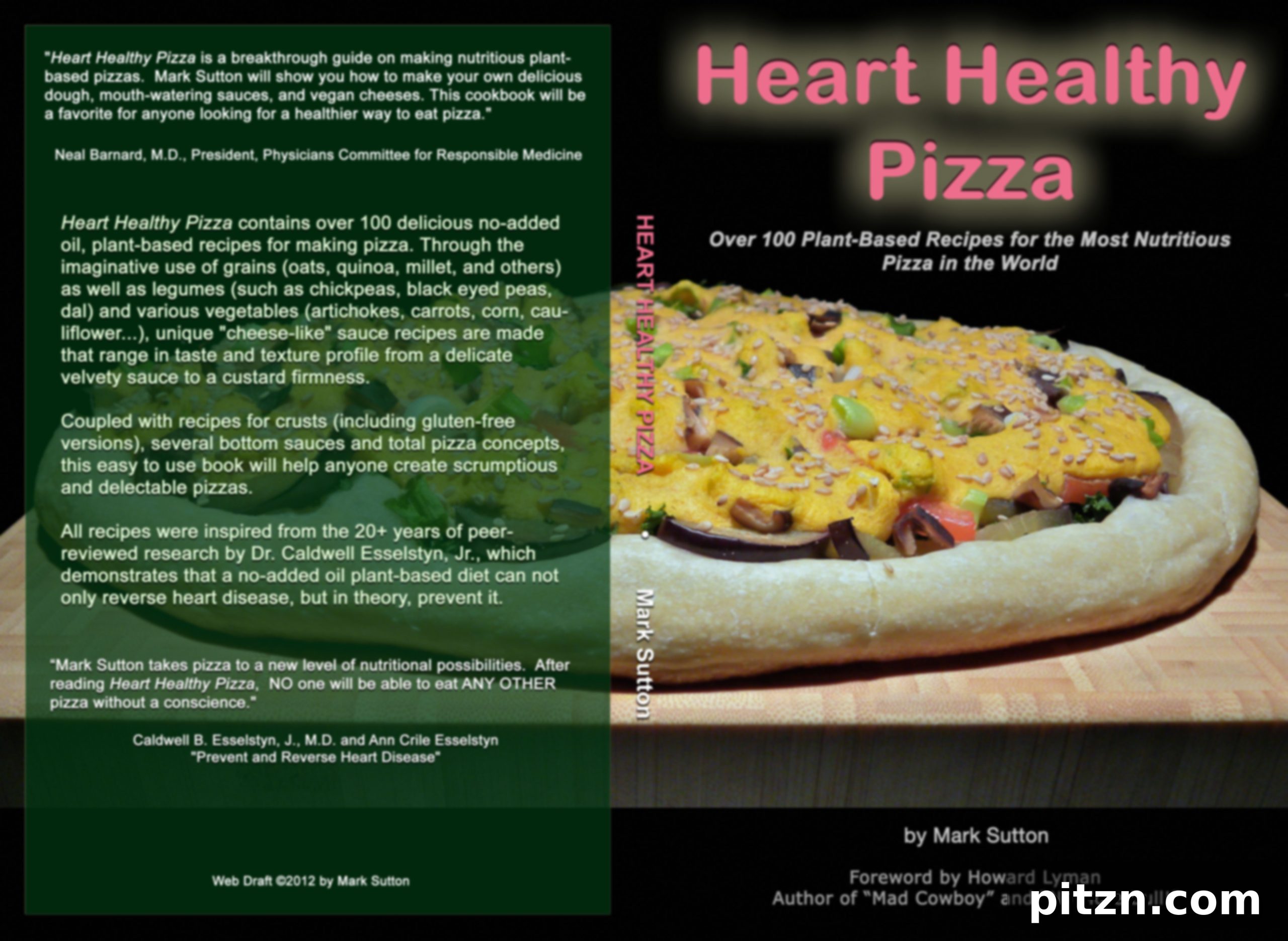
As the book itself articulates, “The Heart Healthy Pizza cookbook contains over 100 delicious no-added oil, plant-based recipes for making pizza. Through the imaginative use of grains (oats, quinoa, millet, and others) as well as legumes (such as chickpeas, black eyed peas, dal) and various vegetables (artichokes, carrots, corn, cauliflower…), unique “cheese-like” sauce recipes are made that range in taste and texture profile from a delicate velvety sauce to a custard firmness. Most are gluten-free. Coupled with recipes for crusts (including gluten-free versions), several bottom sauces and total pizza concepts, this easy to use book will help anyone create scrumptious and delectable pizzas.” This excerpt perfectly encapsulates the innovative spirit and comprehensive nature of the guide, promising a journey of discovery for every reader.
Constructive Feedback for Enhancement
While Heart Healthy Pizza is an invaluable resource, a few enhancements could elevate the user experience even further. As a visual learner, like many home cooks, the absence of photographs within the book (beyond the cover) is notable. Given that many of the sauces are crafted from unconventional ingredients like grains and beans, visual references for consistency and appearance would be incredibly helpful in guiding readers and building confidence in trying these novel preparations.
Another area for consideration is the recipe layout. Currently, recipes are often presented in continuous paragraphs, which can make tracking instructions challenging, especially in the midst of cooking. Breaking these into more distinct steps or adding greater spacing would significantly improve readability and ease of use in the kitchen, allowing for a smoother, more enjoyable cooking process.
Furthermore, the book presents an overwhelming number of possible combinations between crusts and sauces, which, while testament to its versatility, can also be a double-edged sword. While some pizza recipes are included in the “Powerful Pizza Possibilities” section, a more direct approach might be beneficial. For instance, if a reader is intrigued by a particular sauce but unsure of complementary vegetables or toppings, finding a suggested pairing can be challenging. Perhaps trimming a few of the more similar “cheese-like” sauces and, in their place, offering at least one full pizza combination for each unique sauce would guide readers more effectively. Alternatively, listing suggested toppings and crust pairings directly alongside each sauce recipe could empower readers to experiment with greater confidence.
It’s important to remember that these grain and bean-based sauces, while intriguing and delicious, are designed to be “cheese-like” but will not behave identically to traditional dairy cheese. Managing expectations around this difference is key to appreciating their unique qualities and adapting them to personal taste preferences. Despite these minor points, they do not diminish the immense value of this book as an incredible resource for innovative, healthy pizza creation.
My Culinary Journey: Crafting the Southwestern Special Pizza
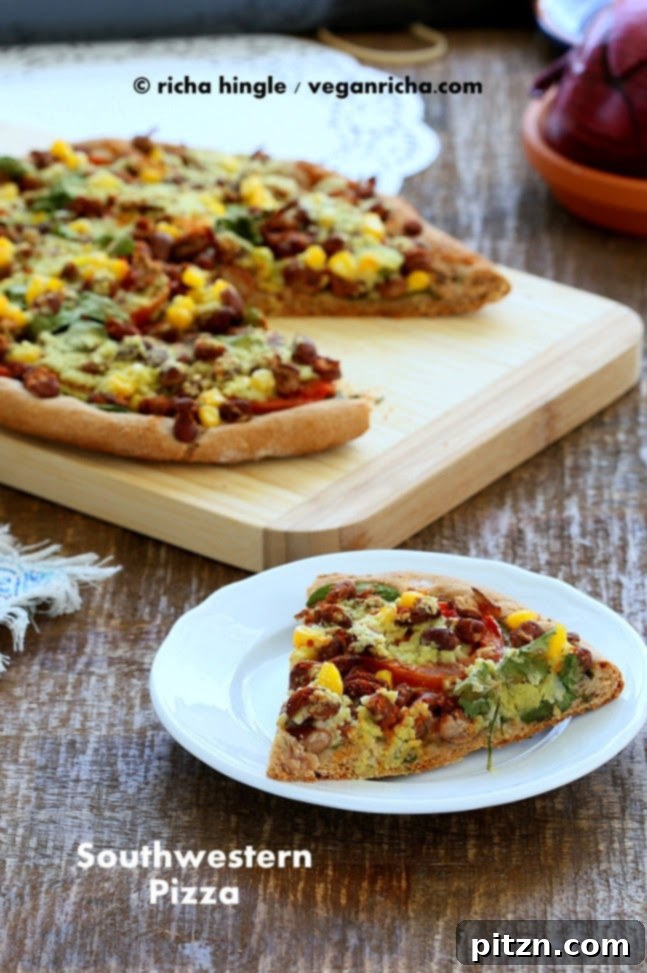
Eager to dive into the world of heart-healthy pizza, I decided to prepare the Southwestern Special Pizza from the book. This particular recipe captured my attention with its vibrant flavors and wholesome ingredients. For the crust, I opted for the recommended Black Bean Wheat Crust, making a slight modification by using pinto beans instead of black beans, a substitution that proved to be excellent. As a future improvement, I noted that tossing the pinto beans in a mix of chili powder, salt, and a dash of Tabasco before layering would infuse them with an even more pronounced flavor, elevating the overall profile of the pizza.
For those accustomed to oil-heavy, traditional pizzas, this plant-based, no-oil approach can represent a significant departure. It’s a distinct culinary experience that might not be for everyone, requiring an openness to new textures and flavors. However, for those seeking a truly healthy and satisfying alternative, it’s a rewarding journey.
Step-by-Step Preparation and Flavor Profile
The preparation began by shaping the Black Bean Wheat Crust and then generously layering it with fresh spinach, sliced tomatoes, and the cooked pinto beans. Following my mental note for next time, I would certainly spice up those pinto beans for an extra kick before they hit the crust. This initial layer creates a vibrant and nutritious base, a stark contrast to typical cheese-laden pizzas.
Next, the remaining toppings were added, creating a colorful mosaic of ingredients. The Millet Avocado Oregano Sauce was then poured over everything, providing a creamy, herbaceous layer that perfectly complemented the other elements. A final sprinkle of fresh cilantro, a pinch of salt, and a touch of chili powder completed the ensemble before it was ready for baking. For the photographs, I used a lighter hand with the topping sauce, but for personal enjoyment, adding more to suit one’s preference is highly recommended.
The result was a remarkably loaded and incredibly filling pizza. Each bite offered a burst of fresh flavors and satisfying textures, proving that a pizza can be both wholesome and utterly delicious without compromising on taste or satiety. This experience reinforced the book’s potential to transform how we think about and enjoy our favorite comfort foods, making health and indulgence go hand-in-hand.
Note: I received a complimentary copy of the book from Mark for review purposes. All opinions expressed herein are my own and reflect my honest experience with the recipes and content.
Featured Recipes from “Heart Healthy Pizza”
Southwestern Special Pizza with Wheat Black Bean Crust and Millet Oregano Sauce
This vibrant and satisfying pizza is a testament to the delicious possibilities of plant-based cooking. It’s a flavorful journey that proves healthy can be incredibly appealing.
Allergen Information: Free of Dairy, egg, soy, and nuts, making it a fantastic option for various dietary needs.
CRUST:
- Basic Pizza Dough or Black Bean Wheat crust (recipe below)
- Alternatively, use any preferred gluten-free crust.
LAYERING INGREDIENTS:
- 1 cup raw spinach, chopped
- Sliced tomatoes, to taste
- 1 cup cooked pinto beans, rinsed and drained (consider tossing with chili powder and Tabasco for extra flavor)
- Chili powder, for sprinkling
- 1 small onion, thinly sliced
- Fresh coriander, chopped (optional, for garnish)
- 1/2 cup corn (fresh, frozen, or canned)
- Sliced black olives, to taste
- Red Tabasco sauce, to taste (optional)
- Quinoa, Artichoke Hearts, and Sunflower Seeds Sauce (from p. 62 of the book) or Millet, Avocado, and Oregano Sauce (recipe below, from p. 51 of the book)
- Ground black pepper or paprika, for sprinkling
METHOD:
- Pre-heat oven to 425 or 450 degrees F, adjusting for your oven’s specific calibration.
- Evenly sprinkle the chopped spinach onto the prepared and shaped pizza dough.
- Arrange the tomato slices neatly on top of the spinach layer.
- Distribute the cooked pinto beans over the tomatoes.
- Lightly sprinkle the layered ingredients with chili powder for a hint of warmth.
- Create a layer with the thinly sliced onions.
- Sprinkle fresh coriander over the pizza, if desired, for a burst of freshness.
- Evenly scatter the corn kernels onto the pizza.
- Arrange the sliced black olives decoratively on top.
- Dot the pizza with drops of Tabasco sauce, adjusting the amount to your preferred level of spice.
- Generously pour the chosen topping sauce (Millet, Avocado, Oregano Sauce or Quinoa, Artichoke Hearts, and Sunflower Seeds Sauce) over all the ingredients.
- Finish with a sprinkle of ground black pepper or paprika.
- Bake the pizza for 15 to 20 minutes, or until the crust is golden and toppings are cooked through and bubbly.
Millet, Avocado, Oregano Sauce
This creamy and flavorful sauce offers a unique dairy-free alternative, bringing a richness and herbaceous note to your pizza.
INGREDIENTS:
- 1 cup cooked millet
- 1/4 cup avocado, peeled and chopped
- 1 tablespoon lemon juice
- 2 tablespoons corn starch
- 1 tablespoon wet mustard (optional, adds depth)
- 1 teaspoon ground oregano
- 1 cup water
METHOD:
- Combine all ingredients in a high-speed blender or food processor.
- Begin blending, adding the water slowly between pulses until the sauce achieves a thick, smooth, pancake-like batter consistency.
- Note that processing time may vary depending on the firmness of your cooked millet, so blend until completely smooth and creamy.
NOTE: This recipe yields approximately 2 1/4 cups of sauce, which is sufficient for two 12-inch to 14-inch pizzas.
Wheat and Black Bean Dough
This innovative crust incorporates black beans for added nutrition, fiber, and a wonderfully unique texture and flavor profile.
INGREDIENTS:
- 3/4 cups black beans (approximately half of a 15 oz. can)
- 1/3 cup water (for pureeing beans)
- 2/3 cups warm water (for yeast activation)
- 1 1/4 teaspoons sugar (or your preferred sweetener, helps activate yeast)
- 2 1/4 teaspoons active dry yeast
- 1 1/2 cups bread flour
- 1 cup whole wheat flour
- 1/2 teaspoon salt (optional, enhances flavor)
METHOD:
- Rinse and thoroughly drain the black beans. Puree them in a blender or food processor with 1/3 cup water until completely smooth. Add additional water (in 1 tablespoon increments) if needed to achieve a smooth puree.
- In a separate bowl, whisk together the 2/3 cup warm water, sugar (or sweetener), yeast, and the black bean puree. Allow to sit for a few minutes until the yeast becomes frothy, indicating it’s active.
- In a large bowl, mix the bread flour, whole wheat flour, and salt. Gradually add this flour mixture to the yeast mixture, stirring continuously if mixing by hand, or using a stand mixer with a dough hook.
- Knead the dough until it becomes elastic and smooth, typically for 5-10 minutes.
- Place the dough in a lightly oiled bowl, turn to coat, cover with a clean cloth or plastic wrap, and let it rise in a warm place for at least one hour, or until doubled in size.
- While the dough is rising, pre-heat your oven to 425 degrees F.
- Once risen, punch down the dough and shape it onto a lightly oiled non-stick baking sheet or pizza stone.
- Arrange your desired toppings and sauce(s) artfully on top of the shaped dough.
- Bake for 15 to 20 minutes, or until the crust is golden brown and the toppings are cooked through and bubbling.
NOTES:
- Whether preparing the dough by hand or using a bread machine, it may be necessary to fine-tune the amount of flour or water. Adjust in 1 tablespoon increments until the dough reaches the proper elasticity and consistency.
- This recipe is designed to yield two finely textured pizza crusts, each suitable for a 12-inch to 14-inch pizza.
Recipes printed by permission of Mark Sutton.
Final Thoughts and Where to Find “Heart Healthy Pizza”
Mark Sutton’s Heart Healthy Pizza is more than just a cookbook; it’s an invitation to reimagine one of the world’s most popular dishes in a way that champions health without sacrificing flavor. It stands as a powerful resource for anyone looking to incorporate more plant-based meals into their diet, offering creative solutions for familiar cravings. The innovative use of grains and legumes for crusts and sauces truly sets this book apart, making it an essential guide for those committed to a heart-healthy, whole-food lifestyle.
For those eager to embark on their own journey of crafting delicious, wholesome pizzas, the book is readily available. You can purchase your copy of Heart Healthy Pizza on Amazon here.
Additionally, Mark has generously offered a giveaway copy to one lucky reader. For details on how to enter and win your own copy, please refer to the original blog post or associated promotional content on the respective platform.