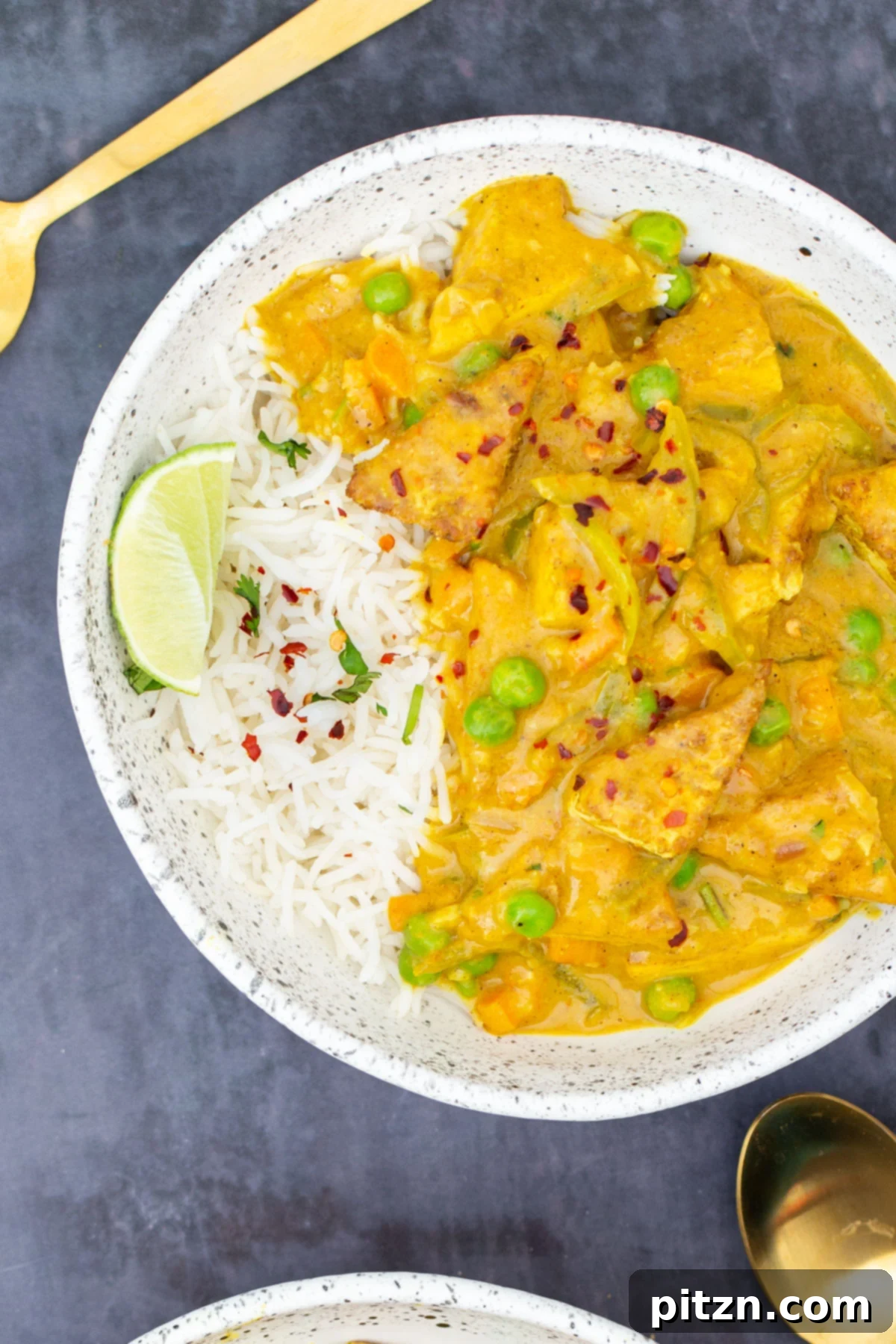
Embark on a culinary journey to Southeast Asia with this exquisite Malaysian Tofu Coconut Curry. Perfectly spiced with a vibrant homemade mild curry powder, this dish delivers an explosion of flavors in every bite. Featuring incredibly crisp tofu nestled in a rich, creamy coconut sauce, it’s a quick, easy, and profoundly satisfying vegan comfort food that comes together effortlessly in just one pan. Serve it hot with fluffy rice for a truly authentic and nourishing meal.
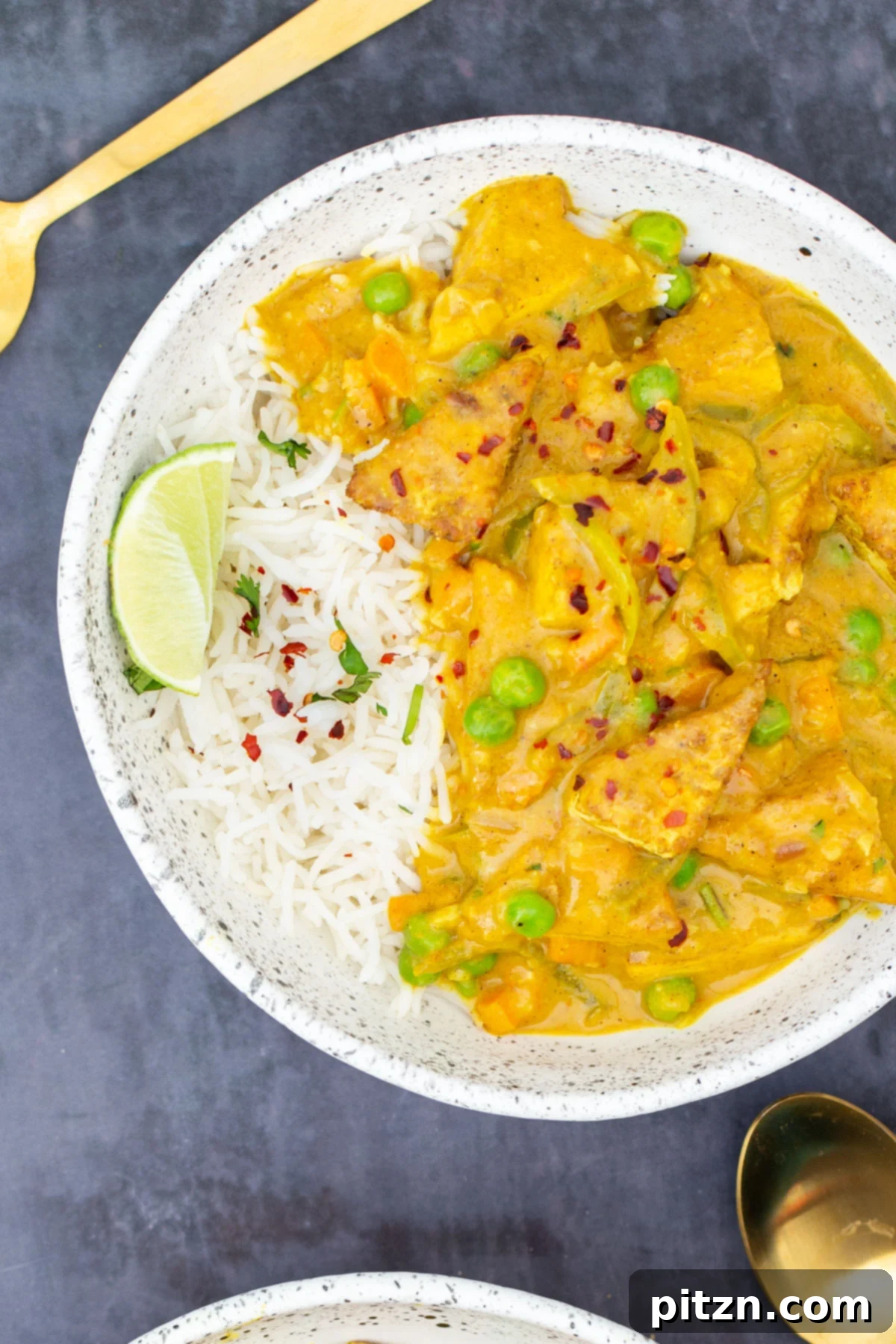
You are about to discover your new favorite weeknight meal with this incredibly easy, Malaysian-inspired Tofu and Veggie Curry. This plant-based curry is not just a comforting bowl of Southeast Asian goodness, but also remarkably versatile, allowing you to tailor it to your personal preferences and whatever ingredients you have readily available. Whether you’re looking to use up leftover vegetables, adjust the spice level, or explore different protein options, this recipe provides the perfect foundation.
The culinary landscape of Southeast Asia is a tapestry of diverse flavors, with many countries and regions boasting their unique interpretations of curry. Malaysian cuisine, in particular, stands out for its rich heritage, deeply influenced by the vibrant traditions of Indonesia, India, Thailand, and other neighboring cultures. This fusion has resulted in an exceptionally flavorful and aromatic cuisine that tantalizes the taste buds. From the iconic curries and flaky roti canai to savory rendang, fragrant Nasi Lemak (coconut rice), hearty murtabak, and invigorating Laksa soup, Malaysian dishes offer a remarkable depth of flavor. As with many Asian culinary traditions, recipes often vary subtly based on family influences, regional styles, and local restaurants. We encourage you to embrace this spirit of culinary exploration: feel free to tweak this recipe and make it truly your own, creating a dish that perfectly suits your palate.
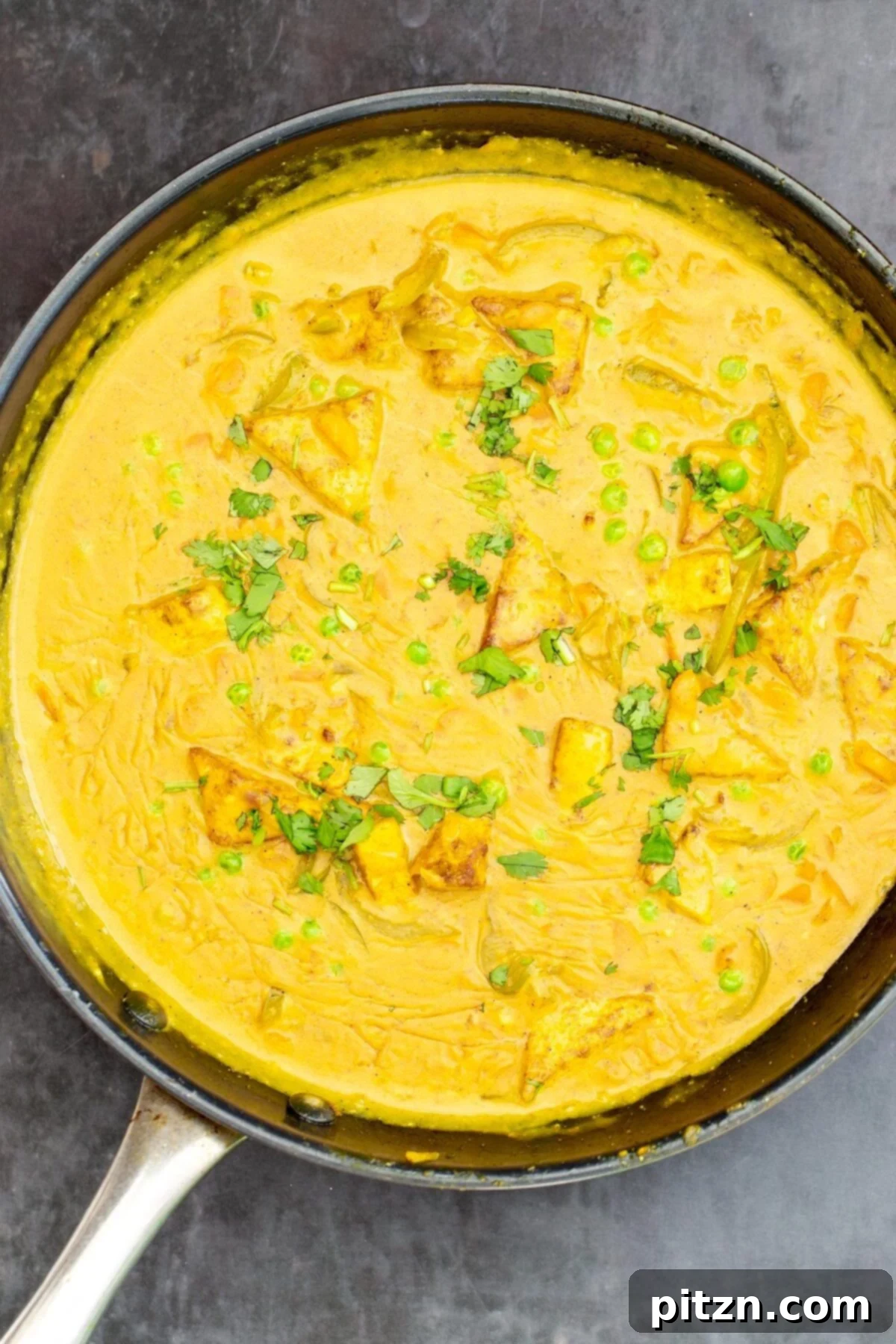
For those looking to make this dish soy-free, a simple substitution is all it takes. Instead of traditional tofu, you can opt for chickpea tofu, seitan, or any other vegan chicken substitute that suits your dietary needs. Furthermore, replace soy sauce with coconut aminos to ensure the entire dish remains free of soy, without compromising on that essential savory depth.
If you prefer a coconut-free option, you don’t have to miss out on the creamy texture that makes this curry so inviting. Simply swap out the coconut milk for another thick, non-dairy milk of your choice. Cashew cream, a blend of oat milk with a spoonful of cornstarch for thickening, or even a pureed silken tofu can provide a wonderfully rich and satisfying base for your curry, ensuring a delicious outcome every time.
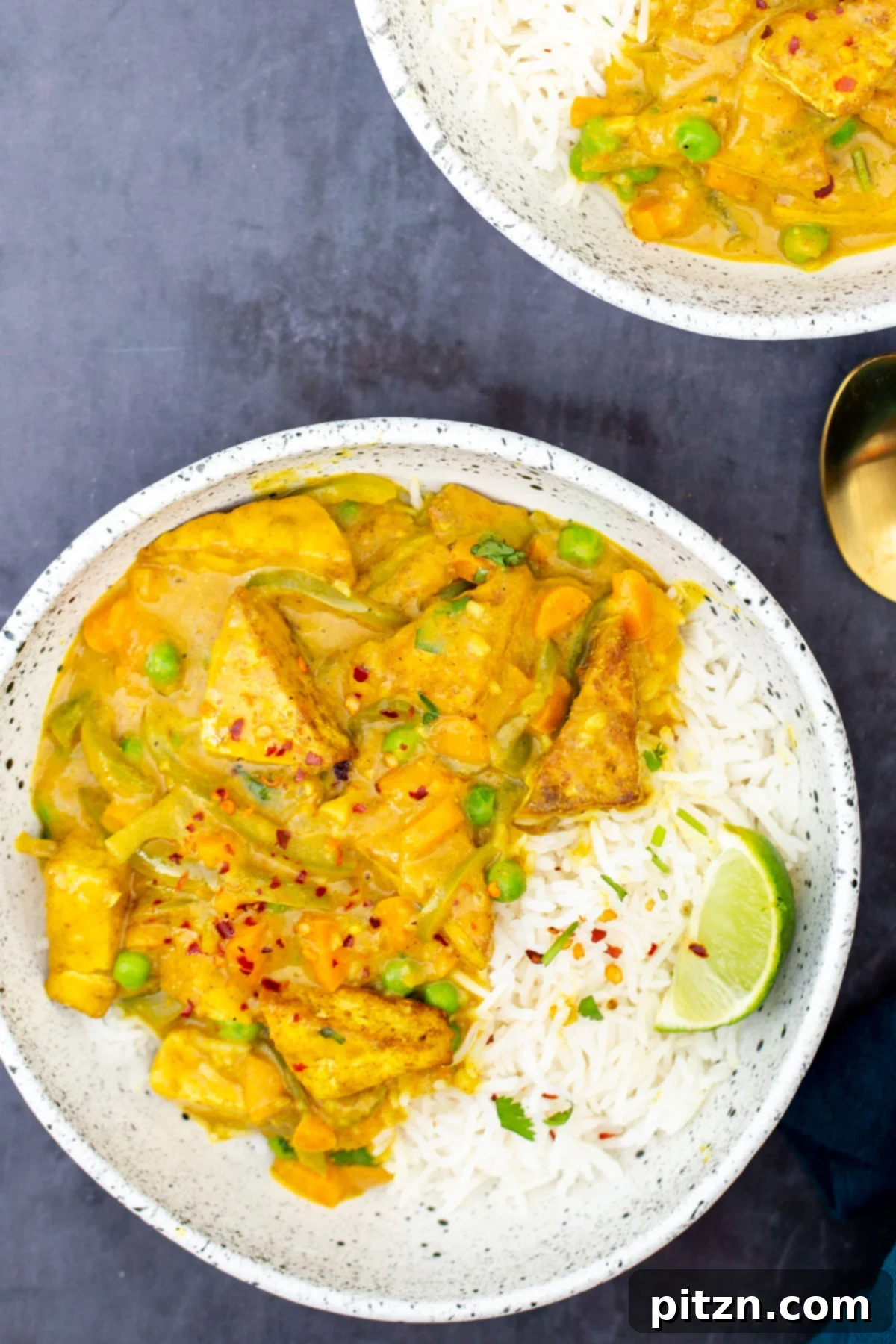
What truly elevates this Malaysian Tofu Coconut Curry, making it exceptionally special, are the perfectly crispy tofu cubes. We don’t just add plain tofu to the curry; instead, we take an extra step to season and pan-fry the tofu before incorporating it into the rich sauce. This crucial preparation step creates a delightful contrast: a wonderfully crisp exterior that yields to a tender, flavorful interior. The texture not only adds an exciting element to the dish but also allows the tofu to absorb the curry’s aromatic spices even more effectively, making each bite an unforgettable experience.
Why You’ll Adore This Malaysian Tofu Coconut Curry
- One-Pan Wonder: This recipe is designed for maximum convenience, utilizing just a single pan from start to finish. This means less cleanup and more time to savor your delicious meal, making it perfect for busy weeknights or when you simply want an easy cooking experience.
- Ultimate Veggie Utilization: It’s an ideal recipe for clearing out your refrigerator and making the most of any leftover vegetables. From bell peppers and zucchini to carrots and green beans, almost any vegetable can find a delicious home in this versatile curry, reducing food waste and adding nutritional value.
- Everyday Ingredients: You won’t need a trip to a specialty store for this recipe. All the ingredients are commonly found at most grocery stores, making this flavorful Malaysian curry accessible to everyone, everywhere.
- Quick, Easy, and Satisfying: Despite its rich and complex flavor profile, this curry comes together remarkably fast. It’s a satisfying meal that fills you up without weighing you down, offering a perfect balance of protein, healthy fats, and vibrant vegetables.
- Dietary Inclusivity with Nut-Free & Gluten-Free Options: We understand diverse dietary needs. This recipe is naturally nut-free, and we provide simple modifications to ensure it is also gluten-free, making it a safe and delicious option for those with allergies or sensitivities.
- Adaptable Beyond Tofu: While tofu is the star, this curry can easily be made without it. Substitute with other plant-based proteins like chickpeas, lentils, or a medley of mushrooms for a equally delightful and hearty dish.

Explore More Vegan Tofu Curries:
If you love this recipe, be sure to check out these other fantastic tofu curry creations from our kitchen:
Malai Tofu Curry; Vegan Malai Paneer
Baked Tofu Curry (Easy Tofu Makhani)
Madras Curry Tofu Casserole
Vegan Tofu Katsu Curry
Malaysian Tofu Curry

Print Recipe
Ingredients
For the Tofu:
- 14 ounce firm or extra firm tofu, pressed for at least 15 minutes and cubed or sliced
- 1 teaspoon oil
- 2 teaspoons soy sauce
- 1/2 teaspoon garlic powder
- 1/4 teaspoon black pepper
- 1 teaspoon curry powder
For the Curry:
- 2 teaspoons oil
- 1/4 cup chopped onion
- 2 cloves garlic, minced
- 1 tablespoon curry powder (see notes for making your own quick curry powder)
- 1 tablespoon all purpose flour (use 2 tsp gluten-free flour blend, rice flour, or cornstarch for a Gluten-free option)
- 3/4 teaspoon salt (or to preference)
- 1 teaspoon soy sauce (use tamari for Gluten-free)
- 1 teaspoon tomato paste (or use ketchup)
- 1/2 teaspoon of sugar or maple syrup
- 15 ounce can of full-fat coconut milk
- 2 cups of mixed veggies (e.g., zucchini, carrots, bell pepper, peas)
- Fresh cilantro and lime juice for garnish
Instructions
-
Crisp up your tofu: Begin by adding your pressed and cubed tofu to a large bowl. Season generously with soy sauce, garlic powder, black pepper, and curry powder. Toss everything together until the tofu cubes are evenly coated with the aromatic spice blend.
-
Heat a large skillet over medium-high heat. Add the specified oil, then carefully place your seasoned tofu cubes into the hot pan. Cook, turning occasionally, until the tofu achieves a beautiful golden-brown color and a wonderfully crisp texture on several edges. Once crisped, transfer the tofu to a separate bowl and set aside.
-
Prepare the curry base: In the same skillet, add another teaspoon of oil (if needed). Introduce the chopped onion and minced garlic, along with a small pinch of salt. Sauté these aromatics over medium heat until the onion turns translucent and develops a lovely golden hue, about 3-5 minutes.
-
Next, add the curry powder to the skillet and stir it thoroughly into the onion and garlic mixture. Cook the spices for about half a minute, allowing their fragrant aromas to bloom. Then, add the all-purpose flour and mix it in for a few seconds to create a roux that will thicken the curry sauce.
-
Stir in the salt, soy sauce, and tomato paste, ensuring all ingredients are well combined. If you are using longer-cooking vegetables such as carrots or potatoes, add them to the pan at this stage. Cook them for 2-3 minutes to give them a head start before adding other ingredients.
-
Now, add the remaining vegetables, the specified salt, sugar or maple syrup, and the full can of coconut milk to the skillet. Mix everything thoroughly to combine. Cover the pan and let the curry simmer gently for 9-12 minutes, or until all the vegetables are cooked to your desired tenderness.
-
If using peas, add them during the last 2 minutes of cooking, stirring them into the curry until just tender. Taste the curry and adjust the salt and any other seasonings to your preference. Finally, gently fold in half of your crispy tofu cubes.
-
Garnish generously with fresh lime juice and serve your fragrant Malaysian Tofu Coconut Curry over a bed of steamed rice. For an extra touch of texture and flavor, add more of the reserved crispy tofu directly into each serving bowl.
Video
Notes
For a soy-free version, you have several excellent options. Replace the tofu with chickpea tofu, seitan, or a store-bought vegan chicken substitute. Additionally, ensure you substitute the soy sauce with coconut aminos to maintain the soy-free integrity of the dish while still achieving a great umami flavor.
If you need a coconut-free curry, simply use another thick non-dairy milk as your base. Options like cashew cream, a blend of thick oat milk, or even pureed silken tofu can provide the desired richness and creaminess without coconut.
To make this recipe oil-free: instead of oil, use water or vegetable broth to sauté the curry aromatics. For the tofu, marinate it as usual, then bake it in the oven at 375°F (190°C) for about 20 minutes, flipping halfway, until it’s golden and firm. Combine half of the baked tofu with the curry as instructed.
For those avoiding onion and garlic: you can use finely diced zucchini or fennel as a flavorful alternative to onion. Omit the garlic entirely. To compensate for the missing aromatics and add depth, consider incorporating 1/4 teaspoon of ground mustard, a few dried fenugreek leaves, or a good pinch of asafoetida (hing) at the sautéing stage.
Nutrition
Nutrition information is automatically calculated, so should only be used as an approximation.
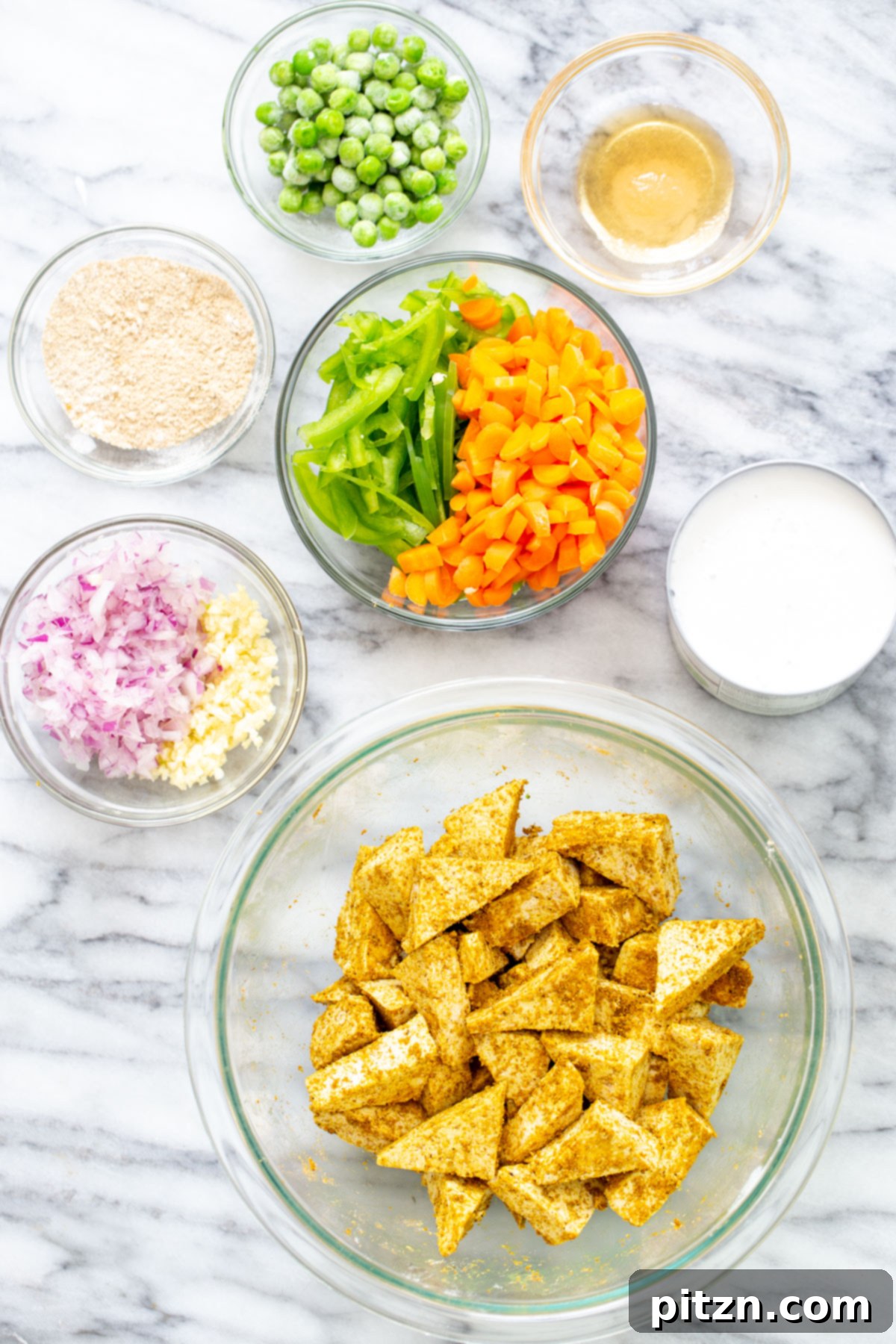
Key Ingredients for an Authentic Malaysian Tofu Curry:
Crafting a truly delicious Malaysian Tofu Coconut Curry starts with selecting the right ingredients. Each component plays a vital role in building the layered flavors and desirable textures of this classic dish:
- Tofu: For this recipe, we highly recommend using firm or extra-firm tofu. Its robust texture holds up beautifully to pressing, marinating, and pan-frying, ensuring your tofu cubes become delightfully crispy without crumbling. Tofu is a fantastic source of plant-based protein, making this meal hearty and nutritious.
- Tofu Seasoning Blend: The tofu is seasoned with a simple yet effective blend of garlic powder, black pepper, and curry powder, along with a touch of soy sauce. This pre-seasoning infuses the tofu with flavor before it even hits the pan, creating a delicious foundation.
- Aromatics (Onions & Garlic): The initial sautéing of chopped onions and minced garlic creates the aromatic base, known as the “rempah” in Malaysian cooking. This step is crucial for developing a deep, savory foundation of flavor that truly kicks off the curry.
- Curry Powder: This is the heart of our curry’s flavor. While good quality store-bought curry powder can be used, we highly recommend making your own homemade blend (see notes below for the recipe). A fresh homemade blend offers a more vibrant and authentic taste that truly shines through.
- Coconut Milk: Full-fat canned coconut milk is the cornerstone of this creamy curry sauce. It provides a luxurious richness and a characteristic sweetness that balances the spices, creating the signature velvety texture typical of Malaysian curries.
- All-Purpose Flour: A small amount of all-purpose flour is incorporated to gently thicken the gravy, giving it a pleasing consistency that coats the tofu and vegetables beautifully. For a gluten-free option, cornstarch or a gluten-free flour blend works just as well.
- Soy Sauce: Used for seasoning the curry itself, soy sauce adds an essential umami depth. If you are preparing a gluten-free version, tamari is an excellent substitute that delivers the same savory notes.
- Tomato Paste (or Ketchup): A touch of tomato paste or even ketchup is added to boost the umami profile of the curry and introduce a subtle tanginess that enhances the overall complexity of the flavor.
- Sweetener (Sugar or Maple Syrup): A small amount of sugar or maple syrup is crucial for balancing the savory and spicy notes of the curry, adding a hint of sweetness that rounds out the flavor profile beautifully, a common practice in many Southeast Asian dishes.
- Mixed Vegetables: This curry is incredibly versatile for incorporating your favorite vegetables. Zucchini, carrots, bell peppers, green beans, and peas are excellent choices that add texture, color, and a wealth of nutrients. Feel free to experiment with what’s in season or what you have on hand.
- Garnish: A sprinkle of fresh cilantro and a squeeze of lime juice at the end provide a burst of freshness and a bright, zesty finish, elevating the curry’s overall aroma and taste.
Expert Tips for Your Perfect Malaysian Tofu Curry:
Achieving a restaurant-quality Malaysian Tofu Coconut Curry at home is easier than you think with these practical tips:
- Tofu Pressing is Key: Always make sure to press your firm or extra-firm tofu thoroughly before marinating and pan-frying. Pressing removes excess water, allowing the tofu to absorb marinades better and achieve that coveted crispy texture when cooked. A tofu press or even heavy objects like books can be used.
- Layer Your Vegetables: The timing of adding vegetables is crucial for optimal texture. Harder, longer-cooking vegetables like carrots, potatoes, or bell peppers should be added earlier in the cooking process to ensure they become tender. Softer, quicker-cooking vegetables such as zucchini, spinach, or frozen peas should be added closer to the end to prevent them from becoming mushy. For fresh spinach, simply stir it in during the last minute or two of cooking until wilted.
- Customize Your Spice Level: The beauty of homemade curry is its adaptability. If you prefer a spicier curry, consider adding a pinch of cayenne pepper or a chopped red chili along with the curry powder. For a milder flavor, ensure your curry powder blend is mild or reduce its quantity slightly.
- Achieve the Perfect Tofu Crisp: Don’t overcrowd the pan when frying the tofu. Cook it in batches if necessary to ensure each piece has enough space to crisp up evenly. High heat and sufficient oil are also essential for that golden, crunchy exterior.
- Taste and Adjust: Always taste your curry before serving. Salt, sweetness, and tang can be adjusted to your liking. A splash of lime juice at the end can brighten flavors, while a pinch more sugar can balance any bitterness.
- Garnish for Freshness: Fresh cilantro and a squeeze of lime are not just for aesthetics. They add a crucial layer of fresh, zesty flavor that brightens the rich curry, making it even more appealing.
How to Make Malaysian Tofu Coconut Curry: A Step-by-Step Guide

To begin, prepare your tofu for maximum crispiness. In a spacious bowl, combine your well-pressed and cubed tofu. Season it generously with soy sauce, garlic powder, black pepper, and curry powder. Toss the tofu gently but thoroughly, ensuring each cube is evenly coated with the fragrant spice mixture. This crucial step infuses flavor deep into the tofu before cooking.
Next, heat a large skillet over medium-high heat. Add one teaspoon of oil to the hot pan. Once the oil shimmers, carefully add the seasoned tofu cubes in a single layer. Cook the tofu, turning each piece occasionally, until they develop a beautiful golden-brown color and a satisfyingly crisp texture on several sides. This usually takes about 5-7 minutes. Once crisped to perfection, transfer the tofu to a separate clean bowl and set it aside.
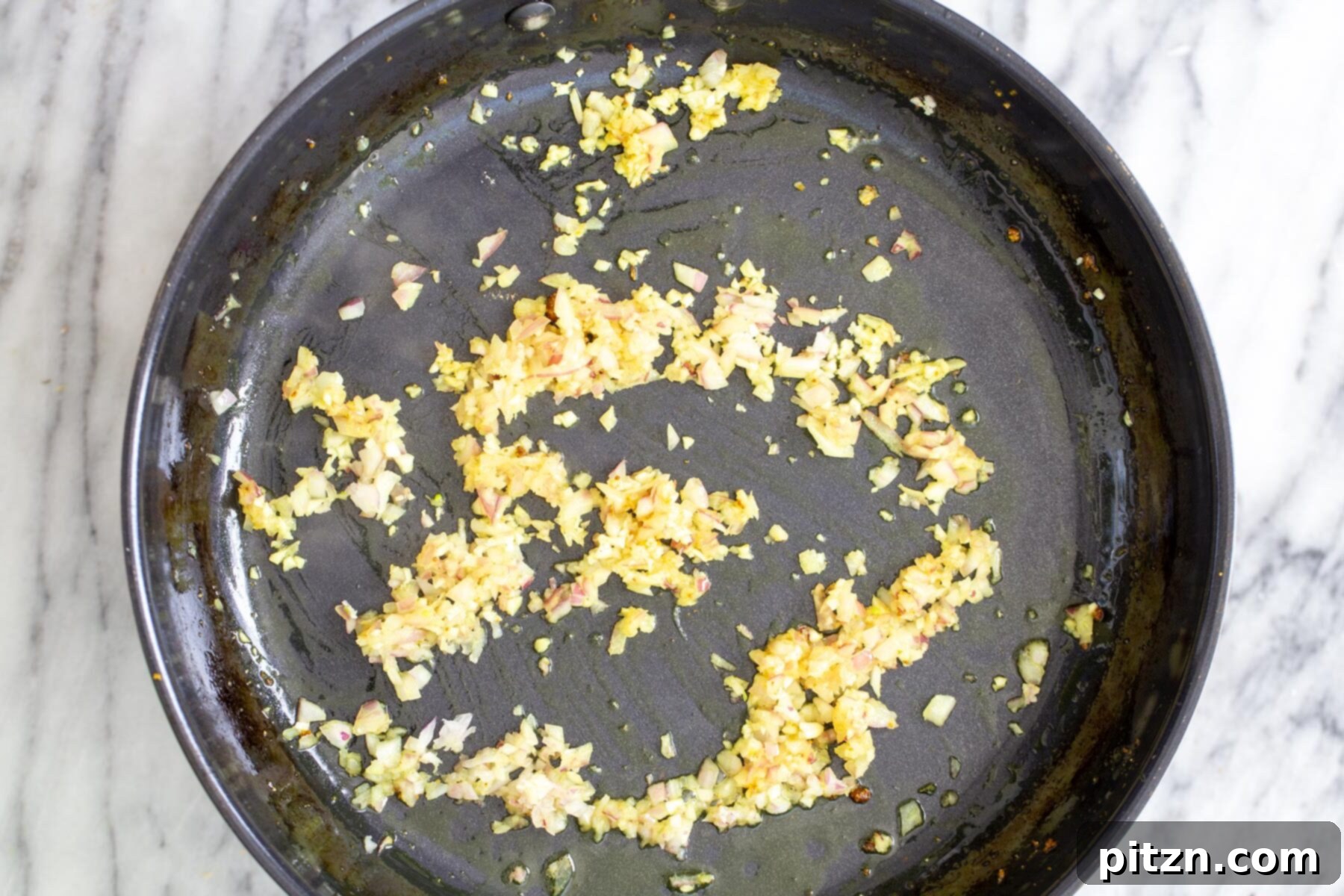
Now, it’s time to build the rich curry base. In the same skillet, add a second teaspoon of oil. Introduce the chopped onion and minced garlic, along with a pinch of salt. Sauté these aromatic ingredients over medium heat, stirring frequently, until the onion becomes translucent and begins to turn golden, typically taking 3-5 minutes. This forms the foundational flavor layer of your curry.
Once the aromatics are softened, add the main curry powder to the skillet. Stir it in well and cook the spices for about half a minute. This brief cooking time allows the flavors to bloom and intensify. Immediately follow by adding the all-purpose flour (or your chosen gluten-free thickener) and mix it thoroughly for a few seconds. The flour will create a roux that helps thicken the curry sauce to a perfect consistency.
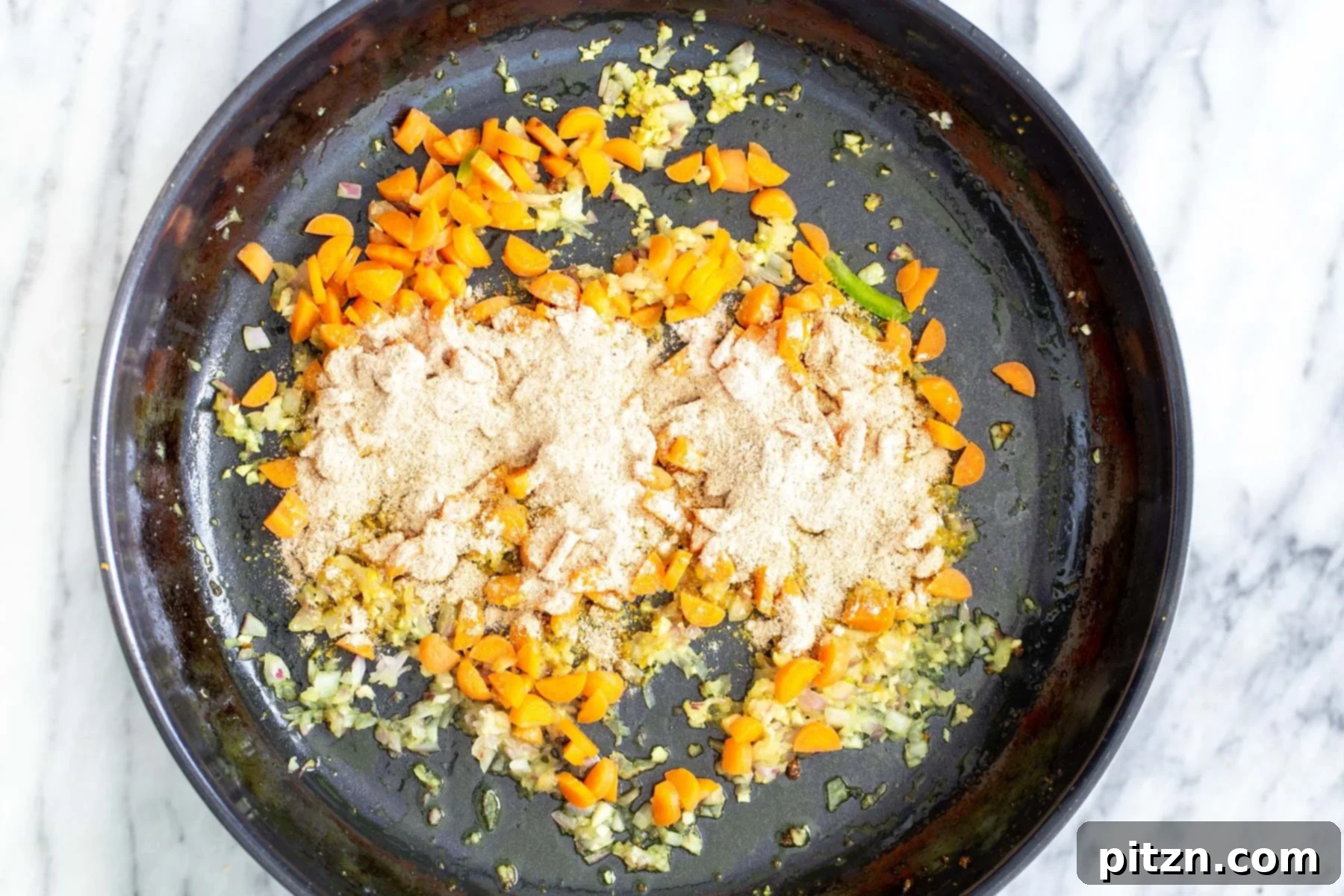
Stir in the additional salt, soy sauce (or tamari), and tomato paste, ensuring these savory elements are fully integrated into the spice mixture. This is the moment to add any longer-cooking vegetables you are using, such as carrots or bell peppers. Stir them into the sauce and cook for 2-3 minutes, allowing them to soften slightly before the main simmer.

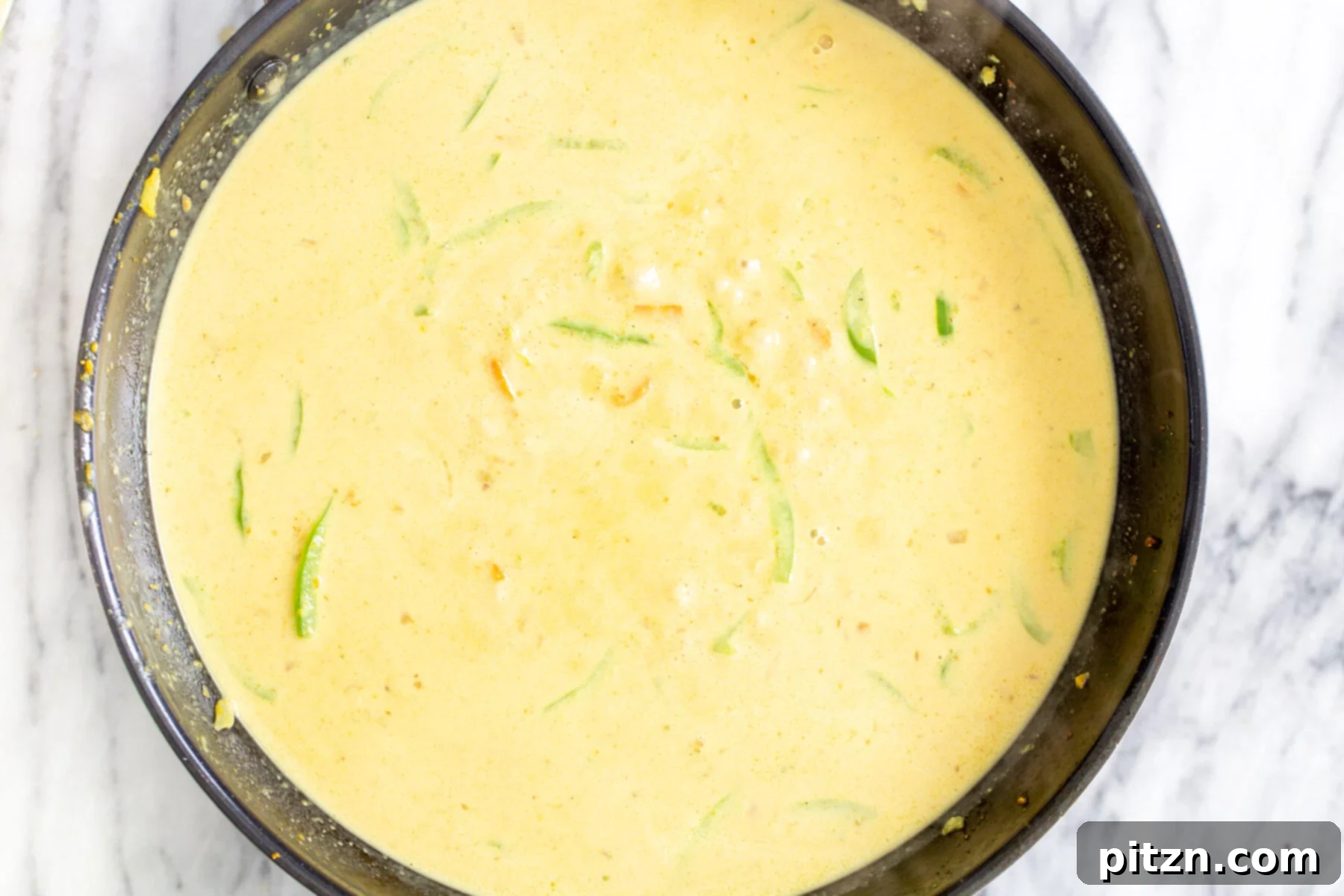
Now, incorporate the rest of your chosen vegetables, the remaining salt, sugar (or maple syrup), and the entire can of rich coconut milk. Stir everything well to combine the ingredients into a cohesive sauce. Cover the skillet and let the curry simmer gently for 9-12 minutes, or until all the vegetables have cooked to your preferred level of tenderness. The sauce will thicken beautifully during this time.
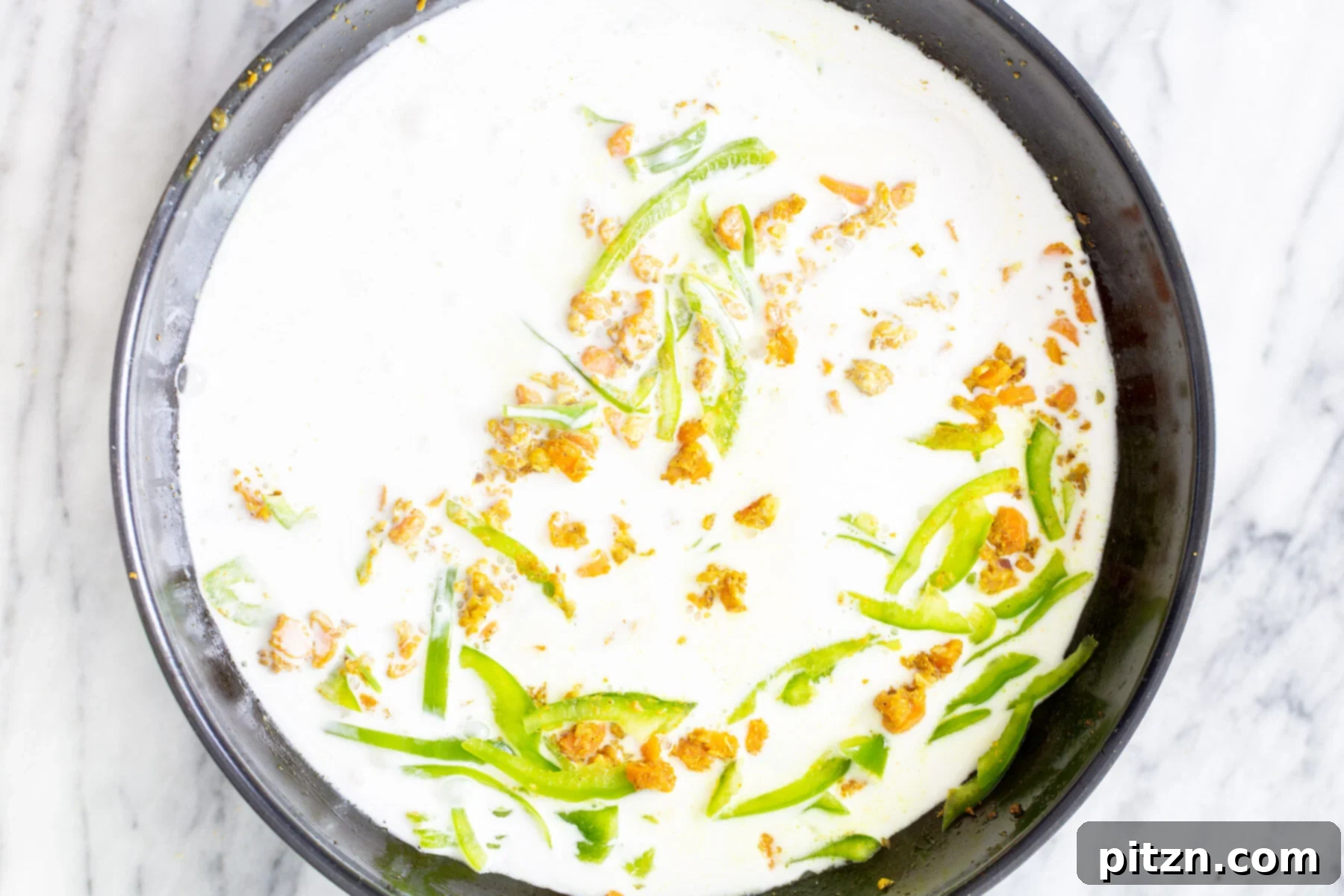
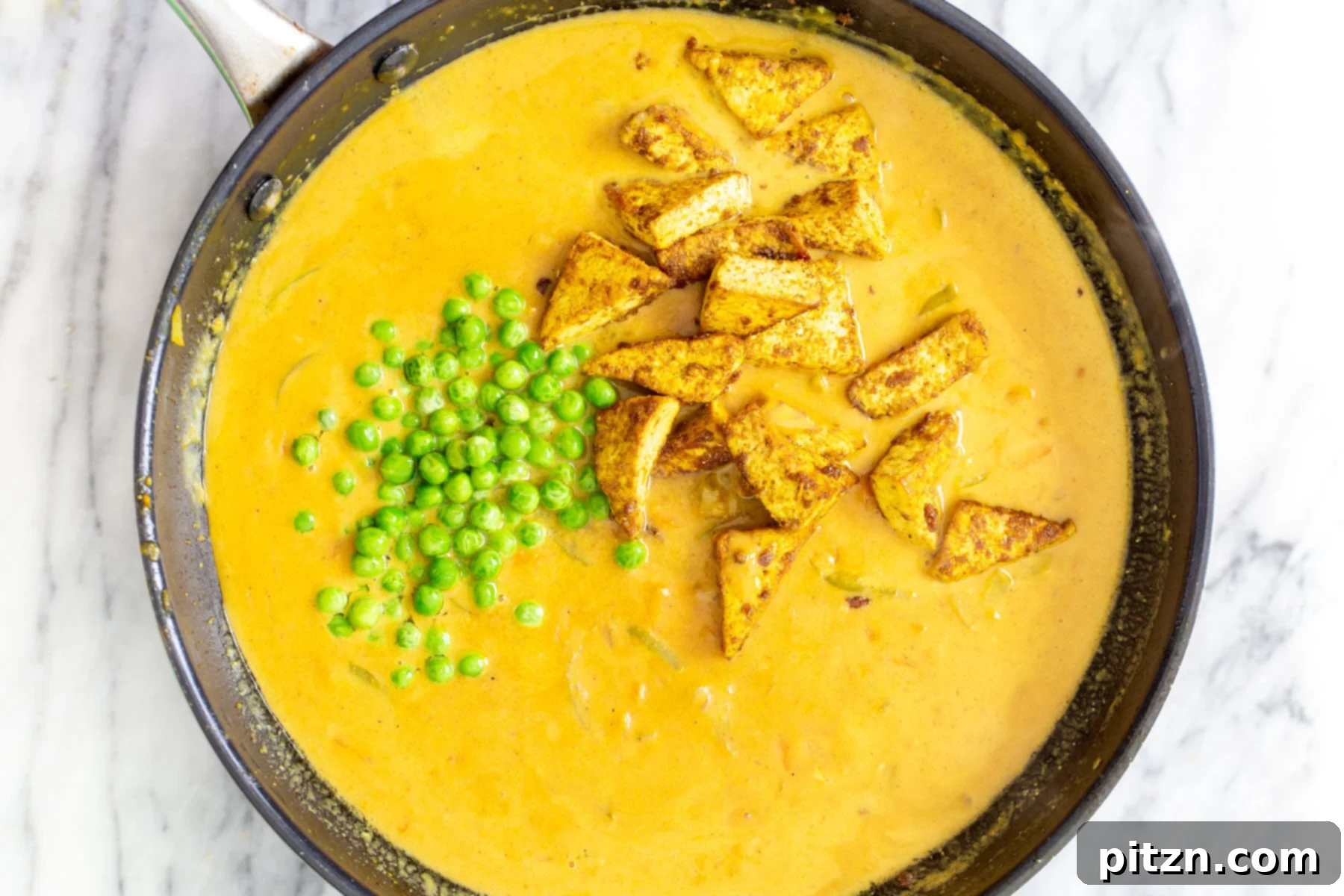
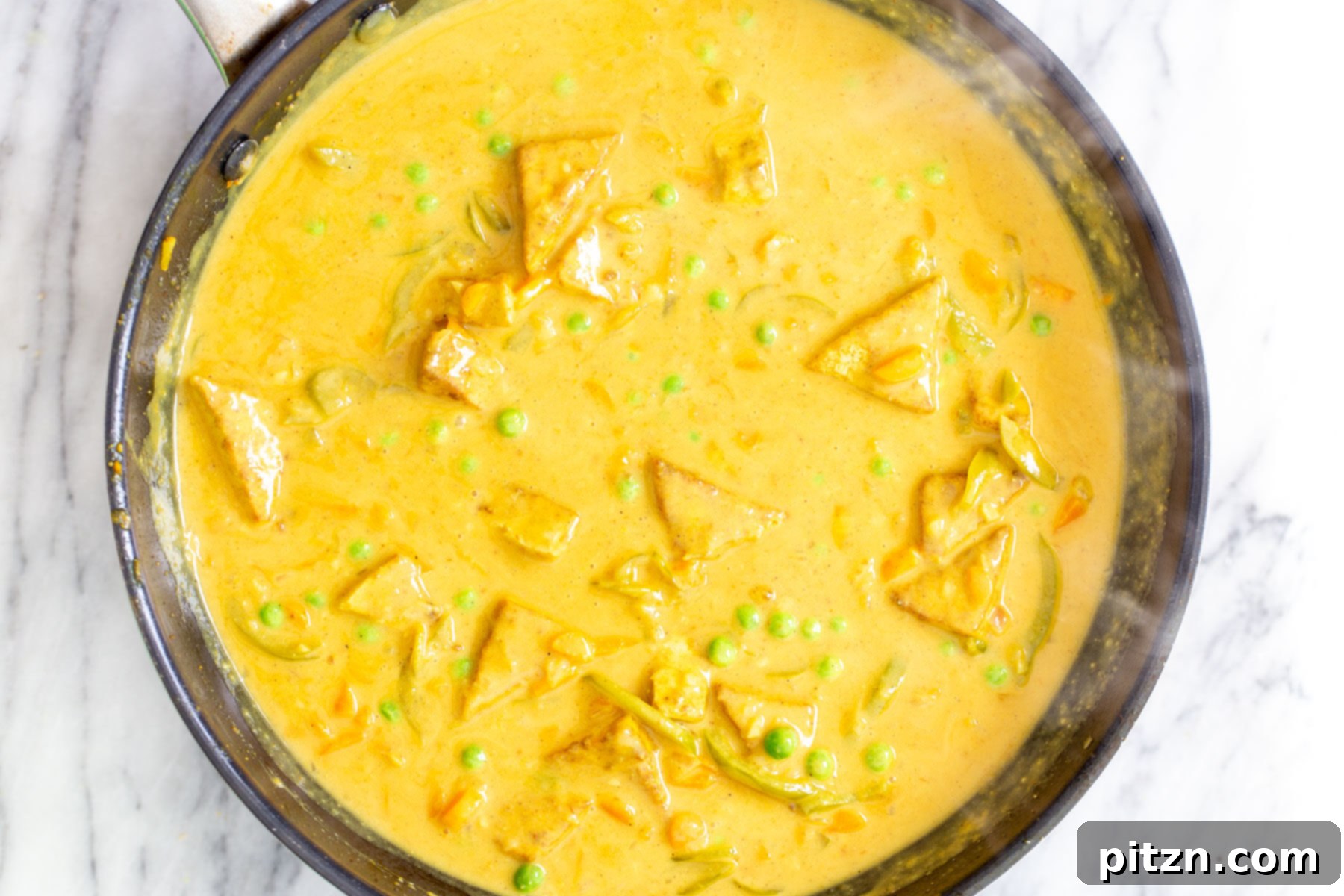
If you’re adding peas, stir them into the curry during the last 2 minutes of cooking. This ensures they cook through but remain bright green and slightly firm. Before serving, taste the curry and make any final adjustments to the salt and overall flavor profile. Gently fold in half of your crispy tofu cubes, allowing them to absorb some of the sauce while retaining their desirable texture.
To serve, ladle the fragrant Malaysian Tofu Coconut Curry over a generous portion of steamed rice. Finish by garnishing each bowl with a squeeze of fresh lime juice and an additional sprinkle of the reserved crispy tofu, adding a final burst of flavor and a delightful textural contrast. Enjoy this rich, aromatic, and deeply satisfying vegan meal!
Storage and Reheating:
To ensure your Malaysian Tofu Coconut Curry stays fresh and delicious, refrigerate any leftovers in a tightly sealed airtight container for up to 3 days. For best flavor and texture, allow the curry to cool completely before transferring it to storage. When reheating, you can gently warm it on the stovetop over medium-low heat, stirring occasionally, until it is heated through. If you prefer, individual portions can also be reheated in the microwave. Keep in mind that the crispy tofu might soften slightly upon refrigeration, but the curry’s rich flavors will often deepen overnight, making for an equally delightful meal the next day.