
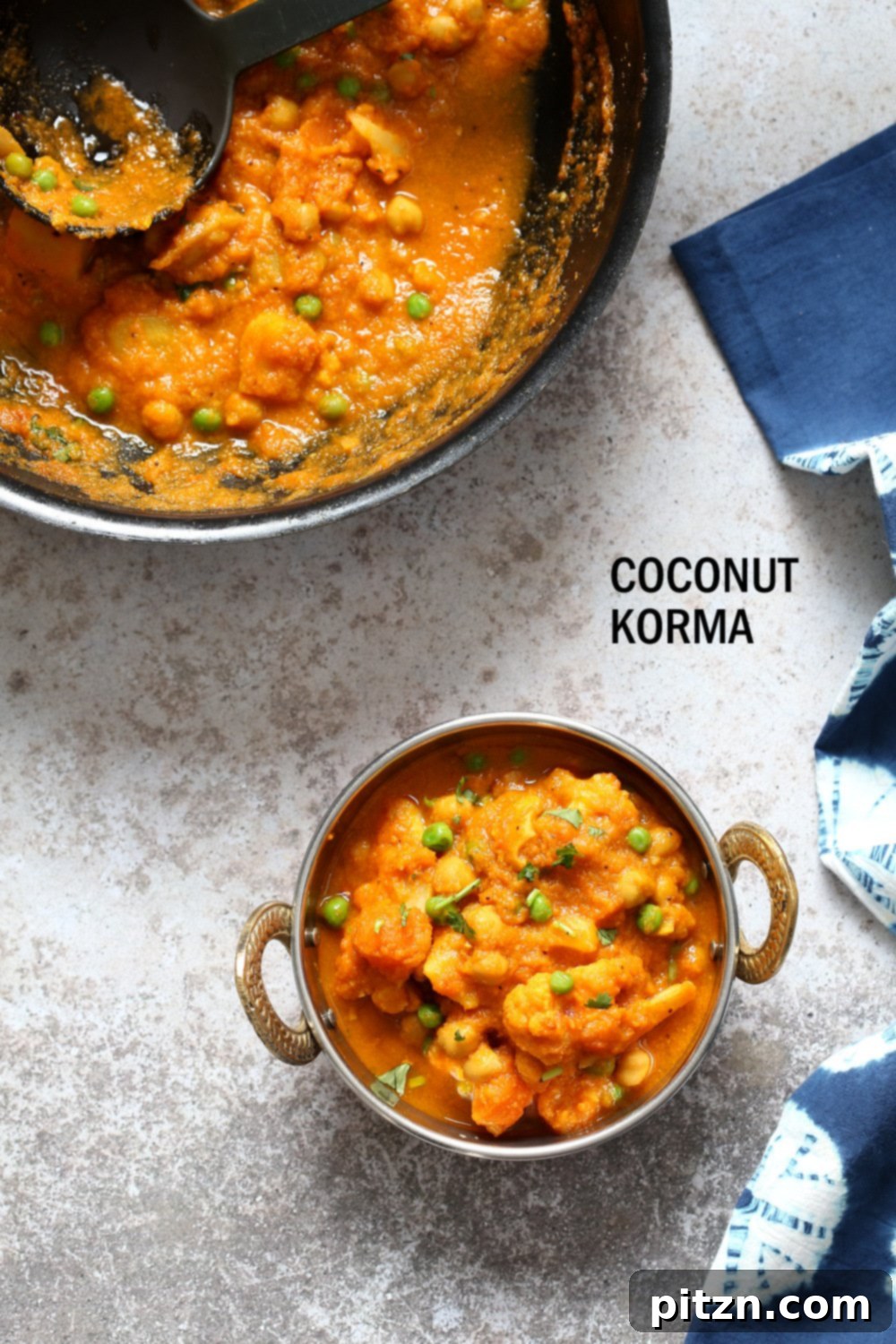
Welcome to a culinary journey that brings the vibrant flavors of India right to your kitchen with this incredibly easy and delectable **Veggie Kurma**. Often referred to as Vegetable Korma, this specific recipe focuses on a rich, aromatic coconut-based sauce, making it a perfect meal for anyone seeking a wholesome, plant-based dish. Packed with nutritious ingredients like cauliflower, potatoes, carrots, and chickpeas, this one-pot wonder simplifies the art of Indian cooking, proving that exquisite flavors don’t have to be complicated. Whether you’re a seasoned chef or new to the world of vegan cuisine, this Gluten-Free, Soy-Free, and Nut-Free Korma recipe is designed for maximum flavor with minimal fuss, adaptable for both stovetop and Instant Pot cooking.
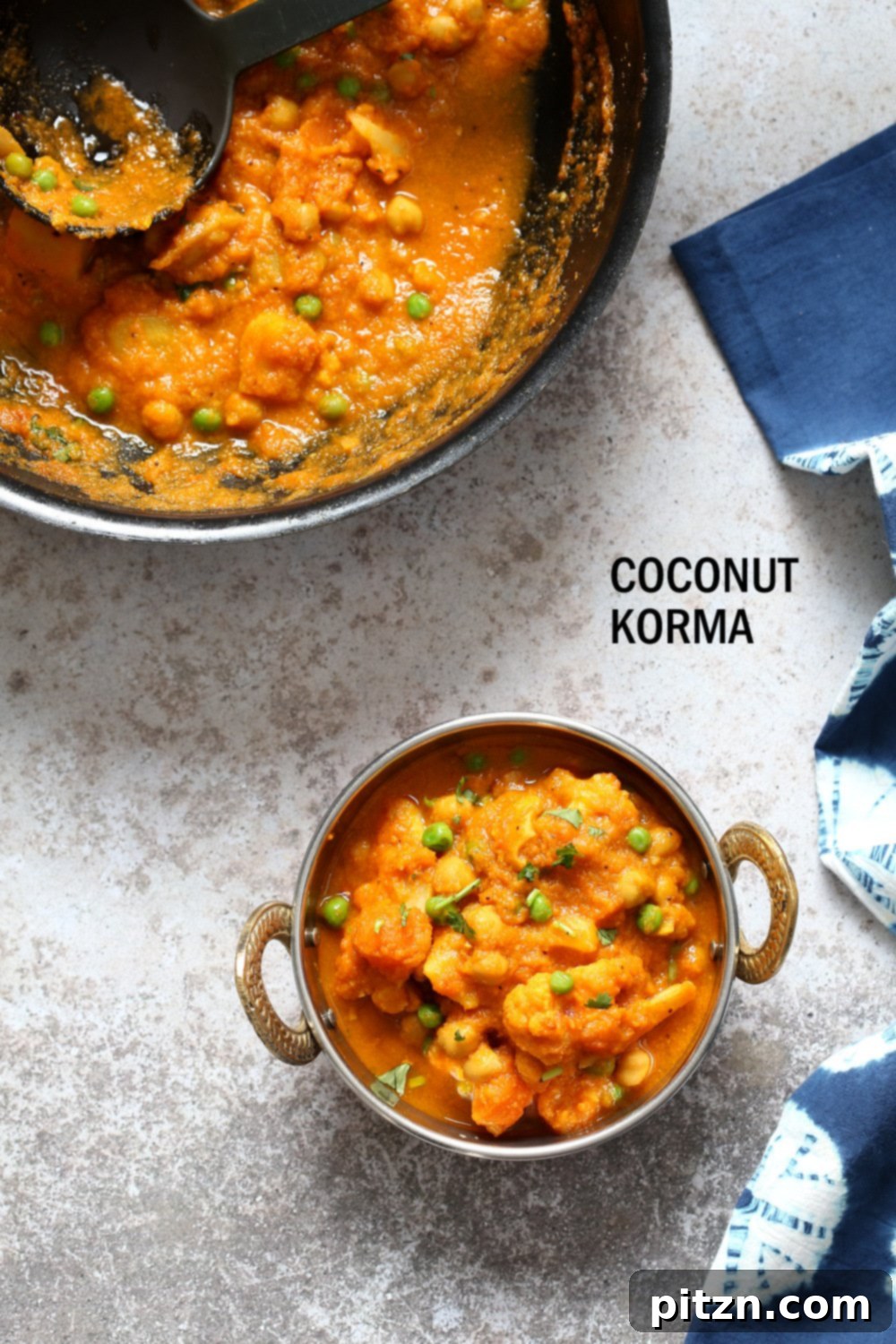
The Rich Heritage of Korma and Kurma
The world of Indian cuisine is incredibly diverse, and Korma stands as a testament to its rich tapestry of flavors. Just like there are countless variations of Dal (lentil stews), Korma too boasts a multitude of regional interpretations. Originating from the Mughlai cuisine, Korma traditionally refers to a dish made with meat or vegetables braised in a rich, creamy sauce, often featuring yogurt, cream, nuts, and a complex blend of spices. Its hallmark is a mild, subtly sweet, and incredibly aromatic profile, a stark contrast to spicier curries.
This particular recipe draws inspiration from a coconut-based “Kurma,” a term often used in Southern India to describe a similar stew that leans heavily on fresh coconut for its creamy texture and distinct sweetness. While Korma and Kurma share a common lineage of being rich, flavorful stews, the regional variations in ingredients – particularly the inclusion of whole spices like fennel seeds and the prominent use of coconut milk – give Kurma a unique identity. Our Veggie Kurma blends these influences, creating a sauce that is both comforting and exhilarating, showcasing the best of plant-based Indian cooking without compromising on authenticity or flavor.
Why This One-Pot Vegan Korma is a Weekday Essential
In our busy lives, finding a recipe that is both healthy and convenient is a true treasure. This Veggie Kurma fits the bill perfectly. Designed as a “1 Pot” meal, it minimizes cleanup while maximizing flavor, making it an ideal choice for a quick and satisfying weekday dinner. The beauty of this recipe lies in its simplicity and accessibility. By blending common aromatic ingredients like onion, tomato, ginger, and garlic with a hint of whole spices and shredded coconut, we create a smooth, deeply flavorful puree that forms the heart of our Korma sauce. This puree is then expertly cooked, allowing the flavors to meld and deepen, before introducing the vegetables and simmering them in a luxurious coconut milk base. The result is a creamy, fragrant, and incredibly satisfying dish that can be on your table in under an hour.
A Meal for Everyone: Vegan, Gluten-Free, Soy-Free, and Nut-Free
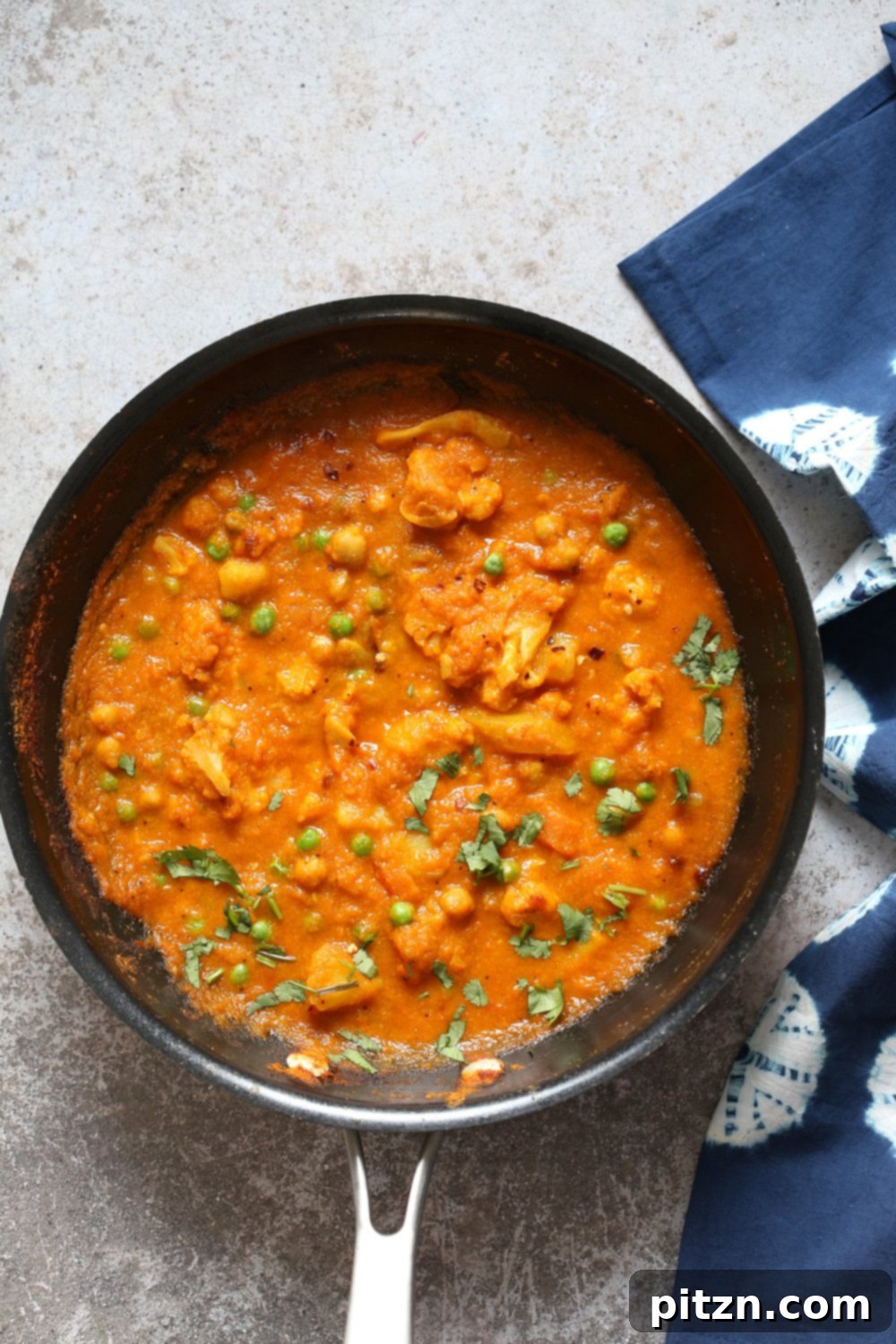
One of the most remarkable aspects of this Veggie Kurma is its incredible adaptability to various dietary needs. This recipe is naturally vegan, relying entirely on plant-based ingredients for its richness and depth. Furthermore, by carefully selecting ingredients, we ensure it is also Gluten-Free, Soy-Free, and Nut-Free. This makes it a fantastic option for individuals with allergies or those following specific dietary restrictions, allowing everyone at the table to enjoy a delicious, wholesome meal without worry. The creaminess typically found in Korma is achieved here through coconut milk, providing a decadent texture and flavor that is completely dairy-free and incredibly satisfying. The chickpeas add a wonderful protein boost (18g protein per serving!), making this a truly well-rounded and nourishing dish.
Explore More One-Pot Vegan Delights
- 1 Pot Chickpea Sweet Potato Spinach Curry (GF Soy-free)
- Veggie Spring Rolls in Fried Rice Form. 1 Pot (GF)
- Kung Pao Lentils (GF)
- Lentils & Veggies in Thai Peanut Sauce (GF Soy-free)
- Aloo Palak Dal – Instant Pot Potato Spinach Lentil Curry (GF Soy-free)
- Sweet Potato Peanut Curry (GF Soy-free)
- Jamaican Curry with Red Lentils & White Beans (GF Soy-free)
For those eager to expand their Korma repertoire, stay tuned! I have a no-tomato Instant Pot version coming soon, and a vegan adaptation of Navratan Korma can be found in my first cookbook. These recipes continue the tradition of bringing flavorful, accessible vegan Indian cuisine to your home.
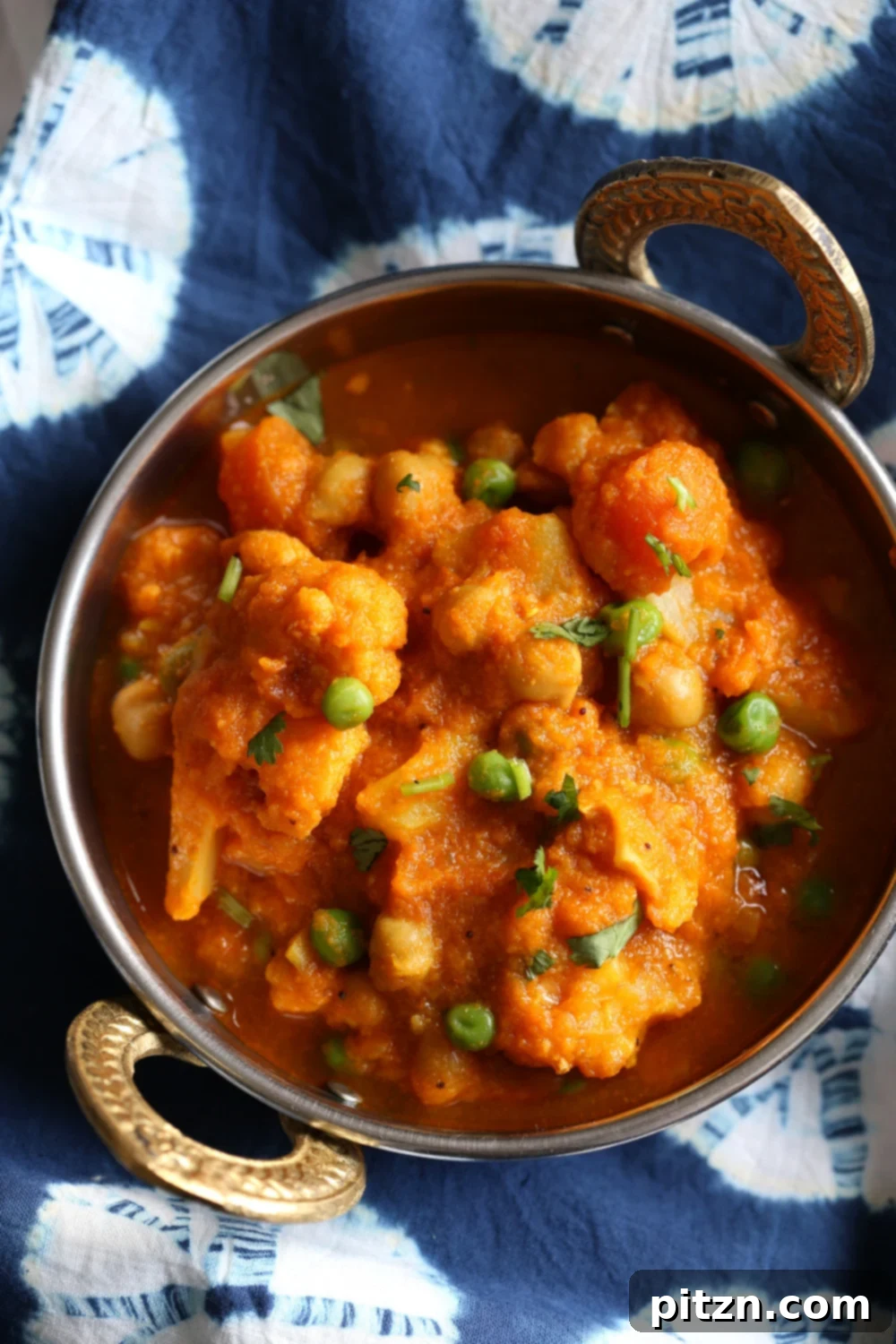
Mastering the Flavors: Tips for a Truly Flavorful Korma Sauce
- Start with Whole Spices: The foundation of any good Indian dish lies in its spices. Begin by toasting whole spices like fennel seeds (and optional cloves or cardamom pods) in oil. This crucial step “blooms” their flavors, releasing their essential oils and infusing the cooking oil with their aromatic essence, which then carries through the entire dish.
- Caramelize Your Base: After blending the onion, tomato, ginger, garlic, chile, and coconut into a smooth puree, take your time to cook this mixture thoroughly. Allow it to simmer and reduce, stirring occasionally, until it thickens and the onions begin to caramelize. This process deepens the “umami” notes and complexifies the flavor profile, preventing a raw or acidic taste.
- Patience is a Virtue: Indian sauces and curries, especially rich ones like Korma, often taste even better the next day. The flavors need time to meld and deepen. If possible, make it ahead of time, allowing it to sit overnight in the refrigerator. Reheating gently will enhance its taste.
- Freshness of Spices Matters: Old or stale ground spices can significantly lose their potency and aroma. Always use fresh spices for the best results. If your spices have been sitting in the pantry for a while, consider adding a little extra or doing a quick toast of ground spices in a dry pan before adding them to the wet ingredients to revive their essence. Garam Masala, in particular, can vary greatly in strength; adjust to your taste.
- Coconut Preparation: The type of coconut you use impacts the blending time. If using dried, thicker shredded coconut, ensure you blend the sauce for a longer duration, pausing and scraping down the sides as needed, to achieve a perfectly smooth puree. Adding a few tablespoons of water during blending can also assist in achieving that silky consistency.
- Balancing Sweet and Savory: While Korma is known for its mild sweetness, it’s important to balance it with savory and spicy notes. The recipe includes an optional dash of sugar or sweetener; add it gradually, tasting as you go, to achieve your preferred balance.

Veggie Kurma – Easy Coconut Korma Sauce with Vegetables

Ingredients
Sauce:
- 1/4 medium onion
- 2 medium tomatoes
- 5 cloves of garlic
- 1/2 inch ginger
- 1 green chile , or add cayenne with the ground spices to taste
- 1/4 tsp fennel seeds
- 2 tbsp shredded coconut
- 1 tsp oil
- 2 bay leaves
- 1/2 tsp turmeric
- 1/2 tsp garam masala
- 1/4 tsp each ground cardamom, , cinnamon
- 1 tsp coriander powder
- 1/2 tsp paprika
- a dash of black pepper, and cayenne for additional heat
Veggies:
- 1/2 head small Cauliflower, chopped into florets
- 1 medium potato, cubed
- 1/2 to 1 cup veggies such as carrots, zucchini, peppers
- 1 cup cooked chickpeas
- 1/4 cup peas
- 1 cup water or coconut milk
- 1/2 to 3/4 tsp salt
- 1/4 tsp sugar or sweetener, optional
Instructions
-
Blend onion, tomato, ginger, garlic, chile, fennel seeds and coconut until smooth. Add a few tbsp of water if needed. Blend for a minute, then let sit for 5 mins, then blend again. This will help the coconut and fennel seeds to break down and blend.
-
Add oil to a skillet over medium heat. Add bay leaves and cook for a few seconds. (you can add other whole spices such as 2 cloves or 1 slightly opened cardamom pod here for variation). Add the ground spices and mix in. Quickly add the blended mixture (so the ground spices don’t burn) and mix in. Add a dash of salt, Cook for 6 to 8 minutes, stirring occasionally so the onion gets well roasted.
-
When the onion tomato mixture is thick and starts to get fragrant (spice and roasted smell), add the veggies and chickpeas and mix in. Add water or coconut milk and salt and cover and cook for 13 to 15 minutes or until the veggies are cooked to preference. Taste and adjust salt and flavor.
-
Add in the peas. Add more coconut milk/cream if needed or some cashew cream for creamier. Simmer for a few minutes. Add 1/4 tsp sweetener if needed and mix in. Garnish with roasted cashews, cilantro, garam masala and sliced green chilies or cayenne for heat. Serve hot with Naan, roti flatbread or rice.
Notes
I prefer it on the stovetop for the control over the heat while roasting the sauce and the veggies getting cooked just right.
Nutrition is for 1 Serve.
Nutrition
Nutrition information is automatically calculated, so should only be used as an approximation.
Did you make this recipe? Rate and comment below!