
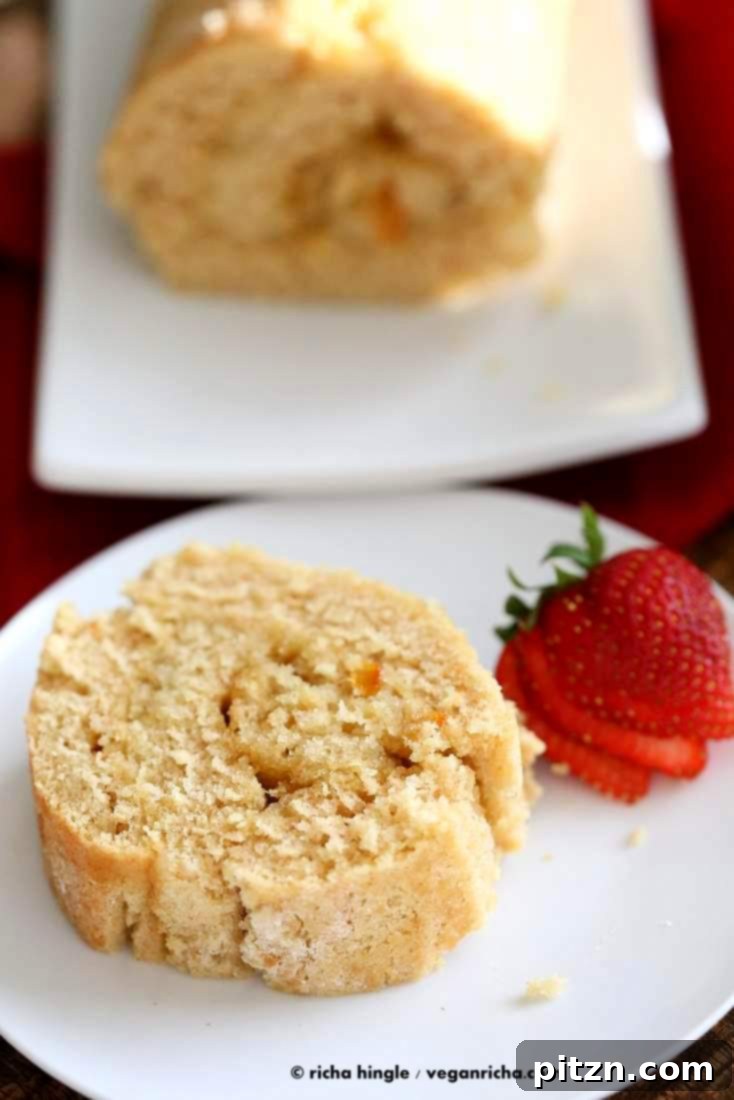
Welcome to a world of delightful plant-based baking! This recipe unveils the secrets to creating a stunning **Vegan Swiss Roll** featuring a luscious yellow cake and vibrant fruit preserves. Perfect for any celebration or a sweet craving, this easy-to-follow, soy-free recipe promises a dessert that’s as beautiful to behold as it is delicious to taste. Prepare to impress your friends and family with this moist, soft, and elegantly spiraled treat.
Jump to Recipe
The Irresistible Charm of a Vegan Swiss Roll
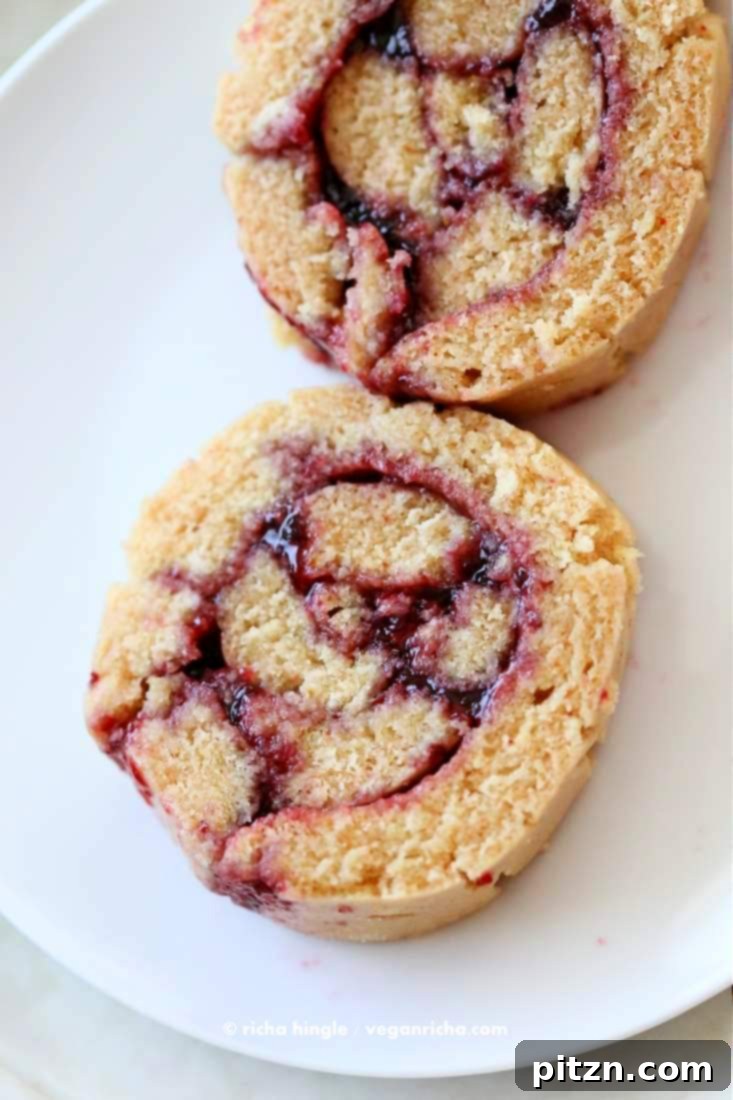
Swiss rolls, affectionately known as jelly rolls, are a global confectionery sensation. These delightful treats feature a thin, tender sponge cake that is baked and then artfully rolled around a flavorful filling. The magic of a Swiss roll lies in this perfect harmony: a delicate, airy cake embracing a vibrant, sweet, or creamy center. While traditional versions often use fruit jams, marmalades, rich whipped creams, or luscious frostings, our vegan interpretation captures this classic appeal without any animal products. We focus on a comforting yellow cake base, offering a familiar flavor profile that beautifully complements a wide array of fruit preserves.
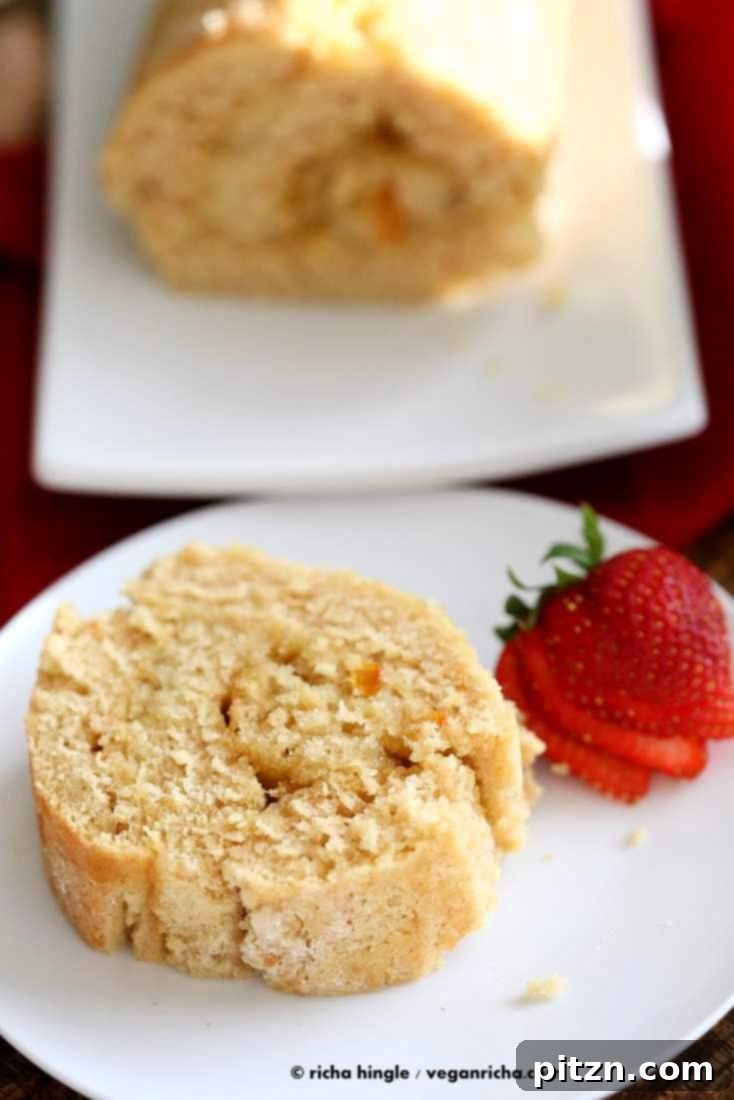
This specific recipe was born out of a love for a simple yellow cake, which I’ve transformed into a Swiss roll many times. I remember one instance where I only had a spicy orange marmalade on hand when taking photos – the filling barely showed! But later, I remade it with a delightful plum berry jam, and the results were absolutely amazing. The moist and soft texture of the yellow cake, infused with a hint of almond extract, pairs wonderfully with the sweet-tartness of fruit preserves, creating a truly memorable dessert experience. This easy Swiss roll cake is naturally soy-free and can be made on a 9×13 inch baking sheet or in an 8-inch cake pan.
Crafting the Perfect Vegan Yellow Cake Base
The cornerstone of an exceptional Swiss roll is undoubtedly its cake. For this recipe, we’ve perfected a vegan yellow cake that boasts an incredibly moist and soft texture—qualities essential for a cake that needs to be rolled without cracking. Our carefully selected plant-based ingredients work in harmony to achieve this ideal consistency. Non-dairy milk and non-dairy yogurt contribute to a rich, tender crumb, while flaxseed meal (or chia seed meal) acts as a fantastic binder and moisture enhancer, effectively replacing traditional eggs. A touch of apple cider vinegar, when combined with baking soda, creates a light and airy structure, ensuring your cake is fluffy and pliable.
Flavor is paramount, and this yellow cake doesn’t disappoint. A generous amount of vanilla extract provides a warm, comforting sweetness that evokes classic baking. A subtle whisper of almond extract then elevates the taste profile with a sophisticated, nutty undertone—this is often a secret ingredient for an unforgettable flavor in yellow cakes, adding depth and complexity. To achieve that iconic ‘yellow’ hue without any artificial colorings or eggs, an optional but highly recommended pinch of turmeric is added, lending a beautiful, natural golden color to the batter. This thoughtful combination of ingredients ensures a vegan yellow cake that is not only delicious but also perfectly suited for rolling into a stunning, crack-free Swiss roll.
From Batter to Bake: Key Steps for a Flawless Cake Sheet
Preparing the vegan yellow cake batter is straightforward, beginning with the wet ingredients. You’ll start by whisking together all the non-dairy milk, non-dairy yogurt, flaxseed meal, apple cider vinegar, oil, vanilla extract, almond extract, vegan powdered sugar, and optional turmeric until they are thoroughly combined, creating a smooth, emulsified base. In a separate bowl, the dry ingredients—unbleached white flour, cornstarch (for added tenderness), salt, baking powder, and baking soda—are mixed together. The dry mixture is then gently incorporated into the wet, and whisked for a crucial 1 to 2 minutes until the batter is smooth and silky. This step is vital as it allows the gluten to develop just enough, providing the structural integrity needed for the baked cake to be flexible and roll without tearing.
Before baking, ensure your oven is preheated to 350°F (180°C). Line a 9×13 inch baking sheet with parchment paper, allowing for some overhang on the sides for easy handling later. This parchment lining is key for effortless removal and manipulation of the delicate cake sheet. Pour the prepared batter onto the parchment-lined sheet and use a spatula to spread it thinly and evenly across the entire surface, aiming for approximately ¼ inch thickness. It might seem like a small amount of batter for such a large sheet, but this thinness is precisely what makes the cake pliable for rolling. Bake for just 13 to 14 minutes. Keep a close eye on it, as baking times can vary slightly. Test for doneness by inserting a toothpick a few inches from the edge; it should come out clean. Avoid overbaking at all costs, as this can dry out the cake and make it significantly more prone to cracking when rolled.
The Art of Rolling: Tips for a Crack-Free Swiss Roll (or Delicious Alternatives)
The moment of truth for any Swiss roll baker is the rolling itself. Many home bakers approach this step with trepidation, fearing cracks and crumbling. While it requires a gentle touch and a bit of care, achieving a perfectly rolled Swiss roll is entirely possible with a few key techniques. Immediately after baking, carefully slide the parchment paper supporting the warm cake off the baking sheet and onto a wire rack. Cover the cake with a clean kitchen towel for one to two minutes; this crucial step traps steam, keeping the cake moist and significantly more pliable as it cools slightly. Next, carefully trim the slightly firmer edges of the cake to create a uniform rectangular shape, ensuring clean lines for your roll.
Then, gently flip the cake onto a fresh piece of parchment paper or a thin, *slightly damp* kitchen towel. Carefully peel away the original baking parchment on which the cake was baked. While the cake is still warm and flexible, use the new parchment/damp towel to help you carefully roll the cake into a tight log, starting from one of the shorter ends. Don’t be discouraged if you notice tiny, superficial cracks during this initial roll – this is quite common, especially if it’s your first attempt. The goal here is to ‘train’ the cake into its spiral form while it’s still warm and cooperative. Allow the cake to cool completely in this rolled position, at room temperature. This cooling process helps the cake set its shape, greatly reducing the likelihood of cracking when you eventually unroll and fill it.
Once completely cooled, gently unroll the cake. Spread a light and even layer of your chosen filling—be it fruit preserves, marmalade, jellies, or vegan buttercream frosting—across the entire surface, leaving a small border free around the edges. Then, using the clean parchment or towel as a guide (but ensuring the towel is not rolled into the cake itself this time), carefully re-roll the cake into a firm, tight log. Transfer your finished Vegan Swiss Roll to a serving tray. For best results and easier slicing, cover it and chill it in the refrigerator for at least 30 minutes, which helps the filling set. When you’re ready to serve, simply slice it into elegant rounds and enjoy at room temperature, perhaps garnished with fresh berries or a dusting of powdered sugar for an extra touch of sophistication.
However, if the idea of rolling still seems like a challenge, or you simply prefer a different presentation, there are equally delightful alternatives! You can easily slice the baked yellow cake into equal rectangles and create a beautiful layered dessert, much like a deconstructed yule log, with alternating layers of your favorite preserve or frosting. Alternatively, this versatile yellow cake batter can be baked in an 8-inch round cake pan or a standard loaf pan. Once cooled, simply frost it generously with your preferred vegan frosting for a delicious and easy cake, no rolling required. The wonderful aroma of this cake baking fills the kitchen, and its taste is truly superior, regardless of its final form! And for a perfectly polished look, opting for a neutral-colored marmalade or jam as your filling can make the Swiss roll appear exceptionally clean and inviting when sliced.
Choosing Your Perfect Filling: Beyond Basic Jam
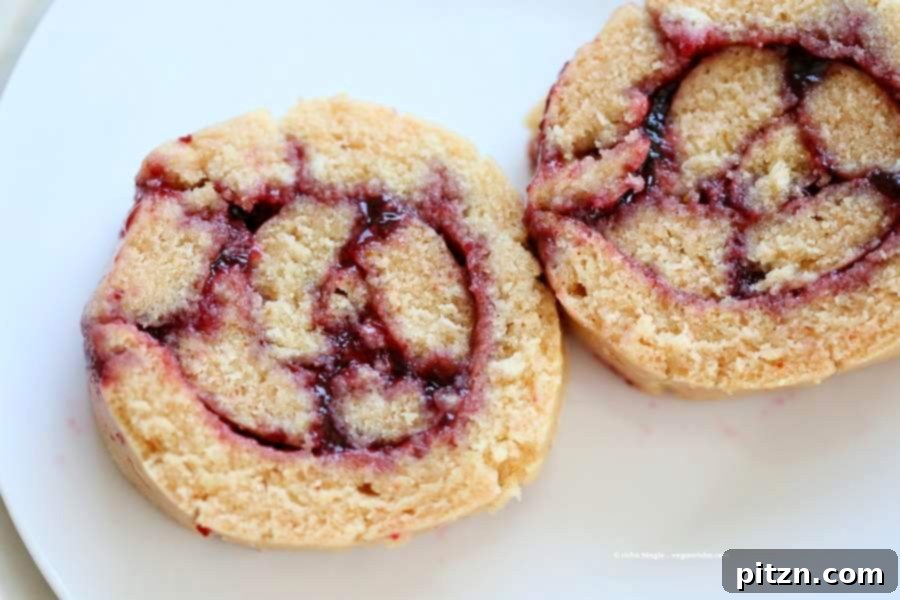
The filling is where you can truly let your creativity shine and personalize your Vegan Swiss Roll. While classic fruit preserves like a vibrant plum berry jam or a zesty orange marmalade are excellent and popular choices, don’t feel limited to the basics! A robust, flavorful preserve will beautifully complement the tender yellow cake. Imagine a tangy raspberry jam for a bright, contrasting note, or a sweet apricot preserve for a more traditional and comforting taste.
Beyond fruit-based fillings, consider a light and fluffy vegan buttercream frosting for a richer, more decadent experience, or a delicate whipped coconut cream for an airier texture. The versatility of this recipe allows for endless possibilities to suit your taste and occasion. Just ensure your chosen filling isn’t overly watery, as this could make the cake soggy. The beauty of this recipe lies in its adaptability; choose a filling that excites your palate and perfectly harmonizes with the delicate almond and vanilla undertones of the yellow cake. A little tip for impeccable presentation: if you’re aiming for a clean, elegant spiral when sliced, a lighter, more neutral-colored jam or marmalade can contribute significantly to this polished aesthetic.
More Vegan Cake Inspirations from Our Kitchen
If you’ve enjoyed creating this delightful Vegan Swiss Roll, we invite you to explore more of our cherished plant-based cake recipes. Expand your baking repertoire and discover new favorites that are just as easy and delicious:
- Spiced Apple Cake
- Vegan Chocolate Layer Cake for One (No Bake!)
- Vegan Gingerbread Cake
- Mini Vanilla Pound Cake Loaves
Steps at a Glance:
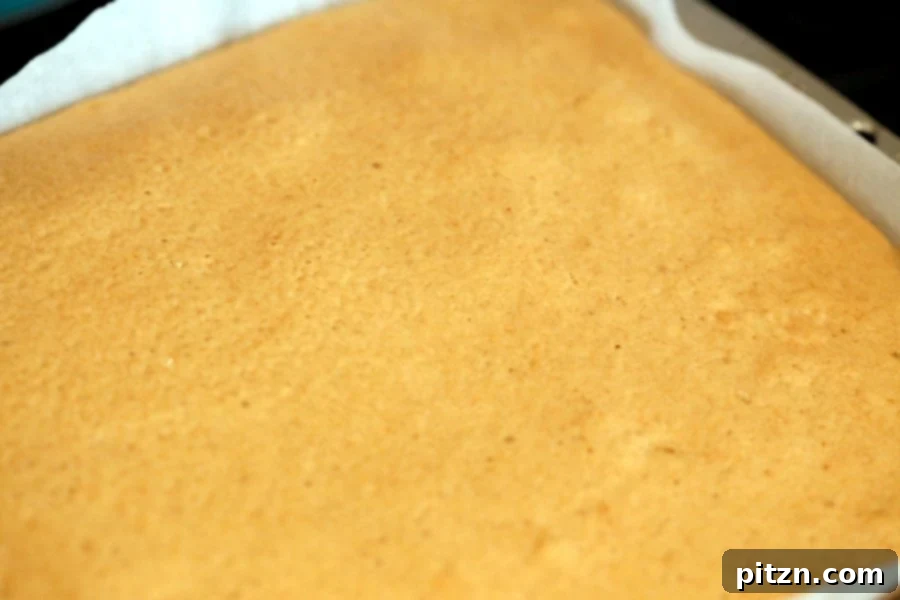
Prepare your delicate yellow cake, carefully trim its edges, and allow it to cool, covered with a towel, to maintain its moisture and pliability, essential for perfect rolling.
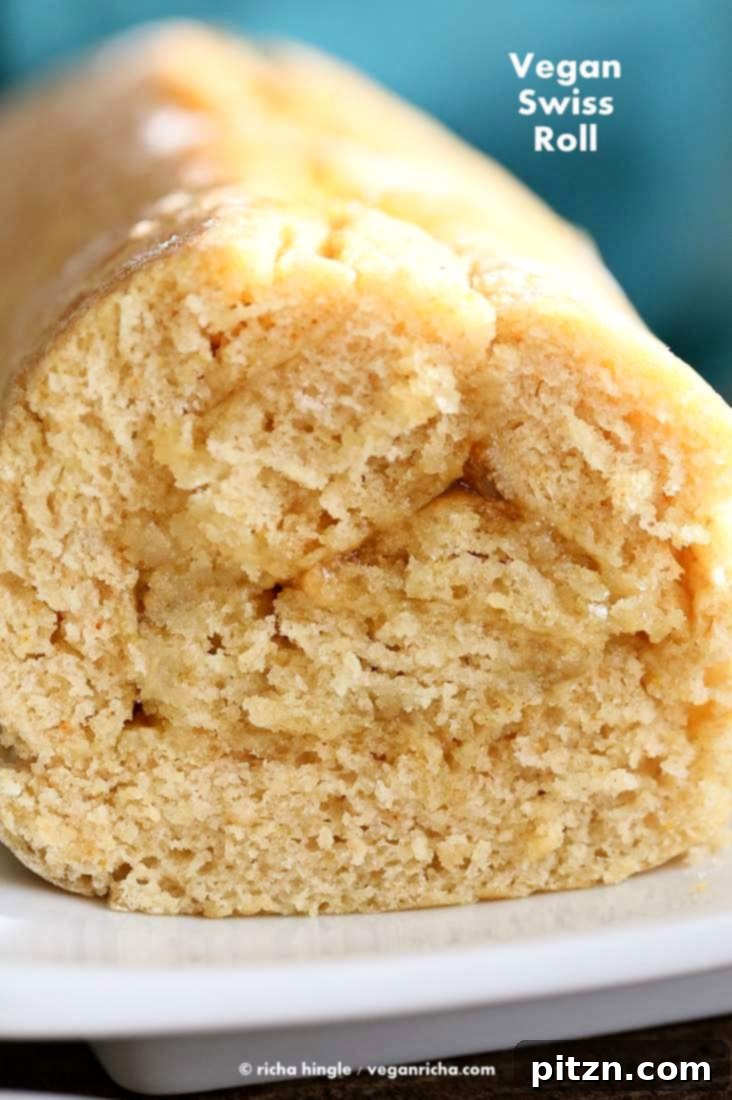
Spread a generous layer of your favorite fruit preserve, marmalade, or vegan frosting over the cooled cake, then gently roll it up with the aid of parchment paper or a thin kitchen towel to achieve that elegant spiral.
Vegan Swiss Roll with Yellow Cake

Print Recipe
Want to receive more amazing vegan recipes directly to your inbox every week? Subscribe now and never miss a new dish!
Ingredients
Wet Ingredients
- ¾ cup non-dairy milk
- 2 Tbsp non-dairy yogurt
- 1 Tbsp flax seed meal, or chia seed meal
- ½ tsp apple cider vinegar
- ¼ cup oil
- ¾ to 1 tsp vanilla extract
- ¼ tsp almond extract
- ½ cup vegan powdered sugar, or other fine sugar
- a generous pinch of turmeric for color, optional
Dry Ingredients
- 1 ¼ cup unbleached white flour
- 2 Tbsp cornstarch, or other starch
- ¼ tsp salt
- ¾ tsp baking powder
- ¼ tsp baking soda
- Filling: fruit preserves, marmalade, jellies, or vegan buttercream frosting
Instructions
-
In a large bowl, combine all the wet ingredients (non-dairy milk, non-dairy yogurt, flax seed meal, apple cider vinegar, oil, vanilla extract, almond extract, vegan powdered sugar, and optional turmeric). Whisk them thoroughly until they are well combined and smooth.
-
In a separate bowl, sift or mix together all the dry ingredients: unbleached white flour, cornstarch, salt, baking powder, and baking soda.
-
Gradually add the dry ingredients to the wet ingredients. Whisk the mixture for 1 to 2 minutes until it is smooth and silky. It’s important to develop the gluten slightly here to ensure the baked cake is pliable and doesn’t break easily during rolling.
-
Line a 9×13 inch baking sheet with parchment paper. Preheat your oven to 350°F (180°C).
-
Pour the cake batter onto the parchment-lined baking sheet. Use a spatula to spread the batter evenly across the sheet, aiming for approximately ¼ inch thickness. Don’t worry if the amount of batter seems minimal; this thinness is essential for a flexible roll.
-
Bake for 13 to 14 minutes. To check for doneness, insert a toothpick a few inches from the edge of the cake; it should come out clean. Avoid overbaking to keep the cake moist.
-
Once baked, carefully slip the parchment paper with the cake off the hot baking sheet and onto a wire rack.
-
Cover the warm cake with a clean kitchen towel for 1 to 2 minutes. This allows the cake temperature to lower slightly and retain moisture, making it easier to handle. Carefully trim the edges of the cake to create an even rectangle and remove any hard, crisp edges.
-
Gently flip the parchment with the cake onto a fresh piece of parchment paper or a thin, *slightly damp* kitchen towel. Carefully peel off the parchment on which the cake was baked. While still warm, gently roll the cake along with the new parchment/damp towel into a tight log. Don’t worry if the first roll shows minor cracks. Let it cool completely in this rolled position. Once completely cooled, gently unroll the cake. Spread a light and even layer of your chosen filling across the surface. Re-roll the cake again, using the parchment/towel to guide you, but ensuring the towel is not rolled into the cake itself. Aim for a tight, neat roll. Place the finished Swiss roll on a serving tray. Cover and chill in the refrigerator if desired, as this helps the filling set and makes slicing easier. Slice and serve at room temperature, perhaps with fresh fruits for garnish.
Notes
Variation: For a simpler cake without rolling, bake this yellow cake batter in a loaf pan for 25 to 35 minutes, or until a toothpick inserted into the center comes out clean. Once cooled, cover with a towel, frost generously with your favorite vegan frosting, then slice and serve.
Nutritional values provided are based on one serving and are an approximation.
Nutrition
Nutrition information is automatically calculated, so should only be used as an approximation.
Did you make this recipe? Rate and comment below!
Beyond the Kitchen: The Impact of Our Food Choices
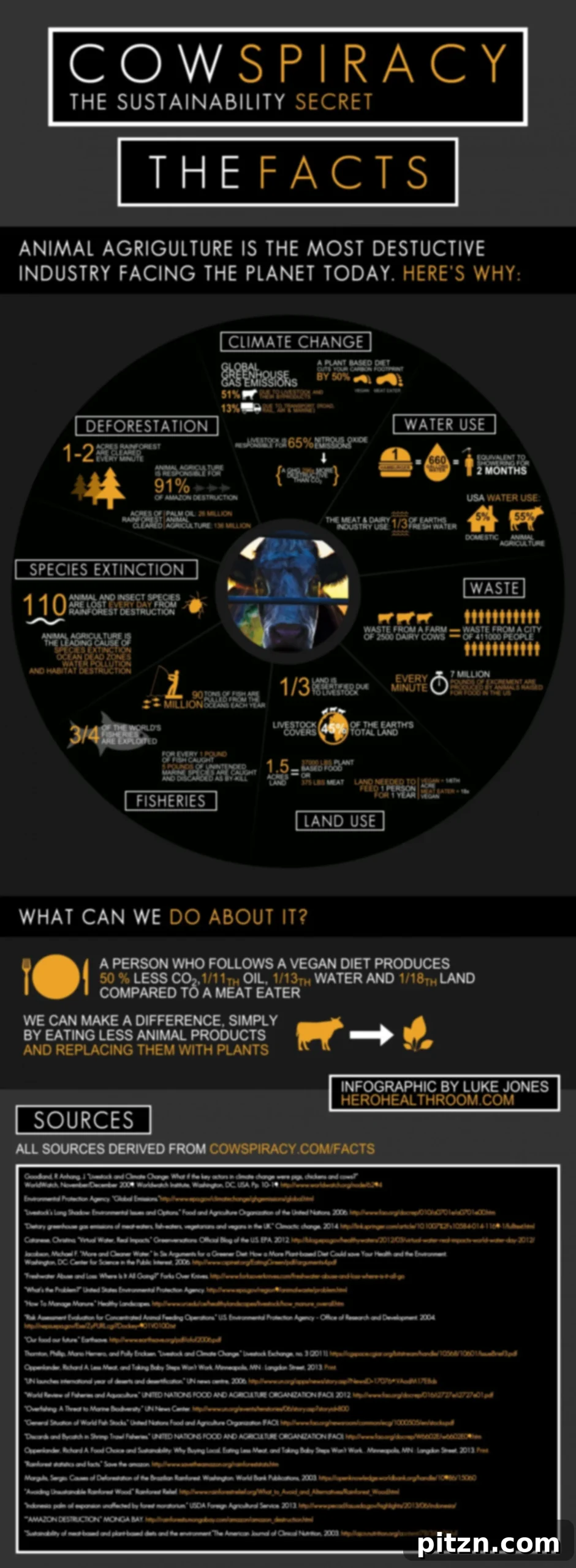
As we savor the sweetness of this plant-based Vegan Swiss Roll, it’s also an opportune moment to broaden our perspective on the implications of our dietary decisions. Embracing vegan recipes extends far beyond personal health benefits and delicious taste; it represents a significant step towards fostering a more sustainable and compassionate world. Modern animal agriculture is widely recognized as one of the most environmentally detrimental industries on the planet. Its vast footprint contributes substantially to global greenhouse gas emissions, accelerates deforestation, pollutes our precious water resources, and places immense strain on finite natural resources.
By choosing to prepare and enjoy plant-based alternatives like this delightful Swiss roll, we actively participate in reducing this considerable environmental impact. Each vegan meal or dessert prepared at home is a conscious choice that aligns our culinary passions with a deeper commitment to planetary well-being. This seemingly simple act of cooking vegan has the power to create profound positive ripple effects, contributing to a healthier ecosystem for all. For those interested in a deeper understanding of the environmental costs associated with industrial food production and the compelling arguments for plant-based diets, detailed infographics often provide clear, concise, and impactful summaries.
Conclusion: A Sweet Step Towards Sustainable Indulgence
This Vegan Swiss Roll, with its tender yellow cake and a generous swirl of delectable fruit preserves, is much more than just a dessert. It stands as a testament to the incredible possibilities of plant-based baking – proving that delicious, impressive, and easy treats can also be compassionate and sustainable. Whether you master the perfect roll or opt for a charming layered presentation, its delightful flavors and satisfying textures are guaranteed to bring joy to any table. Enjoy the process of creating this wonderful treat, knowing you’re indulging in a dessert that’s good for you, good for animals, and good for the planet. Happy baking!