
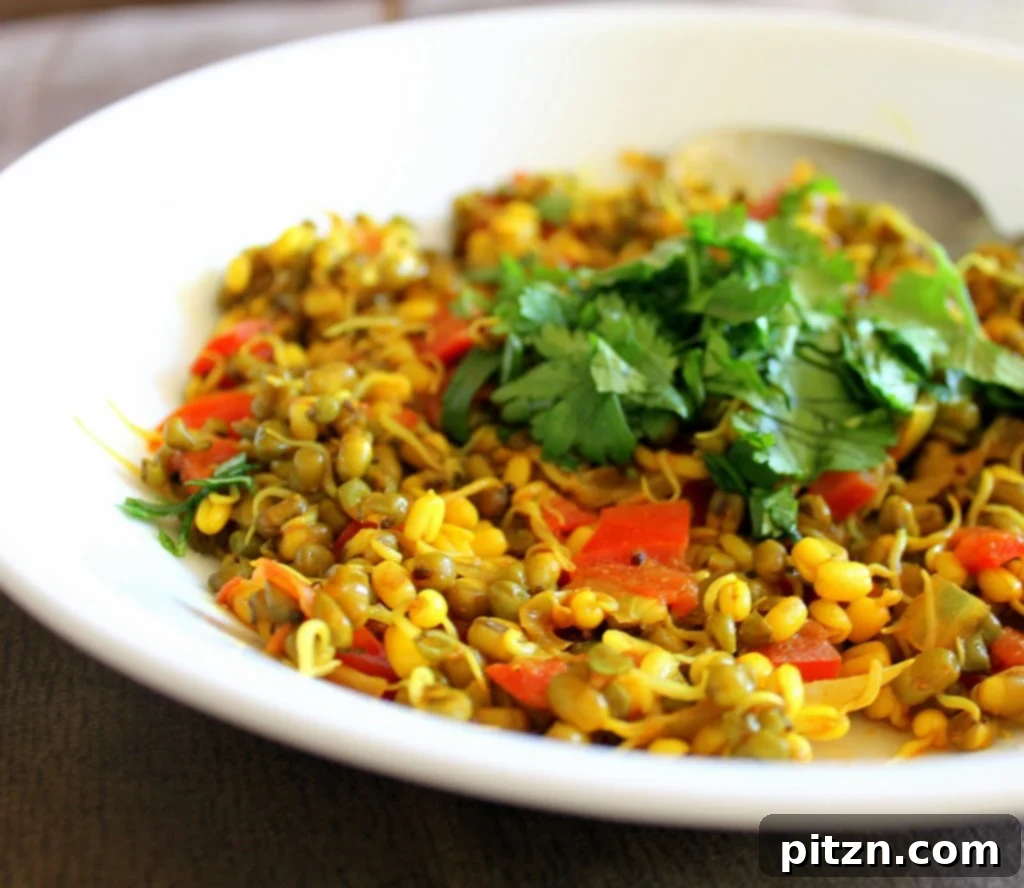
Energize Your Mornings: Delicious Spiced Mung Bean Sprouts for a Vegan & Gluten-Free Breakfast
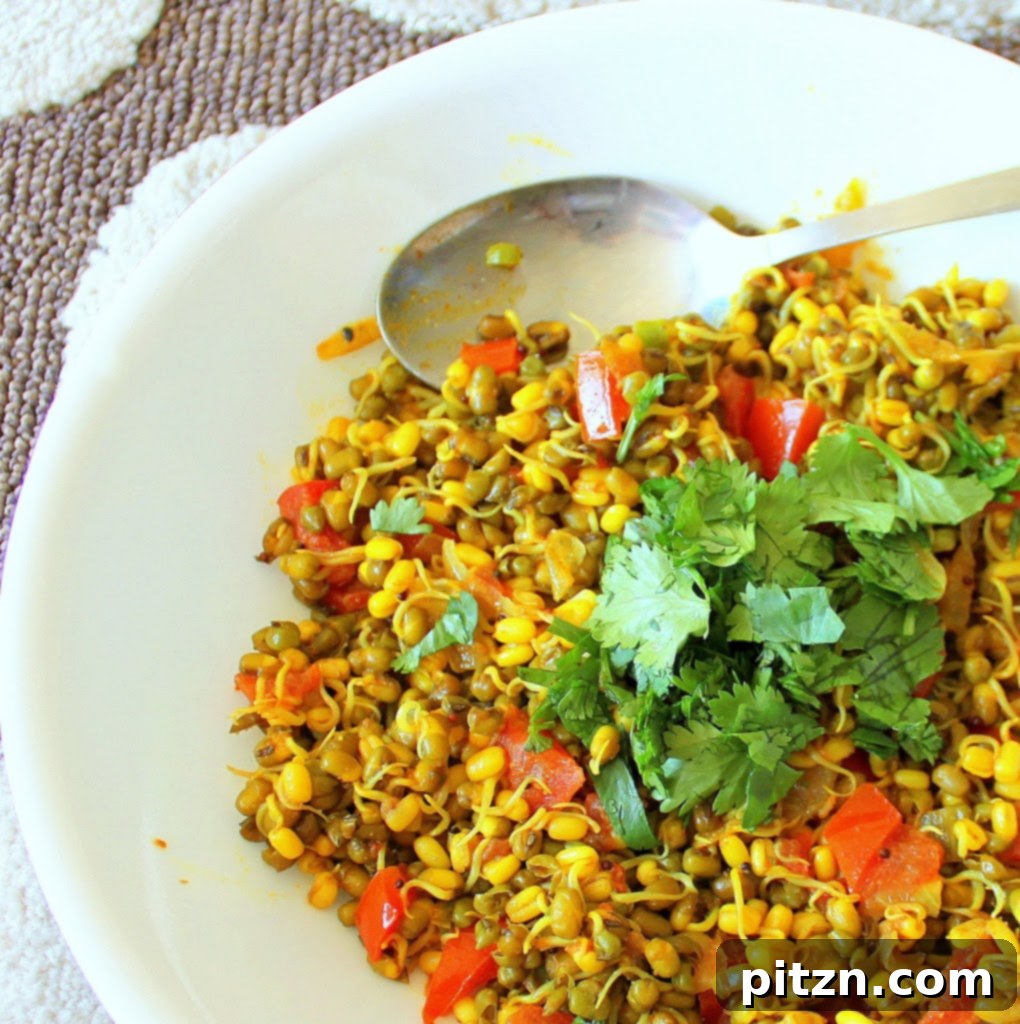
Discover a vibrant, nutrient-packed way to kickstart your day with our delightful recipe for Mung Bean Sprouts Sauteed with Spices. This dish isn’t just a meal; it’s a celebration of health, flavor, and simplicity, perfect for anyone seeking a quick, delicious, and deeply nourishing breakfast. Being entirely vegan and gluten-free, it caters to diverse dietary needs without compromising on taste or satisfaction. Prepare to transform your breakfast routine with this easy-to-make, protein-rich, and incredibly wholesome offering.
Jump to Recipe
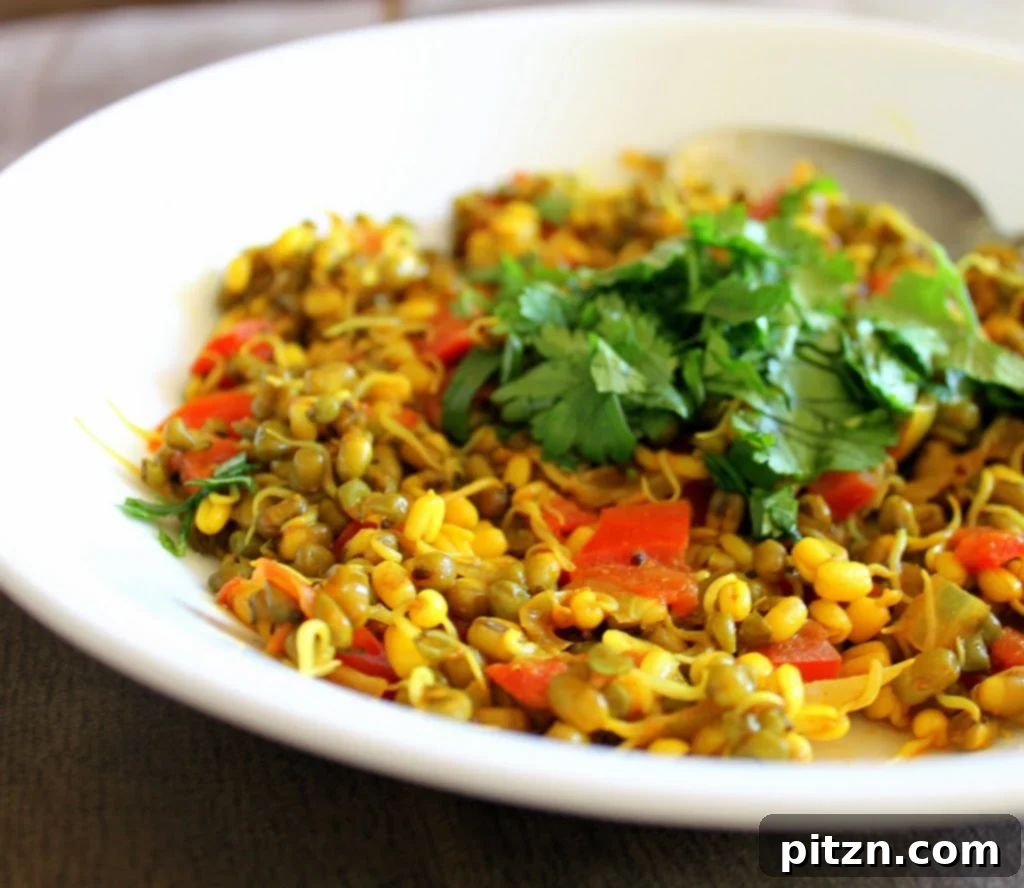
Mung bean sprouts, often referred to as green gram sprouts, hold a special place in many cultures for their impressive nutritional profile and versatility. In many homes, including mine and my mother’s, they are the go-to choice for a protein-filled breakfast or a satisfying evening snack. Their crisp texture and mild, slightly sweet flavor make them an excellent canvas for a myriad of spices, transforming a simple ingredient into a culinary delight. They offer a fantastic way to incorporate more fresh, live food into your diet, boosting energy and overall well-being.
Why Embrace Mung Bean Sprouts in Your Diet?
Beyond their delicious taste, mung bean sprouts are a nutritional powerhouse, offering a remarkable array of health benefits. Sprouting significantly enhances their nutritional value, making them even more digestible and increasing the bioavailability of vitamins and minerals. They are an excellent source of plant-based protein, dietary fiber, and a wide spectrum of vitamins, including C and K, as well as essential minerals like folate and manganese. Incorporating them into your daily meals can contribute to improved digestion, better heart health, and boosted immunity.
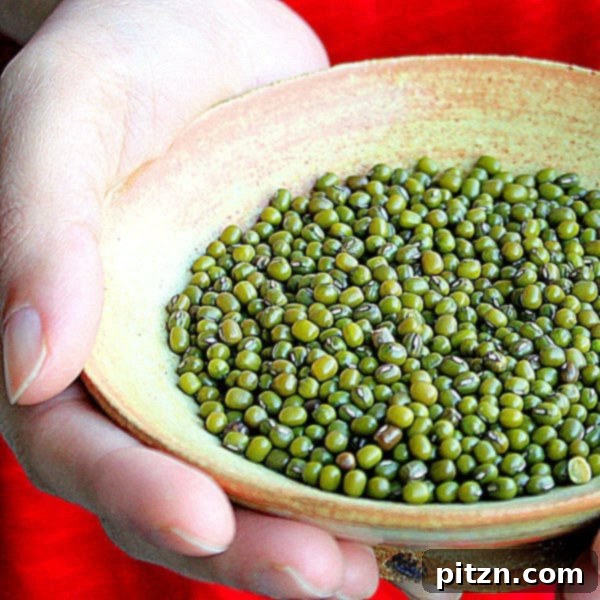
The versatility of mung bean sprouts extends far beyond just sauteing. Their delicate crunch and fresh flavor make them ideal for quick salads tossed with chopped cucumber and a squeeze of lemon juice. They can be added to stir-fries for extra texture and nutrition, or even incorporated into curried dishes as a unique dip for flatbreads. This adaptability makes them a valuable ingredient for any health-conscious kitchen. Moreover, many other whole beans and lentils, such as red lentils (Masoor), black-eyed peas (Raungi/Chavli), Bengal gram (Chana), and chickpeas, can also be sprouted and enjoyed in similar ways, offering endless possibilities for nutritious and delicious meals.
The Art of Sprouting: Cultivating Your Own Nutrient Garden
Sprouting mung beans at home is a simple, rewarding process that brings fresh, enzyme-rich ingredients directly to your plate. It’s a cost-effective and sustainable practice that allows you to control the quality of your sprouts. The process requires minimal effort but yields maximum nutritional benefits. Here’s a detailed guide to sprouting your own mung beans:
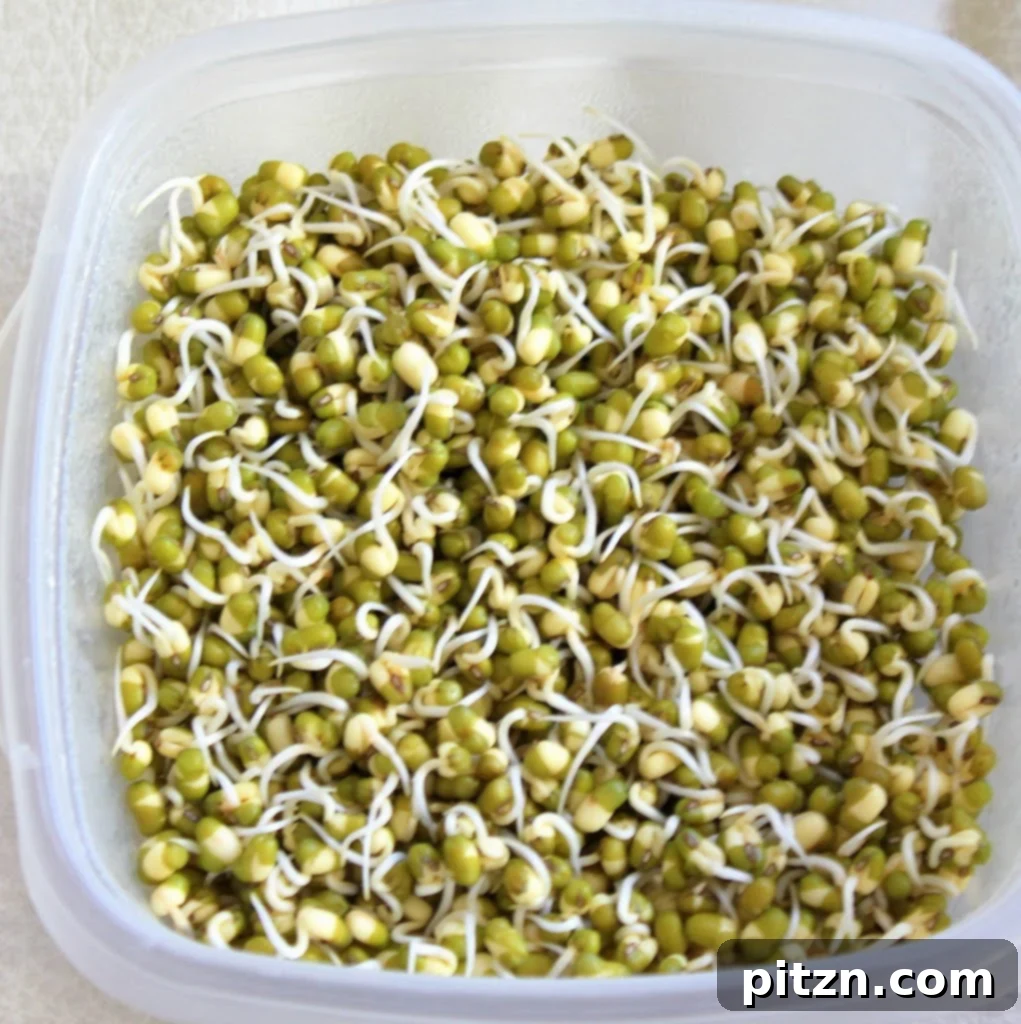
Step-by-Step Sprouting Guide:
- Initial Soak: Begin by thoroughly rinsing 1.5 cups of dry mung beans under cold water. Transfer the cleaned beans to a large bowl and cover them with plenty of fresh water, ensuring they are submerged by at least an inch or two as they will expand. Let them soak overnight, or for a minimum of 8-12 hours. This rehydrates the beans and initiates the sprouting process.
- Drain and Rinse: After the overnight soak, drain the water completely from the beans. Rinse them thoroughly under running water, then drain them again. It’s crucial to remove all excess water to prevent mold growth.
- Set Up for Sprouting: Place the rinsed and drained mung beans into a colander, a sprouting jar, or a bowl. Cover them with a damp paper towel or a clean, moist cloth. Ensure the covering is loose enough to allow for air circulation, but tight enough to maintain humidity.
- Daily Care: Over the next 1-3 days, you will need to rinse the beans and re-dampen their covering twice daily (once in the morning, once in the evening). Each time, rinse the beans well and ensure they are thoroughly drained before covering them again. This keeps the beans hydrated and prevents bacterial growth.
- Monitor Growth: You’ll start to see tiny sprouts emerge within 24 hours. For longer, more developed sprouts, continue the rinsing and draining process for 2-3 days. The length of the sprouts depends on your preference; longer sprouts are typically more tender.
- Storage: Once your sprouts have reached the desired length, give them a final rinse, drain them well, and store them in an airtight container in the refrigerator for up to 5-7 days.
This simple method ensures you always have a fresh supply of nutritious mung bean sprouts ready for your culinary creations.
Mung Bean Sprouts Sauteed with Spices (Vegan & Gluten-Free Breakfast)

This recipe transforms simple mung bean sprouts into a savory, aromatic dish bursting with flavor. It’s an incredibly quick and healthy option that’s perfect for starting your day on a high note, or as a light meal any time. The blend of traditional Indian spices complements the fresh sprouts beautifully, making every bite a delightful experience.
Recipe At a Glance
- Prep Time: 2 minutes
- Cook Time: 15 minutes
- Total Time: 17 minutes
- Servings: 2 servings
- Course: Breakfast
- Cuisine: Gluten-free, Vegan
- Rating: 4.7 out of 5 stars (based on 3 reviews)
- By: Vegan Richa
Ingredients
- 1 1/2 cups Mung beans (sprouted)
- 1 teaspoon organic canola oil (or other neutral oil)
- 1/4 teaspoon cumin powder or coriander powder
- 1 generous pinch turmeric powder
- 1 generous pinch chili flakes or chili powder (adjust to your spice preference)
- 2 tablespoons chopped onion
- 1 medium tomato, chopped
- Salt to taste
- Fresh cilantro leaves, chopped (for garnish)
- Lemon juice (for garnish)
Instructions
- Sauté Aromatics: In a medium-sized pan, heat 1 teaspoon of organic canola oil over medium heat. Once hot, add 1/4 teaspoon of cumin powder (or coriander powder), a generous pinch of turmeric powder, and chili flakes (or chili powder). Cook for about half a minute, stirring constantly, until the spices are fragrant. Be careful not to burn them.
- Add Onions: Introduce 2 tablespoons of chopped onion to the pan. Sauté the onions on medium heat for approximately one minute, or until they begin to soften and become translucent.
- Incorporate Tomatoes: Stir in the chopped tomato (1 medium tomato) and continue to cook for another 2 minutes. The tomato should soften slightly and release its juices, creating a flavorful base for the sprouts.
- Add Sprouts & Season: Add the sprouted mung beans to the pan along with salt to taste. Mix everything well, ensuring that the sprouts are thoroughly coated with the delicious spice and vegetable mixture.
- Gentle Cooking: Cover the pan and cook on low-medium heat for 2 to 10 minutes. The cooking time is flexible, depending on your preferred texture: cook for a shorter duration if you like your sprouts crisp-tender, or longer for a softer consistency.
- Serve & Garnish: Serve the sauteed mung bean sprouts immediately while hot. Garnish generously with freshly chopped cilantro leaves and a squeeze of fresh lemon juice. These fresh additions provide a bright, zesty contrast to the warm spices. This dish pairs perfectly with a hot cup of tea.
- Optional Toppings: For added flavor and crunch, consider topping your serving with chopped cucumber, diced raw onions, or even finely chopped apple for a surprising sweet and savory twist.
Chef’s Notes & Sprouting Tips
- Optimal Sprouting: To achieve long, tender sprouts, remember to soak your mung beans overnight. After draining, cover them with a damp paper towel or cloth and a loose lid. Dampen the towel and rinse the beans thoroughly twice a day. You should see well-developed sprouts within two days.
- Nutritional Insight: The nutritional values provided are an approximation and are based on one serving of this recipe.
Nutrition Facts (Per Serving)
(Approximate values based on calculations)
- Calories: 59 kcal
- Carbohydrates: 8g
- Protein: 3g
- Fat: 2g
- Saturated Fat: 1g
- Trans Fat: 1g
- Sodium: 9mg
- Potassium: 294mg
- Fiber: 2g
- Sugar: 5g
- Vitamin A: 532 IU
- Vitamin C: 20mg
- Calcium: 22mg
- Iron: 1mg
Please note: Nutrition information is automatically calculated and should be used as an approximation. Individual values may vary based on exact ingredient sourcing and preparation methods.
Beyond Mung Beans: Exploring the World of Plant-Based Protein
For those following a vegan diet, concerns about protein intake are often raised, but the reality is that a diverse plant-based diet easily provides all the necessary protein. From everyday vegetables and fruits to a vast array of legumes and nuts, plant sources are abundant with protein. Mung bean sprouts are just one excellent example of how simple and delicious it can be to meet your protein needs.
Many other beans and legumes offer substantial protein content, making them indispensable in a plant-based diet. For instance, soybeans are a powerhouse, delivering up to 29 grams of protein per cooked cup. Their younger, green counterpart, edamame, also provides a significant 22 grams per cooked serving. However, it’s worth noting that a large percentage of soybeans in the U.S. are genetically modified. For those concerned about this, non-GMO and fermented forms like tempeh or miso are excellent alternatives, especially given ongoing discussions about soy’s potential effects on hormones and thyroid function.
Fava beans are another remarkable protein-rich legume, boasting around 22 grams of protein per serving. Lentils and split peas are also exceptionally high in protein, with most varieties offering approximately 17 grams per cup. Following closely are red kidney beans and pinto beans, each providing about 16 grams in a one-cup serving. Black beans and navy beans (haricot beans) contribute around 15 grams of protein per cup, while black-eyed peas, garbanzo beans (chickpeas), and lima beans typically contain about 14 grams per cup. This rich variety ensures that maintaining a high-protein diet on a vegan regimen is not only achievable but also incredibly diverse and flavorful.
Ultimately, a well-planned vegan diet, incorporating a range of these protein sources, effortlessly provides all the necessary amino acids. High-protein meals, especially at breakfast or as snacks between meals, are key to sustaining energy levels and warding off hunger pangs, contributing to a feeling of fullness and vitality throughout the day.
Start Your Day Right: The Perfect Vegan & Gluten-Free Choice
We hope this comprehensive guide inspires you to incorporate these incredible spiced mung bean sprouts into your regular menu. Whether you’re a seasoned vegan or simply looking for healthier, quick breakfast options, this recipe offers a fantastic blend of convenience, flavor, and nutrition. It’s a simple step towards a more energized and wholesome lifestyle, proving that healthy eating can be both easy and incredibly delicious. Embrace the goodness of mung bean sprouts and enjoy a fantastic, fulfilling day!