
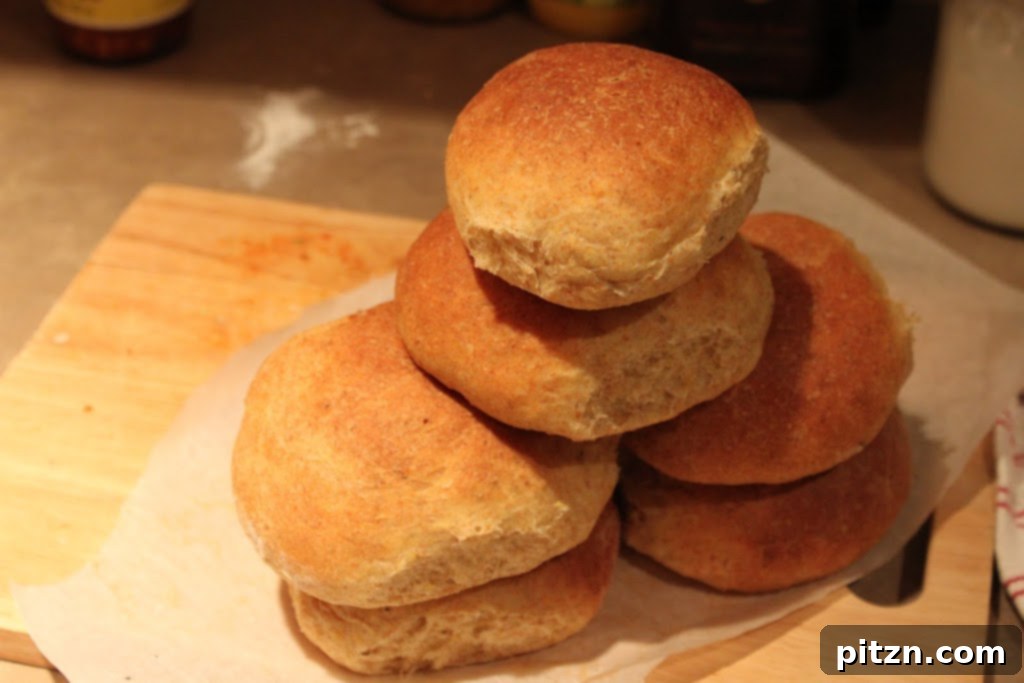
Delicious Vegan Orange Buns: A Zesty Treat for Any Occasion
Zesty and delicious orange buns. These buns are a great way to use up leftover fruit, transforming a simple ingredient into a remarkable culinary experience. Use them to make sandwiches, enjoy them as a delightful snack, or serve them warm with your morning coffee. This vegan recipe promises a burst of citrus flavor in every soft, fluffy bite. Jump to Recipe
The Story Behind These Vibrant Orange Buns
There’s something incredibly satisfying about creating something wonderful from ingredients you already have on hand. The inspiration for these particular buns arose on a slightly chilly day, looking at a lonely orange on the kitchen counter that needed to be used. Instead of letting it go to waste, a culinary experiment began. The peeled orange was blended, and the juice was strained. While the initial taste of the pure juice was a bit too sour to drink on its own, it sparked an idea: why not incorporate this vibrant, zesty liquid into a batch of homemade bread?
The innovation didn’t stop at the juice. Recognizing the valuable flavor and fiber contained within the orange pulp, it was decided to include that as well, after carefully removing any seeds. This thoughtful inclusion of both the juice and the pulp is what truly sets these buns apart, infusing them with an authentic, deep orange flavor and contributing to their wonderfully moist and tender texture. It’s a perfect example of how creative thinking in the kitchen can lead to truly delicious and waste-reducing outcomes.
The Appeal of Vegan Baking and Citrus Flavors
Opting for a vegan recipe for these orange buns offers numerous advantages. For those with dietary restrictions or allergies to dairy and eggs, this recipe provides a delicious and inclusive option. Utilizing plant-based binders like a flax egg and healthy fats such as olive oil ensures the buns retain their rich texture and flavor without compromising on ethical choices or dietary needs. Vegan baking also encourages a fresh perspective on ingredients, often leading to innovative and exciting culinary discoveries.
Beyond the practical benefits, the combination of a fluffy bun with the bright, tangy notes of fresh orange is simply irresistible. Oranges are packed with Vitamin C and antioxidants, adding a touch of nutritional value to your indulgent treat. The natural sweetness and tartness of the fruit cut through the richness of the bread, creating a balanced and refreshing profile. These buns are a testament to how incredibly satisfying and flavorful plant-based baked goods can be.
Unlocking the Best Texture and Flavor
Achieving the perfect orange bun requires attention to a few key details. The choice of bread flour provides the necessary gluten development for a chewy yet soft interior. Incorporating bran not only boosts the fiber content but also adds a subtle nutty undertone and delightful texture. The quick-rise yeast ensures an efficient proofing process, allowing you to enjoy your homemade buns sooner.
The fresh orange juice and pulp are, of course, the stars of the show. Using fresh juice will always yield a superior flavor compared to store-bought concentrate. The pulp adds body and an intense citrus essence that permeates every part of the bun. The flax egg acts as an excellent binder and moisture provider in this vegan rendition, mimicking the properties of a traditional egg. Balancing these elements, along with a touch of sugar and salt, creates a harmonious flavor profile that is both comforting and exhilarating.
Orange Buns Recipe
Vegan Richa
45 mins
20 mins
1 hr
5 mins
8 – 10 buns
Bread
American

Print Recipe
Ingredients
- 2-3 cups bread flour
- 1/2 cup bran
- 1/3 cup water
- 1.5 teaspoons quick rise yeast
- 1/2 cup (117ml) orange juice and 1/4 cup (20g) pulp (pulp is optional, but highly recommended for flavor and texture)
- 1 teaspoon salt
- 2 teaspoons sugar
- 1/4 cup olive oil
- 1 flax egg (1 tablespoon ground flaxseed meal mixed with 3 tablespoons water, let sit for 5 minutes until gel-like)
Instructions
- Warm the water to just about warm to the touch (approximately 105-115°F or 40-46°C). Add the sugar and yeast, stir gently, and let it sit for 10 minutes or until it becomes frothy, indicating the yeast is active.
- In a large mixer bowl, combine the bread flour, bran, and salt. Mix these dry ingredients thoroughly to ensure even distribution.
- Add the olive oil, prepared flax egg, and fresh orange juice (with pulp if using) to the dry ingredients in the bowl.
- Pour in the activated yeast mixture. Using a stand mixer with a dough hook, knead the dough for approximately 10 minutes. If kneading by hand, this process will take about 15-20 minutes, aiming for a smooth, elastic dough. Scrape down the sides of the bowl periodically to incorporate all ingredients.
- Adjust the dough consistency as needed. If the dough feels too dry and stiff, add a teaspoon of water at a time. If it’s too sticky, sprinkle in a tablespoon of flour until the dough is soft and pliable but no longer excessively sticky.
- Lightly grease a clean, large bowl. Place the dough in the bowl, turning it once to coat with oil. Cover the bowl tightly with plastic wrap or a damp kitchen towel. Let it rise in a warm, draft-free place for about 1 hour, or until the dough has doubled in size.
- Once the dough has risen, gently punch it down to release the accumulated air. Lightly dust your work surface with a little flour and knead the dough for about a minute. This step helps to create a uniform texture and remove any lingering stickiness.
- Divide the dough into 8 to 10 equal portions, depending on your desired bun size. Shape each portion into a smooth, round ball. Achieve this by gently pulling the dough from all sides and tucking the edges underneath to create a taut surface on top.
- Place the shaped buns on a baking sheet lined with parchment paper, ensuring they are spaced at least an inch apart. Cover them loosely with a clean kitchen towel and let them undergo a second rise for approximately 30 minutes. This final rise contributes significantly to their light and airy texture.
- Preheat your oven to 375°F (190°C). Once the oven is ready, bake the buns for 20 minutes, or until they are beautifully golden brown and sound hollow when tapped on the bottom.
Notes
- The total time listed above does not include the initial 1-hour proving time for the dough.
- The nutritional values provided are an approximation based on one serving and may vary depending on exact ingredient measurements.
- For an even more intense citrus aroma and flavor, consider adding 1-2 teaspoons of finely grated orange zest to the dry ingredients along with the flour.
- If you prefer a slightly sweeter bun, you can increase the sugar content by an additional teaspoon or two.
- These buns are at their peak freshness on the day they are baked. Store leftovers in an airtight container at room temperature for up to 2-3 days. They can also be frozen for longer storage.
- To reheat, simply warm them gently in a preheated oven at 300°F (150°C) for 5-7 minutes, or toast lightly.
Nutrition
Per Serving (approx. 1 bun):
- Calories: 204 kcal
- Carbohydrates: 28g
- Protein: 5g
- Fat: 8g
- Saturated Fat: 1g
- Sodium: 293mg
- Potassium: 135mg
- Fiber: 3g
- Sugar: 2g
- Vitamin A: 30 IU
- Vitamin C: 7.4mg
- Calcium: 12mg
- Iron: 0.8mg
Nutrition information is automatically calculated and should only be used as an approximation.
Did you make this recipe? Share your experience in the comments below!
Expert Tips for Flawless Vegan Orange Buns
Creating truly outstanding vegan orange buns at home is an achievable goal with a few expert tips. Firstly, always verify your yeast’s activity. The frothy mixture formed after 10 minutes with warm water and sugar is a crucial indicator. If your yeast doesn’t foam, it might be expired or the water temperature was incorrect, in which case it’s best to restart with fresh yeast and properly tempered water.
Kneading is a fundamental step that develops the gluten in the flour, providing the buns with their characteristic structure and chewiness. Whether you’re using a stand mixer or kneading by hand, pay close attention to the dough’s texture. It should transform from a shaggy mass into a smooth, elastic, and supple ball. Don’t hesitate to adjust the flour or water in small increments until you achieve this ideal consistency. Over-kneading can make the dough tough, while under-kneading can result in dense buns.
The proofing environment plays a significant role in how well your dough rises. A warm, draft-free spot is perfect. You can create such an environment by placing the covered dough in an oven that’s been briefly warmed and then turned off, or near a sunny window. Patience during the first and second rises is key; allowing the dough ample time to double in size ensures a light and airy final product. Rushing this process can lead to heavy, underdeveloped buns.
When it comes to shaping, aim for uniformity. Consistent size helps the buns bake evenly. The technique of pulling the dough from the sides and tucking it underneath creates a smooth, taut surface on top, which contributes to a beautiful rise and a professional appearance. Finally, monitor your buns as they bake, as oven temperatures can vary. They are perfectly baked when golden brown and sound hollow when tapped on the bottom.
Creative Serving Suggestions and Flavor Variations
These versatile vegan orange buns are wonderfully adaptable and can be enjoyed in a multitude of ways. For a classic experience, serve them warm, fresh from the oven, with a generous spread of vegan butter or a homemade orange marmalade. They make an exquisite accompaniment to your morning coffee or tea, instantly elevating your breakfast or brunch spread.
To indulge your sweet tooth, consider drizzling a simple orange glaze over the cooled buns. This can be made by whisking powdered sugar with a small amount of fresh orange juice until a smooth, pourable consistency is achieved. Surprisingly, these buns also lend themselves well to savory applications! Imagine them sliced horizontally and filled with your favorite plant-based deli slices, crisp lettuce, juicy tomato, and a creamy avocado spread. The citrus notes provide a refreshing counterpoint to savory ingredients.
For those who enjoy experimenting, these buns are an excellent canvas for additional flavors. A sprinkle of dried cranberries, chopped dates, or golden raisins can introduce delightful pockets of sweetness and chewiness. A pinch of ground cardamom, nutmeg, or cinnamon added to the dry ingredients can introduce warm, aromatic undertones that beautifully complement the orange. You might also explore substituting a portion of the bread flour with whole wheat flour for an even heartier bun, keeping in mind that this might require slight adjustments to liquid content.
Storing and Enjoying Your Homemade Buns
Proper storage is crucial to maintain the freshness and deliciousness of your homemade vegan orange buns. Once they have completely cooled to room temperature, store them in an airtight container. They will remain fresh and soft for up to 2-3 days at room temperature. For longer preservation, these buns freeze exceptionally well. Wrap individual buns tightly in plastic wrap, then place them in a freezer-safe bag or container. They can be stored in the freezer for up to 2 months.
To enjoy frozen buns, simply remove them from the freezer and allow them to thaw at room temperature. For an optimal experience that mimics a freshly baked bun, gently warm them in an oven preheated to 300°F (150°C) for about 5-10 minutes, or quickly toast them in a toaster oven. This reheating process helps to restore their soft interior and slightly crisp exterior, making them taste almost as good as the moment they came out of the oven.
Conclusion: A Zesty Addition to Your Vegan Baking Repertoire
These delightful vegan orange buns are more than just a recipe; they are an invitation to explore the rewarding world of plant-based baking and mindful cooking. By thoughtfully utilizing fresh orange juice and pulp, you create a truly flavorful, soft, and satisfying treat that is both delicious and environmentally conscious. This recipe is a fantastic way to minimize food waste while maximizing flavor.
Whether you are an experienced vegan baker or just beginning your journey into plant-based cuisine, these orange buns offer an accessible and immensely satisfying baking project. Their bright, zesty flavor and tender texture are sure to make them an instant favorite with everyone who tries them. Don’t hesitate to gather your ingredients and give this recipe a try – your kitchen will be filled with an incredible aroma, and your taste buds will be immensely grateful!