
Homemade Doughnuts: A Journey into Sweet, Pillowy Perfection (Especially Vegan!)
There’s an undeniable magic that happens when you bake something from scratch, especially when it involves the delightful experience of crafting homemade doughnuts. The other day, I embarked on just such a culinary adventure, making a batch of these sweet, airy delights. There’s something incredibly satisfying about the aroma filling your kitchen, the warmth of the dough in your hands, and the anticipation of that first perfect bite. While store-bought doughnuts offer convenience, they simply can’t compare to the unparalleled freshness and customizable flavors of a treat made right in your own home.
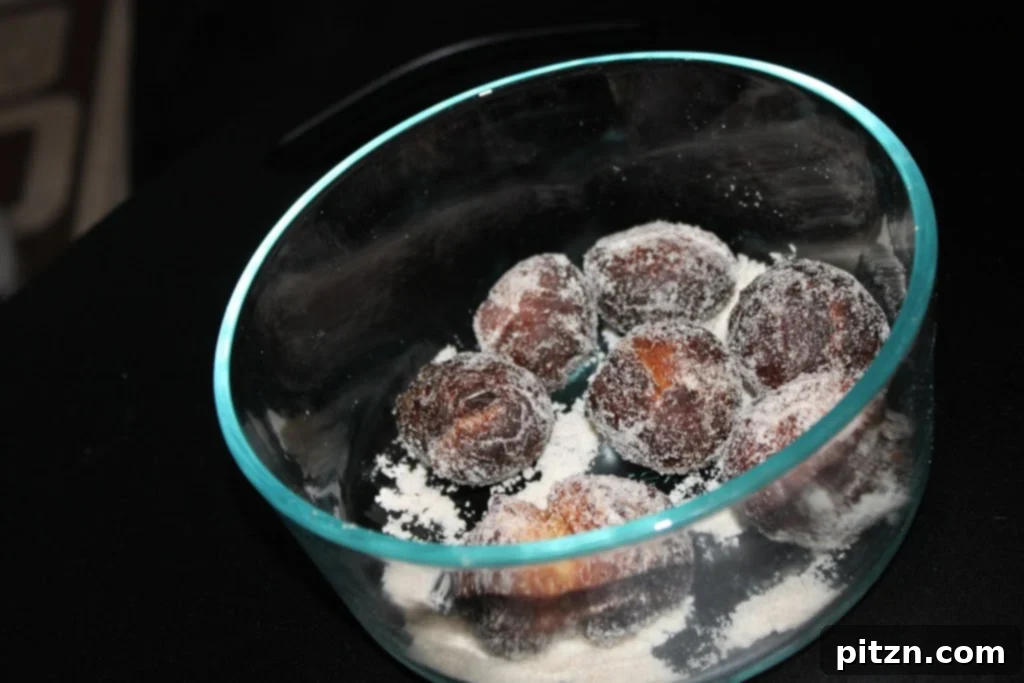
My recent foray into doughnut making was inspired by a fantastic recipe from MelangerBaking, which I discovered through one of my favorite weekly showcases of baked goods, YeastSpotting at Susan’s Wild Yeast. It’s a wonderful community where bakers share their yeasted creations, offering a constant source of inspiration and new techniques to explore. The specific recipe I followed was for mini doughnuts, and it even included a homemade dulce de leche component, adding an extra layer of decadence to an already delightful treat. The process was both engaging and rewarding, proving that making doughnuts at home is far more accessible than many might imagine.
Why Embrace the Art of Homemade Doughnuts?
Diving into the world of homemade doughnuts opens up a realm of possibilities and benefits that extend far beyond simply enjoying a sweet treat. It’s an experience that tantalizes the senses and offers a unique connection to your food.
- Unmatched Freshness and Flavor: The moment a doughnut emerges from the fryer or oven, warm and fragrant, it’s at its absolute peak. Homemade doughnuts boast an incredible softness and a depth of flavor that mass-produced versions simply cannot replicate. The difference in texture—crispy on the outside, wonderfully fluffy on the inside—is truly transformative.
- Control Over Ingredients: Making doughnuts from scratch gives you complete control over what goes into them. This is particularly advantageous for those with dietary restrictions or specific health considerations. You can choose high-quality flours, natural sweeteners, and wholesome fats. For instance, if you’re exploring plant-based eating, crafting vegan doughnuts at home allows you to ensure every ingredient aligns with your lifestyle.
- Endless Customization: From the type of dough to the glazes, fillings, and toppings, the options are limitless. Want a classic vanilla glaze? A rich chocolate ganache? Perhaps a vibrant berry frosting or a simple dusting of cinnamon sugar? You can experiment with different spices in the dough, incorporate fruit zests, or even create savory variations.
- A Rewarding Baking Project: Doughnut making is a therapeutic and enjoyable culinary endeavor. It involves several stages—mixing, kneading, proofing, shaping, and cooking—each offering a sense of accomplishment. It’s a fantastic way to spend a weekend afternoon, either by yourself for a meditative experience or with family and friends for a fun, collaborative activity.
- Cost-Effective Indulgence: While initial ingredient costs might seem similar to buying a dozen, homemade doughnuts often prove to be more economical in the long run, especially when you consider the quality and quantity you can produce. Plus, you’re creating memories, which are priceless!
Mastering Vegan Doughnuts: A Plant-Based Path to Perfection
For those who follow a plant-based diet or are looking to reduce their consumption of animal products, homemade vegan doughnuts are an absolute game-changer. The good news is that creating delicious, fluffy vegan doughnuts is not only possible but also remarkably straightforward. Modern vegan baking has evolved to offer fantastic alternatives for traditional dairy and egg ingredients without compromising on taste or texture.
The key to successful vegan doughnuts lies in smart substitutions. Instead of cow’s milk, you can use any plant-based milk such as almond milk, soy milk, oat milk, or cashew milk. For butter, high-quality vegan butter brands work beautifully, lending richness and flavor. Eggs, often used for binding and leavening, can be replaced with flax eggs (1 tablespoon ground flaxseed mixed with 3 tablespoons water, let sit for 5 minutes), applesauce, mashed banana, or a commercial egg replacer, depending on the specific recipe requirements.
When searching for recipes, specifically look for “vegan doughnut recipe” or recipes that explicitly call for plant-based ingredients. Many traditional doughnut recipes can be easily veganized with these simple swaps, allowing everyone to enjoy the irresistible charm of a freshly baked or fried doughnut.
Key Ingredients for Doughnut Success
Understanding the role of each ingredient is crucial for achieving doughnut perfection, whether you’re making a traditional or a vegan version.
- Flour: All-purpose flour is a common choice, providing a tender crumb. Bread flour can be used for a chewier texture due to its higher protein content.
- Yeast: This living organism is responsible for the delightful rise and airy texture of yeast doughnuts. Active dry yeast needs to be bloomed in warm liquid, while instant yeast can often be mixed directly with dry ingredients.
- Sweeteners: Granulated sugar is standard, but you can also experiment with brown sugar for a deeper flavor profile, or even natural sweeteners like maple syrup in some recipes.
- Fats: Butter (or vegan butter) and oil (like vegetable or canola oil) contribute to richness, moisture, and a tender crumb.
- Liquid: Milk (dairy or plant-based) is essential for hydrating the dough and activating the yeast. Water can also be used, sometimes in combination with milk.
- Flavorings: Vanilla extract is almost universal, but spices like nutmeg, cinnamon, cardamom, or citrus zest (lemon, orange) can elevate the flavor significantly.
Doughnut Making Techniques: Fried vs. Baked
Doughnuts typically come in two main forms: fried and baked. Each method offers a distinct texture and experience.
Fried Doughnuts
The classic method, frying, yields doughnuts with an irresistibly crispy exterior and a wonderfully airy, fluffy interior. This technique involves:
- Mixing and Kneading: Combining ingredients to form a smooth, elastic dough.
- First Proofing: Allowing the dough to rise in a warm place until doubled in size, developing flavor and texture.
- Shaping: Rolling out the dough and cutting it into desired doughnut shapes (rings, holes, or filled rounds).
- Second Proofing: A shorter rise for the shaped doughnuts, making them lighter.
- Frying: Gently lowering the doughnuts into hot oil (typically between 350-375°F or 175-190°C) until golden brown on both sides.
Tips for Frying Success: Use a thermometer to maintain consistent oil temperature. Don’t overcrowd the fryer, as this drops the oil temperature and can lead to greasy doughnuts. Drain fried doughnuts on a wire rack over paper towels to remove excess oil.
Baked Doughnuts
For a slightly healthier and often less messy alternative, baked doughnuts are an excellent choice. These typically have a cake-like texture, similar to muffins, and are made using a specialized doughnut pan.
- Mixing: Combine wet and dry ingredients, much like making a quick bread or muffin batter.
- Filling the Pan: Pipe or spoon the batter into greased doughnut cavities.
- Baking: Bake in a preheated oven until light golden and cooked through.
Baked doughnuts are quicker to make as they don’t require yeast proofing and are a fantastic option when you’re craving a doughnut without the fuss of deep-frying.
Beyond the Basic Glaze: Creative Toppings and Flavors
Once your doughnuts are cooked, the fun really begins with glazes, coatings, and fillings. The possibilities for customization are truly endless, allowing you to create a personalized treat for every palate. As for my next baking adventure, I’m certainly going to try making some classic glazed ones!
- Classic Vanilla Glaze: A simple mix of powdered sugar, a splash of plant-based milk, and a touch of vanilla extract creates a smooth, sweet coating that dries to a delicate crust.
- Chocolate Glaze: Whisk cocoa powder into your basic glaze for a rich, decadent chocolate finish. Add a pinch of instant coffee or espresso powder to deepen the chocolate flavor.
- Maple Glaze: Swap out some of the liquid in your glaze for pure maple syrup for a delightful autumnal flavor.
- Fruity Glazes: Blend fresh or frozen berries into your glaze for a vibrant color and tangy-sweet taste. Lemon or orange zest can also add a bright, citrusy note.
- Cinnamon Sugar: For a simple yet satisfying coating, toss warm doughnuts in a mixture of granulated sugar and ground cinnamon.
- Powdered Sugar: A light dusting of powdered sugar is elegant and allows the doughnut’s flavor to shine.
- Fillings: Inject doughnuts with fruit jams, pastry cream (vegan options are readily available), or even the homemade dulce de leche that accompanied my mini doughnuts recipe.
- Decorations: Don’t forget the visual appeal! Sprinkles, chopped nuts, toasted coconut flakes, mini chocolate chips, or a drizzle of melted chocolate can turn a simple doughnut into a work of art.
Troubleshooting Common Doughnut Issues
Even experienced bakers can encounter hiccups. Here are some common doughnut problems and how to avoid them:
- Dense Doughnuts: This often results from overworking the dough, not enough proofing time, or using too much flour. Ensure you knead just enough to develop gluten and allow sufficient rise time.
- Greasy Doughnuts: The primary culprit here is usually oil that isn’t hot enough. When the oil is too cool, the doughnuts absorb more fat instead of cooking quickly on the surface. Conversely, oil that’s too hot can burn the outside before the inside cooks. Use a thermometer!
- Dough Not Rising: Check your yeast’s expiration date. Ensure your liquid (milk or water) is warm enough to activate the yeast but not too hot to kill it (ideally between 105-115°F or 40-46°C). Your proofing environment might also be too cold.
- Uneven Cooking: This can be due to inconsistent oil temperature, overcrowding the fryer, or not flipping the doughnuts regularly.
Tips for Doughnut Making Success
To ensure your homemade doughnut adventure is a resounding success, keep these tips in mind:
- Fresh Ingredients: Always use fresh yeast and high-quality ingredients.
- Proper Temperature: Maintain the correct temperature for both yeast activation and frying oil.
- Don’t Over-Flour: Add flour gradually and avoid adding too much, as this can make your doughnuts dry and dense.
- Patience is Key: Doughnuts require time for proofing. Don’t rush this crucial step.
- Gentle Handling: Handle the proofed dough and shaped doughnuts gently to avoid deflating them.
- Invest in Tools: A kitchen scale for precise measurements, a deep-fry thermometer, and a doughnut cutter (or two concentric cookie cutters) will make the process much smoother.
Finding Your Perfect Doughnut Recipe
The journey to finding your favorite doughnut recipe is part of the fun. As I experienced with the delightful mini doughnuts from MelangerBaking, often the best recipes are those shared by passionate home bakers. Don’t be afraid to experiment with different recipes, techniques, and flavor combinations until you discover the ones that truly sing to your taste buds. Websites like YeastSpotting are fantastic resources for discovering tried-and-true recipes and drawing inspiration from a vibrant baking community.
Conclusion: The Sweet Reward of Baking
Making doughnuts at home is more than just baking; it’s an experience that engages your senses, challenges your skills, and ultimately rewards you with a truly exceptional treat. The soft, sweet, and comforting appeal of a homemade doughnut, especially one crafted with care and personalized to your taste, is simply unparalleled. Whether you’re frying up classic yeast doughnuts, baking a healthier cake-style version, or exploring the wonderful world of vegan doughnuts, the process is incredibly fulfilling. So, gather your ingredients, clear your schedule, and prepare to fill your home with the irresistible aroma of freshly made doughnuts. Your taste buds will thank you, and you might just discover a new favorite hobby!