
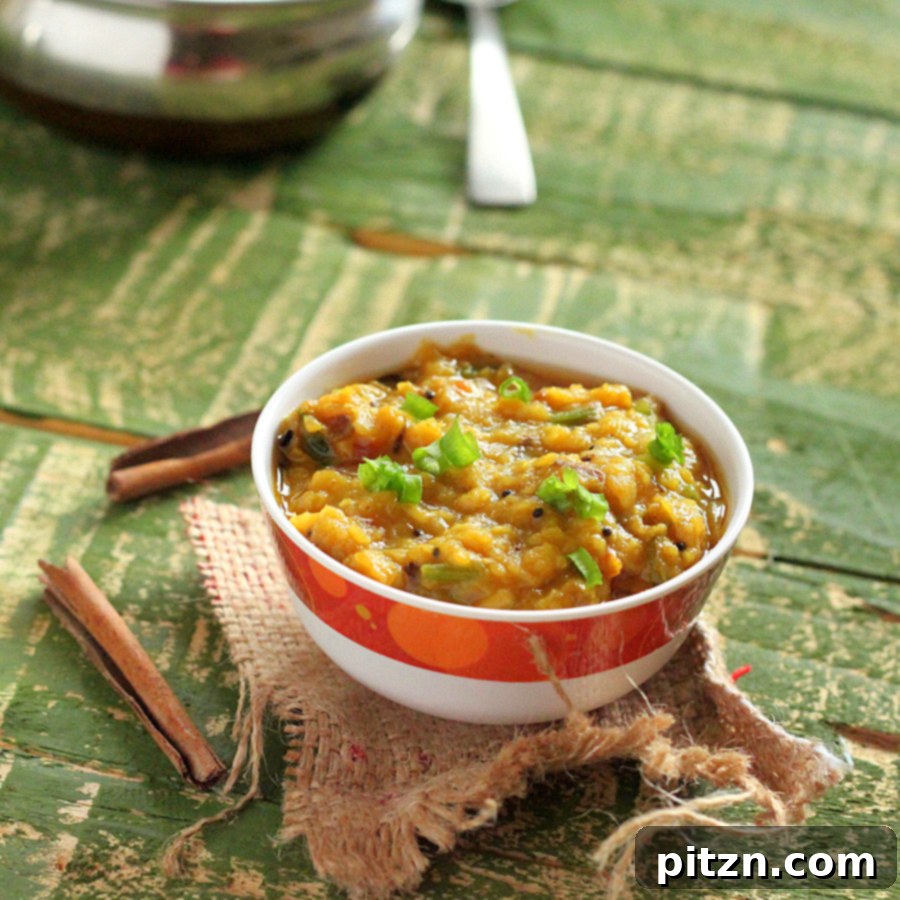
Nourish Your Body: Delicious Fat-Free Red Lentil Stew (Masoor Daal) with Garlic & Shallots
Discover the incredible flavor and profound health benefits of this simple yet satisfying Red Lentil Stew, known in India as Masoor Daal. This recipe isn’t just a meal; it’s a testament to wholesome, plant-based cooking. Completely fat-free, gluten-free, and vegan, it’s designed to nourish your body and delight your palate without any compromise on taste. Whether you’re a seasoned chef or new to the world of healthy eating, this Masoor Daal is a perfect addition to your culinary repertoire, promising both ease of preparation and a wealth of nutrients.
Jump to Recipe
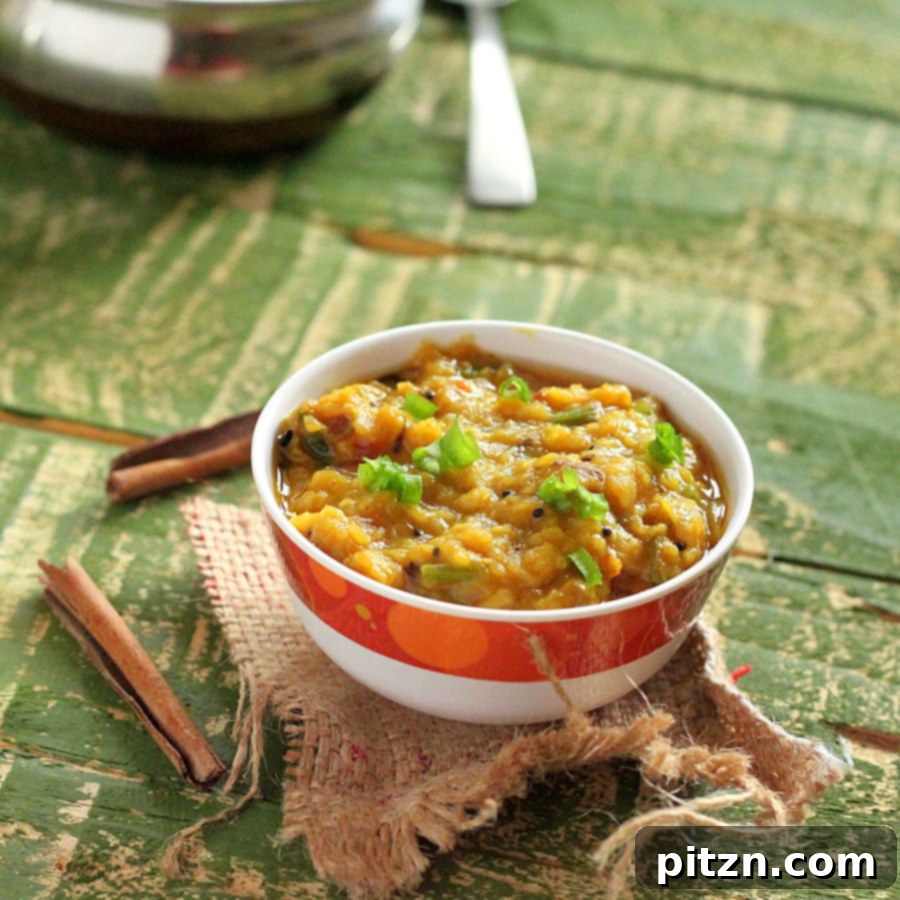
Embracing the Fat-Free Vegan Lifestyle: A Culinary Journey
My personal journey into the world of fat-free cooking gained significant momentum after enrolling my mother in the 21-Day Vegan Kickstart India program. This initiative, dedicated to promoting health through plant-based nutrition, sends out daily meal plans and valuable insights directly to participants. Following their updates, especially on their engaging Facebook Page, I stumbled upon an inspiring recipe video for a truly fat-free Daal. This discovery instantly sparked my curiosity and encouraged me to explore cooking without added oils, a culinary challenge I was eager to take on.
The concept of “fat-free” in cooking might seem daunting, especially in cuisines like Indian, where tempering (tadka) with oil is a cornerstone of flavor development. Even in my own kitchen, while I generally use minuscule amounts of oil for tempering – often to my mother’s playful dismay at the almost “invisible” quantity in the pan – the idea of eliminating it entirely was intriguing. We typically opt for health-conscious oils like virgin coconut, organic expeller-pressed (non-chemically treated) canola, virgin olive, and sesame oil. However, learning about the benefits of a completely oil-free approach opened up new possibilities for even healthier adaptations of our cherished traditional dishes.
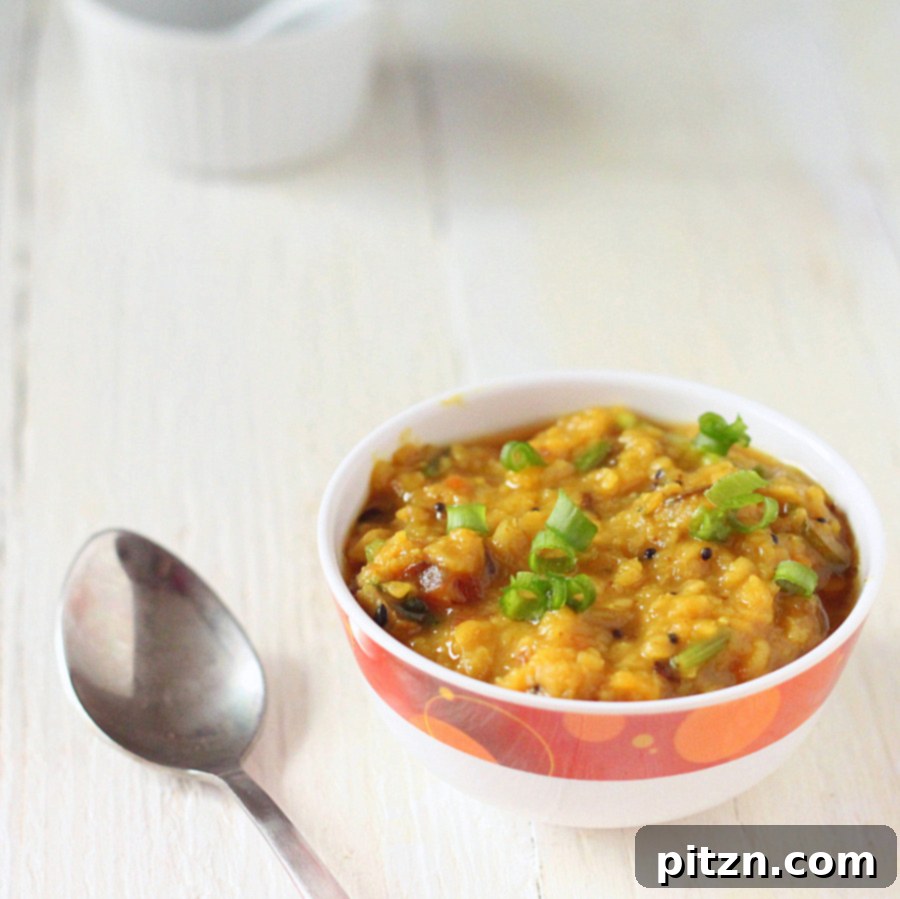
Demystifying Fat-Free Cooking: Understanding the Nuance
When delving into the realm of fat-free recipes, I often turn to highly respected experts and resources such as Dr. Nandita Shah at Sharan India and Susan from FatFreeVegan. Their extensive work highlights a crucial distinction that often gets misunderstood: “fat-free” in the context of whole-food, plant-based eating doesn’t imply that a dish contains absolutely zero fat. Rather, it specifically means it’s free of *processed and refined fats* that are typically added during cooking.
Most commercial oils and fats we commonly use – whether it’s canola oil, olive oil, shortening, or various vegan butters – undergo extensive refining processes. These processes can strip the oils of their natural nutrients and introduce undesirable chemicals or structural alterations, potentially making them less healthful than their whole-food counterparts. It’s important to acknowledge that all whole foods, in their natural state, contain essential fats. Beans, fruits, vegetables, nuts, and grains all contribute vital healthy fats to our diet, integral for nutrient absorption and overall bodily functions. By eliminating *added* refined oils, we’re not aiming for a fat-void meal, but rather one that bypasses the unnecessary caloric density, processing, and potential chemical alterations that refined oils introduce. This approach ensures you’re deriving your fats from their most natural, unadulterated sources. For anyone keen to explore the deeper reasons behind adopting a fat-free cooking style, understand its myriad benefits, learn how to adapt tastes, and discover effective ingredient substitutions, Susan’s fabulous blog, Fat Free Vegan Kitchen, is an indispensable guide.
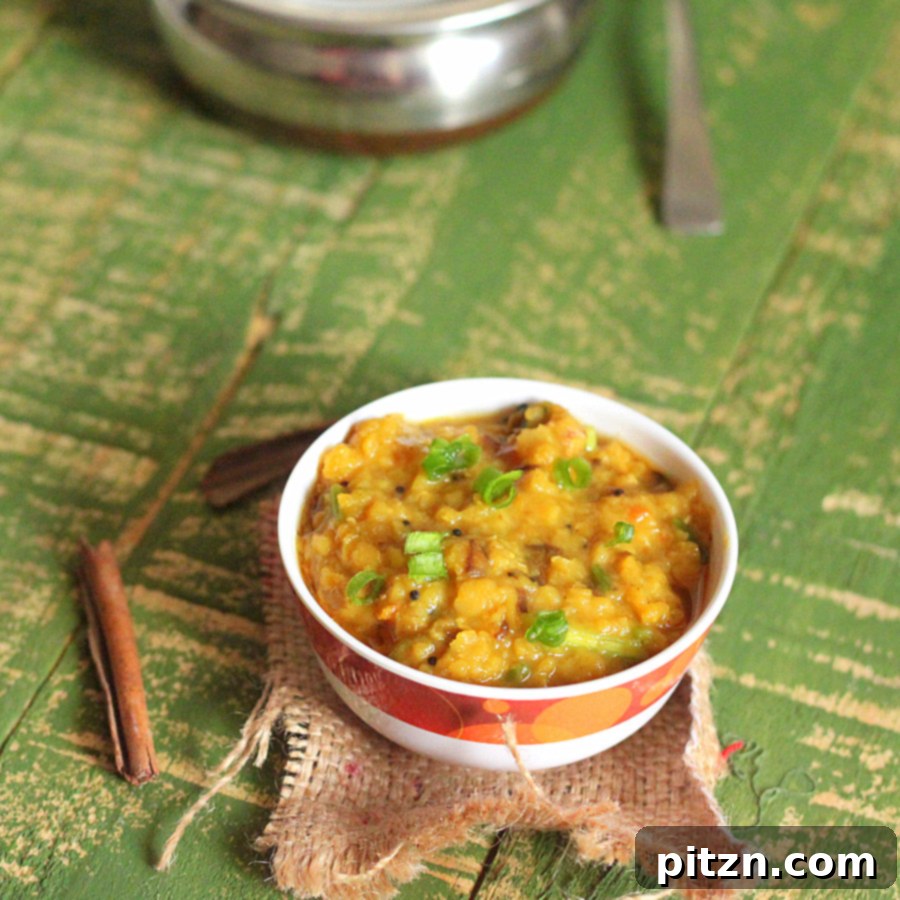
The Wholesome Power of Masoor Daal (Red Lentils)
Masoor Daal, or red lentils, are an indispensable staple in Indian households and kitchens worldwide, cherished for their versatility, quick cooking time, and impressive nutritional profile. These tiny legumes are a powerhouse of plant-based protein, making them an excellent choice for vegans and vegetarians seeking robust protein sources. Beyond protein, they are rich in dietary fiber, which aids digestion and promotes satiety, contributing to overall gut health. Masoor Daal also provides significant amounts of essential minerals such as iron, vital for energy and blood health, and potassium, crucial for maintaining proper heart and nerve function. Additionally, they are a good source of various B vitamins and other micronutrients, all contributing to a well-rounded and healthy diet.
The quick cooking nature of red lentils makes them a favorite for busy individuals, requiring minimal pre-soaking compared to other legumes. Their mild, earthy flavor acts as a perfect canvas for absorbing the vibrant spices typical of Indian cuisine, allowing for a diverse range of flavor combinations. This particular recipe for fat-free red lentil stew is carefully crafted to highlight the natural deliciousness of the lentils and the aromatic depth of Indian spices, further enriched by the savory notes of garlic and shallots, all without the need for added oil.
My experience with this oil-free pink lentil daal was genuinely delightful. While there’s a subtle difference in the flavor profile when cooking without oil, it was incredibly well-received by my husband and me. Served as part of a complete, balanced meal, alongside a dry vegetable side dish, freshly prepared Roti flatbreads, and fluffy rice, it proved to be an incredibly satisfying and wholesome experience. This success solidified my belief that deeply flavorful, comforting, and authentic Indian dishes can be achieved with ease, proving that oil is not a prerequisite for deliciousness.
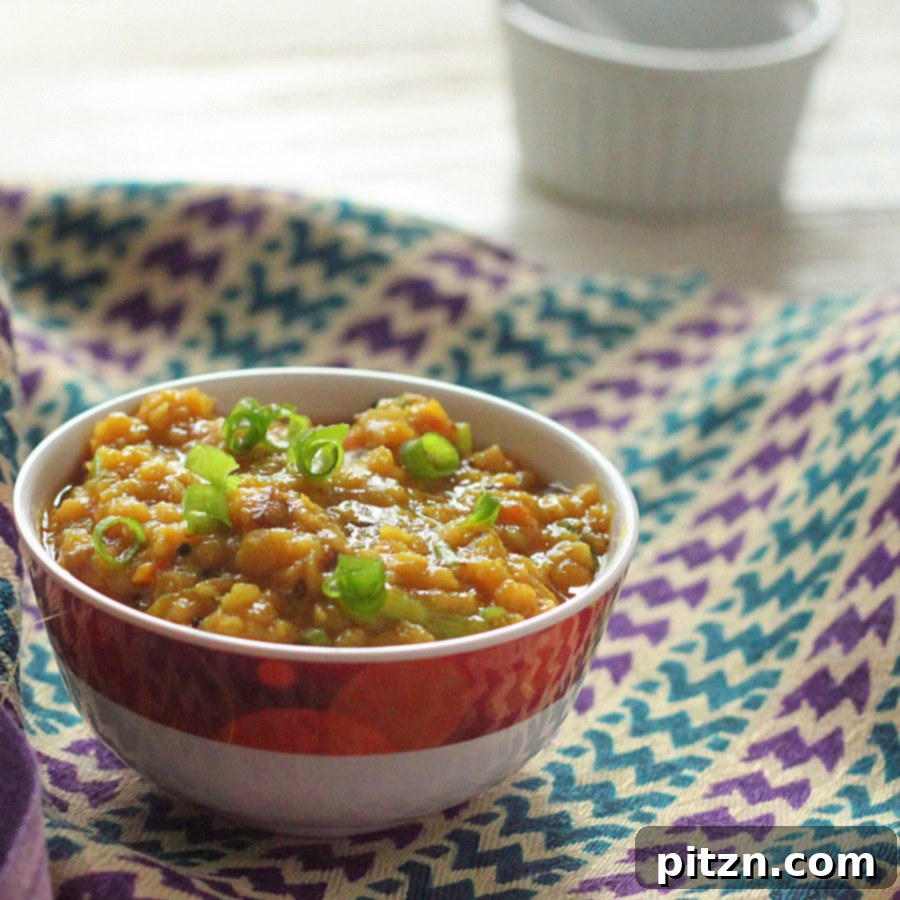
Fat-Free Red Lentil Stew with Garlic and Shallots (Masoor Daal) – Vegan & Gluten-Free Recipe
Fat-free Red Lentil Stew with Garlic and Shallots. Masoor Daal. Vegan glutenfree
Vegan Richa
5 minutes
25 minutes
30 minutes
2
servings
Main Course
Indian, Vegan
Print Recipe
Ingredients
Unit System:
US Customary
Metric
Adjust Servings:
1x
2x
3x
US Customary
Metric
1x
2x
3x
-
1/2 cup pink lentils, split red lentils, Masoor dal (Washed and soaked for 1/2 an hour) -
1.5 cups water -
1/3 teaspoon salt or to taste
For the Tempering (Tadka)
-
1/2 teaspoon mustard seeds -
1/4 teaspoon cumin seeds -
4-5 curry leaves, chopped -
2 shallots, finely chopped -
2-3 cloves of garlic, chopped -
1/2 green chili pepper or chili flakes to taste -
1/4 teaspoon turmeric powder -
a generous pinch of asafoetida (Hing) -
1/2 teaspoon coriander powder
Instructions
-
1. Heat a large pan or pot on medium heat. If cooking fat-free, a good quality non-stick pan is beneficial. Alternatively, you can dry roast the spices or use a few tablespoons of water in a regular pan to prevent sticking.
-
2. Add the mustard seeds and cumin seeds to the heated pan and stir once. Allow them to begin popping and crackling, which indicates they are releasing their essential aromatic oils and flavors. This dry roasting technique is fundamental for fat-free tempering.
-
3. Introduce the curry leaves, green chili, finely chopped shallots, and chopped garlic to the pan. Cook, stirring consistently every few seconds, until the shallots and garlic turn a light golden brown and become fragrant. If you notice any ingredients sticking to the bottom of the pan, add a few drops of water at a time to deglaze and continue sautéing.
-
4. Stir in the asafoetida (Hing), turmeric powder, and coriander powder. Mix these spices thoroughly with the sautéed aromatics for about 30 seconds, allowing their flavors to bloom and create a rich base for the stew.
-
5. (Optional step): For an added layer of tangy flavor and depth, you can include a medium-sized chopped tomato at this stage. Add the tomato to the pan, mix well with the spices, and cook for 2-3 minutes until it softens and releases its juices, forming a slightly pulpy base before adding the lentils.
-
6. Drain the pre-soaked lentils thoroughly and add them to the pan. Stir in the salt and the specified amount of water (1.5 cups). Ensure all the ingredients are well combined and the lentils are fully immersed in the seasoned liquid.
-
7. Cover the pan with a lid and reduce the heat to low. Allow the lentils to simmer gently for 15-20 minutes. During this time, the lentils will soften and absorb the wonderful flavors from the spices.
-
8. After the initial cooking time, stir the daal, taste it, and adjust the salt and spice levels according to your preference. If you find the daal too thick for your liking, add a little more water, a few tablespoons at a time, until you reach your desired consistency.
-
9. Partially cover the pan again and continue to cook for another 10 minutes or so. The goal is to achieve a creamy texture where the lentils are soft but not entirely mushy. If you prefer a really soupy consistency, you may cook it for a few more minutes, stirring occasionally.
-
10. Before serving, garnish generously with freshly chopped green onions or cilantro. A final dash of fresh lemon juice will add a bright, zesty finish that perfectly complements the rich flavors of the daal.
-
11. Serve this comforting, fat-free Masoor Daal hot. It pairs wonderfully with fluffy Basmati rice, a side of dry vegetable subzi (Indian stir-fry), or your favorite Indian flatbreads like Roti or whole wheat parathas for a complete and wholesome meal.
Notes
Nutrition Facts (Per Serving)
Carbohydrates: 33g,
Protein: 12g,
Sodium: 441mg,
Potassium: 513mg,
Fiber: 14g,
Sugar: 3g,
Vitamin A: 75IU,
Vitamin C: 46.3mg,
Calcium: 54mg,
Iron: 4mg
Nutrition information is automatically calculated and should only be used as an approximation.
Did you make this recipe? Share your experience and rate it below!
Further Exploration: Veganism, Health, and Indian Insights
Beyond delicious recipes, the world of whole-food, plant-based living offers profound insights into health and wellness. My continuous learning has been greatly influenced by organizations like Sharan India (Sanctuary for Health and Reconnection to Animals and Nature). They passionately advocate for a diet free of animal products and refined ingredients, emphasizing the transformative power of whole foods to prevent, manage, and even reverse chronic diseases. Their holistic approach underscores the interconnectedness of our health with the environment and animal welfare.
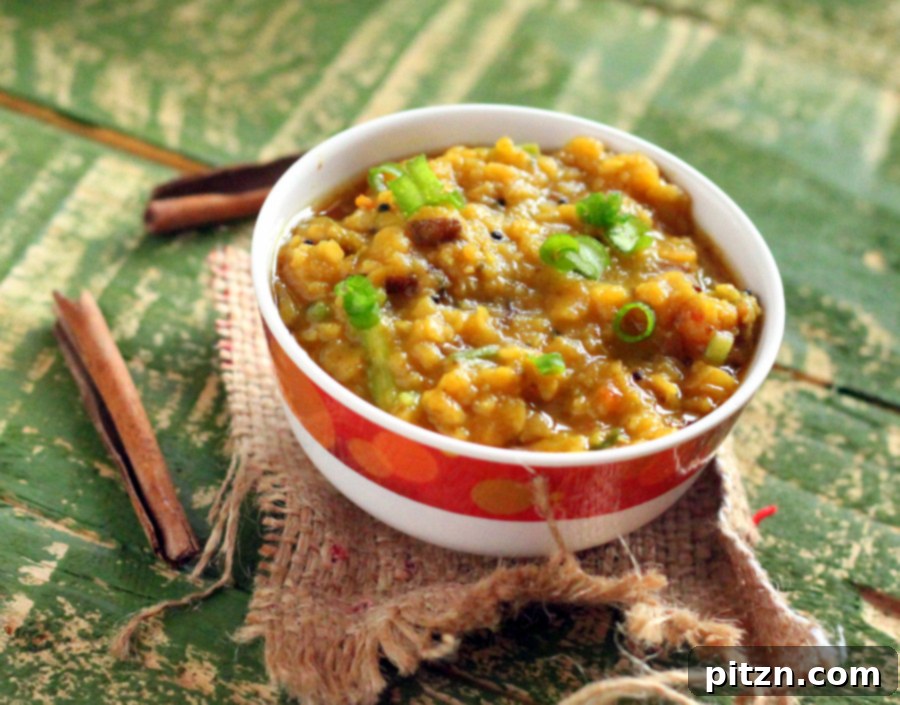
This Masoor Daal recipe is a perfect example of the kind of healthy, flavorful, and accessible dishes promoted by such movements. It has been proudly shared across various platforms dedicated to mindful eating and wellness, including Slightly Indulgent Tuesdays, Hearth and Soul Blog Hop, Allergy Free Wednesdays, and Ricki’s Wellness Weekends. These vibrant online communities celebrate and share dishes that are both nourishing and accessible, aligning perfectly with the ethos of this fat-free red lentil stew and inspiring countless others to embark on their own health-conscious culinary adventures.
Inspiring Videos on Fat-Free & Plant-Based Living
For those interested in delving deeper into the profound benefits of a fat-free, whole-food, plant-based diet, I highly recommend watching the following video. It features the insightful Dr. Nandita Shah from Sharan India alongside the esteemed Dr. Neal Barnard, as they collaborate in the kitchen to prepare a delectable fat-free Daal as an integral part of the 21-Day Vegan Kickstart program. Their discussion offers invaluable insights into the scientific rationale behind this dietary approach, practical tips for incorporating it into your daily life, and compelling arguments for its efficacy in promoting long-term health and well-being.
Additionally, I discovered another truly enlightening video featuring Dr. Nandita Shah during her visit to Google India. In this compelling session, she addresses a multitude of thought-provoking questions from Google employees, affectionately known as “Googlers.” This presentation offers a unique and highly relevant perspective tailored specifically to the Indian context. While it is a fairly lengthy video (you might consider skipping the first 5 minutes, which primarily serve as an introduction to the questions), it is rich with fascinating statistics, cultural insights, and critical points that are particularly pertinent to India’s unique health landscape and evolving food systems. For those seeking more specific Indian statistics and detailed information, the Sharan website is an excellent resource.
This video adeptly challenges common misconceptions, such as the often romanticized view of “happy cows” and traditional dairy practices associated with the Doodhwala (milkman) and Gaushala (cow shelters). It encourages viewers to critically examine the origins and impacts of their food choices and to consider the broader implications for public health, ethical considerations, and environmental sustainability. If you have ever pondered the true effects of dietary decisions within the Indian cultural framework, this video is an absolute must-watch that promises to broaden your understanding and potentially transform your perspective.
Conclusion: Savor the Flavor, Embrace the Health with Fat-Free Masoor Daal
This Fat-Free Red Lentil Stew (Masoor Daal) is far more than just a recipe; it’s a warm invitation to explore a world of vibrant flavors and exceptional health benefits. By consciously choosing whole, unprocessed ingredients and wholeheartedly embracing oil-free cooking methods, we possess the power to transform our everyday meals into potent tools for enhanced well-being. This nourishing and profoundly comforting daal stands as a clear testament that healthy eating can be incredibly delicious, deeply satisfying, and authentically rooted in rich culinary traditions, without needing any added fats.
Whether your goal is to significantly reduce your fat intake, explore the diverse and exciting realm of vegan cuisine, or simply to enjoy a wholesome, incredibly flavorful meal that supports your health goals, this Masoor Daal recipe is an absolutely fantastic starting point. I encourage you to give it a try, experiment freely with your favorite Indian spices, and discover firsthand just how truly satisfying and enjoyable fat-free cooking can be. Your discerning taste buds, your grateful body, and your overall well-being will undoubtedly thank you for this delightful and healthy culinary adventure!