
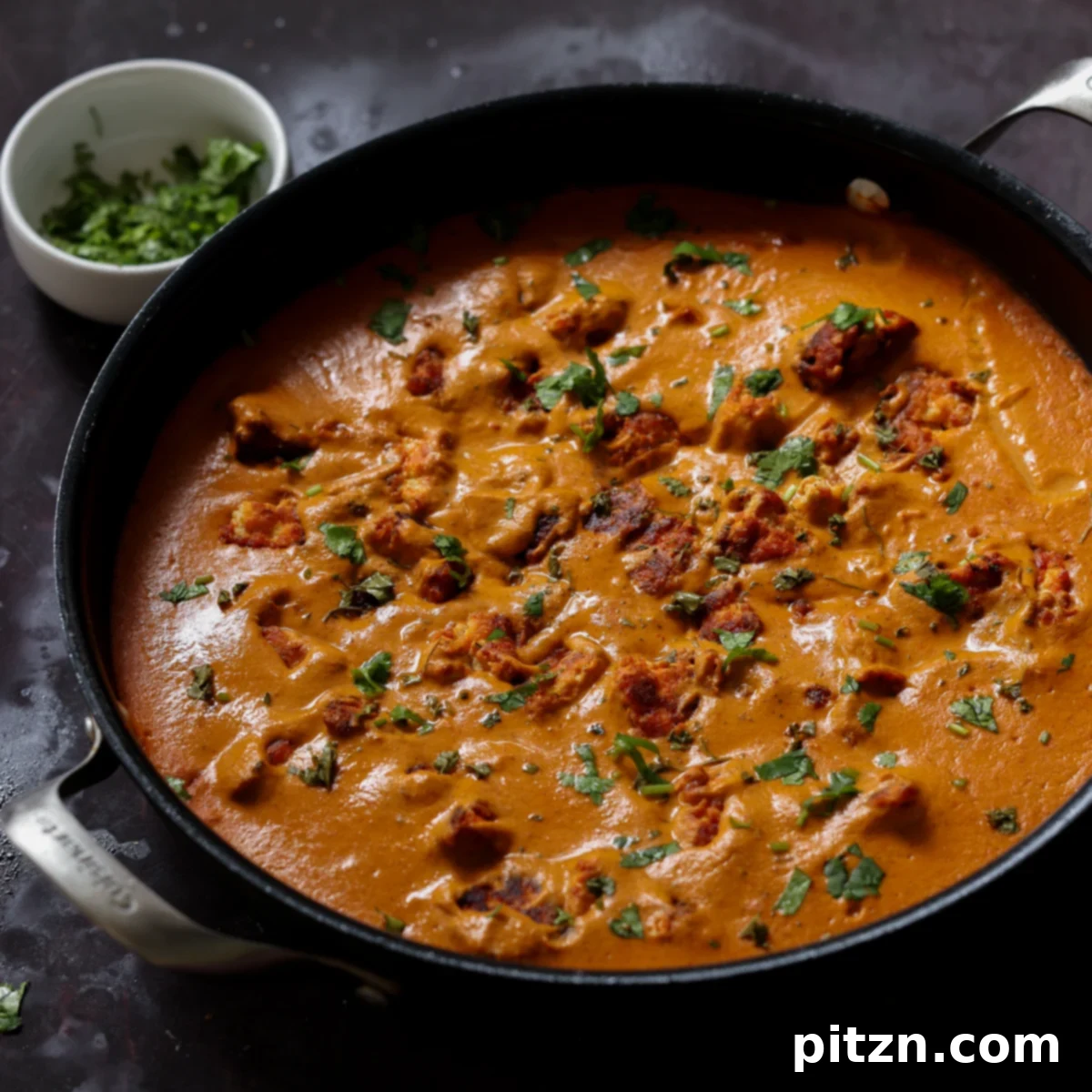
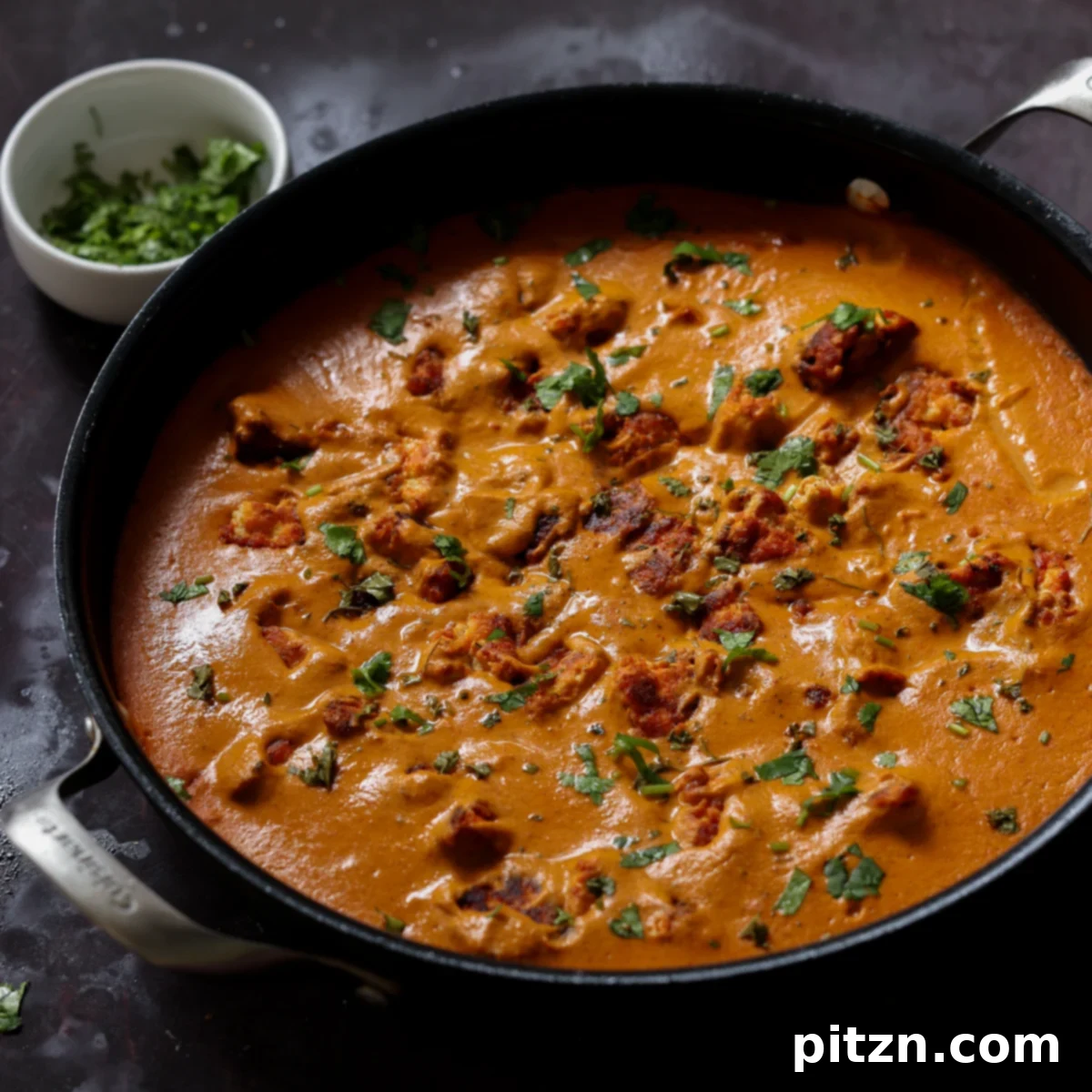
Unlock the secrets to crafting the **best ever Indian restaurant-style Vegan Butter Chicken** right in your own kitchen! This exceptional recipe features perfectly marinated and crisped tofu, enveloped in a rich, creamy, and truly decadent Indian butter curry sauce. Prepare for an explosion of flavors that will delight your palate and impress every guest. This plant-based masterpiece is naturally gluten-free and includes flexible options to make it nut-free and soy-free, ensuring everyone can enjoy its unparalleled taste.
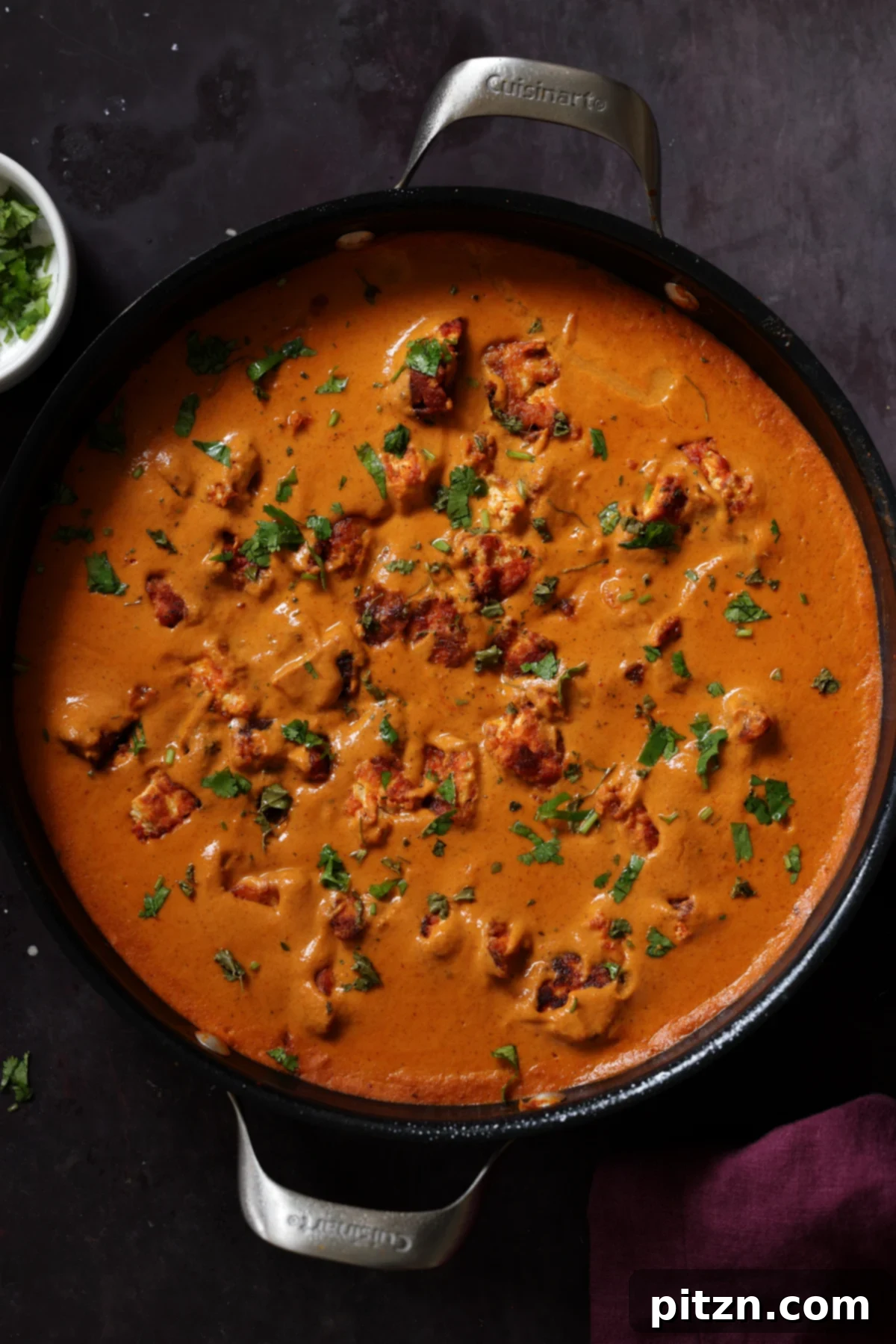
Table of Contents
- What is Butter Chicken?
- Why You’ll Love This Vegan Butter Chicken
- More Vegan Butter Chicken Recipes
- Restaurant-Style Vegan Butter Chicken Recipe
- Ingredients and Substitutions
- 💡 Expert Tips for the Best Vegan Butter Chicken
- How to Make Restaurant-Style Vegan Butter Chicken
- What to Serve with Vegan Butter Chicken
- Frequently Asked Questions
While my blog boasts a diverse collection of butter chicken-inspired recipes, from the quick and easy Instant Pot butter chicken featuring soy curls to the lightning-fast butter chickpeas that come together in a mere 10 minutes, I realized there was a gap. I needed a truly authentic, restaurant-quality vegan butter chicken recipe – one that captured the rich, smoky, and exquisitely spiced essence found in the finest Indian eateries.
After much experimentation, I am thrilled to share this ultimate version with you. This recipe delivers a mind-glowingly delicious, smooth, and creamy experience, perfectly mimicking the decadence of traditional butter chicken. It’s the ideal dish to elevate any special occasion, be it a dinner party, holiday gathering, Thanksgiving feast, or a family get-together. Prepare to impress everyone at the table with this spectacular plant-based meal!
Make this at your next dinner party to impress your guests!
What is Butter Chicken?
Butter chicken, known in Hindi as Murgh Makhani, holds a storied place in Indian cuisine, with several fascinating tales surrounding its creation. One popular account suggests that this iconic dish was born out of culinary ingenuity in Delhi. A chef, seeking to repurpose leftover tandoori chicken (chicken marinated in yogurt and spices, then grilled in a clay oven), decided to simmer it in a rich, creamy tomato-based sauce. This brilliant improvisation not only rejuvenated the dryish day-old chicken but also gave birth to a beloved classic.
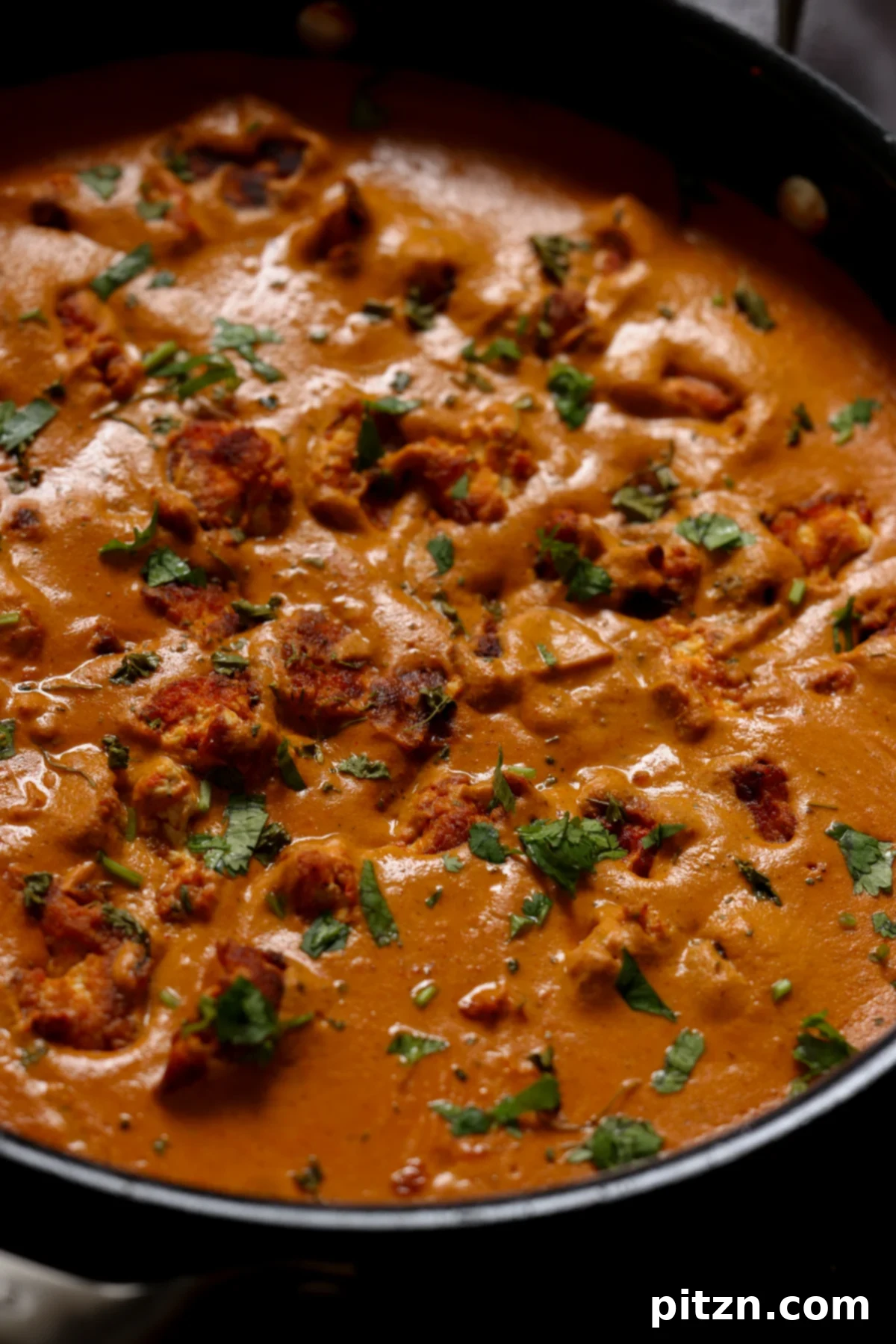
The name “Makhani” itself provides a clue to the dish’s signature characteristic. “Makkhan” translates to “butter,” implying a sauce that is as smooth and rich as butter. To achieve this signature silky texture, traditional butter chicken sauce is often strained to remove any fibrous bits from the tomatoes and onions, resulting in a velvety consistency that coats the palate beautifully.
Like many regional Indian dishes, butter chicken boasts numerous variations. Some recipes incorporate onions, while others omit them. Spice blends can differ subtly, and the creaminess can range from intensely rich to delightfully light, depending on the chef’s preference or regional style. This particular vegan version draws inspiration from my luscious Makhani sauce, famously used in my Indian whole roasted cauliflower recipe, adapted to perfection for a plant-based experience.
Crafting the Perfect Vegan Protein for Butter Chicken
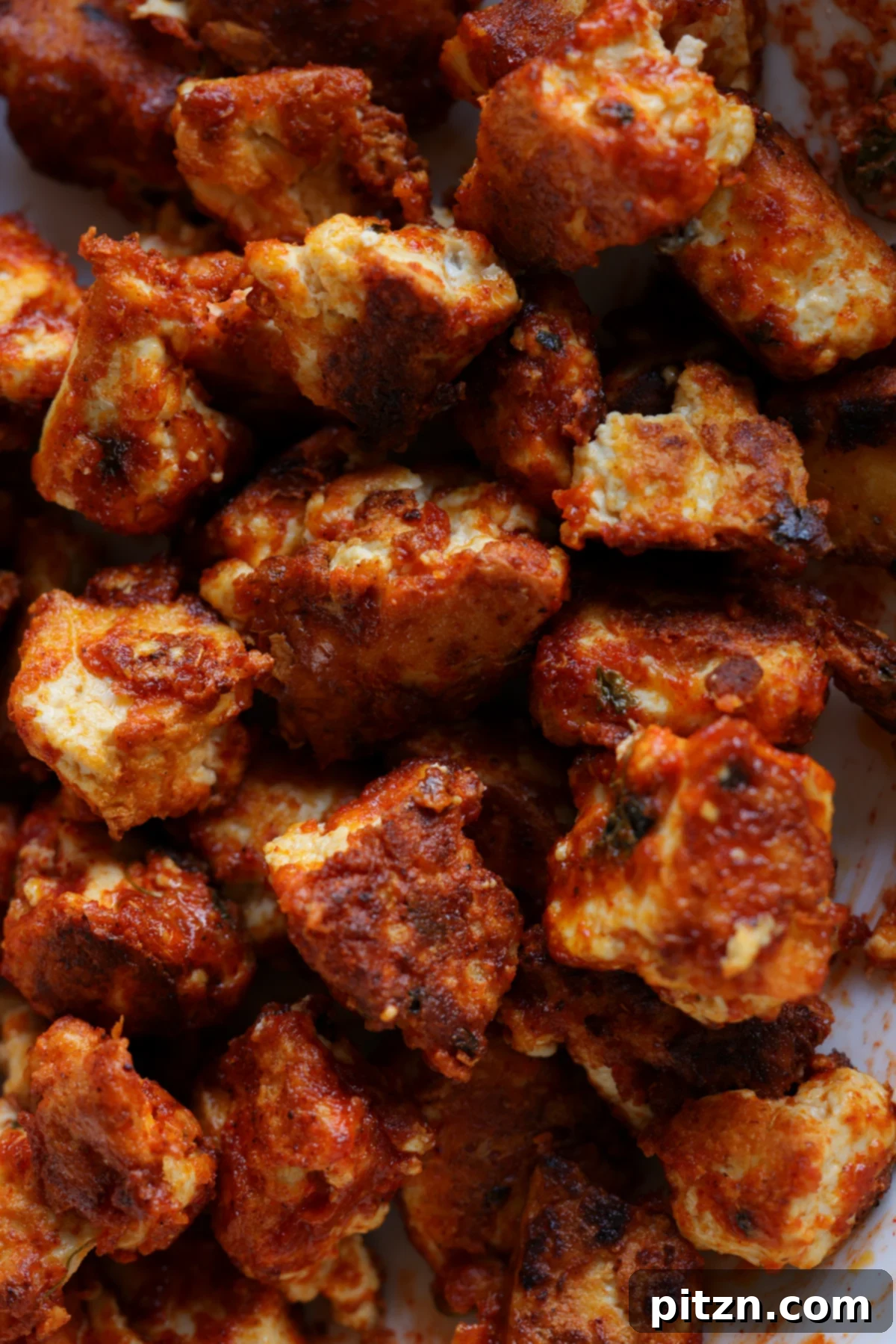
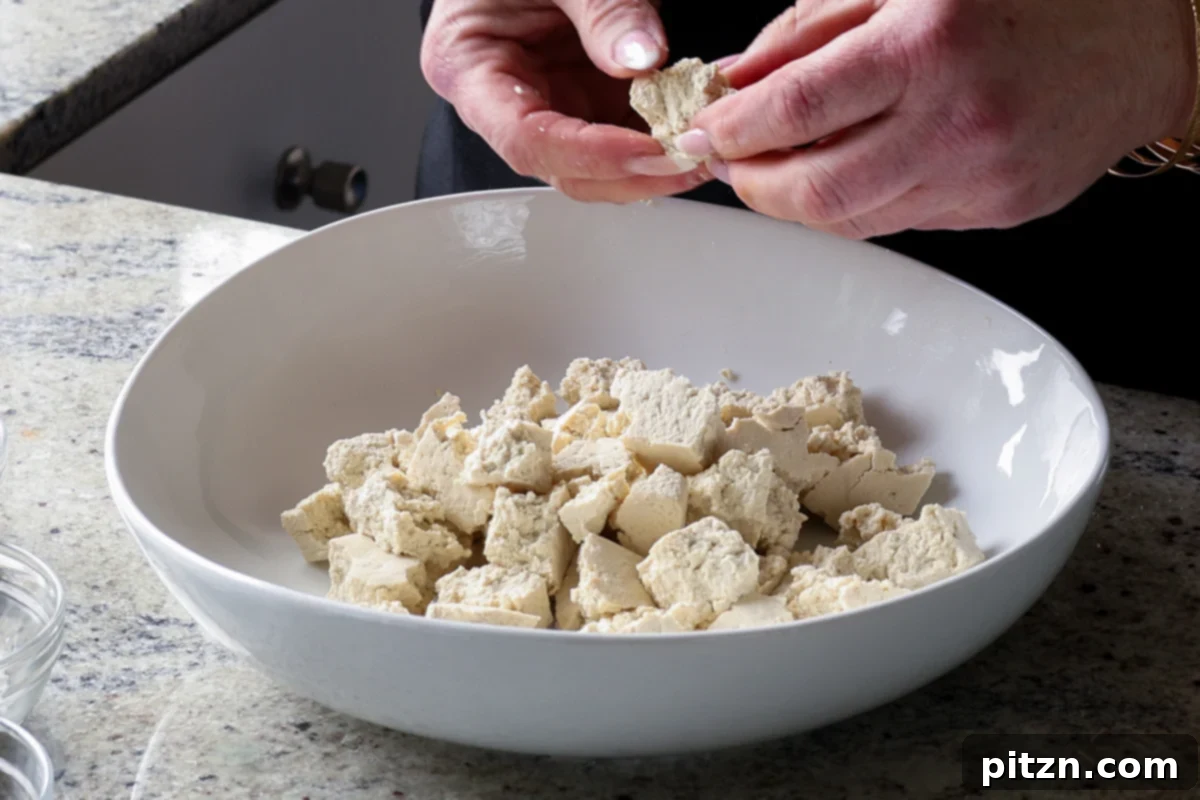
For our vegan butter chicken, we utilize **extra-firm tofu** as the star protein, serving as an exceptional chicken substitute. The key to its success lies in its preparation: instead of neatly dicing the tofu, we tear it into organic, bite-sized pieces. This method is not just for aesthetics; it significantly increases the surface area, allowing the tofu to absorb the flavorful marinade more effectively and crisp up beautifully on the stovetop. The result is a firm, satisfying texture remarkably similar to chicken, providing a delightful contrast to the creamy sauce.
If tofu isn’t your preference, or if you’re looking for alternatives, feel free to explore other fantastic vegan chicken substitutes. Options like soy curls, my homemade chickpea tofu, or seitan can work wonderfully. For those seeking a different approach, simply adding hearty beans or your favorite roasted vegetables directly to the sauce offers a delicious and equally satisfying meal.
This restaurant-style version is designed to deliver a ton of flavor in the sauce, incorporating a few more steps and a broader array of spices than a simpler homestyle recipe. However, don’t be intimidated by the ingredient list; even if you’re missing a spice or two, you’re still guaranteed a truly fantastic and flavorful result.
The Keys to Authentic Vegan Butter Chicken Flavor
Achieving that unmistakable, deep, and complex flavor of authentic Indian butter chicken in a vegan format relies on several crucial elements:
- Mastering the Spices: The foundation of this dish lies in using the right spices for both the tofu marinade and the sauce itself. Essential spices include aromatic dried fenugreek leaves (kasoori methi), which impart a unique, earthy bitterness, and vibrant Kashmiri chili powder, known for its rich red color and mild heat. These are frequently used in authentic Indian cooking, so investing in them will open up a world of delicious vegan Indian recipes.
- The Tandoori Tofu Technique: The “chicken” substitute, tofu, must be marinated in a flavorful blend of non-dairy yogurt and spices. This not only infuses it with taste but also aids in achieving a perfectly crisp exterior when pan-fried, baked, or air-fried, mimicking the texture of tandoori chicken. Tearing the tofu creates uneven surfaces, allowing for better marinade absorption and crisping.
- Layering Flavors Through Aromatics: A truly exceptional curry is built on layers of flavor. This recipe involves sautéing aromatics like onions and ginger-garlic paste until perfectly translucent, then adding a precise sequence of ground and whole spices at different stages. This staggered approach ensures each spice contributes its unique essence, from infusing hot oil with whole spices to blooming ground spices with the aromatics, building a profound depth of flavor.
- Achieving Supreme Creaminess: The hallmark of butter chicken is its incredibly smooth, rich, and creamy texture. This vegan recipe achieves this by using a powerful blend of both raw cashews and coconut milk. Blending the sauce thoroughly after simmering is crucial to break down the cashews, onions, and tomatoes into a velvety, luxurious consistency that requires no straining.
- Optimized Tomato Base: To simplify the cooking process and enhance smoothness, canned tomato purée (or unseasoned tomato sauce/passata) is recommended. This avoids the extra step of straining the sauce, as store-bought purees are typically smoother than homemade tomato bases.
- The Essential Garnishes: Don’t underestimate the power of garnishes! A final flourish of fresh chopped green chili, finely minced fresh ginger, and vibrant cilantro not only adds visual appeal but also provides contrasting textures and refreshing flavors that cut through the richness of the thick, creamy sauce, elevating the entire dining experience.
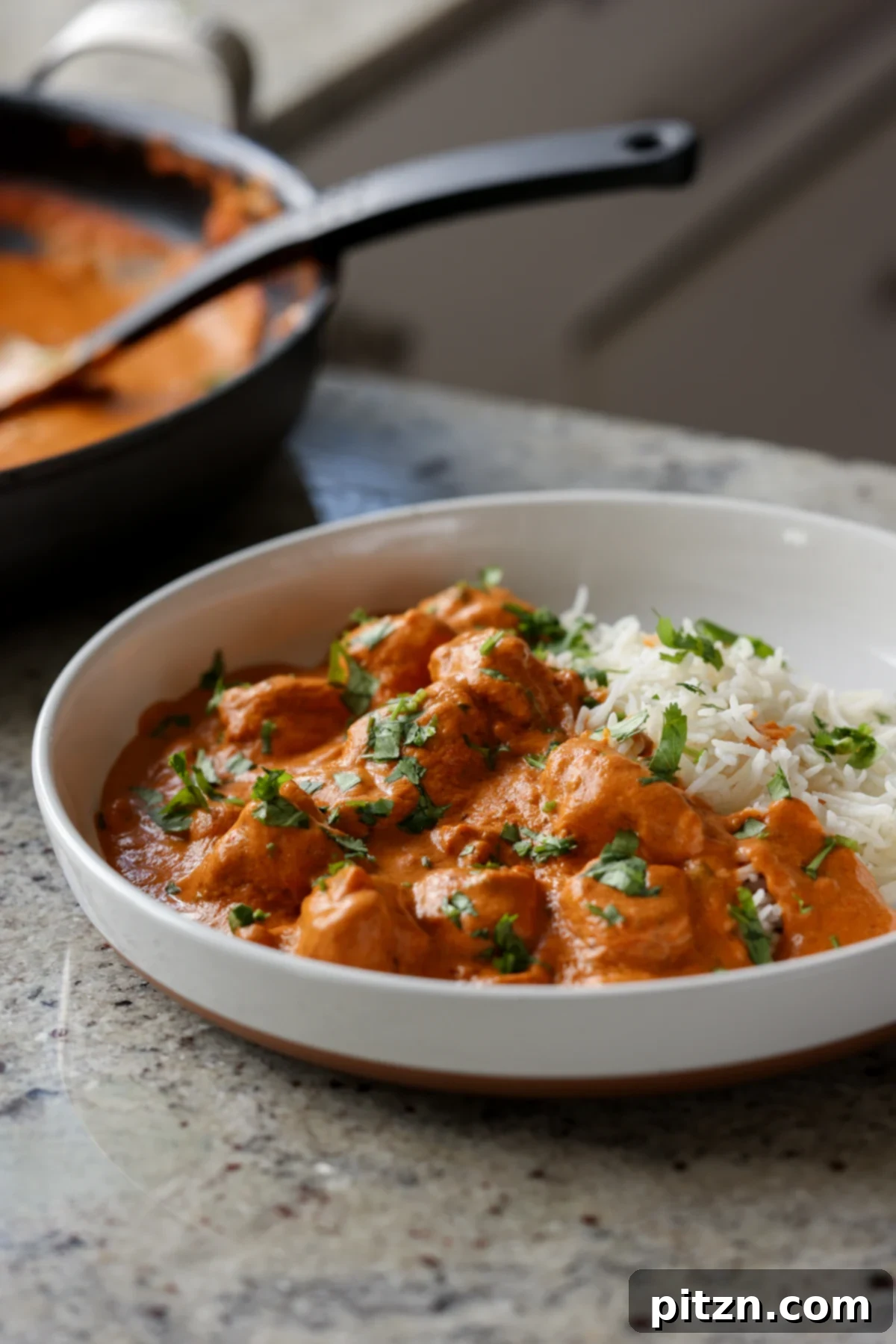
Why You’ll Love This Vegan Butter Chicken
- Authentic Textures and Flavors, Cruelty-Free: Experience all the beloved textures and rich, complex flavors of traditional butter chicken, but entirely plant-based. Enjoy marinated plant-based protein in a luscious, creamy, tomatoey, and buttery curry sauce, with no animal products involved. It’s a win for your taste buds and for animals!
- Effortless One-Pan Stovetop Preparation: Despite its gourmet taste, this recipe is surprisingly straightforward to make. Most of the cooking happens in a single pan on your stovetop, minimizing cleanup and making it a manageable meal even on busy weeknights.
- Gourmet Restaurant Quality Without the Price Tag: Why pay premium restaurant prices when you can achieve the same decadent, restaurant-style flavor right at home? This recipe empowers you to create an exquisite Indian dish that rivals your favorite take-out, all while saving money.
- Naturally Gluten-Free with Easy Customizations: This recipe is inherently gluten-free, making it accessible for many dietary needs. Furthermore, it’s incredibly versatile and can be easily adapted to be soy-free or nut-free by following the simple substitution guidelines provided, ensuring everyone at your table can indulge safely.
- Clever Use of Layered Spices for Depth: While the ingredient list might appear extensive, many of the same spices are strategically utilized at different stages of the recipe. This layering technique builds incredible depth and complexity of flavor without adding complicated steps, making the cooking process intuitive and rewarding.
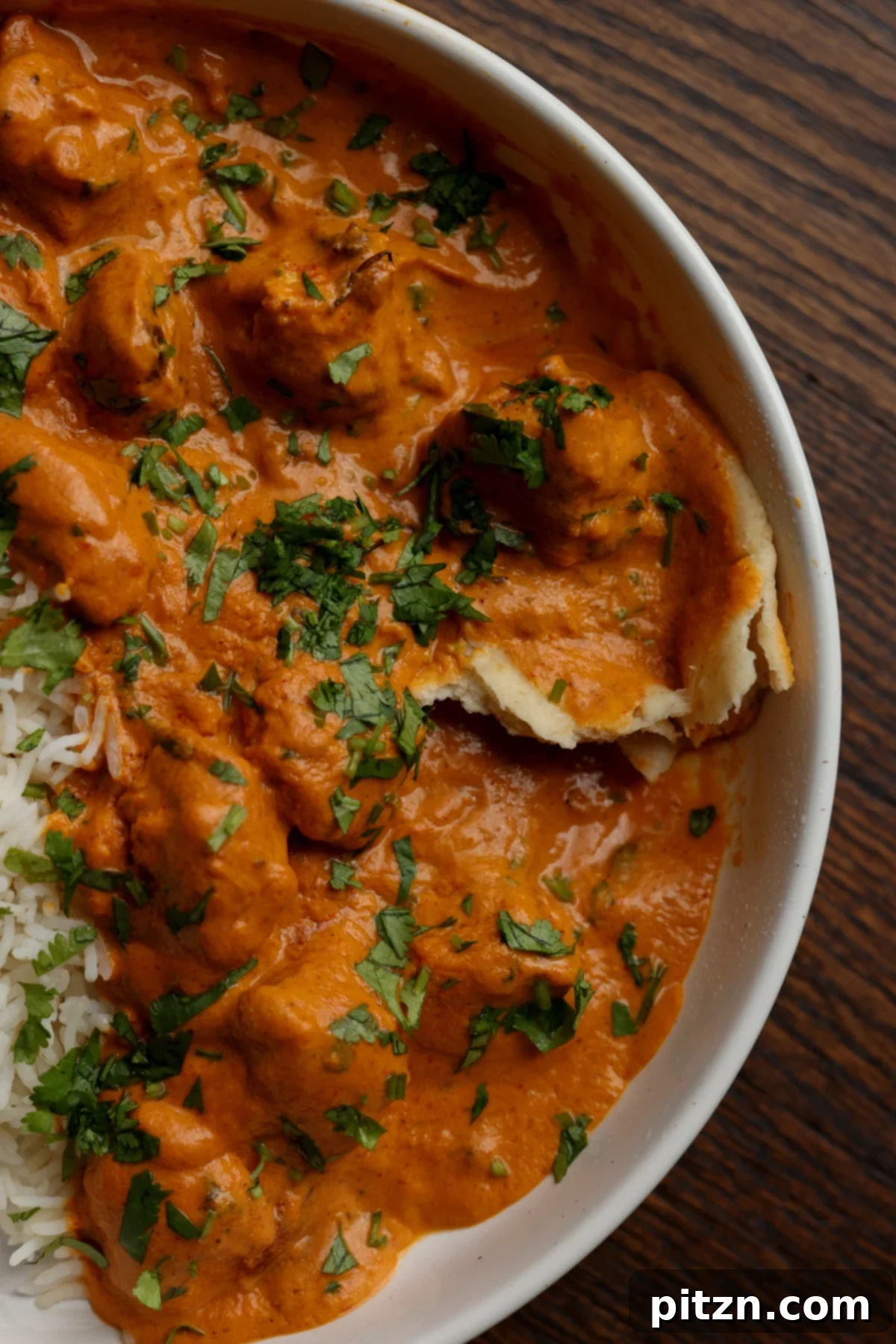
More Vegan Butter Chicken Recipes
- Butter Chicken Enchiladas
- Butter Chicken Ramen
- Butter Chickpeas
- Butter Chicken Lasagna
- Butter Chicken Bao
Restaurant-Style Vegan Butter Chicken
Ingredients
For the Tofu Chicken
- 14 ounces extra firm tofu, pressed for at least 15 minutes, then torn into 3/4” bite-sized pieces
- 2 tablespoons non-dairy yogurt, or non-dairy cream
- 1 tablespoon ginger garlic paste, or use 3 cloves minced garlic and 1/2” ginger, minced plus 1 teaspoon lemon juice.
- 1/2 teaspoon garam masala
- 1 teaspoon dried fenugreek leaves, (kasoori methi)
- 2 teaspoons Kashmiri chili powder
- 1/2 teaspoon chaat masala blend, or use 1/8 teaspoon Indian sulfur salt (aka kaala namak or black salt)
- 1/2 teaspoon salt
- 2 tablespoons cornstarch, or other starch
- 2 teaspoons oil
For the Butter Chicken Sauce
- 2 teaspoons oil
- 1/2 teaspoon cumin seeds
- 1 teaspoon coriander seeds, or use 1 tablespoon ground coriander (add later, with the garam masala)
- 1 1/2 cups chopped red onion
- 1/2 teaspoon salt, divided
- 2 tablespoons ginger garlic paste, or use chopped 6 cloves garlic, 1 inch ginger
- 1/4 teaspoon turmeric
- 2 teaspoons Kashmiri chili powder
- 1 teaspoon garam masala
- 1 teaspoon dried fenugreek leaves
- 10 ounces canned tomato puree, (or unseasoned tomato sauce/ passata)
- 3 tablespoons raw cashews
- 1 cup coconut milk
For the Spiced Oil
- 1 teaspoon vegan butter, or oil
- 1 bay leaf
- 2 green cardamom pods, partially opened
- 2 whole cloves
- 1″ or 2″ cinnamon stick
- 1/2 teaspoon dried fenugreek leaves, crushed
For Garnish
- chopped cilantro, lemon juice, chopped green chili such as Serrano, cayenne or pepper flakes
Instructions
Make the Tandoori Tofu Chicken.
-
Press and tear the tofu into 3/4” bite-sized pieces. (To press the tofu, use a tofu press or wrap it in a kitchen towel, place some books or a cutting board on top, and let sit for at least 15 minutes to remove excess water.) Add the torn tofu to a bowl. Add in the non-dairy yogurt and ginger and garlic paste and toss well to coat the tofu evenly.
-
In a separate small bowl, thoroughly mix all the dry spices (garam masala, dried fenugreek leaves, Kashmiri chili powder, chaat masala blend), salt, and cornstarch. Sprinkle this spice mixture all over the marinated tofu. Toss again until all pieces are well coated. Now, proceed to cook the tofu using your preferred method: pan-frying, baking, or air frying.
-
To pan fry, heat 2 teaspoons of oil in a large skillet over medium-high heat. Once the oil is hot, spread it to cover the skillet surface. Carefully transfer the coated tofu onto the skillet, spreading it into a single layer without overcrowding. Allow the tofu to cook undisturbed for 2 to 3 minutes until the bottoms are golden and crisp, and the tofu easily releases from the pan. Flip the tofu and continue to cook, repeating this process 2 to 3 times, until most edges are golden brown and crisp. This typically takes 6 to 8 minutes. Once cooked, set the crispy tofu aside.
-
To bake, sprinkle the oil over the coated tofu, then spread it evenly onto a parchment-lined baking sheet. Bake at 400° F (206° C) for 20 to 30 minutes, or until some of the edges are crisp and golden.
-
To air fry, drizzle the oil over the coated tofu and arrange it on a piece of parchment paper inside your air fryer basket. Air fry at 370° F (188° C) for 8 minutes, then gently shake the basket or move the tofu around. Continue to air fry for another 2 to 4 minutes, or until the edges are crisp to your liking.
Make the Sauce.
-
Reduce the heat to medium. Add 2 teaspoons of oil to the same pan you used for the tofu. Once the oil is hot, add the cumin seeds and coriander seeds. Stir and allow the cumin seeds to change color significantly and become fragrant. This process usually takes between 30 seconds to 2 minutes, depending on your pan and heat level.
-
Add the chopped red onion and 1/4 teaspoon of the salt. Cook the onions until they become translucent, adding a splash of water intermittently to help them cook evenly without browning too much. We want the onions to soften and contribute volume to the sauce, not reduce completely.
-
Once the onions are translucent, add another splash of water and the ginger garlic paste. Mix well. Then, add in all of the ground spices (turmeric, Kashmiri chili powder, garam masala, dried fenugreek leaves) and the remaining salt. Stir and cook this mixture for about 30 seconds if using ginger garlic paste, or up to 1 minute if using minced ginger and garlic (add a splash of water or oil if needed to prevent burning).
-
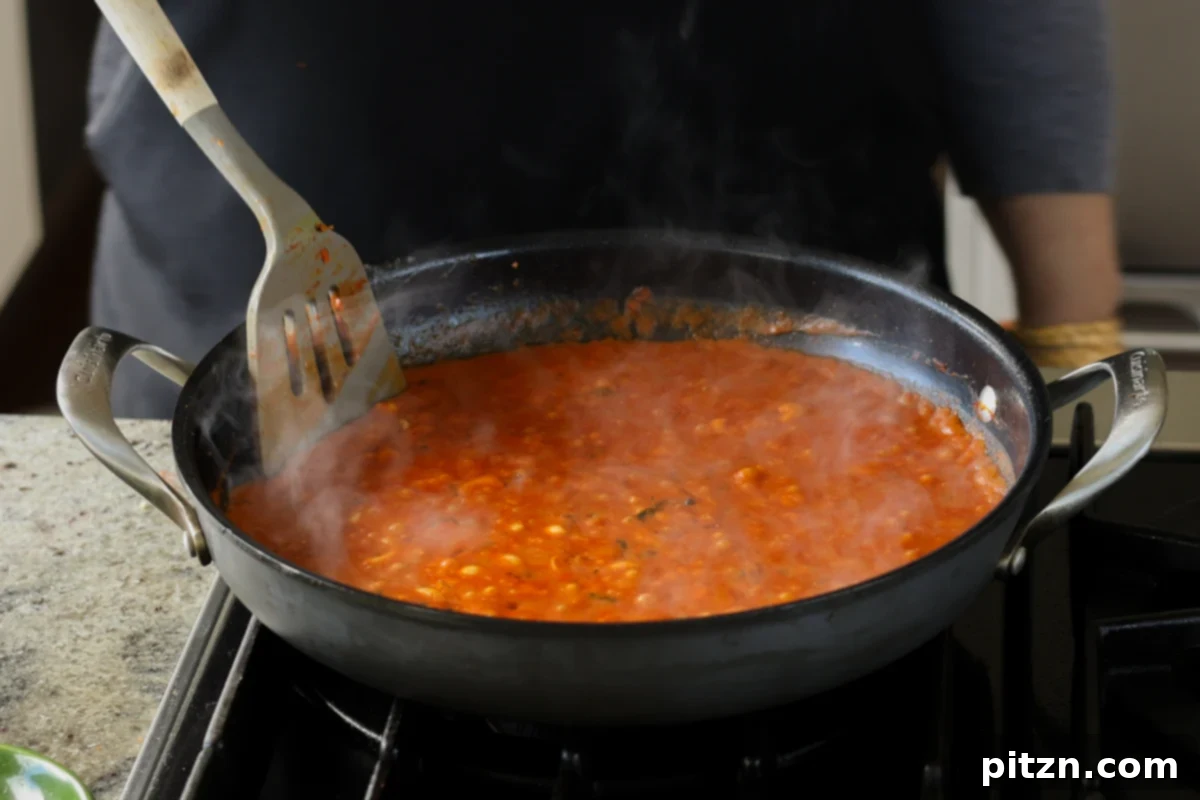
Stir in the canned tomato puree and cook for 2 minutes, allowing it to simmer slightly. Next, mix in the raw cashews and coconut milk. Bring the sauce to a gentle boil, then reduce heat and let it simmer for 4 to 5 minutes. Remove from heat and allow the sauce to cool for 5 to 10 minutes before blending.
-
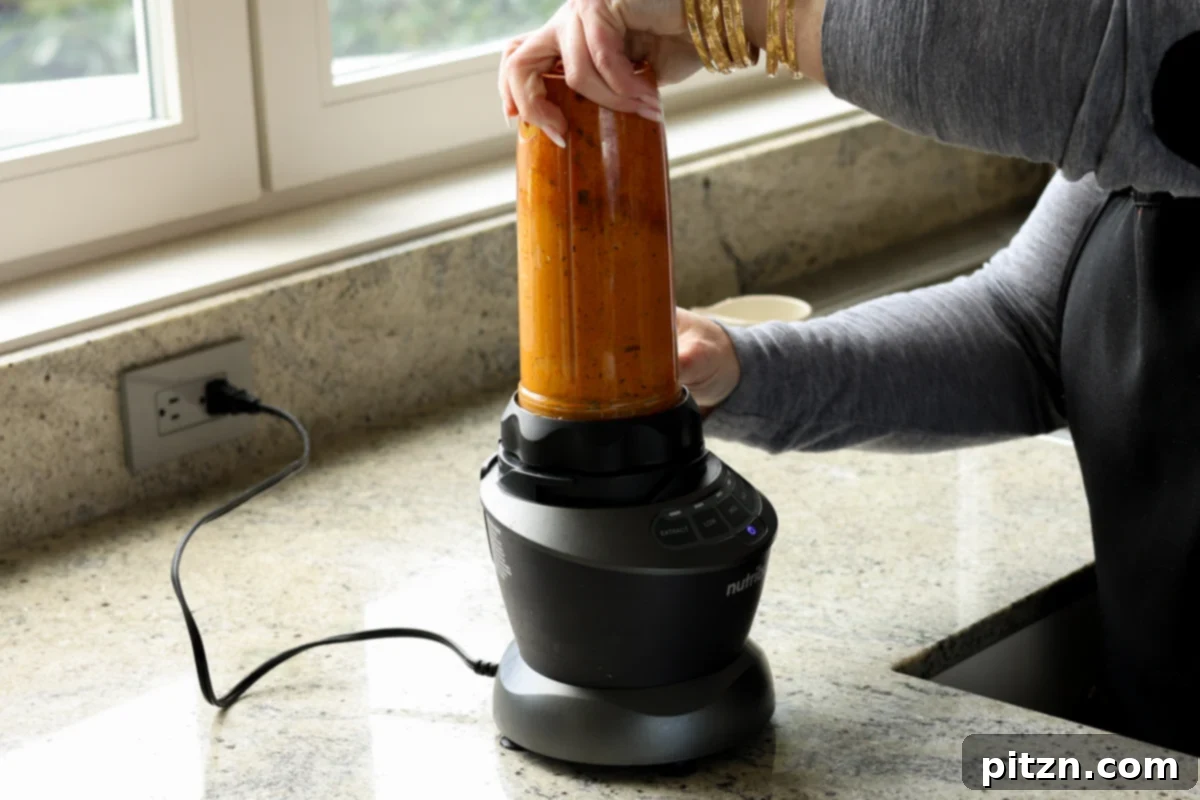
Carefully transfer the cooled sauce mixture to a blender along with one cup of water. Blend until the sauce is completely smooth and creamy. For best results, I typically blend for about a minute, let it rest for 4 to 5 minutes (allowing cashews to soften further), then blend again for another 30 seconds. If necessary, repeat for another 30 seconds to achieve a perfectly silky texture.
-
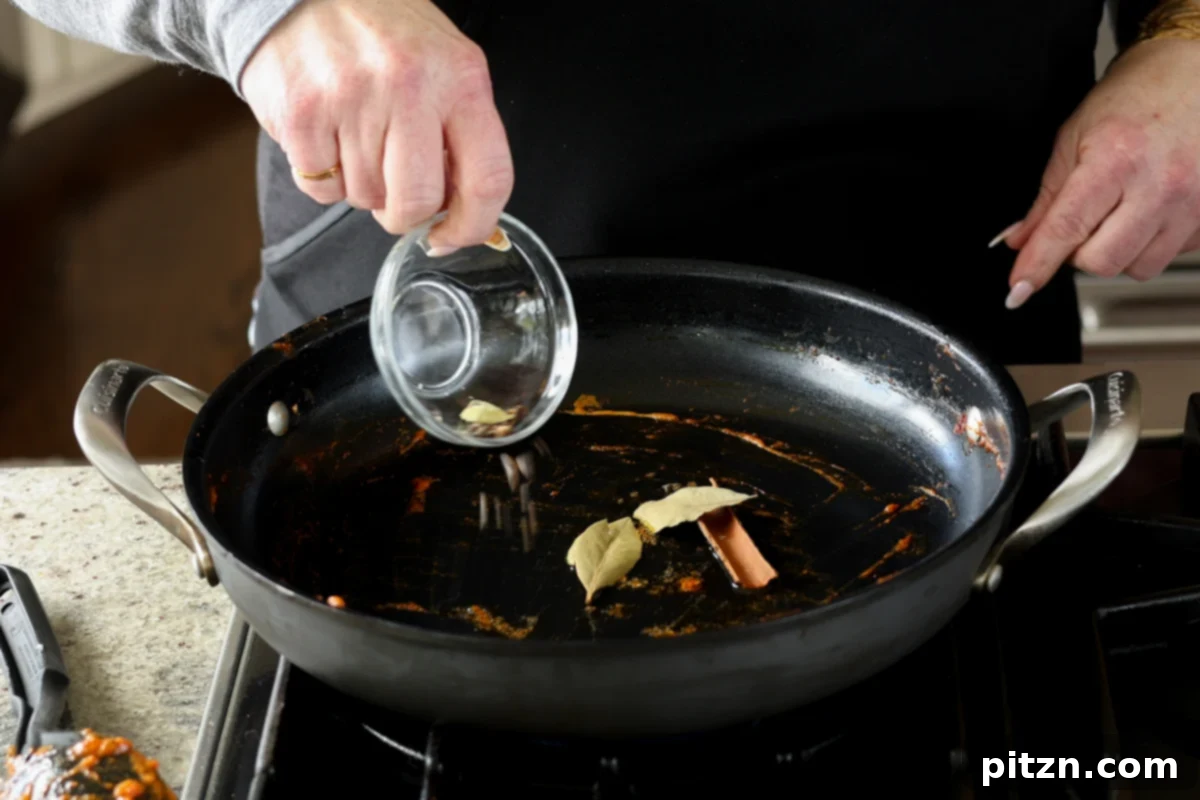
Make the spiced oil: In the same skillet, heat 1 teaspoon of vegan butter or oil over medium heat. Once hot, add the whole spices: bay leaf, green cardamom pods (partially opened), whole cloves, and cinnamon stick. Add the crushed fenugreek leaves and mix them in briefly. If you desire a deeper red color for your sauce, you can add a little more Kashmiri chili powder at this stage.
-
Carefully pour the blended sauce back into the skillet with the spiced oil and mix well to combine. Bring the sauce to a boil for about 2 minutes. Taste the sauce and adjust seasonings as needed. You can add more salt, a pinch of cayenne for extra heat, or 1/4 to 1/2 teaspoon of sugar if you prefer a slightly sweeter sauce. Adjust the consistency by adding more water or non-dairy milk for a thinner sauce. Continue to simmer for another 2 to 3 minutes.
-
Gently fold in your crispy tofu. Toss lightly to ensure the tofu is coated without detaching its crispy exterior. Let it simmer for another 1 to 2 minutes, then switch off the heat. Garnish generously with fresh chopped cilantro, a squeeze of lemon juice, sliced green chili, and optional pepper flakes. For an extra layer of authentic flavor, crush some additional dried fenugreek leaves between your fingers and sprinkle them over the dish. Serve immediately with Naan, rice, or quinoa. This dish is also wonderfully complemented by a simple side salad of cucumber, onion, and tomato tossed with salt, pepper, and lemon juice.
Video
Notes
This recipe is naturally gluten-free. To make it nut-free, ensure you use nut-free non-dairy yogurt and vegan butter. Omit the cashews and compensate by increasing the amount of coconut milk, or by using a blend of hemp seeds and pumpkin seeds for creaminess. To make this soy-free, select a soy-free non-dairy yogurt and vegan butter. For the protein, opt for a soy-free vegan chicken substitute such as chickpea tofu, pumpkin seed tofu, or seitan.
Nutrition
Nutrition information is automatically calculated, so should only be used as an approximation.
Did you make this recipe? Rate and comment below!
Ingredients and Substitutions
Creating this rich and flavorful vegan butter chicken relies on a thoughtful selection of plant-based ingredients. Here’s a detailed look at what you’ll need and how to make substitutions:
- Tofu: The star protein in our dish. Opt for **extra-firm tofu**, pressed thoroughly to remove excess water. Tearing it into rustic, bite-sized pieces rather than neat cubes significantly increases its surface area, allowing it to absorb the marinade beautifully and achieve a satisfying crispiness when cooked. If tofu isn’t an option, excellent vegan chicken substitutes like soy curls, seitan, or my chickpea tofu can be used. For a tofu-free and meat-free alternative, you can also add cooked beans (like chickpeas or cannellini) or a medley of roasted vegetables directly into the sauce.
- Non-Dairy Yogurt: This is a crucial marinade component, adding a delightful tang and helping the spices adhere to the tofu. Choose your favorite unsweetened, plain non-dairy yogurt. If you need the recipe to be soy-free or nut-free, ensure your chosen yogurt aligns with those dietary needs. Non-dairy cream can also be used for a richer marinade.
- Ginger Garlic Paste: A foundational flavor in Indian cuisine, this paste infuses both the tofu marinade and the butter chicken sauce with its aromatic pungency. If you don’t have paste, simply mince fresh ginger and garlic finely. A good ratio is 3 cloves of garlic and 1/2 inch of ginger for the tofu, and 6 cloves of garlic and 1 inch of ginger for the sauce, perhaps with a touch of lemon juice for balance.
- Ground Spices:
- For the Tofu: You’ll need fragrant garam masala, earthy dried fenugreek leaves (kasoori methi), vibrant Kashmiri chili powder (for color and mild heat), savory chaat masala blend (or Indian sulfur salt/kaala namak for an umami kick), and essential salt.
- For the Sauce: The sauce uses a similar, yet distinct, blend including turmeric (for color and earthy notes), Kashmiri chili powder, garam masala, and dried fenugreek leaves. Each spice is added at specific points to build layers of flavor.
- Cornstarch: This acts as a binding agent, helping the spices and marinade create a beautiful crust on the tofu when cooked. Other starches like tapioca starch, potato starch, or arrowroot powder can be used as substitutes.
- Oil and/or Vegan Butter: Used for sautéing the aromatics and crisping the tofu, and also for preparing the spiced oil. Ensure your choice of vegan butter is soy-free and/or nut-free if required for your dietary needs. Any neutral cooking oil works well.
- Whole Spices: These contribute deep, aromatic notes to the sauce. You’ll begin with **cumin seeds and coriander seeds** for the initial tempering. Later, a “spiced oil” is created using fragrant **bay leaf, green cardamom pods (partially opened for maximum aroma), whole cloves, and a cinnamon stick**.
- Red Onion: Provides a sweet and savory base for the sauce, adding both flavor and crucial volume. It cooks down beautifully to contribute to the creamy texture.
- Tomato Puree: Canned tomato purée (or unseasoned tomato sauce/passata) is recommended for its smooth consistency and rich umami flavor, which forms the heart of the butter chicken sauce. Using a high-quality puree helps achieve the desired restaurant-style smoothness without needing to strain.
- Cashews and Coconut Milk: These are the heroes behind the incredible creaminess and richness of the butter chicken sauce. Raw cashews blend seamlessly into a velvety texture, while full-fat coconut milk adds a luxurious, dairy-free richness. If you need a nut-free option, you can omit the cashews and use more coconut milk, or try blending in cooked white beans or sunflower seeds for creaminess. For a lighter sauce, you can reduce the amount of coconut milk.
- Garnish: The final touches bring the dish to life! Fresh chopped cilantro adds brightness, a squeeze of lemon juice provides a refreshing tang, and sliced green chili (like Serrano) or crushed red pepper flakes offer a delightful hint of heat and texture. These garnishes are not just for show; they balance the richness of the curry perfectly.
💡 Expert Tips for the Best Vegan Butter Chicken
- Tear, Don’t Dice Your Tofu: This is a game-changer! Tearing extra-firm tofu into irregular, bite-sized pieces creates more rugged surface area compared to uniform cubes. This extra texture allows the tofu to absorb the marinade more deeply, and crucially, it leads to crispier edges when cooked. The rustic shapes also provide a more appealing, meat-like appearance and chew.
- Invest in a Quality Non-Stick Skillet: A good quality non-stick pan is your best friend when cooking the tofu. It ensures that your perfectly coated tofu doesn’t stick to the pan, allowing it to develop that beautiful golden crust and release easily, making for a much cleaner cooking process and intact tofu pieces.
- Press Your Tofu Thoroughly: Don’t skip the tofu pressing step! Removing as much excess water as possible from the tofu is vital. This creates a firmer texture and allows the tofu to absorb the marinade’s flavors much more effectively, preventing a soggy result and promoting maximum crispiness.
- Bloom Your Spices: When cooking the sauce, always “bloom” your whole and ground spices in hot oil or vegan butter. This process, often referred to as “tempering” (for whole spices) or “sautéing spices,” releases their aromatic oils and enhances their flavors significantly, forming the aromatic backbone of your curry.
- Blend for Ultimate Smoothness: For that signature restaurant-style, silky-smooth butter chicken sauce, don’t rush the blending process. Blend the sauce mixture in batches if needed, and allow ample time for it to become completely smooth. A high-speed blender will make this task easier, resulting in a luxurious, velvety texture that defines the dish.
- Taste and Adjust: Always taste your sauce before serving! Indian cooking is all about balance. Adjust salt, sweetness (a tiny pinch of sugar can balance tomatoes), and heat (a dash more Kashmiri chili or a pinch of cayenne) to your preference. Also, adjust consistency by adding more water or non-dairy milk if you prefer a thinner sauce.
- Don’t Over-Stir the Tofu: Once the crispy tofu is added to the sauce, handle it gently. Lightly fold or toss it to coat, as vigorous stirring can cause the delicious crispy coating to detach, affecting the texture.
- Embrace Fresh Garnishes: Garnishes are not merely decorative. Fresh cilantro, a squeeze of lemon, and slivers of green chili or ginger provide contrasting flavors and textures that cut through the richness of the sauce, adding freshness and complexity to every bite.
How to Make Restaurant-Style Vegan Butter Chicken
Creating this exquisite vegan butter chicken involves a few key steps, each contributing to its rich, layered flavor and delightful texture. Follow these detailed instructions to achieve a truly restaurant-quality dish at home:
Step 1: Prepare the Tandoori-Style Tofu Chicken
Begin by preparing your **tofu**. If you haven’t already, press a 14-ounce block of extra-firm tofu for at least 15 minutes to remove excess moisture. A tofu press works best, or you can wrap it in a kitchen towel and weigh it down with heavy objects like books or cutting boards. Once pressed, tear the tofu into organic, 3/4-inch bite-sized pieces. This rustic tearing method creates more textured surfaces for the marinade to cling to, mimicking the appearance and bite of chicken more closely than uniformly diced cubes.
Transfer the torn tofu pieces to a mixing bowl. Add **2 tablespoons of non-dairy yogurt** (or non-dairy cream) and **1 tablespoon of ginger garlic paste**. Toss thoroughly until every piece of tofu is evenly coated with this initial marinade base.
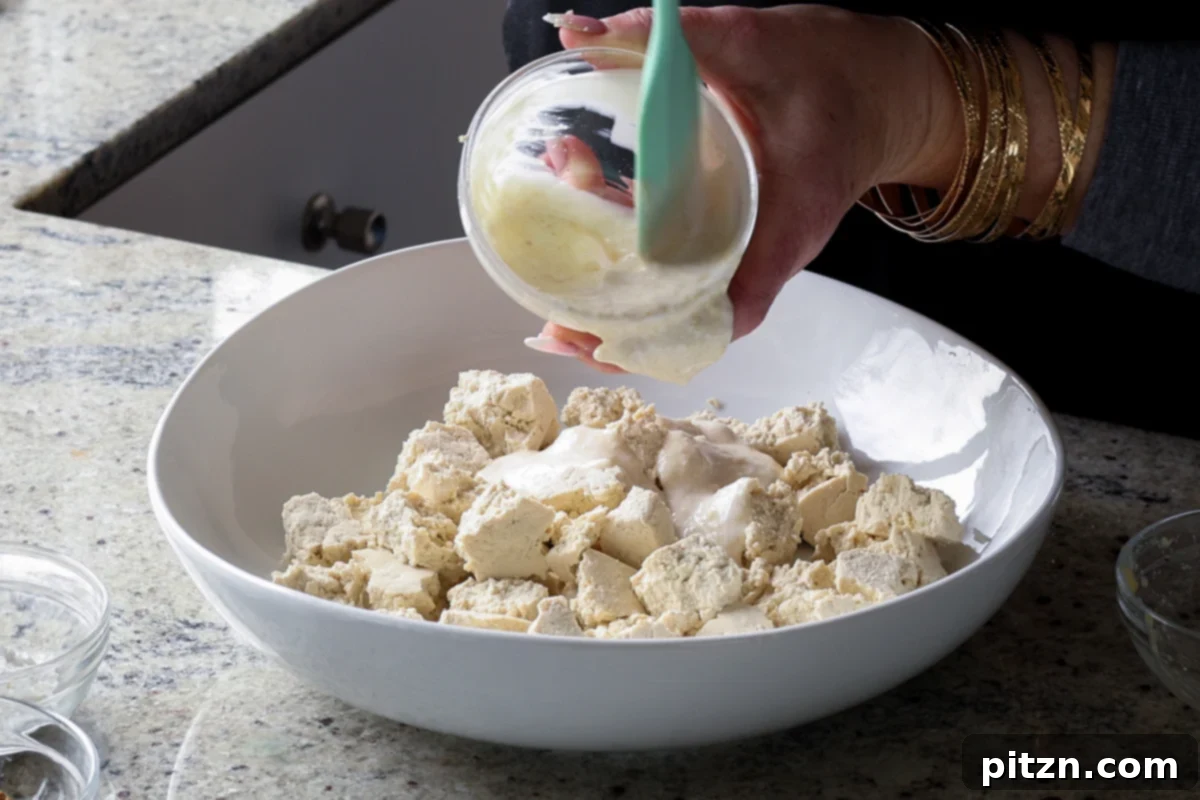
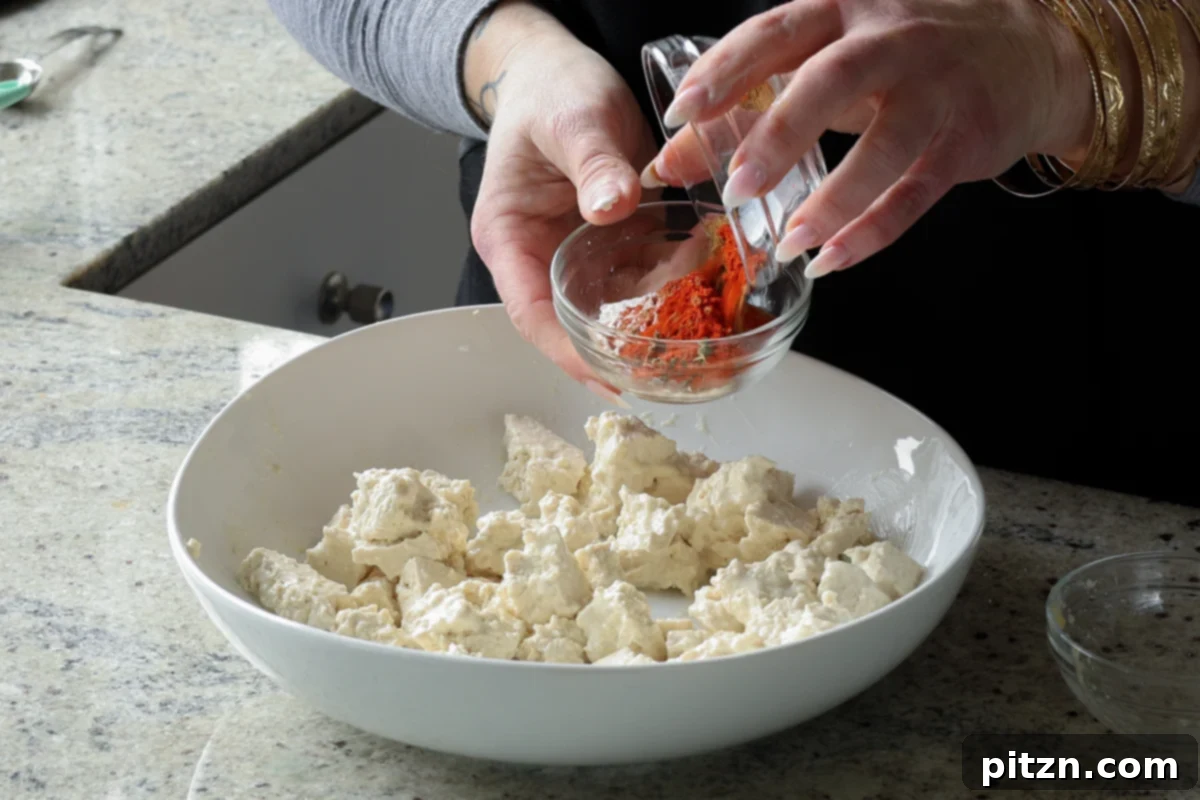
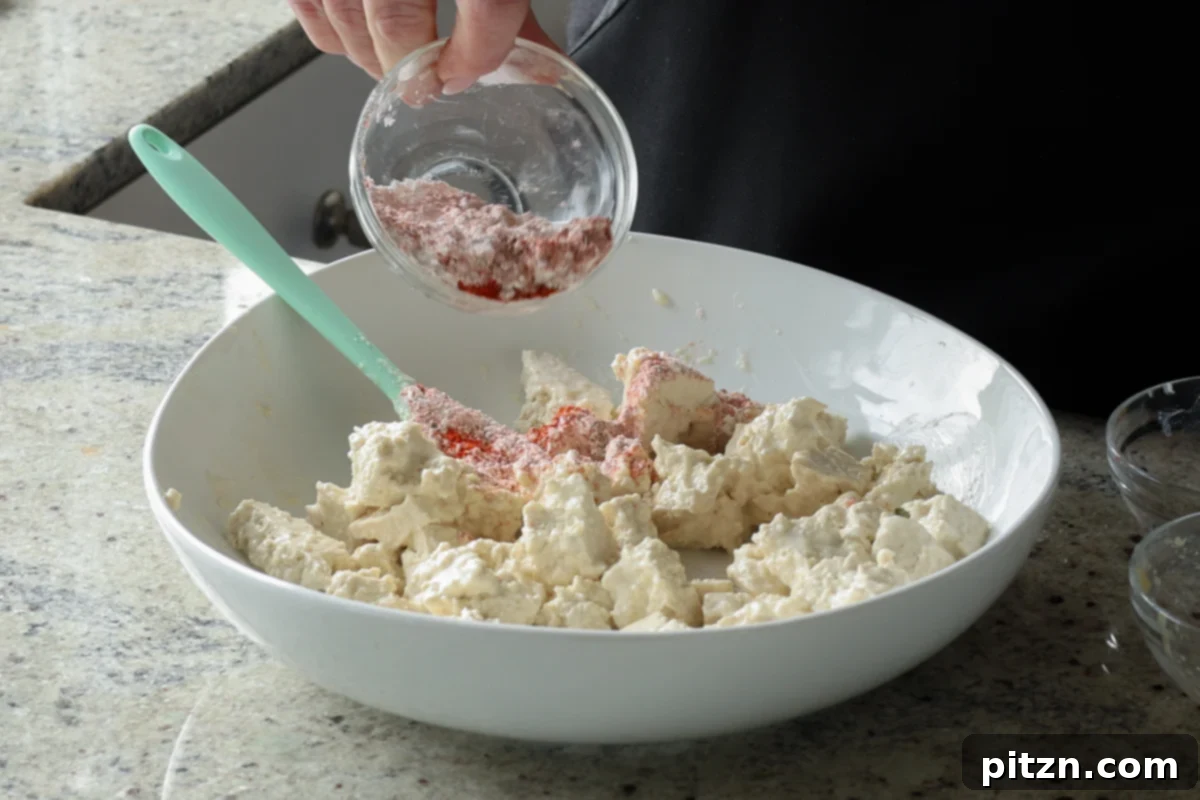
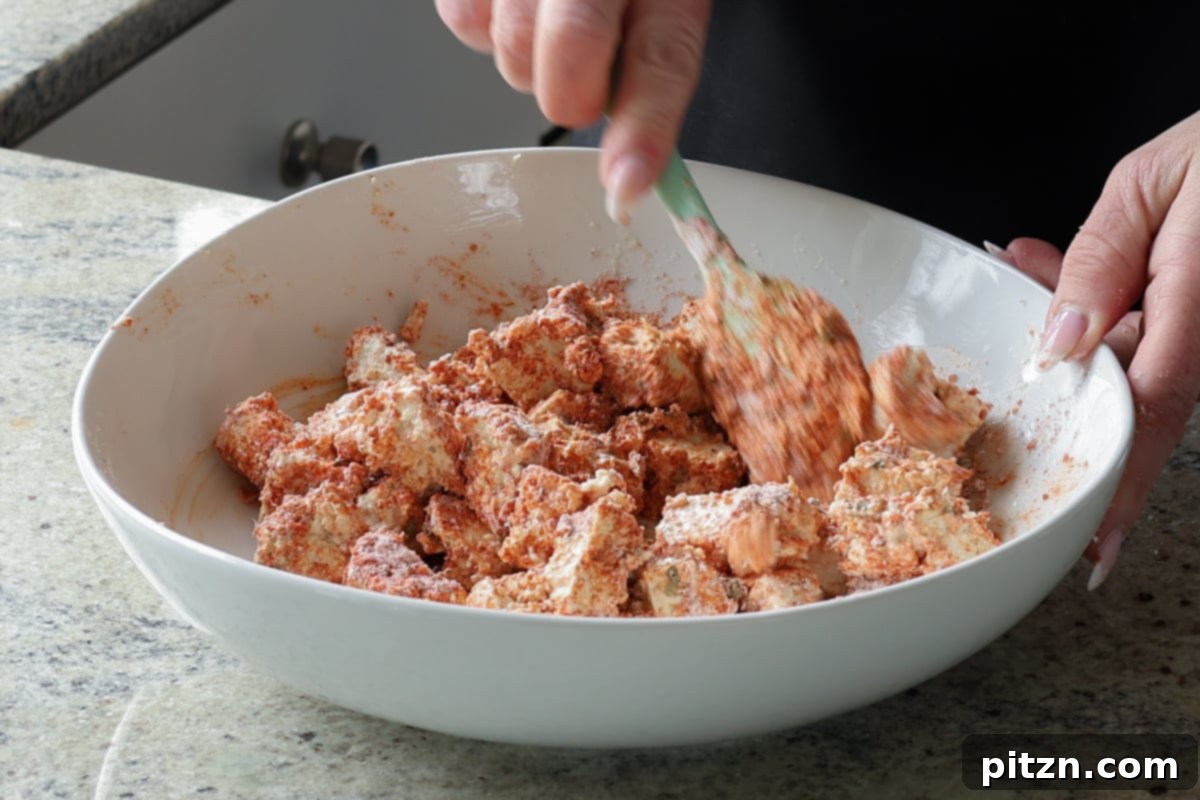
In a small, separate bowl, combine the dry spices for the tofu: **1/2 teaspoon garam masala, 1 teaspoon dried fenugreek leaves (kasoori methi), 2 teaspoons Kashmiri chili powder, 1/2 teaspoon chaat masala blend** (or 1/8 teaspoon Indian sulfur salt), **1/2 teaspoon salt**, and **2 tablespoons cornstarch** (or other starch). Mix these dry ingredients very well to ensure an even blend. Sprinkle this spice and starch mixture generously over the marinated tofu. Toss again, ensuring all tofu pieces are thoroughly coated. The cornstarch will help create a crispy exterior.
Now, it’s time to cook the tofu. You have three excellent options:
To pan fry the tofu, heat **2 teaspoons of oil** in a large skillet (preferably non-stick) over medium-high heat. Once the oil is shimmering and hot, spread it across the pan. Carefully transfer the coated tofu onto the skillet, arranging it in a single layer to avoid overcrowding. Allow the tofu to cook undisturbed for 2 to 3 minutes; this is crucial for the bottoms to crisp and for the tofu to release easily from the pan. Once released, flip the tofu pieces and continue cooking, repeating the flipping process 2 to 3 more times, until most of the edges are golden brown and beautifully crisp. This typically takes a total of 6 to 8 minutes. Once done, remove the crispy tofu from the pan and set it aside.
Refer to the full recipe card above for detailed baking and air fryer directions for the tofu, if you prefer those methods.
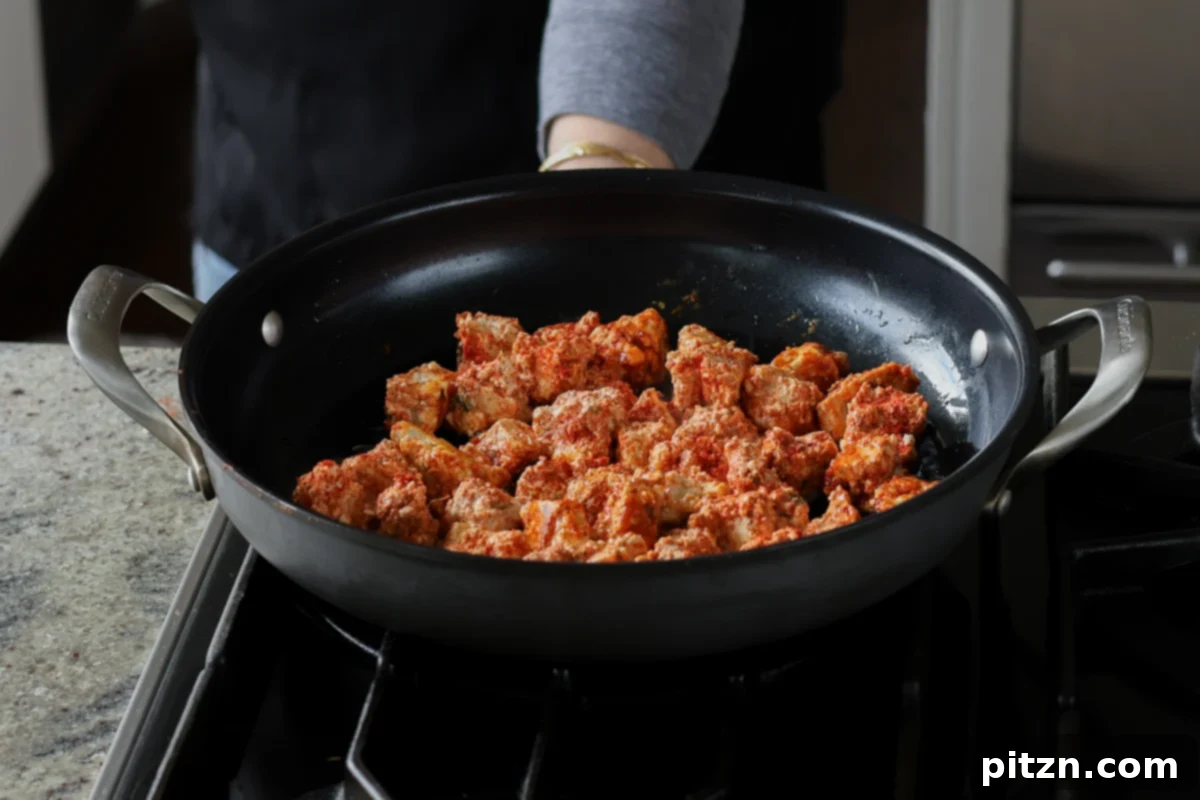
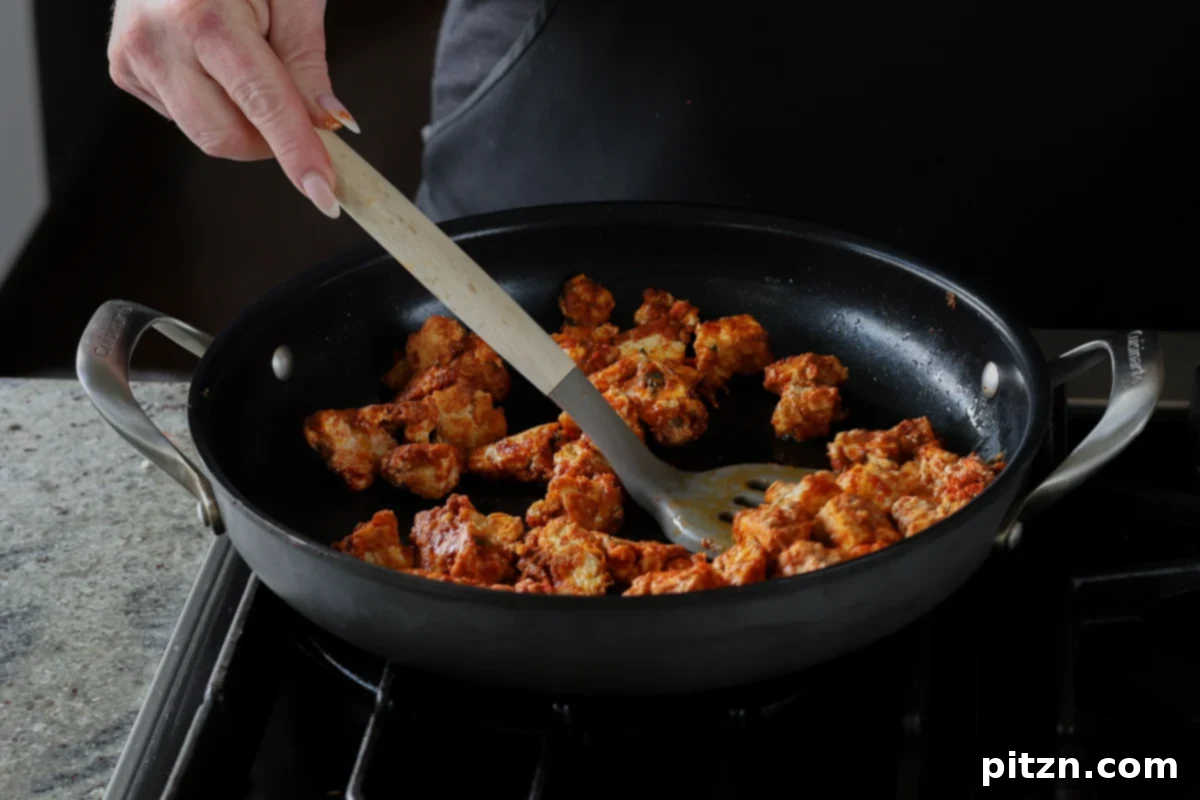
Step 2: Prepare the Luxurious Butter Chicken Sauce
Now, we build the incredible flavor of the sauce. Reduce the heat in the same skillet to medium. Add **2 teaspoons of oil**. Once the oil is hot and shimmering, add **1/2 teaspoon of cumin seeds and 1 teaspoon of coriander seeds** (if using whole). Stir and allow the seeds to bloom and change color, becoming fragrant. This process, known as tempering, usually takes between 30 seconds to 2 minutes, depending on your pan’s heat.
Next, add **1 1/2 cups of chopped red onion and 1/4 teaspoon of salt**. Cook the onions, stirring occasionally, until they turn soft and translucent. To prevent them from browning too quickly and to ensure even cooking, add a splash of water if they start to stick. It’s important not to reduce the onions too much, as they contribute significantly to the volume and body of the final sauce.
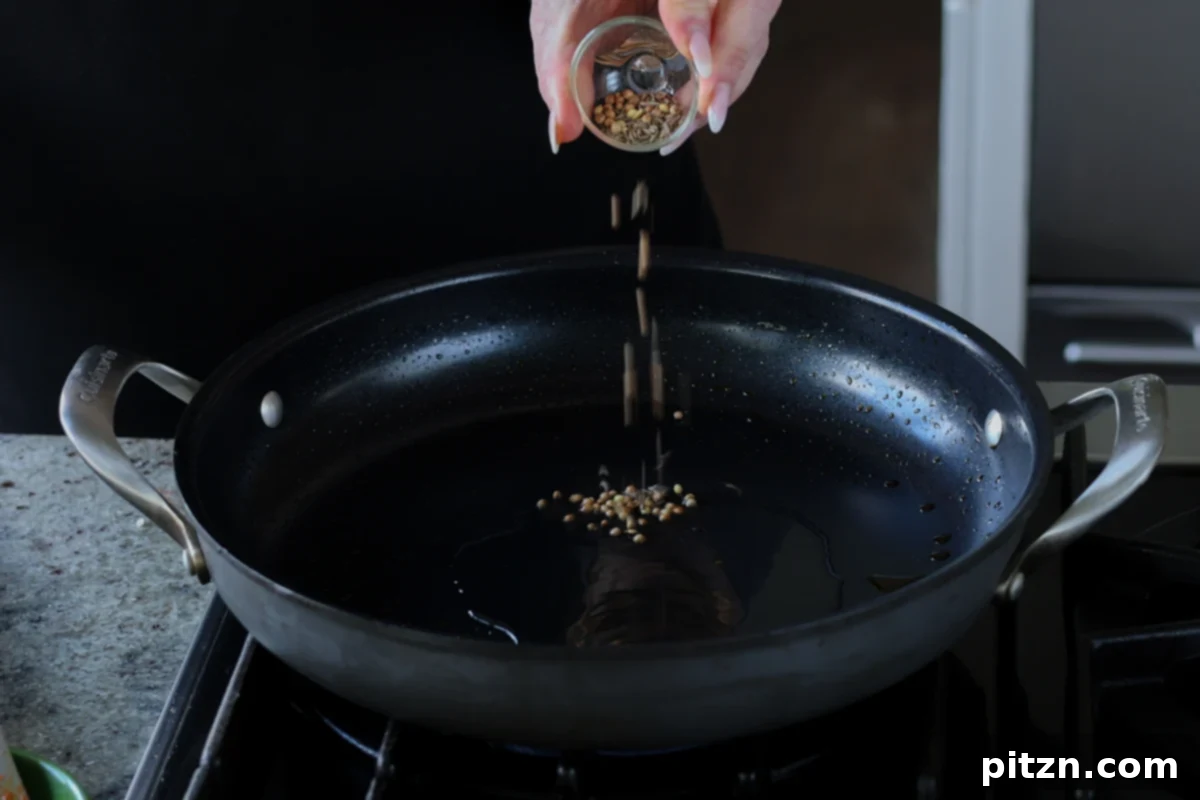
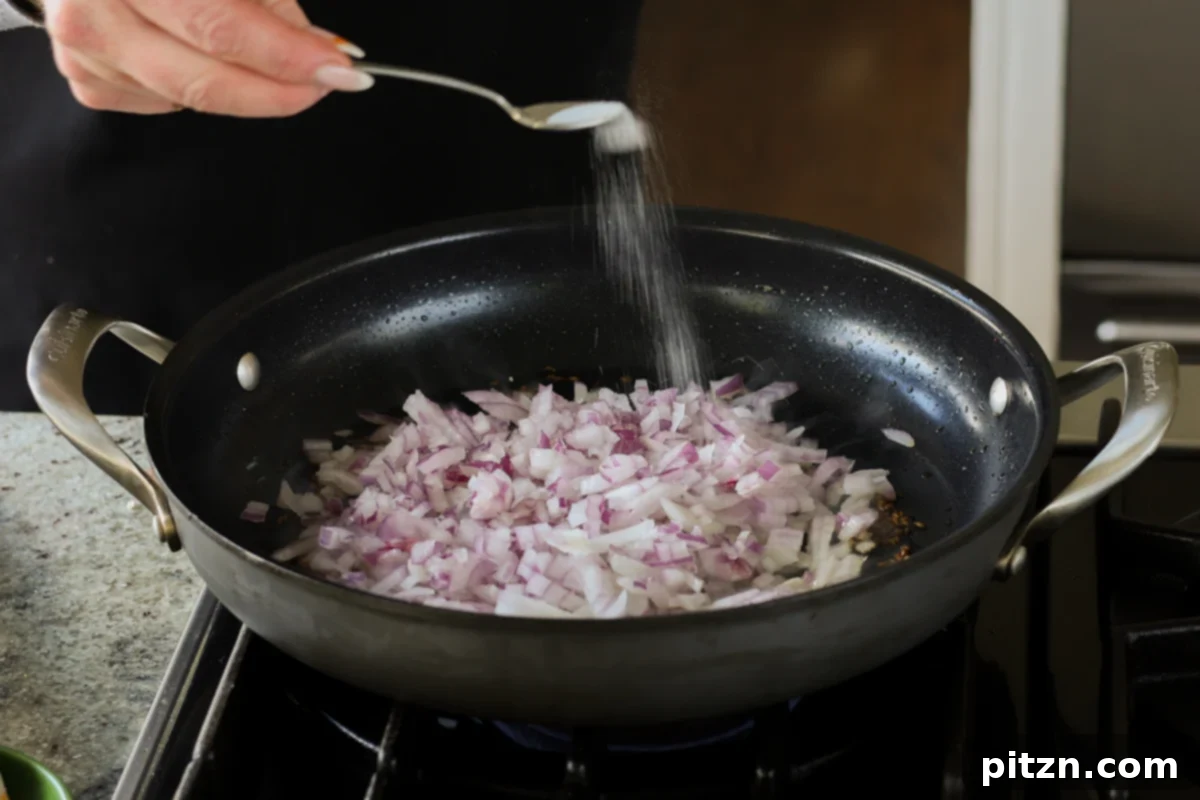
Once the onions are translucent, add a **splash of water and 2 tablespoons of ginger garlic paste**. Stir well. Then, incorporate all the ground spices for the sauce: **1/4 teaspoon turmeric, 2 teaspoons Kashmiri chili powder, 1 teaspoon garam masala, and 1 teaspoon dried fenugreek leaves**, along with the **remaining salt**. Mix thoroughly and cook for about 30 seconds if using pre-made paste, or up to 1 minute if using minced ginger and garlic (add another tiny splash of water or oil if the spices start to dry out). This step helps to bloom the spices, releasing their full aromatic potential.
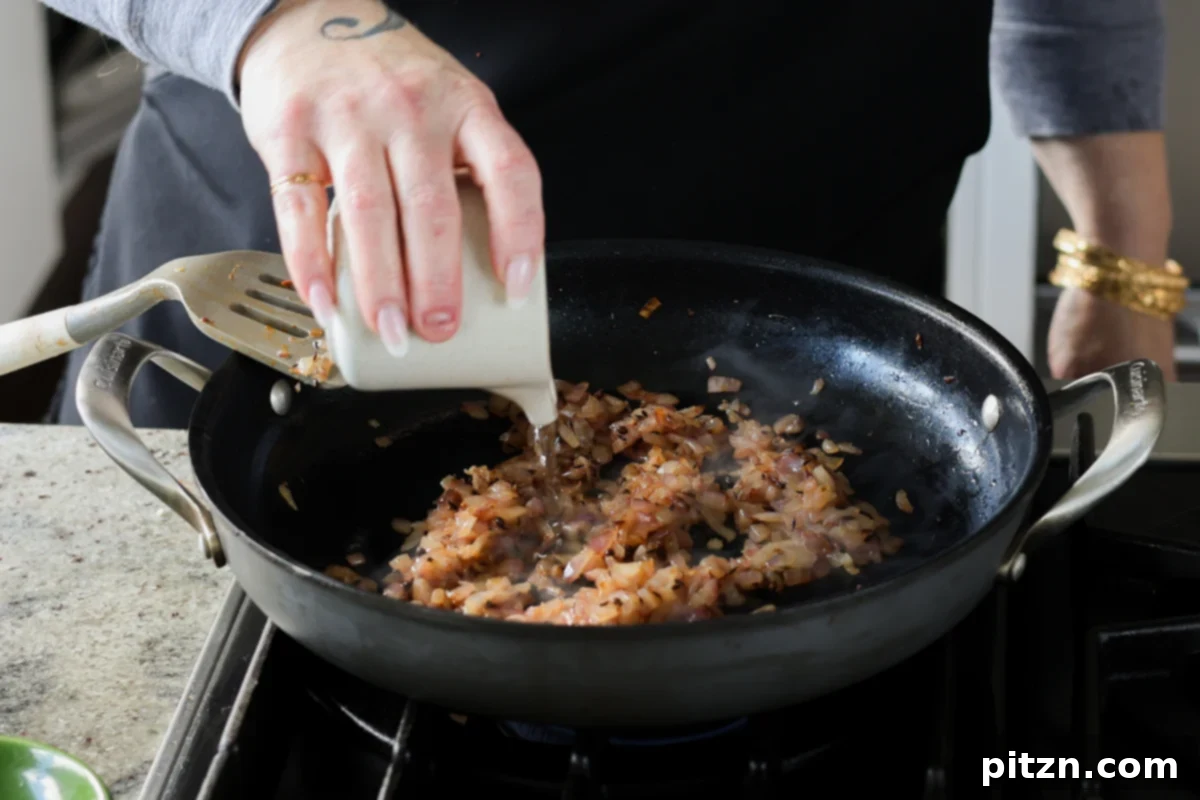
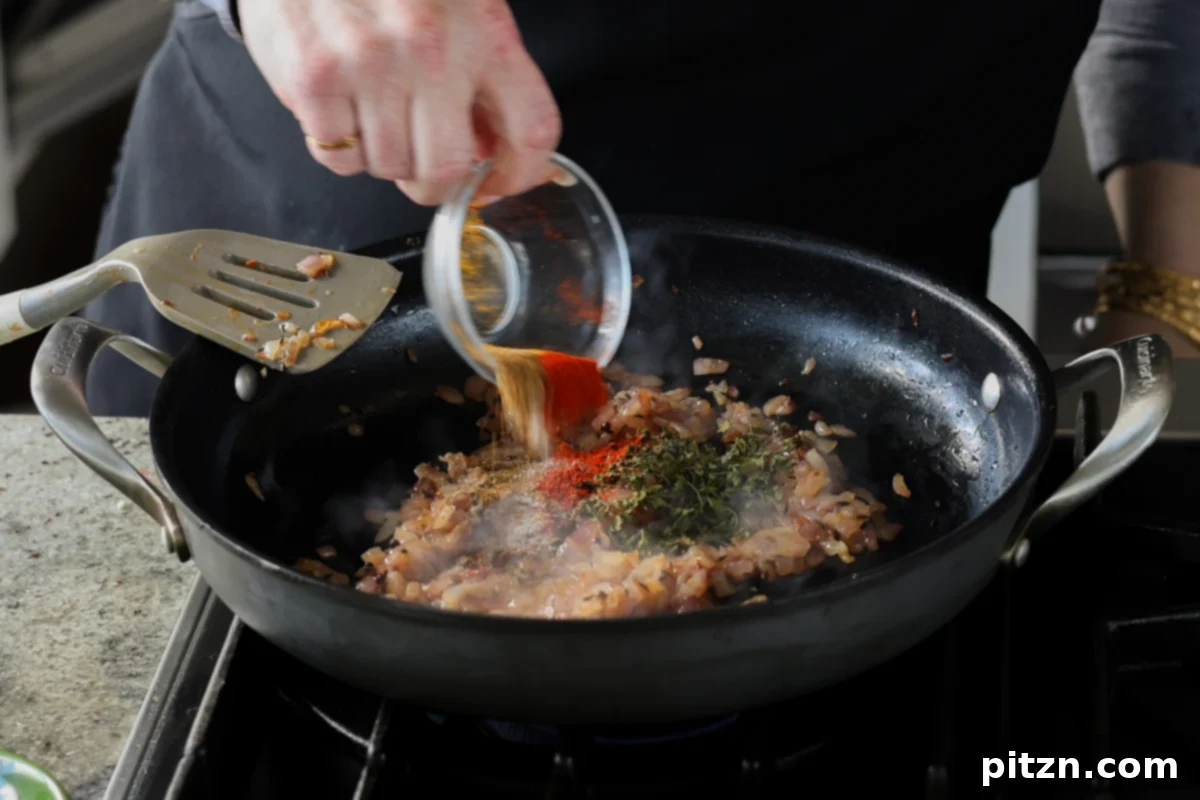
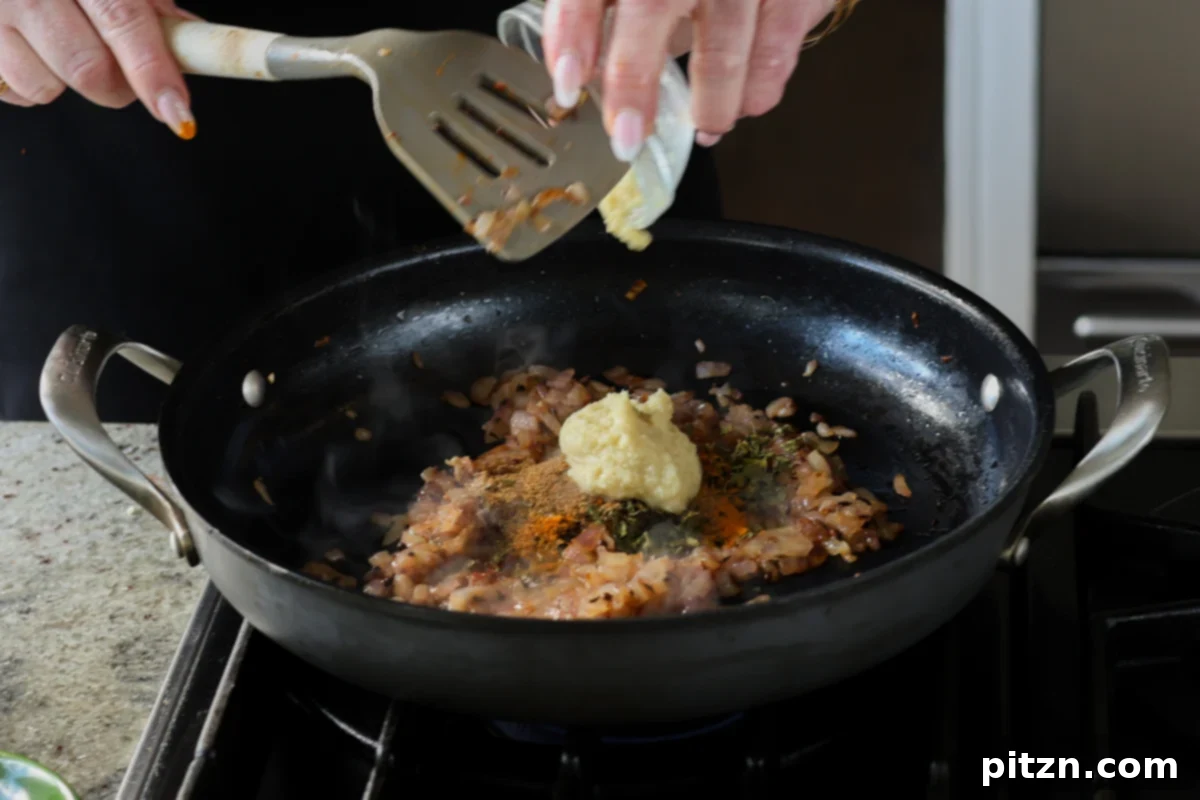
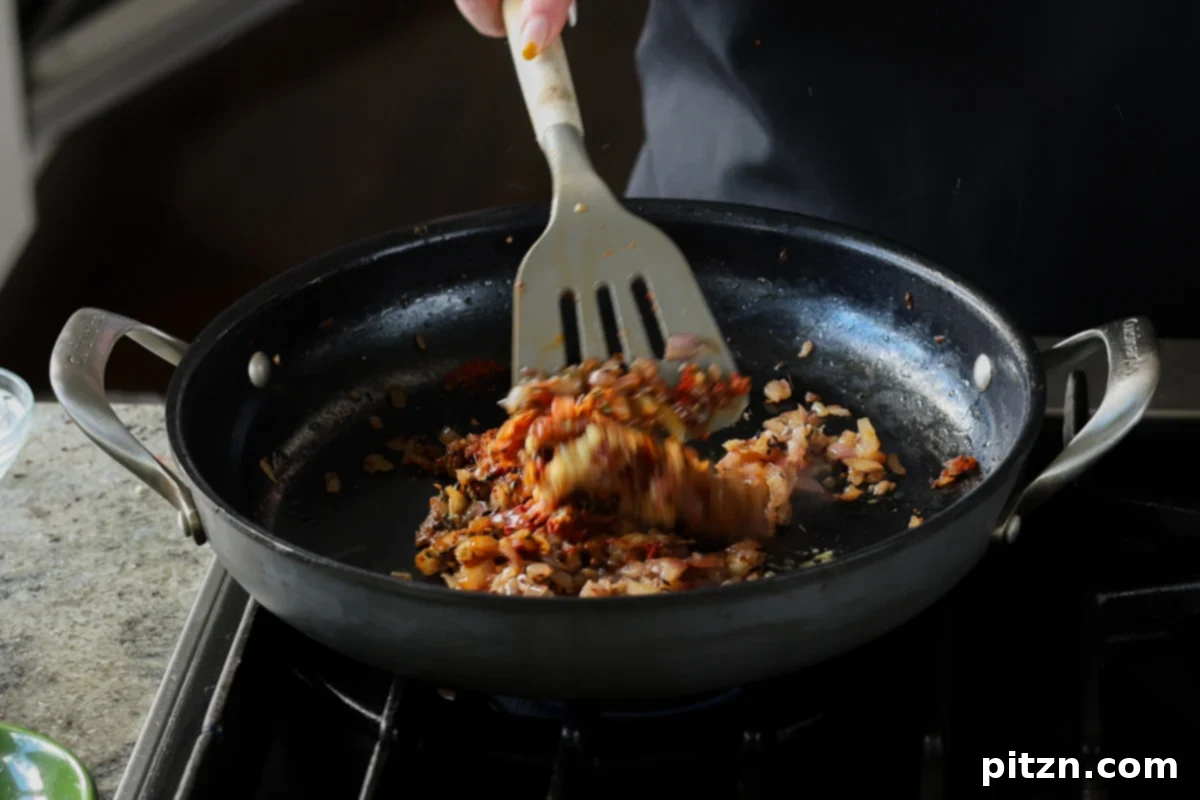
Stir in **10 ounces of canned tomato purée** (or unseasoned tomato sauce/passata) and cook for about a minute or so, allowing it to come to a gentle boil. This cooks out the raw tomato flavor and deepens its richness.
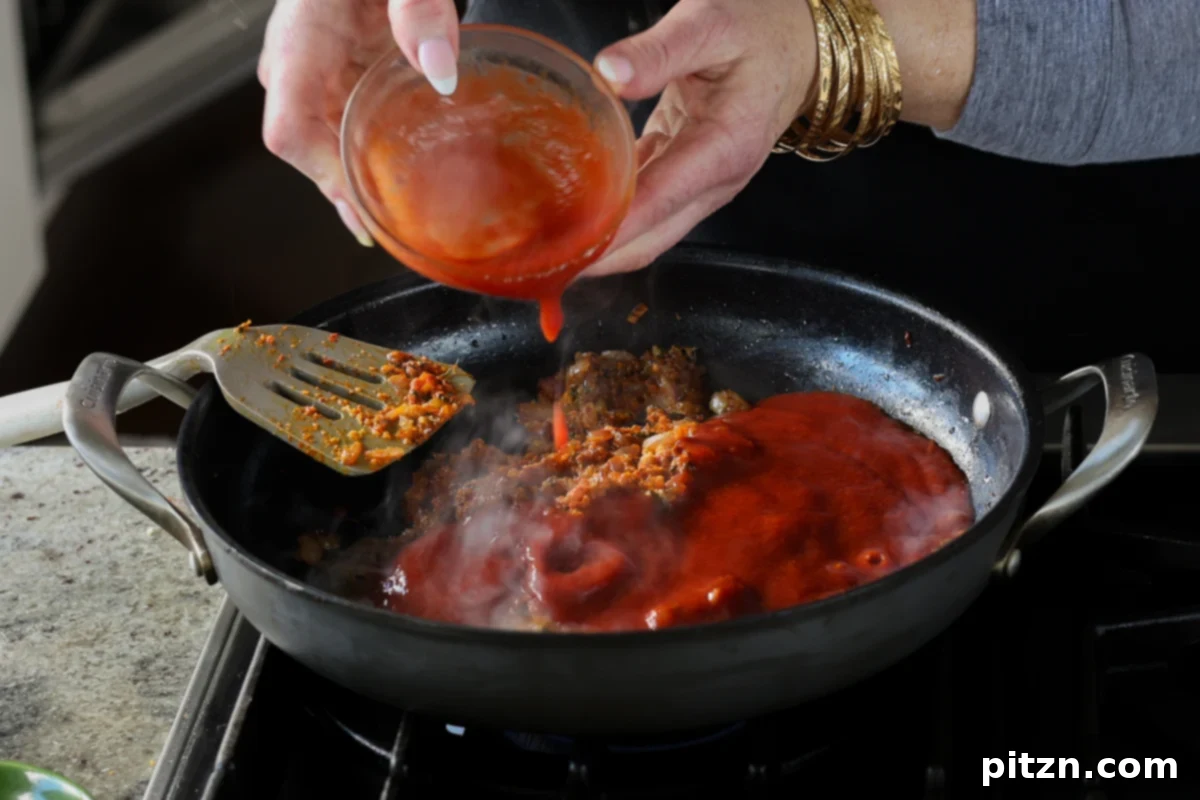
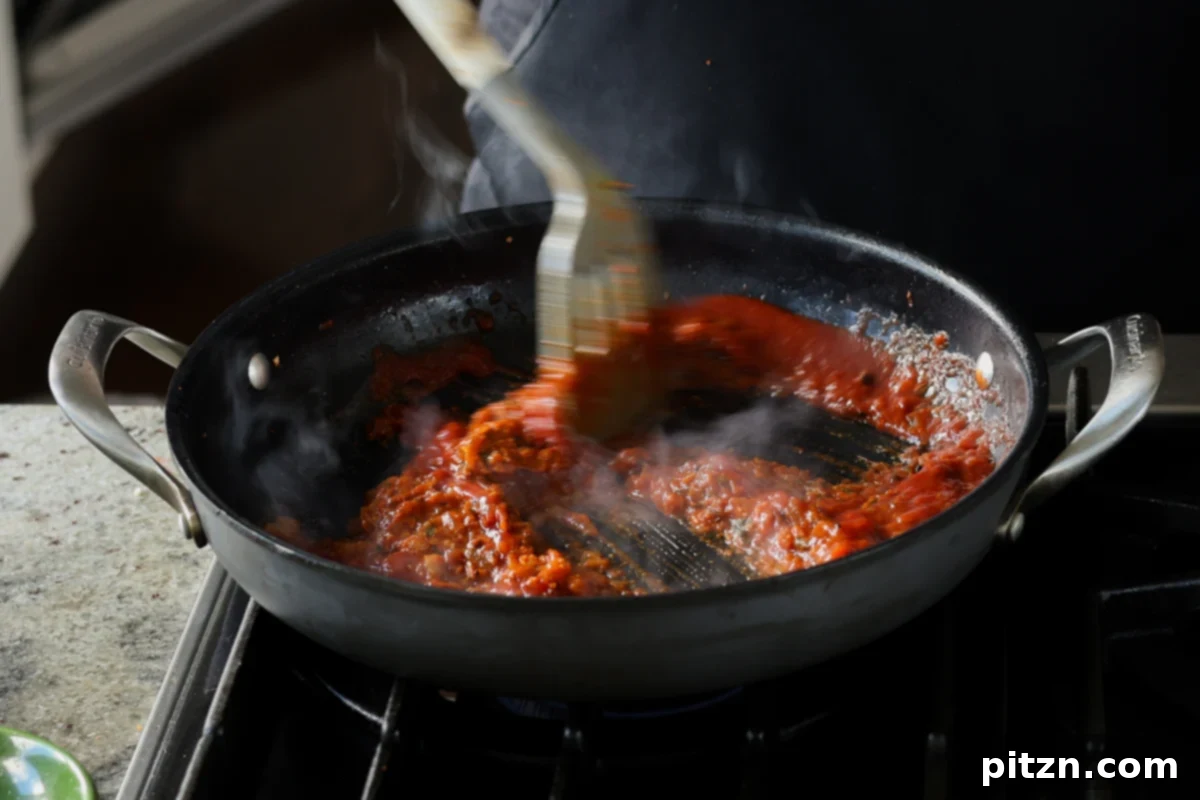
Next, stir in **3 tablespoons of raw cashews and 1 cup of coconut milk**. Bring the mixture to a boil, then reduce the heat to a simmer and let it cook for 4 to 5 minutes, allowing the flavors to meld and the cashews to soften. After simmering, switch off the heat and let the sauce cool for 5 to 10 minutes. This cooling step is important for safe and effective blending.
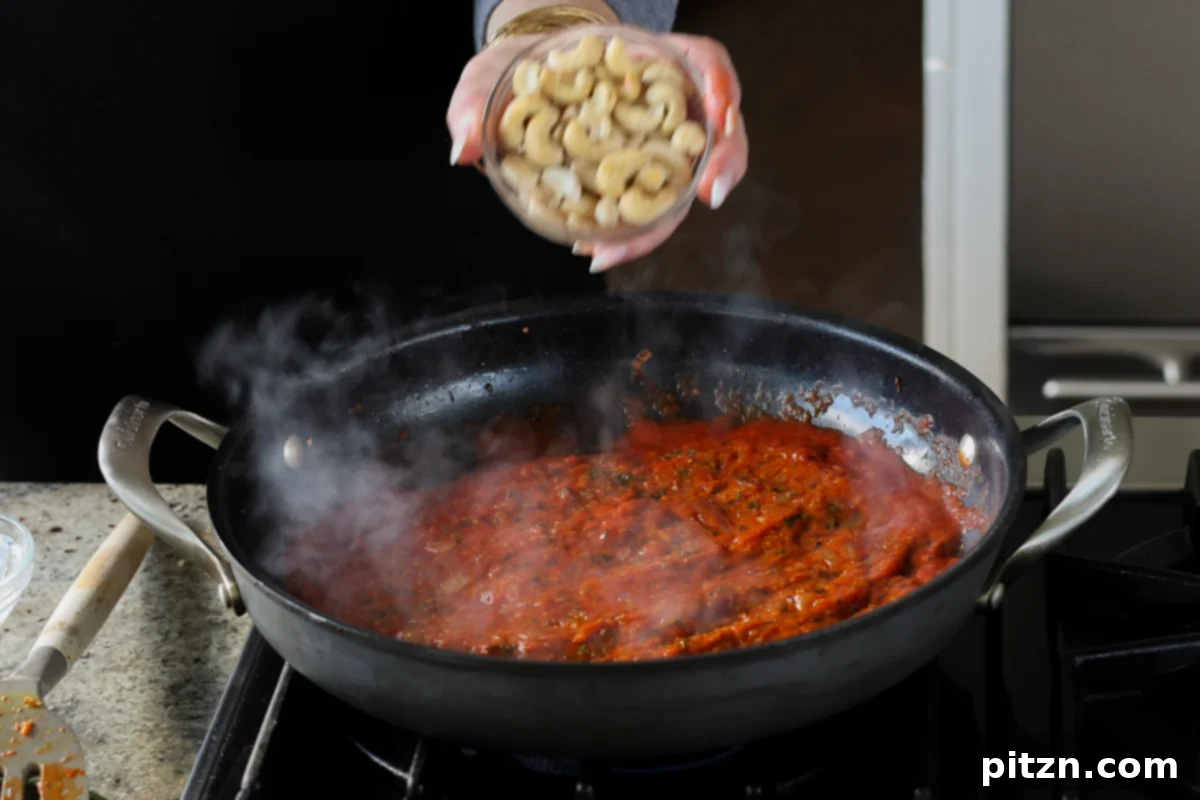
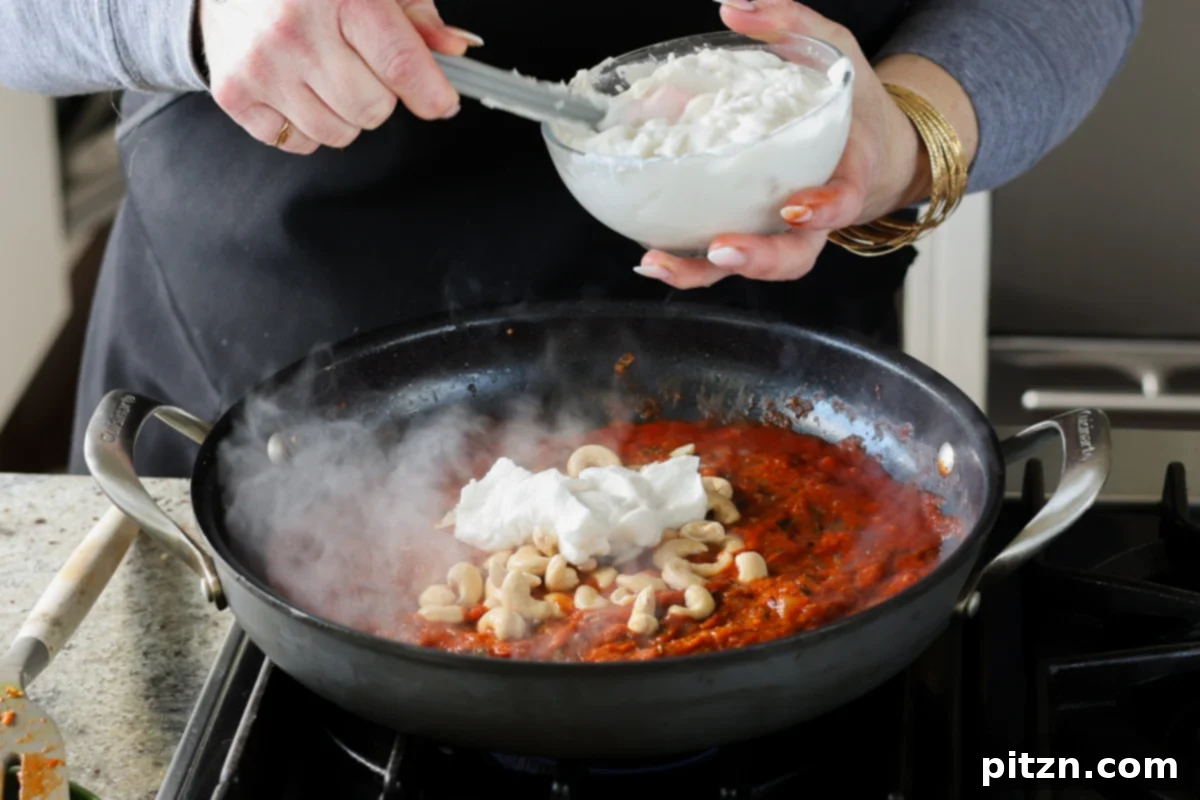
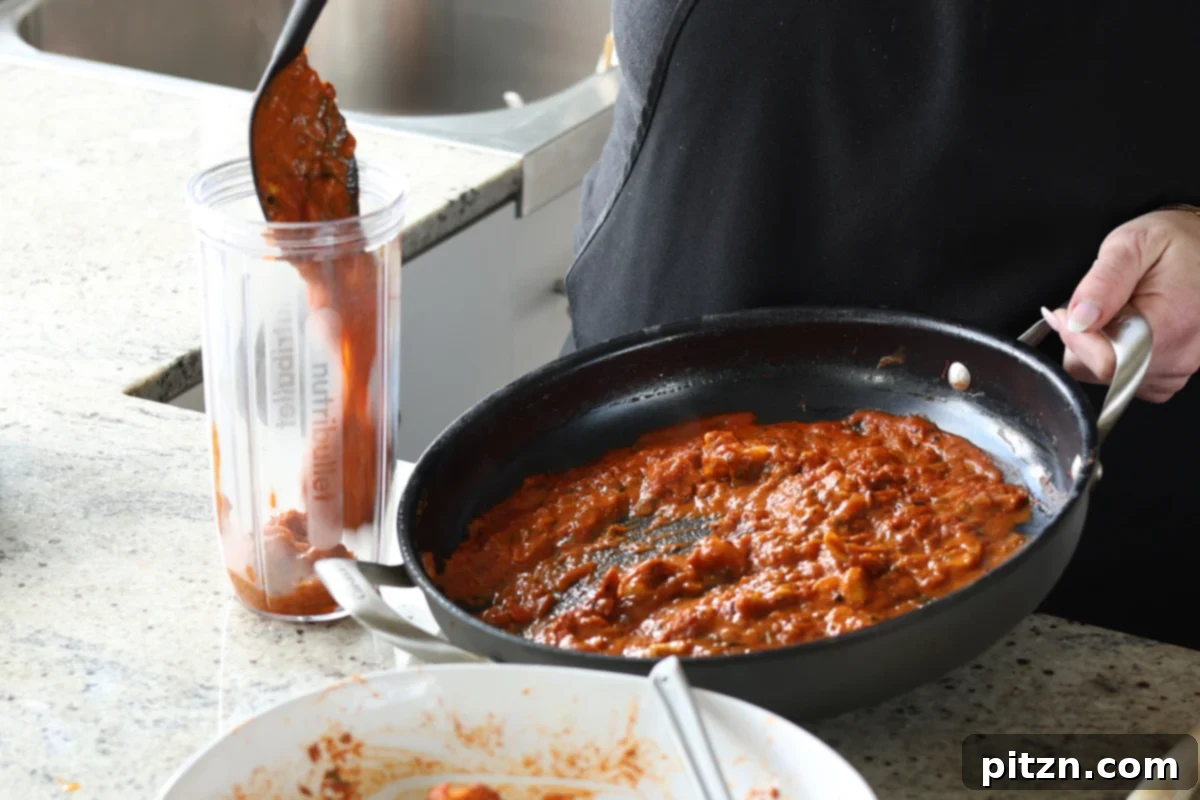
Transfer the cooled sauce mixture to a blender along with **one cup of water**. Blend the mixture until it is completely smooth and creamy. For optimal silkiness, I recommend blending for about a minute, then letting it rest for 4 to 5 minutes to allow any softened cashew pieces to further hydrate, and then blending again for another 30 seconds. If the sauce isn’t perfectly smooth, repeat the 30-second blending until you achieve the desired velvety texture.
Step 3: Finishing the Butter Chicken
Return to the same skillet and heat **1 teaspoon of vegan butter or oil** over medium heat. Once hot, add the whole spices for the spiced oil: **1 bay leaf, 2 partially opened green cardamom pods, 2 whole cloves, and a 1 to 2-inch cinnamon stick**. Stir them briefly to release their aromas. Add the **1/2 teaspoon of crushed dried fenugreek leaves**. If you desire a more vibrant red color for your butter chicken, you can add a little extra **Kashmiri chili powder** here.
Carefully pour the **blended sauce** back into the skillet with the freshly tempered spices and mix well to combine everything. Bring the sauce to a boil for about 2 minutes, allowing it to thicken slightly and for all the flavors to fully integrate.
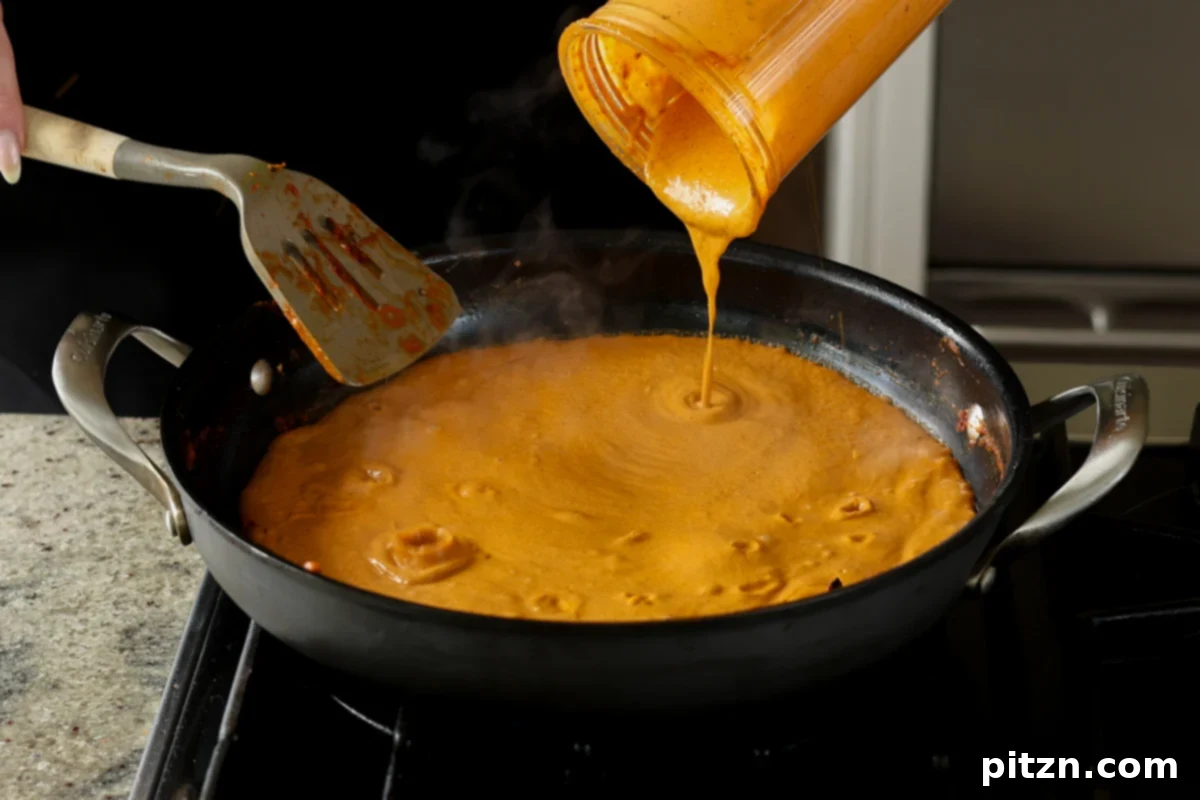
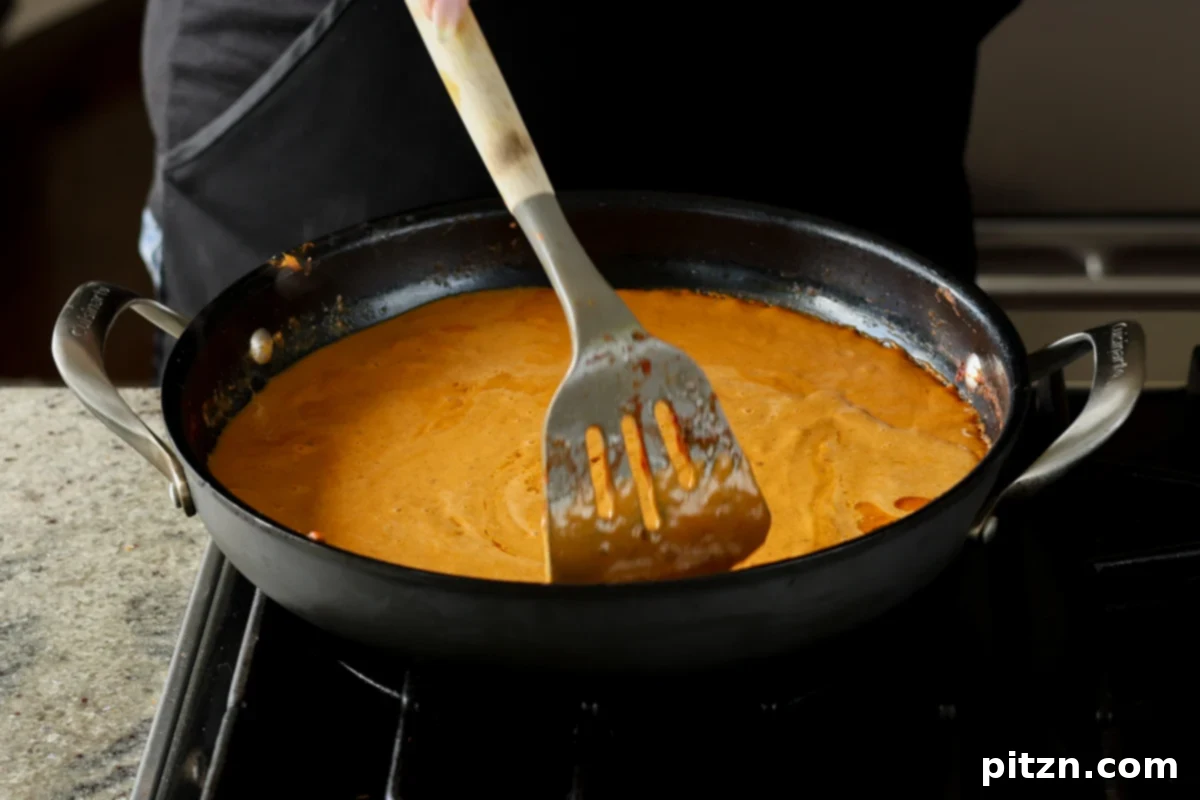
Taste the sauce and adjust the seasoning as needed. You can add more salt, a pinch of sugar for a touch of sweetness (1/4 to 1/2 teaspoon works well), or additional cayenne pepper or pepper flakes for extra heat if desired. Adjust the consistency by adding a little more **water or non-dairy milk** if you prefer a thinner sauce. Continue to simmer for another 2 to 3 minutes, allowing the flavors to deepen and the sauce to reach its perfect texture.
Gently fold in your crispy tofu pieces. Be careful to toss lightly, as you want to preserve the delightful crispy coating on the tofu. Let it simmer for just another 1 to 2 minutes to allow the tofu to warm through and absorb some of the sauce’s flavor, without losing its texture. Then, switch off the heat.
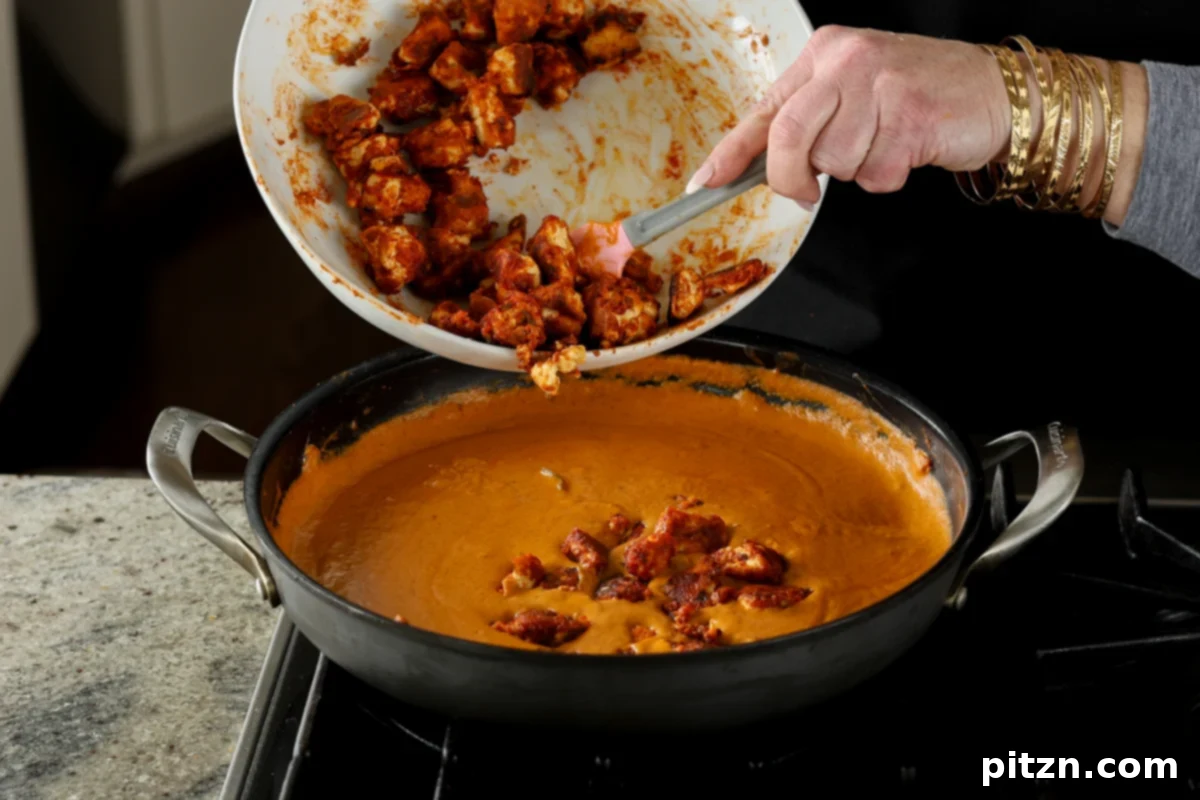
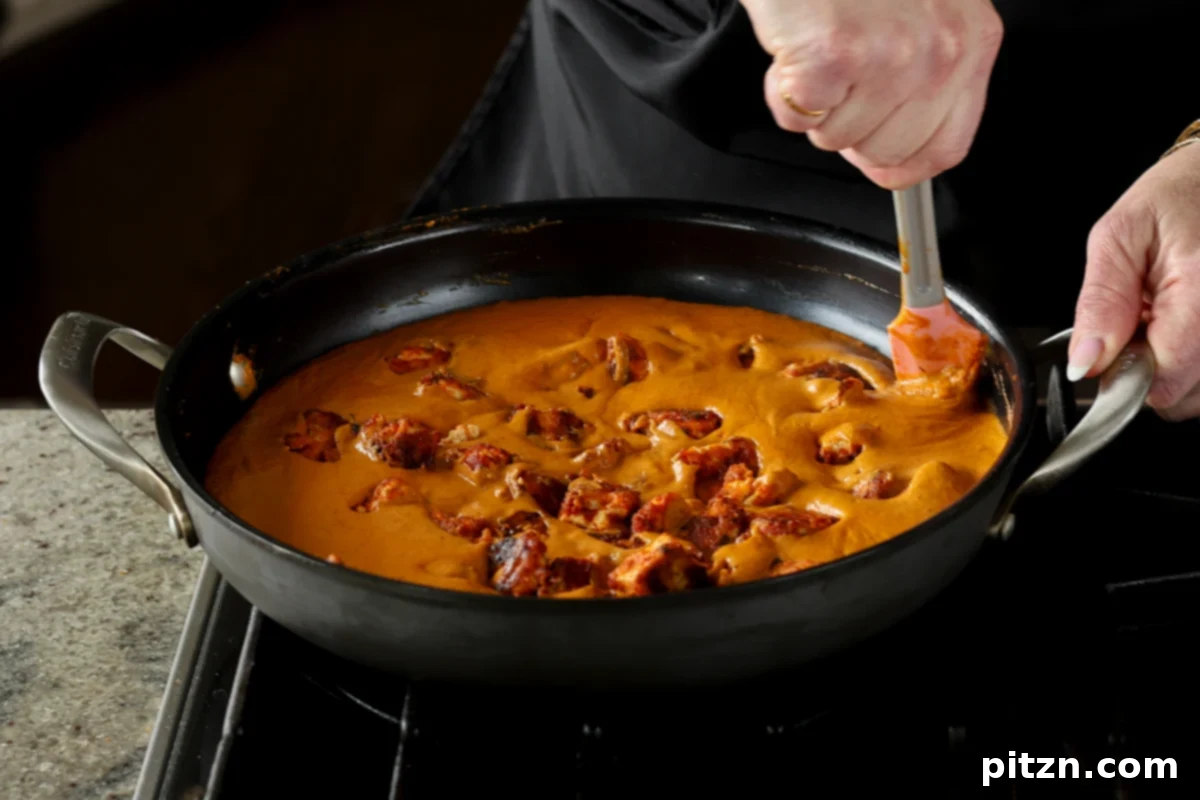
Garnish generously with fresh **chopped cilantro, a squeeze of lemon juice, freshly sliced green chili, and optional pepper flakes**. The green chilies or pepper flakes add a wonderful textural contrast and a pleasant kick to the creamy dish, making it even more satisfying. For an authentic flourish, crush a small amount of **dried fenugreek leaves** between your fingers and sprinkle them over the finished dish. This adds a subtle, earthy aroma that is classic in butter chicken. Serve immediately.
For an extra touch of authenticity, many Indian restaurants smoke their butter chicken sauce before serving. To replicate this, use a small, food-grade charcoal briquette. Heat it on an open flame until it glows red hot. Carefully place the hot charcoal in a small, heat-proof bowl. Drizzle about 2 teaspoons of oil over the charcoal, which will cause it to smoke immediately. Quickly nestle this bowl into your butter chicken sauce and cover the pan tightly with a lid. Allow the sauce to infuse with the smoky aroma for about 5 minutes, then carefully remove the charcoal bowl from the pan. If charcoal is unavailable, a cinnamon stick can be used to impart a milder smoky essence. For visual guidance and more details on this smoking technique, you can refer to my chicken angara recipe.
What to Serve with Vegan Butter Chicken
Vegan Butter Chicken is a richly flavorful dish that pairs beautifully with a variety of accompaniments. Here are some excellent serving suggestions to complete your Indian feast:
- Classic Indian Breads: The absolute best pairing for soaking up every drop of that creamy sauce is warm, fluffy Indian bread. Serve it with freshly made naan (plain, garlic, or butter-style), flaky paratha, or simple rotis. These breads are perfect for scooping up the rich curry.
- Rice Dishes: Rice provides a fantastic canvas for the robust flavors of butter chicken.
- Classic steamed Basmati rice is always a winner.
- Elevate your meal with fragrant cumin scented rice (Jeera Rice), where whole cumin seeds are tempered in oil and cooked with rice.
- For a truly celebratory meal, serve alongside a flavorful North Indian biryani, such as a hearty Lucknowi biryani.
- For a healthier grain alternative, quinoa also works wonderfully to absorb the sauce.
- Fresh Salads and Sides: To balance the richness of the butter chicken, a fresh and zesty salad is highly recommended.
- A crisp kachumbar salad, made with diced cucumber, tomato, and onion tossed in a simple dressing of salt, pepper, and lemon juice, offers a refreshing contrast.
- Pickled onions also provide a delightful tangy bite that cuts through the creaminess.
- Creative Fusion Ideas: Don’t limit yourself to traditional pairings! Vegan butter chicken is incredibly versatile.
- Use it as a topping for a unique Indian-inspired pizza.
- Stuff it into wraps or burritos for a flavorful twist.
Frequently Asked Questions
Absolutely! This vegan butter chicken recipe is designed with flexibility in mind to accommodate various dietary needs. It is naturally **gluten-free**. To make it **nut-free**, ensure you use nut-free non-dairy yogurt and vegan butter, and omit the cashews entirely. You can achieve a similar creamy texture by using additional coconut milk or by blending in a mix of hemp seeds and pumpkin seeds instead. For a **soy-free** version, select a soy-free non-dairy yogurt and vegan butter. For the protein, opt for a soy-free vegan chicken substitute such as my chickpea tofu, pumpkin seed tofu, or seitan.
Yes, this recipe is excellent for meal prepping and can be enjoyed later! You can prepare the entire dish and store it in an airtight container in the refrigerator for up to 3 days. Reheat gently in a skillet over medium heat or in the microwave until warmed through. For **freezing**, I recommend freezing just the sauce on its own, or freezing the sauce and cooked tofu separately. This helps maintain the best texture for the tofu upon reheating. To reheat from frozen, thaw the sauce (and tofu, if separated) in the refrigerator overnight. Then, reheat the sauce in a skillet or microwave. Combine with the tofu and warm gently. Alternatively, you can add both thawed sauce and tofu to a baking dish and bake at 350°F (175°C) for about 15 minutes, or until the sauce is bubbling and the tofu is heated through. You might need to add a splash more non-dairy milk or water to adjust the consistency if it has thickened too much during storage. Always add fresh garnishes before serving for the best flavor and presentation.