
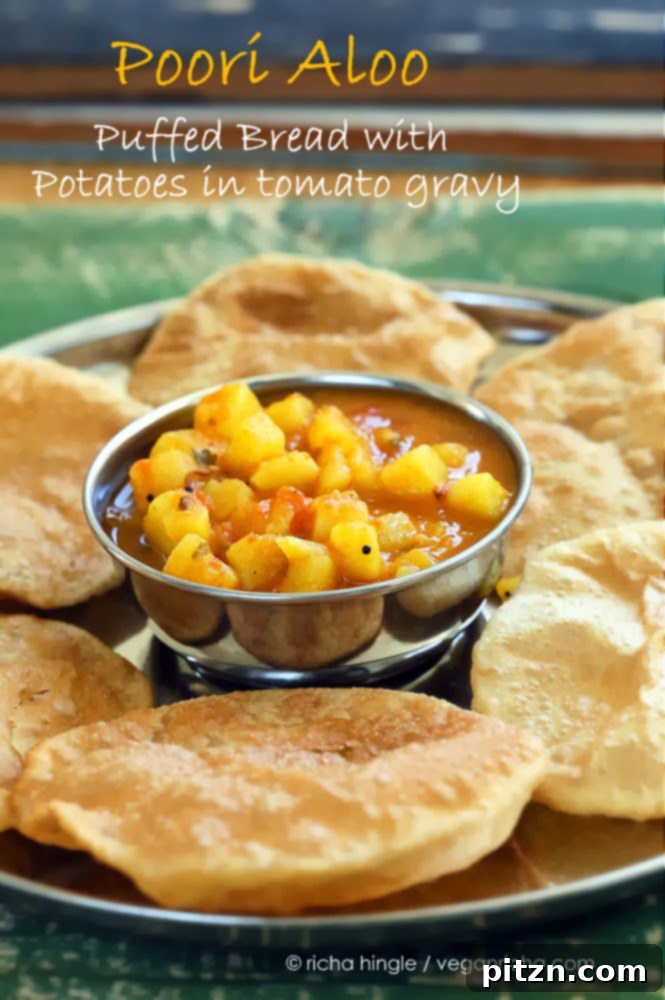
Vegan Poori Aloo: A Delicious Puffed Bread & Potato Curry Feast
Discover the comforting flavors of India with this exquisite **Vegan Poori Aloo** recipe. This traditional dish features light, puffy deep-fried bread, known as Poori, perfectly paired with a rich and tangy potato curry (Aloo) simmered in a vibrant tomato gravy. It’s a culinary experience that brings warmth and joy, often shared during family gatherings and special occasions. This particular recipe holds a special place in my heart, a cherished memory from my mother’s visit last August. During her stay, our kitchen was a bustling hub of aromatic Indian cooking. I remember trying to capture the essence of these delicious meals with my camera before my eager family devoured every last bite – a challenging task when faced with hot, irresistible food and hungry loved ones! This delightful Poori Aloo was a special request, specifically made to welcome my brother during his week-long visit, and it truly embodies the spirit of homemade Indian comfort food.
Understanding Poori: The Art of Puffed Indian Bread
At the heart of this dish is the Poori, a beloved Indian staple. Poori, also spelled Puri, is a distinctive deep-fried, unleavened bread that puffs up beautifully when cooked, creating a light, airy pocket perfect for scooping up curries. Unlike its everyday counterparts, Roti or Chapati, which are typically cooked on a griddle, Poori is made from a similar simple dough of flour, water, and salt, but rolled into smaller discs and then skillfully deep-fried until golden and perfectly inflated. The magic lies in the sudden puffing, a delightful transformation that makes Poori so appealing. These golden, fluffy breads are incredibly versatile and are traditionally enjoyed with a variety of rich and savory accompaniments. While our tangy **potato curry in tomato gravy** is a classic pairing, Poori also tastes fantastic with hearty dishes like Chana Masala (chickpea curry), sweet and sour chickpeas (Imli Chole), or any other delectable vegan bean curry you might enjoy. Its neutral yet satisfying flavor makes it an ideal canvas for vibrant Indian gravies.
My Love-Hate Relationship with Deep Frying
Deep-frying, for me, is a delightful indulgence rather than a regular cooking method. My trusty `Kadhai` (the traditional Indian deep-frying pan) typically emerges from its culinary slumber only a few times a year. One such occasion is usually in the crisp days of autumn when the cooler temperatures awaken a craving for savory snacks like crispy Pakoras (Onion Fritters). Another special time for frying often revolves around Diwali, the festival of lights, where sweet and savory fried treats are a festive essential. (Speaking of which, I’ve just realized I need to add a classic fried Samosa recipe to the blog! Until then, for a fantastic reference, check out this Punjabi Samosa recipe and simply substitute oil for ghee to keep it vegan). This year, during my mother’s visit, the Kadhai saw double duty – not only for these scrumptious Pooris but also for frying Koftas for a delicious Kofta curry (a dish I absolutely must recreate and photograph soon!). While I undeniably adore the taste of freshly deep-fried delights, I confess I’m not always keen on the process itself – the standing, the oil, and sometimes, the heavier feeling afterward. Give me baked goodies any day for a lighter touch! However, I will happily admit to making an exception for a perfectly fried Samosa, perhaps once every three months. It’s all about balance and savoring those special moments of indulgence!
Beyond the Plate: Vegan Community & Resources
While we celebrate the joy of delicious vegan food, it’s also wonderful to connect with the broader vegan community and explore resources that inspire and inform. Here are a few notable happenings and compelling media to check out:
Upcoming Events & Community Initiatives:
- Thanksgiving with the Turkeys at Pasado’s Safe Haven: If you’re in Washington state, consider a truly compassionate way to celebrate Thanksgiving. Pasado’s Safe Haven offers a unique opportunity to spend the holiday “with” the birds, not eating them. Participate in feeding turkeys and enjoy a heartwarming vegan meal, fostering a deeper connection with animal welfare. Learn more at Pasado’s Safe Haven.
- Virtual Vegan Potluck: Mark your calendars for November 16th and join the global celebration of vegan cuisine at the Virtual Vegan Potluck. This fantastic online event brings together hundreds of bloggers from around the world, all sharing their favorite vegan recipes. It’s a wonderful way to discover new dishes, connect with fellow food enthusiasts, and be inspired by the creativity of the vegan culinary scene. Don’t miss out – sign up to participate or simply browse the delicious contributions!
Thought-Provoking Media:
- Animals as Humans Photography Collection: Explore an extraordinary collection of photographs that capture animals as if they were human. These captivating images offer a unique perspective, encouraging viewers to reflect on the sentience and individuality of animals, fostering empathy and understanding.
- Must-Watch Documentaries: Deepen your understanding of animal welfare and industry practices with these powerful documentaries:
- Blackfish: This impactful documentary fearlessly exposes the unsettling realities behind SeaWorld’s captive orca program. It raises critical questions about animal exploitation for entertainment and challenges perceptions of marine park ethics.
- Ghosts in Our Machine: Through compelling stories and evocative photography, this documentary offers a profound look into global animal industries, spanning food, fashion, entertainment, and research. It meticulously chronicles photographer Jo-Anne McArthur’s efforts to shed light on topics many prefer to avoid, prompting viewers to confront fundamental ethical questions: Are non-human animals merely property to be owned and used, or are they sentient beings deserving of fundamental rights and consideration? This film is a powerful call for introspection and compassion.
Vegan Poori Aloo Recipe: Puffed Bread with Potatoes in Tomato Gravy
This recipe is a celebration of flavors and textures, perfect for a hearty meal. This dish is naturally **free of dairy, egg, corn, soy, yeast, and nuts**. The potato curry itself is also **gluten-free**, making it suitable for many dietary preferences.
Yields: 6-8 servings
Ingredients:
For the Poori (Puffed Bread – Makes 20-25):
- 4 cups whole wheat pastry flour (provides a soft texture)
- 2 cups unbleached white flour (contributes to the puff and crispness)
- 1 teaspoon salt
- 2 Tablespoons oil (helps make the dough pliable)
- 3 cups water (adjust as needed for dough consistency)
- Oil for deep frying (a neutral oil like canola or vegetable oil works best)
For the Potato Curry (Aloo):
Chaunk/Tadka (Tempering):
- 2 teaspoons oil
- 1/2 teaspoon mustard seeds
- 1/2 teaspoon cumin seeds
- 1/2 teaspoon fenugreek seeds (methi) – adds a unique bitter-sweet note
- 1-2 teaspoons coriander powder
- 8-10 fresh curry leaves (for authentic aroma)
Curry Base:
- 6 medium potatoes, boiled, peeled, and cubed (about 1-inch pieces)
- 8 ripe tomatoes, chopped (fresh, juicy tomatoes yield the best flavor)
- 8 cloves of garlic, peeled
- 1 inch ginger, peeled and roughly chopped
- 3 green chilies (adjust to your spice preference)
- 3-4 sprigs of fresh cilantro, for blending and garnish
- 1.25 teaspoons salt, or to taste
- 3-3.5 cups water (for the gravy consistency)
Method:
Preparing the Poori: The Art of the Puffed Bread
The journey to perfect Poori begins with a well-kneaded dough and properly heated oil.
- Combine Dry Ingredients: In a large mixing bowl, thoroughly whisk together the whole wheat pastry flour, unbleached white flour, and salt. This ensures even distribution of salt throughout the dough.
- Form the Dough: Gradually add the 2 tablespoons of oil and 3 cups of water to the dry ingredients. Begin to mix with your hands, bringing the flour together. Once a shaggy dough forms, transfer it to a clean, lightly oiled surface and knead vigorously for 5-7 minutes. The goal is a smooth, soft, and pliable dough that springs back slightly when pressed. Adjust consistency by adding a tiny bit more water if it’s too stiff, or a sprinkle of flour if it’s too sticky. Avoid making it too soft, as this can make rolling difficult.
- Rest the Dough: Cover the kneaded dough with a damp kitchen towel or plastic wrap and let it rest at room temperature for at least 10-15 minutes. This resting period allows the gluten to relax, making the dough easier to roll and ensuring a softer, more elastic Poori.
- Prepare for Frying: While the dough rests, prepare your frying station. Pour enough oil into a deep `Kadhai` or heavy-bottomed pan to allow the Pooris to be fully submerged (at least 2-3 inches deep). Heat the oil over medium-high heat. To test if the oil is ready, drop a tiny piece of dough into it; it should sizzle immediately and rise to the surface within a few seconds. If it browns too quickly, the oil is too hot; if it sinks and doesn’t sizzle, it’s not hot enough.
- Roll the Pooris: After resting, knead the dough for another minute to reactivate the gluten. Divide the dough into small, equal-sized balls, roughly the size of a ping-pong ball (about 20-25 pieces). Lightly grease your rolling pin and rolling surface with a tiny bit of oil (avoiding flour as it can burn in the hot oil). Roll each ball into a uniform 4-5 inch diameter (approximately 2mm thick) flatbread. Aim for even thickness to ensure uniform puffing.
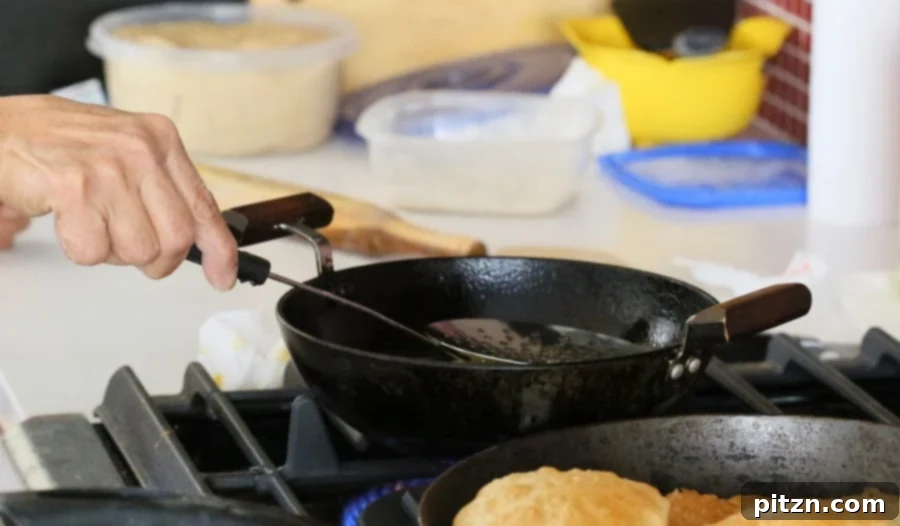
- Deep Fry to Perfection: Carefully slide one rolled Poori into the hot oil. Immediately and gently press down on the center of the Poori with a slotted frying ladle (or ‘jhara’). Press for just a second, then release. Repeat this pressing motion 2-3 times. This gentle pressure encourages the Poori to puff up fully, creating that iconic balloon-like shape. Once it’s puffed and golden on one side (usually within 30-60 seconds), carefully flip it over and fry the other side until it’s also golden brown and cooked through, about another 30-60 seconds.
- Drain and Serve: Remove the cooked Poori from the oil using the slotted ladle, allowing any excess oil to drain back into the pan. Place the hot Pooris on a plate lined with paper towels to absorb any remaining oil. Serve immediately while hot and fresh for the best experience. Repeat with the remaining dough balls, frying one or two at a time depending on the size of your pan, to maintain optimal oil temperature.
Crafting the Potato Curry in Tomato Gravy:
This flavorful curry is the perfect accompaniment to the fluffy Pooris.
- Prepare the Tomato Puree: In a blender, combine the chopped tomatoes, garlic cloves, ginger, green chilies, and a few sprigs of fresh cilantro. Blend until you achieve a smooth, consistent puree. Set aside. This forms the flavorful base of your gravy.
- Mise en Place for Spices: Gather all your whole and ground spices as listed for the Chaunk/Tadka. This ensures a smooth cooking process once you start tempering.
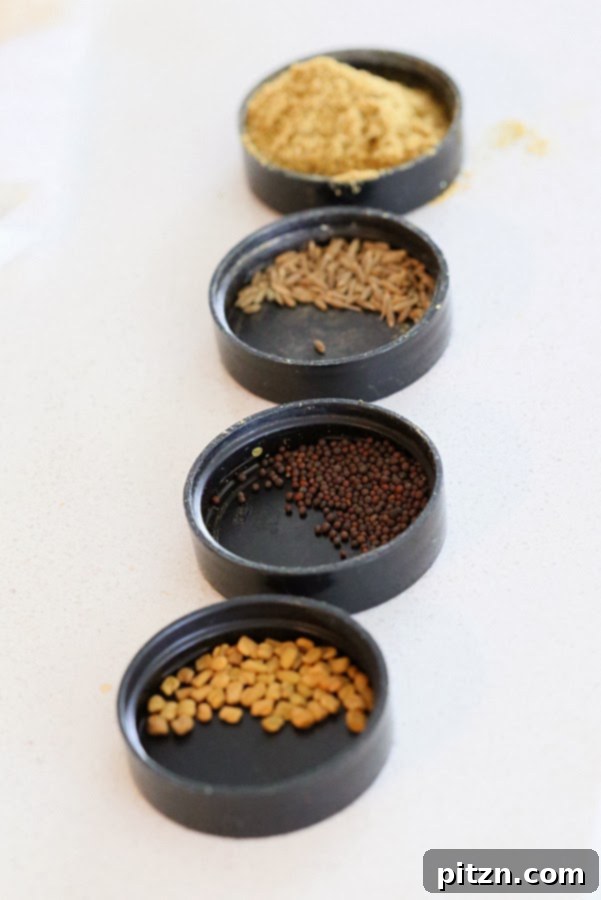
- Begin the Tempering (Chaunk): In a large, deep pan or pot, heat 2 teaspoons of oil over medium heat. Once the oil is shimmering, add the mustard seeds, cumin seeds, and fenugreek seeds. Allow them to cook until they start to sputter and release their aroma, typically 20-30 seconds. Be careful not to burn them.
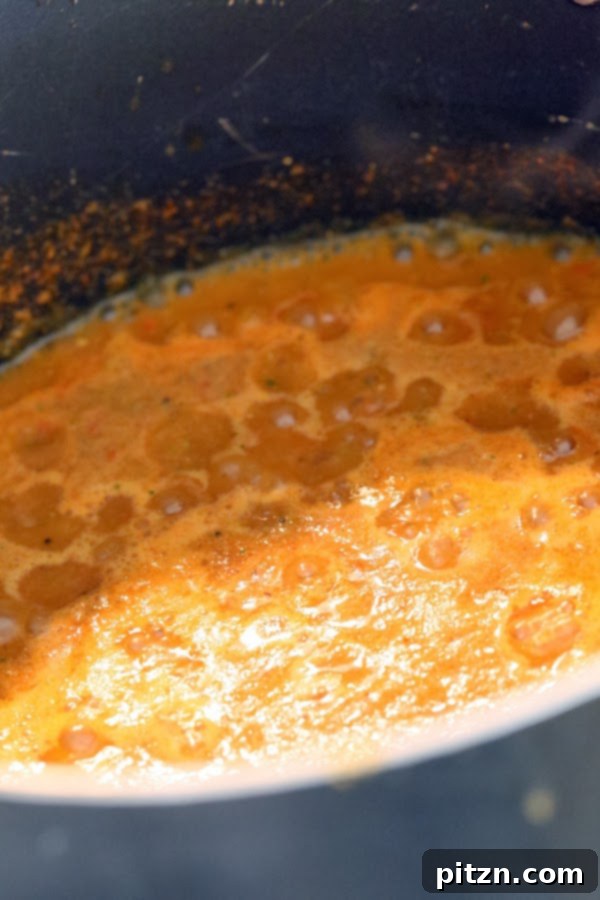
- Add Ground Spices and Curry Leaves: Quickly add the curry leaves, coriander powder, and a pinch of turmeric (if using, not listed but common for color/flavor). Stir continuously for just a few seconds until fragrant.
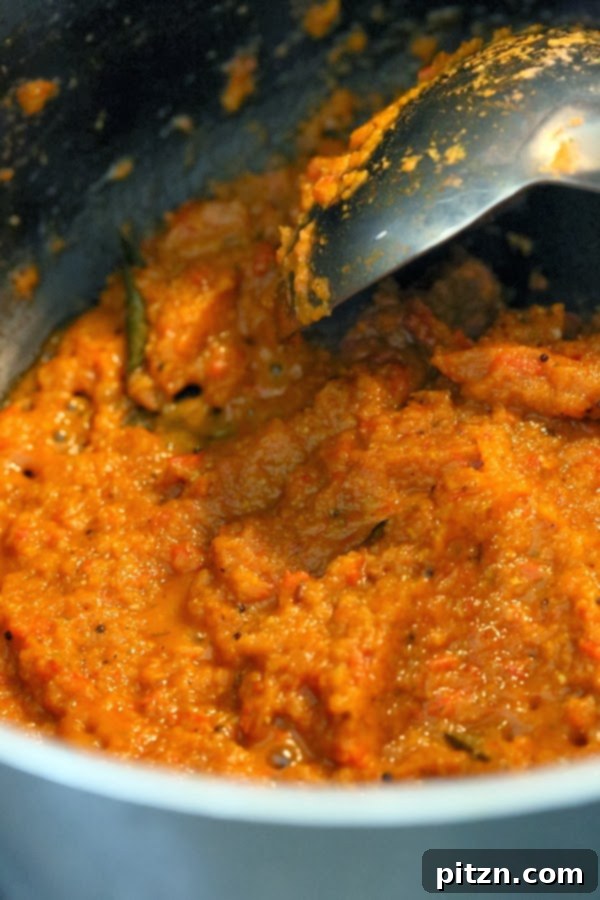
- Incorporate Tomato Puree: Pour in the prepared tomato puree, mix well to combine with the tempered spices. Reduce the heat to low-medium, partially cover the pan, and let it simmer for 15-20 minutes. Stir occasionally to prevent sticking. Cook until the oil begins to separate and glisten on the surface of the masala mixture, indicating the tomatoes are well cooked and the flavors have deepened.
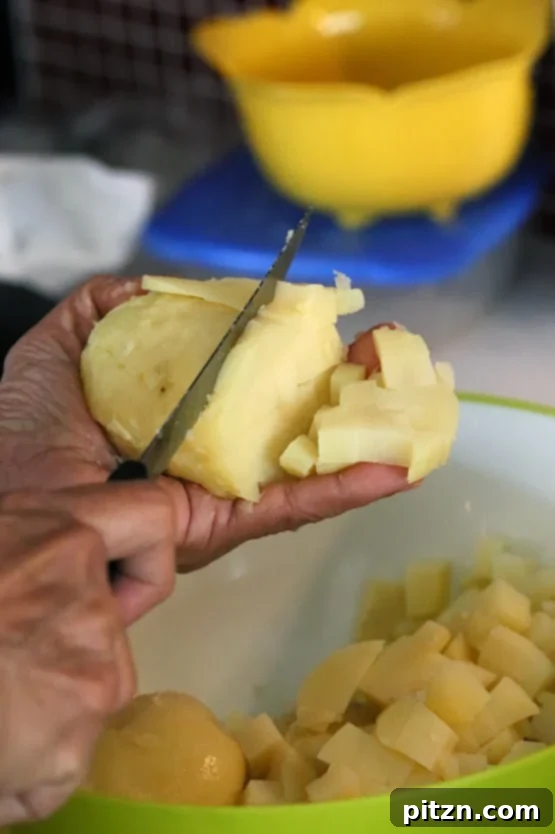
Meanwhile, ensure your boiled potatoes are cubed and ready. My mom often handles this step with practiced ease.
The tomato mixture is now well cooked. You can see it leaving the edges easily.
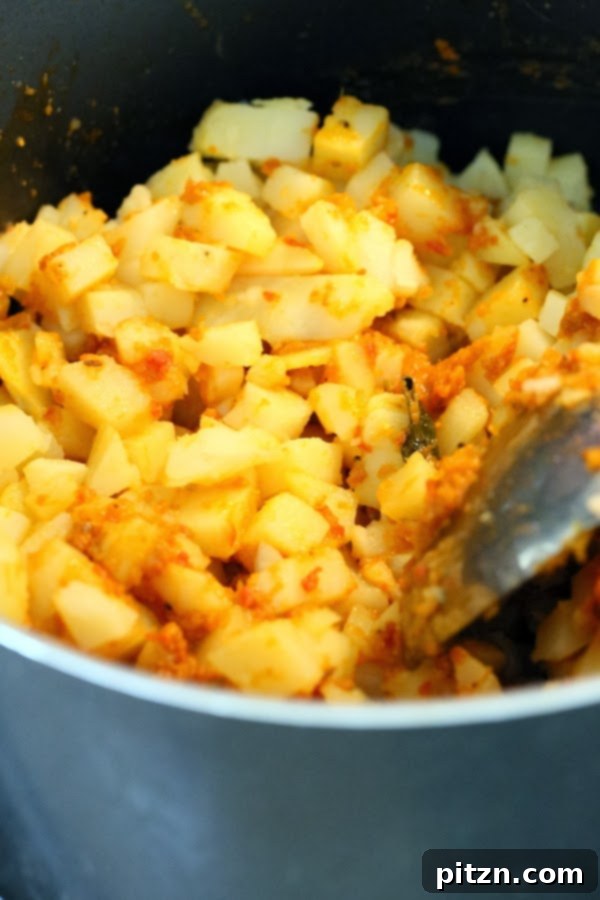
- Add Potatoes and Seasoning: Stir in the cubed boiled potatoes and the salt. Mix gently to ensure the potatoes are thoroughly coated with the rich tomato masala. Cook for another 5 minutes, allowing the flavors to meld.
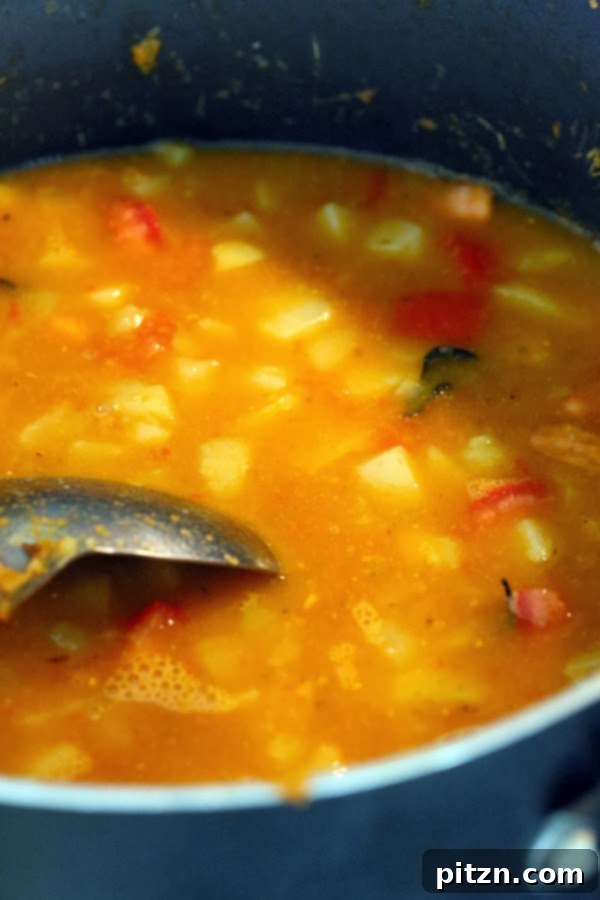
- Simmer to Perfection: Pour in 3-3.5 cups of water, stirring well to achieve your desired gravy consistency. Cover the pan and let the curry simmer on low heat for another 15 minutes. This allows the potatoes to absorb the flavors of the gravy and for the curry to thicken slightly.
Meanwhile, roll out the dough into 4-5 inch flat breads and deep fry on medium heat. Here’s my mom expertly frying them up in the Kadhai, achieving that perfect puff!
Serve hot!
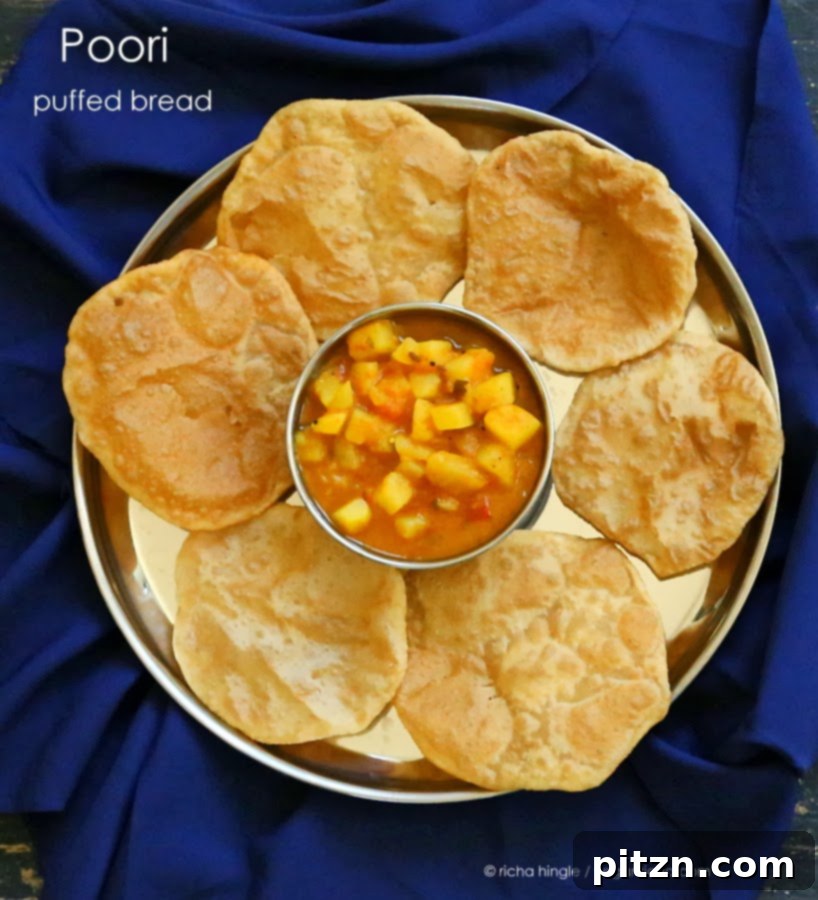
- Final Adjustments and Serving: Taste the curry and adjust salt and spice levels as needed. If you prefer a thicker gravy, simmer uncovered for a few more minutes. Garnish generously with freshly chopped cilantro before serving.
Serve this delightful **Vegan Poori Aloo** hot with freshly made, fluffy Pooris for an authentic Indian meal. It also pairs wonderfully with other Indian flatbreads like Naan, or even plain rice. Enjoy the rich aromas and comforting flavors of this traditional dish!