
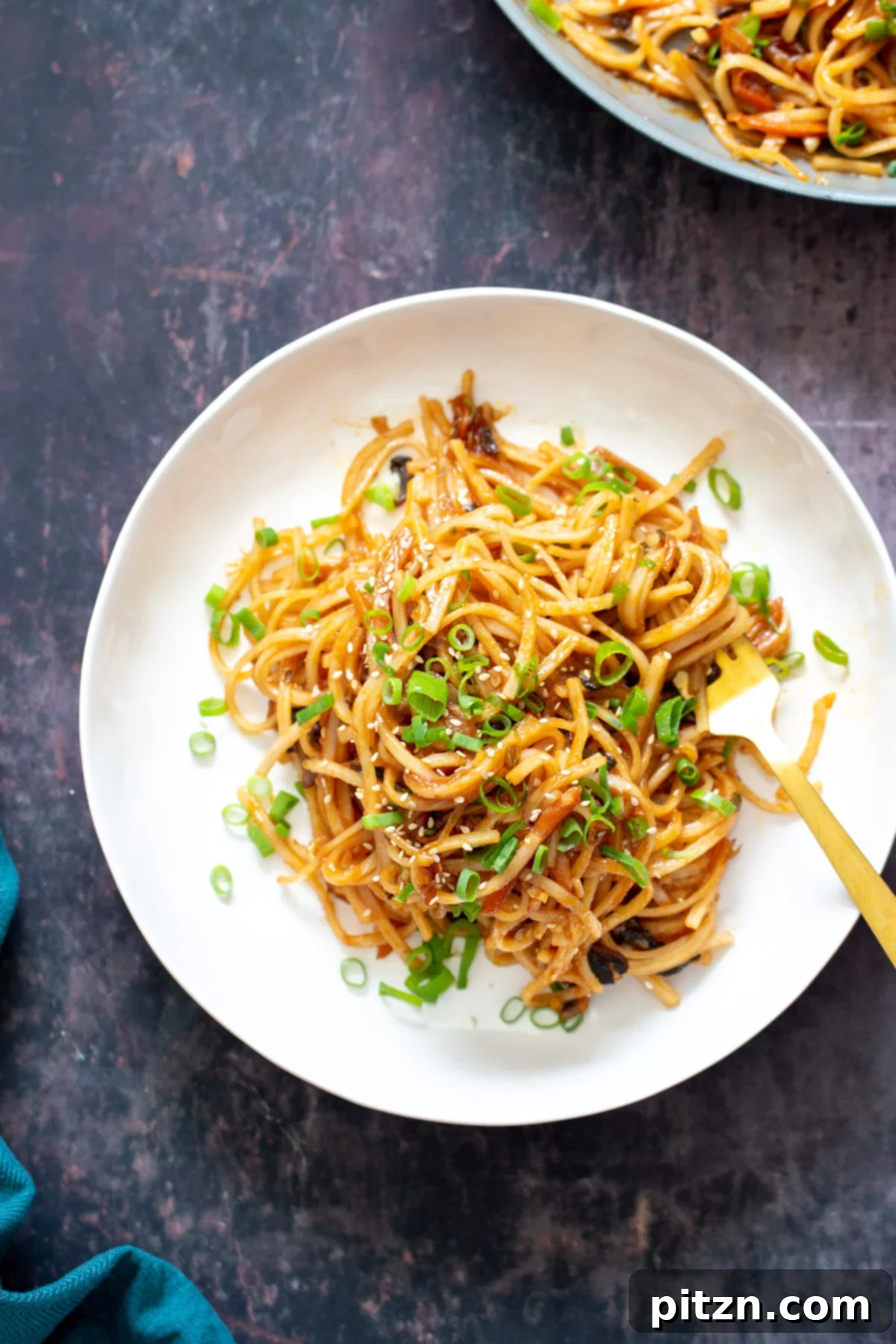
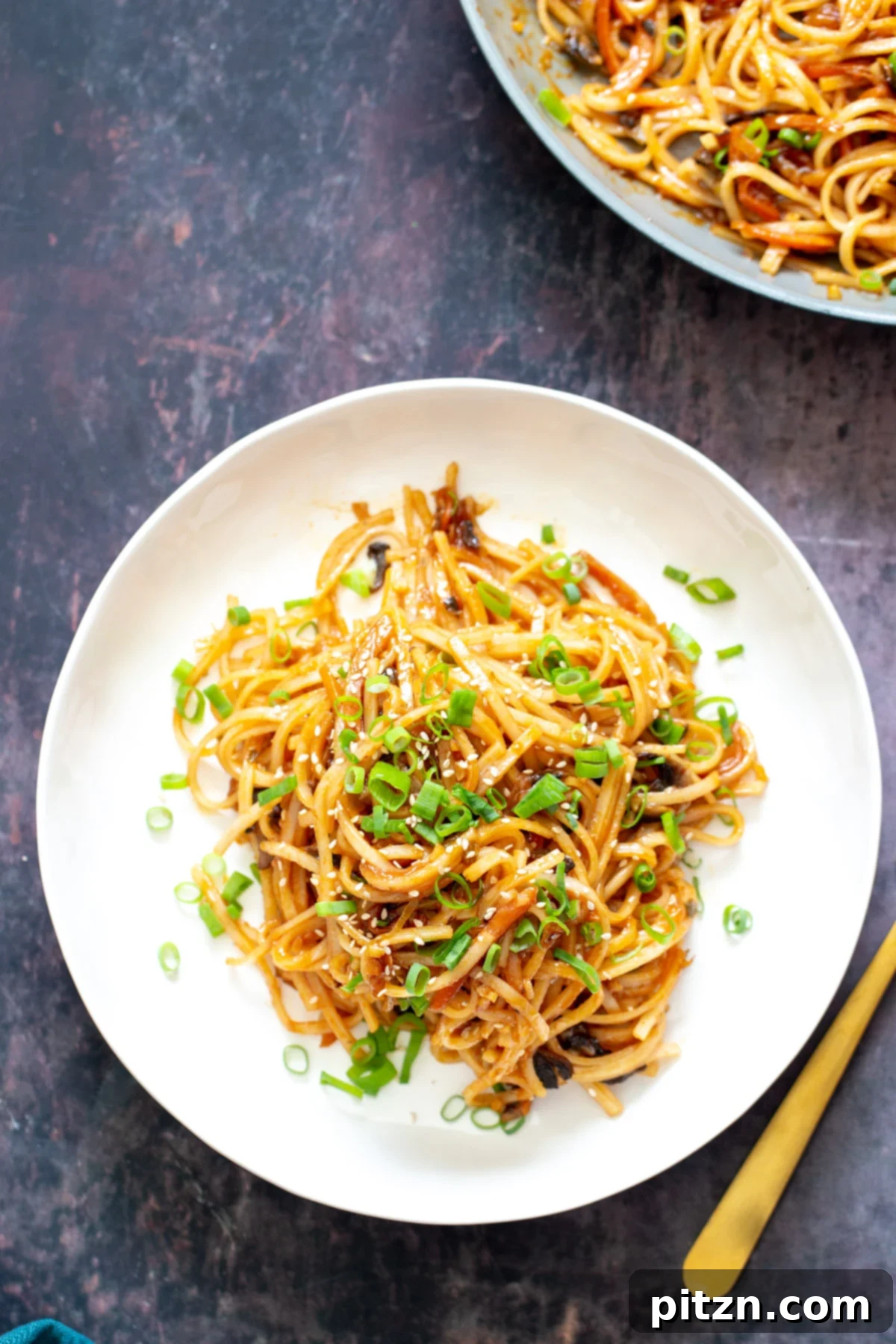
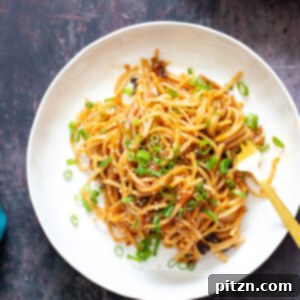
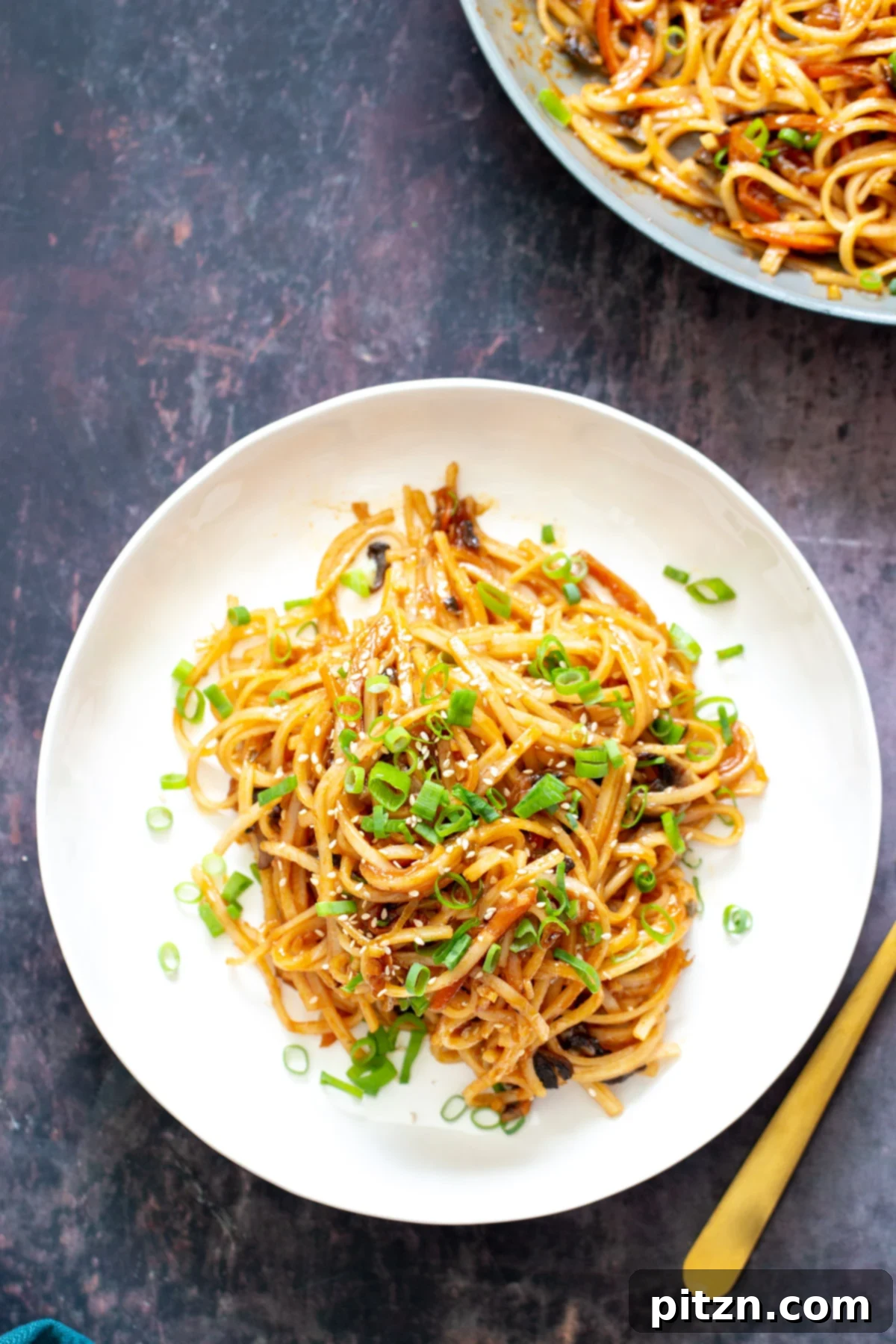
Craving a quick, flavorful, and incredibly satisfying meal that comes together in minutes? Look no further than this sensational **Korean Gochujang Noodles Stir-Fry**. This vegan delight elevates humble rice noodles into a symphony of sweet, spicy, and savory notes, all coated in a rich, vibrant gochujang sauce. It’s the ultimate solution for a delicious weeknight dinner, proving that gourmet flavors don’t have to be complicated. Best of all, it’s naturally gluten-free, making it a crowd-pleaser for various dietary needs.
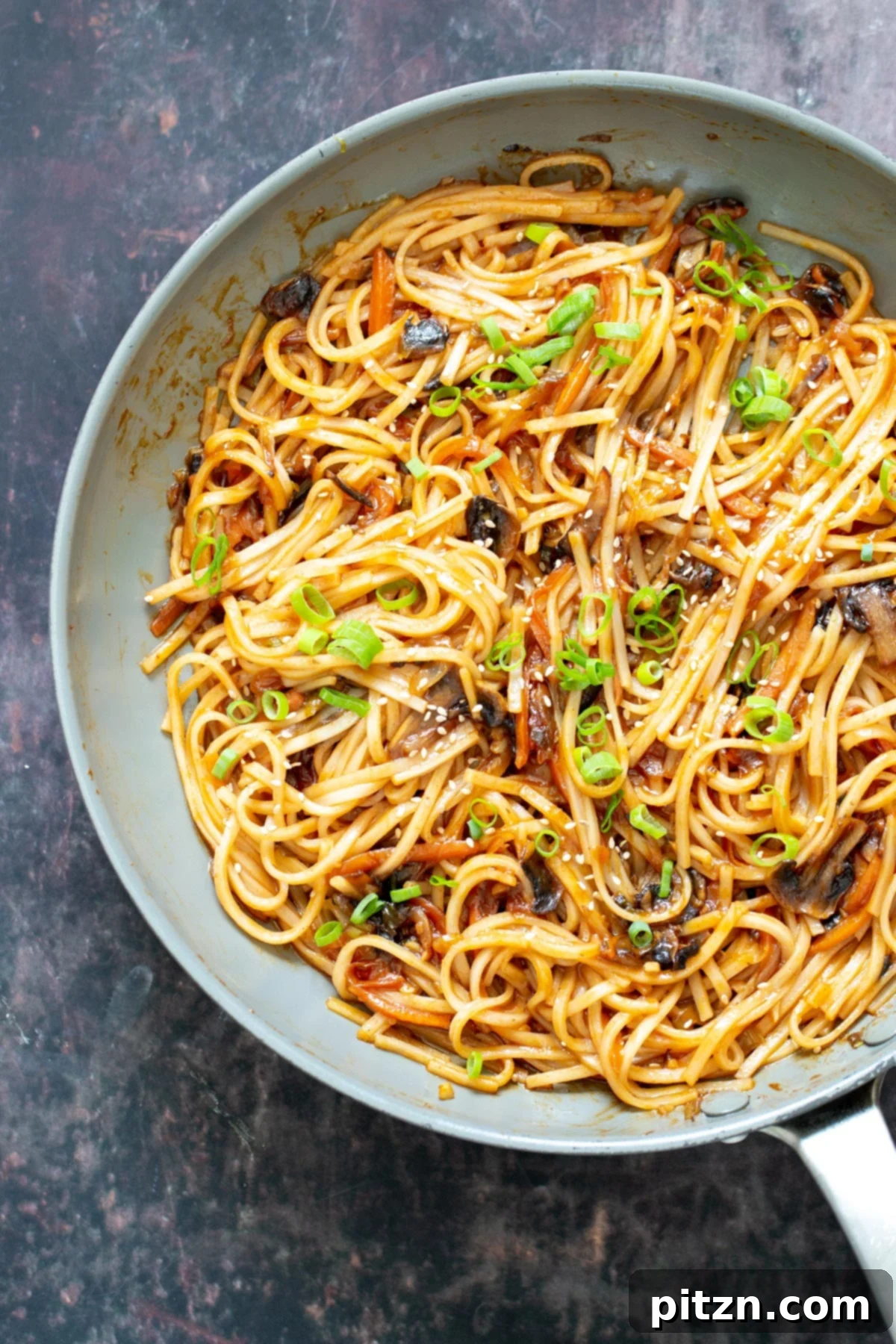
This Korean Gochujang Rice Noodles stir-fry isn’t just easy; it’s bursting with bold, authentic Korean flavors. The star ingredient, Gochujang, infuses every strand of noodle and every tender vegetable with its signature sweet heat and umami depth. This rich, saucy noodle dish is destined to become a new favorite in your dinner rotation, perfect for those evenings when you need something quick yet incredibly satisfying. Its vibrant color and irresistible aroma will have everyone eager to dig in.
Understanding Gochujang: The Heart of Korean Flavor
At the core of this recipe is Gochujang, a fundamental ingredient in Korean cuisine. This bright red, fermented Korean chili paste is a marvel of flavor, offering a complex profile that is simultaneously sweet, mildly spicy, and deeply savory. Its unique fermentation process gives it an incredible depth that cannot be replicated by simple chili flakes. Gochujang is used in countless traditional Korean dishes, from marinades and stews to dipping sauces and, of course, stir-fries. Don’t hesitate to invest in a jar; you’ll be amazed at how many delicious ways you’ll find to use it beyond this recipe. It keeps well in the refrigerator for a long time, ready to add a burst of Korean authenticity to your cooking.
The Perfect Noodle Choice: Rice Noodles
For this Gochujang noodle stir-fry, we highly recommend using pad Thai-style flat rice noodles. Their broad, flat surface and slightly chewy texture make them absolutely ideal for soaking up and clinging to the rich, luscious gochujang sauce. This ensures every bite is loaded with flavor. A significant advantage of using rice noodles is that they are naturally gluten-free, making this an accessible dish for those avoiding gluten without sacrificing taste or texture. However, the versatility of this recipe allows for experimentation. If you’re looking for a low-carb alternative, consider using konjac noodles (also known as shirataki noodles) or fresh zucchini noodles. For those who prefer different textures or cannot find rice noodles, regular spaghetti or linguine can also be a surprisingly good substitute.
More Quick & Delicious Vegan Dinners
If you love the idea of fast, flavorful vegan meals, you’re in for a treat! Our blog is packed with creative and easy recipes designed for busy weeknights. Here are a few more favorites to inspire your next meal:
- One-Pot Peanut Butter Noodles and Veggies: A delightful and incredibly simple dish that comes together in a single pot, brimming with creamy peanut sauce and fresh vegetables. Naturally gluten-free.
- Flavorful Vegan Lo Mein Noodles: Recreate your favorite takeout classic at home with this customizable Lo Mein, offering a gluten-free option for soba noodles.
- Zesty Sweet And Sour Chickpeas and Broccoli: A vibrant and tangy stir-fry featuring hearty chickpeas and crisp broccoli, all coated in a perfectly balanced sweet and sour sauce. Gluten-free.
- Spicy Kung Pao Lentils: A plant-based twist on the classic Kung Pao, using protein-packed lentils for a satisfying and spicy meal. Gluten-free.
- Creamy Lentils & Veggies in Thai Peanut Sauce: A comforting and hearty dish featuring tender lentils and mixed vegetables smothered in a rich and aromatic Thai peanut sauce. Gluten-free and soy-free.
- Irresistible Sticky Sesame Ginger Tofu and Veggies: Crispy tofu and colorful vegetables tossed in a sticky, sweet, and savory ginger-sesame glaze. Gluten-free.
- Comforting Curry Ramen with Miso Maple Lentils: A fusion masterpiece combining the warmth of curry ramen with savory miso-maple lentils for a truly unique and satisfying bowl. Gluten-free.
Korean Gochujang Noodle Stir Fry
Ingredients
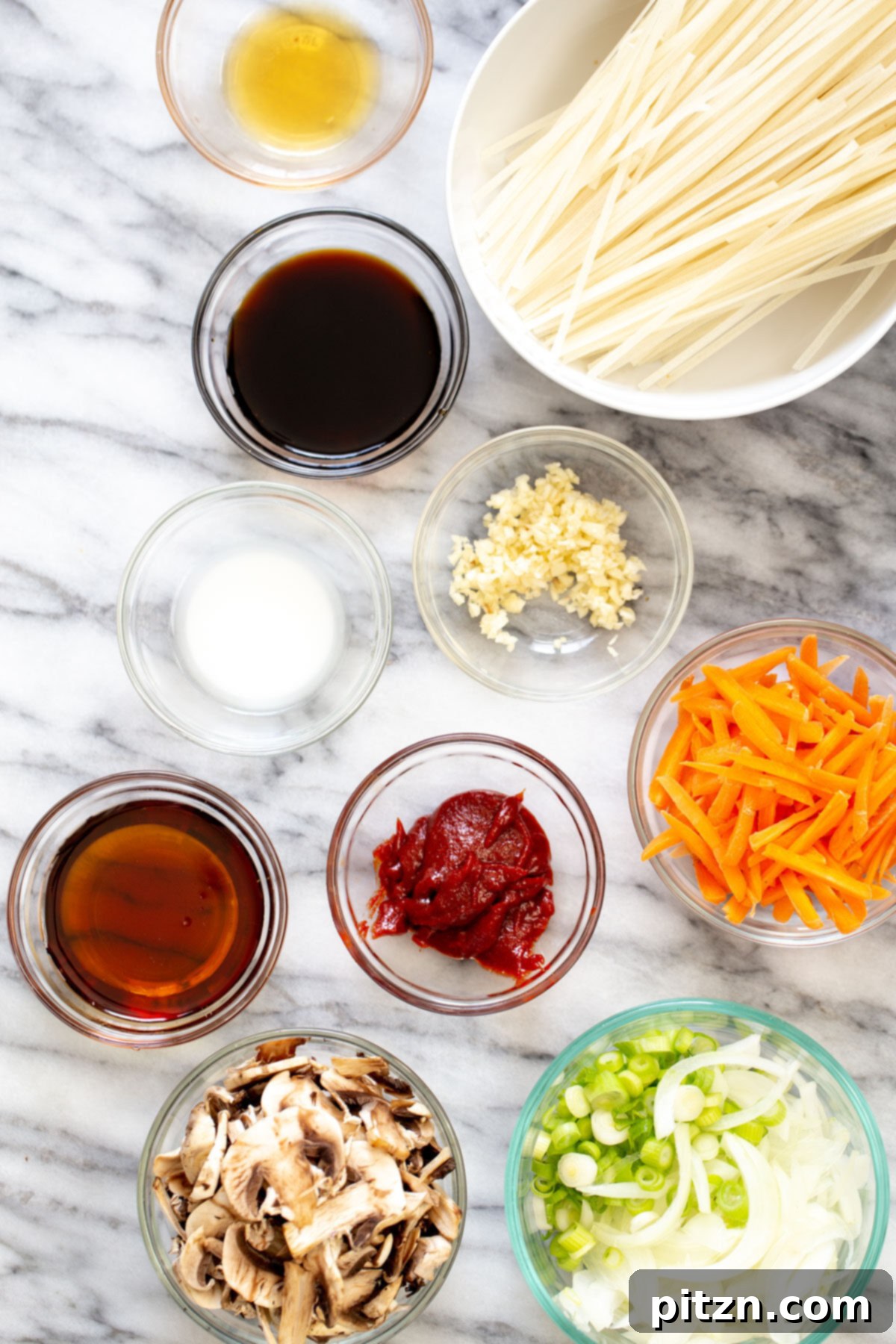
- 6 ounce white rice noodles, or other noodles of choice
- 1 teaspoon oil
- 1/2 cup sliced onions
- 1/2 cup julienne carrots
- 1/4 cup thinly sliced mushrooms
- 1/4 cup spring onions, whites and greens separated, use greens for garnish
- 2 garlic cloves minced
For the sauce:
- 1 tablespoon gochujang paste
- 2 1/2 tablespoons soy sauce, or use tamari for gluten-free
- 2 tablespoons maple syrup
- 1 teaspoon sesame oil
- 1 teaspoon rice vinegar
- 1/2 teaspoon corn starch, mixed in 3 tablespoons of water
Instructions
- Cook your noodles according to the instructions on the package. While the noodles are cooking, heat a large skillet over medium heat. Add oil. Add in the onion, carrots, and mushrooms, white parts of the green onion and 1/4 teaspoon salt and mix well.
- Cook until the mushrooms are starting to soften to your preference. Stir occasionally. Add in the minced garlic halfway through the cooking process and continue to sauté until fragrant.
- Meanwhile, measure out all the sauce ingredients into a bowl, except for the corn starch mixture. Whisk them together until well combined.
- Add the prepared sauce mixture to the skillet with the vegetables and bring it to a gentle boil. Once boiling, stir in the corn starch slurry (corn starch mixed with water) and let the sauce simmer for a minute or two, allowing it to thicken. Then, add your cooked noodles and toss thoroughly to coat every strand with the flavorful sauce. Remove from heat immediately. Taste and adjust salt and any other seasonings to your preference, then serve hot and garnish with the green parts of the spring onions.
- If you don’t have gochujang, you can also use gochugaru dried flakes along with an Asian chili garlic sauce, or you can just use Sambal oelek chili garlic sauce instead of the gochujang.
Video
Notes
- Gochujang heat levels can vary significantly between brands. Depending on the specific brand you use and your personal spice preference, you might adjust the amount from 1 tablespoon up to 2 tablespoons for a bolder kick.
- For an exciting variation, consider adding a spoonful of kimchi along with the sauces for an extra layer of fermented tang, or sprinkle some gochugaru pepper flakes towards the very end of cooking for more intense heat and color. Serving this dish with some baked tofu or tempeh can transform it into a more substantial and hearty meal.
- Feel free to experiment with various types of rice noodles that you have on hand, such as thin vermicelli, wider stir-fry noodles, or even straight-cut rice noodles. If rice noodles are unavailable or not to your liking, conventional pasta like spaghetti or linguine makes a surprisingly good alternative, absorbing the sauce beautifully.
- If gochujang is difficult to find, you can create a similar flavor profile by combining dried gochugaru flakes with a good quality Asian chili garlic sauce. Alternatively, a simpler substitution is to use Sambal Oelek chili garlic sauce on its own for a spicy kick.
Nutrition
Carbohydrates: 98g,
Protein: 6g,
Fat: 5g,
Saturated Fat: 1g,
Sodium: 752mg,
Potassium: 382mg,
Fiber: 4g,
Sugar: 17g,
Vitamin A: 5488IU,
Vitamin C: 10mg,
Calcium: 77mg,
Iron: 2mg
Nutrition information is automatically calculated, so should only be used as an approximation.
Did you make this recipe? Rate and comment below!
Essential Ingredients for Your Gochujang Noodle Stir-Fry
Crafting the perfect Gochujang Noodle Stir-Fry starts with selecting quality ingredients that build layers of flavor and texture:
- Rice Noodles: These are absolutely crucial! Their smooth texture and ability to absorb the rich, sticky sauce make them the ideal vehicle for this dish. Look for flat, wide varieties, often labeled “Pad Thai style.”
- Minced Garlic Cloves: Essential for aromatic depth, garlic is sautéed with the vegetables to release its pungent, savory notes, forming a foundational layer of flavor.
- Finely Sliced Onions and Mushrooms: These add incredible umami to the stir-fry. Brown button mushrooms work well, but for an even richer, more earthy flavor, fresh shiitake mushrooms are an excellent choice. Onions contribute sweetness and a tender bite.
- Thinly Julienne Carrots: Not only do carrots provide a beautiful pop of color, but they also offer a subtle sweetness and a pleasant crisp-tender texture that contrasts nicely with the soft noodles.
- Spring Onions (Scallions): Used generously, both the white and green parts, for a fresh, slightly pungent flavor. The white parts are cooked with the other vegetables, while the vibrant green parts are reserved for a fresh, aromatic garnish, adding a crucial textural and visual element.
- Korean Gochujang Paste: This fermented chili paste is the undisputed star of the sauce. It delivers a unique blend of sweet, spicy, and sticky umami, defining the Korean character of the dish.
- Soy Sauce (or Tamari): Provides the essential salty, savory backbone of the sauce. For a truly gluten-free dish, be sure to use tamari, which is a gluten-free alternative to soy sauce.
- Maple Syrup: Adds a natural, rich sweetness that balances the spice of the gochujang and creates that desirable sticky glaze texture in the sauce.
- Rice Vinegar: A touch of this mild vinegar introduces a subtle tang and acidity, brightening the overall flavor profile of the sauce and preventing it from being too heavy.
- Toasted Sesame Oil: An absolute must for its distinctive nutty aroma and flavor. Do not skip this ingredient, as it imparts an authentic Asian essence that ties all the flavors together.
- Corn Starch: Mixed with water to create a slurry, corn starch is used as a thickener, ensuring the gochujang sauce achieves that perfectly luscious, clingy consistency that coats the noodles beautifully.
How to Master Your Vegan Korean Gochujang Noodles Stir-Fry
Creating this delicious Korean Gochujang Noodles Stir-Fry is surprisingly straightforward, even for novice cooks. Follow these steps for a perfectly balanced and flavorful meal:
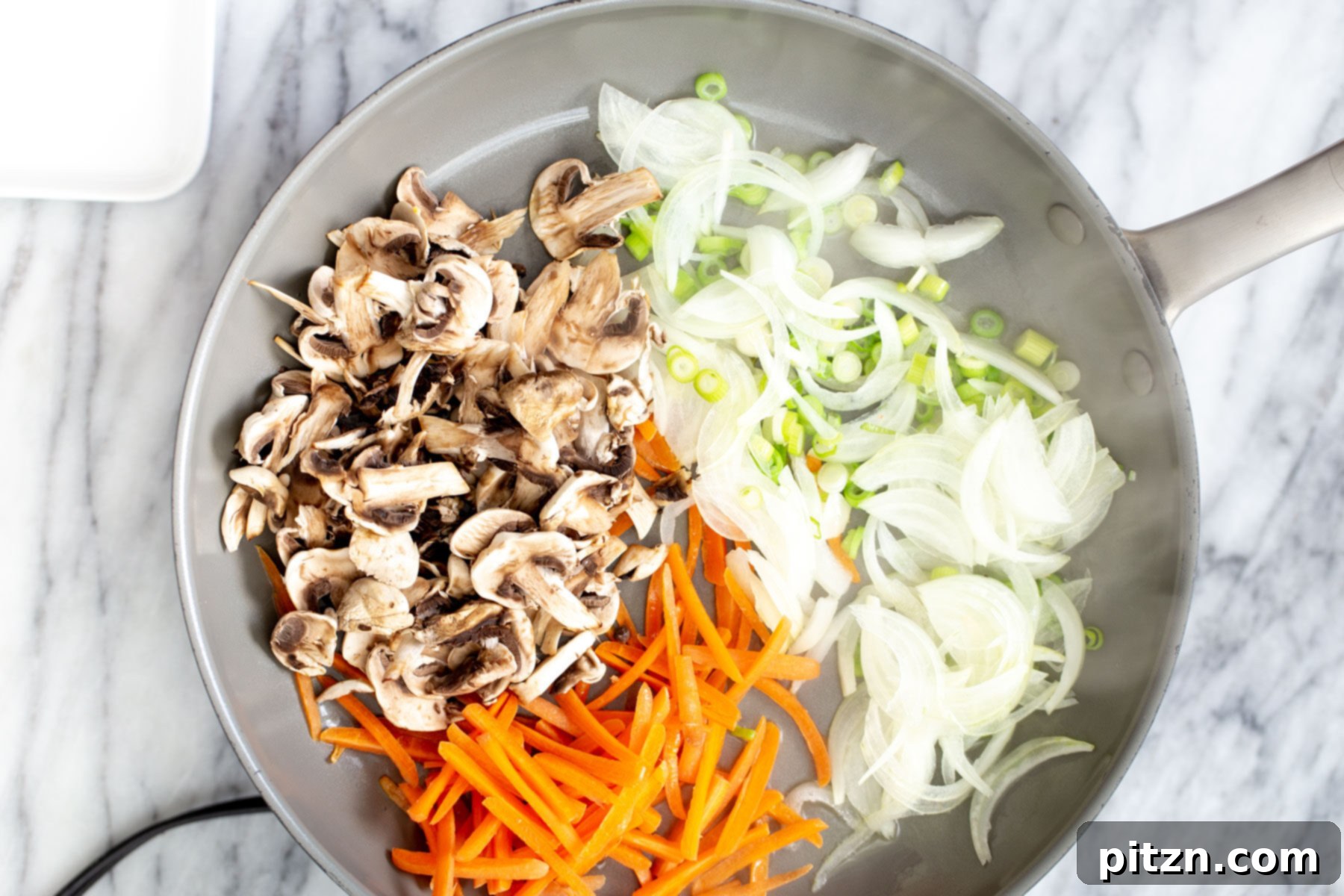
Step 1: Prepare the Noodles and Sauté the Base Vegetables. Begin by cooking your chosen rice noodles according to the package directions. It’s crucial not to overcook them, as they will continue to absorb liquid and cook slightly when tossed with the hot sauce. While the noodles are simmering, heat a large skillet or wok over medium heat. Add a teaspoon of your preferred cooking oil. Once hot, add the sliced onions, julienne carrots, thinly sliced mushrooms, and the white parts of the spring onions. Season with 1/4 teaspoon of salt and mix well, ensuring the vegetables are evenly coated.
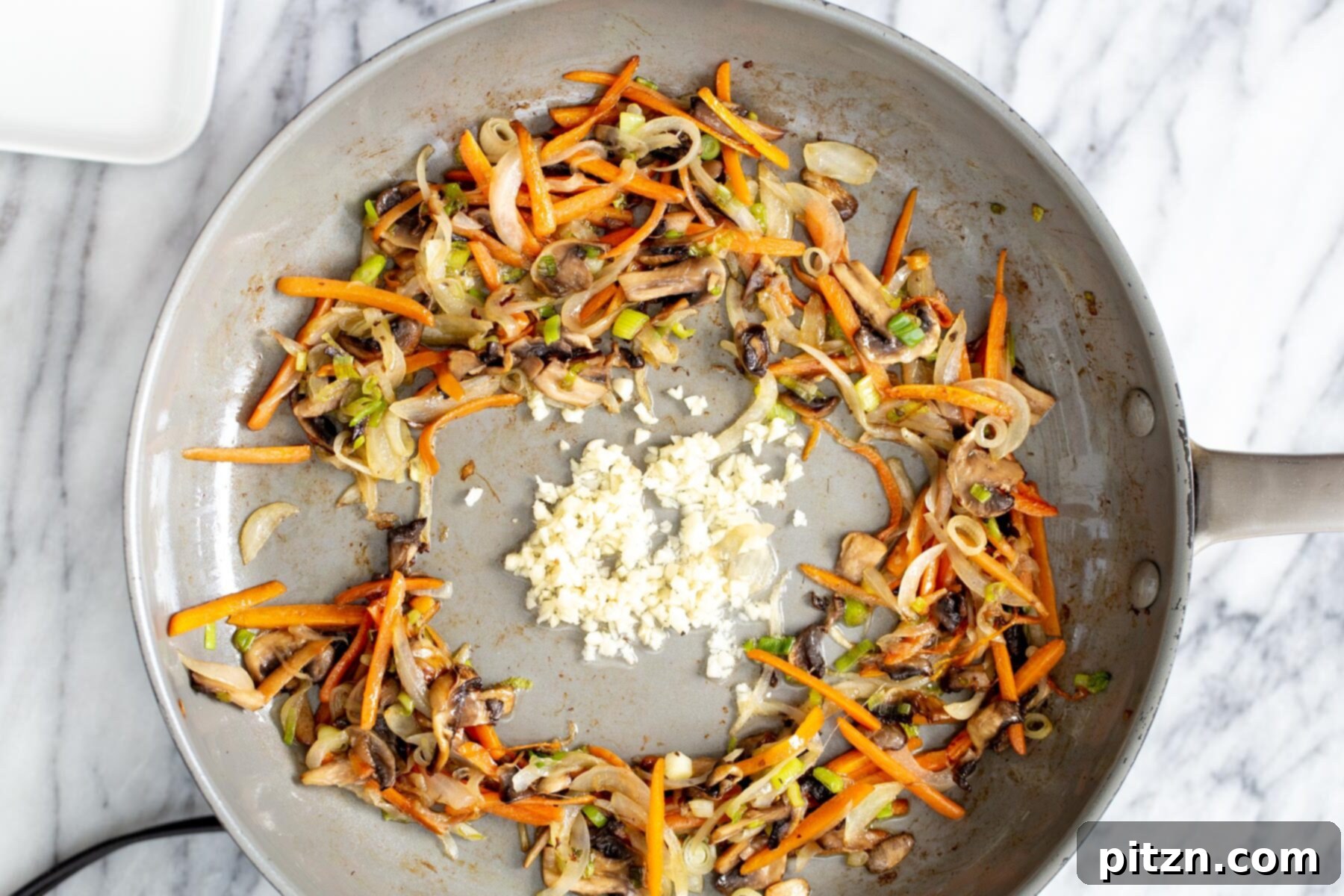
Step 2: Continue Cooking and Add Aromatics. Allow the vegetables to cook, stirring occasionally, until the mushrooms begin to soften and release their moisture. This usually takes about 3-5 minutes. About halfway through this cooking time, introduce the minced garlic to the skillet. Stir it in thoroughly and continue cooking for another minute or two until the garlic becomes fragrant, being careful not to burn it. The goal is tender-crisp vegetables, not mushy ones, so keep an eye on them.
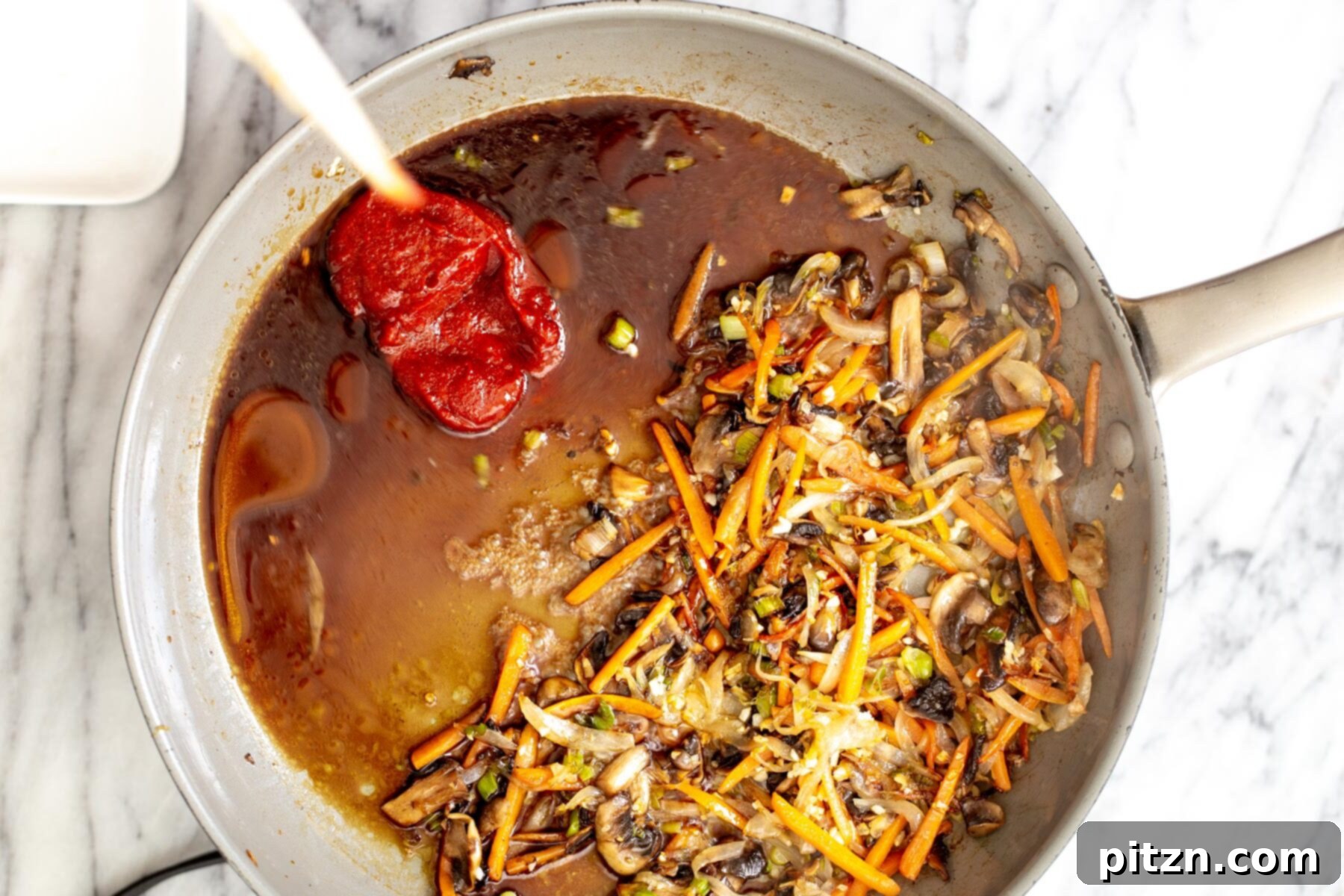
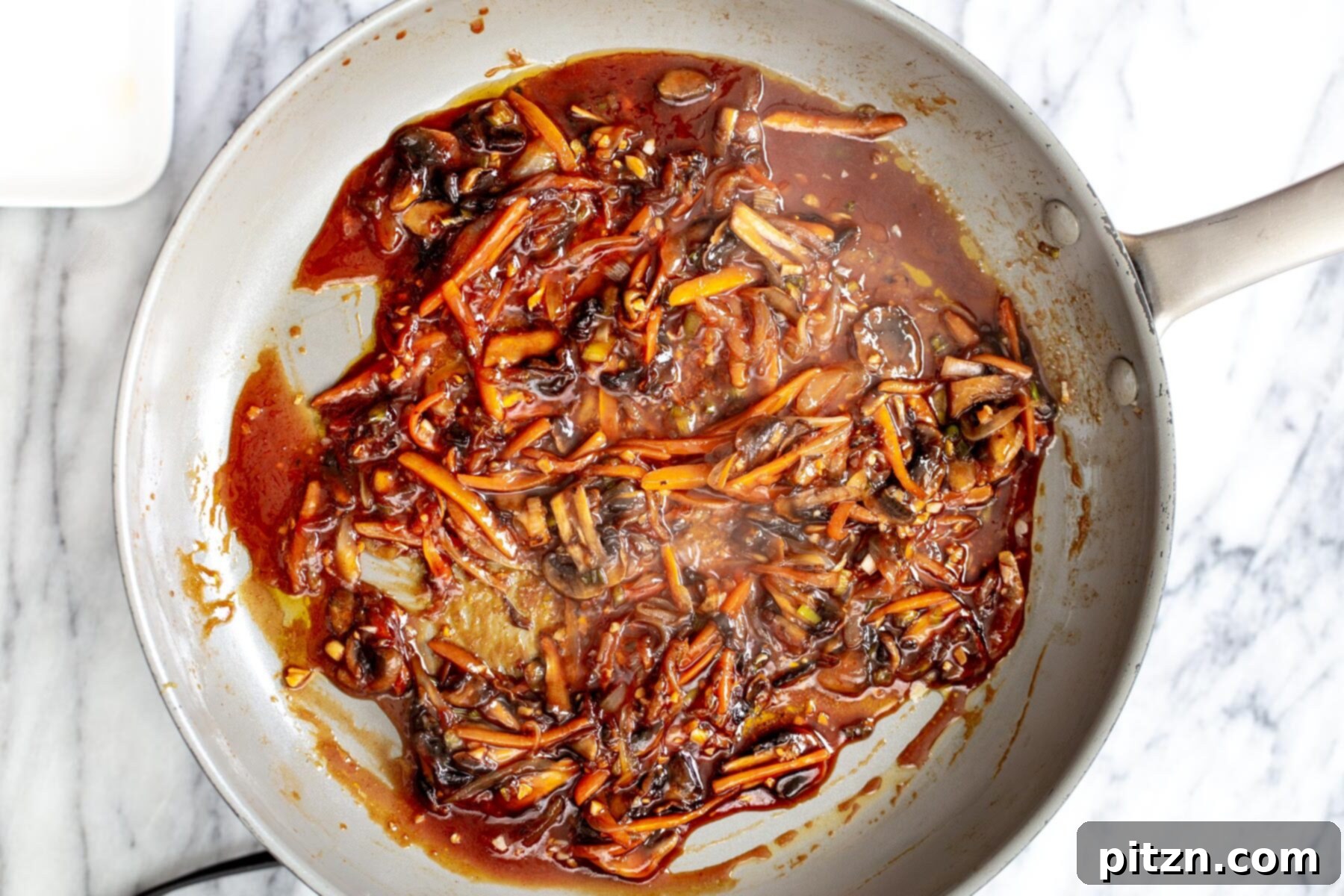
Step 3: Prepare and Thicken the Gochujang Sauce. While the vegetables are cooking, combine all the sauce ingredients (gochujang, soy sauce, maple syrup, sesame oil, rice vinegar) in a separate bowl. Whisk until a smooth, uniform sauce is formed. Once the vegetables are cooked to your liking, pour the prepared sauce mixture over them in the skillet. Bring the sauce to a boil. Separately, mix the corn starch with 3 tablespoons of water to create a slurry. Add this corn starch mixture to the boiling sauce, stirring constantly. Allow the sauce to come back to a boil and simmer for a minute or two. Cornstarch typically thickens effectively around 90°C (194°F), so give it a little time to work its magic and reach a rich, glossy consistency that will perfectly coat your noodles.
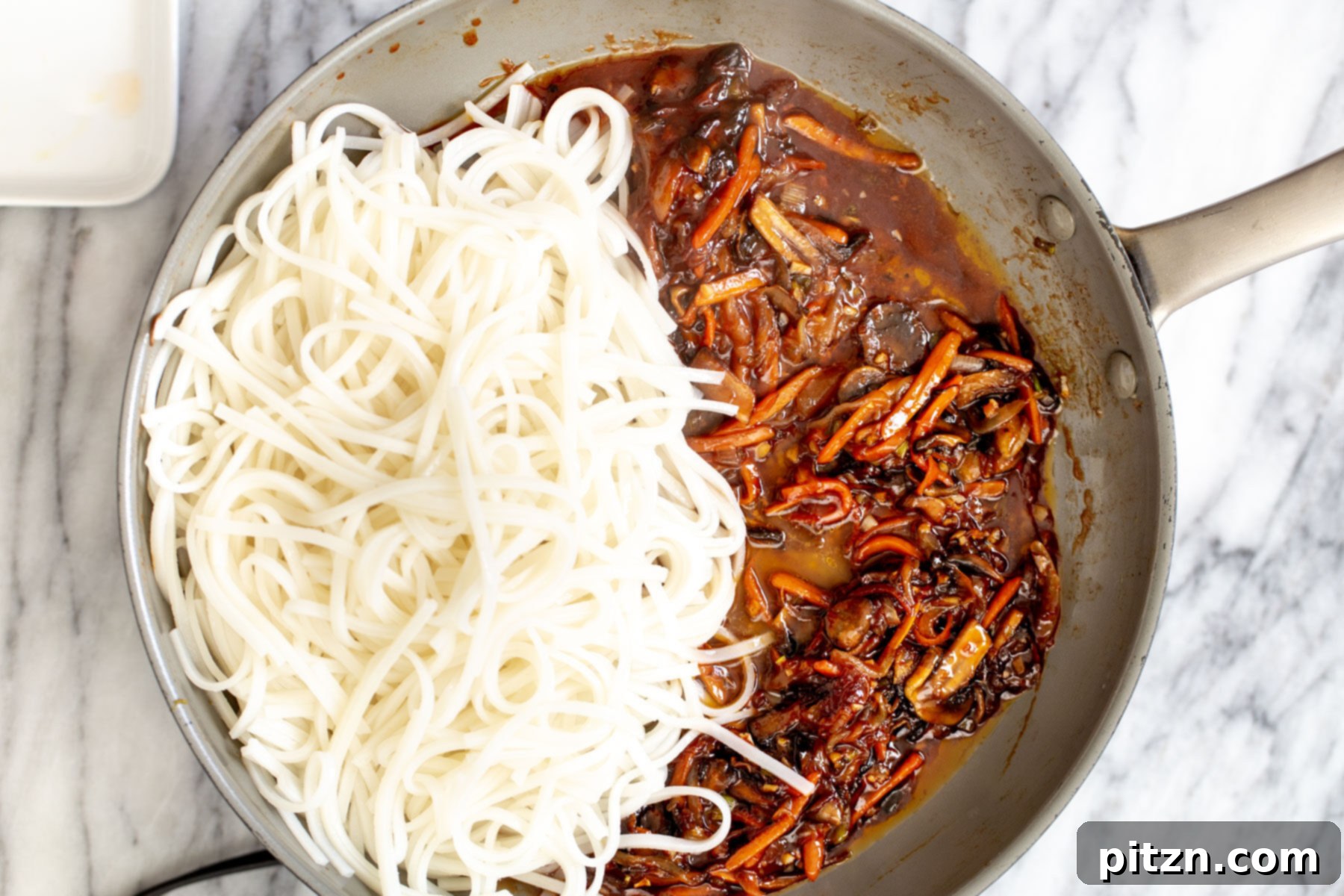
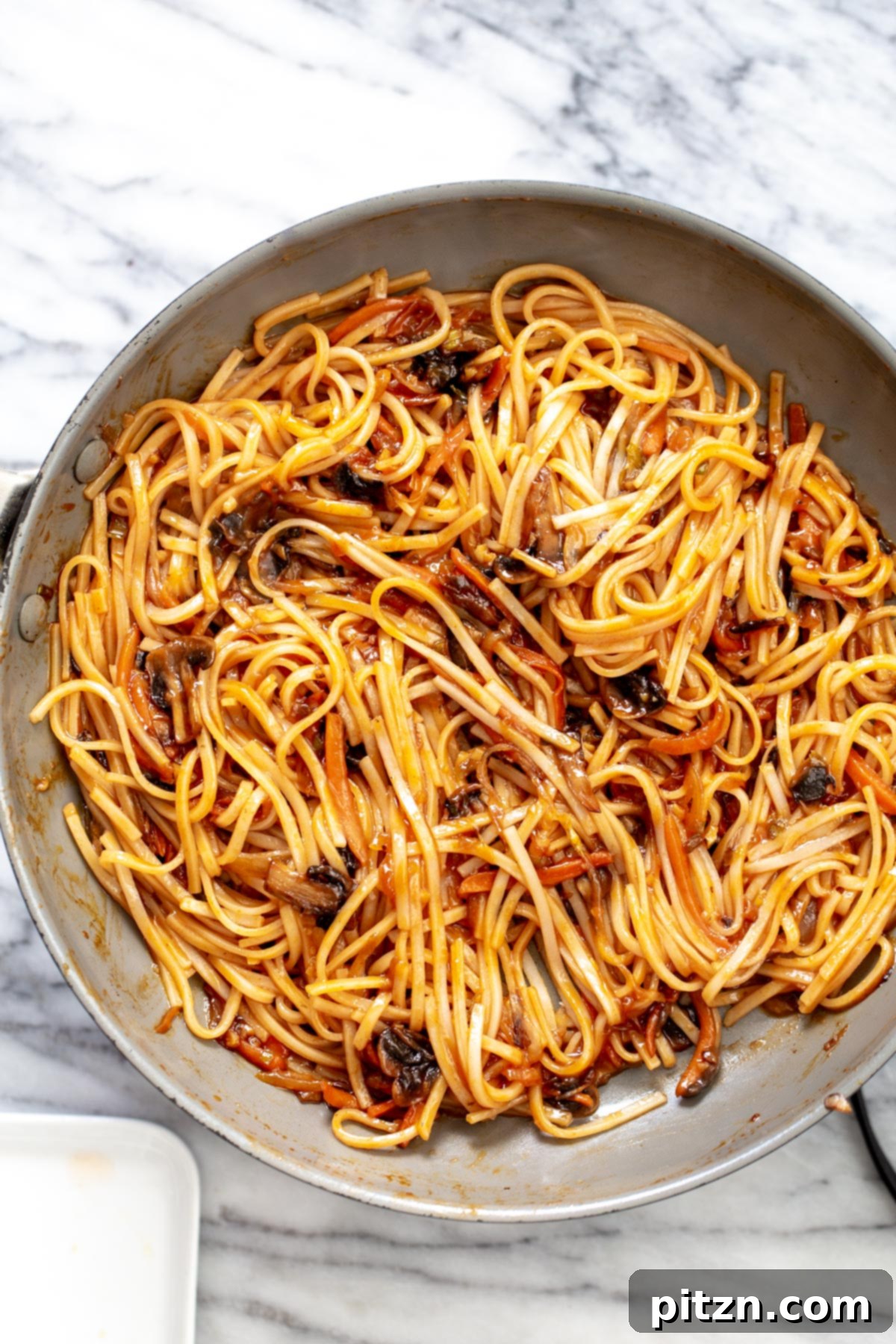
Step 4: Combine Noodles and Sauce, Then Serve. Once the sauce has thickened beautifully, add your drained, cooked noodles directly into the skillet. Use tongs or two spatulas to toss everything together thoroughly, ensuring every strand of noodle and every piece of vegetable is generously coated in the luscious gochujang sauce. This step should be done quickly to prevent the noodles from becoming clumpy. As soon as everything is well combined, remove the skillet from the heat. Taste the stir-fry and make any final adjustments to seasoning – perhaps a pinch more salt, a dash of vinegar, or an extra swirl of sesame oil. Serve immediately, garnished generously with the reserved green parts of the spring onions for freshness and color. Enjoy your homemade, vibrant Korean Gochujang Noodle Stir-Fry!
Tips for a Perfect Gochujang Noodle Stir-Fry
To ensure your Korean Gochujang Noodles stir-fry is consistently delicious, keep these expert tips in mind:
- Don’t Overcook Your Noodles: Rice noodles can quickly become mushy. Cook them al dente according to package instructions, as they will continue to soften slightly when tossed with the hot sauce. A quick rinse under cold water after draining can also help stop the cooking process if you’re not adding them to the sauce immediately.
- High Heat, Quick Cooking: Stir-frying thrives on high heat. Ensure your skillet or wok is sufficiently hot before adding oil and vegetables. This creates a beautiful sear and keeps the vegetables crisp-tender. Cook the vegetables quickly to retain their texture and nutrients.
- Customize Your Veggies: This recipe is incredibly versatile! Feel free to incorporate your favorite stir-fry friendly vegetables. Bell peppers (any color), broccoli florets, snap peas, bok choy, or cabbage can all be wonderful additions. Add harder vegetables first and softer ones later to ensure even cooking.
- Protein Power-Up: To make this an even more substantial meal, consider adding a protein source. Cubed and pan-fried tofu or tempeh, edamame, or even a handful of plant-based chicken strips would work beautifully. Add them to the skillet after the initial vegetables are almost cooked, then pour over the sauce.
- Spice Level Adjustment: Gochujang can vary in heat. If you prefer a milder dish, start with 1 tablespoon and taste before adding more. For a spicier kick, increase to 1.5 or even 2 tablespoons, or add a pinch of gochugaru (Korean chili flakes) towards the end.
- Taste and Adjust: Always taste your sauce and the final dish before serving. You might find it needs a tiny bit more sweetness (maple syrup), saltiness (soy sauce/tamari), tang (rice vinegar), or even just a dash more sesame oil to bring out its full potential.
- Garnish is Key: Don’t underestimate the power of a good garnish! Fresh green onions and a sprinkle of toasted sesame seeds not only add visual appeal but also provide a fresh, aromatic finish and a textural contrast.
Reheating Your Noodle Stir-Fry for Optimal Freshness
Leftover Gochujang Noodles are a treat, and with the right technique, you can revive them to their delicious glory. The key is to add a little moisture back into the noodles and sauce.
Stovetop Method (Recommended for Best Texture): For the best results, toss your leftover rice noodles in a wok or large skillet over medium-high heat for about two minutes. The high heat helps to re-crisp the edges of the noodles and warm them through evenly. Crucially, add about an ounce (2-3 tablespoons) of water or vegetable broth to the pan. This steam will rehydrate the sauce, preventing it from becoming too thick or sticky and ensuring the noodles regain their delightful slipperiness. Stir continuously until heated through and well combined.
Microwave Method (For Office or Quick Warm-up): If you’re reheating at the office or simply need a quick option, the microwave can work wonders with a small trick. Place your noodles in a microwave-safe dish and cover them with a damp paper towel. The moisture from the paper towel creates a steamy environment, which helps to rehydrate the noodles and prevents them from drying out, a common issue with microwaved pasta and noodles. Microwave in 30-60 second intervals, stirring in between, until heated through.
Store any leftovers in an airtight container in the refrigerator for up to 3-4 days.
Beyond Noodles: What Else Can You Cook with Gochujang?
Once you fall in love with gochujang, you’ll want to explore its versatility further! This incredible Korean chili paste is a powerhouse of flavor that can transform many dishes. If you’re looking for more ways to incorporate it into your cooking, try these exciting recipes:
- Garlicky Korean Mac and Cheese: A delightful fusion dish that blends the comforting creaminess of mac and cheese with the bold, spicy-sweet kick of gochujang and garlic.
- Sweet and Spicy Gochujang Chickpea Lettuce Wraps: Light, refreshing, and bursting with flavor, these wraps feature seasoned chickpeas coated in a vibrant gochujang sauce, perfect for a quick and healthy meal.
- Gochujang Winter Squash Sliders: A creative and hearty option, these sliders combine the earthy sweetness of winter squash with the spicy depth of gochujang for a unique and satisfying bite.
Embrace the exciting world of Korean flavors with this easy Gochujang Noodle Stir-Fry. It’s a testament to how simple ingredients can create an explosion of taste, making it a valuable addition to your weeknight dinner repertoire. Enjoy the process of bringing these vibrant flavors to your table!