
Exploring Dairy Alternatives: A Journey into Plant-Based Milks
In an increasingly health-conscious and ethically minded world, many individuals are exploring viable alternatives to traditional dairy milk. Whether driven by dietary restrictions, ethical concerns, environmental impact, or simply a desire for diverse flavors, the plant-based milk market has exploded with innovative and delicious options. This journey often begins with a single step, perhaps trying a new milk in your morning coffee or a refreshing glass on its own. Our personal exploration recently led us to the delightful world of homemade almond milk, a fantastic starting point for anyone looking to diversify their dairy-free options.
The Allure of Almond Milk: A Wholesome Alternative
Almond milk stands out as one of the most popular and versatile plant-based milks available today. Its subtle, nutty flavor and creamy texture make it an excellent substitute for dairy in a wide array of recipes, from smoothies and cereals to baked goods and savory dishes. Beyond its culinary appeal, almond milk offers several health benefits. It’s naturally lactose-free, cholesterol-free, and often fortified with essential vitamins like D and E, as well as calcium. For those concerned about calorie intake, unsweetened almond milk is remarkably low in calories, making it a favored choice for weight management.
Crafting Your Own: The Simplicity of Homemade Almond Milk
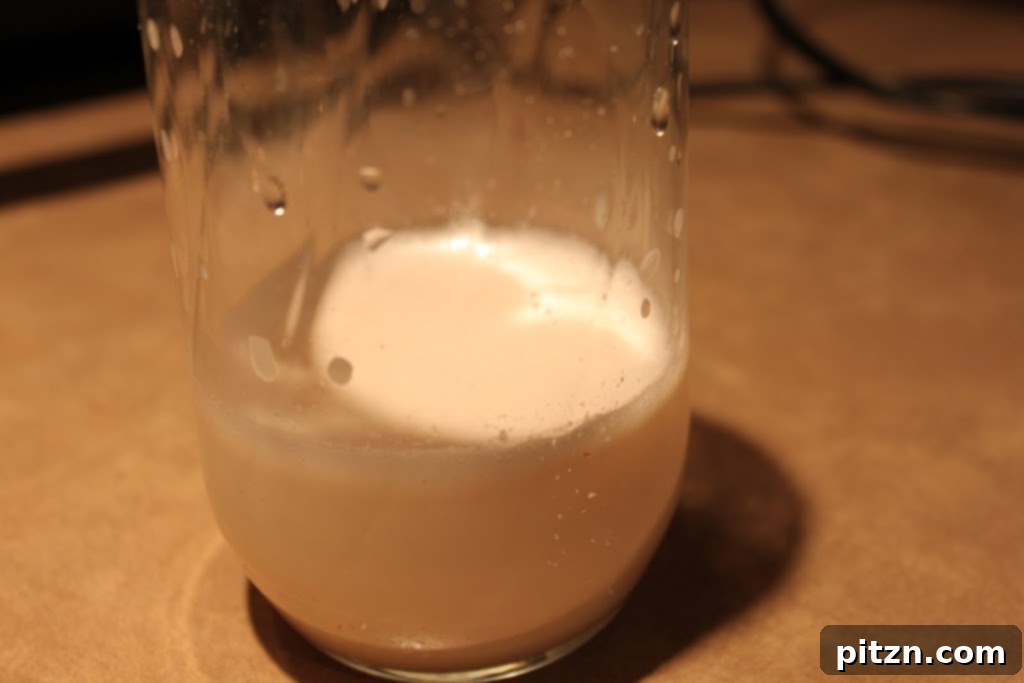
While store-bought almond milk is readily available, making it at home offers unparalleled freshness and allows you to control the ingredients, avoiding any unwanted additives or excessive sugars. The process is surprisingly straightforward, typically requiring just raw almonds, water, and a pinch of salt. You might also choose to add natural sweeteners like dates or maple syrup, or flavorings such as vanilla extract, to suit your palate.
The basic steps involve soaking the almonds overnight to soften them and enhance their digestibility, blending them with fresh water until smooth, and then straining the mixture through a nut milk bag or fine-mesh sieve. This yields a smooth, rich milk, leaving behind the almond pulp (which can be repurposed into flours or crackers!). We recently followed a fantastic recipe from Elana’s Pantry, which provides a clear and reliable guide to achieving delicious homemade almond milk. This experience highlights how accessible and rewarding it is to produce your own dairy-free staples, ensuring optimal taste and nutritional quality.
Almond Milk in Your Daily Brew: A Taste Revelation?
One of the most common applications for dairy alternatives is in coffee or tea. For many, the morning ritual of a warm beverage, often enhanced by the richness of milk, is non-negotiable. Our usual afternoon pick-me-up traditionally involves whole milk, raw sugar, and instant coffee. Introducing almond milk into this beloved routine was an experiment we eagerly embarked on.
Initially, to ease into the transition and allow our taste buds to adjust, we tried a mix of half regular dairy milk and half almond milk. This gentle approach can be very effective for those new to plant-based milks, preventing an abrupt shift that might deter future attempts. Interestingly, drinking almond milk on its own, we found its natural, subtly sweet flavor to be incredibly appealing. It was light, refreshing, and satisfying.
However, the dynamic changes when almond milk is introduced to the robust flavors of coffee or tea. The interaction between the plant-based milk and the hot beverage can be quite distinct, often leading to a ‘love it or leave it’ scenario. My partner, with significantly more flexible taste buds, didn’t even register the change until he was nearly finished with his cup! This speaks volumes about the subtle nature of almond milk’s integration into certain beverages for some palates.
For me, however, with my rather particular taste buds – a trait perhaps necessary for someone who enjoys experimenting with and cooking up distinctive flavors – the difference was more pronounced. While the overall experience was positive, I quickly realized the importance of consistency. To achieve a truly creamy texture in hot beverages, especially in coffee where milk can sometimes curdle or separate, a better quality blender and a finer strainer are essential. These tools can make a significant difference in producing a silkier, more homogenous almond milk that integrates seamlessly into hot drinks, preventing any gritty texture or separation.
Beyond Almond: A World of Plant-Based Milks Awaits
Our foray into almond milk has only deepened our curiosity about the vast array of dairy alternatives available. The plant-based milk landscape is rich and varied, each type offering its unique characteristics, nutritional profiles, and culinary applications. Our next experiments are set to explore soy milk and rice milk, two popular choices with distinct qualities.
Soy Milk: A Classic Dairy Alternative
Soy milk has long been a staple in the plant-based world, known for its creamy texture and higher protein content compared to many other plant milks. It froths well for lattes and has a neutral-to-slightly beany flavor that works well in both sweet and savory dishes. Nutritionally, it’s often comparable to cow’s milk, fortified with calcium and vitamin D. However, some individuals prefer to limit soy intake due to personal preferences or potential allergen concerns.
Rice Milk: Light and Hypoallergenic
Rice milk offers a naturally sweet and thin consistency, making it an excellent choice for those with multiple allergies, as it is typically free from nuts, soy, and gluten. It’s lighter in flavor and body, which can be appealing in certain contexts, though its lower protein and fat content mean it might not provide the same creaminess as other options in coffee. It’s particularly good in cereals or for baking where a lighter texture is desired.
Other Notable Alternatives to Explore:
- Oat Milk: This newcomer has rapidly gained popularity due to its incredibly creamy texture and mild, slightly sweet flavor. Oat milk excels in coffee, frothing beautifully and providing a rich mouthfeel without overpowering the coffee’s taste. It’s also often fortified with fiber and vitamins.
- Coconut Milk: Available in both beverage and culinary forms, coconut milk offers a distinct tropical flavor. The thinner beverage variety is great for smoothies and some baking, while the thicker canned version is a staple in curries and desserts, providing immense richness.
- Hemp Milk: Made from hemp seeds, this milk boasts an impressive nutritional profile, including omega-3 and omega-6 fatty acids, and a good amount of protein. Its flavor is slightly nutty and earthy, and its consistency is generally thinner than almond or soy milk.
- Cashew Milk: Similar to almond milk but often creamier, cashew milk has a richer texture and a milder, slightly sweeter taste. It makes an excellent base for creamy sauces and desserts.
Our ongoing goal is to determine which of these fantastic options we like best in our coffee, recognizing that personal preference plays a huge role in the enjoyment of any dairy alternative. We plan to share a detailed post on our findings, comparing the various milks’ performances in our daily brew and overall taste profiles.
Making the Seamless Switch: Tips for Embracing Plant-Based Milks
For those considering a transition to dairy-free living, a few tips can make the journey smoother:
- Experiment Widely: Don’t settle for the first option you try if it doesn’t immediately appeal. There’s a perfect plant milk for everyone and every application.
- Consider Unsweetened Varieties: Many plant milks come in sweetened and flavored versions. Starting with unsweetened allows you to control the sugar content and appreciate the milk’s natural flavor.
- Read Labels: Check for added sugars, thickeners, and fortification with vitamins and minerals, especially if you’re replacing dairy for nutritional reasons.
- Trial in Different Applications: A milk that works wonderfully in a smoothie might not be ideal for coffee, and vice versa. Test them in various dishes to find their best uses.
- Patience is Key: Your taste buds may need time to adjust, especially if you’ve consumed dairy milk exclusively for a long time. Give yourself space to adapt.
Embracing dairy alternatives is an exciting journey of culinary discovery and conscious living. From the subtle nuttiness of almond milk to the creamy richness of oat milk, there’s a world of flavors and textures waiting to be explored. We encourage everyone to dive in and find their perfect plant-based companion. For more insights into the wide world of dairy-free options, you can explore this comprehensive list of other alternatives to dairy milk:
https://offspaces.blogspot.com/2011/05/dairy-milk-alternatives.html