
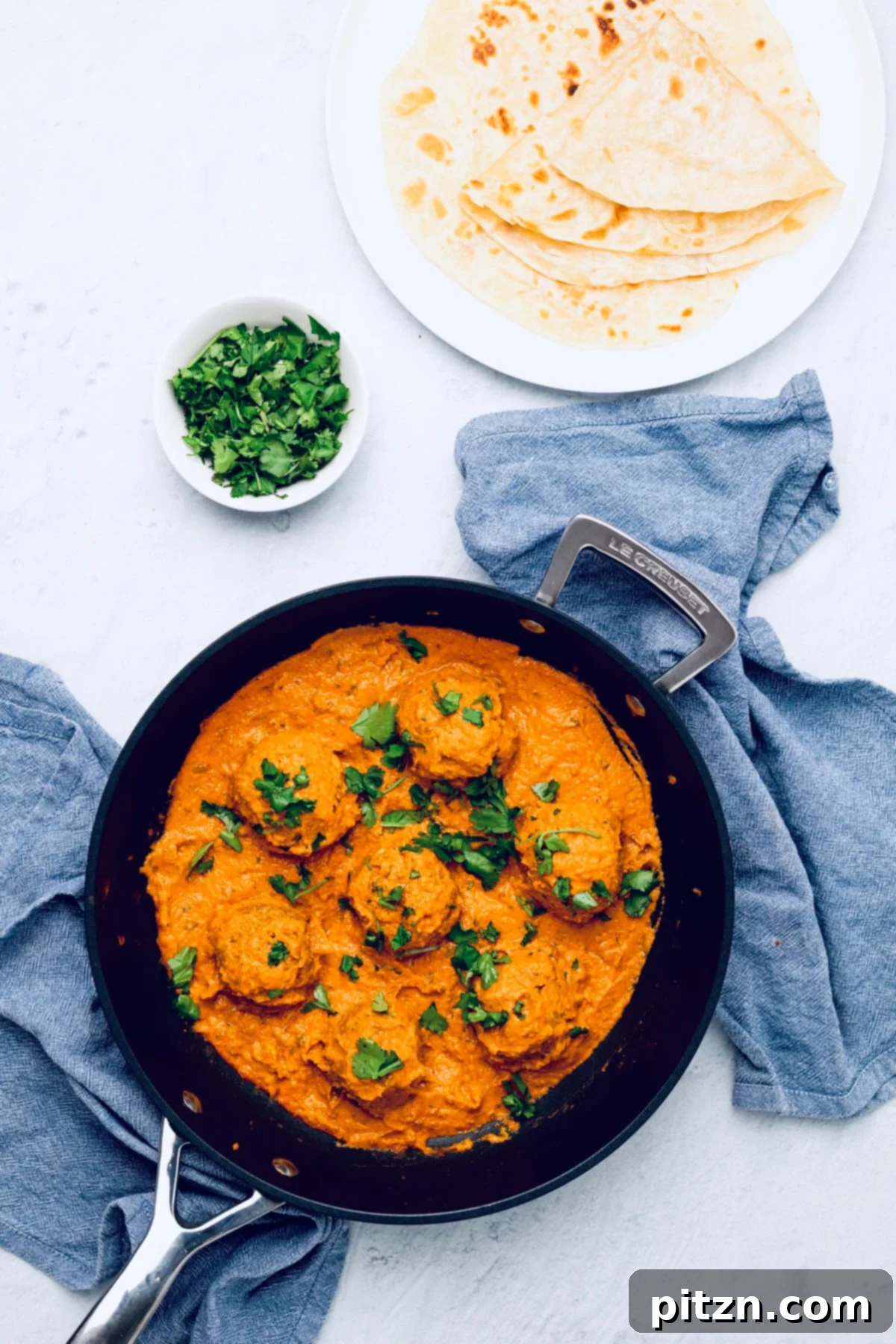
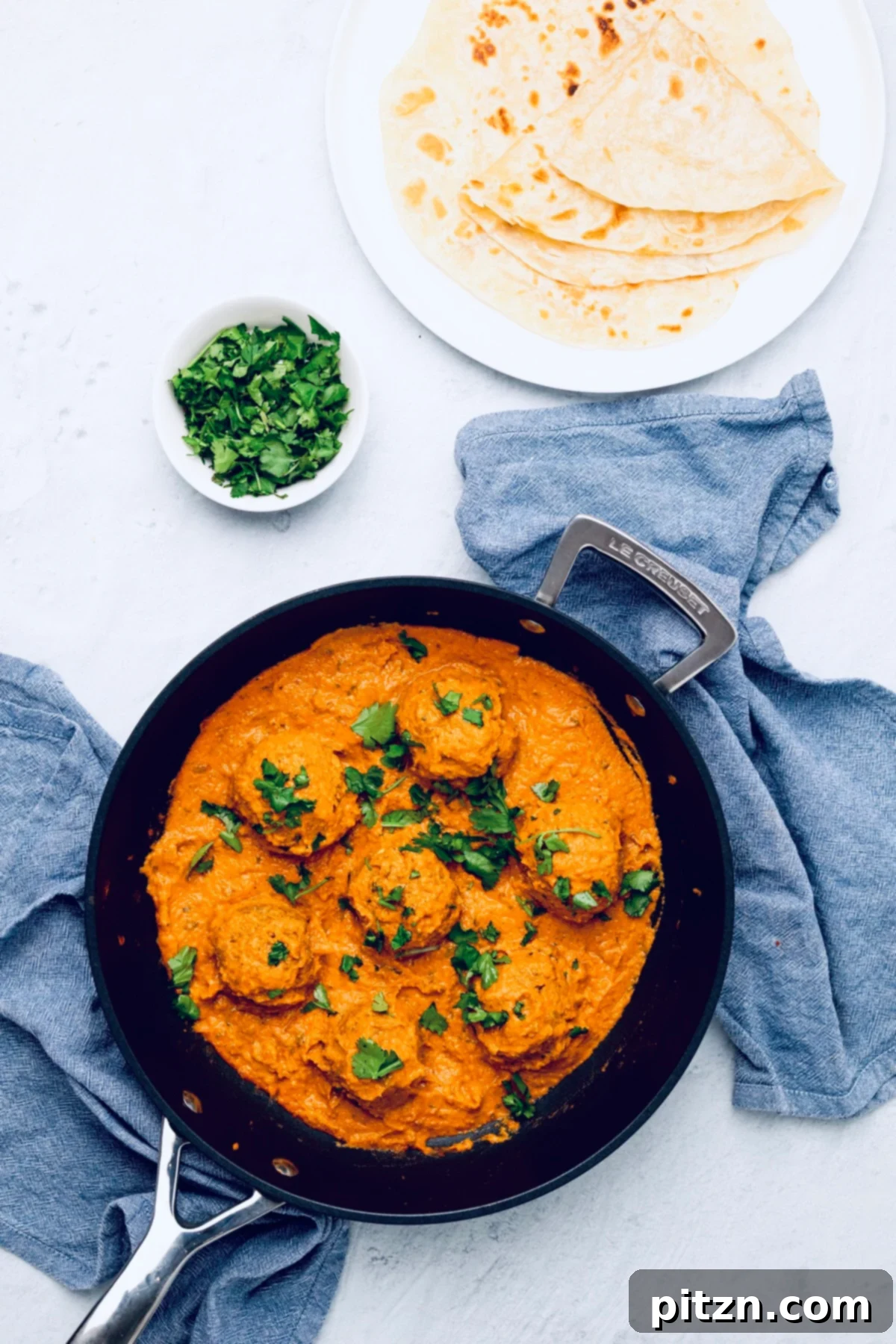
Welcome to the ultimate Indian comfort food experience! This **Restaurant-Style Vegan Malai Kofta recipe** offers a truly exquisite culinary journey, transforming a beloved classic into a plant-based masterpiece. Imagine perfectly crispy, yet tender potato and chickpea dumplings, lovingly submerged in a rich, creamy, and exquisitely spiced Indian gravy. Every spoonful promises a symphony of flavors that will undoubtedly make your taste buds sing!
Our carefully crafted recipe ensures this vibrant dish is not only incredibly delicious but also caters to various dietary needs. It’s naturally **soy-free**, with **gluten-free** and **nut-free options** readily available, ensuring everyone can indulge in this luxurious Indian delicacy. Prepare to elevate your home cooking with a dish that rivals your favorite Indian restaurant!
What is Malai Kofta? Unveiling an Indian Culinary Gem
Malai Kofta is more than just a dish; it’s a celebration of flavors, often reserved for special occasions and a true representation of Northern Indian culinary heritage. The name itself offers clues to its essence: “Kofta” refers to meatballs or dumplings, a concept found in various cuisines from the Balkans to the Middle East and throughout South Asia. However, in India, particularly for Malai Kofta, these “meatballs” are traditionally vegetarian, typically crafted from a delicate blend of mashed potatoes and paneer cheese. “Malai” translates simply to cream, signifying the luscious, rich, and velvety gravy that envelops these delightful dumplings.
Traditionally, Malai Kofta is a dairy-rich indulgence. Our innovative vegan recipe respectfully reimagines this classic, making it accessible to a plant-based lifestyle without sacrificing any of its signature richness or depth of flavor. We ingeniously swap out the paneer for a hearty base of potatoes and chickpeas, creating succulent “vegan kofta” that are both moist and flavorful. The result is an unbelievably delicious, richer-than-restaurant-style vegan Malai Kofta that will undoubtedly become a staple in your culinary repertoire. This vegan rendition captures the essence of the original, providing a truly comforting and satisfying meal that stands proudly among Indian cuisine’s finest dishes.
Crafting the Perfect Vegan Malai Kofta: Our Approach
The secret to achieving the luxurious creaminess of Malai Kofta without dairy lies in the clever use of plant-based ingredients. For the rich “Malai” (cream) gravy, we utilize cashews to create a wonderfully smooth and decadent cashew cream. This provides an unparalleled texture and subtle sweetness that perfectly complements the savory spices. A touch of plant-based milk (such as unsweetened almond milk) further enhances the gravy’s consistency, though water can also be used for a slightly lighter yet still creamy sauce. The natural acidity from ripe tomatoes beautifully balances the warmth and gentle heat imparted by chili powder, fresh ginger, and cayenne, preventing the dish from becoming overly heavy.
While some Malai Kofta recipes involve an elaborate array of spices, our version streamlines the process for home cooks, focusing on a few essential spices and the indispensable Garam Masala to achieve an authentic and complex flavor profile with minimal fuss. This adaptation draws inspiration from my cookbook, where a completely nut-free version is also featured, ensuring flexibility for those with dietary restrictions. This thoughtful approach ensures that our vegan Malai Kofta is not just a substitute, but a delicious dish in its own right, promising a truly memorable dining experience.
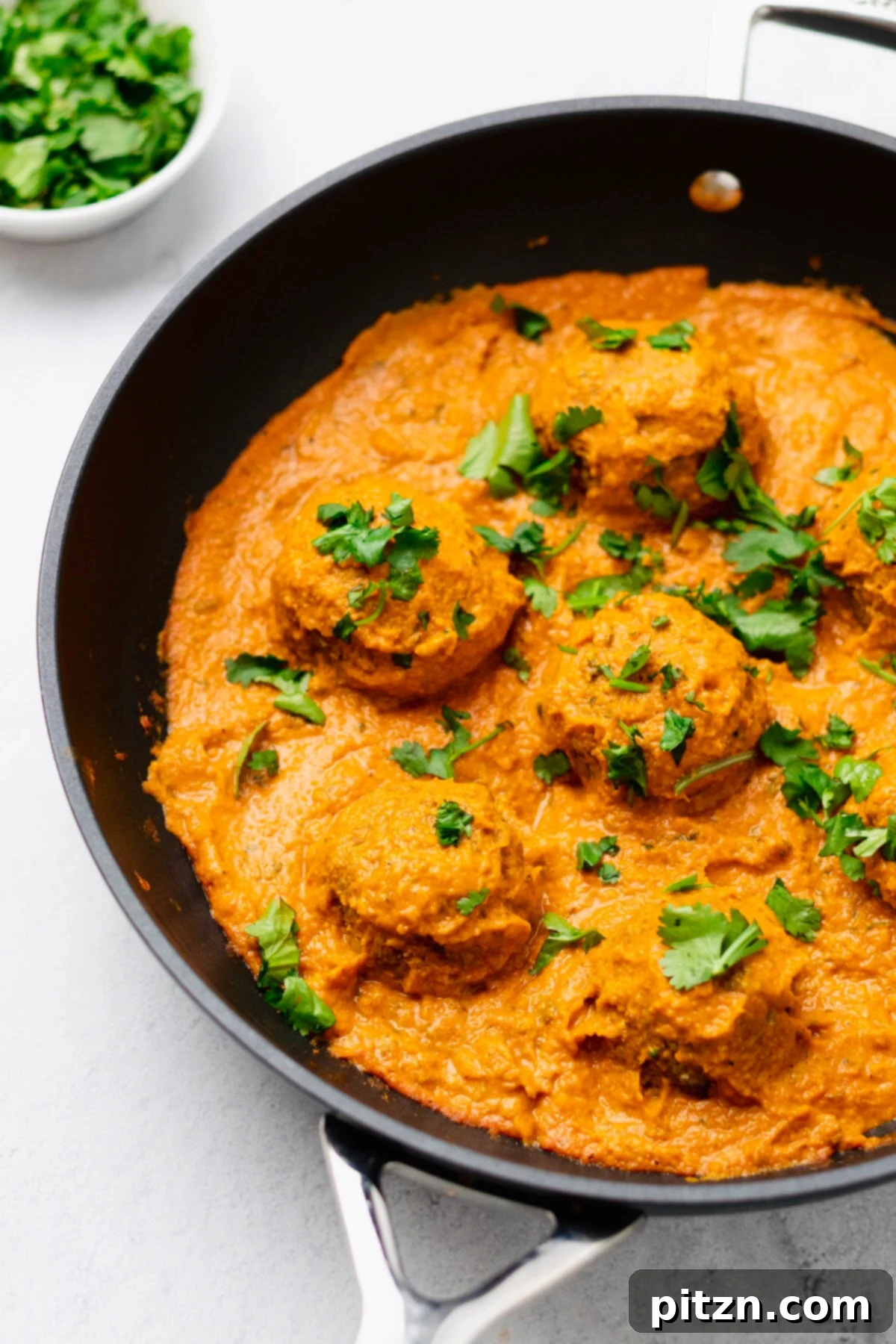
Vegan Malai Kofta (Indian dumplings in Tomato onion curry sauce)
Ingredients
For the kofta balls:
- ▢ 1/4 cup shelled hemp seeds or pumpkin seeds or almond flour or chopped cashews , (cashews and almonds are the most neutral flavor)
- ▢ 1 cup heaping cup cubed potato or 1 cup grated/shredded potato, raw, (1 medium potato)
- ▢ 2 cloves garlic
- ▢ 15 oz can chickpeas , or 1.5 cups cooked
- ▢ 1/2 to 3/4 tsp salt, depends on if using salted or unsalted chickpeas, I used 3/4 tsp
- ▢ 1 tsp garam masala
- ▢ 1/2 tsp ground cumin, preferably roasted or use Dry toasted whole cumin seeds
- ▢ 1/4 to 1/2 tsp cayenne/indian red chili powder
- ▢ 3 Tbsp oat flour or regular flour, Or other flour of choice
- ▢ 1 Tbsp cornstarch or other starch
- ▢ a generous pinch of baking soda
For the gravy – Makes 1.5 cups sauce
- ▢ 2 teaspoons safflower or other neutral oil
- ▢ 1/2 teaspoon cumin seeds
- ▢ 1/2 teaspoon coriander seeds
- ▢ 1 bay leaf
- ▢ 8 cloves garlic, coarsely chopped
- ▢ 1 cup chopped red onion
- ▢ 1 1-inch knob of ginger, chopped
- ▢ 1/2 teaspoon turmeric
- ▢ 1/4 to 1/2 teaspoon cayenne
- ▢ 1 teaspoon Garam Masala
- ▢ 1 1/2 cups chopped tomato, fresh or canned
- ▢ 1/4 cup raw cashews, , See note for nut-free
- ▢ 1/2 to 1 teaspoon salt
- ▢ 1/2 cup water or unsweetened almond or other non dairy milk, divided
- ▢ 1 1/2 teaspoons dried fenugreek leaves
- ▢ 1/2 teaspoon sugar
- ▢ Cashew cream or coconut cream for garnish
Instructions
-
Kofta: Process the hemp seeds or nuts until you have a coarse meal. Add potato and process until coarse. Add the rest of the ingredients and pulse until most of the chickpeas have broken down but not a paste. (Without a processor, use nut or seed flour and grated potato. Then mash chickpeas and mix by hand.)
-
The potato will naturally release moisture into the mixture within seconds, making it easy to form smooth balls. It’s important not to let the mixture sit for too long at this point. If the mixture feels too moist, add a little more flour or starch. For an enhanced savory flavor profile, consider adding a tablespoon of nutritional yeast.
-
Take 2 to 3 tablespoons of the mixture and gently roll them into round or football-shaped balls, approximately 1.5 inches in size or smaller, to ensure they cook through evenly. Place these formed kofta balls on a parchment-lined baking sheet. Bake them at 425°F (218°C) for 20 minutes. Alternatively, for a crispy exterior, pan-fry them in 1/2 inch of oil for 5 to 6 minutes, turning occasionally until golden on most sides.
-
Gravy: Heat the oil in a large skillet over medium heat. Add the cumin seeds, coriander seeds, and bay leaf. Sauté for 1 minute until fragrant. Introduce the garlic and cook until the edges are slightly golden, about 2 minutes. Add the chopped onion and ginger, cooking and stirring occasionally until they turn a rich golden color, typically around 7 minutes. Next, stir in the turmeric, cayenne, and garam masala, mixing for just a few seconds until aromatic.
-
Add the chopped tomato, cashews, 1/4 cup of water, and salt to the skillet. Cook this mixture until the tomatoes break down and a saucy consistency is achieved, approximately 5 to 6 minutes. Stir occasionally to prevent sticking. Allow the mixture to cool slightly before transferring it to a blender.
-
Blend the mixture with the remaining 1/4 cup water, half of the dried fenugreek leaves (kasoori methi), and sugar until completely smooth and creamy. Once blended, fold in the rest of the fenugreek leaves for an aromatic finish. This versatile sauce can also be used with chickpeas, baked tofu, or roasted vegetables.
-
Bring the blended sauce to a gentle boil, then carefully add the baked kofta balls. Serve immediately, garnished with a swirl of cashew cream or other non-dairy cream and fresh cilantro. This delightful dish pairs wonderfully with Naan bread or fluffy rice.
To preserve quality and texture, store the kofta balls and the gravy separately in airtight containers until you’re ready to serve.
Video
Notes
- For a truly nut-free sauce, simply replace the cashews with an equal amount of pumpkin seeds or shelled hemp seeds. Alternatively, you can stir in 1/2 cup of rich coconut cream after the sauce has been blended to achieve a similar creamy texture and depth of flavor.
- While chickpeas form a delicious base for the kofta, they can sometimes make the dumplings a bit crumbly. For sturdier balls, I often recommend using a blend of half chickpeas and half extra-firm tofu. This combination offers a better structural integrity while still retaining the delightful flavor profile that chickpeas contribute. For additional variations, consider incorporating vegan cheese shreds into the veggie balls for an extra layer of savory goodness.
- In this recipe, we utilize raw potatoes for the kofta balls as they cook efficiently and integrate well into the mixture. However, pre-cooked or boiled potatoes can also be used. If opting for pre-cooked potatoes, keep a close eye on the baking or frying time, as these balls will cook faster and can dry out if overdone.
- To achieve that beautiful, authentic restaurant-style presentation, don’t forget the garnish! A generous swirl of cashew cream or another preferred non-dairy cream, along with a sprinkle of freshly chopped cilantro, adds both visual appeal and a burst of fresh flavor to your Vegan Malai Kofta.
Nutrition
Nutrition information is automatically calculated, so should only be used as an approximation.
Did you make this recipe? Share your experience below!
Essential Ingredients for Restaurant-Quality Vegan Malai Kofta
Creating an exceptional Vegan Malai Kofta hinges on a selection of key ingredients, carefully chosen to replicate the traditional flavors and textures while remaining entirely plant-based. Each component plays a vital role in building this comforting and flavorful dish.
For the Kofta Dumplings:
- Plant-Based Base: Our vegan kofta relies on a wholesome and hearty combination of **shelled hemp seeds or cashews**, **chickpeas**, and **potatoes**. This trio forms the perfect foundation, yielding dumplings that are wonderfully moist on the inside, yet firm enough to hold their shape during cooking and when submerged in the rich gravy. The choice of hemp seeds or cashews (or almond flour for a different flavor profile) adds a subtle richness and helps with binding, while the potatoes contribute to the soft, tender interior.
- Aromatic Spices: The koftas are generously seasoned with a classic Indian blend, ensuring every bite is bursting with flavor. This includes fragrant **garam masala**, earthy **ground cumin** (preferably roasted for deeper notes), and a kick of **cayenne or Indian red chili powder** for customizable heat.
- Binding Agents: To ensure the kofta mixture holds together beautifully, a small amount of **oat flour or regular all-purpose flour** is incorporated. This works in conjunction with **cornstarch or another suitable starch** to bind the ingredients effectively. A generous **pinch of baking soda** is a clever addition that contributes to a lighter texture and helps the koftas achieve a desirable crispness on the outside when baked or pan-fried.
For the Rich and Creamy Gravy:
- Aromatic Foundation: Just like many authentic Indian curries, this dish begins with a robust aromatic base. We start by sautéing **onions, garlic, and ginger**, which are the holy trinity of flavor in Indian cuisine. These are cooked until beautifully golden, releasing their sweet and pungent notes.
- Whole Spices for Depth: Before the aromatics, **cumin seeds, coriander seeds, and a bay leaf** are gently bloomed in oil. This step, known as tempering, infuses the oil with their distinct flavors, laying a complex foundation for the gravy.
- Ground Spice Blend: Once the aromatics are soft and fragrant, a vibrant blend of ground spices is added: bright **turmeric** for its earthy flavor and gorgeous golden hue, more **cayenne** for warmth, and the essential **garam masala** for its complex, warming profile. These spices are briefly toasted to unlock their full aroma.
- Tomato for Tang and Body: **Chopped tomatoes**, whether fresh or canned, are introduced to provide a crucial element of acidity and body to the gravy. They break down during cooking, creating a naturally thick and flavorful base.
- Creamy Element: To achieve that signature “malai” or creaminess without dairy, **raw cashews** are blended into the gravy. When pureed, they create a wonderfully smooth, rich, and naturally sweet cream. For those requiring a nut-free alternative, macadamia nuts, pumpkin seeds, or rich coconut cream can be used with excellent results.
- The Finishing Touch: The authentic restaurant-style flavor of Malai Kofta is often attributed to **kasoori methi**, or dried fenugreek leaves. A sprinkle of these at the end adds a unique, slightly bitter, and herbaceous note that rounds out the curry’s profile beautifully. A hint of **sugar** balances the flavors, enhancing the overall richness.
Expert Tips and Smart Substitutions for Your Vegan Malai Kofta
Achieving a perfect Vegan Malai Kofta is easier than you think with these helpful tips and adaptable substitutions:
- Healthier Cooking Methods: Traditional Malai Kofta often involves deep-frying the kofta balls, which can be heavy. Our vegan version offers a significantly healthier alternative by providing clear instructions for baking the kofta. Baking results in delightfully crispy exteriors with tender interiors, using minimal oil. If you prefer a slightly richer texture without full deep-frying, pan-frying with just 1/2 inch of oil is also an option. Of course, for a truly decadent treat, you can still opt to deep-fry them if that’s your preference.
- Kofta Binding Essentials: The **cornstarch** in the kofta mixture is crucial for binding all the ingredients together and preventing the balls from becoming mushy, especially during frying. If you choose to omit it, the dough might be too soft and prone to falling apart. Excellent alternatives to cornstarch include arrowroot powder or tapioca flour/starch, which perform a similar binding function.
- Nut-Free Gravy Solutions: For those with nut allergies or preferences, creating a nut-free gravy is simple. Instead of cashews, you can blend **pumpkin seeds or shelled hemp seeds** into the sauce for a creamy consistency. Another fantastic option is to stir in **1/2 cup of full-fat coconut cream** after the sauce has been blended, which imparts a rich, velvety texture and a subtle tropical note that complements the Indian spices beautifully.
- Adjusting Gravy Texture: If you find your gravy is thicker than desired after blending, simply add a little more plant-based milk (such as unsweetened almond milk) or water, a tablespoon at a time, until you reach your preferred consistency.
- Kofta Variations: To add even more flavor and texture to your veggie balls, consider incorporating other ingredients. Finely shredded jackfruit can add a meaty texture, while crumbled extra-firm tofu can enhance their sturdiness. Vegan cheese shreds are also a fantastic addition for a savory, umami boost, making your kofta even more indulgent.
- Presentation Matters: For a truly restaurant-style presentation that impresses both the eyes and the palate, don’t forget the finishing touches. A beautiful swirl of cashew cream (or your chosen non-dairy cream) over the top of the curry, along with a generous sprinkle of freshly chopped cilantro, adds a vibrant pop of color and a fresh herbaceous aroma.
How to Master Vegan Malai Kofta: A Step-by-Step Guide
Creating this flavorful Vegan Malai Kofta is a rewarding culinary adventure. Follow these detailed steps to achieve a dish that’s rich, creamy, and utterly delicious.
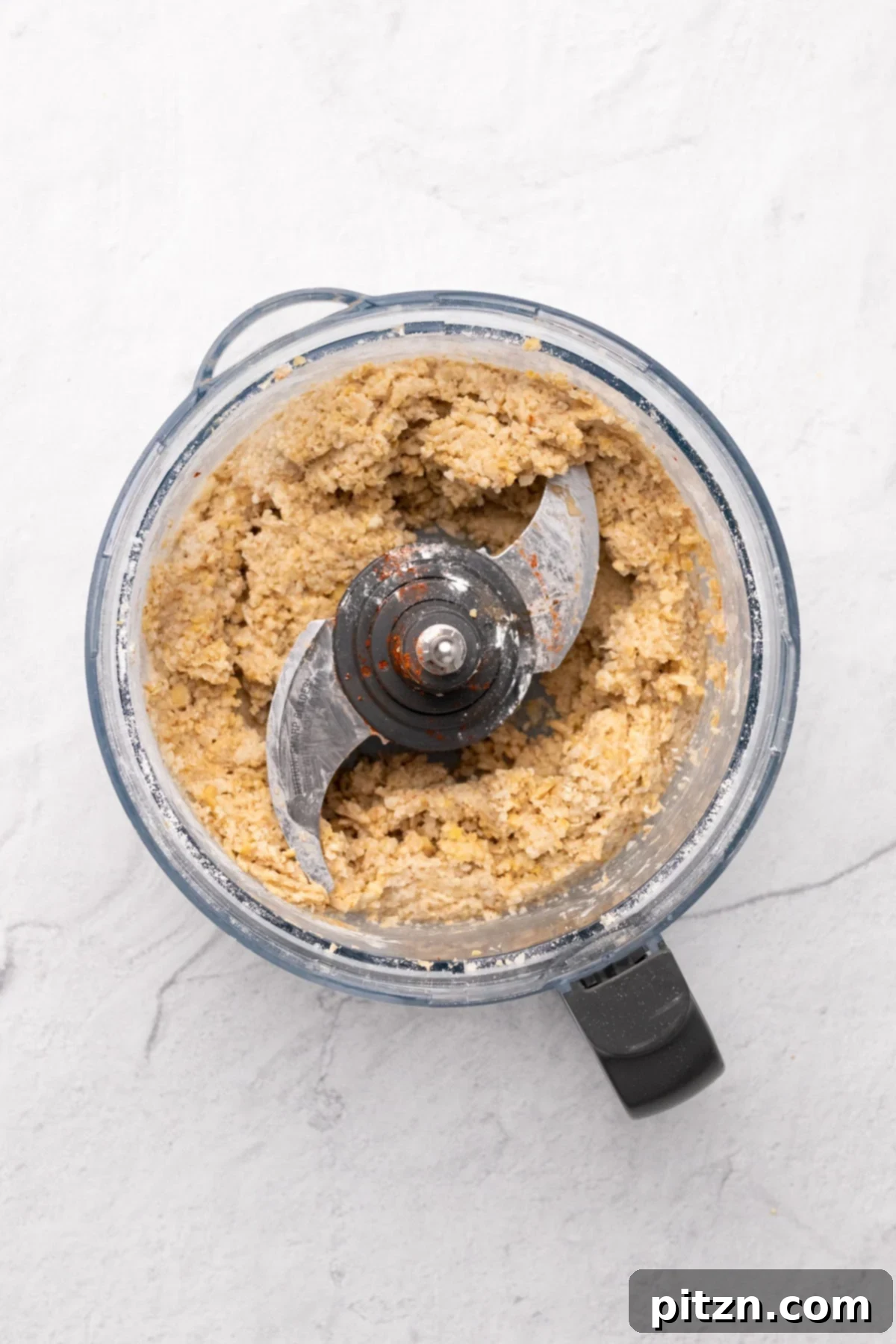
1. Prepare the Kofta Mixture: Begin by processing your chosen seeds or nuts in a food processor until they form a coarse meal. Next, add the raw cubed or grated potato and pulse until it’s also coarsely broken down. Incorporate the chickpeas, garlic, salt, garam masala, ground cumin, cayenne, oat flour, cornstarch, and baking soda. Pulse the mixture until most of the chickpeas have broken down, but avoid over-processing it into a smooth paste; a slightly textured mixture is ideal. If you don’t have a food processor, use nut or seed flour, grate the potato finely, then mash the chickpeas thoroughly and combine all ingredients by hand.
The natural moisture released by the potato will help the mixture come together, making it easy to form smooth balls. It’s important to work relatively quickly at this stage, as potatoes continue to release moisture over time, which can make the mixture too wet if left sitting for too long. Should the mixture feel overly moist, simply add an additional tablespoon of flour or starch until it reaches a manageable consistency. For an extra layer of savory, cheesy flavor, consider adding a tablespoon of nutritional yeast.
2. Form and Cook the Kofta: Take about 2 to 3 tablespoons of the prepared kofta mixture and gently roll it between your palms to form round or football-shaped balls. Aim for a size of approximately 1.5 inches or smaller; this ensures they cook evenly and thoroughly. Arrange the formed kofta balls on a baking sheet lined with parchment paper.
For a healthier approach, bake the koftas in a preheated oven at 425°F (218°C) for about 20 minutes, or until they are golden brown and cooked through. Alternatively, for a slightly crispier exterior, you can pan-fry them. Heat 1/2 inch of oil in a skillet over medium heat and cook the koftas for 5 to 6 minutes, turning them occasionally until they are golden and beautifully browned on most sides. This cooking step ensures the kofta balls develop a delicious crust and hold their shape in the gravy.
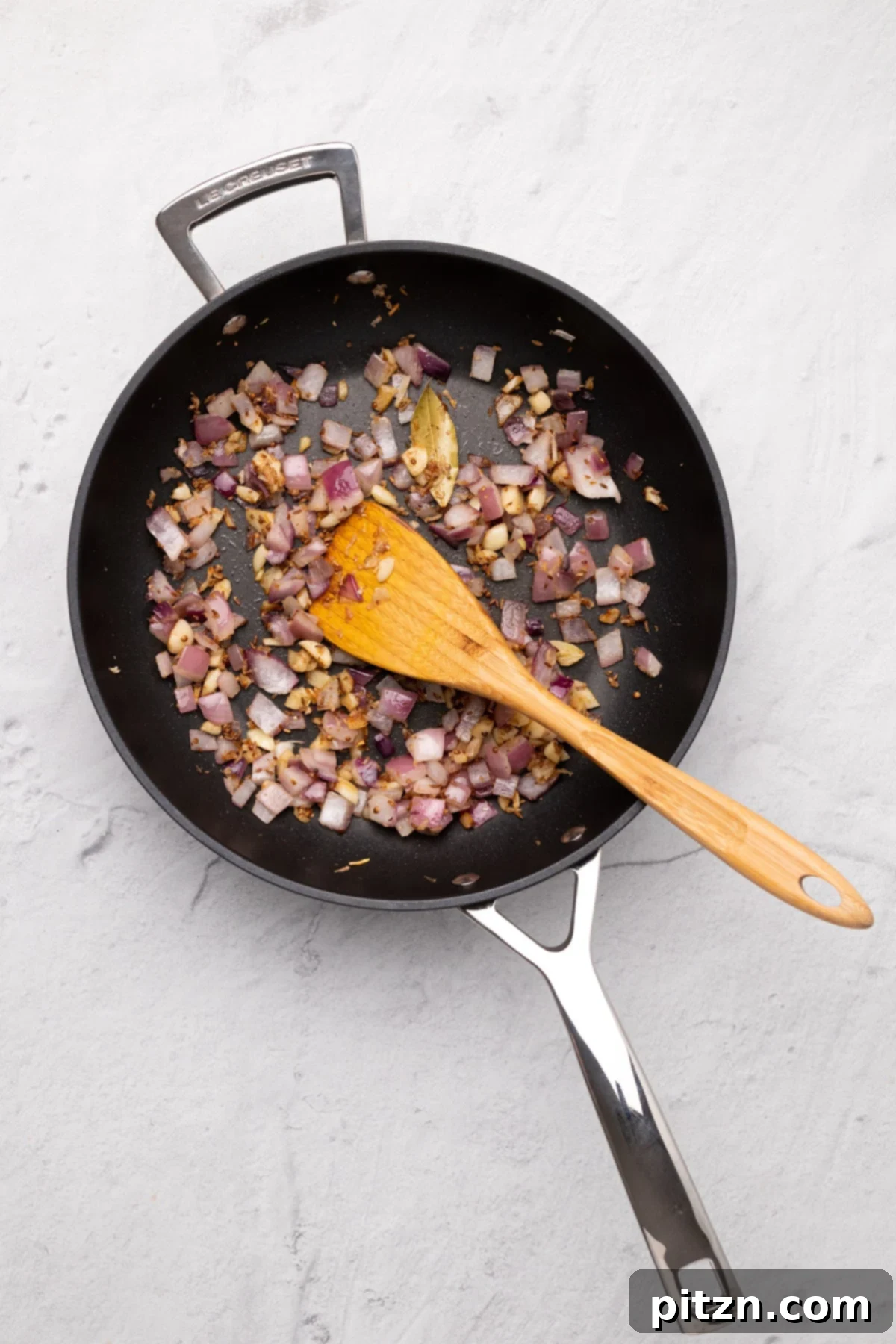
3. Prepare the Aromatic Gravy Base: Heat the safflower or another neutral oil in a large skillet over medium heat. Once hot, add the whole cumin seeds, coriander seeds, and bay leaf. Allow them to cook for about 1 minute, or until they become fragrant and lightly sizzle, infusing the oil with their warm aromas. Next, add the coarsely chopped garlic and sauté for approximately 2 minutes, until its edges begin to turn a light golden color. Incorporate the chopped red onion and ginger into the skillet. Continue to cook, stirring occasionally, for about 7 minutes, or until the onions are beautifully golden and softened. Finally, stir in the ground turmeric, cayenne, and garam masala, mixing for just a few seconds until their rich fragrances are released.
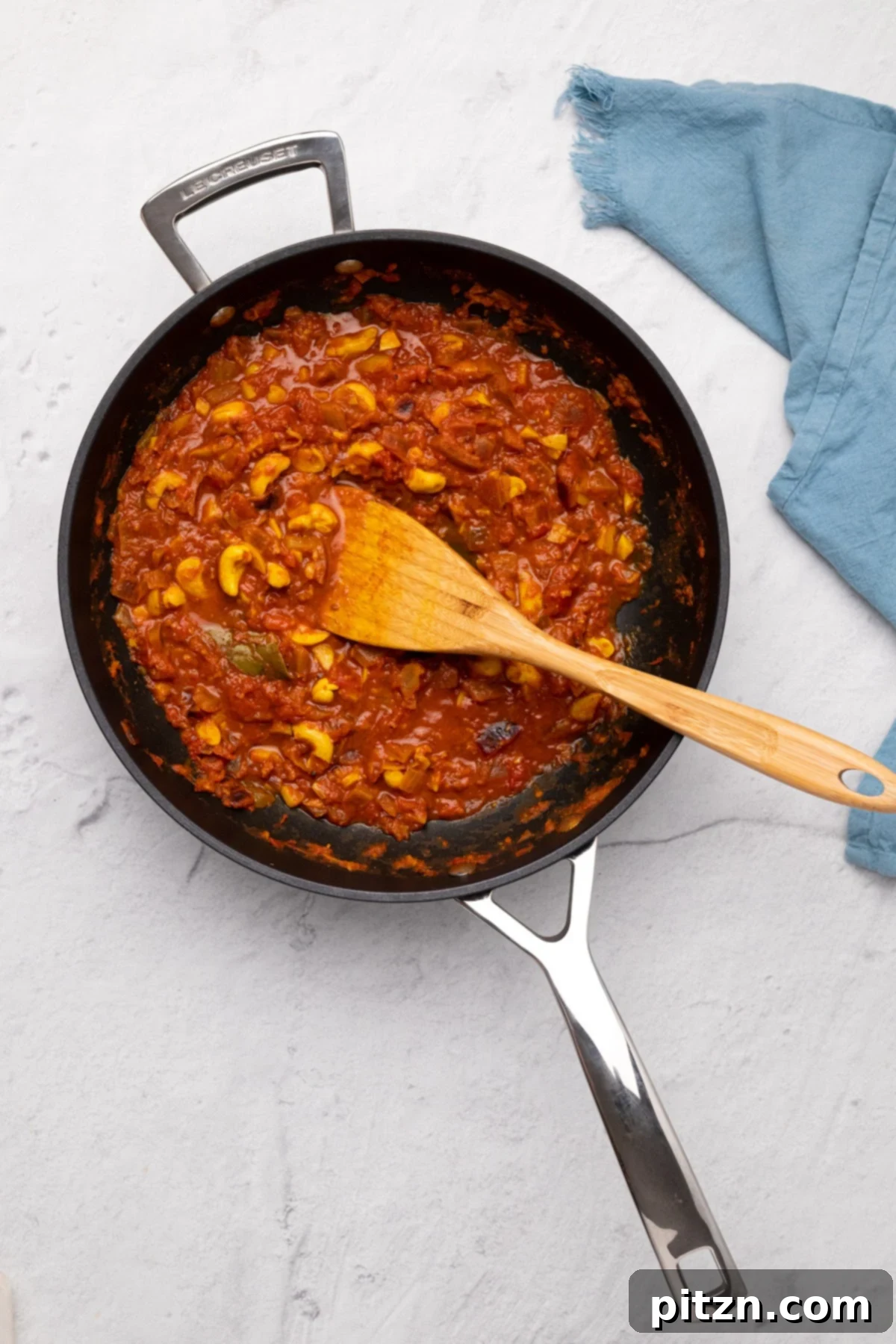
4. Simmer and Blend the Gravy: To the skillet, add the chopped tomatoes, raw cashews, 1/4 cup of water, and salt. Cook this mixture, stirring occasionally to prevent sticking, for 5 to 6 minutes, or until the tomatoes have softened and rendered into a saucy consistency. The cashews will also soften during this process, making them easier to blend. Once cooked, remove the skillet from the heat and allow the mixture to cool slightly. Carefully transfer the warm gravy base into a blender.
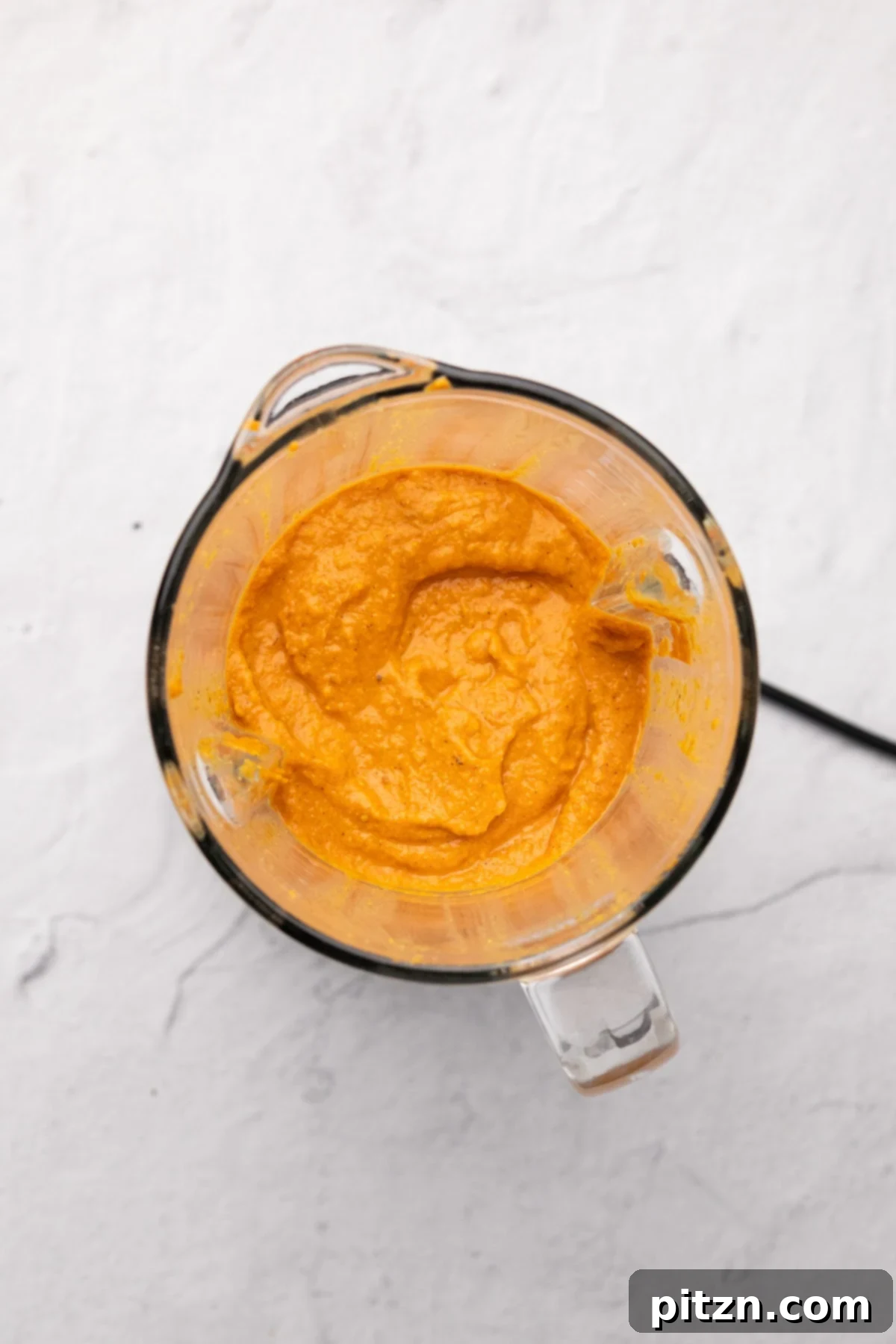
Blend the mixture until it is completely smooth and creamy. If the sauce is too thick for your preference, you can add an additional 1/4 cup of water or unsweetened plant-based milk to achieve a looser consistency. Next, add half of the dried fenugreek leaves (kasoori methi) and the sugar to the blender and blend again until well combined. The kasoori methi is crucial for that authentic, restaurant-quality aroma and flavor. Once blended, gently fold in the remaining dried fenugreek leaves; this ensures some of the distinct texture and aroma of the herb is retained.
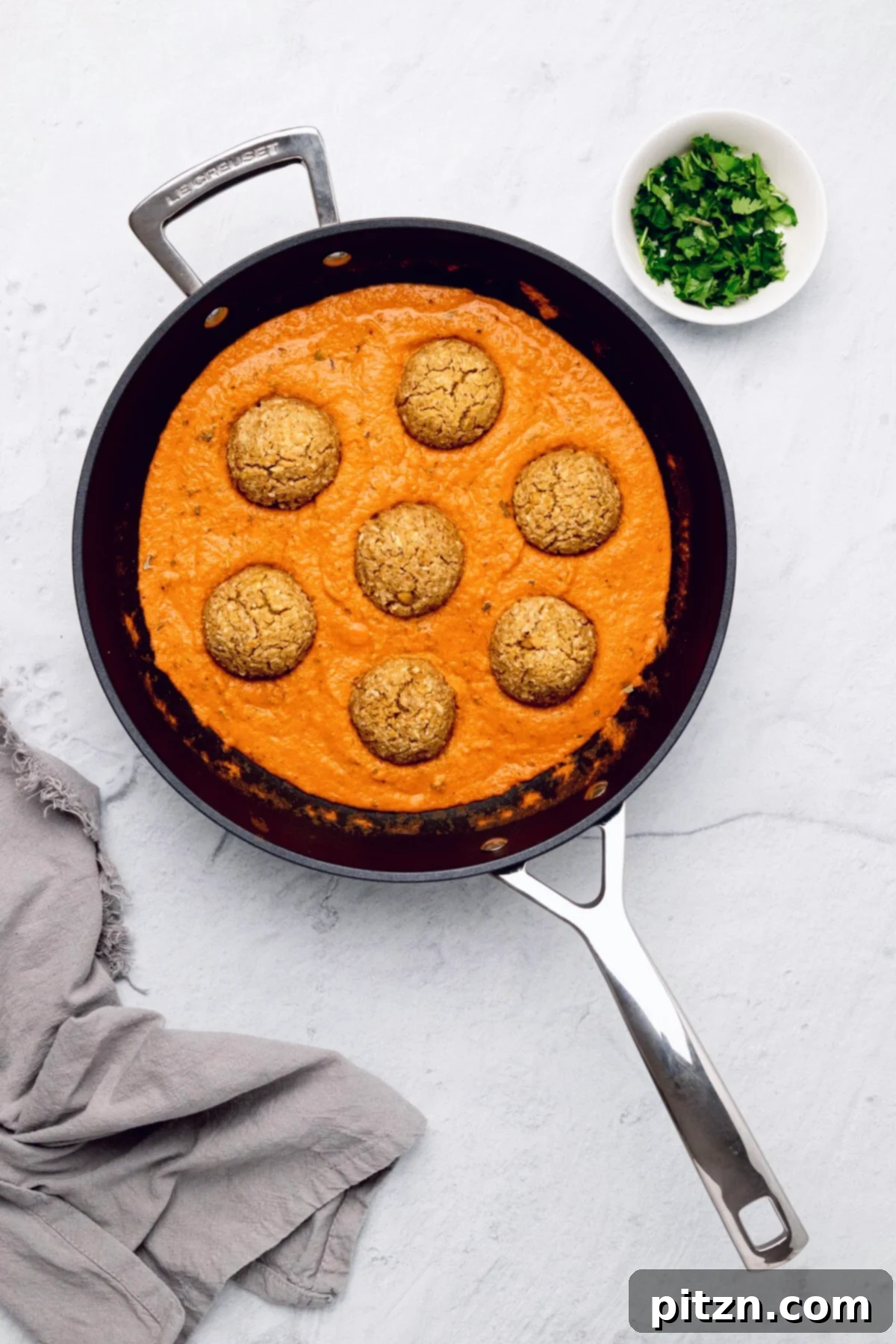
5. Combine and Serve: Return the smooth, blended gravy to the skillet and bring it to a gentle boil over medium heat, stirring constantly to prevent scorching. Once the gravy is simmering, carefully add the pre-cooked (baked or pan-fried) kofta balls directly into the sauce. Allow them to simmer for a few minutes, just long enough for the kofta to absorb some of the delicious flavors of the gravy and heat through. Serve your exquisite Vegan Malai Kofta hot, garnished generously with a swirl of cashew cream (or your preferred non-dairy cream) and a sprinkle of freshly chopped cilantro. This dish is perfectly complemented by warm Naan bread, fluffy basmati rice, or even roti. For optimal freshness and texture when storing, always keep the kofta balls and the gravy in separate airtight containers until you’re ready to enjoy them.
More Indian Main Courses to Explore from Our Blog
- Butter Tofu (Gluten-Free)
- Instant Pot Tikka Masala Sauce with Cauliflower (Gluten-Free)
- Tofu Amritsari Masala (Gluten-Free)
- Instant Pot Vegan Butter Chicken (using soy curls, Gluten-Free) – Creamy, Delicious
- Mushroom Matar Masala
- Bombay Potato and Peas
- Tofu Pasanda
- Tofu in Spinach Curry – Palak Tofu Paneer