
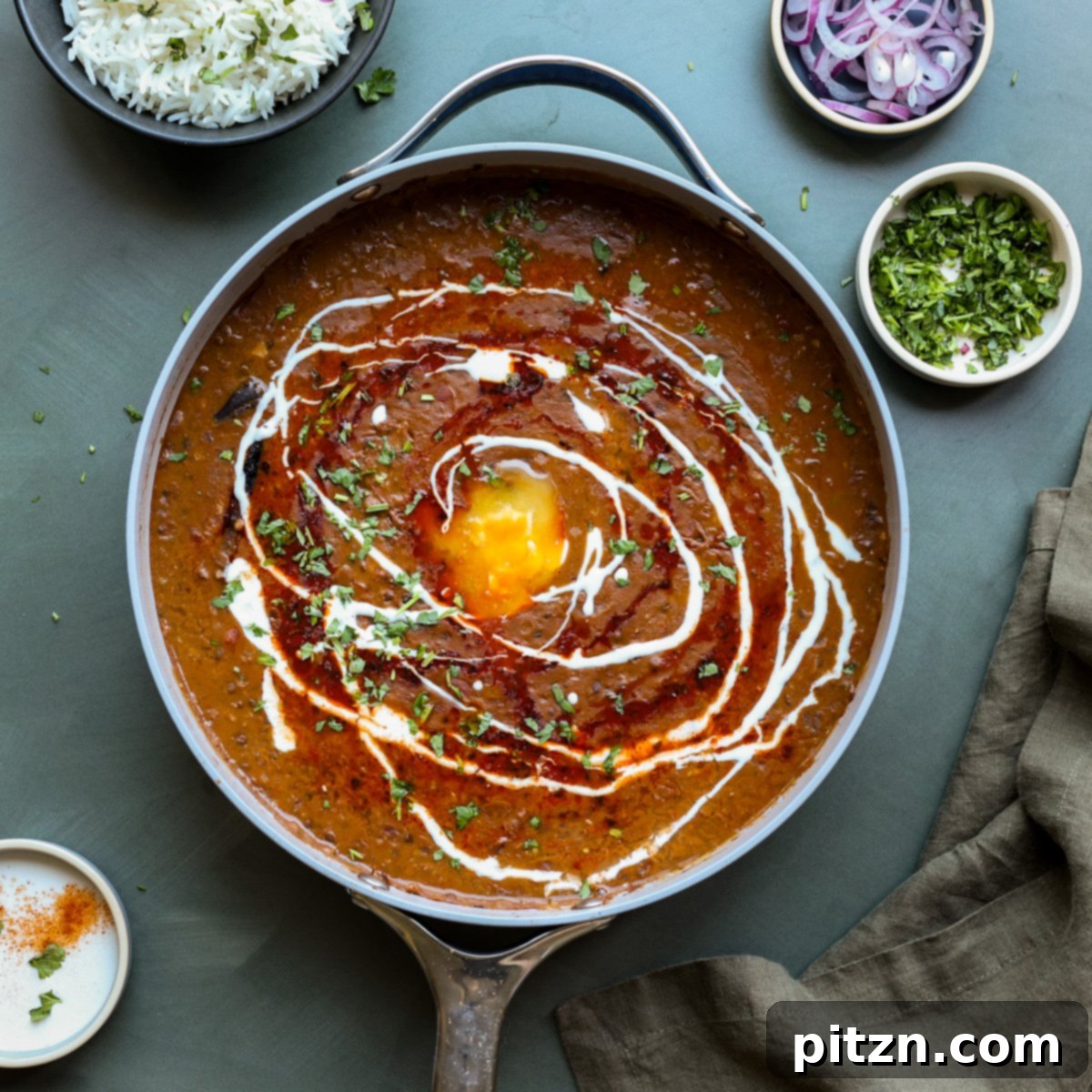
Step into the vibrant world of Indian cuisine and discover the unparalleled delight of **Dal Makhani**, a dish that reigns supreme in restaurants worldwide. This isn’t just a meal; it’s an experience—a symphony of rich, creamy textures and deeply spiced flavors that captivates the senses. Imagine savoring authentic, buttery Dal Makhani crafted right in your own kitchen, mirroring the exquisite taste you’d find at the finest Indian eateries. Our comprehensive guide will show you how to achieve this culinary masterpiece, simmering black gram (urad dal) and kidney beans in a luscious, aromatic sauce that’s perfect for celebratory occasions or a comforting weeknight dinner. We provide detailed instructions for both Instant Pot and traditional saucepan methods, ensuring a perfect outcome every time. Plus, this incredible recipe is naturally gluten-free, soy-free, nut-free, and even offers an oil-free option, making it accessible for diverse dietary needs.
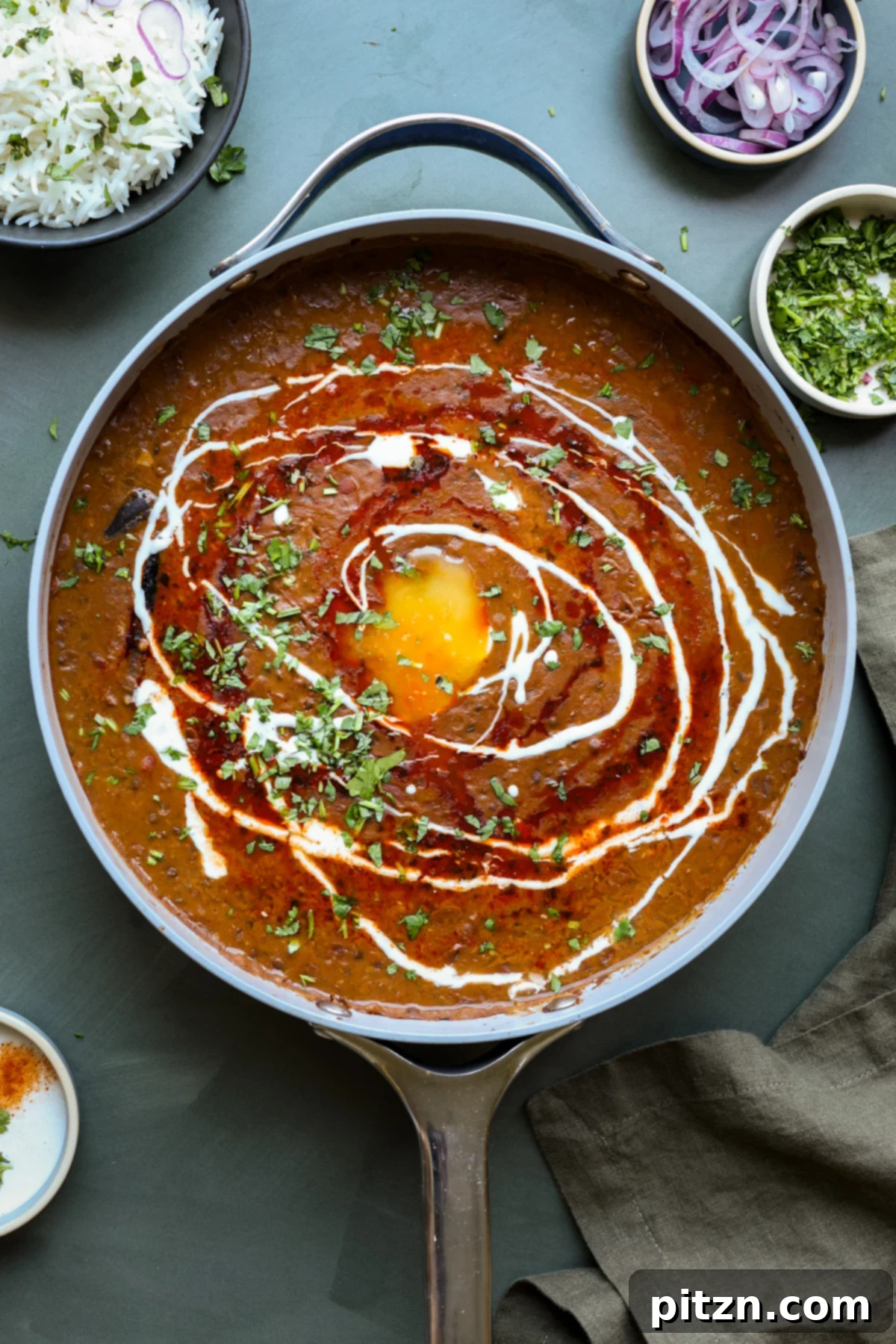
Table of Contents
- Why You’ll Love This Restaurant-Style Dal Makhani
- The Secret to Authentic Flavor: Layering Spices and Smoke
- Achieving the Perfect Creamy Texture
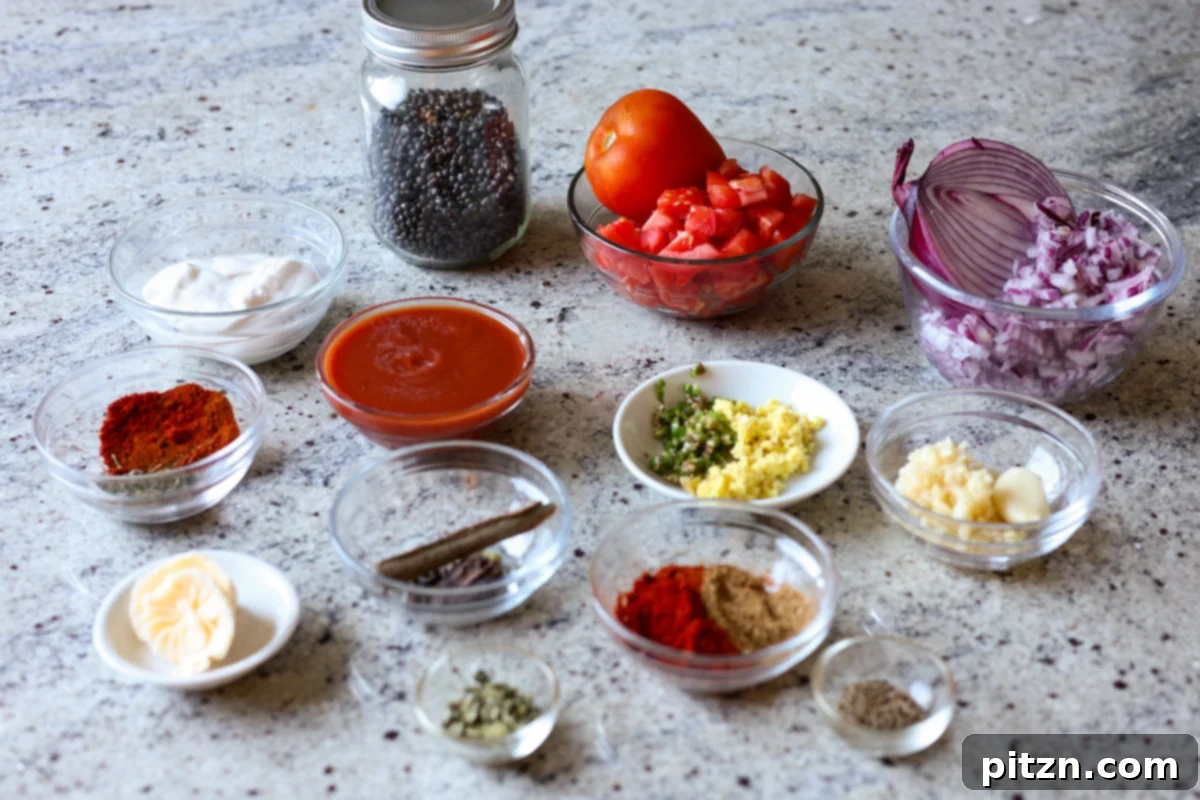
- Key Ingredients Explained
- Pro Tips for Dal Makhani Mastery
- How to Make Authentic Dal Makhani: Step-by-Step Guide
- What to Serve with Dal Makhani
- Storage and Dietary Adaptations
- Frequently Asked Questions
- More Authentic Dal Recipes
Are you one of the many who relish ordering Dal Makhani whenever you dine at an Indian restaurant? Prepare to be amazed, as this homemade rendition promises to surpass your expectations. This recipe is a refined adaptation of my popular home-style dal makhani, found both on the blog and in my cookbooks. What sets this “restaurant-style” version apart is its elevated complexity, incorporating a richer array of whole and ground spices to build profound layers of flavor. Unlike simpler versions, this recipe meticulously develops both a robust base sauce and a fragrant spiced oil, known as tadka. This dual approach is key to achieving that signature smoky, creamy depth characteristic of gourmet restaurant offerings. The generous use of Kashmiri chili powder in this recipe also contributes to its stunning color and gentle heat, further enhancing its authentic appeal.
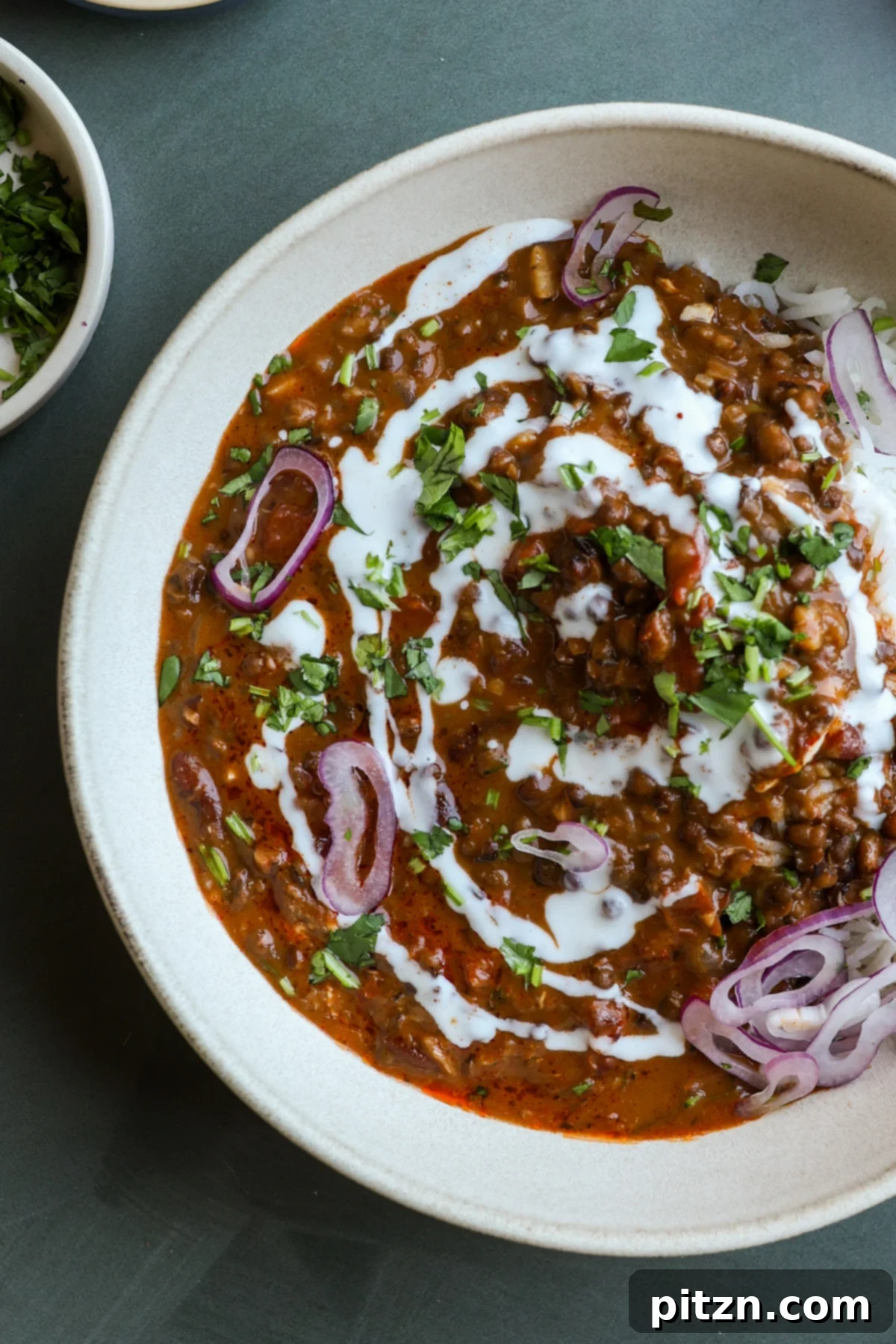
While a quick home-style dal remains a delicious option, this restaurant-style preparation elevates the dish to a new level. It involves a slightly more intricate process, allowing the beans to simmer longer in a deeply infused sauce, coaxing out maximum flavor and creating an incredibly luxurious consistency. The term Makhani itself speaks volumes, meaning both “butter” and “like butter.” This dish earns its name not only from its traditional butter content but, more importantly, from its rich, velvety, buttery texture. The ultimate goal is to cook the beans until they are incredibly tender, almost dissolving into the sauce, naturally thickening it and creating that coveted smooth, creamy mouthfeel. For optimal texture and a hassle-free cooking experience, I highly recommend using a pressure cooker or Instant Pot, though a traditional saucepan method is also provided in the recipe details.
After the beans are perfectly cooked, the magic continues. We craft an exquisite base sauce, starting with a medley of whole spices, followed by aromatic onions, garlic, and ginger, and finally, a selection of ground spices. The cooked beans are then gently folded into this fragrant sauce, allowing them to absorb all the complex flavors. But the journey to true restaurant-style perfection doesn’t end there. A separate spiced oil, or tadka, is prepared with toasted fenugreek leaves, vibrant Kashmiri chili, smoked paprika, and, crucially, a hint of smoky burnt cinnamon. The technique of briefly burning a cinnamon stick for just half a second before adding it to the oil is a brilliant shortcut to impart that distinctive smoky flavor that defines restaurant-quality Dal Makhani.
Traditionally, Indian restaurants often achieve this alluring smoky essence through a technique called “dhungar,” where a piece of hot, food-grade charcoal is placed in a small bowl with a touch of oil, creating instant smoke. This smoking bowl is then nestled within the dal pot, and the lid is sealed for 10 to 15 minutes to infuse the dish with a rich, smoky aroma. If you prefer to skip the charcoal or the burnt cinnamon stick, a few drops of liquid smoke can also provide a similar depth of flavor, offering a convenient alternative without compromising on the desired smoky profile.
Why You’ll Love This Restaurant-Style Dal Makhani
There are countless reasons to fall in love with this exceptional Dal Makhani recipe, making it a staple in your culinary repertoire:
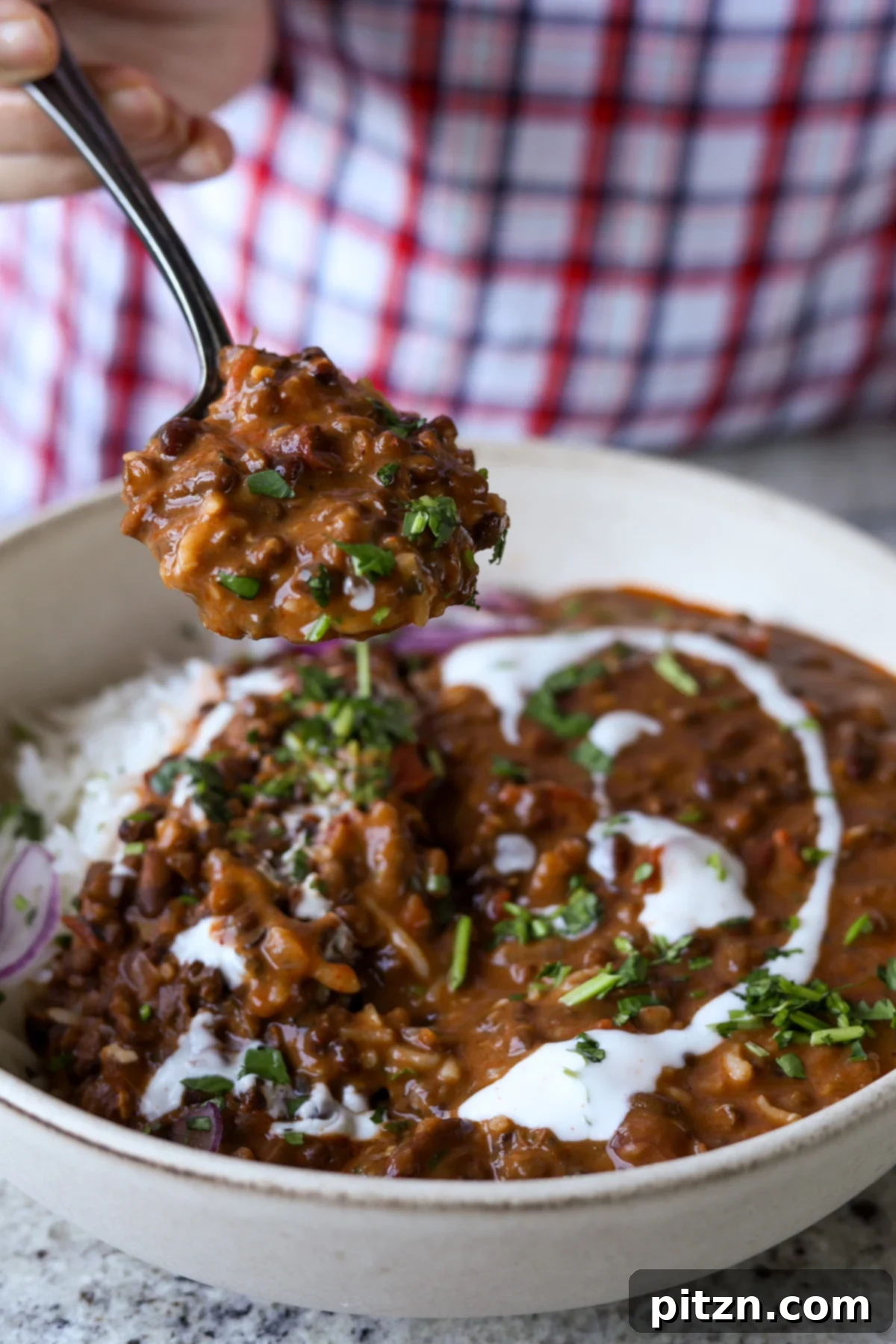
- **Unmatched Creaminess and Flavor:** Indulge in an incredibly creamy, “buttery” dal featuring a harmonious blend of black gram and kidney beans. The rich texture is achieved by slowly cooking and gently mashing the beans, creating a luxurious mouthfeel without the need for excessive dairy.
- **Deep, Layered Flavors:** Experience a profound depth of flavor derived from two distinct cooking stages: a meticulously prepared base sauce with whole and ground spices, and a finishing spiced oil (tadka) that adds a final burst of aroma and smokiness. This layering technique ensures a complex and authentic taste that truly stands out.
- **Dietary Inclusivity:** This recipe is naturally gluten-free, soy-free, and nut-free, provided you choose suitable non-dairy cream and vegan butter alternatives. It’s also fully vegan, making it a fantastic choice for those avoiding dairy or animal products.
- **Cooking Method Flexibility:** Whether you prefer the speed and convenience of an Instant Pot or the traditional, slow-simmering approach of a stovetop saucepan, this recipe provides clear instructions for both methods, allowing you to choose what best fits your schedule and kitchen setup.
- **Restaurant-Quality at Home:** Impress your family and friends with a dish that rivals the taste and texture of your favorite Indian restaurant’s Dal Makhani, all from the comfort of your own home. You control the quality of ingredients and the level of spice.
- **Perfect for Any Occasion:** While sophisticated enough for special gatherings and dinner parties, it’s also wonderfully comforting and satisfying for a cozy weeknight meal, bringing a touch of gourmet Indian dining to your table effortlessly.
The Secret to Authentic Flavor: Layering Spices and Smoke
The magic of restaurant-style Dal Makhani lies in its intricate layering of flavors, a process that builds complexity and depth with every step. It begins with tempering whole spices in oil, a technique that releases their essential oils and infuses the base with aromatic warmth. Cumin seeds crackle and bloom, while black and green cardamoms, along with whole cloves, contribute their distinct, pungent notes. These whole spices form the backbone of the sauce, imparting a foundational aroma that permeates the entire dish.
Next, a carefully prepared blend of aromatics—finely chopped onions, garlic, ginger, and a touch of green chili—are sautéed until golden and fragrant. This step is crucial for developing a rich, savory base, as the aromatics caramelize and release their sweet and pungent essences. The ginger and green chili add a fresh, vibrant kick that balances the deeper notes of the other spices.
Ground spices, including the vibrant Kashmiri chili powder and fragrant garam masala, are then stirred in. Kashmiri chili powder is particularly prized for its brilliant red color and mild heat, contributing more to the visual appeal and warmth than an overpowering spiciness. A splash of water at this stage prevents the ground spices from burning, allowing them to toast gently and release their full aroma without bitterness.
The smoky element is another hallmark of restaurant-style Dal Makhani. While many traditional establishments use a charcoal smoking method, this recipe employs a clever and accessible alternative: charring a cinnamon stick. By briefly holding a piece of cinnamon stick over an open flame until its edge just catches fire, then extinguishing it and adding it to the simmering sauce, you infuse the dal with a subtle yet unmistakable smoky depth. This technique mimics the earthy, charred notes of charcoal, providing an authentic smoky character without complex equipment.
Finally, the addition of rich tomato puree and fresh chopped tomatoes provides a tangy counterpoint to the earthy beans and warm spices. Simmering the tomatoes until they become “jammy” intensifies their flavor and creates a glossy, well-integrated sauce. Dried fenugreek leaves (kasuri methi), crumbled in at the end, impart a slightly bitter, wonderfully aromatic complexity that is essential to the authentic taste of Dal Makhani, rounding out the flavor profile and adding an earthy, herbaceous note that truly elevates the dish.
Achieving the Perfect Creamy Texture
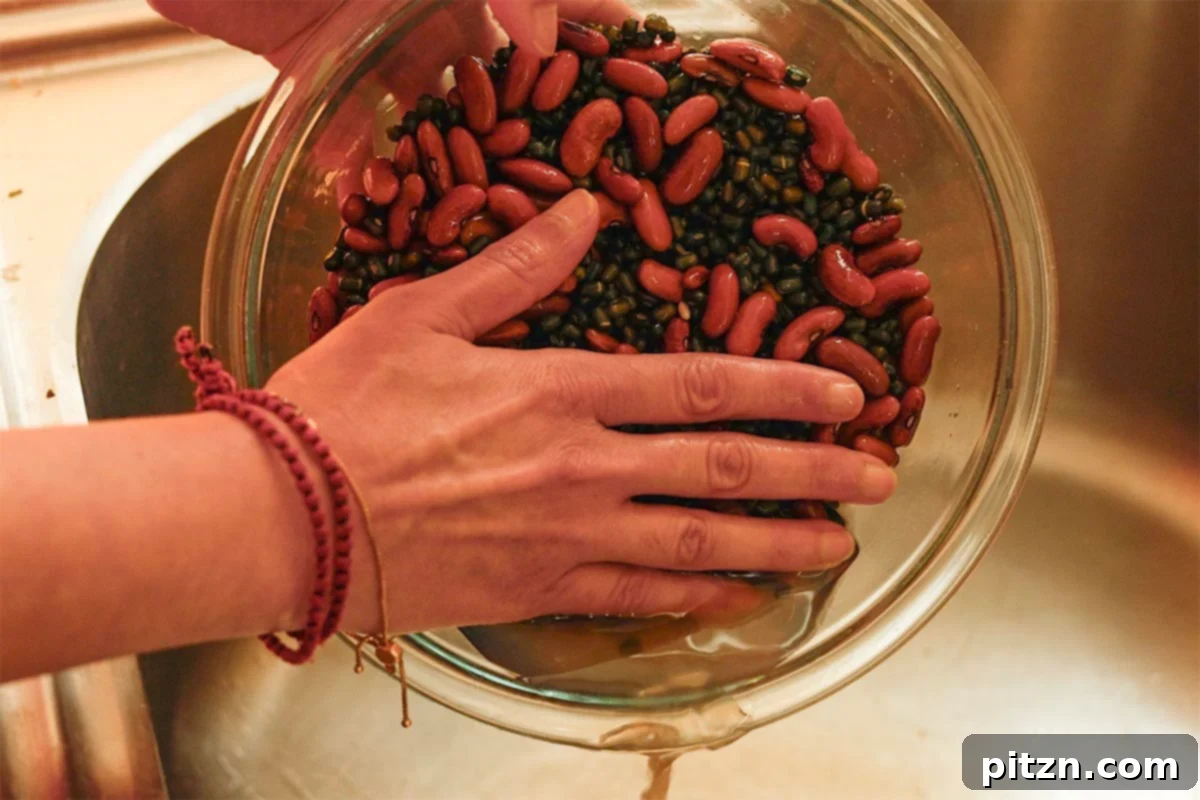
The luxurious, velvety texture of Dal Makhani is as vital as its rich flavor. It’s what gives the dish its signature melt-in-your-mouth quality and makes it truly comforting. This ideal consistency is achieved through careful preparation of the beans, starting with an essential soaking step. Soaking the whole urad dal (black gram) and kidney beans overnight (typically 8 hours or more) is crucial for several reasons: it significantly reduces cooking time, makes the beans easier to digest, and helps them absorb moisture evenly, resulting in a more tender and uniformly cooked product. After soaking, thorough washing and draining are important to remove any impurities.
Once soaked, the beans are ready for cooking. This recipe offers two excellent methods, each with its own advantages:
-
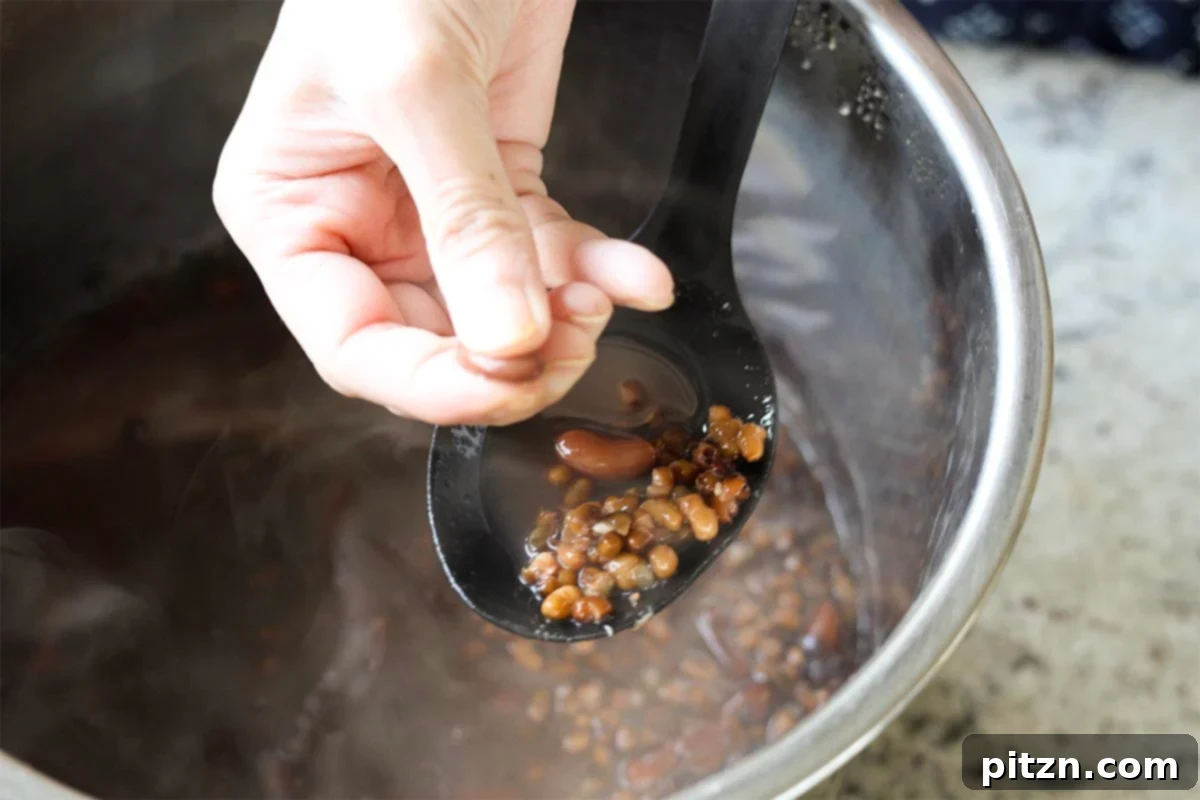
Instant Pot / Pressure Cooker Method: This is my preferred method for its efficiency and consistent results. Pressure cooking ensures that the beans break down beautifully, contributing to the desired creamy consistency. Simply combine the soaked beans with bay leaves, a pinch of salt, and the specified amount of water (2 1/2 cups for this recipe). Pressure cook on “bean mode” for approximately 50 minutes. The high-pressure environment rapidly tenderizes the beans, making them soft enough to almost disintegrate when gently mashed, which is key to thickening the dal naturally.
-
Saucepan / Stovetop Method: For those without a pressure cooker, a saucepan can yield equally delicious results, though it requires a longer cooking time. Add the soaked beans, bay leaves, salt, and a larger quantity of water (4 cups) to a heavy-bottomed saucepan. Bring the mixture to a boil over medium heat, then reduce the heat to medium-low, partially cover the pan, and simmer for 1 1/2 to 2 hours. Throughout this process, keep an eye on the water level, adding more if the pan appears dry, to prevent scorching and ensure the beans remain submerged. The beans are perfectly cooked when they are incredibly soft and can be easily crushed between your fingers.
Regardless of the cooking method chosen, a crucial final step for achieving the perfect Dal Makhani texture is to gently mash some of the cooked beans. Using a spatula or a potato masher, lightly press against the beans in the pot. This action helps to break down a portion of the beans, releasing their starch and naturally thickening the sauce, contributing to that luxurious, smooth, and cohesive consistency that defines an authentic, restaurant-quality Dal Makhani.
Key Ingredients Explained
Crafting the perfect Dal Makhani relies on a thoughtful selection and understanding of each ingredient’s role:
- Beans: The heart of Dal Makhani. We use a combination of **whole urad dal** (black gram, also known as black matpe beans), which provides the distinctive dark color and incredibly creamy texture, and **dry kidney beans** (rajma), which add a hearty bite and robust flavor. Bay leaves and a pinch of salt are added during cooking to season the beans from within.
- Oil: Essential for sautéing aromatics and blooming spices, ensuring their flavors fully develop. For an oil-free option, refer to the detailed instructions below.
- Whole Spices: These are tempered in oil at the start to build a foundational aroma.
- **Cumin Seeds:** Provide earthy, warm notes.
- **Black Cardamom:** Offers a smoky, bold, and slightly camphorous flavor; partially opening the pod enhances infusion.
- **Green Cardamom:** Delivers a sweeter, more aromatic, and floral essence; also partially opened.
- **Whole Cloves:** Impart a strong, sweet, and pungent warmth.
- **Cinnamon Stick:** Used in two stages – half for the base sauce and half for the spiced oil – with a unique charring technique for a smoky depth.
- Aromatics: These ingredients form the savory backbone of the sauce.
- **Red Onion:** Finely chopped, cooks down to add sweetness and body.
- **Garlic Cloves:** Finely chopped, essential for its pungent, savory depth.
- **Fresh Ginger:** Minced, provides a warm, spicy, and aromatic kick.
- **Hot Green Chili:** Finely chopped (such as Indian green chili or Serrano), adds a fresh heat. Adjust quantity or omit based on your spice preference.
- Ground Spices: These contribute color and intense flavor to the base sauce and spiced oil.
- **Kashmiri Chili Powder:** Valued for its vibrant red color and mild heat, it’s crucial for the classic Dal Makhani look and a gentle warmth. Used generously in both the sauce and spiced oil.
- **Garam Masala:** A fragrant blend of ground spices, added towards the end to boost the overall aroma and warmth.
- **Smoked Paprika:** Used in the spiced oil for an extra layer of smoky flavor and a beautiful red hue.
- Tomato: A combination provides balance and richness.
- **Tomato Puree (Passata):** The pourable, thickened, blended tomato pulp (not tomato paste). It forms the smooth, tangy base of the sauce. Freshly pureed tomatoes can also be used, though they may require slightly longer cooking to reduce.
- **Chopped Tomato:** Adds a fresh burst of tomato flavor and a slight textural contrast.
- Non-Dairy Cream: Crucial for achieving the luxurious, creamy texture and tempering the spices. Options include cashew cream, coconut cream, or a plain non-dairy yogurt. Ensure your choice aligns with soy-free or nut-free needs.
- Vegan Butter: While the dal is already rich, a tablespoon of vegan butter in the spiced oil adds that iconic “makhani” buttery flavor that defines the dish. Opt for a soy-free and/or nut-free variety if necessary.
- Garnishes: The finishing touches that add freshness and bright flavors.
- **Fresh Cilantro:** Chopped, for a burst of herbaceous freshness.
- **More Non-Dairy Cream:** A swirl for visual appeal and an extra layer of creaminess.
- **Lemon Juice:** A squeeze brightens the flavors and adds a welcome zing.
💡Pro Tips for Dal Makhani Mastery
- **Spice Tempering Sequence is Key:** When making the base sauce, do not add all whole spices simultaneously with the cumin seeds. Cumin seeds require longer to toast and release their flavor. Adding other delicate spices like cardamom and cloves too early risks burning them before the cumin is perfectly fragrant. Follow the instructions to add them at the correct intervals for optimal flavor extraction.
- **Unlock Cardamom’s Full Flavor:** To maximize the aromatic contribution of black and green cardamom pods, it’s essential to partially open them. You can gently crush them in a mortar and pestle or make a small incision with a knife. This allows the fragrant seeds inside to infuse the oil and sauce more effectively, but be careful not to lose the tiny, potent seeds.
- **Deep Roasted Garlic Flavor:** Adding minced garlic alongside the chopped onions in the initial sautéing stage allows the garlic to slowly roast and caramelize with the onions. The salt added with the onions will draw out moisture, preventing the garlic from burning and instead letting it develop a wonderfully deep, sweet, and nutty flavor that forms a rich foundation for the sauce.
- **Understanding Tomato Puree (Passata):** This recipe calls for tomato puree, which is a smooth, pourable mixture of thickened, blended tomatoes, often found in cans or jars. It is distinct from concentrated tomato paste. In some regions, labels can be misleading, so ensure you’re using the pourable variety. If unavailable, simply blend fresh ripe tomatoes until smooth and cook them slightly longer in the sauce until the mixture thickens and achieves a glossy, roasted appearance.
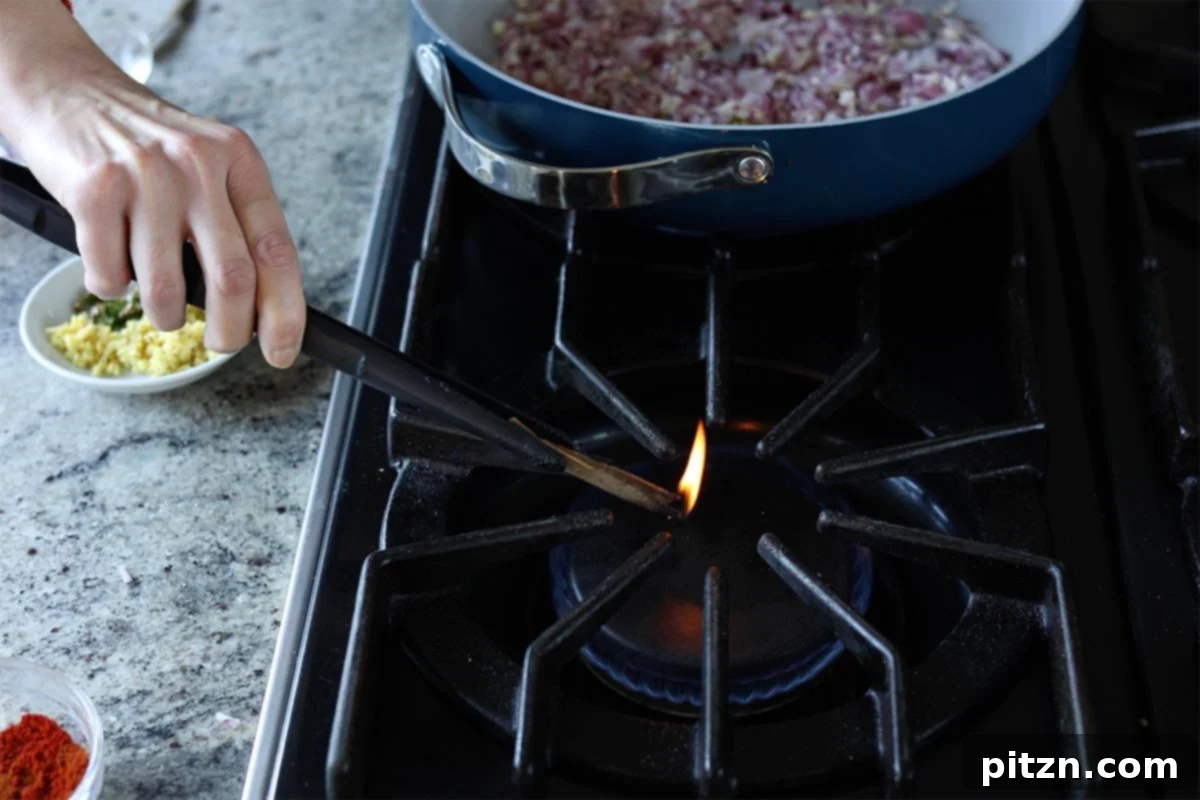
- **The Smoky Cinnamon Technique:** The brief charring of a cinnamon stick is a brilliant hack for imparting a restaurant-style smoky flavor without charcoal. Use tongs to hold a small portion of the stick over an open gas flame (or a very hot part of your stovetop) until it just catches fire. Let it burn for literally a second, then blow it out immediately and add it to the hot oil/sauce. This quick charring releases smoky compounds without making the cinnamon bitter.
- **Adjusting Consistency:** Dal Makhani should be thick and creamy, but not paste-like. If your dal is too thick after simmering, gradually add a splash of hot water or reserved bean liquid until it reaches your desired consistency. If it’s too thin, simmer uncovered for a few more minutes, stirring occasionally, to allow some moisture to evaporate and the sauce to reduce.
- **Fresh Spiced Oil is Best:** While the dal itself can be prepared in advance, for the absolute best flavor and aroma, always make the spiced oil (tadka) fresh just before serving. The vibrant spices and vegan butter release their most potent flavors when freshly bloomed and drizzled over the hot dal.
How to Make Authentic Dal Makhani: Step-by-Step Guide
Follow these detailed steps to create a rich and authentic restaurant-style Dal Makhani in your own kitchen.
1. Prepare the Beans
Begin by thoroughly washing the urad dal and kidney beans in a large bowl. Drain the water, then return the beans to the bowl and cover them with about three times their volume in fresh water. Allow them to soak overnight (ideally 8-10 hours). The next day, drain the soaked beans, rinse them well under running water, and drain again. They are now ready for cooking.
Instant Pot / Pressure Cooker Method: Transfer the rinsed beans to your Instant Pot or pressure cooker. Add the bay leaves, 1/8 teaspoon salt, and 2 1/2 cups of water. Close the lid, set the valve to sealing, and pressure cook for 50 minutes on the “bean” setting (or equivalent for your pressure cooker). Allow for natural pressure release.
Saucepan Method: Place the rinsed beans in a large, heavy-bottomed saucepan. Add the bay leaves, 1/8 teaspoon salt, and 4 cups of water. Bring the mixture to a rolling boil over medium heat. Once boiling, reduce the heat to medium-low, partially cover the pan, and simmer gently for 1 1/2 to 2 hours, or until the beans are exceptionally soft and tender. Periodically check the water level and add more hot water if the pan seems dry, ensuring the beans remain submerged. You should be able to easily squish a bean between your fingers when they are ready.
Once the beans are cooked through by either method, use a potato masher or the back of a sturdy spatula to gently mash some of the beans directly in the pot. This crucial step helps to break down a portion of the beans, naturally thickening the dal and contributing to its signature creamy texture.
2. Build the Flavorful Base Sauce
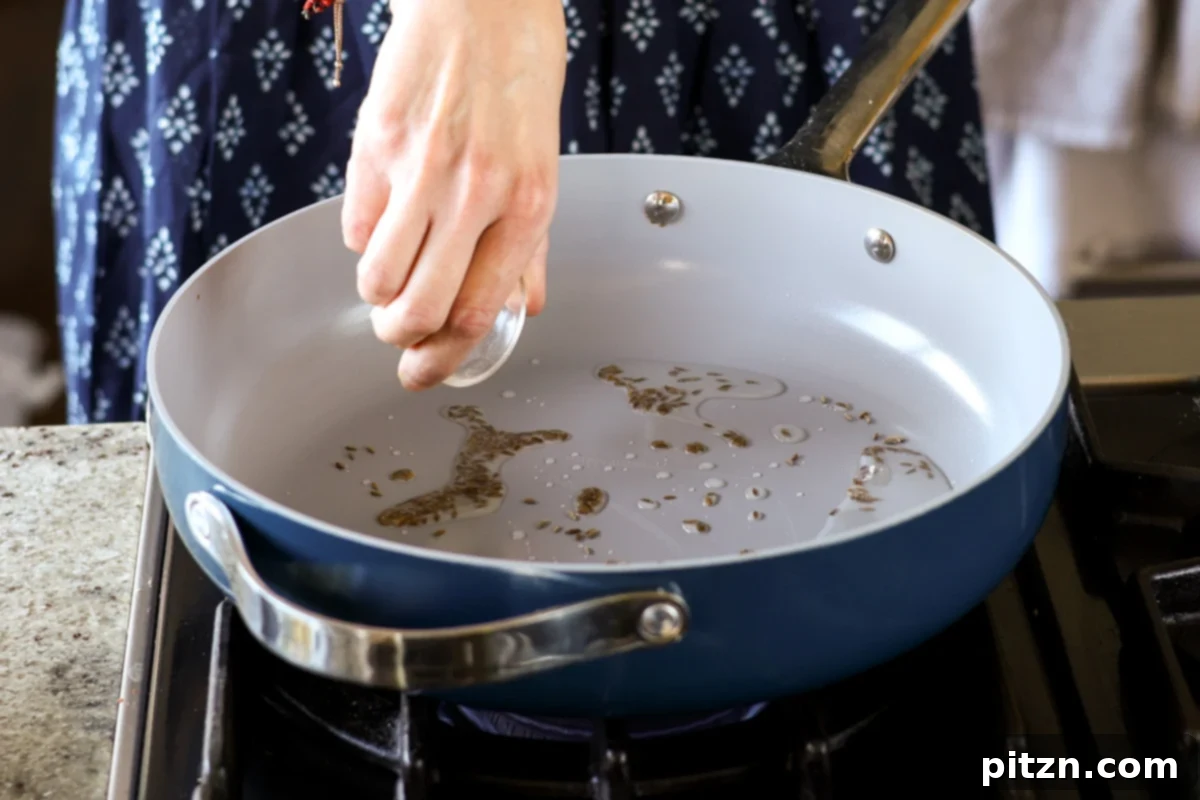
Heat a large, deep skillet or Dutch oven over medium heat. Add 2 teaspoons of oil. Once the oil shimmers, add the cumin seeds. Cook, stirring occasionally, until the cumin seeds change color significantly and become fragrant, which usually takes between 30 seconds to 2 minutes depending on your stovetop’s heat. Be careful not to burn them.
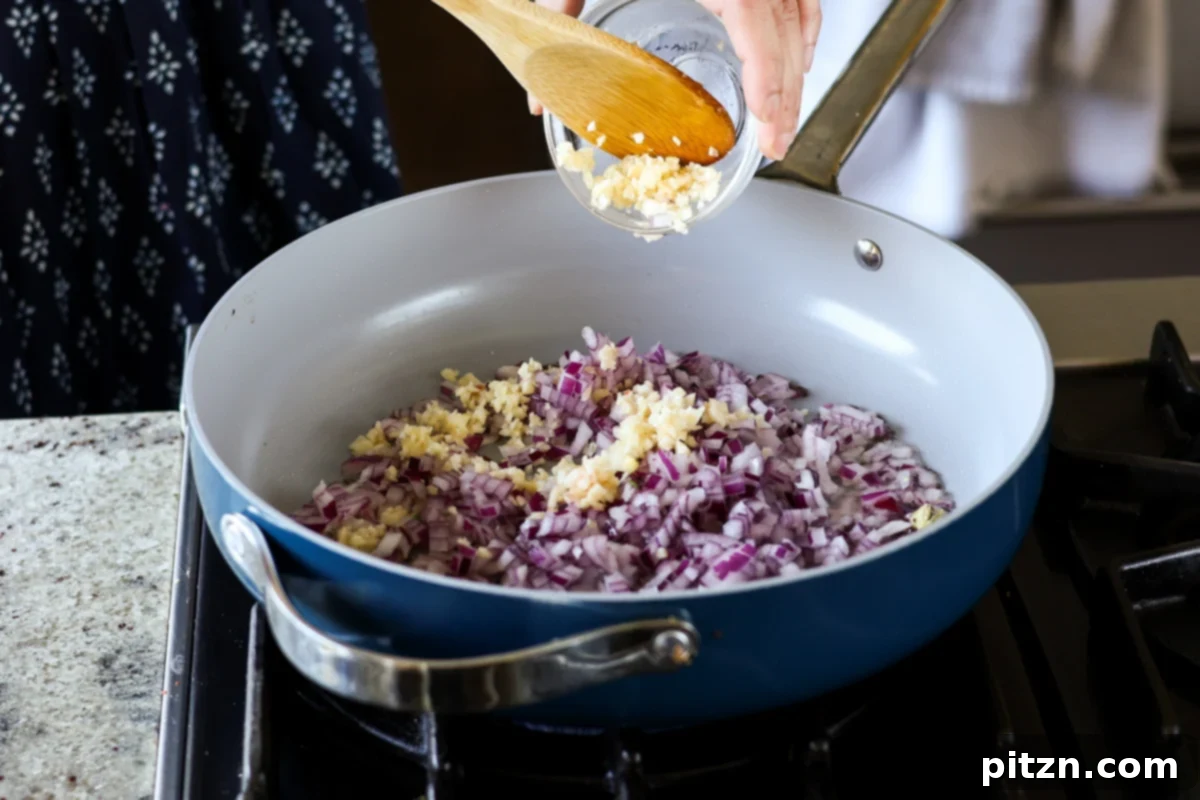
Next, add the whole spices: black cardamom (partially opened), green cardamoms (partially opened), and whole cloves. Sauté for another 15 seconds until they release their aroma. Immediately stir in the chopped red onion, finely chopped garlic, and 1/2 teaspoon salt. Continue to cook, stirring frequently, until the onions turn golden brown, which should take about 6 to 8 minutes. Add a splash of water if they start to stick. Once golden, mix in the minced ginger and finely chopped green chili, cooking for another 1 to 2 minutes until fragrant.
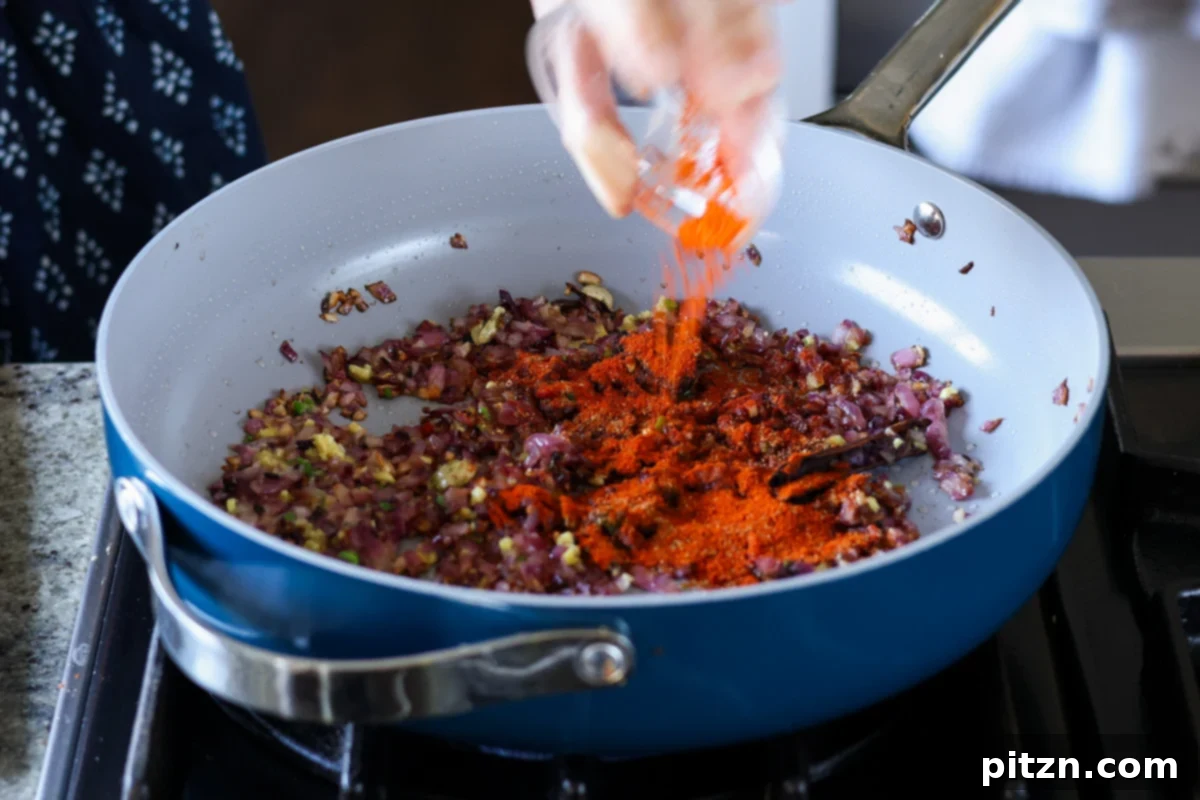
Now, prepare the smoky cinnamon stick. Break one of your 2-inch cinnamon sticks in half. Using heat-resistant tongs, carefully hold one half of the cinnamon stick over an open gas flame (or a hot electric burner) until one edge just catches fire. Allow it to burn for a mere second, then blow out the flame. Immediately add this charred cinnamon piece directly into the onions in the skillet and stir it in. This imparts a wonderful smoky aroma to the sauce. Next, stir in the Kashmiri chili powder and garam masala, along with a small splash of water (about 1-2 tablespoons) to prevent the ground spices from burning and to help them bloom effectively.
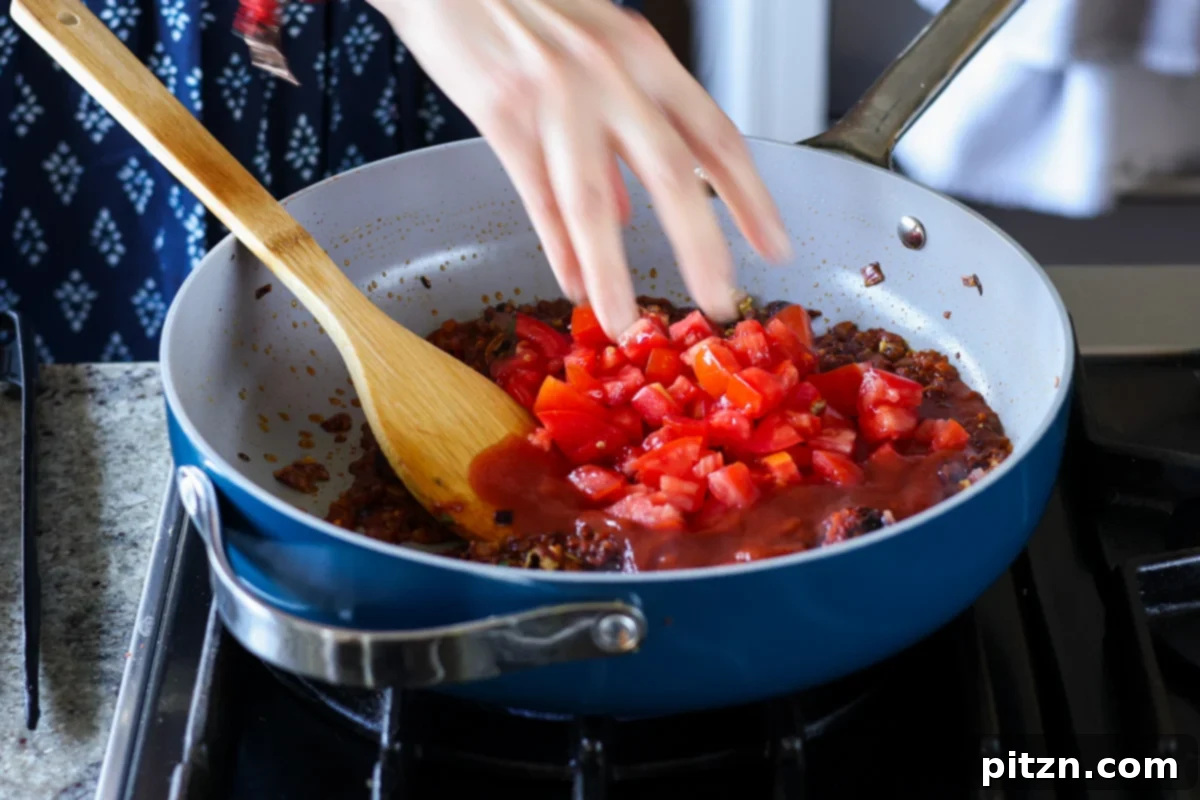
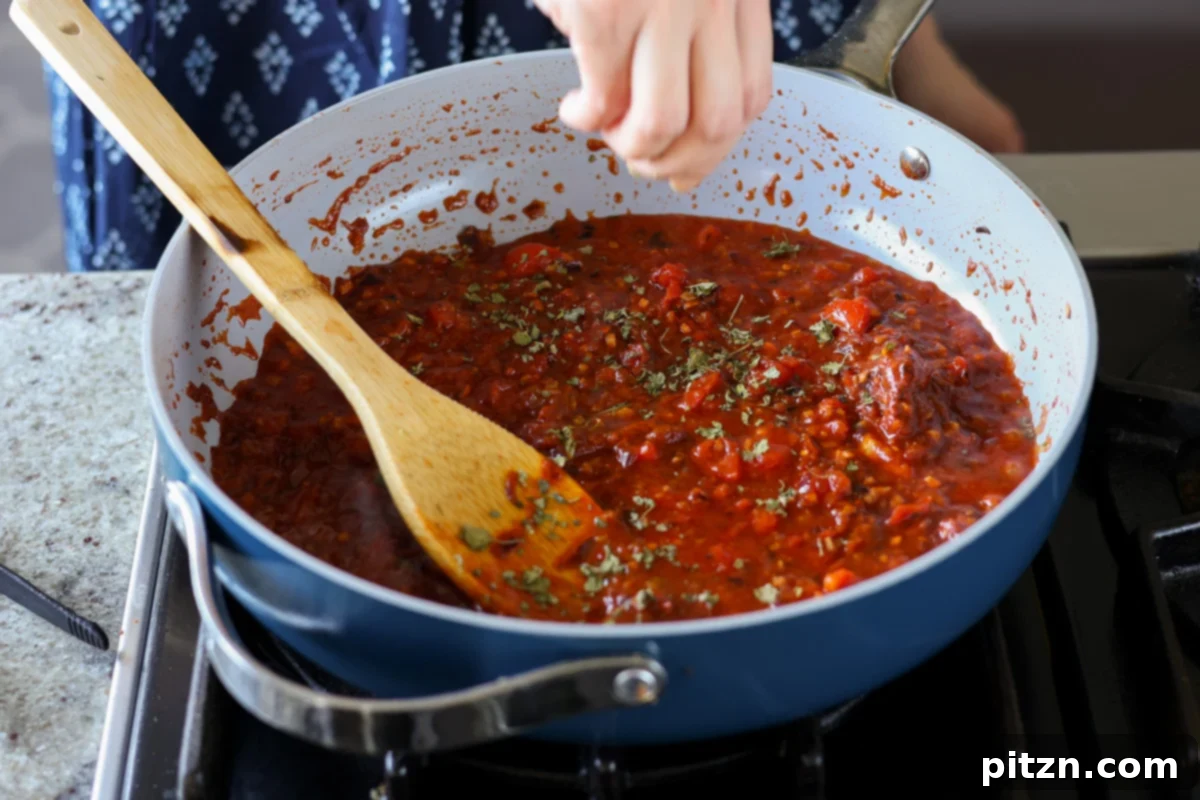
Pour in the tomato puree (passata) and chopped tomatoes. Crumble the dried fenugreek leaves (kasuri methi) between your palms and add them to the pan. Cook this mixture for 4 to 5 minutes, stirring frequently and mashing any larger pieces of tomato, until the sauce thickens and becomes “jammy” with a glossy appearance.
3. Simmer to Perfection
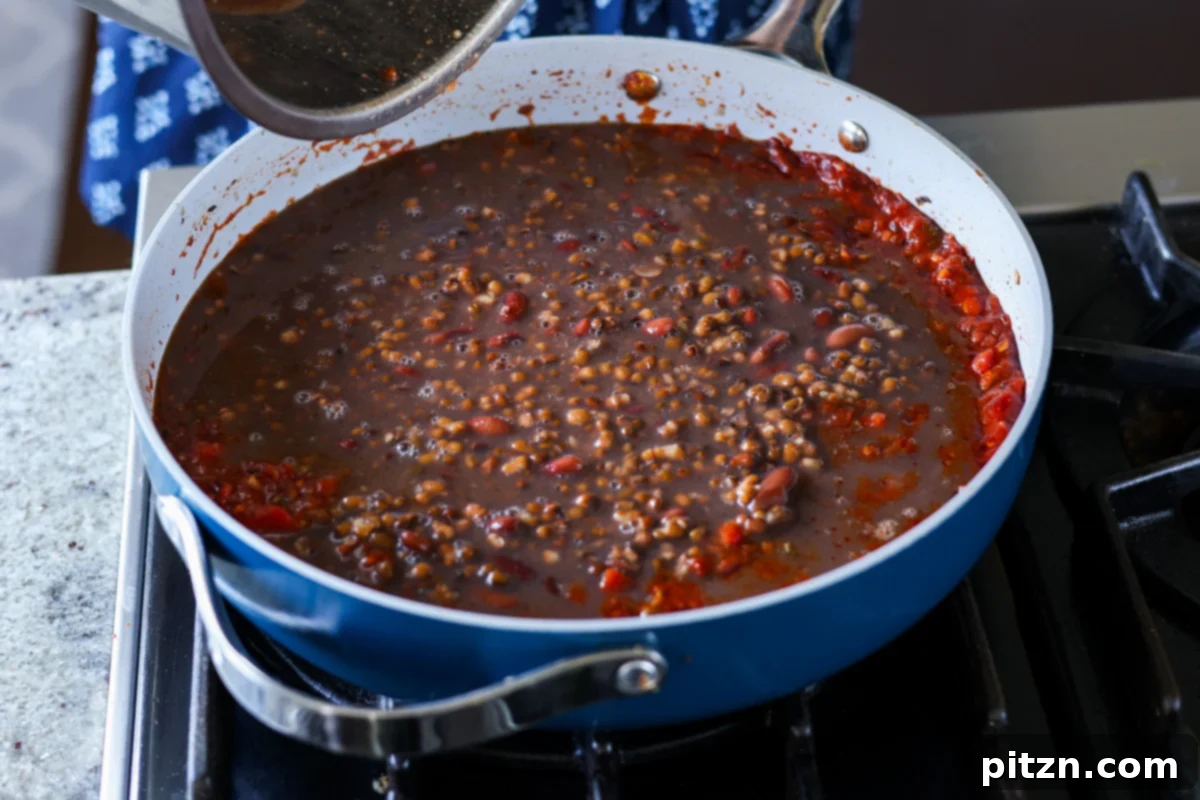
Add the cooked beans, along with any leftover cooking liquid, to the tomato-spice base. Stir everything well to combine. Reduce the heat to medium-low and let the dal simmer gently for 10 to 20 minutes. Longer simmering times will allow the flavors to meld and deepen beautifully. If you find there’s too much cooking liquid, you can reserve some before adding the beans and adjust later as needed. Taste the dal and adjust the salt and other seasonings to your preference.
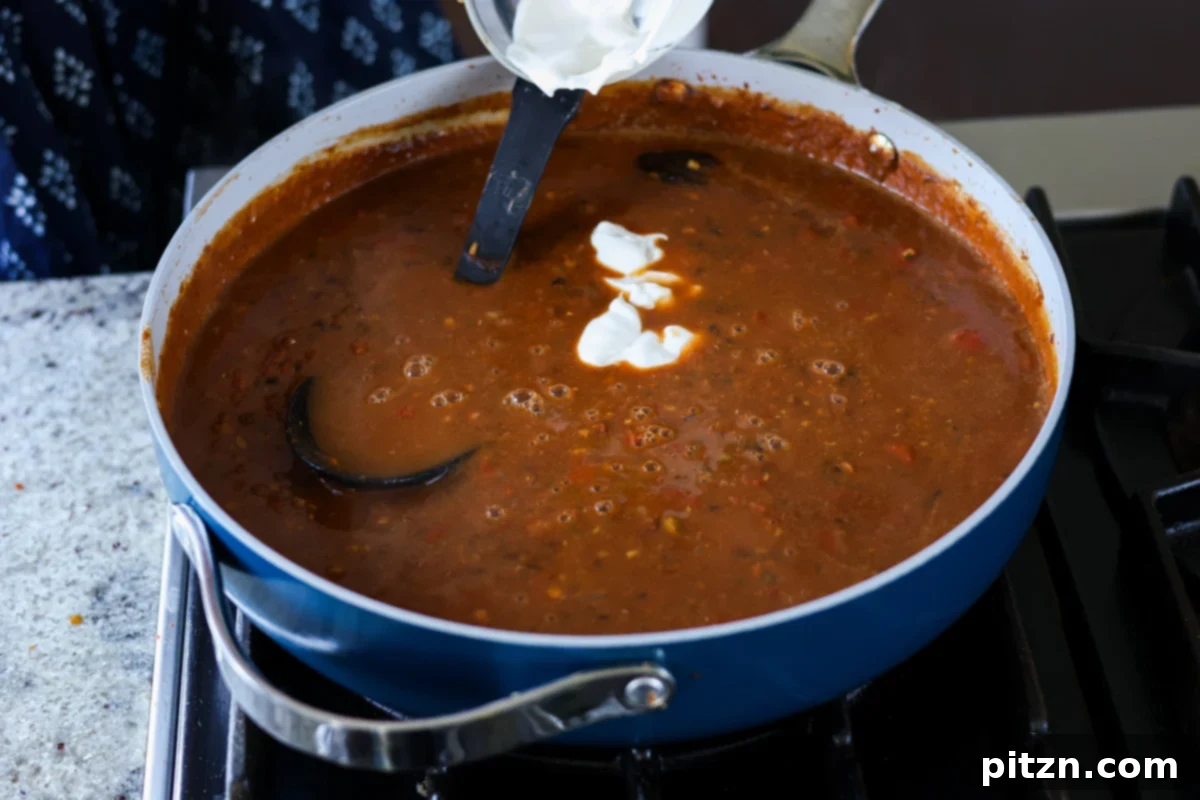
To slightly cool the pan and prepare for the final addition, stir in about 1/4 cup of water or reserved bean liquid. Then, gently fold in the non-dairy cream (cashew cream, coconut cream, or yogurt). Continue to simmer the dal for another 10 to 15 minutes, allowing the creaminess to fully infuse. Taste one last time and adjust flavor with additional salt, a pinch of cayenne for more heat, or a squeeze of lemon juice for brightness, if desired. Once satisfied, turn off the heat and prepare the spiced oil.
4. Create the Signature Spiced Oil (Tadka)
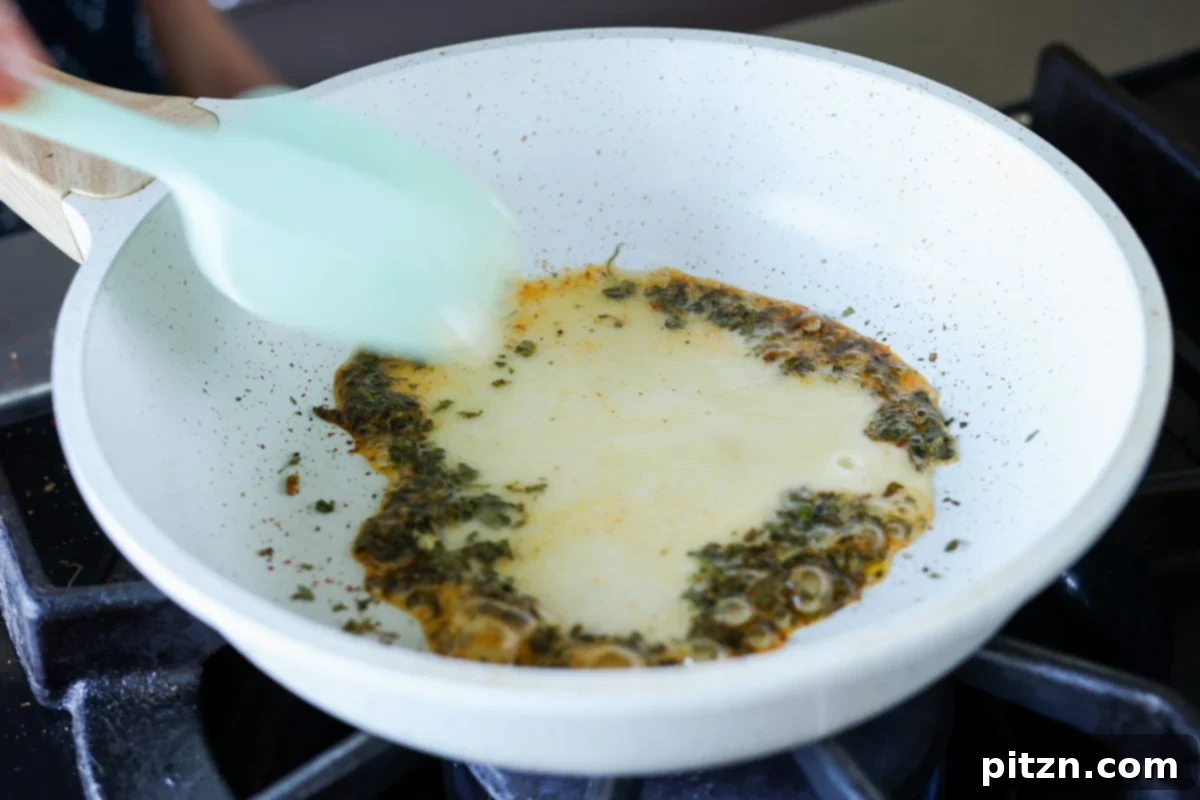
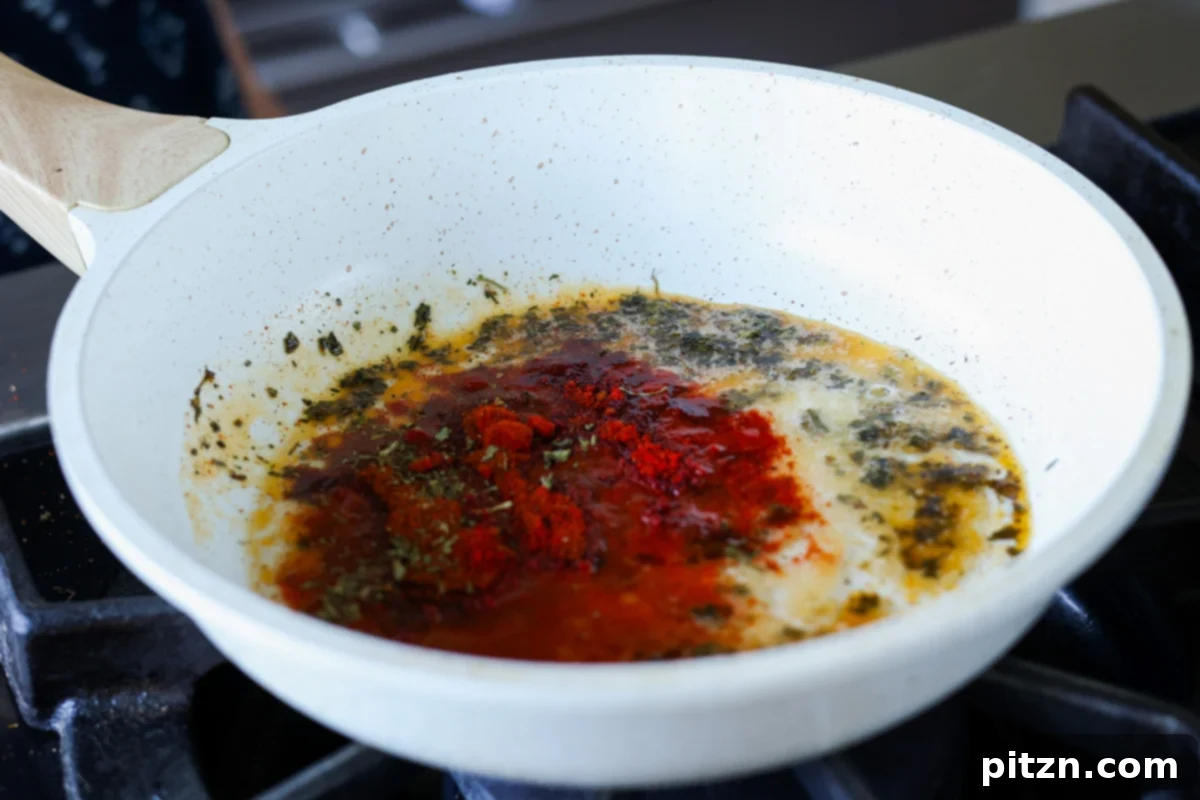
In a small skillet, heat over medium heat and dry toast the remaining dried fenugreek leaves (kasuri methi) for about a minute, until they become fragrant and slightly change color. Immediately add the vegan butter to the skillet. As soon as the butter melts, stir in the Kashmiri chili powder and smoked paprika. Quickly add 1 tablespoon of water – this vital step helps prevent the chili powder from burning while allowing it to release its beautiful red color and flavor. Reduce the heat to low.
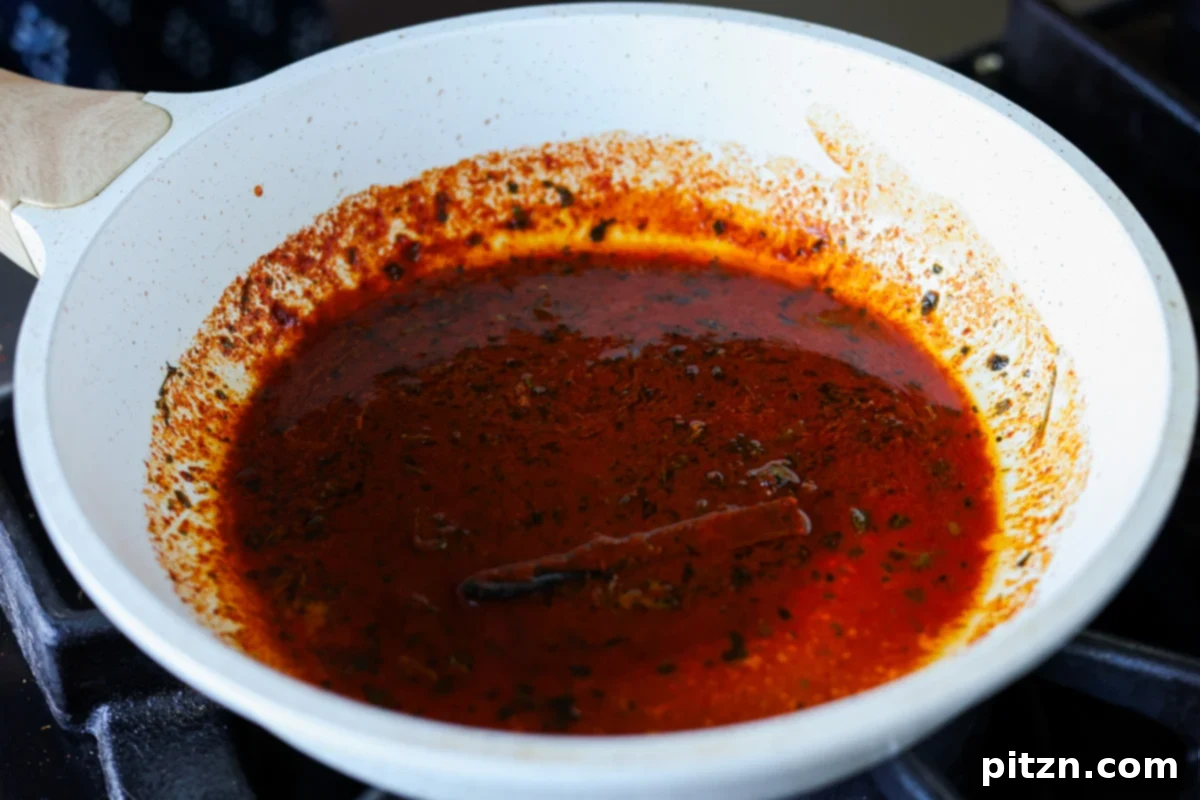
Take the remaining half of your cinnamon stick and char one edge over a gas flame for just a second, as you did before. Blow out the flame and add this smoky cinnamon piece to the spiced oil, mixing well. Turn off the heat immediately to prevent overcooking the spices.
5. Serve the Dal Makhani
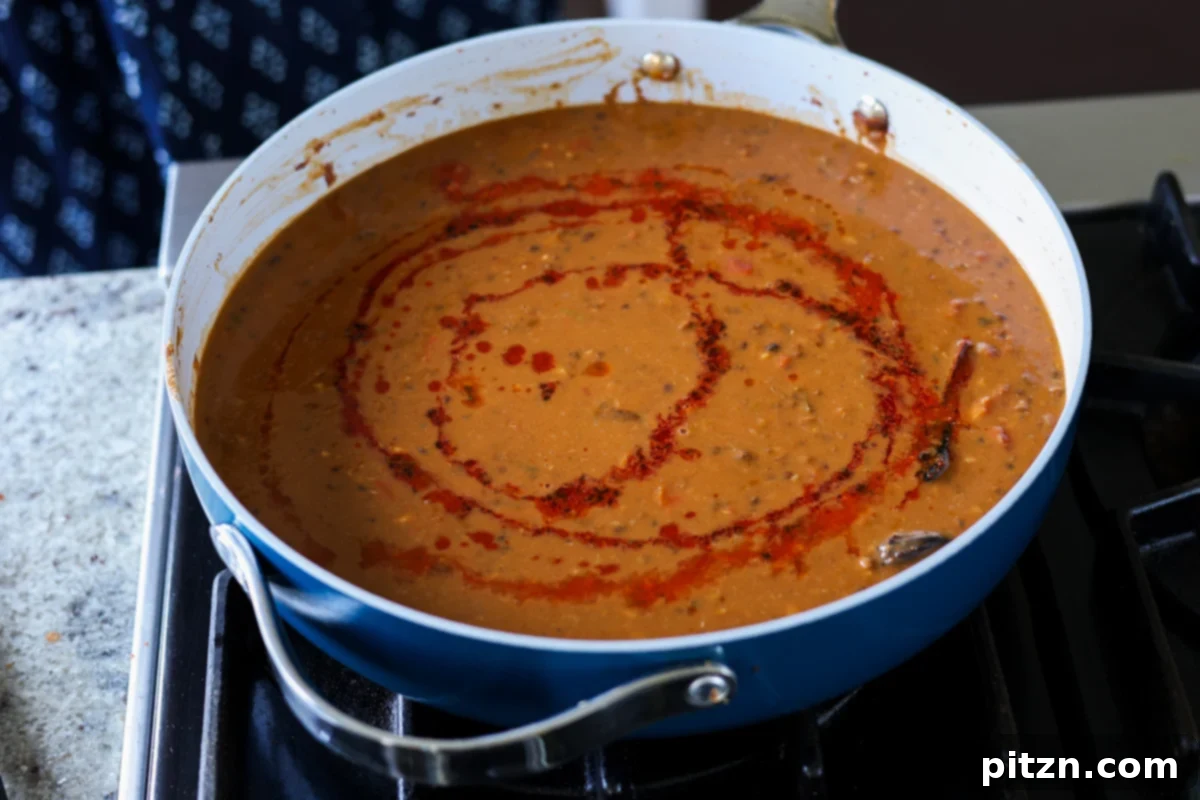
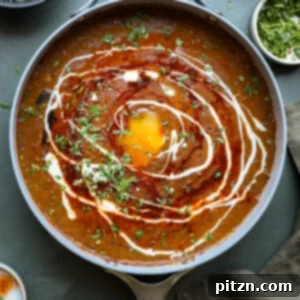
Pour the freshly prepared spiced oil (tadka) generously over the simmering dal and lightly stir it in. This final tempering adds a burst of fresh flavor and aroma. Garnish with a sprinkle of fresh cilantro, a swirl of more non-dairy cream for extra richness, and a squeeze of fresh lemon juice to brighten all the flavors. Your delicious, restaurant-style Dal Makhani is now ready to be served and enjoyed!
What to Serve with Dal Makhani
Dal Makhani is a versatile and hearty dish that pairs beautifully with a variety of accompaniments, creating a complete and satisfying Indian meal. Here are some classic and creative serving suggestions:
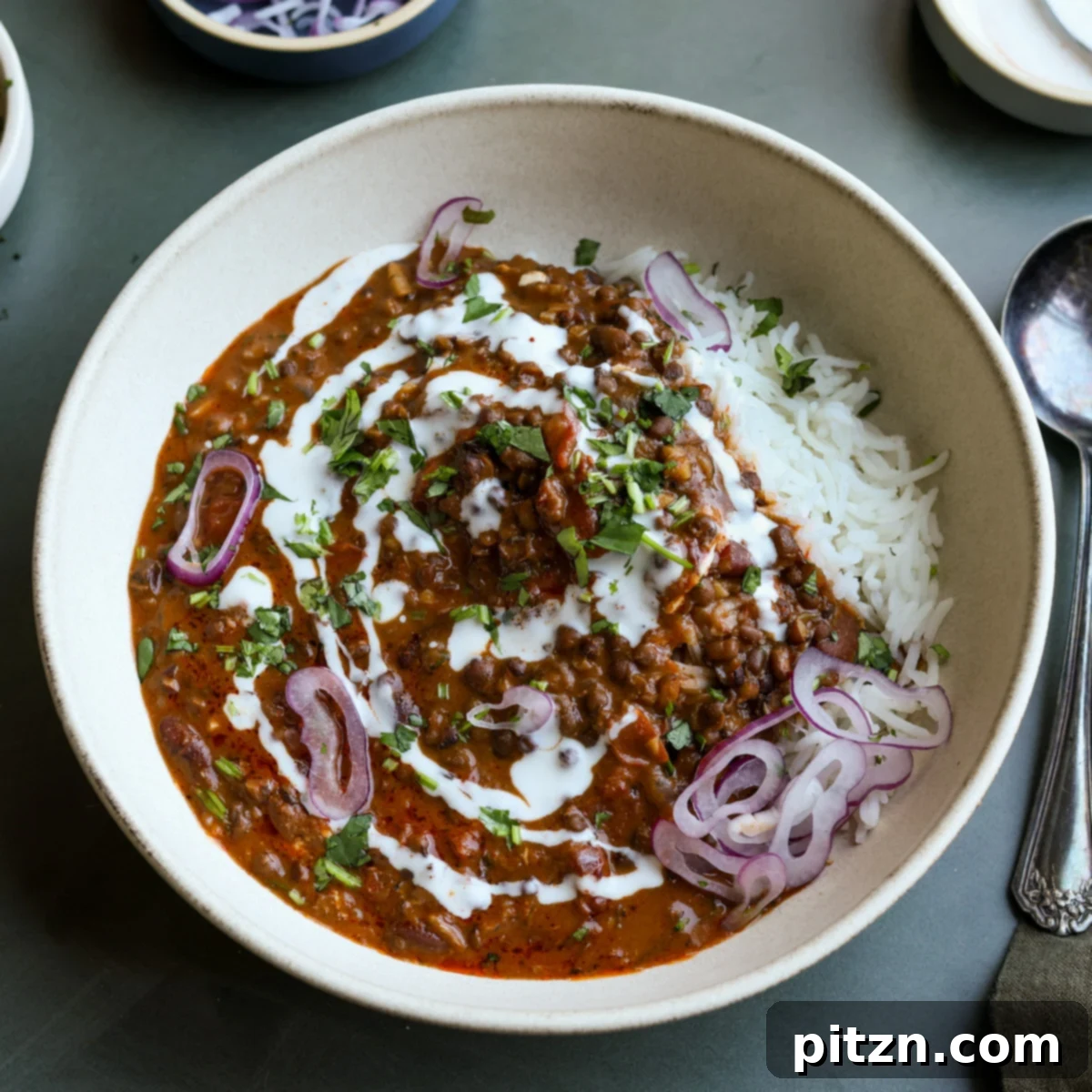
- **Basmati Rice:** The quintessential pairing. Steamed plain or jeera (cumin) basmati rice provides a perfect neutral canvas for the rich flavors of the dal.
- **Naan Bread:** Warm, fluffy, and slightly charred naan is ideal for scooping up every last drop of the creamy dal. Garlic naan or butter naan adds an extra layer of flavor.
- **Roti or Chapati:** For a lighter option, serve with whole wheat rotis or chapatis, which are traditional Indian flatbreads.
- **Paratha:** Flaky, layered parathas (plain or stuffed with potato, paneer, or herbs) offer a delightful texture contrast.
- **Pulao or Biryani:** For a more elaborate meal, Dal Makhani complements fragrant vegetable pulao or a mild biryani beautifully.
- **Baked Potato:** An unconventional but delicious pairing. A warm, fluffy baked potato topped with Dal Makhani makes for a comforting and hearty meal.
- **Roasted Vegetables:** Enhance your meal with a side of lightly spiced roasted vegetables like cauliflower, broccoli, or bell peppers.
- **Salad:** A simple, refreshing kachumber salad (diced cucumber, tomato, onion with lemon and cilantro) provides a fresh counterpoint to the richness of the dal.
- **Pickles and Chutneys:** A small dollop of Indian pickle or a sweet-tangy chutney can add an exciting burst of flavor and acidity.
- **Yogurt or Raita:** A side of plain vegan yogurt or a cooling cucumber raita helps balance the spices.
No matter your choice, ensure your Dal Makhani is served piping hot for the best flavor experience.
Storage and Dietary Adaptations
Storage
Dal Makhani is one of those dishes that often tastes even better the next day as the flavors continue to meld. Proper storage ensures you can enjoy its richness for days to come:
- **Refrigeration:** Leftover Dal Makhani can be stored in an airtight container in the refrigerator for up to 4 days. When reheating, you may need to add a splash of water or vegetable stock to achieve the desired consistency, as it tends to thicken upon cooling.
- **Freezing:** This dal freezes exceptionally well, making it perfect for meal prepping. Transfer cooled Dal Makhani to freezer-safe containers or bags and freeze for up to 6 months. Thaw overnight in the refrigerator before reheating.
- **Reheating:** Reheat gently on the stovetop over medium-low heat, stirring frequently, or in the microwave. The most important tip for enjoying reheated dal makhani is to **always prepare the spiced oil (tadka) fresh** just before serving. This fresh tempering will revive the aromas and provide that restaurant-quality finish, regardless of how long the dal has been stored.
Dietary Adaptations
This Dal Makhani recipe is already designed to be quite accommodating, with several natural dietary benefits:
- **Gluten-Free:** All ingredients in this recipe are naturally gluten-free.
- **Soy-Free & Nut-Free:** The recipe can easily be made completely soy-free and nut-free. Simply ensure that the non-dairy cream (e.g., opting for oat cream or rice cream instead of cashew or soy cream) and vegan butter (many brands offer soy-free options) you choose are free from these allergens.
- **Oil-Free Option:** To make this recipe completely oil-free, you can adapt the cooking methods:
- For the **base sauce:** Dry toast the whole and ground spices in a dry skillet until fragrant. Instead of oil, use vegetable stock or water to sauté the aromatics (onions, garlic, ginger, chili).
- For the **spiced oil (tadka):** Dry toast the fenugreek leaves. In a small pan, combine chili powder, smoked paprika, salt, and 2 to 3 tablespoons of water (instead of butter). Heat gently until fragrant and slightly reduced, then pour over the dal.
Frequently Asked Questions
This recipe is naturally gluten-free. It can be made soy-free and nut-free by selecting appropriate non-dairy cream and vegan butter alternatives (e.g., oat-based cream and soy-free butter). This version is also vegan, meaning it is completely dairy-free, making it suitable for a wide range of dietary preferences and restrictions.
Absolutely! To prepare an oil-free version, toast the spices in a dry skillet for the base sauce. Then, sauté the aromatics using vegetable stock or water instead of oil. For the spiced oil (tadka), toast the fenugreek leaves, then combine chili powder, smoked paprika, salt, and 2 to 3 tablespoons of water in a small pan, heating gently before drizzling over the dal, omitting the vegan butter.
Leftover Dal Makhani will remain fresh in an airtight container in the refrigerator for up to 4 days. It also freezes exceptionally well; portion it into freezer-safe containers and store for up to 6 months. For optimal flavor, when reheating, always prepare the spiced oil (tadka) fresh and add it just before garnishing and serving.
Yes, if you’re using canned kidney beans instead of dry, they are already cooked. Simply add 1 cup of cooked canned kidney beans to the base sauce along with the cooked black urad dal (black gram). You won’t need to soak or cook them beforehand with the urad dal.
While the authentic taste of Dal Makhani comes from urad dal and kidney beans, you can experiment with other lentils for a different flavor profile. Brown lentils, green mung beans, or caviar lentils can be used. Adjust cooking times accordingly: for an Instant Pot, these typically cook for 10-20 minutes on high pressure; on the stovetop, 25-45 minutes. Once cooked and mashed, add them to the prepared base sauce as per the recipe instructions.
More Authentic Dal Recipes
If you love Dal Makhani, explore these other delicious and authentic Indian dal recipes to expand your culinary horizons:
- Masoor Dal Tadka (Indian Red Lentil Dal)
- Dhaba Style Butter Dal
- Punjabi Dal Fry
- Dalcha – Lentils in Soy Curls
Restaurant-Style Dal Makhani
Ingredients
For the Dal
- 1 cup whole urad dal, black gram/black matpe beans, uncooked
- 1/3 cup dry kidney beans, uncooked
- 2 bay leaves
- 1/8 teaspoon salt
- water, amount depends on cooking method you choose, see below
For the Sauce
- 2 teaspoons oil
- 1/2 teaspoon cumin seeds
- 1 black cardamom, partially opened
- 2 green cardamoms, partially opened
- 2 whole cloves
- 1 cup chopped red onion
- 5 to 6 garlic cloves, finely chopped
- 1/2 teaspoon salt
- 1/2 inch ginger, minced
- 1 hot green chili, finely chopped, such as Indian green chili or Serrano. Use milder, if needed, or just omit for less heat, if needed.
- 1 2-inch cinnamon stick, broken in half
- 2 teaspoons Kashmiri chili powder
- 1/2 to 1 teaspoon garam masala
- 4 ounces tomato puree, passata, or blended tomatoes
- 1/2 cup chopped tomato, or more, to taste
- 1 teaspoon dried fenugreek leaves, kasuri methi
- 1/2 cup non-dairy cream, such as cashew cream, coconut cream, or yogurt
- water, as needed
For the Spiced Oil (Tadka)
- 1/2 teaspoon dried fenugreek leaves, kasuri methi
- 1 tablespoon vegan butter
- 1/2 teaspoon Kashmiri chili powder
- 1/4 teaspoon smoked paprika
- 1 tablespoon water
For Garnish
- cilantro
- more non-dairy cream
- lemon juice
Instructions
Make the beans.
-
In a bowl, wash the urad dal and kidney beans thoroughly, then drain. Add back to the bowl with 3 times as much water as beans, and soak overnight. The next day, drain, wash them well and drain again, and cook in the pressure cooker or saucepan.
-
To make them in the pressure cooker/Instant Pot: Add beans, bay leaves, salt, and 2 1/2 cups water. Pressure cook for 50 minutes on bean mode.
-
To make them in the pan: Add beans, bay leaves, salt, and 4 cups water. Bring to a boil over medium heat, partially cover, reduce the heat to medium-low, and cook 1 1/2 to 2 hours, until the beans are soft. Add water, as needed, if the pan looks dry. The beans are ready when they are soft, and you can easily squish a bean between your fingers.
-
Once cooked, mash some of the beans with a spatula or potato masher to help thicken the sauce.
Make the base sauce.
-
Heat a large skillet over medium heat, and add 2 teaspoon of the oil. Once the oil is hot, add the cumin seeds and cook until they change color significantly, 30 seconds to 2 minutes, depending on your stove. Then, add the black cardamom, green cardamoms, and whole cloves. Cook for 15 seconds, then mix in the onion, garlic, and salt. Cook until golden brown, 6 to 8 minutes. Mix in the ginger and green chili, and cook for 1 to 2 minutes.
-
Meanwhile, break your cinnamon stick in half and use tongs to hold it over a gas flame until one edge of it catches fire. Let it burn for just a second, then blow it out, and mix it into the onions for smoky flavor. Stir in Kashmiri chili powder, garam masala, and a splash of water to prevent burning.Mix in the tomato puree and chopped tomatoes, then crumble in the fenugreek leaves. Cook 4 to 5 minutes until they get jammy, mashing the larger pieces to help them break down. Mix in the beans with any leftover cooking liquid, reduce the heat to medium-low, and simmer 10 to 20 minutes (longer is better!). If it feels like there is too much cooking liquid, reserve the extra, and you can add it later, if needed. Taste and adjust salt and flavor, if needed.
-
Stir in 1/4 cup of water or reserved bean liquid to cool the pan slightly, then mix in the non-dairy cream or yogurt. Simmer for 10 to 15 minutes more. Taste and adjust the flavor with salt, cayenne, or lemon juice, if needed. Switch off the heat, and make the spiced oil.
Make the spiced oil (Tadka).
-
In a small skillet over medium. heat, dry toast the fenugreek leaves until they become fragrant or change color, about a minute. Add the vegan butter, Kashmiri chili powder, and smoked paprika. As soon as the butter melts, add in a tablespoon of water and reduce the heat to low. Water help keeps the Kashmiri chili powder from burning and help retains that beautiful red color. Burn one edge of the remaining cinnamon stick the same way you did the other one, and add it to the pan, mixing well. Switch off the heat.
Serve the dal makhani.
-
Pour the spiced oil over the dal and lightly mix in. Garnish with more non-dairy cream, cilantro, and lemon juice, and this delicious dal makhani is ready to serve. Serve hot with rice, naan, flatbread, garlic bread, baked potato, or roasted veggies.
Video
Notes
Do not add the rest of the whole spices to the sauce mixture at the same time as the cumin seeds, because the other spices will burn before the cumin seeds toast well.
You want to partially open the cardamom pods in a mortar and pestle or with a knife, but make sure you don’t lose the seeds. Opening the pods allows the flavor from the seeds to infuse the oil and the sauce.
Adding the garlic at the same time as the onion allows it to get a really deep, roasted flavor. It won’t burn, because the salt will cause the onion to release moisture as it cooks with the garlic.
For the tomato base, I use canned tomato puree (passata). This is different from tomato paste. In some countries, tomato paste is labeled as tomato puree, so be sure you’re using the one that’s a pourable mixture of thickened, blended tomatoes. If you don’t have it, just puree fresh tomatoes and cook them a little longer until thickened and roasted and the mixture looks glossy.
Storage
Leftover dal makhani will keep in the refrigerator for up to 4 days, but you should make the spiced oil fresh before serving. This also freezes well for up to 6 months. Reheat in the microwave or skillet, and add fresh spiced oil just before garnishing and serving.
This recipe is naturally gluten-free. It is soy-free and nut-free as long as you choose soy-free and/or nut-free non-dairy cream and vegan butter.
Oil free
Toast the spices in a dry skillet for the base sauce, then add stock instead of oil. For the spiced oil, toast the spices and add chili powder, paprika, salt, and 2 to 3 tablespoons of water instead of butter.
Substitutions
If using canned kidney beans instead of dry, add 1 cup of cooked kidney beans to the base sauce w/ the black urad beans.
Other lentils
You can use brown lentils, green mung beans, caviar lentils and cook them in the instant pot for 10-20 minutes depending on the lentil. Or in the sauce pan for 25-45 minutes. And then add the cooked lentils to the base sauce per the recipe.
Nutrition
Nutrition information is automatically calculated, so should only be used as an approximation.
Did you make this recipe? Rate and comment below!