
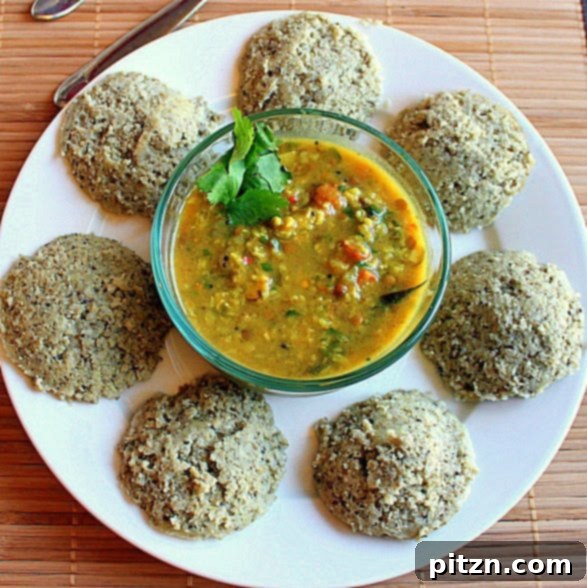
Nutritious Multi-Lentil Idli and Dosa: A Vegan & Gluten-Free Feast
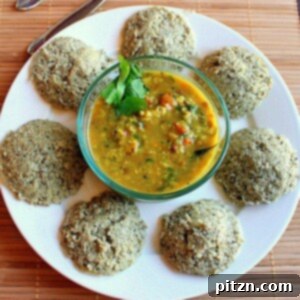
Discover the wholesome goodness of Multi-Lentil Idli (steamed rice cakes) and Dosa (savory crepes), two iconic South Indian dishes reimagined for a healthy, plant-based lifestyle. This vegan and gluten-free recipe offers a perfect blend of protein, fiber, and flavor, making it an ideal choice for a nutritious breakfast, fulfilling lunch, or light dinner. Served traditionally with a fragrant lentil curry (sambar) or a fresh coconut chutney, these dishes are not just food—they’re an experience in balanced, delicious eating.
Jump to Recipe
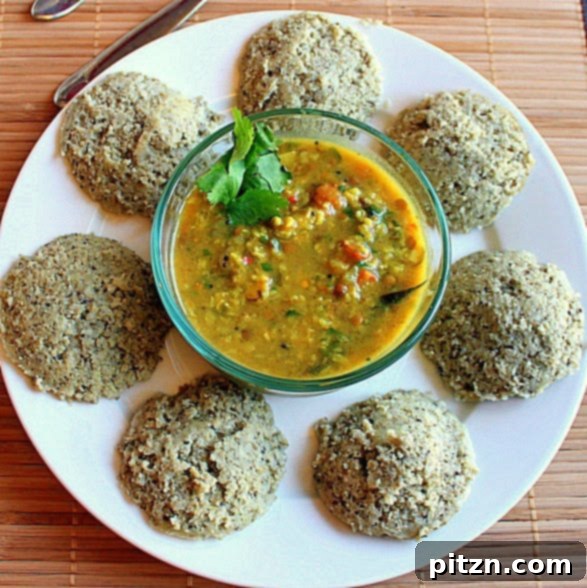
Embracing the Wholesome Power of Lentils and Grains
Idlis and Dosas are cherished staples in South Indian cuisine, celebrated for their versatility, delightful taste, and significant health benefits. While traditionally prepared with a combination of rice and urad dal (split black gram), this innovative multi-lentil version elevates the nutritional profile to new heights. By strategically incorporating a diverse array of lentils and grains, we unlock a broader spectrum of essential nutrients, transforming a simple meal into a veritable powerhouse of health and flavor.
This particular rendition introduces whole black-eyed peas (known as Chowli or Raungi in various regions) and fresh cilantro, which together impart distinct flavor notes and a substantial boost of plant-based protein and dietary fiber. Lentils and beans are universally recognized for their immense nutritional value, providing sustained energy and contributing fundamentally to a well-rounded diet. For those keen to explore other culinary dimensions, a delightful previous version featuring fragrant fenugreek leaves and a different assortment of lentils has been shared, illustrating the boundless possibilities inherent in this rich culinary tradition.
The Nutritional Edge: Why Multi-Lentil Matters
Opting for a carefully curated blend of lentils and grains, as featured in this Idli and Dosa recipe, is an exceptionally smart choice for individuals prioritizing their health and well-being. Each lentil varietal contributes its unique set of beneficial properties. Urad dal, for instance, is highly regarded for its impressive protein content and its crucial role in achieving the characteristic fluffy texture of idlis. Brown rice introduces complex carbohydrates and abundant dietary fiber, promoting a steady release of energy and optimal digestive health. Toor dal (split pigeon peas) further enhances the protein diversity, while black-eyed peas are celebrated for their substantial fiber content and vital minerals such as iron and potassium.
When combined, these thoughtfully selected ingredients form a complete protein source, which is particularly advantageous for those adhering to vegan and vegetarian dietary principles. The elevated fiber content actively aids digestion, assists in regulating blood sugar levels, and contributes to a lasting sense of satiety, making these dishes an excellent choice for mindful eating and weight management. Furthermore, the inclusion of methi seeds (fenugreek seeds) not only infuses the dish with a unique aromatic depth but also offers notable digestive advantages and has been associated with supporting healthy blood sugar levels, rounding out the holistic benefits of this multi-lentil preparation.
The Magic of Fermentation: Flavor and Health Combined
At the heart of perfect Idlis and Dosas lies the indispensable process of fermentation. This time-honored traditional method not only develops the dishes’ characteristic tangy flavor and delightfully airy texture but also profoundly enhances their digestibility and overall nutritional value. Fermentation acts as a natural pre-digestion process, breaking down complex carbohydrates and proteins into simpler, more easily absorbable forms for the body. Crucially, it also significantly increases the bioavailability of certain essential vitamins and minerals, effectively transforming humble lentils and rice into an even more potent superfood.
To achieve optimal fermentation, the thoroughly soaked and finely ground batter requires a period of rest in a warm environment. In colder climates, this crucial process may naturally extend for a longer duration. Alternatively, a small, measured addition of baking powder can be strategically employed to help achieve the desired rise and fluffiness, particularly when preparing idlis, though natural fermentation remains the gold standard for superior flavor and maximum health benefits. For those focusing solely on dosa crepes, a slightly less fermented batter still yields exceptionally delicious results, often contributing to a notably crisper final product.
Mastering the Art of Idli: Steamed Savory Cakes
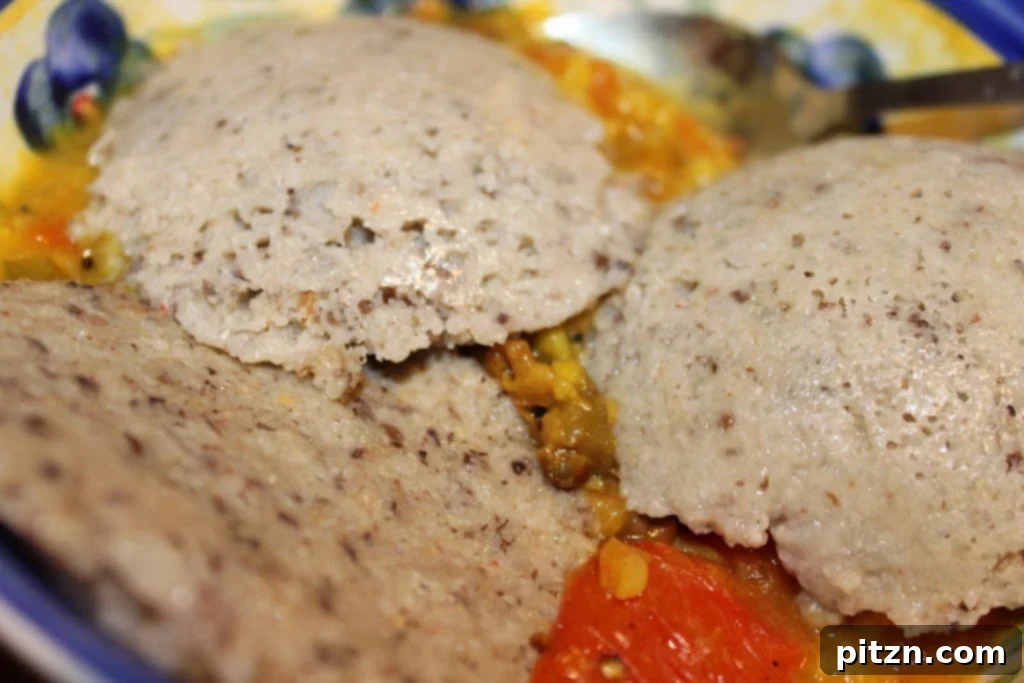
Idli, the quintessential fluffy, pristine white, steamed cake, stands as a testament to the elegant simplicity and profound culinary wisdom embedded within South Indian cooking. The journey to a perfect idli commences with the meticulous preparation of the batter, diligently ensuring it attains the precise consistency and ferments beautifully. Once this vital stage is complete, the aerated batter is gently spooned into specially designed idli molds and subsequently steamed. The process of steaming cooks the batter uniformly, culminating in a soft, pillowy texture that is remarkably light and incredibly satisfying. For consistently perfect idlis, it is imperative to ensure your steamer water is vigorously boiling before carefully placing the molds inside, and to avoid the common pitfall of overfilling them. Allowing the idlis to rest for a few crucial minutes after the steaming process concludes ensures they set properly and facilitates their effortless removal from the molds without any breakage.
These multi-lentil idlis inherently offer a slightly heartier texture and a richer, more nuanced flavor profile compared to their traditional counterparts, a direct benefit of the diverse blend of lentils and grains. They are intrinsically healthy, owing to their steamed preparation rather than frying, and serve as an exceptional canvas for absorbing the robust and complex flavors of accompanying chutneys and sambar, making every bite a delightful exploration.
Crafting Crispy Dosa: The Savory Crepe Experience
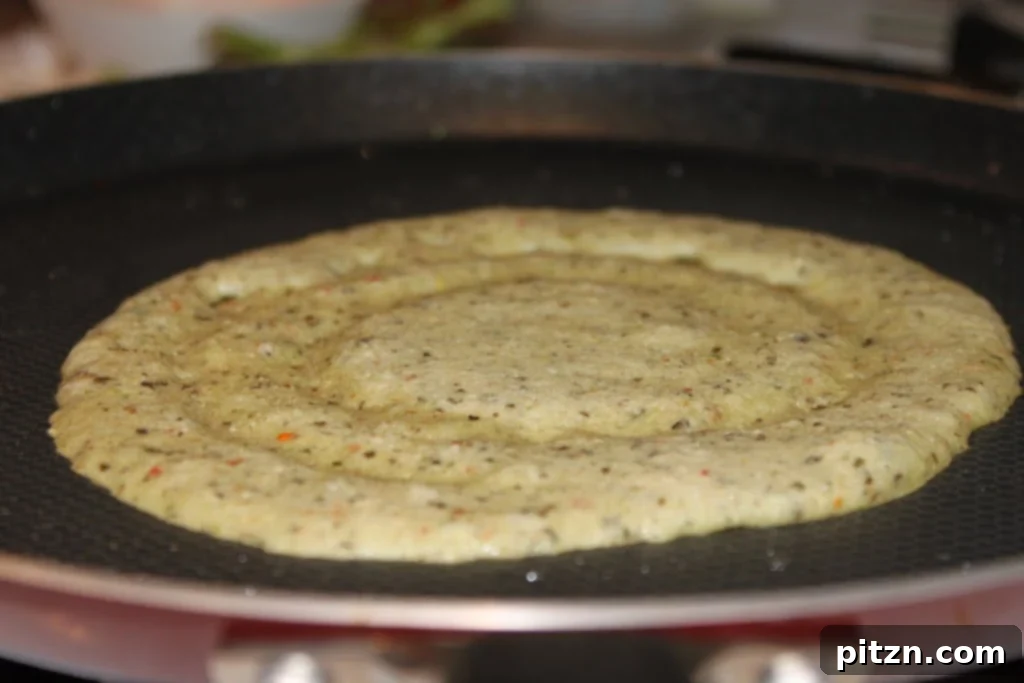
Dosa, the exquisitely thin, crispy crepe, is the beloved and equally iconic cousin of idli, often crafted from the very same versatile fermented batter. The paramount secret to achieving a perfect dosa lies in carefully thinning the fermented batter with a judicious amount of extra water until it attains a smooth, pourable consistency, followed by its skillful cooking on a vigorously hot griddle. The art of spreading the batter evenly across the griddle in a mesmerizing spiral motion, moving gracefully from the center outwards, may require a touch of practice but is an incredibly rewarding culinary endeavor. The ultimate result is a beautifully golden-brown, delicately crispy crepe that can be savored plain, cherished as a simple snack, or generously filled with a myriad of savory stuffings.
The multi-lentil batter used here significantly contributes to a dosa with a more intricate flavor profile and a delightfully textured finish, frequently exhibiting a superior crispiness and a more robust character than traditional rice-only versions. The earthy undertones emanating from the black-eyed peas and the subtle warmth of fenugreek seeds truly shine through, elevating each bite into a rich and memorable experience. Dosa, with its remarkable adaptability, is perfectly suited for breakfast, a satisfying lunch, or even a light and wholesome dinner, pairing exceptionally well with an extensive range of vibrant chutneys and flavorful curries, ensuring a versatile and gratifying meal every time.
Multi-Lentil Idli (Steamed Rice Cakes) and Dosa (Crepes): Vegan & Gluten-Free Recipe
Recipe Summary
This recipe yields approximately 4 servings of delicious, high-protein, and high-fiber Multi-Lentil Idlis and Dosas. Perfect for a healthy start to your day or a nourishing meal. Prep time: 15 mins. Cook time: 25 mins. Total time: 40 mins (excluding soaking and fermentation).
Print Recipe
Ingredients (US Customary)
To be soaked (approx. 12-16 hours):
- 1/2 cup urad dal (split black gram dal)
- 1/2 cup brown rice
- 1/2 cup white rice (parboiled rice is traditionally used, basmati can be an alternative)
- 1/4 cup toor dal (split pigeon peas)
- 1/4 cup whole Raungi (black-eyed peas, cowpea, lobhia, or chowla)
- 2 teaspoons methi seeds (fenugreek seeds)
To be added later:
- 1 inch ginger, peeled and roughly chopped
- 1 dried red chili (adjust to your spice preference)
- handful of cilantro leaves, fresh and washed
- salt to taste (start with 1/2 teaspoon, adjust after grinding)
- Water, as needed for grinding and achieving desired batter consistency
- Baking powder (optional, 1/4 teaspoon, if natural fermentation is insufficient)
- Oil, for greasing idli molds and cooking dosa
Instructions
Preparing the Batter:
- Soak Ingredients: Combine all the “to be soaked” items (urad dal, brown rice, white rice, toor dal, whole Raungi, methi seeds) in a large bowl. Rinse them thoroughly several times under running water, then cover with an ample amount of fresh water. Allow them to soak undisturbed overnight, typically for 12 to 16 hours. In colder environments, extending the soaking time slightly can be beneficial to encourage robust fermentation.
- Grind the Batter: After the soaking period, meticulously drain all the water from the lentils and rice. Transfer the soaked ingredients to a high-speed blender or a traditional wet grinder. Add the peeled ginger, dried red chili, thoroughly washed cilantro leaves, and an initial amount of salt (e.g., 1/2 teaspoon). Begin grinding, adding only a minimal amount of fresh water as necessary to facilitate the blades’ movement and to achieve a consistently smooth, fine batter. The final consistency should resemble that of a thick pancake batter.
- Ferment the Batter: Pour the freshly ground batter into a sufficiently large container, ensuring there is ample space for the batter to rise without overflowing. Cover the container loosely (to allow gases to escape) and place it in a warm location, ideally for 8 to 12 hours, or until you observe a noticeable increase in its volume, accompanied by a light, airy texture and a pleasant, slightly sour aroma. If the batter does not appear adequately fermented (which can happen in cooler conditions), you have the option to stir in 1/4 teaspoon of baking powder just before you proceed to make the idlis. However, natural fermentation is always preferred for superior flavor development and optimal health benefits. If your primary intention is to make dosas, a slightly less fermented batter will still yield excellent results.
For the Idlis (Steamed Rice Cakes):
- Prepare Steamer: Thoroughly grease your idli molds with a small amount of oil to prevent sticking. Heat water in an idli steamer or a large pot fitted with a steaming rack until it reaches a vigorous boil.
- Steam Idlis: Gently stir the fermented batter. It is crucial not to overmix, as this can deflate the precious air incorporated during fermentation. Carefully pour the batter into the greased idli molds, filling each about three-quarters full. Carefully place the idli stand into the preheated, actively steaming unit.
- Cook: Steam the idlis for approximately 20-25 minutes. To confirm doneness, insert a clean toothpick or knife into the center of an idli; it should emerge clean.
- Rest and Remove: Once cooked, turn off the heat and allow the idlis to rest undisturbed in the steamer for an additional 5-10 minutes. This resting period is crucial for them to set properly and facilitates their easy removal from the molds without sticking or tearing.
- Serve: Serve the fluffy idlis hot, accompanied by your favorite chutneys and sambar.
For the Dosas (Savory Crepes):
- Adjust Batter Consistency: If you are using the same fermented batter that was prepared for idlis, you will likely need to thin it down further for dosas. Take a portion of the batter and add a little extra water, mixing until it achieves a pourable, thin consistency, similar to a traditional crepe batter.
- Heat Griddle: Heat a non-stick griddle or a well-seasoned cast-iron tawa over medium-high heat for several minutes until it is intensely hot. You can test its readiness by sprinkling a few drops of water; if they sizzle immediately and evaporate, the griddle is ready.
- Prepare Surface: Lightly grease the hot griddle with a few drops of oil. Use a paper towel or the cut side of an onion to spread the oil evenly across the surface, creating a very thin, non-stick layer.
- Spread Dosa: Reduce the heat to medium. Pour a ladleful (approximately 1/4 cup) of the thinned batter onto the center of the hot griddle. Working swiftly, use the back of the ladle to spread the batter outwards in a smooth, spiral motion, forming a thin, round crepe. For visual guidance on this technique, consider watching a basic dosa spreading video (e.g., Dosa spreading technique video).
- Cook Dosa: Drizzle a few drops of oil around the edges and lightly over the surface of the dosa. Allow it to cook for 2-3 minutes, or until the underside turns a beautiful golden brown and becomes delightfully crispy. The edges will naturally begin to lift away from the griddle.
- Flip and Finish: Carefully flip the dosa and cook for another minute on the second side if you prefer a more evenly cooked crepe, though often only one side is cooked until crispy for the classic texture.
- Serve: Serve the hot dosas immediately with your selection of fresh chutneys and sambar.
Chili Garlic Chutney (Quick Side):
- Prepare Chutney: In a small pan, heat one tablespoon of oil over medium heat. Add finely chopped garlic or garlic paste and a pinch of asafoetida (hing). Sauté for approximately one minute, or until the garlic just begins to turn golden. Immediately remove from heat and stir in red chili powder to your desired level of spice. This swift chutney offers a vibrant, spicy, and pungent kick that beautifully complements your idlis and dosas.
Notes:
- The total preparation and cook time listed (40 minutes) does NOT include the essential 12-16 hours required for soaking the ingredients and the subsequent 8-12 hours for the crucial fermentation of the batter. Please plan your cooking schedule accordingly for the best results.
- Nutritional values provided in this recipe are approximations based on one serving. Actual values may vary depending on specific ingredient brands, exact measurements used, and preparation methods.
Nutrition Information (per serving, approximate):
Calories: 279 kcal, Carbohydrates: 55g, Protein: 11g, Fat: 1g, Sodium: 6mg, Potassium: 175mg, Fiber: 8g, Vitamin C: 1.1mg, Calcium: 40mg, Iron: 3.6mg
Nutrition information is automatically calculated and should be used as an approximation only.
Serving Suggestions: Elevate Your Meal
Both Multi-Lentil Idli and Dosa are incredibly versatile and pair exquisitely with a wide array of accompaniments, effortlessly transforming a simple meal into a delightful feast. The most iconic and classic pairing is undeniably with sambar, a profoundly flavorful and tangy lentil-based vegetable stew. Its aromatic spices and wholesome vegetables create a harmonious balance with the mild, comforting flavors of idli and dosa. Another absolutely essential accompaniment is a freshly prepared coconut chutney, which offers a creamy, subtly sweet, and tangy contrast that brightens the entire dish. For those who appreciate a kick, the quick Chili Garlic Chutney recipe detailed above adds a fiery, pungent zest, significantly enhancing the overall flavor profile and adding an exciting layer of complexity.
Beyond these cherished traditional pairings, you are encouraged to experiment with an assortment of other vibrant chutneys, such as a tangy tomato chutney, a refreshing mint chutney, or even a robust and spicy peanut chutney. A sprinkle of “podi” (a dry spice powder mix) generously drizzled with a touch of sesame oil also presents a popular and quick method to enjoy idlis and dosas, imparting an instant burst of concentrated flavor. These adaptable dishes are perfect for fueling your morning as a healthy breakfast, serving as a light yet satisfying lunch, or even comprising a wholesome dinner when thoughtfully accompanied by a more robust curry, ensuring versatility for any meal of the day.
Customizing Your Multi-Lentil Creation
One of the most gratifying aspects of cooking with versatile ingredients like lentils and grains is the seemingly endless potential for customization. While this recipe provides an exceptional and robust base, do not hesitate to experiment with different varieties of lentils or to incorporate additional grains to suit your palate and pantry. For instance, you might consider introducing a small quantity of split green gram (moong dal) or even oats for an enhanced nutritional boost and textural variation. Integrating finely chopped vegetables, such as vibrant carrots, fresh spinach, or crisp onions, directly into the batter before steaming idlis or preparing dosas can also significantly elevate both the flavor, the visual appeal, the texture, and the overall nutrient content of your meal.
For those seeking a distinct aromatic profile, consider the addition of fragrant curry leaves, finely chopped green chilies for extra heat, or a pinch of golden turmeric powder to the batter during the grinding stage. These minor adjustments can profoundly alter the taste and aroma, enabling you to meticulously tailor the dish to align perfectly with your personal preferences or to utilize the ingredients readily available in your kitchen. The inherent flexibility and adaptability of this multi-lentil batter truly establishes it as a remarkably versatile foundation for crafting countless healthy, flavorful, and deeply satisfying meals that cater to a wide range of tastes and dietary needs.
A Global Comfort Food: Vegan and Gluten-Free Delights
In today’s culinary landscape, characterized by an increasing global demand for plant-based and allergen-friendly options, Multi-Lentil Idli and Dosa emerge as truly exceptional and highly appealing choices. Being naturally vegan and entirely gluten-free, these dishes effortlessly cater to a broad spectrum of dietary requirements and preferences without ever compromising on their exquisite taste or profound satisfaction. The traditional preparation methodologies, deeply rooted in centuries of culinary wisdom and cultural heritage, ensure that these dishes are not only inherently wholesome but also remarkably flavorful and deeply nourishing, reflecting a profound understanding of balanced eating.
By undertaking the preparation of these delectable dishes in your own kitchen, you gain complete and meticulous control over every ingredient, thereby guaranteeing the highest quality and consciously avoiding any undesired additives or preservatives. This comprehensive recipe graciously invites you to embark on a delightful exploration of the rich and intricate tapestry of South Indian flavors, all while confidently embracing a healthy, sustainable, and utterly delicious way of eating. Share this delightful culinary experience with your cherished family and closest friends, and observe with joy as these nutritious steamed cakes and crispy crepes swiftly become a treasured and frequently requested part of your personal culinary repertoire, enriching every meal with their wholesome goodness.
Did you enjoy this recipe?
We’d love to hear your thoughts and see your creations! Share your experience in the comments below.