
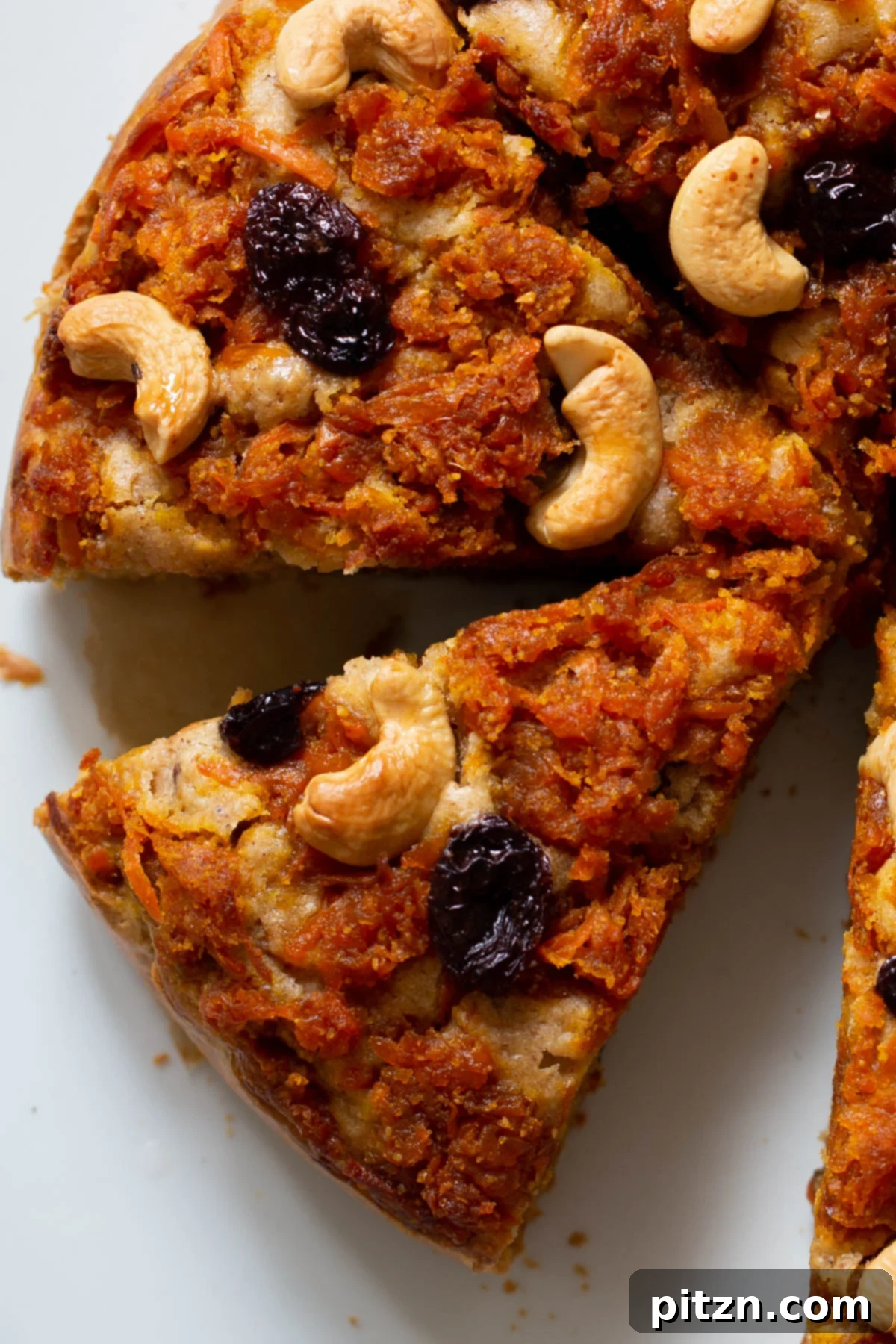
Experience the Magic of Vegan Carrot Halwa Cake: A Delicious Fusion Dessert
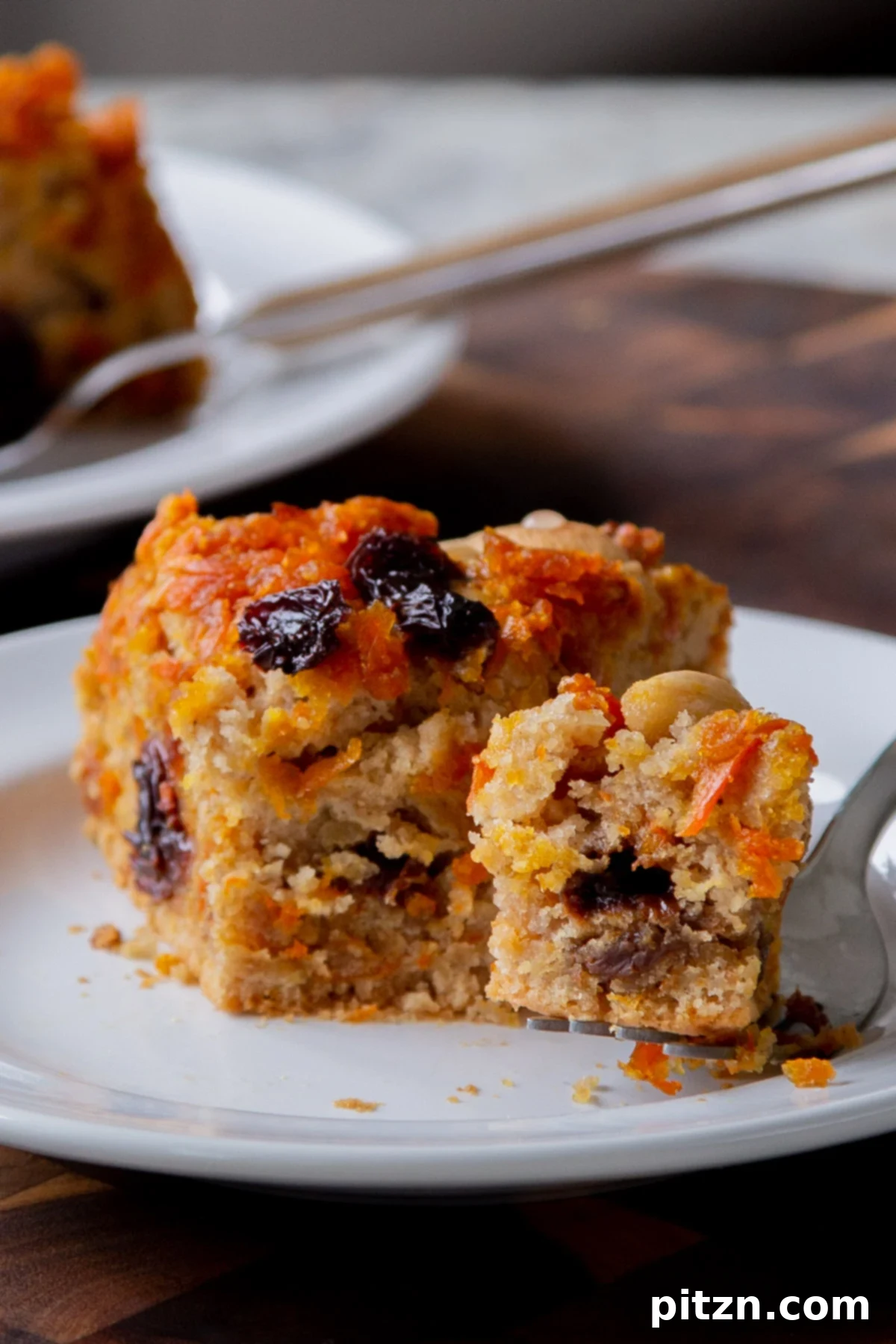
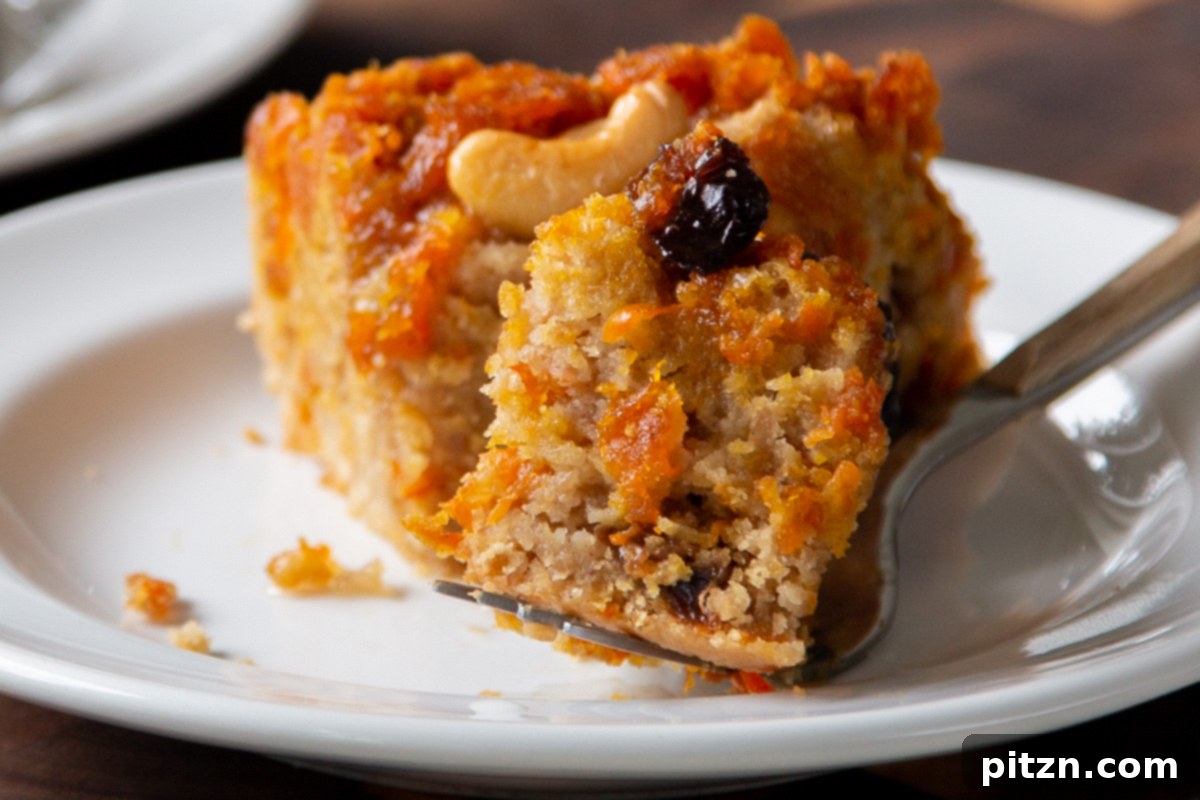
The Carrot Halwa Cake is a truly unique and irresistible fusion dessert, masterfully combining the beloved flavors of a classic Western carrot cake with the rich, aromatic essence of traditional Indian Gajar Halwa. Gajar Halwa, a cardamom-scented carrot fudge, is a celebrated Indian sweet known for its deep caramelized carrot flavor and delightful texture. In this innovative recipe, it transforms into a spectacular topping, crowning a moist and flavorful cake that promises an incredible symphony of tastes and textures in every bite. Whether you’re a fan of Indian sweets or a lover of carrot cake, this fusion creation offers a truly memorable culinary adventure, complete with versatile gluten-free and nut-free options to suit various dietary needs.
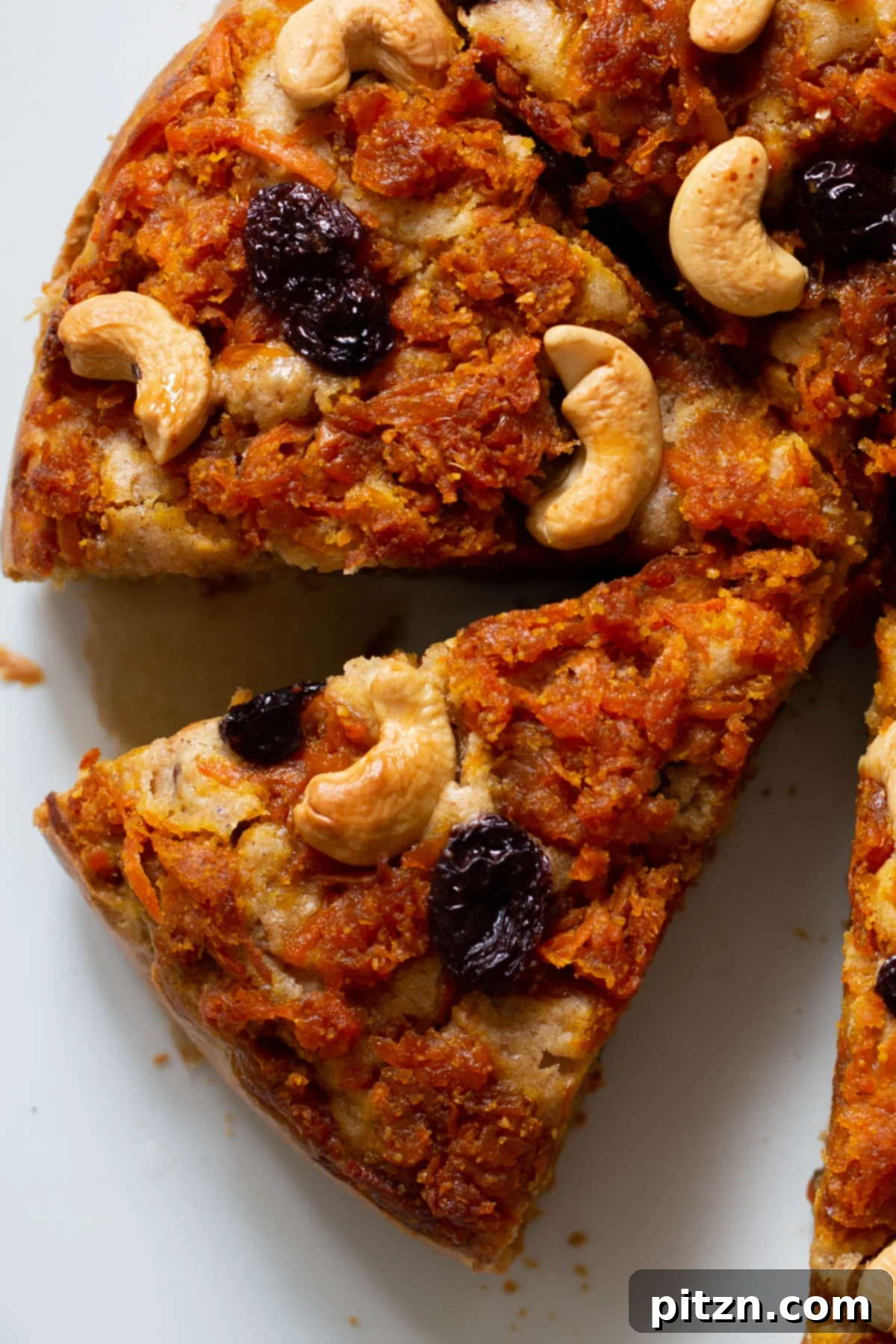
At its heart, Carrot Halwa (or Gajar Halwa) is a cherished Indian dessert, traditionally prepared by slowly cooking shredded carrots with sugar and milk until they achieve a wonderfully caramelized, fudge-like consistency. This slow cooking process intensifies the natural sweetness of the carrots and develops a rich, roasted flavor profile that is utterly distinct. Often, this delightful confection is infused with aromatic cardamom and studded with roasted nuts and plump raisins, adding layers of fragrance and chewiness that make it a festive favorite.
Table of Contents
- Why You’ll Adore This Vegan Carrot Halwa Cake
- The Secret to Perfect Caramelized Carrots for Your Cake
- More Delectable Vegan Carrot Cake Recipes to Explore
- Ultimate Vegan Carrot Halwa Cake Recipe
- Essential Ingredients and Smart Substitutions
- Pro Tips for Baking Your Best Carrot Halwa Cake
- Step-by-Step Guide to Making Vegan Carrot Halwa Cake
- Frequently Asked Questions About Vegan Carrot Halwa Cake
The Secret to Perfect Caramelized Carrots for Your Cake
Traditionally, Gajar Halwa shines brightest when made with the first harvest of juicy, vibrant red carrots, typically available in springtime. While red carrots impart a uniquely rich flavor and color, they can be a rarity in many parts of the world. Fear not, as standard orange carrots work beautifully for this recipe, delivering excellent results. Should you stumble upon red carrots, they are highly recommended for an authentic touch. For an adventurous twist and added visual appeal, don’t hesitate to experiment with a mix of orange and purple carrots. Their distinct hues and subtle flavor differences will elevate your Carrot Halwa Cake to a gourmet level.
A crucial step for achieving the unparalleled depth of flavor in this fusion cake involves pre-cooking the shredded carrots. Unlike simply adding raw carrots to the batter, which can result in a somewhat steamed texture, we gently sauté them with a touch of vegan butter, fragrant cardamom, bright lime zest, and a hint of maple syrup until they are tender-crisp, or “al dente.” This initial cooking stage allows the carrots to soften slightly and begin their caramelization process, concentrating their natural sugars and developing those coveted roasted notes. When these pre-cooked, flavorful carrots are then incorporated into the cake batter and baked, they continue to caramelize, infusing the entire cake with an incredibly delicious, complex flavor and a wonderfully soft yet discernible texture. This extra step is truly the secret to unlocking the full potential of your Vegan Carrot Halwa Cake, ensuring a rich, deeply flavored carrot experience that steamed carrots simply cannot match.
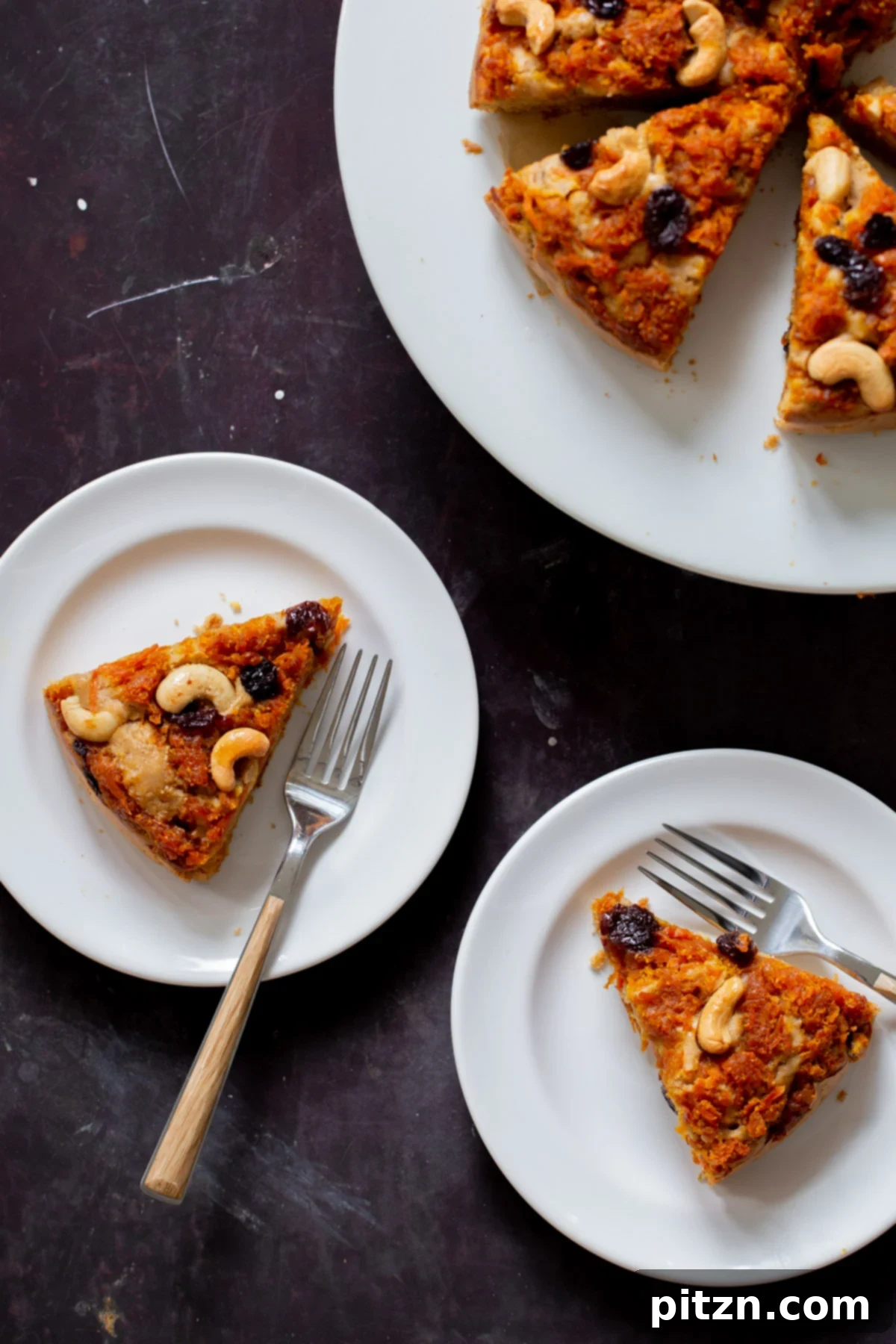
Why You’ll Adore This Vegan Carrot Halwa Cake
Prepare to fall in love with this unique dessert that perfectly marries tradition with innovation. Here’s why the Vegan Carrot Halwa Cake will become your new favorite:
- Unforgettable Fusion Flavors: This cake takes everything you adore about classic carrot cake – its moist crumb and warming spices – and elevates it with the exotic, rich layers of traditional Indian Gajar Halwa. The interplay of familiar and new creates a truly dynamic and incredibly satisfying taste experience that will intrigue and delight your palate.
- Deeply Spiced, Roasted Carrots: Thanks to the special pre-cooking method, the carrots in this cake boast an incredible, roasted flavor that is sweet, slightly caramelized, and infused with aromatic spices. This isn’t just a cake with carrots; it’s a celebration of carrot flavor, intensified and perfected.
- Impressive Yet Approachable: While it looks and tastes like a gourmet creation, this recipe is surprisingly straightforward to make. It’s the perfect dessert to impress guests at dinner parties, holiday gatherings, or simply to treat yourself to something extraordinary.
- Dietary Inclusivity: With carefully crafted variations, this recipe offers both nut-free and gluten-free options. This means more people can enjoy the decadent flavors of this fusion cake without compromising on taste or texture, making it a versatile choice for any occasion.
- Moist and Tender Texture: Expect a cake that is exceptionally moist, tender, and beautifully spiced. The caramelized carrot topping adds a delightful chewiness and a rich, sweet counterpoint to the soft cake base, creating a harmonious blend of textures.
- A Celebration of Cultures: This cake isn’t just a dessert; it’s a culinary journey, bringing together the best of two worlds. It’s a wonderful conversation starter and a delicious way to explore global flavors from the comfort of your kitchen.
More Delectable Vegan Carrot Cake Recipes to Explore
If you’re enchanted by the sweet, spiced charm of carrots in dessert form, you’ll be thrilled to discover these other fantastic vegan carrot cake variations. Each offers a unique way to enjoy this versatile ingredient:
- Carrot Cake Bars: Perfect for portable treats or a casual dessert.
- Carrot Cake Cookies: A delightful twist for cookie lovers, packed with carrot goodness.
- Carrot Cake Bites: Small, indulgent morsels, ideal for snacking or sharing.
- Carrot Cake Baked Oatmeal: A wholesome and delicious way to start your day with carrot cake flavors.
- Carrot Cake Pancakes: Transform your breakfast into a special occasion with these fluffy, spiced pancakes.
Ultimate Vegan Carrot Halwa Cake
⭐
⭐
⭐
⭐

Print Recipe
Ingredients
For the Caramelized Carrots (Halwa Topping)
- 1 tablespoon vegan butter
- 3 cups shredded carrots, (approximately 3.5 cups of chopped carrots before shredding)
- 3 tablespoons maple syrup
- 2 tablespoons almond flour
- 1/2 teaspoon ground cardamom
- 1/8 teaspoon lime zest
For the Dry Cake Ingredients
- 1 1/2 cups all-purpose flour
- 1/4 cup almond flour
- 2 teaspoons baking powder
- 1/4 teaspoon baking soda
For the Cake Spices
- 3/4 teaspoon cinnamon
- 3/4 teaspoon ground cardamom
- 1/8 teaspoon each of ground nutmeg, cloves, and allspice
- 1/4 teaspoon salt
- 1/4 teaspoon lime zest
For the Wet Cake Ingredients
- 1 cup non-dairy milk, such as almond, soy, cashew, or oat milk
- 1 tablespoon flaxseed meal, mixed with 2 1/2 tablespoons of water (to create a flax egg)
- 1/3 cup brown sugar
- 3 tablespoons oil (neutral flavored)
- 1/2 teaspoon vanilla extract or vanilla powder
For the Topping Garnish
- 2 tablespoons raw cashews, or roasted, unsalted cashews
- 2 tablespoons raisins, soaked in warm water for 10 minutes and drained
- 1/2 teaspoon oil, optional, for coating cashews
Instructions
1. Prepare the Caramelized Carrots (Gajar Halwa Topping)
-
In a medium skillet, melt the vegan butter over medium heat. Add the shredded carrots and stir well to coat. Sauté the carrots for 2 to 3 minutes, allowing them to soften slightly and release their natural sweetness.
-
Next, incorporate the maple syrup, almond flour, ground cardamom, fresh lime zest, and a generous pinch of salt. Mix all ingredients thoroughly until everything is well combined and evenly distributed.
-
Continue to cook the carrot mixture, stirring occasionally, until the carrots are tender and slightly caramelized, reaching an “al dente” consistency. This process typically takes about 6 to 8 minutes. Once cooked, remove the carrots from the heat and set them aside to cool completely while you prepare the cake batter.
2. Assemble the Vegan Carrot Cake Batter
-
In a large mixing bowl, combine all the dry ingredients: all-purpose flour, almond flour, baking powder, and baking soda. Whisk them together until thoroughly blended and set this bowl aside.
-
In a separate bowl, prepare the wet ingredients: non-dairy milk, the prepared flax egg (flaxseed meal mixed with water), brown sugar, oil, and vanilla extract. Whisk these wet ingredients vigorously until they are well combined and the sugar has largely dissolved.
-
Gradually add about half of the dry flour mixture to the wet ingredients. Mix until just combined, being careful not to overmix. Then, add the remaining half of the dry mixture and continue to mix until you achieve a smooth, uniform batter. The consistency should be slightly thick, similar to a rich muffin batter – not overly runny. If the batter seems too thin, add 1 to 2 tablespoons more flour. If it’s too thick, thin it with a tablespoon of non-dairy milk.
-
Gently fold about one-third of the cooled caramelized carrots into the cake batter. Also, add half of the drained, soaked raisins at this stage. This ensures bursts of carrot and raisin flavor throughout the cake.
3. Prepare for Baking and Top the Cake
-
Preheat your oven to 350°F (175°C). Line an 8-inch or 9-inch round cake pan with parchment paper on the bottom and lightly grease the sides. Carefully pour the prepared cake batter into the lined pan, spreading it evenly with a spatula.
-
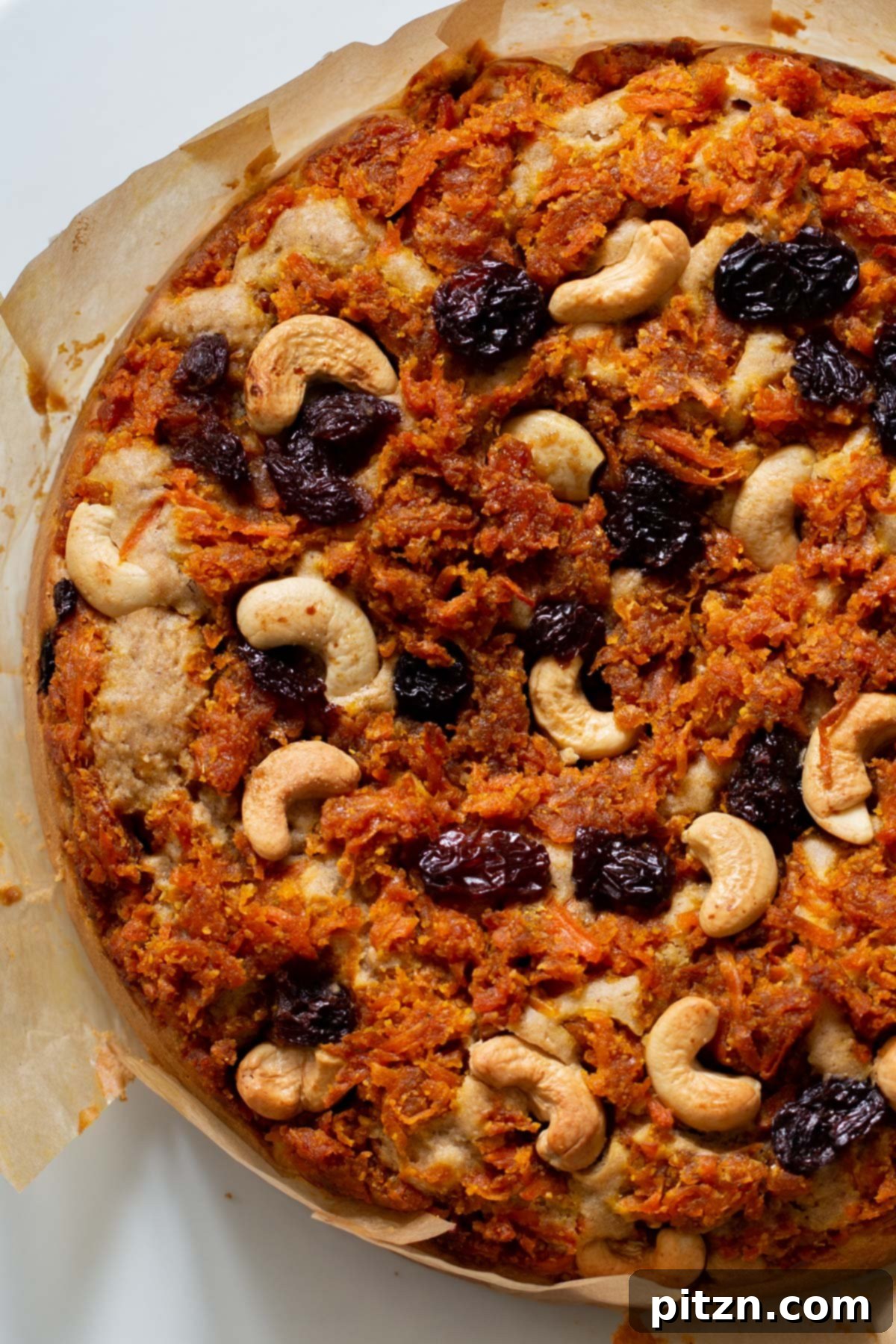
Evenly distribute the remaining two-thirds of the caramelized shredded carrots over the top of the cake batter. For the garnish, lightly toss the cashews with 1/2 teaspoon of oil (if using) to help prevent burning and give them a golden finish. Sprinkle these coated cashews over the carrot layer. Add the remaining drained raisins. Gently press the cashews and raisins into the carrot mixture and slightly into the cake batter to ensure they are nestled securely. This prevents them from burning during baking.
4. Bake to Golden Perfection and Serve
-
Bake the cake in the preheated oven for 30 to 40 minutes. Baking times can vary depending on your specific oven, the type of cake pan used, and the height of your cake. After the first 15 minutes of baking, loosely cover the cake pan with a piece of parchment paper or aluminum foil. This prevents the cashews and raisins from over-browning or burning while the cake finishes cooking through.
-
To check for doneness, insert a toothpick into the center of the cake after 30 minutes. If it comes out clean, your cake is ready. Remove the cake from the oven and let it cool in the pan for 10 to 15 minutes. Then, carefully transfer it from the pan onto a wire cooling rack or your chosen cake serving stand to cool for a few more minutes.
-
Serve this delightful cake as is, allowing its natural flavors to shine. For an added touch of sweetness and moisture, you can drizzle it with a simple sugar glaze (1 tablespoon powdered sugar mixed with 2 tablespoons of water). Alternatively, a dollop of vegan cream cheese frosting would be absolutely divine. The simple sugar drizzle is a great way to keep the cake moist and prevent the top from drying out.
-
Storage and Reheating: Ensure the cake cools completely before slicing and serving, or before storing it. Store leftover slices in an airtight container in the refrigerator for up to 4 days. This Vegan Carrot Halwa Cake also freezes beautifully! Wrap individual slices tightly in plastic wrap and then foil, then place them in a freezer-safe bag or container for up to 2-3 months. To reheat, microwave refrigerated slices for 5-10 seconds. For frozen slices, microwave for 20-25 seconds, then check and continue microwaving in 20-second intervals until warmed through to your liking. Enjoy!
Video Tutorial
Recipe Notes & Dietary Adjustments
Cardamom Preference: If cardamom isn’t your favorite spice, feel free to substitute it with an equal amount of extra cinnamon. This will give the cake a more traditional Western carrot cake flavor profile, while still being absolutely delicious.
Gluten-Free Option: To transform this into a gluten-free masterpiece, substitute the 1 1/2 cups of all-purpose flour with a carefully balanced blend of 3/4 cup almond flour, 3/4 cup oat flour, and 1/3 cup potato starch. Mix these flours thoroughly before using. When preparing the cake batter, add only 2 tablespoons of extra almond flour (instead of the original 1/4 cup almond flour). Additionally, for the wet ingredients, use 3/4 cup of non-dairy milk and replace the remaining 1/4 cup with club soda or carbonated water. The carbonation aids in achieving a light and airy texture in gluten-free baking.
Nutrition Information (per serving)
Carbohydrates: 25g,
Protein: 3g,
Fat: 11g,
Saturated Fat: 1g,
Sodium: 198mg,
Potassium: 344mg,
Fiber: 3g,
Sugar: 16g,
Vitamin A: 8086IU,
Vitamin C: 3mg,
Calcium: 131mg,
Iron: 1mg
Disclaimer: Nutrition information is an automatic approximation and should be used as a general guide.
Did you make this recipe? We’d love to hear from you! Rate and comment below!
Essential Ingredients and Smart Substitutions
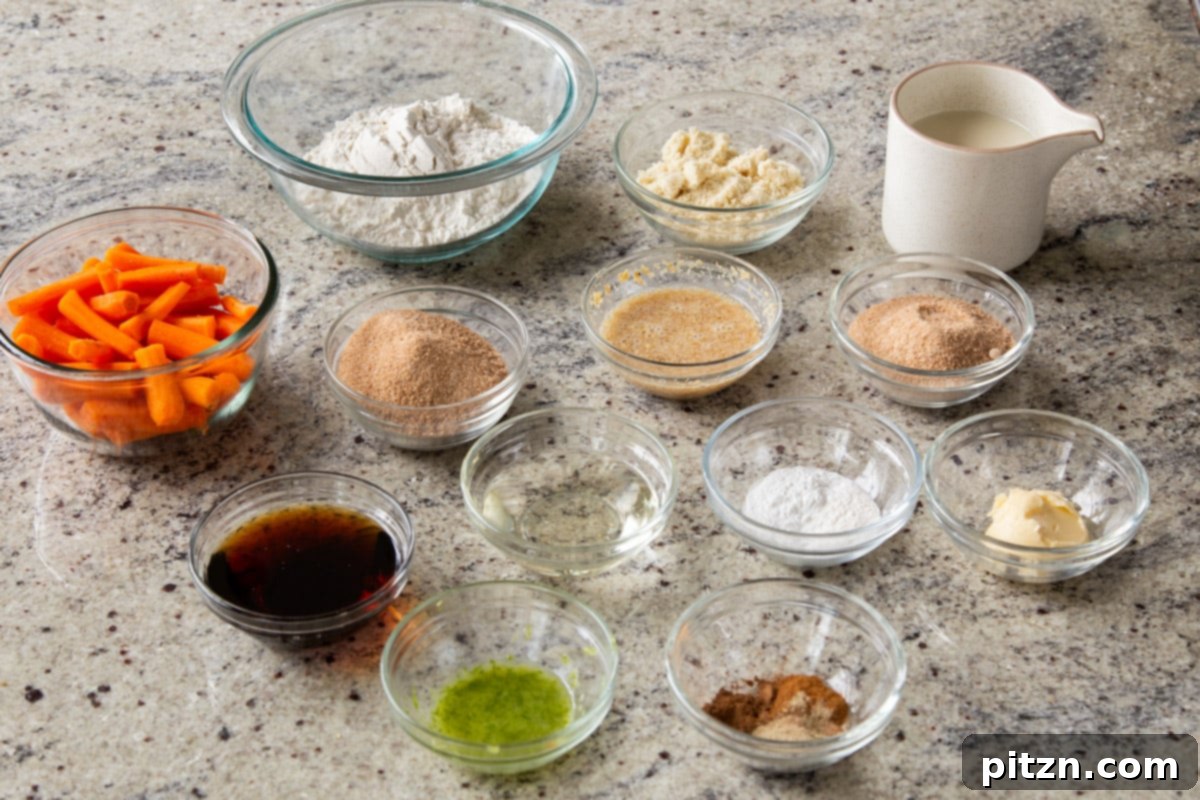
Crafting the perfect Vegan Carrot Halwa Cake relies on a thoughtful selection of ingredients. Here’s a breakdown of what you’ll need and how you can make clever substitutions:
- Vegan Butter: This is key for achieving that rich, caramelized flavor in the carrot halwa topping. Any good quality plant-based butter substitute will work wonders.
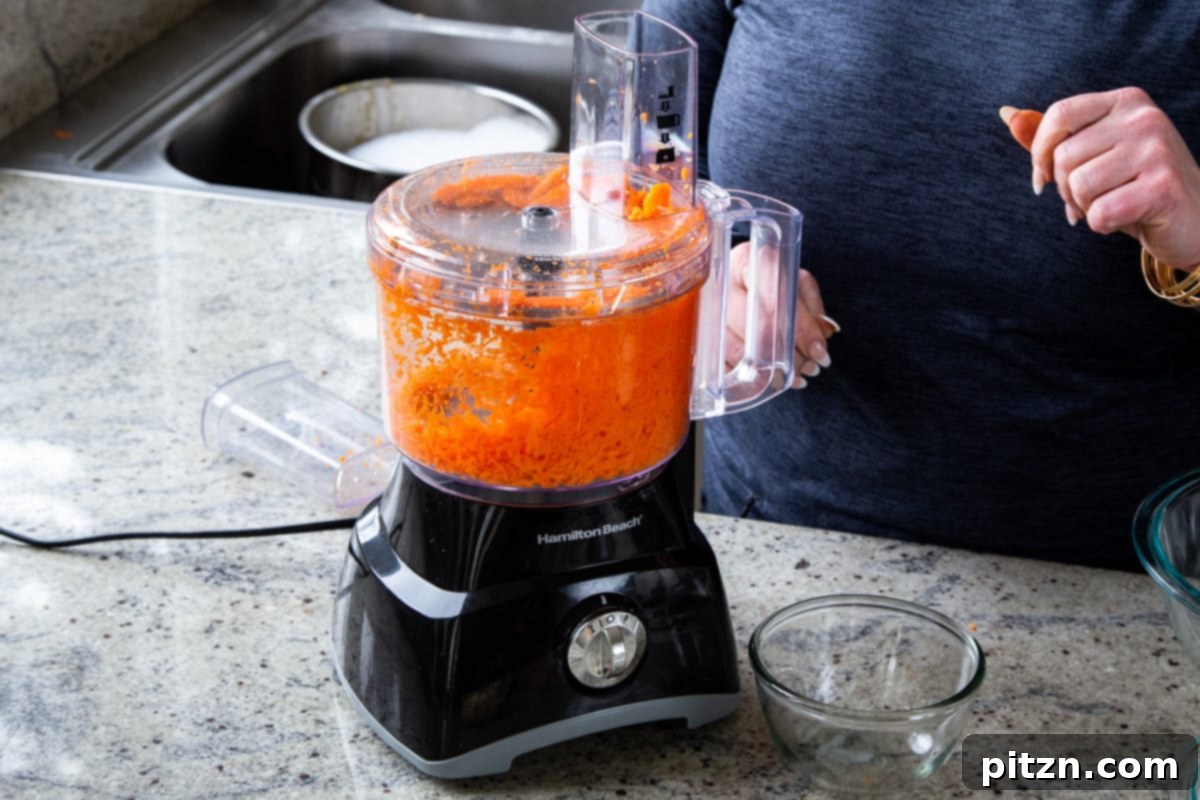
- Shredded Carrots: The star of the show! You can shred them fresh at home for the best flavor and texture, or for convenience, opt for pre-shredded carrots from your grocery store. Aim for fine shreds to cook down beautifully.
- Maple Syrup: Provides a natural, rich sweetness to the caramelized carrots. Agave nectar or date syrup can be used as alternatives, though they may subtly alter the flavor profile.
- Almond Flour: Adds a lovely texture and a subtle nutty flavor to both the carrots and the cake batter. For a nut-free option, you can substitute with an equal amount of all-purpose flour or fine oat flour.
- Cardamom: The signature spice of Gajar Halwa, imparting its distinct floral and aromatic notes. If you’re not a fan of cardamom, an extra touch of cinnamon will provide a comforting alternative, or try a mix of ginger and cinnamon for a different twist.
- Lime Zest: A touch of lime zest brightens the flavors of the carrots and the cake, adding a subtle tangy lift that cuts through the sweetness. Lemon zest can be used if lime is unavailable.
- All-Purpose Flour: Forms the structural base of your cake. For a gluten-free version, refer to the detailed instructions in the recipe notes section, which uses a blend of almond, oat, and potato starch.
- Baking Powder and Baking Soda: These leavening agents are crucial for giving the cake its lift and tender crumb, ensuring it bakes up beautifully light and fluffy.
- Warm Spices (Cinnamon, Cardamom, Nutmeg, Cloves, Allspice): This aromatic blend creates the quintessential warming flavor profile of a classic carrot cake. Feel free to adjust the quantities to your personal preference, adding more of your favorite spice for an enhanced experience.
- Non-Dairy Milk: Essential for moistening the cake batter and adding richness. Almond milk, soy milk, cashew milk, or oat milk are all excellent choices. Ensure it’s unsweetened for best results.
- Flax Egg (Flaxseed Meal + Water): A fantastic vegan binder that helps the cake batter hold together and provides structure as it bakes. It’s a reliable egg substitute for vegan baking.
- Brown Sugar: Sweetens the cake, contributing a moistness and a slight caramel note. Granulated sugar or coconut sugar can also be used, but brown sugar adds a depth of flavor.
- Neutral Oil: Adds essential moisture and contributes to the cake’s tender texture. Vegetable oil, canola oil, or melted coconut oil (ensure it’s liquid) are good options.
- Vanilla Extract or Powder: Deepens the overall flavor of the cake, adding a layer of classic sweetness and aroma.
- Cashews and Soaked Raisins: These are integral toppings, echoing the traditional ingredients often found in Gajar Halwa. They add a delightful crunch (cashews) and chewy sweetness (raisins). Soaking the raisins plumps them up, making them juicy and preventing them from becoming dry or hard during baking.
Pro Tips for Baking Your Best Carrot Halwa Cake
To ensure your Vegan Carrot Halwa Cake turns out perfectly moist, flavorful, and beautifully structured, keep these expert tips in mind:
- Prepare Your Flax Egg First: Start by mixing your flaxseed meal with water. Give it ample time (at least 5-10 minutes) to sit and thicken. This allows it to form a gel-like consistency, crucial for acting as an effective binder in your vegan cake batter.
- Achieve the Right Batter Consistency: The ideal cake batter consistency is slightly thinner than a thick muffin batter, but not overly liquid or watery. If your batter appears too thin after mixing, gradually add 1-2 tablespoons of extra all-purpose flour until it reaches the desired consistency. Conversely, if it’s too thick and difficult to stir, add a tablespoon of non-dairy milk at a time until it loosens up appropriately. A well-balanced batter ensures a moist and evenly baked cake.
- Secure Your Toppings: When adding the cashews and raisins to the top of the carrot halwa layer, it’s vital to gently press them down into the mixture. If these garnishes are left sticking out too much on the surface, they are prone to burning or becoming excessively hard during baking, which can affect both the taste and texture of your beautiful cake.
- The Toothpick Test is Key: To accurately determine if your cake is fully baked, rely on the classic toothpick test. Insert a clean toothpick into the very center of the cake. If it comes out clean or with only a few moist crumbs attached (no wet batter), your cake is done. Begin checking around the 30-minute mark to avoid overbaking.
- Don’t Skip the Pre-Cooking Carrots: As mentioned, taking the extra step to cook the shredded carrots with butter, maple syrup, and spices before adding them to the batter is paramount. This caramelization process develops a depth of flavor that raw carrots simply cannot provide, making a significant difference in the final taste of your Carrot Halwa Cake.
- Proper Cooling is Crucial: Allow the cake to cool in the pan for the recommended 10-15 minutes before attempting to invert it onto a wire rack. This period allows the cake to set and firm up, preventing it from crumbling or breaking when removed from the pan. Full cooling on a rack is also important before slicing for the best texture.
- Adjust Baking Time for Your Oven: Every oven is different. Pay attention to your cake’s progress and adjust baking time as needed. If your oven tends to run hot, you might need slightly less time, and vice-versa.
Step-by-Step Guide to Making Vegan Carrot Halwa Cake
Follow these detailed steps to create your own exquisite Vegan Carrot Halwa Cake at home. Precision and patience will yield the most delicious results!
Step 1: Cook the Caramelized Carrots for the Halwa Topping
Begin by preparing the flavorful Gajar Halwa topping that will crown your cake. In a large skillet, melt one tablespoon of vegan butter over medium heat. Once melted, add three cups of finely shredded carrots. Stir well to ensure the carrots are fully coated in the butter. Sauté the carrots gently for two to three minutes, allowing them to soften slightly and begin releasing their natural sugars.

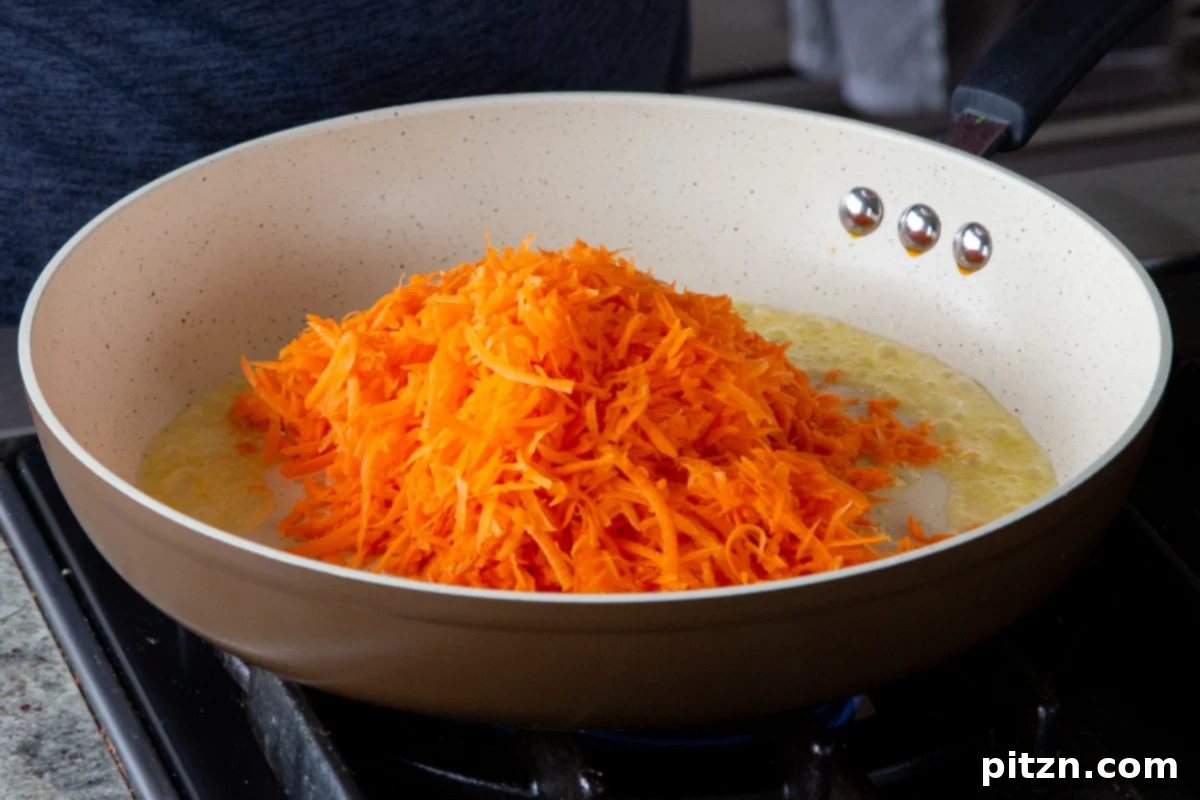
Now, it’s time to infuse the carrots with more flavor. Add three tablespoons of maple syrup, two tablespoons of almond flour, half a teaspoon of ground cardamom, one-eighth teaspoon of lime zest, and a good pinch of salt to the skillet. Mix all these ingredients really well, ensuring they are thoroughly combined with the carrots.


Continue cooking the carrot mixture, stirring occasionally, until the carrots are tender and reach an “al dente” state—cooked through but still retaining a slight bite. This caramelization process typically takes approximately six to eight minutes. Once the carrots are perfectly cooked, remove the skillet from the heat and allow the caramelized carrots to cool completely. This cooling period is important before incorporating them into the cake batter.

Step 2: Prepare the Vegan Cake Batter
While the carrots are cooling, you can prepare your cake batter. In a large mixing bowl, combine all the dry ingredients: one and a half cups of all-purpose flour, one-quarter cup of almond flour, two teaspoons of baking powder, and one-quarter teaspoon of baking soda. Whisk these ingredients together thoroughly to ensure even distribution of the leavening agents. Set this bowl aside.
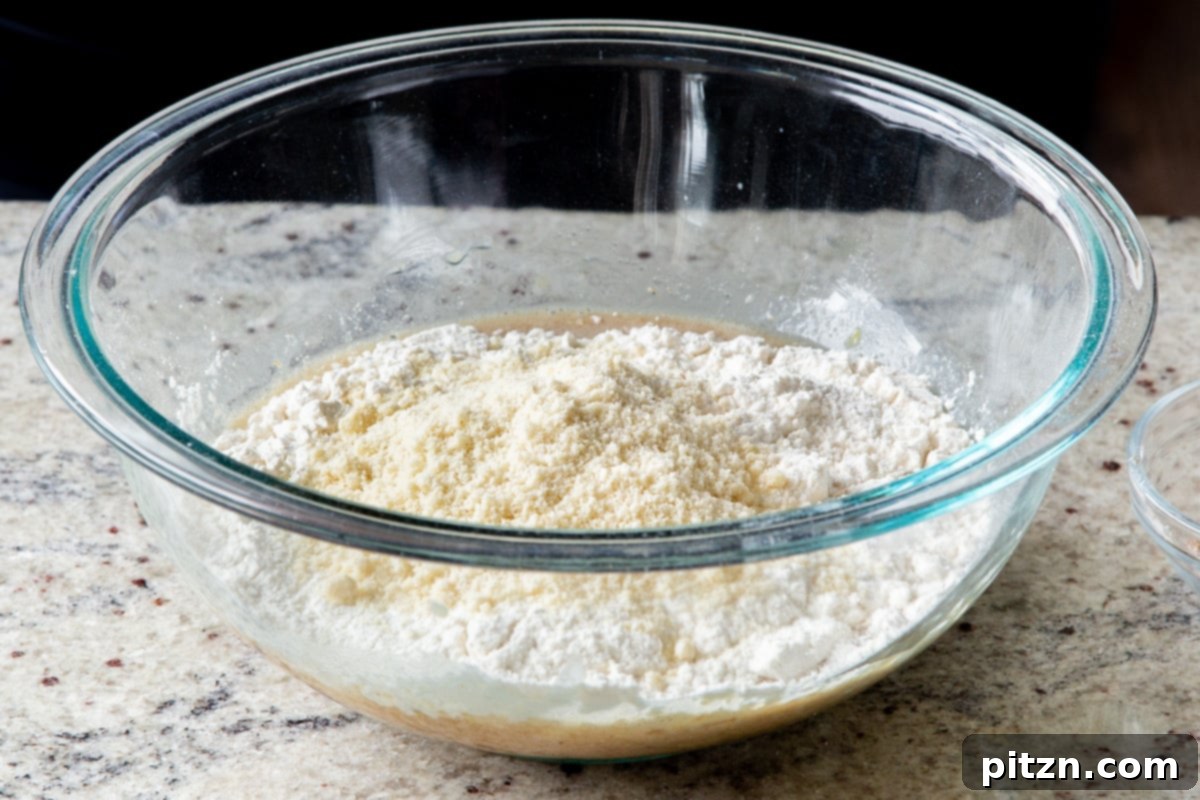
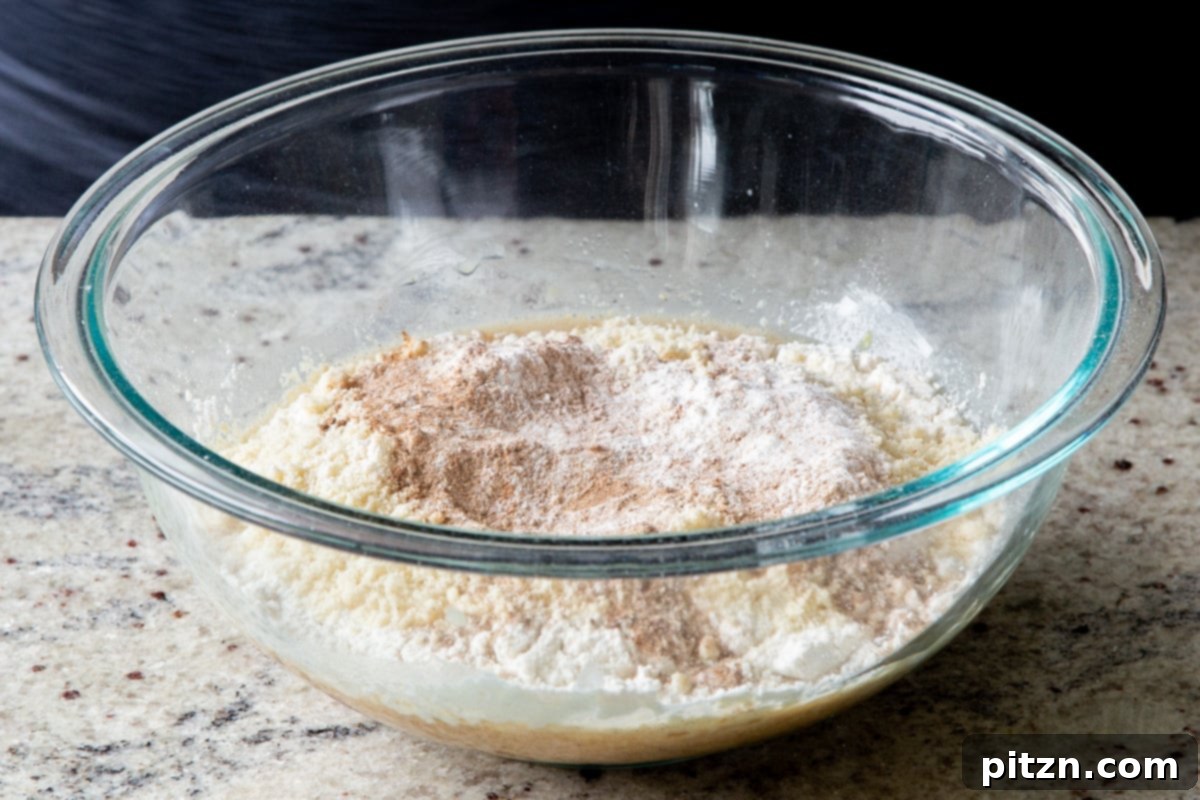
In a separate, medium-sized bowl, combine all the wet ingredients. This includes one cup of non-dairy milk, the flax egg (one tablespoon of flaxseed meal mixed with two and a half tablespoons of water, allowed to thicken), one-third cup of brown sugar, three tablespoons of oil, and half a teaspoon of vanilla extract or powder. Whisk these wet ingredients together very well until they are thoroughly combined and the sugar has mostly dissolved.
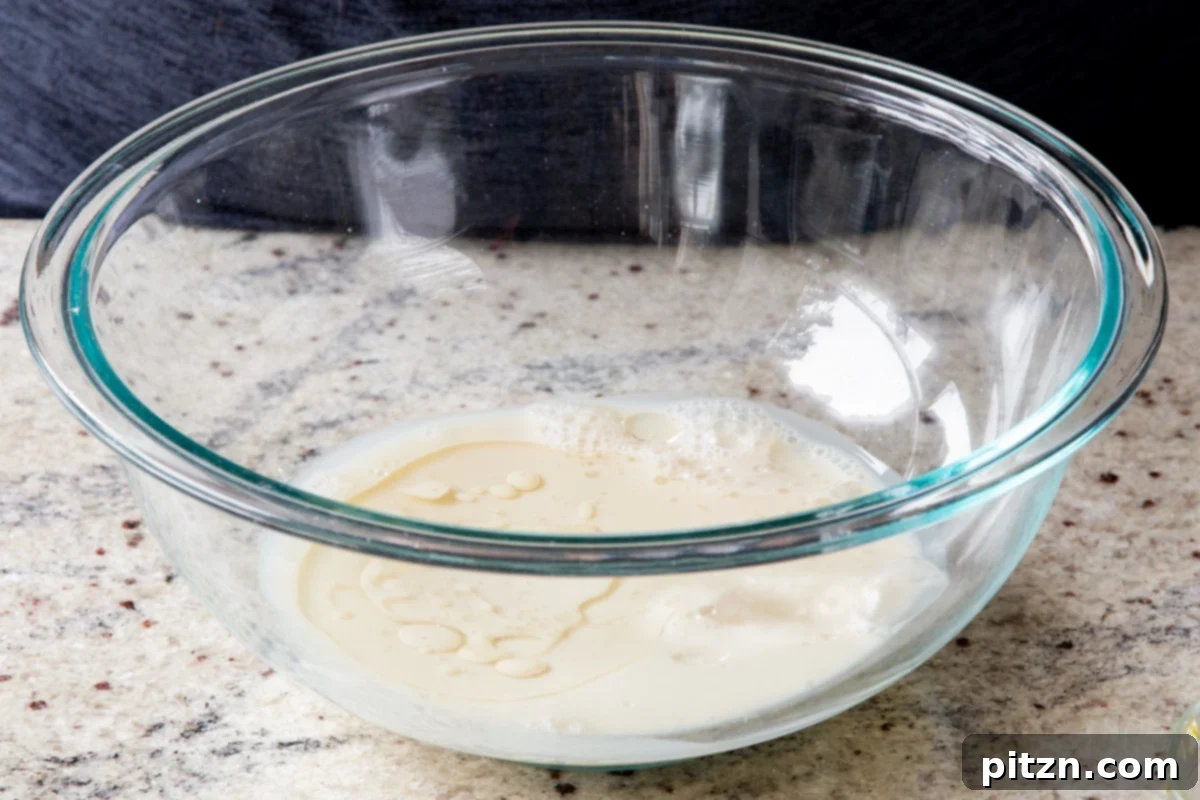
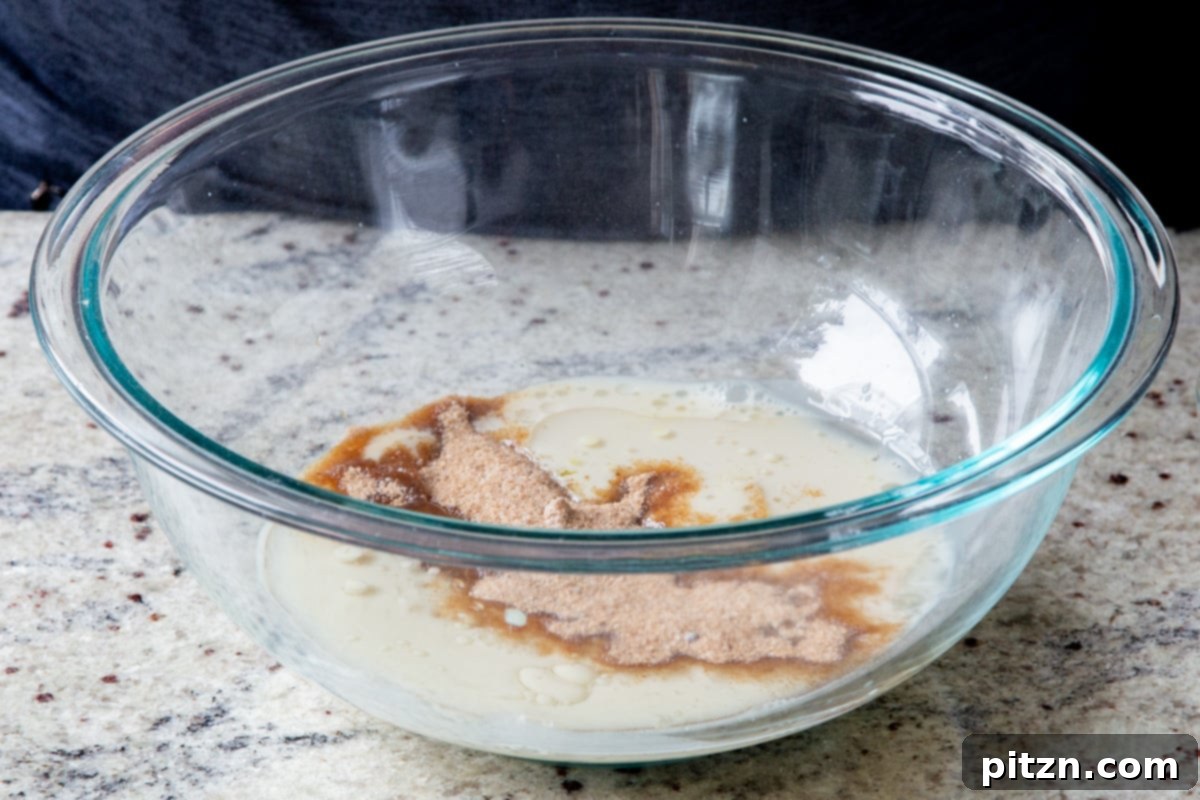
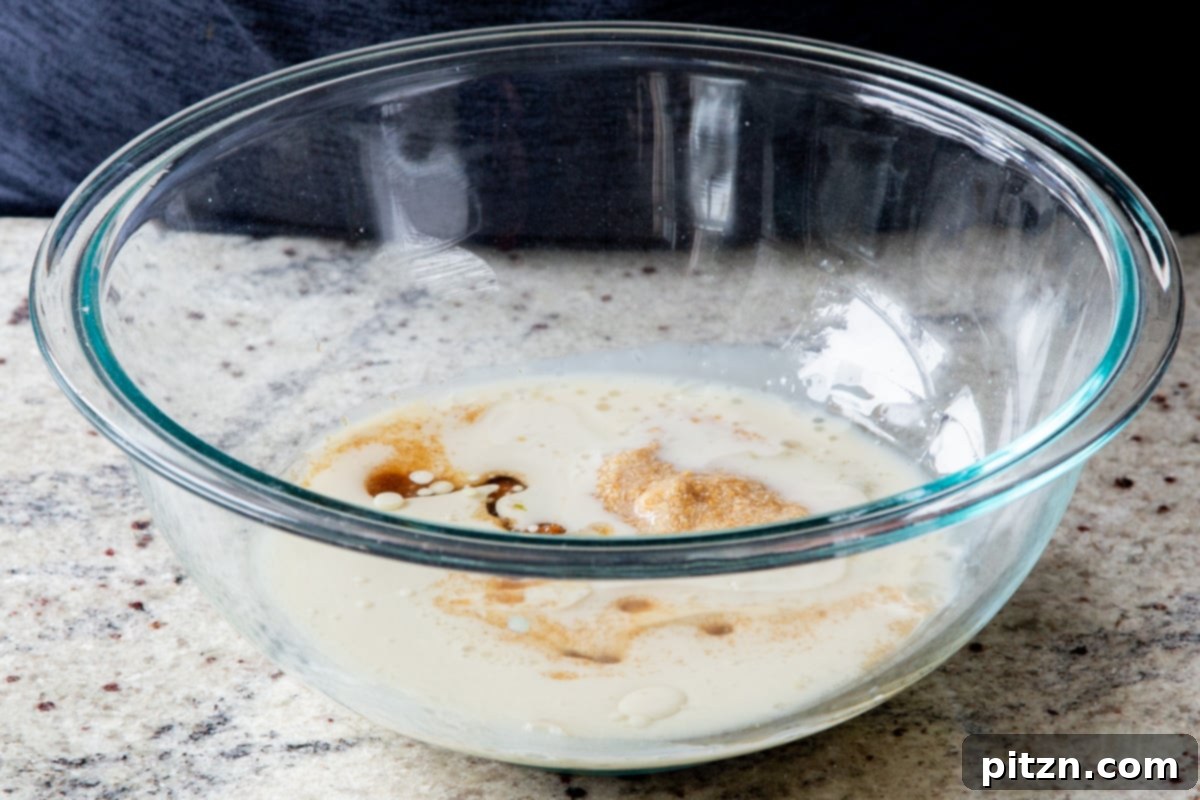
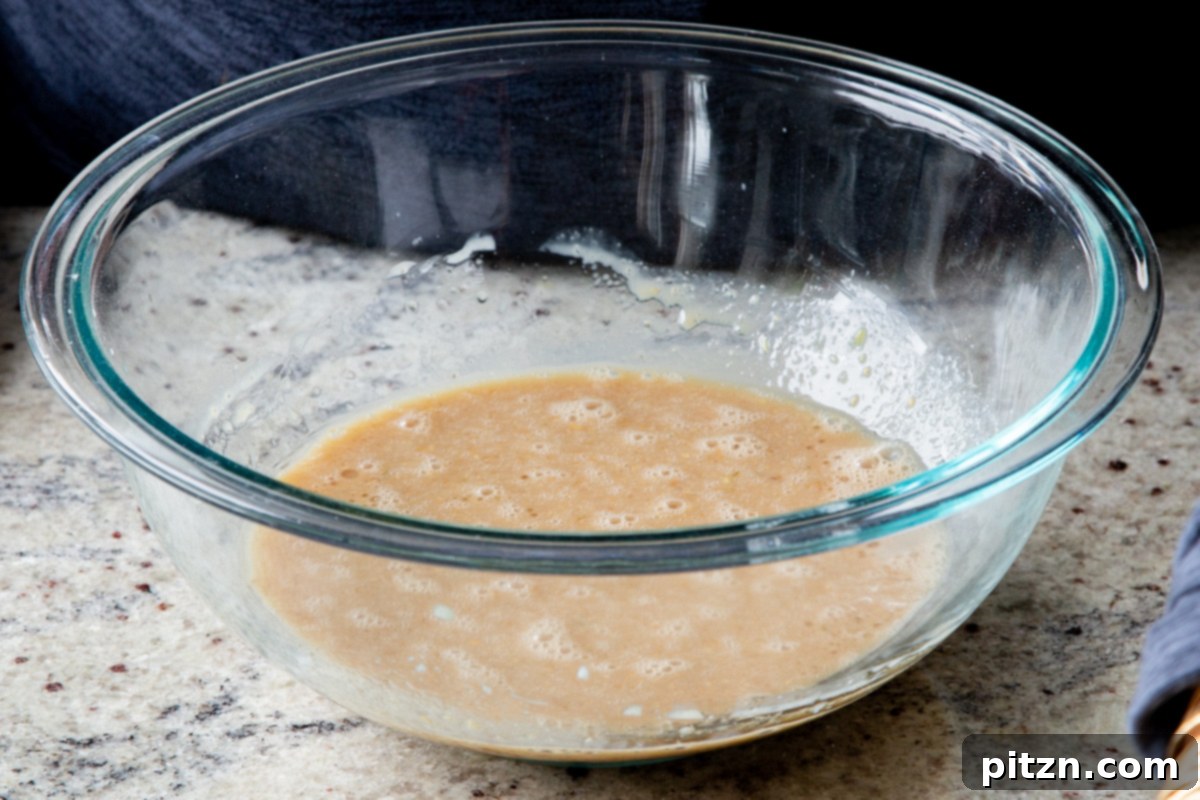
Now, combine your wet and dry ingredients. Pour half of the dry flour mixture into the bowl with the wet ingredients. Mix until just combined, being careful not to overmix. Then, add the remaining half of the flour mixture and continue to mix gently until you achieve a smooth and consistent batter.
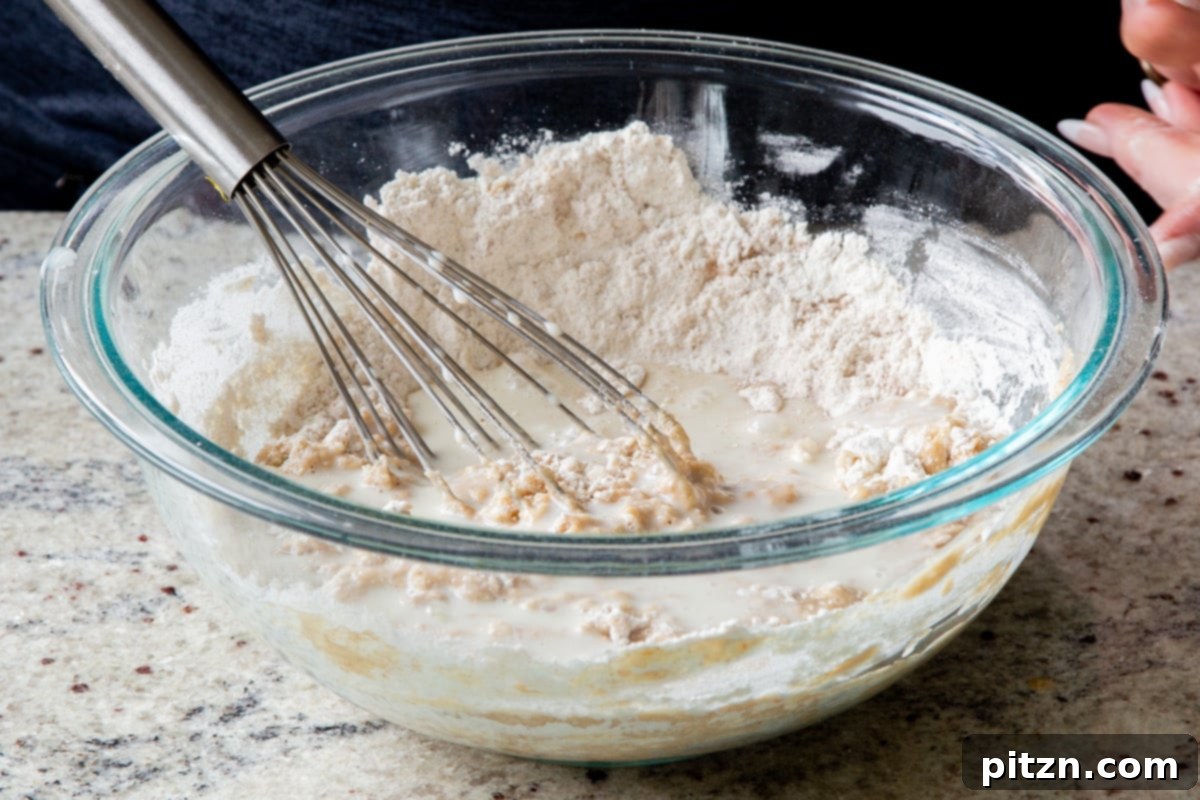
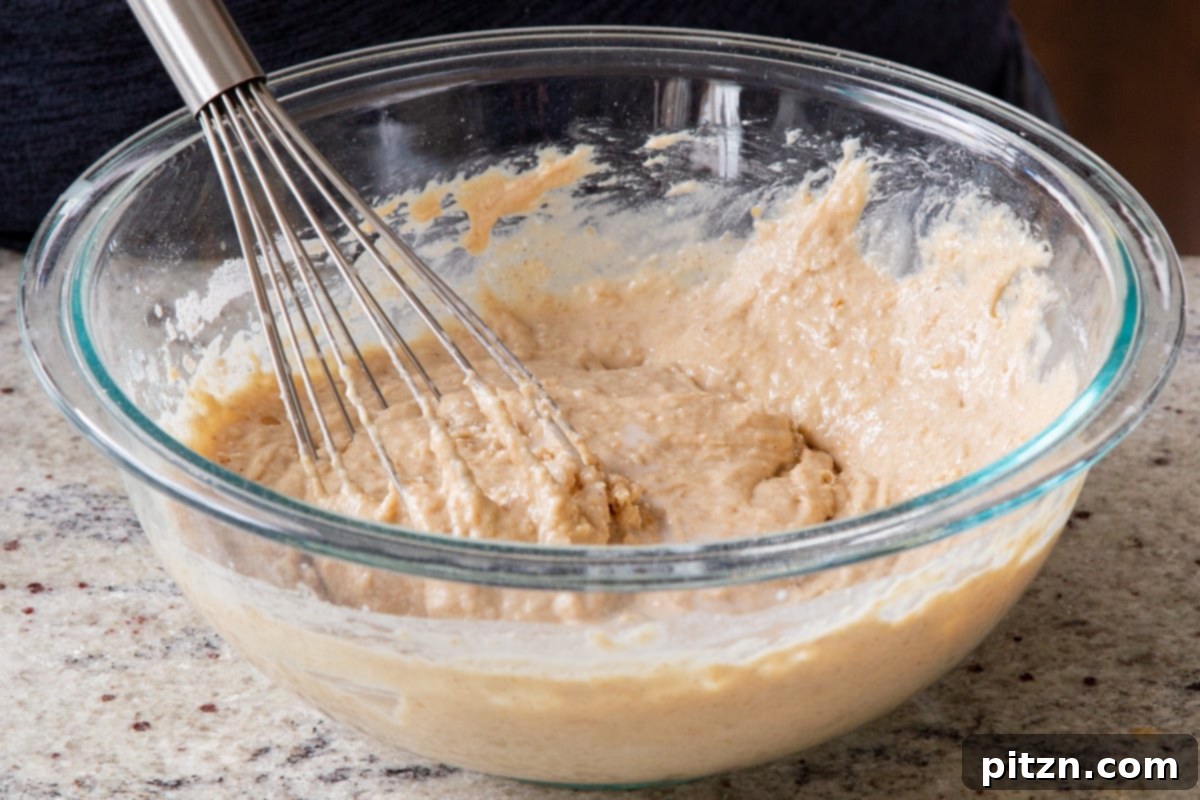
The resulting batter should be slightly thick, similar to a muffin batter consistency, and should not be overly runny. If your batter appears too flowy, gently mix in an additional one to two tablespoons of all-purpose flour. Conversely, if it’s too thick and stiff, you can add a tablespoon of non-dairy milk to achieve the desired consistency. Finally, gently fold one-third of your cooled, cooked shredded carrots into the batter, along with half of the drained, soaked raisins. This ensures flavorful carrot and raisin distribution throughout the cake base.
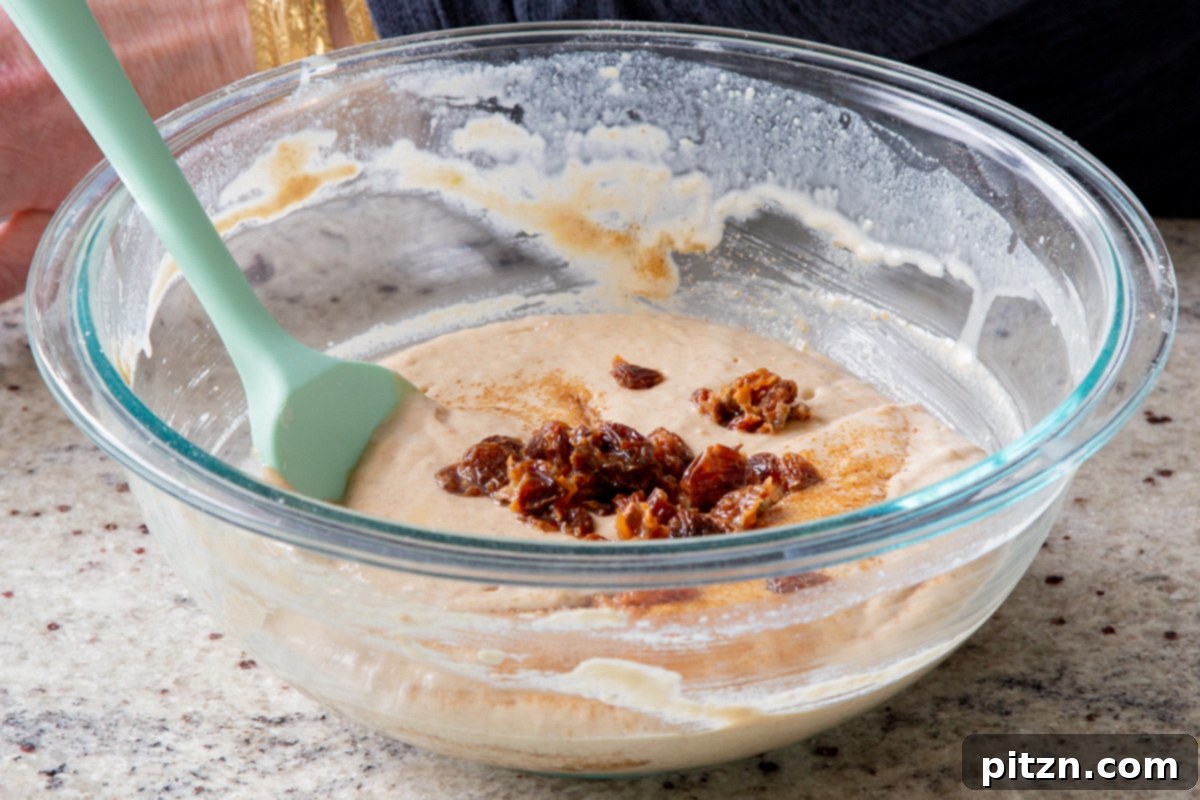
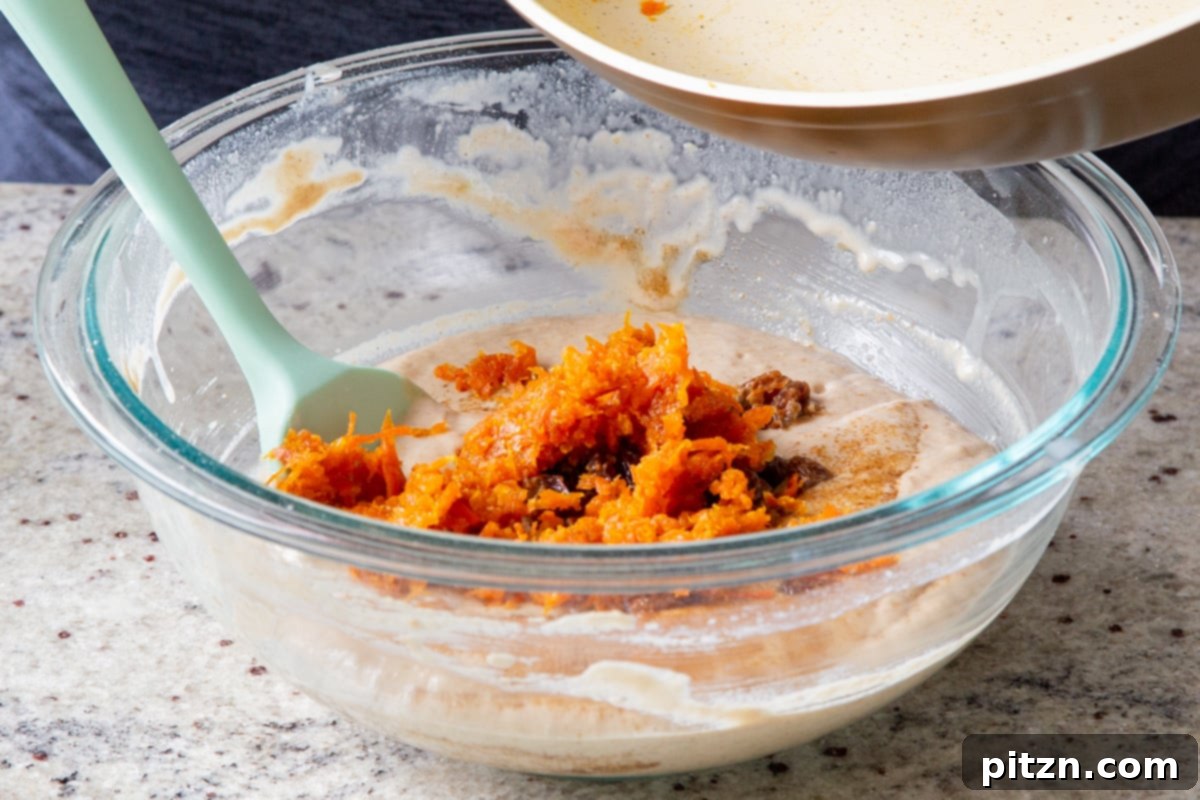
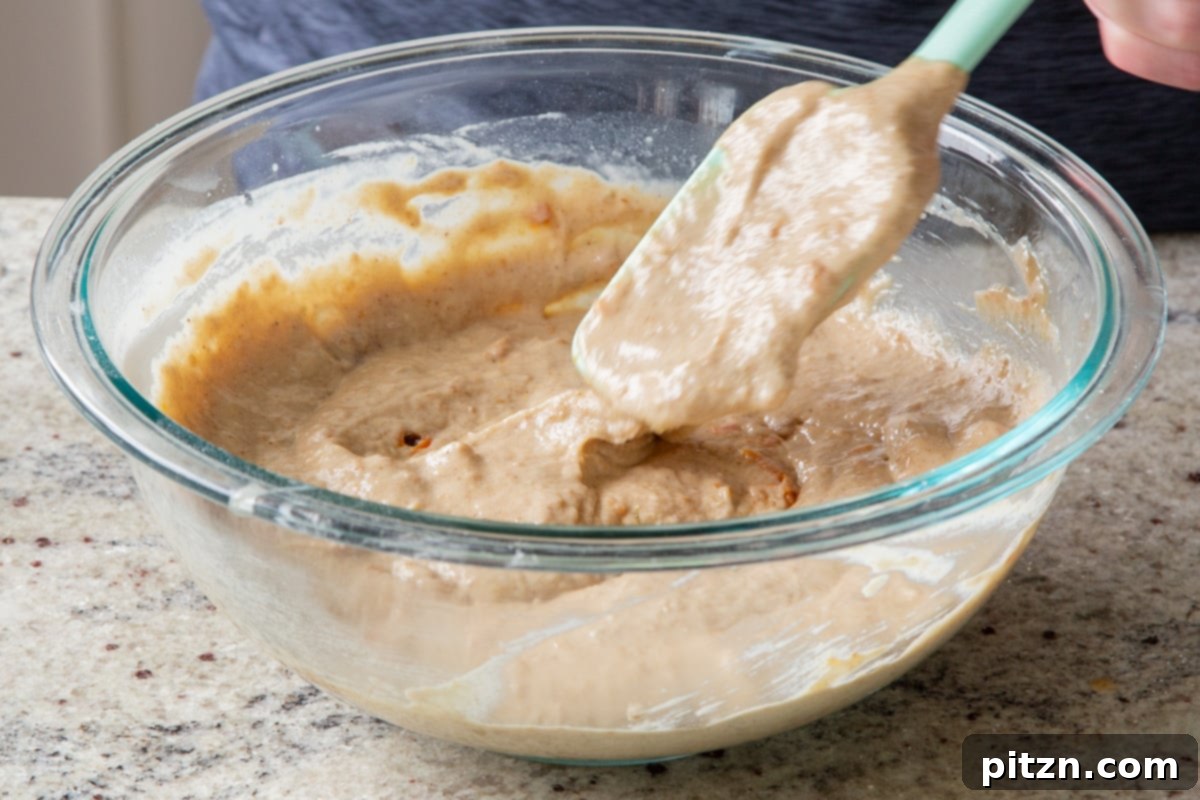
Step 3: Prepare the Pan and Top the Cake
Preheat your oven to 350°F (175°C). Line an 8-inch or 9-inch round cake pan with parchment paper on the bottom, and lightly grease the sides to prevent sticking. Carefully pour the prepared cake batter into the lined pan. Use a spatula to gently spread the batter out, ensuring it is evenly distributed across the bottom of the pan.
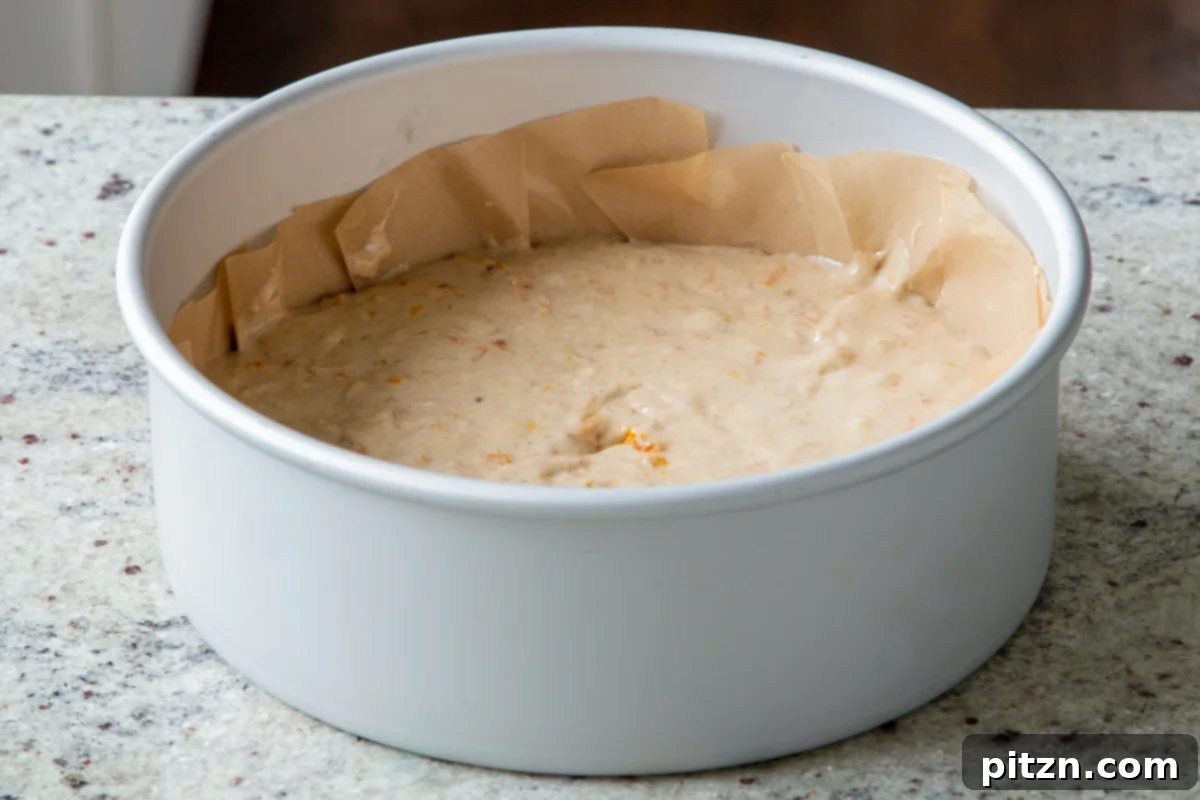
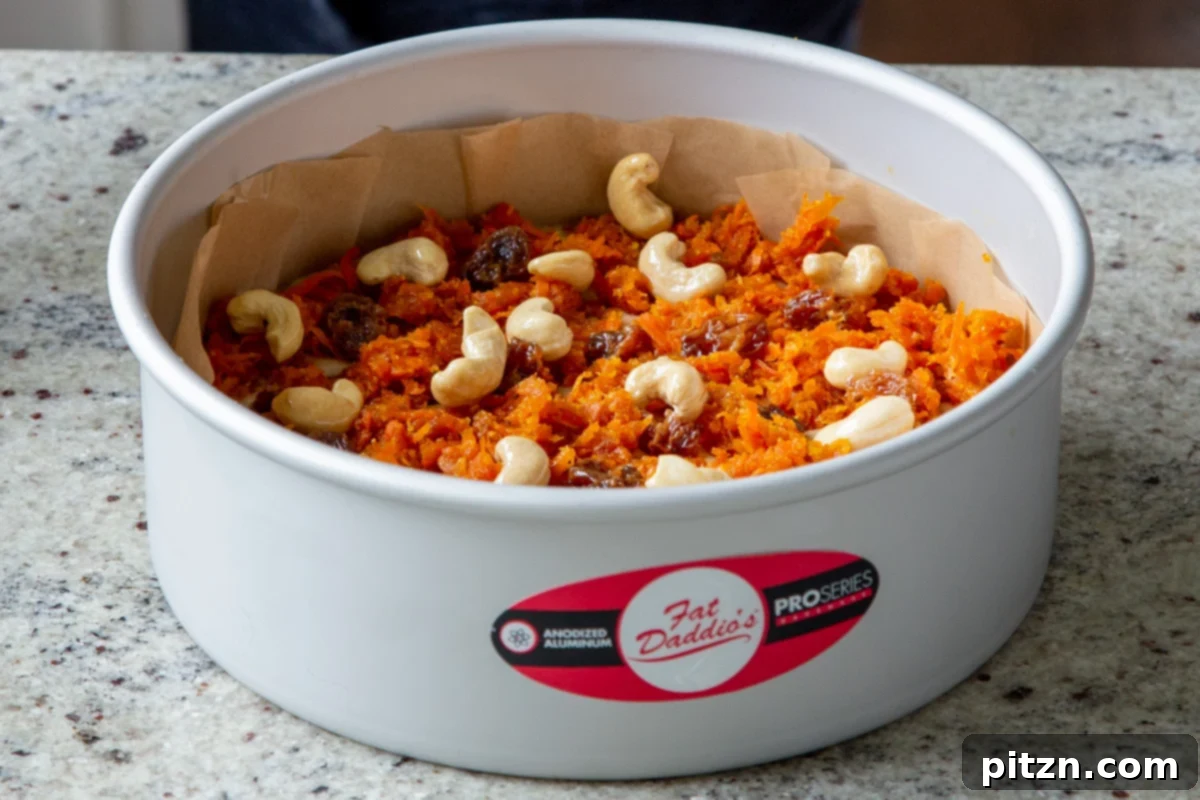
Next, take the remaining two-thirds of your caramelized shredded carrots and evenly distribute them over the top of the cake batter. This will form the delicious, rich halwa layer on top of your cake. For the final touch, lightly toss your cashews in about half a teaspoon of oil (this step is optional but helps prevent them from burning). Spread these coated cashews evenly over the carrot mixture. Then, sprinkle the remaining soaked and drained raisins on top of the carrots as well.
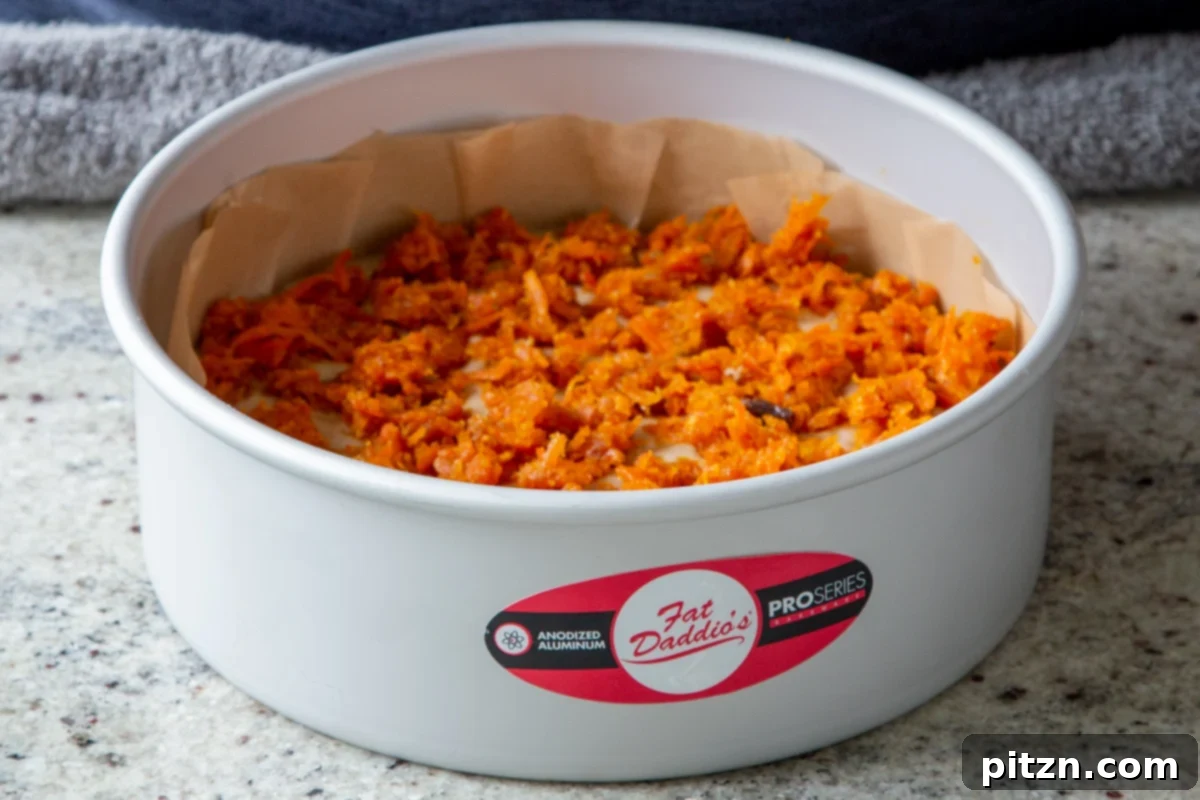
Crucially, gently press the cashews and raisins down into the carrot mixture and slightly into the cake batter. Ensure they are nestled in securely and not popping out. This step is essential; if nuts and fruits are too exposed on the surface, they can easily burn and become hard during baking, detracting from the overall enjoyment of your Vegan Carrot Halwa Cake.
Step 4: Bake to Perfection and Serve
Place your prepared cake pan into the preheated oven. Bake at 350°F (175°C) for approximately 30 to 40 minutes. Keep in mind that baking times can vary significantly based on your oven’s calibration, the specific type of cake pan you’re using, and the overall height of your cake. It’s always a good idea to stay attentive to your cake’s progress.
After the first 15 minutes of baking, gently cover the cake pan loosely with a piece of parchment paper or aluminum foil. This important step helps to prevent the cashews and raisins on top from getting too brown or burning while the cake continues to bake through perfectly.
Begin checking for doneness around the 30-minute mark. Insert a clean toothpick into the very center of the cake. If the toothpick comes out clean, or with only a few moist crumbs attached (no wet batter), then your magnificent Vegan Carrot Halwa Cake is ready! Carefully remove it from the oven and allow it to cool in the pan for 10 to 15 minutes. This resting period helps the cake to firm up and prevents it from breaking when you transfer it. After this initial cooling, gently transfer the cake from the pan onto a wire cooling rack or your chosen cake serving stand to cool for another few minutes.
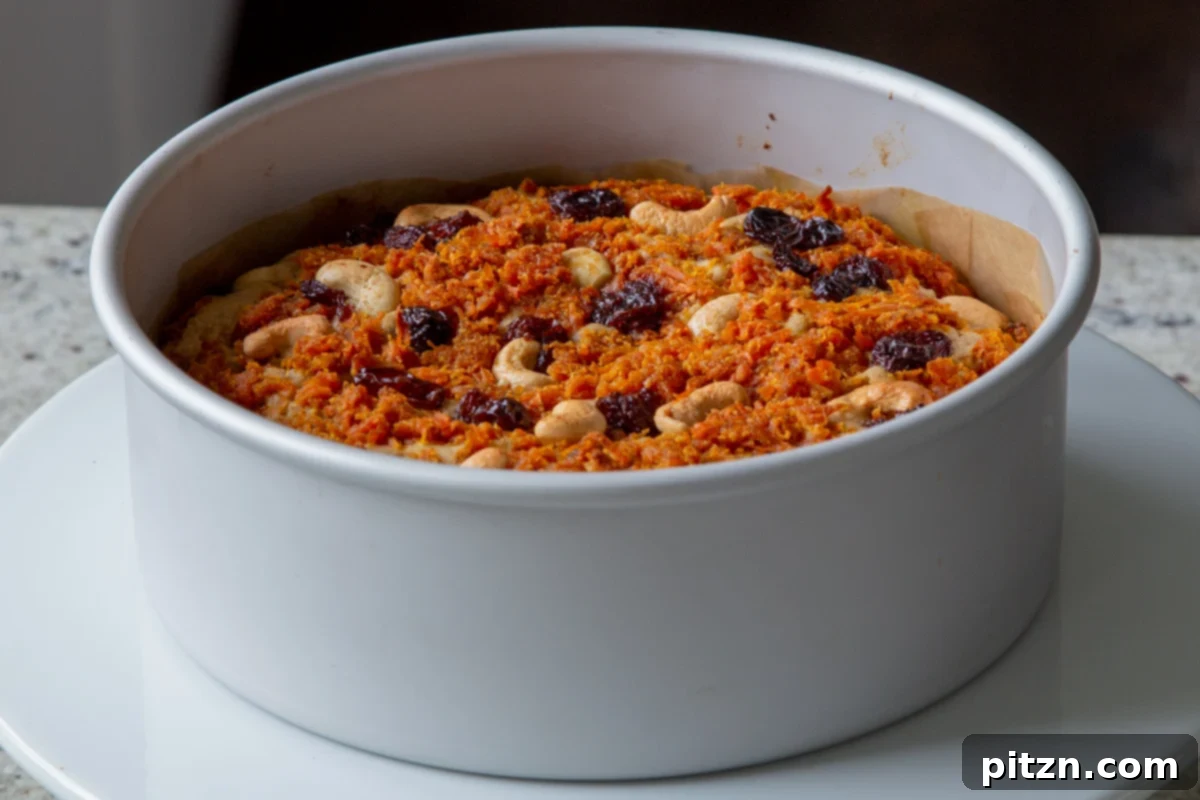
You can serve this delightful cake as is, celebrating its unique flavors. For a simple enhancement and added moisture, prepare a quick drizzle by mixing 1 tablespoon of powdered sugar with 2 tablespoons of water, then gently drizzle this glaze over the top of the cooled cake. This keeps the cake incredibly moist and adds a subtle sweetness. Alternatively, for a truly decadent experience, consider pairing it with a generous dollop of vegan cream cheese frosting, which perfectly complements the spiced carrot flavors.
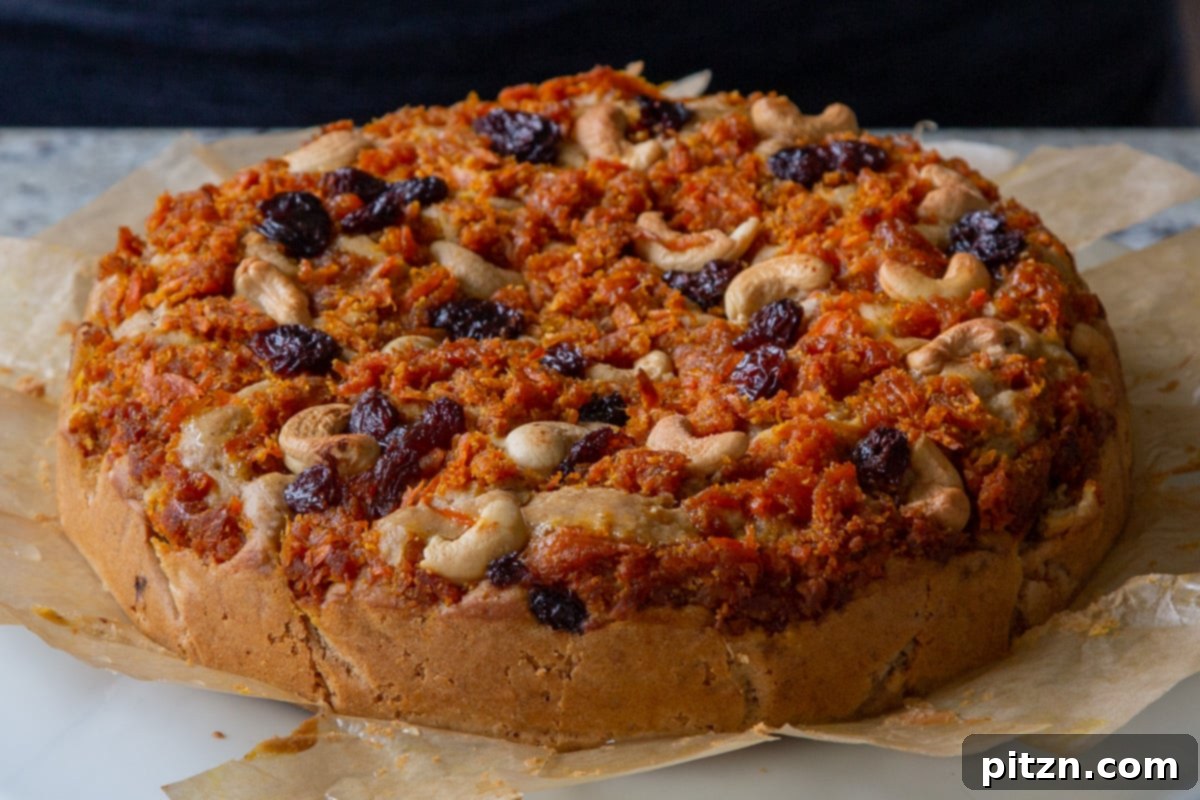
Allow the cake to cool for a few more minutes until it’s completely cool. Then, you can slice and serve it immediately. For storage, place any leftover slices in an airtight container and refrigerate for up to 4 days to maintain freshness. This Carrot Halwa Cake also freezes exceptionally well! To freeze, wrap individual slices tightly in plastic wrap, then in aluminum foil, and store them in a freezer-safe bag or container for up to 2-3 months. To reheat refrigerated slices, microwave them for five to ten seconds. For frozen slices, microwave for 20-25 seconds, then check and continue microwaving in 20-second intervals until the cake is warmed through to your desired temperature.
Frequently Asked Questions About Vegan Carrot Halwa Cake
Absolutely! To adapt this recipe for a nut-free diet, you will need to make a few simple adjustments. First, omit the cashews entirely from the topping. For both the caramelized carrots and the cake mixture, substitute the almond flour with an equal amount of all-purpose flour. You might also need to add an additional 2 tablespoons of all-purpose flour to the cake batter to achieve the optimal consistency, as different flours absorb liquids differently. This ensures everyone can enjoy a slice!
For the non-dairy milk, you have several excellent options that will all yield a delicious and moist cake. Almond milk, oat milk, cashew milk, and soy milk are all fantastic choices. It is generally recommended to use unsweetened varieties to control the overall sweetness of the cake. Each type of milk might impart a slightly different nuance to the flavor and texture, so feel free to use your favorite or experiment!
Yes, this recipe is easily adaptable to be gluten-free! Instead of 1 1/2 cups of all-purpose flour, use a well-combined mix of 3/4 cup almond flour, 3/4 cup oat flour, and 1/3 cup potato starch. This blend provides a good balance of texture and structure for gluten-free baking. Additionally, when it comes to the wet ingredients, reduce the non-dairy milk to 3/4 cup and use 1/4 cup of club soda or carbonated water. The carbonation can help give gluten-free cakes a lighter, more tender crumb. Remember to mix your gluten-free flours thoroughly before incorporating them into the batter.
Pre-cooking the shredded carrots before adding them to the cake batter is a crucial step that significantly enhances the cake’s flavor and texture. This initial sautéing with vegan butter, maple syrup, and spices allows the carrots to soften slightly and begin to caramelize. This process deepens their natural sweetness and develops rich, roasted notes that wouldn’t be present if you simply added raw carrots. It also prevents the carrots from having a “steamed” flavor in the final baked cake, instead integrating them seamlessly with a more profound, nuanced taste.
While maple syrup and brown sugar provide specific moisture and flavor profiles to this cake, you can experiment with alternatives. For the caramelized carrots, agave nectar can substitute maple syrup. For the cake batter, coconut sugar or a granulated vegan sugar can replace brown sugar, but be aware that they might slightly alter the cake’s moisture content and final flavor. Adjust liquid components slightly if you notice a significant change in batter consistency.