
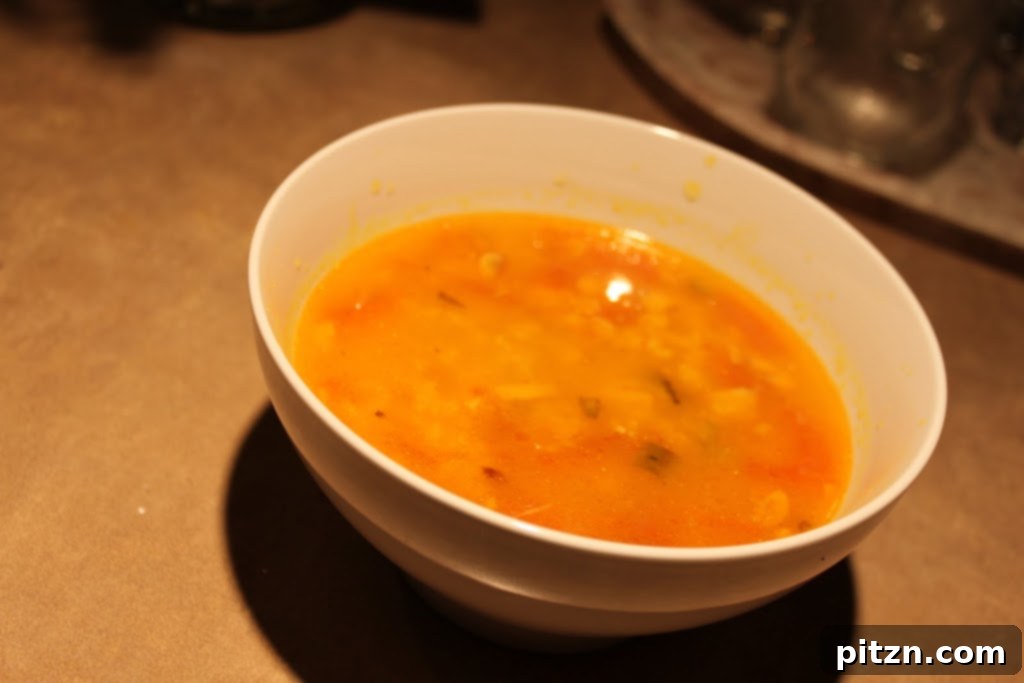
Welcome to the ultimate guide to crafting a truly simple, incredibly delicious, and profoundly healthy Daal Tadka – the quintessential Indian lentil soup side dish. This vegan and gluten-free recipe is not just a meal; it’s a comforting embrace, a nutrient powerhouse, and a celebration of robust Indian flavors that you can easily recreate in your own kitchen. Whether you’re a seasoned chef or new to Indian cuisine, prepare to elevate your cooking with this straightforward approach to a beloved classic.
Unveiling Daal Tadka: A Staple of Indian Cuisine
Daal Tadka, often referred to as tempered lentil soup, stands as a cornerstone of Indian culinary tradition. It’s a dish cherished across homes, restaurants, and street food stalls throughout the subcontinent, renowned for its hearty simplicity and incredible depth of flavor. At its heart, “daal” refers to lentils, a staple protein source in vegetarian diets, while “tadka” (or chaunk) is the crucial tempering process where whole spices, aromatics, and sometimes herbs are fried in oil or ghee to release their essential oils and infuse the dish with a fragrant, aromatic finish.
This humble dish is a testament to the power of a few key ingredients working in harmony. It embodies the essence of Indian cooking – transforming everyday pulses into something extraordinary through specific cooking techniques and a masterful blend of spices. Beyond its delicious taste, Daal Tadka is celebrated for its nutritional value, offering a rich source of plant-based protein, fiber, and essential minerals, making it a perfect component of a balanced, healthy diet.
Why This Daal Tadka Recipe Will Become Your Favorite
This particular Daal Tadka recipe is designed for both ease and exceptional flavor, making it perfect for weeknight dinners or a comforting weekend meal. We focus on a method that ensures the lentils, specifically split yellow mung daal, retain their delightful shape, creating what’s known as “khara daal.” Unlike some recipes where lentils can become overly mushy or pasty, this technique yields a textured, satisfying soup where each lentil maintains its integrity, adding a pleasant bite to every spoonful. (While the goal is distinct lentils, cooking time is key – they can still become softer if cooked for too long, so keep an eye on them!)
Beyond its appealing texture, this recipe shines for several reasons:
- Effortlessly Simple: With clear, concise steps, even beginners can achieve a perfect Daal Tadka.
- Wholesome & Healthy: Packed with plant-based protein and fiber, it’s a guilt-free indulgence.
- Naturally Vegan: Absolutely no animal products are used, making it ideal for a plant-based lifestyle.
- Gluten-Free Friendly: Made with naturally gluten-free lentils and spices, it caters to dietary sensitivities.
- Incredibly Flavorful: The tempering process unlocks a symphony of aromatic spices that will tantalize your taste buds.
Essential Ingredients for Authentic Daal Tadka
The beauty of Daal Tadka lies in its relatively simple ingredient list, most of which are pantry staples in Indian households. However, understanding the role of each component is key to mastering this dish.
The Humble Mung Daal (Split Yellow Lentils)
For this recipe, we specifically use split yellow mung daal. These small, yellow lentils cook relatively quickly and have a mild, slightly sweet flavor. When cooked correctly, they hold their shape beautifully, contributing to the “khara daal” texture we aim for. Mung daal is also highly digestible and a fantastic source of plant protein, dietary fiber, and various vitamins and minerals like iron and folate.
The Flavorful Tadka (Tempering)
The tadka is where the magic truly happens, elevating simple cooked lentils into a symphony of aromas and tastes. It’s a quick tempering of whole spices and aromatics in hot oil or vegan butter, poured over the cooked daal just before serving. Here’s a look at the stars of our tempering:
- Oil: A neutral oil like canola or sunflower is perfect for frying the spices.
- Mustard Seeds: These pop and release a pungent, nutty flavor.
- Cumin Seeds: Earthy and warm, they are a hallmark of Indian cuisine.
- Coriander Seeds: Add a citrusy, slightly sweet depth.
- Asafoetida (Hing): A pungent, garlicky-onion like spice that adds a savory depth and aids digestion. Essential for authentic flavor in many lentil dishes.
- Curry Leaves: Fresh curry leaves provide a unique, aromatic, and slightly citrusy fragrance that is irreplaceable.
- Dry Red Chili: Adds a gentle warmth and a beautiful color. Adjust to your spice preference.
- Garlic: Freshly chopped garlic provides a robust, savory foundation.
- Vegan Butter: A dollop of vegan butter (or vegan ghee) at the end enriches the tadka and adds a luxurious, creamy finish.
- Turmeric & Salt: These are cooked with the daal itself, providing color, earthy notes, and essential seasoning.
- Tomato (Optional): A hint of tomato can add a touch of tanginess and body to the daal.
Step-by-Step Guide: Crafting Your Perfect Daal Tadka
Creating a delicious Daal Tadka is a straightforward process when you follow these steps carefully. The key is in the timing of the tempering and the cooking of the lentils.
Daal Tadka (Tempered Lentil Soup)
Vegan Richa
30 minutes
20 minutes
50 minutes
2
people
Side Dish
Gluten-free, Vegan
Ingredients
-
1 cup split yellow mung daal -
2 cups water -
1/2 teaspoon turmeric -
1/2 teaspoon salt -
1/2 medium tomato, (optional)
Tempering:
-
1 teaspoon oil -
1/2 teaspoon mustard seeds -
1/2 teaspoon cumin seeds -
1/2 teaspoon coriander seeds -
pinch of asofetida, (hing) -
5 curry leaves -
1 dry red chili -
4-5 cloves of garlic chopped -
1 teaspoon vegan butter
Instructions
-
Soak the daal in warm water for half an hour. This helps in quicker cooking and better texture.
-
In a pan, heat the oil on medium heat until it’s nice and hot but not smoking.
-
Add mustard seeds. Once they start to sputter and pop (this happens quickly, in a few seconds), add cumin and coriander seeds. Stir for a few seconds until fragrant.
-
Next, add in the asafoetida (hing) and curry leaves. Mix gently, being careful as the curry leaves might splatter.
-
Add the dry red chili and chopped garlic. Cook, stirring frequently, until the garlic turns a beautiful golden brown. Be careful not to burn it.
-
If using, add the chopped tomatoes and cook for about a minute until they soften slightly.
-
Rinse the soaked daal thoroughly under running water and drain. Add the rinsed daal to the pan along with the water, salt, and turmeric powder.
-
Mix everything well. Bring to a gentle boil, then reduce heat to low, cover the pan, and cook for 10-15 minutes, or until the daal is tender but still retains its shape. Adjust cooking time based on your desired lentil texture.
-
Once the daal is cooked to your liking, stir in the vegan butter and remove the pan from heat immediately. The residual heat will melt the butter and infuse the daal with its rich flavor.
-
Serve hot, garnished generously with fresh cilantro and a squeeze of fresh lime juice. The Daal Tadka pairs wonderfully with fluffy basmati rice, warm roti or naan, or as a vibrant side dish to any dry vegetable stir-fry or curry.
Notes
- Variations: This recipe is incredibly versatile! You can experiment with other split daals like toor (pigeon pea) or masoor (pink lentil), either individually or in combination, for different textures and flavors. Feel free to add finely chopped onions or ginger to the tempering along with the garlic for extra aromatic layers. Spices such as a pinch of fennel seeds or a bay leaf can also be added to the tempering for more complexity.
- Nutritional value is based on 1 serving.
Nutrition
Carbohydrates: 68g,
Protein: 25g,
Fat: 5g,
Sodium: 600mg,
Potassium: 1332mg,
Fiber: 17g,
Sugar: 7g,
Vitamin A: 435IU,
Vitamin C: 57.9mg,
Calcium: 165mg,
Iron: 7.6mg
Nutrition information is automatically calculated, so should only be used as an approximation.
Did you make this recipe? Rate and comment below!
Serving Suggestions for Your Delicious Daal Tadka
Daal Tadka is a incredibly versatile dish that pairs beautifully with a variety of accompaniments, making it a star on any Indian meal platter. Here are some popular and delightful ways to serve your freshly made lentil soup:
- Basmati Rice: The most classic pairing. The fragrant, fluffy grains of basmati rice are perfect for soaking up the rich flavors of the daal.
- Roti or Naan: Warm, soft Indian flatbreads, whether it’s whole wheat roti or leavened naan, are excellent for scooping up the daal.
- Vegetable Stir-fry (Sabzi): A dry vegetable curry or stir-fry (like aloo gobi or bhindi fry) complements the liquid consistency of the daal, creating a balanced meal.
- Quinoa or Brown Rice: For a healthier alternative to white rice, consider serving with quinoa or brown rice.
- Side Salad: A simple fresh salad with cucumber, onions, and tomatoes can add a refreshing crunch.
- Khara Biscuit: As mentioned in the original context, a unique and delightful accompaniment is “Khara Biscuit” – a savory puff pastry sprinkled with sea salt and carom seeds (ajwain) and baked until golden. The flaky, salty pastry offers a wonderful textural contrast to the smooth daal.
Always remember to garnish with fresh cilantro and a squeeze of lime or lemon juice just before serving. These fresh elements cut through the richness and brighten the overall flavor profile.
Variations & Customizations: Make it Your Own
One of the joys of Indian cooking is the endless possibility for customization. While this recipe provides a fantastic base for Daal Tadka, feel free to experiment and tailor it to your personal preferences:
- Lentil Choices: Don’t limit yourself to just mung daal! You can use toor daal (split pigeon peas), masoor daal (red lentils), or a combination of various split lentils for different textures and nutritional benefits. Each lentil type brings its own unique flavor profile.
- Aromatics Boost: Beyond garlic, consider adding finely chopped onions to the tempering after the seeds have popped. Sauté them until translucent or golden brown before adding other ingredients. A bit of grated fresh ginger can also be added along with the garlic for a more pungent kick.
- Spice Variations: While the core spices are essential, you can add a pinch of fennel seeds (saunf) to the tempering for a slightly sweet, anise-like flavor, or a bay leaf for an earthy note. A touch of garam masala can be stirred in at the very end for an extra layer of warmth.
- Vegetable Additions: Want to boost the veggie content? You can finely chop vegetables like spinach, carrots, or zucchini and add them to the daal during the last few minutes of cooking, allowing them to soften slightly while retaining some bite.
- Heat Level: Adjust the number of dry red chilies or add a pinch of cayenne pepper or finely chopped green chilies to the tempering if you prefer a spicier Daal Tadka.
- Smoky Flavor: For a restaurant-style smoky flavor (Dhuni Maar Daal), place a small heat-proof bowl in the center of the cooked daal, put a burning charcoal piece in it, drizzle a teaspoon of oil/ghee over the charcoal, and immediately cover the pot with a lid for a few minutes. Remove the charcoal and bowl before serving.
Health Benefits of Lentils: More Than Just Flavor
Lentils, particularly mung daal, are nutritional powerhouses and a cornerstone of a healthy, plant-based diet. Incorporating Daal Tadka into your meal rotation offers a wealth of health benefits:
- Rich in Protein: Lentils are an excellent source of plant-based protein, crucial for muscle repair, growth, and overall bodily functions. This makes Daal Tadka a satisfying and filling meal for vegans and vegetarians.
- High in Fiber: Both soluble and insoluble fibers are abundant in lentils. Dietary fiber aids in digestion, promotes gut health, helps regulate blood sugar levels, and contributes to a feeling of fullness, which can assist in weight management.
- Packed with Micronutrients: Lentils are a good source of essential vitamins and minerals, including iron (vital for oxygen transport), folate (important for cell growth), magnesium (supports muscle and nerve function), potassium (helps regulate blood pressure), and zinc (boosts immune function).
- Heart Healthy: The fiber, folate, and potassium in lentils contribute to cardiovascular health by helping to lower cholesterol levels and maintain healthy blood pressure.
- Blood Sugar Regulation: The high fiber content also helps to slow down the absorption of carbohydrates, preventing sharp spikes in blood sugar levels, which is beneficial for managing diabetes.
- Antioxidant Properties: Turmeric, cumin, and other spices used in Daal Tadka are known for their antioxidant and anti-inflammatory properties, contributing to overall well-being.
With such an impressive nutritional profile, Daal Tadka is truly a dish that nourishes both the body and the soul.
Tips for Daal Tadka Perfection
Achieving a restaurant-quality Daal Tadka at home is easily within reach with these expert tips:
- Soaking is Key: While split mung daal cooks relatively fast, soaking it for at least 30 minutes, or even an hour, can significantly reduce cooking time and ensure a more even texture. It also aids in digestion.
- Rinse Thoroughly: Always rinse your lentils thoroughly after soaking (and before if not soaking) to remove any dust or impurities.
- Don’t Overcook the Lentils: For that desirable “khara daal” texture where lentils retain their shape, keep a close eye on the cooking time. Mung daal can go from firm to mushy quickly. You want them tender but not disintegrated.
- Master the Tempering (Tadka): The tadka is the soul of this dish. Ensure your oil is hot enough for the mustard seeds to sputter, but not so hot that the spices burn. Each spice has its moment to shine; add them in quick succession and stir constantly to prevent burning.
- Fresh Aromatics: Always use fresh garlic and curry leaves if possible. The difference in flavor from fresh ingredients is incomparable.
- Asafoetida (Hing): Don’t skip the hing, especially if you’re making a vegan daal. It adds a crucial savory depth and aroma characteristic of Indian lentil dishes. (Note: some brands of hing contain wheat flour, so check labels for gluten-free versions if necessary).
- Seasoning: Taste and adjust salt and spices at the end. A little extra salt or a squeeze of lime can balance the flavors perfectly.
- Garnish Generously: Fresh cilantro is not just for decoration; its bright, herbaceous flavor is essential for a truly authentic Daal Tadka experience.
Frequently Asked Questions about Daal Tadka
Here are answers to some common questions you might have about making Daal Tadka:
Q: Can I make this Daal Tadka in a pressure cooker?
A: Absolutely! Pressure cooking can significantly speed up the lentil cooking process. After soaking and rinsing, combine the daal, water (use slightly less than stove-top, perhaps 1.5 cups for 1 cup daal), turmeric, and salt in a pressure cooker. Cook for 1-2 whistles (about 5-7 minutes) for tender but still textured lentils. Then, prepare the tempering in a separate pan and add it to the cooked daal.
Q: What if I don’t have all the tempering spices?
A: While the full array of spices creates the most authentic flavor, you can still make a delicious daal with fewer. Cumin seeds, garlic, and turmeric are probably the most essential. You can omit coriander seeds or curry leaves if unavailable, but try to use at least mustard seeds and hing for a characteristic tadka flavor.
Q: Can I prepare Daal Tadka ahead of time?
A: Yes, Daal Tadka stores very well. You can cook the daal ahead of time and store it in the refrigerator for 3-4 days. When ready to serve, reheat the daal, and prepare a fresh tadka to pour over it just before serving. This ensures the tempering’s aromas and crunch are at their best.
Q: How do I adjust the consistency of the daal?
A: If your daal is too thick, add a little hot water and stir until it reaches your desired consistency. If it’s too thin, you can simmer it uncovered for a few extra minutes to allow some liquid to evaporate, or lightly mash a portion of the lentils to thicken it.
Q: Is this recipe suitable for meal prepping?
A: Yes, it’s excellent for meal prepping. Cook a larger batch of the daal and portion it out. Store the daal base and make fresh tadka as needed before serving, or you can even make the tadka in advance and store separately, though fresh is always best for aroma.
Conclusion: Savor the Simplicity and Flavor
Daal Tadka is more than just a dish; it’s a testament to the comforting, nourishing power of simple ingredients transformed by traditional techniques. This recipe offers you a gateway to authentic Indian flavors, providing a healthy, vegan, and gluten-free meal that is both satisfying and incredibly easy to make. The perfect “khara daal” texture, combined with the aromatic tempering, creates an experience that will delight your palate and warm your soul. So, gather your ingredients, follow these steps, and prepare to enjoy a truly exceptional Daal Tadka that will surely become a cherished part of your culinary repertoire. Enjoy the vibrant tastes and health benefits of this timeless Indian classic!