
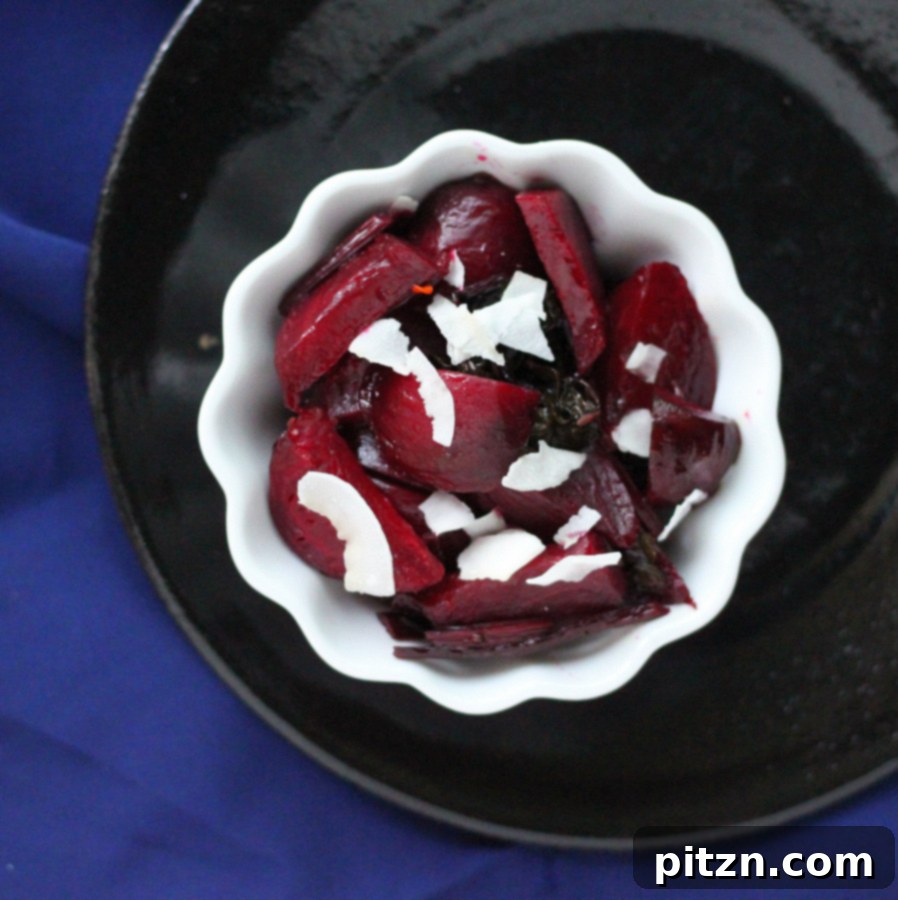
Vibrant Beet Root and Beet Greens Stir Fry: A Fresh, Healthy, and Easy Vegan Recipe
The Labor Day weekend, typically a time for relaxation and rejuvenation, took an unexpected turn this year. While moments were spent enjoying drives to stunning blue lakes, visiting loved ones, and even a bit of house searching, the real drama unfolded back home. My trusty Dell machine, a workhorse for years, decided to stage a rebellion. Windows Explorer began a relentless cycle of crashing, making even the simplest tasks an exercise in futility. An entire Tuesday was dedicated to the painstaking process of backing up every last file and coaxing minimal functionality from the ailing device.
In a moment of combined frustration and opportunity, a long-delayed gift from my husband — a sleek new MacBook Pro — finally made its debut. The excitement, however, was short-lived. The advanced, wider RGB gamut of its Retina display presented a perplexing challenge: all my carefully edited photos appeared hyper-saturated, distorted, and frankly, unnatural, often with an unsettling fluorescent hue. This wasn’t an isolated incident; I’d encountered a similar issue with a Samsung 9 featuring an Intel 4000 chip. If anyone out there has grappled with these newer displays and chipsets and found a solution, please share your wisdom! Your guidance would be invaluable.
The Quest for Perfect Color Calibration
To combat this visual dilemma, we recently acquired a colorimeter, hoping it would be the magic wand for precise color calibration. The anticipation is high, but the journey to seamless tech integration feels longer than expected. Gone are the days when a new machine would work flawlessly straight out of the box, at least where color accuracy is concerned. The core functionality is there, but the visual output for creative work is significantly off. And so, the quest for a perfectly calibrated display continues.
In the meantime, my workflow has become a bit of an elaborate dance: editing pictures on my network-dead Dell, transferring them to the new Mac, writing this very post on the Mac, and simultaneously text-chatting (or more accurately, ‘cribbing’) with my husband on the phone about these tech woes. It’s a testament to the dedication required for creative work, even when technology throws curveballs.
Warning: Prepare for a delightful overload of pictures!
With so much fresh produce, it’s truly impossible to pick just one favorite to showcase! Each image tells a story of natural beauty and culinary potential.
From Our Urban Garden to Your Table: A Fresh Beet Harvest
Amidst the digital chaos, there’s immense joy to be found in the simple, tangible pleasures of life. This past weekend, we dedicated a beautiful day to our urban garden, a small oasis delivering impressive yields. We harvested a generous bounty of crisp lettuce, robust dino kale, and, most excitingly, our very first beets! We managed to pull four charming beet plants from the earth, each root a vibrant jewel. It’s truly heartwarming to witness these pretty things grow, embodying the spirit of “urban garden to table” — in our case, a mere 12 blocks away! We also took the opportunity to plant some fragrant dill and colorful flowers along the edges, ensuring future harvests and a touch of beauty.
There’s something incredibly satisfying about cooking with ingredients you’ve grown yourself. The freshness is unparalleled, and the flavors are simply sublime. Beets, in particular, are a powerhouse of nutrition. Both the vibrant roots and the leafy greens are packed with vitamins, minerals, and antioxidants. Beetroots are known for their earthy sweetness and are a great source of fiber, folate, manganese, potassium, and iron. Their greens are even more nutrient-dense, offering vitamins A, C, and K, as well as calcium and iron. Incorporating both parts of the beet into a single dish not only minimizes waste but also maximizes the nutritional impact and flavor profile.
Preparing Your Freshly Harvested Beets
The first step in transforming these garden treasures into a delectable meal is always a thorough wash. Gently clean any soil from the roots and leaves, ensuring they are pristine before moving on.
Once washed, the beets are ready for preparation. I meticulously peeled the roots to reveal their vibrant magenta flesh and then carefully separated the stems from the leaves. A handy tip: I set aside some of the tender beet leaves to use in a fresh side salad, embracing a zero-waste approach to cooking.
Oh, the glorious color! The peeled beetroots present a stunning display of deep pink, promising a feast for both the eyes and the palate. This natural beauty is one of the many reasons to love cooking with beets.
Now, for the cooking magic! Begin by adding your preferred oil, such as organic canola or virgin coconut oil, to a pan and heating it over medium flame. Once shimmering, introduce mustard and cumin seeds. Allow them to splutter and release their aromatic essence, indicating they’re perfectly tempered. Then, toss in a couple of dry red chilies for a subtle kick and a delightful smokiness, stirring for just a few seconds to infuse the oil with their flavor.
Next, it’s time to bring in the stars of our dish: the chopped beet roots, stems, and greens. Add them to the pan along with a pinch of salt. Mix everything thoroughly, ensuring the vegetables are coated with the fragrant spices.
Pour in the specified amount of water, give it another good stir, then cover the pan. Reduce the heat to low and allow the beets to cook gently until they are tender. This slow cooking process allows the flavors to meld beautifully and the vegetables to soften to perfection. Stir occasionally to prevent sticking and ensure even cooking. The result is a savory and slightly sweet stir fry, with the beets tasting reminiscent of roasted beets, enhanced by a delightful hint of spice.
Beet Root and Beet Greens Stir Fry: A Complete Vegan Delight
This versatile dish can be enjoyed either hot or cold, making it perfect for a variety of occasions. Whether served as a light lunch, a vibrant side dish, or a hearty component of a larger meal, its flavors truly shine.
The Recipe: Beet Root and Beet Greens Stir Fry
Recipe by Richa Hingle
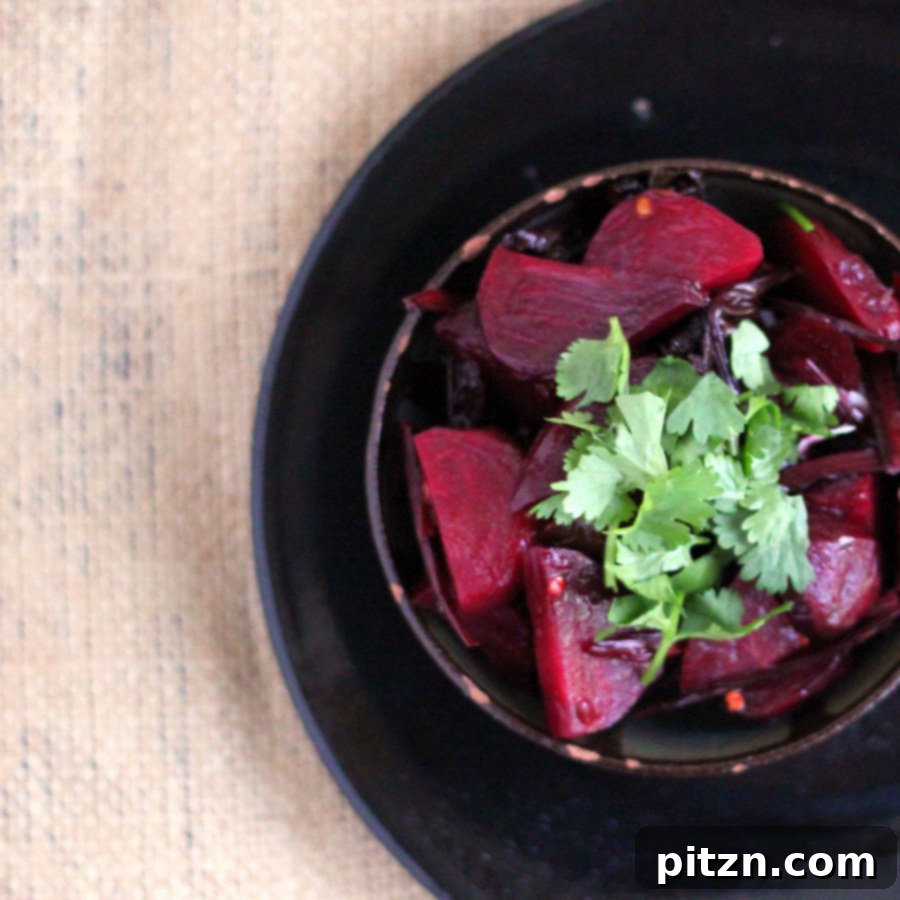
This recipe is wonderfully Vegan, Gluten-free, Soy-free, Nut-free, and Corn-free, making it suitable for a wide range of dietary needs and preferences.
Prep time: 10 minutes
Cook time: 25-30 minutes
Ingredients:
- 4 medium beet roots, peeled and chopped
- ½ cup beet greens and stems, thoroughly washed and chopped
- 1 teaspoon organic canola oil or virgin coconut oil
- ½ teaspoon mustard seeds
- ½ teaspoon cumin seeds
- 2 dried red chilies, broken into a few pieces for enhanced flavor
- ⅓ teaspoon salt, or adjust to your personal taste
- ¼ cup water
- Variations: For an extra layer of flavor, consider adding 1 clove of minced garlic along with the red chilies.
Method:
- In a medium-sized pan or skillet, add the oil and heat it over medium heat until it shimmers.
- Once the oil is hot, carefully add the mustard seeds and cumin seeds. Allow them to sizzle and crackle, releasing their distinctive aroma, for about 30 seconds.
- Break open the dried red chilies and add them to the pan. Stir for just a few seconds to toast them lightly, enhancing their flavor without burning.
- Introduce the chopped beet roots, beet greens, and stems into the pan. Add the salt and mix everything thoroughly for about a minute, ensuring the vegetables are well coated with the spices.
- Pour in the water, give the ingredients another gentle mix, then cover the pan. Reduce the heat to low and allow the mixture to cook for 25-30 minutes, or until the beet roots are tender when pierced with a fork.
- Remember to stir the contents of the pan every 7-8 minutes to ensure even cooking and prevent any sticking.
- Once cooked to perfection, garnish your vibrant stir fry with a sprinkle of coconut flakes or fresh cilantro for added flavor and visual appeal. Serve hot as a satisfying side dish with roti, daal, or rice, or enjoy it cold as part of a fresh salad.
Enjoying Your Homemade Beet Creation
This Beet Root and Beet Greens Stir Fry is more than just a recipe; it’s a celebration of fresh, whole foods and the satisfaction of cooking from scratch. The blend of earthy beets with the slightly bitter, nutritious greens, perfectly spiced, creates a harmonious dish that is both comforting and invigorating. It’s an excellent way to incorporate more vegetables into your diet, especially if you’re looking for delicious plant-based options.
Whether you’re dealing with digital dilemmas or simply seeking culinary inspiration, returning to the fundamentals of wholesome cooking can be incredibly grounding. This dish reminds us that even with modern-day tech challenges, the timeless pleasure of a home-cooked meal, especially one made from garden-fresh ingredients, remains an unwavering source of joy and nourishment.