
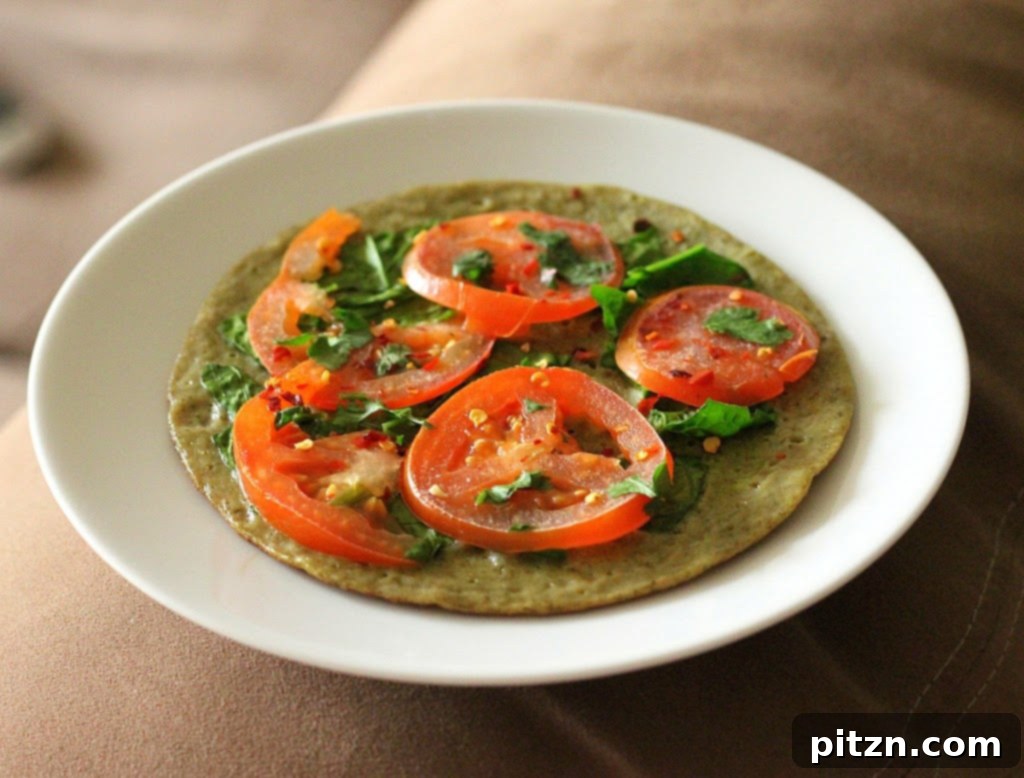
Welcome to a week celebrating the incredible fusion of flavors and textures, where traditional Indian cuisine meets the beloved concept of pizza. After the delightful adventure of a Black Eyed Pea, Mint, and Chocolate Crust, we’re diving into another exciting culinary creation: the Uttapam. Often described as an Indian pizza or a thick, savory pancake cooked right on your stovetop, Uttapam offers a deliciously wholesome meal that’s both versatile and incredibly satisfying.
Uttapam is a cornerstone of South Indian cuisine, cherished for its simplicity and adaptability. It’s a quick and easy meal to prepare, especially if you have a batch of traditional Dosa batter ready. Imagine a fluffy, slightly crispy pancake, studded with a colorful medley of fresh vegetables, served hot with a side of zesty chutney – that’s the magic of Uttapam. It serves as an excellent breakfast, a light lunch, a fulfilling dinner, or even a wholesome snack, catering to diverse dietary preferences including vegan and often gluten-free diets.
At its core, Uttapam is a thick, savory pancake made from a fermented batter, typically comprising rice and lentils. Unlike its thinner, crispier cousin, the Dosa, Uttapam doesn’t require the same intricate circling motion to spread the batter. This makes it incredibly beginner-friendly. Simply ladle a generous portion, usually about a third to half a cup of batter, onto a hot griddle, and you’re well on your way to a delightful meal. The charm of Uttapam lies in its soft, spongy interior and a slightly crisp exterior, providing a delightful textural contrast in every bite.
The beauty of Uttapam also extends to the wide array of batter options available. While the classic Dosa batter, made from black gram (urad dal), fenugreek seeds (methi), and rice, soaked overnight and fermented, is traditional, there are equally delicious and convenient variations. These include simpler versions utilizing oats and rice flour, which can significantly cut down preparation time without compromising on flavor or nutritional value. If you’re a fan of the complex flavors and textures of Dosas, then exploring these Uttapam variations will undoubtedly be a rewarding experience.
This particular Uttapam variation showcases the richness of a multi-lentil Dosa batter, elevating both the nutritional profile and the depth of flavor. In addition to the standard black gram, fenugreek seeds, and a mix of brown and white rice, this batter incorporates split peas and red lentils. These additional lentils contribute a wealth of plant-based protein and fiber, making this Uttapam an incredibly wholesome choice. The preparation begins by soaking all these ingredients overnight, allowing them to soften and prepare for blending.
Once soaked, the mixture is blended into a thin batter, seasoned with a touch of salt, fresh ginger, and one green chili for a subtle kick. For comprehensive, detailed instructions on preparing the perfect fermented Dosa batter, refer to our dedicated Dosa batter recipe post.
To prepare the Uttapam, finely chop shallots, carrots, and cilantro, then gently fold them into the ready batter. On a hot, non-stick griddle over medium-high heat, ladle a full scoop of the batter. Allow it to cook for about 2-3 minutes until the edges firm up and the bottom turns golden. Flip it carefully and cook for another minute to ensure even cooking and a beautiful finish. This method ensures the vegetables are evenly distributed, imparting their vibrant flavors throughout the pancake.
For those seeking a quicker preparation or a gluten-free option (ensure certified gluten-free oats are used), the Oat Uttapam is a fantastic choice. This plain Uttapam, made with oats and rice flour, delivers a wonderfully light and wholesome experience. To start, take 1 cup of oats and 1 teaspoon of fenugreek seeds, and grind them together into a fine flour. This can be done using a spice grinder or a high-speed blender. Once finely ground, mix this oat-fenugreek flour with 1 cup of rice flour (either brown or white, depending on your preference for fiber and flavor).
Gradually whisk in about a cup of water, or more if needed, until you achieve a smooth, flowy batter consistency. The key to a good Uttapam is fermentation, so let this batter rest and ferment overnight, or for a minimum of 6 hours, in a warm spot. This process develops the characteristic tangy flavor and airy texture. After fermentation, add salt to taste and adjust the consistency with a little more water if necessary, aiming for a thin pancake batter consistency. You can then proceed to make Uttapams, either plain or with your favorite chopped vegetables added directly to the batter or sprinkled on top as they cook. Explore more Oats and rice flour options here for even greater variety. The picture above features a perfectly cooked plain Oat Uttapam, ready to be enjoyed.
Quick Oat Uttapam: For When Time is of the Essence
If you’re pressed for time but still crave a fresh, homemade Uttapam, the quick oat version is your go-to. This method significantly shortens the fermentation period. Simply mix the oat, fenugreek, and rice flour mixture with warm water and half a teaspoon of active dry yeast. The warm water helps activate the yeast quickly, accelerating the fermentation process. Allow this batter to rest and ferment for just half an hour. Once risen slightly and fragrant, add salt to the batter and any desired vegetables. Proceed to cook these delightful Uttapam pancakes as usual, enjoying a healthy meal in a fraction of the time.
This vibrant and flavorful Uttapam is crafted using traditional Dosa batter. What makes this rendition unique is the incorporation of a cup of fresh spinach, blended directly into the batter just before cooking. This not only infuses the Uttapam with a beautiful green hue but also boosts its nutritional value. The following step-by-step guide can be applied to any of the Uttapam batter options discussed above, allowing for endless customization with your preferred vegetables and seasonings.
1. Prepare Your Ingredients and Griddle:
Begin by ensuring your batter is at room temperature – this helps it spread evenly and cook properly. Have all your chosen vegetables finely chopped and ready. Heat a griddle or a non-stick pan over medium-high heat. To ensure the Uttapam doesn’t stick and develops a beautiful crust, add 2-3 drops of oil to the hot pan. Traditionally, this oil is spread evenly using half a cut onion or potato, which also seasons the pan and imparts a subtle flavor. Once the pan is adequately hot and oiled, ladle about 1/3 to 1/2 cup of batter onto the center of the pan. Resist the urge to spread it too thin, as Uttapams are meant to be thicker than dosas.
2. Add Oil to the Edges:
After a few moments, as the batter begins to set slightly, add a few more drops of oil around the edges of the Uttapam. This step is crucial for developing a crispy, golden-brown crust and ensuring easy release from the pan. The oil seeps underneath, preventing sticking and adding a delightful texture.
3. Load with Fresh Greens:
After about a minute of cooking, the Uttapam base should be partially cooked but still soft enough to allow toppings to adhere. This is the perfect time to generously load it with your greens of choice. In this specific recipe, we’re using fresh spinach, taking full advantage of a bountiful harvest from a small balcony garden. Press the spinach gently into the batter so it sticks and cooks embedded within the Uttapam, creating a vibrant and nutritious layer.
4. Incorporate Other Vegetables:
Next, add other finely chopped vegetables. For this recipe, we’re adding vibrant tomatoes, which provide a burst of freshness and a slight tang. Feel free to customize this step with finely chopped onions, colorful bell peppers, grated carrots, or any other vegetables you enjoy. The key is to chop them finely so they cook quickly and meld beautifully with the Uttapam. Gently press these vegetables into the batter as well.
5. Season, Cover, and Cook:
To finish the topping process, sprinkle chili flakes for a touch of heat and fresh cilantro for its aromatic notes. This is where you can also add other seasonings like a pinch of cumin powder or black pepper, if desired. Critically, cover the griddle with a lid at this point. Covering creates a steamy environment that helps the vegetables cook quicker and more thoroughly, while also ensuring the Uttapam cooks evenly through the center. Cook for 2-3 minutes, or until the center of the Uttapam appears dry and set, and the edges are beautifully golden brown and crispy. The image below shows the Uttapam almost perfectly cooked, with the vegetables tender and integrated.
6. Serve Hot and Enjoy:
Your flavorful Uttapam is now hot and ready to serve! The versatility of Uttapam extends to its accompaniments, making it a truly flexible dish. Traditionally, it’s served with classic South Indian condiments like creamy Coconut Chutney or other varieties of fresh chutneys. Another popular pairing is Podi, a dry, spiced chutney powder, often mixed with a little oil. For a more substantial meal, consider serving it with Masala Potatoes or a hearty bowl of Sambhar (a savory pigeon pea lentil stew). For those who enjoy a modern twist, Uttapam pairs surprisingly well with ketchup or even a spicy dash of Sriracha. Don’t hesitate to experiment with your favorite sauces and dips – the possibilities are endless!
These versatile Uttapams truly make for an exceptional meal at any time of day. They are naturally free of common allergens, such as dairy and eggs, and can be easily customized to suit various dietary needs and taste preferences. The toppings and additions are incredibly flexible, allowing you to incorporate seasonal vegetables or whatever you have on hand. Furthermore, the plain Dosa batter, the foundation for many Uttapam varieties, is wonderfully freezer-friendly. You can freeze it in convenient small containers, thaw it as needed, refrigerate the thawed portion, and use it within two days. This makes meal prep a breeze and ensures you always have a quick and healthy option readily available.
These delightful Uttapam pancakes are being proudly shared across various platforms. We are excited to feature them at Allergy Free Wednesdays, bringing allergy-friendly options to a wider audience. You can also find them highlighted during Ricki’s Wellness Weekends, where healthy and nourishing recipes are celebrated. Additionally, our Uttapam recipes are making an appearance at Slightly Indulgent Tuesdays and the popular Hearth and Soul Blog Hop, connecting with a community of food lovers and healthy eaters. We are thrilled to share the joy and versatility of Uttapam with these wonderful communities.
Discover an even wider array of Dosas, Uttapams, and Chutneys under the “South Indian” tag onVegan Chutney! – your ultimate destination for a new and vibrant Indian Vegan food photo gallery. We are continuously enhancing your user experience with exciting new features. You can now conveniently subscribe to Vegan Chutney byEmail or through your preferred feed reader, with subscription options easily found at the bottom of the page.
We’ve also optimized our search functionality to offer an auto-complete feature while you type, making it easier than ever to find the recipes you’re looking for. Many more exciting additions are on the horizon, promising an even richer culinary journey for all our visitors. We wish you a fantastic and flavorful Wednesday, filled with delicious discoveries!