
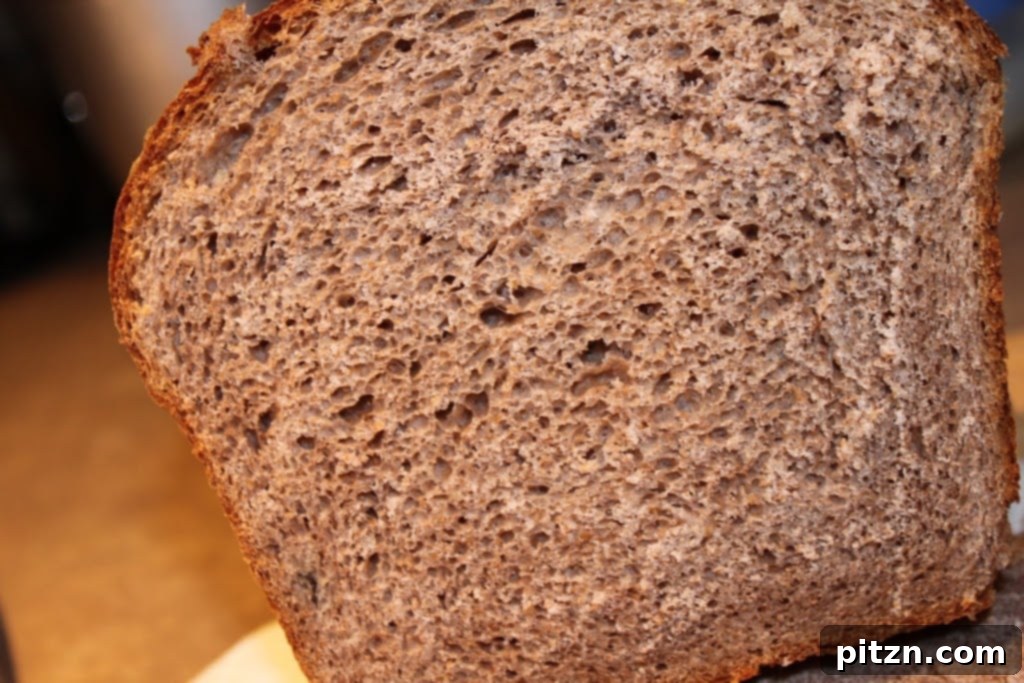
Indian Gooseberry Preserve Wheat Bread (Amla Murabba In Bread): A Wholesome & Tangy Delight
Embark on a culinary journey with our exquisite recipe for Indian Gooseberry Preserve Wheat Bread, affectionately known as Amla Murabba in Bread. This unique homemade loaf perfectly marries the rustic charm of whole wheat with the vibrant, complex flavors of Amla Murabba, an ancient Indian superfood preserve. The result is a truly delightful bread that stands out with its distinct tangy-sweet profile, soft texture, and remarkable nutritional benefits. Whether you’re seeking a hearty base for your favorite sandwich, a wholesome snack to energize your day, or a unique toast for breakfast, this Amla-infused bread is an irresistible choice that promises to surprise and satisfy your palate.
Unveiling the Power of Amla (Indian Gooseberry)
Central to this exceptional bread is Amla, or Indian Gooseberry (Phyllanthus emblica), a fruit deeply revered in traditional Indian medicine, Ayurveda, for its profound health-promoting properties. This small, round, greenish-yellow fruit is a nutritional marvel, widely celebrated for containing an extraordinary amount of Vitamin C—far surpassing that found in many other fruits. Beyond its high Vitamin C content, Amla is a rich reservoir of potent antioxidants, essential amino acids, and vital minerals, solidifying its status as a true ‘wonder fruit’ for comprehensive well-being.
Historically, Amla has been cherished for its ability to significantly boost the immune system, providing robust protection against common ailments and supporting overall vitality. Its unique blend of compounds also plays a crucial role in harmonizing the digestive system, fostering a healthy gut microbiome, and enhancing the body’s capacity to absorb nutrients efficiently. Furthermore, Amla is frequently lauded for its beneficial effects on skin radiance, hair strength, and visual acuity, making it a holistic ingredient that nourishes from within.
Introducing Amla Murabba: The Sweet & Tangy Preserve
To gracefully integrate this powerhouse fruit into our bread, we utilize Amla Murabba. This traditional Indian preserve is crafted by cooking whole Amla fruits in a delicate sugar syrup, a process that beautifully transforms the fruit’s natural tartness into a harmonious symphony of tangy, sweet, and subtly sour notes. This preparation method not only mellows the intense pucker of fresh Amla but also ensures that its inherent health benefits are largely retained, making it an ideal inclusion for baked goods.
The distinctive, complex flavor profile of Amla Murabba adds an unparalleled depth to the bread, distinguishing it from conventional loaves and infusing each bite with an exotic, refreshing zest. It’s a brilliant way to enjoy the incredible qualities of Indian Gooseberry in a deliciously palatable form. For those interested in delving deeper into the history and traditional preparation of this esteemed preserve, along with comprehensive information on the Indian Gooseberry, additional resources can be found here.
Jump to Recipe
Indian Gooseberry Preserve Wheat Bread (Amla Murabba In Bread) Recipe
Vegan Richa
30
40
1
10
10 servings
Bread
Indian, (Note: This specific recipe includes an egg. For a fully vegan version, see tips below.)
Print Recipe
This wholesome Indian Gooseberry Preserve Wheat Bread combines the earthy goodness of whole wheat with the unique tangy-sweet flavor of Amla Murabba. It’s a delightful and nutritious bread, perfect for elevating your everyday meals, whether as a sandwich base or a standalone snack. Its soft texture and vibrant taste make it an instant family favorite.
Ingredients
- 1 cup all-purpose flour
- 3-4 cups whole wheat flour
- 1.25 cups water (plus more if needed)
- 2 tablespoons oil or butter
- 1 large egg (certified humane, cage-free recommended; see notes for vegan option)
- 1 teaspoon salt
- 1 teaspoon sugar
- 2 tablespoons Indian Gooseberry preserve syrup
- 2 Amlas (preserved Indian gooseberries, seeds removed)
- 2 teaspoons active dry yeast
Instructions
-
Activate the Yeast: In a small bowl or measuring cup, warm half a cup of water to a temperature between 105-115°F (40-46°C). This specific temperature range is crucial for activating the yeast without deactivating it. Add the sugar and active dry yeast to the warm water. Stir gently until both the sugar and yeast are fully dissolved.
-
Proof the Yeast: Allow the yeast mixture to sit undisturbed for about 10 minutes. During this period, the yeast will begin to metabolize the sugar, producing carbon dioxide and forming a frothy, bubbly layer on the surface. This “bloom” is a clear indication that your yeast is active and viable for baking. If no foam appears, your yeast may be expired or the water temperature was incorrect, and it’s advisable to restart with fresh yeast.
-
Prepare the Amla Preserve: While the yeast is proofing, meticulously remove any seeds from the two preserved Indian gooseberries. Transfer the deseeded Amlas along with the 2 tablespoons of Indian Gooseberry preserve syrup into a blender or a small food processor. Process until the Amlas are coarsely pureed. The goal is a consistency that will integrate smoothly into the dough, distributing the tangy-sweet flavor evenly without large, unmanageable chunks.
-
Combine Dry Ingredients: In a large, clean mixing bowl, meticulously combine the all-purpose flour, whole wheat flour, and salt. Use a whisk to thoroughly mix these dry ingredients, ensuring they are evenly distributed throughout. If using a stand mixer, fit it with the dough hook attachment at this stage.
-
Form the Dough: Add the oil (or melted butter), the egg (if using, refer to notes for vegan alternatives), the activated yeast mixture, and the coarsely blended Amla puree to the flour mixture. Begin kneading the dough. If kneading by hand, work the dough on a lightly floured surface for 8-10 minutes until it transforms into a smooth, elastic mass that is no longer excessively sticky. If using a stand mixer, knead on medium speed for 3-4 minutes, pausing periodically to scrape down the sides of the bowl to ensure all ingredients are fully incorporated and evenly mixed.
-
Adjust Hydration: During the kneading process, pay close attention to the dough’s consistency. Whole wheat flour can be quite thirsty. If the dough appears too stiff or dry, gradually incorporate a small amount of the remaining water, adding it one tablespoon at a time. Continue to knead until the dough achieves a soft, pliable, and slightly tacky but not excessively sticky texture. Avoid adding too much additional flour, as this can result in a dense, heavy loaf.
-
First Rise (Bulk Fermentation): Lightly grease a large, clean bowl with a thin layer of oil. Transfer the kneaded dough into the greased bowl, turning it once to ensure all surfaces are lightly coated with oil. Cover the bowl securely with plastic wrap or a damp kitchen towel. Place the covered bowl in a warm, draft-free location for approximately 2 hours, or until the dough has visibly doubled in size. This crucial first rise allows the yeast to work its magic, developing the bread’s flavor and improving its texture.
-
Shape the Loaf: Once the dough has doubled, gently “punch it down” to release the accumulated gases. Turn the dough out onto a lightly floured work surface. Briefly knead it for about a minute to expel any large air bubbles and create a uniform consistency. To shape the loaf, gently flatten the dough into a roughly rectangular shape. Then, fold the longer sides towards the center and carefully roll the dough up tightly, starting from one end. Pinch the seam firmly closed at the bottom to seal it, and tuck the ends underneath to create a smooth, taut surface on top.
-
Second Rise (Proofing): Generously oil a standard 9×5 inch (23×13 cm) bread pan to prevent sticking. Carefully transfer the shaped loaf into the prepared pan. Cover the pan loosely with a clean, damp kitchen towel. Allow the loaf to undergo its second rise in a warm place for another hour, or until it has noticeably risen about 1 inch (2.5 cm) above the rim of the pan. This final proofing ensures a light and airy interior crumb.
-
Bake the Bread: Preheat your oven to 375°F (190°C) during the last 15-20 minutes of the second rise. Bake the bread for approximately 40 minutes, or until the crust achieves a beautiful golden-brown color. To verify doneness, an instant-read thermometer inserted into the center of the loaf should register between 200-210°F (93-99°C). Alternatively, tapping the bottom of the baked loaf should produce a hollow sound.
-
Cool Completely: Immediately upon removing the bread from the oven, carefully transfer it from the hot pan to a wire cooling rack. It is absolutely crucial to allow the bread to cool completely for at least 1-2 hours before attempting to slice it. Slicing warm bread can lead to a dense, gummy, and unappealing texture as the internal structure hasn’t fully set and residual steam is trapped. Patience is key for a perfect slice!
Notes & Expert Tips for Perfect Bread
- Understanding Proving Time: Please note that the “Total Time” listed for this recipe (1 hour 10 minutes) pertains only to active preparation and baking. It does not include the critical 3 hours of total proving (rising) time required for the dough. Always factor this essential passive time into your baking schedule to ensure a light and airy loaf.
- Nutritional Disclaimer: The nutritional values provided are automatically calculated and are based on an approximation of 1 serving (which is roughly 1/10th of the entire loaf). These figures should be used as a general guide, as individual values may vary based on specific brands of ingredients, exact measurements, and preparation methods.
- Making it Vegan: The original recipe calls for one large egg. To seamlessly adapt this bread for a fully vegan diet, you can substitute the egg with a “flax egg.” To prepare a flax egg, combine 1 tablespoon of ground flaxseed meal with 3 tablespoons of water, stir well, and let it sit for about 5 minutes until it thickens into a gel-like consistency. This substitution will help maintain the desired texture and binding properties without compromising the plant-based integrity of your bread.
- Flour Absorption & Adjustments: Whole wheat flour, due to its higher fiber content and coarser grind, often absorbs liquids differently compared to all-purpose flour. The amount of water needed can fluctuate based on the specific type and brand of whole wheat flour you use, as well as ambient humidity. Always add the water gradually during the kneading process. Your goal is to achieve a dough that is soft, pliable, elastic, and just slightly tacky to the touch—but not overly sticky. Resist the urge to add too much extra flour, as this can result in a dense, dry bread.
- Optimizing Yeast Activity: Ensure your water for yeast activation is precisely within the 105-115°F (40-46°C) range. Water that is too cold will inhibit yeast activity, while water that is too hot can kill the yeast, preventing the dough from rising properly.
- Storage Recommendations: Once the Indian Gooseberry Preserve Wheat Bread has completely cooled, store it in an airtight container at room temperature for up to 3-4 days to maintain its freshness and flavor. For longer preservation, the bread can be sliced and frozen in a freezer-safe bag or container for up to 2-3 months. Thaw individual slices as needed or allow the whole loaf to come to room temperature before enjoying.
Nutrition Facts (Per Serving)
Carbohydrates: 37g,
Protein: 7g,
Fat: 4g,
Cholesterol: 16mg,
Sodium: 242mg,
Potassium: 178mg,
Fiber: 4g,
Vitamin A: 30IU,
Vitamin C: 0.8mg,
Calcium: 17mg,
Iron: 2mg
Nutrition information is automatically calculated and should only be used as an approximation. Individual values may vary based on specific ingredients and preparation.
Did you make this recipe? We’d love to hear from you!
Share your experience and rate this delicious bread below.
Why Bake Your Own Amla Murabba Bread? The Benefits of Homemade
Choosing to embark on the journey of baking your own Indian Gooseberry Preserve Wheat Bread at home offers a multitude of compelling advantages that extend beyond mere culinary satisfaction. Firstly, it grants you unparalleled control over every single ingredient that goes into your loaf. This means you can meticulously select high-quality, organic whole wheat flour, ensure your yeast is fresh and active, and avoid any undesirable additives, artificial flavors, or preservatives that are often found in commercially produced breads. The result is a purer, cleaner, and inherently healthier option for you and your family.
Beyond ingredient control, the homemade version delivers an unparalleled flavor experience. The Amla Murabba contributes a distinctly unique tangy-sweet note that beautifully harmonizes with the earthy, nutty undertones of whole wheat flour. This creates a bread that is anything but bland; it’s a refreshing twist that awakens the taste buds and provides a complex, vibrant flavor profile. It serves as an ingenious and delightful method to integrate the potent health benefits of Amla into your regular diet, particularly appealing to those who might find the intense tartness of the raw fruit challenging.
Furthermore, the entire process of baking bread from scratch is an incredibly rewarding and therapeutic endeavor. The inviting aroma that gradually fills your kitchen as the bread bakes, the tactile satisfaction derived from kneading a pliable dough, and the ultimate pride and joy of extracting a golden-brown, warm, and freshly baked loaf from your oven are deeply satisfying experiences that nourish not just the body, but also the soul. This Indian Gooseberry Preserve Wheat Bread is more than just a food item; it stands as a delicious testament to wholesome living, mindful eating, and the enduring pleasure of culinary creativity.
Essential Tips for Baking a Perfect Whole Wheat Loaf
Baking with whole wheat flour can present a slightly different experience compared to working with refined all-purpose flour, primarily due to its higher fiber content and robust structure. To ensure your Indian Gooseberry Preserve Wheat Bread consistently achieves a perfect texture and flavor, consider these expert tips:
- Verify Yeast Freshness: The vitality of your yeast is paramount for a successful rise. Always double-check the expiration date of your active dry yeast. The visible frothy “bloom” that forms after 10 minutes of activation is your undeniable signal that the yeast is alive and ready to perform. If this foam doesn’t appear, it’s best to discard the batch and start with a fresh packet of yeast.
- Mastering Hydration: Whole wheat flour typically absorbs more liquid than its all-purpose counterpart. Therefore, be prepared to adjust the water content incrementally during the kneading process. The ideal dough should feel soft, pliable, and possess a slight tackiness to the touch, but it should not be excessively sticky. A dough that is too dry will yield a dense, heavy bread, while one that is too wet will be difficult to handle and may result in a flat loaf.
- Thorough Kneading is Crucial: Proper and sufficient kneading is fundamental as it develops the gluten network within the dough, which in turn provides the bread with its essential structure and elasticity. Whether you choose to knead by hand or utilize a stand mixer, ensure you continue the process long enough until the dough achieves a smooth, supple, and elastic consistency. This step is particularly vital when working with whole wheat flour to guarantee a tender, airy crumb rather than a crumbly or tough one.
- Cultivate a Warm Environment for Rising: Yeast thrives and activates optimally in warm, consistent environments. Identify a slightly warm (but never hot!) and draft-free spot in your kitchen for both the first and second rises. Options include a lightly warmed oven (turned off and with the door ajar), a sunny windowsill, or even near a warm appliance.
- Trust the Dough, Not Just the Clock: While the proving times provided in the recipe are good guidelines, they are ultimately approximations. The actual time required for the dough to rise can vary based on factors like ambient temperature, humidity, and yeast potency. Instead of strictly adhering to the clock, observe your dough: it should visibly double in size during the initial rise and appear significantly puffy, rising comfortably above the rim of the bread pan during the second proof.
- Cool Completely for Best Results: It can be incredibly tempting to slice into a warm, aromatic loaf of freshly baked bread. However, resisting this urge and allowing the bread to cool completely on a wire rack is a non-negotiable step for optimal texture. Cooling allows the internal structure of the bread to fully set and enables excess steam to escape, which prevents the crumb from becoming gummy or dense. Patience will be rewarded with perfectly textured slices.
Versatile Serving Suggestions & Creative Variations
The Indian Gooseberry Preserve Wheat Bread is remarkably versatile, making it a wonderful addition to any meal or snacktime. Its unique flavor profile allows it to pair beautifully with a variety of accompaniments:
- Simply Toasted: Savor a slice lightly toasted to enhance its crust and bring out its full aroma. A thin spread of vegan butter or a drizzle of maple or agave nectar can further highlight its distinctive tangy-sweet notes.
- Savory Sandwiches: The bread’s robust and earthy flavor makes it an excellent foundation for savory sandwiches. Experiment with fillings such as roasted vegetables, a generous dollop of creamy hummus, avocado, or your favorite plant-based deli slices.
- Sweet Breakfast or Brunch: Elevate your breakfast or brunch by topping a slice with your preferred fruit preserves, a smear of almond or cashew butter, or even a light sprinkle of cinnamon sugar for a comforting and indulgent treat.
- As an Accompaniment: Serve this wholesome bread alongside a comforting bowl of lentil soup (dal), a vibrant fresh salad, or a rich curry to complement and complete your meal.
Creative Flavor Variations:
For those who love to experiment and customize their baked goods, here are a few ideas to add an extra dimension to your Amla Murabba bread:
- Nutty Inclusion: During the final minute of kneading, gently fold in a quarter cup of finely chopped walnuts, pecans, or almonds. This will introduce a pleasant crunch and an additional layer of earthy flavor that complements the Amla beautifully.
- Seed Power Boost: Enhance the nutritional value and add a delightful texture by incorporating 2 tablespoons of mixed seeds, such as sunflower seeds, pumpkin seeds, or chia seeds, into the dough during the initial mixing phase.
- Aromatic Spice Infusion: For an even deeper Indian flavor profile, consider adding a tiny pinch (1/4 to 1/2 teaspoon) of ground cardamom or ginger powder to the dry ingredients. These warm spices will harmonize exquisitely with the Amla’s tangy sweetness.
- Intensify Amla Flavor: If you are particularly fond of the vibrant, tangy taste of Amla, you can gently fold in an additional tablespoon of very finely chopped preserved Amla pieces (ensure they are small and evenly distributed) during the last stages of kneading. This will provide delightful bursts of concentrated Amla flavor throughout the loaf.
Don’t miss out on more wholesome recipes!
Subscribe to our newsletter for delicious, healthy recipes delivered straight to your inbox weekly.