
Mastering the Art of Homemade French Baguettes: A Flavorful Journey
There’s an unparalleled satisfaction that comes with baking your own bread, especially something as iconic and beloved as a French baguette. The process transforms simple ingredients into an aromatic, crusty masterpiece, filling your home with an inviting warmth. While the pursuit of the perfect baguette can feel like an artisan’s quest, it’s a deeply rewarding experience that brings a taste of French boulangerie right to your kitchen.
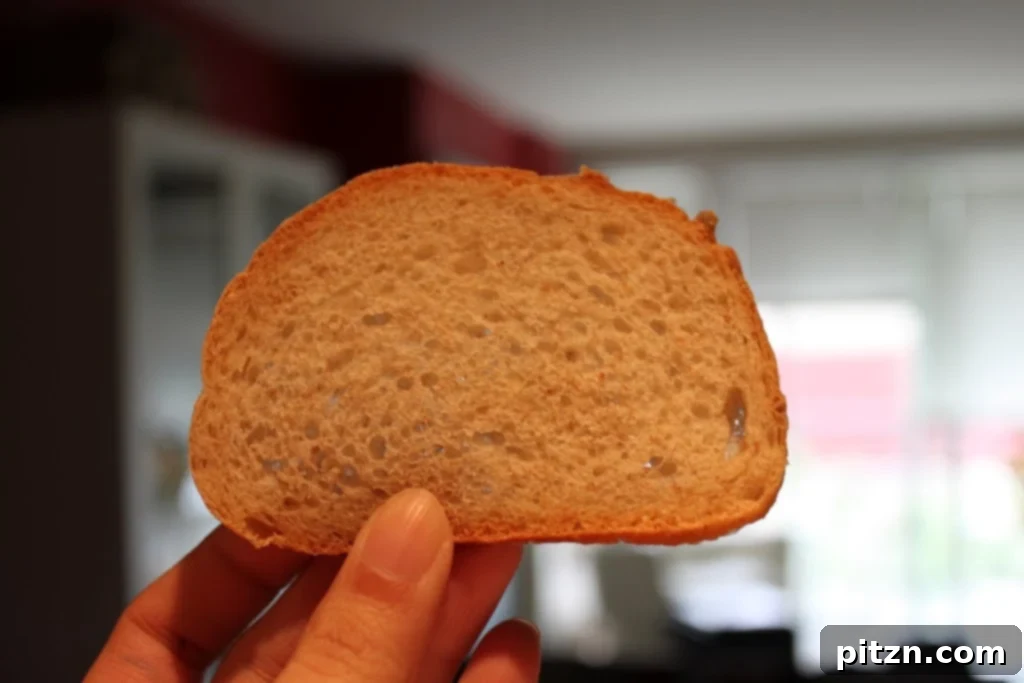
My recent foray into baguette making involved a delightful twist on a traditional recipe: incorporating half wheat flour and a teaspoon of garlic-infused olive oil. This subtle modification adds a layer of rustic complexity and a savory whisper that elevates the classic bread. However, even with the best intentions, the baking journey is often one of learning and refinement. During this particular batch, I observed that the air bubbles within the crumb were quite small. This is often a tell-tale sign of handling the dough a bit too much, which can expel some of the precious gases built during fermentation. It’s a common lesson in bread making – sometimes, less is truly more when it comes to dough manipulation.
The Allure of the French Baguette
The French baguette, with its characteristic long, slender shape, crisp crust, and airy interior, is more than just bread; it’s a cultural icon. It embodies simplicity and elegance, making it a staple on dinner tables across the globe. Achieving that perfect balance of a crunchy exterior and a soft, open crumb is the ultimate goal for any home baker. While it might seem daunting, understanding the fundamental principles and paying attention to small details can lead to remarkable results.
Baking baguettes at home allows for creative freedom, enabling you to experiment with different flours and flavorings. My choice to use half wheat flour wasn’t just for texture; it introduced a nuttier, more wholesome flavor profile compared to a baguette made purely with white flour. This blend offers a delightful compromise, retaining the lightness of a traditional baguette while adding the robust character of whole grains.
Crafting Your Baguette: The Recipe and Special Additions
For this particular batch of French baguettes, I adapted a reliable recipe from The Daring Kitchen. The original recipe provides an excellent foundation for achieving a traditional baguette. My personal additions transformed it into something uniquely savory and rustic. The incorporation of half wheat flour and a teaspoon of garlic-infused olive oil introduced nuanced flavors and textures that complemented the crisp exterior and tender interior.
Flour Blend: The Best of Both Worlds
Using half wheat flour alongside traditional bread flour contributes not only to a more complex flavor but also to a slightly chewier texture. Whole wheat flour brings fiber, nutrients, and a distinct earthy aroma that pairs wonderfully with the subtle notes of garlic. When blending flours, it’s crucial to adjust hydration levels as whole wheat flour absorbs more water. This careful balance ensures the dough remains pliable and develops a good gluten structure, essential for those desired air bubbles.
The Magic of Garlic-Infused Olive Oil
A simple teaspoon of garlic-infused olive oil might seem like a minor addition, but its impact is profound. It infuses the entire baguette with a delicate, savory fragrance that is incredibly appealing without being overpowering. This subtle hint of garlic makes the bread exceptionally versatile, perfect for serving alongside a wide array of dishes or simply enjoyed on its own. To make garlic-infused olive oil at home, gently heat olive oil with sliced garlic cloves until fragrant, then let it cool and strain. This homemade touch adds an artisanal quality that elevates your baking.
The Baking Process: From Dough to Delight
Making baguettes is an art form that requires patience and a good understanding of dough handling. The journey begins with combining flour, water, yeast, and salt. The initial mixing and kneading are crucial for developing gluten, which provides the bread with its structure and elasticity.
Kneading and Fermentation: The Foundation of Flavor
While kneading is essential, there’s a delicate balance to strike. My observation of small air bubbles in this batch served as a reminder of the importance of gentle handling. Over-kneading can result in a tighter crumb, as the extensive manipulation expels gases needed for larger, irregular air pockets. The ideal is to knead just enough to develop a smooth, elastic dough that passes the windowpane test – stretching a small piece of dough thin enough to see light through it without tearing.
Following kneading, the dough undergoes its first rise, or bulk fermentation. This is where yeast actively consumes sugars and produces carbon dioxide, creating those wonderful air bubbles. A slow, cool fermentation often yields more complex flavors. After the first rise, the dough is gently divided and pre-shaped into rough rectangles, allowed to rest, and then shaped into its characteristic baguette form. This gentle handling preserves the gas built up during fermentation.
Shaping and Scoring: The Artisan’s Touch
Shaping a baguette requires a specific technique to create tension on the surface while maintaining an airy interior. Rolling and folding the dough properly helps achieve the elongated shape and develops the skin that will become the crust. Scoring the baguette with a sharp lame or razor blade just before baking is not just for aesthetics; it allows the bread to expand without tearing, guiding the oven spring and contributing to that iconic crusty texture.
Baking with Steam: The Secret to a Perfect Crust
A key element in achieving the signature crispy, golden crust of a French baguette is baking with steam. Introducing steam into the oven during the initial phase of baking keeps the surface of the dough moist, allowing it to expand fully before the crust sets. This leads to a thinner, crispier crust and a better overall rise. Methods for creating steam include placing a pan of hot water at the bottom of the oven or spraying the oven walls with water during the first few minutes of baking.
Tips for a Perfect Homemade Baguette
- Don’t Over-Knead: As learned, too much handling can lead to smaller air pockets. Aim for a smooth, elastic dough that stretches without tearing, but avoid excessive manipulation.
- Proper Fermentation: Give the dough ample time to rise in a warm, draft-free environment. Longer, slower fermentation often leads to better flavor and crumb structure.
- Master Shaping: Practice shaping to create surface tension. This helps the baguette hold its shape and contributes to a beautiful crust.
- Use Steam: Essential for a thin, crispy crust. A baking stone or steel also helps conduct heat efficiently, promoting a good oven spring.
- High Heat: Bake at a high temperature (typically around 450-475°F or 230-245°C) to ensure a rapid rise and a well-developed crust.
- Cool Completely: Allow your baguettes to cool on a wire rack before slicing. This prevents a gummy interior and ensures the crust remains crisp.
Serving Suggestions: Beyond the Basic
Once your homemade French baguettes emerge from the oven, golden and fragrant, the possibilities for enjoyment are endless. The garlic-infused olive oil twist makes this baguette particularly versatile. While it’s utterly delicious on its own, torn into rustic pieces, it truly shines when paired with accompaniments.
The Perfect Pairing: Pâté
As suggested by the original recipe source, The Daring Kitchen also offers some awesome pâté recipes that pair wonderfully with your fresh baguette. The rich, savory notes of pâté find a harmonious balance with the crusty, slightly garlicky bread. It’s a classic combination that evokes sophisticated appetizers and delightful snacks.
Other Delicious Pairings
- Cheese Platter: Serve slices of baguette with a selection of artisanal cheeses, fresh fruits, and nuts for an elegant appetizer.
- Soups and Stews: The crusty baguette is perfect for soaking up the flavorful broths of soups, stews, or even a simple French onion soup.
- Bruschetta and Dips: Toast slices lightly and top with fresh bruschetta ingredients like tomatoes, basil, and balsamic glaze, or serve alongside your favorite hummus or olive tapenade.
- Sandwiches: Create gourmet sandwiches with deli meats, fresh vegetables, and a creamy spread on your freshly baked bread.
- Infused Oils and Balsamic: A simple dip in high-quality olive oil and aged balsamic vinegar highlights the bread’s natural flavors.
Embrace the Baking Journey
Making French baguettes at home is a journey of discovery, patience, and immense satisfaction. Each batch, whether perfect or slightly imperfect, teaches valuable lessons about dough, yeast, and the magic of the oven. The subtle addition of half wheat flour and garlic-infused olive oil transforms a classic into a personalized delight, offering a unique flavor profile that sets your homemade bread apart.
Don’t be discouraged by initial imperfections; every bake brings you closer to mastering the art. The aroma of freshly baked bread, the satisfying crunch of the crust, and the soft, airy interior are rewards in themselves. So, embrace the process, experiment with flavors, and savor every moment of your homemade baguette experience. It’s more than just food; it’s a celebration of culinary passion.