
The Joy of Vegan Indian Crepes: Chilla, Pesarattu, and Homemade Coconut Chutney
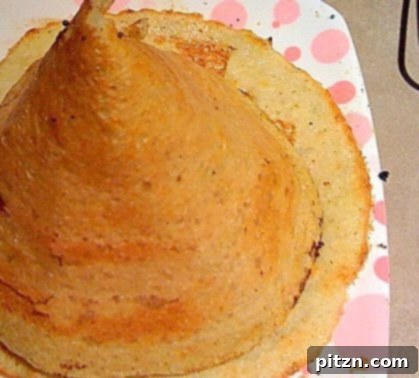
Stepping into the kitchen on a leisurely Saturday morning often sparks a burst of culinary creativity, especially after a week of routine meal preparations. There’s an undeniable satisfaction in dedicating time to crafting delicious, wholesome meals from scratch. Recently, I embarked on just such a delightful cooking adventure, diving deep into the vibrant world of Indian breakfast and lunch specialties. The result? A fantastic spread featuring two popular and incredibly versatile vegan crepes: the humble yet delicious Chilla (also known as Puda or Gram Flour Crepe) and the nutritious Pesarattu (a delightful Whole Mung Bean Crepe), perfectly complemented by a fresh, homemade Coconut Chutney.
These traditional Indian dishes are not just incredibly flavorful; they are also packed with plant-based goodness, making them ideal choices for anyone looking to explore healthy, vegan cuisine. They offer a delightful break from the usual breakfast fare and can easily double as a light, satisfying lunch. Join me as we explore the simplicity and rich flavors of these beloved crepes and their essential accompaniment, proving that delicious and nutritious vegan meals are easily within reach for every home cook.
Chilla: The Versatile Gram Flour Crepe (Puda)
Chilla, also affectionately known as Puda, is a quintessential North Indian savory pancake made primarily from gram flour (besan). It’s a quick, easy, and incredibly versatile dish that can be enjoyed for breakfast, a light snack, or even a simple lunch. What makes Chilla truly special is its adaptability; it serves as a fantastic canvas for a variety of vegetables and spices, allowing for endless customization to suit any palate.
Understanding Gram Flour: The Heart of Chilla
Gram flour, or besan, is finely ground chickpea flour. It’s naturally gluten-free and a powerhouse of plant-based protein and dietary fiber, making Chilla a wonderfully nutritious option for those on a plant-based diet or anyone seeking healthier alternatives. Its distinctly nutty flavor provides a rich base that pairs beautifully with fresh herbs and aromatic spices, contributing to its widespread popularity across Indian households.
Crafting the Perfect Chilla Batter
The preparation of Chilla is remarkably straightforward. A smooth batter is created by whisking gram flour with water, ensuring there are no lumps. To this basic batter, finely chopped onions, grated ginger, minced green chilies, and a medley of spices like turmeric, red chili powder, and carom seeds (ajwain) are incorporated. The consistency of the batter is paramount – it should be thick enough to hold its shape but thin enough to spread easily on a hot griddle, much like a traditional crepe. This balance ensures a perfectly cooked Chilla, golden and tender.
Cooking Chilla involves spreading a ladleful of batter onto a lightly oiled, hot non-stick pan. It cooks quickly, turning golden brown and slightly crispy on the edges. The enticing aroma alone is enough to get your taste buds tingling! For visual guidance on making delicious Chilla, you might find this video helpful: Learn to make Chilla (Puda). Remember, we often get so caught up in the joy of cooking and the anticipation of eating that sometimes the camera takes a back seat!
The beauty of Chilla lies in its simplicity and the ability to customize. While classic onion and ginger Chilla are always a hit, feel free to experiment with additions like finely chopped spinach, grated carrots, or even corn kernels for an extra burst of flavor and nutrition. Served hot, Chilla is delightful on its own, or accompanied by a dollop of fresh chutney or a tangy pickle, making it a versatile addition to any meal plan.
Pesarattu: The Wholesome Mung Bean Crepe
Hailing from the southern state of Andhra Pradesh, Pesarattu is a distinct and equally delicious cousin to Chilla. Unlike Chilla, which primarily uses gram flour, Pesarattu is made from whole green mung beans (pesarapappu in Telugu). This makes it another excellent gluten-free and protein-rich option, particularly popular as a nutritious breakfast or a light, healthy lunch, often enjoyed with upma for a hearty combination known as MLA Pesarattu.
The Nutritional Powerhouse: Mung Beans
Whole green mung beans are celebrated for their impressive nutritional profile. They are an excellent source of plant-based protein, dietary fiber, antioxidants, and essential minerals such as iron and potassium. Soaking and grinding these beans not only makes them easier to digest but also enhances their nutrient availability. Pesarattu is therefore not just a tasty dish, but a truly wholesome and health-promoting meal, ideal for maintaining energy levels throughout the day.
Preparing Authentic Pesarattu Batter
The process for Pesarattu begins with soaking whole green mung beans, typically overnight or for at least 6-8 hours. This crucial step softens the beans, making them easy to grind into a smooth batter. Along with the soaked mung beans, fresh ginger, green chilies, and a touch of cumin seeds are ground to create a wonderfully fragrant and flavorful batter. The resulting batter is vibrant green and has a slightly different, earthier texture than besan batter, distinguishing it from other crepes.
Just like Chilla, Pesarattu crepes are cooked on a hot griddle, often spread thinly to achieve a delicate crispness. They are traditionally served with a sprinkle of finely chopped onions and sometimes a dash of ginger chutney, which provides a spicy counterpoint. If you’re looking for a visual guide to perfect your Pesarattu, this video is a great resource: How to make Pesarattu. It provides a detailed, step-by-step process that can greatly assist aspiring home cooks in mastering this South Indian delicacy.
During my recent cooking spree, I found myself in a common kitchen dilemma: running low on whole green mung beans. Resourcefulness is key in cooking, so I opted to supplement with some yellow mung beans (split and dehusked). This substitution worked beautifully, demonstrating the flexibility and forgiving nature of Indian cooking. Don’t hesitate to adapt recipes based on what you have on hand; sometimes the most delightful culinary discoveries happen through improvisation, leading to unique and satisfying results!
The Essential Accompaniment: Homemade Coconut Chutney
No Indian crepe experience is truly complete without the perfect accompaniment, and for Pesarattu especially, a fresh, homemade Coconut Chutney is absolutely indispensable. This creamy, subtly spiced chutney adds a refreshing contrast to the savory crepes, elevating the entire meal with its burst of fresh flavors and delightful texture. It’s a staple in South Indian cuisine and for good reason.
Ingredients for a Flavorful Chutney
The core ingredients for Coconut Chutney are simple yet powerful: fresh grated coconut, green chilies for a touch of heat, fresh ginger for warmth, and a hint of tamarind or a squeeze of lemon juice for tanginess. Some variations also include roasted chana dal (split roasted chickpeas) to give it body and a slightly nutty flavor. A pinch of salt brings all the flavors together, creating a balanced and addictive condiment that complements almost any Indian breakfast or snack.
The Art of Tempering (Tadka)
What truly sets Indian chutneys apart is the tempering (tadka or chaunk). This involves heating a small amount of oil and then frying mustard seeds, curry leaves, split black gram (urad dal), and often a dried red chili until fragrant. This aromatic oil is then poured over the ground chutney, infusing it with an incredible depth of flavor and a beautiful aroma. It’s a simple step that makes a world of difference, transforming a simple blend of ingredients into a complex flavor profile.
While traditional recipes often call for specific quantities of oil and spices, remember that cooking is also about personal preference and health consciousness. For my Coconut Chutney, I often opt for less oil and a more moderate amount of cumin seeds in the tempering, focusing on a lighter, fresher taste without compromising on flavor. This is an excellent tip for those looking to make their meals a bit healthier without sacrificing authenticity or deliciousness. For a detailed guide on preparing this delightful condiment, you can refer to this video: How to make Coconut Chutney.
Embracing the Vegan Lifestyle with Indian Cuisine
These crepes are perfect examples of how Indian cuisine naturally lends itself to a plant-based lifestyle. Many traditional Indian dishes are inherently vegan or can be easily adapted, offering a vast array of flavors, textures, and nutritional benefits. Exploring recipes like Chilla and Pesarattu opens up a world of culinary possibilities, proving that vegan eating can be both incredibly satisfying and deeply rooted in rich cultural heritage, moving beyond simple salads to truly fulfilling meals.
The act of cooking these dishes, from soaking the beans to grinding the batter and carefully flipping each crepe, is a meditative and rewarding experience. It’s a chance to connect with your food and appreciate the simple, fresh ingredients that nourish your body. Even if the resulting photographs aren’t perfect – a common occurrence when hunger strikes and delicious food disappears quickly – the joy of the process and the delicious outcome are what truly matter. The memories of shared meals and delightful flavors often outweigh the need for perfect presentation.
Tips for Your Own Culinary Adventure
- Soaking is Key: For Pesarattu, ensure your mung beans are soaked thoroughly for optimal texture and digestion. This step is non-negotiable for a smooth batter.
- Batter Consistency: Pay meticulous attention to the batter thickness for both Chilla and Pesarattu. Too thin, and it won’t hold; too thick, and it’ll be difficult to spread evenly.
- Hot Griddle: A well-heated non-stick pan is crucial for achieving perfectly cooked and slightly crispy crepes. Patience is a virtue here, allow your pan to heat up adequately.
- Customize with Veggies: Don’t shy away from adding your favorite finely chopped vegetables to the Chilla batter – spinach, carrots, or bell peppers can add flavor and nutrients.
- Balance Flavors: When making chutney, always taste and adjust the salt, spice, and tanginess to your personal preference. This ensures a condiment that perfectly complements your crepes.
- Embrace Substitutions: As demonstrated with the mung beans, be flexible with ingredients when necessary. Cooking is an art form that thrives on creative problem-solving.
As you venture into making these delightful Indian crepes and their flavorful chutney, remember that practice makes perfect. Each batch will teach you something new about batter consistency, griddle temperature, and flavor balance. The journey of cooking is as enjoyable as the destination, which in this case, is a plate of wholesome, delicious, and entirely vegan Indian goodness that you’ve crafted with your own hands.
Get ready to savor these incredible flavors and share the joy of homemade Indian cuisine with your loved ones. Happy cooking, and enjoy every single bite of these truly satisfying, plant-based meals!