
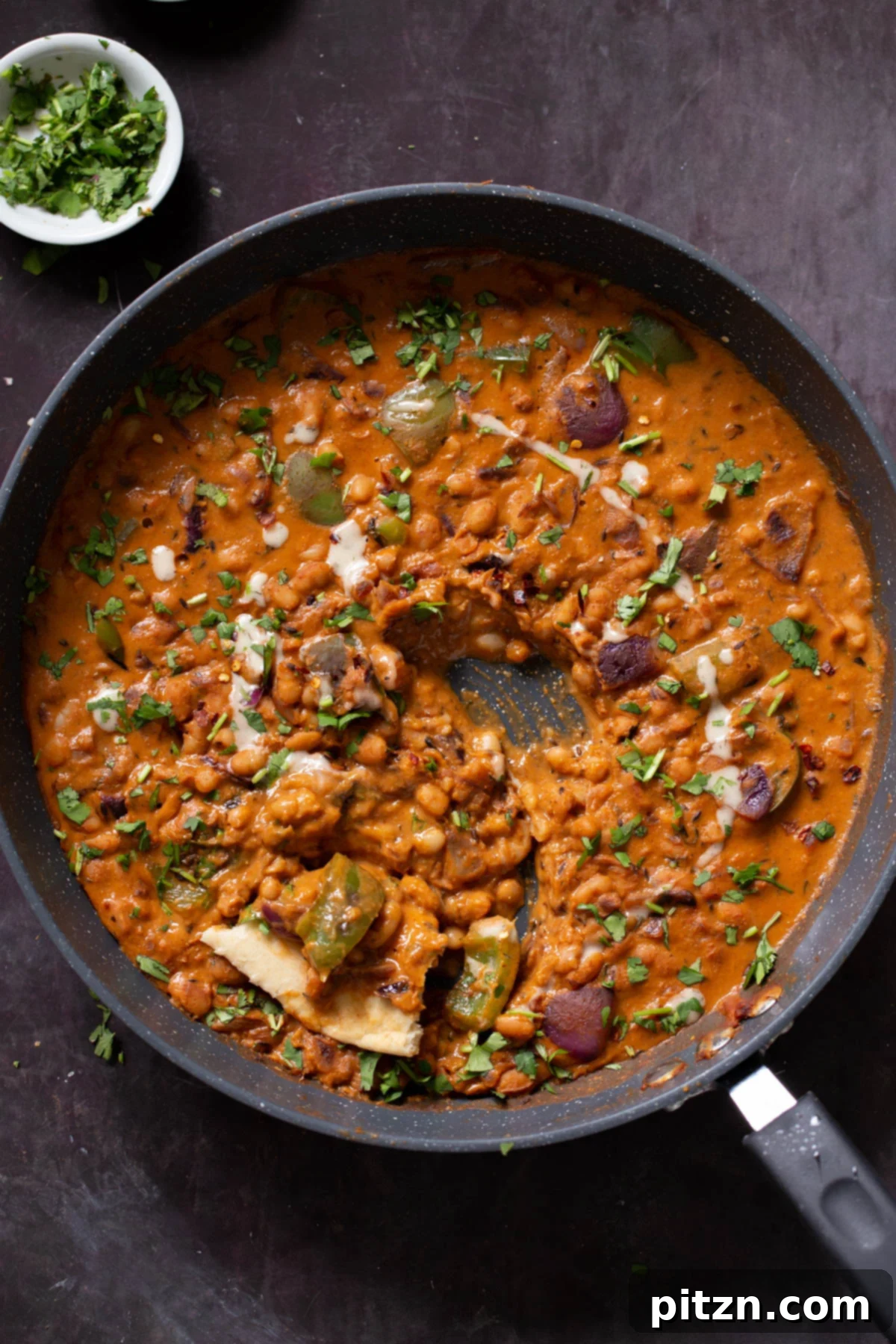
Embark on a culinary journey with this incredible Beans Do Pyaza recipe, a plant-based twist on the classic North Indian ‘do pyaza’ curry. This dish celebrates the rich, complex flavors of a creamy, caramelized onion sauce, meticulously seasoned with perfectly toasted cumin, aromatic ginger, and potent garlic. Garnished with beautifully seared peppers and onions, this curry is not only a feast for the senses but also proudly gluten-free, nut-free, and soy-free, making it accessible for many dietary preferences.
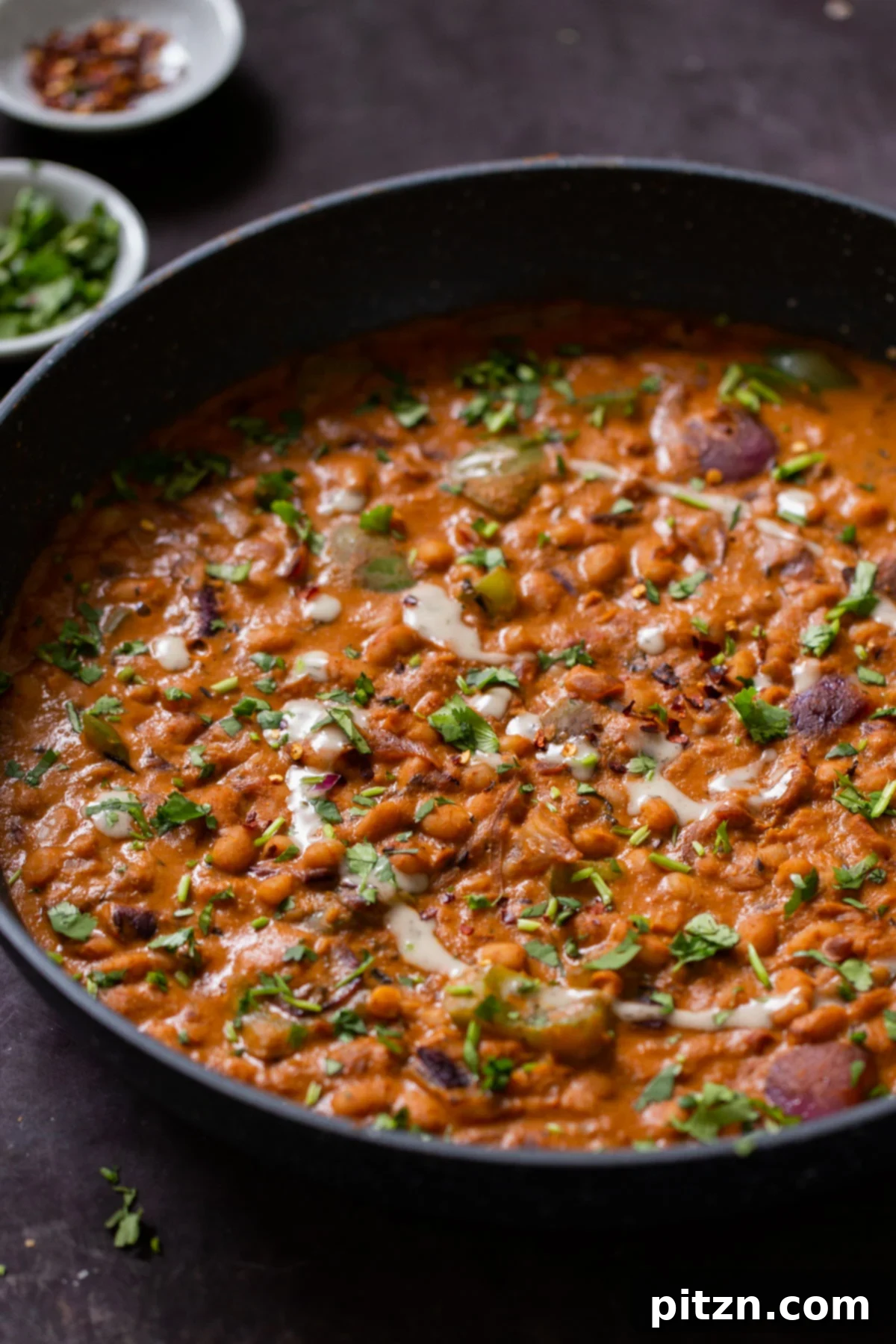
Table of Contents
- Why You’ll Love This Beans Do Pyaza Curry
- Understanding Do Pyaza: The Magic of Double Onions
- More Irresistible Indian Curries
- Beans Do Pyaza Recipe Card
- Ingredients and Expert Substitutions
- Pro Tips for Perfect Beans Do Pyaza
- Step-by-Step Guide to Making Vegan Beans Do Pyaza
- Frequently Asked Questions About Beans Do Pyaza
Beans are currently enjoying a well-deserved spotlight in healthy and flavorful cooking, and we’re embracing their versatility by incorporating them into some of our most beloved Indian sauces. This recipe proudly features them in a rich and aromatic curry, transforming humble beans into a gourmet experience.
The true essence of Indian cuisine often lies within its deeply spiced and meticulously simmered sauces. It’s these vibrant concoctions that impart incredible depth and character to any protein, be it meat, tofu, or legumes. Our Beans Do Pyaza is no exception; its sauce is a masterpiece of flavor – intensely vibrant, profoundly deep, and utterly delicious. The name “Do Pyaza” itself translates to “double onions,” a culinary technique that involves adding onions at two distinct stages of cooking. This method results in layers of onion flavor: some caramelized deeply into the base sauce, providing sweetness and body, while others are seared and added as a fresh, textural garnish. This thoughtful approach, combined with well-toasted cumin and other aromatic spices, creates a truly rich and unforgettable sauce.
This remarkable curry base is incredibly adaptable, serving as a perfect canvas for virtually any protein you desire. Feel free to experiment with baked tofu, hearty chickpeas, tender soy curls, savory seitan, or even your favorite vegan chicken substitutes. For this particular recipe, we’ve opted for great northern beans, but other white beans like cannellini beans or butter beans would work equally well, lending their creamy texture to the sauce. Chickpeas are also an excellent choice if you prefer a different legume. Regardless of your protein pick, this sauce guarantees a fabulous and flavorful meal every time.
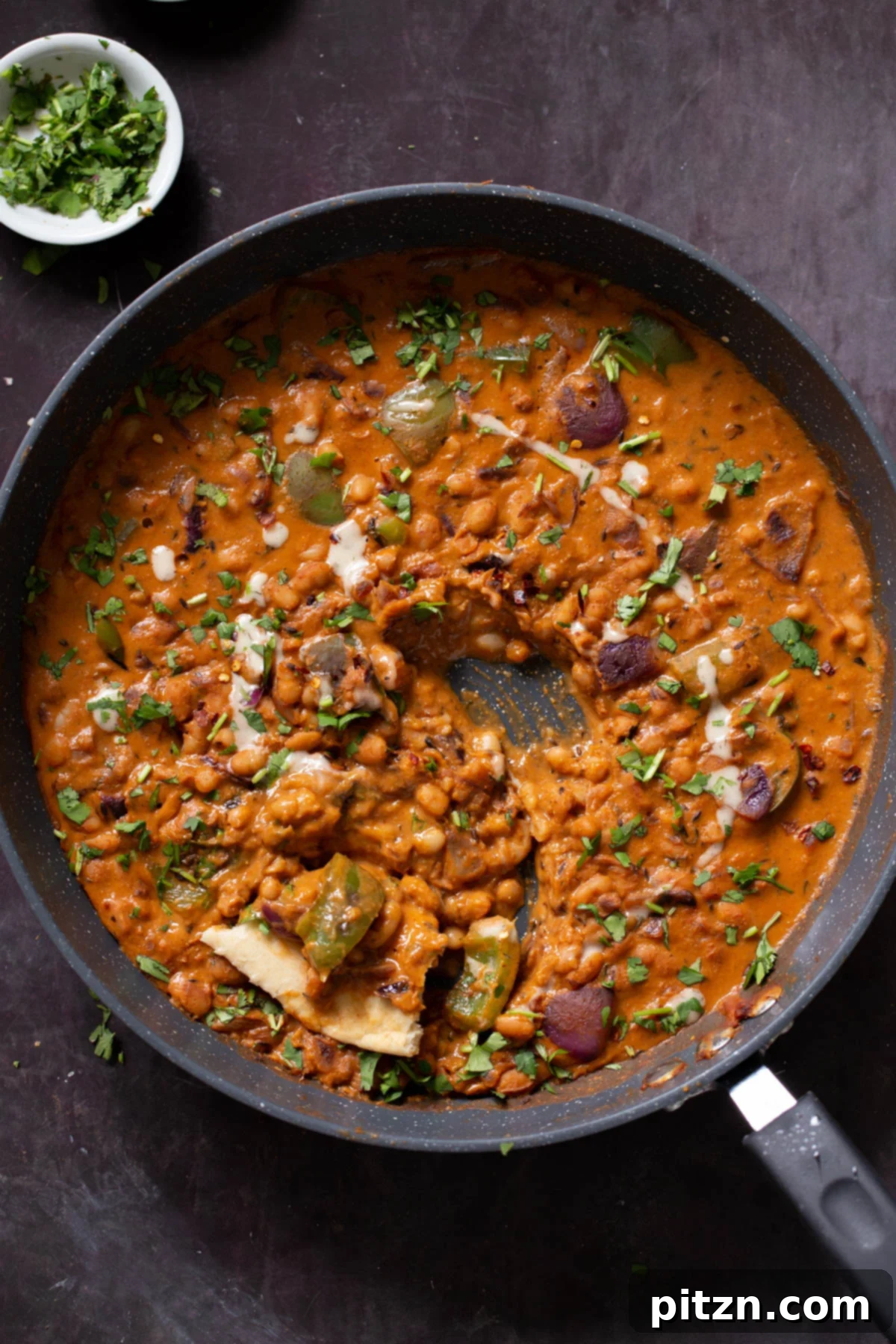
Beyond its incredible taste, this Beans Do Pyaza recipe is remarkably freezer-friendly, offering ultimate convenience for meal prepping or busy weeknights. You can prepare a larger batch and freeze just the sauce, or store the sauce and beans together. When hunger strikes, simply thaw and reheat in a pan or microwave for a quick and satisfying meal that tastes just as fresh as when it was first made.
For a unique twist on a classic comfort food, consider serving Beans Do Pyaza as an elevated “beans on toast.” The rich, spiced Indian flavors elevate this simple concept to a gourmet level. As with many Indian curries, the flavors tend to deepen and meld beautifully as the sauce sits, making leftovers often even more delicious. A note on spices: the potency of your spices greatly influences the final flavor. If you find yourself consistently needing to triple the spice quantities in recipes, it might be a sign that your spices are old and have lost their vigor. Fresh, vibrant spices are key to an authentic and intensely flavorful curry.
This versatile sauce also pairs wonderfully with an array of accompaniments. Serve it alongside baked tofu, plant-based chicken alternatives, roasted cauliflower, or a medley of your favorite vegetables. With the inclusion of beans, it transforms into a simple, cozy, and highly satisfying one-pot meal that’s perfect for any day of the week.
Why You’ll Love This Beans Do Pyaza Curry
- Unforgettable Flavor Profile: Experience a truly exceptional, creamy sauce bursting with the harmonious blend of caramelized onions, robust ginger, pungent garlic, and the irresistible fragrance of toasted cumin seeds. Each spoonful offers a delightful complexity that will tantalize your taste buds.
- Effortless One-Pot Preparation: Simplify your cooking routine with this quick and easy recipe. Requiring just a single pan and a cutting board, it’s designed for minimal cleanup and maximum enjoyment, making it perfect for weeknight dinners.
- Convenient Freezer-Friendly Option: This dish is a lifesaver for meal prep. Both the exquisite sauce alone and the complete beans-and-sauce mixture freeze beautifully. Simply reheat in a pan or microwave whenever you’re ready for a delicious, homemade meal.
- Dietary Inclusive & Allergen-Friendly: Crafted to accommodate various dietary needs, this recipe is naturally gluten-free. It can easily be made soy-free by using soy-free yogurt and milk, and nut-free by opting for nut-free dairy alternatives. An oil-free preparation method is also provided for those monitoring fat intake.

Understanding Do Pyaza: The Magic of Double Onions
The term “Do Pyaza” is a fascinating concept in Indian cooking, translating literally to “double onions.” This isn’t just about using more onions; it refers to a distinct culinary technique where onions are incorporated into the dish at two different stages of the cooking process, each contributing a unique flavor and texture profile to the final curry.
In the first stage, a significant portion of the onions is finely chopped and slowly caramelized to form the rich, sweet, and deeply flavorful base of the sauce. This slow cooking process coaxes out their natural sugars, creating a thick, aromatic foundation that is essential to the “do pyaza” character. These onions melt into the sauce, providing body and a foundational sweetness that balances the spices.
The second stage involves adding another batch of onions, often cut into larger cubes or wedges, along with bell peppers, towards the end of the cooking process. These onions are quickly seared or sautéed until they are tender-crisp and slightly golden at the edges, retaining their shape and a distinct bite. When incorporated into the simmering curry, they add a wonderful textural contrast and a fresh, pronounced onion flavor that cuts through the richness of the caramelized base. This “double onion” approach is what gives Do Pyaza its signature depth, complexity, and delightful textural variety, making it a beloved curry across North India.
More Irresistible Indian Curries
- Creamy Malai Tofu Curry
- Gobi Do Pyaza (Cauliflower in Double Onion Sauce)
- Flavorful Lasooni “Chicken” Curry (No Tomato)
- Instant Pot Dal Bukhara (Dump and Done)
- Quick Lentil Coconut Curry (One Pan, 30 Minutes!)
Beans Do Pyaza (Beans in Indian Toasted Cumin Onion Sauce)
Prep: 10 mins
Cook: 25 mins
Total: 35 mins
Servings: 4
Course: Main, Main Course
Cuisine: Indian
Beans Do Pyaza (Indian cumin onion sauce) is a vibrant and flavorful plant-based adaptation of the classic North Indian do pyaza curry. This creamy, caramelized onion curry is seasoned with toasted cumin, ginger, garlic, and a medley of spices, then beautifully garnished with seared peppers and onions. It’s a convenient one-pot meal that is naturally Gluten-Free, Soy-Free, and Nut-Free, with an easy oil-free option.
Ingredients
For the Onion Pepper Garnish
- 1 teaspoon oil, or vegan butter
- 1/4 cup chopped onion, chopped into 3/4” squares
- 1/4 cup chopped green pepper, chopped into 3/4” squares
- 1/2 teaspoon dried fenugreek leaves
For the Do Pyaza Sauce
- 2 teaspoons oil
- 1 teaspoon cumin seeds
- 2 bay leaves
- 1 whole clove
- 1 cup sliced or chopped red onion
- 1/4 teaspoon salt
- 1/2 to 1 teaspoon garam masala
- 1 teaspoon ground coriander
- 1 teaspoon paprika, or Kashmiri chili powder (or a mix of paprika and cayenne for extra heat)
- 2 tablespoons ginger garlic paste, or 3 cloves of garlic minced, and 1/2” of ginger minced. (Alternatively, mash them together in a mortar and pestle.)
- 2 tablespoons tomato paste
- 1/3 cup non-dairy yogurt, or non-dairy cream of choice
- 1/4 teaspoon salt
- 1/2 to 1 cup water, or non-dairy milk
- 15-ounce can of white beans (such as northern beans, cannellini beans, butter beans, or other beans of choice), rinsed and drained
- Fresh cilantro and pepper flakes, for garnish
Instructions
1. Make the Onion Pepper Garnish.
- Heat 1 teaspoon of oil in a large skillet over medium-high heat. Once the oil shimmers, add the chopped onion, green pepper, a good pinch of salt, and dried fenugreek leaves. Cook for 3 to 4 minutes, stirring frequently, until the onion starts to turn golden and sear at the edges. The high heat is intended to char and sweeten the vegetables quickly, not fully cook them through. Once achieved, carefully transfer the seared onions and peppers to a small bowl and set aside.
2. Prepare the Do Pyaza Sauce.
- Add the remaining 2 teaspoons of oil to the same skillet, now over medium heat. Once hot, add the cumin seeds. Toast the cumin seeds, stirring constantly, until they change color to a darker brown and release a distinct, fragrant aroma. This vital step can take 1 to 3 minutes, depending on your pan’s heat, so watch them closely to prevent burning.
- Next, add the bay leaves and the whole clove to the skillet and stir once to infuse the oil with their aromatics. Immediately add the sliced or chopped red onion and the first 1/4 teaspoon of salt. Continue cooking, stirring occasionally, until the onions soften, turn golden brown, and begin to caramelize beautifully. If the onions start to dry out or stick to the pan, add small splashes of water to deglaze and ensure even cooking. For stubborn onions, cover the pan with a lid for a minute or two to steam them, then uncover and continue to cook. This process typically takes 6 to 9 minutes.
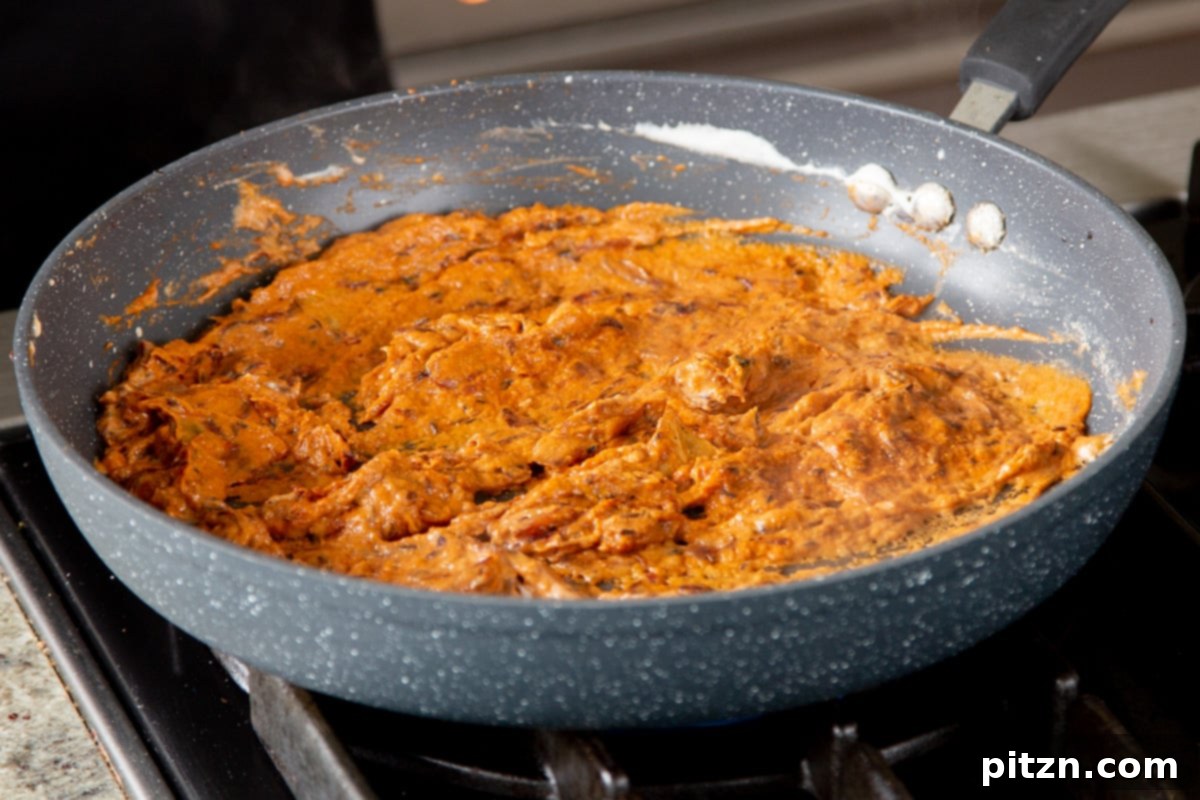
- Once the onions are perfectly caramelized, stir in all the ground spices (garam masala, ground coriander, paprika) and the ginger garlic paste. Mix thoroughly, cooking for about 30 seconds until fragrant. Then, add the tomato paste and non-dairy yogurt. Stir everything together until well combined. Bring the mixture to a gentle boil, then reduce the heat slightly and continue to cook for 2 minutes, allowing the flavors to meld and the sauce to thicken slightly.
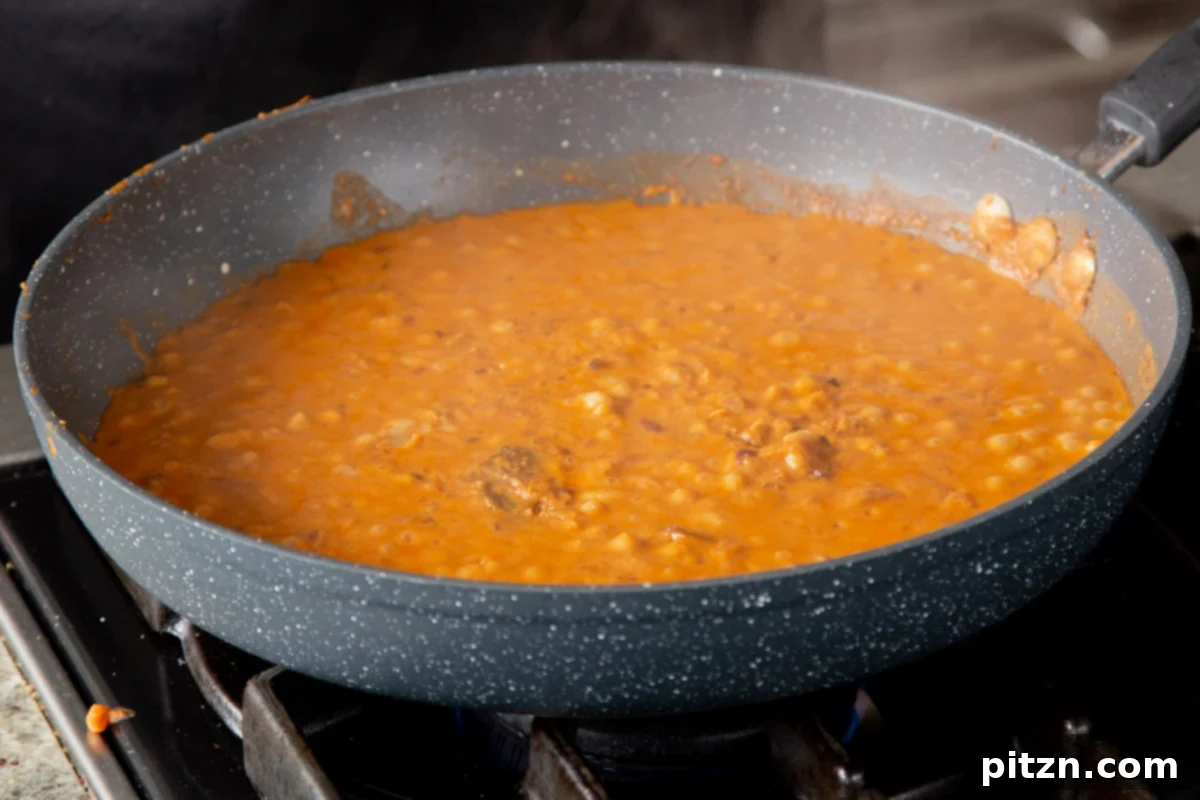
- Pour in 1/2 to 1 cup of water or non-dairy milk, along with the rinsed and drained white beans, and the remaining 1/4 teaspoon salt. Stir well to combine all ingredients. Bring the sauce back to a simmer, then cover the skillet with a lid. Reduce the heat to medium-low and let the curry gently simmer for 6 to 8 minutes, allowing the beans to absorb the rich flavors of the sauce.
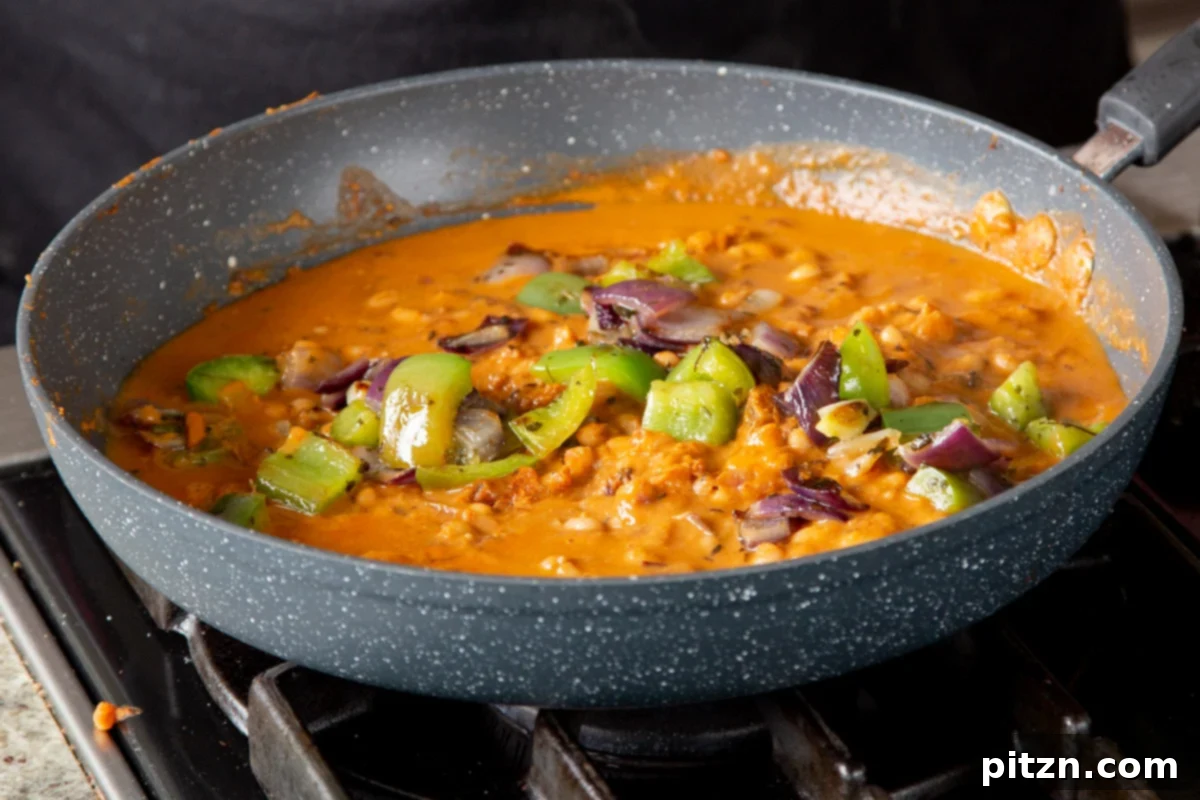
- After simmering, open the lid and taste the curry. Adjust the salt and spices as needed to suit your preference. If the sauce is too thick, add a bit more water or non-dairy milk to reach your desired consistency, bringing it back to a brief boil. Finally, stir in the reserved seared onion and bell pepper garnish. Switch off the heat.
- Garnish generously with fresh cilantro and a sprinkle of red pepper flakes for an extra kick and visual appeal. Serve this delightful Beans Do Pyaza immediately with warm toasted sourdough bread, fluffy naan, fragrant garlic bread, or over a bed of rice. It also makes an excellent addition to grain bowls with roasted vegetables, or as a flavorful “beans on toast.”
Storage: Store any refrigerated leftovers in an airtight container for up to 3 days. For longer storage, freeze for up to 2 months. Reheat gently in a skillet or microwave.
Video
Notes
- To serve this as beans on toast: Toast your favorite bread (sourdough works wonderfully), spread a generous layer of this flavorful Beans Do Pyaza on top. Garnish with fresh cilantro, chopped green onions, or other fresh herbs. For an added nutritional boost and textural contrast, sprinkle with seeds like hemp, sesame, or pumpkin seeds.
- This recipe is naturally gluten-free. To ensure it is soy-free, make sure to use a non-dairy yogurt and milk that are specifically soy-free.
- To make this recipe entirely nut-free, choose non-dairy yogurt and milk varieties that are free from nuts, such as oat or coconut-based options.
- To make this oil-free: For the onion pepper garnish, dry roast the fenugreek leaves on a hot skillet until fragrant, then remove. Sauté the chopped onion and green pepper in a few tablespoons of vegetable broth until softened and lightly seared. For the do pyaza sauce, dry roast the cumin seeds in a dry skillet until fragrant. Sauté the red onion with 2-4 tablespoons of broth instead of oil, adding more as needed to prevent sticking. Proceed with the rest of the recipe as instructed, using broth for sautéing and any additional liquid requirements.
- To make this with soy curls: Begin by soaking 4 ounces of soy curls in warm vegetable broth for 10-15 minutes until fully rehydrated, then drain thoroughly. Toss the drained soy curls with 2 teaspoons of cornstarch and 1/2 teaspoon of garam masala. You can either bake them for 15-20 minutes until golden and slightly crispy, or pan-roast them in a skillet with a teaspoon of oil until browned. Add these prepared soy curls to the sauce during the last 3 minutes of simmering. Be aware that soy curls will absorb more moisture than beans, so you may need to add an extra 1/4 to 1/2 cup of water or non-dairy milk at the end to achieve the desired consistency.
Nutrition
Nutrition information is an approximation per serving (based on 4 servings):
- Calories: 225 kcal
- Carbohydrates: 36g
- Protein: 12g
- Fat: 4g
- Saturated Fat: 0.4g
- Sodium: 371mg
- Potassium: 789mg
- Fiber: 8g
- Sugar: 5g
- Vitamin A: 415 IU
- Vitamin C: 16mg
- Calcium: 144mg
- Iron: 5mg
Disclaimer: Nutrition information is automatically calculated and should be used as an approximation only.
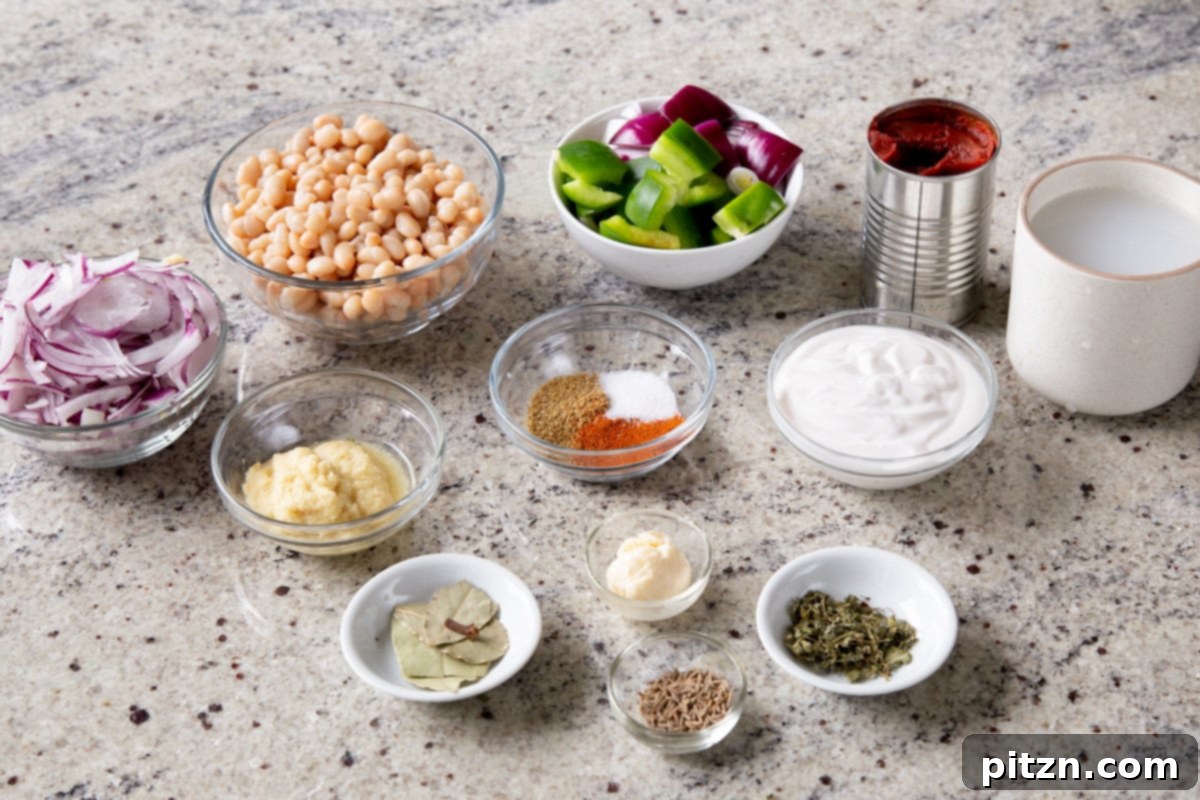
Ingredients and Expert Substitutions
Crafting a truly exceptional curry begins with understanding each ingredient’s role. Here’s a detailed look at what you’ll need for our Beans Do Pyaza and how you can adapt it to your pantry and preferences:
- Oil: Essential for sautéing and blooming spices. For an oil-free version, you can substitute with vegetable broth or water for sautéing, ensuring the onions and spices cook without sticking.
- Onion: The star of the “Do Pyaza” concept! You’ll use onions in two ways: caramelized into the deep, sweet base sauce and seared for a vibrant, textural garnish. Both red and yellow onions work well, with red onions offering a slightly sweeter caramelization.
- Bell Pepper: Adds a fresh, slightly sweet crunch to the garnish. Green bell pepper is traditional, but red, yellow, or orange bell peppers can be used for a sweeter flavor and different color.
- Whole and Ground Spices:
- Dried Fenugreek Leaves (Kasoori Methi): Used in the garnish, these impart a unique, slightly bitter, and aromatic flavor that is characteristic of North Indian cuisine. If unavailable, you can omit, though the flavor profile will be slightly different.
- Whole Cumin Seeds: Toasted at the beginning of the sauce preparation, they release a warm, earthy, and nutty aroma, forming the aromatic foundation. Do not skip this step!
- Bay Leaves and Whole Clove: These whole spices contribute subtle, deep, and complex background notes. Remove the bay leaves before serving if desired.
- Garam Masala: A crucial Indian spice blend, providing warmth, depth, and a complex aroma. Its composition varies, but it typically includes cumin, coriander, cardamom, cloves, and cinnamon. Freshly ground garam masala yields the best flavor.
- Ground Coriander: Adds a citrusy, earthy, and slightly sweet flavor that brightens the curry.
- Paprika: Provides a rich red color and mild sweetness. For a spicier kick, use Kashmiri chili powder for a vibrant red hue with moderate heat, or a blend of paprika and a pinch of cayenne pepper for more significant warmth.
- Ginger Garlic Paste: A foundational aromatic in Indian cooking, offering pungent, spicy, and warming notes. You can use store-bought paste or easily make your own by mincing 3 cloves of garlic and a 1/2-inch piece of fresh ginger, or mashing them together in a mortar and pestle.
- Tomato Paste: A small amount of tomato paste is a secret weapon for umami depth and a subtle tang. It concentrates tomato flavor beautifully without making the curry too watery.
- Non-Dairy Yogurt: Contributes a creamy texture and a slight tang, enriching the sauce. Choose an unsweetened, plain variety. Cashew cream (blended soaked cashews with water) or coconut cream (from a can) can be excellent alternatives for an even richer consistency, ensuring they are unsweetened.
- Water or Non-Dairy Milk: Used to adjust the sauce’s consistency, creating a smooth and luscious texture. Opt for unsweetened, plain non-dairy milk like almond, oat, or soy.
- Beans: The primary protein source for this dish. White beans such as great northern beans, cannellini beans, or butter beans are recommended for their creamy texture. Chickpeas are another fantastic option, offering a slightly firmer bite. Feel free to explore other vegan proteins like crispy baked tofu cubes, rehydrated soy curls, or pre-cooked seitan chunks.
- Garnishes:
- Fresh Cilantro: A vibrant, fresh herb that adds brightness and a classic Indian touch.
- Crushed Pepper Flakes: Optional, but adds a beautiful visual element and a gentle warmth if desired.
Pro Tips for Perfect Beans Do Pyaza
Achieving a truly outstanding Beans Do Pyaza involves a few key techniques. Keep these expert tips in mind to ensure your curry is packed with maximum flavor and perfect texture:
- Mindful Stirring for Garnish & Spices: When cooking the onion and bell pepper garnish, and especially when toasting whole spices like cumin seeds, constant attention is crucial. Both elements can burn quickly under high heat, turning bitter. Stir frequently and adjust heat as needed to ensure an even golden sear on the vegetables and a perfectly bloomed aroma from the spices without scorching. The goal is fragrant, not burnt!
- Hydration for Caramelized Onions: Caramelizing onions properly is essential for the depth of the Do Pyaza sauce. As they cook down, onions can dry out and stick to the pan. Don’t hesitate to add small splashes of water or vegetable broth periodically to deglaze the pan and prevent burning. This helps the onions cook evenly and achieve that coveted deep golden-brown sweetness. If they become excessively dry, covering the pan with a lid for a minute or two can help steam them, allowing them to release moisture before you continue sautéing.
- Freeze for Future Feasts: This dish is a fantastic candidate for meal prepping. For maximum flexibility, you can freeze just the rich Do Pyaza sauce in a freezer-safe container for up to two months. Alternatively, freeze the sauce combined with the beans. When you’re ready to enjoy, simply thaw the frozen curry in the refrigerator overnight, then gently reheat it on the stovetop over low heat or in the microwave until warmed through. The flavors will remain wonderfully intact, sometimes even deepening after freezing and thawing.
- Fresh Spices Make a Difference: The vibrancy of your curry largely depends on the freshness of your spices. Old, stale spices lose their potency and aroma, requiring you to use larger quantities for the same effect. Invest in high-quality, fresh whole and ground spices and store them in airtight containers away from direct light and heat to preserve their essential oils and intense flavors.
- Balance Your Flavors: Always taste and adjust seasonings at the end of cooking. Salt levels, spice heat, and tanginess from the yogurt can vary based on individual preferences and ingredient brands. Don’t be afraid to add a little more salt, a pinch of chili powder, or a dash more non-dairy yogurt or lemon juice to achieve your perfect flavor balance.
Step-by-Step Guide to Making Vegan Beans Do Pyaza
Follow these detailed steps to create your own exquisite pot of Beans Do Pyaza, a curry rich in tradition and vibrant flavors.
First, Prepare the Flavorful Onion Pepper Garnish.
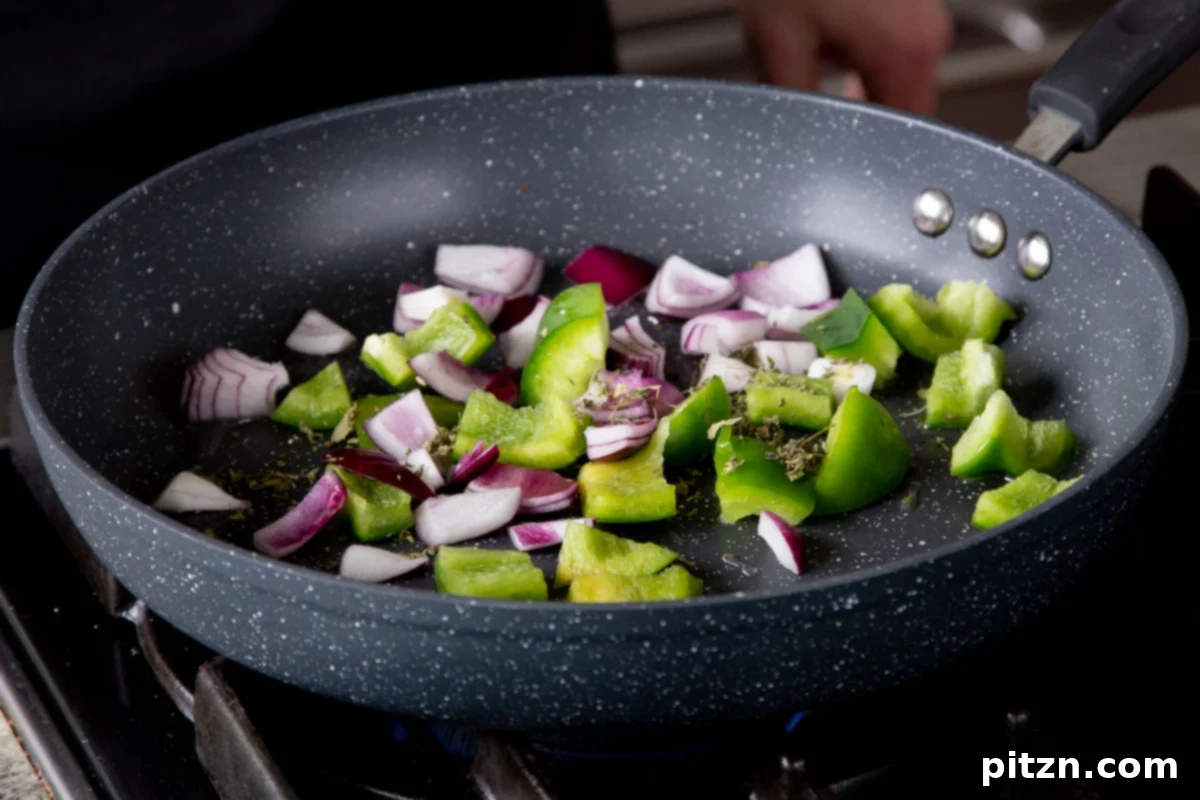
Begin by heating 1 teaspoon of oil (or vegan butter) in a spacious skillet over a medium-high flame. Once the oil begins to shimmer, carefully add the pre-cut 3/4-inch onion squares, green bell pepper squares, and the dried fenugreek leaves, along with a generous pinch of salt. Stir these ingredients frequently, ensuring even cooking. The goal here is to achieve a beautiful sear on the vegetables, allowing them to develop golden, slightly charred edges within 3 to 4 minutes. This high heat treatment brings out their inherent sweetness and adds a crucial textural element to the finished dish. As soon as about half of the edges are golden and slightly scorched, transfer the seared onions and peppers to a small bowl and set them aside. They will be stirred into the curry at the very end.
Next, Craft the Aromatic Do Pyaza Sauce.
Add 2 more teaspoons of oil to the same skillet, reducing the heat to medium. Allow the oil to heat up thoroughly. Introduce the whole cumin seeds to the hot oil. Cook them, stirring continuously, until they undergo a significant color change, turning several shades darker, and become intensely fragrant. This crucial step can take anywhere from 1 to 3 minutes; observe them closely as they can go from perfectly toasted to burnt very quickly. The blooming of these seeds is fundamental to the curry’s distinctive aroma.
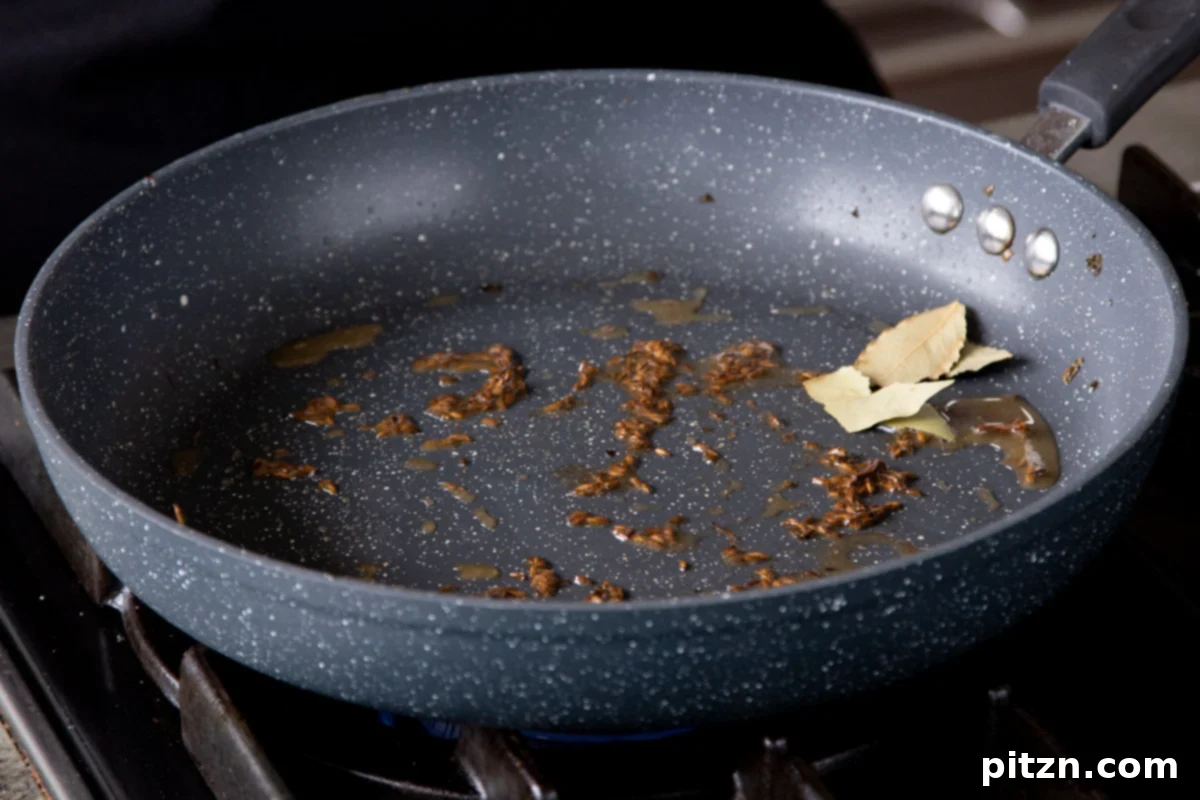
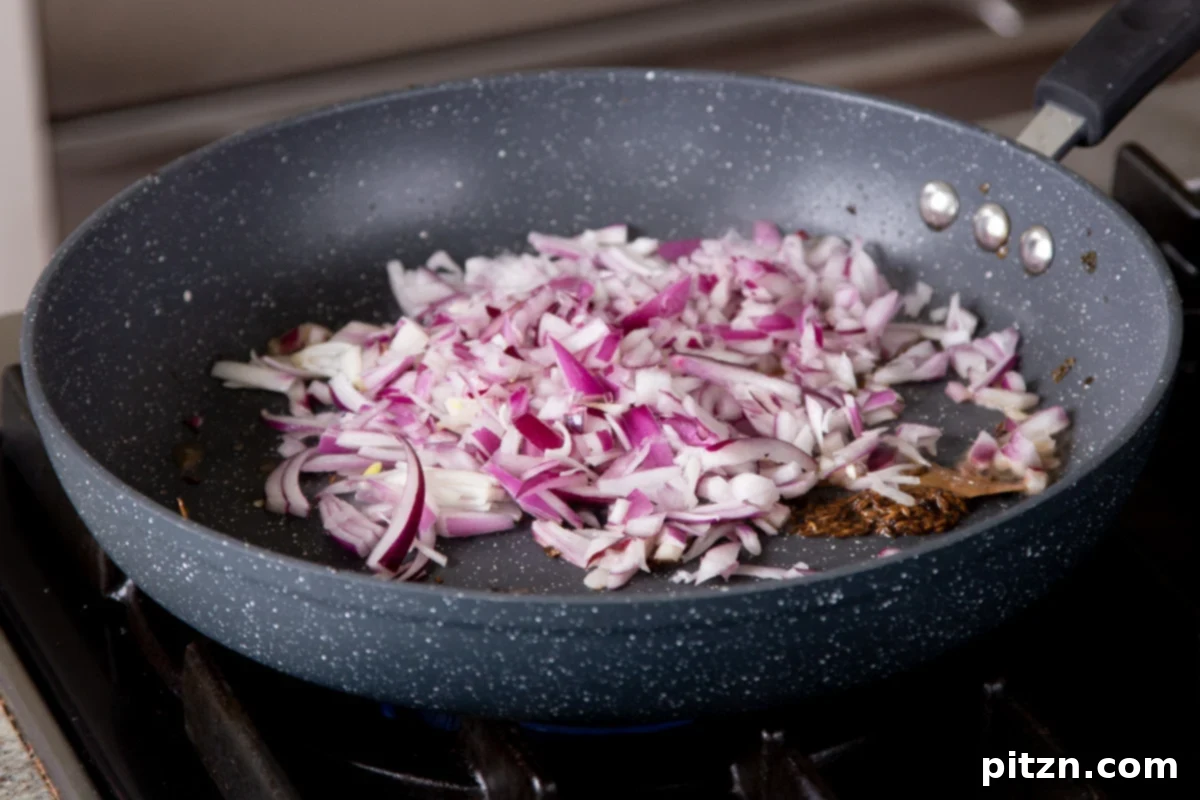
Immediately after the cumin seeds are fragrant, add the bay leaves and the single whole clove. Give them one quick stir to release their essential oils. Then, stir in the main batch of sliced or chopped red onion and the initial 1/4 teaspoon of salt. Continue to cook these onions, stirring occasionally, allowing them to slowly caramelize until they are deeply golden and beautifully softened. To ensure even cooking and prevent sticking, add small splashes of water or broth if the pan becomes too dry. If the onions are struggling to soften, cover the pan briefly with a lid for a minute or so to steam them, then remove the lid and continue cooking. This caramelization process typically takes 6 to 9 minutes, developing a sweet foundation for your sauce.
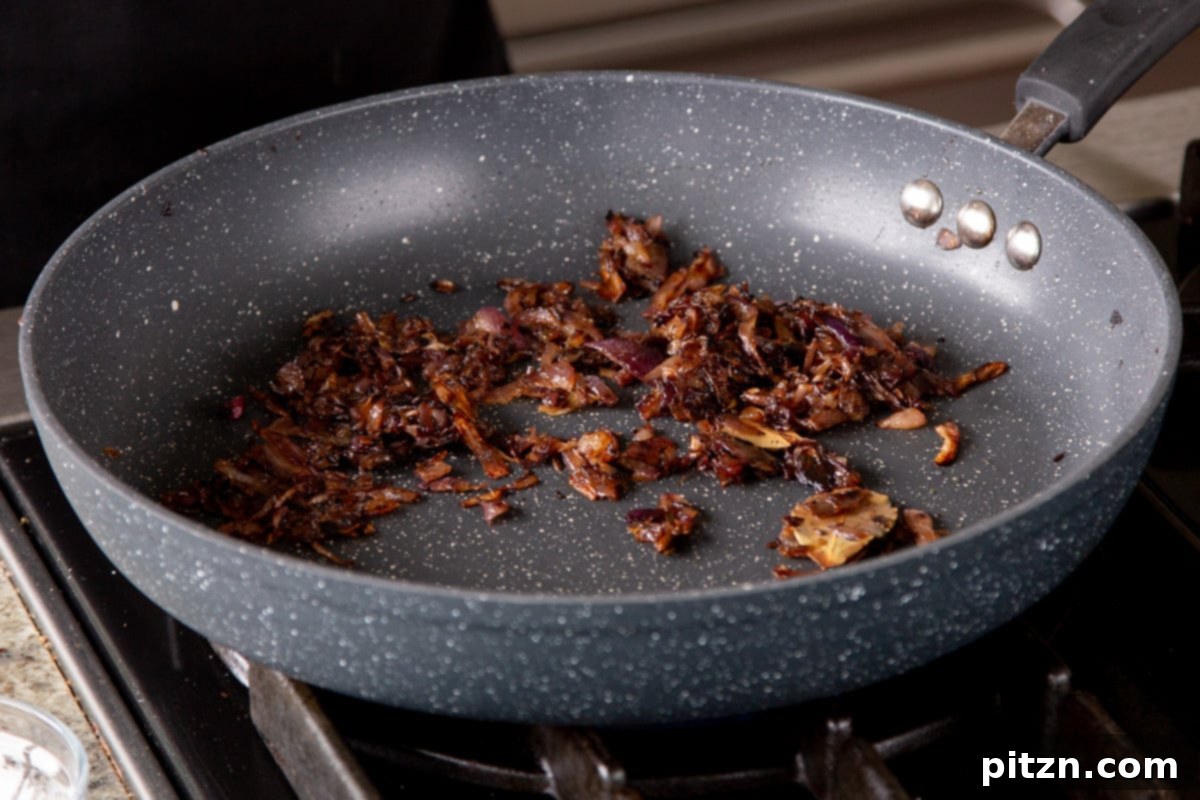
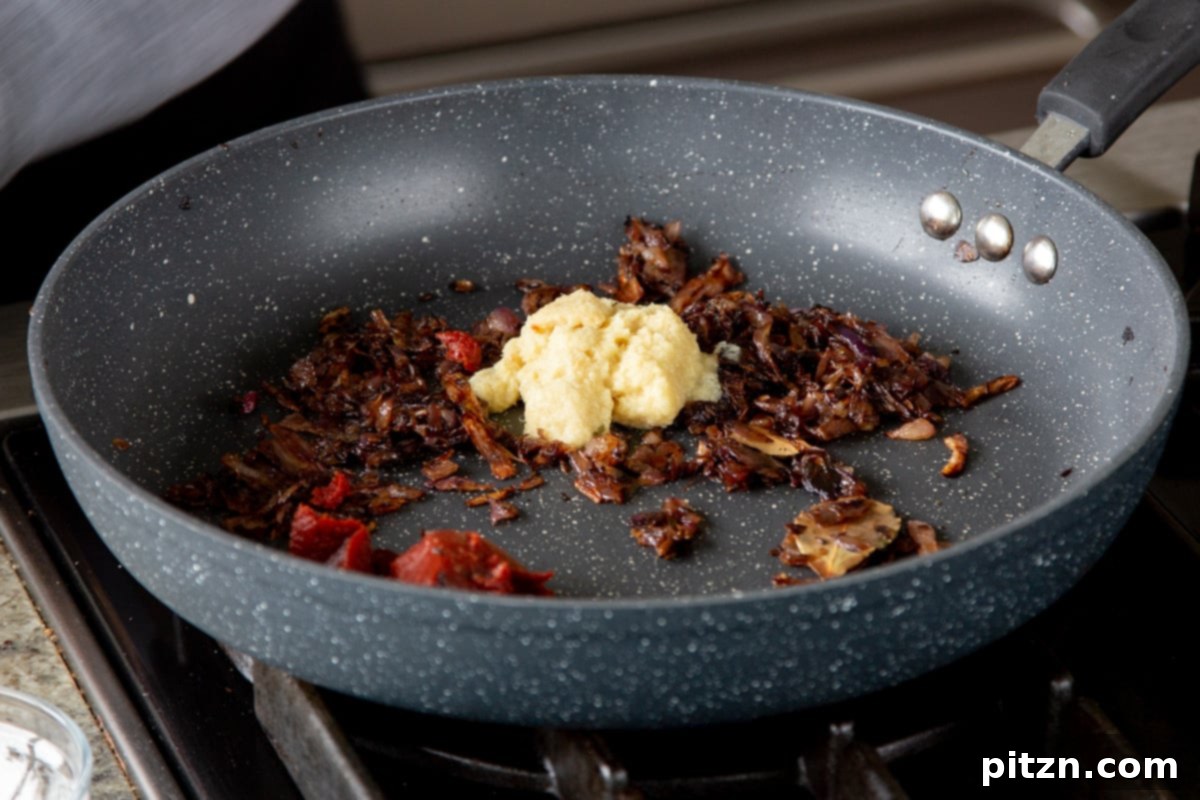
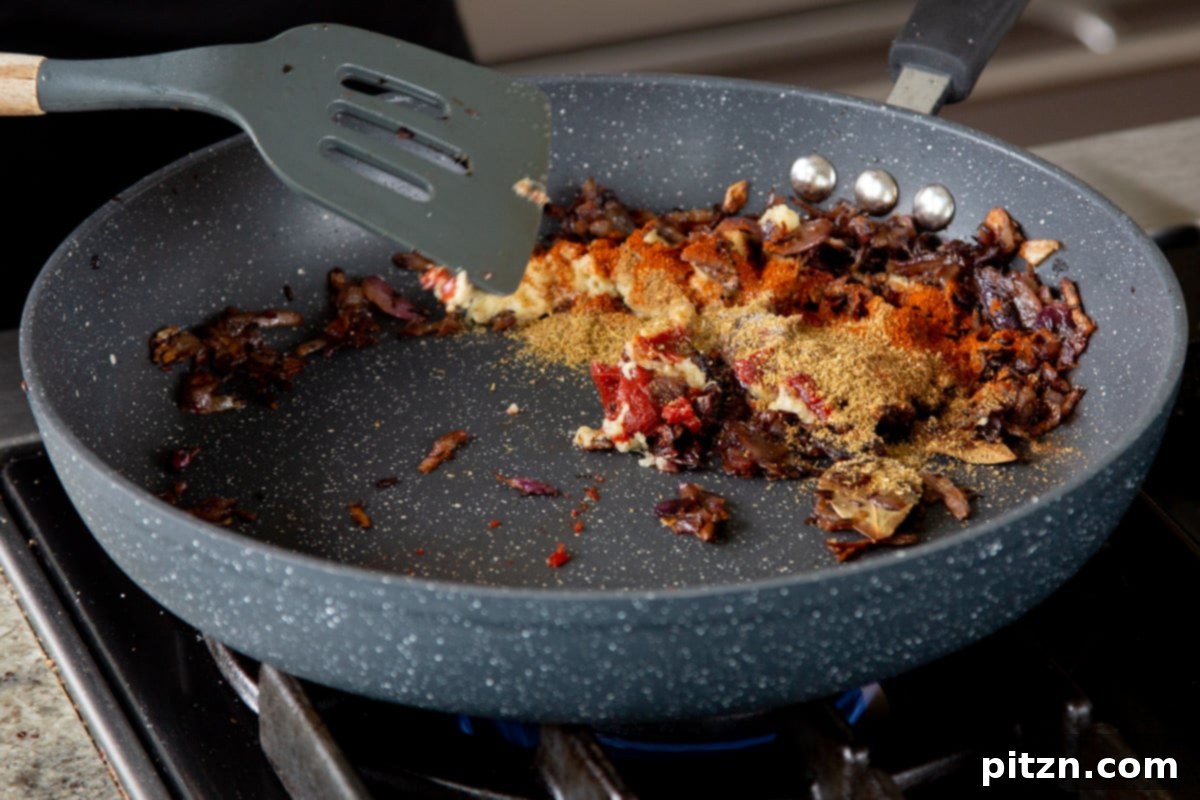
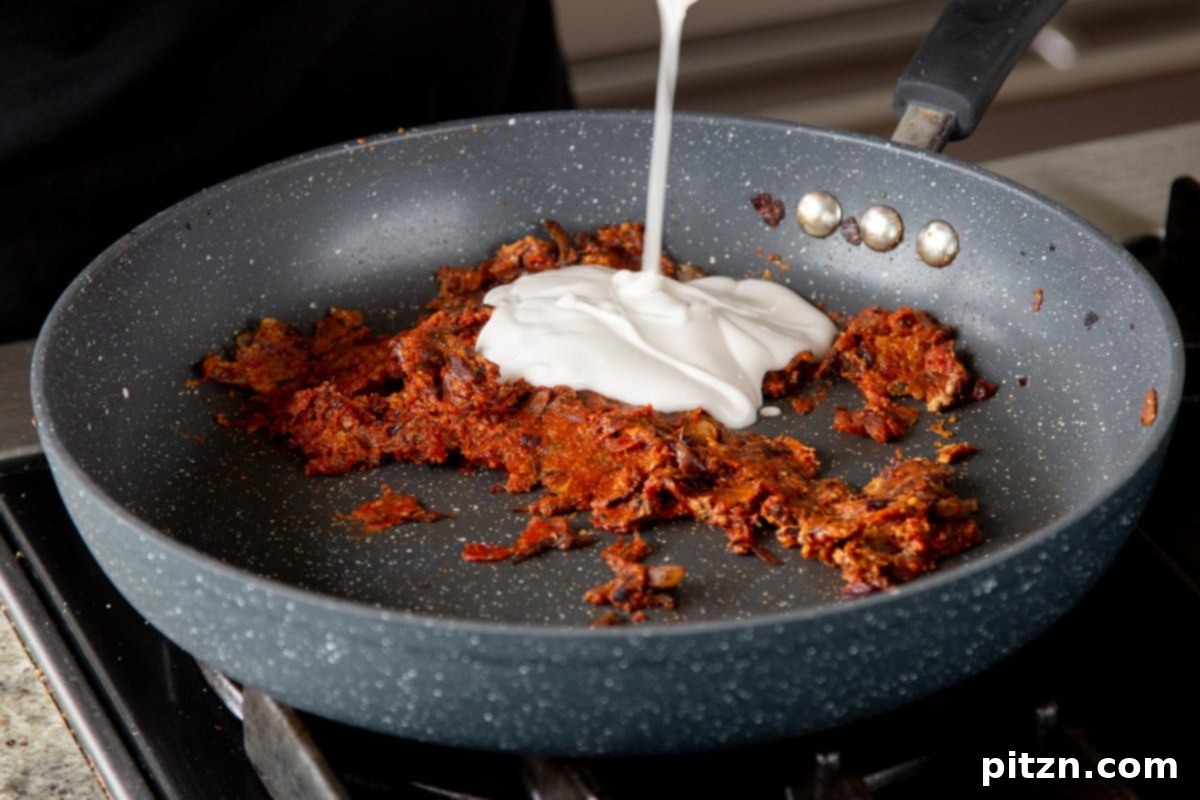
Now, it’s time to build the spice base. Add all of the ground spices – garam masala, ground coriander, and paprika – along with the ginger garlic paste to the caramelized onions. Mix everything thoroughly, stirring for about a minute until the spices are fragrant and well combined with the onion mixture. Then, incorporate the tomato paste and the non-dairy yogurt. Mix vigorously until smooth. Bring the entire sauce to a gentle boil, then continue cooking for an additional 2 minutes, allowing the flavors to meld and the sauce to develop its characteristic creamy texture.
Pour in 1/2 to 1 cup of water or non-dairy milk, depending on your desired sauce consistency, along with the thoroughly rinsed and drained white beans. Stir in the remaining 1/4 teaspoon of salt. Cover the skillet with a lid, reduce the heat to medium-low, and let the curry gently simmer for 6 to 8 minutes. This simmering period is crucial for allowing the beans to fully absorb the rich, aromatic flavors of the sauce, deepening the overall taste.
Once the simmering is complete, lift the lid and taste the curry. This is your chance to adjust the salt, spice levels, and overall flavor balance. If the sauce is too thick, thin it out with a little more water or non-dairy milk, bringing it to a brief boil. Then, gently stir in the reserved seared onion and bell pepper garnish from earlier. Switch off the heat. Finish by garnishing generously with fresh cilantro and a sprinkle of red pepper flakes for an added touch of color and subtle warmth. Serve your magnificent Beans Do Pyaza with toasted sourdough bread, warm flatbread, garlic bread, traditional naan, or spooned generously over a bed of fluffy rice. It’s also fantastic as an enriched “beans on toast” or incorporated into nourishing bowls with roasted vegetables and your grain of choice.
Frequently Asked Questions About Beans Do Pyaza
Yes, this Beans Do Pyaza recipe is designed to be highly adaptable for various dietary needs. It is naturally gluten-free. To make it completely soy-free, ensure you use a non-dairy yogurt and non-dairy milk that are free from soy. Similarly, for a nut-free version, simply opt for nut-free non-dairy yogurt and milk alternatives, such as those made from oat or coconut.
Creating an oil-free Beans Do Pyaza is straightforward. For both the onion pepper garnish and the main sauce, replace oil with vegetable broth or water for sautéing. Begin by dry roasting the cumin seeds in a hot, dry skillet until they are aromatic and darken in color. Then, proceed with sautéing the onions and peppers using 2-4 tablespoons of broth, adding more as needed to prevent sticking and ensure proper caramelization. This method retains all the rich flavors without the added oil.
Absolutely! While white beans like northern, cannellini, or butter beans are fantastic, chickpeas are also an excellent choice, offering a slightly different texture. This versatile sauce also pairs wonderfully with other plant-based proteins such as crispy baked tofu cubes, rehydrated and seasoned soy curls, or pre-cooked seitan. Adjust cooking times slightly to ensure your chosen protein is thoroughly heated through and has absorbed the delicious flavors of the curry.
If you prefer a spicier curry, there are several ways to adjust the heat level. You can increase the amount of paprika or Kashmiri chili powder in the sauce. For an even more significant kick, add a pinch of cayenne pepper along with the paprika. You can also incorporate a finely minced fresh green chili (like Serrano or Thai chili) along with the ginger garlic paste, or serve the finished dish with extra fresh chopped green chilies as a garnish.