
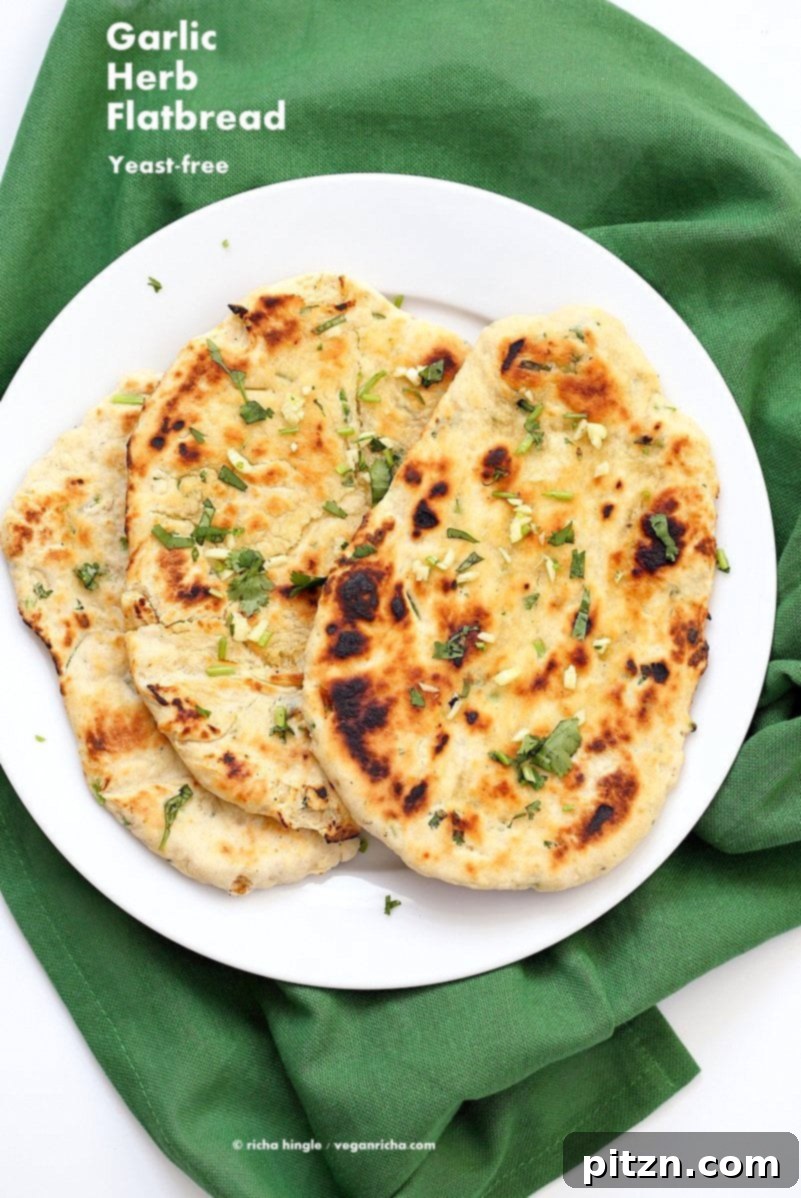
Welcome to the ultimate guide for crafting the most delightful and effortlessly delicious garlic herb flatbread! Imagine a soft, aromatic bread, fresh from your kitchen, without the fuss of yeast, long rising times, or complex ingredients. This isn’t just a dream; it’s a reality with our incredibly simple, vegan, and yeast-free garlic flatbread recipe. It’s perfect for seasoned home cooks and beginners alike, promising a satisfying culinary experience with minimal effort.
Say goodbye to lengthy waiting periods associated with traditional yeast breads. Our innovative recipe harnesses a surprising “secret ingredient” that replaces traditional dairy yogurt and tofu, delivering an unparalleled texture and flavor profile. This plant-based marvel brings the convenience of a quick weeknight meal together with the gourmet appeal of a homemade specialty. Whether you’re seeking a quick side dish, a base for a mini-pizza, or a delightful accompaniment to soups, stews, or dips, this garlic herb flatbread is your new go-to. Its versatility makes it a fantastic addition to almost any meal, transforming ordinary dishes into extraordinary feasts.
Jump to Recipe
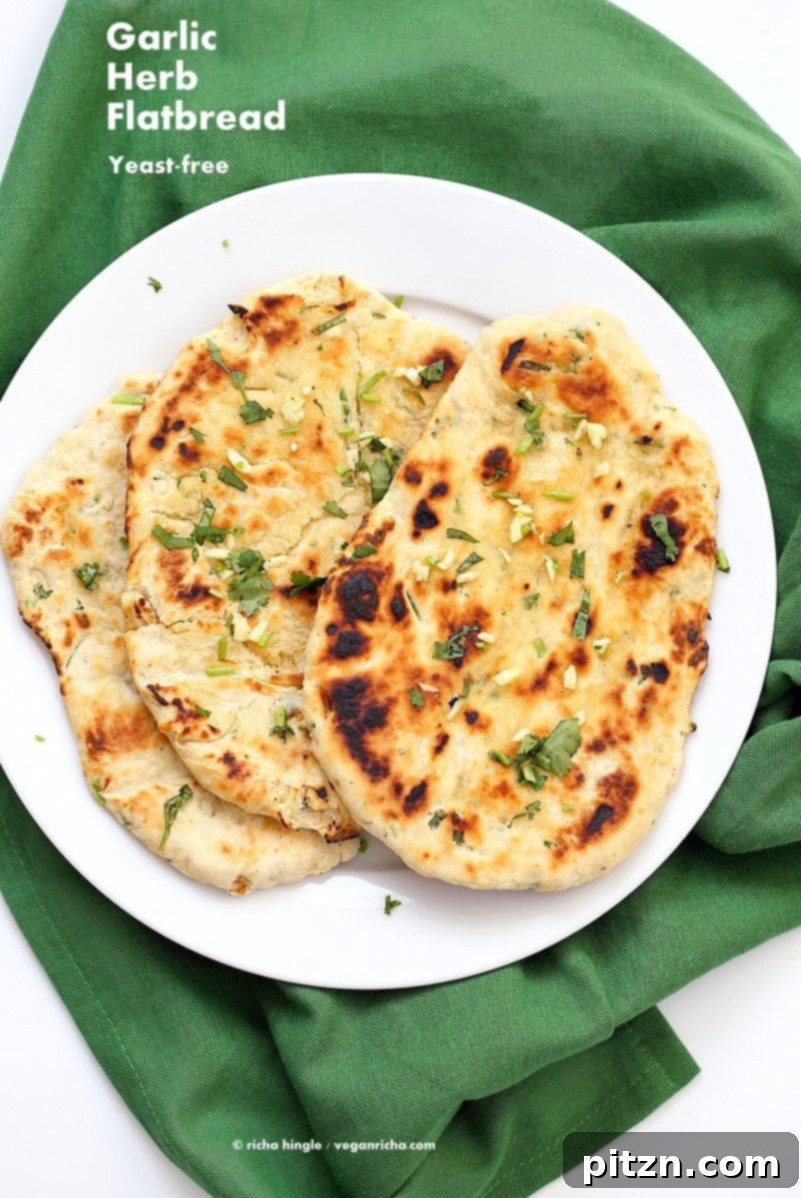
The Magic of Aquafaba: Our Secret Ingredient
At the heart of this incredibly fluffy and tender flatbread lies a culinary gem: aquafaba. If you’re new to the world of vegan cooking, aquafaba is a game-changer. It’s simply the viscous liquid you find in a can of chickpeas, or the water leftover from cooking chickpeas from scratch. This humble liquid, often discarded, boasts an astonishing ability to mimic egg whites, making it an indispensable ingredient in plant-based baking and cooking.
For this yeast-free flatbread, aquafaba plays a crucial triple role. Firstly, it acts as an exceptional binder, holding the dough together beautifully without the need for eggs or dairy. Secondly, its unique composition contributes to the dough’s moisture content, preventing it from drying out and ensuring a soft, pliable texture. Finally, and perhaps most impressively, aquafaba introduces a delightful lightness and fluffiness to the flatbread, replicating the airy texture often achieved with yeast, but without the wait. This makes our flatbread not just easy, but truly exceptional in its mouthfeel.
Beyond flatbreads, aquafaba’s versatility shines in numerous vegan applications. It’s famously used to create luscious eggless meringues, delicate macarons, and even provides structure in baked goods like cakes and cookies. Its ability to emulsify and aerate has revolutionized vegan culinary possibilities, making it a must-know ingredient for anyone exploring plant-based dishes. Discover more about chickpea brine and all the amazing creations possible by exploring communities dedicated to aquafaba innovations, such as the Vegan Meringue Hits and Misses Facebook Group.
Why Go Yeast-Free? The Benefits of Speed and Simplicity
The beauty of a yeast-free flatbread recipe lies in its sheer simplicity and speed. Traditional bread-making, while rewarding, often requires hours of proofing and rising, demanding patience and a careful eye on temperature and humidity. Our yeast-free approach bypasses all of this, making delicious homemade bread accessible even on your busiest days.
Within minutes, you can have the dough prepared, rolled out, and cooking on your skillet. There’s no need to wait an hour (or more) for the dough to sit and rise, making it an ideal choice for spontaneous meals or when you’re short on time. This convenience doesn’t come at the cost of flavor or texture. Thanks to the magic of aquafaba combined with baking powder and baking soda, these flatbreads achieve a wonderfully soft and slightly chewy consistency that rivals their yeasted counterparts.
While I personally enjoy baking with yeast for certain recipes, the speed and effortless nature of this particular recipe make it a standout. The time it takes to assemble the dough is comparable whether you use yeast or not, but the elimination of the lengthy proofing stage truly sets this recipe apart, delivering fresh, warm flatbreads to your table in record time.
Versatile Sidekick: Serving Suggestions and Pairings
These soft, garlicky herb flatbreads are incredibly versatile and can elevate any meal. Their tender texture and vibrant garlic-herb flavor make them a perfect companion to a wide array of dishes. Here are just a few ideas to inspire your culinary creations:
- **With Dips:** Serve warm with your favorite hummus, baba ghanoush, or a creamy spinach artichoke dip. The flatbread acts as an excellent vehicle for scooping up every delicious morsel.
- **Alongside Soups and Salads:** Dip into a hearty lentil soup, a comforting tomato bisque, or crumble over a fresh garden salad for added texture and flavor.
- **As an Accompaniment to Curries and Stews:** The flatbreads are ideal for soaking up rich, flavorful sauces from Indian curries, Moroccan tagines, or any savory stew.
- **Mini Pizzas or Wraps:** Use them as a quick and easy base for individual pizzas, topped with your favorite vegan cheese, vegetables, and sauce. Alternatively, fill them with falafel, roasted vegetables, or grilled plant-based proteins for a satisfying wrap.
- **Appetizer Platter:** Arrange them on an appetizer platter with olives, marinated artichoke hearts, sun-dried tomatoes, and a variety of vegan cheeses for an impressive spread.
- **Breakfast/Brunch:** Believe it or not, these can be a savory addition to brunch! Serve alongside scrambled tofu or a hearty breakfast hash.
The aromatic garlic and fresh herbs infuse the bread with a wonderful fragrance and taste that complements both simple and complex dishes. Don’t be afraid to experiment with different herb combinations to match your meal’s flavor profile!
Crafting Your Flatbread: The Simple Steps
Making this incredible flatbread is a straightforward process, broken down into a few easy steps. First, you’ll prepare your fragrant garlic herb butter. Then, you’ll bring together the dough, which comes together surprisingly quickly. After a brief rest, the dough is rolled out and cooked to perfection on a hot skillet. Finally, a generous brush of the herb butter completes your homemade masterpiece. The entire process is designed for maximum flavor with minimum fuss.
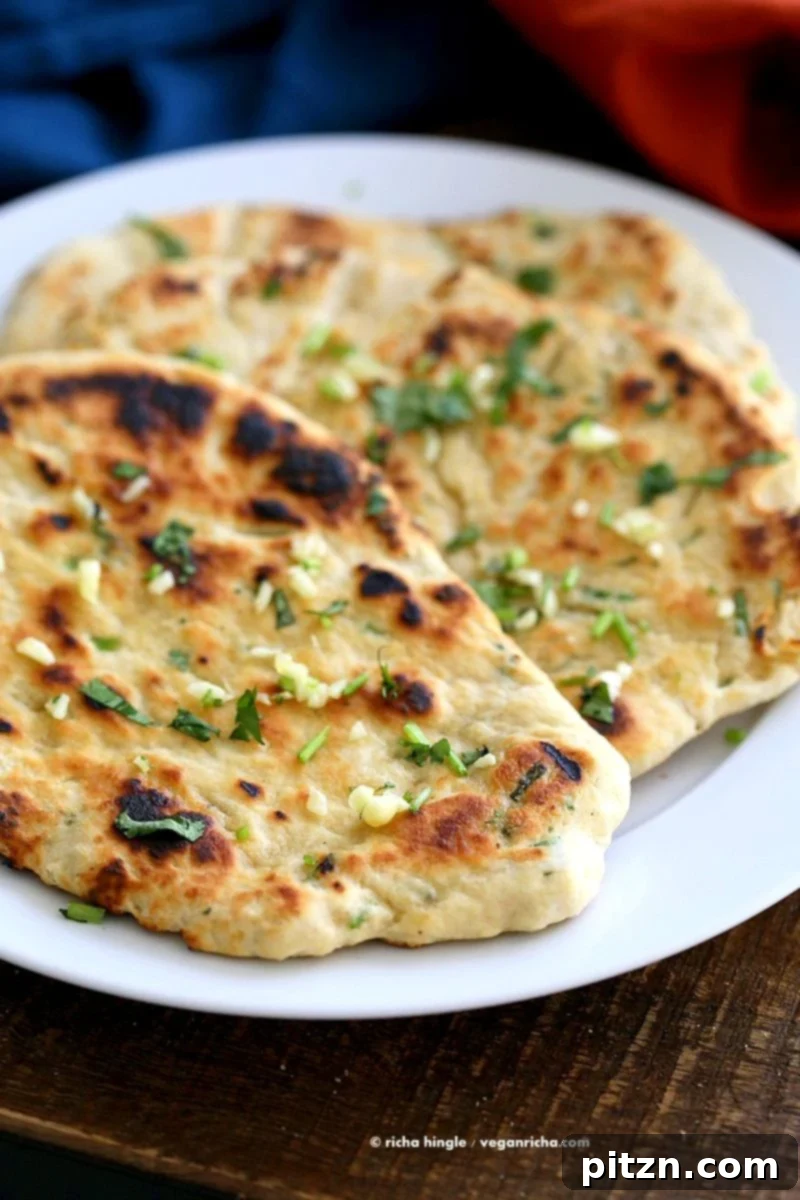
Here are the visual steps to guide you through the process:
Steps:
First, make the dough by combining your dry and wet ingredients until a soft, slightly sticky consistency is achieved.
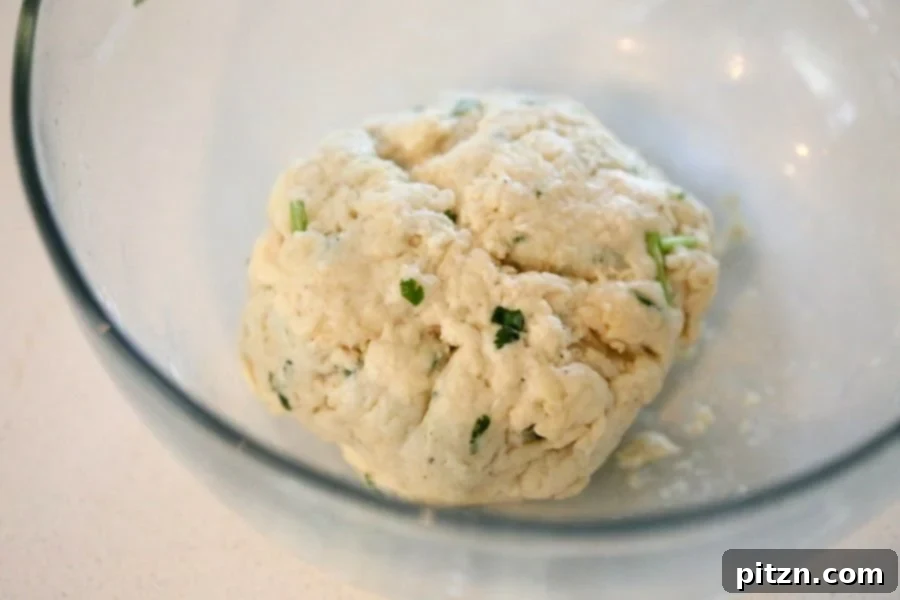
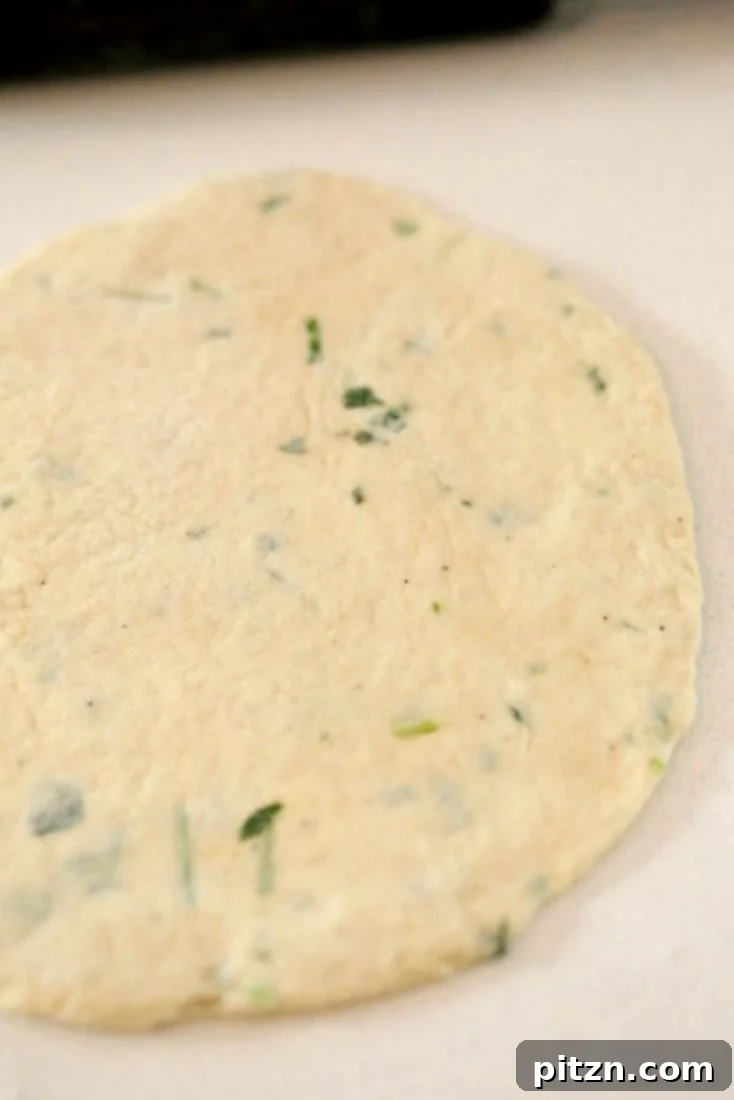
Once the dough has rested briefly, divide it into portions and roll each one out into your desired oval or circle shape. Aim for a thickness that allows it to cook evenly and remain tender.
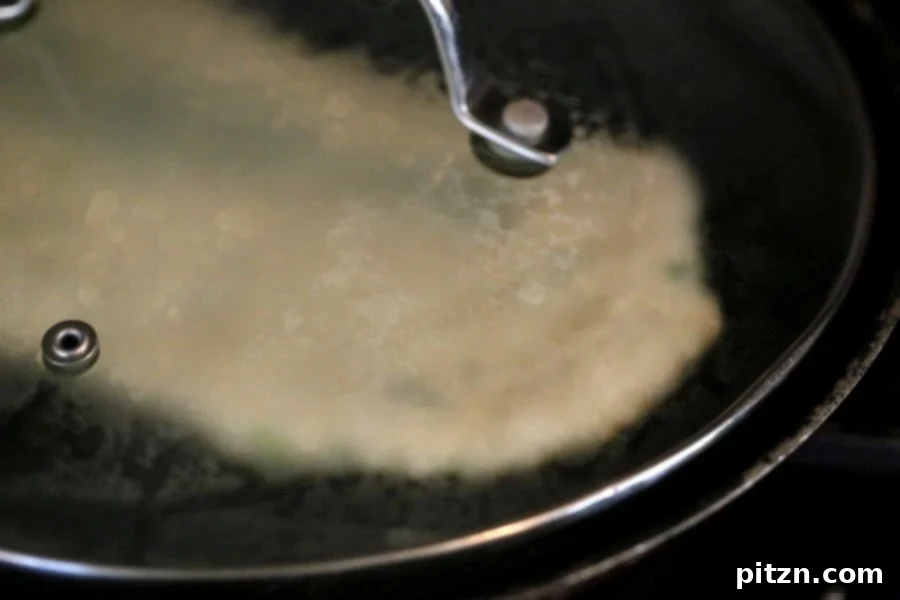
Cook the rolled-out flatbread over a hot skillet. For the first side, cover it with a lid to trap steam and ensure it cooks through, creating a soft texture.
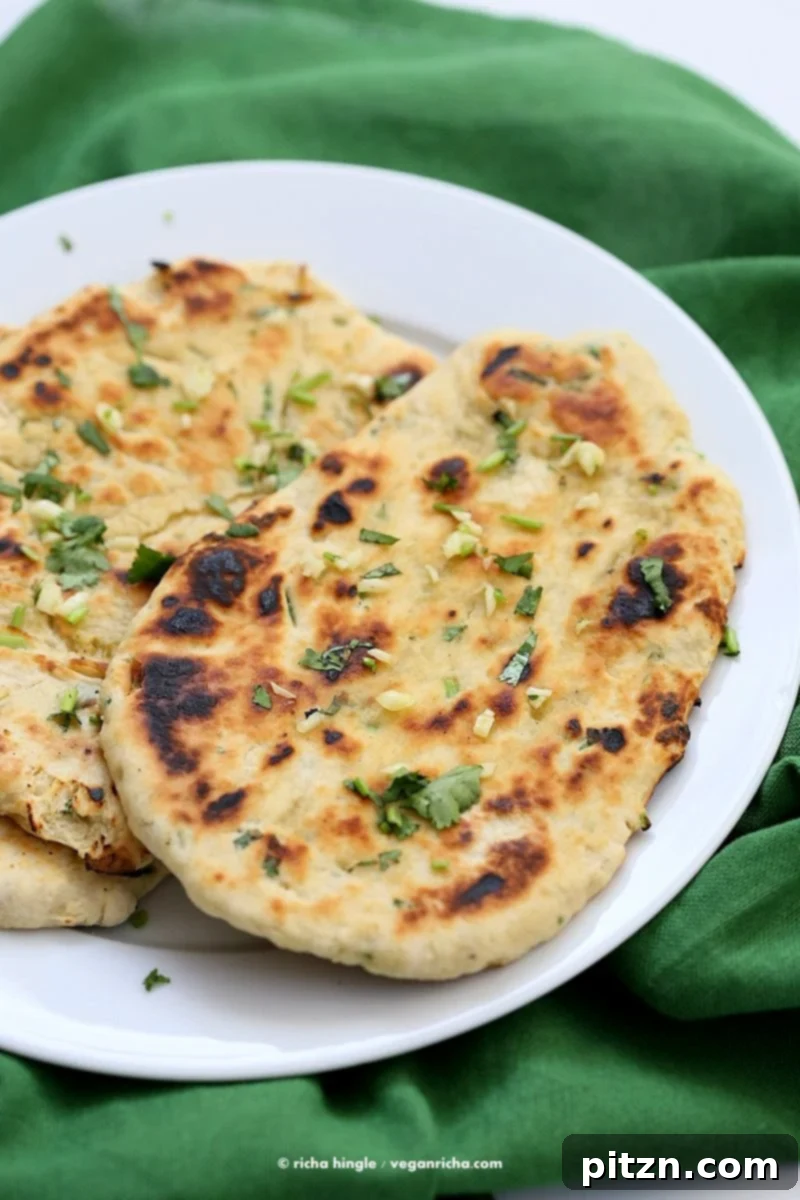
Once cooked, transfer the warm flatbread to a serving plate and immediately brush generously with your prepared garlic herb butter. This infuses the bread with maximum flavor while it’s still hot.
Related Vegan Flatbread Inspirations
If you love this yeast-free garlic herb flatbread, you might enjoy exploring other delicious flatbread recipes that offer similar convenience and flavor. Flatbreads are a fantastic way to enjoy a variety of plant-based ingredients and textures. Here are some more inspirations to add to your culinary repertoire:
- Spinach Flatbread – Palak Paratha or Spinach Tortillas: A vibrant green, yeast-free flatbread packed with the goodness of spinach.
- Easy Wheat Flatbread: A simple, wholesome yeast-free option perfect for everyday meals.
- Pita Bread: For those who appreciate a classic yeasted rise, this recipe delivers fluffy pita pockets.
- High Protein Savory Herbed Flatbread – Methi Thepla: A flavorful, nutrient-dense option that can also be made gluten-free.
- Pumpkin Rosemary Flatbread: A seasonal, aromatic yeast-free flatbread with a unique flavor profile.
- Sweet Potato Gluten-Free Flatbread: A delightful, naturally sweet and entirely gluten-free yeast-free bread.
- Naan – Yeasted: If you’re looking for a more traditional, chewy naan with yeast, this is the recipe for you.
Herb Garlic Flatbread Recipe No Yeast
Pin
Ingredients
Garlic herb butter:
- 2 tbsp vegan butter or olive oil
- 2 to 3 large cloves of garlic, minced or crushed
- 2 tbsp fresh herbs, finely chopped., I used cilantro and dill. use any of parsley, tarragon, basil, rosemary, thyme
Flatbread:
- 1 cup unbleached white flour , or all purpose flour
- 1 tsp baking powder
- 1/8 tsp baking soda
- 1/3 tsp salt, use less if your aquafaba is highly salted
- 1/3 tsp garlic powder
- 2 tbsp chopped herbs of choice
Wet
- 2 tsp oil
- 3 tbsp aquafaba, chickpea water, thick viscous water from a can of chickpeas, or from home made chickpeas , or use non dairy yogurt.
- 2.5 tbsp non dairy milk
- 1/2 tsp lemon juice
- a pinch of sugar, omit if using sweetened non dairy milk
Instructions
Prep your garlic herb spread:
-
Melt vegan butter in a bowl or warm the olive oil. Mince or crush the garlic and mix in. Mix in half of the chopped herbs. This mixture will be brushed onto your warm flatbreads after cooking.
Make the flatbread:
-
In a large mixing bowl, thoroughly whisk together all the dry ingredients: flour, baking powder, baking soda, salt, and garlic powder. Ensure everything is evenly distributed. Then, gently fold in the remaining half of the chopped fresh herbs.
-
In a separate small bowl, combine the non-dairy milk and lemon juice. Add this mixture to your dry ingredients, along with the aquafaba, oil, and a pinch of sugar (if using unsweetened non-dairy milk). Mix everything well until a cohesive dough forms. Knead for about one minute. Initially, the dough might seem a bit dry, but as you continue kneading, it will become slightly sticky. Adjust consistency by adding a teaspoon of flour if it’s too sticky, or a teaspoon of non-dairy milk if it’s too dry. The ideal dough should be somewhat sticky but manageable. Cover the bowl and let the dough rest for a minimum of 5 minutes. This short rest allows the flour to fully hydrate.
-
After resting, lightly spray a little oil onto the dough. Knead it for a few more seconds. This step helps to smooth out the dough and makes it easier to work with.
-
Divide the prepared dough into 3 equal parts. Roll each part into a smooth, compact ball. Take one ball, flatten it slightly, dust it lightly with flour, and then roll it out into an oval or circular shape, approximately 6-8 inches in diameter. Aim for an even thickness.
-
Heat a skillet or cast-iron pan over medium-high heat. Ensure the skillet is evenly hot before placing the flatbread. Carefully place the rolled-out flatbread onto the hot skillet. Immediately place a lid on the skillet to cover the flatbread. Cook for approximately 2 minutes. The lid helps to trap steam, which makes the flatbread cook more evenly and become wonderfully soft.
-
Remove the lid, then flip the flatbread and cook for another 1 to 2 minutes on the second side. For a slightly charred, authentic “Naan-like” finish, you can carefully place the cooked flatbread directly over an open flame (if using a gas stove) for a few seconds, or continue cooking on the skillet until golden brown spots appear.
-
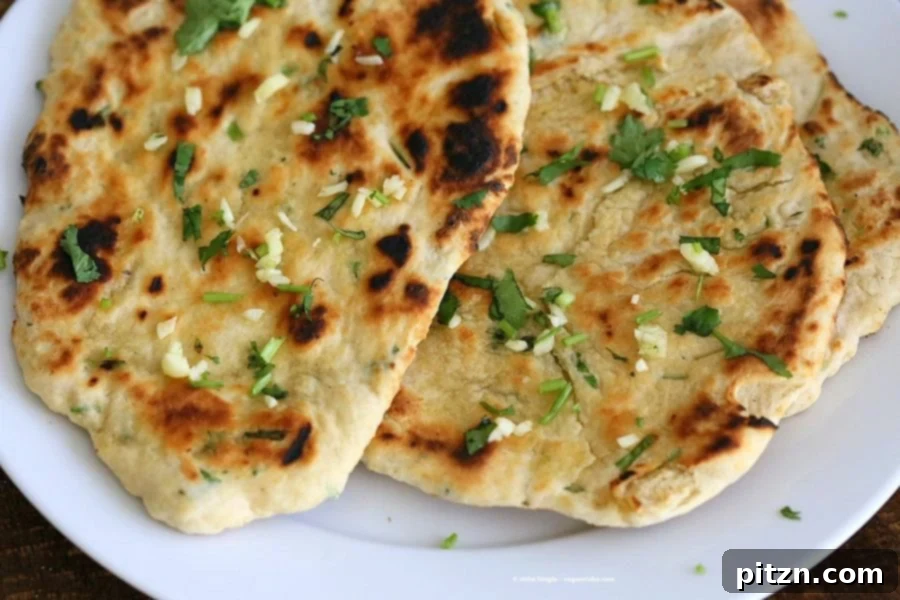
Transfer the hot, freshly cooked flatbread to a serving plate. Immediately brush generously with the prepared garlic herb butter mixture. For an extra touch of freshness and visual appeal, sprinkle some additional fresh herbs or finely chopped cilantro over the top.
-
Repeat the cooking process for the remaining dough portions. Serve the flatbreads while hot for the best flavor and texture. Any leftover flatbreads can be stored, lightly covered with a kitchen towel at room temperature for the day, or refrigerated in an airtight container for up to 4 days. Reheat gently in a skillet or microwave before serving.
Alternatively: make these flatbreads like garlic Naans.
-
At step 3 of the flatbread making process (after rolling out the flatbread), lightly spray water on one side of the rolled dough. Generously sprinkle minced fresh garlic and chopped herbs (like cilantro or parsley) onto the wet side of the flatbread and gently press them in so they adhere to the dough. You can also sprinkle some nigella seeds (kalonji) for an authentic Naan flavor and texture, pressing them into the dough as well.
-
Place the flatbread onto a hot skillet with the garlic and herb-sprinkled side facing up. Cover with a lid and cook as described in step 4. Once the flatbread is cooked through and has golden spots, brush it with melted vegan butter or oil. Sprinkle with more fresh herbs or cilantro before serving. This method gives you a truly flavorful and textured vegan garlic naan without yeast!
Notes
Nutrition
Nutrition information is automatically calculated, so should only be used as an approximation.
Did you make this recipe? Rate and comment below!
Tips for Perfection & Variations
Achieving the perfect flatbread is all about a few simple techniques and some creative customization. Here are some tips to ensure your garlic herb flatbreads turn out wonderfully every time, along with ideas for variations.
Mastering the Dough
- **Dough Consistency is Key:** The dough should be slightly sticky, but not so wet that it’s difficult to handle. If it’s too sticky, gradually add a little more flour, a teaspoon at a time. If it’s too dry and crumbly, add a tiny bit more non-dairy milk or aquafaba. The goal is a pliable dough that holds its shape.
- **The Short Rest:** Don’t skip the 5-minute rest! Even without yeast, this brief period allows the flour to fully hydrate, resulting in a more elastic and easier-to-roll dough.
- **Even Rolling:** When rolling out the dough, try to achieve an even thickness. This ensures consistent cooking and prevents some parts from being undercooked or overly crispy while others are perfect.
Cooking for Optimal Texture
- **Hot Skillet is Crucial:** A properly heated skillet (medium-high) is essential for those beautiful golden-brown spots and a quick, even cook. If the pan isn’t hot enough, the flatbread might dry out before cooking through.
- **The Lid Trick:** Covering the skillet during the initial cooking phase is vital for this yeast-free recipe. It traps steam, helping the flatbread to puff up slightly and become incredibly soft and tender.
- **Charring for Flavor (Optional):** If you enjoy a smoky flavor and a slightly chewy texture, carefully charring the flatbread directly over an open flame (if using a gas stove) for a few seconds after cooking can add a wonderful depth of flavor. Alternatively, continue cooking on the skillet until desired browning.
Creative Variations to Explore
- **Spice it Up:** Incorporate a pinch of chili flakes into the dough or the garlic herb butter for a spicy kick.
- **Cheese Lover’s Dream:** For a cheesy twist, sprinkle some vegan shredded mozzarella or parmesan into the dough before kneading, or melt it on top of the cooked flatbread.
- **Different Herbs:** While cilantro and dill are fantastic, feel free to experiment with other fresh herbs like chives, oregano, thyme, or a Mediterranean blend.
- **Sesame Seed Sprinkles:** Lightly toast some sesame seeds and sprinkle them onto the flatbread before cooking for a nutty flavor and added texture.
- **Sweet Garlic Naan Inspired:** As mentioned in the recipe, pressing minced garlic, fresh cilantro, and nigella seeds into the rolled-out dough before cooking creates a delicious, quick vegan naan experience.
- **Gluten-Free Option:** To make this recipe gluten-free, substitute the all-purpose flour with a high-quality gluten-free all-purpose baking blend that contains xanthan gum. A blend like Bob’s Red Mill Gluten-Free 1-to-1 Baking Flour works well, or you can use a custom blend as found in specific vegan gluten-free cookbooks. Adjust liquid amounts slightly as GF flours can absorb differently.
Storage and Reheating
- **Freshness is Best:** These flatbreads are truly best enjoyed warm and fresh.
- **Short-Term Storage:** If you have leftovers, store them covered loosely in a kitchen towel at room temperature for up to a day to prevent them from drying out too quickly.
- **Refrigeration:** For longer storage, refrigerate the flatbreads in an airtight container for up to 4 days.
- **Reheating:** To reheat, a quick warm-up in a dry skillet over medium heat for about 30-60 seconds per side is ideal. You can also microwave briefly, but the skillet method helps restore a crispier exterior.
By keeping these tips in mind and embracing a spirit of culinary adventure, you’ll consistently create incredibly delicious, soft, and aromatic garlic herb flatbreads that will impress everyone at your table. Enjoy the journey of making your own homemade vegan bread!