
Mastering the Art of Dosa: A Comprehensive Guide to Wholesome Lentil and Rice Crepes
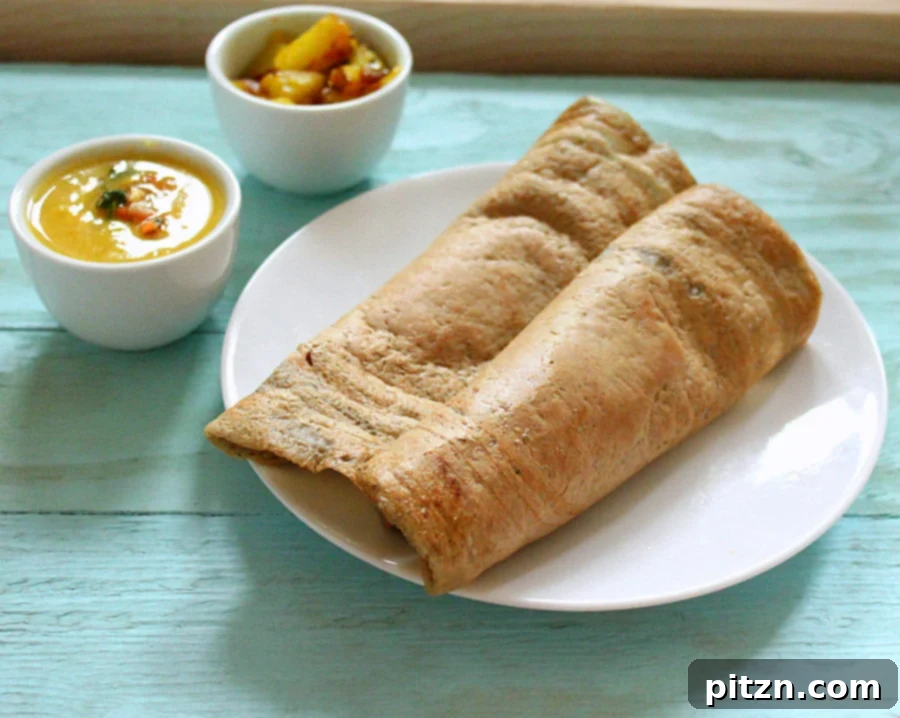
Dosa, a culinary masterpiece from South India, transcends the definition of a mere flatbread. It’s a versatile, savory crepe that forms the backbone of countless South Indian meals and serves as a delightful snack at any time of day. With its crispy edges and soft, flavorful center, dosa offers an incredible canvas for various fillings, styles, and accompaniments, making it a beloved dish across the globe. This guide will walk you through creating a wholesome, multi-grain dosa that’s not only delicious but also packed with nutrition.
Jump to Recipe
The Wholesome Evolution of Dosa: A Multi-Grain Approach
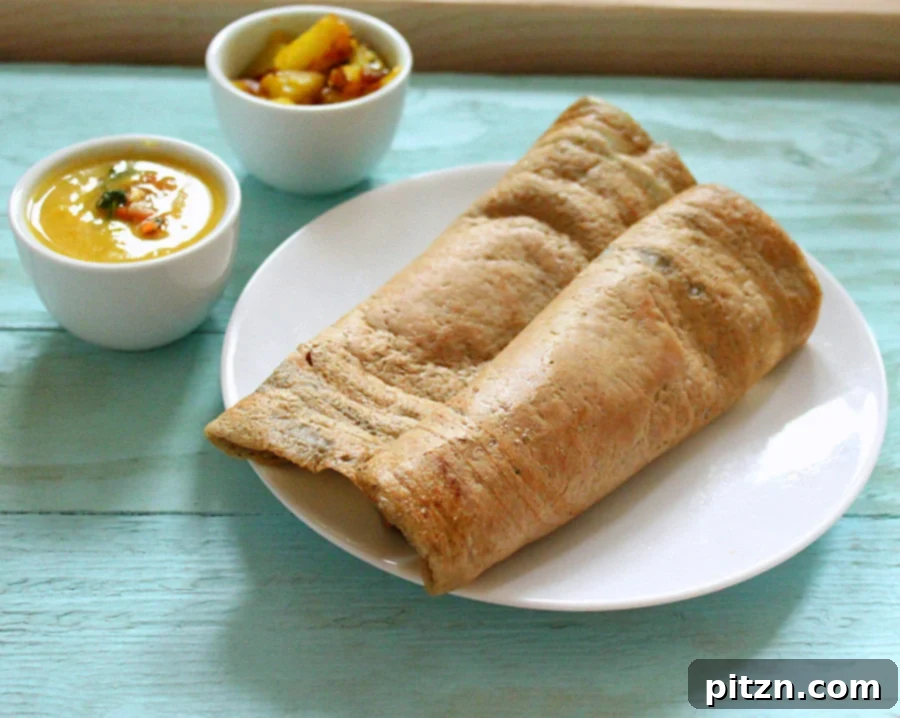
While traditional dosa recipes primarily feature urad dal (black gram) and rice, creating a golden-white, thin crepe, my approach often incorporates a diverse blend of lentils and beans. This not only enriches the nutritional profile but also introduces a depth of flavor and a slightly darker, heartier texture that I personally adore. These multi-grain dosas are typically not as super-thin or ultra-crisp as their traditional counterparts, but their robust texture and the array of proteins and nutrients from various lentils make them incredibly satisfying and filling. If you prefer the classic version, you can certainly adapt this recipe to use only urad dal and rice. For a detailed, step-by-step traditional recipe, you can explore my book, which delves into the nuances of South Indian cooking.
Unlocking the Magic: The Fermentation Process
The secret behind a truly exceptional dosa lies in its fermentation. This natural process transforms a simple batter into a light, airy, and tangy crepe, improving digestibility and enhancing flavor. For years, I managed with a regular blender, which worked well when grinding lentils and rice separately, though the batter sometimes had a slightly grainier texture. However, with a high-power blender like the Blendtec, achieving that perfectly smooth batter has become an absolute breeze, significantly elevating the dosa-making experience.
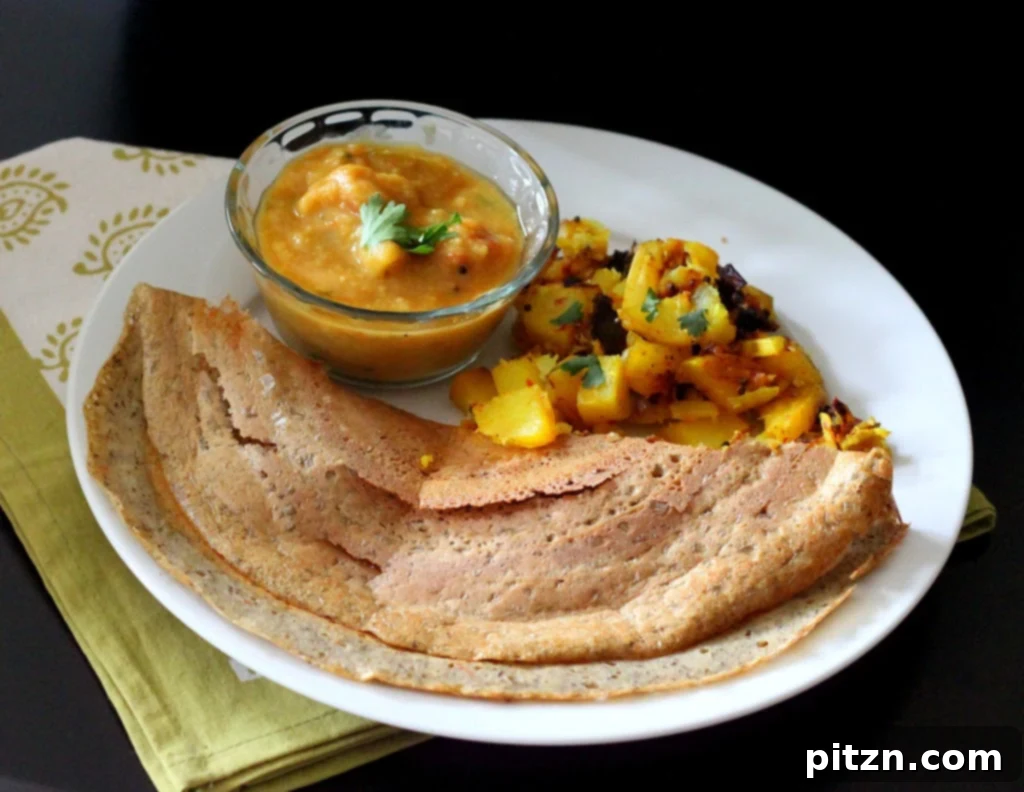
The key ingredients for fermentation are typically skinless white urad dal (black gram), medium-grain rice (like sona masuri), and parboiled rice. These ingredients, when soaked and ground, create an ideal environment for wild yeast to thrive, leading to that characteristic frothy, doubled-in-volume batter. My personal preference often leans towards using whole urad dal with its skin, or split black gram with skin, which imparts a slightly darker, more rustic tone to the dosas visible in the pictures. This subtle variation in appearance is a testament to the wholesome nature of the ingredients.
Understanding how this fermentation works is crucial for success. The combination of urad dal and fenugreek seeds plays a vital role in attracting the wild yeasts necessary for the leavening process. This not only gives the dosa its fluffy texture but also develops complex flavors and makes the nutrients more bioavailable. To delve deeper into the science behind this fascinating process, you can consult this informative Batter Explained article on India Curry.
Exploring Dosa Variations and Enhancements
The beauty of dosa lies in its adaptability. Beyond the basic recipe, you can infuse your batter with a variety of flavors and nutrients. Consider adding a few pieces of fresh ginger and a green or red chili to the batter during blending for a subtle spicy kick. Incorporating greens like spinach or fenugreek leaves, or even chopped tomatoes, can add an extra layer of flavor and color. For an even more protein-rich and filling dosa, experiment by adding an additional 1/4 cup of soaked beans and lentils such as black-eyed peas, mung beans, or a mix of pink, green, and yellow lentils. These additions not only boost the nutritional content but also open up a world of culinary possibilities, allowing you to customize your dosa to your taste and dietary needs.
For visual learners, here’s a video guide from a very happy chef that demonstrates the consistency of the basic batter, shows you how to skillfully shape the crepe on the griddle, and introduces various dosa varieties. Watching an expert can demystify the process and inspire confidence in your own dosa-making journey.
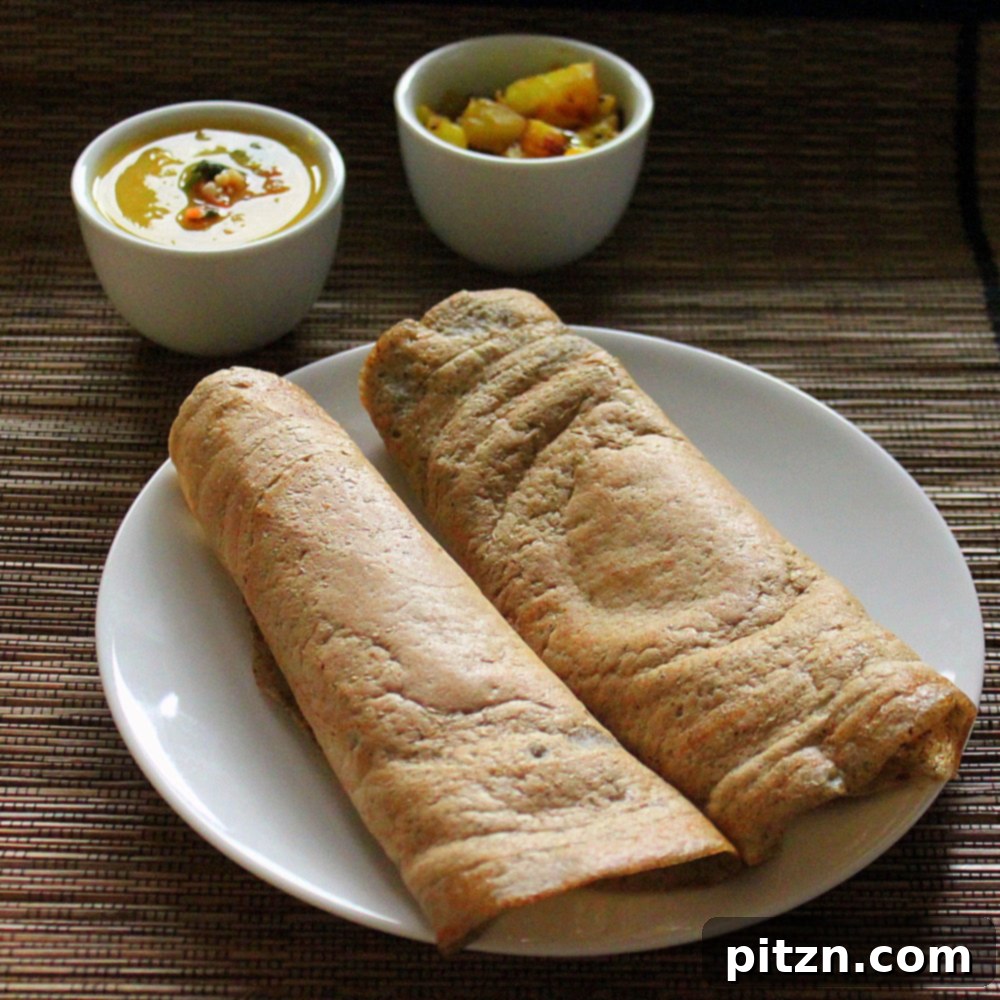
Dosa – Lentil and Rice Savory Crepes. Vegan & Gluten-Free
Print Recipe
Ingredients
- 1 cup medium or long grain rice (I use basmati)
- 1/4 cup brown rice
- ½ cup whole urad dal (black gram, skinned or whole. Whole unskinned will give a slightly darker appearance, or use split urad dal)
- ½ teaspoon methi seeds (fenugreek seeds)
- 2 Tablespoons toor daal (Pigeon pea or chana daal (Bengal gram) – optional)
- 1/4 cup thick Poha (Rice flakes – for crisp crepes, optional)
- ¾ teaspoon salt
Instructions
Batter Preparation
-
Rinse the rice thoroughly under running water until the water runs clear. Transfer to a large bowl and soak overnight. Ensure there’s enough water to fully cover the rice as it will expand.
-
Separately, rinse the urad dal (black gram) and any other lentils you are using. Add the fenugreek seeds (methi) to this bowl. Soak these overnight as well. The urad dal and fenugreek are crucial for attracting wild yeast, which drives the fermentation process, giving your dosa its characteristic tangy flavor and airy texture.
-
After soaking, carefully drain the soaking liquid from the lentils and fenugreek seeds. Reserve this liquid, as it will be used during the grinding process to achieve the perfect batter consistency.
-
If you choose to use Poha (rice flakes) for extra crispiness, wash them thoroughly and add them to the soaked rice a few minutes before grinding. This allows them to soften slightly.
-
Begin by grinding the soaked urad dal and fenugreek seeds in your blender or wet grinder. Gradually add some of the reserved soaking liquid until you achieve a smooth, fluffy, and light paste. This step is vital for the dosa’s texture.
-
Next, drain the soaked rice, reserving its soaking liquid as well. Grind the rice with a little of its soaking water. The rice batter will naturally be a bit grittier than the lentil paste, contributing to the dosa’s structural integrity.
-
Combine the ground dal and rice batters in one large bowl. For best results, use your hands to thoroughly mix the two batters, ensuring they are well incorporated. Alternatively, a large spoon can be used. Add the salt and mix it in evenly.
-
At this stage, you can use the batter directly to make crepes. If doing so, adjust the water content to achieve a pourable but not watery consistency. The crepes made with unfermented batter will have a less tangy flavor.
-
For optimal flavor and texture, allow the batter to ferment. Cover the bowl loosely with a towel or lid and place it in a warm environment (ideally 85-90°F or 30-32°C) for 6-8 hours, or until it has noticeably risen and become frothy. A common tip is to place it in an oven with just the light on to provide gentle warmth.
-
A properly fermented batter will appear frothy, bubbly, and almost double in volume. This indicates that the wild yeasts have done their work, and your batter is ready for making dosas.
-
Note: If urad dal or fenugreek seeds are unavailable, you can still make dosa. Prepare the batter with any other lentils and, after blending, add ½ teaspoon of active dry yeast. Let it sit for 3 to 4 hours to ferment before using. This method provides an alternative leavening agent.
Making the Crepes
-
Heat a 10-inch or larger nonstick skillet or a cast-iron tawa over high heat. The pan is ready when a few drops of water sprinkled on its surface sizzle and evaporate within 1-2 seconds.
-
To prepare the pan, cut a small wedge from an onion or potato and stick a fork into it. Add a drop of oil to the hot pan, then use the onion/potato wedge to spread the oil thinly and evenly across the entire surface. This conditioning process helps prevent sticking. Alternatively, you can use a thick paper towel.
-
Reduce heat to medium-high. Pour a ladleful (about ¼ cup) of batter onto the center of the hot skillet. Working quickly, swirl the back of the ladle in concentric circles, starting from the center and moving outwards, to spread the batter into a thin, even crepe.
-
Drizzle a few drops of oil around the edges of the dosa and, if desired, a little in the center. This helps in achieving crispiness and ensures the dosa cooks evenly.
-
Cook the crepe over medium-high heat until the bottom side turns lightly golden brown and the edges start to lift away from the pan. The top surface should appear cooked and dry.
-
For an extra crispy dosa, you can carefully flip it and cook the other side for an additional minute or two. This is optional, as many prefer the single-sided crispness.
-
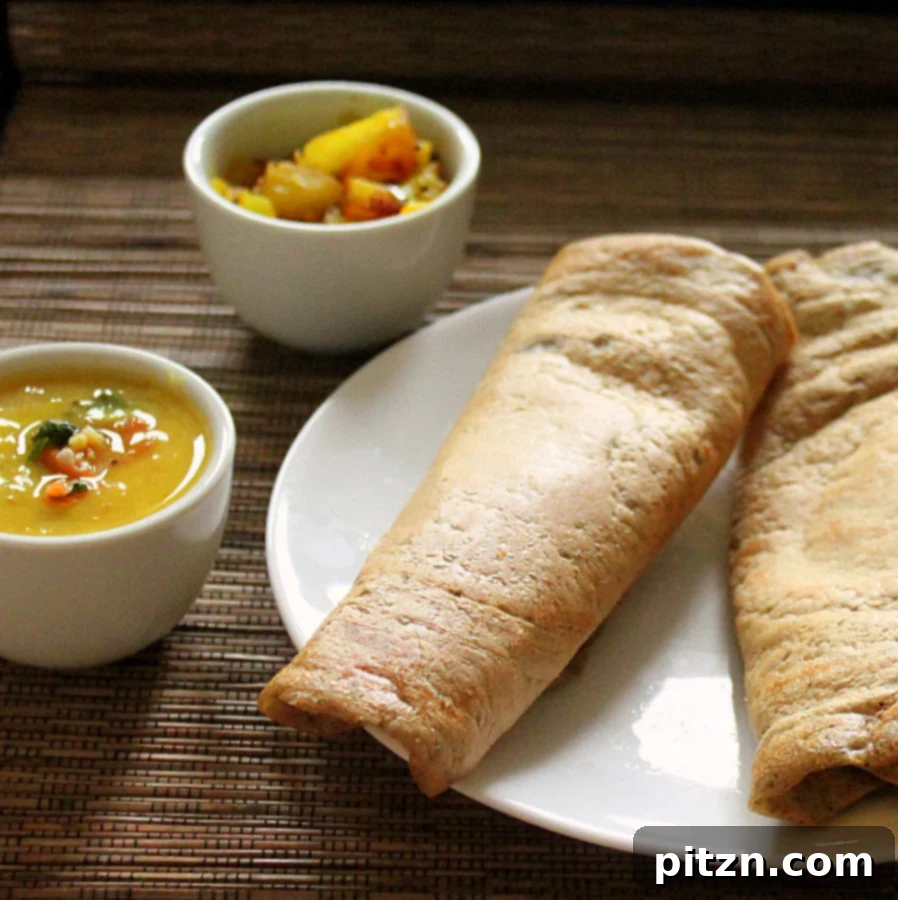
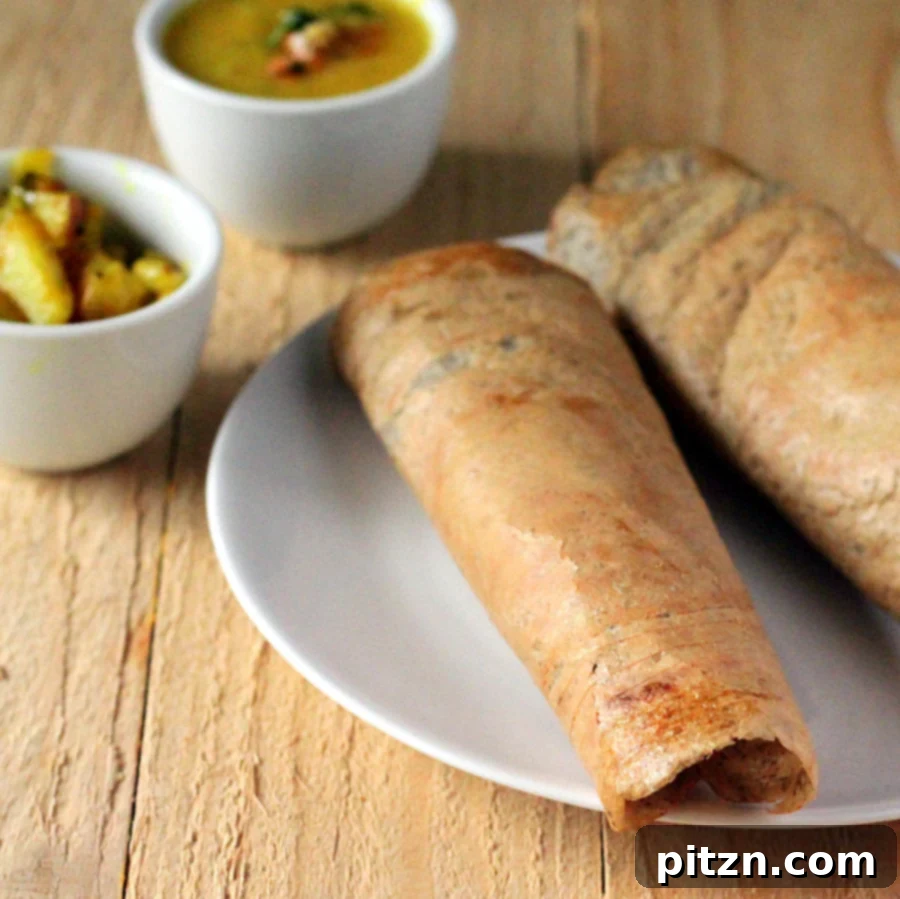
Serve your freshly made dosas hot! They are traditionally enjoyed with coconut chutney, hearty sambhar (a flavorful pigeon pea and vegetable stew), or a spiced potato and onion subzi (dry curry). For a fusion twist, feel free to fill them with any savory ingredients you love, creating your own unique crepe masterpiece.
Notes
Nutrition
Carbohydrates: 63g,
Protein: 12g,
Sodium: 441mg,
Potassium: 157mg,
Fiber: 8g,
Vitamin C: 1.1mg,
Calcium: 36mg,
Iron: 3mg
Nutrition information is automatically calculated, so should only be used as an approximation.
Did you make this recipe? Rate and comment below!
Serving Suggestions & Culinary Pairings
Dosas are incredibly versatile and pair beautifully with a variety of traditional South Indian accompaniments. Classic pairings include a creamy coconut chutney, a hearty and tangy sambhar (a lentil and vegetable stew), and a flavorful potato and onion subzi. For those feeling adventurous, the plain dosa acts as a fantastic base for fusion creations. Imagine stuffing it with spiced vegetables, a savory tofu scramble, or even a Mexican-inspired bean and corn filling. The possibilities are endless, allowing you to transform this humble crepe into a truly global dish.
More Wholesome Recipes for Your Table
If you’ve enjoyed making these multi-lentil dosas, you might also be interested in other nutritious South Indian staples. I frequently make dosa and Idli every few weeks, appreciating their health benefits and satisfying flavors. You can find more multi-lentil Idli and Dosa variations in earlier posts, such as Multi-Grain Idli and Another Multi-Lentil Idli and Dosa, each offering unique textures and nutritional boosts.
These delicious dosas have been featured in various culinary gatherings and blog hops, celebrating healthy and allergy-friendly eating. They’ve made their way to Ricki’s Wellness Weekend, Ella’s Potluck, Amee’s Fit and Fab Friday, Allergy Friendly Lunchbox, Hearth and Soul Blog Hop, Slightly Indulgent Tuesdays, Allergy Free Wednesdays, and Gluten-Free Wednesdays. This widespread appeal highlights the universal enjoyment and adaptability of this incredible dish.
Compassion in Action: Supporting Vegan Meals for the Poor
Beyond the joy of cooking, it’s important to remember the profound impact we can have through compassionate choices. The incredible organization, VSPCA (Visakha Society for Protection and Care of Animals), not only dedicates itself to animal welfare but also extends its care to the most vulnerable people in the community. Their impactful program, “Vegan Meals for the Poor,” provides wholesome and nutritious vegan meals. These meals are hygienically packed in eco-friendly palm leaves and delivered by auto-rickshaw directly to the poorest and often disabled or homeless individuals in their respective areas, ensuring that those who cannot reach help receive it.
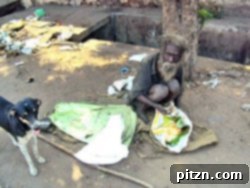
A heartwarming aspect of this program is the deep connection observed between the recipients and street dogs. Many of these individuals share their first morsel of food with their trusted canine companions. These people and dogs, often traumatized, abandoned, and lonely, find immense support and companionship in each other, helping them navigate daily hardships. It’s a beautiful testament to the compassion and bond that can exist between all species, showcasing a powerful message of empathy and mutual care.
VSPCA’s ongoing efforts are truly inspiring, and you can support their noble cause. Their fundraiser auction is periodically held on Facebook. You can participate by bidding on items directly on the Facebook Album or by making an anonymous contribution on their Fundraiser page. Please feel free to share any pictures, albums, or posts from the blog and Facebook to help spread awareness and gather support. Your continued support and love make a significant difference. Have a great weekend, everyone!