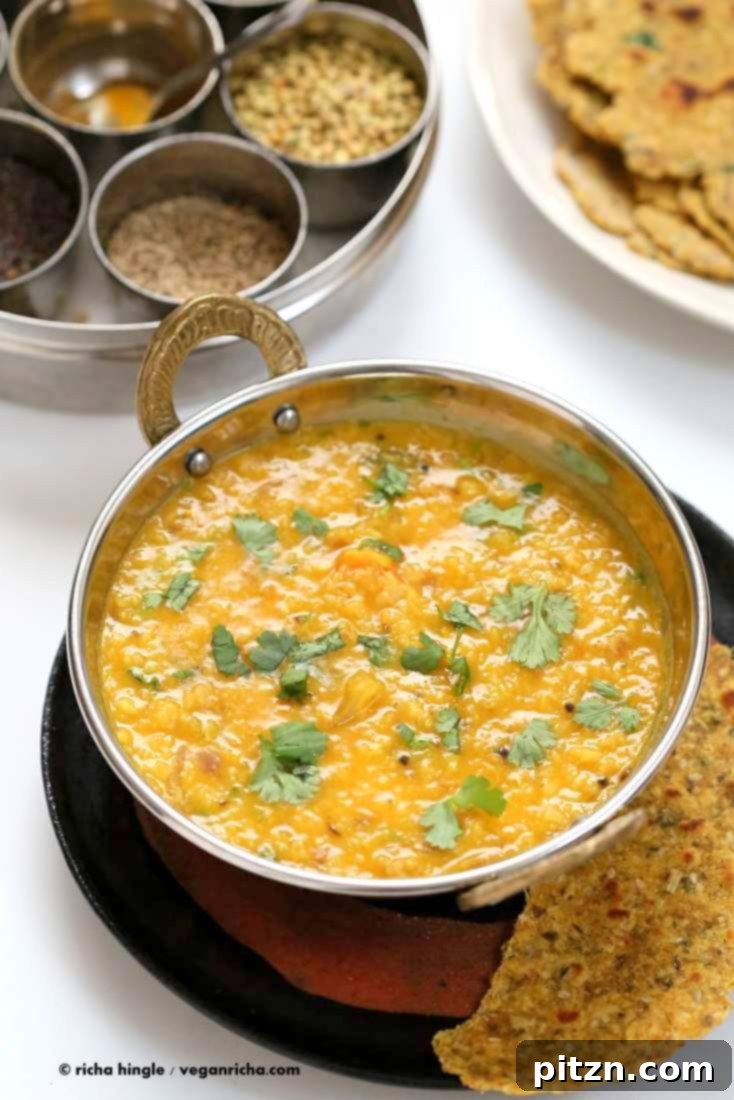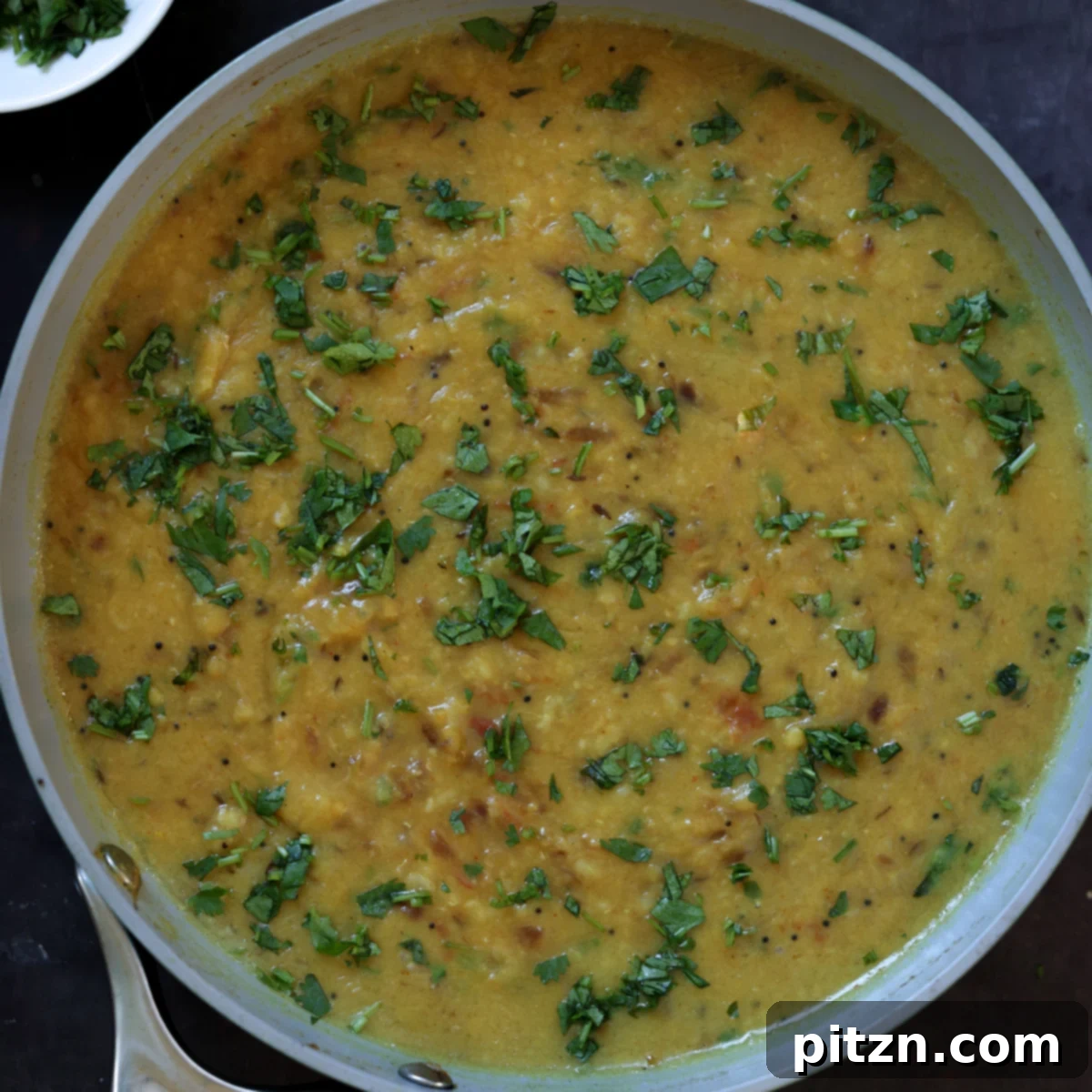
Authentic Indian Dal Fry: A Hearty and Flavorful Lentil Stew
Embark on a culinary journey to India with this incredible Dal Fry recipe. This simple yet deeply satisfying dish features a harmonious blend of red and yellow lentils, simmered to a comforting, creamy consistency and crowned with a vibrant, savory tempering (also known as tadka) of aromatic spices. It’s a staple in Indian households, cherished for its rich flavors, nutritional value, and remarkable versatility. Whether you’re a seasoned chef or new to Indian cooking, this recipe promises to deliver a deliciously authentic experience right in your own kitchen. Originally published in July 2015, this timeless recipe continues to be a beloved favorite for good reason.
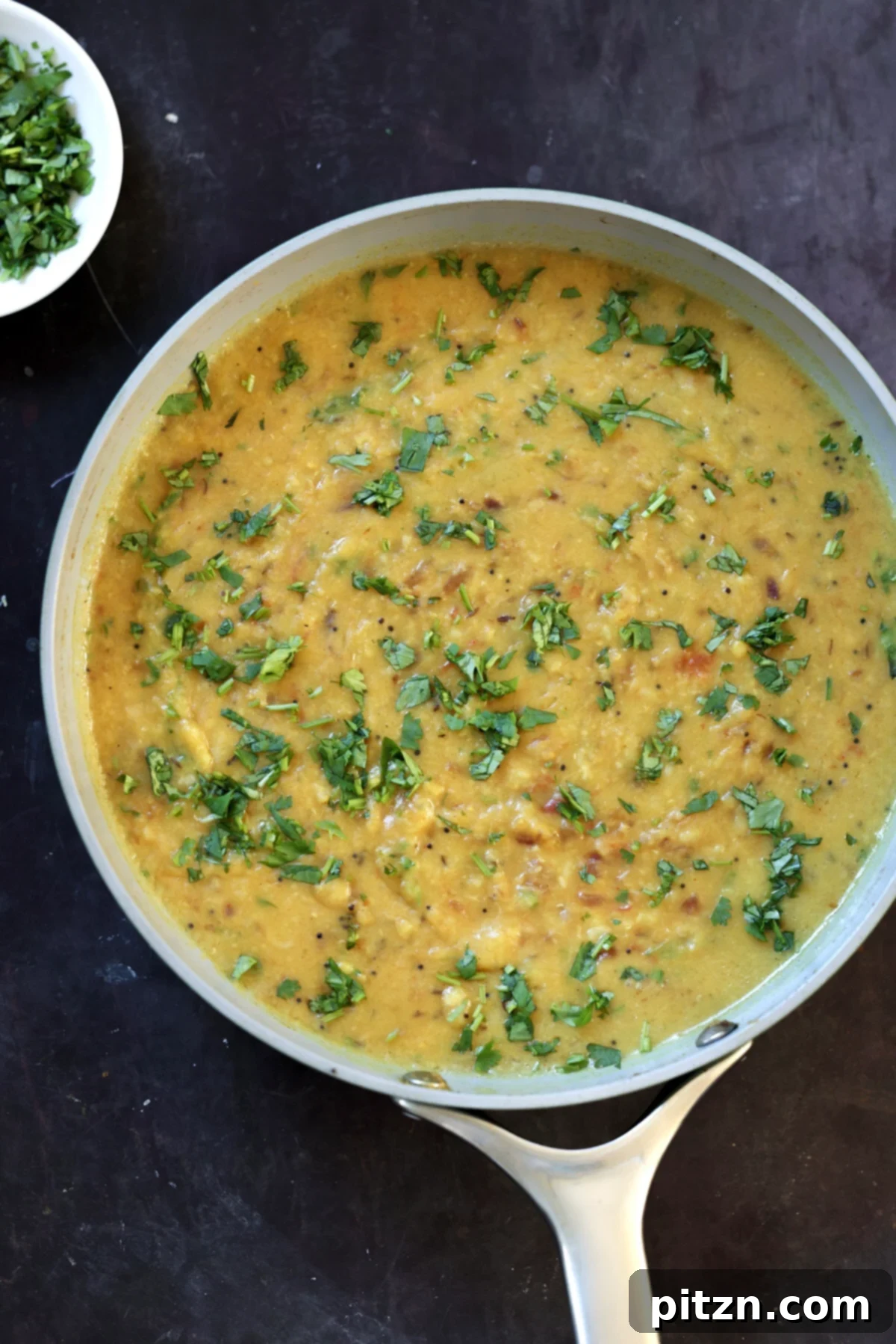
Table of Contents
- Why Dal Fry is a Must-Try
- Explore More Dal Recipes
- The Ultimate Dal Fry Recipe
- Essential Ingredients and Clever Substitutions
- 💡 Expert Tips for a Perfect Dal Fry
- How to Prepare Dal Fry: Step-by-Step
- What to Serve with Your Delicious Dal Fry
Why Dal Fry is a Must-Try
Dal Fry isn’t just a meal; it’s a comforting embrace in a bowl. It’s particularly special in my household, a go-to weekend dish that my husband loves to prepare, allowing me a well-deserved break from weekday kitchen experiments. His version is always incredibly generous with the fresh aromatics and bold spices – a whole onion, a heap of garlic, plenty of ginger, and a liberal hand with the spice powders ensure a spectacularly flavorful and aromatic lentil stew every time. This robust base creates a rich, thick sauce that perfectly complements a variety of Indian sides.
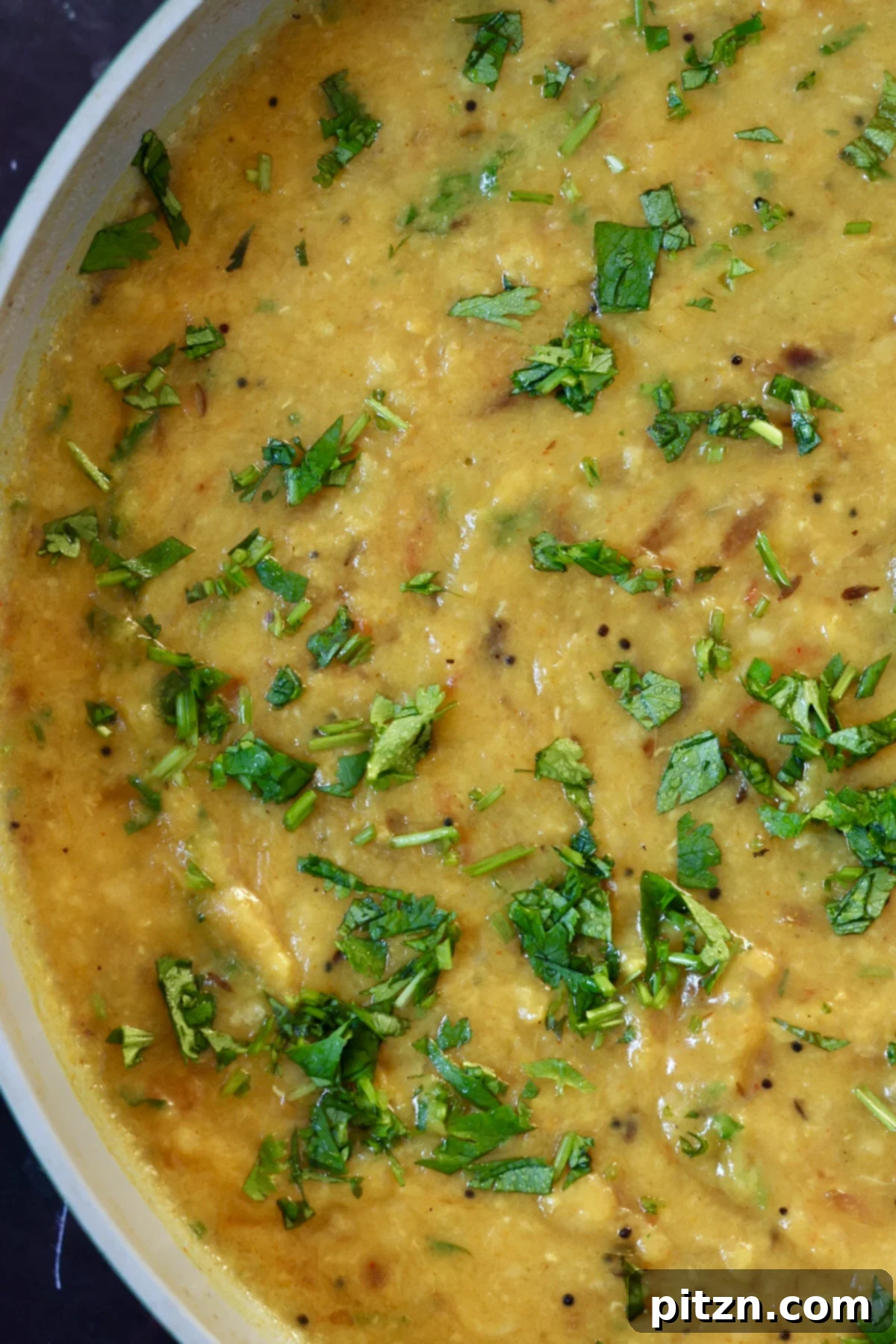
The beauty of this recipe lies in its balanced blend of red lentils (masoor dal) and petite yellow lentils (mung dal or split green gram). While red lentils break down quickly, contributing to the dish’s creamy, porridge-like consistency, the yellow lentils offer a slightly firmer texture, creating a delightful mouthfeel. This desirable consistency is a hallmark of authentic Indian dals. If you prefer a less mushy texture, simply adjust the cooking time to your liking, aiming for an al dente finish before adding the tempering. Lentils are not only delicious but also a powerhouse of plant-based protein and fiber, making this dish both hearty and incredibly healthy.
Dal Fry vs. Dal Tadka: Understanding the Distinction
Indian cuisine offers a vast array of dal preparations, and two of the most popular are Dal Fry and Dal Tadka. While both are incredibly flavorful lentil dishes, their preparation methods result in distinct taste profiles. Understanding this difference is key to appreciating their unique characteristics.
- Dal Fry: In Dal Fry, the lentils are cooked separately until tender, often to a creamy consistency. The ‘fry’ aspect comes from adding these cooked lentils to a vigorously sautéed mixture of aromatics and spices, known as the tempering (tadka). The lentils are essentially “fried” in this spiced oil, allowing them to absorb all the rich flavors. This method often results in a thicker, more robust lentil dish where the tempering is thoroughly integrated into the main body of the dal, providing a deep, consistent flavor throughout.
- Dal Tadka: Dal Tadka, on the other hand, involves cooking the lentils with basic aromatics and spices. The key difference is that a fresh tempering is prepared and added at the very end, just before serving. This final tempering, usually made by heating oil or ghee with whole spices, chilies, and sometimes garlic or ginger, is poured over the cooked dal, creating a fragrant sizzle and adding a burst of fresh, intense aroma and flavor to the top layer of the dish. This method highlights the distinct flavors of the whole spices in the tempering.
Both methods yield delicious results, but Dal Fry, with its integrated tempering, often feels more deeply infused with flavor from the outset, offering a wonderfully cohesive taste experience. This recipe focuses on the Dal Fry method, celebrating the melding of spices into the creamy lentil base.
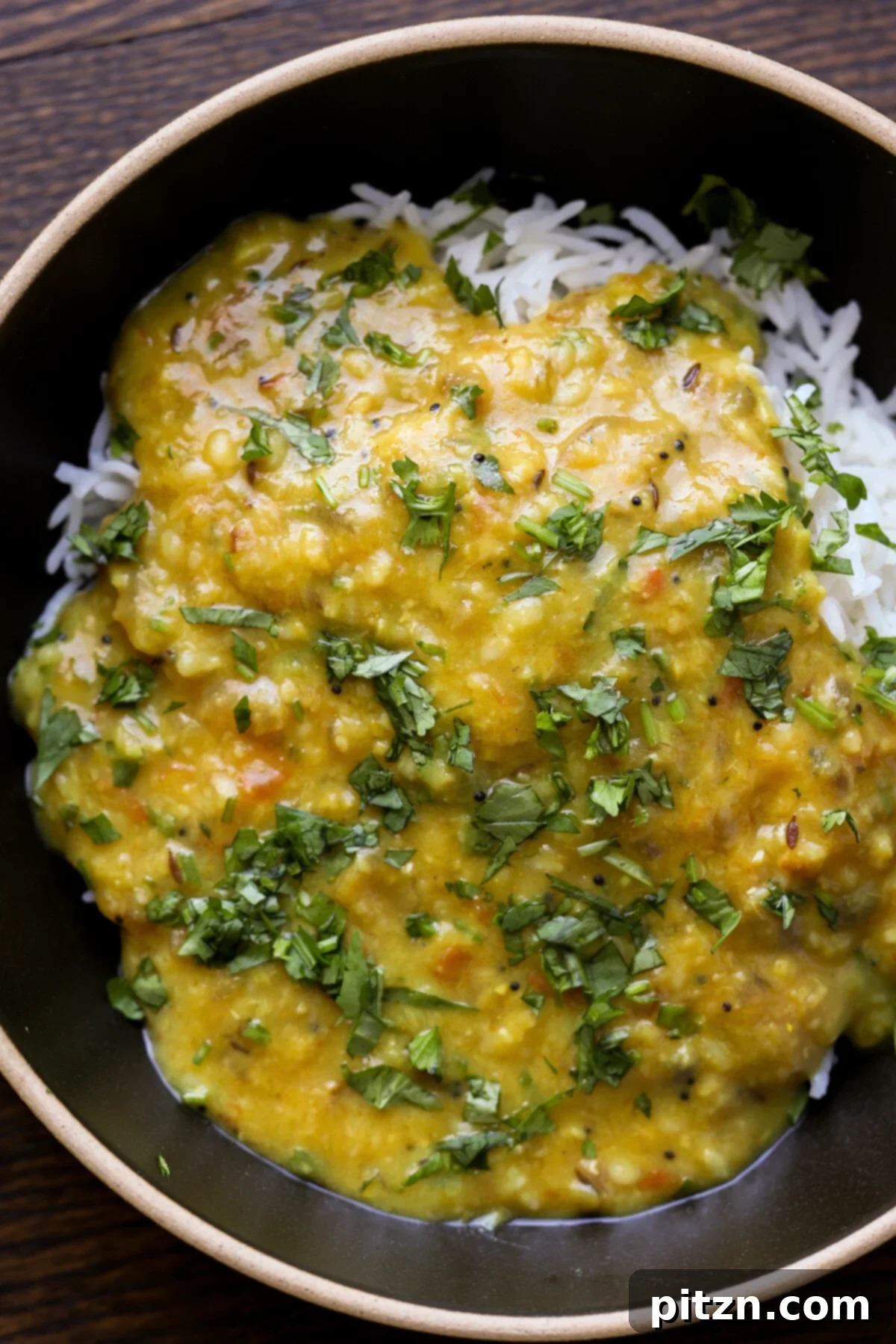
Why You’ll Fall in Love with Dal Fry
- Effortlessly Cozy & Satisfying: This recipe simplifies the art of Indian cooking into a single-pan (or two, if cooking lentils separately) endeavor, making it perfect for a comforting weeknight meal. It’s the kind of dish that warms you from the inside out, offering a sense of nourishment and satisfaction.
- Nutrient Powerhouse: Packed with plant-based protein and dietary fiber from the blend of red and yellow lentils, Dal Fry is incredibly healthy. It’s a fantastic way to boost your daily nutrient intake, keeping you full and energized.
- Explosion of Umami Flavor: The tempering (tadka) is where the magic happens. A carefully balanced mix of whole and ground spices, sautéed to perfection, infuses the lentils with an unparalleled umami depth, transforming simple ingredients into a gourmet experience.
- Naturally Vegan & Gluten-Free: This recipe is inherently vegan, relying on wholesome plant ingredients. By ensuring your asafetida is gluten-free, the dish becomes suitable for those with gluten sensitivities, making it accessible to a wider audience. It’s also naturally soy-free and nut-free.
- Versatile & Customizable: Dal Fry serves as an excellent base that can be easily adapted. Adjust the spice levels, add a touch of coconut milk for creaminess, or incorporate your favorite vegetables to make it truly your own.
Explore More Dal Recipes
- Indian Butter Dal
- Garlic Lentils – Lasooni Dal
- Caramelized Onion Dal
- Kashmiri Dal – Split Pea & Yellow Lentil Soup
- Dal Tadka Mix in a Jar (Lentil Soup in a Jar)
Dal Fry Recipe
This easy Indian dal fry stars spiced red and yellow lentils topped with savory tempering (spiced oil). It’s super simple and so satisfying!
Ingredients
For the Dal
- 1/3 cup red lentils (masoor dal)
- 1/4 cup petite yellow lentils (yellow mung dal or use more red lentils)
- 3 cups water
For the Tempering (Tadka)
- 2 teaspoons oil
- 1/2 teaspoon cumin seeds
- 1/2 teaspoon black mustard seeds
- A generous pinch of asafetida (hing), optional (omit for gluten-free if not certified GF)
- 1 hot green chili such as Serrano, Indian or Thai, finely chopped
- 1 cup chopped red or white onion
- 5 or more cloves of garlic, finely chopped
- 1 inch ginger, finely chopped
- 1 teaspoon ground coriander (or garam masala, or both)
- 1/2 teaspoon turmeric
- 1/4 teaspoon or more cayenne/red chili powder, optional
- 1 large tomato, chopped small
- 1 teaspoon lemon juice
- 3/4 teaspoon or more salt (to taste)
- 1/3 cup packed chopped cilantro, divided
Instructions
1. Cook the Lentils
- Wash the red and yellow lentils thoroughly, then drain. Combine them in a saucepan with 3 cups of water over medium heat. Cook for 18 to 20 minutes, or until the yellow lentils are tender and the red lentils have broken down, creating a thick consistency. Reduce heat to low and keep warm while you prepare the tempering.
2. Prepare the Tempering (Spiced Oil)
- Heat 2 teaspoons of oil in a separate skillet over medium heat. Once the oil is hot, add the cumin seeds and black mustard seeds. Allow them to sizzle and pop; the cumin seeds will darken slightly and become fragrant, while the mustard seeds will pop.
- Add the asafetida (if using), finely chopped green chili, onion, garlic, and ginger, along with a pinch of salt. Sauté, stirring occasionally, for about 5-7 minutes, until the onions turn translucent and soften. Add small splashes of water if needed to prevent sticking and ensure even cooking.
- Stir in the ground coriander (and/or garam masala), turmeric, and cayenne/red chili powder. Mix well to combine with the aromatics.
- Add the chopped tomatoes, lemon juice, and a splash of water to the skillet. Cook for about 6 minutes, stirring and mashing any larger tomato pieces with your spoon, until the tomatoes break down and form a thick, saucy mixture.
3. Combine and Finish
- Pour the cooked lentils from the saucepan into the skillet with the tempering mixture. Stir well to integrate all the flavors. Add the remaining salt and half of the chopped cilantro. Continue to simmer for another 3 to 4 minutes, allowing the flavors to meld and the dal to thicken slightly, until it’s gently bubbling.
- Taste the Dal Fry and adjust the salt, spice, or add an extra dash of lemon juice if desired.
- Garnish with the remaining fresh cilantro and serve hot with your choice of rice, flatbreads, or Indian spiced vegetable sides.
Video Tutorial
Notes
For Variation: Add 1/2 to 1 cup coconut milk instead of water when cooking the lentils for a creamier, richer dal.
Instant Pot Method: For convenience, cook the lentils in an Instant Pot. Combine 1/3 cup red lentils, 1/4 cup petite yellow lentils, and 1.5 to 2 cups water. Cook on high pressure for 3 minutes, then allow a 5-minute natural release before quick-releasing any remaining pressure. Meanwhile, prepare the tempering in a separate skillet. Once the lentils are cooked, add the tempering from the skillet to the Instant Pot and simmer on sauté mode for 2 minutes to combine flavors. Garnish and serve.
This recipe is naturally soy-free and nut-free. To ensure it is gluten-free, omit asafetida or use a certified gluten-free brand, as some commercial asafetida contains wheat flour.
Nutrition
Nutrition information is automatically calculated, so should only be used as an approximation.
Essential Ingredients and Clever Substitutions
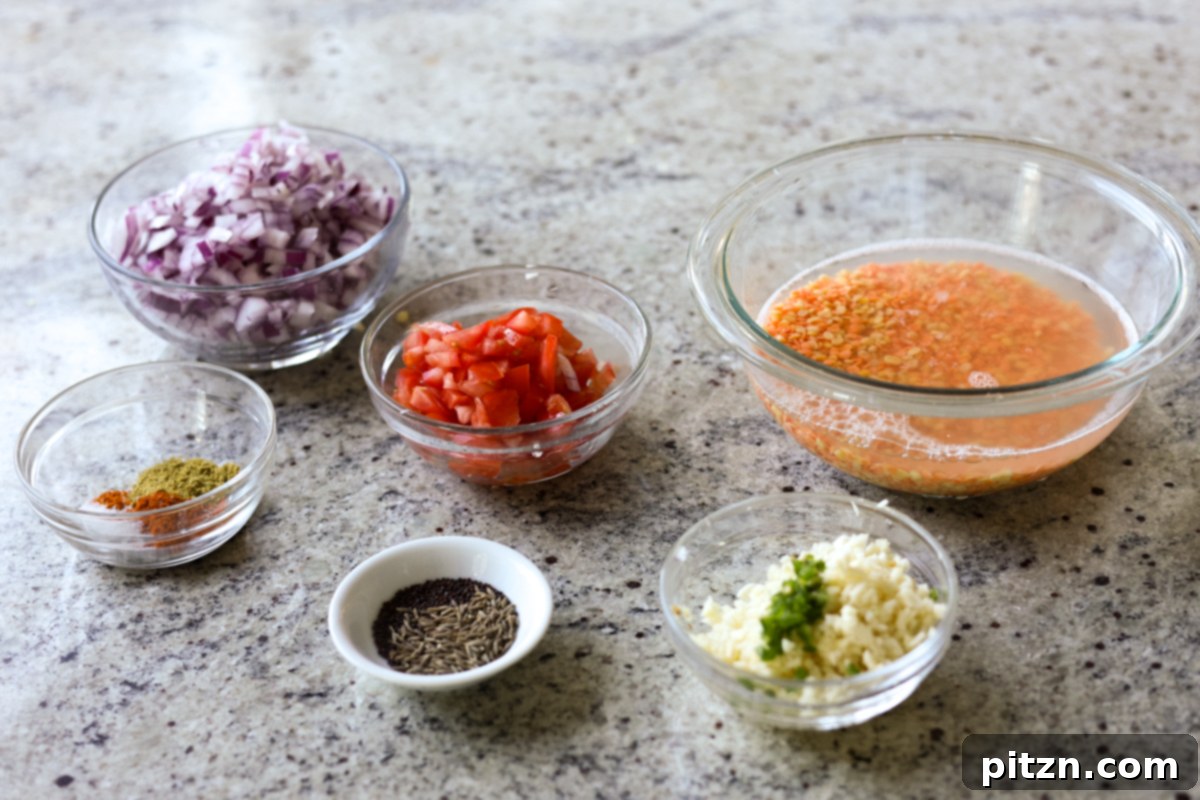
Crafting a truly authentic Dal Fry relies on a specific blend of ingredients, each playing a crucial role in developing its complex flavor profile. Here’s a deeper look at what you’ll need and how you can adapt the recipe to your pantry or preferences:
- Lentils: This recipe utilizes a classic combination of red lentils (Masoor Dal) and petite yellow lentils (Mung Dal). Red lentils cook quickly and break down easily, contributing to the creamy base, while mung dal adds a slightly firmer texture. If you only have one type, you can use solely red lentils for a smoother dal.
- Oil: Any neutral cooking oil works well for sautéing. Vegetable oil, canola oil, or sunflower oil are good choices. For an even richer, more traditional flavor, you can use vegan ghee.
- Whole Spices (for Tempering): Cumin seeds and black mustard seeds are the foundation of your tempering. When heated in oil, they release a pungent, aromatic flavor that defines the dish. Do not skip these!
- Asafetida (Hing): This potent spice offers a unique savory, slightly garlicky and onion-like flavor, often used in Indian vegetarian cooking to enhance umami. A generous pinch is ideal. If you don’t have it or are strictly gluten-free (as some brands contain wheat), you can omit it.
- Aromatics: The backbone of any good Indian curry. You’ll need finely chopped onion (red or white), a hot green chili (like Serrano or Thai chili, adjust to your spice preference), plenty of fresh garlic, and fresh ginger. These are sautéed until fragrant, building deep flavor.
- Ground Spices: Ground coriander adds a warm, citrusy note, while turmeric provides earthy warmth and a beautiful golden color. Cayenne or red chili powder is optional but highly recommended for a touch of heat; adjust the amount to your liking. Garam Masala can also be used in addition to or in place of ground coriander for a different aromatic depth.
- Tomato: One large, finely chopped tomato adds essential acidity, moisture, and a subtle sweetness, helping to form a rich sauce within the dal. It also contributes to the beautiful color of the final dish.
- Lemon Juice: A squeeze of fresh lemon juice at the end brightens the flavors and adds a tangy counterpoint, making the dal taste incredibly fresh. Lime juice can be used as an alternative.
- Cilantro: Fresh cilantro is indispensable for both seasoning the tempering and as a vibrant garnish. Its fresh, herbaceous notes cut through the richness of the spices.
💡 Expert Tips for a Perfect Dal Fry
- Lentil Consistency Matters: For a less “porridge-like” consistency, you can use just one type of lentil, such as red lentils, and cook it for a shorter time until it’s just al dente. This offers a more textured dal.
- Always Wash Your Lentils: Don’t skip this crucial step! Lentils can sometimes contain small debris or dust, and rinsing them thoroughly ensures a clean, fresh taste.
- Don’t Rush the Tempering: The tempering (tadka) is the heart of Dal Fry’s flavor. Allow the whole spices to sizzle and bloom, and the onions, garlic, and ginger to cook down properly until translucent and fragrant. This slow sautéing builds layers of taste.
- Adjust Spice Levels: Indian cuisine is known for its versatility in spice. Feel free to adjust the amount of green chili and cayenne/red chili powder to suit your personal heat preference. You can also add a pinch of dried fenugreek leaves (kasuri methi) for an earthy aroma.
- Keep it Moist: If the dal becomes too thick during simmering or reheating, simply add a splash of hot water or vegetable broth to reach your desired consistency.
- Storage and Reheating: Dal Fry stores beautifully! Leftovers can be refrigerated in an airtight container for up to 3-4 days. When reheating, add a little water to thin it out if needed, and gently warm on the stovetop or in the microwave.
- Flavor Enhancement: For an extra layer of depth, consider adding a tablespoon of finely chopped fresh curry leaves to your tempering alongside the cumin and mustard seeds.
How to Prepare Dal Fry: Step-by-Step
Creating this flavorful Dal Fry is a straightforward process that yields incredibly delicious results. Follow these steps to master this Indian culinary gem:
Step 1: Prepare the Lentils
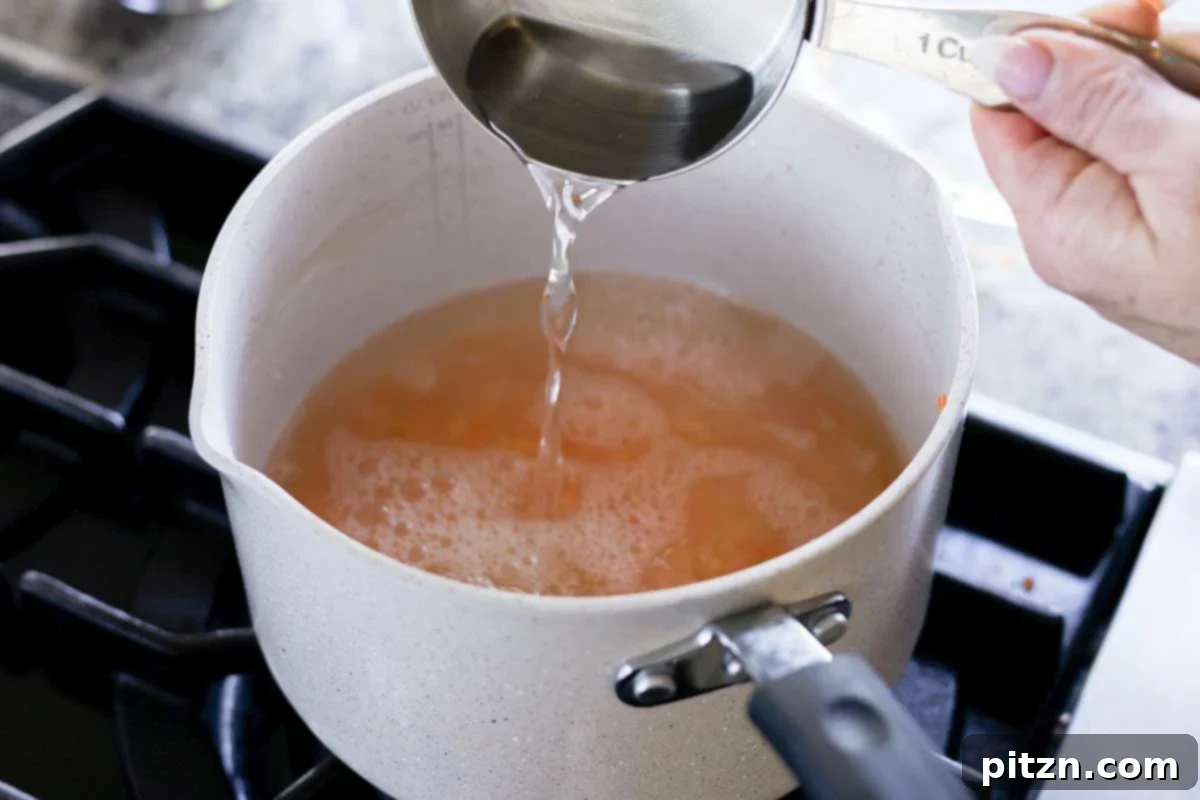
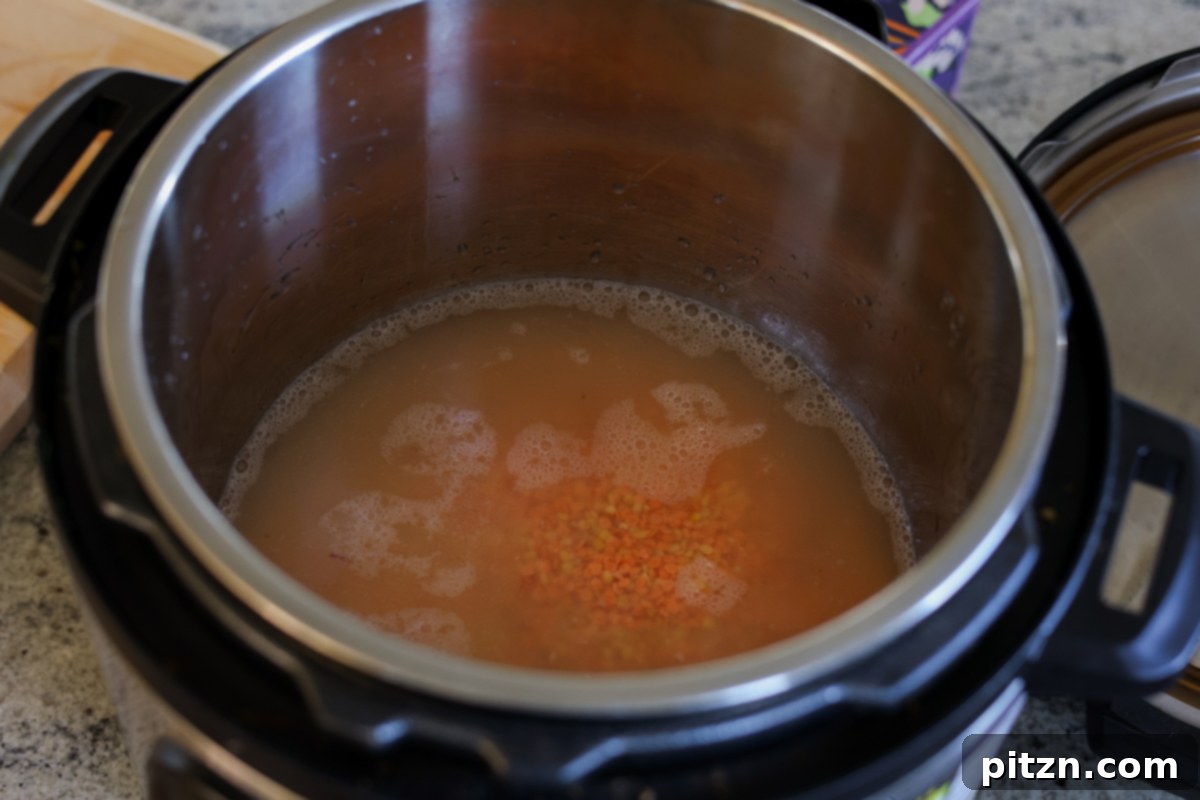
Begin by thoroughly washing and draining your red and yellow lentils. Combine them in a medium saucepan with 3 cups of water. Bring the mixture to a boil over medium heat, then reduce the heat to a simmer. Cook for approximately 18 to 20 minutes, or until the yellow lentils are tender and the red lentils have softened and largely broken down, creating a thick, creamy consistency. Keep the cooked lentils warm while you prepare the tempering.
Alternatively, for a quicker method: Use an Instant Pot. Combine the lentils with 1.5 to 2 cups of water. Cook on high pressure for 3 minutes, then allow for a 5-minute natural pressure release before carefully opening. You will integrate the tempering in the next steps.
Step 2: Craft the Aromatic Tempering (Tadka)
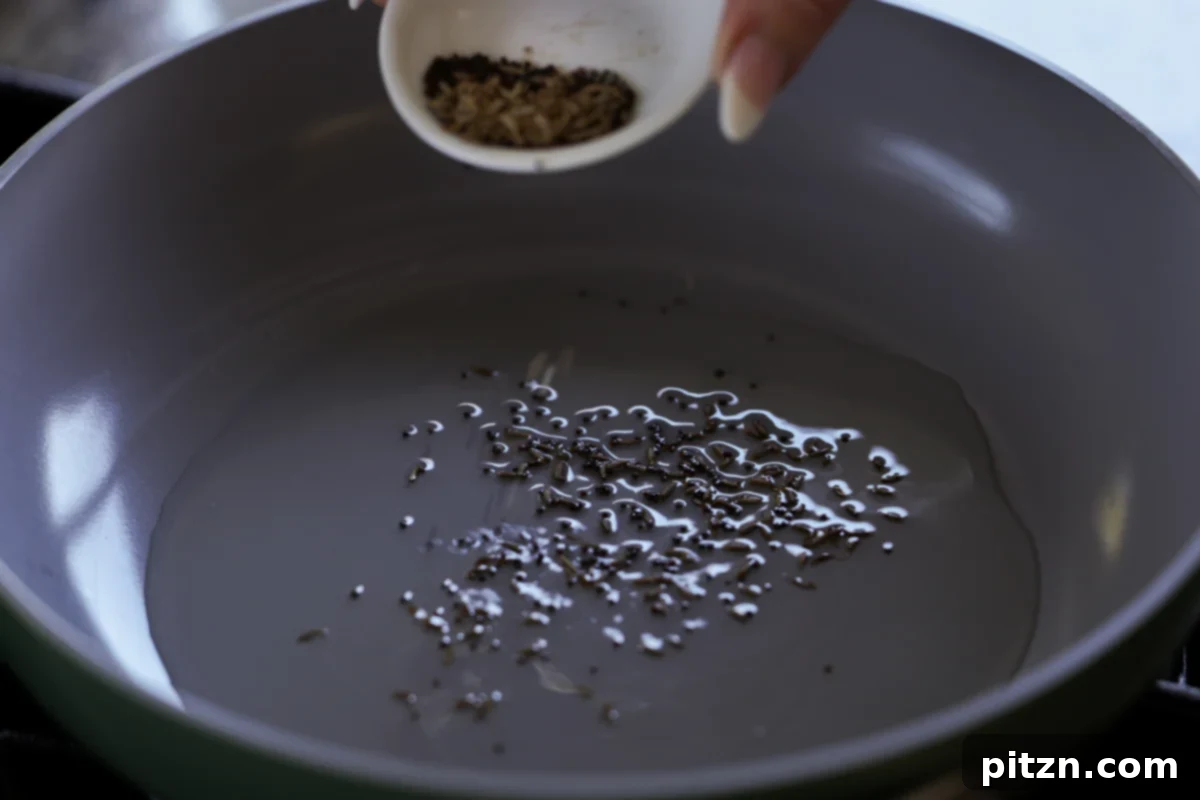
In a separate skillet, heat 2 teaspoons of oil over medium heat. Once the oil is hot and shimmering, add the cumin seeds and black mustard seeds. Allow them to splutter and pop vigorously. The cumin seeds will turn a deeper color and release their fragrant aroma, while the mustard seeds will lighten and crackle. This process typically takes about 30 seconds to 1 minute.
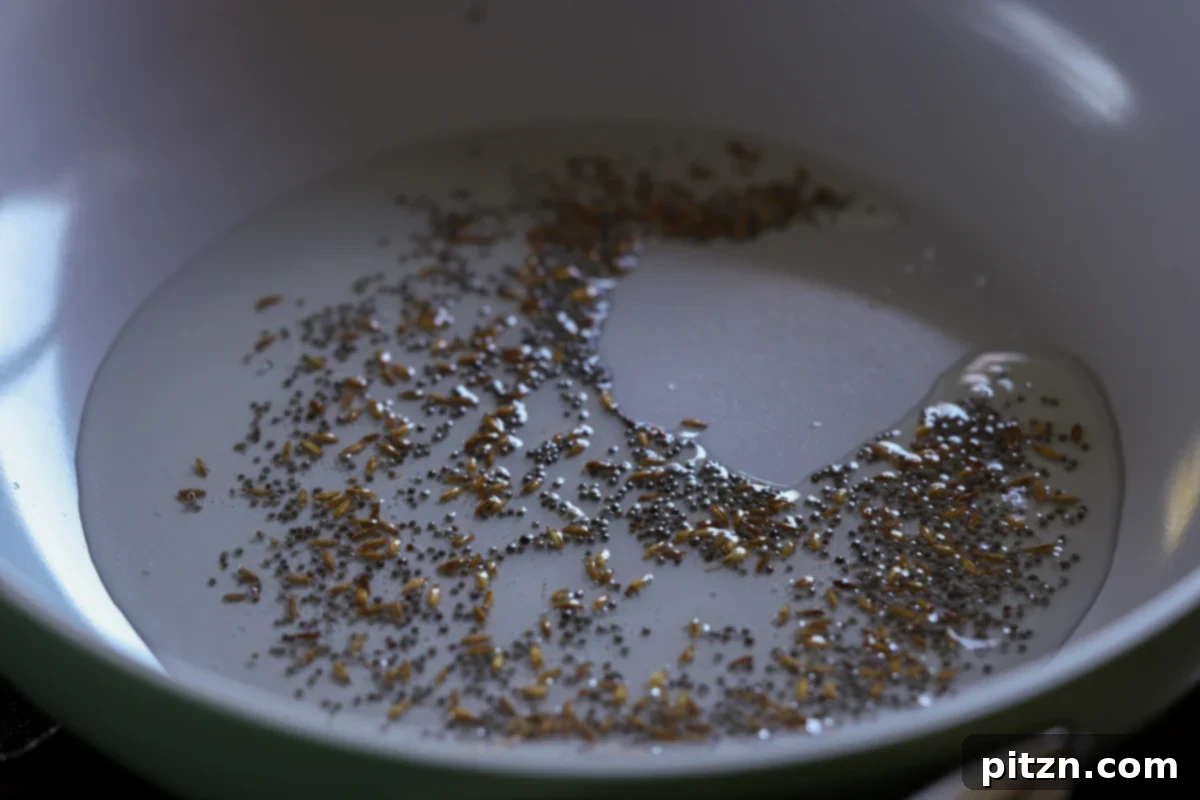
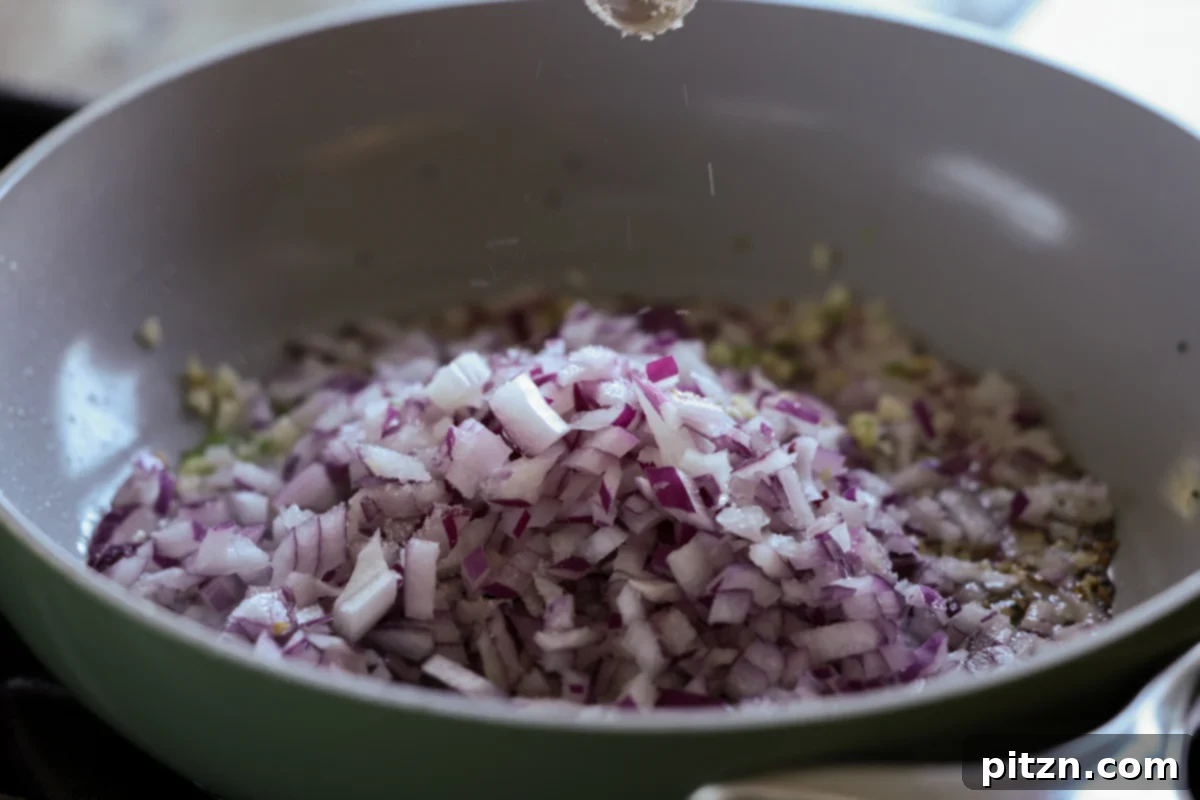
Next, add a generous pinch of asafetida (if using), followed by the finely chopped green chili, onion, garlic, and ginger. Add a small pinch of salt to help draw out moisture from the onions. Sauté this mixture, stirring frequently, for about 5 to 7 minutes, until the onions become soft and translucent. If the mixture starts to stick, add a small splash of water to aid even cooking.
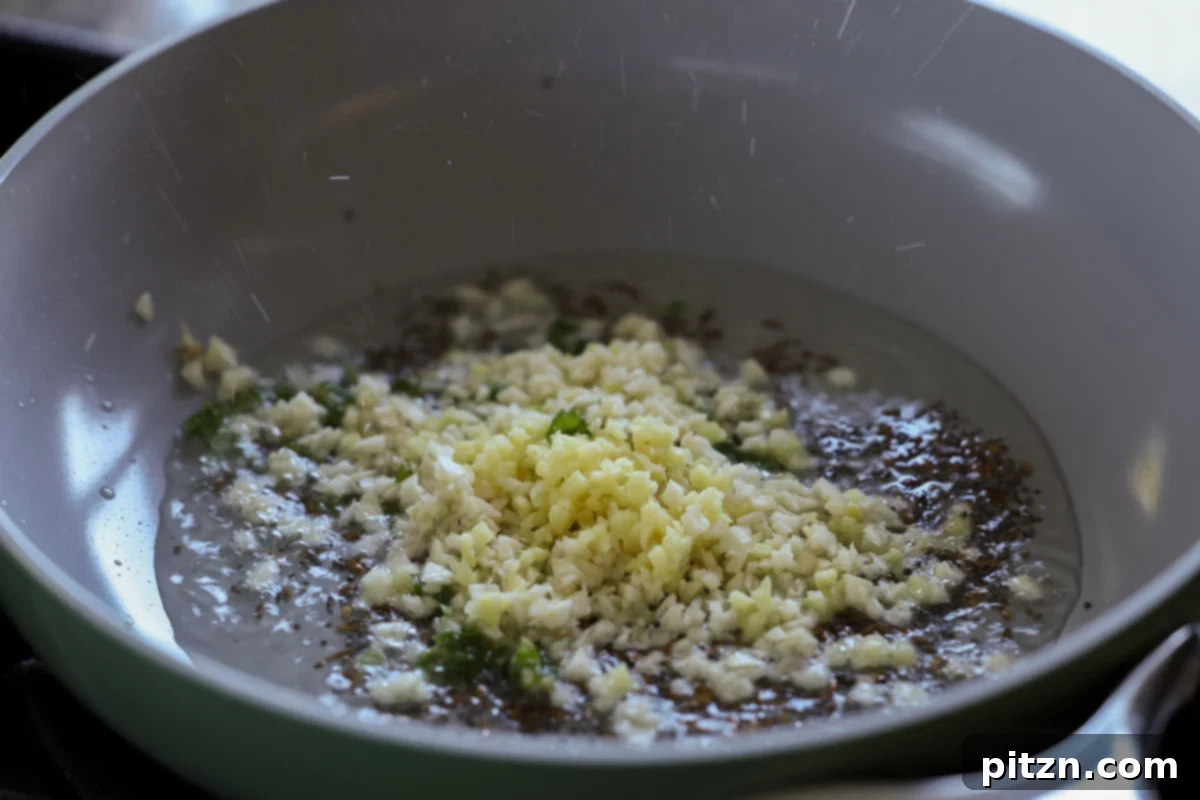
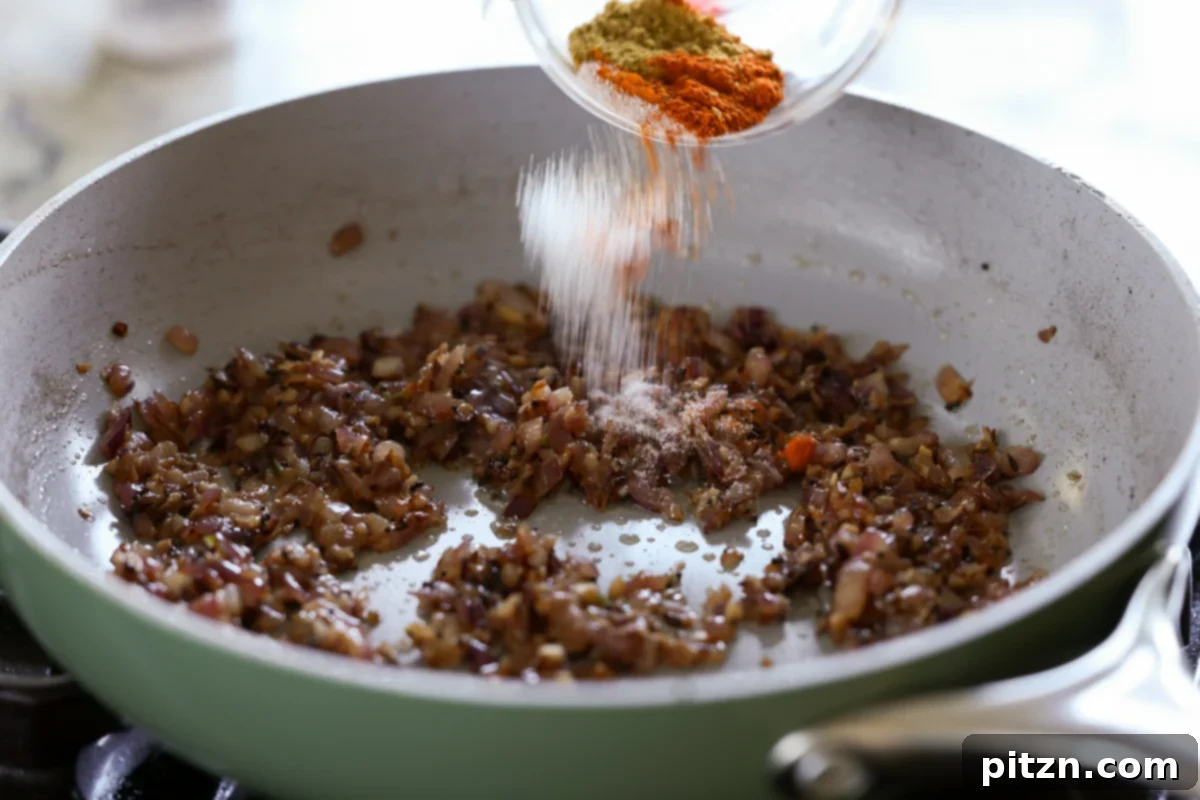
Stir in the ground coriander, turmeric, and cayenne/red chili powder. Mix well to thoroughly coat the aromatics with the ground spices. This step blooms the spices, releasing their full flavor.
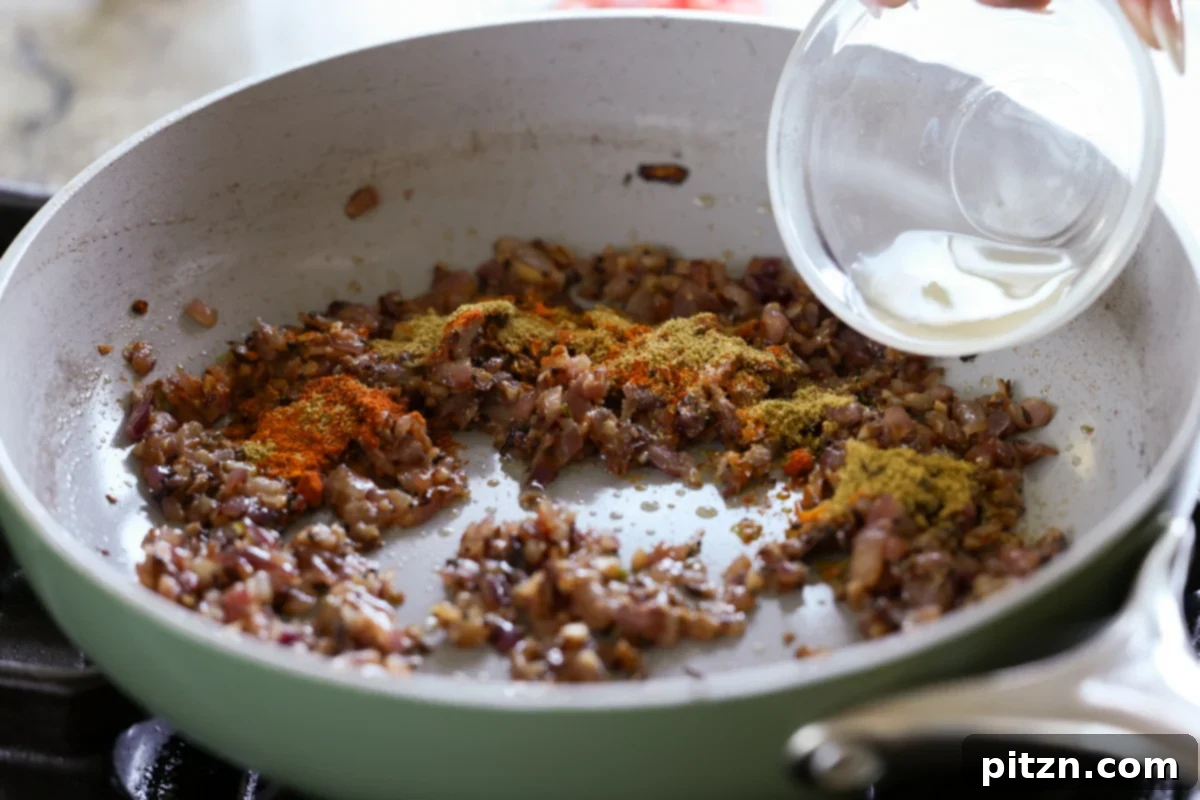
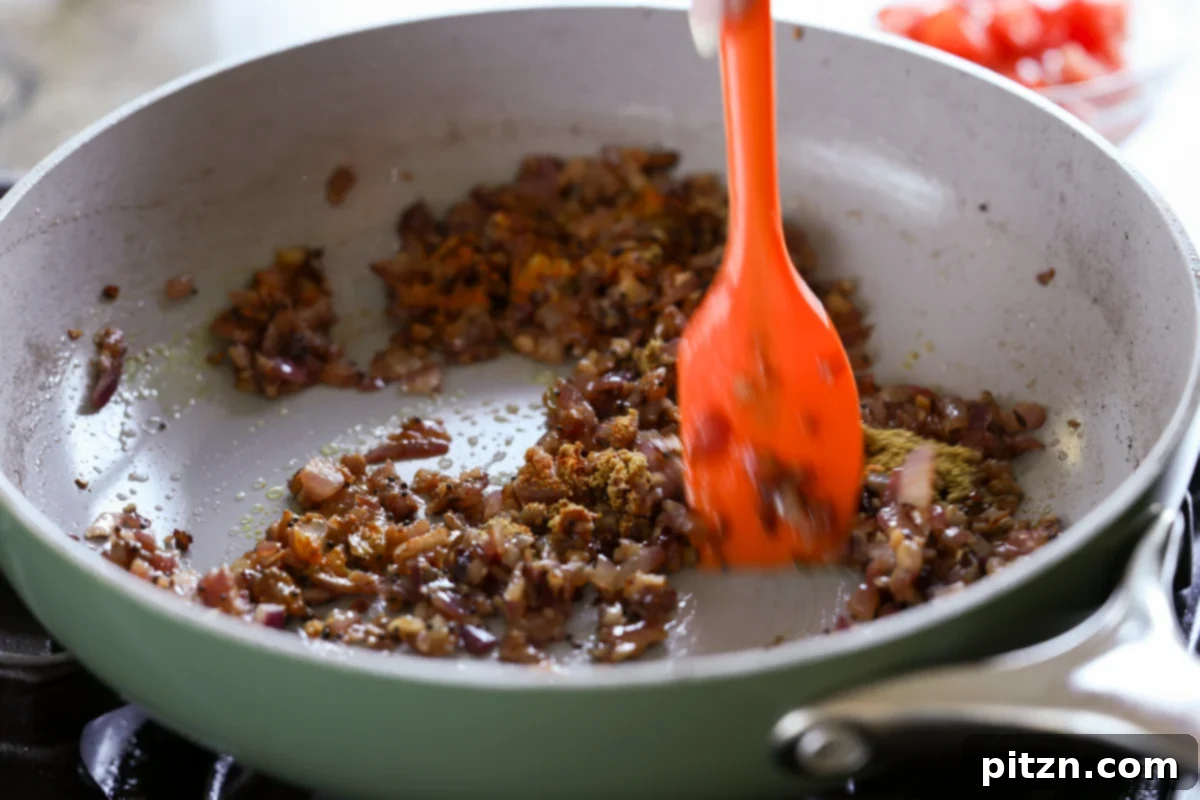
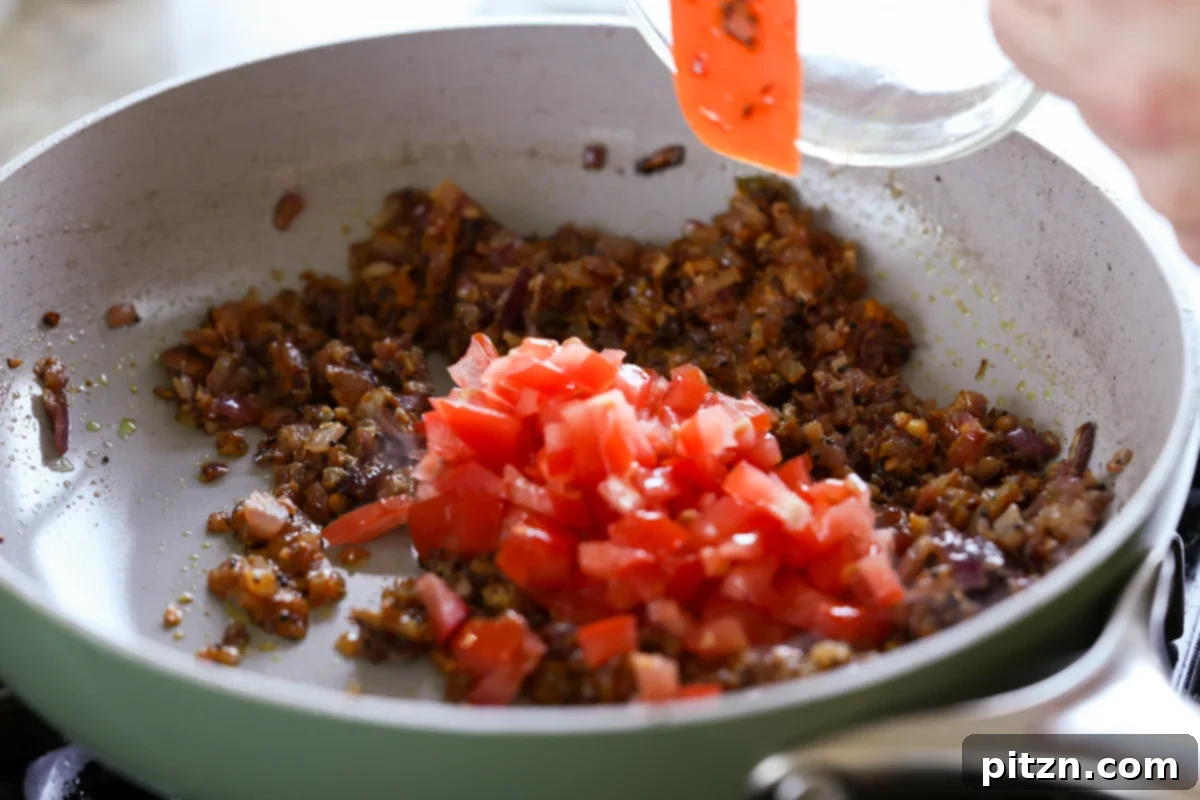
Add the chopped tomatoes, lemon juice, and a tablespoon of water to the skillet. Mix thoroughly. Continue to cook for approximately 6 minutes, stirring occasionally and mashing any larger tomato pieces with the back of your spoon, until the tomatoes have broken down and created a thick, saucy base.
Step 3: Combine and Simmer to Perfection
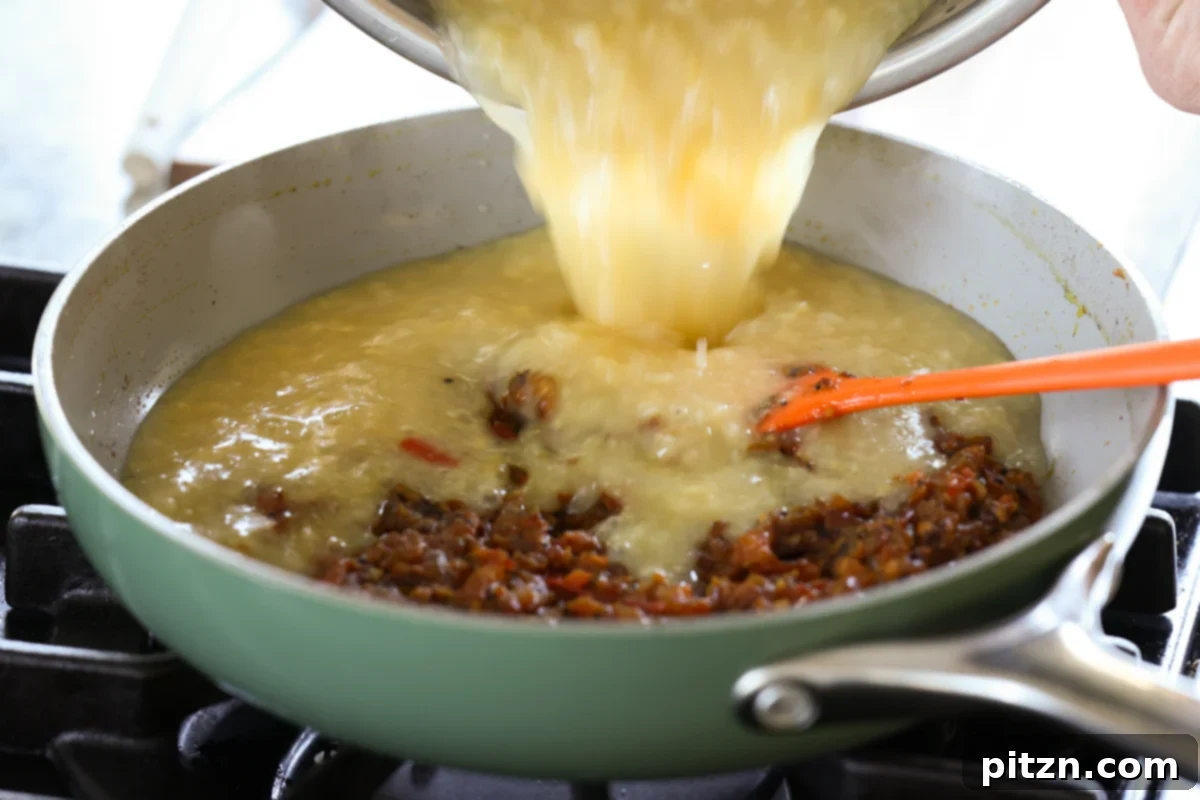
Now, gently add the cooked lentils from your saucepan (or Instant Pot) directly into the skillet with the fragrant tempering. Stir well to ensure all the spices are thoroughly integrated with the creamy lentils. Add the remaining salt and half of the chopped cilantro. Continue to simmer the combined dal for another 3 to 4 minutes, allowing the flavors to meld and deepen, until the dal is bubbling gently and has reached your desired consistency. Taste and adjust the seasoning as needed, adding more salt, spice, or a dash of lemon juice if desired.
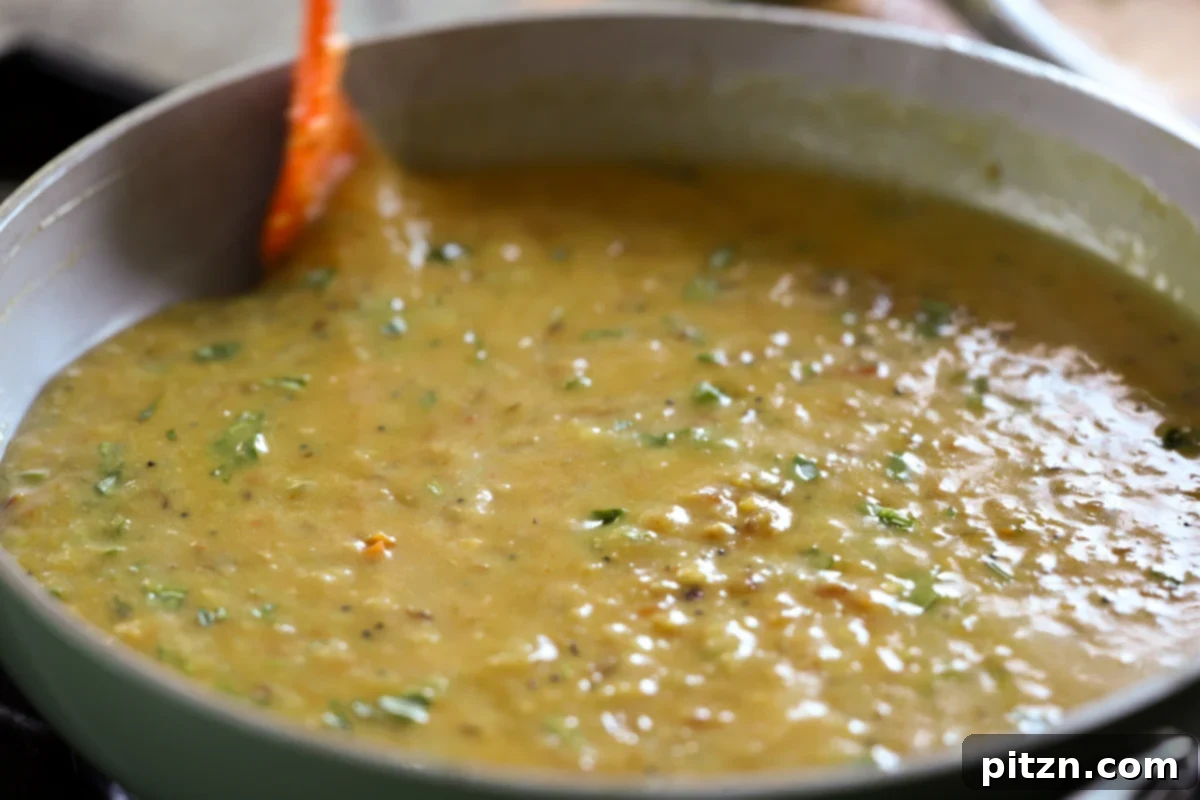
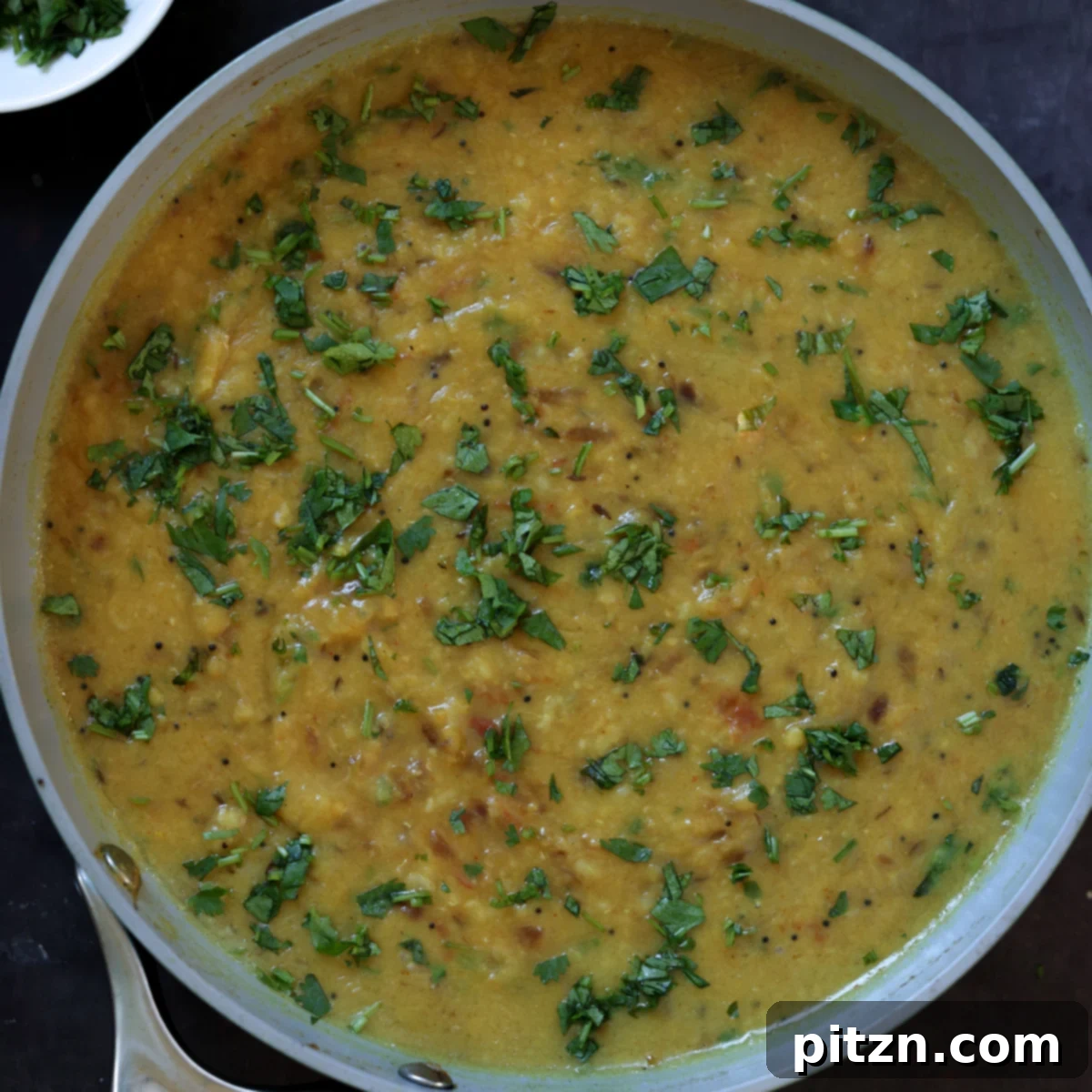
Finally, garnish your hot, steaming Dal Fry with the remaining fresh cilantro. Serve immediately and enjoy the comforting, spiced flavors.
What to Serve with Your Delicious Dal Fry
Dal Fry is a complete meal in itself, but it truly shines when paired with complementary Indian dishes. The rich, savory flavors of the dal provide a perfect balance to a variety of sides, creating a well-rounded and deeply satisfying feast. Here are some classic and delightful suggestions:
- Rice: The ultimate companion! Steamed basmati rice or fluffy jeera rice (cumin rice) are ideal for soaking up every drop of the flavorful dal. Brown rice also makes a wholesome alternative.
- Flatbreads: Warm, soft flatbreads are perfect for scooping up the dal. Options include:
- Naan: A soft, leavened flatbread, perfect for tearing and dipping.
- Roti or Chapati: Whole wheat flatbreads, a daily staple in Indian homes.
- Paratha: Flaky, layered flatbreads that add a lovely texture contrast.
- Roasted or Spiced Vegetables: A simple side of roasted or spiced vegetables adds freshness and texture. Consider:
- Aloo Gobi Mutter: Potatoes, cauliflower, and peas in a delicious spiced gravy.
- Garlic Potato Spinach Fry (Lasooni Aloo Palak): A quick and flavorful potato and spinach stir-fry.
- Malabar Eggplant: A rich, creamy eggplant preparation.
- Cauliflower Pepper Fry: Spicy and aromatic sautéed cauliflower.
- Saag Aloo: A classic combination of spiced potatoes and spinach.
- Indian Pickle (Achar): A small spoonful of spicy and tangy Indian pickle adds a vibrant burst of flavor that cuts through the richness of the dal.
- Papadum: Crispy, thin lentil crackers that provide a delightful crunch and can be used for scooping or simply enjoyed as a side.
- Fresh Salad: A simple cucumber and onion salad with a squeeze of lemon juice can offer a refreshing contrast.
No matter how you choose to serve it, Dal Fry is sure to be the star of your meal, offering a taste of authentic Indian comfort food.