
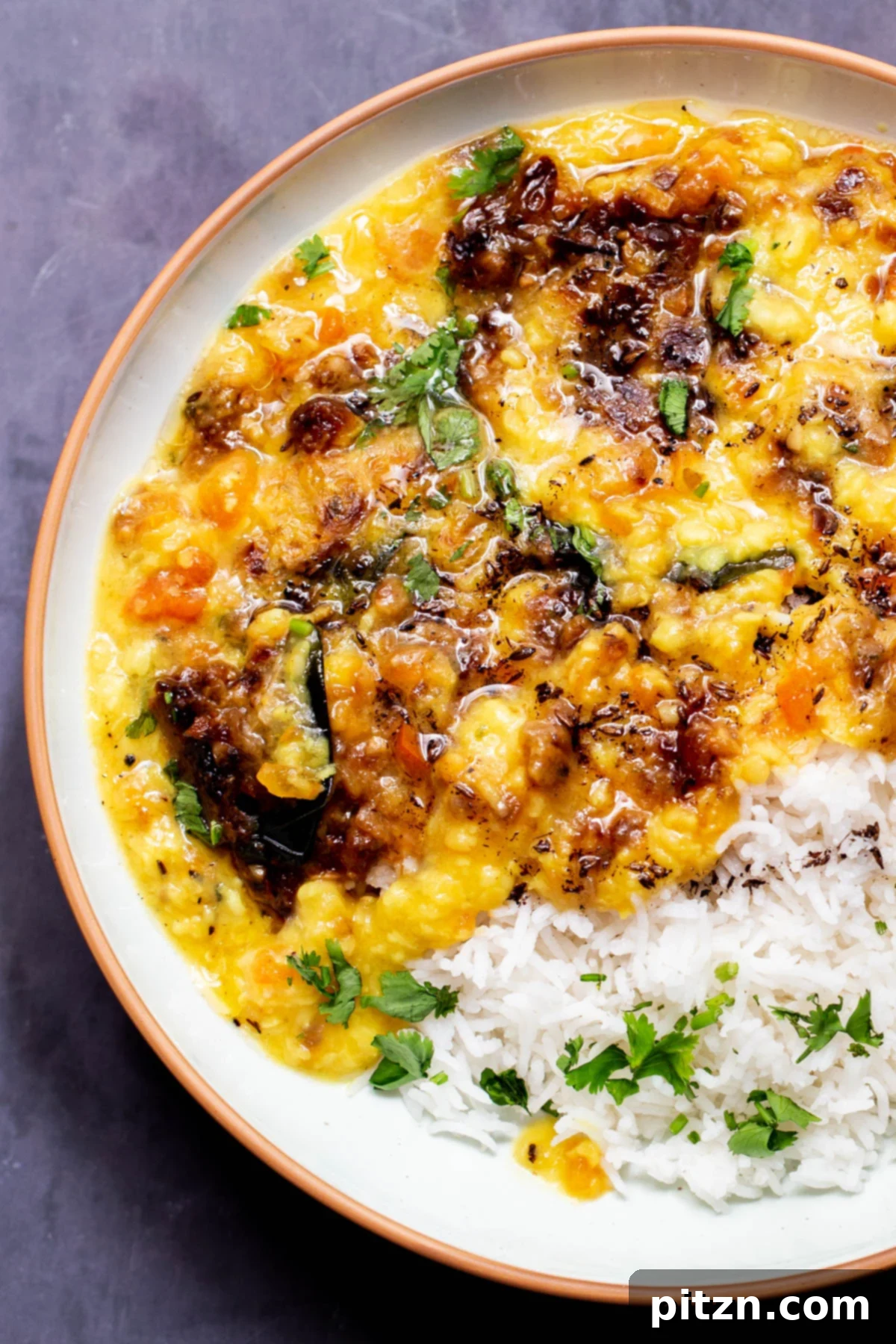
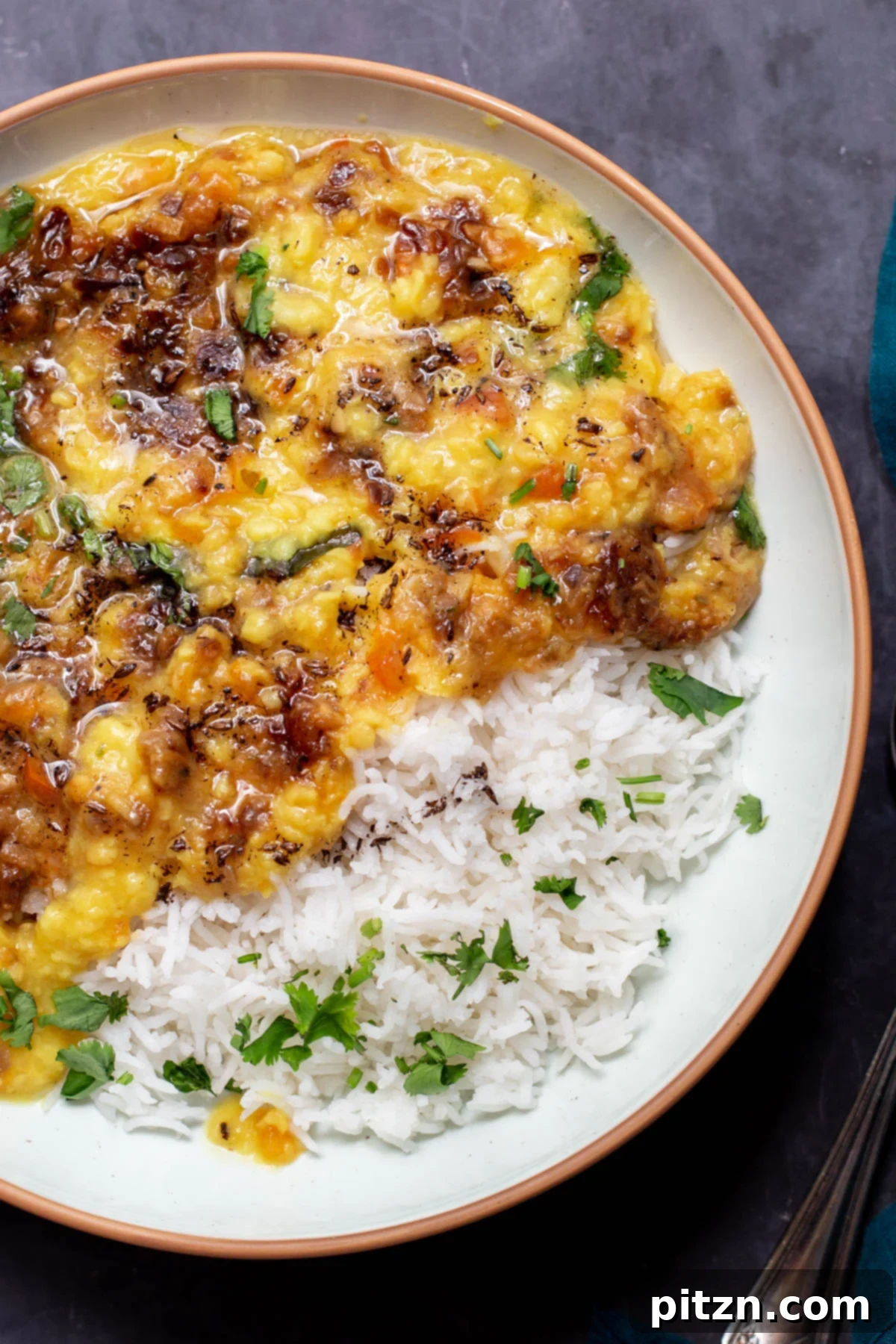
Welcome to a culinary journey that promises warmth, comfort, and an explosion of authentic Indian flavors: the Caramelized Onion Dal. This isn’t just any lentil dish; it’s a rich, creamy, and deeply satisfying creation, perfect for those moments when you crave something truly soul-stirring. Imagine the sweet, savory depth of perfectly caramelized onions blending seamlessly with the earthy goodness of lentils and the aromatic whisper of whole spices. Each spoonful offers a harmonious balance that transports you straight to the heart of an Indian kitchen.
Born from a simple craving for a light yet incredibly flavorful meal, this dal recipe elevates humble lentils into a gourmet experience. It’s a testament to the power of traditional Indian cooking techniques, particularly the art of ‘tadka’ or tempering, which infuses every bite with vibrant aromas and a delightful texture. Whether you’re a seasoned chef or new to Indian cuisine, this guide will walk you through creating a dal that’s not just food, but an embrace in a bowl, best enjoyed with fluffy rice or your favorite Indian flatbread.
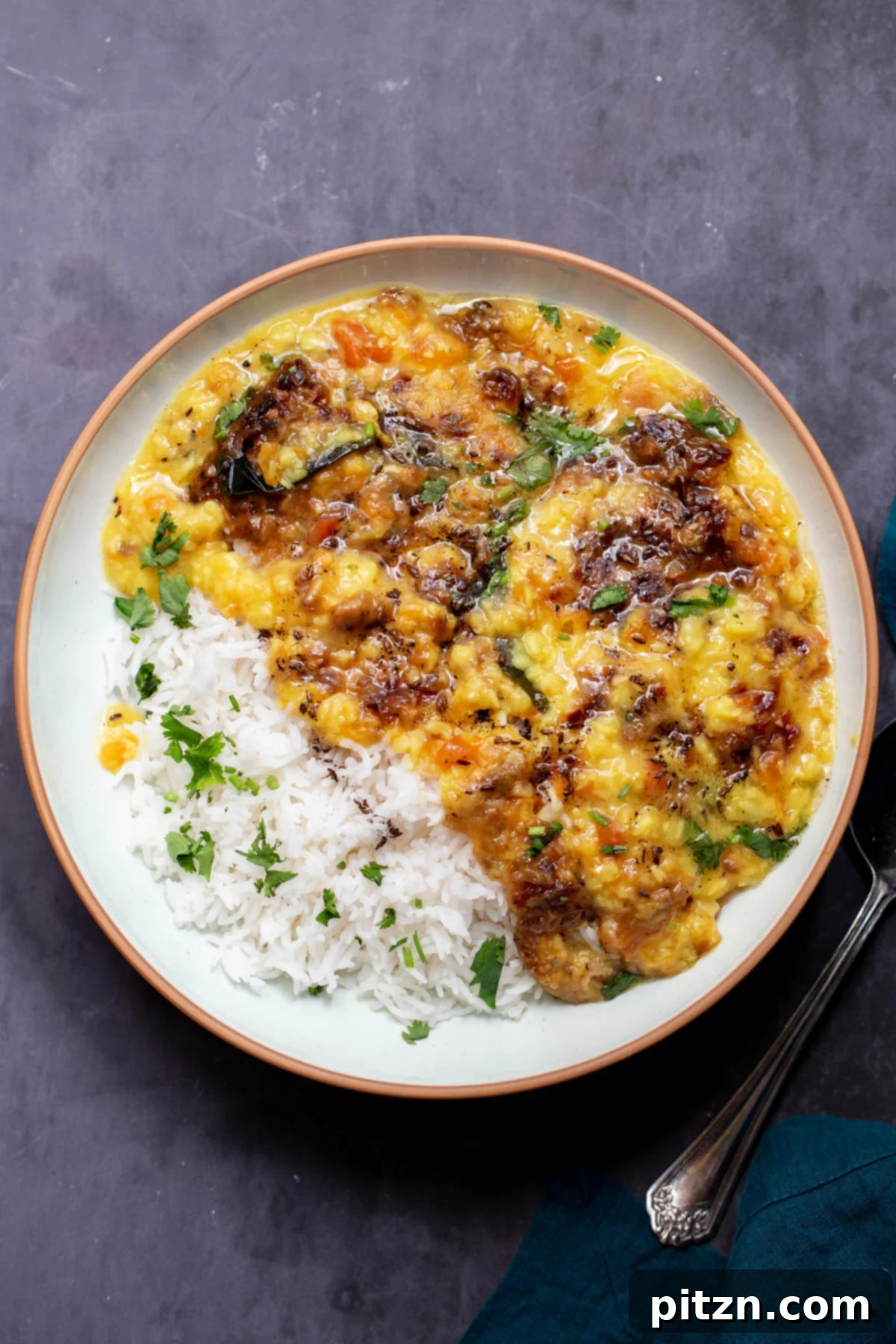
The Heartwarming Appeal of Caramelized Onion Dal
In the vast landscape of Indian cuisine, dal holds an unparalleled position as a staple, a comfort food, and a nutritional powerhouse. But what makes this Caramelized Onion Dal stand out? It’s the magical transformation of onions, slowly cooked until they turn a deep golden-brown, releasing a profound sweetness and umami that forms the bedrock of this dish’s unique flavor profile. This isn’t just about adding onions; it’s about crafting an integral flavor layer that enriches the entire experience.
This particular dal recipe combines two popular types of lentils – the delicate red lentils (masoor dal) and the creamy petite yellow lentils (moong dal). When cooked together, they create a wonderfully smooth and velvety texture, providing a perfect canvas for the bold flavors of the caramelized onions and the dual tempering (tadka). The result is a dal that is both light and hearty, a testament to the simplicity and depth that Indian cooking can achieve with just a few core ingredients and thoughtful preparation.
Understanding Dal: A Staple of Indian Cuisine
Dal, a term encompassing both lentils and the stew-like dishes made from them, is an indispensable part of Indian culinary tradition. It’s a cornerstone of daily meals across the subcontinent, celebrated for its versatility, nutritional value, and comforting qualities. From simple, everyday preparations to elaborate festive creations, dal comes in countless varieties, each with its own unique flavor profile and texture. Rich in plant-based protein, fiber, and essential minerals, dal is not only delicious but also incredibly healthy, making it a beloved choice for families everywhere.
This Caramelized Onion Dal offers a fantastic introduction to the world of Indian lentils, or a delightful addition to the repertoire of those already familiar. The combination of red and yellow lentils creates a pleasant consistency that is neither too thick nor too watery, making it an ideal accompaniment for grains or breads. The beauty of dal lies in its ability to absorb and showcase a myriad of spices and aromatic ingredients, transforming humble legumes into a dish of profound complexity and satisfaction.
The Magic Behind Caramelized Onions
Caramelized onions are truly a secret weapon in many cuisines, and their role in this dal is nothing short of transformative. The slow cooking process breaks down the complex sugars in the onions, turning their sharp, pungent flavor into something remarkably sweet, savory, and incredibly rich. This process, which takes time and patience, develops deep layers of umami that elevate the dal from a simple lentil stew to a dish brimming with nuanced flavor.
When the onions achieve that perfect golden-brown hue, they contribute not just sweetness but also a delightful chewiness and a hint of bitterness that balances the other elements of the dish. This deep caramelization creates a complex flavor base that is irreplaceable, providing a profound savory backbone that complements the earthiness of the lentils and the vibrancy of the spices. It’s a foundational element that truly sets this dal apart, infusing it with a cozy, comforting essence that makes every bite memorable.
Mastering the Tadka: The Soul of Indian Cooking
The term ‘tadka’ or ‘tempering’ refers to a crucial Indian cooking technique where whole or ground spices are briefly fried in hot oil or ghee to release their essential oils and intensify their flavors. This aromatic oil is then poured over a dish, typically a dal or curry, as a finishing touch, adding a burst of fresh, vibrant flavor and aroma. In this Caramelized Onion Dal, we employ a two-stage tadka, each contributing distinct layers of flavor and aroma to the final dish.
The first tadka focuses on building the savory base with caramelized onions, ginger, garlic, green chilies, and a medley of powdered spices like garam masala. This creates a deeply aromatic foundation that is robust and complex. The second tadka, a simpler but equally impactful step, involves frying freshly crushed cumin seeds and black peppercorns in a small amount of oil just before serving. This final tempering adds a bright, pungent freshness and a subtle heat that awakens the palate and enhances the overall experience, creating a multi-dimensional flavor profile that is both comforting and exhilarating.
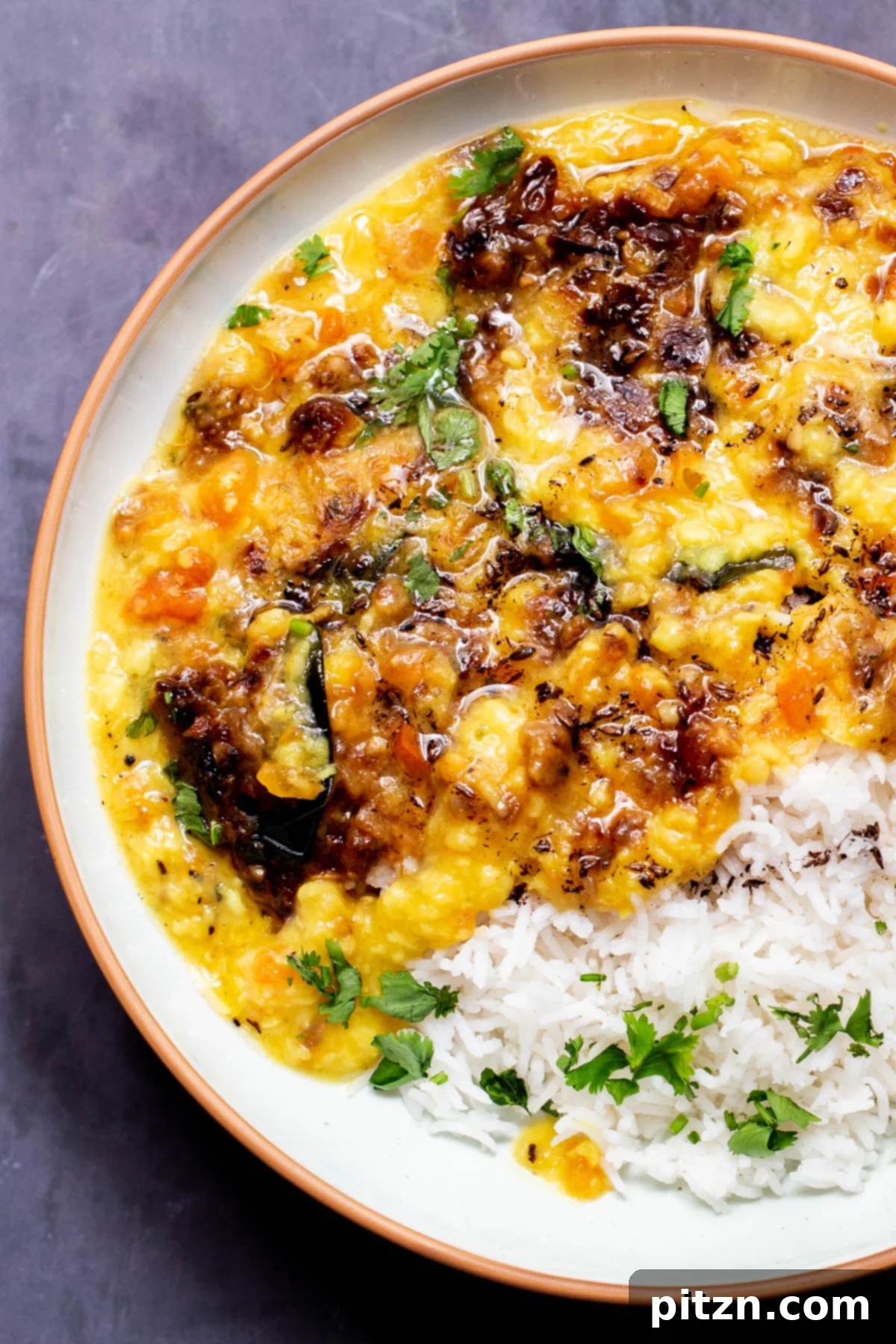
More Delicious Dal Recipes:
- Dhaba Style Butter Dal (Vegan)
- Sabut Moong Dal – Creamy Green Mung Beans
- Vegan Handi Lentils (Creamy Indian Dal)
- Masoor Dal Tadka (Indian Split Red Lentil Dal)
- Spicy Urad Dal (Black Gram Lentil Dal)
Caramelized Onion Tadka Dal: The Full Recipe
This rich and creamy Caramelized Onion Dal is the perfect comfort food for a cold day, bursting with flavor from caramelized onions and whole spices. Serve with rice or flatbread for a delicious Indian meal. This recipe is naturally gluten-free, soy-free, and nut-free.
By: Vegan Richa
Prep Time: 20 mins
Cook Time: 17 mins
Total Time: 37 mins
Servings: 4
Course: Main Course
Cuisine: Indian

Ingredients
For the Lentils:
- 1/2 cup red lentils, or masoor dal
- 1/2 cup petite yellow lentils, or moong dal (or you can use more red lentils)
- 1 tomato, chopped
- 1/2 teaspoon salt
- 1/2 teaspoon dried fenugreek leaves, optional
- 3 cups water
For the Tadka Spices (to crush):
- 1 teaspoon cumin seeds
- 1/4 teaspoon black peppercorns
For the First Tadka (Caramelized Onion Base):
- 2 teaspoons oil
- 1 cup chopped onion
- 3 cloves of garlic, minced
- 1/2 inch ginger, minced
- 1/2 hot green chili, minced (use serrano or Indian/Thai varieties)
- 1/4 teaspoon salt
- 1/2 to 1 teaspoon garam masala
- 5-6 curry leaves (fresh, dried, or frozen)
For the Second Tadka (Finishing Touch):
- 1 teaspoon oil
- The crushed spices from above (remaining half)
Instructions
- Cook the Lentils: To cook in an Instant Pot, wash lentils thoroughly and drain. Add them to the Instant Pot with the chopped tomato, 1/2 teaspoon salt, dried fenugreek leaves (if using), and 3 cups of water. Pressure cook on high for 7 minutes. Allow the pressure to release naturally for 10 minutes before opening the lid. For stovetop cooking, combine the washed and drained lentils with the remaining lentil ingredients in a saucepan. Partially cover and cook for about 20 minutes, or until tender, adding an additional 1/2 cup of water if the dal thickens too much. Transfer the cooked lentils to a serving dish.
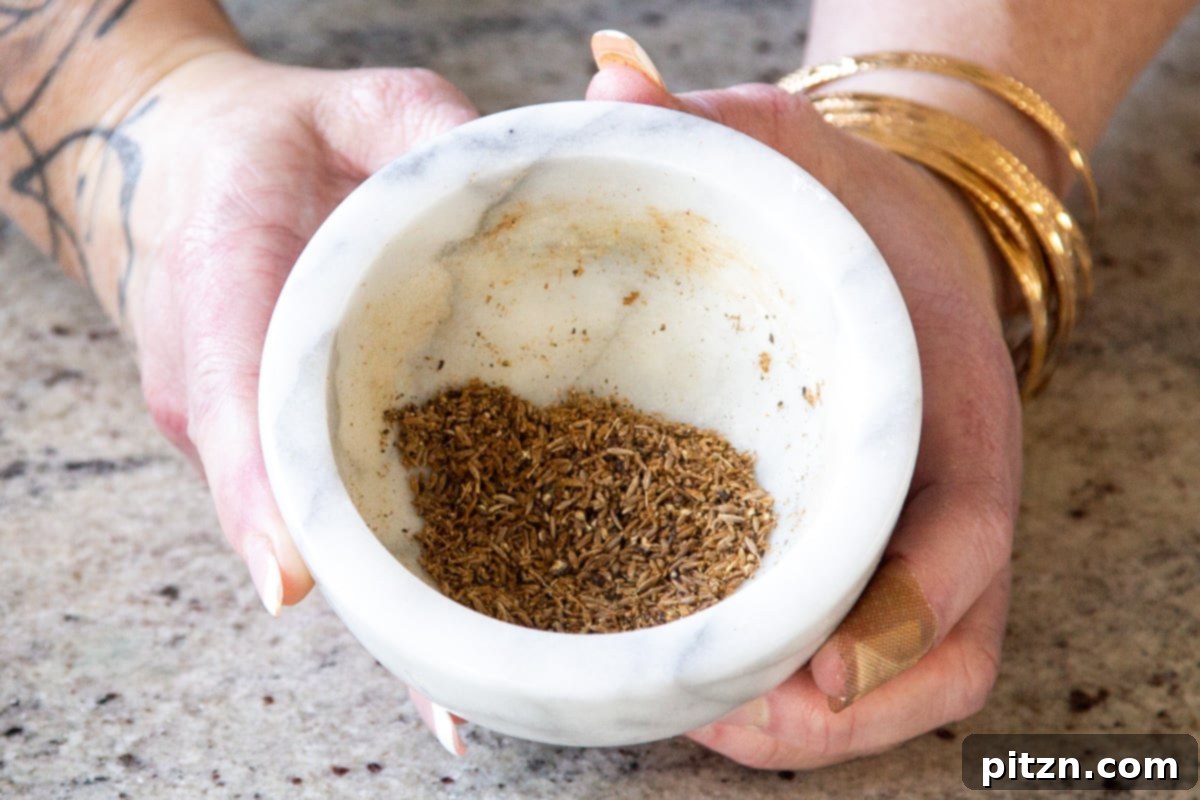
- Prepare Tempering Spices: In a mortar and pestle, add the cumin seeds and black peppercorns. Crush them into a coarse mixture. Alternatively, use a spice grinder for the same result. Set aside.
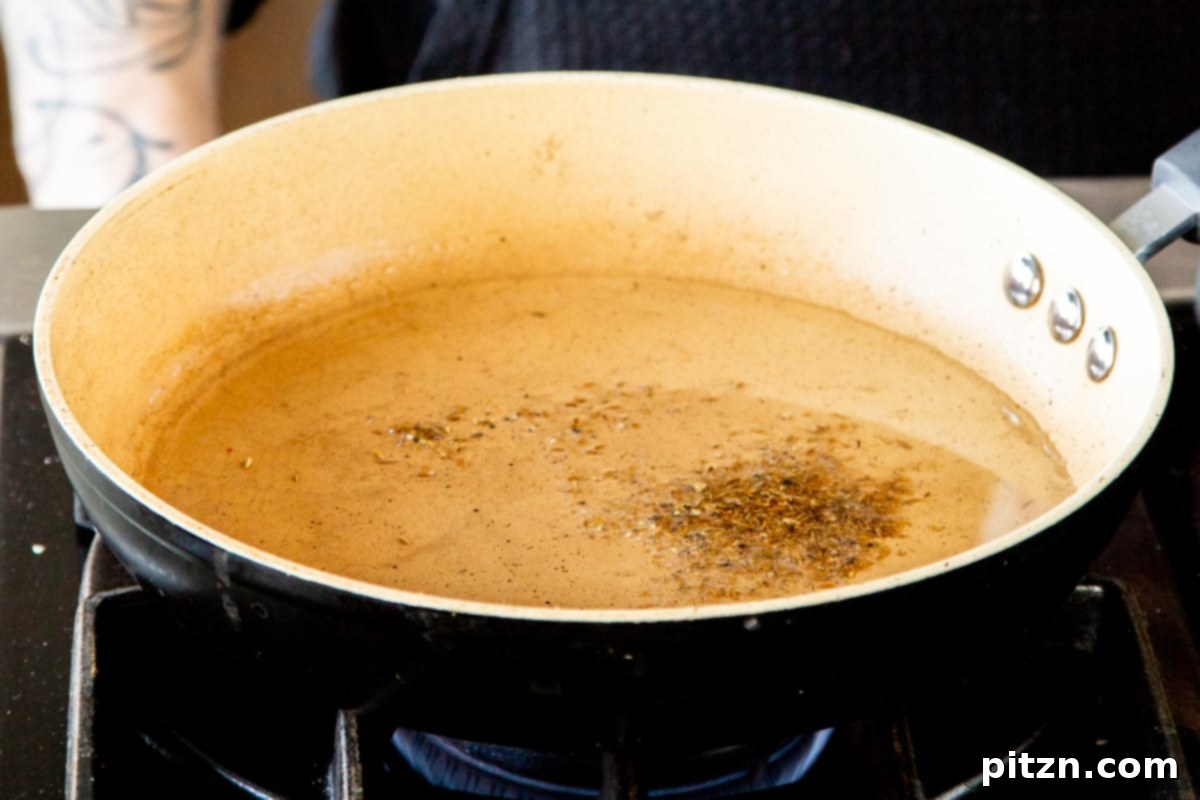
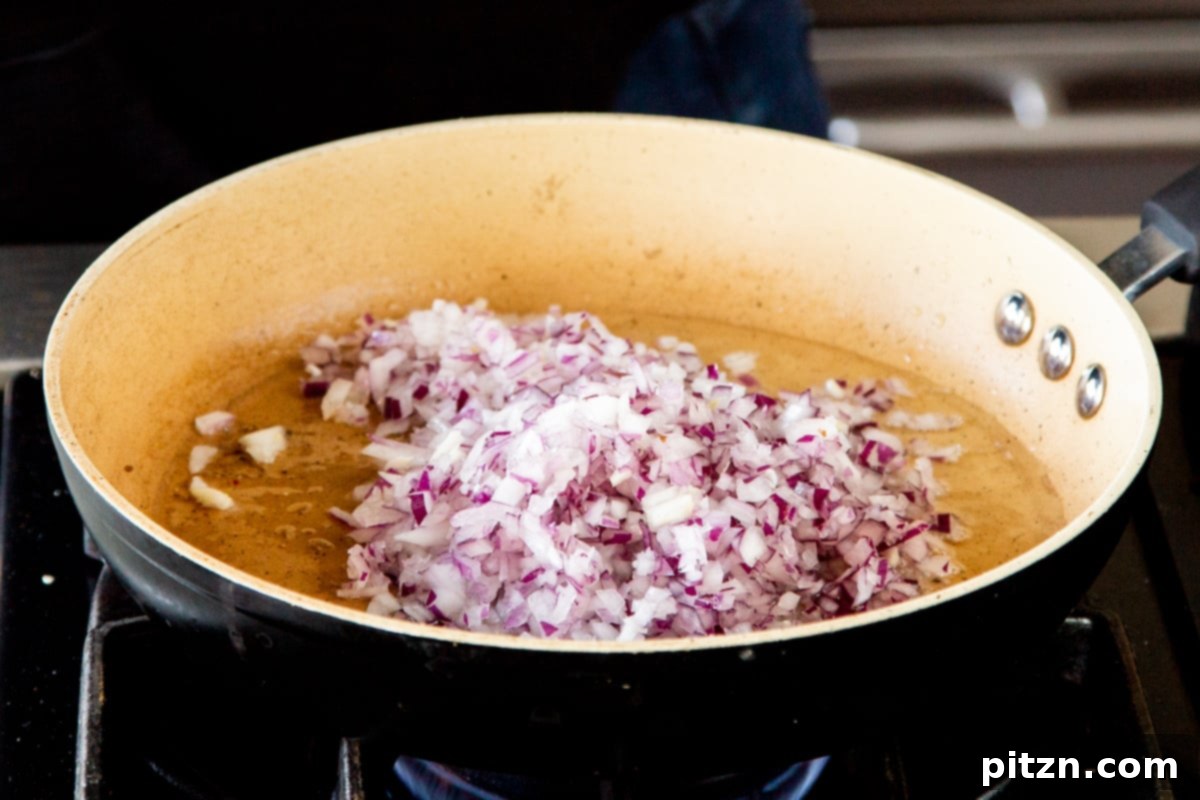
- Execute First Tempering: Heat 2 teaspoons of oil in a medium skillet over medium heat. Once hot, add half of the crushed cumin and peppercorn mixture. Let it sizzle for a few seconds until fragrant. Add the chopped onion and a generous pinch of salt. Cook, stirring occasionally, until the onion becomes translucent (approximately 5-7 minutes). Next, add the minced garlic, ginger, and green chili, along with the remaining 1/4 teaspoon of salt. Continue to cook until the onions turn golden brown and deeply caramelized (another 2-4 minutes). Stir in the garam masala and curry leaves, cooking for about 30 seconds more until fragrant.
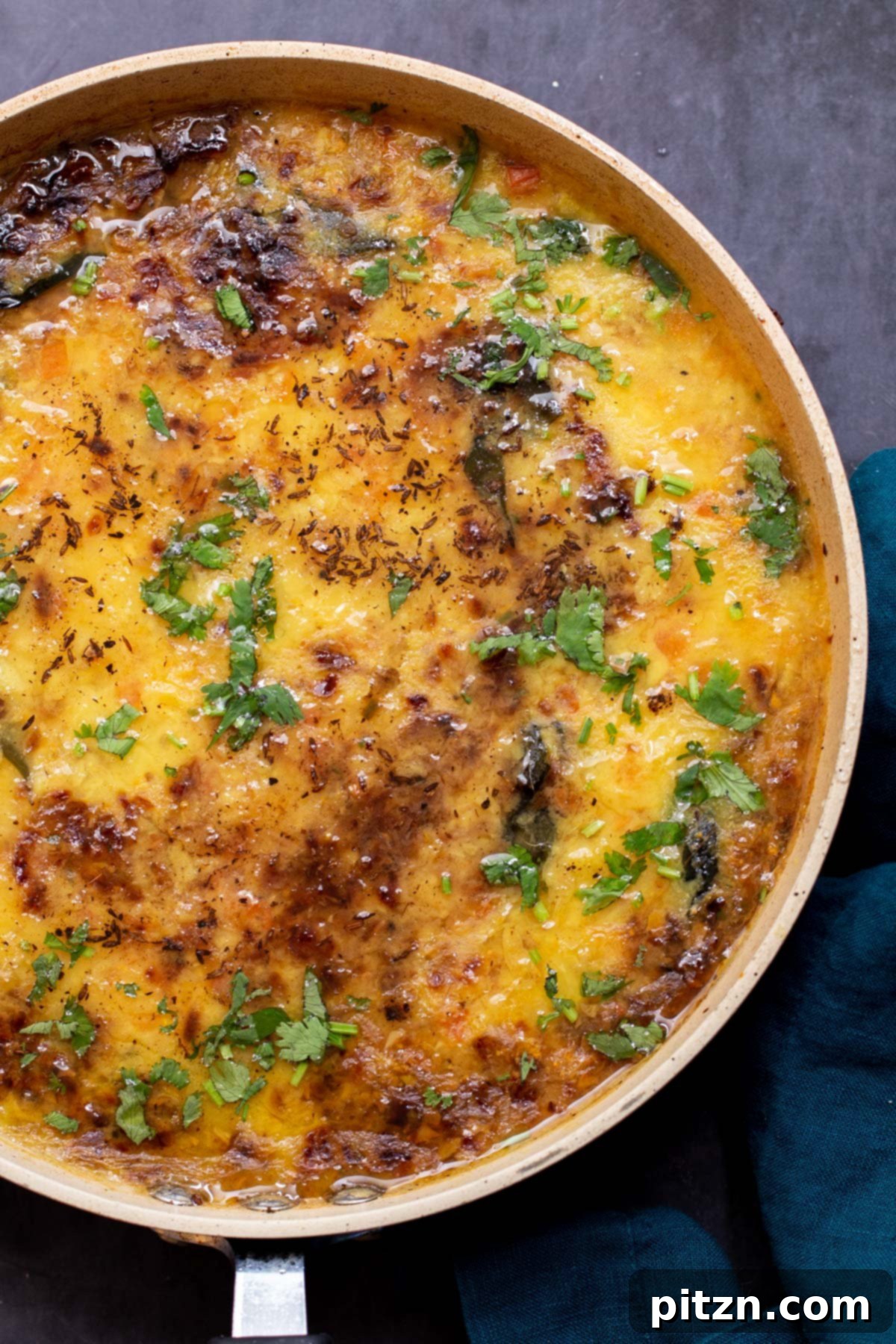
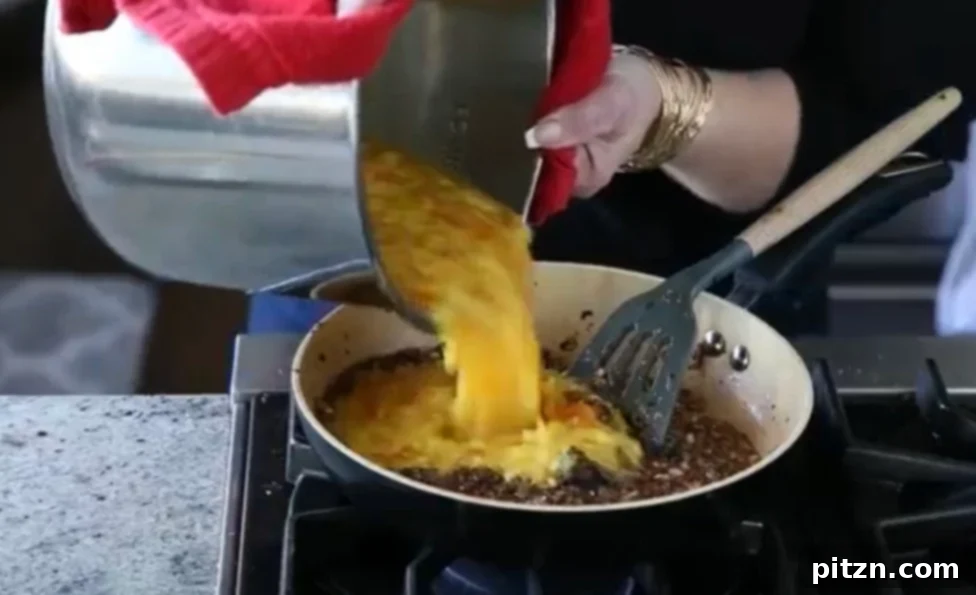
- Combine Dal and First Tadka: Add this rich caramelized onion mixture to the cooked lentils. Alternatively, you can add the cooked lentils directly into the skillet with the caramelized onions. Gently stir the mixture, but avoid overmixing; you want to maintain distinct clusters of caramelized onion throughout the dal for varying textures and bursts of flavor.
- Create Second Tempering: In a small skillet, heat 1 teaspoon of oil. Once hot, add the remaining crushed cumin and peppercorn mixture. Cook until the spices become aromatic and slightly crackle. Immediately pour this sizzling tempering over the prepared dal.
- Garnish and Serve: Garnish generously with freshly chopped cilantro and a squeeze of fresh lemon juice for brightness.
- Storage: Store any leftover dal in an airtight container in the refrigerator for up to 3 days. For longer storage, it can be frozen for up to a month. If making ahead, keep the dal and the second tempering separate, adding and heating the tempering just before serving for optimal freshness and aroma.
Recipe Video
Notes
- Curry leaves: If fresh or dried curry leaves are unavailable, you can omit them and instead add 2 bay leaves during the lentil cooking phase, and a generous squeeze of fresh lime juice at the end for a similar aromatic uplift.
- To make this without onion and garlic: For an allium-free version, substitute the onion with neutral vegetables such as peeled and chopped zucchini, summer squash, opo squash (lauki), or chopped celery or fennel. Replace garlic with a generous pinch of asafoetida (hing) or 1 teaspoon of dried fenugreek leaves added to the first tempering.
- Oil-free: To prepare this recipe without oil, sauté the onions and aromatics in vegetable broth or water. Dry toast the cumin and black peppercorn mixture in a dry skillet until fragrant before crushing and adding to the dal.
Nutrition Information (Approximate per serving)
Calculations are based on 4 servings.
- Calories: 217kcal
- Carbohydrates: 34g
- Protein: 13g
- Fat: 4g
- Saturated Fat: 0.3g
- Sodium: 471mg
- Potassium: 586mg
- Fiber: 15g
- Sugar: 4g
- Vitamin A: 330IU
- Vitamin C: 36mg
- Calcium: 58mg
- Iron: 4mg
Nutrition information is automatically calculated, so should only be used as an approximation.
 Essential Ingredients for Our Caramelized Onion Dal
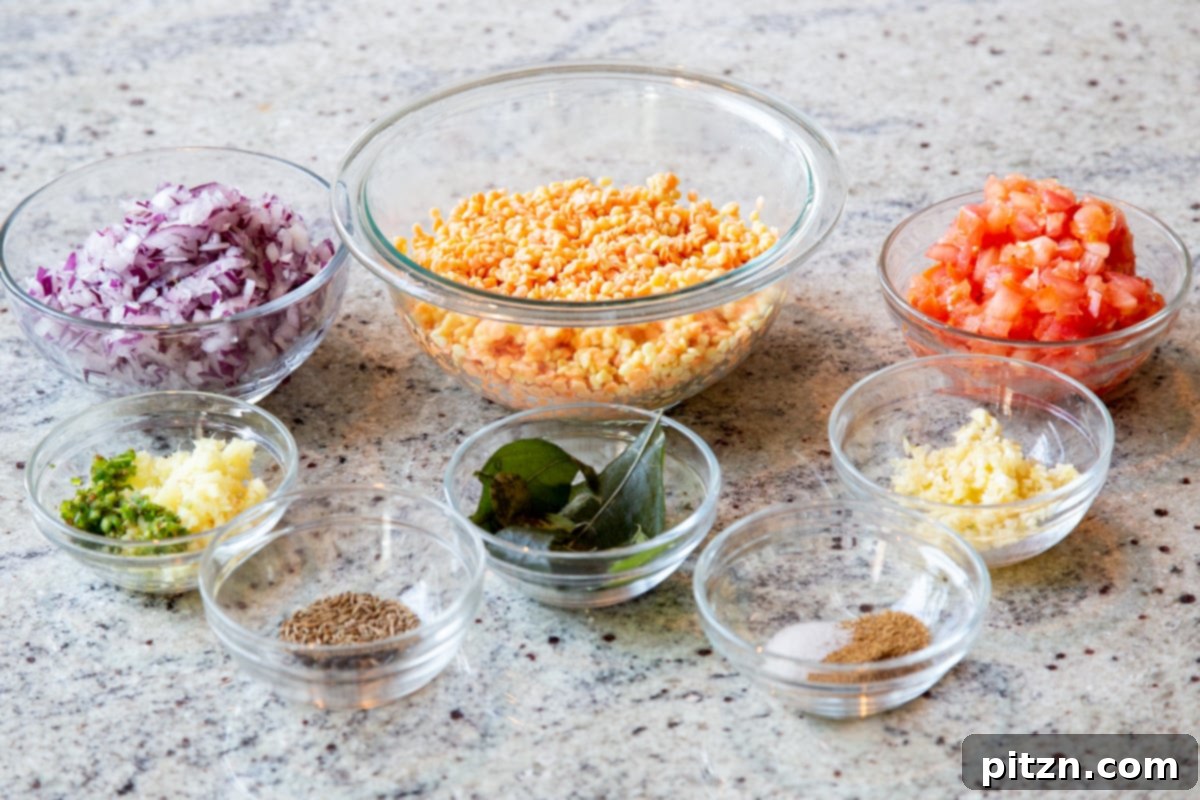
 Essential Ingredients for Our Caramelized Onion Dal
Crafting this flavorful dal relies on a careful selection of ingredients that each play a vital role in building its complex taste profile. Understanding each component helps in appreciating the symphony of flavors in the final dish.
- Red and Yellow Lentils (Masoor Dal and Moong Dal): The combination of these two lentils provides a perfect balance of texture and flavor. Red lentils break down easily, contributing to the creamy consistency, while petite yellow lentils add a slightly more robust, nutty flavor. You can absolutely use all red or all yellow lentils if that’s what you have on hand, adapting the cooking time as needed.
- Fresh Tomato: A single chopped tomato introduces a lovely acidity and a touch of natural sweetness, brightening the overall flavor of the dal and providing a subtle tang that cuts through the richness.
- Whole Spices for Tempering: Our key players here are cumin seeds and black peppercorns. Cumin offers an earthy, warm aroma, while black peppercorns provide a gentle heat and a refreshing, pungent kick. These are crushed fresh to maximize their aromatic impact when fried in oil. Garam Masala, a blend of ground spices, is added to the first tempering for its complex, warm, and aromatic notes, rounding out the spice profile beautifully.
- Aromatics (Fresh Ginger, Garlic, and Green Chili): These three ingredients are non-negotiable in many Indian dishes. Fresh ginger adds a zesty, slightly pungent warmth, garlic provides a foundational savory depth, and green chili brings a customizable level of heat and freshness. Together, they create a vibrant aromatic base that is characteristic of authentic Indian flavors.
- Curry Leaves: These fragrant leaves impart a unique, slightly nutty, and earthy aroma that is quintessential to South Indian and some North Indian dishes. Whether fresh, dried, or frozen, they add an unparalleled depth that cannot be fully replicated by other herbs.
Expert Tips & Creative Substitutions: Enhancing Your Dal Experience
While the recipe provides a solid foundation, understanding how to adapt it can open up a world of possibilities and ensure success, even with dietary restrictions or ingredient availability challenges.
- Curry Leaves Alternatives: If fresh curry leaves are difficult to source, you have a few options. Dried curry leaves can be used, though they might have a slightly milder flavor. If omitting entirely, consider adding two bay leaves to the lentils as they cook to impart a subtle aromatic note. A squeeze of fresh lime juice at the end can also help brighten the flavor.
- Onion and Garlic-Free Preparation: For those avoiding alliums, this dal can still be incredibly flavorful. Instead of onions, sauté neutral vegetables like finely chopped zucchini, summer squash, or bottle gourd (lauki). Celery or fennel can also add a subtle savory base. To replicate the pungent depth of garlic, incorporate a generous pinch of asafoetida (hing) into the hot oil during the first tempering, or add 1 teaspoon of dried fenugreek leaves (kasoori methi) for a savory, slightly bitter undertone.
- Oil-Free Cooking: For an oil-free version, simply sauté your onions and other tempering ingredients in a splash of vegetable broth or water. For the whole spices, dry toast them in a hot, dry skillet until fragrant before crushing and adding them to the dal. This technique still activates their flavors without the need for oil.
- Adjusting Consistency: Dal consistency is a matter of personal preference. If your dal is too thick after cooking, gradually stir in small amounts of hot water or vegetable broth until it reaches your desired creaminess. If it’s too thin, allow it to simmer uncovered for a few extra minutes to reduce and thicken slightly.
- Spice Level Adjustments: The amount of green chili can be easily adjusted to your heat preference. For a milder dal, use less chili or remove the seeds. For more heat, add an extra half or a whole chili. A pinch of cayenne pepper or red chili powder can also be added with the garam masala for an extra kick.
Step-by-Step Guide: Crafting Your Caramelized Onion Dal
Let’s delve deeper into each stage of preparation, ensuring you achieve the most flavorful and perfectly textured Caramelized Onion Dal.
1. Cooking the Lentils: The Foundation of Your Dal
The first crucial step is preparing your lentils. Begin by thoroughly washing the red and yellow lentils under cold running water until the water runs clear. This removes any impurities and excess starch. For Instant Pot users, simply combine the washed lentils, chopped tomato, 1/2 teaspoon of salt, optional dried fenugreek leaves, and 3 cups of water in the pot. Pressure cook for 7 minutes, then allow a natural pressure release for 10 minutes for optimal texture before opening. If cooking on the stovetop, place all lentil ingredients in a heavy-bottomed saucepan. Partially cover and simmer gently for about 20 minutes, or until the lentils are tender and have softened into a creamy consistency. Keep an eye on the water level; if the dal becomes too thick, add an extra 1/2 cup of hot water. Once cooked, transfer the creamy lentils to your serving dish.
2. Preparing the Tempering Spices: Unleashing Aroma
For the crucial tempering, fresh ground spices make a significant difference. Take your cumin seeds and black peppercorns and add them to a mortar and pestle. Crush them with firm, circular motions until they form a coarse mixture. You can also use a dedicated spice grinder for a quicker, uniform grind. The goal is a texture that’s not powdered but still releases the intense aroma of the freshly broken spices. Set this fragrant mixture aside; it will be divided for both temperings.
3. The First Tadka: Building the Flavor Base
This is where much of the dal’s depth comes from. Heat 2 teaspoons of oil in a medium skillet over medium heat. Once the oil shimmers, add half of your freshly crushed cumin and peppercorn mixture. Let it sizzle briefly (just a few seconds) until the spices become intensely fragrant but not burnt. Then, add the chopped onion along with a good pinch of salt. Cook the onions, stirring frequently, until they become soft and translucent, which typically takes about 5-7 minutes. This initial cooking helps to soften them before caramelization. Continue cooking until the onions turn a beautiful golden-brown, a process that might take another 5-10 minutes. This caramelization is key to the dal’s unique sweetness and umami.
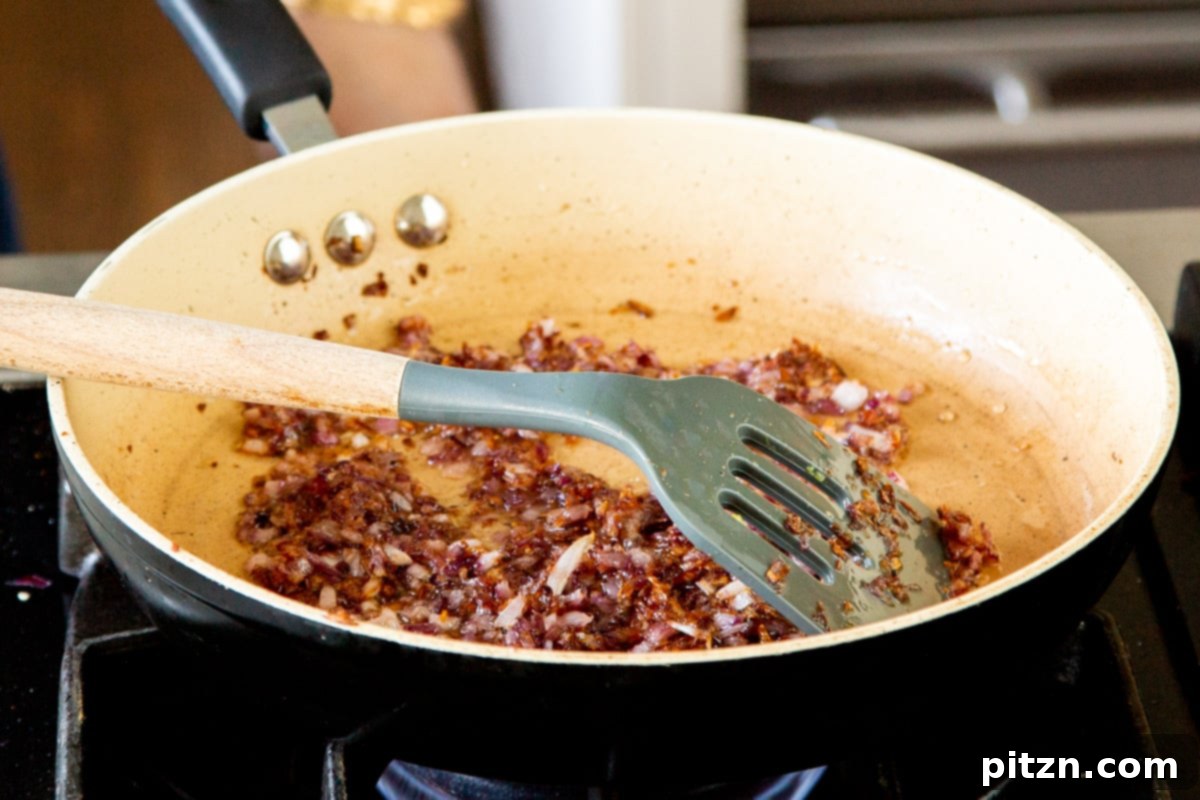
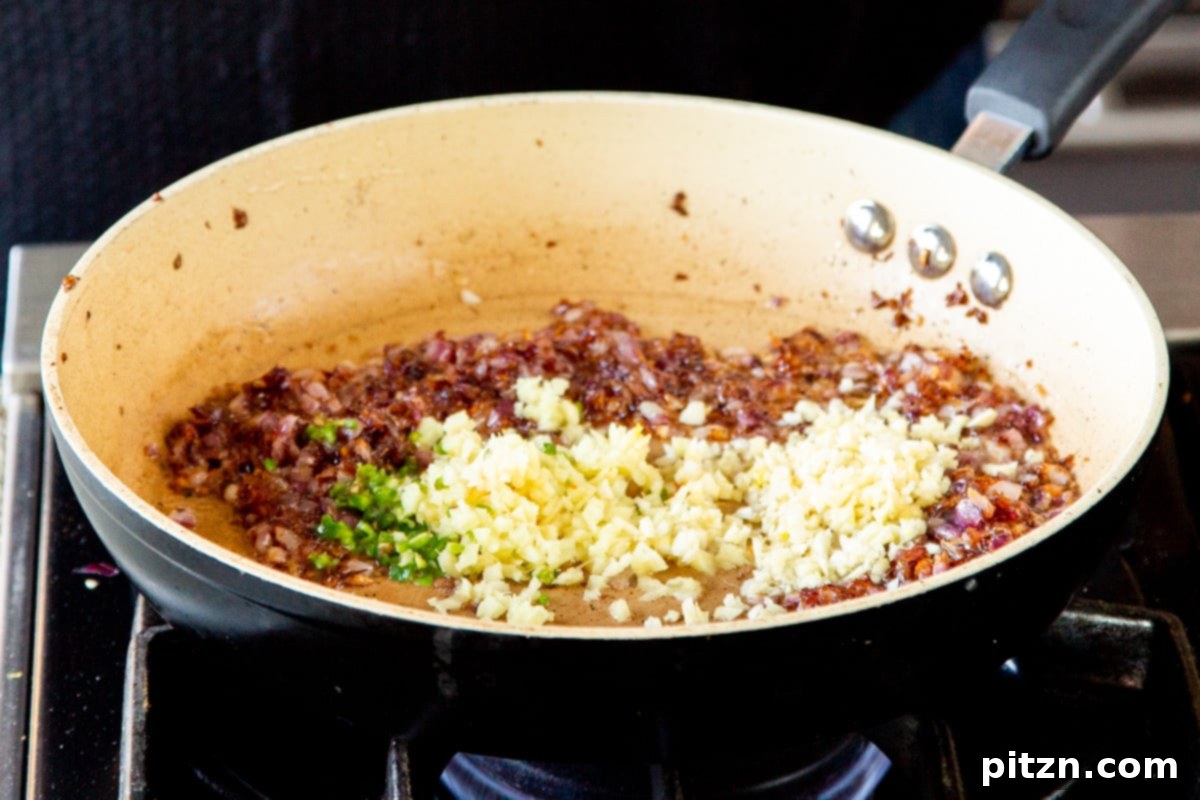
Once the onions are beautifully caramelized, add the minced garlic, ginger, green chili, and the remaining 1/4 teaspoon of salt. Continue to cook for another 2-4 minutes, allowing the aromatics to become fragrant and their flavors to meld with the sweet onions. Finally, stir in the garam masala and curry leaves, cooking for just about half a minute more. This quick cook allows the spices to bloom without burning, releasing their full potential.
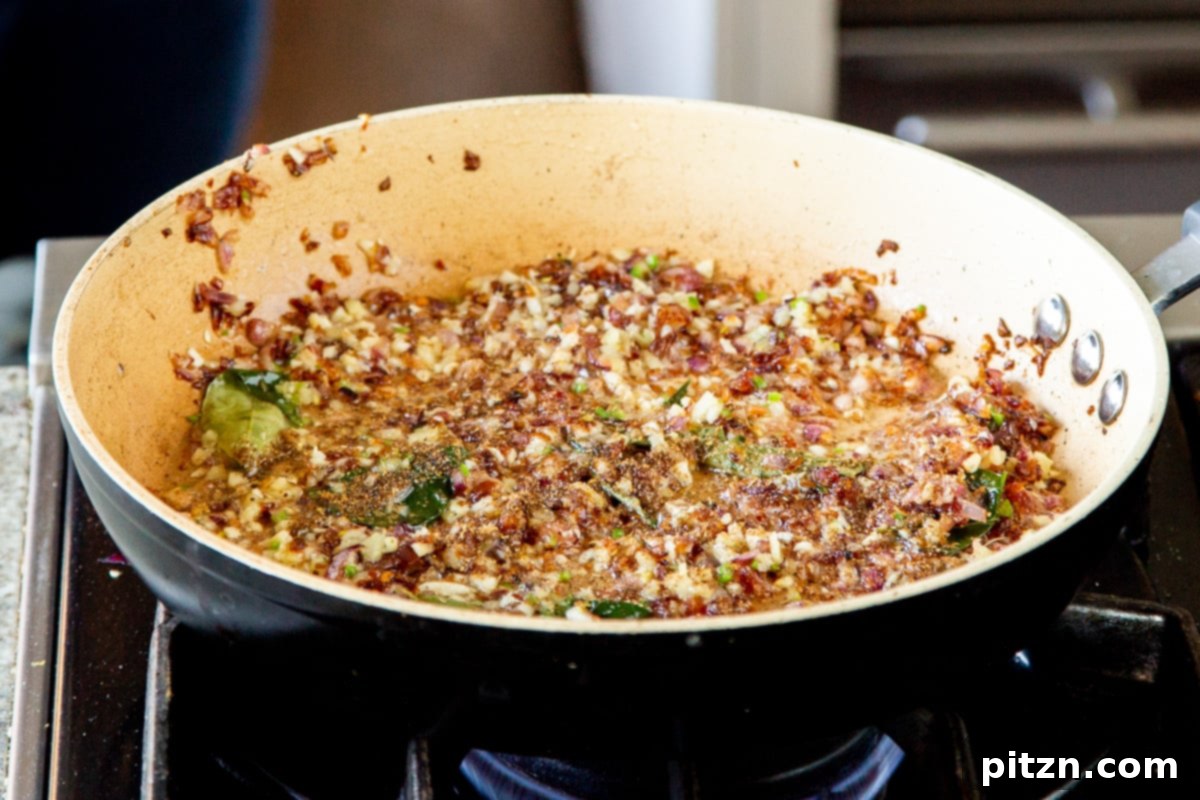
4. Combining for Harmony: Integrating Flavors
Now, it’s time to bring the two main components together. Gently add the rich caramelized onion mixture from the skillet to your cooked lentils. Alternatively, you can transfer the cooked lentils directly into the skillet with the onions. The key here is to stir gently, ensuring the flavors are combined but without completely breaking down the beautiful onion clusters. You want those distinct pockets of caramelized onion throughout the dal for varying textures and bursts of concentrated flavor.
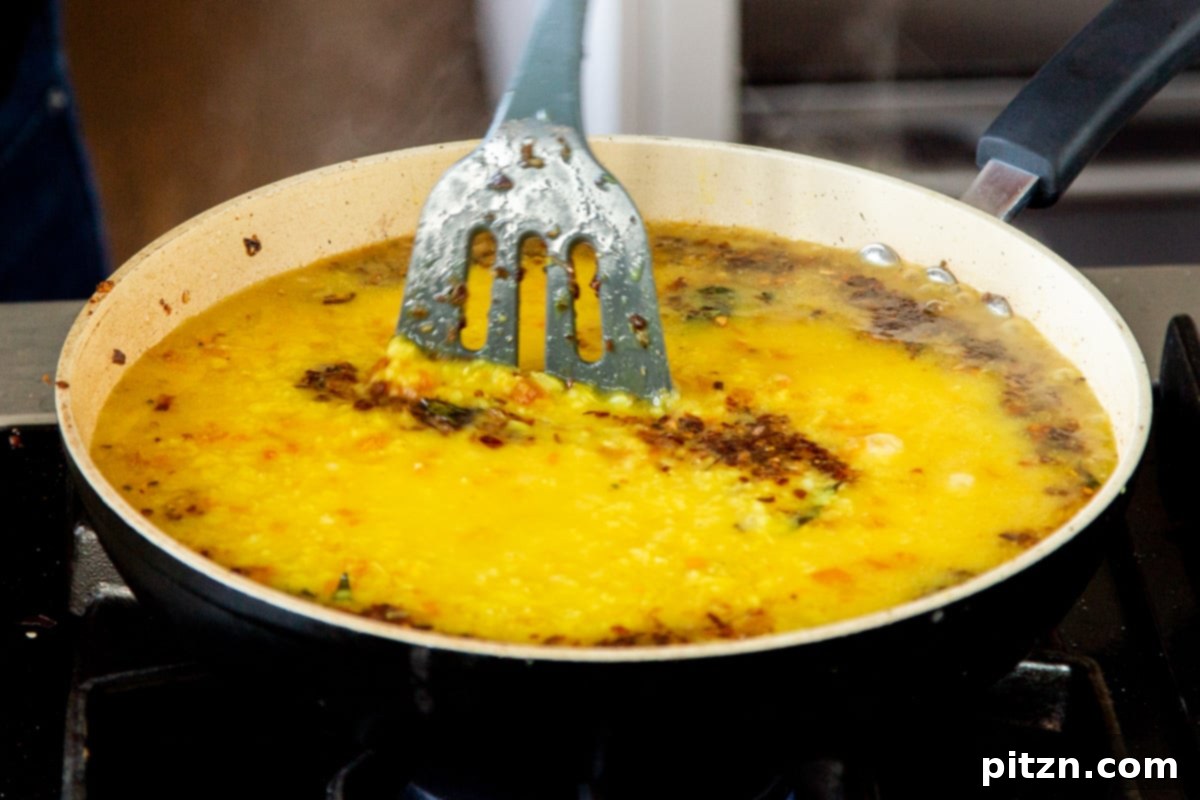
5. The Second Tadka: The Aromatic Finish
This final tempering is a glorious flourish. In a small skillet, heat 1 teaspoon of oil. Once hot, add the remaining crushed cumin seeds and black peppercorn mixture. Cook briefly, just until the spices sizzle and release their intoxicating aroma. This usually takes less than 30 seconds. Immediately pour this hot, aromatic oil directly over the combined dal and onion mixture. The sizzling sound and fragrant steam are part of the experience!
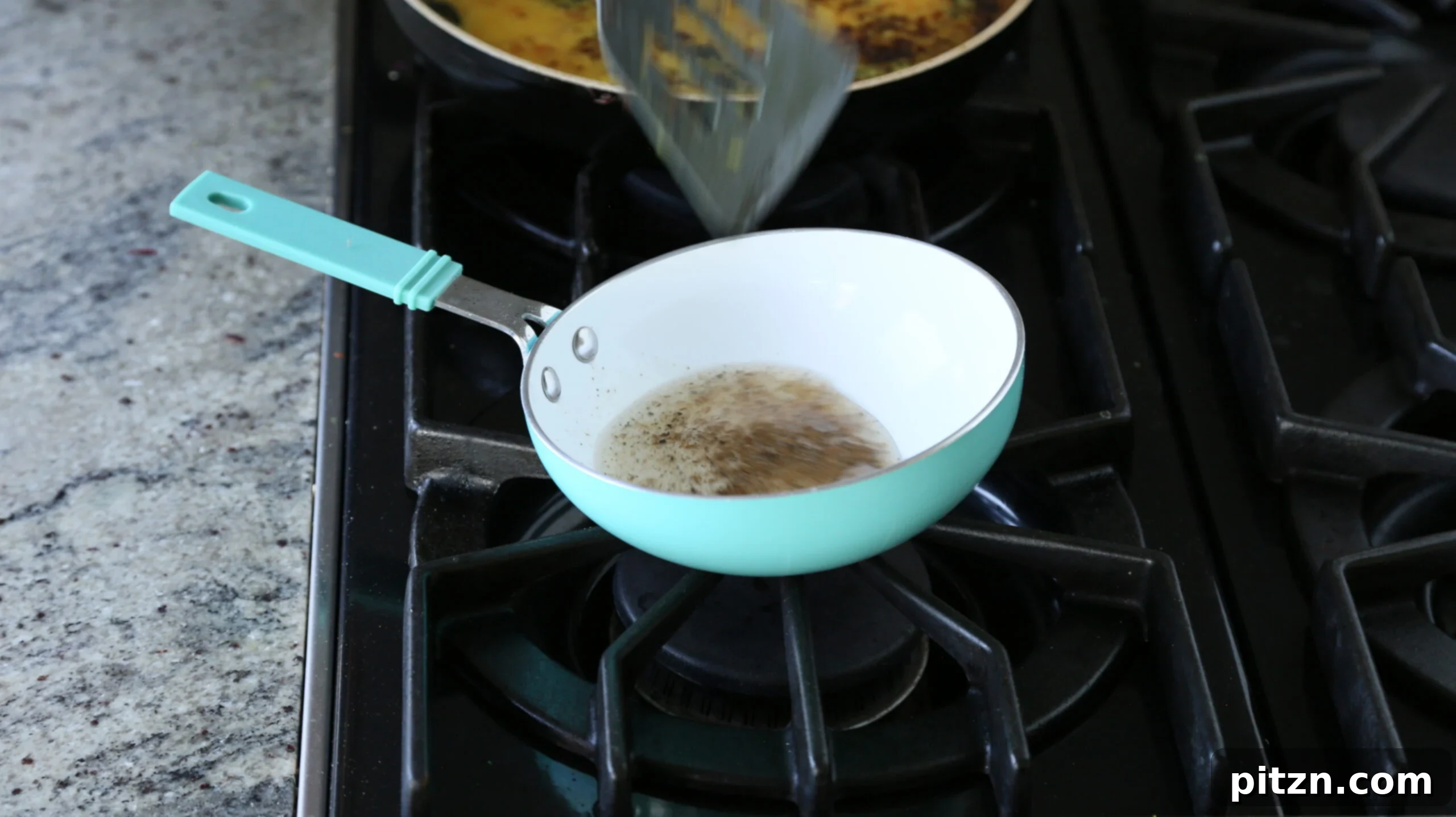
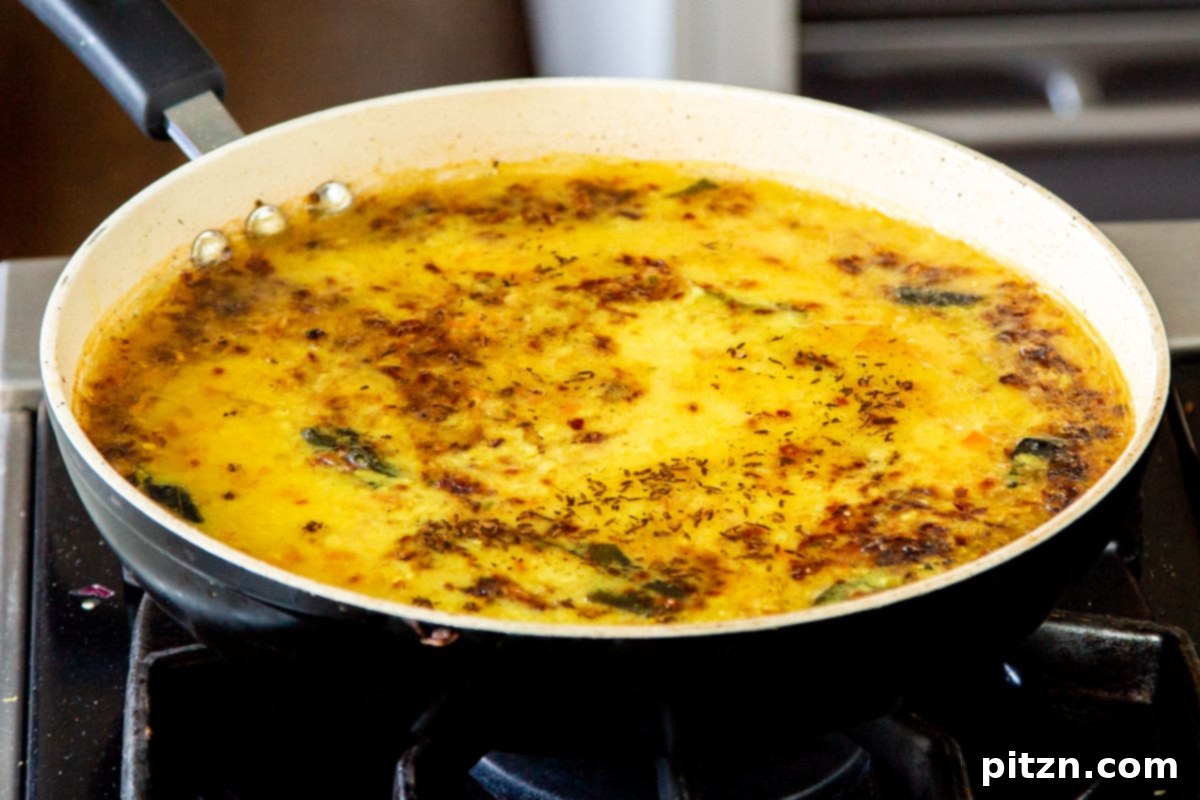
6. Garnish and Serve: The Final Touch
Before serving, sprinkle a generous amount of freshly chopped cilantro over the dal. A final squeeze of fresh lemon or lime juice adds a bright, zesty contrast that elevates all the other flavors. Serve your Caramelized Onion Dal piping hot!
Storage & Meal Prep Advice: Keeping Your Dal Fresh
This Caramelized Onion Dal is not only delicious freshly made but also stores beautifully, making it an excellent candidate for meal prep. Store any leftovers in a well-sealed airtight container in the refrigerator for up to 3 days. The flavors often deepen and meld even further overnight, making it perhaps even more delicious the next day. For longer storage, this dal freezes exceptionally well. Portion it into freezer-safe containers and freeze for up to one month. Thaw overnight in the refrigerator and gently reheat on the stovetop or in the microwave, adding a splash of water or broth if needed to restore its creamy consistency.
If you’re planning to make this dal ahead of time, a smart trick is to keep the second tempering separate. Prepare the dal and the first tempering, then store. Just before serving, quickly prepare the fresh second tempering and pour it over the heated dal. This ensures the vibrant aroma and crispness of the final tempering spices are at their peak, delivering the freshest possible flavor experience.
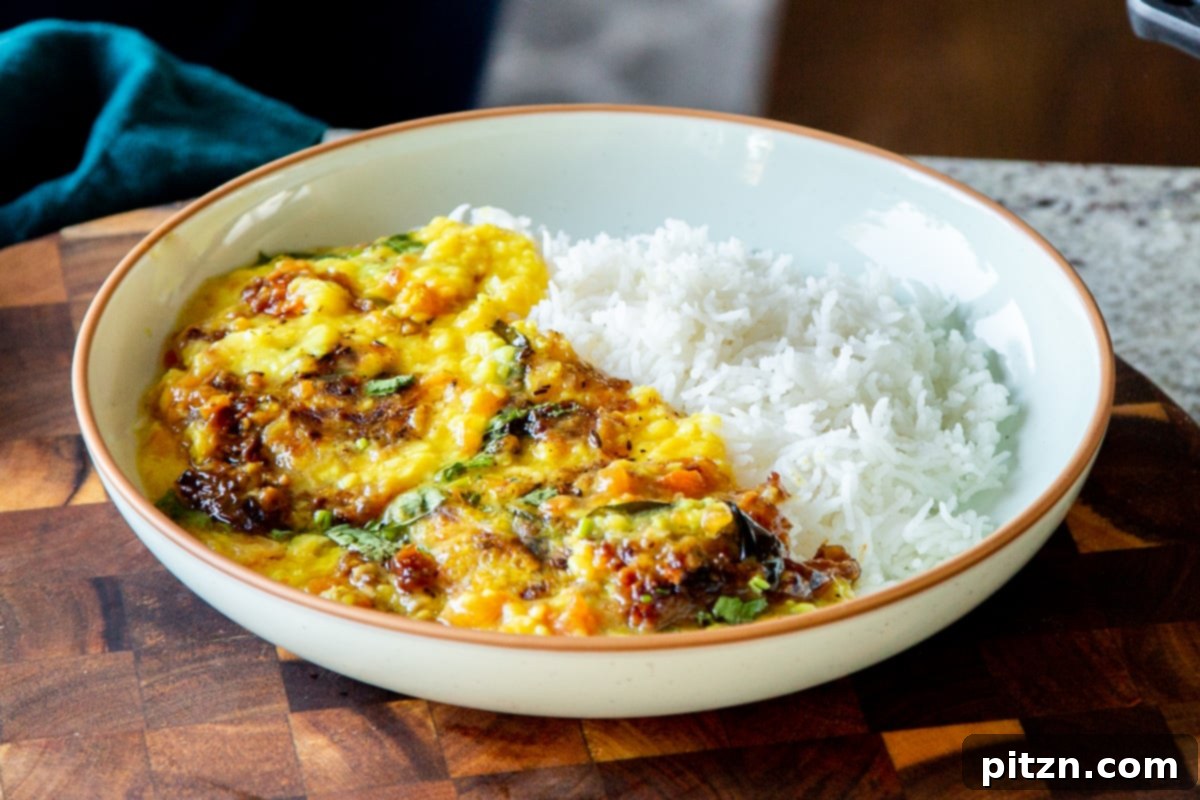
What to Serve with Your Delightful Caramelized Onion Dal
This versatile Caramelized Onion Dal pairs wonderfully with a variety of accompaniments, transforming a simple meal into a fulfilling Indian feast. The traditional and most popular choices include:
- Rice: Steamed basmati rice or brown rice is the classic companion, perfect for soaking up the rich, creamy dal. For an extra layer of flavor, consider serving it with fragrant Jeera Rice (cumin rice).
- Flatbreads: Warm, soft Indian flatbreads like roti, chapati, or naan are excellent for scooping up every last drop of the dal.
- Vegetable Sides: Complement the dal with flavorful vegetable dishes such as Baked Aloo Gobi (Cauliflower Potatoes), crispy Cumin Spiced Potatoes (Jeera Aloo), or a vibrant stir-fry like Green Bean Carrots Poriyal.
- Fresh Salad: A refreshing side salad, like a crisp Kachumber Salad (cucumber, tomato, and onion salad), provides a welcome textural contrast and a burst of freshness.
- Pickles and Chutneys: A dollop of your favorite Indian pickle (achar) or a sweet and spicy chutney can add an exciting element of flavor and heat.
- Yogurt/Raita: For those who enjoy dairy or dairy-free alternatives, a side of plain yogurt or a cooling raita can offer a refreshing balance to the rich flavors of the dal.
The beauty of Indian meals lies in their communal aspect and the joy of combining different textures and tastes. Experiment with these suggestions to find your perfect pairing!
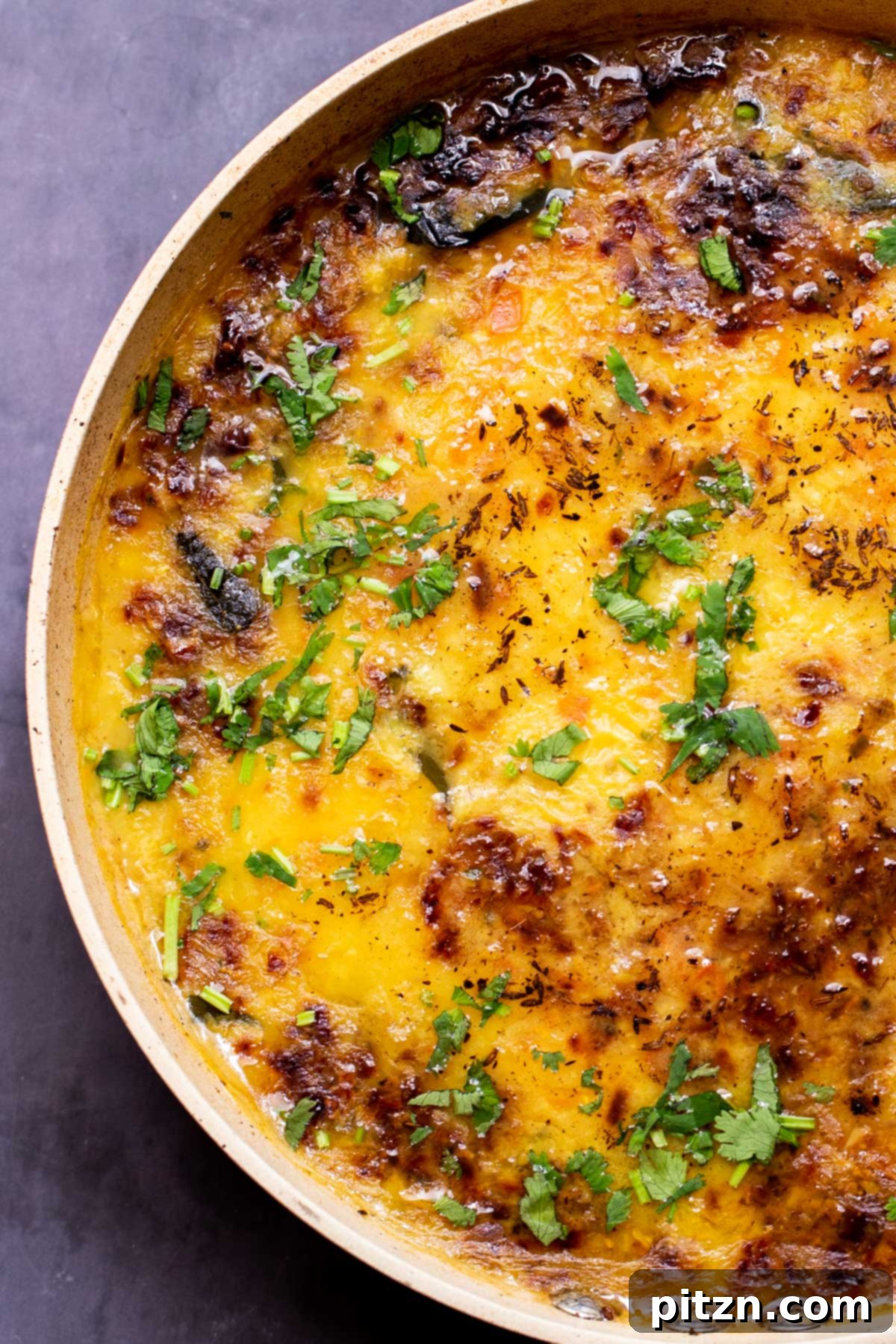
Why This Caramelized Onion Dal Will Become Your New Favorite
This Caramelized Onion Dal is more than just a recipe; it’s an invitation to experience the depth and warmth of Indian home cooking. It’s an ideal dish for a chilly evening, a satisfying weeknight dinner, or a comforting meal shared with loved ones. The blend of sweet caramelized onions, hearty lentils, and fragrant spices creates a symphony of flavors that is both familiar and exotic, deeply satisfying, and wonderfully nourishing. Its vegan and gluten-free nature makes it accessible to many, while its robust flavor ensures it appeals to all. Prepare to fall in love with this rich, creamy, and undeniably delicious lentil creation – a true culinary gem.