
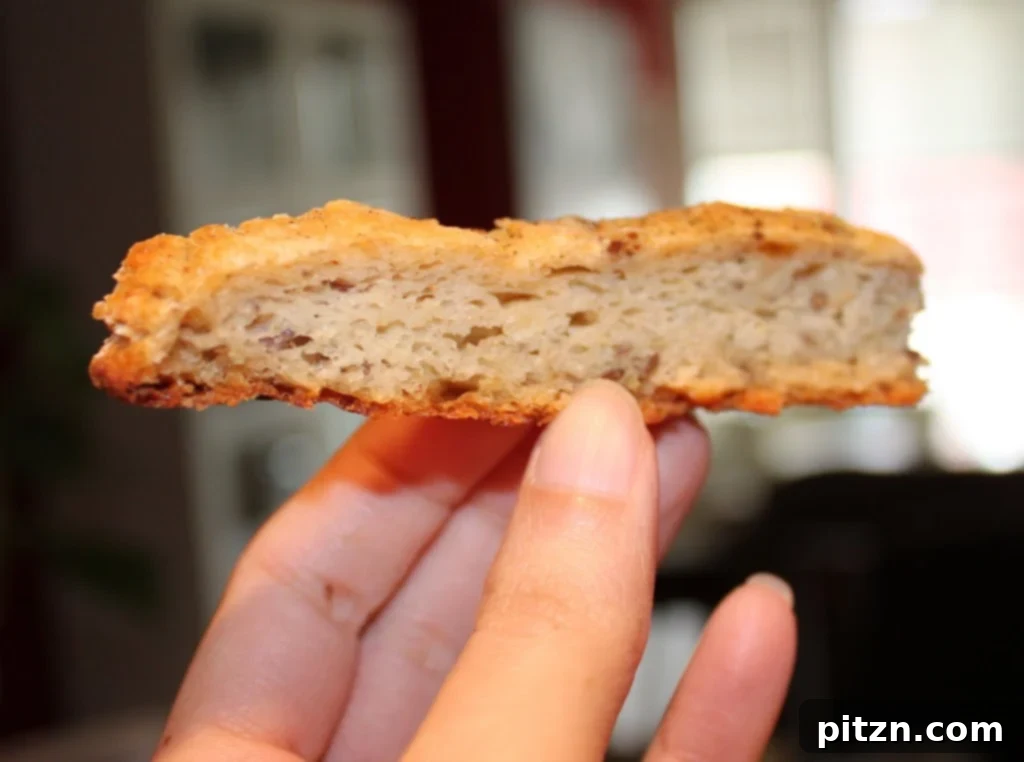
This savory flatbread, infused with the aromatic essence of fennel and nigella seeds, is a true delight for any meal. Crafted to be wonderfully soft and springy, it serves as an exceptional foundation for your favorite sandwiches, generously filled with crisp salads, vibrant veggies, and creamy vegan cheeses. More than just a bread, it’s a versatile culinary canvas that brings unique flavors and textures to your plant-based kitchen. This comprehensive guide will walk you through creating this irresistible vegan masterpiece, from understanding the magic of the Tangzhong starter to mastering the perfect bake.
Jump to Recipe
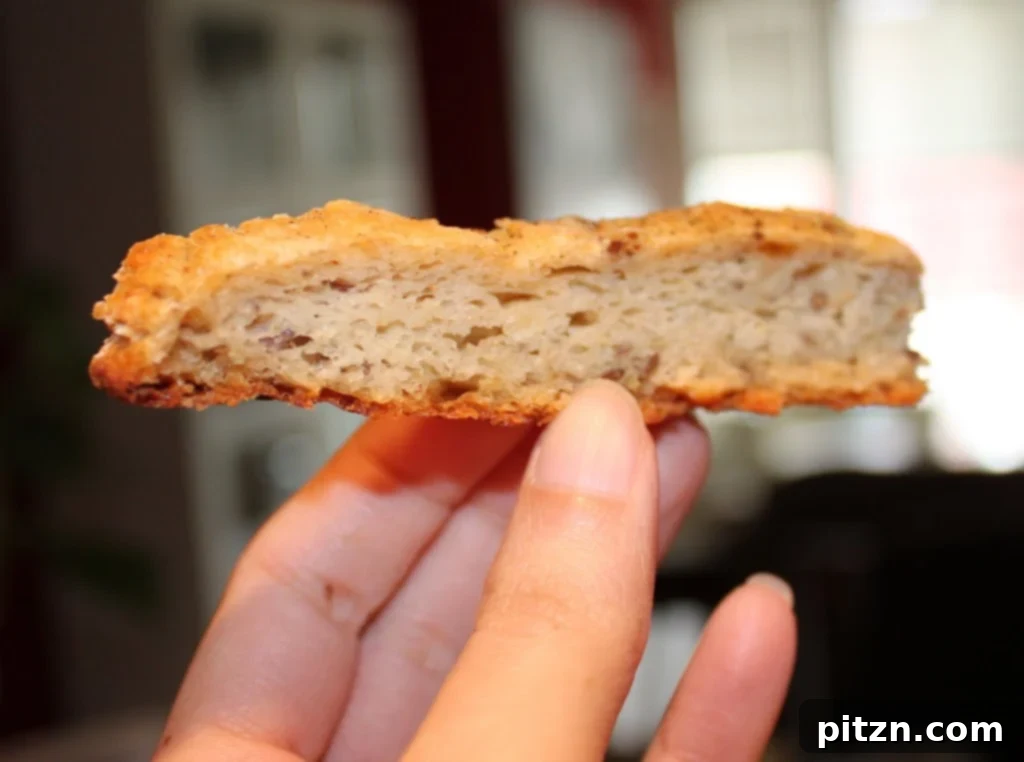
The Secret to Superior Softness: Understanding Tangzhong (Water Roux)
The journey to this incredibly soft and airy flatbread begins with a unique technique known as the Tangzhong method, or Water Roux starter. This method, originating from Asian baking, involves cooking a small portion of flour and water until it forms a thick, paste-like roux. While it might seem like an extra step, the benefits are truly transformative, especially for vegan bread recipes.
When you cook flour and water in this way, the starches in the flour gelatinize, allowing them to absorb and retain a significantly greater amount of liquid than uncooked flour. This increased hydration capacity translates directly into a softer, more tender crumb and a bread that stays fresh for much longer. For a flatbread, this means a delightful springiness that contrasts beautifully with its savory toppings. It’s a game-changer for homemade breads, preventing them from drying out quickly and ensuring every bite is a pleasure.
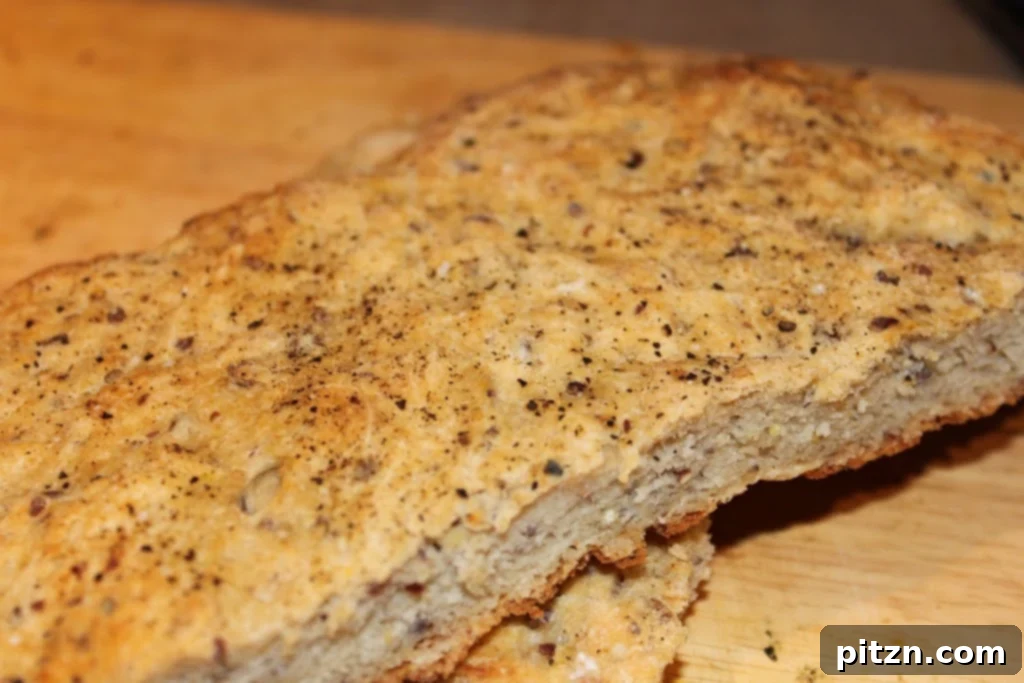
Initially, I set out to make a traditional loaf with this starter, but finding my dough a touch too moist, I embraced flexibility and decided to transform it into a flatbread. This happy accident led to a focaccia-style creation, generously drizzled with olive oil and seasoned with a sprinkle of sea salt and black pepper. The result? A bread that truly bursts with different flavors in each bite, making it an excellent choice for breakfasts, snacks, or a hearty accompaniment to any meal.
Why You’ll Love This Savory Flatbread
This fennel and nigella seeds savory flatbread isn’t just another bread recipe; it’s a culinary experience waiting to unfold. The distinct anise-like flavor of fennel seeds harmonizes beautifully with the subtle oniony and slightly bitter notes of nigella seeds (kalonji), creating a fragrant and inviting aroma that fills your kitchen as it bakes. This unique spice combination elevates the humble flatbread into something truly special, making it memorable and incredibly flavorful.
The beauty of this bread lies in its versatility. It’s robust enough to hold up to generous fillings, making it ideal for creating satisfying vegan sandwiches. Imagine it layered with fresh salad greens, sliced cucumbers, ripe tomatoes, creamy avocado, and your favorite plant-based cheese or hummus. Beyond sandwiches, it’s perfect for dipping into olive oil and balsamic vinegar, serving alongside a hearty lentil soup, or simply enjoying on its own as a flavorful snack. Its soft, springy texture, courtesy of the Tangzhong starter, remains noticeable even after cooling, providing a delightful chewiness that’s hard to resist. Don’t let its flat appearance fool you; this bread is wonderfully soft and springy on top!
Fennel and Nigella Seeds Savory Flat Bread
Ingredients
- 1/3 cup Tangzhong starter, (Prepared by whisking 1/4 cup bread flour and 2/3 cup water over medium heat until combined and thickened. Cover with plastic wrap, refrigerate overnight, and bring to room temperature before use.)
- 1.5 cups bread flour
- 1/3 cup oats, (ground into a coarse meal or use instant oatmeal)
- 2 tablespoons flax seeds, (ground into flaxmeal)
- 2 tablespoons warm water, (for activating yeast)
- 2 tablespoons oil, (e.g., olive oil or neutral vegetable oil)
- 1 teaspoon raw sugar
- 1 teaspoon active yeast
- 1/2 teaspoon salt
- 1/2 teaspoon fennel seeds, (saunf)
- 1/2 teaspoon nigella seeds, (kalonji)
- 1/4 teaspoon coriander powder
- 1/4 teaspoon black pepper
- olive oil, for topping
- sea salt, for topping
- coarse black pepper, for topping
Instructions
-
Begin by bringing your Tangzhong starter to room temperature. If you prefer, or if you don’t have a starter, you can omit this step and adjust the recipe by adding a bit more water and flour to achieve the desired dough consistency later.
-
In a small bowl, warm the 2 tablespoons of water (ensure it’s lukewarm, not hot, to avoid killing the yeast). Stir in the raw sugar and active yeast. Mix gently and let the mixture sit for about 10 minutes. It should become frothy and bubbly, indicating the yeast is active and ready to use.
-
While the yeast is activating, prepare your oats and flaxseeds. Grind them in a food processor or spice grinder until they form a coarse meal. Alternatively, you can use pre-ground oatmeal and flaxmeal for convenience.
-
In a large mixing bowl, combine the activated yeast mixture, Tangzhong starter, bread flour, salt, ground oats and flax mixture, oil, fennel seeds, nigella seeds, coriander powder, and black pepper. Knead the ingredients together until you form a soft, pliable dough. If you wish to enhance the texture further, you can incorporate 1 teaspoon of vegan butter or a flax egg (1 tbsp ground flaxseed mixed with 3 tbsp water, let sit for 5 minutes).
-
Lightly oil a clean bowl or container, ensuring there’s ample space for the dough to double in size. Place the kneaded dough into the bowl, spritz the top with a little water, and cover it tightly with a heavy towel or plastic wrap. Allow it to rise in a warm place for approximately 2 hours, or until it has noticeably increased in volume.
-
Once risen, gently remove the dough from the bowl. Lightly flour your work surface and your hands. The dough might be a bit sticky due to the Tangzhong method; use additional flour as needed. Shape the dough into a flatbread by either gently pulling and stretching it or using a rolling pin. Aim for a rectangular shape, about 1/4 inch thick.
-
Carefully transfer the flattened dough onto a well-greased baking sheet or tray. Using your fingertips, create small dimples across the surface of the dough. Spritz the top lightly with water, then generously sprinkle with coarse sea salt and black pepper. Drizzle a good amount of olive oil over the top, then cover the baking sheet again with a heavy towel. Let it rise for a second time for about 45 minutes.
-
Preheat your oven to 390 degrees F (200 degrees C). Bake the flatbread for approximately 15 minutes, or until it turns golden brown and sounds hollow when tapped. The cooking time may vary slightly depending on your oven.
-
Once baked, remove the flatbread from the oven and transfer it to a wire rack to cool completely. Allowing it to cool thoroughly before slicing is crucial for the best texture and to prevent it from becoming gummy.
Notes
- Total time does not include 2 hours 45 minutes of proving (rising) time.
- Nutritional value provided is an approximation based on 1 serving.
- For best results, use fresh yeast. Ensure your warm water for yeast activation is between 105-115°F (40-46°C).
Nutrition
Nutrition information is automatically calculated and should only be used as an approximation.
Did you make this recipe? Share your thoughts and rate it below!
Tips for Perfecting Your Fennel and Nigella Flatbread
Crafting the perfect flatbread, especially one with unique flavors like fennel and nigella seeds, can be a rewarding experience. Here are some expert tips to ensure your bread turns out wonderfully every time:
- Tangzhong Consistency: When preparing the Tangzhong starter, make sure to cook it until it forms a thick paste, similar to wallpaper paste, but don’t overcook it until it’s too dry. It should be thick enough to leave a trail when you stir it. This ensures maximum water absorption for that signature soft crumb.
- Yeast Activation: Always double-check your yeast. The warm water should be between 105-115°F (40-46°C). If the yeast mixture doesn’t become frothy after 10 minutes, your yeast might be old or the water temperature was off. Start again with fresh yeast and correct water temperature.
- Kneading is Key: While the Tangzhong method aids in softness, proper kneading is still essential for developing gluten, which gives the bread its structure and chewiness. Knead until the dough is smooth and elastic. If using a stand mixer, this might take 5-7 minutes; by hand, 8-10 minutes.
- Proofing Environment: Yeast loves warmth! Find a cozy, draft-free spot for your dough to rise. A slightly warm oven (turned off, with just the light on) or a spot near a sunny window works wonders. Proper proofing allows the bread to develop its flavor and achieve a light, airy texture.
- Dough Hydration: The original recipe noted the dough was a bit moist. This is common with high-hydration doughs, especially with Tangzhong. Don’t be afraid to use a good amount of flour on your work surface and hands when shaping. The stickiness is what contributes to the bread’s softness.
- Topping Variations: Beyond olive oil, sea salt, and black pepper, consider adding other toppings for different flavors. A sprinkle of sesame seeds, dried herbs like oregano or thyme, red pepper flakes for a kick, or even thinly sliced garlic before baking can elevate the flatbread.
- Cooling Patience: Resist the urge to cut into the hot bread immediately. Allowing it to cool completely on a wire rack allows the internal structure to set, preventing a gummy texture and ensuring it maintains its delightful springiness.
Serving Suggestions for Your Vegan Flatbread
This fennel and nigella seeds savory flatbread is incredibly versatile and can be enjoyed in countless ways. Its unique flavor profile makes it suitable for various meals and occasions:
- Sandwich Base: As mentioned, it’s perfect for sandwiches. Fill it with grilled vegetables, roasted chickpeas, hummus, tahini sauce, fresh greens, sliced tomatoes, cucumbers, and a drizzle of lemon juice. Don’t forget your favorite vegan deli slices or plant-based cheese for a hearty meal.
- Breakfast Delight: Serve it warm with a spread of avocado, a sprinkle of everything bagel seasoning, or even a savory vegan cream cheese and fresh herbs. It’s also fantastic alongside a tofu scramble or vegan frittata.
- Soup & Salad Companion: Tear pieces of the warm flatbread and use them to scoop up hearty lentil soups, stews, or a vibrant green salad with a rich dressing.
- Appetizer Platter: Cut into wedges and arrange on a platter with various dips like baba ghanoush, muhammara, olive tapenade, or a simple olive oil and balsamic vinegar dip. Add some fresh crudités for a visually appealing spread.
- Mini Pizzas: Use smaller portions of the dough to create individual flatbread pizzas. Top with a rich tomato sauce, vegan mozzarella, and your favorite vegetables before baking until bubbly and golden.
- Side Dish: Serve it as a flavorful side to main courses like curries, chili, or roasted root vegetables. Its unique spice blend complements many global cuisines.
Storage Tips for Freshness
To keep your fennel and nigella seeds savory flatbread fresh and delicious for longer, follow these storage recommendations:
- Room Temperature: Once completely cooled, store the flatbread in an airtight container or a bread bag at room temperature for up to 2-3 days.
- Refrigeration: While not strictly necessary, if you live in a humid climate or want to extend its life by a day or two, you can refrigerate it in an airtight container. Be aware that refrigeration can sometimes alter the texture of bread, making it slightly chewier.
- Freezing: For longer storage, this flatbread freezes beautifully. Wrap individual slices or the whole flatbread tightly in plastic wrap, then place it in a freezer-safe bag. It can be frozen for up to 2-3 months. Thaw at room temperature and reheat in a toaster oven or regular oven for best results.
- Reheating: To revive day-old or frozen flatbread, a few minutes in a toaster oven, conventional oven (at 350°F/175°C), or even a warm skillet will bring back its warmth and a touch of its fresh-baked crispness.
This Fennel and Nigella Seeds Savory Flat Bread is a testament to the fact that vegan baking can be incredibly flavorful, textural, and satisfying. The Tangzhong method ensures a bread that remains soft and springy, while the fragrant spices create a memorable experience. Whether you’re making sandwiches, serving it with dips, or enjoying it on its own, this recipe is sure to become a cherished addition to your plant-based repertoire. Enjoy the process and the delightful outcome!