
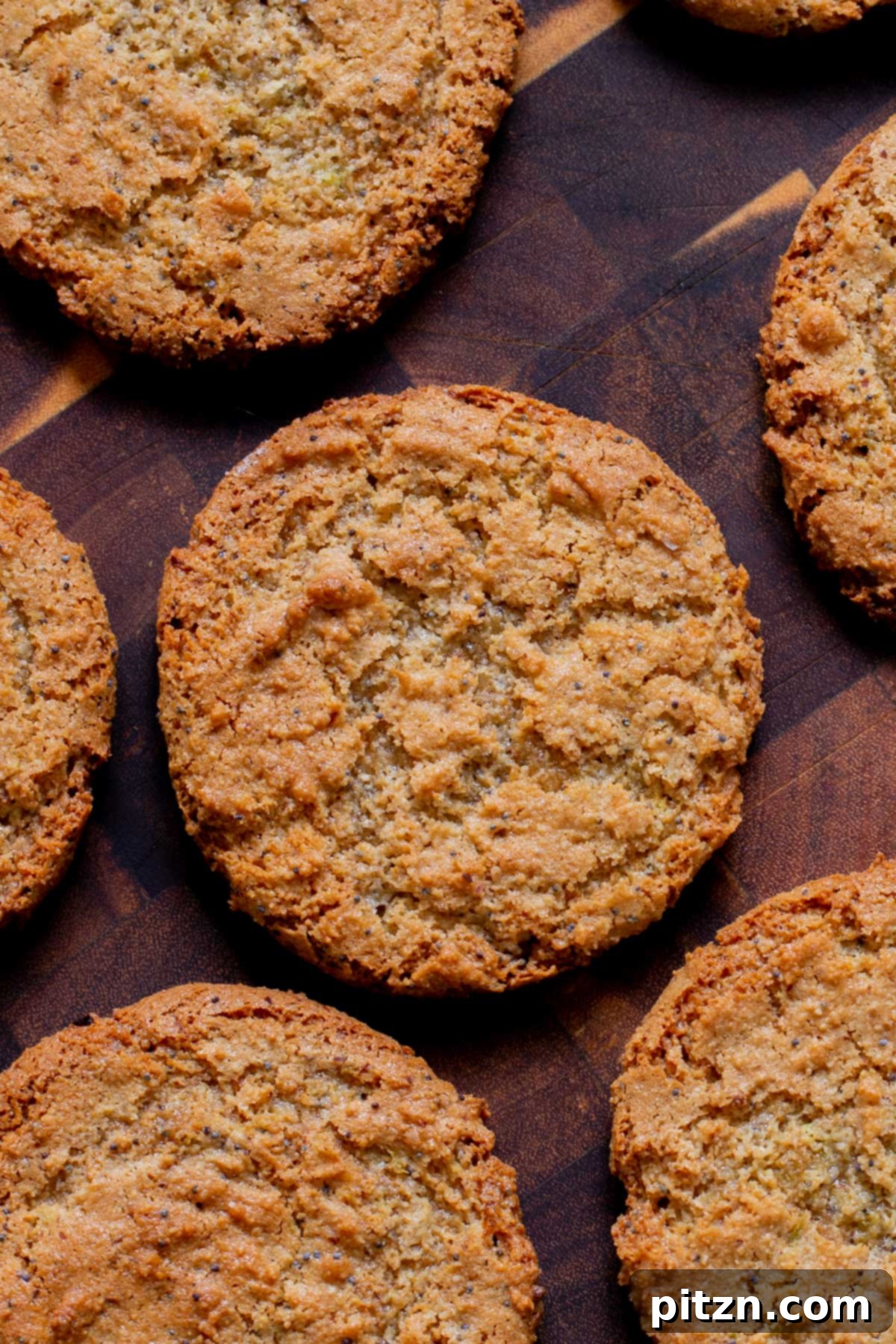
Prepare to be amazed by these incredibly simple and utterly delicious One-Bowl Vegan Lemon Poppyseed Cookies! Bursting with bright, zesty lemon flavor and a delightful textural crunch from poppyseeds, these cookies are a true joy to bake and even more delightful to eat. Crafted with wholesome almond flour, they are not only naturally gluten-free and grain-free but also remarkably easy to prepare, requiring minimal cleanup. Perfect for a quick snack, a light yet satisfying dessert, or a charming addition to any gathering, these healthy vegan cookies are destined to become a firm favorite in your kitchen.
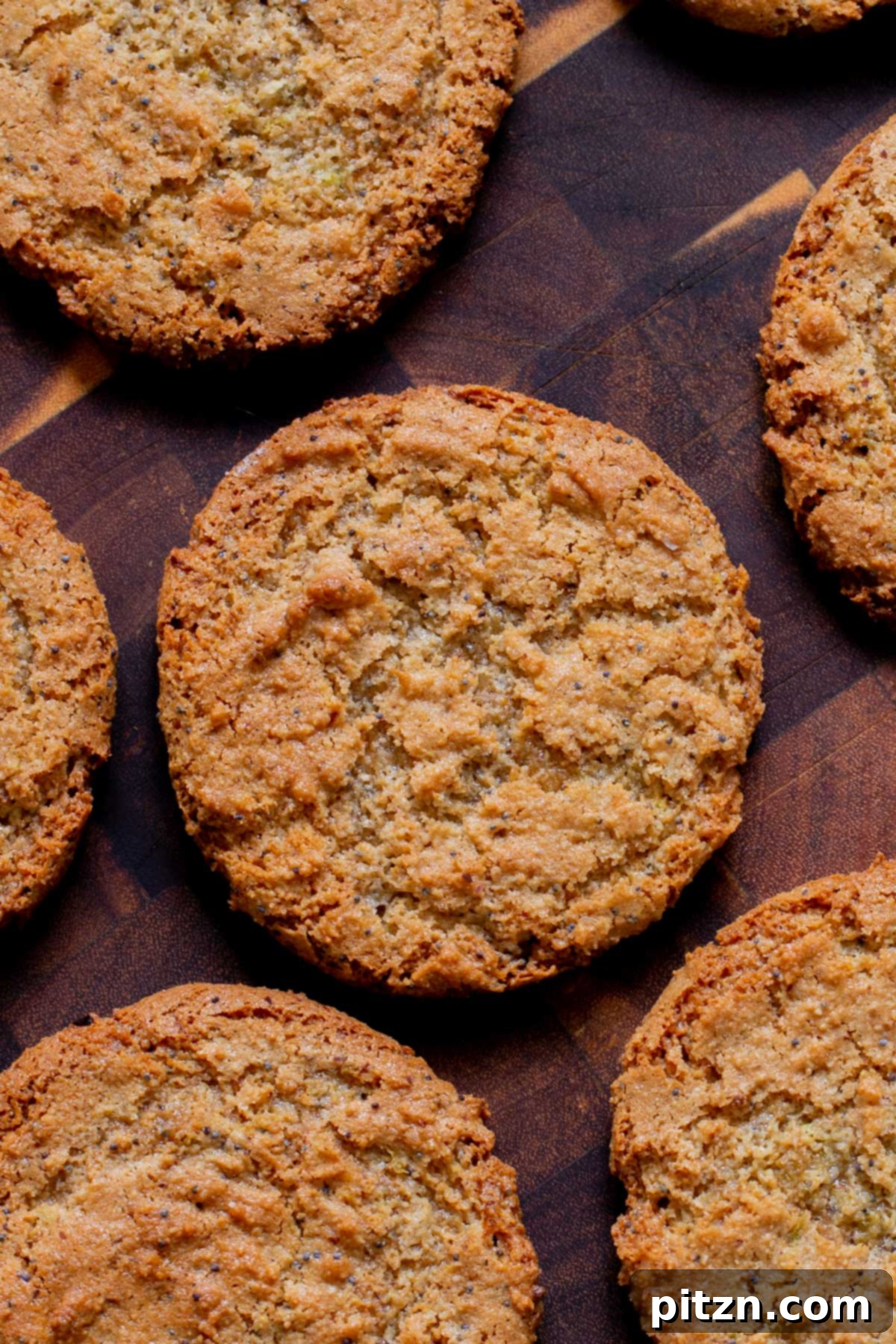
Table of Contents
- Why You’ll Adore These Vegan Lemon Poppyseed Cookies
- More Irresistible Almond Flour Cookie Recipes
- Vegan Lemon Poppyseed Cookies (Gluten-Free & Grain-Free) Recipe
- Essential Ingredients and Clever Substitutions
- Expert Baking Tips for Perfect Vegan Cookies
- Step-by-Step: How to Make Vegan Lemon Poppyseed Cookies
- Frequently Asked Questions
These fantastic lemon poppyseed cookies are a delicious evolution of my popular almond flour cookie base. This foundational recipe consistently delivers incredible results, making it my trusted go-to for developing a diverse range of cookie creations. What truly sets this recipe apart is its incredible simplicity and wholesome approach: it uses only a modest amount of maple syrup for natural sweetness, completely eliminating the need for traditional butter or refined sugar. This means you can skip the tedious creaming and beating steps altogether! Just add all your ingredients to a single bowl, stir for mere seconds, and your dough is ready. From there, it’s a quick scoop and bake straight into the oven.
The ease of this recipe is so profound that even my nine-year-old niece, an enthusiastic home baker, confidently makes these cookies. She finds my almond flour cookie recipes incredibly easy to follow, and even with occasional measuring imperfections, the results are always fabulous. It’s a testament to the robust and reliable nature of this cookie base, guaranteeing deliciousness with minimal fuss and maximum enjoyment.
One of the best features of these vegan lemon poppyseed cookies is their customizable texture. If you prefer a cookie with a delightful crispness that snaps with every bite, simply extend the baking time by an additional minute or two. For those who crave a wonderfully soft and chewy interior, reduce the baking time slightly – perhaps by a minute. I often enjoy experimenting by using lime zest instead of lemon zest to introduce an extra layer of bright, tangy zing, which you are welcome to try. You can also choose to include poppyseeds for their classic appearance and subtle crunch, opt for chia seeds as a nutritious alternative, or omit the seeds entirely if you prefer a smooth texture. Fair warning: these delectable cookies tend to disappear remarkably fast, so you might find yourself wanting to double the recipe right from the start!

Why You’ll Adore These Vegan Lemon Poppyseed Cookies
These vegan lemon poppyseed cookies aren’t just a treat; they’re a culinary delight that ticks all the boxes for a perfect homemade cookie. Here’s why they will quickly become a cherished recipe in your collection:
- Effortless One-Bowl Wonder: The ultimate convenience! The entire dough comes together in a single mixing bowl, drastically cutting down on dishes and making cleanup a breeze. This means more time enjoying your cookies and less time scrubbing.
- Naturally Sweetened & Butter-Free: Forget the traditional, heavy butter and sugar creaming process. Maple syrup provides a delicate, natural sweetness and moisture, eliminating the need for butter and simplifying the preparation. The result is a light, tender crumb that melts in your mouth.
- Perfectly Balanced Texture: Experience the best of both worlds with a cookie that boasts a delightful, subtle crunch on the outside, perfectly complementing a wonderfully soft, chewy, and moist interior. It’s a textural dream!
- Invigorating Citrus Zing: The combination of fresh lemon juice and zest infuses these cookies with an incredibly bright, tangy, and refreshing flavor that truly awakens the palate. Each bite is a burst of sunshine.
- Satisfying Poppyseed Crunch: The addition of poppyseeds not only provides the classic visual appeal but also introduces a fantastic, subtle textural contrast that makes these cookies even more engaging to eat.
- Wholesome & Dietary-Friendly: Crafted with almond flour, these cookies are naturally gluten-free, grain-free, dairy-free, and egg-free, making them suitable for a wide range of dietary preferences and allergies without compromising on flavor or texture.
- Versatile for Any Occasion: Whether you need a quick, healthy snack, an elegant dessert for guests, a delightful addition to a brunch, or simply a sweet treat to brighten your day, these cookies fit every scenario beautifully.
- Foolproof & Kid-Approved: This recipe is incredibly forgiving, making it perfect for novice bakers and a fun activity for kids. Its reliability means delicious results every time, earning it high praise from even the pickiest young critics.

More Irresistible Almond Flour Cookie Recipes
If you’ve discovered the magic of baking with almond flour and are eager to explore more delicious, gluten-free cookie options, you’re in for a treat! This versatile flour creates wonderfully tender and moist cookies every time. Don’t stop at lemon poppyseed; expand your vegan baking horizons with these other fantastic almond flour-based creations:
- Almond Joy Cookies: Indulge in the nostalgic flavors of coconut, chocolate, and almond in a delightful cookie form.
- Snickers Cookies: Recreate the beloved candy bar experience with a chewy, nutty, and chocolatey vegan cookie.
- Blueberry Muffin Top Cookies: Enjoy the best part of a blueberry muffin – the soft, fruity top – transformed into a convenient and delicious cookie.
- Gluten-Free Ginger Molasses Cookies: Warm, spicy, and perfectly chewy, these ginger molasses cookies are a comforting classic for any season.
- Vegan Brookie (Pan Cookie): Can’t decide between a brownie and a cookie? This glorious pan cookie offers a decadent fusion of both in one easy-to-make dessert.
Vegan Lemon Poppyseed Cookies (Gluten-free)
Vegan Richa
10 mins
11 mins
10 mins
31 mins
10 cookies
Dessert
American

These one-bowl vegan lemon poppyseed cookies are amazingly chewy and zesty! Made with almond flour, they are naturally gluten-free and grain-free, offering a delightful and healthy treat for any occasion.
Ingredients
Dry Ingredients:
- 1 cup blanched almond flour
- 3 tablespoons tapioca starch
- 1/4 teaspoon baking soda
- 1/4 teaspoon salt
- 1 to 2 tablespoons sugar, powdered or cane, optional
- 1 teaspoon poppyseeds (or use chia seeds)
Wet Ingredients:
- 1 heaping tablespoon solid coconut oil, melt before using
- 3 tablespoons maple syrup
- 1 teaspoon lemon or lime juice
- zest of half a lemon or lime
- 1/2 teaspoon vanilla extract, or vanilla powder
- good pinch of turmeric, (optional, for vibrant color)
Instructions
-
Prepare Dry Ingredients: In a large mixing bowl, combine all of your dry ingredients: the blanched almond flour, tapioca starch, baking soda, salt, optional sugar, and poppyseeds (or chia seeds if using). Whisk or stir vigorously to ensure everything is thoroughly combined and any almond flour lumps are broken up, creating a uniform mixture.
-
Combine Wet and Dry: Make a small well in the center of the dry ingredients. Into this well, add the melted coconut oil, maple syrup, lemon (or lime) juice, citrus zest, and vanilla extract. If you wish for a more vibrant, sunny yellow cookie color, now is the time to add a good pinch of turmeric. Mix the wet ingredients together in the well, then gradually incorporate them into the surrounding dry ingredients. Press and mix the mixture until it forms a soft, cohesive dough. The dough should be slightly sticky to the touch. The exact consistency can vary depending on precise measurements and the brand of almond flour used, so if it feels too dry or stiff, add an additional tablespoon of maple syrup to achieve the perfect texture.
-
Chill Dough & Preheat Oven: Place the cookie dough in the freezer to chill for 10 to 15 minutes. This crucial step is vital to prevent the cookies from spreading excessively during baking, ensuring they hold their shape beautifully. While the dough chills, preheat your oven to 335°F (168°C) and prepare a baking sheet by lining it with parchment paper.
-
Scoop & Arrange: Remove the chilled cookie dough from the freezer. Using a cookie scoop (a 2-tablespoon scoop is ideal for uniformly sized cookies), portion out the dough and place the scoops onto the prepared baking sheet. Remember to leave ample space between each cookie – approximately two inches – as they will spread significantly during baking.
-
Bake to Perfection: Bake the cookies for 10 to 11 minutes. The precise baking time may vary based on your oven and your desired cookie texture. For wonderfully chewy cookies, start checking them at 10 minutes. If the edges are just beginning to turn a delicate golden brown, they are likely done. For a crispier cookie with a bit more snap, allow them to bake for an additional minute or two until they achieve a more pronounced golden hue.
-
Cool Before Serving: Carefully remove the baking sheet from the oven. The cookies will be quite soft and delicate immediately after baking. Allow them to cool on the baking sheet for 2 to 3 minutes to firm up slightly. Then, gently slide the parchment paper (with the cookies still on it) off the hot baking sheet and onto a wire cooling rack. Let them cool for another 5 minutes before serving or storing. Enjoy your homemade vegan lemon poppyseed cookies!
Recipe Video Guide
Chef’s Notes & Storage Tips
For a Traditional Flour Alternative: If you’re looking for a similar lemon cookie but prefer using regular flour, consider trying my vegan lemon chia cookies recipe for a delightful alternative.
Storage Recommendations: Store your freshly baked vegan lemon poppyseed cookies on the counter in a closed, airtight container for up to four days. For extended freshness, they can be stored in the refrigerator for up to two weeks. Ensure they are completely cool before storing to prevent condensation.
Doubling the Recipe: This recipe scales wonderfully! When doubling or increasing the quantity, you might find you need to add a little extra liquid, specifically coconut oil and maple syrup, by about a tablespoon or so, to maintain the perfect dough consistency. Almond flour absorption can vary slightly with larger batches.
Oil-Free Option: To make these cookies entirely oil-free, simply omit the coconut oil from the recipe. To compensate for the lost moisture and binding, add an additional tablespoon of maple syrup to the wet ingredients.
Almond Flour Substitutes: If you need an alternative to almond flour, you can use other nut flours, such as cashew flour. For a nut-free option, a mix of half seed flour (like hemp or sunflower seed flour) and half all-purpose flour or a gluten-free flour blend can work. However, please note that many gluten-free blends tend to be very absorbent and may result in a drier cookie, often requiring more liquid. This is why almond flour is my preferred choice for its natural moisture and tenderizing qualities in gluten-free cookies.
Nutritional Information (Approximate per Serving)
Carbohydrates: 10g,
Protein: 2g,
Fat: 7g,
Saturated Fat: 2g,
Sodium: 86mg,
Potassium: 17mg,
Fiber: 1g,
Sugar: 5g,
Vitamin A: 0.01IU,
Vitamin C: 0.1mg,
Calcium: 34mg,
Iron: 0.5mg
Note: Nutritional information is automatically calculated and should be used as an approximation.
Did you make this delicious recipe? We’d love to hear your thoughts! Share your experience and rating in the comments below!
Essential Ingredients and Clever Substitutions
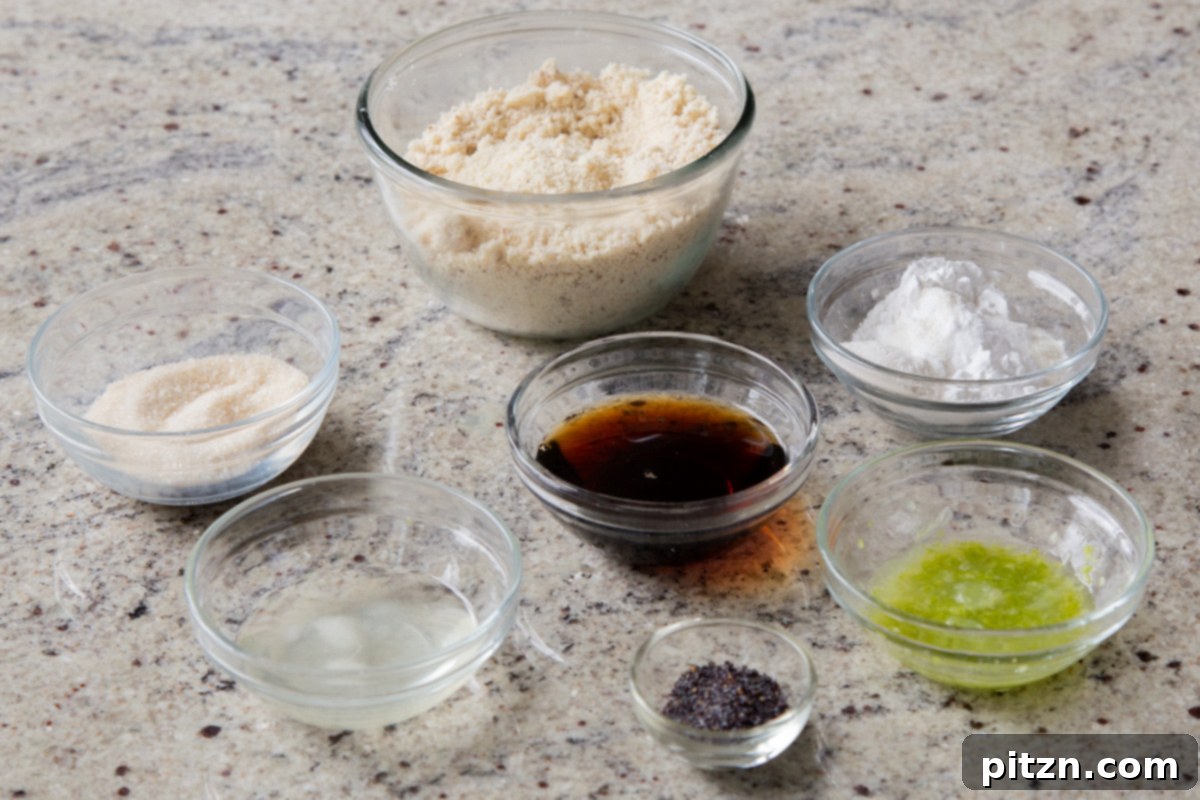
Crafting these delectable vegan lemon poppyseed cookies requires a few key ingredients, but don’t worry, many can be easily substituted to perfectly suit your pantry or dietary needs. Here’s a comprehensive look at what you’ll need and how to adapt if necessary, ensuring a successful and delicious batch every time:
- Blanched Almond Flour: This is the crucial base for our gluten-free and grain-free cookie dough. It provides a wonderfully tender crumb and a subtle, rich nutty flavor that complements the lemon beautifully.
- Substitution Insight: If almond flour isn’t an option due to allergies or availability, you can explore other nut flours like cashew flour. For a completely nut-free alternative, consider using a blend of half seed flour (such as hemp or sunflower seed flour) and half all-purpose gluten-free flour blend. It’s important to note that many gluten-free blends tend to be quite absorbent and may require additional liquid to prevent the cookies from becoming too dry. I personally favor almond flour for its natural moisture content and ability to create exceptionally tender textures in gluten-free baking.
- Tapioca Starch (or Tapioca Flour): This ingredient acts as an essential binder. Since almond flour lacks gluten, tapioca starch is crucial for helping the cookies hold together, giving them that perfect chewy yet cohesive texture.
- Substitution Insight: Cornstarch or arrowroot powder can be used as a 1:1 substitute if tapioca starch is unavailable. These will provide similar binding properties.
- Baking Soda: As a leavening agent, baking soda helps the cookies rise slightly and contributes to their tender, delicate crumb, ensuring they are not too dense or heavy.
- Sugar (Powdered or Cane, optional): While maple syrup provides the primary sweetness, a touch of additional granulated sugar can be added to enhance the overall sweetness and contribute to a slightly crisper edge on your cookies if desired.
- Substitution Insight: Adjust the amount to your personal sweetness preference. You can omit it entirely for a less sweet cookie, or use a sugar-free granulated alternative if preferred.
- Salt: A small pinch of salt is absolutely vital. It effectively balances the sweetness, brightens the lemon flavor, and generally enhances all the other ingredients, making the citrus notes truly pop.
- Poppyseeds: These tiny seeds are characteristic of this cookie, offering both a classic visual appeal and a delightful, subtle crunch that adds an interesting textural layer to each bite.
- Substitution Insight: Chia seeds are an excellent nutritional alternative to poppyseeds, providing a similar textural element and additional health benefits. You can also choose to omit them entirely if you prefer a completely smooth cookie, though you’ll miss out on that iconic poppyseed charm.
- Solid Coconut Oil: A measured amount of solid, melted coconut oil adds essential moisture and a hint of richness to the dough, significantly contributing to the cookies’ wonderfully chewy interior.
- Important Tip: Always measure your coconut oil in its solid state first, and then melt it. This ensures you have an accurate measurement, which is crucial for the dough’s consistency.
- Oil-Free Option: For an entirely oil-free version, simply omit the coconut oil and add an extra tablespoon of maple syrup to compensate for the lost moisture and ensure the dough binds correctly.
- Maple Syrup: Our primary liquid sweetener, pure maple syrup, not only provides a lovely, natural depth of flavor but also plays a key role in creating the perfect dough consistency and a wonderfully moist cookie.
- Substitution Insight: Agave nectar can be used as a substitute, but be aware that it might slightly alter the flavor profile and sweetness intensity.
- Lemon or Lime Juice and Zest: These are the undisputed stars of the show! Freshly squeezed citrus juice provides a vibrant tanginess, while the finely grated zest delivers an intense, aromatic citrus punch. Using both ensures a deeply flavorful, bright, and truly zesty cookie.
- Flavor Variation: Don’t hesitate to experiment with lime juice and zest for a slightly different, yet equally delicious, tangy twist that brings a unique brightness.
- Vanilla Extract (or Vanilla Powder): A classic baking staple, vanilla extract adds a warm, comforting aroma and deepens the overall flavor profile, harmonizing beautifully with the bright lemon notes.
- Turmeric (Optional): A tiny pinch of ground turmeric won’t affect the taste whatsoever, but it can impart a beautiful, natural golden-yellow hue to your cookies, significantly enhancing their visual appeal and making them look even more appetizing.
Expert Baking Tips for Perfect Vegan Cookies
Achieving a batch of perfectly baked, delightfully chewy, or wonderfully crispy vegan lemon poppyseed cookies is simple with these expert tips. Master these techniques to ensure your cookies turn out exceptionally delicious every single time:
- Mastering Your Cookie Texture:
- For wonderfully chewier cookies, which are soft and pliable, keep a close watch on them and remove them from the oven a minute or so earlier than the directed time. They should appear barely set and just begin to turn a very delicate golden brown at the edges.
- If you prefer a delightful crispier cookie with a satisfying snap, allow them to bake for an additional minute or two beyond the suggested time. They should achieve a more pronounced golden-brown color, especially around the edges.
- The Critical Chill Time: This step is absolutely non-negotiable for successful almond flour cookies! Chilling the dough in the freezer for 10-15 minutes is paramount. Almond flour-based doughs tend to spread considerably during baking, and chilling helps to solidify the coconut oil within the dough. This significantly controls spreading, ensuring your cookies maintain a beautiful, consistent shape and don’t merge into one giant cookie on the baking sheet.
- Give Them Space: Always arrange your cookie dough scoops with generous spacing on the baking sheet – ideally about two inches apart. Even with proper chilling, these cookies will still expand during baking. Providing ample space ensures even heat distribution, preventing them from sticking together and resulting in beautifully rounded, individually baked cookies.
- Boost Their Color Naturally: If you desire a more visually striking, vibrant yellow lemon cookie, incorporate a small pinch of turmeric into your wet ingredients before mixing with the dry. Turmeric offers a gorgeous natural color enhancement without imparting any noticeable flavor.
- Accurate Coconut Oil Measurement: Remember to always measure your coconut oil while it is in its solid state, and then melt it. This ensures you have the precise amount required by the recipe, which is vital for maintaining the correct dough consistency and overall cookie texture.
- Know Your Oven: Every oven can have slight temperature variations. If it’s your first time making these cookies, consider baking a single test cookie or a small batch first. This allows you to gauge the ideal baking time and temperature settings specific to your oven, ensuring perfect results for the rest of your batch.
- Patience During Cooling: These cookies are quite delicate when they first come out of the oven. It’s crucial to allow them to cool directly on the baking sheet for 2 to 3 minutes before attempting to move them. This brief cooling period allows them to firm up sufficiently, preventing breakage when you transfer them to a wire rack for complete cooling.
- Adjusting Dough Consistency: The absorbency of almond flour can vary between brands. If your dough feels too dry and crumbly, add a tiny bit more maple syrup (start with half a tablespoon). If it’s unexpectedly too sticky to handle, a small sprinkle of extra almond flour can help achieve the perfect pliable texture.
Step-by-Step: How to Make Vegan Lemon Poppyseed Cookies
Follow these simple, straightforward steps to create a batch of perfectly zesty, wonderfully chewy, and entirely vegan lemon poppyseed cookies. This one-bowl method makes baking a breeze!
Step 1: Combine Dry Ingredients
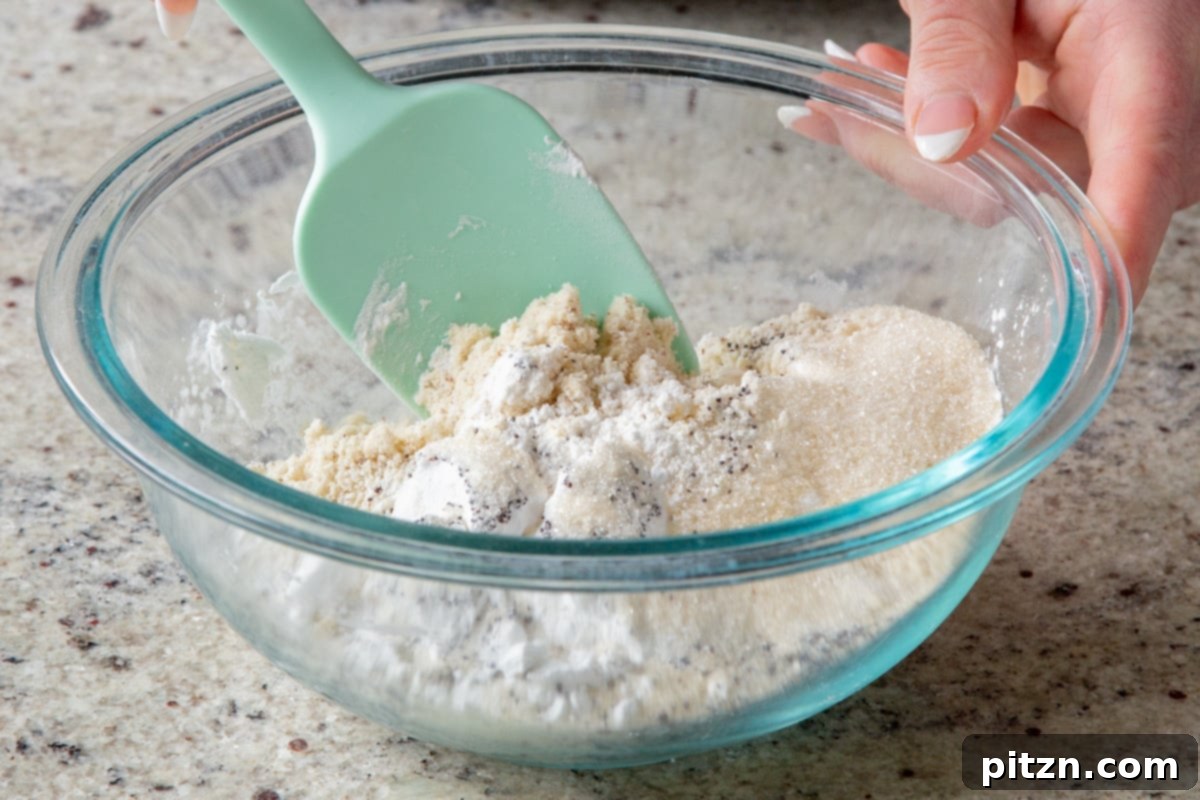
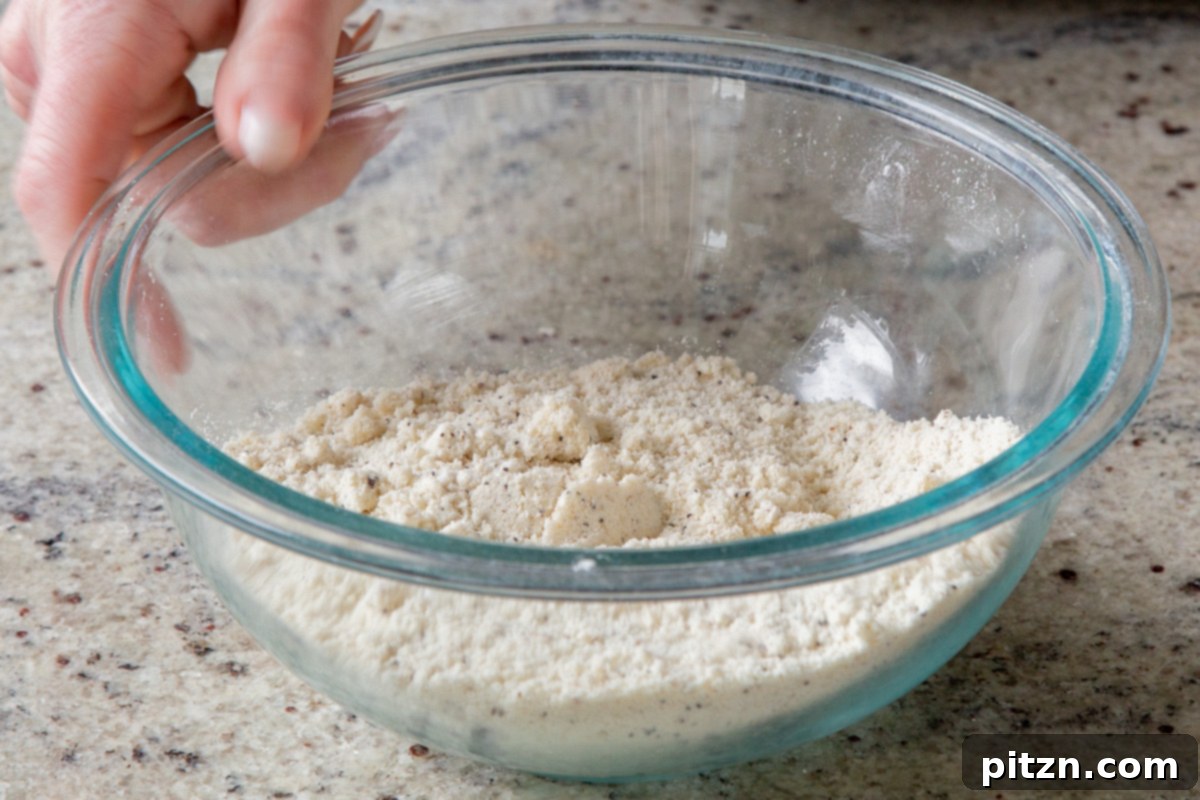
In a spacious mixing bowl, begin by adding all of your dry components: the blanched almond flour, tapioca starch, baking soda, salt, the optional sugar (if using), and the poppyseeds. Take a whisk or a fork and mix everything thoroughly. It’s important to break up any stubborn lumps of almond flour during this stage, ensuring you achieve a homogeneous and smooth dry mixture. A well-combined dry base is the essential first step towards achieving uniformly textured cookies.
Step 2: Incorporate Wet Ingredients
Once your dry ingredients are perfectly mixed, create a slight depression or “well” in the center of the mixture. Into this well, pour the melted coconut oil, maple syrup, fresh lemon (or lime) juice, the fragrant citrus zest, and the vanilla extract. As an optional step, if you’re aiming for a more vibrant, sunny yellow cookie color, this is the ideal moment to add a small pinch of turmeric. Using a spoon or a spatula, gently mix the wet ingredients together within the well first. Then, gradually incorporate them into the surrounding dry ingredients, folding and pressing until a soft, cohesive dough begins to form. Continue mixing until everything is uniformly combined and you have a pliable dough.
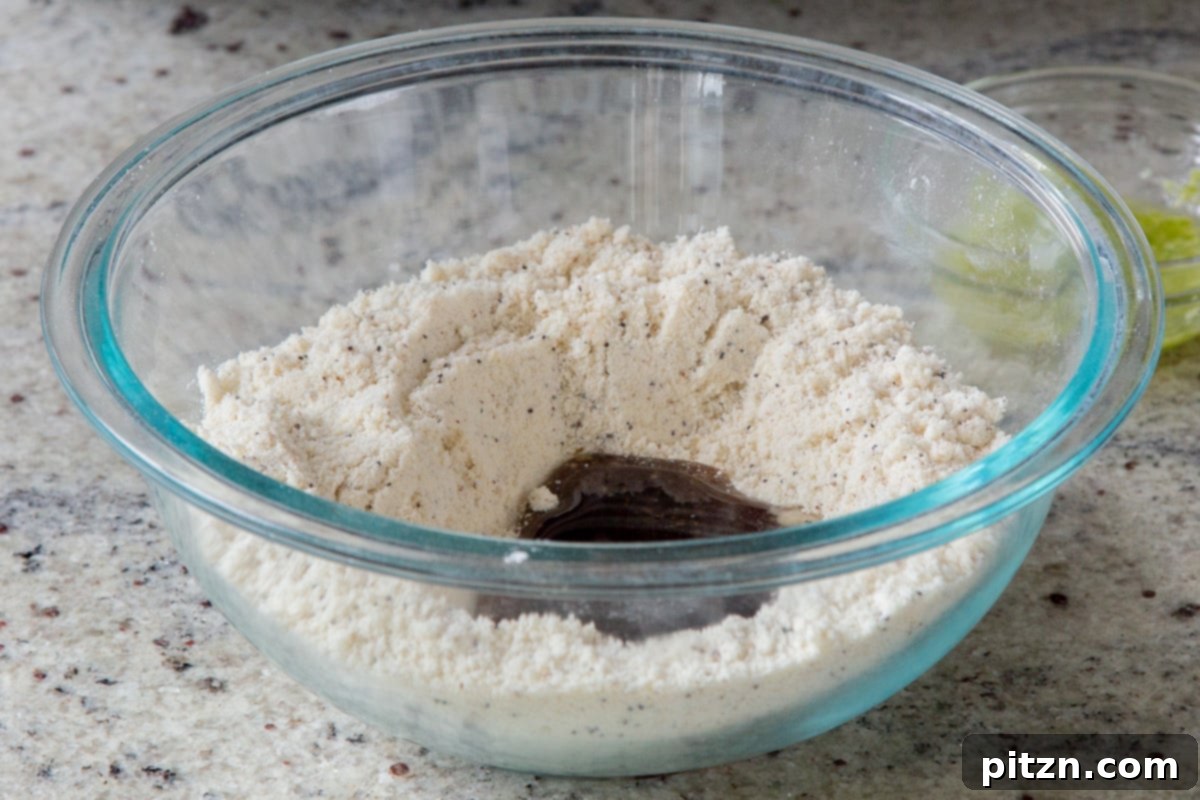
For an added visual pop, if you desire a more vibrant, eye-catching color for your cookies, make sure to add that pinch of turmeric to the wet ingredients before thoroughly mixing them into the dry.
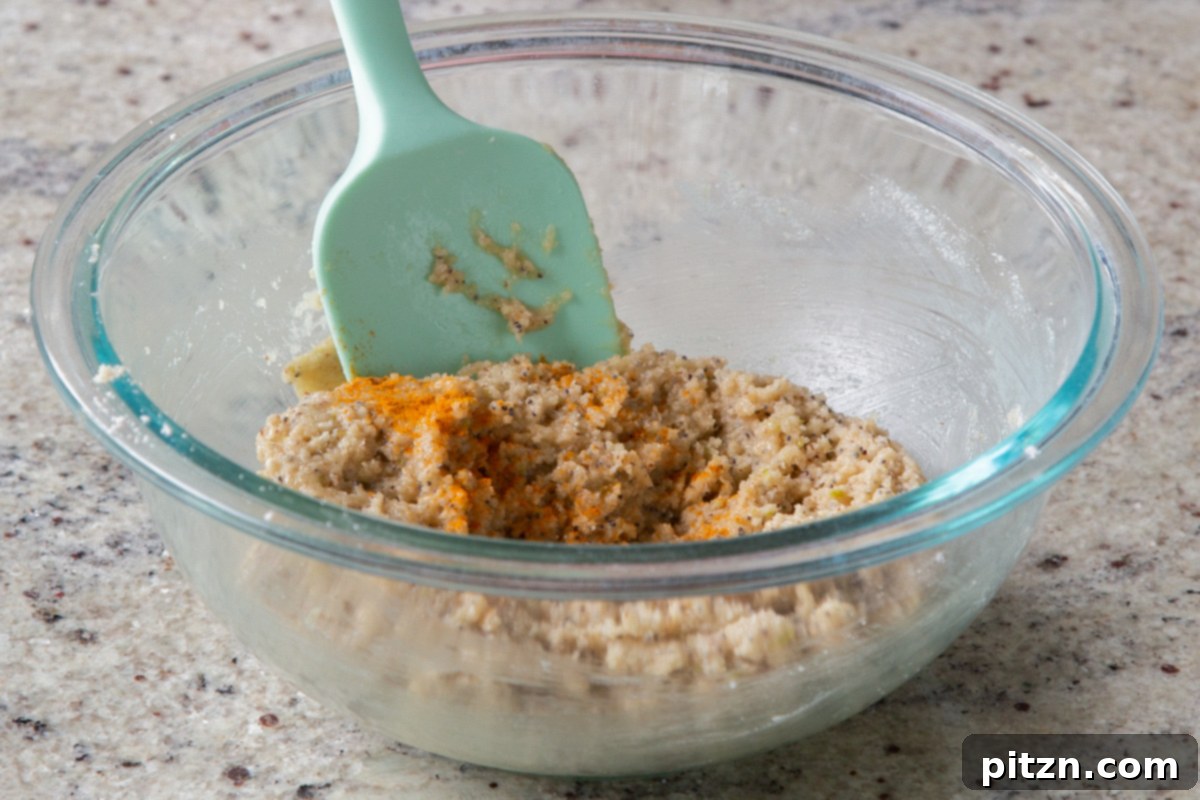
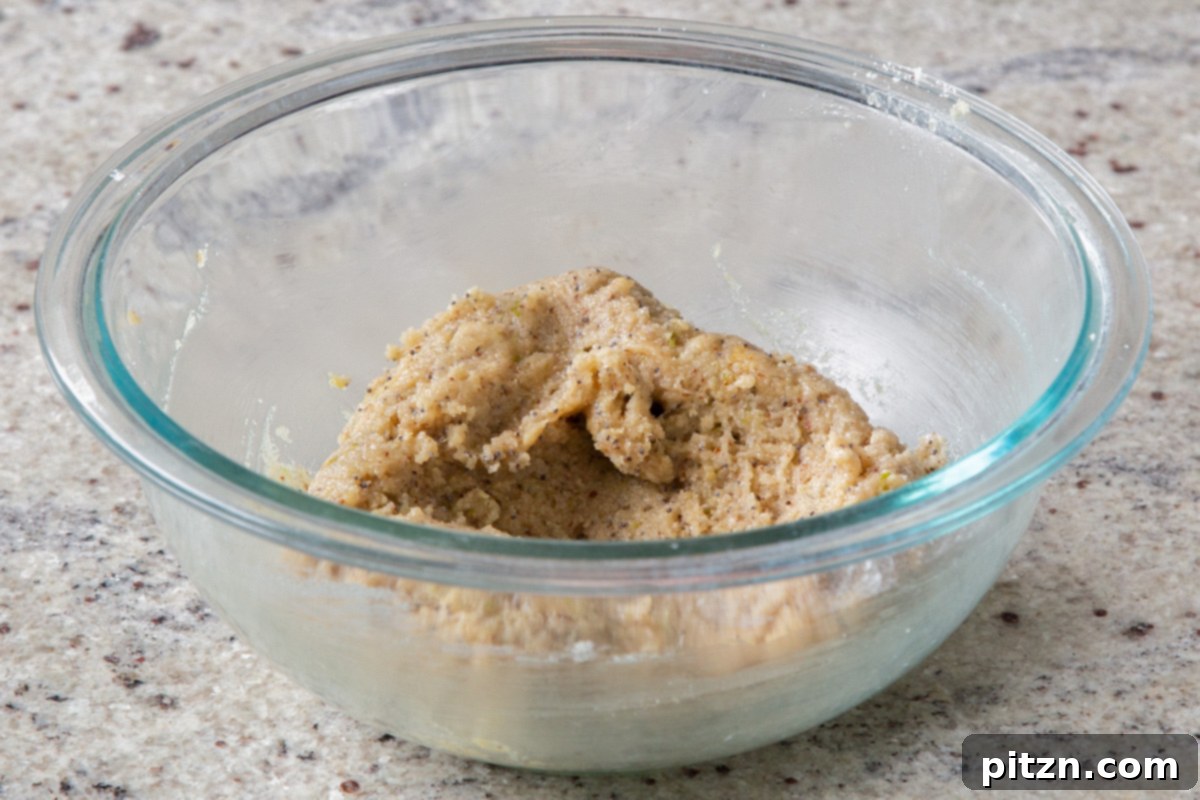
The dough’s consistency might feel slightly sticky, and this is perfectly normal. The exact level of stickiness can vary a bit depending on how precisely you’ve measured your ingredients and the specific brand of almond flour you’ve used, as some flours absorb moisture differently. If your dough feels too dry or crumbly, a single tablespoon of additional maple syrup can often correct it, bringing it to the perfect soft, pliable texture.
Step 3: Chill the Dough & Preheat Oven
For optimal results and to prevent excessive spreading during baking, it is crucial to place your prepared cookie dough into the freezer to chill for approximately 10 to 15 minutes. This chilling period allows the coconut oil in the dough to solidify, helping the cookies maintain their shape. While your dough is chilling, preheat your oven to 335°F (168°C). Simultaneously, prepare a baking sheet by lining it with parchment paper; this simple step ensures easy removal and prevents any sticking.
Step 4: Scoop and Bake
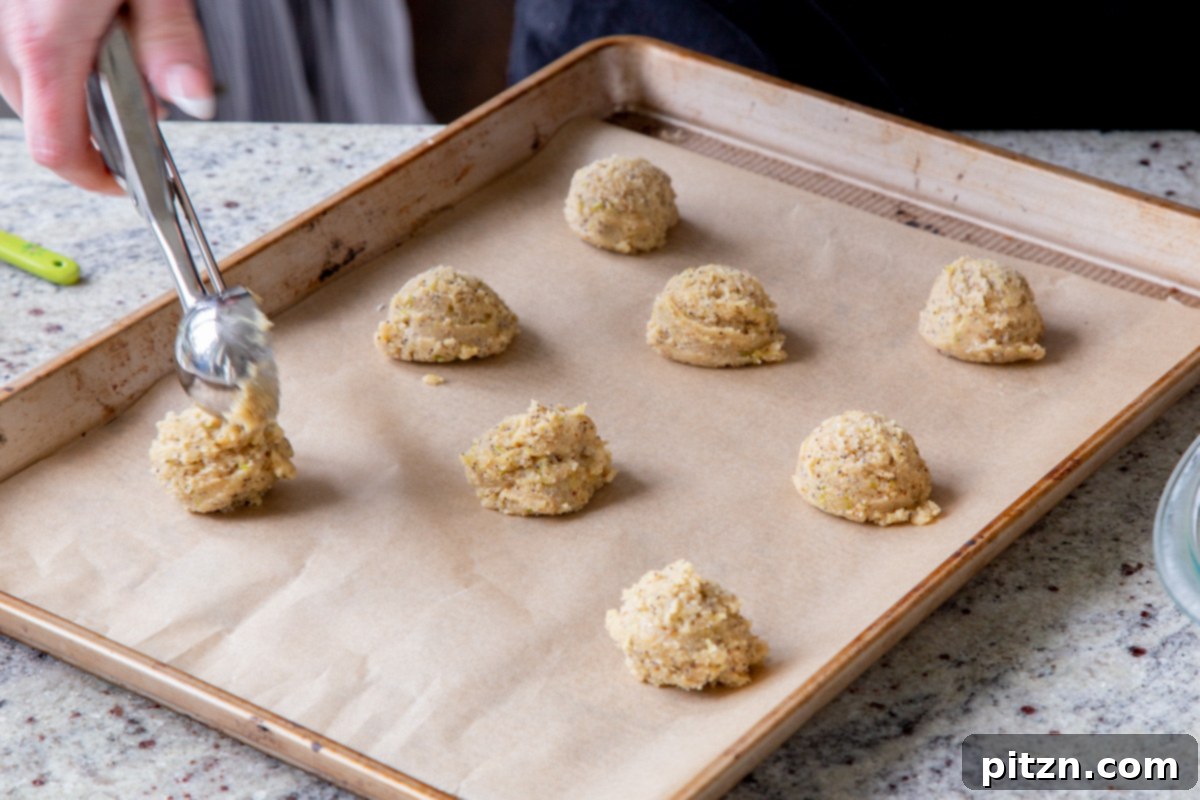
Once the dough has thoroughly chilled, remove it from the freezer. Using a cookie scoop (a 2-tablespoon scoop works perfectly for creating uniform cookies), portion out the dough and arrange the scoops onto your parchment-lined baking sheet. It’s vitally important to leave a generous amount of space – approximately two inches – between each dough ball. These cookies will spread during baking to achieve their characteristic thin and chewy texture, and adequate spacing ensures they don’t merge together.
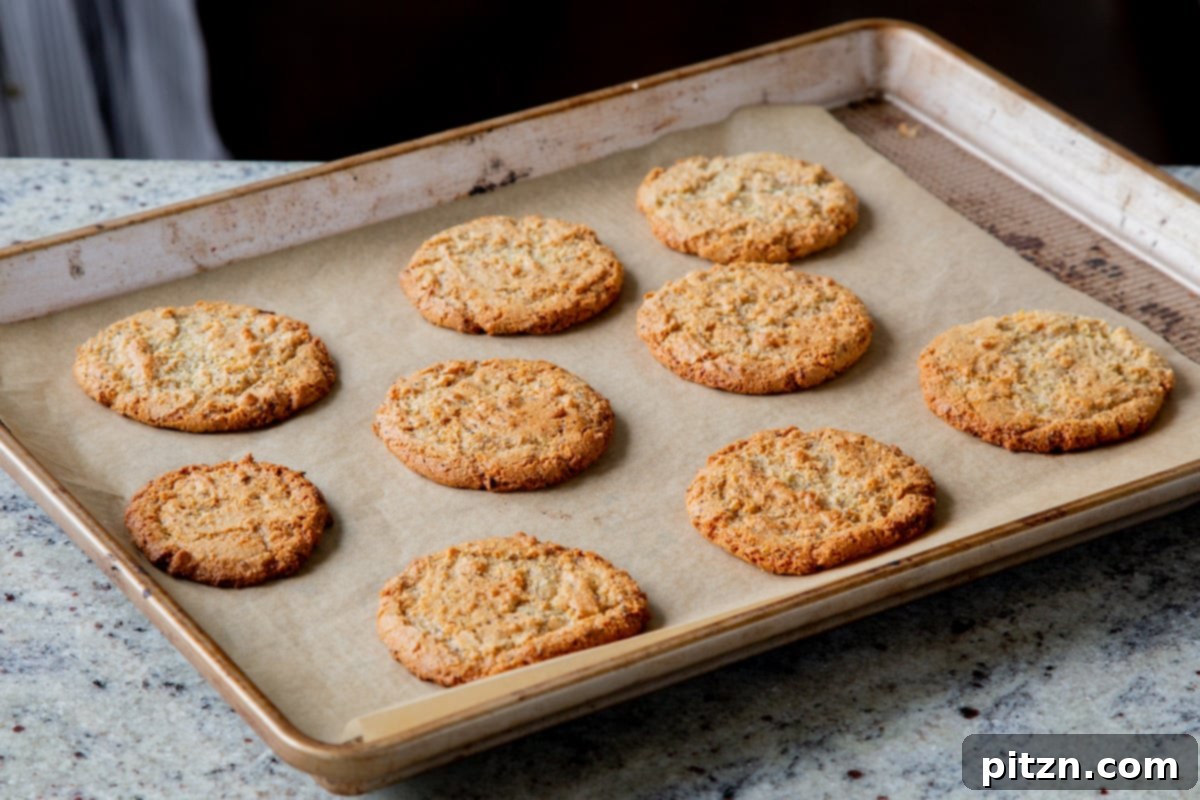
Transfer the baking sheet to your preheated oven and bake for approximately 10 to 11 minutes. The ideal baking time can vary slightly depending on the nuances of your specific oven and the precise texture you prefer for your cookies.
For those who favor a wonderfully chewy cookie, start checking them around the 10-minute mark. Look for edges that are just beginning to turn a delicate golden brown – this is your visual cue that they’re perfectly done. If you lean towards a crispier cookie with a satisfying snap, allow them to bake for an additional minute or two until the edges are a more pronounced golden hue and the centers are slightly firmer.
Step 5: Cool Before Serving
Once your cookies are baked to your desired texture, carefully remove the cookie sheet from the oven. At this stage, the cookies will still be quite soft and delicate to the touch. It’s important to allow them to cool directly on the baking sheet for 2 to 3 minutes; this brief resting period helps them firm up sufficiently. After this initial cooling, gently slide the parchment paper (with the cookies still on it) off the hot baking sheet and onto a wire cooling rack. Let them continue to cool for another 5 minutes before you serve them or transfer them for storage. This ensures they achieve their final perfect texture. Enjoy the irresistible aroma and delightful flavor of your freshly baked vegan lemon poppyseed cookies!
Frequently Asked Questions About Vegan Lemon Poppyseed Cookies
Absolutely! This recipe is incredibly forgiving and doubles beautifully, which is great news because these cookies tend to disappear very quickly. When you decide to increase the quantity, keep in mind you might need to slightly adjust the liquid ingredients (like coconut oil and maple syrup) by adding an extra tablespoon or so. This ensures the dough maintains its perfect, pliable consistency, as larger batches can sometimes absorb liquids a little differently.
If you don’t have poppyseeds on hand or simply prefer an alternative, you have a couple of great options. Chia seeds work wonderfully in their place, offering a similar, subtle textural element and adding extra nutritional benefits. They blend seamlessly into the dough without altering the flavor profile significantly. Alternatively, if you prefer a cookie without any seeds, you can simply omit them altogether; the cookies will still be packed with delicious lemon flavor and retain their fantastic texture.
While almond flour is fantastic for its tenderizing qualities and gluten-free nature, you can certainly experiment with substitutes. Other nut flours, such as cashew flour, can work effectively. For a nut-free option, you could try a blend of half seed flour (like hemp or sunflower seed flour) and half all-purpose gluten-free flour blend. However, it’s important to be aware that many gluten-free flour blends tend to be very absorbent and may require additional moisture to prevent the cookies from becoming too dry or crumbly. This is precisely why almond flour is often my preferred choice for its ability to create naturally moist and tender gluten-free cookies. If you’re open to using regular wheat flour, my lemon chia cookies recipe is a wonderful alternative to explore!
To maintain the delicious freshness of your vegan lemon poppyseed cookies, store them in an airtight container at room temperature for up to four days. If you’ve baked a larger batch or wish to extend their shelf life even further, they can be stored in the refrigerator for up to two weeks. Just ensure that the cookies are completely cooled before storing them to prevent any condensation from forming and making them soggy.
Yes, absolutely! This recipe is excellent for meal prep. You can prepare the cookie dough and store it in an airtight container in the refrigerator for up to 3 days. When you’re ready to bake, simply scoop the chilled dough onto your prepared baking sheet and follow the instructions for baking. This makes it incredibly convenient for fresh, warm cookies whenever the craving strikes!
Chilling the dough is a critical step, especially for cookies made with almond flour and coconut oil. It allows the coconut oil to solidify, which significantly helps in preventing the cookies from spreading too much during baking. This process results in cookies that are thicker, hold their shape better, and have a more desirable chewy texture. Skipping this step might lead to very thin, overly spread-out cookies, so don’t miss it for the best results!