
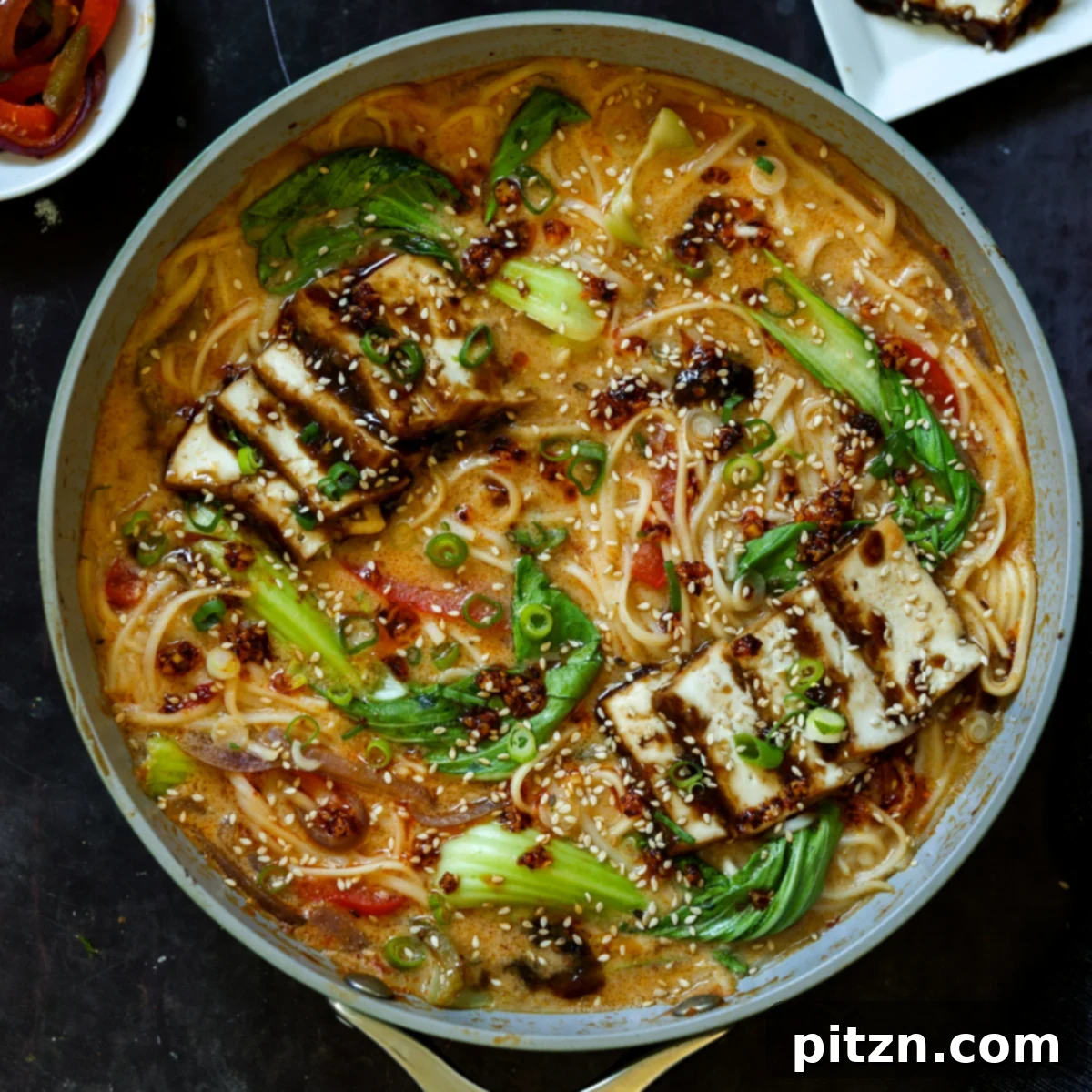
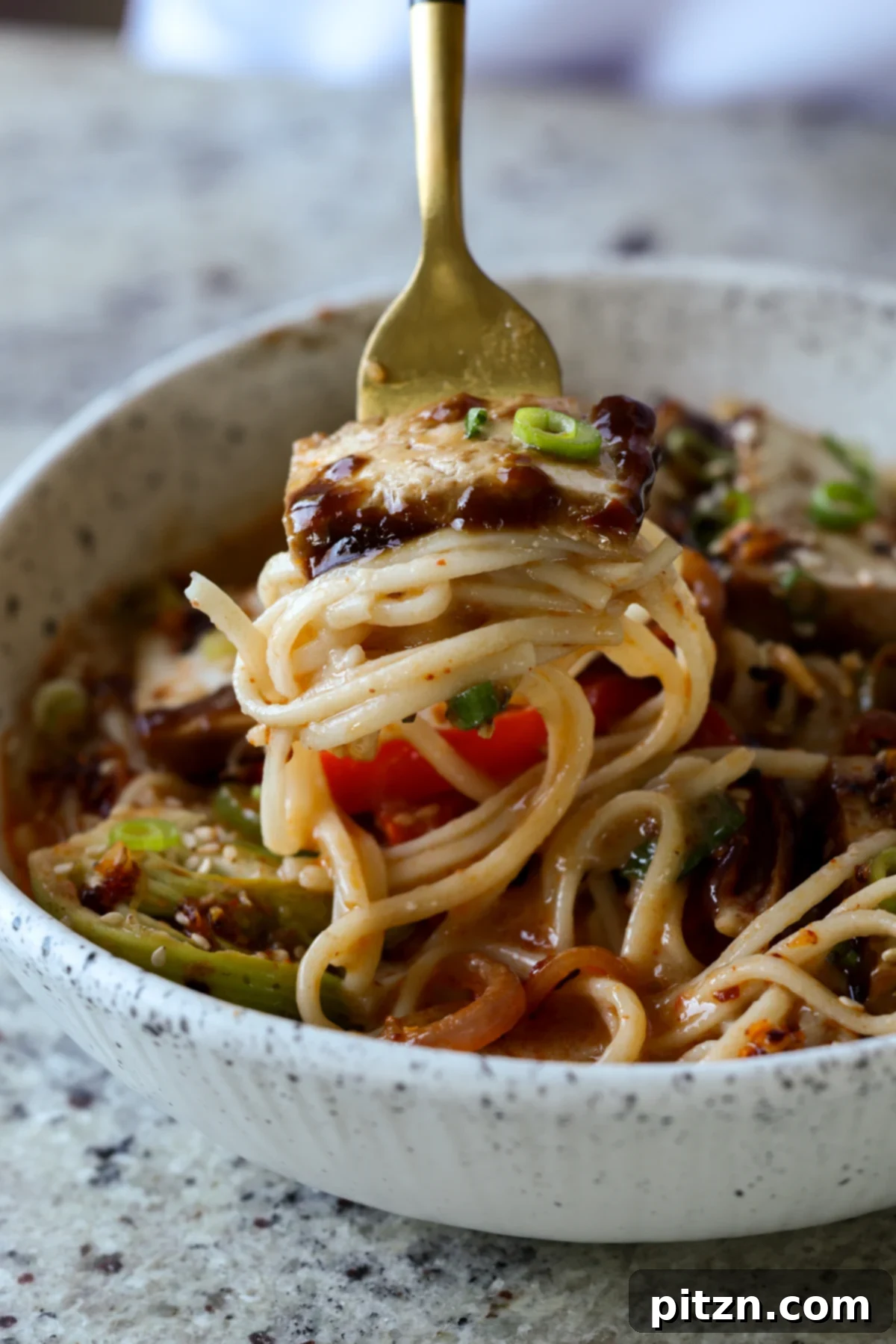
Transform your dinner routine with this incredibly flavorful and surprisingly easy one-pan Creamy Tahini Ramen, featuring savory Teriyaki Tofu and a homemade Chili Crisp. This comforting bowl of noodles is a culinary delight, perfect for those crisp autumn evenings or chilly winter nights, promising warmth and satisfaction with every spoonful. Forget complicated recipes and multiple pots – this dish brings together a symphony of textures and tastes in a single pan, making it a dream for both cooking and cleanup.
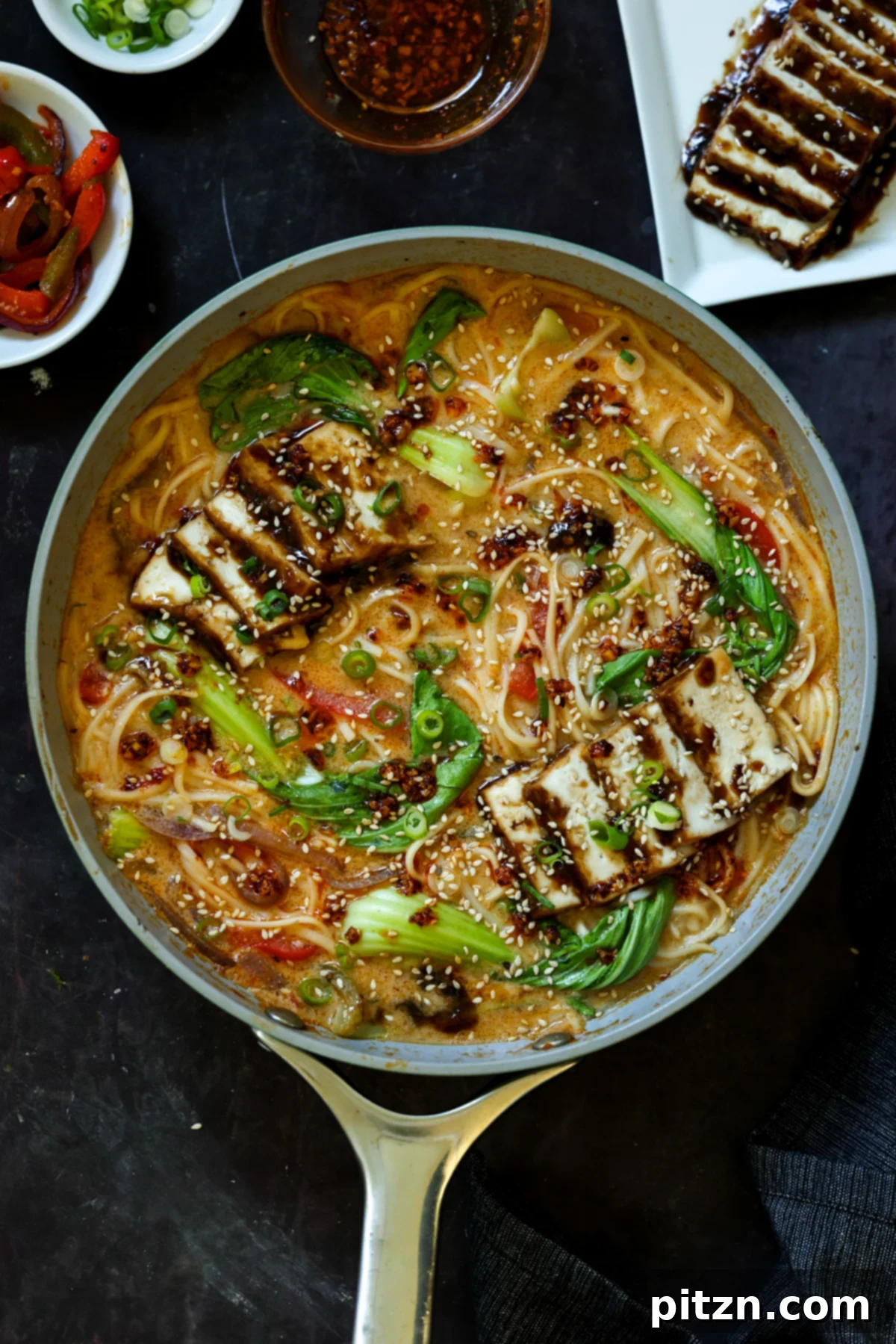
Table of Contents
- Why You’ll Love Creamy Tahini Ramen
- More Delicious Noodle Recipes!
- Creamy Tahini Ramen Recipe
- Key Ingredients and Smart Substitutions
- 💡 Expert Tips for Perfect Tahini Ramen
- How to Make Creamy Tahini Ramen
- What to Serve with Tahini Ramen
- Frequently Asked Questions
This recipe is one of my favorite ramen innovations, marrying unexpected yet harmonious flavors to create an extraordinary culinary experience. Many of my ramen creations stem from a simple desire for a warm, comforting bowl of noodles, leading to playful experimentation with sauces and spices. The result? Unique and incredibly popular mashup recipes like my Spicy Peanut Gochujang Ramen, the indulgent Butter Chicken Ramen, the rich Birria Ramen, and my plant-based take on Tonkotsu Ramen.
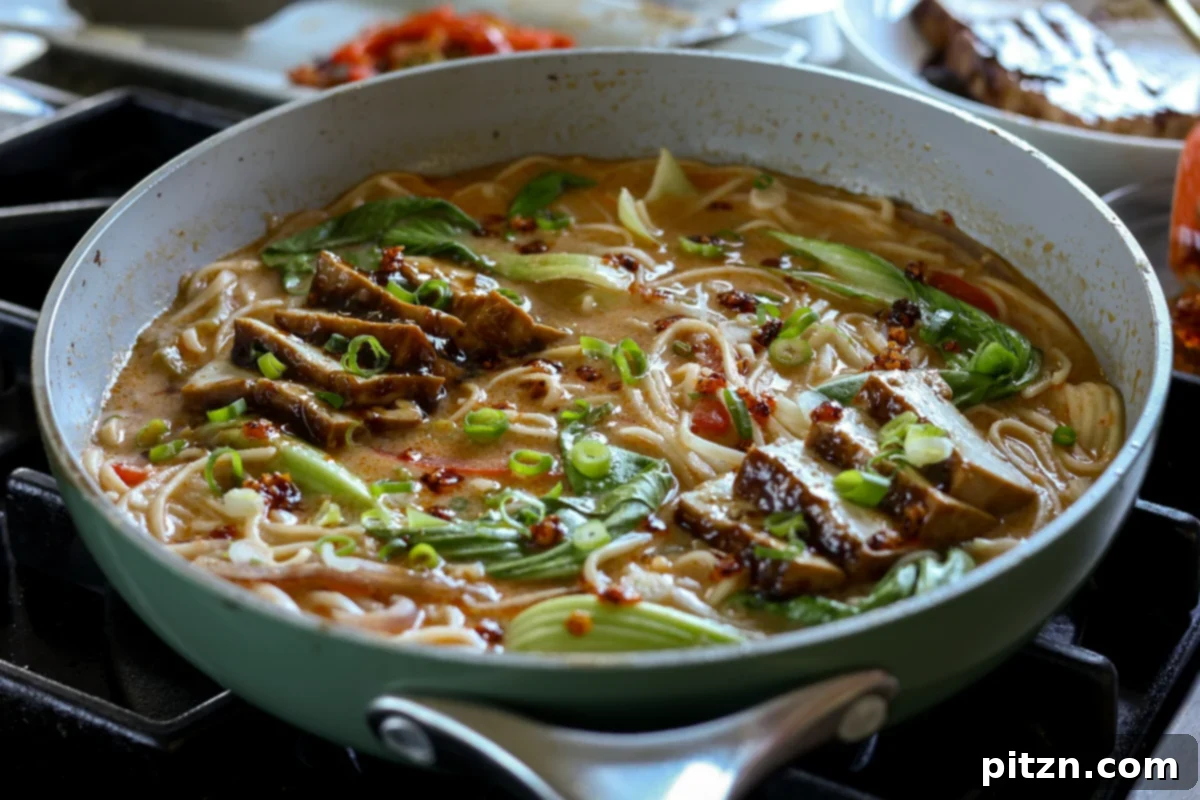
Today, we dive into the world of Creamy Tahini Ramen. This dish masterfully combines the nutty richness of tahini with the deep umami of miso to forge an incredibly flavorful, velvety broth. But the deliciousness doesn’t stop there! We elevate this ramen with perfectly glazed Teriyaki Tofu, adding a delightful savory-sweet counterpoint. To cap it all off, a quick and easy homemade Chili Crisp, made with Korean gochugaru pepper flakes, introduces a smoky heat and satisfying crunch. It’s a symphony of flavors and textures, all coming together effortlessly in a single pan.
Should you find yourself without tahini, don’t fret! You can easily substitute it with smooth peanut butter or almond butter for a similar creamy texture. Alternatively, a blend of half coconut milk and half vegetable stock can create a wonderfully rich base for your broth, ensuring that this recipe remains accessible and adaptable to your pantry.
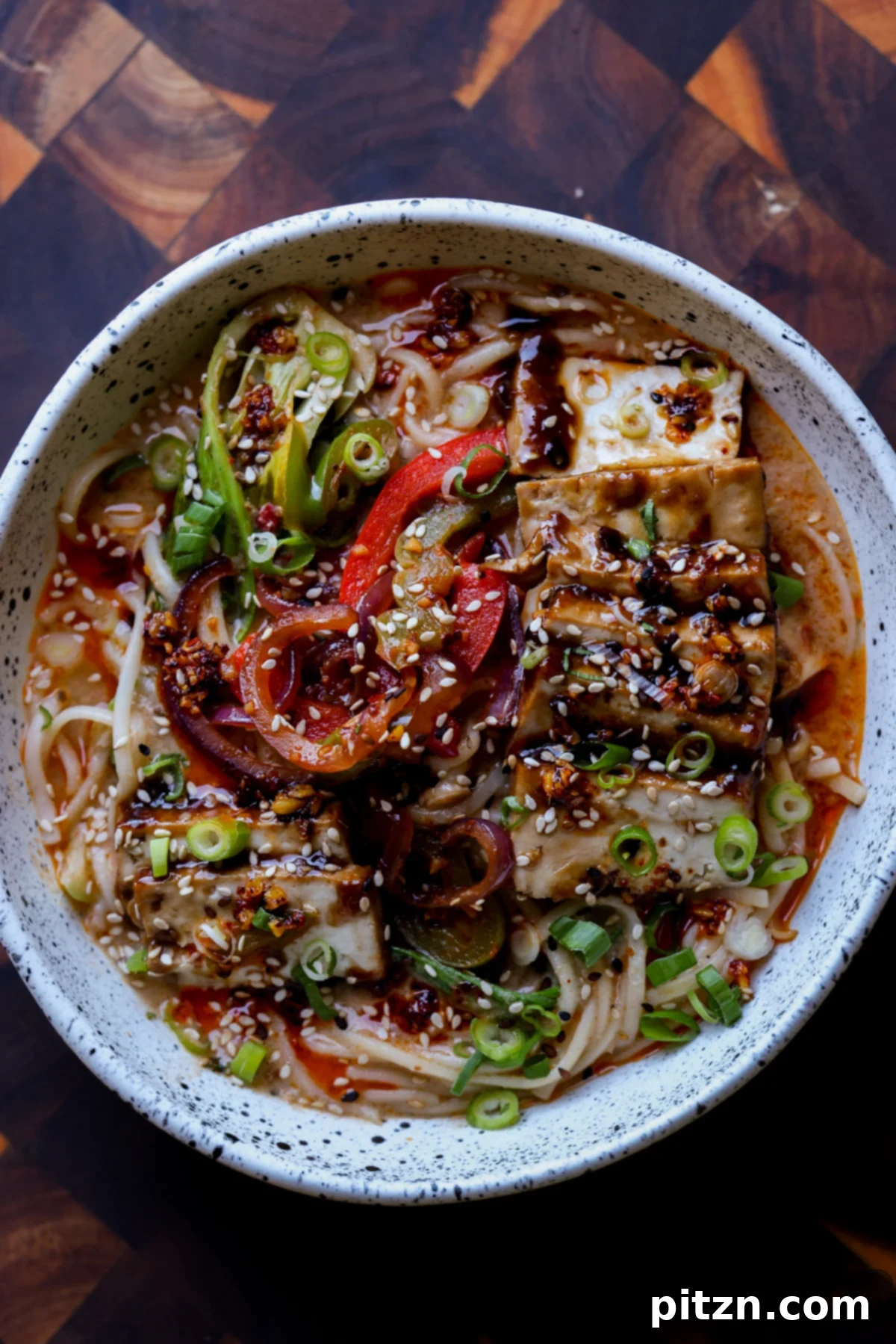
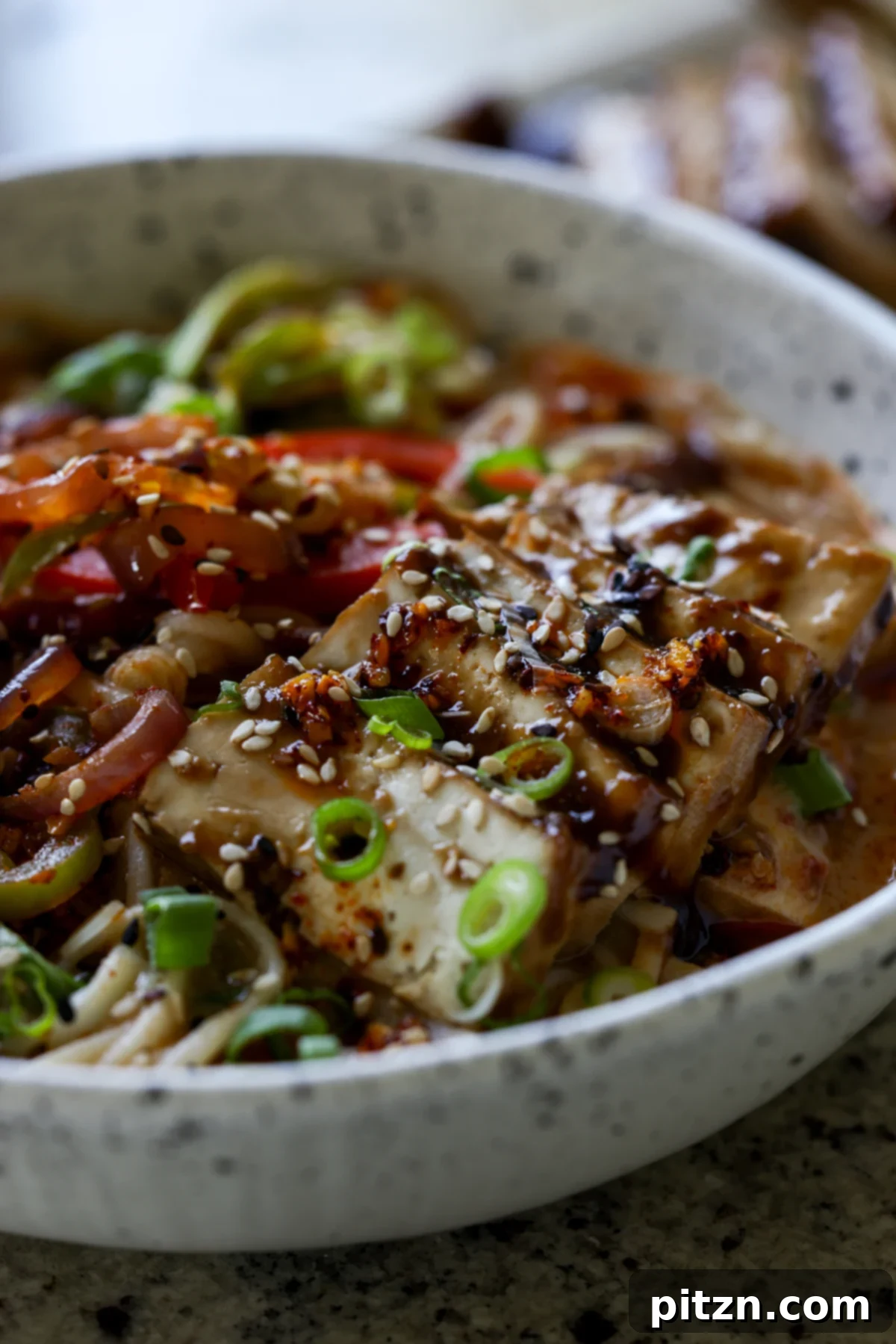
Our Teriyaki Tofu is a star topping for this ramen. We begin by whisking together a simple yet potent teriyaki sauce, which serves as both a marinade and a glaze. Slabs of firm tofu soak up this delicious marinade, absorbing all the sweet and savory notes. Then, they are pan-cooked to perfection, allowing the sauce to reduce and cling to the tofu, forming a beautiful, sticky, and irresistible glaze. Once sliced, these glistening tofu pieces are arranged artfully atop the vibrant ramen, their rich teriyaki coating contrasting beautifully with the creamy tahini broth and fresh vegetables, creating a dish that’s as appealing to the eye as it is to the palate.
For those seeking a soy-free option, this recipe is incredibly versatile. Instead of traditional tofu, you can opt for a soy-free vegan chicken substitute or even prepare your own chickpea tofu. When substituting, ensure your choice complements the robust flavors of the tahini broth and chili crisp.
Following the tofu, the very same pan becomes the stage for our quick and simple homemade chili crisp. A blend of oil, aromatic ginger, pungent garlic, and vibrant gochugaru pepper flakes sizzles to perfection, creating an intensely flavorful condiment. This homemade crisp adds a fantastic layer of spice, heat, and a delightful smokiness. We reserve about half of this aromatic mixture to be sprinkled as a garnish later, ensuring a burst of freshness and texture with each bite. The remaining chili crisp in the pan then forms the foundational flavor layer for our luxurious ramen broth, infusing it with depth and character.
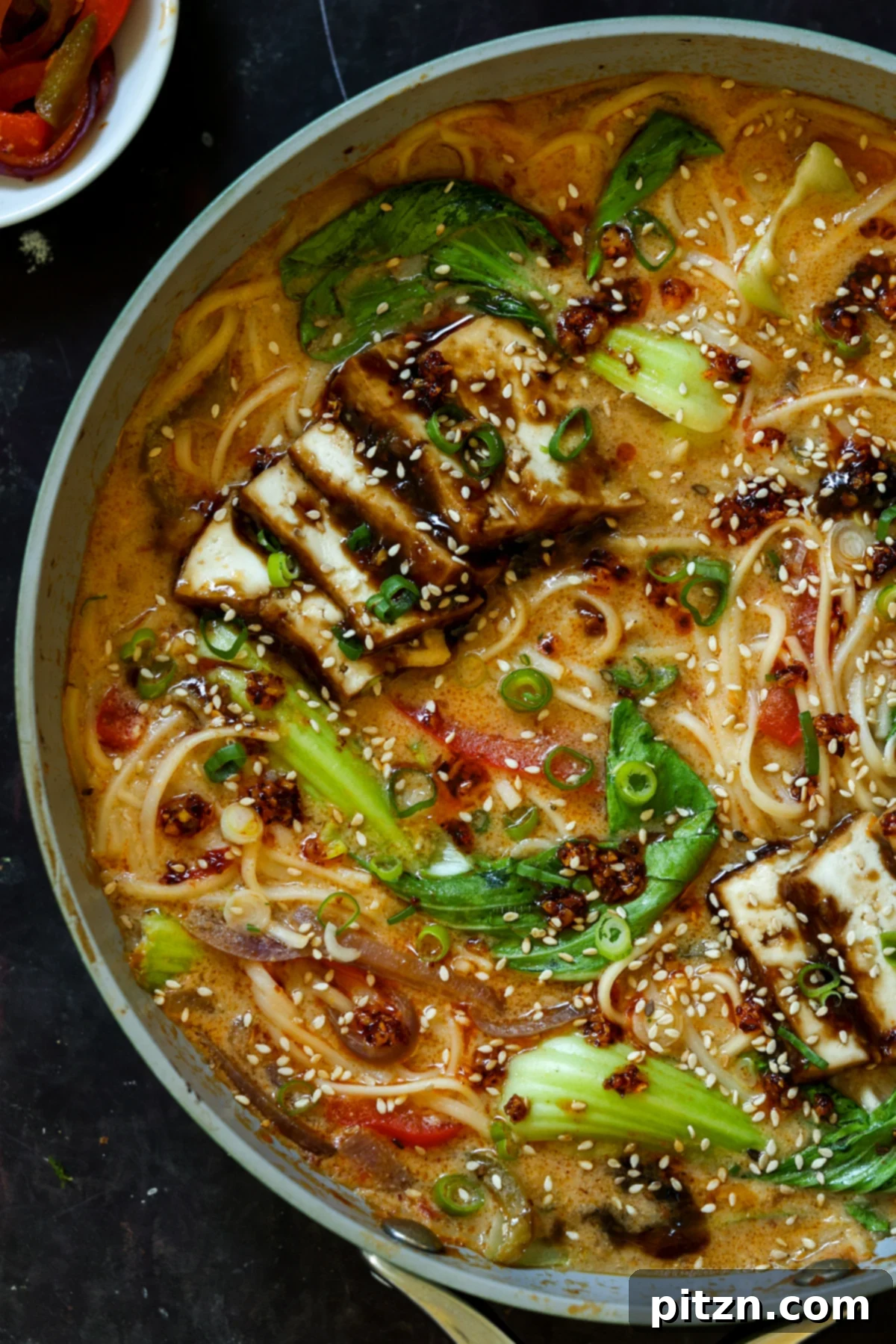
Perhaps the most satisfying aspect of this recipe is the one-pan convenience. The ramen noodles cook directly in the flavorful broth, absorbing all its deliciousness without the need for a separate pot or pre-boiling. This ingenious method significantly cuts down on prep time in the kitchen and, more importantly, minimizes cleanup afterward. Imagine: a gourmet, comforting meal with minimal fuss and maximum flavor. The resulting dish is a testament to how truly simple and profoundly delicious a one-pan meal can be.
Why You’ll Love Creamy Tahini Ramen
- Effortless One-Pan Meal: Say goodbye to stacks of dirty dishes! This entire dish, from the teriyaki tofu to the chili crisp and the ramen noodles themselves, cooks beautifully in a single pan. This convenience makes it an ideal weeknight dinner, allowing you more time to savor your meal and less time scrubbing. It’s the ultimate solution for a quick and satisfying culinary adventure.
- Luxuriously Creamy Tahini Miso Broth: The heart of this ramen is its rich and velvety broth. The combination of nutty tahini and umami-rich miso creates a depth of flavor that is both comforting and sophisticated. Infused with fresh vegetables and perfectly tender noodles, this broth is a truly soul-warming experience, offering a complex yet balanced taste profile that will leave you wanting more.
- Sticky Teriyaki Tofu Perfection: Our perfectly pan-fried tofu, glazed in a homemade sticky teriyaki sauce, is an absolute game-changer. It provides a delightful chewiness and a burst of savory-sweet flavor that complements the creamy broth beautifully. The crispy edges and tender interior of the tofu, coated in that luscious glaze, add a gourmet touch to this wholesome meal.
- Homemade Chili Crisp for Umami and Heat: Elevate your ramen with a simple yet potent homemade chili crisp. Crafted with aromatic ginger, garlic, and vibrant gochugaru pepper flakes, this crisp delivers a fantastic punch of umami, a satisfying heat, and an addictive texture. It’s the secret ingredient that ties all the flavors together, adding a professional touch to your home-cooked meal.
- Naturally Nut-Free with Adaptable Options: This recipe is designed to be naturally nut-free, making it a safe and delicious option for those with nut allergies. Furthermore, we provide clear and easy instructions for making it gluten-free (using tamari and gluten-free noodles) and soy-free (with chickpea tofu and coconut aminos), ensuring everyone can enjoy this incredible dish without compromise.
More Delicious Noodle Recipes!
If you’re a noodle enthusiast, explore these other incredible recipes that bring bold flavors and satisfying textures to your table:
- Curry Miso Ramen: A fragrant and hearty ramen featuring the rich flavors of curry and miso, packed with protein-rich lentils.
- Manchurian Noodles: Experience the vibrant Indo-Chinese fusion with these savory and spicy noodles, a true crowd-pleaser.
- Garlic Noodles: Simple yet incredibly addictive, these garlic noodles are bursting with aromatic flavor and come together in minutes.
- Drunken Noodles (Pad Kee Mao): A spicy and savory Thai classic, these skillet noodles are perfect for those who love a kick of heat and fresh herbs.
Creamy Tahini Ramen Recipe

Print Recipe
Ingredients
For the Teriyaki Tofu
- 2 tablespoons soy sauce, or use tamari for gluten-free
- 1 tablespoon brown sugar
- 2 teaspoons ginger garlic paste, or use minced fresh ginger and garlic
- 1 teaspoon rice wine vinegar
- 1/4 teaspoon corn starch
- 1/4 teaspoon red pepper flakes
- 7 ounces firm or extra firm tofu, pressed for at least 15 minutes and sliced into 3/4” thick slabs
- 1 teaspoon oil
For the Chili Crisp
- 1 tablespoon oil
- 3 cloves garlic, finely chopped
- 1 inch of ginger, finely chopped
- 1 teaspoon gochugaru pepper flakes
For the Tahini Miso Ramen
- 1/4 cup sliced or chopped onion
- 1/4 cup sliced or chopped red bell pepper
- 1/4 cup sliced or chopped green bell pepper
- 1 tablespoon yellow miso
- 1 tablespoon sambal oelek, or other Asian chili paste, adjust to desired heat level
- 1 tablespoon tahini
- 3 cups water, or vegetable stock, divided
- 1/4 to 1/2 teaspoon salt, adjust based on stock sodium content
- 4 ounces dried ramen, or noodles of choice, such as udon or gluten-free ramen
- 1 or 2 bunches baby bok choy, or other fresh, quick-cooking greens like spinach
- green onions, sesame seeds, sprouts, and other desired toppings
Instructions
Prepare the Teriyaki Tofu.
-
In a shallow bowl, combine the soy sauce, brown sugar, ginger garlic paste, rice wine vinegar, corn starch, and red pepper flakes. Whisk thoroughly until most of the brown sugar has dissolved, creating a smooth marinade. Submerge the tofu slabs in this teriyaki sauce, ensuring they are fully coated. Allow to marinate for 10 to 15 minutes. During this time, you can begin preparing the ingredients for the chili crisp, ramen broth, and any additional toppings.
-
Once the tofu has marinated, heat a deep medium or large skillet over medium-high heat. Add 1 teaspoon of oil. When the oil is shimmering, carefully place the marinated tofu slabs into the hot skillet. Cook for 2 to 3 minutes per side until golden brown. After flipping, pour any remaining teriyaki sauce mixture from the bowl directly into the skillet. Continue cooking, basting the tofu with the thickening sauce using a spatula, until the sauce reduces to a sticky glaze that clings to the tofu. This should take another minute or two. Remove the glazed tofu from the skillet and transfer it to a cutting board. Scrape any leftover sauce from the pan into a small bowl for serving.
-
Allow the cooked tofu to cool slightly on the cutting board. Once cool enough to handle, slice the slabs into uniform 1/4-inch thick pieces. These can be set aside while you prepare the chili crisp and ramen broth.
Make the Chili Crisp.
-
Reduce the heat of the same skillet to medium or medium-low. Add 1 tablespoon of oil and allow it to heat up. Stir in the finely chopped ginger and garlic. Immediately add the gochugaru pepper flakes, mixing well to combine. Cook this mixture for 1 to 2 minutes, stirring continuously, until the gochugaru flakes become fragrant and smoky, and the garlic begins to turn a light golden color. Be careful not to burn the garlic. Once ready, remove approximately half of this homemade chili crisp mixture and set it aside in a small bowl to be used as a garnish later. The remaining chili crisp will infuse the ramen broth with its robust flavor.
Assemble the Tahini Ramen.
-
To the skillet with the remaining chili crisp, add the sliced onion, bell peppers, and a good pinch of salt. Sauté for about a minute to soften slightly. Increase the heat to medium, then stir in the miso paste, sambal oelek, and tahini. Add one cup of water or stock, pressing and mixing vigorously to fully dissolve the miso paste into the liquid, which will take approximately one minute. Pour in the remaining water or stock and adjust salt as needed. Bring the mixture to a boil. Carefully add the dried ramen noodles, pressing them gently into the simmering liquid to ensure they are fully submerged. Continue to cook, stirring occasionally, until the noodles are tender and cooked to your desired consistency. This can typically take 4 to 10 minutes, depending on the type and thickness of your noodles. (Refer to the recipe notes for instructions on using pre-cooked noodles.)
-
Once the noodles are perfectly cooked, add the baby bok choy, gently pressing it into the noodle and broth mixture. Allow it to cook for about half a minute, then immediately switch off the heat. The residual heat from the broth will be sufficient to lightly steam and tenderize the bok choy or any other quick-cooking vegetables you’ve added. Taste the broth and adjust the seasoning as needed; you might want to add more salt or a splash of soy sauce for an extra umami boost. For a touch of bright tang, a squeeze of fresh lime juice can be lightly mixed in. Let the ramen rest for a minute or two to allow the flavors to fully meld together before serving.
-
To serve, carefully transfer a generous portion of the creamy noodles and aromatic broth into individual serving bowls. Arrange the sliced teriyaki tofu artfully on top. Finish with a flourish of fresh green onions, a sprinkle of sesame seeds, a spoonful of the reserved chili crisp, and any other favorite toppings you desire. Serve immediately and enjoy this wholesome, flavorful meal!
Video
Notes
Making with Pre-Cooked Noodles: If you’re using pre-cooked ramen or other noodles, reduce the initial amount of water or stock to 1 to 1.5 cups. Bring the broth to a boil, then add the pre-cooked noodles and bok choy (or other quick-cooking greens). Cook for just 1-2 minutes to heat through and meld flavors, then turn off the heat immediately.
Customizing Your Veggies: Feel free to add a wider variety of vegetables to your ramen! When sautéing the onion and bell peppers, consider adding other quick-cooking options like sliced mushrooms, zucchini, thinly sliced carrots, spinach, or even snow peas. This is a great way to boost the nutritional content and customize the dish to your preference.
Preserving Texture & Spice: For an extra layer of crunch and a more pronounced spicy kick from the gochugaru, you can partially cook the onions and peppers and reserve about half of them to use as a fresh garnish alongside the reserved chili crisp. This adds textural contrast and brightens the overall flavor.
Allergy-Friendly Adaptations:
- Nut-Free: This recipe is designed to be naturally nut-free by using tahini. If substituting tahini, ensure your choice is also nut-free if allergies are a concern.
- Gluten-Free: To make this recipe gluten-free, simply use gluten-free ramen noodles and substitute tamari (gluten-free soy sauce) for regular soy sauce.
- Soy-Free: For a completely soy-free version, replace the tofu with a soy-free vegan chicken substitute or homemade chickpea tofu. Additionally, swap out soy sauce for coconut aminos and use chickpea miso instead of yellow miso.
Nutrition
Nutrition information is automatically calculated, so should only be used as an approximation.
Did you make this recipe? Share your thoughts below!
Key Ingredients and Smart Substitutions
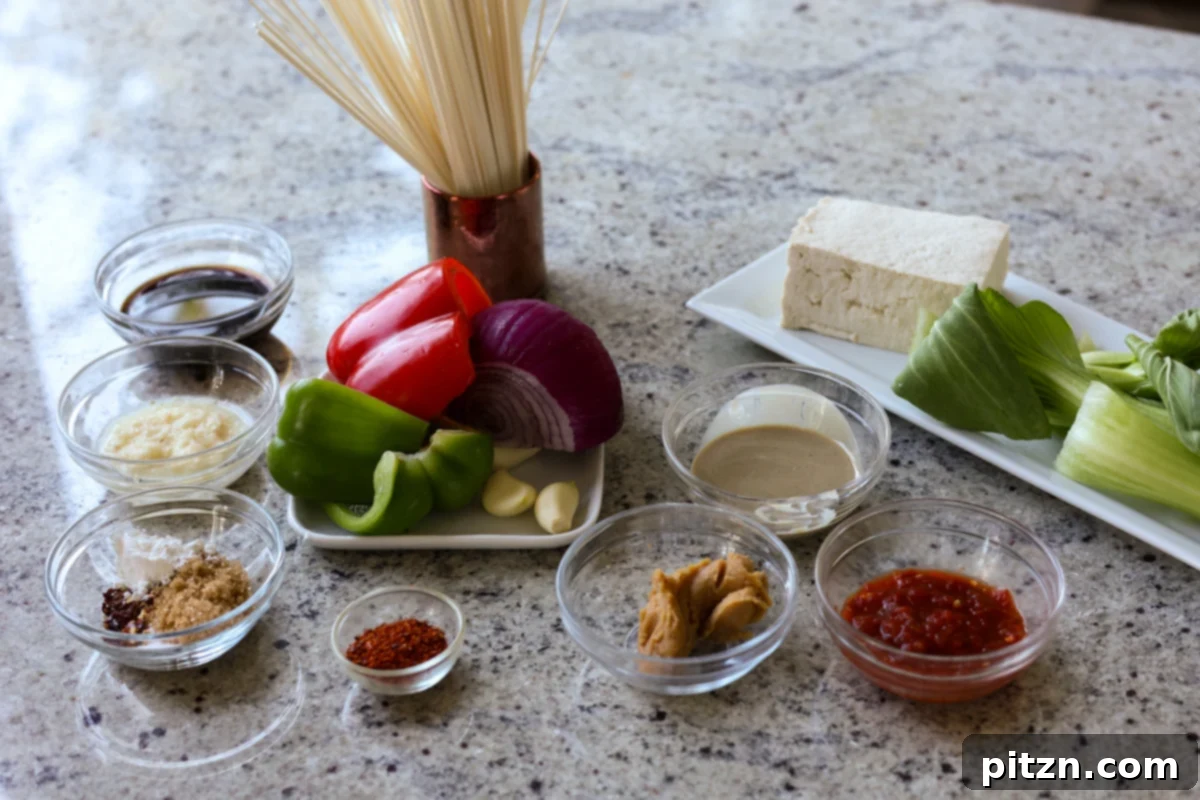
Crafting the perfect Creamy Tahini Ramen starts with understanding each ingredient’s role and knowing how to adapt when necessary. Here’s a breakdown:
- Soy Sauce: This essential ingredient provides a deep umami foundation for the teriyaki sauce, adding complexity and savory notes. For a gluten-free version, simply use tamari. If you’re aiming for a soy-free alternative, coconut aminos work wonderfully, offering a similar salty and umami flavor.
- Brown Sugar: Adds a crucial sweetness that balances the savory elements in the teriyaki sauce, creating that signature sweet-and-sticky glaze. You can adjust the amount slightly to your preferred sweetness.
- Ginger Garlic Paste: A powerhouse of flavor, this paste infuses both the teriyaki sauce and chili crisp with aromatic warmth and a pungent kick. If you don’t have paste, finely minced fresh ginger and garlic are excellent substitutes.
- Rice Wine Vinegar: A touch of rice wine vinegar introduces a subtle tang, brightening the teriyaki sauce and adding a layer of complexity. Apple cider vinegar can be used as an alternative if rice wine vinegar is unavailable.
- Cornstarch: This acts as a thickening agent for the teriyaki sauce, ensuring it coats the tofu beautifully and creates that desirable sticky glaze. Arrowroot powder is a suitable gluten-free alternative.
- Red Pepper Flakes: A hint of these flakes in the teriyaki sauce adds a gentle warmth. Increase or decrease the quantity based on your spice preference.
- Tofu (Firm or Extra-Firm): Our plant-based protein hero! Pressing the tofu is crucial to remove excess water, allowing it to absorb the marinade better and achieve a firmer texture when cooked. For a soy-free option, consider a vegan chicken substitute or homemade chickpea tofu.
- Oil: A neutral-flavored oil (like canola, vegetable, or grapeseed) is used for pan-frying the tofu and making the chili crisp, ensuring even cooking and flavor distribution.
- Garlic, Ginger, and Gochugaru Pepper Flakes (for Chili Crisp): These three ingredients are the heart of our homemade chili crisp. Fresh garlic and ginger provide pungent, aromatic notes, while gochugaru (Korean chili flakes) offers a unique smoky, moderately spicy heat and vibrant color. If gochugaru is hard to find, a combination of regular red pepper flakes and a touch of smoked paprika can offer a similar flavor profile, though the color might differ.
- Onion and Bell Peppers: These vegetables form the aromatic base for the ramen broth, adding sweetness and a fresh crunch. Feel free to experiment with other vegetables like sliced mushrooms, zucchini, carrots, or snap peas for added variety and nutrition.
- Yellow Miso: A fermented soybean paste, yellow miso contributes a rich, savory umami depth to the broth. For a soy-free version, look for chickpea miso, which offers a similar fermented flavor profile.
- Sambal Oelek: This Indonesian chili paste provides a clean, vibrant heat to the ramen broth. You can adjust the amount to your taste, using less for a milder ramen or more for a fiery kick. Other Asian chili pastes, like sriracha, can be used if sambal oelek isn’t available, but the flavor profile will vary slightly.
- Tahini: The star ingredient for our creamy broth! Tahini, a paste made from ground sesame seeds, delivers a nutty richness and a silky smooth texture. If you need a substitute due to allergies or availability, smooth peanut butter or almond butter can work, though they will impart their own distinct flavors. A blend of coconut milk and vegetable stock can also create a creamy, nut-free base.
- Dried Ramen Noodles: While ramen noodles are traditional, this recipe is flexible. You can use any noodles of your choice, such as thin udon, soba, or even linguine. For a gluten-free meal, opt for gluten-free ramen or rice noodles.
- Baby Bok Choy: This leafy green adds a lovely fresh, slightly bitter counterpoint and a pleasant texture. Spinach, napa cabbage, or other quick-cooking greens can be used if bok choy is not available.
- Toppings: Don’t forget the garnishes! Fresh green onions, toasted sesame seeds, crisp sprouts, and a drizzle of the reserved chili crisp are highly recommended to add freshness, texture, and an extra layer of flavor.
💡 Expert Tips for Perfect Tahini Ramen
Achieving a restaurant-quality bowl of Creamy Tahini Ramen at home is easier than you think with these expert tips:
- Strategic Time Management: Overlap Your Prep. To streamline your cooking process and minimize overall time in the kitchen, embrace the art of overlapping steps. While your tofu is happily marinating, take advantage of this downtime to chop your ginger and garlic for the chili crisp, slice your onions and peppers for the broth, and gather all your topping ingredients. Once the tofu is cooked and cooling, you can efficiently slice it into strips while the chili crisp and broth are simmering. This approach ensures a smooth and efficient workflow.
- Mastering the Chili Crisp: Don’t Walk Away! The homemade chili crisp is a pivotal flavor component, offering smoky depth and a kick of heat. However, it’s also the quickest to burn. Keep a close eye on it, stirring frequently, especially after adding the gochugaru pepper flakes. The goal is a fragrant, slightly smoky aroma and golden-brown garlic, not charred bitterness. If your stove runs hot, err on the side of medium-low heat to prevent accidental burning.
- Press Your Tofu for Best Texture: Don’t skip the tofu pressing step! Removing excess water from the tofu is crucial. It creates a firmer texture that won’t crumble in the pan and allows the tofu to absorb the teriyaki marinade more effectively, resulting in a more flavorful and satisfying topping.
- Taste and Adjust Seasoning: Ramen broth is all about balance. Always taste your broth before adding the noodles and again at the very end. The salt content of miso and vegetable stock can vary greatly, so adjust the salt, chili paste, and even a splash of soy sauce or lime juice to perfectly suit your palate.
- Noodle Al Dente Preference: The cooking time for ramen noodles can vary significantly based on brand and thickness. Keep a close watch and taste them periodically towards the end of their recommended cooking time. You want them tender but with a slight bite – “al dente” – for the best texture in your ramen.
- Fresh Greens at the End: Adding delicate greens like bok choy or spinach right at the very end, and then immediately turning off the heat, ensures they cook perfectly without becoming mushy or losing their vibrant color and slight crunch. The residual heat of the broth is more than enough to wilt them to perfection.
How to Make Creamy Tahini Ramen
Follow these detailed steps to create your exquisite one-pan Creamy Tahini Ramen:
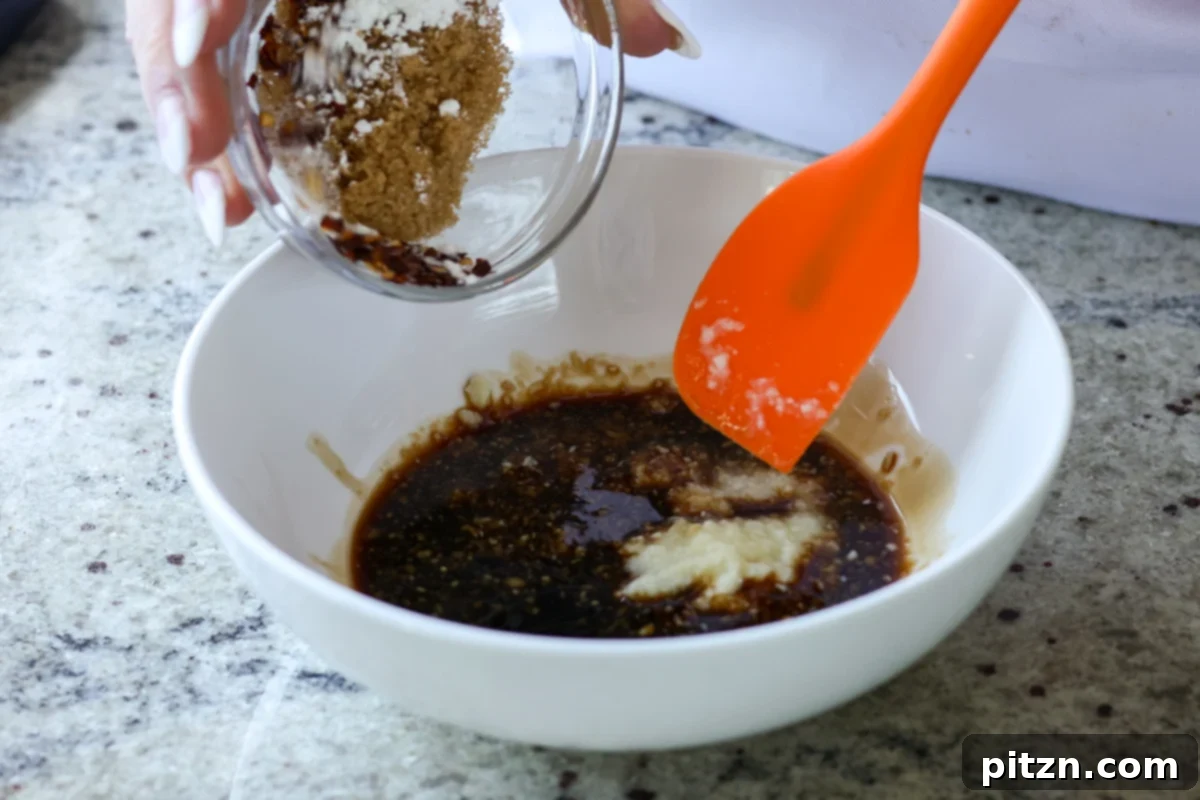
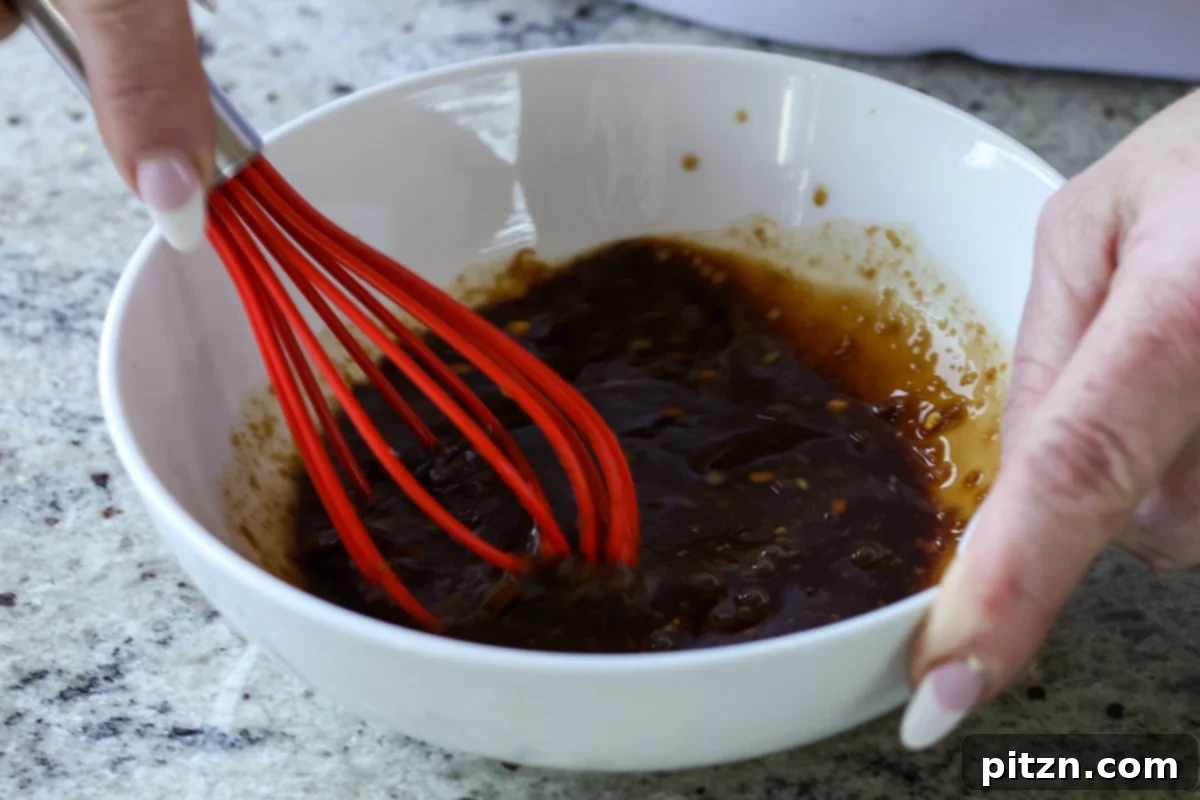
Begin by preparing the teriyaki marinade. In a shallow bowl, combine the soy sauce (or tamari), brown sugar, ginger garlic paste, rice wine vinegar, corn starch, and red pepper flakes. Whisk vigorously until the mixture is well-combined and most of the sugar crystals have dissolved, forming a smooth, aromatic sauce.
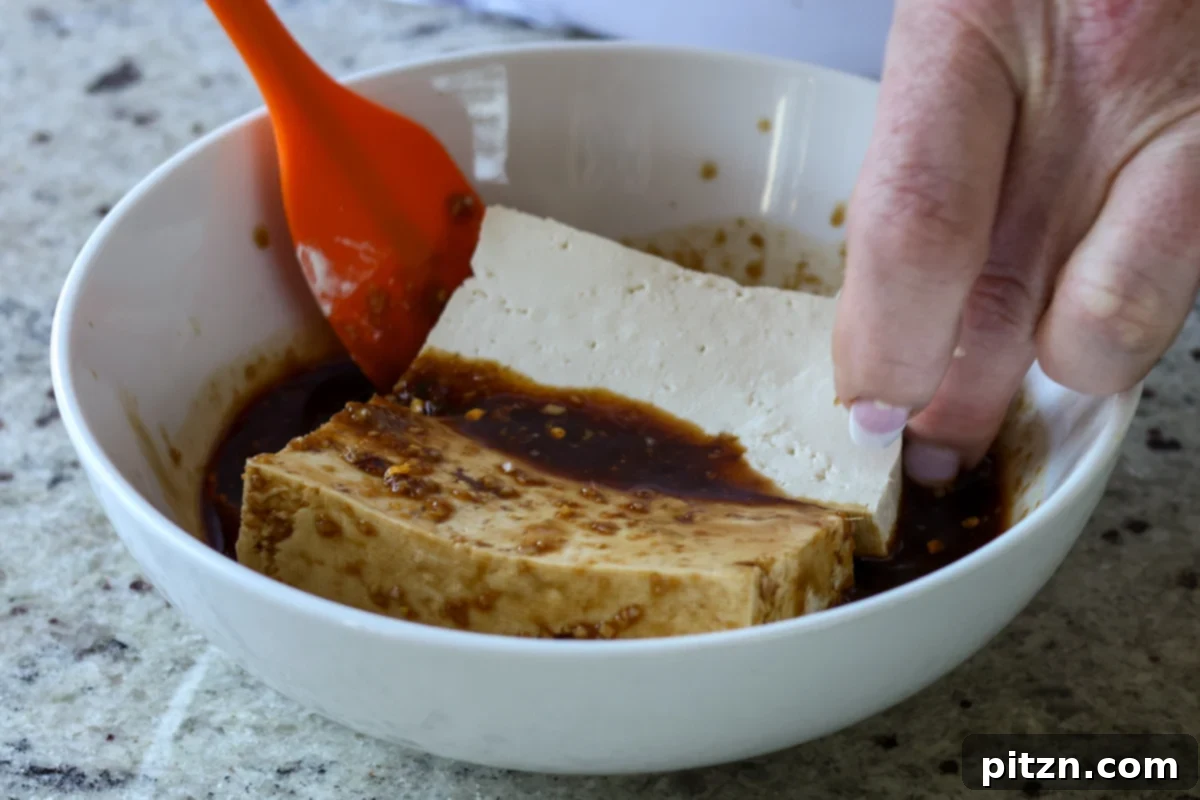
Add your pressed tofu slabs to the teriyaki sauce, ensuring each piece is thoroughly coated. Gently flip the tofu to ensure even coverage. Set the bowl aside to marinate for a minimum of 10 to 15 minutes. This brief marination period allows the tofu to soak up the delicious flavors, enhancing its taste. While the tofu marinates, take this opportunity to chop your ginger and garlic for the chili crisp, and slice your onions and bell peppers for the ramen broth, along with preparing any other desired toppings.

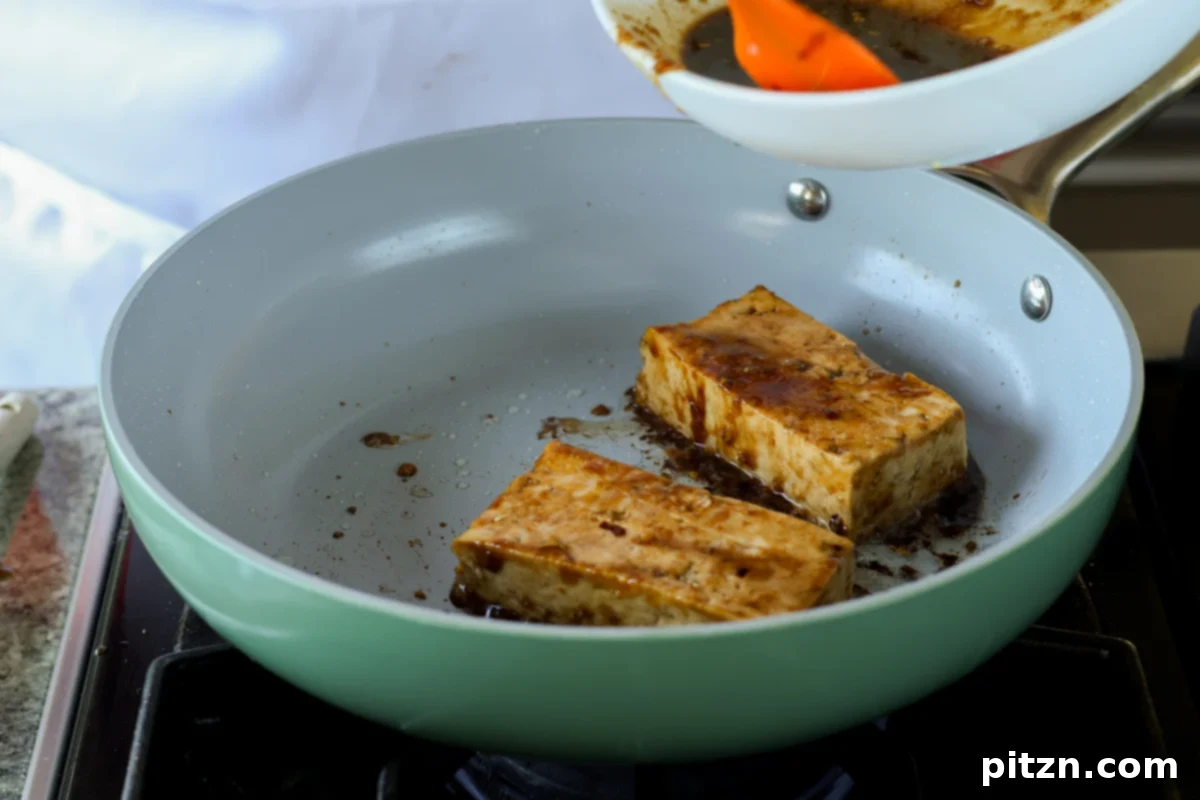
When the tofu’s marinating time is complete, heat a large, deep skillet over medium-high heat. Add 1 teaspoon of oil. Once the oil is hot and shimmering, carefully place the marinated tofu slabs into the skillet. Cook for 2 to 3 minutes on one side until a beautiful golden crust forms. Gently flip the tofu and immediately pour all of the remaining teriyaki sauce mixture from the bowl into the skillet. Continue to cook, using a spatula to baste the tofu with the sauce, allowing it to reduce and thicken into a glorious, sticky glaze that adheres to the tofu. Cook for another minute or so, then remove the glazed tofu from the skillet and transfer it to a cutting board. If any teriyaki sauce remains in the pan, scrape it into a small bowl to drizzle over the finished ramen.

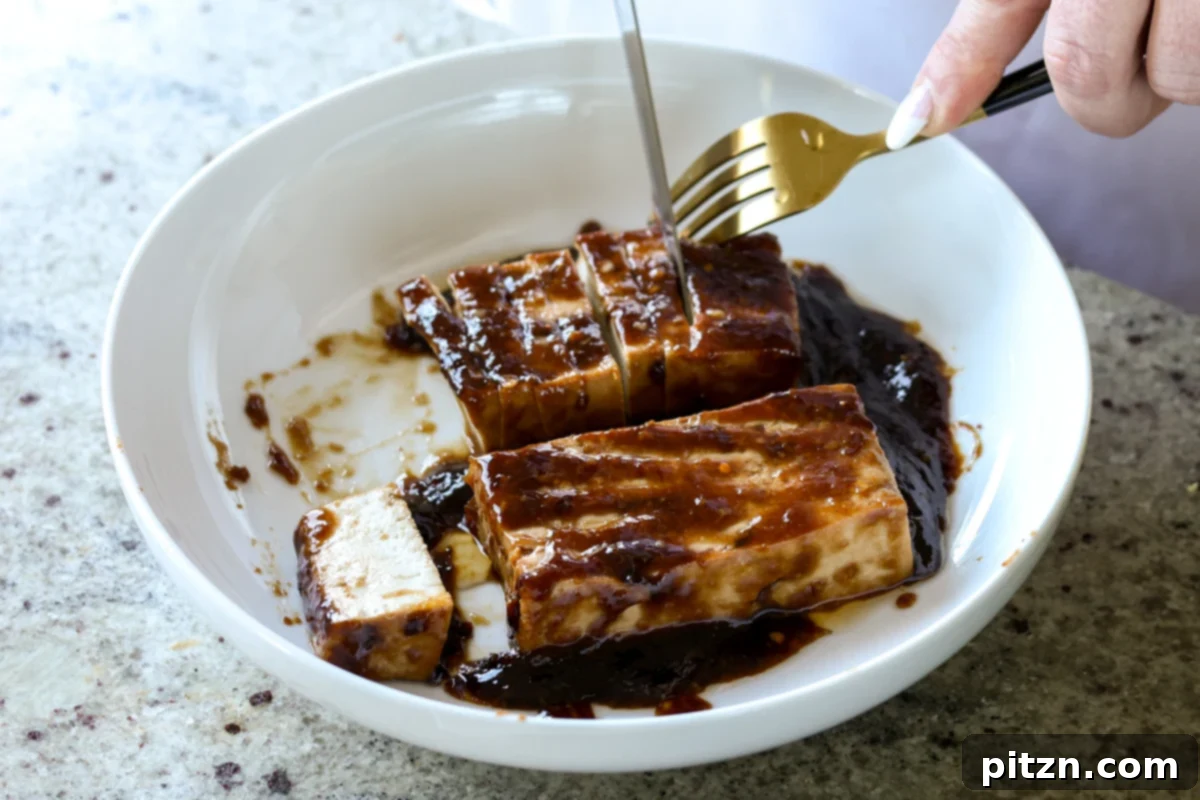
Allow the cooked tofu to cool slightly on the cutting board until it’s comfortable to handle. Once cooled, slice the tofu slabs into 1/4-inch thick strips. These beautifully glazed slices will be the perfect topping for your ramen. You can efficiently slice the tofu while you proceed with making the chili crisp and the ramen broth.
In the same skillet (no need to clean it!), reduce the heat to medium or medium-low. If your medium heat tends to run hot, opt for medium-low to prevent burning. Add 1 tablespoon of oil and let it heat gently. Stir in the finely chopped ginger and garlic. Next, add the gochugaru pepper flakes, mixing them thoroughly into the oil. Cook for 1 to 2 minutes, stirring constantly. You’ll notice the gochugaru flakes becoming fragrant and slightly smoky, and the garlic will begin to turn a light golden color. The aroma can be quite potent – a sneeze or two is not uncommon! Once the garlic turns golden, remove about half of this homemade chili crisp mixture and transfer it to a small bowl. This portion will serve as a vibrant and spicy garnish for your finished ramen.

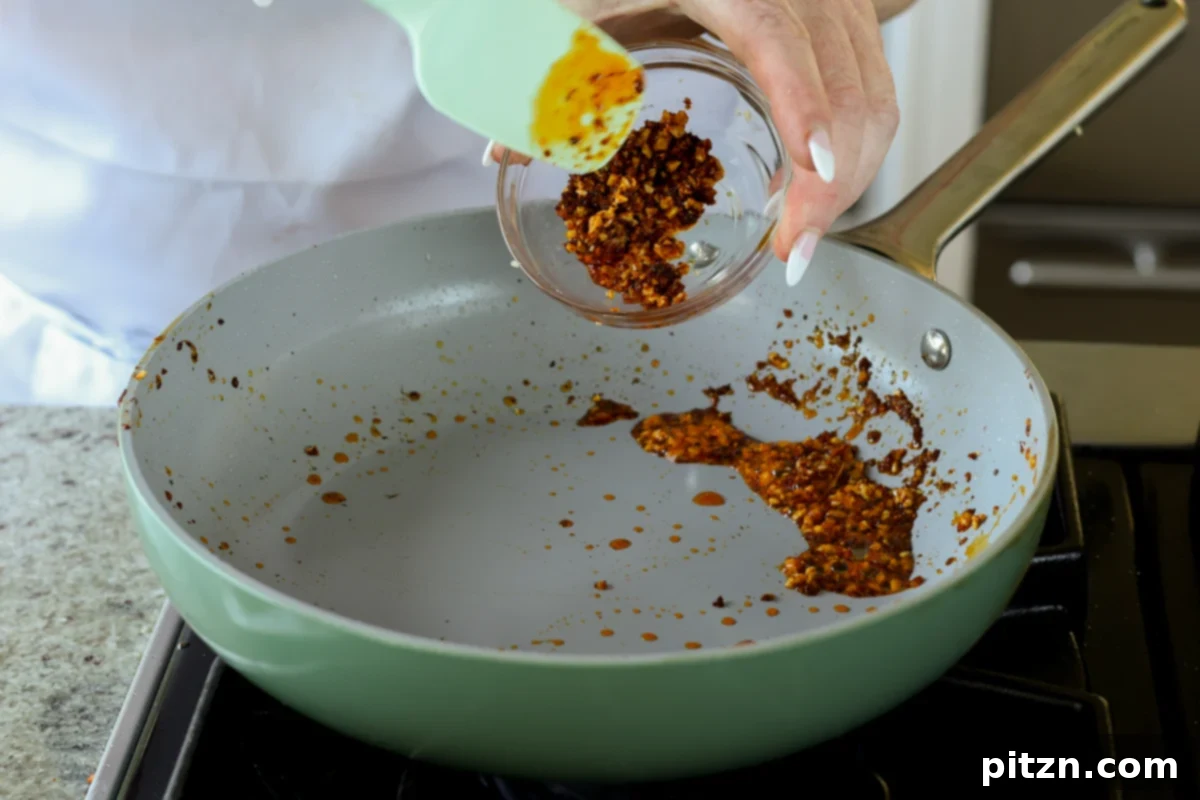
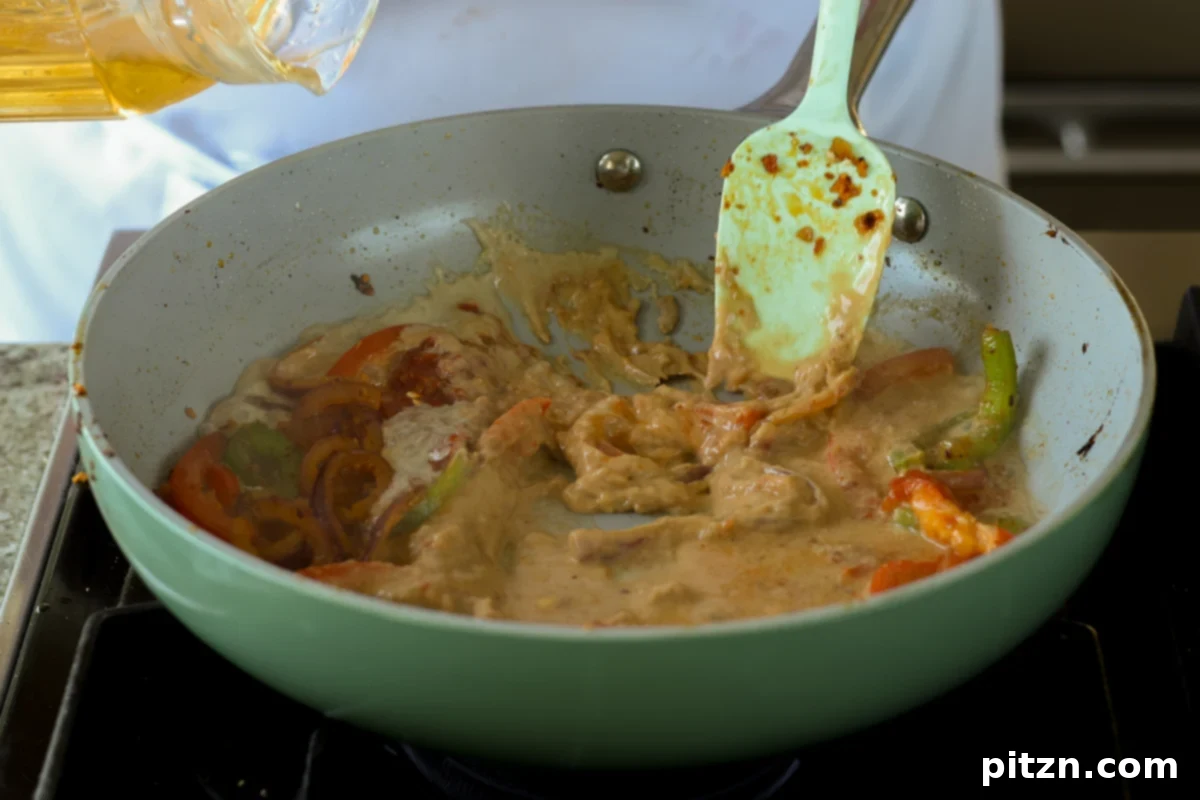
With the remaining chili crisp still in the skillet, add the sliced onion, bell peppers, and a good pinch of salt. Mix everything well and sauté for about a minute to slightly soften the vegetables. Increase the heat to medium. Now, stir in the miso paste, sambal oelek, and tahini. Pour in one cup of the water or stock, and diligently press and mix the ingredients to ensure the miso is fully incorporated and dissolved into the liquid. This process should take approximately a minute.
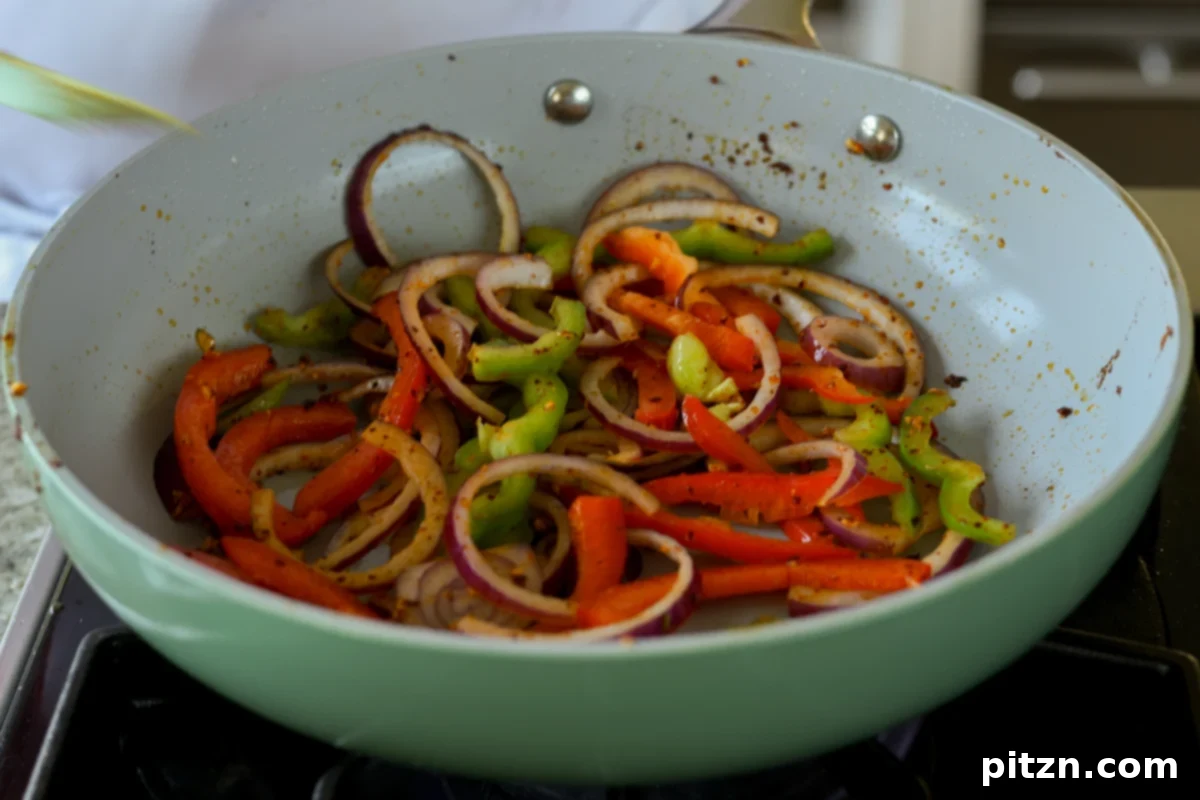
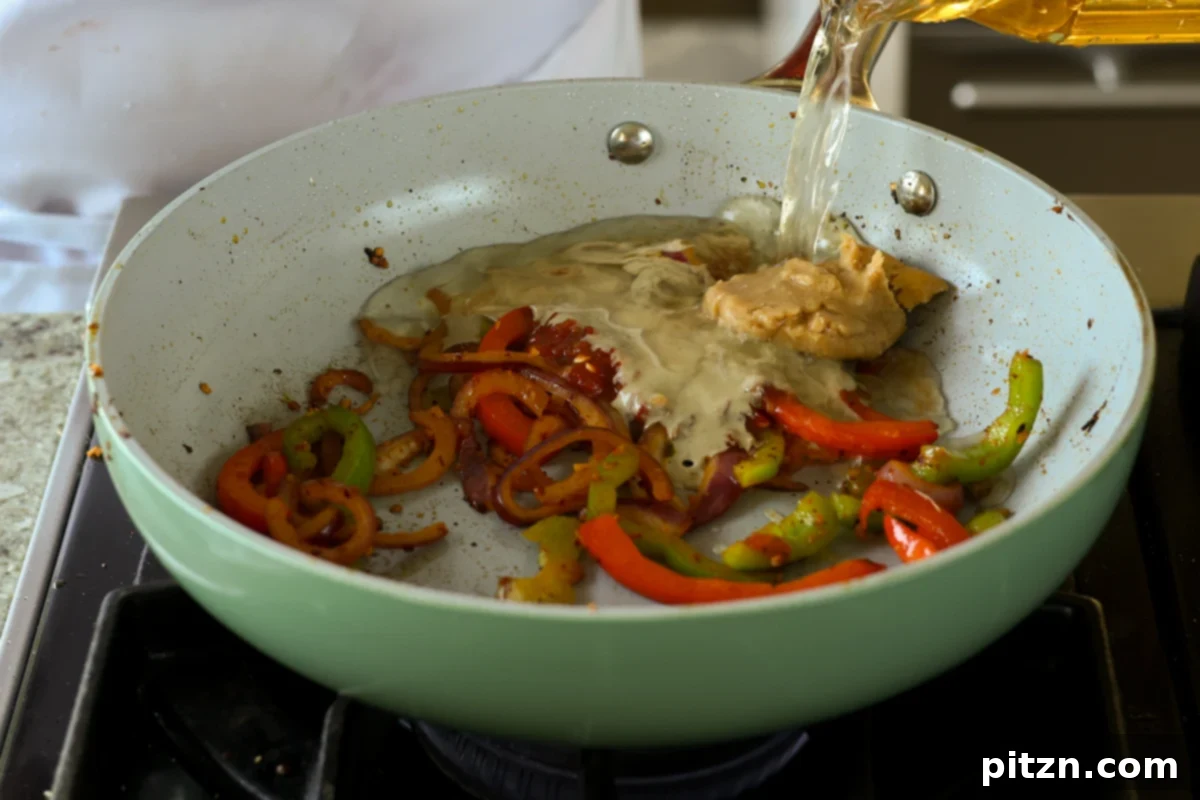
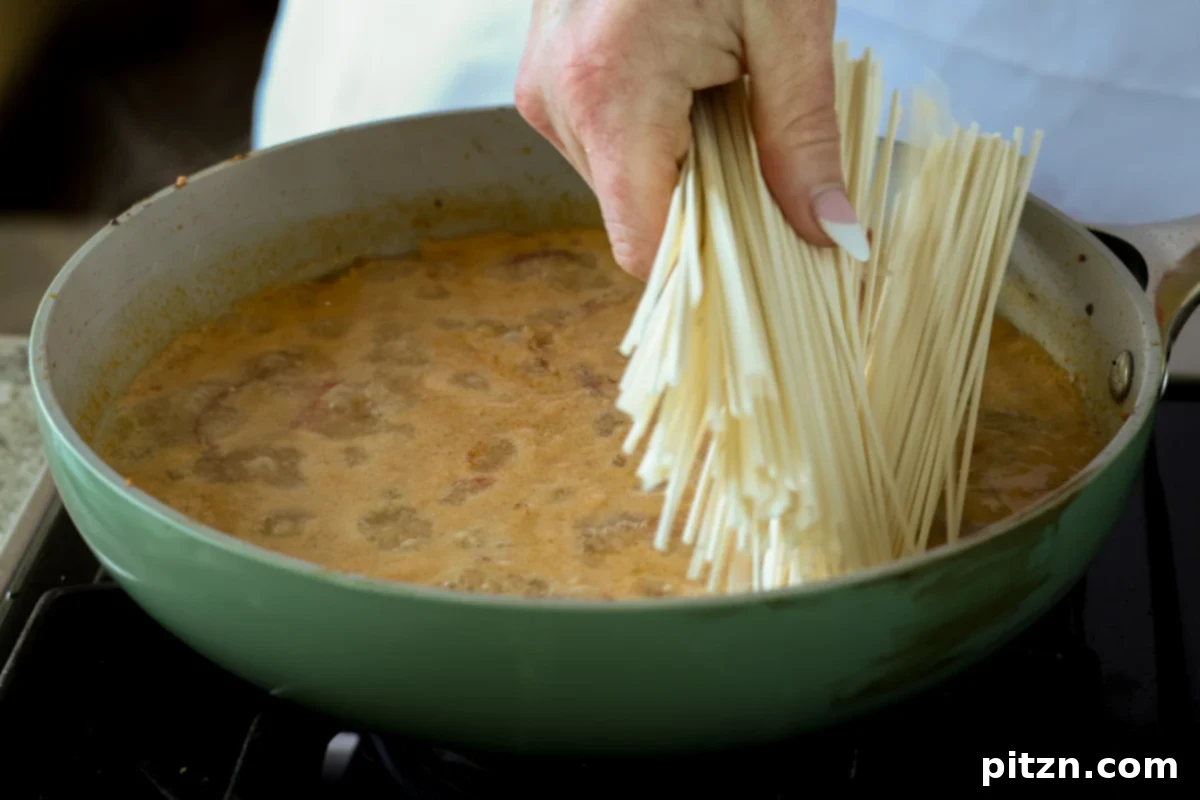
Next, pour in the rest of the water or stock and add more salt if needed, tasting to adjust the seasoning. Bring the broth mixture to a rolling boil. Carefully add the dried ramen noodles to the skillet, pressing them gently into the simmering liquid to ensure they are fully submerged. Cook the noodles according to package directions, or until they reach your preferred tenderness. This can typically range from 4 to 10 minutes, depending on the type and brand of noodles used. (If you are using pre-cooked noodles, please refer to the recipe notes section for adjusted liquid amounts and cooking times.)

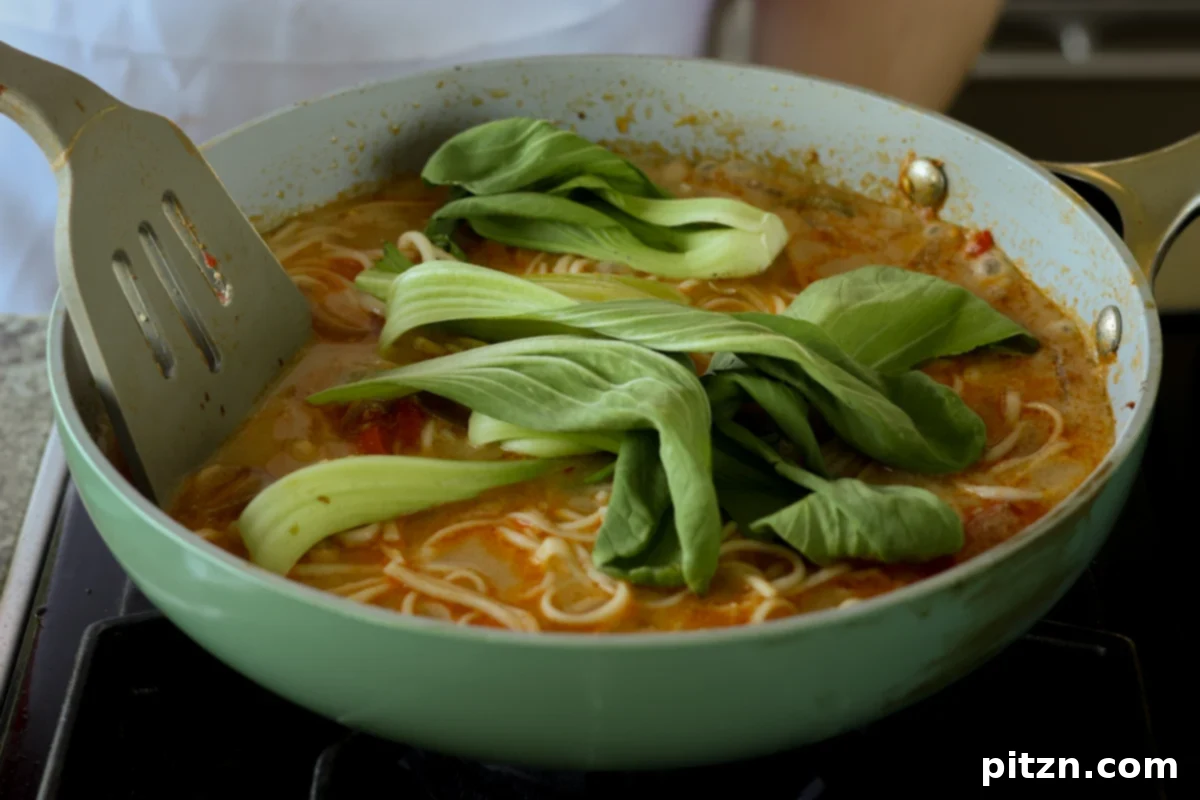
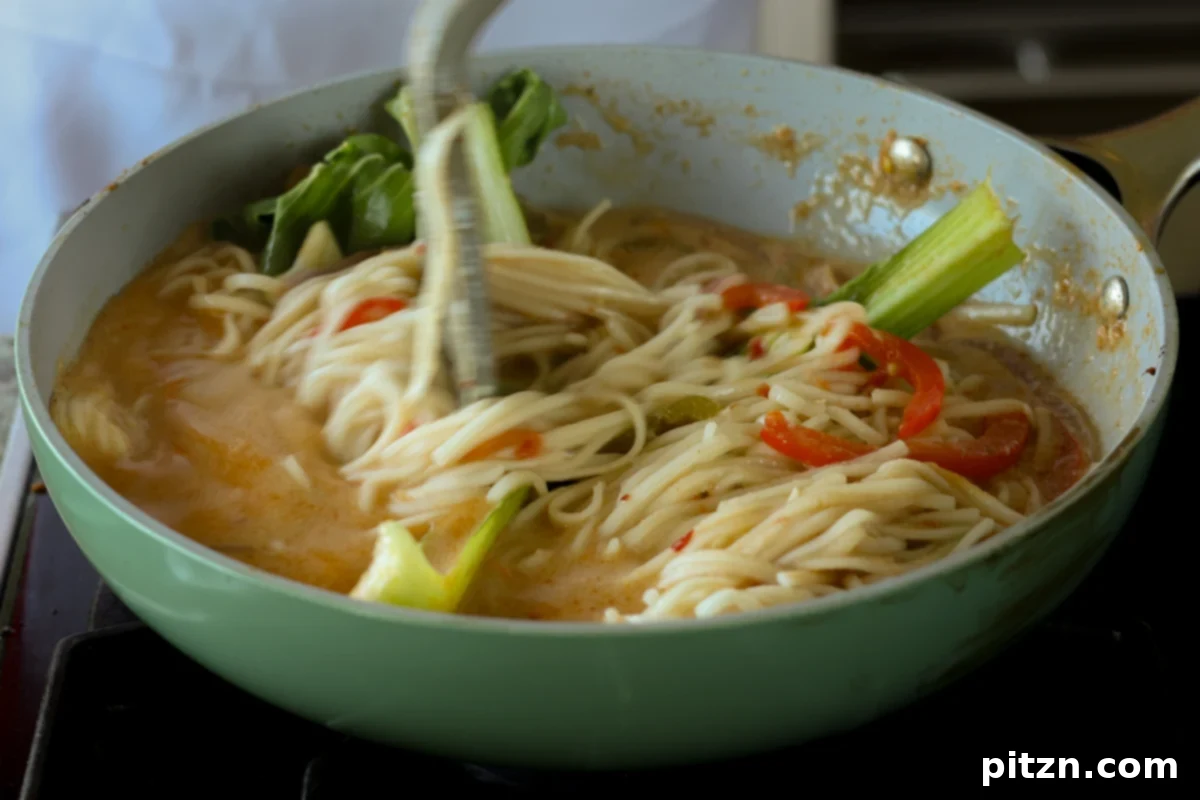
Once the noodles are cooked to your liking, add the baby bok choy (or your chosen quick-cooking greens) to the pan. Gently press it into the noodle and broth mixture. Allow it to cook for approximately half a minute, then immediately switch off the heat. The ample residual heat in the hot broth will gently wilt the bok choy to perfection without overcooking it, maintaining its vibrant color and slight crunch. Taste the ramen broth again and make any final adjustments to the seasoning, adding more salt, a splash of soy sauce for umami, or a squeeze of fresh lime juice for a touch of brightness and tang, if desired. Stir lightly to combine. Allow the ramen to sit for a minute or two off the heat; this brief resting period allows all the flavors to deepen and meld beautifully.
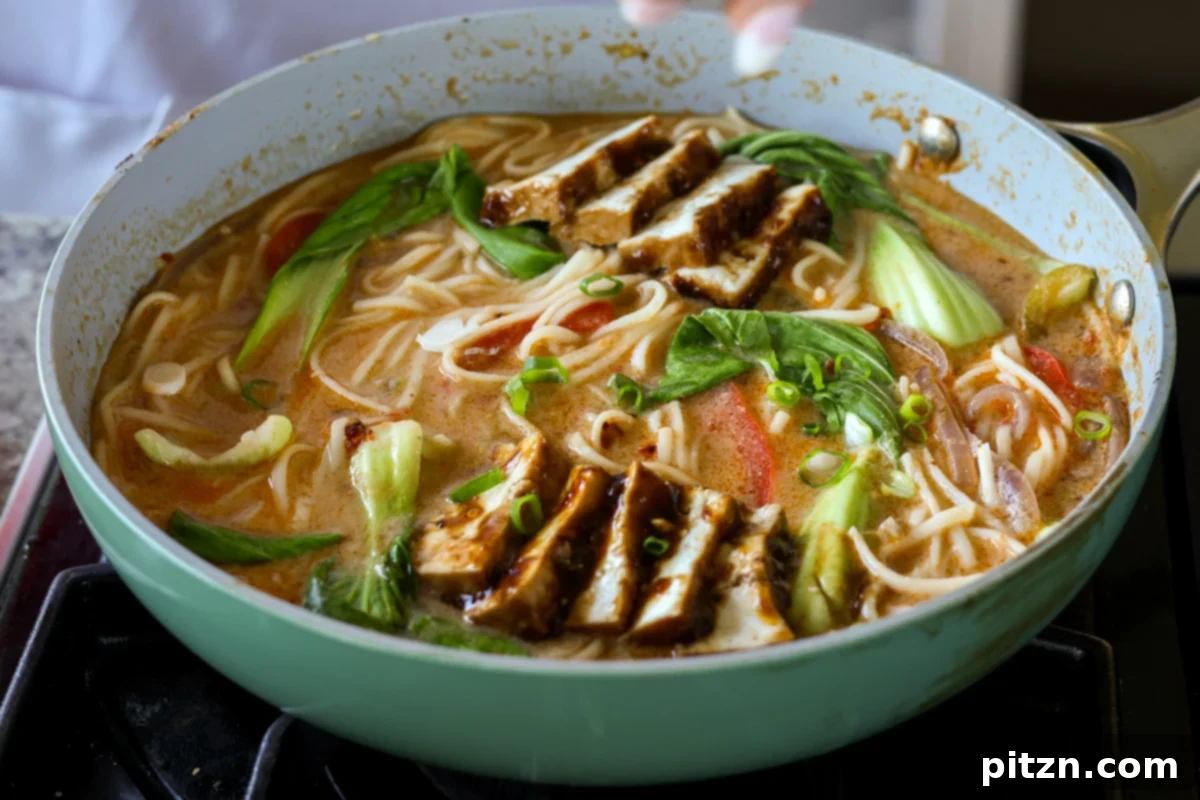
To serve, ladle a generous portion of the creamy noodles and fragrant broth into your favorite serving bowls. Artfully arrange the sliced teriyaki tofu on top of the noodles and vegetables. Garnish with a sprinkle of fresh green onions, toasted sesame seeds, a spoonful of the reserved chili crisp, and any other toppings you love, such as sprouts or a drizzle of extra teriyaki sauce. Serve immediately and enjoy the comforting, complex flavors of your homemade Creamy Tahini Ramen!
What to Serve with Tahini Ramen
While this Creamy Tahini Ramen is a wonderfully complete and satisfying meal on its own, pairing it with complementary sides can elevate your dining experience. Think about balancing the richness of the ramen with fresh, lighter options or adding more textural contrast.
- Fresh Spring Rolls with Peanut Sauce: The crisp, fresh vegetables and herbs in vegan spring rolls offer a refreshing contrast to the warm, creamy ramen. The accompanying peanut sauce often shares flavor notes with tahini, creating a harmonious pairing.
- Sticky Sesame Cauliflower: For another savory and satisfying bite, sticky sesame cauliflower brings a delightful crunch and a sweet-savory glaze that complements the teriyaki tofu and chili crisp perfectly.
- Simple Green Salad with Ginger Dressing: A light, crisp green salad dressed with a zesty ginger-sesame vinaigrette can provide a refreshing palate cleanser between spoonfuls of rich ramen.
- Steamed Edamame: Lightly salted steamed edamame pods are a classic Asian appetizer that are both healthy and provide a simple, satisfying snack alongside your noodles.
- Kimchi or Pickled Vegetables: The tangy, spicy, and probiotic-rich flavors of kimchi or other quick-pickled vegetables can cut through the richness of the ramen, adding a bright, zesty counterpoint.
Frequently Asked Questions
Absolutely! This recipe is naturally nut-free, making it a great choice for those with nut allergies (as long as no nut butter is used as a tahini substitute). To make it gluten-free, simply use gluten-free ramen noodles and substitute tamari for regular soy sauce. For a completely soy-free version, replace the tofu with a soy-free vegan chicken substitute or homemade chickpea tofu. You’ll also need to use coconut aminos instead of soy sauce and chickpea miso instead of yellow miso for the broth.
Yes, several elements can be prepped ahead of time! You can press and marinate the tofu a day in advance, storing it in an airtight container in the refrigerator. The chili crisp can also be made ahead and stored in an airtight jar at room temperature for up to a week, or longer in the fridge. Chopping your vegetables (onions, bell peppers, ginger, garlic) can also save time on the day of cooking. However, for the best texture, cook the noodles fresh when you’re ready to eat.
Leftover Creamy Tahini Ramen is best stored in an airtight container in the refrigerator for up to 3 days. When reheating, it’s best to do so gently on the stovetop over low-medium heat, adding a splash of water or stock if the broth has thickened too much. The noodles might soften further upon reheating, but the flavors will still be delicious. You can also reheat in the microwave, stirring occasionally, until heated through.
While gochugaru offers a unique smoky-sweet heat, if you can’t find it, you can substitute with regular red pepper flakes (such as Aleppo pepper or a mix of standard red pepper flakes). For a touch of smokiness, consider adding a pinch of smoked paprika. The flavor profile won’t be identical, but it will still provide a delicious chili kick to your ramen.