
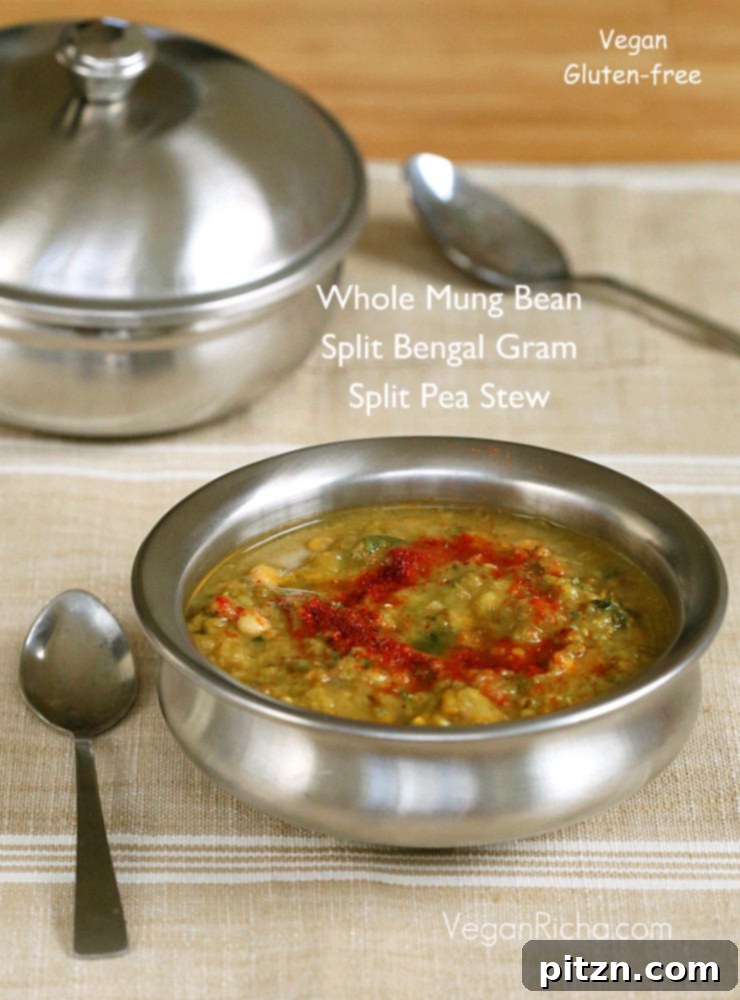
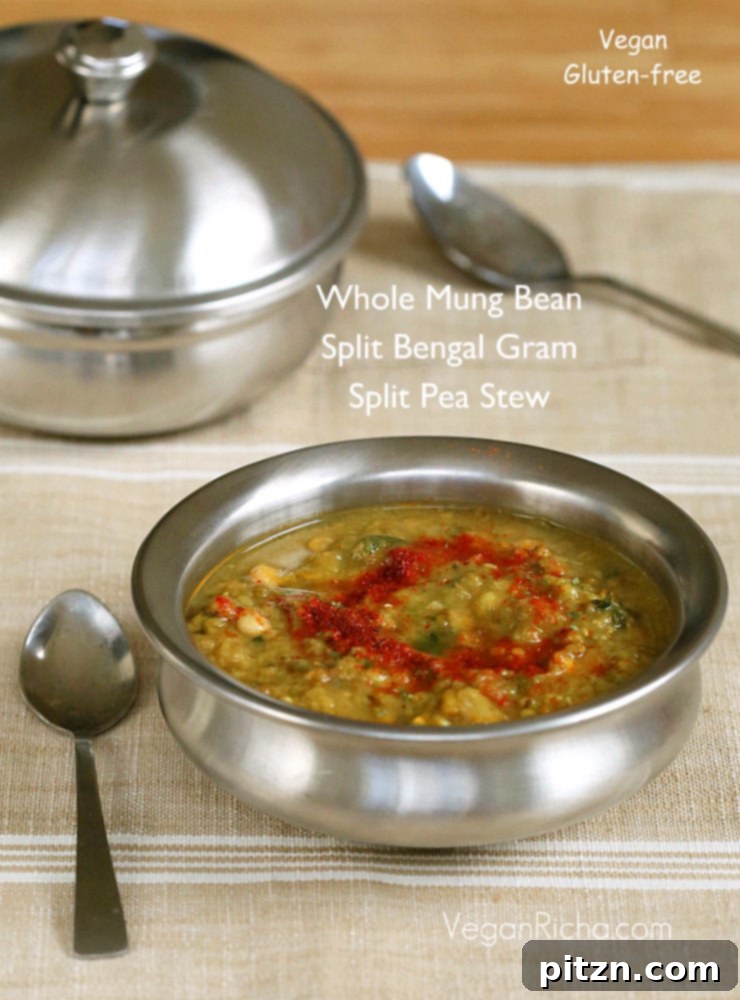
Tirangi Dal: A Wholesome & Flavorful Three-Lentil Indian Stew Recipe
Step into the heart of Indian culinary traditions with Tirangi Dal, a vibrant and incredibly nutritious lentil stew. This comforting dish, whose name beautifully translates to “three-colored” dal, brings together a harmonious blend of three distinct legumes: earthy whole Mung beans (Hare Moong), robust split Bengal gram (Chana Dal), and subtly sweet split green peas (Batana Dal). More than just a meal, Tirangi Dal is an experience—a testament to the depth of flavor and inherent goodness found in simple, plant-based ingredients.
Perfect for a nourishing family dinner or a cozy solo meal, this recipe guides you through creating an authentic Indian Dal stew, complete with an aromatic tadka (tempering) that adds layers of complexity and freshness. Discover how this naturally vegan and gluten-free dish can become a staple in your kitchen, offering both exceptional taste and remarkable health benefits.
The Essence of Dal: A Culinary Cornerstone
In Indian cuisine, “Dal” is a cornerstone, referring both to dried, split pulses and the comforting, thick stews created from them. It embodies simplicity, nutrition, and soulful flavor, making it an indispensable part of daily meals across India. Our Tirangi Dal celebrates this tradition by combining three unique lentils, each contributing its own texture and taste to create a truly balanced and enriching dish.
The selection of whole Mung beans provides a slightly firmer texture and an earthy depth, while Chana Dal, or split chickpeas, offers a delightful chewiness and a nutty undertone. Complementing these are the split green peas, which cook down to a creamy consistency, imparting a subtle sweetness that rounds out the flavor profile. This thoughtful combination not only enhances the gastronomic appeal but also boosts the nutritional value, making this Dal stew a complete and satisfying meal.
Nutritional Powerhouse: Health Benefits of This Three-Lentil Mix
Tirangi Dal isn’t just delicious; it’s a nutritional champion, packed with goodness from each of its legume components:
- Whole Mung Beans (Hare Moong): These little green gems are highly regarded in Ayurveda for their ease of digestion and detoxifying properties. They are an excellent source of plant-based protein, dietary fiber, antioxidants, and essential minerals like potassium, magnesium, and iron, promoting overall gut and heart health.
- Split Bengal Gram (Chana Dal): A popular choice for its distinctive nutty flavor and firm texture, Chana Dal is a powerhouse of protein and fiber, vital for muscle building and digestive health. It also provides a significant amount of iron, folate, and zinc, which are crucial for energy and immunity. Its low glycemic index makes it a favorable option for blood sugar management.
- Split Green Peas (Batana Dal): Adding a touch of vibrancy and natural sweetness, split green peas contribute a wealth of vitamins, including Vitamin K and C, as well as manganese. Their fiber content further enhances satiety and aids in maintaining a healthy digestive system, while their smooth texture enriches the stew’s consistency.
This powerful trio creates a complete protein source, making Tirangi Dal an ideal dish for vegetarians and vegans seeking to maximize their nutrient intake. Furthermore, it is naturally free of common allergens like dairy, egg, corn, nuts, yeast, soy, gluten, and grains, ensuring it can be enjoyed by individuals with various dietary restrictions.
The Art of Tadka: Flavor Burst in Every Spoonful
The secret to an unforgettable Indian Dal lies in its “Tadka”—a crucial tempering technique where whole or ground spices are sizzled in hot oil or ghee to release their potent aromas and flavors. For our Tirangi Dal, we employ an ingenious two-stage tadka process. The initial tempering, cooked alongside the lentils, builds a deep, savory foundation. The second, a fresh tempering (often referred to as chhonk or baghaar), is added just before serving, delivering an invigorating burst of fragrance and a vibrant flavor lift. This final touch is what truly transforms a simple lentil stew into a gourmet experience.
Our carefully chosen tadka ingredients include fragrant onions, fiery green chilies, pungent ginger and garlic, a generous pinch of asafoetida (hing) for digestive aid and a unique savory depth, golden turmeric for its color and health benefits, and a blend of garam masala or coriander powder to add warmth and complexity. Freshly chopped tomatoes contribute a balancing tanginess and body, harmonizing all the elements into a rich and comforting masterpiece.
Serving Suggestions: Elevating Your Tirangi Dal Experience
While Tirangi Dal is wonderfully satisfying on its own, it truly shines when paired thoughtfully. One particularly excellent accompaniment, which even won over traditionally-minded palates in our family, is Quinoa. This superfood grain, with its light and fluffy texture, offers a superb nutritional boost and makes a fantastic alternative to rice. Serve it generously mixed into the stew, topped with finely chopped raw onions and a squeeze of fresh lemon juice—a combination that brightens the entire dish and adds a delightful crunch.
Beyond quinoa, consider these traditional and delectable pairings to complete your Indian meal:
- Perfect Rice Pairings: Classic steamed Basmati rice, jeera rice (cumin rice), or brown rice are all excellent choices that allow the rich flavors of the dal to take center stage.
- Fresh Indian Breads: Scoop up every last bit of the stew with warm, soft roti, fluffy naan, or flaky paratha. These breads are essential for a complete Indian dining experience.
- Crisp Side Salads: A simple kachumber (cucumber, onion, tomato salad) or any fresh green salad adds a refreshing contrast to the hearty dal.
- Yogurt or Raita: A side of plain yogurt or a cooling raita can balance the spices and add a creamy texture to your meal.
- Vibrant Garnishes: Don’t forget the finishing touches! A generous sprinkle of fresh cilantro, a dash of red chili powder or smoked paprika, or a few thin slices of green chili will not only enhance the visual appeal but also add fresh aroma and an extra layer of flavor.
In our home, the kitchen truly is the heart of everyday life. Many of our days are delightfully structured around planning and preparing elaborate Indian meals—a delicious dal or bean curry, a vibrant vegetable side, refreshing salads, and freshly made flatbreads. It’s a rhythm that brings joy and warmth to our family. And when my father isn’t helping whip up a feast, he’s often engaged in practical projects, like carefully customizing our kitchen’s deep shelves with channeled sliders to make them more accessible. These moments, whether culinary or practical, weave the rich tapestry of our daily lives, always revolving around comfort, good food, and shared experiences.
Craving more wholesome and flavorful lentil dishes? Explore a diverse collection of Dals, Curries, Lentil Soups, and Stews here for endless inspiration.
Recipe: Wholesome Whole Mung Bean, Split Bengal Gram, Green Split Pea Stew – Tirangi Dal
Allergy Information:
This authentic Indian Dal recipe is thoughtfully crafted to be Free of Dairy, Egg, Corn, Nuts, Yeast, Soy, Gluten, and Grains, making it an excellent and safe choice for a wide array of dietary preferences and restrictions.
Ingredients:
- 1/2 cup Whole Mung/Moong Beans (Green Mung)
- 1/4 cup Split Bengal Gram (Chana Dal) – also known as split chickpeas; if unavailable, you may increase the quantity of split peas
- 1/2 cup Split Peas (yellow or green varieties work well)
- 2.5 – 3 cups water
- 3/4 teaspoon salt (adjust to your personal taste)
For the Tempering (Tadka):
- 2 teaspoons oil (use vegetable, canola, or any cooking oil of your choice)
- 1/2 medium onion, finely chopped
- A generous pinch of asafoetida (hing) – crucial for its authentic flavor and digestive benefits
- 1 green chili, chopped (adjust quantity based on your desired level of heat)
- 2 Tablespoons finely chopped garlic
- 1 Tablespoon finely chopped ginger
- 1/2 teaspoon turmeric powder
- 1/2 teaspoon garam masala or coriander powder, or a delightful blend of both
- 1 1/2 medium tomatoes, chopped
Method:
- Prepare the Legumes: Begin by combining the whole Mung beans, Chana Dal, and split peas in a large bowl. Rinse them thoroughly under cold running water until the water runs clear. Then, soak them overnight or for a minimum of 4 hours. Soaking significantly reduces cooking time and enhances digestibility. Drain the soaked legumes and rinse them once more before proceeding.
- Start the Base Tempering: Heat the oil in a pressure cooker or a deep, heavy-bottomed pan over medium-high heat. Add the chopped onion, green chili, finely chopped ginger, and garlic. Sauté, stirring frequently, until the onions turn a beautiful golden brown, which typically takes about 6-7 minutes.
- Infuse with Spices: Reduce the heat to medium. Stir in the asafoetida (hing), turmeric powder, and garam masala (or coriander powder). Mix well and cook for approximately 30 seconds until the spices become fragrant. Be careful not to burn them, as this can lead to a bitter taste.
- Add the Tomatoes: Incorporate the chopped tomatoes into the pan. Mix thoroughly and cook on medium heat until the tomatoes soften considerably and begin to break down, about 5-6 minutes. Use the back of your spoon or ladle to mash the tomatoes slightly and continue cooking for another minute to fully integrate their flavors.
- Reserve Half for Freshness: Carefully scoop out about half of this cooked tempering mixture and set it aside in a small bowl. This reserved portion will be added later, just before serving, to provide a fresh burst of flavor and a vibrant aroma.
- Combine with Dal: To the remaining tempering in the pan or cooker, add the drained and washed mixed beans, along with 2.5 to 3 cups of fresh water and the 3/4 teaspoon of salt. Stir everything thoroughly to ensure all ingredients are well combined.
- Cooking Methods:
- Pressure Cooker Method (Highly Recommended): Bring the mixture to a boil, then securely close the lid. Cook for 1 whistle on medium-high heat. Afterward, reduce the heat to low and continue cooking for an additional 10-15 minutes.
For Instant Pot users: Select the Manual/Pressure Cook setting on high and cook for 11-12 minutes. Allow for a natural pressure release for 10 minutes, then manually release any remaining pressure. - Saucepan Method: If using a deep, heavy-bottomed pan, add another half cup of water (for a total of 3-3.5 cups). Cover the pan and simmer on low-medium heat for 30-40 minutes, or until all the beans are tender. You may need to add more hot water if the dal becomes too thick during cooking. Once tender, lightly mash some of the beans against the side of the pan with your ladle to achieve a slightly creamy consistency and cook for another 5 minutes.
- Pressure Cooker Method (Highly Recommended): Bring the mixture to a boil, then securely close the lid. Cook for 1 whistle on medium-high heat. Afterward, reduce the heat to low and continue cooking for an additional 10-15 minutes.
- Final Flourish & Serve: Just before serving, stir the reserved tempering/tomato mixture into the freshly cooked dal. Mix thoroughly to integrate the fresh flavors and aromas. Serve the Tirangi Dal hot, garnished generously with fresh cilantro, a pinch of chili powder, or a dusting of smoked paprika for an exquisite finish.
Expert Tips for the Perfect Tirangi Dal:
- Adjusting Consistency: If your dal is too thick after cooking, simply stir in a little hot water until it reaches your desired consistency and simmer for a minute. If it’s too thin, simmer it uncovered for a few extra minutes to allow some liquid to evaporate.
- Customizing Spice Levels: The amount of green chili can be adjusted to your heat preference. For a milder version, you can deseed the chili or omit it entirely. For more heat, add an extra chili or a pinch of red chili powder.
- Make Ahead & Storage: Tirangi Dal, like many stews, often tastes even better the next day as the flavors have more time to meld. Store leftovers in an airtight container in the refrigerator for up to 3-4 days. It also freezes beautifully for up to 3 months; thaw overnight in the fridge and reheat gently, adding a splash of water if needed.
- Freshness is Key: Using fresh ginger, garlic, and cilantro truly makes a significant difference in the vibrancy and overall taste of this dish. Opt for fresh ingredients whenever possible.
Why Tirangi Dal Belongs in Your Kitchen
Tirangi Dal is more than just a recipe; it’s a celebration of wholesome ingredients and profound flavors. Its ability to deliver both deep comfort and significant nutrition makes it an indispensable addition to any meal rotation. Whether you are seeking a hearty plant-based protein source, a nourishing family dinner, or simply an authentic taste of India, this three-lentil stew excels on all fronts. With its captivating colors, intricate aromas, and wonderfully satisfying textures, Tirangi Dal is poised to become a cherished favorite in your culinary repertoire.
Embrace the warmth and incredible satisfaction of homemade Indian cuisine. Give this Tirangi Dal recipe a try, and prepare to be enchanted by its delightful charm and robust, wholesome flavors. It stands as a beautiful testament to how simple, natural ingredients can merge to create something truly extraordinary and deeply comforting.