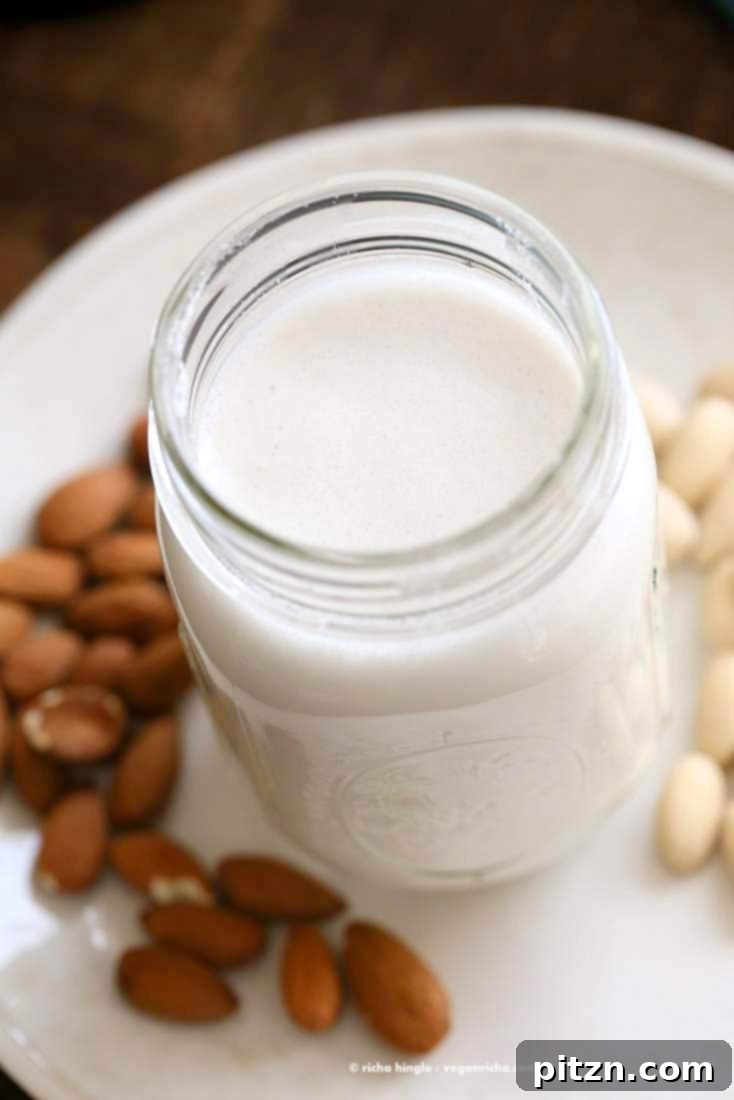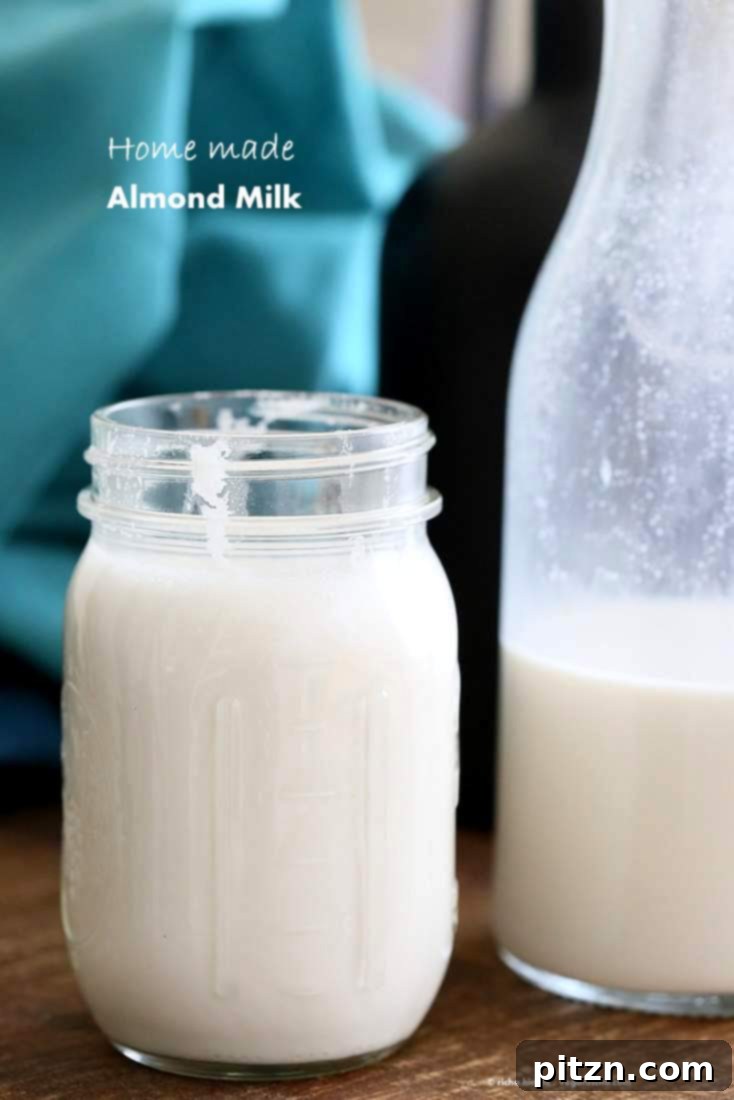
Welcome to the ultimate guide for making fresh, homemade almond milk! This versatile plant-based milk has become a cornerstone in many kitchens, offering a creamy, delicious alternative to dairy. From enriching curries and sauces to enhancing your morning coffee, chai, or baked goods, its applications are endless. While store-bought options are readily available, crafting your own almond milk at home gives you complete control over ingredients, ensuring a pure, additive-free beverage tailored to your taste.
Jump to Recipe
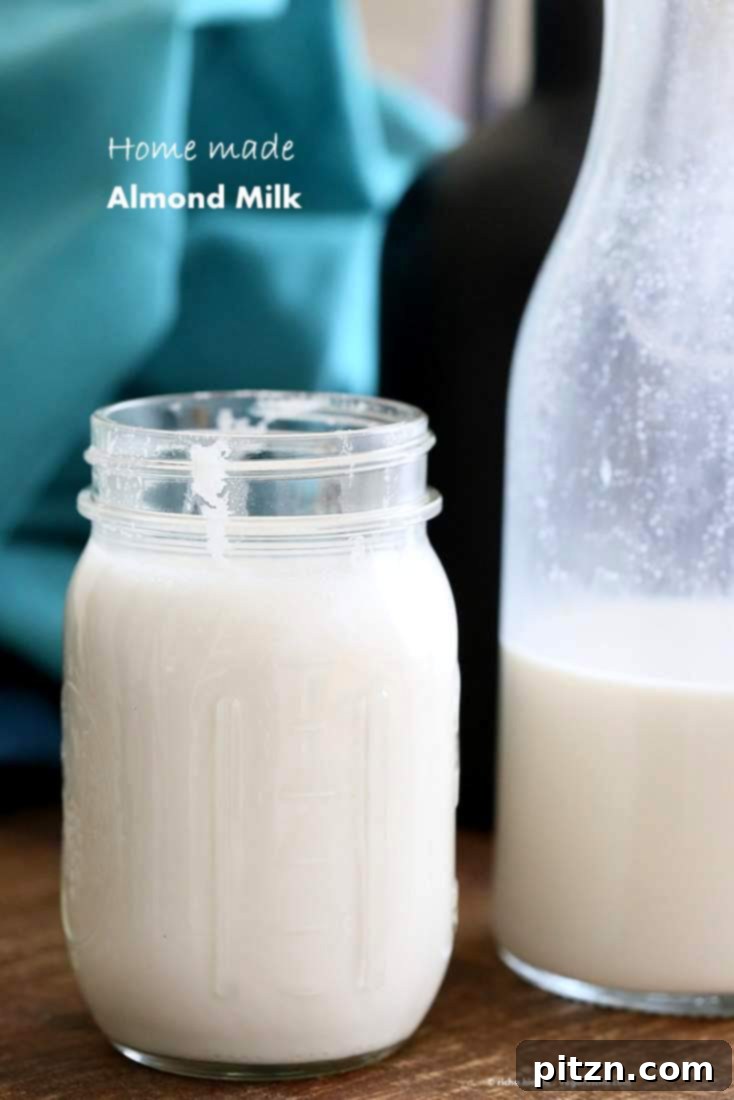
The Blanched Almond Advantage: Why It Matters for Flavor and Texture
One of the biggest revelations for homemade almond milk enthusiasts is the choice between blanched and raw almonds. While raw, unpeeled almonds are perfectly suitable, blanched almonds offer a distinct advantage: a significantly less prominent almond flavor. This nuanced difference is crucial when using almond milk in delicate recipes or beverages where you don’t want the almond taste to overpower other ingredients. Imagine a perfectly spiced Masala Chai, a rich latte, a refreshing smoothie, or even savory curries and vegan cheeses – a neutral-tasting almond milk allows these flavors to truly shine.
Beyond flavor, blanched almonds also contribute to a smoother texture and an easier straining process. The lack of skins means less gritty pulp, resulting in a silkier milk that can often be strained through a regular fine-mesh sieve, eliminating the need for a specialized nut milk bag. This also translates to a much simpler cleanup, as the pulp is easier to scoop out and the strainer rinses clean quickly. While I don’t always make almond milk from scratch due to the convenience of packaged options and homemade milk’s shorter shelf life, when I do, I always opt for blanched almonds for these compelling reasons. The good news is, the fundamental process remains largely the same whether you choose blanched or raw almonds.
Achieving Creaminess: Tips for a Richer Almond Milk
If you’re looking for an almond milk that mimics the richness of whole dairy milk, especially for creamy chai tea or robust vegan almond milk-based cheeses, a simple trick is to add a couple of raw cashews per half cup of almonds during the soaking stage. Cashews contribute extra fat and a buttery texture, resulting in a luxuriously creamy milk that holds up beautifully in heated applications without curdling. This added creaminess makes it an ideal substitute in recipes like chai tea and vegan almond milk cheeses, providing that desired mouthfeel and body.
The Homemade Difference: Flavor, Freshness, and Control
One common concern with homemade almond milk, especially when made with raw almonds, is the sometimes overpowering “almond-y” taste. This flavor can become even more pronounced when heated, such as in boiled chai tea, or concentrated in thick smoothies and milkshakes. My quest for the perfect morning chai, a beloved ritual for many, led me to experiment with blanched almonds, and the difference was truly transformative. The neutral base allows the spices in chai to shine, creating a harmonious and balanced beverage.
Thankfully, blanching almonds at home isn’t as cumbersome as it might sound. While you can easily purchase pre-blanched almonds, the home blanching method is straightforward and effective. Moreover, the decision to avoid a nut milk bag for straining, in favor of an easier-to-clean regular strainer, streamlines the entire process, making homemade almond milk a more approachable endeavor.
Adjusting the water content allows you to customize the consistency of your almond milk. For richer applications like chai, coffee, or homemade almond milk yogurt, I prefer a thicker, creamier milk made with less water. For lighter uses like cereal or smoothies, you can add more water to achieve your desired pourable consistency.
How to Make Homemade Almond Milk: A Step-by-Step Guide
Step 1: Soaking the Almonds
Begin by soaking your almonds. Whether you choose blanched or raw, overnight soaking is essential. This crucial step softens the almonds, making them easier to blend into a smooth milk and also helps to activate enzymes, improving digestibility and nutrient absorption. I typically soak them on the counter for a few hours before transferring them to the refrigerator overnight to ensure they remain fresh.
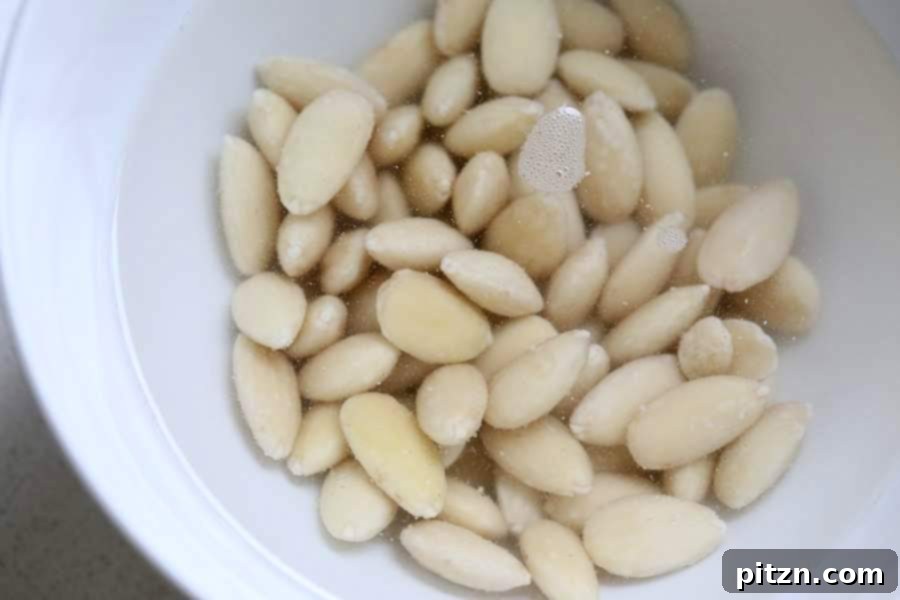
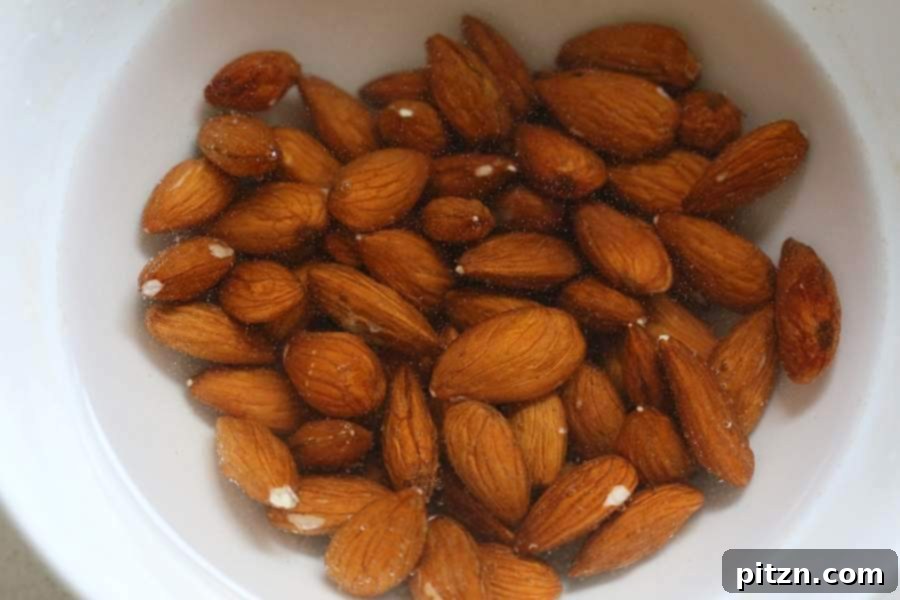
Step 2: Preparing for Blending (Optional Blanching)
After soaking, thoroughly drain and rinse your almonds. If you are using raw, unpeeled almonds and wish to blanch them for a milder flavor and smoother milk, this is the time. Simply pour boiling water over the drained almonds and let them sit for about 5 minutes. This gentle heat further softens the almonds and loosens their skins. Drain them again, rinse with cold water, and the skins should easily slip off with a gentle squeeze. If you’re using pre-blanched almonds or prefer to keep the skins on for a stronger flavor, you can skip this re-blanching step and proceed directly to blending.
Step 3: Blending for Creaminess
Transfer the prepared almonds to a high-speed blender. Add 1 to 1.5 cups of fresh water. For optimal creaminess and to ensure all almond particles are finely ground, blend on high for several minutes, running for 2-3 cycles. You’ll notice the mixture transform into a cloudy, milky liquid. At this stage, you can add a tiny pinch of salt to enhance flavor and your preferred sweetener (like a date, maple syrup, or agave) to taste. For a thicker, richer milk perfect for chai or coffee, I typically add about 1/2 cup more water after the initial blend. Adjust the total water content (up to 2 cups) to achieve your desired consistency.

Step 4: Straining Your Homemade Almond Milk
This step varies slightly depending on whether you used blanched or unpeeled almonds.
- **For Blanched Almond Milk:** Due to the absence of skins, blanched almond milk can be easily strained through a regular fine-mesh strainer or a cheesecloth-lined sieve. Simply pour the blended mixture into the strainer. Use a spoon to gently press the pulp against the strainer, extracting as much liquid as possible. Scoop out the residual pulp, rinse the strainer, and continue with any remaining milk. This method is incredibly easy to clean.
- **For Unpeeled Almond Milk:** For milk made with unpeeled almonds, a nut milk bag or a tightly woven cheesecloth-lined sieve is recommended to catch all the fine skin particles. Pour the blended mixture into the bag or cloth, then firmly squeeze and wring to extract every last drop of the milky goodness.
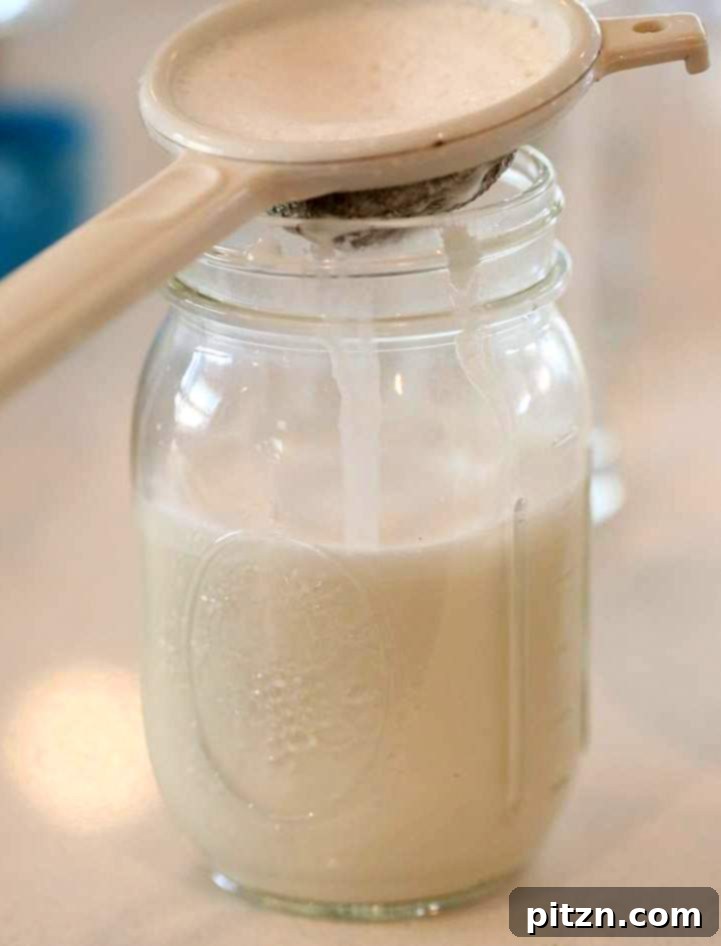
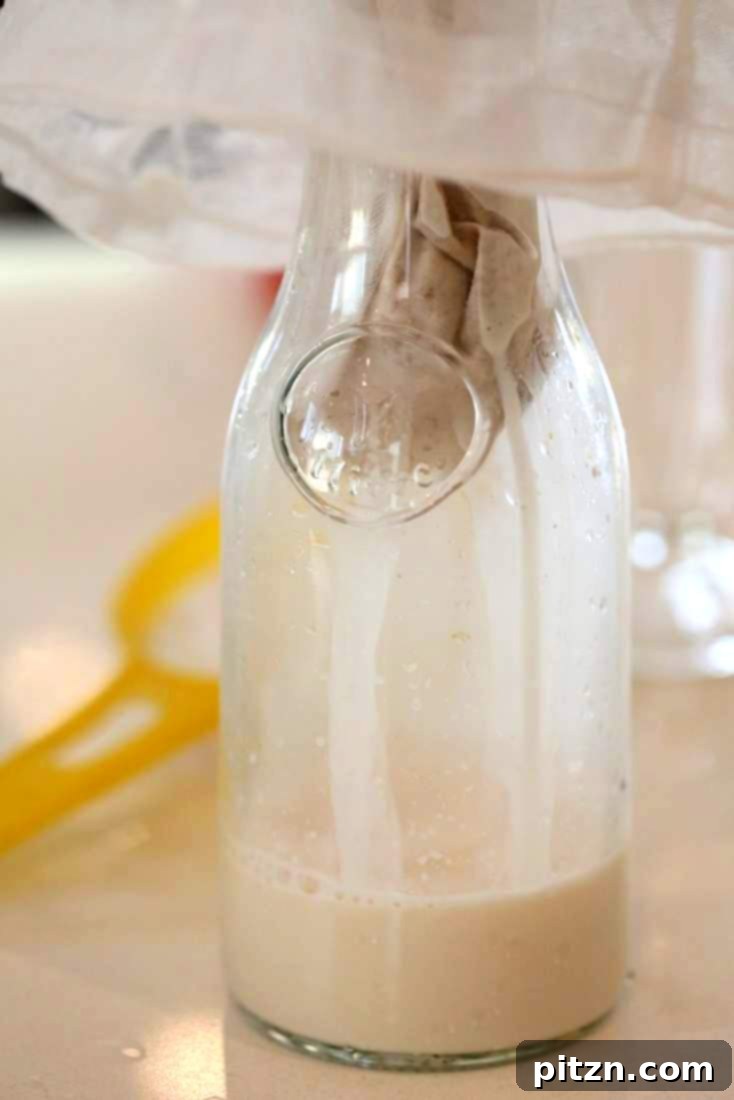
Don’t Waste the Pulp! Creative Uses for Almond Residue
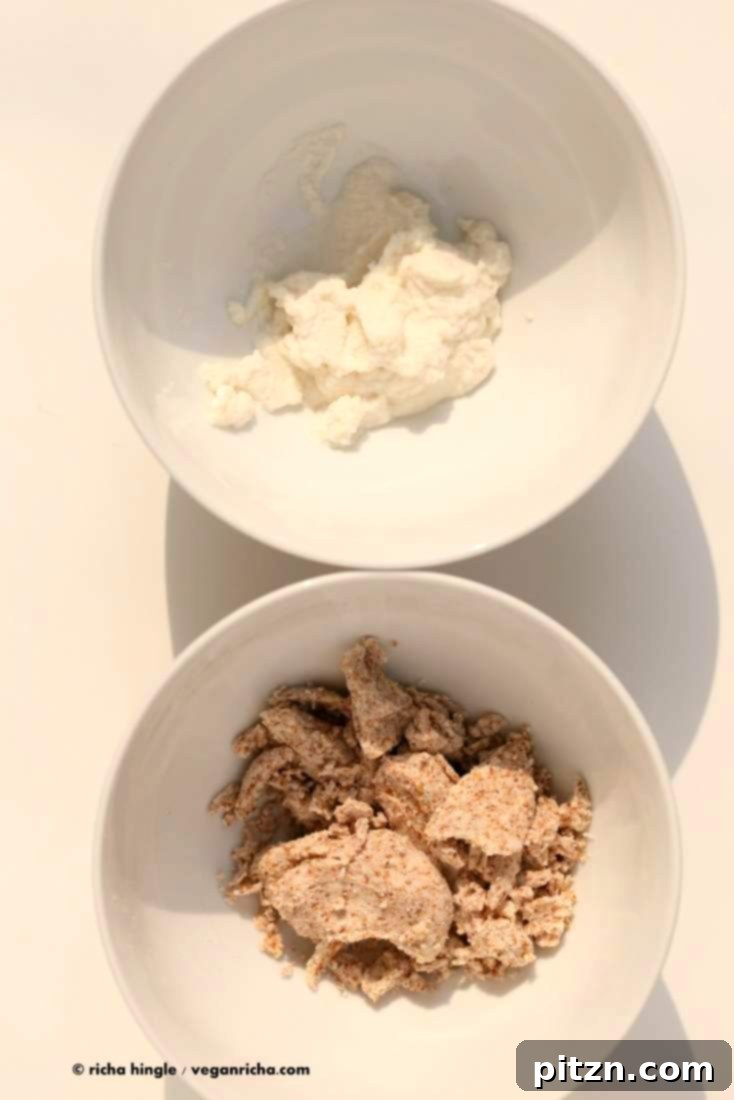
After straining, you’ll be left with a nutrient-rich almond pulp. Don’t discard it! This versatile byproduct can be repurposed in numerous ways:
- **Baking:** Incorporate almond pulp into muffins, cookies (like Cherry almond thumbprint cookies), energy bites, or even homemade crackers.
- **Savory Dishes:** Add it to thicken and add creaminess to Indian curries, soups, dals, or stews. It can also be mixed into veggie burgers or meatless meatballs for added texture and nutrition.
- **Smoothies:** Freeze small portions of pulp and add them directly to your morning smoothies for extra fiber and thickness.
- **Almond Flour:** Dehydrate the pulp in a low oven or dehydrator until completely dry, then blend into a coarse almond flour for gluten-free baking.
The pulp from both blanched and raw almonds can be used, though blanched pulp will have a finer texture and less almond-y flavor, making it more versatile for delicate recipes.
Storage Tips for Homemade Almond Milk
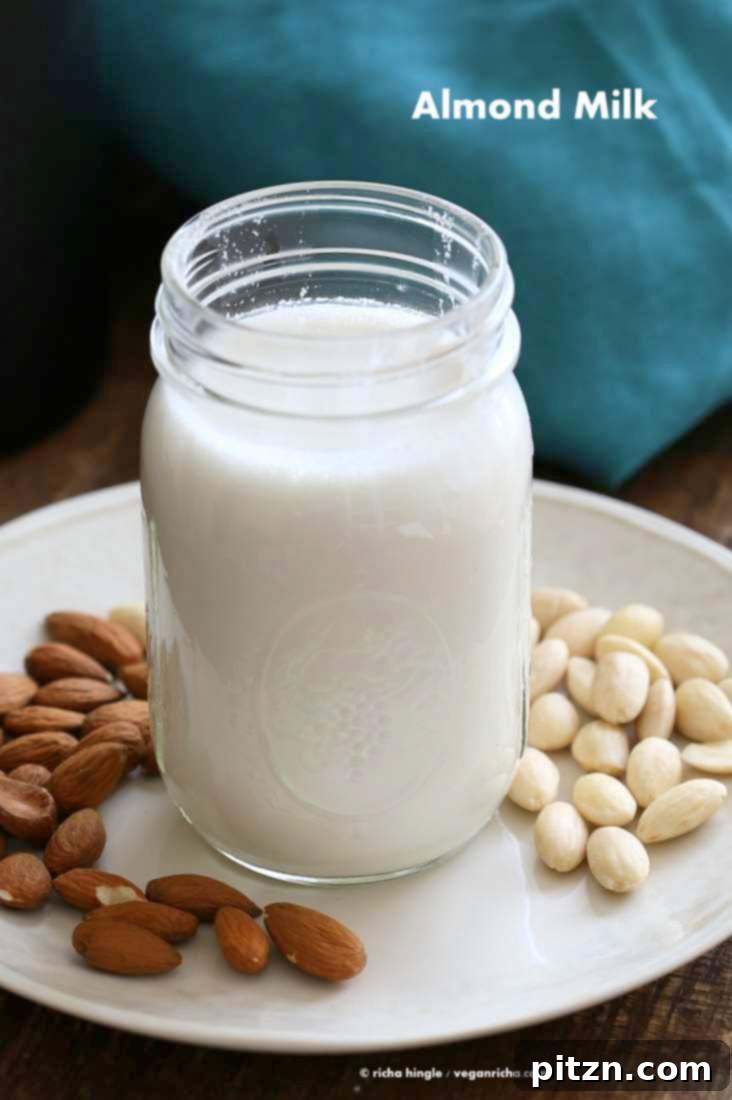
Once your almond milk is ready, pour it into an airtight container or glass bottle. It will keep fresh in the refrigerator for about 4 to 5 days. Since homemade almond milk lacks preservatives, its shelf life is shorter than store-bought varieties. Always give it a good shake before serving, as natural separation of water and solids is normal.
If you anticipate not finishing the milk within 4-5 days, consider freezing it! Pour almond milk into ice cube trays and freeze. These frozen cubes are perfect for adding to smoothies, curries, or using in recipes as needed. You can also use it to make delicious almond milk yogurt, as featured in my cookbook, extending its utility.
How to make Almond Milk at home
Saved
Pin
Ingredients
- 1/2 cup blanched almonds , or raw almonds
- 1.5 to 2 cups water
- a tiny pinch of salt
- sweetener to taste
Instructions
-
Soak the almonds in enough water overnight. I keep them on the counter for a few hours and then refrigerate.
-
Drain and wash the almonds. Add boiling water to the bowl and let sit for 5 minutes.
-
Drain, wash, add the almonds to the blender. Add 1 cup water.
-
Blend for a few minutes for 2-3 cycles. Add 1/2 to 1 cup more water + salt + sweetener. Blend blend. I usually add 1/2 cup to make a creamy almond milk to use in chai or coffee. Add more water to preferred consistency.
-
If using blanched almonds, you can strain the almond milk through a strainer or cheesecloth lined sieve or nut milk bag. Use a spoon to press when the strainer is full, remove pulp from the strainer and strain the remaining milk.
-
If using unpeeled almonds, strain through a nut milk bag or cheesecloth lined sieve. Squeeze to remove as much milk as possible.
-
Use the pulp to add creaminess to any of the Indian curries, soups or Dals. Or make almond pulp cookies,
-
Store in the refrigerator for 4 to 5 days. If you don’t use up the milk within 4 or 5 days, freeze into ice cubes to use to add to smoothies, curries etc, or make almond milk yogurt from my cookbook.
Notes
Nutritional values based on one cup
Nutrition
Nutrition information is automatically calculated, so should only be used as an approximation.
Did you make this recipe? Rate and comment below!