
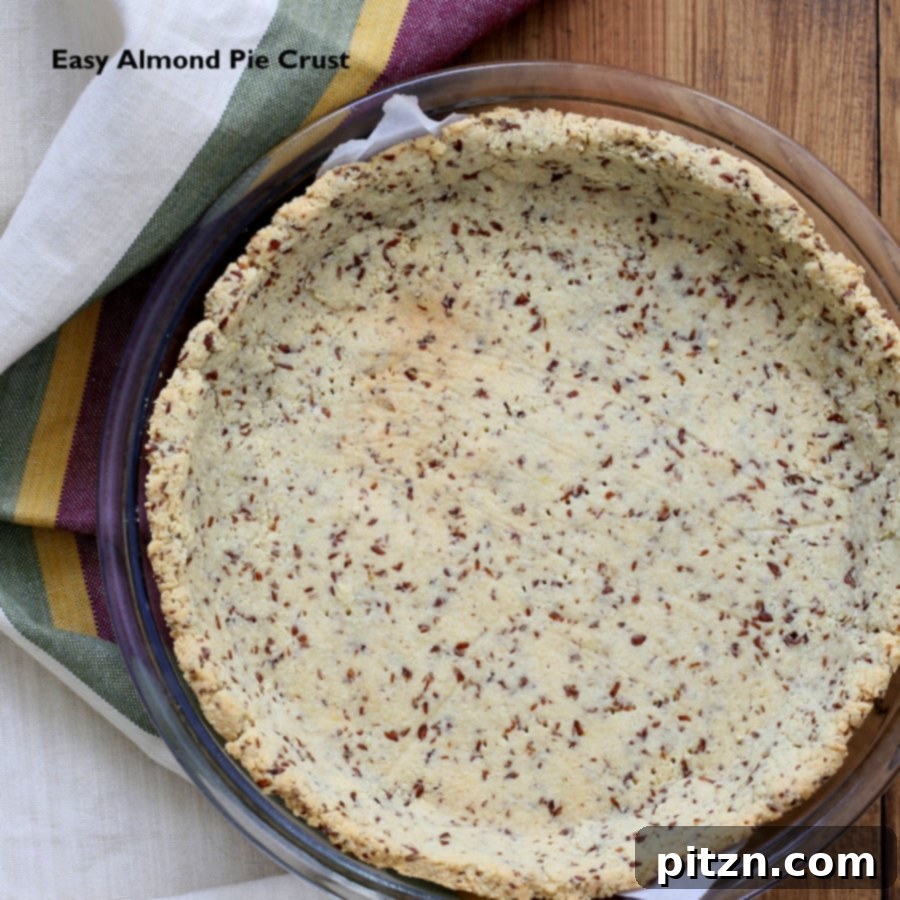
Welcome to the ultimate guide for crafting the perfect Vegan Almond Flour Pie Crust. This recipe is a game-changer for anyone seeking a healthier, simpler alternative to traditional pie crusts. Naturally gluten-free, grain-free, refined sugar-free, and entirely dairy-free, it relies on just a handful of straightforward ingredients you likely already have in your pantry. Forget the fuss of chilling butter or dough; this recipe eliminates those steps, making it not only incredibly easy but also remarkably quick. The result is a delightfully nutty and tender crust that serves as the ideal foundation for virtually any sweet or savory pie, tart, or quiche.
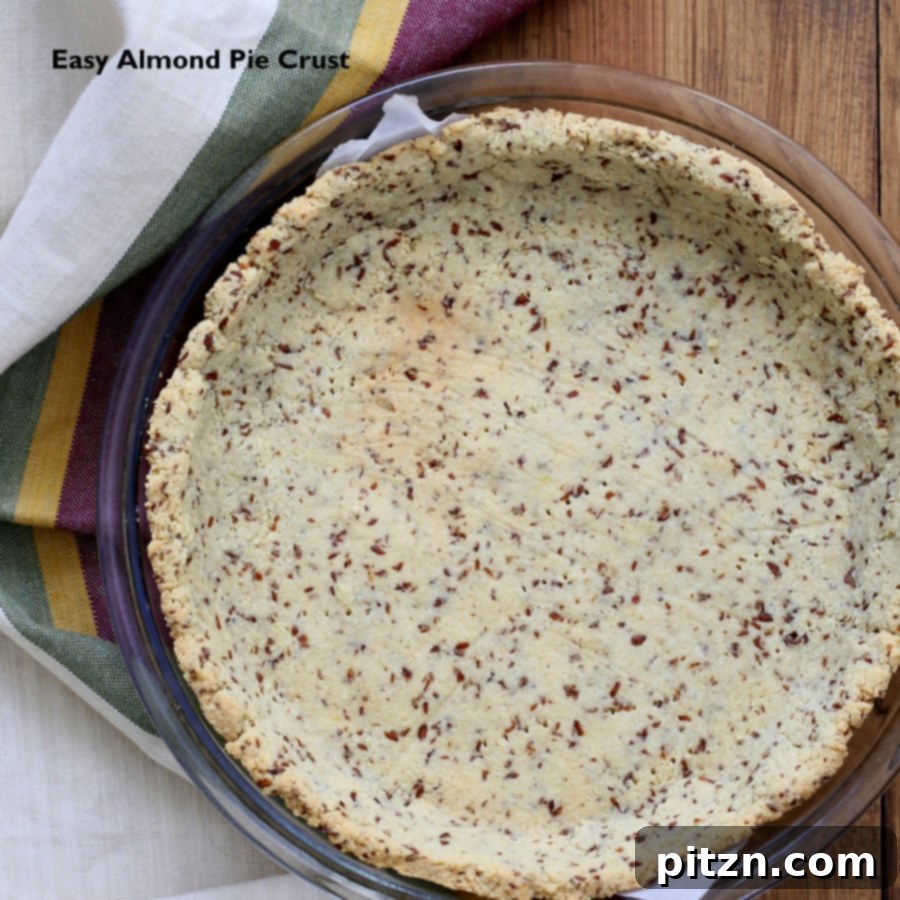
Demystifying the Pie Crust: Simple Steps for Every Home Baker
For many, the thought of making pie crust from scratch can be daunting, particularly the process of rolling out the dough. It’s no wonder that many home bakers often gravitate towards simpler alternatives like graham cracker crusts, which involve little more than crushing store-bought crackers and pressing them into a pan with vegan butter. While convenient, these options often compromise on flavor, texture, and nutritional value.
If you’ve ever felt intimidated by homemade pie crusts, I’m here to assure you that a perfect, flaky, and wholesome vegan crust is well within your reach. This recipe for an almond flour pie crust is designed to be accessible for everyone, regardless of your baking experience. It’s incredibly forgiving and delivers exceptional results, transforming your baking endeavors into a truly enjoyable experience. Give this easy pie crust a try, and you’ll be pleasantly surprised by how simple and rewarding it is.
What makes this vegan pie crust truly special is its incredible ease of preparation. It comes together with just a few essential ingredients that are likely staples in any well-stocked gluten-free and vegan pantry. Beyond its simplicity, this is also a fundamentally healthier option. Being a gluten-free and grain-free pie crust recipe, it caters to various dietary needs without sacrificing taste or texture. The absence of gluten means you don’t have to worry about overworking the dough, which often leads to a tough, unappetizing crust in traditional recipes. This almond flour dough remains tender and easy to handle.
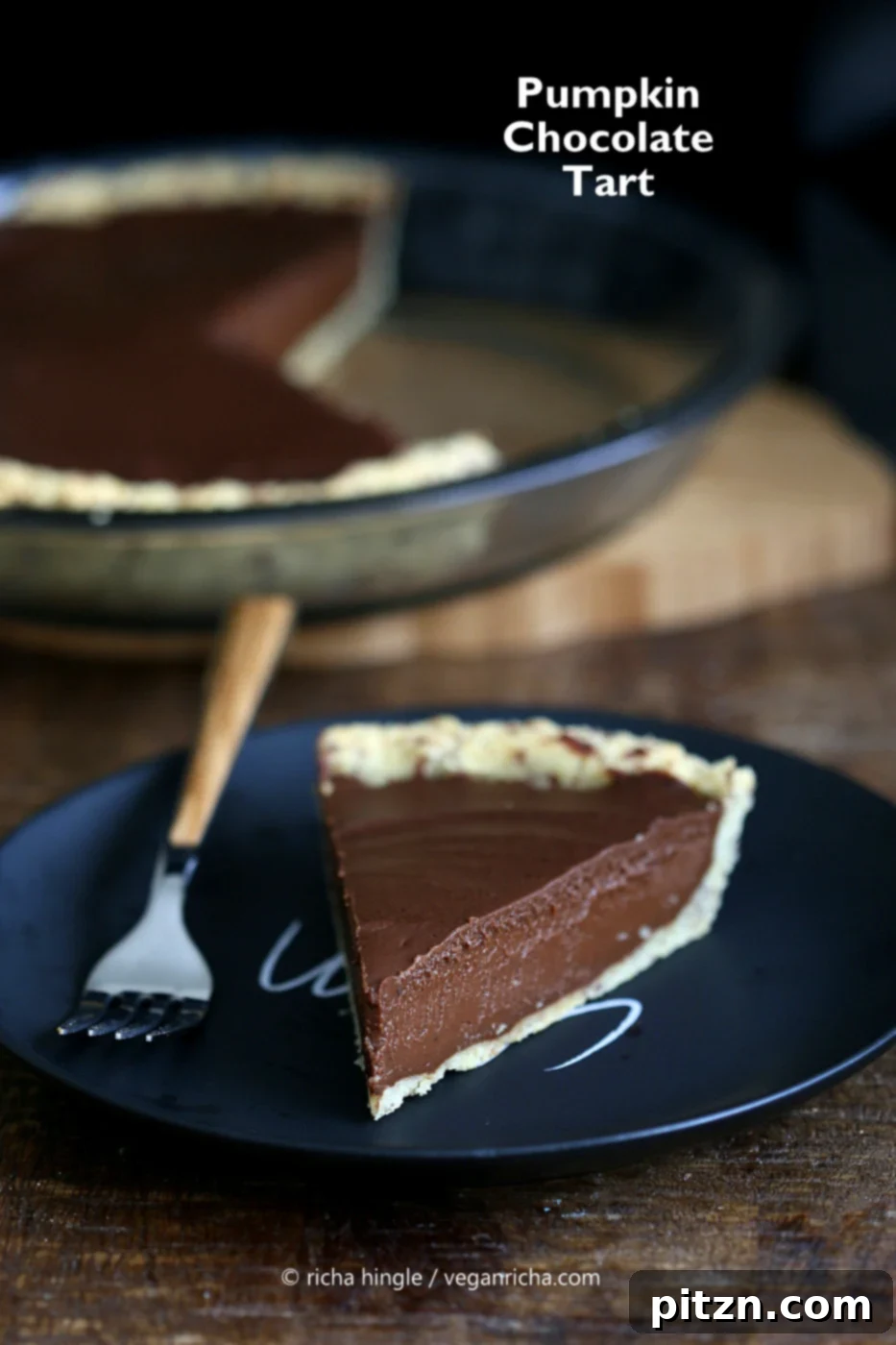
Furthermore, this recipe utilizes oil instead of traditional butter or shortening, eliminating the need for tedious chilling and cutting in cold fats. This crucial detail streamlines the entire process, making this not just an easy pie crust but also a remarkably quick one. No more waiting around for the dough to chill; you can go from mixing bowl to oven in record time. Its versatility is another standout feature, allowing you to adapt it for countless sweet and savory applications. I’ve personally used variations of this almond flour pie crust in many of my favorite recipes, including a decadent Vegan Chocolate Pumpkin Pie, proving its adaptability and deliciousness.
The Power of Almond Flour: A Nutrient-Dense Foundation
Almond flour is the star ingredient of this exceptional pie crust, offering a myriad of benefits that elevate it above conventional flour options. Not only is it naturally gluten-free and grain-free, making it suitable for paleo and ketogenic diets, but it also imparts a delicate, nutty flavor that complements both sweet and savory fillings beautifully. Unlike wheat flour, almond flour is rich in healthy fats, protein, and fiber, contributing to a more satisfying and nutrient-dense crust. It has a finer texture than almond meal, leading to a smoother and more tender final product, though almond meal can also be used in a pinch for a slightly coarser result.
Essential Ingredients for Your Vegan Almond Flour Pie Crust
Creating this delicious and healthy pie crust requires just a few simple ingredients. Each plays a vital role in achieving the perfect texture, flavor, and structure without the need for animal products or gluten.
- Almond Flour: As the primary ingredient, almond flour provides the structure and signature nutty flavor. For the finest texture, blanched almond flour is recommended, such as Bob’s Red Mill Blanched Almond Flour. It creates a smooth, tender crust that holds together well.
- Flax Meal: Acting as a “flax egg,” ground flax seeds (flax meal) combine with water to create a gelatinous binder. This is crucial for holding the gluten-free dough together in the absence of gluten. Using golden flax meal or white chia seeds will help prevent small flecks in the finished crust, maintaining a more uniform appearance. You can easily grind whole flax seeds in a spice or coffee grinder.
- Maple Syrup: This natural sweetener adds a subtle depth of flavor and helps with the browning of the crust. It also contributes to the binding properties of the dough. While you can adjust the sweetness slightly, avoid significant changes to the amount, as too much liquid can make the dough overly sticky and difficult to roll out.
- Vinegar: A touch of apple cider vinegar (or any other vinegar) helps to tenderize the crust, contributing to a flakier texture. It reacts with the other ingredients to create a more desirable crumb.
- Coconut Sugar: For a subtly sweet crust that complements most pie fillings, coconut sugar is an excellent refined sugar-free option. If you are preparing a savory pie, you can easily omit this ingredient or reduce the amount to your preference.
- Oil: A small amount of neutral oil (like melted coconut oil or a light vegetable oil) adds moisture and richness to the crust, ensuring it remains pliable and easy to work with. Unlike recipes that call for solid fats like butter, oil negates the need for chilling the dough, significantly speeding up the preparation process. While optional for those seeking an oil-free crust, its inclusion enhances the texture and prevents dryness.
- Fine Sea Salt: A pinch of salt is essential to balance the sweetness and enhance the overall flavors of the crust, whether it’s for a sweet or savory application.
- Optional Spices: This crust is highly adaptable to your flavor preferences. For sweet fillings, consider adding pumpkin pie spice, cinnamon, nutmeg, or orange zest. For savory pies, garlic powder, onion powder, or Italian herbs can elevate the flavor profile.
Expert Tips and Substitutions for a Flawless Vegan Almond Flour Pie Crust
Achieving the perfect vegan almond flour pie crust is simple with these helpful tips and easy substitutions:
- Pan Size and Material: This recipe is designed to yield enough dough for a standard 9-inch Pyrex pie pan or a tart pan of similar size. If your pan is a different size or made from a material that conducts heat differently (e.g., metal vs. ceramic), you may need to slightly adjust the baking time. Metal pans tend to bake faster and brown more quickly than glass or ceramic.
- Preventing Over-Browning: Almond flour crusts tend to brown more rapidly than traditional wheat flour crusts due to their fat content. To prevent the edges from burning while the rest of the crust bakes, I highly recommend covering the edges of your crust with a strip of aluminum foil or a pie crust shield after the first 10-15 minutes of baking.
- Blanched Almond Flour vs. Almond Meal: For a fine, tender, and consistently smooth texture, blanched almond flour is the ideal choice. It’s made from almonds with their skins removed, resulting in a lighter color and finer grind. However, if almond meal (made from whole, unblanched almonds) is all you have, it can still be used. Expect a slightly coarser texture and a few flecks of almond skin in the crust.
- Flax Meal Alternatives: If flax meal isn’t available or you prefer an alternative, ground white chia seeds make an excellent substitute. They offer similar binding properties and, like golden flax, will ensure no dark flecks appear in your crust.
- Adjusting Sweetness: For those who prefer a sweeter pie crust, you can easily add 1-2 tablespoons of powdered sugar (confectioners’ sugar) to the dry ingredients. This allows for a customized sweetness level to complement your chosen filling.
- Customizing with Spices: The versatility of this crust allows for flavor customization. For sweet fillings, consider incorporating pumpkin spice, ground cinnamon, nutmeg, or a hint of orange zest directly into the dry ingredients. For savory applications, garlic powder, dried Italian herbs, or even a pinch of black pepper can transform the crust to perfectly match your savory pie or quiche.
- Working with the Dough: While almond flour dough is very forgiving and doesn’t suffer from overworking, it can sometimes be a bit more delicate than wheat flour dough. If you notice it cracking excessively during rolling, simply press the edges back together with your fingers. The parchment paper method outlined in the instructions is key to easy handling and transfer.
Step-by-Step Guide: How to Make Your Vegan Almond Flour Pie Crust
This almond flour pie crust recipe is a simplified adaptation, inspired by foundational two-ingredient crusts, making it incredibly straightforward to prepare.
- Prepare the Flax Mixture: In a small bowl, combine the flax meal, water, maple syrup, and oil. Stir well and let it sit for about 2 minutes. This allows the flax meal to absorb the liquid and form a gelatinous mixture, acting as your binder. After 2 minutes, stir in the vinegar and any optional spices you choose to use.
- Combine Dry Ingredients: In a large mixing bowl, thoroughly combine the almond flour, coconut sugar, and fine sea salt. Whisk them together to ensure even distribution of all ingredients.
- Form the Dough: Add the prepared flax mixture to the dry ingredients in the large bowl. Mix well, initially with a spoon, then switch to your hands. You’ll need to press and drag the ingredients together to fully incorporate the flax mixture into the almond flour. This process usually takes about 1 to 2 minutes. The goal is a smooth, cohesive dough. If the dough feels too dry and crumbly, add an extra teaspoon of water, or more, one teaspoon at a time, until it comes together. You can also taste the dough at this stage to adjust sweetness or salt if desired.
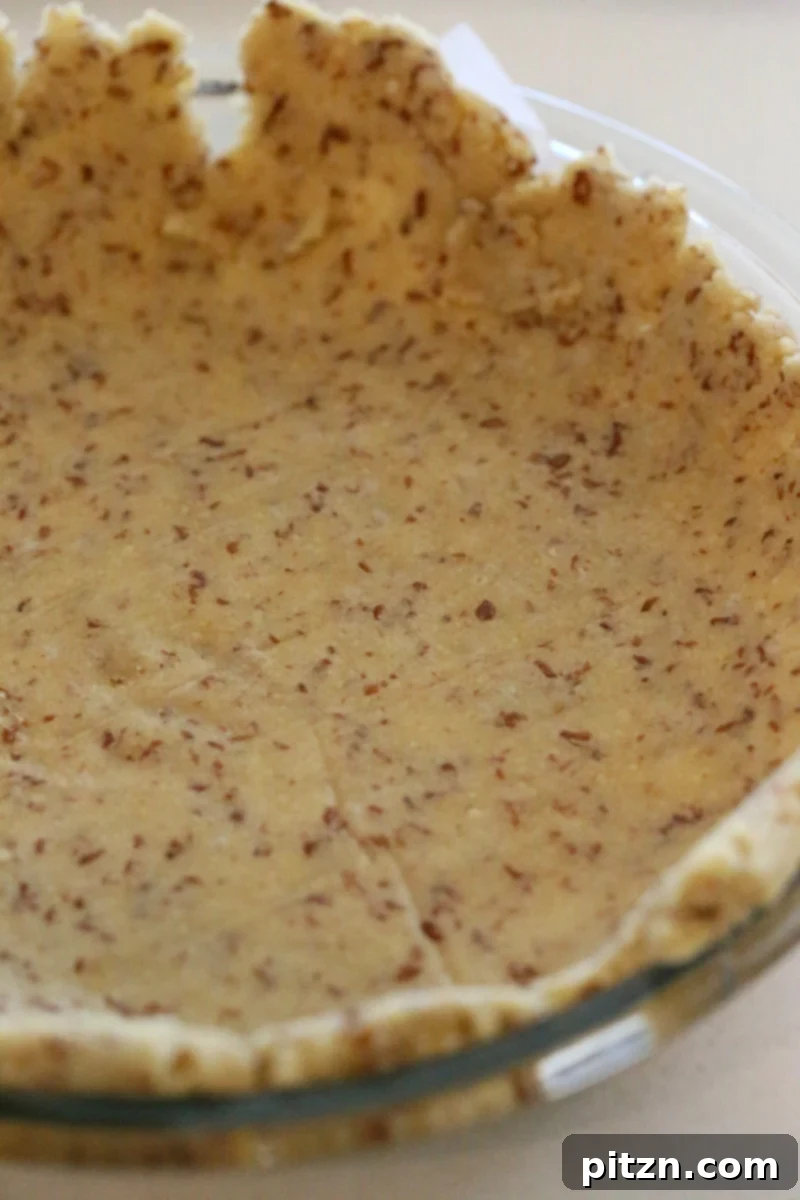
- Roll Out the Dough: Place the dough directly onto a sheet of parchment paper and gently pat it down into a flat, round disc. Flatten it as evenly as possible with your hands. Place a second sheet of parchment paper on top of the dough disc. Using a rolling pin, carefully roll the dough out to approximately a 10-inch circle, ensuring it’s large enough to fit your pie or tart dish with some overhang. Move the rolling pin slightly from one end to the other as you roll. Don’t worry if the edges crack a little; this is normal for almond flour dough and can be easily pressed back together.
- Transfer to Pie Dish: Carefully remove the top sheet of parchment paper. Place your pie or tart dish upside down on the rolled-out dough. Then, carefully flip the dish and parchment-lined dough together, so the dough is now in the pie dish. Gently press down on the parchment paper to transfer the dough smoothly into the dish, then peel off the top parchment sheet. Alternatively, for an even simpler method, you can directly press the dough into a lightly greased pie or tart pan with your fingers, shaping it to fit the contours of the dish.
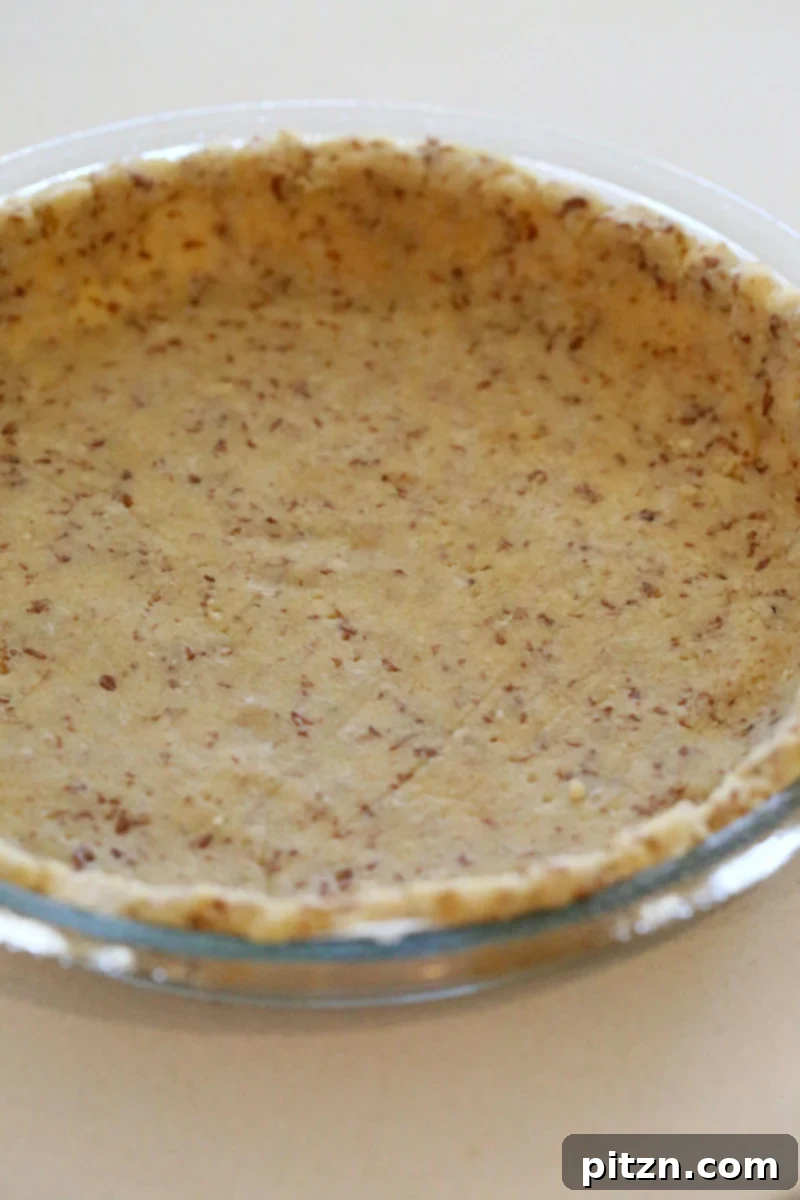
- Shape and Bake: Once the dough is in the pan, gently shape the edges to your liking. You can crimp them, press them with a fork, or create a simple rustic edge.
- Bake until Golden: Preheat your oven to 330°F (165°C). Bake the almond flour pie crust for 14-22 minutes. If you plan to bake the crust again with a filling (a partial bake), bake for about 14 minutes. If you are baking it fully to be used without further baking (a blind bake), bake for 20-22 minutes, or until the edges are lightly golden and firm. As noted, keep an eye on it to prevent over-browning, especially around the edges, and cover with foil if necessary. Let the crust cool completely before adding your chosen filling. Easy peasy, a perfectly baked crust awaits!
Beyond Almond Flour: Alternative Crust Options
While almond flour offers a unique texture and flavor profile, you might occasionally seek alternatives for various reasons. Here are a couple of excellent options:
- Regular White Flour: If gluten isn’t a concern, you can substitute the almond flour with regular all-purpose white flour. To achieve a similar richness and texture, you’ll want to add about 1 to 2 tablespoons of vegan butter (chilled and cut into small pieces) to the dry ingredients before mixing in the wet components. Proceed with the instructions as written, baking until the edges are golden brown.
- Graham Cracker Crust: For an incredibly simple, no-bake option, a classic graham cracker crust (or similar vegan cookie crumbs) is always a winner. Combine crushed vegan graham crackers or digestive biscuits with melted vegan butter and press the mixture into your pie pan. This method requires no baking, making it perfect for quick desserts.
For those interested in exploring traditional, flaky pie crusts that are vegan, I recommend this regular crust recipe.
The Parchment Paper Advantage: Why It Matters
You might wonder about the recommendation to line your pie dish with parchment paper or to roll out the dough between two sheets. This step, while optional, offers significant benefits, especially when working with gluten-free and delicate doughs:
- Effortless Transfer: Rolling dough between parchment sheets makes transferring it to the pie dish incredibly easy, minimizing breakage and distortion.
- Easy Removal: Lining the pie dish with parchment paper after baking facilitates lifting the entire pie out of the dish. This is particularly helpful for delicate crusts or when serving directly from a serving platter. It also adds a layer of protection, preventing the crust from sticking to the pan, which can lead to cracks and breakage when removing slices. While not strictly necessary, it’s a simple trick that ensures a beautifully presented pie every time.
More Delicious Vegan Pie Recipes to Explore
This versatile almond flour pie crust pairs wonderfully with a variety of fillings. Here are some of my favorite vegan pie recipes from the blog that you can try:
- No-Bake Pumpkin Pie with Gingerbread Crust (GF)
- Salted Date Caramel Chocolate Pie (No-Bake, GF)
- Dark Chocolate Silk Pie with Chocolate Almond Crust (GF)
- Vegan Chocolate Pumpkin Pie
Easy Vegan Almond Flour Crust
By: Vegan Richa
Prep: 15 mins | Cook: 20 mins | Total: 35 mins
Servings: 8 slices | Course: Dessert | Cuisine: American
Pin Recipe
Print Recipe
This easy Vegan Almond Flour Pie Crust is naturally gluten-free, grain-free, refined sugar-free and dairy-free, and made with just a few simple ingredients. No chilling needed! No shortening. The perfect healthy pie crust for practically any pie or tart! Allergen Information: Free of Dairy, egg, corn, soy, gluten, grain.
Ingredients
- 1.5 tbsp flax meal or chia seed meal (use golden flax or white chia seeds to avoid flecks in the crust)
- 3 Tbsp water
- 1 Tbsp maple syrup
- 2 tsp oil (optional)
- 1/2 tsp vinegar
- 1/2 tsp pumpkin pie spice (optional, for sweet pies)
- 1 3/4 cup almond flour (I use Bob’s Red Mill)
- 2 tbsp coconut sugar
- 1/3 tsp fine sea salt
- Variations: add other spices or zest (e.g., cinnamon, nutmeg, orange zest for sweet; garlic powder, Italian herbs for savory)
Instructions
- Line the pie dish with parchment paper before flipping to transfer the dough; this makes it easy to remove the pie after baking. In a small bowl, combine flax meal, water, maple syrup, and oil. Let this mixture sit for 2 minutes to thicken. Then, mix in the vinegar and any chosen spices.
- In a large bowl, mix the almond flour, coconut sugar, and salt. Add the prepared flax mixture to the dry ingredients.
- Mix thoroughly to create a smooth dough. You will need to press and drag the ingredients to ensure the flax mixture is fully incorporated. This process typically takes 1-2 minutes. If the dough seems too dry, add an additional teaspoon or more of water until it reaches a workable consistency. You can also add an extra tablespoon or two of powdered sugar if you prefer a sweeter crust. Taste and adjust sweetness or salt as desired before baking.
- Pat the dough down into a flat, round disc on a sheet of parchment paper, flattening it as evenly as possible by hand. Place another sheet of parchment paper on top of the dough. Using a rolling pin, roll the dough out to a 10-inch circle. As you roll, slightly move the rolling pin from one end to the other. It’s common for the edges to crack; simply press them back together.
- Place your pie or tart dish on top of the rolled-out dough. Carefully flip the dish and dough together, then press down on the parchment to transfer the dough into the dish. Remove the top sheet of parchment paper. Alternatively, you can directly press the dough into a lightly greased pie or tart pan, shaping the edges by hand.
- Shape the edges of the crust to your liking. Bake the almond flour pie crust in a pre-heated oven at 330°F (165°C) for 14-22 minutes. Bake for 14 minutes if you plan to bake the crust again with a filling. For a fully baked crust (for recipes where no further baking with filling is required), bake for 20-22 minutes, or until the edges are lightly golden. Allow the crust to cool completely before filling and using.
Notes
- Nutritional values provided are based on 1 of 8 slices.
- This recipe yields enough dough for a standard 9-inch Pyrex pie pan or a tart pan. Adjust baking time if your pan size or material differs.
- Almond flour crusts brown quickly; cover edges with aluminum foil or a pie shield after 10-15 minutes if needed to prevent over-browning.
- For a fine texture, blanched almond flour is ideal. Almond meal can be used for a coarser texture.
- Ground white chia seeds can substitute flax meal.
- For a sweeter crust, add 1-2 tablespoons of powdered sugar to the dry ingredients.
Nutrition
Calories: 176kcal, Carbohydrates: 10g, Protein: 5g, Fat: 14g, Saturated Fat: 1g, Sodium: 104mg, Potassium: 21mg, Fiber: 3g, Sugar: 4g, Calcium: 59mg, Iron: 1mg
Nutrition information is automatically calculated and should only be used as an approximation.
You now have all the tools and knowledge to create a truly exceptional vegan almond flour pie crust. This recipe breaks down barriers, proving that homemade doesn’t have to mean complicated. With its naturally gluten-free, grain-free, refined sugar-free, and dairy-free composition, along with the convenience of no chilling required, you’ll be baking healthier, delicious pies in no time. Get ready to impress your family and friends with a crust that’s both easy to make and incredibly satisfying. Happy baking!