
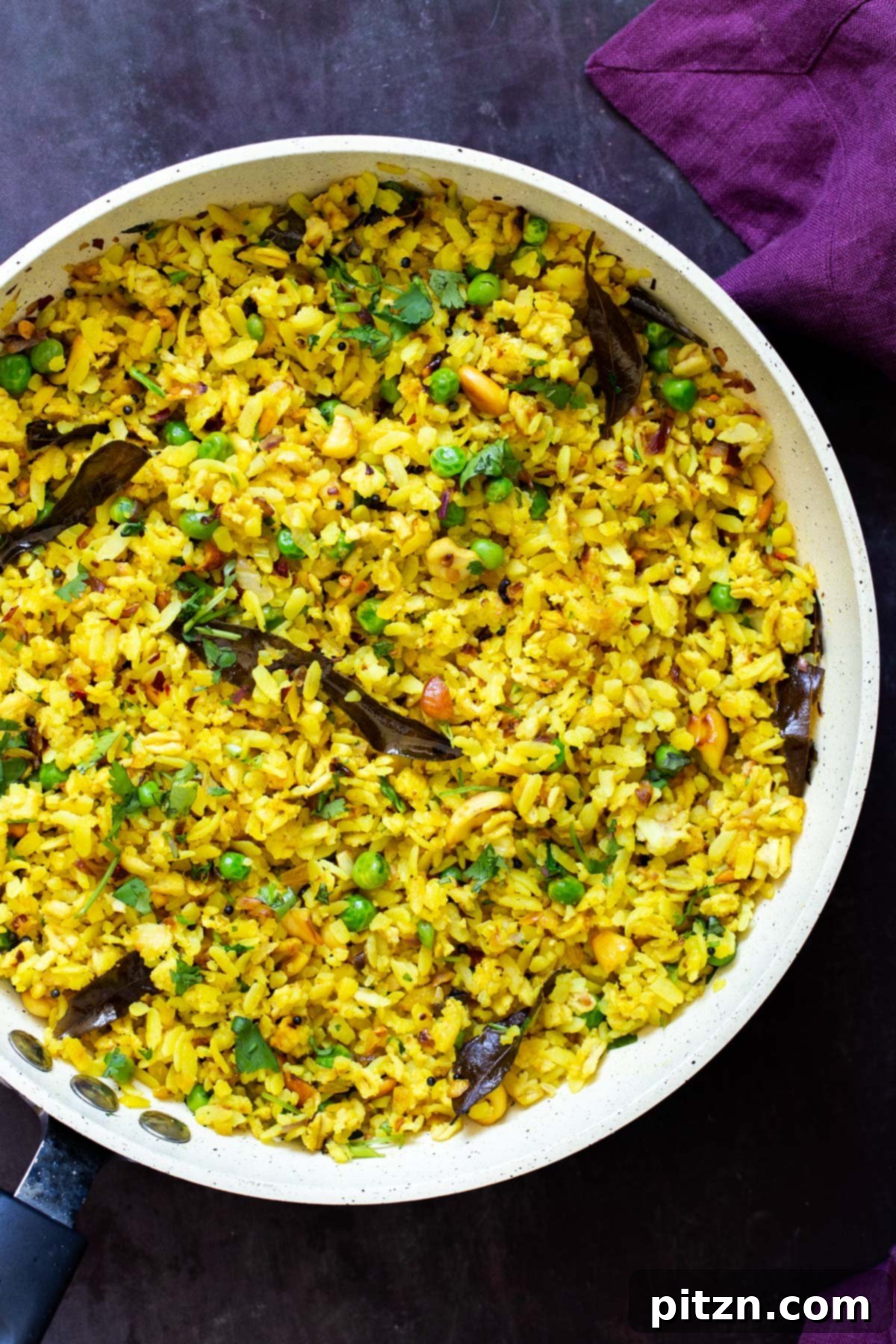
Welcome to the vibrant world of Indian breakfast cuisine, where flavors dance and aromas tantalize the senses! Among the myriad of morning delights, Kanda Poha stands out as a beloved classic. This savory, quick-cooking dish, made primarily from flattened rice flakes (poha) and infused with a medley of aromatic spices, fresh onions (kanda), and vibrant green peas, offers a delightful start to any day. In this elevated version, we introduce a nourishing twist by adding oats, transforming Kanda Poha into an even more filling and wholesome meal that’s perfect for sustained energy.
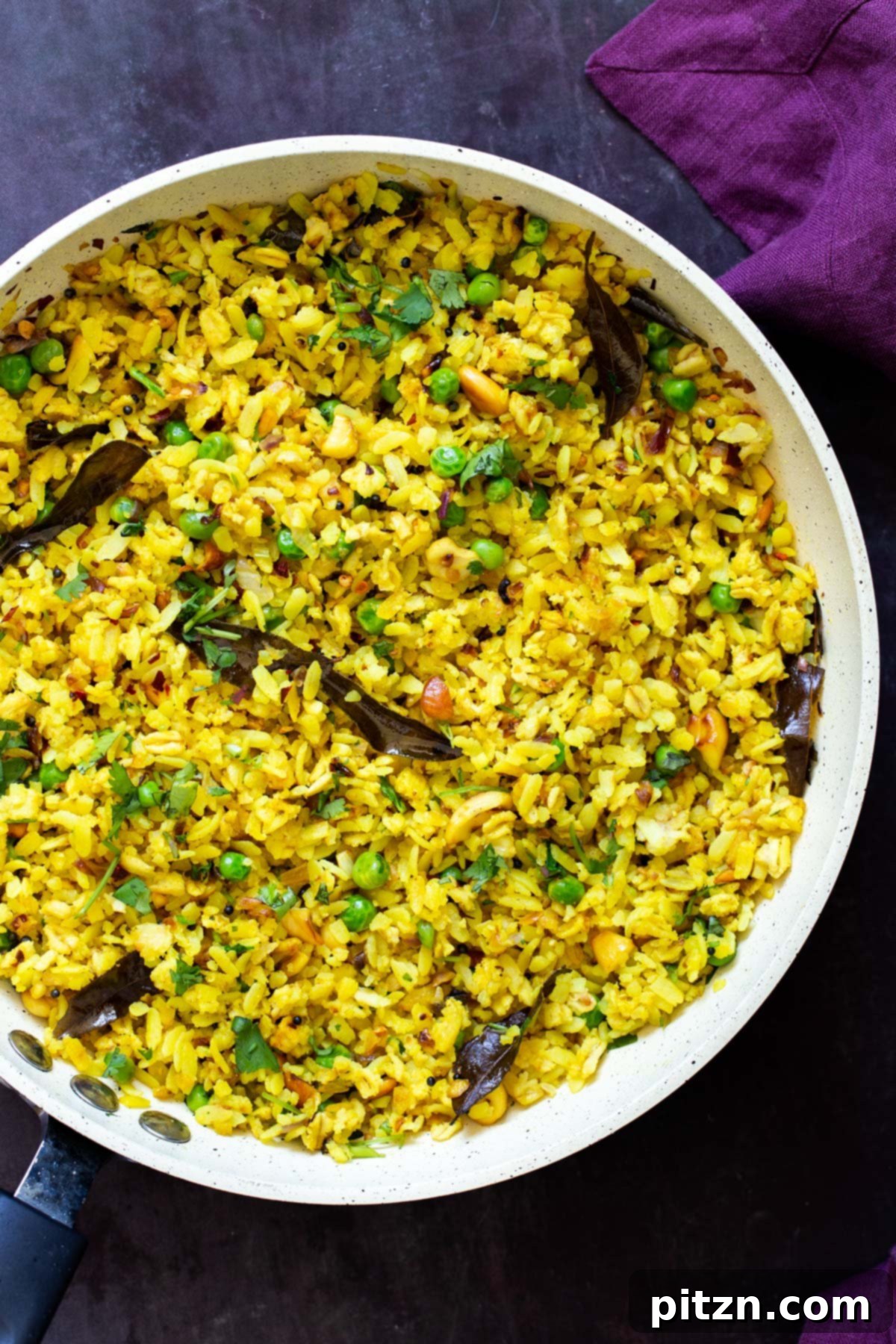
Poha is not just a dish; it’s a culinary experience deeply woven into the fabric of Indian households. Originating primarily from Maharashtra, Kanda Poha has garnered widespread popularity across the subcontinent for its simple preparation, versatile ingredients, and incredibly satisfying taste. Think of it as a light, spiced stir-fry that comes together in mere minutes. Traditionally, Poha is a straightforward preparation, but its adaptability allows for endless variations. We’re embracing this versatility by incorporating oats, which lend a comforting chewiness and an added nutritional boost. If you’re new to the texture of oats in a savory context, start by replacing a quarter of the rice flakes with oats, then gradually increase to half. For those who already love savory oats, explore a full oat version with my dedicated Oat Poha recipe.
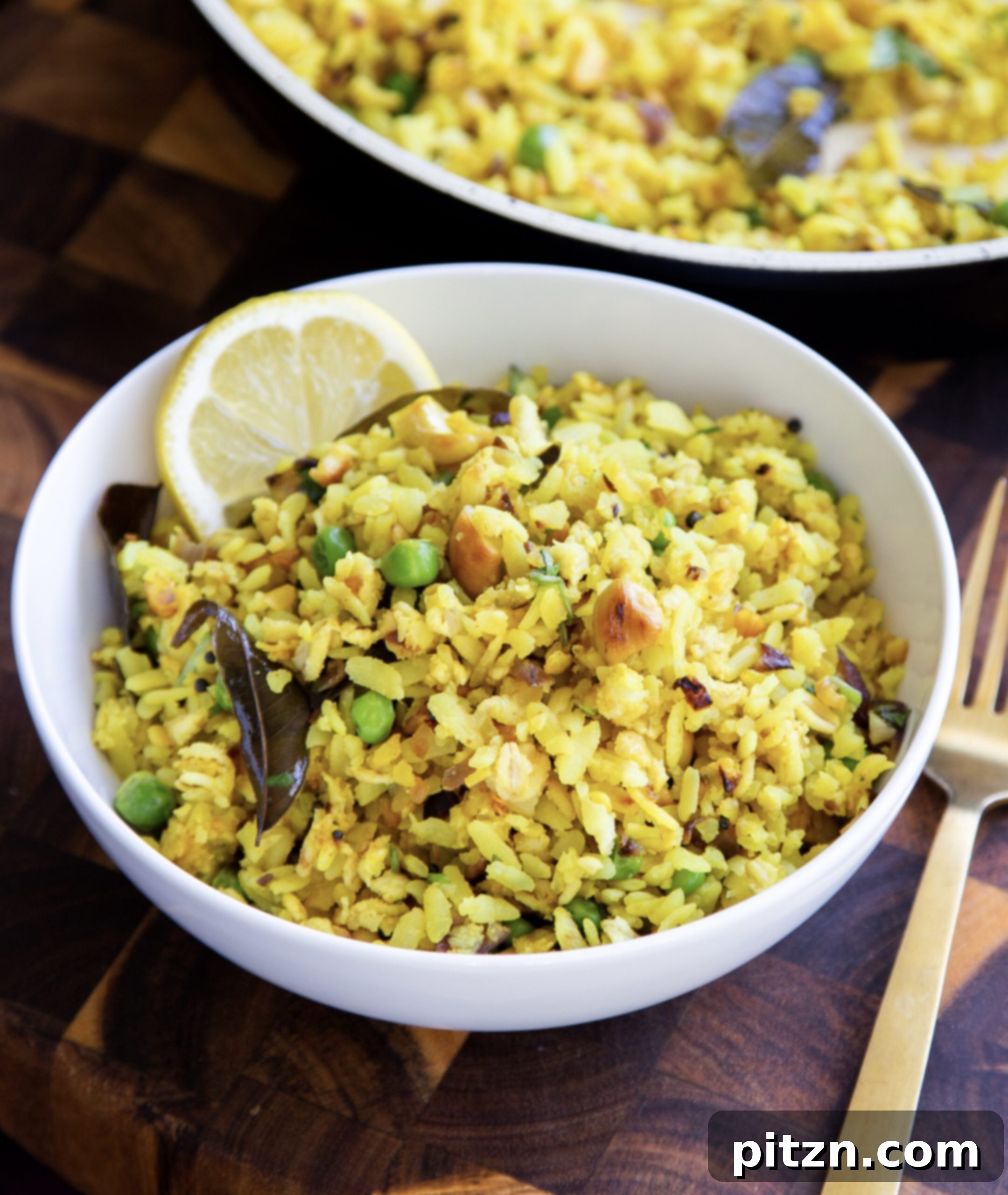
This savory concoction shares a familial resemblance to other Indian rice preparations, such as Indian Turmeric Rice, but its distinction lies in the use of flattened rice flakes, which require minimal cooking. What makes Kanda Poha truly exceptional for a busy morning is its incredibly short preparation time – you can have a wholesome, flavorful breakfast ready in about 15 minutes, all in a single pan. This efficiency, combined with its nourishing qualities, makes it an ideal choice for anyone seeking a quick, healthy, and delicious meal.
Beyond the core ingredients of rice flakes, onions, and peas, Kanda Poha welcomes a delightful array of additions. Chopped peanuts or cashews introduce a pleasant crunch and nutty flavor, while the vibrant green peas add a pop of color and natural sweetness. However, don’t feel limited to these; this dish is a fantastic canvas for incorporating any vegetables you might have on hand. Root vegetables like finely diced carrots or potatoes, quick-cooking bell peppers, or leafy greens like spinach can all be excellent additions, making Kanda Poha a truly customizable meal that adapts to your pantry and preferences. Its simplicity and robust flavor profile make it a perennial favorite, not just for breakfast but as a light lunch or evening snack as well.
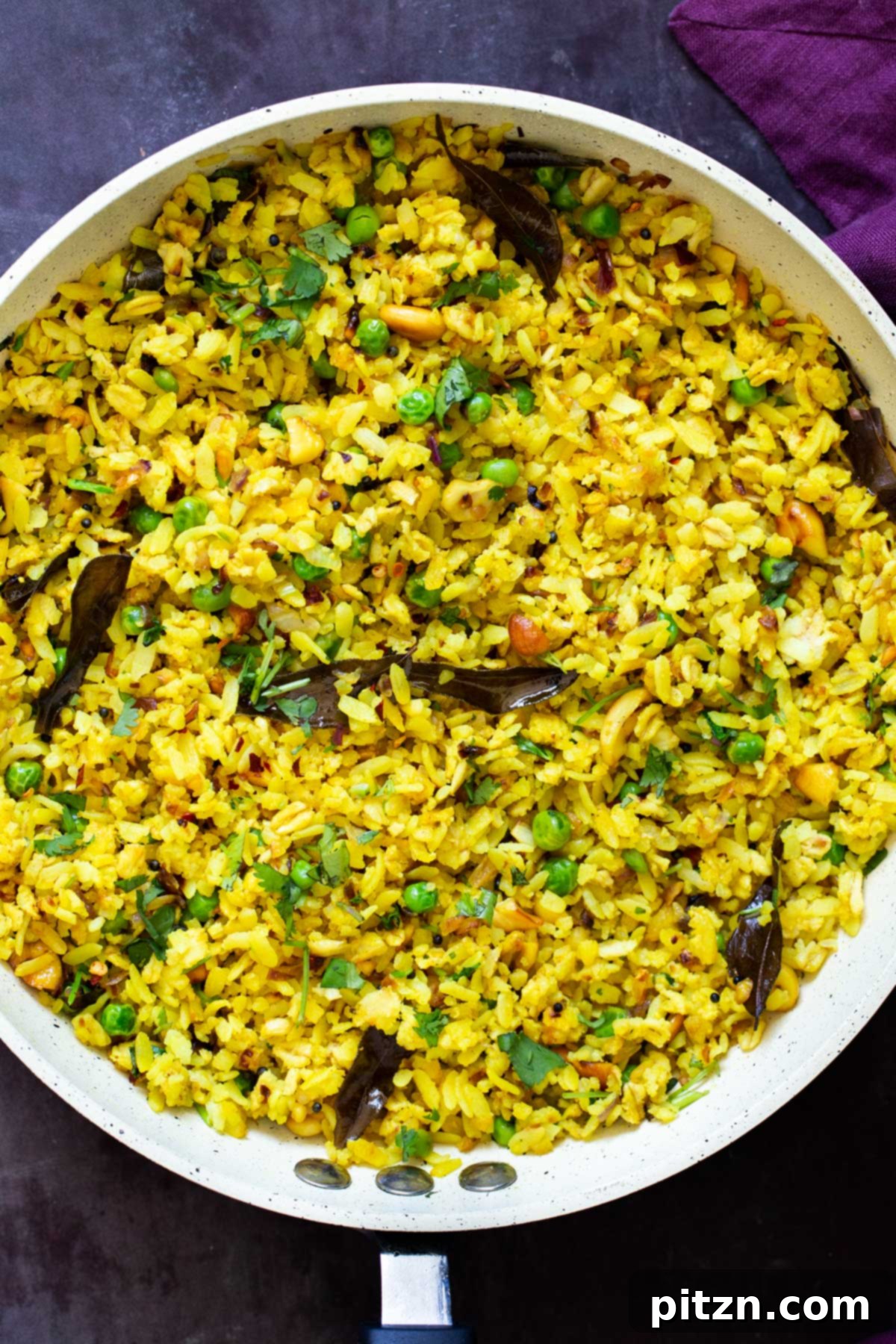
Understanding Poha: The Versatile Flattened Rice
Poha, also known as flattened rice or pressed rice, is a staple ingredient in many Asian cuisines, particularly in India. It’s made by parboiling rice and then flattening it into thin, light flakes. This process makes it incredibly easy to cook, as it only requires soaking in water or a quick steam, absorbing liquids rapidly and becoming tender without needing extensive boiling. There are different varieties of Poha, mainly categorized by thickness: thin, medium, and thick. For Kanda Poha, thick poha is generally preferred because it holds its shape better during cooking, preventing it from turning mushy. Its neutral flavor makes it an excellent base for absorbing the rich spices and vegetables typically added to the dish. Beyond Kanda Poha, flattened rice is used in various sweet and savory preparations, showcasing its remarkable versatility.
The Cultural Significance of Kanda Poha
Kanda Poha is more than just a meal; it’s a cultural icon, especially in Maharashtra, where it holds a special place in daily life and celebratory occasions. Often served with a hot cup of chai, it embodies comfort and tradition. The “Kanda” in Kanda Poha refers to onion, which is a foundational ingredient providing a sweet, savory base for the spices. This dish is celebrated for its simplicity, affordability, and ability to be prepared quickly, making it a perfect meal for busy mornings or unexpected guests. Its popularity has spread far beyond Maharashtra, becoming a breakfast standard across India and among Indian diaspora communities worldwide. The bright yellow hue, courtesy of turmeric, and the fresh garnishes of cilantro and lime, make it as appealing to the eyes as it is to the palate.
The Nutritional Powerhouse: Why Add Oats?
While Poha itself is a good source of carbohydrates and is easily digestible, incorporating old-fashioned oats elevates this dish to a new level of nutritional excellence. Oats are renowned for their high fiber content, particularly beta-glucan, which is known to help lower cholesterol, regulate blood sugar levels, and promote a healthy gut. They also provide a steady release of energy, keeping you feeling fuller for longer and preventing mid-morning slumps. By blending oats with rice flakes, we create a breakfast that is not only more satiating but also richer in essential nutrients, including iron, magnesium, and B vitamins. This combination offers a fantastic texture contrast, adding a pleasant chewiness that complements the soft flakes of poha. For those seeking gluten-free options, remember to use certified gluten-free oats.
Why Kanda Poha with Oats is Your Go-To Breakfast
- **Effortlessly Quick:** In just about 15 minutes, you can transform simple ingredients into a gourmet breakfast. It’s perfect for busy weekdays when time is of the essence.
- **One-Pan Wonder:** Minimal cleanup is a major perk. All the cooking happens in a single skillet, making your morning routine smoother and more enjoyable.
- **Customizable Comfort:** This recipe is a fantastic way to utilize leftover vegetables. From diced potatoes to bell peppers, spinach, or even grated carrots, almost any quick-cooking vegetable can be added for extra nutrition and flavor.
- **Healthy & Wholesome:** The combination of rice flakes and oats offers a balanced profile of complex carbohydrates, fiber, and protein, ensuring sustained energy and satiety throughout your morning.
- **Naturally Vegan & Delicious:** This plant-based dish is incredibly flavorful, proving that healthy eating doesn’t compromise on taste. It’s a fantastic option for vegans and anyone looking to incorporate more plant-based meals into their diet.
Ingredients Spotlight: What Makes Our Kanda Poha Shine
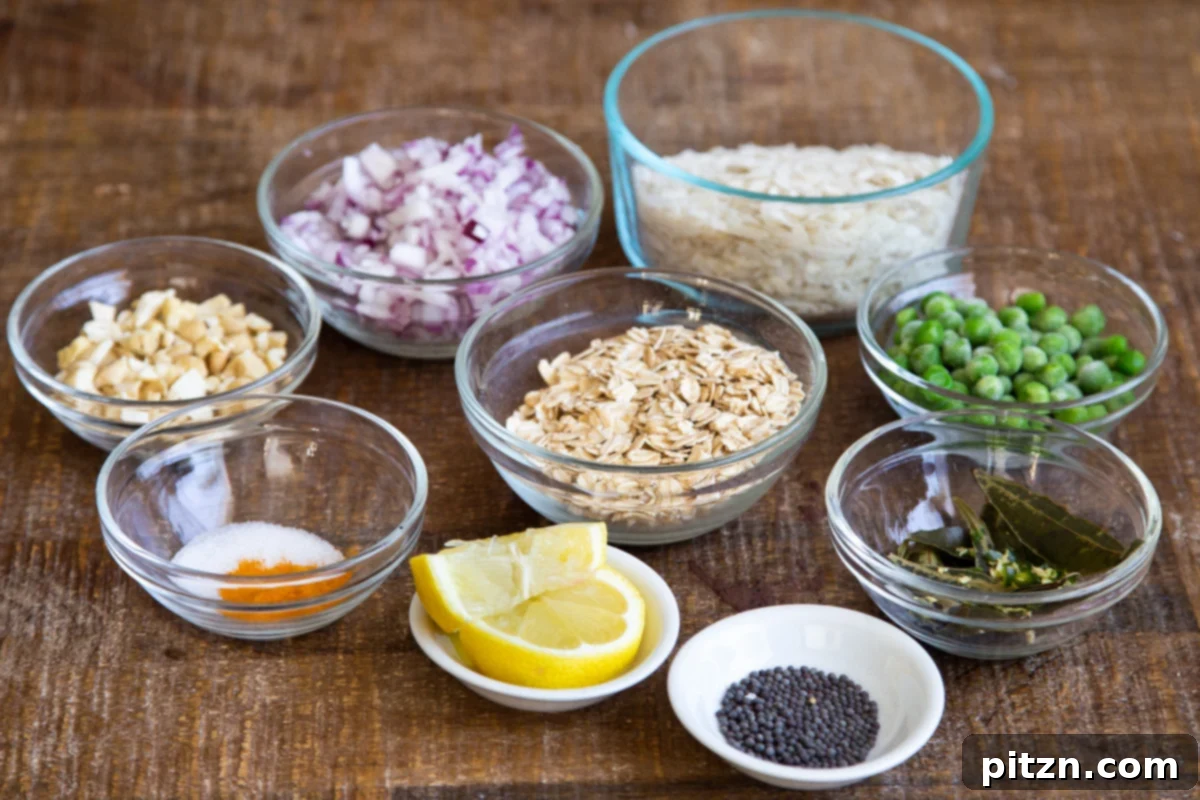
- **Thick Poha (Flattened Rice Flakes) & Old-Fashioned Oats:** The base of our dish. Thick poha provides structure, while oats add fiber and a creamy texture. Using certified gluten-free oats ensures a gluten-free meal.
- **Neutral Oil (Safflower, Canola, or Sunflower):** Essential for tempering spices, which is the heart of Indian cooking.
- **Black Mustard Seeds:** A cornerstone of Indian tempering, these tiny seeds pop and release a pungent, nutty aroma, signaling the start of the flavor building process.
- **Fresh Curry Leaves:** These aromatic leaves are indispensable for authentic Indian flavor. They impart a unique, slightly citrusy, and pungent aroma that is characteristic of many South Indian and Maharashtrian dishes. Fresh is best, but frozen or dried can be used.
- **Hot Green Chili (Serrano or Indian Chili):** Finely chopped, it adds a kick of heat that can be adjusted to your preference.
- **Finely Chopped Red Onion (Kanda):** The star of “Kanda Poha,” onions soften and caramelize slightly, providing a sweet and savory depth.
- **Chopped Cashews or Peanuts:** These add a delightful crunch and a hint of richness. Omit for a nut-free version.
- **Ground Turmeric:** Provides the characteristic golden color and earthy flavor, along with powerful anti-inflammatory properties.
- **Cayenne Pepper (or Red Chili Powder):** For an additional layer of heat and warmth, adjust to your liking.
- **Fresh or Frozen Green Peas:** Thawed if frozen, these vibrant peas add a burst of sweetness, color, and vegetable goodness.
- **Salt:** Crucial for seasoning and balancing all the flavors.
- **Fresh Chopped Cilantro:** A generous garnish that adds freshness and a bright, herbaceous note to the finished dish.
- **Lime or Lemon Juice:** Absolutely essential for garnish! A final squeeze of citrus brightens the entire dish, cutting through the richness and enhancing all the flavors.
Tips & Variations for Your Perfect Poha Experience
- **Vegetable Additions:** Feel free to get creative with your veggies! After the onions are translucent, you can add cooked cubed potatoes, finely chopped carrots, bell peppers, or even a handful of spinach. Simply cover and cook until they are tender before proceeding with the next step.
- **Nut-Free Option:** To make this recipe completely nut-free, simply omit the cashews or peanuts. The dish will still be incredibly flavorful and satisfying.
- **Finding Curry Leaves:** Fresh curry leaves are often available at local Indian grocery stores. If you can’t find them fresh, many stores also carry them frozen. They can be stored in an airtight container in the freezer for months and used directly from frozen, no thawing needed!
- **Spice Level Adjustment:** The amount of green chili and cayenne pepper can be tailored to your heat preference. For a milder version, reduce the amount or omit the green chili. For extra spice, add more!
- **Perfect Poha Texture:** The key to fluffy Poha is proper soaking. Don’t over-soak, as it can lead to a mushy texture. Five minutes for thick poha is usually sufficient.
- **Gluten-Free Assurance:** If you require a strictly gluten-free meal, ensure that you use certified gluten-free oats. Most spices are naturally gluten-free, but always check labels for any cross-contamination warnings.
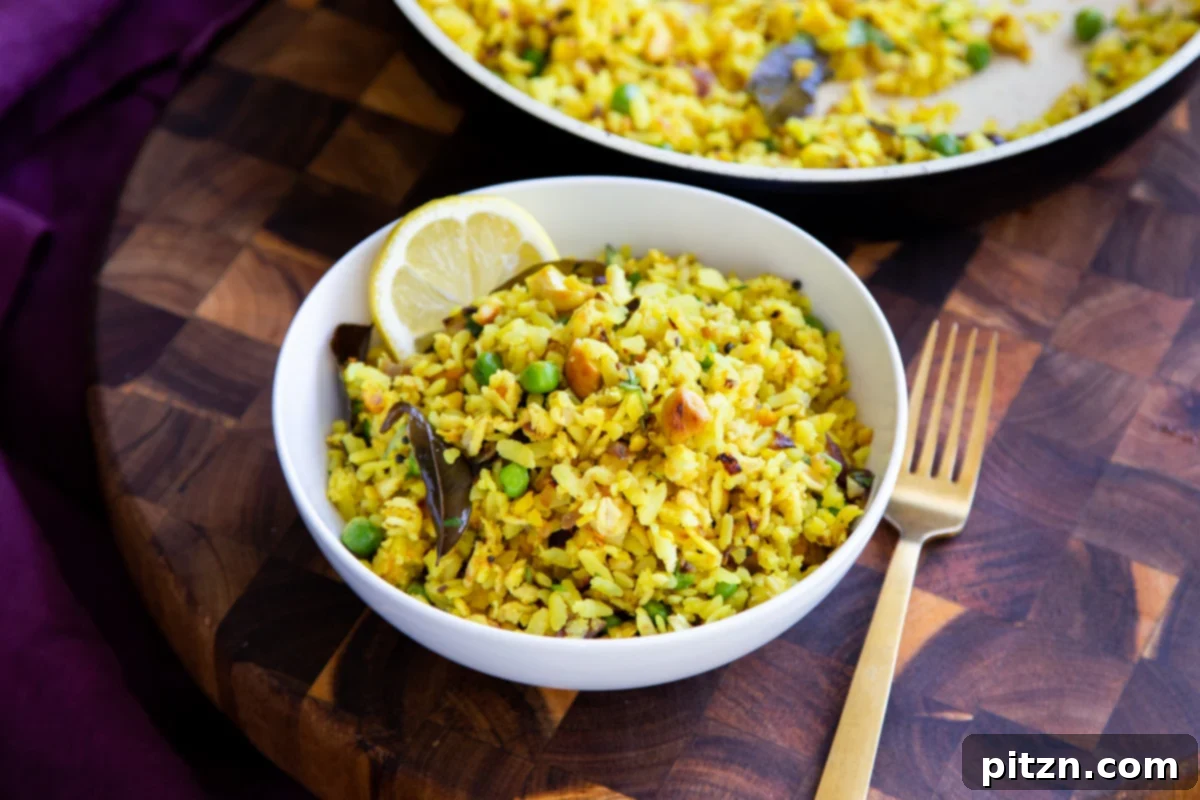
- **Serving Suggestions:** Kanda Poha is traditionally served warm, often with an extra drizzle of lime juice and a sprinkle of fresh cilantro. It pairs wonderfully with a cup of hot chai or coffee. For a more substantial meal, you can serve it with a side of plain yogurt or a simple green chutney.
- **Storing Leftovers:** Leftover Kanda Poha can be stored in an airtight container in the refrigerator for up to 2-3 days. Reheat gently in a microwave or on the stovetop with a splash of water to prevent drying out.
How to Make Kanda Poha: A Step-by-Step Guide
Making Kanda Poha is a straightforward and rewarding process. Follow these simple steps for a perfect, fluffy, and flavorful result every time:
- **Prepare Poha and Oats:** Start by gently washing the thick poha and old-fashioned oats under running water. Place them in a bowl and soak them in about 2 cups of warm or room temperature water for 5 minutes. This step softens the flakes just enough. After soaking, drain them thoroughly for at least 2 minutes. The soaking and draining can be done while you prepare the other ingredients, as steps 2 through 4 typically take about the same amount of time.
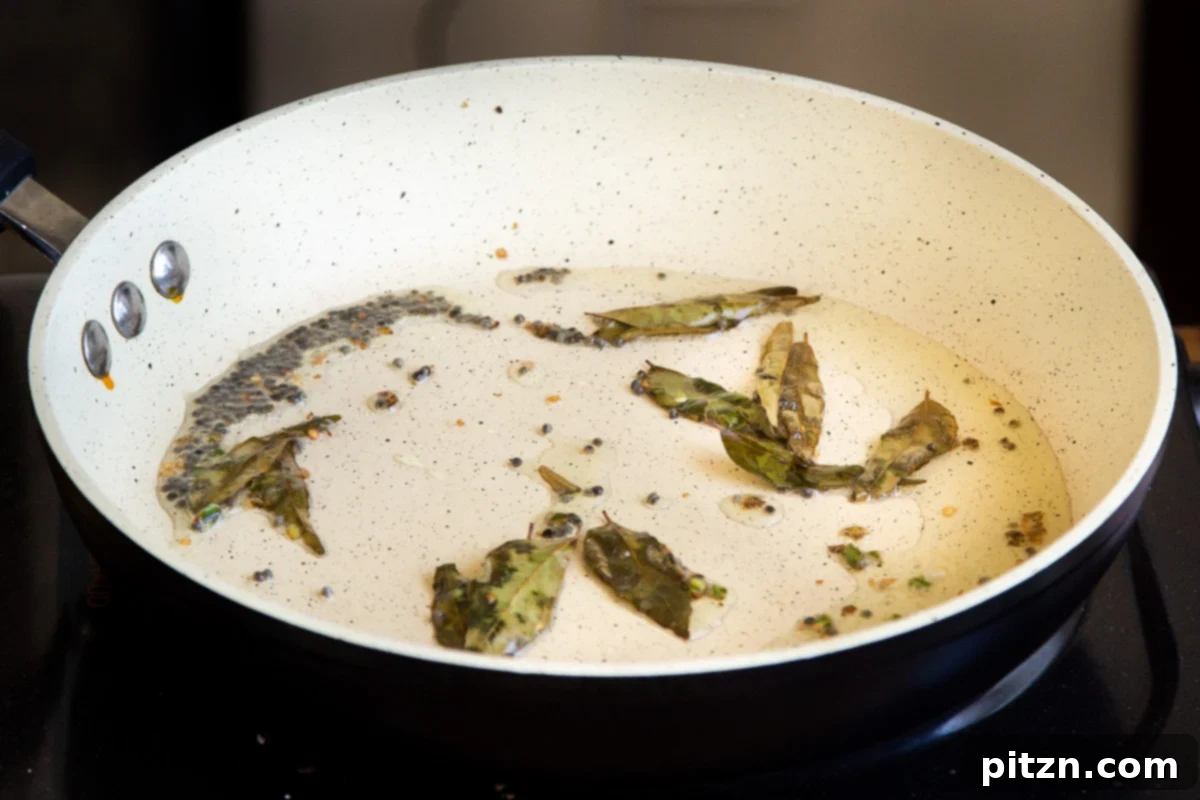
- **Initiate the Tempering (Tadka):** Heat a large skillet or frying pan over medium heat. Once the pan is warm, add the neutral oil. When the oil is hot and shimmering, add the black mustard seeds. Allow them to splutter and change color significantly, which usually takes about 10 seconds to a minute, depending on the heat. Immediately add the fresh curry leaves and the finely chopped green chili. Stir carefully for a few seconds until the curry leaves become fragrant.
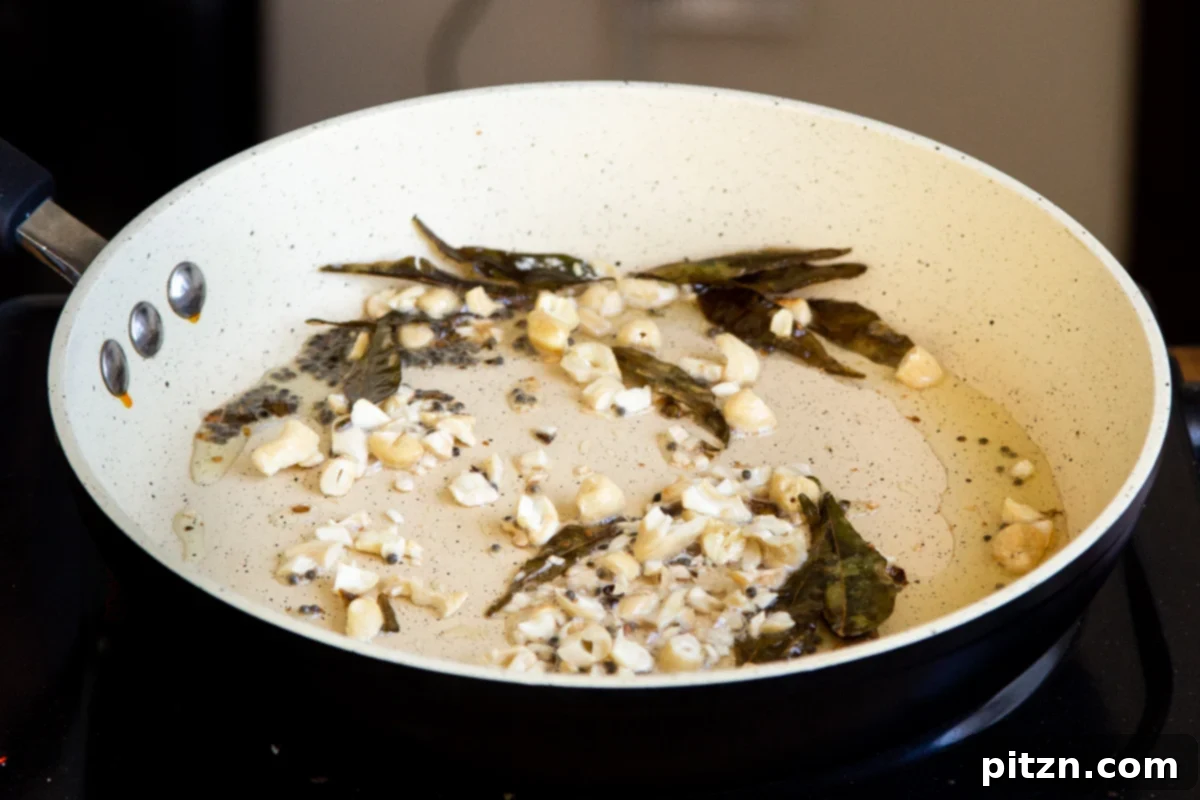
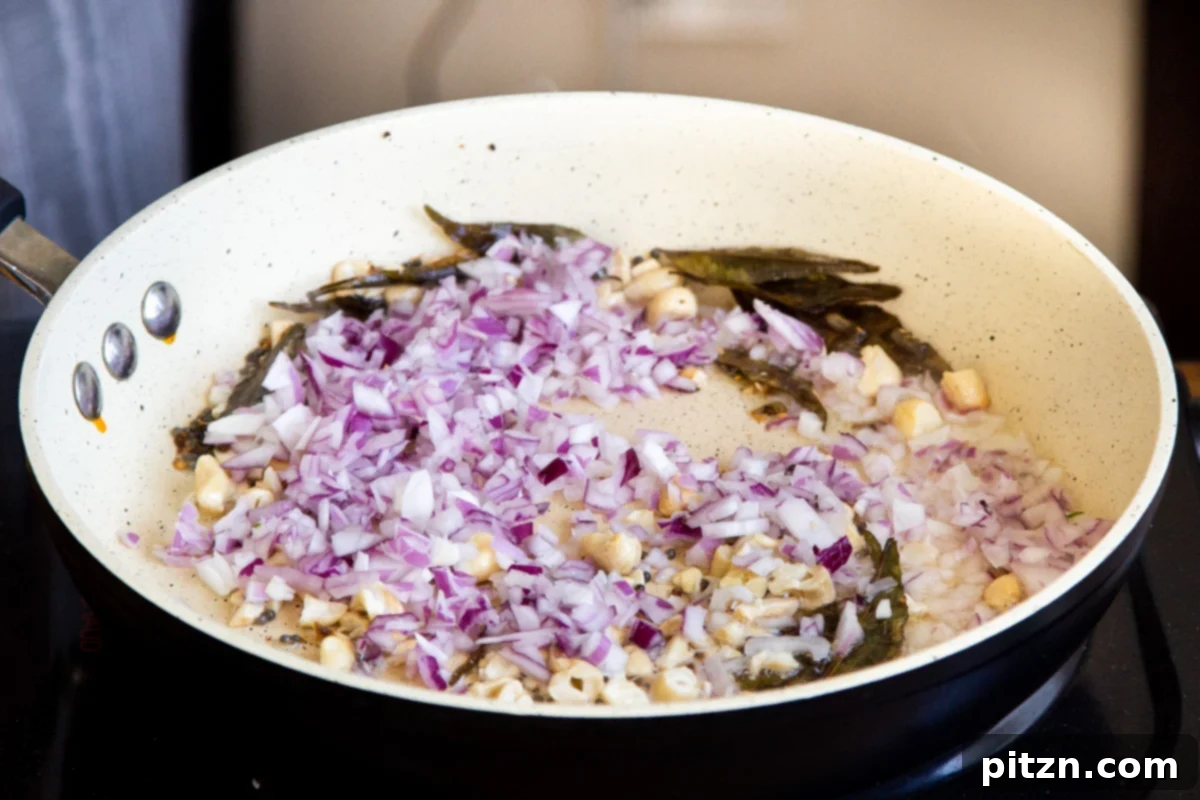
- **Sauté Onions and Nuts:** Add the finely chopped red onions to the pan along with the chopped cashews or peanuts (if using). Sprinkle a good pinch of salt over the onions. Cook, stirring occasionally, until the onions become translucent and soft, which should take approximately 6 to 7 minutes. The nuts will also toast slightly during this time, adding a deeper flavor and crunch.
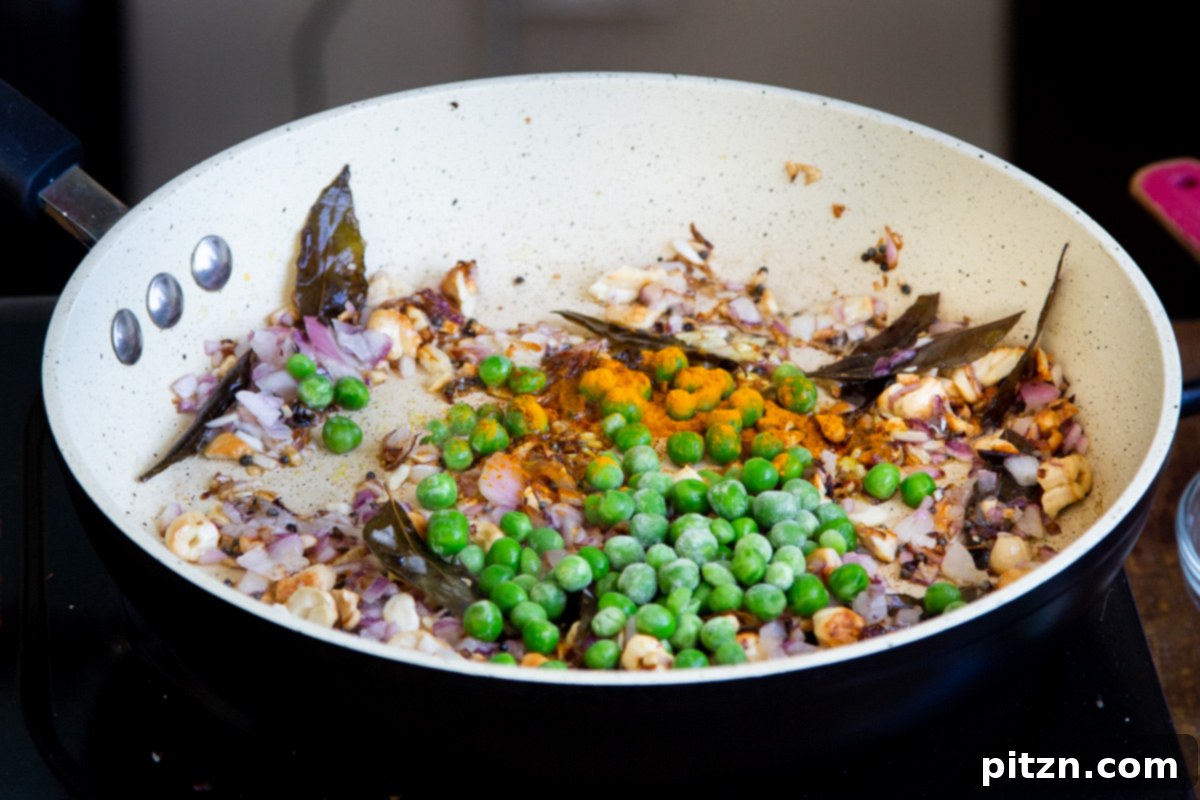
- **Introduce Spices and Peas:** Once the onions are ready, add the ground turmeric, cayenne pepper, and the thawed green peas to the pan, along with half of the remaining salt. Mix all the ingredients well to combine. Cover the pan and let it cook for just 1 minute. This brief covered cooking time allows the peas to gently cook through and the spices to bloom.
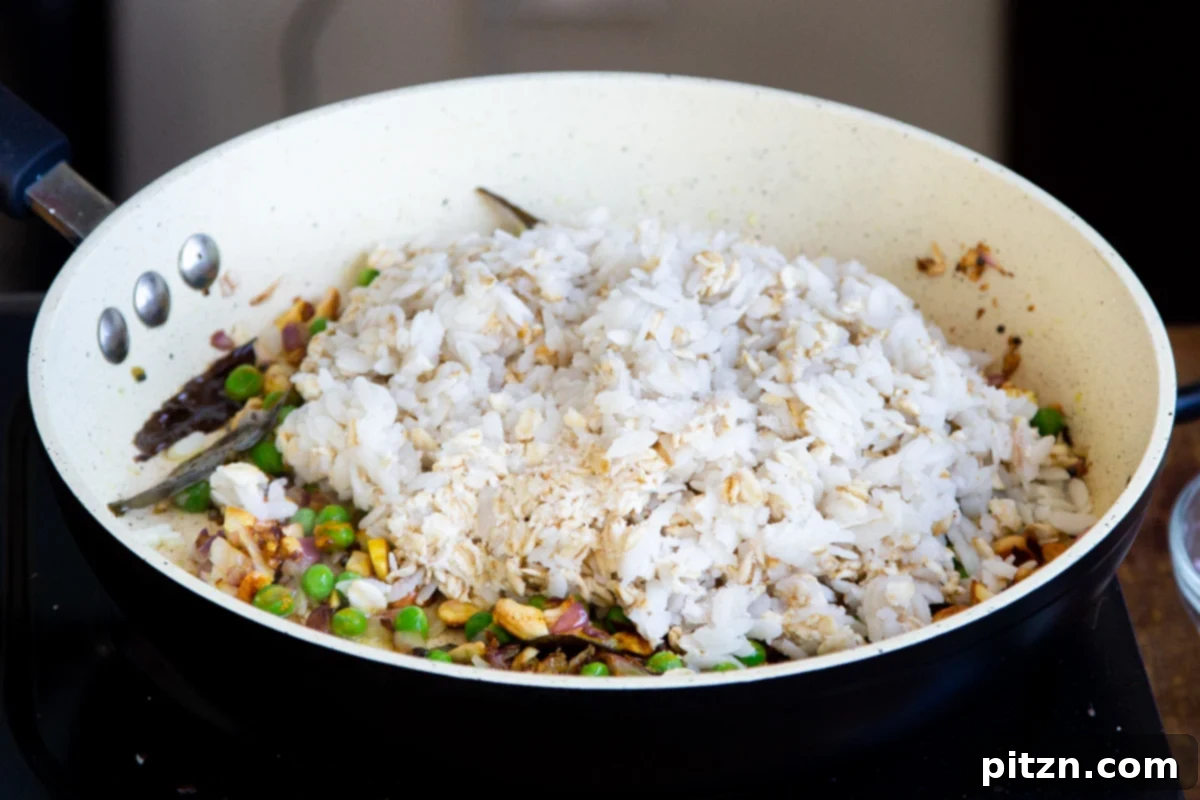
- **Combine Poha and Oats:** Drain the soaked poha and oats again thoroughly to ensure no excess water remains. Add them to the pan with the sautéed vegetables and spices, along with the remaining salt. Toss and mix everything gently but thoroughly, ensuring the poha and oats are evenly coated with the spices and vegetables.
- **Steam and Finish:** Cover the pan again, reduce the heat to low, and let the Kanda Poha cook for another 4 to 5 minutes. This steaming process allows the poha and oats to fully absorb the flavors and become perfectly tender.
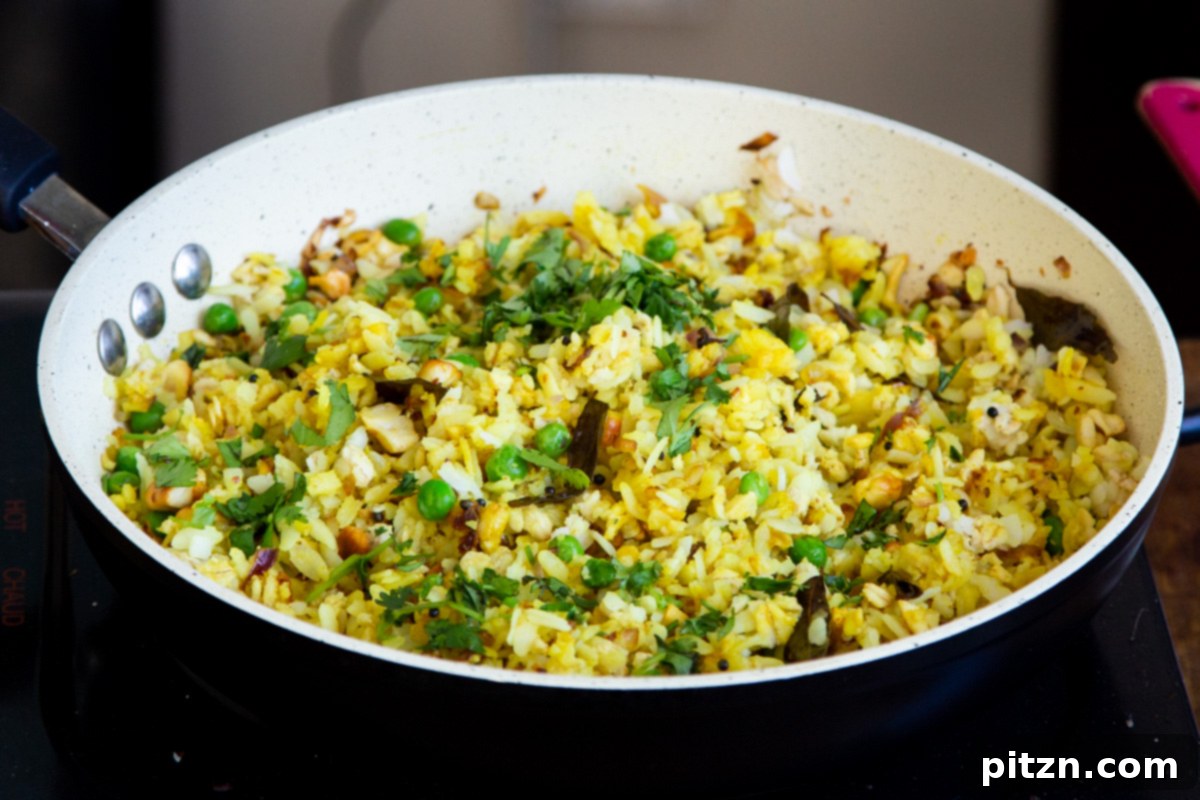
- **Garnish and Serve:** Once cooked, open the lid and gently stir the Poha to mix and fluff it up. Add the fresh chopped cilantro and a generous squeeze of lime or lemon juice. Mix once more. Taste and adjust the salt and spice levels if needed. Cover the pan, remove it from the heat, and let it rest for 2-3 minutes. Before serving, give it a final fluff. Serve warm with an additional drizzle of fresh lemon juice for extra brightness.
Explore More Savory Vegan Breakfast Dishes:
If you love the savory goodness of Kanda Poha, you’ll be thrilled to discover other delectable vegan breakfast options that are equally flavorful and satisfying. Here are some fantastic recipes to expand your morning menu:
- Tofu Bhurji (Indian Breakfast Scramble)
- Vegan Chickpea Breakfast Pinwheels
- Vegan Breakfast Burritos
- Chickpea Flour Frittata (GF, Soy-free)
- Vegan Omelet with Mung Bean (GF, Soy-free)
- Vegan Quiche
Enjoy your culinary journey through these delightful vegan breakfast options, each offering a unique burst of flavor to kickstart your day!

Kanda Poha (Spiced Veggie Rice flakes Oat Breakfast)
Materials
- 1 cup thick poha (thick flattened rice flakes)
- 1/3 cup old-fashioned oats (use certified gluten-free oats to make GF)
- 2 teaspoons safflower or other neutral oil
- 1/2 teaspoon black mustard seeds
- 10 curry leaves chopped (fresh*, frozen or dried)
- 1/2 hot green chili (finely chopped, such as Serrano, or Indian chili)
- 1/2 cup finely chopped red onion
- 3 tablespoons chopped cashews or peanuts (omit for nut-free)
- 1/2 teaspoon turmeric
- 1/4 teaspoon cayenne (or red chili powder or to taste)
- 1/3 cup fresh or frozen green peas (thawed if frozen)
- 3/4 teaspoon salt
- 3 tablespoons chopped cilantro (for garnish)
- 2 teaspoons lime or lemon juice (for garnish, not optional)
Instructions
-
Wash the poha and oats and soak in 2 cups of warm or room temperature water for 5 minutes, then drain for 2 mins. (Steps 2 through 4 take about the same time, so the poha and oats do not have to be soaked in advance.)
-
Heat a skillet over medium heat, add the oil.
-
When the oil is hot, add the mustard seeds and wait for them to change color significantly or to start popping. 10 seconds to a minute depending on heat of the skillet. Add curry leaves and chili, then stir carefully for a few seconds. Add in the onions and cashews and a good pinch of salt and cook onion is until translucent, 6 to 7 minutes.
-
Add turmeric, cayenne, peas, half the salt and mix well. Cover and cook for 1 minute.
-
Drain the poha and oats well and add to the pan, then add the remaining salt. Toss and Mix well. Cover, reduce the heat to low, and cook for 4 to 5 minutes.
-
Open the lid and Stir to mix and fluff. Add cilantro and lemon juice and mix. Taste and adjust salt and spice. Cover, take off heat and set aside for 2-3 minutes. Open the lid and fluff again and Serve warm with a drizzle of lemon juice.
Notes
To make this nut-free, omit the nuts.
* Fresh curry leaves are available at Indian stores locally or online on Amazon. Freeze them in an airtight container for months; use frozen directly from the freezer.