
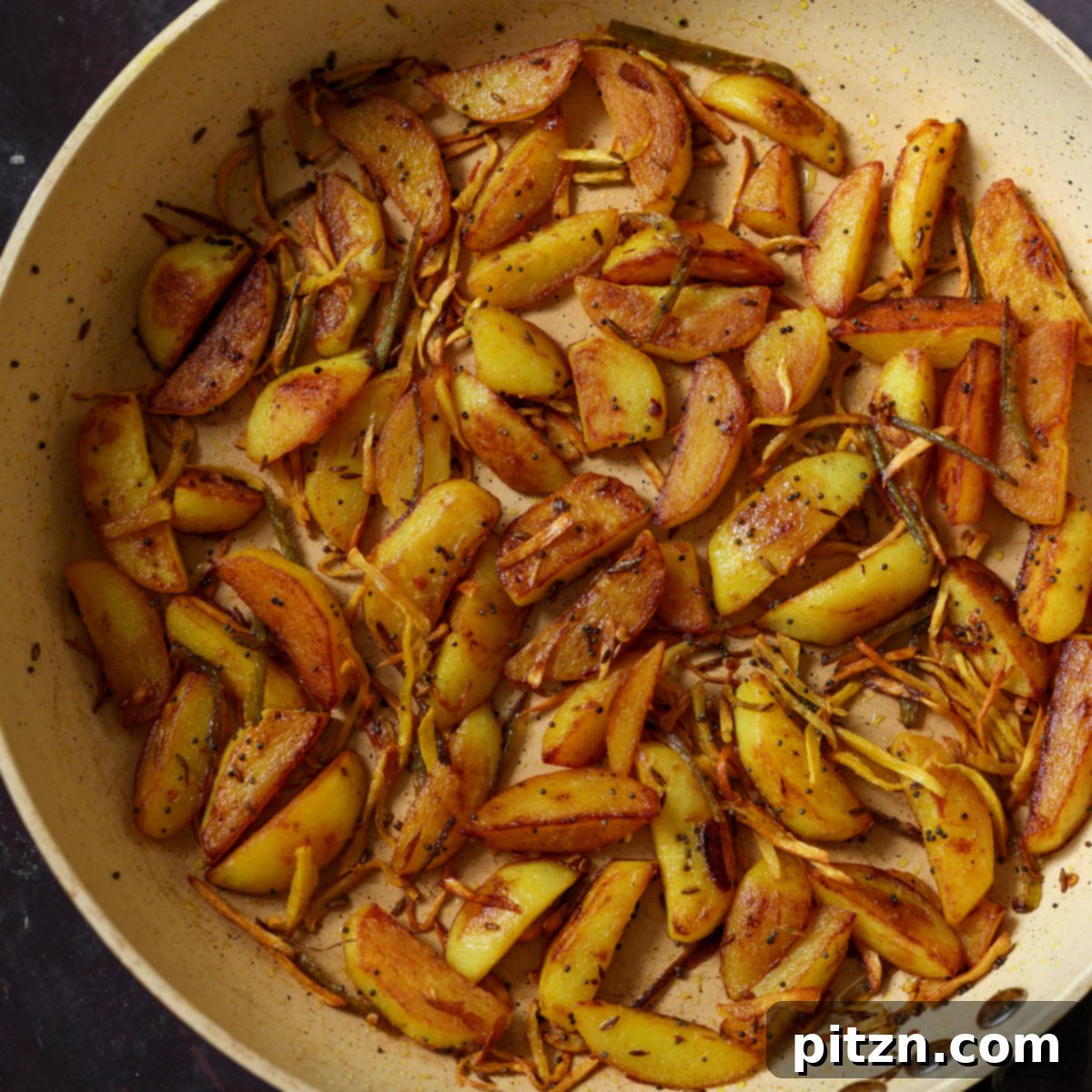
Welcome to the delicious world of Nepali Aloo – a truly irresistible potato dish that’s both incredibly easy to make and bursting with vibrant, savory flavors. These crispy, perfectly spiced potatoes, coated in a fragrant ginger, garlic, and tangy vinegar sauce, are a revelation for anyone who loves potatoes. Whether you’re seeking a unique side dish for your next meal or a satisfyingly savory snack, Nepali Aloo promises to impress. This beloved recipe, originally shared in 2009, continues to be a favorite, proving that simple ingredients can create extraordinary taste.
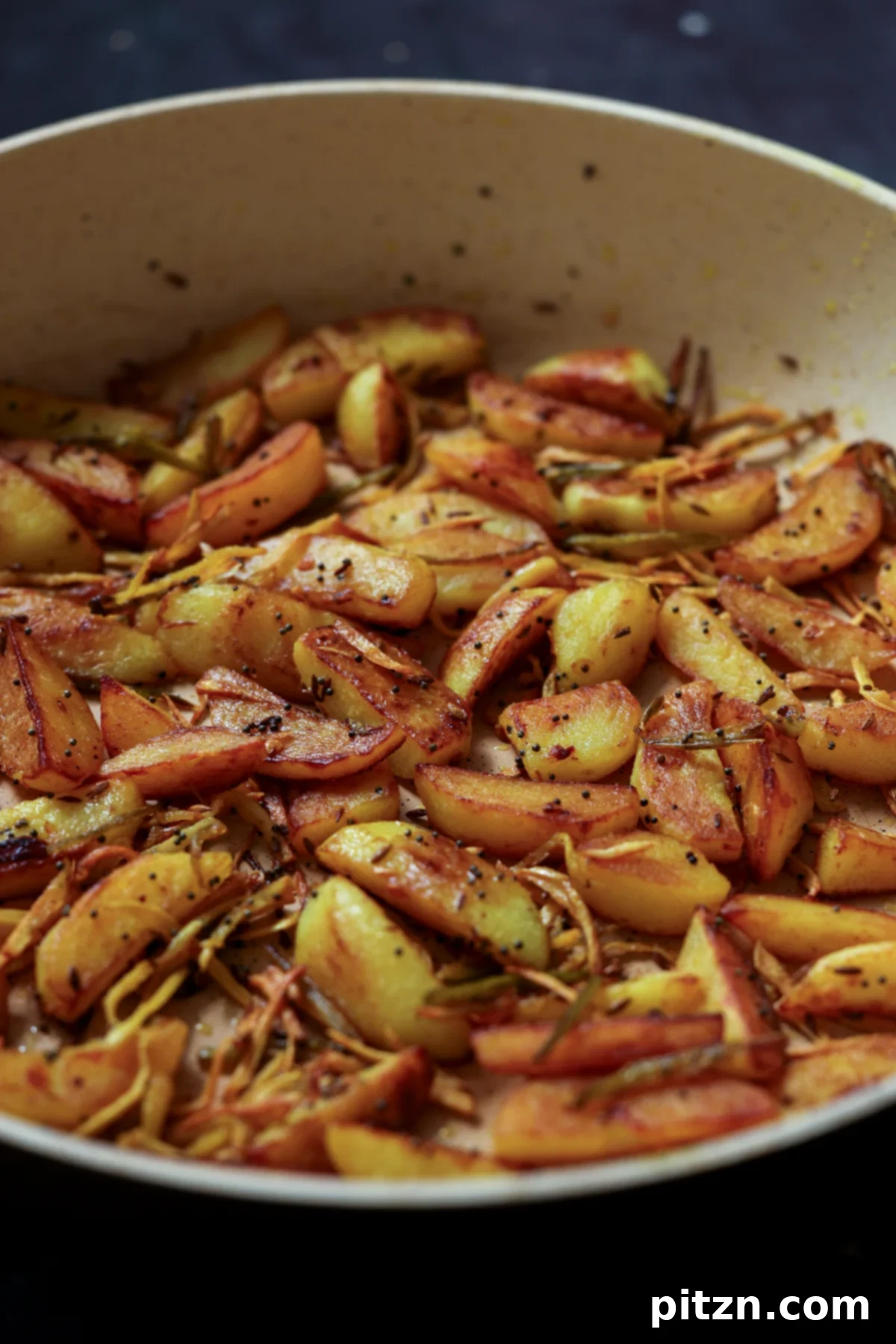
Table of Contents
- Why You’ll Love These Crispy Garlic Vinegar Potatoes
- The Story Behind This Flavorful Recipe
- Essential Ingredients and Clever Substitutions
- Top Tips for Perfect Nepali Aloo
- Step-by-Step: How to Prepare Nepali Aloo
- Serving Suggestions for Your Nepali Aloo
- Explore More Delicious Potato Side Dishes
- Frequently Asked Questions About Nepali Aloo
- Full Recipe Card: Nepali Aloo
The Story Behind This Flavorful Recipe
This Nepali Aloo recipe holds a special place in my heart, taking me back to the early days of my marriage when my husband and I first moved to Seattle. During that time, we were still finding our footing in the kitchen, often opting for quick meals rather than elaborate home cooking. It was then that my beloved Maasi (auntie) came to visit. Her arrival marked a delightful change, as she insisted on enjoying wholesome, homemade meals. With her gentle guidance, she not only prepared a variety of incredible dishes but also generously taught me how to recreate them. Among those treasured lessons was this recipe for Nepali potatoes, or Nepali Aloo, named for its origins in the beautiful country of Nepal.
I remember being utterly captivated by how incredibly simple yet profoundly delicious these potatoes were. They quickly became a staple in our home, a testament to Maasi’s culinary wisdom and the power of traditional flavors. While I’m unsure of the exact origin of her recipe – and indeed, there are several variations online – Maasi’s method involved a foundational technique: first, lightly frying boiled potatoes to achieve a beautiful crispness. Then, she would create a fragrant “tarka,” a tempering of mustard seeds and cumin seeds sizzled in oil, combined with freshly fried ginger, garlic, and green chilies. Finally, all these elements were brought together with a splash of vinegar, adding a crucial tang that elevates the entire dish. This combination of warming spices, aromatic ginger and garlic, and the bright acidity of vinegar with perfectly crisp potatoes truly creates one of the best potato dishes you could ever experience.
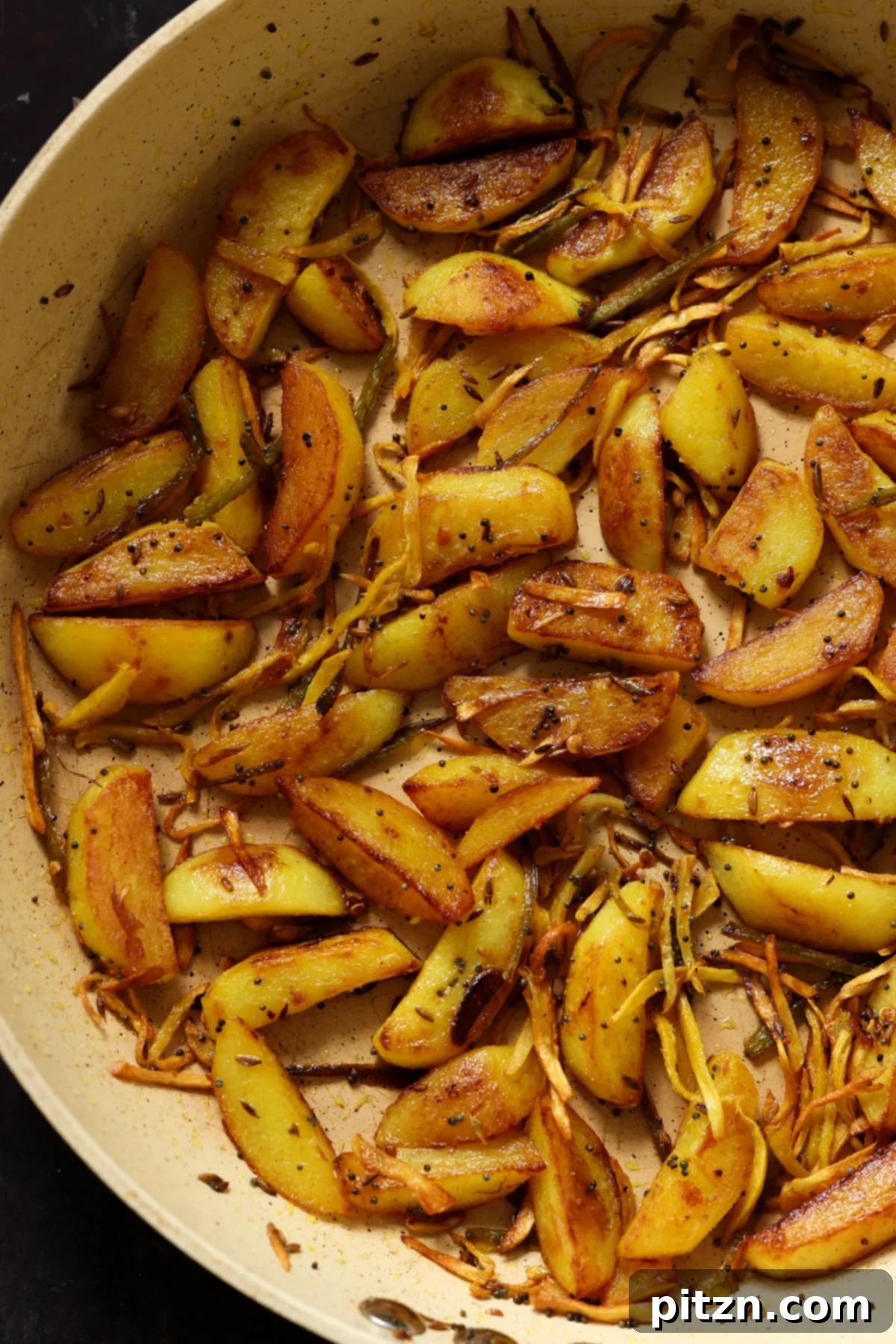
Over the years, I’ve adapted Maasi’s wonderful recipe slightly to streamline the cooking process without sacrificing any of its incredible flavor. My simplified version reduces the number of steps, making it even more accessible for busy weeknights. Instead of boiling the potatoes separately, we cook them directly in a single skillet, which not only saves a pot but also enhances their crispiness. I’ve also carefully adjusted the amount of oil, ensuring just enough to perfectly sauté the whole spices and aromatics. The beauty of this streamlined approach is that you crisp the potatoes in the pan, then build the flavorful spice oil right alongside them, incorporating the ginger, garlic, green chili, and vinegar directly into the mix. The result is a truly remarkable dish – crispy on the outside, tender within, and bursting with the unforgettable flavors of Nepal.
The success of this dish largely hinges on how you prepare the potatoes. I highly recommend using sliced potatoes that are not too thick – about 1/4-inch slices or 1/2-inch cubes are ideal. This ensures they cook quickly and provides ample surface area for them to crisp up beautifully. While yellow potatoes, like Yukon Golds, are often preferred for their creamy texture and ability to hold their shape, this recipe is quite versatile. Feel free to experiment with other potato varieties you might have on hand; just remember to adjust cooking times as needed to achieve that perfect balance of crispy exterior and fluffy interior.
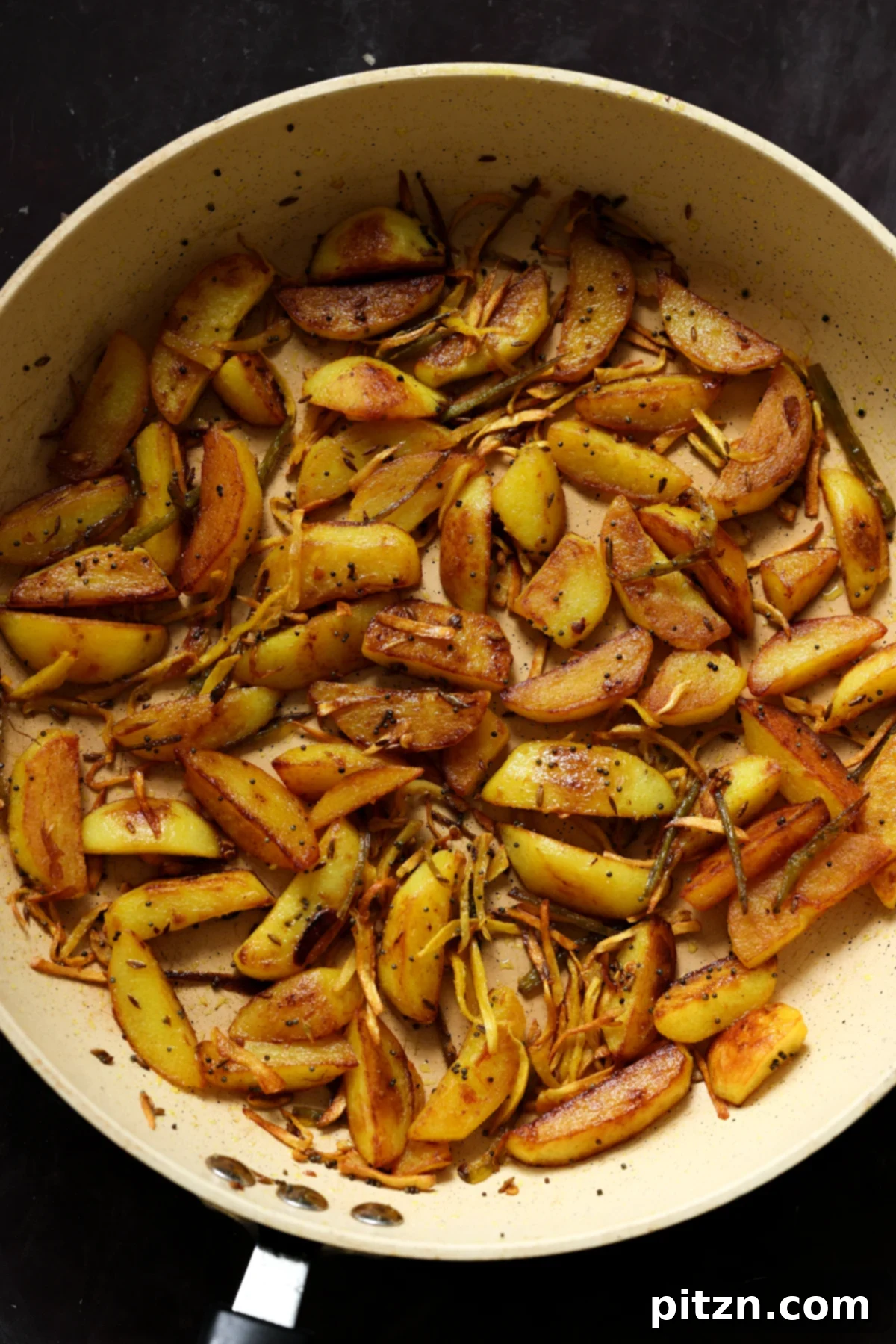
Why You’ll Love These Crispy Garlic Vinegar Potatoes
Nepali Aloo is more than just a potato dish; it’s a culinary experience that offers a multitude of reasons to fall in love with it. Here’s why this recipe deserves a permanent spot in your rotation:
- Effortlessly Easy & Quick: This recipe is designed for maximum flavor with minimal fuss. It’s a true one-pan wonder that comes together in approximately 30 minutes, making it perfect for busy weeknights or when you need a quick yet impressive dish. No complicated steps, just simple cooking that yields fantastic results.
- Irresistible Texture: Prepare your taste buds for a delightful contrast – potatoes that are wonderfully crisp and golden on the outside, yet incredibly tender and fluffy on the inside. This textural play is a signature of the dish, creating a satisfying bite every time.
- Explosion of Flavor: What truly sets Nepali Aloo apart is its extraordinary flavor profile. It’s a symphony of whole spices like mustard and cumin seeds, fragrant aromatics such as ginger and garlic, and a bright, tangy finish from vinegar. Each ingredient plays a crucial role, building layers of savory, spicy, and zesty notes that dance on your palate.
- Naturally Dietary-Friendly: For those with dietary considerations, this recipe is a gem. It is naturally gluten-free, soy-free, and nut-free, making it a safe and delicious option for a wide range of eaters. Enjoy guilt-free indulgence without compromise.
- Versatile & Adaptable: While perfect as a standalone snack, Nepali Aloo also shines as an incredible side dish, complementing a variety of main courses. It’s easy to adjust the spice level to your preference, making it suitable for everyone from mild palates to spice enthusiasts.
Explore More Delicious Potato Side Dishes
If you’re a potato lover like us, these other fantastic recipes are sure to become new favorites:
- Bombay Potatoes and Peas: A vibrant, flavorful dish combining tender potatoes with sweet peas in a rich, aromatic tomato-based sauce.
- Potato Pepper Fry: Spicy and savory, this South Indian-inspired dish features potatoes stir-fried with an assortment of bell peppers and bold spices.
- Jeera Aloo (cumin spiced potatoes): A classic North Indian dry potato dish, simple yet incredibly satisfying, with the distinct flavor of roasted cumin.
- Crunchy Spicy Potatoes: For those who crave extra texture and heat, these potatoes deliver an irresistible crunch and a fiery kick.
Nepali Aloo (Crispy Spiced Garlic Vinegar Potatoes)
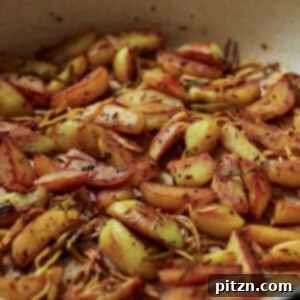
Ingredients
For the Potatoes
- 1 teaspoon oil (any neutral oil like canola, sunflower, or vegetable oil)
- 3 cups peeled and sliced yellow potatoes, sliced into 1/4” thick rounds or cubed into 1/2” pieces. Yukon Gold or similar waxy potatoes work best. Alternatively, use peeled baby potatoes that are 1” or less in size.
For the Spice Oil (Tarka)
- 2 teaspoons oil (additional, for the tempering)
- 1/2 teaspoon brown or black mustard seeds (essential for authentic flavor)
- 1/2 teaspoon cumin seeds (adds warmth and depth)
- 1 ” ginger, freshly peeled and julienned into thin strips for maximum crispness and flavor.
- 5 cloves garlic, peeled and julienned thinly, mirroring the ginger.
- 1 to 3 green chilies, julienned. Adjust to your heat preference: use 1 Serrano or Indian chili for moderate heat, 1/2 Thai chili for intense heat, or 3+ milder chilies.
- 1/4 teaspoon turmeric powder, or more, to taste, for color and earthy notes.
- 1/3 teaspoon salt, or to taste.
- 2 teaspoons white vinegar, or rice vinegar, for that signature tangy finish.
Instructions
Cook the Potatoes for Perfect Crispness.
-
Begin by preparing your potatoes. If they aren’t already, peel and slice them into uniform 1/4-inch rounds or 1/2-inch cubes. This consistency is key for even cooking. Heat a large skillet over medium-high heat, then add one teaspoon of oil. Once the oil is shimmering, add the sliced potatoes to the pan, spreading them out in a single layer as much as possible to prevent overcrowding. Allow them to cook undisturbed for about one to two minutes; this initial searing creates a lovely crust. After this, gently mix and flip the potatoes.
-
Now, cover the skillet with a lid and reduce the heat to medium-low. Let the potatoes cook for approximately 5 minutes. The lid helps steam them, ensuring they become tender inside while they continue to crisp. Uncover, flip the potatoes once more, and then cover again, cooking for another 6 to 8 minutes, or until they reach your desired level of tenderness and golden-brown crispness. Remember to stir them occasionally to ensure even cooking and prevent sticking. The goal is potatoes that are beautifully crisp on the edges but remain soft and fluffy in the center. Cooking times may vary depending on your stove and the type of potatoes; feel free to increase the heat slightly to medium if you need them to cook faster. If you opt for smaller baby potatoes, add about 1/4 cup of water before covering the lid and cook for 10 to 15 minutes until they are fully tender. Once cooked to perfection, remove the potatoes from the skillet and set them aside.
Craft the Aromatic Tempering (Spice Oil).
-
Using the same skillet (no need to clean it!), add the remaining two teaspoons of oil and heat it over medium-high heat. When the oil is hot and shimmering, carefully add the mustard seeds and cumin seeds. Cook these whole spices, stirring occasionally, until the mustard seeds begin to pop, crackle, and lighten in color. The cumin seeds will become deeply fragrant and darken a shade or two. This process, known as tempering, is crucial for releasing their full aroma and flavor. Depending on your specific stove and skillet, the mustard seeds might not aggressively pop, but they should certainly become aromatic and change in appearance.
-
Once the spices are fragrant, reduce the heat to low and allow the skillet to cool down for a few seconds to prevent burning the aromatics. Then, add the thinly julienned ginger, garlic, green chilies, and a small pinch of salt. Mix everything thoroughly, ensuring the aromatics are coated in the spiced oil. Continue to cook over low heat, stirring frequently, until the garlic turns a beautiful golden color and is fully cooked through. If the pan seems dry, you can add an additional teaspoon of oil at this stage to ensure the aromatics crisp up nicely.
-
Finally, return the previously crisped potatoes to the skillet. Add the turmeric powder, the remaining salt, and the white vinegar. Mix everything exceptionally well, tossing the potatoes gently but thoroughly to ensure they are evenly coated with the vibrant spice oil. Allow the mixture to cook together for about one minute. This brief cooking time helps to mellow the strong, pungent flavor of the vinegar, allowing it to integrate beautifully with the other spices and potatoes. Taste the dish and adjust the salt or any other seasoning to your preference. Once perfectly balanced, switch off the heat immediately.
Serve these aromatic and crispy potatoes hot, garnished with fresh cilantro if desired. They pair wonderfully with a side of dal and some plain steamed rice or a flavorful Indian fried rice. Enjoy this comforting and incredibly delicious Nepali Aloo!
Video Tutorial
Chef’s Notes & Pro Tips
To prepare this dish with pre-boiled or pre-cooked potatoes, simply follow the same instructions for cooking the potatoes in the skillet. Instead of cooking them until tender from raw, just cook them for 3-4 minutes, flipping them occasionally, to achieve those desired crispy edges. Then, proceed with making the spice oil and combining as directed. This method can save you a little prep time if you have leftover cooked potatoes.
These delightful Nepali potatoes are naturally friendly to various dietary needs. They are entirely gluten-free, soy-free, and nut-free, making them a safe and inclusive option for many to enjoy.
For an extra layer of flavor and freshness, consider garnishing your finished Nepali Aloo with a sprinkle of freshly chopped cilantro just before serving. The bright, herbaceous notes complement the warm spices beautifully.
Nutrition Information (per serving)
Nutrition information is automatically calculated and is an approximation only. It may vary based on specific ingredients and preparation methods.
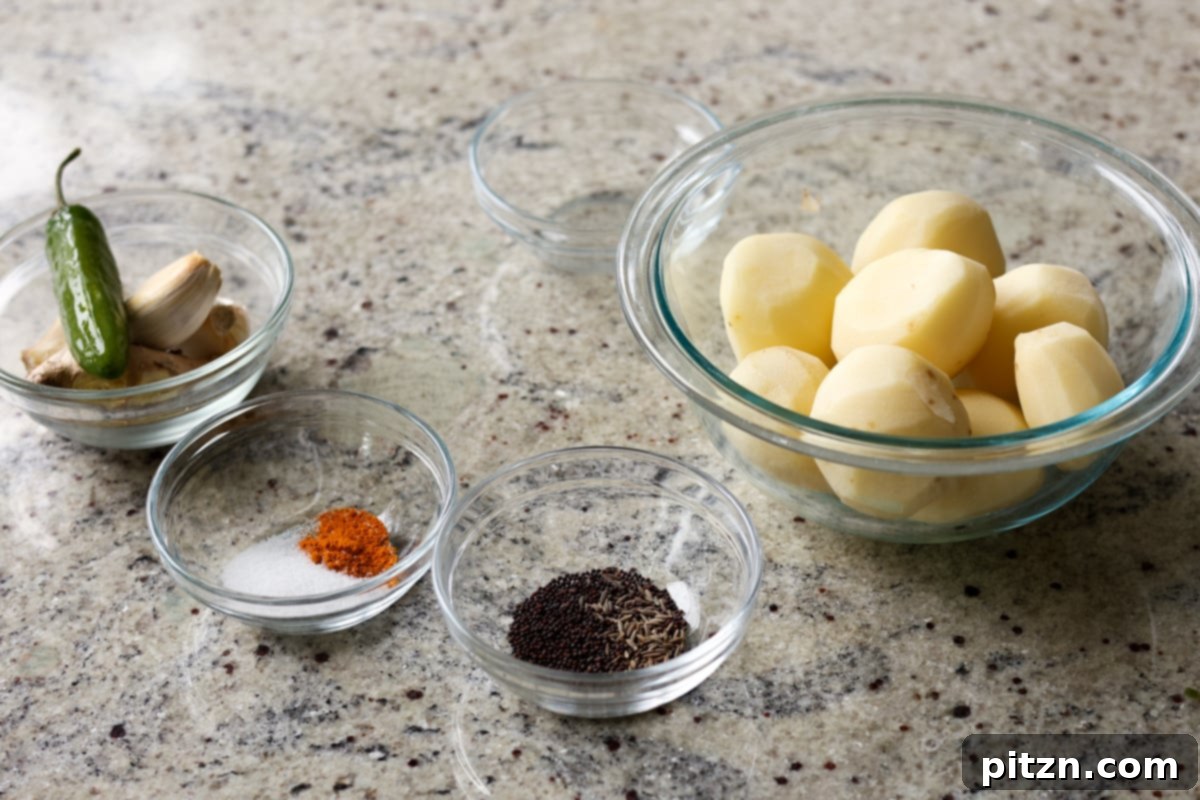
Essential Ingredients and Clever Substitutions
Crafting the perfect Nepali Aloo relies on a few key ingredients, each playing a vital role in its distinctive flavor and texture. Understanding these components and their possible substitutions will help you tailor the dish to your pantry and preferences.
- Potatoes: The star of the show! Yellow potatoes, such as Yukon Golds, are highly recommended. Their waxy texture means they hold their shape well when cooked, and they develop a wonderfully creamy interior while crisping beautifully on the outside. You can use any peeled and uniformly sliced potatoes you prefer, but be mindful that starchier varieties might result in a slightly different texture. For convenience, peeled baby potatoes (under 1 inch in size) are also an excellent choice; just ensure they’re small enough to cook evenly.
- Whole Spices: These form the backbone of the “tarka,” or tempering, which is characteristic of many South Asian dishes. Brown or black mustard seeds provide a pungent, slightly nutty flavor when popped in hot oil, while cumin seeds contribute a warm, earthy aroma. Do not skip these, as they are essential for the authentic taste.
-
Aromatics: Freshly julienned ginger, garlic, and green chilies are absolutely critical for layering flavor and adding textural interest. The thin strips get wonderfully crisp as they cook, releasing intense bursts of flavor.
- Ginger: Provides a warming, spicy kick and a unique aroma.
- Garlic: Adds a savory depth that complements the spices.
- Green Chilies: Offer a fresh heat. You can adjust the quantity and type (e.g., Serrano, Thai, or milder Indian chilies) to control the spice level. Remember, thinly sliced aromatics are key for that desired crisp texture.
- Turmeric and Salt: Turmeric powder lends a beautiful golden hue to the potatoes and adds a subtle, earthy undertone. Salt, of course, enhances all the flavors. Always taste and adjust salt at the end.
- White Vinegar: This is the magic ingredient that provides the signature tang and brightness to Nepali Aloo. It cuts through the richness of the spices and potatoes, creating a balanced and addictive flavor profile. Rice vinegar is an excellent substitute if you prefer a slightly milder acidity. Do not omit the vinegar, as it’s crucial for the authentic taste of the dish.
- Oil: Any neutral cooking oil, such as canola, sunflower, or vegetable oil, will work perfectly for both crisping the potatoes and creating the spice tempering.
💡 Top Tips for Perfect Nepali Aloo
Achieving that ideal balance of crispy, tender, and intensely flavorful Nepali Aloo is easier than you think with these expert tips:
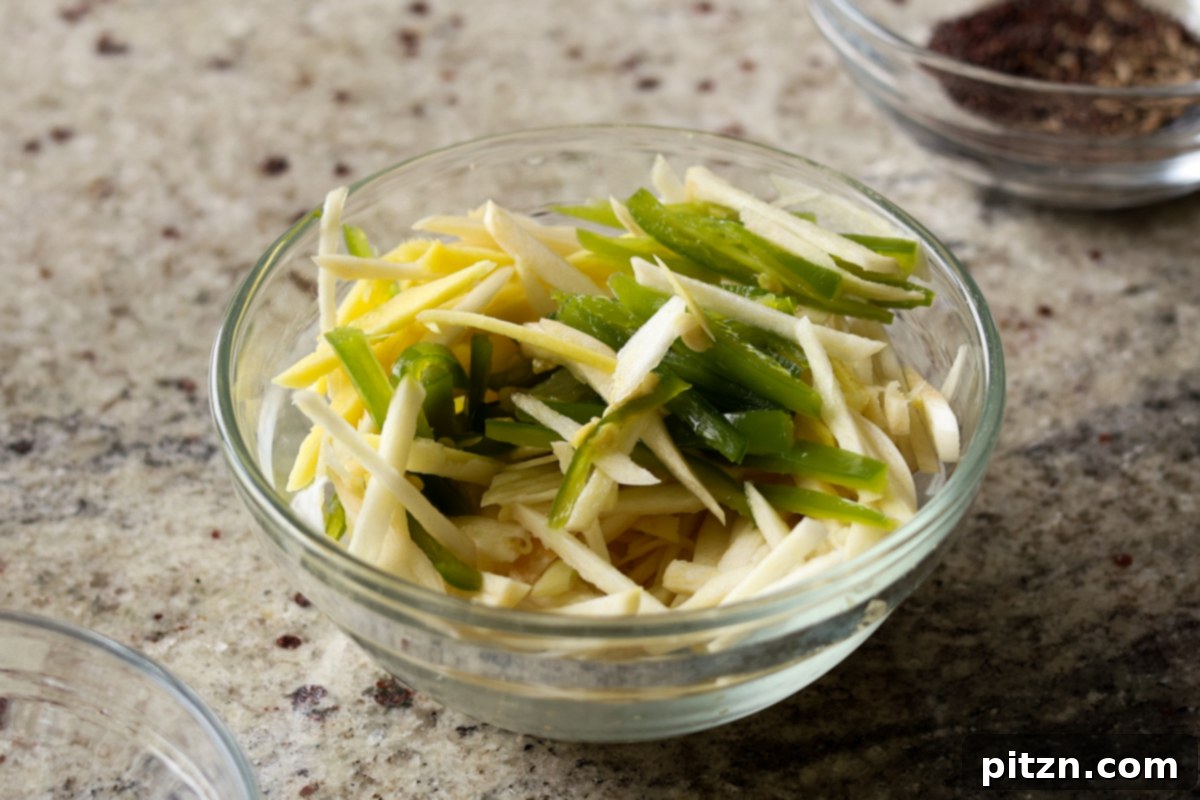
- Master the Thin Slice for Aromatics: I cannot emphasize this enough – the key to truly exceptional Nepali Aloo lies in the thinness of your julienned ginger, garlic, and green chilies. Aim for matchstick-thin strips. When they are sliced this way, they crisp up beautifully in the oil, developing a delightful crunch and releasing their concentrated flavors without becoming burnt or chewy. This technique creates incredible textural contrasts and flavor bombs throughout the dish.
- Uniform Potato Slices for Even Cooking: Just like with the aromatics, cutting your potatoes into thin, uniform pieces (around 1/4-inch thick slices or 1/2-inch cubes) is crucial. Thinner slices mean they cook much faster and develop more surface area for crisping, leading to a more satisfying texture. Uniformity ensures all pieces cook at the same rate, preventing some from being undercooked while others are overcooked.
- Don’t Overcrowd the Pan: When cooking the potatoes, avoid piling them up too much. If the pan is too crowded, the potatoes will steam instead of crisping. Cook them in a single layer or in batches if necessary, ensuring each piece has direct contact with the hot pan surface. This is vital for achieving that desirable golden-brown exterior.
- Patience with Whole Spices: Allow the mustard and cumin seeds to fully sizzle and pop (or at least lighten in color and become fragrant) before adding other ingredients. This process, known as tempering, awakens their essential oils and releases their full, complex flavors into the oil, which then infuses the entire dish. Rushing this step will result in a less flavorful outcome.
- Flexibility in Order of Operations: While the recipe provides a clear order, this dish is quite forgiving. If you prefer, you can crisp the potatoes entirely first and set them aside, then prepare the tempering, and finally combine everything. Alternatively, you could start the tempering, briefly remove it, cook the potatoes, and then reintroduce the spice mixture. Since all components ultimately get tossed together in the same pan, feel free to adapt the sequence to what feels most comfortable and efficient for you.
- Adjust Heat for Perfect Crispness: Keep an eye on your stove and adjust the heat as needed. If your potatoes aren’t crisping, slightly increase the heat. If your spices or aromatics are browning too quickly, reduce the heat. Learning to manage heat is key to preventing burning while ensuring everything cooks perfectly.
- Taste and Adjust: Always taste the dish before serving. This allows you to fine-tune the salt and, if desired, add a touch more vinegar for extra tang or a pinch more chili for more heat. Personalizing the seasoning ensures the Nepali Aloo is perfect for your palate.
Step-by-Step: How to Prepare Nepali Aloo
Get ready to create a truly delicious and aromatic dish with this detailed guide to making Nepali Aloo. Follow these steps carefully to ensure perfectly crispy potatoes infused with incredible flavor.
Step 1: Preparing and Cooking the Potatoes
First, ensure your potatoes are ready. Peel them thoroughly, then slice them into uniform 1/4-inch thick rounds or cut them into 1/2-inch cubes. Uniformity is crucial here for even cooking. Place a large skillet over medium-high heat on your stovetop. Add one teaspoon of oil, allowing it to heat until it shimmers. Once hot, spread the oil evenly across the pan surface.
Carefully add the prepared potatoes to the hot skillet. Arrange them in a single layer as much as possible, ensuring they do not significantly overlap. This maximizes contact with the hot surface, which is essential for crisping. Let the potatoes cook undisturbed for about one to two minutes. This initial sear will help develop a beautiful golden crust. After this initial searing, use a spatula to gently mix and flip the potatoes, exposing new surfaces to the heat.
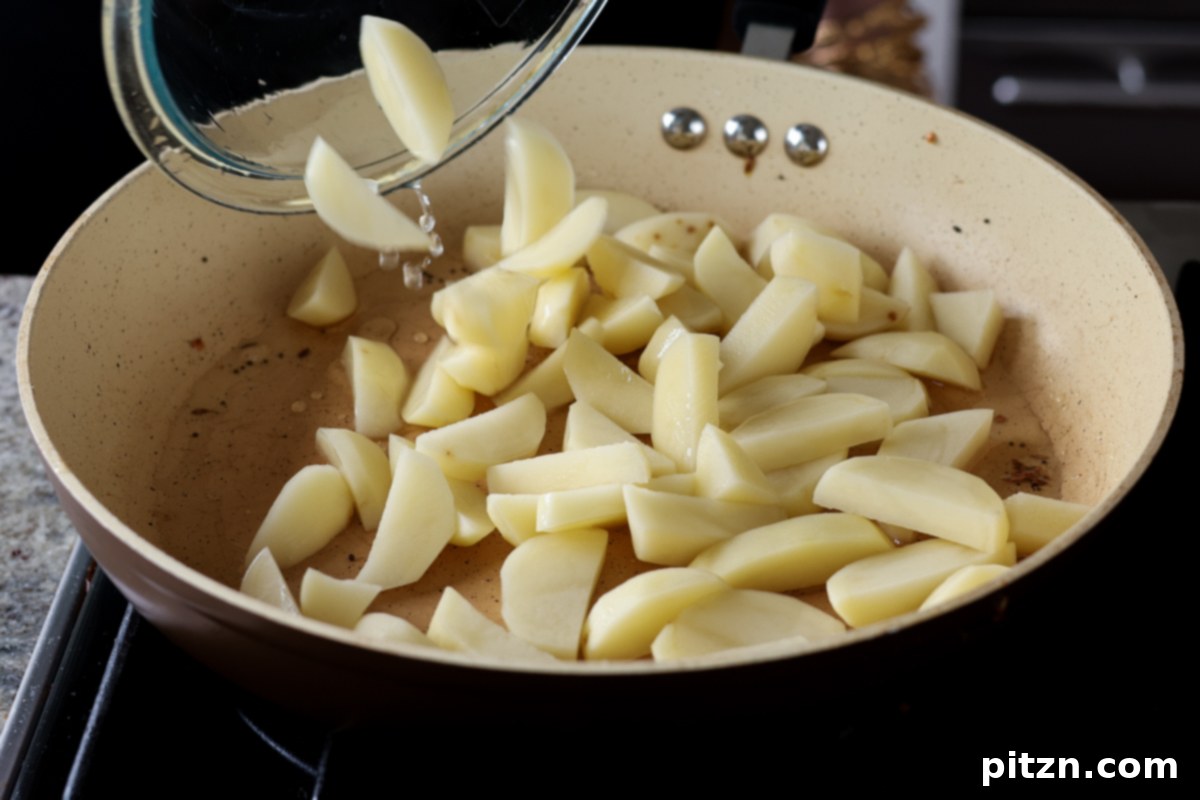
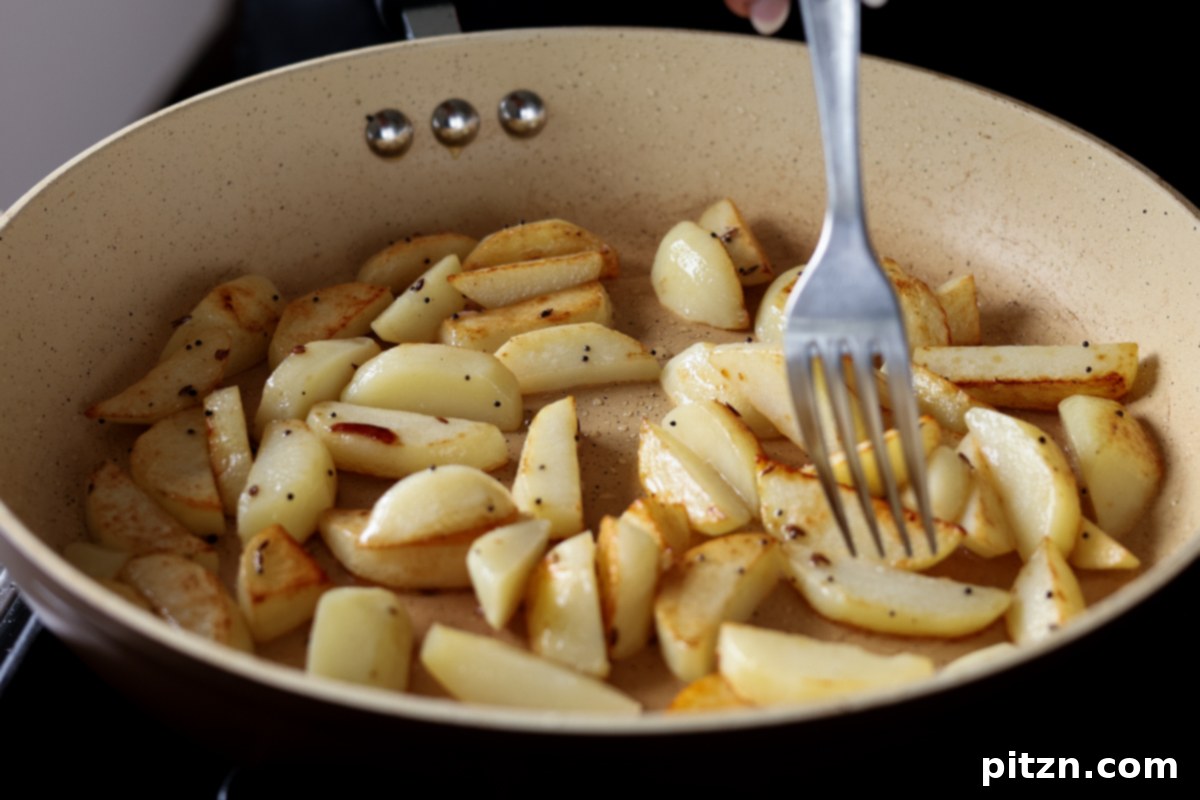
Now, cover the skillet tightly with a lid and reduce the heat to medium-low. Allow the potatoes to cook, covered, for approximately 5 minutes. The trapped steam helps to tenderize the potatoes from the inside while they continue to develop a crispy exterior. After 5 minutes, carefully lift the lid, give the potatoes another good flip, and then cover the skillet again. Continue cooking for another 6 to 8 minutes, or until the potatoes are cooked through and have achieved a lovely golden-brown crispness to your liking. Stir them once more during this phase, ensuring they are not overlapping excessively, which helps promote even crisping. The ideal result is potatoes that are wonderfully crisp on the edges and soft in the middle. Cooking times may vary slightly based on your specific stove and the potato variety, so don’t hesitate to adjust the heat to medium if you find they need to cook faster. If you’re using small baby potatoes, a helpful tip is to add about 1/4 cup of water to the pan before covering and cooking for 10 to 15 minutes, ensuring they cook through completely. Once perfectly cooked, remove the potatoes from the skillet and transfer them to a bowl, setting them aside for later.
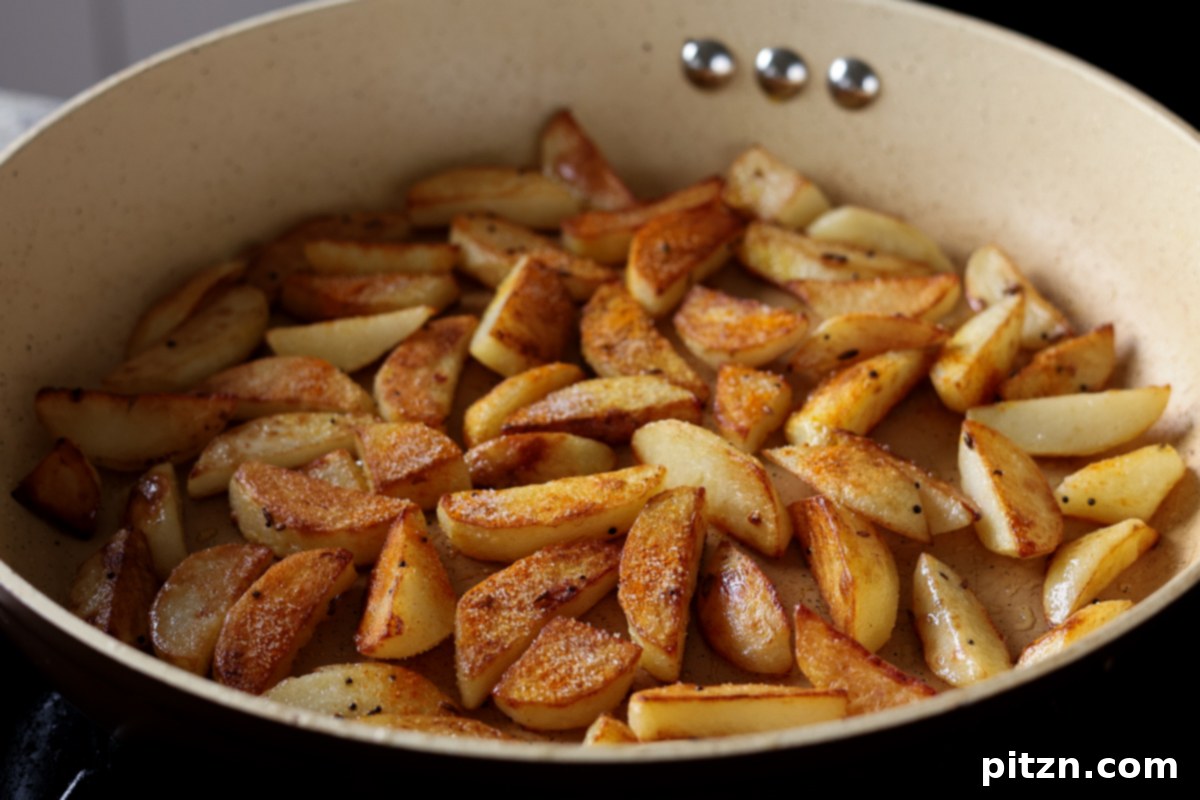
Step 2: Crafting the Fragrant Spice Oil (Tarka)
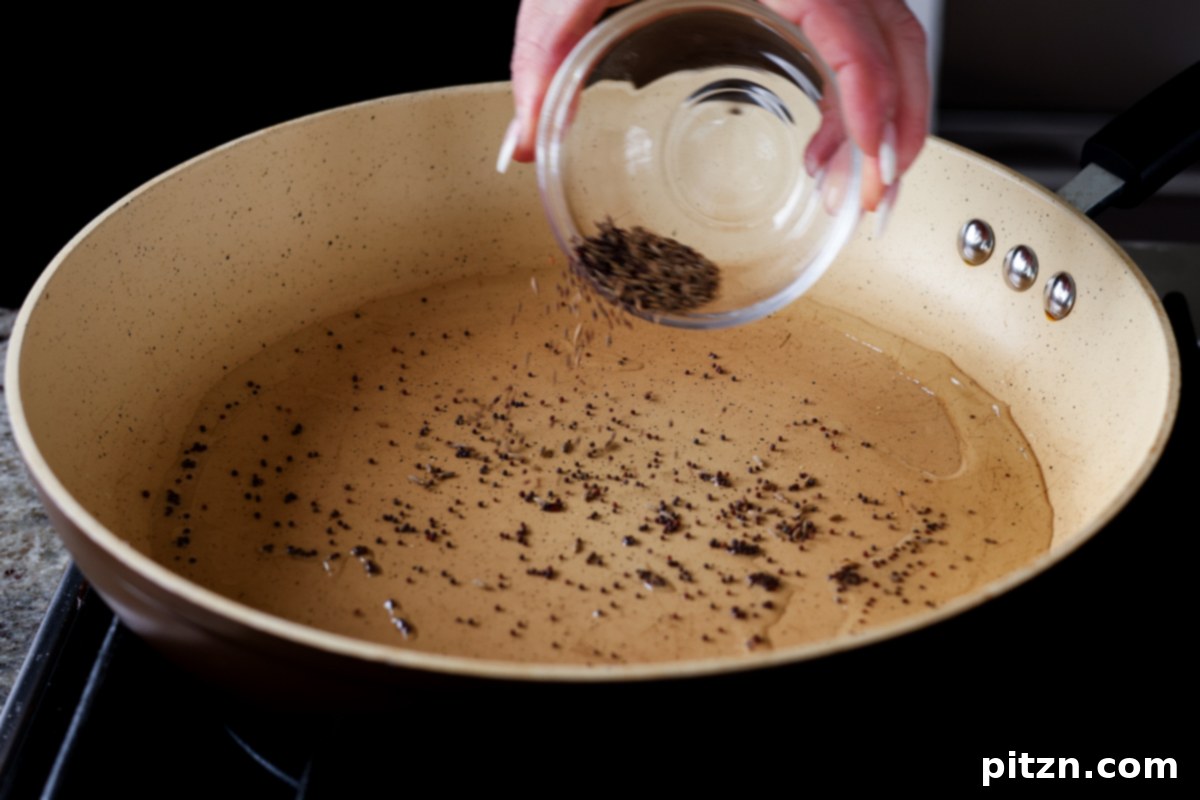
Now, using the very same skillet you cooked the potatoes in (no need to clean it; the leftover bits add flavor!), add the remaining two teaspoons of oil. Return the skillet to medium-high heat. Once the oil is hot and shimmering, carefully add the mustard seeds and cumin seeds. These whole spices will begin to sizzle and dance in the hot oil. Cook them, stirring frequently, until the mustard seeds start to pop and crackle, or at least lighten significantly in color. The cumin seeds should become deeply fragrant and turn a darker shade. This process, known as tempering or “tarka,” is fundamental to South Asian cooking, as it awakens the full aromatic potential of the spices. Don’t rush this step, as the fragrance is key, but also don’t let them burn.
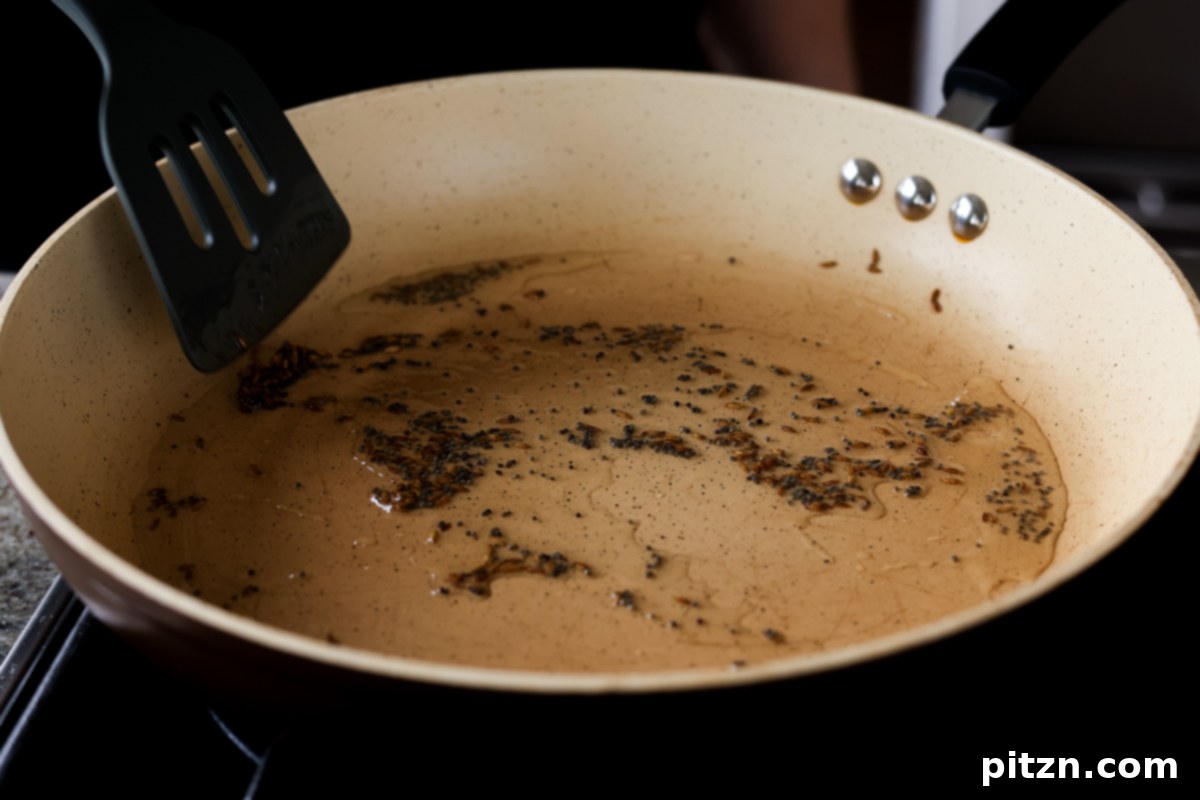
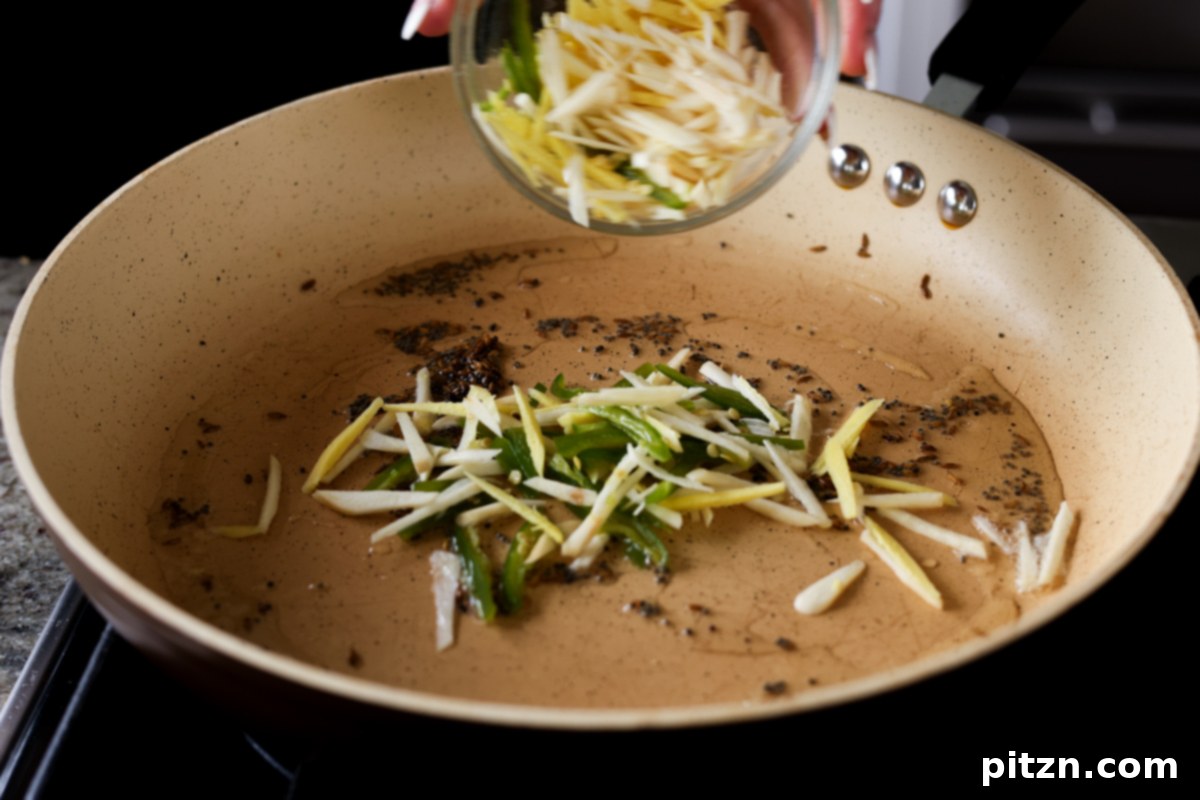
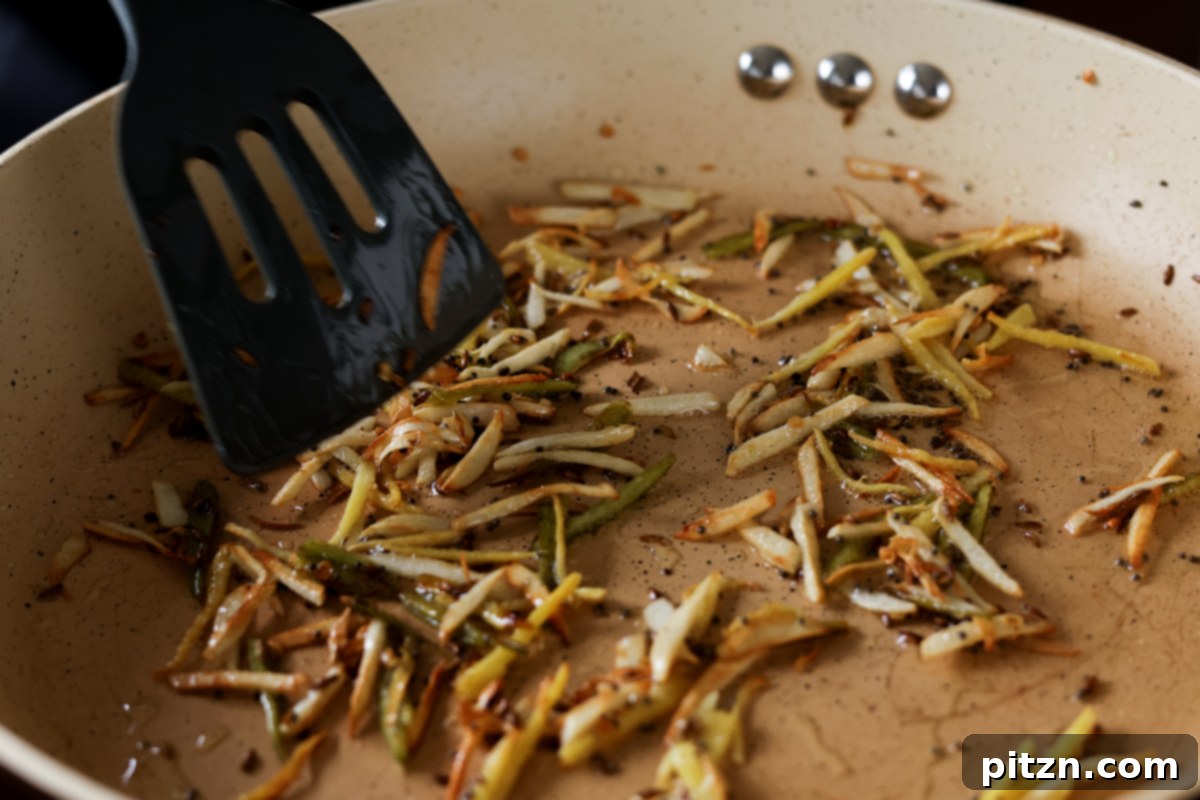
Once the spices are aromatic, immediately reduce the heat to low. Allow the skillet to cool slightly for a few seconds to prevent the fresh aromatics from burning. Then, add the thinly julienned ginger, garlic, green chilies, and a small pinch of salt to the pan. Mix everything thoroughly with a spatula, ensuring the aromatic strips are well coated in the infused oil. Continue to cook over low heat, stirring occasionally, until the garlic turns a beautiful golden brown and is fully cooked. The ginger and chilies will also soften slightly and become wonderfully fragrant. If, at any point, the pan appears too dry and the aromatics aren’t cooking evenly, you can add an additional teaspoon of oil to facilitate proper sautéing. This step is crucial for developing the deep, pungent flavors that define Nepali Aloo.
Step 3: Combining and Finishing the Dish
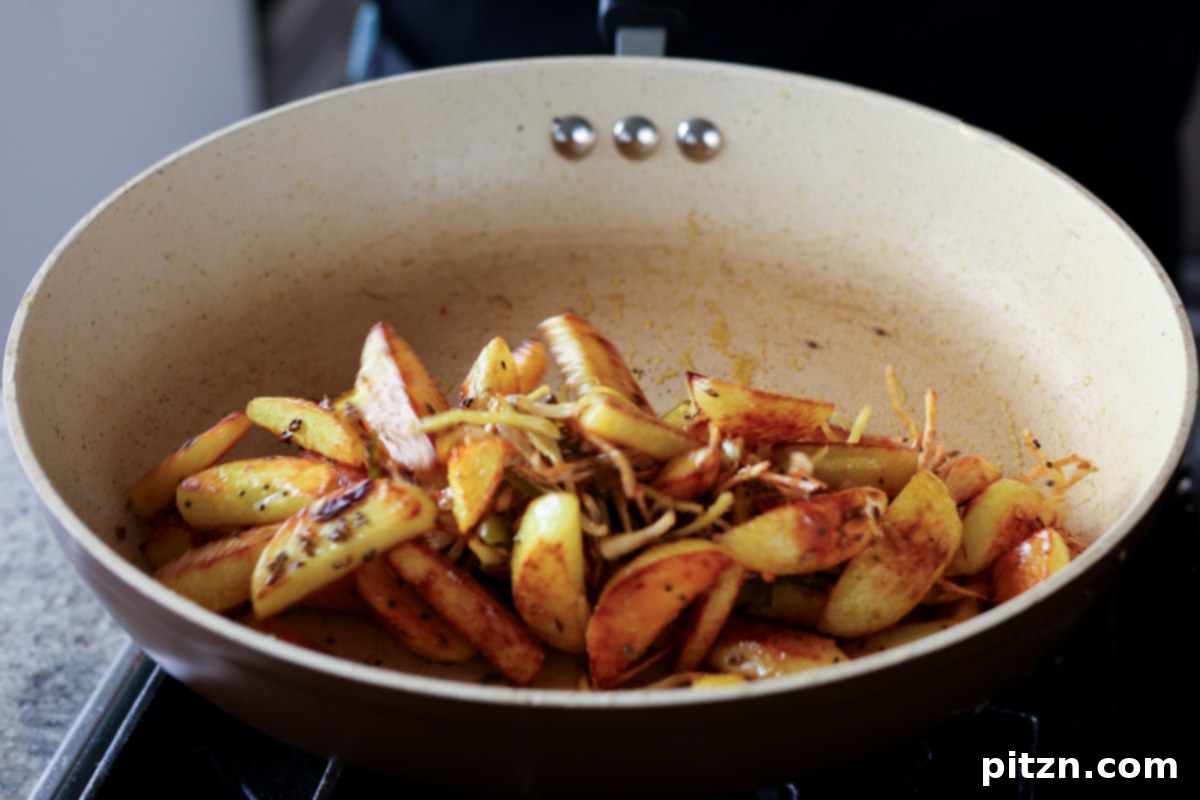
Now it’s time to bring all the delicious components together! Add the previously crisped potatoes back into the skillet with the fragrant spice oil and aromatics. Immediately follow this with the turmeric powder, the remaining salt, and the white vinegar.
With your spatula, mix everything exceptionally well. Gently but thoroughly toss the potatoes, ensuring each crispy piece is beautifully coated with the vibrant, spiced ginger-garlic-chili oil. This step is where all the flavors truly meld. Allow the mixture to cook together for about one minute over low heat. This brief cooking time is important for integrating the vinegar’s strong flavor, allowing its tanginess to mellow slightly and harmonize with the warmth of the spices.
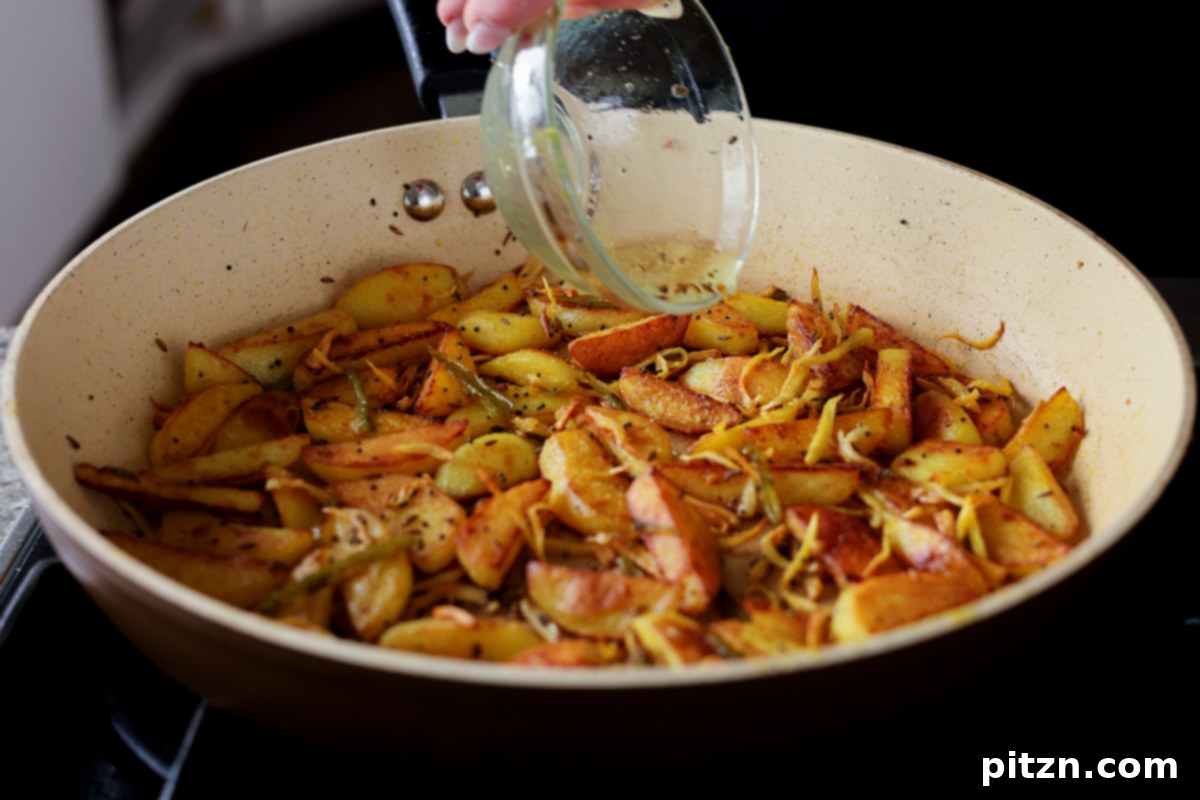
Finally, give the dish a taste. This is your opportunity to adjust the seasoning – perhaps a little more salt, a touch more vinegar for extra zing, or another pinch of chili for increased heat. Once you’re satisfied with the flavor profile, switch off the heat immediately to prevent overcooking. Serve these sensational Nepali Aloo hot and enjoy the incredible burst of flavors and satisfying textures!
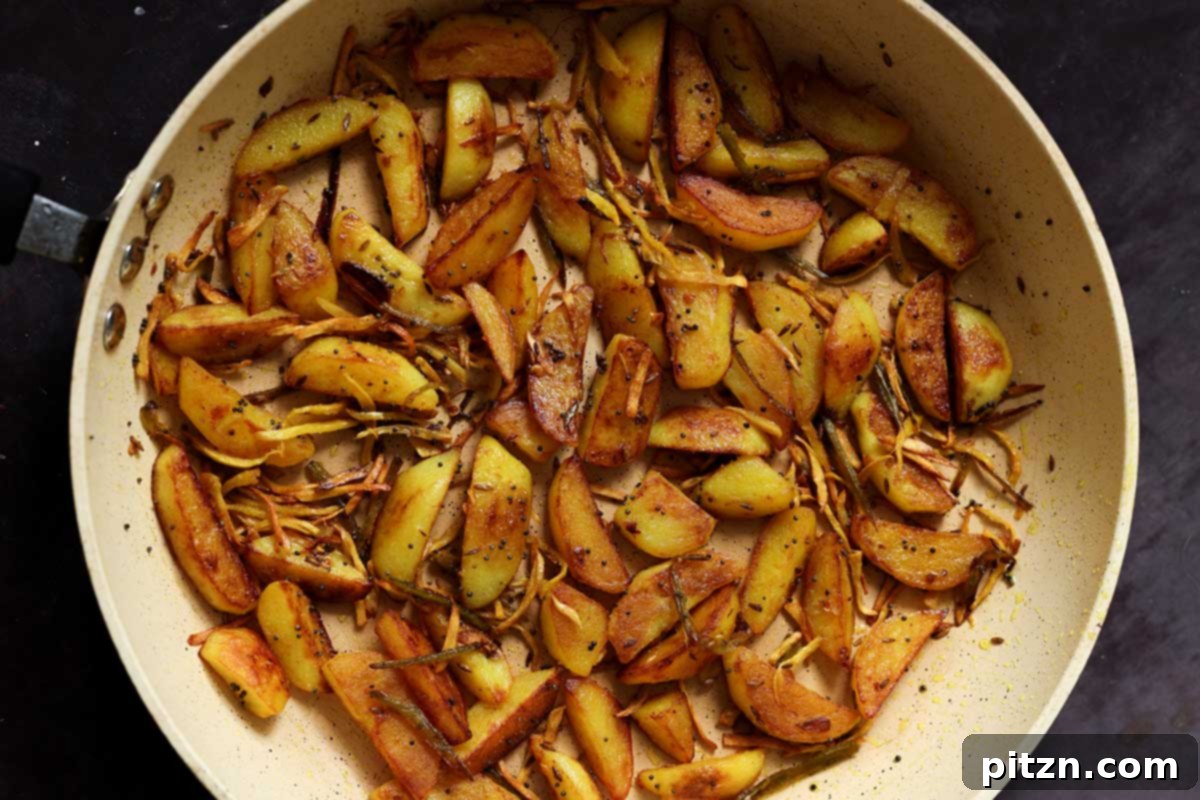
Serving Suggestions for Your Nepali Aloo
Nepali Aloo is incredibly versatile and can be enjoyed in many ways. While it makes a fantastic standalone snack, here are some ideas for how to serve these crispy, spiced potatoes to create a complete and satisfying meal:
- Classic Nepali/Indian Meal: Serve these potatoes hot alongside a comforting bowl of dal (lentil soup) and some fluffy plain steamed rice. This combination is a staple in many South Asian homes, offering a balanced and wholesome meal.
- With Fried Rice: For a more substantial and flavorful pairing, Nepali Aloo complements Indo-Chinese fried rice wonderfully. The tangy, spicy potatoes provide a perfect counterpoint to the savory rice.
- As a Delicious Appetizer or Snack: These potatoes are so flavorful and addictive that they can easily be served on their own as a party appetizer or a satisfying snack. Just arrange them on a platter and watch them disappear!
- Alongside Flatbreads: Pair Nepali Aloo with warm roti, naan, paratha, or even simple whole wheat tortillas. The bread is perfect for scooping up the flavorful potatoes and sauce.
- As a Side with Curries: They make an excellent side dish for a variety of vegan curries, adding texture and a bright flavor contrast to rich, creamy main courses.
- Garnish: For an extra burst of freshness and color, garnish your Nepali Aloo with a generous sprinkle of freshly chopped cilantro just before serving. While I often enjoy them as-is, the herbaceous notes of cilantro elevate the dish beautifully.
- In Wraps or Tacos: Get creative and use leftover Nepali Aloo as a filling for wraps, burritos, or soft tacos. Add some fresh veggies and a dollop of vegan yogurt or chutney for a quick and flavorful meal.
Frequently Asked Questions About Nepali Aloo
Here are answers to some common questions about making and enjoying Nepali Aloo:
Yes, absolutely! Nepali Aloo is naturally crafted to be inclusive. This recipe is completely gluten-free, soy-free, and nut-free, making it a wonderful and safe option for individuals with these common dietary restrictions or allergies.
Certainly! The spice level is entirely customizable. To make it spicier, you can increase the number of green chilies, or use a hotter variety like Thai chilies. For a milder version, reduce the quantity of green chilies or remove the seeds from the chilies before julienning. You can also add a pinch of cayenne pepper or red chili flakes for a different kind of heat.
Waxy potatoes like Yellow potatoes or Yukon Golds are highly recommended as they hold their shape well and develop a creamy interior with a crispy exterior. Red potatoes also work well. Starchy potatoes like Russets can be used but might break down more easily and become fluffier rather than holding distinct slices. Regardless of the type, ensure uniform slicing for even cooking.
Leftover Nepali Aloo can be stored in an airtight container in the refrigerator for up to 3-4 days. While they are best enjoyed fresh for maximum crispness, they still taste delicious reheated. To reheat, spread them on a baking sheet and warm in a preheated oven or air fryer at 350°F (175°C) until heated through and slightly re-crisped.
Yes, to save time, you can peel and slice the potatoes a day in advance and store them submerged in cold water in the refrigerator (this prevents browning). You can also julienne the ginger, garlic, and green chilies and store them in separate small airtight containers in the fridge for up to 2-3 days. This makes the assembly process very quick on cooking day.
While oil is essential for crisping the potatoes and tempering the spices to extract their full flavor, you can try to reduce the amount used. For a lower-oil version, use a good quality non-stick pan and a minimal amount of oil for both steps. For a completely oil-free version, the texture and flavor profile will change significantly, as the crisping and tempering effects rely on oil. You might try steaming potatoes and then sautéing aromatics in a splash of water, but this will not yield the same “crispy spiced” results.