
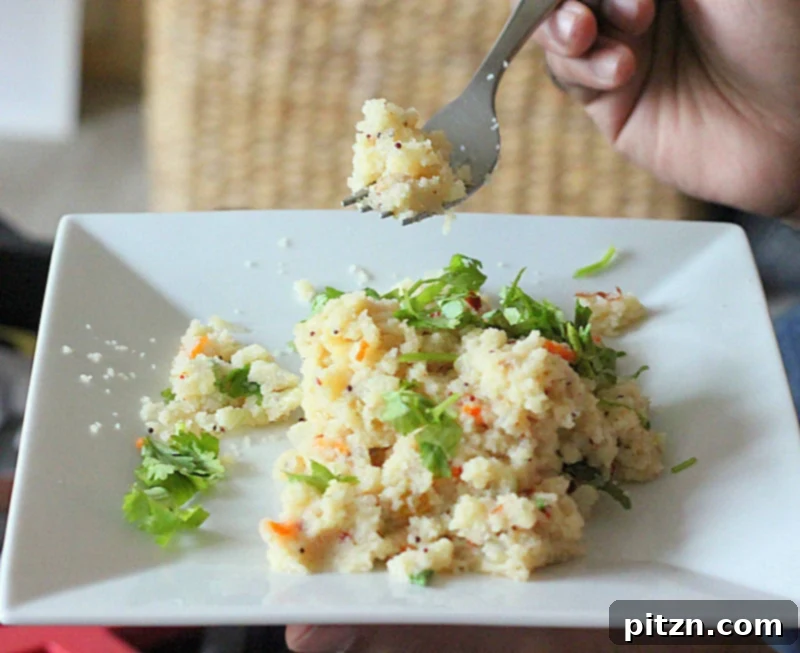
Upma, a staple in Indian households, holds a cherished spot among savory breakfast options. This versatile dish is celebrated for its comforting warmth and delightful flavors, making it a perfect start to the day or a refreshing snack on colder evenings. Its inherent flexibility allows for countless variations, adapting effortlessly to diverse palates and regional culinary traditions across India. More than just a meal, Upma embodies the essence of Indian comfort food – simple, nutritious, and incredibly satisfying.
Embracing the Diversity of Indian Breakfasts
In many Indian homes, breakfast is a vibrant affair, featuring an array of dishes like Upma, Poha (savory flattened rice), and Chilla (chickpea flour pancakes often filled with vegetables). These dishes, prepared with love and traditional techniques, highlight the rich tapestry of Indian culinary heritage. While Upma stands out for its simplicity and adaptability, it’s part of a broader family of wholesome and flavorful morning meals that cater to different tastes and dietary needs. This article delves deep into the magic of Upma, offering insights into its preparation and endless customization possibilities, establishing it as a truly iconic Indian breakfast.
What Exactly is Upma? A Journey Through Grains
At its core, Upma is a thick, savory porridge traditionally made from dry-roasted semolina, also widely known as ‘rava’ or ‘sooji’. This granular wheat product forms the foundation of countless variations of the dish. However, the true beauty of Upma lies in its incredible adaptability, allowing for a diverse range of base ingredients beyond just wheat semolina. Common alternatives, each lending a unique texture and flavor profile, include cream of rice (rice semolina or rice rava), cracked wheat (often called dalia), or even vermicelli (semiyan). Each of these grains requires slightly different cooking times and water ratios, but the fundamental principle of preparing a comforting, savory meal remains consistent. For those seeking a gluten-free option, cream of rice offers an excellent substitute, ensuring that everyone can enjoy this beloved dish without compromising on taste or satisfaction. The choice of grain is a personal preference, offering immense flexibility to tailor Upma to individual dietary needs and culinary whims.
The Health Benefits and Culinary Versatility of Upma
Upma isn’t just a delicious treat; it’s also a remarkably healthy and balanced meal, especially when enriched with an assortment of fresh vegetables and nutritious nuts. Semolina, the primary ingredient, provides a good source of carbohydrates, offering sustained energy to kickstart your day. The addition of various finely chopped vegetables such as carrots, bell peppers, green peas, and onions significantly boosts its fiber content, along with essential vitamins and minerals. Incorporating healthy fats and protein sources like cashews, peanuts, or channa dal transforms a simple breakfast into a power-packed meal that keeps you feeling full and energized for hours. This makes Upma an ideal choice for a wholesome breakfast or a nutritious snack that supports overall well-being.
The true charm of Upma lies in its incredible culinary versatility. It serves as a blank canvas, inviting home cooks to unleash their creativity and experiment with an endless array of flavors and textures. While it’s deeply rooted in traditional South Indian tempering techniques involving mustard seeds, curry leaves, and lentils, Upma readily embraces more contemporary “fusion” adaptations. Imagine infusing it with Mediterranean notes by adding finely diced zucchini and olives, or introducing a touch of sweetness and acidity with corn, raisins, or dried cranberries. Fresh tomatoes, spinach, or any other favorite vegetable can be seamlessly integrated, making each preparation a unique and exciting culinary adventure. This remarkable adaptability ensures that Upma never becomes monotonous and can be enjoyed in countless ways, catering to diverse dietary preferences and evolving flavor cravings, firmly establishing its place as a dynamic and ever-evolving dish in Indian cuisine.
Crafting the Perfect Upma: A Step-by-Step Guide
Preparing Upma is an art that expertly balances simple steps with precise timing to achieve that perfect fluffy, flavorful, and non-sticky consistency. This detailed recipe guides you through each stage, ensuring a delightful outcome every time you venture into making this beloved Indian breakfast. Remember, the true key to a great Upma lies not just in the ingredients but also in the care and attention you devote to each crucial step.
-
Step 1: Dry Roasting the Semolina (Rava)
Begin your Upma journey by dry roasting the semolina (rava) in a heavy-bottomed pan over consistently low to medium heat. This initial step is absolutely crucial and should never be skipped, as it is what imparts Upma its distinctive nutty aroma and flavor, while also preventing it from becoming a sticky or lumpy mess. Stir the semolina continuously for approximately 3-4 minutes, or until it achieves a delicate light golden color and releases a fragrant, toasted aroma. For enhanced convenience and to significantly reduce prep time on those busy mornings, you can roast a larger batch of semolina in advance and store it safely in an airtight container, where it will remain fresh for several weeks. For a serving size suitable for two people, roughly 3/4 cup of semolina is typically the ideal quantity.
-
Step 2: Preparing the Boiling Water
While the semolina is undergoing its roasting process or immediately after you’ve set it aside, it’s essential to prepare the water. In a separate pot or kettle, bring exactly double the quantity of water relative to your semolina to a vigorous, rolling boil. For instance, if you are utilizing one cup of semolina, you will require precisely two cups of water. Having this boiling hot water ready at hand is absolutely critical, as it plays a pivotal role in preventing the semolina from clumping together and ensures a wonderfully smooth, evenly cooked, and fluffy Upma. Maintain the water at a high temperature until the very moment you are ready to incorporate it into the semolina mixture.
-
Step 3: Initiating the Tempering (Tadka) Process
Once you have carefully removed the perfectly roasted semolina from the pan, proceed to heat about 2 teaspoons of a neutral cooking oil (or, for an even richer and more authentic flavor, consider using ghee) in the same pan over a steady medium heat. This stage marks the beginning of the magical Indian tempering process, traditionally known as ‘tadka,’ which is fundamental to infusing the oil with a vibrant burst of aromatic spices and setting the flavor profile for your Upma.
-
Step 4: Sputtering the Mustard Seeds
To the now hot oil, carefully add half a teaspoon of black mustard seeds. Allow these tiny seeds to sputter vigorously and pop excitedly. This visual and auditory cue indicates that they are properly tempered, releasing their distinct pungent, slightly nutty flavor directly into the hot oil, which will become the aromatic base of your Upma. Exercise caution not to let them burn, as this can regrettably impart a bitter and unpleasant taste to your finished dish.
-
Step 5: Incorporating Lentils, Curry Leaves, and Cashews
Next, introduce the essential lentils: one teaspoon each of channa dal (split Bengal gram) and urad dal (split black gram). You have the flexibility to use both types of dal or solely urad dal, depending on your textural preference. Immediately follow this with a few fresh curry leaves, which are indispensable for lending an incomparable, signature aroma unique to authentic South Indian cuisine. Stir these ingredients for approximately half a minute. Promptly add 2-3 tablespoons of coarsely chopped cashew pieces. Continue to cook and stir occasionally until both the lentils and the cashews begin to transform, taking on a light golden-brown hue, indicating they are beautifully roasted and bursting with flavor. This step typically requires another half minute of careful attention.
-
Step 6: Sautéing the Aromatics
Now, it’s time to add the finely chopped onion, minced ginger, and green chili to the pan. Sauté these vibrant aromatics for approximately one minute, stirring constantly. The goal is for the onions to become translucent and soften slightly, and for the raw, pungent notes of the ginger and chili to mellow into a fragrant warmth. This crucial step is instrumental in building a robust and foundational flavor profile that will elevate your Upma. The fragrant base will ensure a deeply satisfying dish.
-
Step 7: Adding Vegetables and Seasoning
Introduce your preferred selection of finely chopped vegetables, such as crisp carrots, vibrant bell peppers, and tender green peas, into the pan. Generously season the mixture with salt to taste. Sauté these vegetables for an additional 2-3 minutes. This cooking duration allows the vegetables to soften slightly while still retaining a delightful, pleasant crunch, ensuring they integrate their fresh flavors seamlessly with the aromatic tempering spices. Feel entirely free to use any combination of vegetables that you personally enjoy or have readily available in your kitchen.
-
Step 8: The Crucial Combination of Semolina and Water
Carefully add the previously dry-roasted semolina to the pan containing the sautéed vegetables and tempered spices. Stir it thoroughly for about 30 seconds, ensuring that every grain of semolina is evenly coated with the seasoned oil and vegetables. This brief sauté helps to further toast the semolina and prevents clumping. Then, slowly and gradually pour in the boiling hot water while simultaneously and continuously stirring the mixture to prevent any lumps from forming. Mix thoroughly until all the ingredients are uniformly combined and the semolina starts to absorb the liquid. Immediately cover the pan tightly with a lid and reduce the heat to its lowest setting. Allow the Upma to cook undisturbed for 3-5 minutes, or until all the water has been completely absorbed and the semolina is perfectly cooked through, becoming wonderfully fluffy and tender. Avoid lifting the lid during this crucial cooking period.
-
Step 9: Garnish and Serve Hot
Once the cooking time is complete, gently fluff the Upma with a fork to separate the grains and release any trapped steam. Serve this delightful Upma immediately and hot, traditionally garnished with a generous squeeze of fresh lemon juice for a bright, tangy zing and a liberal sprinkling of freshly chopped cilantro for an invigorating burst of freshness. Other highly popular garnishes that enhance both flavor and texture include roasted peanuts for an extra crunch, shredded coconut for a delicate touch of sweetness, or sev (crispy chickpea flour noodles) for an additional savory and crunchy element. These thoughtful garnishes not only significantly enhance the visual appeal of your Upma but also add intricate layers of flavor and satisfying textures, thereby elevating your entire culinary experience.
Expert Tips for Achieving a Fluffy and Flavorful Upma
Achieving that elusive perfect Upma – one that is light, fluffy, and bursting with flavor without being sticky or dry – is entirely within your reach with these expert tips and insights:
- **Roasting is Non-Negotiable:** Absolutely never skip the dry roasting of the semolina. This foundational step is paramount; it prevents the Upma from becoming sticky or lumpy and is essential for developing a deeper, nuttier, and more complex flavor profile. Ensure you roast it diligently until it is lightly golden brown and releases a wonderfully aromatic fragrance.
- **Boiling Water is Essential:** Always, without exception, add boiling hot water to your semolina mixture. Introducing cold water will inevitably cause the semolina to clump together, resulting in an unevenly cooked and unappetizing texture.
- **Master the Water Ratio:** The general rule of thumb for Upma is a 1:2 ratio of semolina to water. However, it’s important to note that this ratio can vary slightly based on the specific type of semolina or alternative grain you are using, as well as its freshness. Always be prepared to adjust the water quantity minimally as needed; some grains might require a tiny bit more moisture.
- **Gentle and Continuous Stirring:** When you are in the process of adding the hot water, stir the mixture continuously but very gently. This technique is key to preventing the semolina grains from breaking down excessively and ensures an even and consistent absorption of the liquid, leading to a uniformly cooked dish.
- **Avoid Overcooking:** Once you observe that all the water has been fully absorbed by the semolina, promptly remove the Upma from the heat. Overcooking can quickly lead to a dry, dense, and heavy consistency, diminishing the dish’s enjoyable texture.
- **Prioritize Fresh Ingredients:** The quality of your aromatics and vegetables significantly impacts the final taste. Always opt for fresh curry leaves, freshly minced ginger, and vibrant, crisp vegetables for the absolute best and most authentic flavor in your Upma.
- **Flavor Enhancers:** For a delightful balance of savory notes, consider adding a tiny pinch of sugar. For an extra layer of richness and a more traditional taste, substitute a portion or all of the cooking oil with ghee during the tempering process.
- **The Importance of Resting:** After the Upma has finished cooking, allow it to rest, covered, for at least 5-10 minutes off the heat. This crucial resting period allows the trapped steam to further cook the semolina gently and encourages the grains to fluff up beautifully, resulting in a lighter and more tender texture.
Serving Suggestions and Creative Culinary Variations
Upma is a wonderfully versatile dish that can be enjoyed in a myriad of ways, making it suitable for various meal times and occasions. It pairs exceptionally beautifully with a simple, fresh coconut chutney, offering a refreshing contrast to its savory notes, or with a tangy Indian pickle for an added burst of flavor. For those seeking a heartier and more complete meal, serving Upma alongside a bowl of cooling plain yogurt or a refreshing glass of buttermilk creates a balanced and satisfying combination.
Do not hesitate to unleash your culinary creativity and experiment freely with your Upma! For an exciting “fusion” version, consider incorporating unique ingredients such as finely diced zucchini, briny olives, intensely flavored sun-dried tomatoes, sweet corn kernels, plump raisins, or even tart dried cranberries for an intriguing blend of sweetness and acidity. Experiment with different spice combinations; a subtle pinch of garam masala can introduce a delightful Northern Indian twist, while a dash of freshly cracked black pepper can provide a subtle, warming kick. Remember, Upma is incredibly forgiving and truly encourages culinary exploration and personalization. For individuals adhering to specific dietary restrictions, particularly those avoiding gluten, utilizing cream of rice (known as rice rava or idli rava) ensures a deliciously authentic gluten-free experience without any compromise on the beloved taste or texture of this classic dish.
Conclusion: Savoring a Taste of India’s Enduring Comfort
Upma transcends its identity as merely a quick breakfast; it stands as a profound testament to the simplicity, ingenuity, and profound richness of Indian cuisine. Its remarkable ability to transform humble, readily available ingredients into a comforting, profoundly flavorful, and highly nutritious meal solidifies its status as a universally beloved dish across the entire Indian subcontinent. Whether you consider yourself a seasoned chef with years of experience or a curious novice just embarking on your culinary journey in the kitchen, preparing Upma is an incredibly rewarding experience that consistently promises a delightful and truly authentic Indian culinary adventure. Embrace the captivating array of flavors, customize it enthusiastically to your heart’s greatest content, and take immense pleasure in savoring every single spoonful of this timeless, cherished Indian classic.