
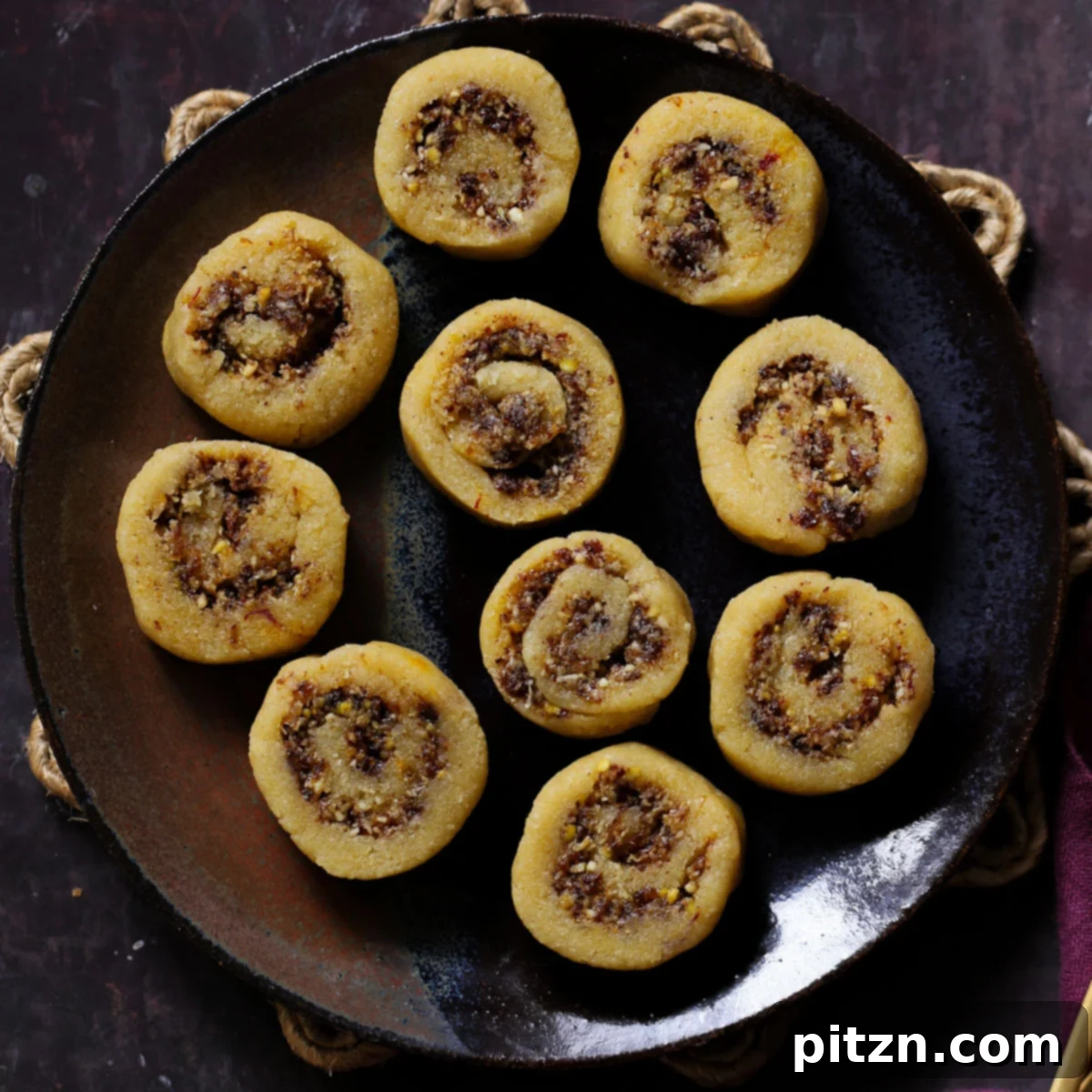
Embark on a culinary journey with **Gujiya Peda**, an extraordinary fusion dessert that masterfully blends the rich traditions of Indian sweets with modern, dietary-friendly preparation. This delightful treat features a tender, cardamom-scented almond flour fudge (Peda) gracefully swirled with a sweet, aromatic filling inspired by the classic Gujiya – a luscious blend of coconut, pistachios, and plump raisins, all infused with the golden essence of saffron. It’s a dessert that not only captivates the palate with its incredible flavors but also stands out for its simplicity and elegance, making it an ideal offering for Diwali celebrations or a thoughtful, handcrafted gift.
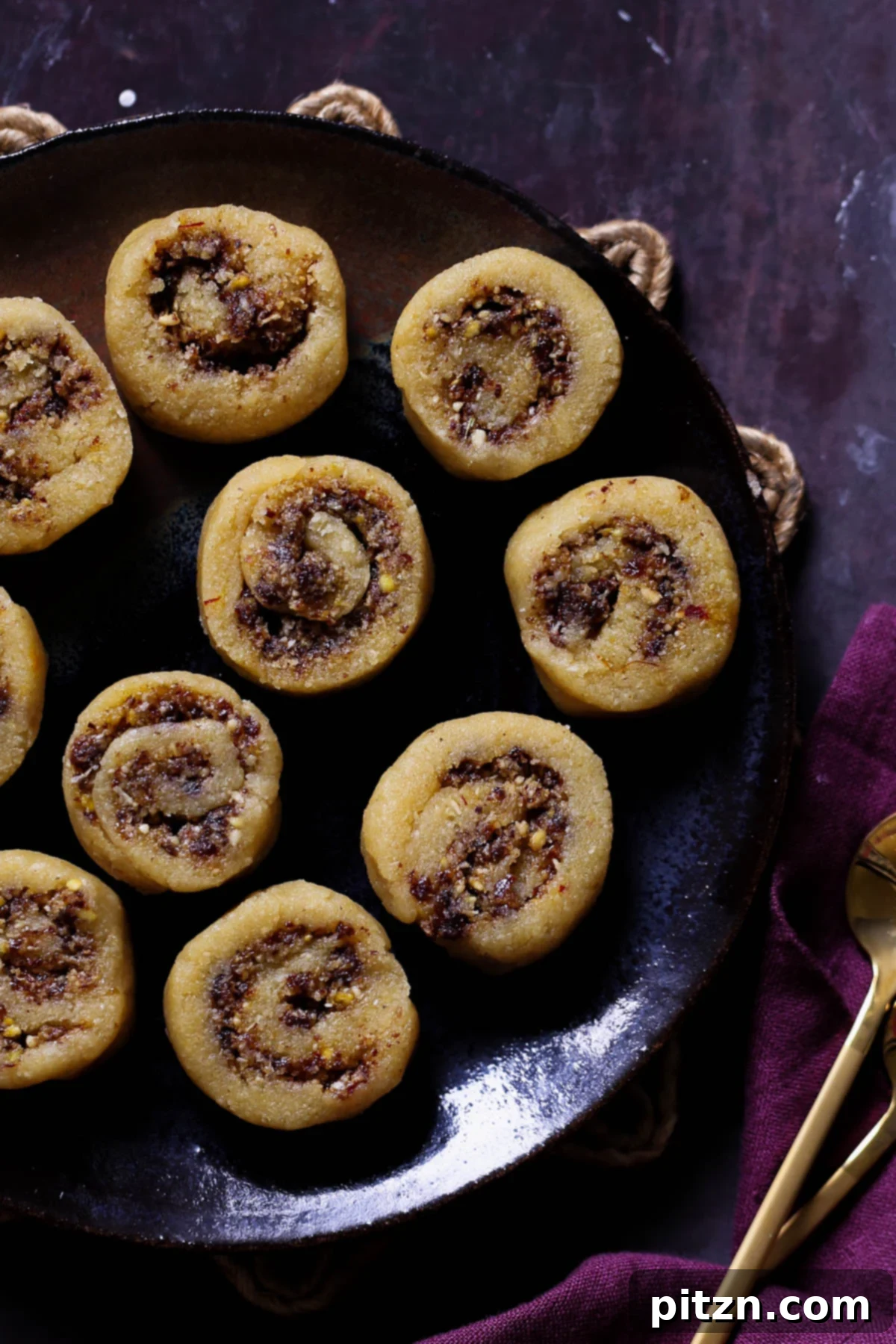
Table of Contents
- Why You’ll Love Gujiya Peda: A Feast for the Senses
- Understanding the Fusion of Gujiya and Peda
- More Vegan Diwali Desserts to Celebrate With
- Gujiya Peda (Indian Almond Fudge With Coconut Pistachio Raisin Swirls) Recipe
- Ingredients and Substitutions for Your Perfect Gujiya Peda
- Essential Tips for Making Gujiya Peda
- How to Make Gujiya Peda: A Step-by-Step Guide
- Frequently Asked Questions About Gujiya Peda
- Conclusion: A Sweet Ending to Any Celebration
Happy Navratri and a joyous festive season to all! The upcoming month is brimming with vibrant celebrations across India, each unique in its traditions yet united by a common thread: the celebration of goodness, love, compassion, family, and, of course, delicious food. As families gather and spirits soar, what better way to kick off these auspicious occasions than with a truly spectacular sweet?
Introducing our fantastic Gujiya Peda, a creative and delightful fusion of two beloved Indian desserts. This innovative sweet combines the best elements of traditional Peda and Gujiya, offering a taste experience that is both familiar and excitingly new. It’s a testament to how classic flavors can be reinvented into something truly special, perfect for sharing with loved ones during this auspicious time.
For those unfamiliar, **Peda** is a classic Indian sweet, traditionally made from thickened milk solids, known as khoya, flavored with exquisite ingredients like saffron, cardamom, or both. These soft, melt-in-your-mouth fudgy disks are a staple in Indian households and at festive gatherings. Our version, however, re-imagines this classic with a vegan twist, utilizing almond flour to create a wonderfully soft and rich base.
On the other hand, **Gujiya** (also known as Karanji in some regions) are delightful, half-moon-shaped pastries that are typically deep-fried and filled with a sweet mixture of grated coconut, various nuts, and dried fruits like raisins. These pastries are particularly popular during festivals like Holi and Diwali, known for their crispy exterior and flavorful interior.
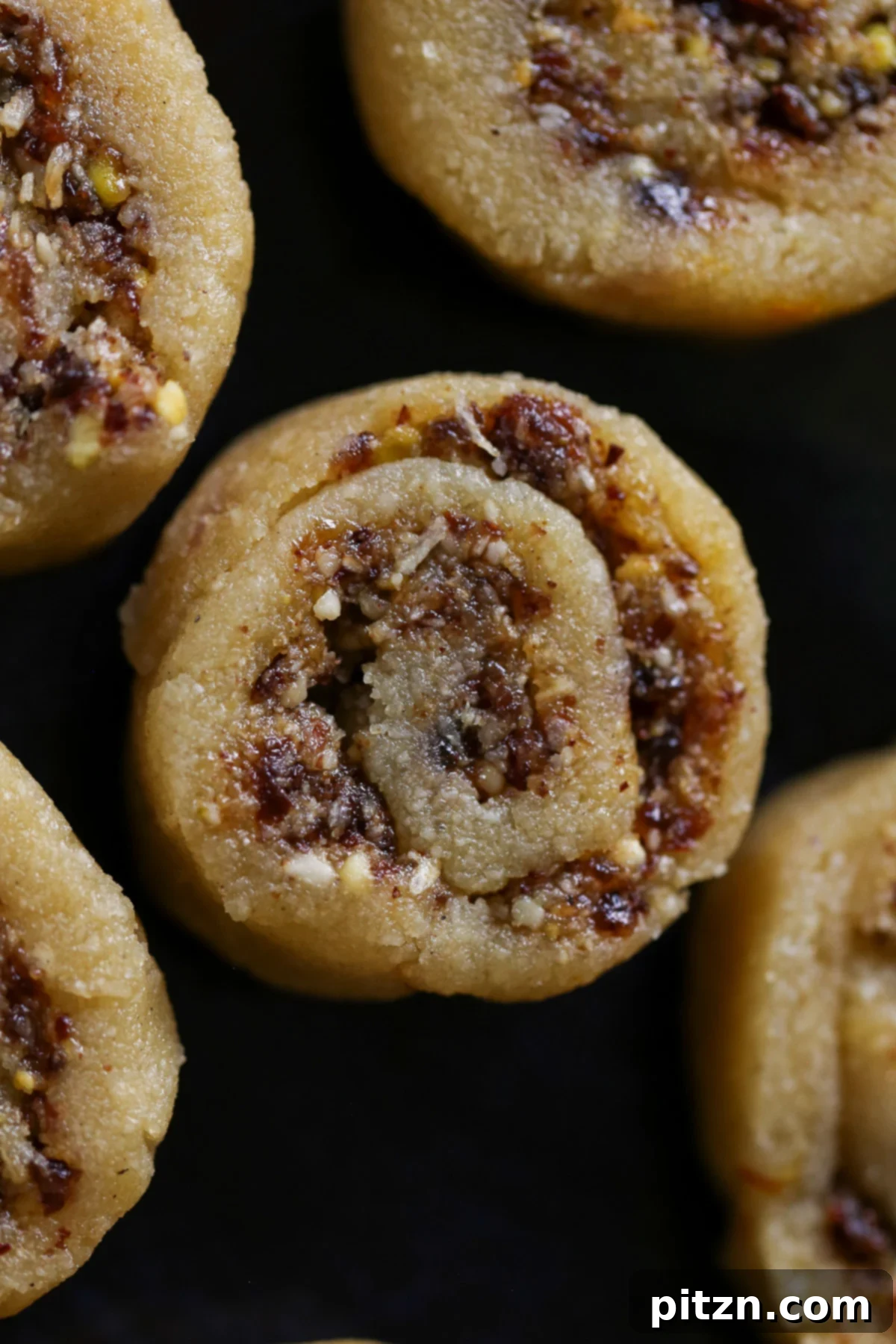
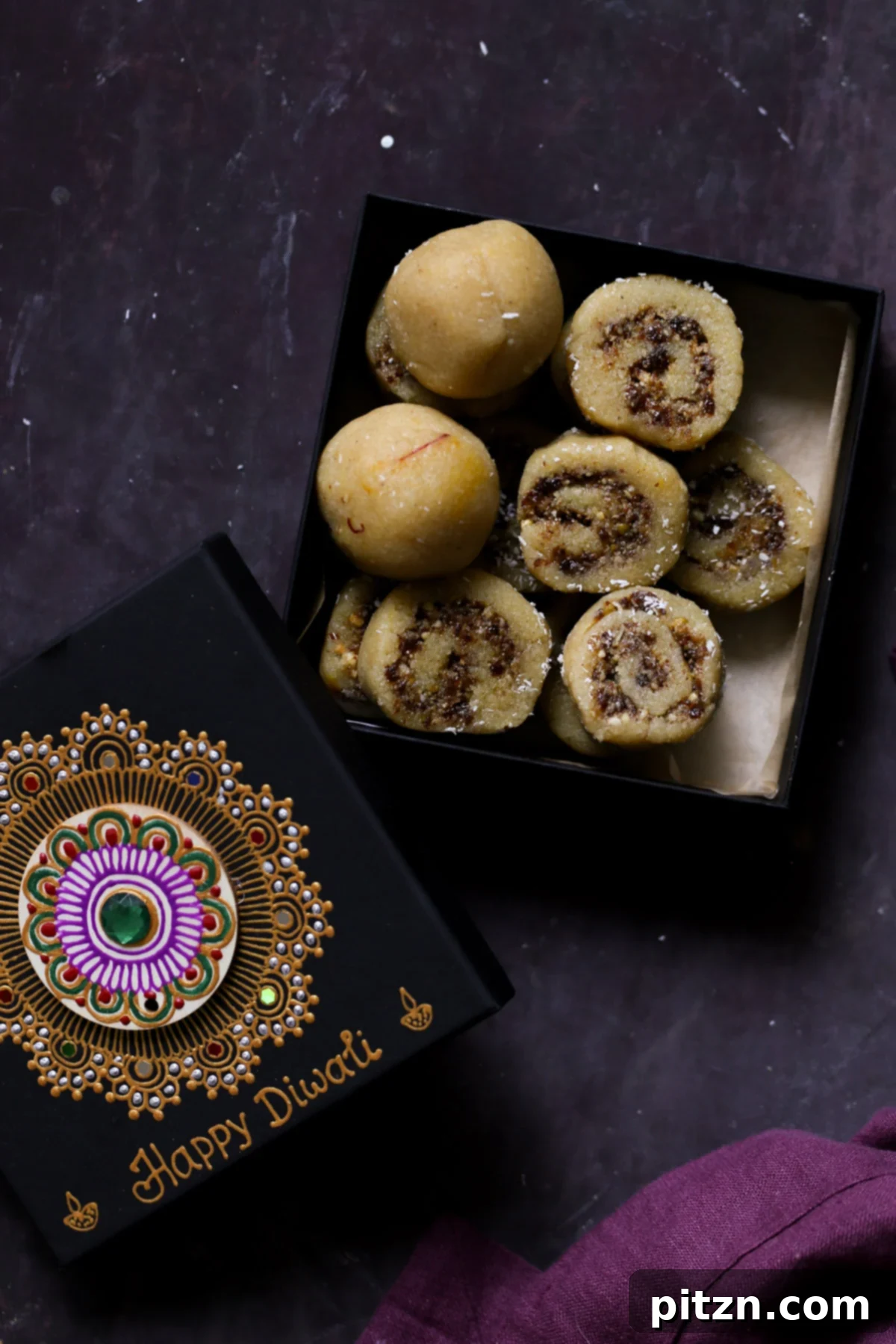
Our Gujiya Peda takes the best elements of both worlds: the delightful, rich filling from the traditional Gujiya, and infuses it into a soft, luxurious vegan peda, crafted from almond flour. The magic happens when these two elements are rolled together like a pinwheel, creating a stunning visual and an even more impressive flavor profile. This innovative approach allows you to enjoy the best of both desserts without the lengthy processes typically involved.
The beauty of this recipe lies in its simplicity and efficiency. Forget hours spent stirring milk to achieve the perfect khoya for traditional peda, or the elaborate process of making pastry dough, rolling it out, shaping individual gujiyas, and then deep-frying them. This Gujiya Peda recipe eliminates all that hard work!
Instead, we whip up a quick and easy custard in under five minutes, which forms the binding agent for our almond flour peda dough. Simultaneously, a vibrant coconut-nut-raisin filling is prepared in a food processor with minimal effort. The assembly is straightforward: simply spread the peda dough, layer the fragrant filling, roll it up, and slice! You’re left with perfectly formed, delicious Gujiya Peda ready to be enjoyed or gifted. This means more time celebrating and less time slaving away in the kitchen.
Why You’ll Love Gujiya Peda: A Feast for the Senses
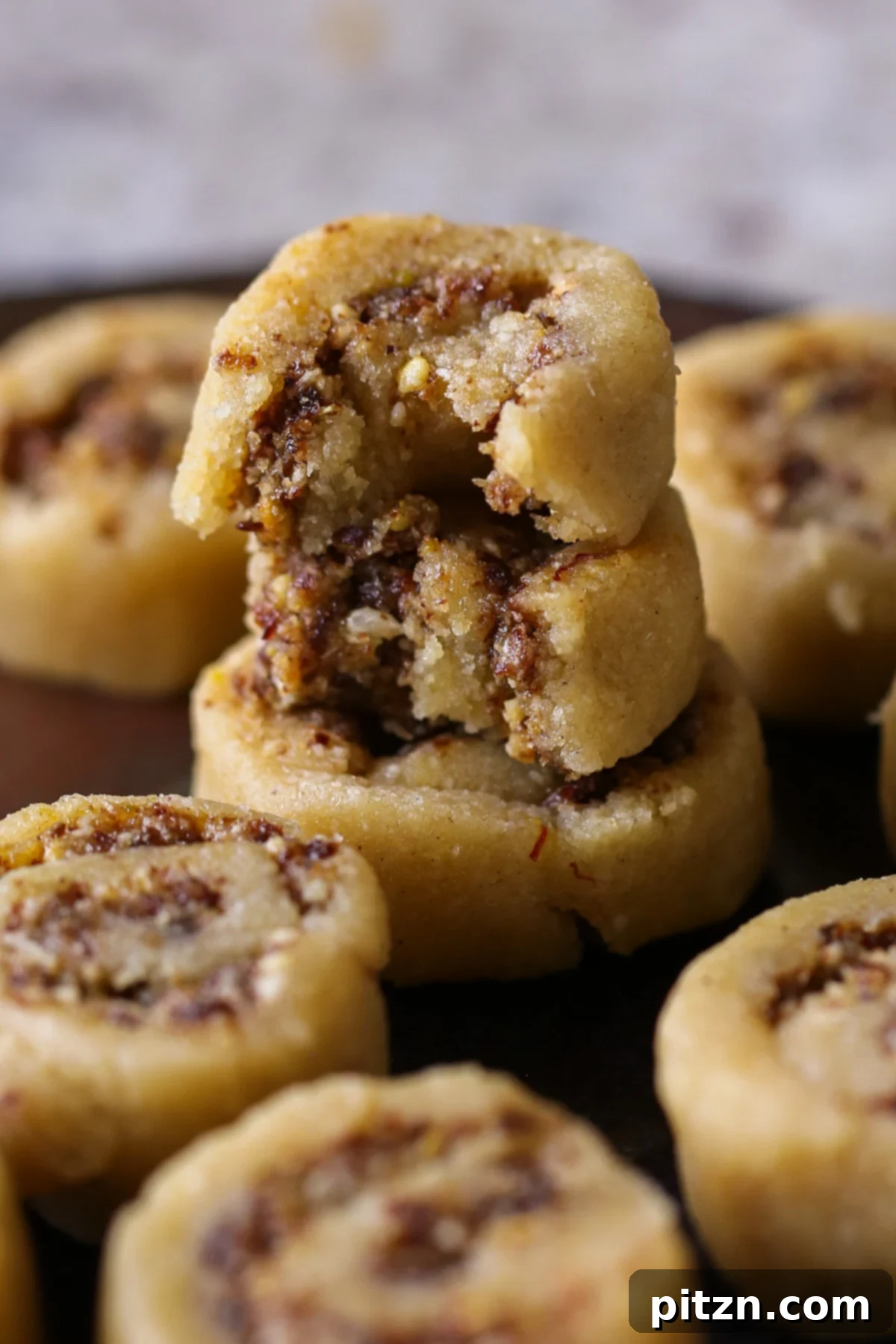
- **Exquisitely Soft Almond Flour Fudge:** Experience the rich, melt-in-your-mouth texture of our vegan peda, subtly flavored with aromatic cardamom, providing a perfect counterpoint to the vibrant filling.
- **Divine Nutty & Sweet Saffron Filling:** Delight in the sweet, saffron-infused filling, packed with crunchy pistachios, tender coconut, and juicy raisins, creating a harmonious blend of textures and tastes.
- **Incredibly Quick & Easy Preparation:** Enjoy a homemade Indian sweet with only about 5 minutes of actual cooking time! This recipe is designed for maximum flavor with minimal effort, making it accessible even for novice cooks.
- **The Perfect Festive Dessert or Thoughtful Gift:** Whether you’re serving it during Diwali, Navratri, or any special occasion, these beautiful swirls are guaranteed to impress. They also make an elegant and delicious gift when beautifully boxed.
- **Dietary-Friendly Indulgence:** Rest assured that this incredible treat is naturally soy-free, gluten-free, and grain-free, making it a wonderful option for those with specific dietary needs or preferences without compromising on flavor.
- **A Unique Fusion Experience:** This dessert offers a creative twist on traditional Indian sweets, combining the beloved elements of Gujiya and Peda into one stunning and unforgettable creation.
Understanding the Fusion of Gujiya and Peda
The concept behind Gujiya Peda is rooted in a desire to innovate within the rich landscape of Indian sweets. Traditional Peda relies on milk solids, requiring extensive cooking and reduction, a process that can be time-consuming and labor-intensive. Our vegan almond flour peda offers a brilliant shortcut, achieving a similar soft, fudgy texture and rich flavor profile without the dairy or the long cook times.
Gujiya, with its crispy, fried exterior and sweet, spiced coconut-nut filling, is a festive favorite. By incorporating its iconic filling into the soft peda, we bypass the need for frying, making this a lighter and quicker dessert. The pinwheel shape is not just aesthetically pleasing; it ensures a perfect balance of the creamy fudge and the textured filling in every single bite, creating a truly harmonious flavor experience. This fusion is not just a combination of ingredients, but a thoughtful reimagining of traditional Indian confectionery, designed for the modern kitchen and palate.
More Vegan Diwali Desserts to Celebrate With
- Ras Malai Cake
- Almond Halwa
- Malai Burfi
- Toasted Coconut Ladoo
- Gulab Jamun
Gujiya Peda (Indian Almond Fudge With Coconut Pistachio Raisin Swirls)
By: Vegan Richa
Print Recipe
Gujiya peda — Indian cardamom fudge with a swirl of sweet, saffron-scented coconut pistachio filling — is a fusion dessert that tastes absolutely amazing! Dairy-free vegan gluten-free.
Ingredients
For The Almond Peda
- 1 1/2 cups blanched almond flour
- 1/4 cup powdered sugar
- 1/2 teaspoon ground cardamom
- 1/4 teaspoon salt
For the Custard
- 1/4 cup oat milk, or other thick non-dairy milk
- 8 or 9 saffron strands (or use 1/2 teaspoon ground cardamom and a pinch of turmeric)
- 1 tablespoon sugar
- 1 teaspoon corn starch, or any other starch of choice
For the Gujiya Filling
- 1/4 cup raw pistachios
- 1 green cardamom pod
- 1/3 cup shredded coconut
- 1/4 to 1/3 cup raisins
Instructions
Make the almond peda.
- In a bowl, combine the almond flour, powdered sugar, cardamom, and salt. Mix thoroughly, pressing to break down any lumps. Set this dry mixture aside.
- Then, prepare the custard. In a small saucepan, combine the oat milk, saffron strands, sugar, and corn starch. Whisk until well-combined and smooth. Place the saucepan over medium heat and cook, stirring constantly, until the mixture begins to boil and thickens evenly into a custard.
- Stir vigorously for a few seconds, then remove from heat. Allow the custard to cool for about 5 minutes; it will thicken further as it cools. While it cools, you can begin preparing the coconut filling.
- Once cooled slightly, add 3 tablespoons of the custard to the almond flour mixture. Press and mix well until a pliable dough forms. Transfer this dough to the fridge to chill for 10 to 15 minutes. Reserve the remaining tablespoon or so of custard in the pan.
Make the coconut filling.
- Add the raw pistachios and the green cardamom pod to a food processor. Pulse until the pistachios are coarsely ground. Next, add the shredded coconut and raisins to the food processor. Pulse for a minute or longer until the raisins are completely broken down and you have a crumbly, “fat sands” like mixture, not a smooth dough.
- Transfer the coconut mixture to the pan containing the reserved tablespoon of custard. Mix thoroughly until the mixture becomes sticky and easily pliable. If the mixture appears too dry, you can add an extra teaspoon of milk to achieve the desired consistency. You may also chill this filling in the fridge for about 5 minutes to make it easier to handle.
Assemble the gujiya peda.
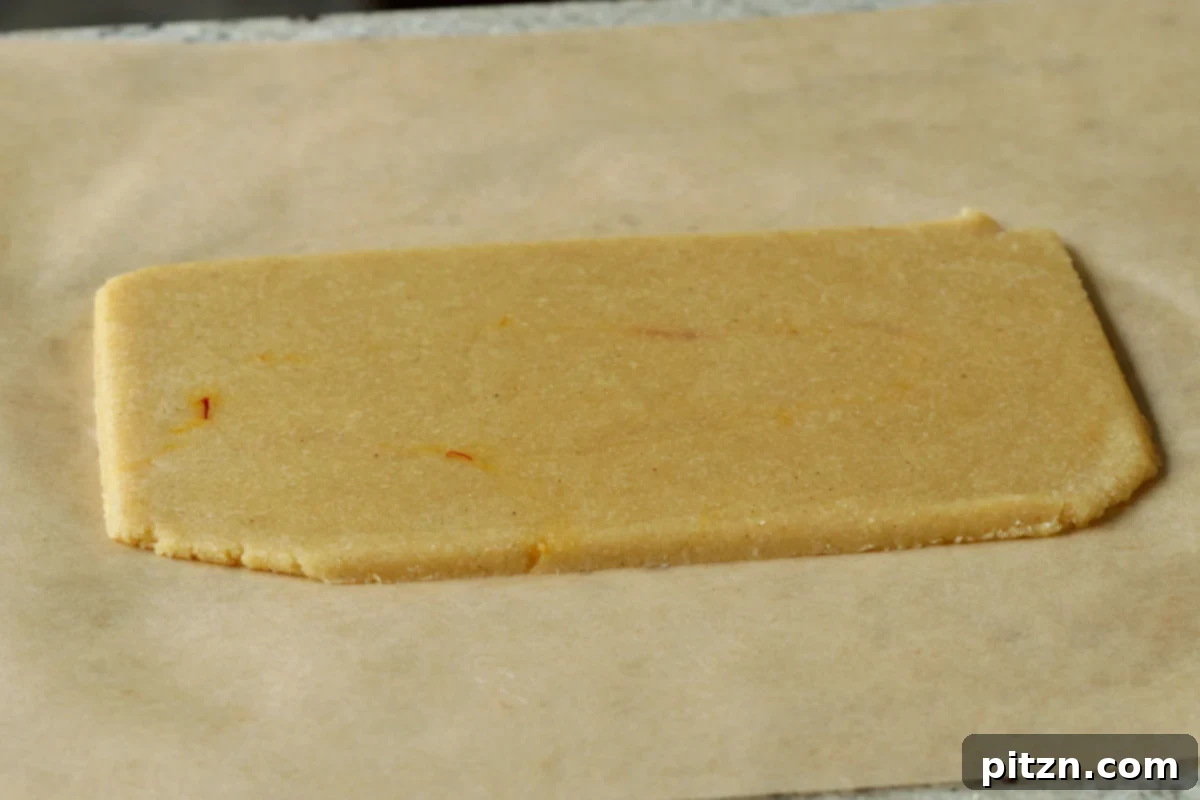
- Remove the chilled almond flour dough from the fridge. Place it between two sheets of parchment paper. Roll out the dough into a rectangular shape. Aim for a width of no more than 5 inches, while extending the length. The dough should be about 1/4 inch thick, or slightly less.
- Once rolled to approximately 10 to 11 inches in length and 5 to 5.5 inches in width, carefully even out the edges to form a neat rectangle.
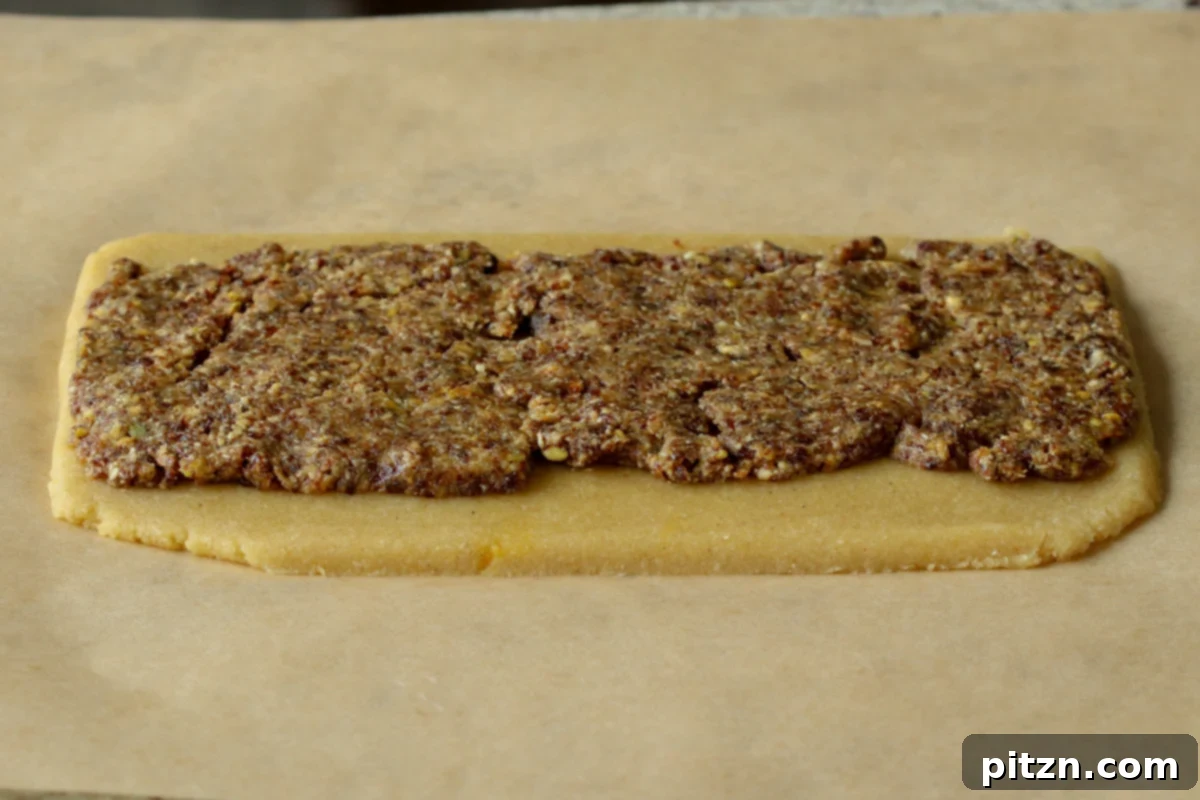
- Evenly spread the prepared coconut filling over the almond flour dough. You can either sprinkle it on or gently press the coconut filling into a rectangle and then carefully place it onto the peda dough. Ensure to leave at least a 1/2-inch border free from the filling on all sides.
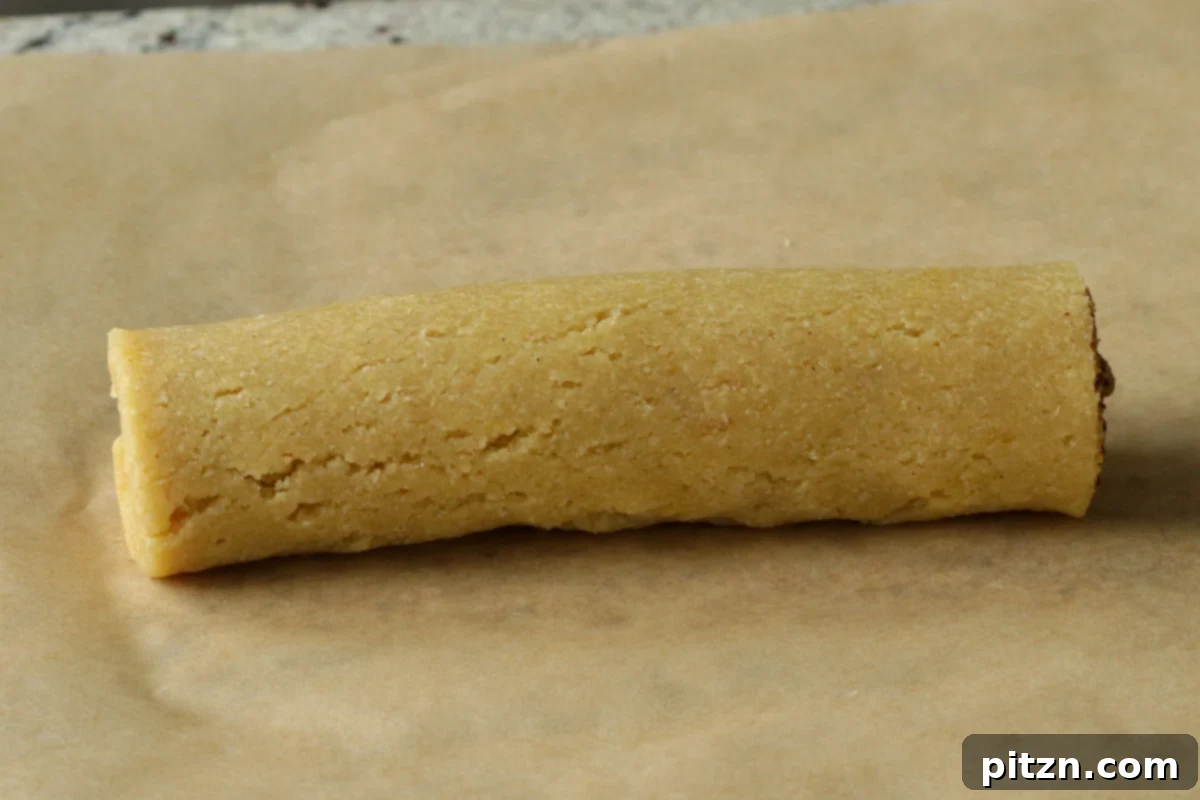
- Using one side of the parchment paper, carefully roll up the dough tightly, similar to how you would roll a cinnamon roll. You have two options for slicing:
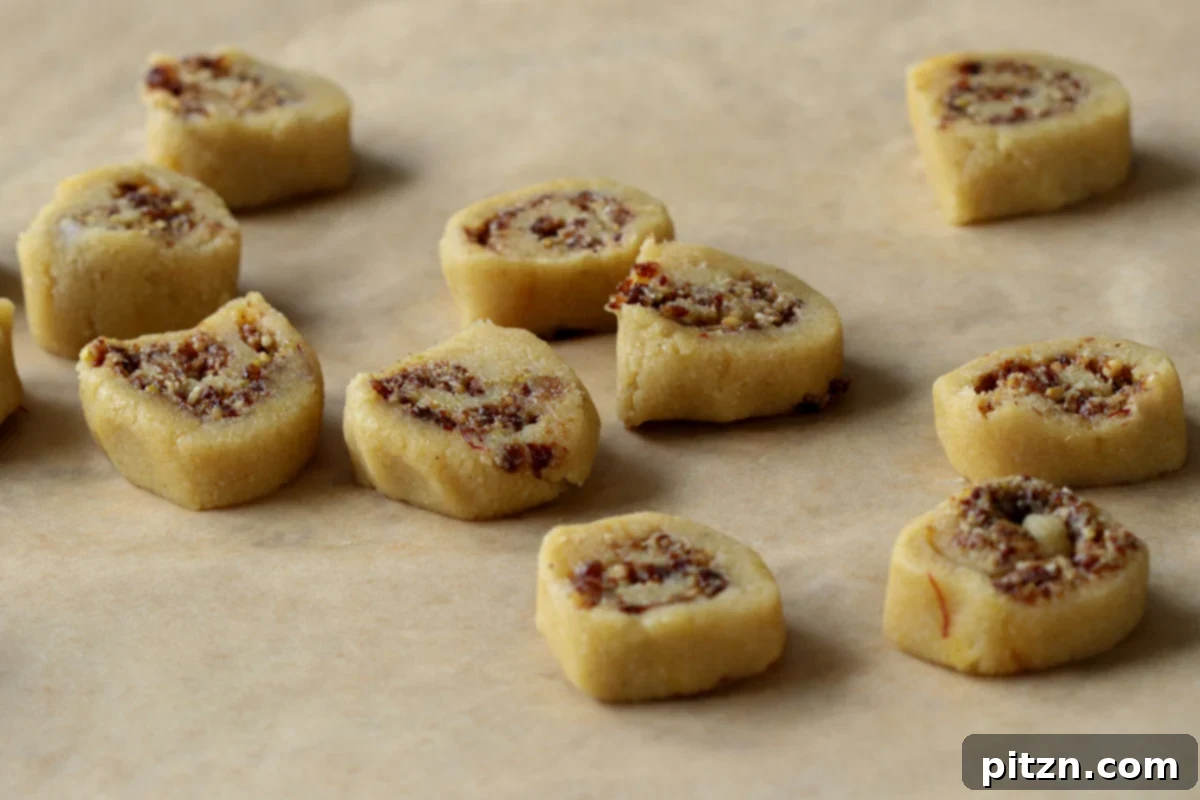
- **Cinnamon Roll Method:** Roll the entire rectangle along the long side, then use a very sharp knife to slice it into individual peda. If they get slightly squished, you can gently reshape them afterward.
- **Ribbon Method (Recommended for this dough):** Slice the dough into 1/2-inch wide strips, resembling ribbons. Then, individually roll each strip to form small, round peda. This method often yields rounder peda and prevents squishing during slicing.
- For an extra touch of elegance and flavor, garnish your Gujiya Peda with a sprinkle of shredded coconut or finely chopped pistachios. This step is optional but highly recommended. Store the peda on the counter for the day, and then transfer to an airtight container in the refrigerator for up to 5 days to maintain freshness.
Video Guide
Notes and Variations
To enhance the visual appeal of your Gujiya Peda, consider sprinkling a small amount of extra shredded coconut or finely chopped pistachios on top before serving. They look stunning arranged in decorative gift boxes, making them a perfect, heartfelt present for friends and family during festivals or special occasions.
This recipe is crafted to be inclusive and enjoyable for many. These Gujiya Peda are naturally soy-free and gluten-free, catering to common dietary sensitivities. Please note, however, that they do contain nuts (almond flour and pistachios).
For a delightful variation, you can easily transform this recipe into **Barfi Bars**. To do so, after preparing the almond peda dough, press it evenly into a parchment-lined baking pan (a brownie pan or loaf pan works perfectly) to form the base layer. Then, spread the coconut-pistachio filling evenly over the peda base. Refrigerate the entire pan for at least an hour, or until thoroughly chilled and firm. Once set, slice it into neat squares or rectangles of your desired size. Separate the pieces and serve them as elegant and easy Barfi bars, offering a different presentation of the same exquisite flavors.
Nutrition Information (per serving)
Calories: 137kcal, Carbohydrates: 11g, Protein: 4g, Fat: 10g, Saturated Fat: 2g, Sodium: 53mg, Potassium: 72mg, Fiber: 2g, Sugar: 5g, Vitamin A: 21IU, Vitamin C: 0.5mg, Calcium: 42mg, Iron: 1mg
Nutrition information is automatically calculated and should only be used as an approximation.
Did you make this recipe? We’d love to hear from you! Rate and comment below to share your experience and creations!
Ingredients and Substitutions for Your Perfect Gujiya Peda
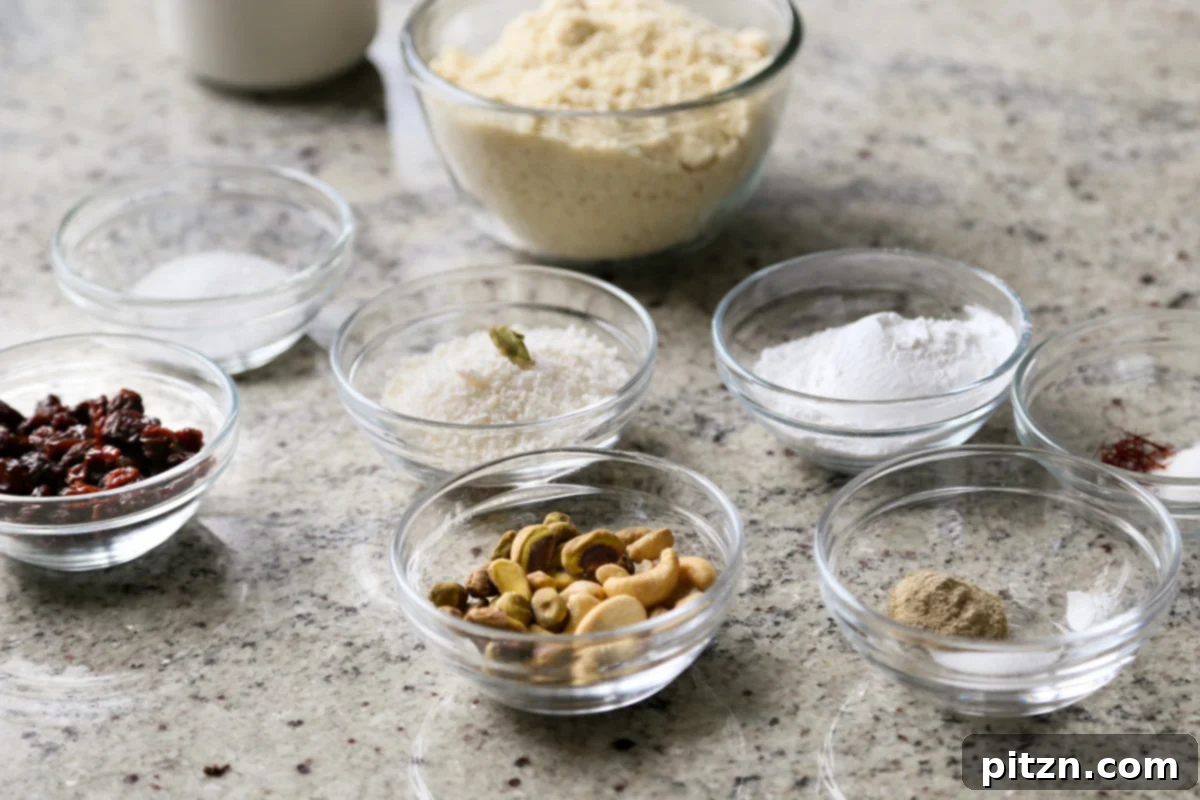
Crafting these exquisite Gujiya Peda relies on a few key ingredients that bring out their unique flavors and textures. Here’s a detailed look at what you’ll need and potential substitutions:
- Blanched Almond Flour: This is the foundation of our peda, providing a wonderfully fine texture and a delicate almond flavor. Using blanched almond flour ensures a smoother, lighter-colored fudge, which is visually stunning in this dessert. Unblanched almond flour can be used, but it will result in a slightly coarser texture and a darker hue due to the almond skins.
- Powdered Sugar: Essential for sweetening the peda dough, powdered sugar (also known as confectioners’ sugar) dissolves easily, contributing to the smooth consistency of the fudge. Granulated sugar can be ground into a fine powder at home if powdered sugar isn’t readily available.
- Ground Cardamom: This aromatic spice is a hallmark of Indian sweets, imparting a warm, fragrant note to the almond peda. For the freshest and most potent flavor, grind whole green cardamom pods just before use. If you don’t have ground cardamom, a tiny pinch of nutmeg can offer a different but complementary warmth.
- Salt: A small pinch of salt is crucial. It doesn’t make the peda salty but rather enhances and balances all the sweet and aromatic flavors, bringing depth to the overall taste profile.
- Oat Milk (or other thick non-dairy milk): The base for our quick custard. Oat milk is recommended for its natural creaminess and subtle sweetness, which lends itself well to the custard. Other thick non-dairy milks like full-fat canned coconut milk (not the drinking kind), cashew milk, or even a rich soy milk can be used, ensuring they are unsweetened to control the sugar content.
- Saffron Strands: These precious threads infuse the custard with a beautiful golden color and an unmistakable, delicate floral aroma, characteristic of many premium Indian sweets. If saffron is unavailable, you can intensify the cardamom flavor in the custard (use 1/2 teaspoon ground cardamom) and add a tiny pinch of turmeric for a natural golden hue.
- Sugar: Used in the custard to provide sweetness and help achieve the right texture. Adjust to your sweetness preference.
- Corn Starch: This acts as a thickening agent for the custard, giving it a smooth, pudding-like consistency that binds the peda dough effectively. Tapioca starch or potato starch can be used as alternatives if corn starch is not preferred or available.
- Raw Pistachios: The star of our Gujiya filling, raw pistachios offer a vibrant green color and a distinct, rich nutty flavor. Using raw pistachios is best for optimal taste and texture when processed. If pistachios are hard to find, raw cashews make an excellent substitute, providing a similar creamy texture when ground.
- Green Cardamom Pod: Adding a whole green cardamom pod to the food processor with the pistachios ensures a burst of fresh, intense cardamom flavor that permeates the filling. You can remove the seeds and discard the outer shell before grinding for a smoother finish.
- Shredded Coconut: This adds a lovely texture and a tropical sweetness to the Gujiya filling. Opt for unsweetened shredded coconut to maintain control over the overall sweetness of the dessert. Finely desiccated coconut can also be used.
- Raisins: Plump and naturally sweet, raisins contribute moisture, chewiness, and a delightful fruity note to the filling. You can use golden raisins or dark raisins based on your preference. If you’re not a fan of raisins, other dried fruits like finely chopped dates or cranberries can be explored, though they will alter the traditional Gujiya flavor profile.
Essential Tips for Making Gujiya Peda
Achieving the perfect Gujiya Peda is simple with these helpful tips:
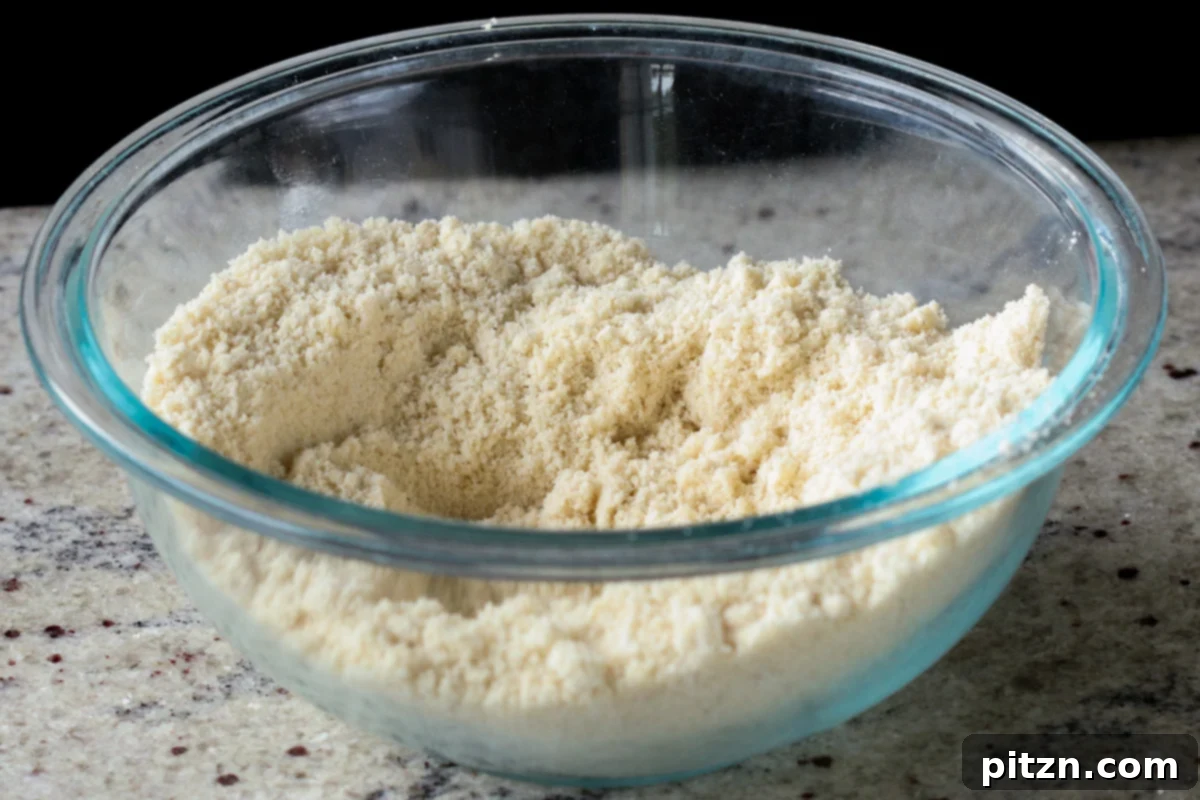
- **Break Down Lumps in Dry Ingredients:** When combining the almond flour, powdered sugar, cardamom, and salt, take the time to press and mix thoroughly. Ensuring there are no lumps at this stage will result in a perfectly smooth and uniform peda dough once the custard is added.
- **Chilling the Dough is Key:** Do not skip the chilling step for the almond peda dough. A chilled dough is significantly easier to roll out evenly without sticking or tearing. This ensures a clean, smooth base for your filling and a beautiful pinwheel end product.
- **Efficient Prep for the Filling:** Maximize your time by preparing the coconut-pistachio-raisin filling while the custard is cooling down. This parallel processing allows you to seamlessly move from one step to the next, reducing the overall preparation time.
- **Don’t Overcook the Custard:** Cook the custard just until it begins to thicken and boil. Overcooking can make it too dense, impacting the texture of your peda. It will continue to thicken slightly as it cools.
- **Adjust Filling Consistency:** If your coconut filling feels too dry after processing, add a tiny bit of milk (dairy or non-dairy) to achieve a sticky, pliable consistency. This will help it adhere better to the peda dough when rolling.
- **Use Parchment Paper:** Rolling the peda dough between two sheets of parchment paper prevents sticking and makes it much easier to achieve a consistent thickness and shape. It also aids in rolling up the dough with the filling.
How to Make Gujiya Peda: A Step-by-Step Guide
Follow these detailed steps to create your own exquisite Gujiya Peda at home:
Step 1: Prepare the Almond Peda Base
Begin by preparing the foundation of your peda. In a medium-sized mixing bowl, combine the blanched almond flour, powdered sugar, ground cardamom, and a pinch of salt. Mix these dry ingredients very thoroughly, using your fingers or the back of a spoon to press out and break down any lumps, ensuring a uniform mixture. Set this aside.
Step 2: Make the Saffron Custard
Next, prepare the aromatic custard that will bind the peda. In a small saucepan, combine the oat milk (or your chosen thick non-dairy milk), saffron strands, sugar, and corn starch. Whisk these ingredients together until thoroughly mixed and the corn starch has dissolved, ensuring there are no lumps. Place the saucepan over medium heat. Continue to cook, stirring constantly, until the mixture starts to boil and thickens evenly into a smooth custard. This should take only a few minutes.
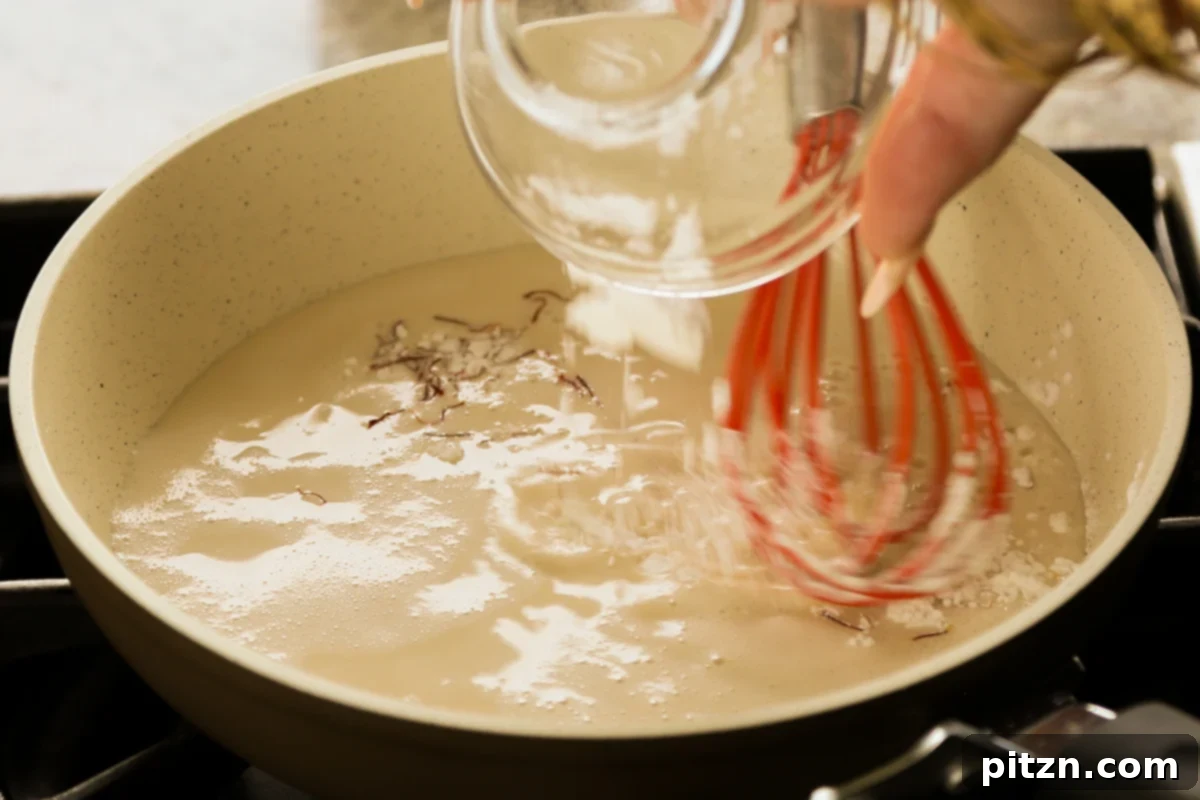
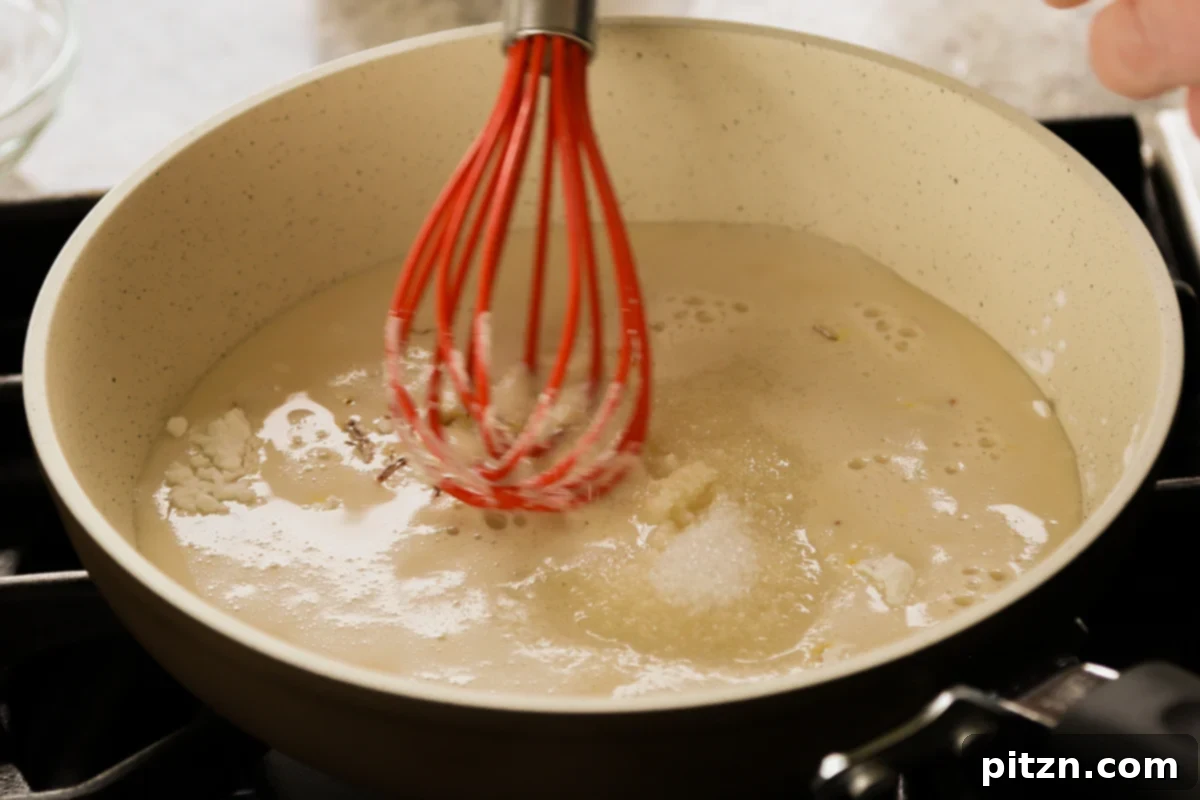
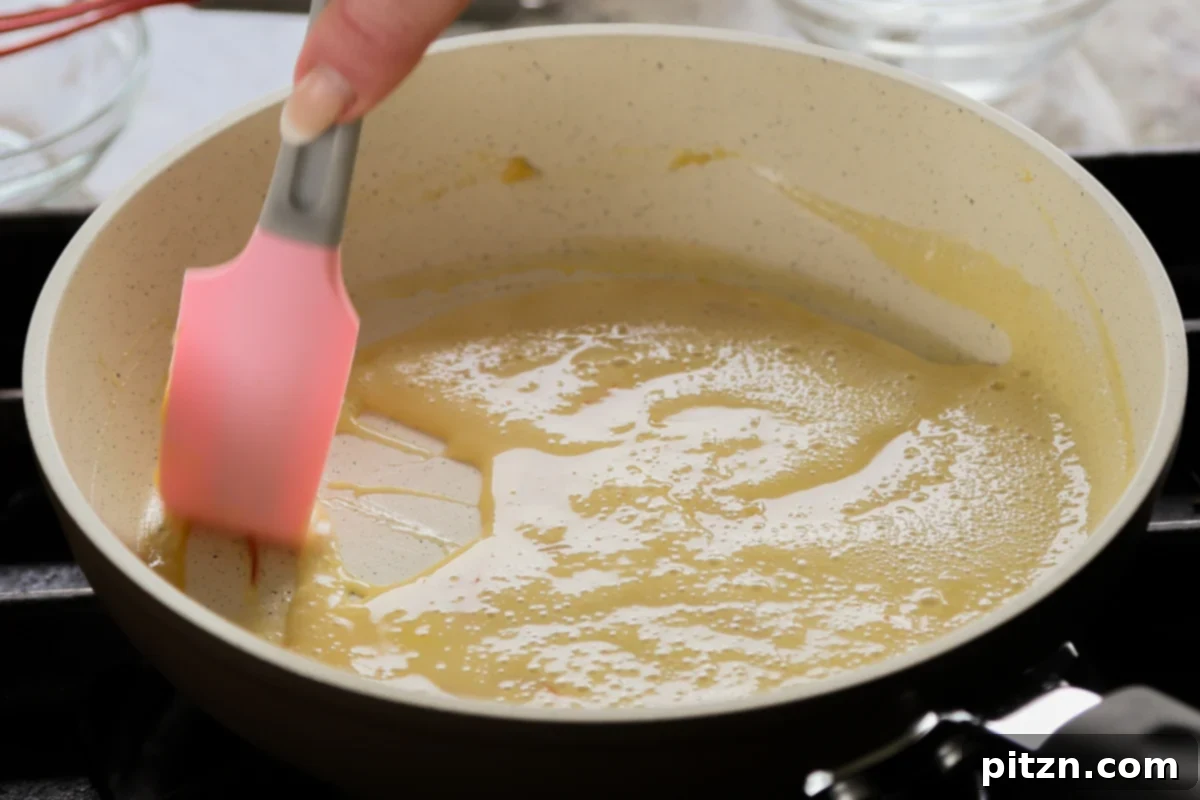
Once thickened, stir vigorously for a few more seconds, then immediately remove the saucepan from the heat. Allow this custard mixture to cool down for about 5 minutes; it will continue to thicken slightly as it cools. While it cools, you can begin preparing the coconut filling.
Step 3: Prepare the Gujiya Filling
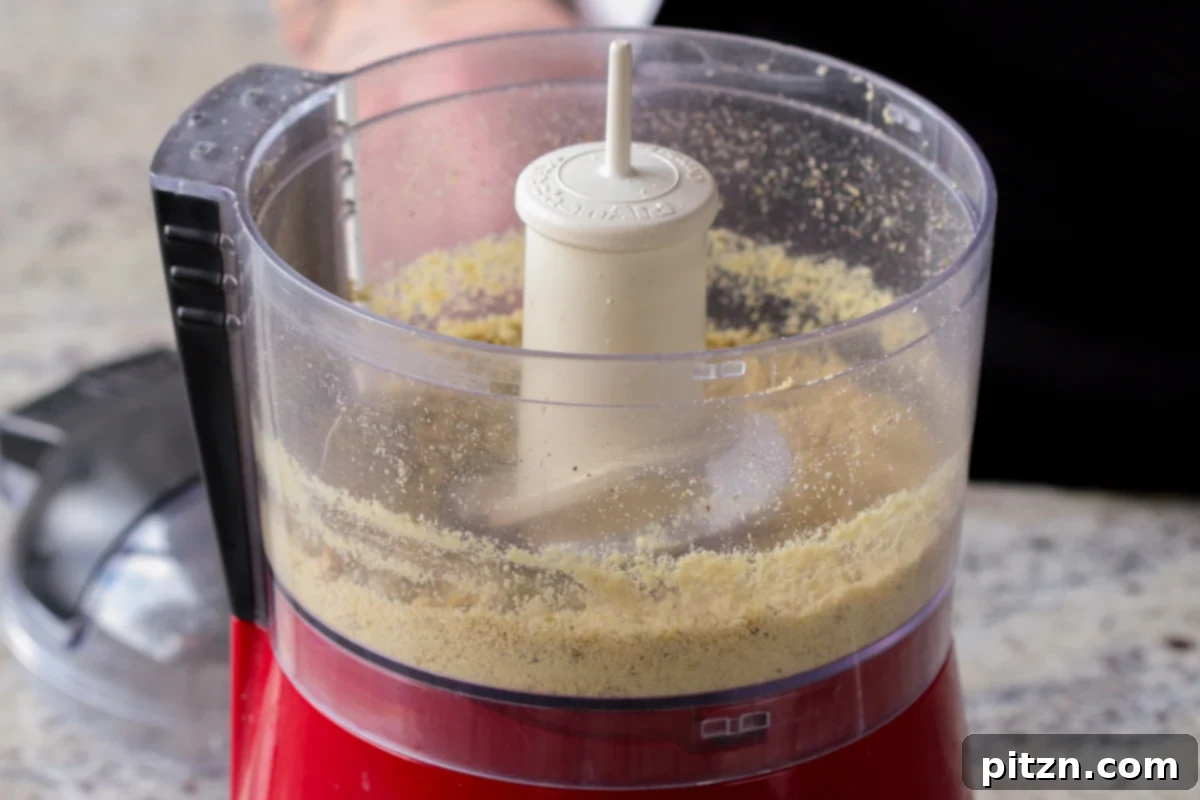
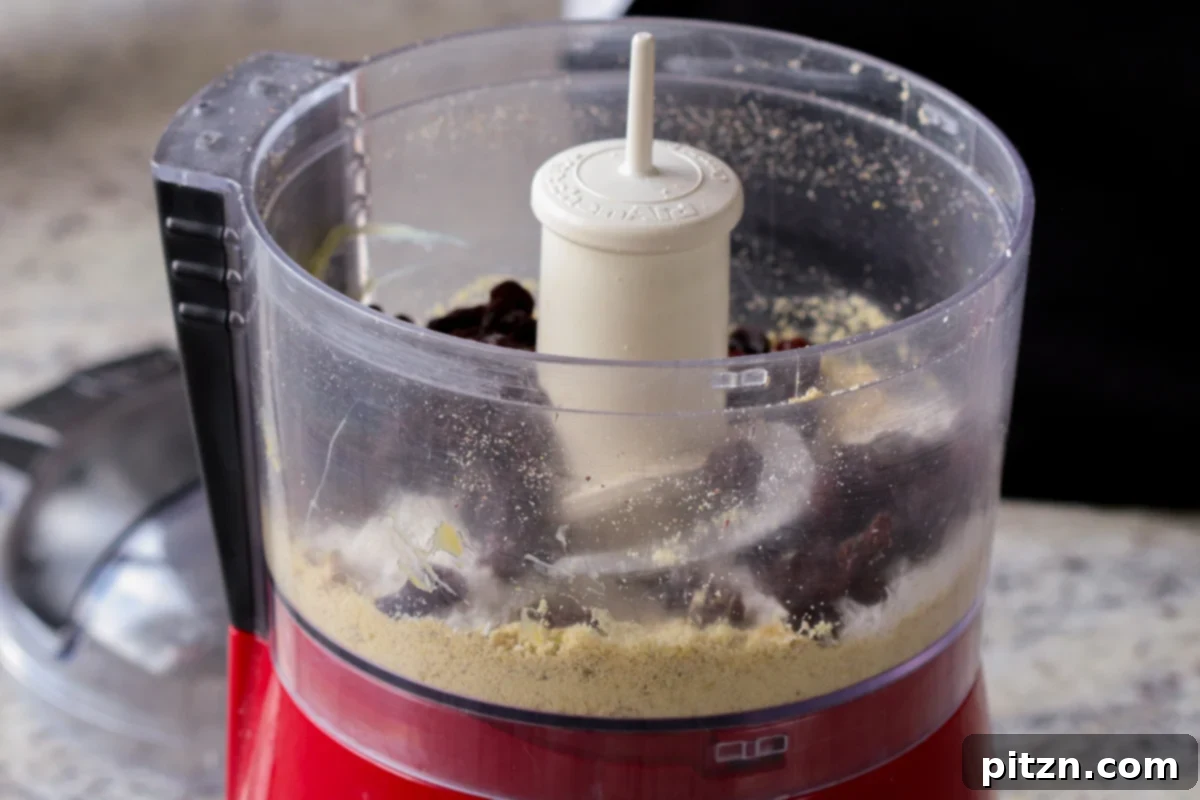
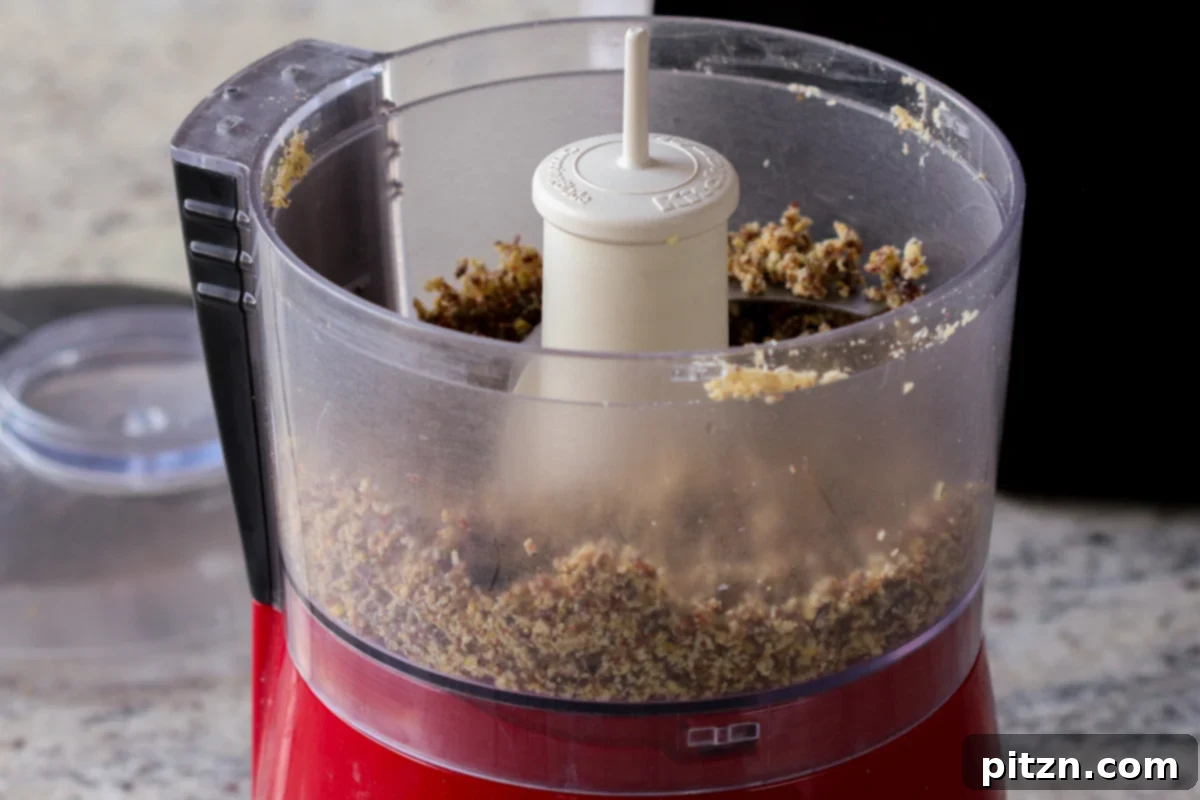
Add the raw pistachios and the green cardamom pod (you can discard the outer shell if you prefer a smoother texture) to a food processor. Pulse until the pistachios are coarsely ground, resembling a coarse meal. Then, add the shredded coconut and raisins to the food processor. Continue to pulse for about a minute or longer, until the raisins have completely broken down, and you achieve a crumbly, “fat sands”-like mixture. It should not form a cohesive dough at this stage.
Step 4: Combine Peda Dough and Chill
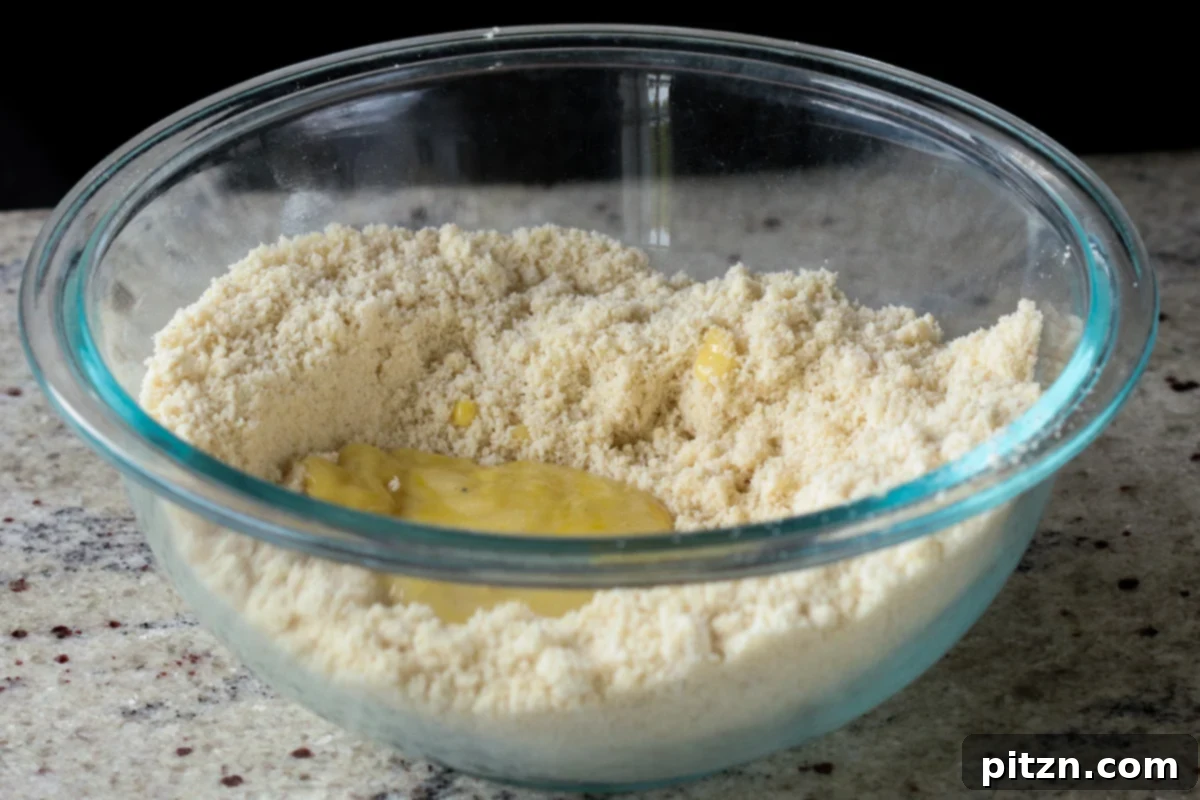
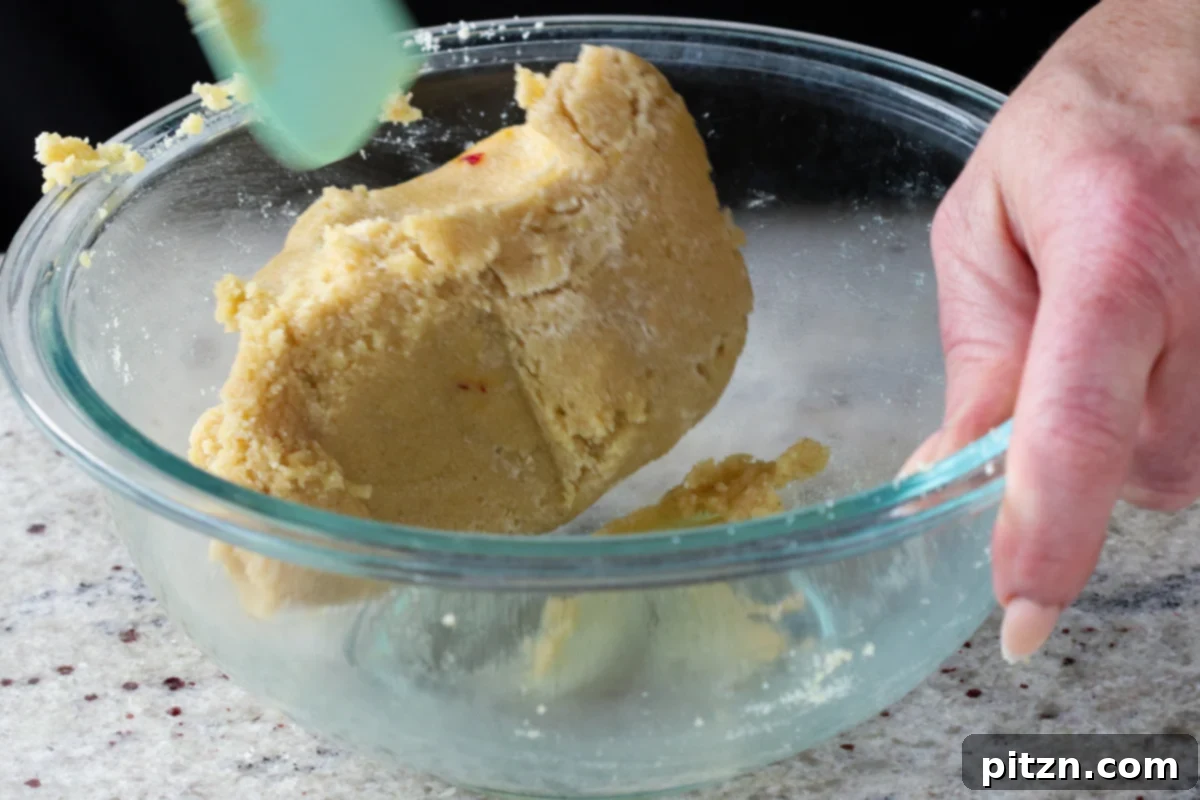
Once the custard has cooled slightly, add approximately 3 tablespoons of it to the bowl containing the almond flour mixture. Press and mix vigorously until all the dry ingredients are fully incorporated and a cohesive, pliable dough forms. Place this almond peda dough into the fridge to chill for 10 to 15 minutes. This chilling step is essential for easier handling and rolling. You should have about a tablespoon of custard remaining in the saucepan; set this aside for the filling.
Step 5: Finish the Gujiya Filling
Transfer the crumbly coconut mixture from the food processor to the saucepan containing the remaining tablespoon of custard. Mix these together very well, pressing until the mixture becomes sticky and easily pliable. If the mixture still appears too dry, add an additional teaspoon of non-dairy milk as needed to reach the desired consistency. You can also place this filling in the fridge for about 5 minutes to make it firmer and easier to spread.
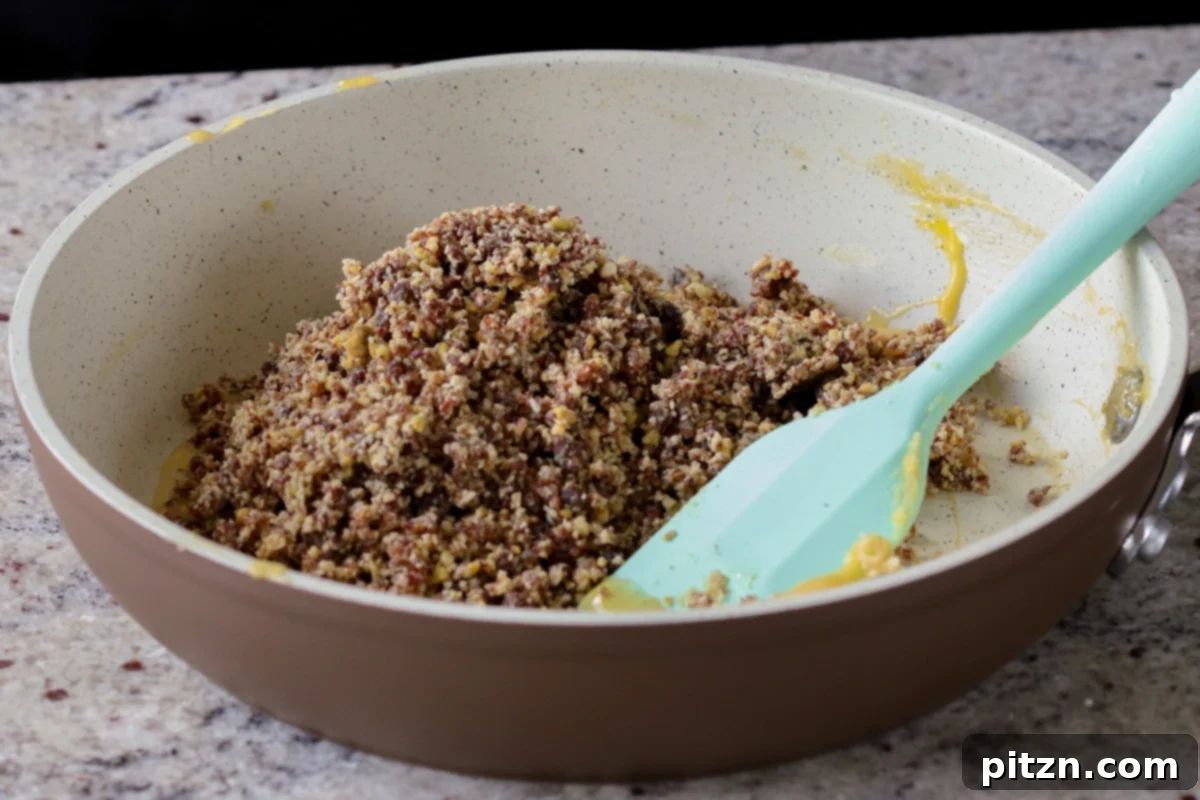
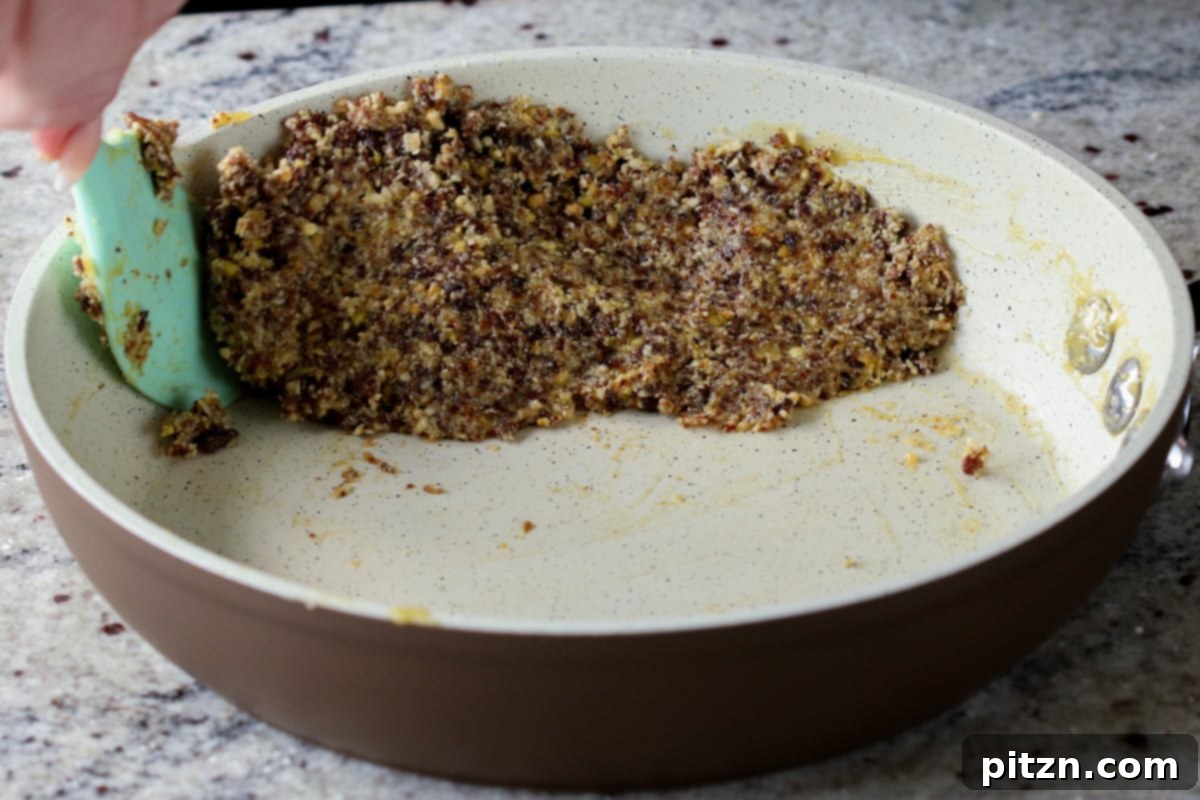
Step 6: Assemble the Gujiya Peda
Now, it’s time for the exciting assembly! Take the chilled almond flour dough out of the fridge. Place it between two sheets of parchment paper. Roll out the dough into a rectangular shape. The key is to keep the width of the rectangle at around 5 inches or less, focusing on extending the length. Aim for a thickness of approximately 1/4 inch or slightly thinner for a delicate swirl.
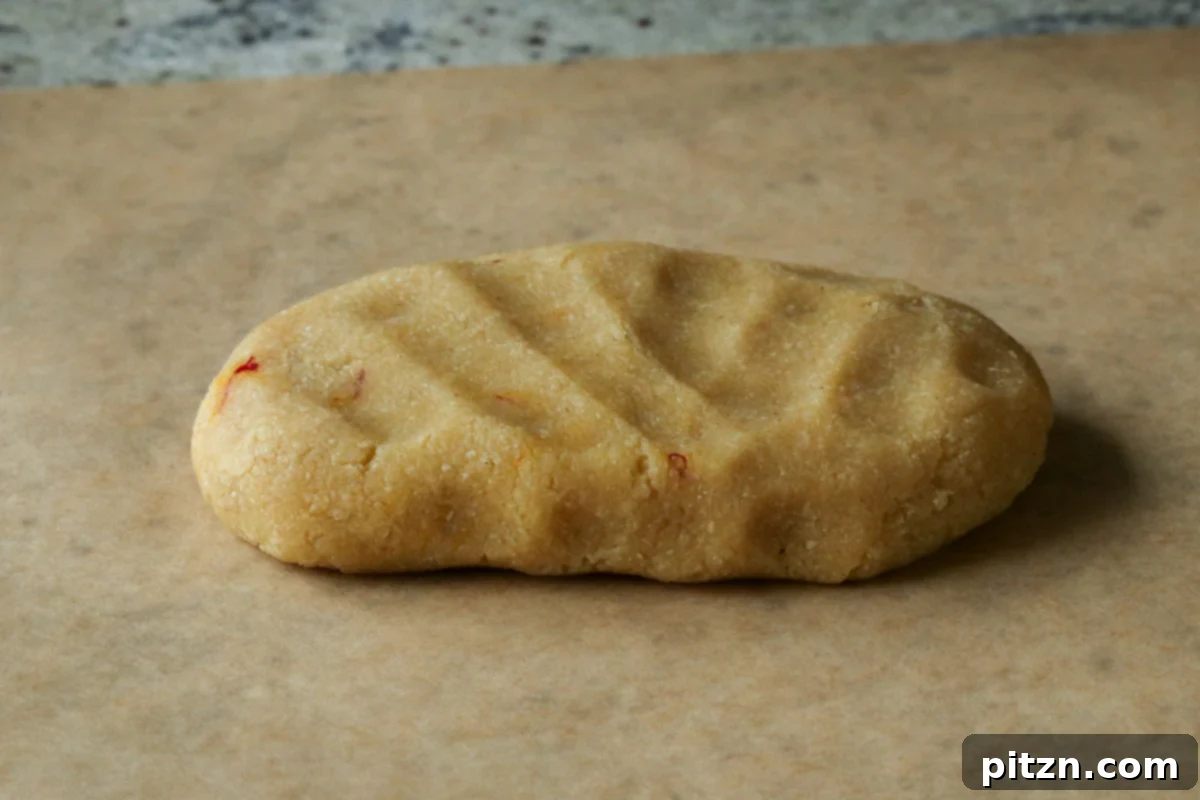
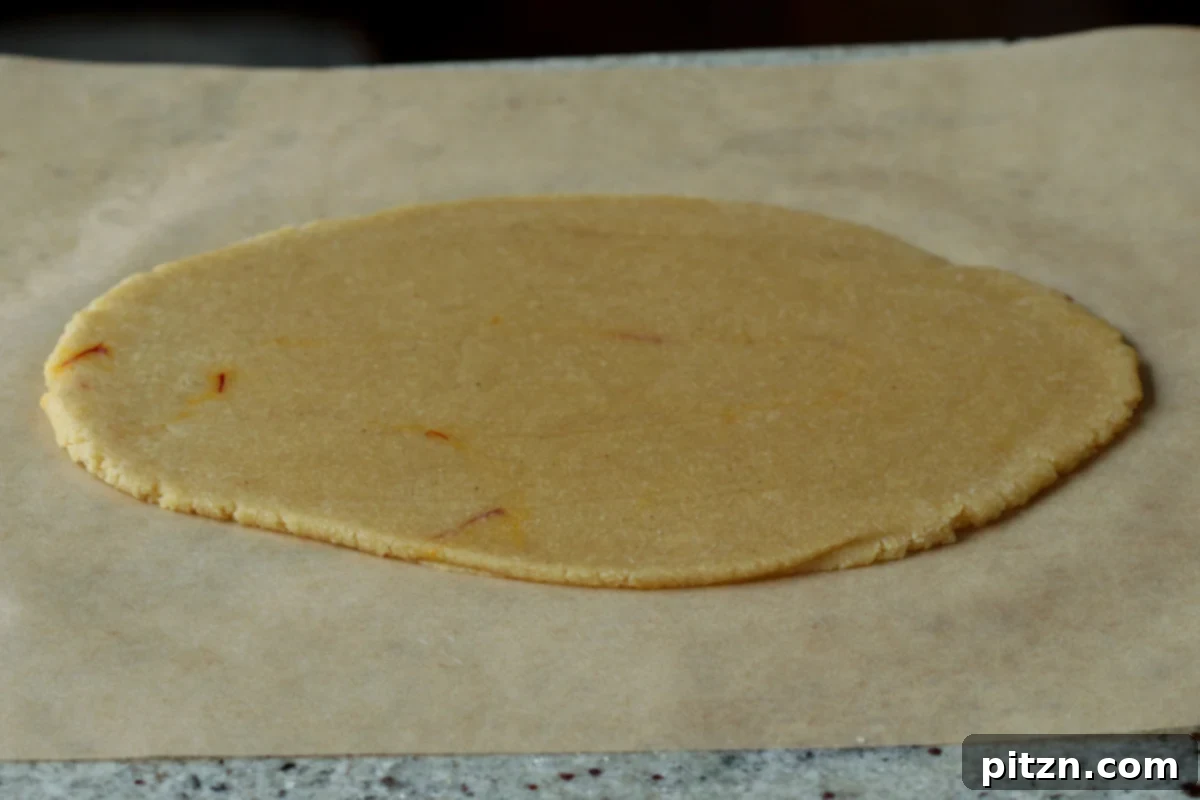
Once your almond flour dough is rolled out to an approximate size of 10 to 11 inches in length by 5 to 5.5 inches in width, carefully trim and even out the edges to create a perfect, neat rectangle. This makes for a more appealing final presentation.
Evenly spread the prepared coconut-pistachio-raisin filling over the surface of the almond flour peda dough. You can either sprinkle the filling over the dough or press the filling into a rough rectangle first and then gently place it onto the peda dough. Remember to leave at least a 1/2-inch border free from the filling on all sides of the dough to ensure easy rolling and a clean edge.
Using the parchment paper on one side as a guide and aid, carefully roll up the entire dough rectangle tightly along its long side. Once rolled into a log, you have two primary methods for slicing:
- **Cinnamon Roll Method:** Roll the entire sheet of dough and filling into a single log. Then, using a very sharp knife, carefully slice the log into individual peda pieces, about 1/2 to 3/4 inch thick. If the peda get slightly squished during slicing, you can gently reshape them with your fingers to restore their roundness.
- **Ribbon Method (Recommended):** Alternatively, you can slice the rolled dough into 1/2-inch wide strips, resembling ribbons. Then, take each ribbon and carefully roll it up into a small, individual pinwheel-shaped peda. This method often makes it easier to achieve perfectly round peda and minimizes squishing.
Both methods will yield delicious results, so choose the one you find most comfortable and effective for this particular dough.
Step 7: Garnish and Serve
To add a final touch of beauty and flavor, you can sprinkle some shredded coconut or finely chopped pistachios over the finished peda. This optional garnish not only enhances their appearance but also adds another layer of texture. Arrange them beautifully on a platter for serving, or place them into elegant gift boxes to delight friends and family. These Gujiya Peda are best enjoyed on the day they are made, but can be stored in a sealed container in the refrigerator for up to 5 days. For optimal freshness and texture, allow them to come to room temperature before serving if refrigerated.

Frequently Asked Questions About Gujiya Peda
This Gujiya Peda recipe is thoughtfully crafted to be soy-free and gluten-free, making it suitable for those with soy and gluten sensitivities. However, please be aware that it does contain nuts, specifically almond flour and pistachios. Always check ingredient labels to ensure they meet your specific dietary needs.
These delicious Gujiya Peda can be kept at room temperature on the counter for a single day. However, due to the inclusion of a custard in the recipe, it is highly recommended to refrigerate them in an airtight container for any storage beyond 24 hours. When properly refrigerated, they will maintain their freshness and delightful texture for up to 5 days. For the best taste and texture, allow them to sit at room temperature for about 15-20 minutes before serving after refrigeration.
Absolutely! Gujiya Peda are an excellent make-ahead dessert, perfect for festive gatherings. You can prepare them up to 2-3 days in advance and store them in an airtight container in the refrigerator. On the day of your event, simply take them out about 30 minutes before serving to allow them to soften slightly and for their flavors to fully develop at room temperature.
While pistachios offer a unique flavor and color, you can certainly experiment with other nuts. Raw cashews are a fantastic substitute, providing a creamy texture and mild flavor. Almonds (blanched or unblanched) could also be used for a more intense almond flavor throughout the dessert. Ensure any nuts chosen are raw for the best processing results in the food processor.
Conclusion: A Sweet Ending to Any Celebration
Gujiya Peda truly represents the spirit of innovation in traditional Indian cuisine. It’s a dessert that marries the comforting familiarity of peda with the delightful surprise of a gujiya filling, all while being remarkably easy and quick to prepare. Its vegan, gluten-free, and soy-free nature makes it a welcoming treat for a wider audience, ensuring that everyone can partake in the joy of these festive sweets.
Whether you’re celebrating Diwali, hosting a special dinner, or simply craving a unique and flavorful dessert, Gujiya Peda is an impeccable choice. Its vibrant flavors of saffron and cardamom, combined with the rich textures of almond, coconut, pistachio, and raisin, create a memorable culinary experience. So go ahead, whip up a batch, share the sweetness, and make your celebrations even more special with this incredible fusion delight!