
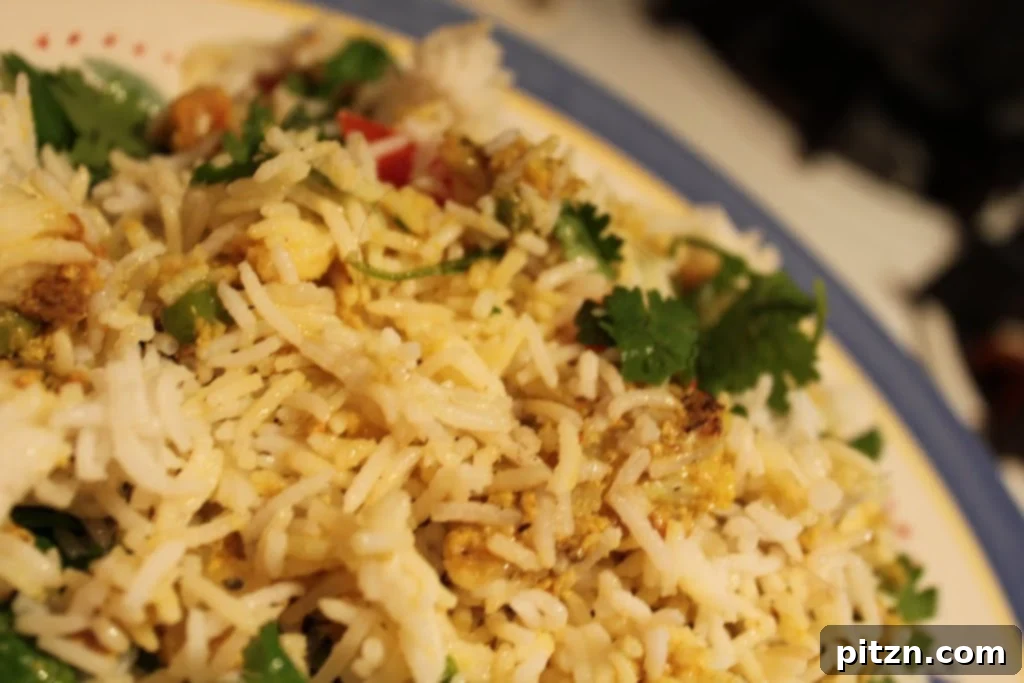
Flavorful Mughlai Veggie Biryani: A Vegan and Gluten-Free Delight
Embark on a culinary journey with this super delicious Mughlai Veggie Biryani, a dish brimming with rich flavors from aromatic herbs, exotic spices, and a colorful array of vegetables. This exquisite recipe is not only a fantastic option for a weeknight dinner but also an impressive centerpiece for entertaining guests. What makes it even better? It’s completely vegan and gluten-free, catering to diverse dietary needs without compromising on taste. Prepare to transform your kitchen into a fragrant haven as you create this unforgettable biryani.
Jump to Recipe
The Inspiration Behind This Mughlai Masterpiece
Weekends are often a time for relaxation, and for many, that means stepping away from extensive cooking. As an avid home cook, I usually prefer to spend my weekends unwinding, enjoying quality time with loved ones, or venturing out on long drives. However, fate, or perhaps seasonal allergies, had a different plan one particular Saturday evening. Confined indoors, my mind drifted to new culinary creations.
I envisioned a rice dish, but not just any biryani or pulao. I wanted something extraordinary, something that captured the essence of Mughlai cuisine’s creamy, rich gravies, elevated by the subtle richness of cashews. The result? This delectable Mughlai Vegetable Biryani, a dish that combines the grandeur of traditional Indian flavors with a wholesome, plant-based twist. It turned out to be the perfect antidote to a day spent indoors, proving that sometimes, the best adventures happen right in your kitchen.
This recipe isn’t merely about assembling ingredients; it’s about crafting layers of flavor that tell a story. From the fragrant basmati rice to the medley of perfectly spiced vegetables, every component contributes to a symphony of tastes and textures. The addition of cashews lends a luxurious creaminess that is characteristic of Mughlai dishes, making this biryani truly special. It’s a testament to how simple, fresh ingredients, when combined with thoughtful spicing, can create something truly magnificent.
Mughlai Veggie Biryani

Ingredients
US Customary
Metric
1x
2x
3x
Metric
2x
3x
- 3 cups basmati rice, cooked al dente
- 1 tablespoon oil (preferably a neutral oil like canola or sunflower)
- 1/2 medium onion, finely chopped
- 6-8 raw cashews, (for a richer flavor, you can also use roasted or fried cashews)
- 2 bay leaves
- 3 cloves
- 1 cardamom pod (green cardamom preferred)
- 1/2 inch cinnamon stick
- 1/2 teaspoon fennel seeds
- 1/2 teaspoon cumin seeds
- 1/2 teaspoon coriander seeds or powder (if using seeds, lightly crush them)
- 1/2 teaspoon fenugreek seeds, (methi)
- 2 dried red chillies (adjust to your spice preference)
- 1/2 teaspoon turmeric powder
- 1/2 teaspoon salt or to taste
- 1 teaspoon sugar (helps balance flavors)
- 2 teaspoons ginger garlic paste (freshly made is best)
- Assorted chopped veggies: , (I used 1 cup cauliflower florets, 1/2 cup green bell pepper, 1/2 cup carrots, 1/2 cup peas, 1/2 cup french beans. Feel free to add other favorites like mushrooms, potatoes, or even Tofu tikkas for added protein and texture.)
- 1 cup fresh cilantro, chopped, for garnish
- 1 cup chopped tomato, for garnish
- 1 tablespoon lemon juice (freshly squeezed for best flavor)
Instructions
-
First, cook the basmati rice according to package directions, ensuring it’s cooked al dente (slightly firm). Set aside and allow it to cool slightly.
-
In a large, heavy-bottomed pan or Dutch oven, heat the oil over medium heat. Add all the whole spices: cumin seeds, fenugreek seeds, fennel seeds, coriander seeds (or powder), bay leaves, cinnamon stick, cloves, and cardamom pod.
-
Sauté the whole spices for 3-4 minutes, until they become fragrant and lightly toasted. Be careful not to burn them.
-
Add the finely chopped onions to the pan and mix them well with the spices. Continue to cook the onions over medium heat, stirring occasionally, until they start to soften and turn translucent.
-
After about 10 minutes of cooking the onions, add the dried red chillies, raw cashews, and turmeric powder. Stir and cook for another 5 minutes, or until the onions turn a beautiful golden brown color. This step is crucial for developing deep flavors.
-
Carefully transfer this cooked onion and cashew mixture to a blender or food processor. Add a small amount of water (just enough to help with blending) and blend until you achieve a coarse paste. This paste forms the rich base of our biryani.
-
Return the same pan to the stovetop. If needed, add a tiny bit more oil. Pour in the blended onion-cashew paste and cook it for 6-7 minutes over medium heat, stirring frequently, allowing the flavors to meld and the paste to thicken slightly.
-
Now, add all the assorted chopped vegetables to the pan, along with the ginger garlic paste, salt, and sugar.
-
Mix everything thoroughly, ensuring the vegetables are well coated with the spice paste. Cover the pan and cook on medium-low heat, stirring occasionally, until the vegetables are almost tender but still retain a slight bite.
-
Once the vegetables are nearly cooked, remove the pan from the heat.
-
To assemble the biryani for baking, lightly grease a baking dish. Spread an even layer of approximately half an inch of the cooked basmati rice at the bottom.
-
Next, gently spoon the vegetable mixture over the rice, covering it with another half-inch layer. If you have more rice and vegetable mixture, you can create additional alternating layers.
-
Finish with a final half-inch layer of basmati rice on top.
-
Garnish the top layer of rice generously with the chopped tomatoes, fresh cilantro, and a drizzle of lemon juice for a burst of freshness.
-
Cover the baking dish tightly with aluminum foil. Bake in a preheated oven at 350 degrees F (175 degrees C) for 15-20 minutes, just before serving. This final baking step allows the flavors to meld beautifully and ensures the biryani is piping hot and fragrant. Serve immediately and enjoy!
Notes
Tips for the Perfect Biryani:
- Rice Quality: Always use good quality, aged basmati rice for biryani. It cooks up fluffy and separates beautifully. Avoid overcooking the rice in the initial step; it should be 70-80% cooked as it will continue to cook in the oven.
- Fresh Spices: While pre-ground spices are convenient, using freshly ground or whole spices and toasting them gently makes a significant difference in aroma and flavor.
- Vegetable Variety: Don’t limit yourself to the suggested vegetables. Broccoli, mushrooms, potatoes (par-boiled), or paneer/tofu can be excellent additions. Ensure all vegetables are cut into similar-sized pieces for even cooking.
- Deeper Flavor: For an even richer Mughlai taste, consider adding a pinch of saffron strands soaked in a tablespoon of warm plant-based milk (like almond or cashew milk) over the top layer of rice before baking.
- Layering is Key: The layering technique (dum cooking) is essential for biryani. It allows the rice to absorb the flavors from the vegetable curry, resulting in a perfectly infused dish.
Serving Suggestions:
This Mughlai Veggie Biryani is a complete meal on its own, but it pairs wonderfully with a side of cooling raita (dairy-free yogurt dip), a simple cucumber salad, or a tangy pickle. A wedge of fresh lime squeezed over individual servings can also brighten the flavors.
Storage:
Leftover biryani can be stored in an airtight container in the refrigerator for up to 3-4 days. Reheat gently in the microwave or on the stovetop, adding a splash of water to prevent drying out.
Nutrition
Carbohydrates: 117g,
Protein: 11g,
Fat: 5g,
Sodium: 304mg,
Potassium: 303mg,
Fiber: 3g,
Sugar: 3g,
Vitamin A: 645IU,
Vitamin C: 8.7mg,
Calcium: 51mg,
Iron: 2mg
Nutrition information is automatically calculated, so should only be used as an approximation.
Did you make this recipe? We’d love to hear your thoughts!Share your experience and tell us how it turned out in the comments below!
Why This Mughlai Veggie Biryani Stands Out
This Mughlai Veggie Biryani recipe is more than just a meal; it’s an experience. Its unique blend of flavors, inspired by the royal kitchens of the Mughal Empire, offers a taste of culinary history. Unlike many biryanis, this version places a strong emphasis on a rich, aromatic vegetable base, enhanced by the subtle sweetness and creaminess of cashews. The careful selection and balance of whole and ground spices create a complex flavor profile that is both warming and invigorating.
Furthermore, its vegan and gluten-free nature makes it accessible to a wider audience, proving that traditional dishes can be adapted to suit modern dietary preferences without sacrificing authenticity or deliciousness. The layered cooking method, known as “dum pukht,” allows all the ingredients to slow-cook together, infusing the basmati rice with a deeply satisfying aroma and taste that is simply irresistible. This biryani is a celebration of texture too, with perfectly cooked grains of rice mingling with tender-crisp vegetables, all brought together by a lusciously spiced sauce.
Choosing the Right Ingredients for Authentic Flavor
The success of any biryani hinges on the quality and freshness of its ingredients. For this Mughlai Veggie Biryani, selecting the right components is particularly important to achieve that signature rich and aromatic taste.
- Basmati Rice: Always opt for aged basmati rice. Its long grains, fragrant aroma, and ability to cook up fluffy and separate are crucial for biryani. New rice tends to be stickier.
- Whole Spices: Bay leaves, cloves, cardamom, and cinnamon are the backbone of the biryani’s aroma. Ensure they are fresh and fragrant. A quick sniff test can tell you if your spices are potent.
- Cashews: Raw cashews are preferred for the paste, but roasted ones can add a slightly nutty, deeper flavor. They contribute significantly to the creamy texture and richness of the Mughlai sauce.
- Vegetables: Use a variety of fresh, seasonal vegetables. Cauliflower, carrots, green beans, and peas add color, texture, and nutritional value. Feel free to incorporate others like bell peppers, mushrooms, or even par-boiled potatoes. For a heartier meal, marinated and pan-fried tofu or tempeh can be a wonderful addition.
- Ginger Garlic Paste: While store-bought pastes are convenient, a freshly made ginger garlic paste will always yield superior flavor and aroma.
- Garnishes: Fresh cilantro and juicy tomatoes are not just for color; they add a crucial element of freshness and tang that balances the rich spices. Don’t skip the lemon juice – it brightens all the flavors.
A Step-by-Step Guide to Culinary Perfection
Creating this Mughlai Veggie Biryani is a process that builds layers of flavor. While the recipe card provides concise instructions, let’s delve a little deeper into each stage to ensure your biryani is nothing short of perfect.
- Preparing the Rice: Cooking the basmati rice correctly is paramount. Rinse the rice thoroughly until the water runs clear to remove excess starch. Cook it with plenty of water, like pasta, to ensure each grain remains separate. Aim for about 70-80% cooked; it should still have a slight bite as it will finish cooking in the oven.
- Tempering the Spices: This is where the magic begins. Heating the whole spices in oil awakens their essential oils, releasing their captivating aromas. Be gentle with the heat to prevent burning, which can turn the spices bitter.
- Building the Mughlai Paste: The golden-brown onions, combined with cashews and a medley of spices, are blended into a coarse paste. This paste is the heart of the biryani’s rich, creamy texture and depth of flavor. Cooking this paste thoroughly after blending is crucial to developing its complex taste.
- Cooking the Vegetables: Incorporating a vibrant mix of vegetables ensures a nutritious and appealing biryani. Cook them until they are just tender-crisp. Overcooked vegetables can become mushy, detracting from the biryani’s texture.
- The Art of Layering (Dum Cooking): This traditional technique involves layering partially cooked rice with the rich vegetable curry. The baking process, tightly covered, allows the steam to cook the remaining rice and allows the flavors from the vegetable layer to permeate every grain of rice. This slow infusion creates a harmonious blend of tastes and aromas.
- Garnishing: The final touch of fresh cilantro, chopped tomatoes, and a squeeze of lemon juice adds a burst of color and a refreshing counterpoint to the rich, spiced rice. These garnishes are not just aesthetic; they complete the flavor profile.
Following these steps with attention to detail will result in a Mughlai Veggie Biryani that is fragrant, flavorful, and incredibly satisfying, a dish that truly reflects the grandeur of its origins.
Conclusion: A Regal Meal for Every Home
This Mughlai Veggie Biryani is a testament to the fact that incredibly flavorful and satisfying meals can be both vegan and gluten-free. It’s a dish that brings together the rich culinary heritage of India with wholesome, plant-based ingredients, creating a feast for the senses. Whether you’re a seasoned chef or a home cook looking to explore new flavors, this recipe offers a delightful challenge and a rewarding outcome.
The aroma alone, as it bakes in your oven, is enough to transport you to a bustling Indian kitchen. Serve it hot, garnished generously, and watch as your family and friends savor every aromatic bite. This Mughlai Veggie Biryani isn’t just food; it’s a celebration of spices, vegetables, and the joy of creating something truly special. Enjoy the process, and most importantly, enjoy the delicious results!