
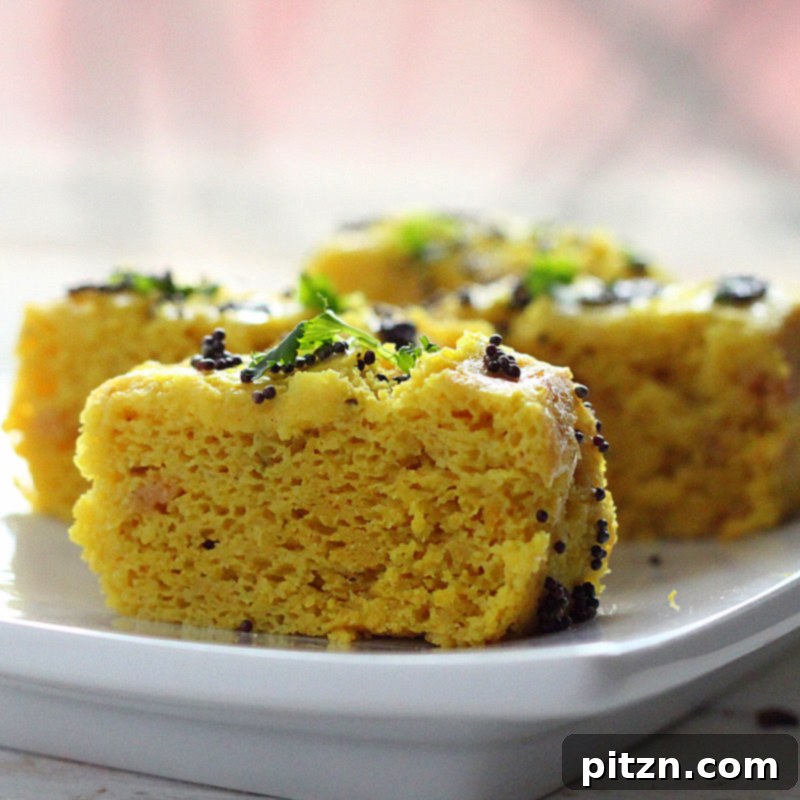
Delicious & Easy Khaman Dhokla: A Naturally Gluten-Free, Vegan Indian Steamed Snack
Embark on a culinary journey to Gujarat, India, with this incredible recipe for Khaman Dhokla. If you’re exploring the rich tapestry of Indian cuisine, you’ll quickly discover that many traditional meals and snacks are naturally gluten-free and packed with flavor. Khaman Dhokla is a prime example of this delicious fact, proving that gluten-free eating doesn’t mean sacrificing taste or texture. In fact, many dishes from South India and popular snacks from Northwestern states like Gujarat readily fit into a gluten-free diet, offering a world of exciting options.
Jump to Recipe
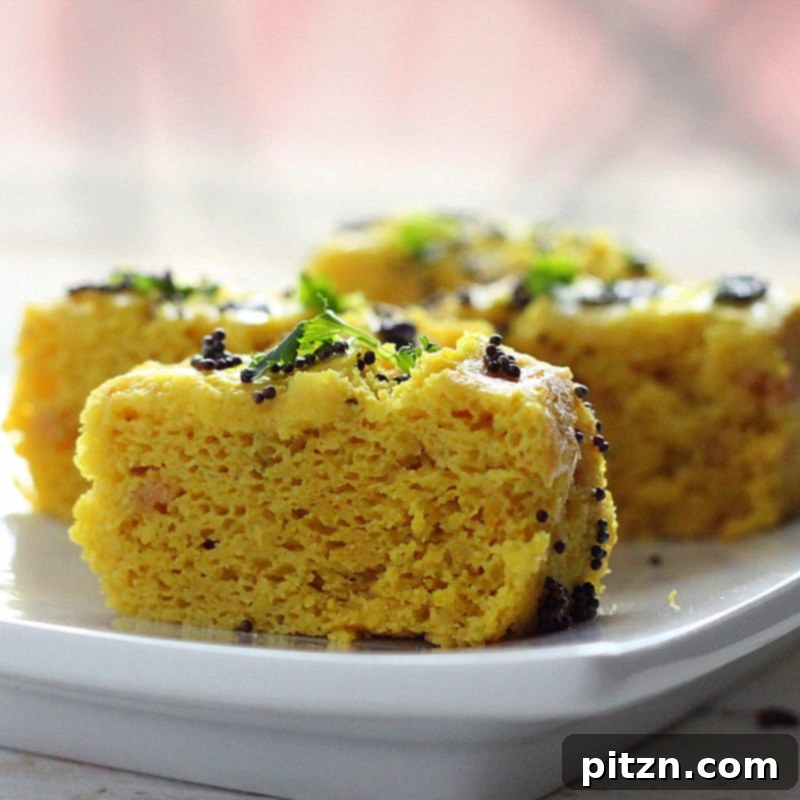
What is Khaman Dhokla? A Steamed Savory Delight
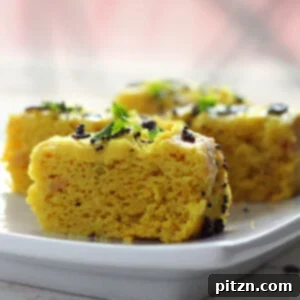
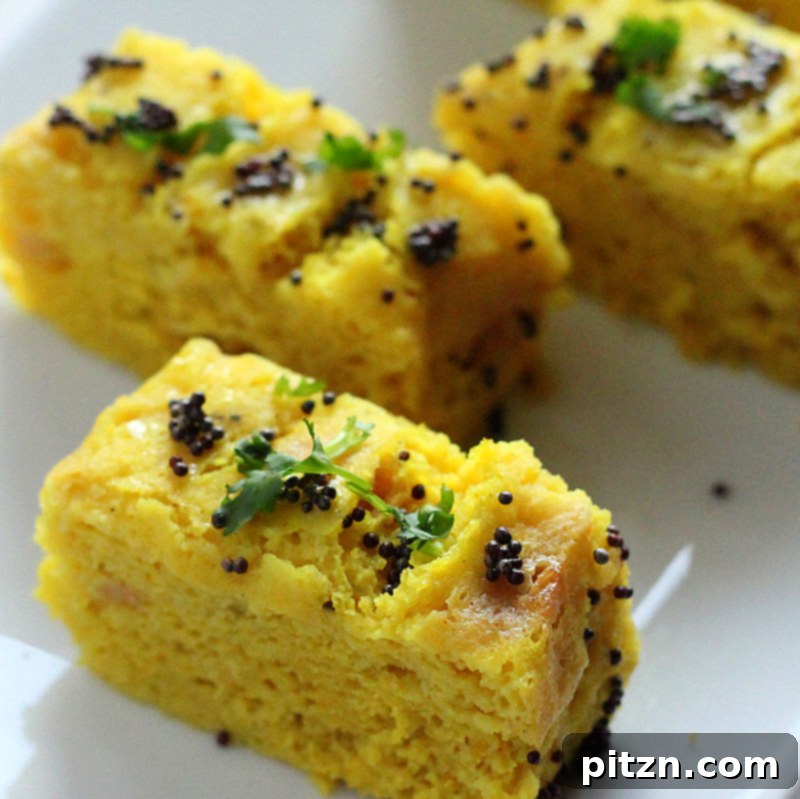
Khaman Dhokla is a quintessential Gujarati savory steamed cake made primarily from chickpea flour (besan). Renowned for its incredibly soft, spongy, and fluffy texture, it’s a light and healthy snack that has gained immense popularity across India and among Indian food enthusiasts worldwide. Unlike some other variations, Khaman Dhokla is typically characterized by its vibrant yellow color and a tangy-sweet taste, often enhanced by a fragrant tempering (tadka) of mustard seeds, curry leaves, and green chilies.
There are several types of Dhokla, each with its unique preparation method and flavor profile. The version featured here is the “instant” Khaman Dhokla, which uses chickpea flour and leavening agents to create its signature texture quickly. Other types include the fermented Dhokla, traditionally made by soaking, grinding, and fermenting whole lentils like chana dal (split Bengal gram) and urad dal (split black gram) along with rice overnight. This fermentation process lends a deeper, more complex sour flavor and a different texture. However, for those seeking a quicker, equally delicious option, the instant version is a fantastic choice, perfect for busy mornings or an impromptu snack.
Why You’ll Love This Gluten-Free & Vegan Khaman Dhokla Recipe
This Khaman Dhokla recipe offers a multitude of reasons to become a staple in your kitchen, especially if you’re looking for wholesome, plant-based, and gluten-friendly options:
- Naturally Gluten-Free: Made from chickpea flour, this dish is inherently free of gluten, making it a safe and delicious option for individuals with celiac disease or gluten sensitivity.
- Perfectly Vegan: This recipe uses non-dairy yogurt, ensuring it’s 100% plant-based without compromising on taste or texture.
- Light & Healthy: As a steamed preparation, Dhokla is a far healthier alternative to fried snacks. It’s light on the stomach, yet satisfying, making it an excellent choice for any time of day.
- Quick & Easy: The “instant” method streamlines the cooking process, allowing you to enjoy fresh Dhokla without the overnight fermentation required for traditional versions.
- Versatile Serving Options: Whether you serve it for breakfast, as a nutritious snack, or even create a Dhokla sandwich with your favorite chutneys and roasted veggies, its versatility is unmatched.
- Rich in Protein & Fiber: Chickpea flour is a good source of plant-based protein and dietary fiber, contributing to a feeling of fullness and supporting digestive health.
- Bursting with Flavor: The combination of tangy, sweet, and spicy notes from the batter and the aromatic tempering creates an explosion of flavors that is both comforting and exciting.
This recipe provides a fantastic opportunity to enjoy a nutritious and flavorful Indian snack that caters to diverse dietary preferences.
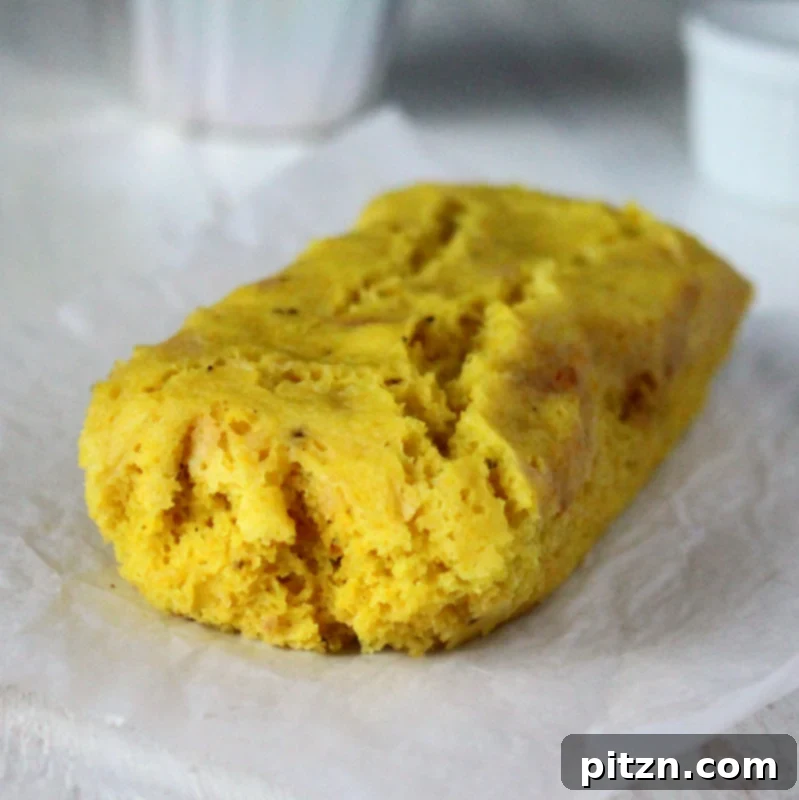
Exploring the World of Gujarati Snacks with Chickpea Flour
Gujarat is a paradise for snack lovers, and chickpea flour (besan) is undoubtedly the star ingredient in many of its most beloved creations. This versatile flour forms the base for a delightful array of Gujarati snacks, whether they are baked, fried, fermented, or steamed. Beyond Khaman Dhokla, you can discover a rich variety of treats such as:
- Fafda: Crispy, fried strips often enjoyed with jalebi (sweet fried spirals).
- Kachori: Deep-fried, flaky pastries with a spicy filling.
- Khandvi: Delicate, melt-in-your-mouth rolls made from gram flour and yogurt, tempered with mustard seeds and curry leaves.
- Muthiya: Steamed or shallow-fried dumplings, often made with a mix of flours and vegetables.
- Khakra: Thin, crispy crackers, perfect for a light snack.
- Handvo: A savory steamed cake made with a blend of lentils, rice, and vegetables, similar in spirit to Dhokla but heartier.
Each of these snacks showcases the incredible adaptability of chickpea flour and the ingenuity of Gujarati culinary traditions. While some names might be a mouthful, rest assured, you don’t need to perfectly pronounce them to thoroughly enjoy them! Many traditional recipes for these delightful snacks are vegetarian and can often be easily veganized with simple substitutions.
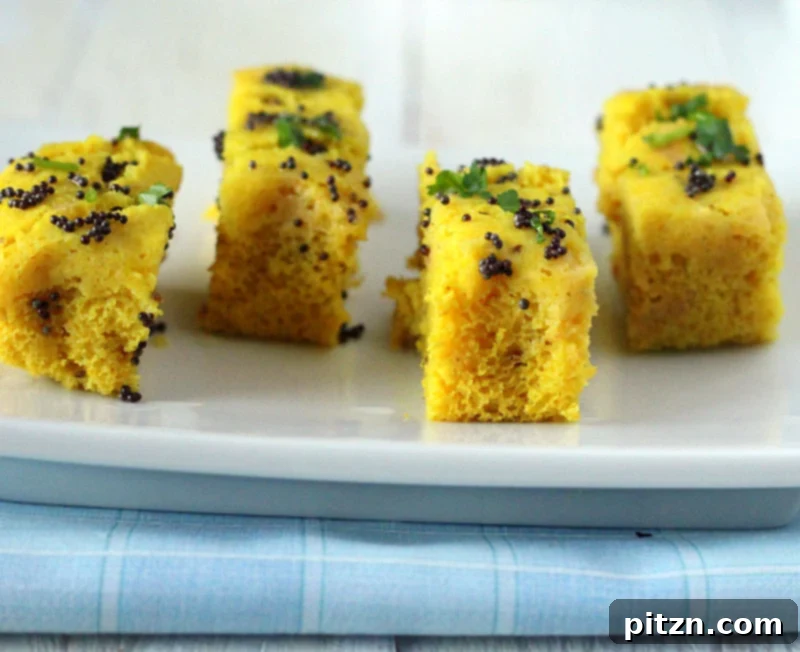
Khaman Dhokla – Chickpea Flour Steamed Savory Snack Cakes
Ingredients
- 1/4 cup chickpea flour, besan
- 1/3 tsp salt
- 1/2 teaspoon raw sugar, ground
- 1/4 teaspoon baking powder, scant
- pinch of asafetida, hing
- generous pinch of turmeric, optional, just for a brighter yellow color
- 1 teaspoon grated ginger or 1/2 tsp paste
- 1/2 teaspoon grated green chili
- 3 Tablespoons non-dairy yogurt, I used SoDelicious plain coconut milk yogurt
- 2 Tablespoons water
- 1/2 teaspoon vinegar
- a generous pinch of baking soda
Tempering/Tadka
- 1 tsp oil
- 1 tsp mustard seeds
- 4-5 curry leaves
- pinch of asafetida, hing
- 1 teaspoon lemon juice
- 2 tablespoons water
- 1 teaspoon raw sugar
- 1-2 Tablespoons finely chopped cilantro
- 1 Tablespoon shredded coconut, optional
- Sesame seeds, optional
Instructions
-
Prepare the Dhokla Batter: In a large mixing bowl, thoroughly whisk together all the dry ingredients for the dhokla: chickpea flour, salt, ground raw sugar, baking powder, a pinch of asafetida (hing), and optionally, a generous pinch of turmeric for a brighter yellow hue.
-
Add the grated ginger (or paste) and grated green chili to the dry mixture and mix well to ensure even distribution.
-
In a separate bowl, whisk together the non-dairy yogurt, water, and vinegar until smooth and lump-free. This liquid mixture will provide the necessary moisture and acidity for the batter.
-
Gradually add the wet yogurt mixture to the dry ingredients. Mix or whisk until a smooth, flowy batter is formed. The consistency should not be too watery – aim for a thick pancake-like batter. Ensure there are no dry lumps remaining.
-
Prepare for Steaming: Get your steaming setup ready. This can be a traditional steamer, a pressure cooker (without the whistle), or a deep pot with a stand and a well-fitting lid. Fill the steamer with water, ensuring it reaches about 2/3 the height of your baking pan, and bring it to a rolling boil.
-
Lightly grease a 6-inch round or square baking pan, or line it with parchment paper for easy removal.
-
Just before you are ready to steam, add the generous pinch of baking soda to the dhokla batter. Mix it in quickly and thoroughly. The batter will become frothy and increase slightly in volume – this is crucial for the dhokla’s spongy texture. Do not overmix after adding baking soda.
-
Immediately pour the activated batter into your prepared baking pan. Place the pan carefully into the boiling water in your steamer.
-
Cover the steamer with a tight-fitting lid and steam on high flame for 18-20 minutes. If using a pressure cooker without the whistle, steam for 15-16 minutes.
-
Check for doneness around the 18-minute mark (or 15 minutes for pressure cooker) by inserting a toothpick into the center of the dhokla. It should come out almost clean. If not, cook for another 2-3 minutes. Once done, turn off the heat.
-
Let the dhokla rest in the steamer for about a minute before carefully removing the pan. Allow it to rest outside the steamer for another 5 minutes.
-
If using parchment paper, gently peel it off. If using a greased pan, run a knife along the edges to loosen the dhokla. Invert onto a plate and cut the dhokla into your desired square or rectangular pieces.
Tempering (Tadka):
-
While the dhokla cools, prepare the tempering. Heat oil in a small pan over medium heat.
-
Once the oil is hot, add the mustard seeds. Wait for them to crackle and sputter vigorously – this indicates they are cooked and their aroma is released.
-
Reduce the heat to low and add the asafetida (hing) and curry leaves. You can also add chopped cilantro at this stage and cook for a few seconds if you prefer it softened, or reserve it for garnish.
-
Optionally, add half a teaspoon of chopped green chili to the tempering for an extra kick.
-
In a small bowl, combine the lemon juice, water, and raw sugar. Carefully add this mixture to the tempering pan. Be cautious as it may splutter.
-
Mix well and immediately turn off the heat. Pour this flavorful tempering evenly over the cut dhokla pieces, allowing it to soak in.
-
Garnish and Serve: Garnish the dhokla with fresh cilantro, shredded coconut (optional), and sesame seeds (optional). Serve immediately with your favorite chutneys, such as sweet tamarind date chutney or spicy green cilantro mint chutney. Enjoy!
Chef’s Notes & Expert Tips for Perfect Dhokla
- Batter Consistency is Key: The batter should be smooth and flowy, similar to a thick pancake batter. If it’s too thin, the dhokla may become dense. If it’s too thick, it might not rise properly. Adjust with a tablespoon of water or a pinch more flour if needed.
- The Magic of Baking Soda: The baking soda is the primary leavening agent that reacts with the acid (yogurt/vinegar) to create bubbles, resulting in the dhokla’s characteristic fluffiness. Add it *just before* steaming and mix quickly but gently. Do not let the batter sit after adding the baking soda, as the leavening action will diminish.
- Steaming Equipment: While a traditional steamer is ideal, a pressure cooker without its whistle (to prevent over-pressurization) works wonderfully and often faster. If using a large pot, ensure the lid fits tightly to trap steam effectively. You can place a metal stand or inverted small bowl at the bottom to elevate your dhokla pan above the water.
- Pan Size Matters: For even cooking, use a pan that isn’t too deep. A smaller, less deep pan will ensure the heat penetrates uniformly, resulting in a perfectly cooked dhokla. If doubling the recipe, it’s best to use two separate pans to avoid overfilling and uneven steaming.
- Don’t Rush the Cooling: Allowing the dhokla to rest for a few minutes after steaming makes it easier to remove from the pan and cut without crumbling. The residual heat helps set its structure.
- Customize Your Tempering: The tempering (tadka) is where much of the dhokla’s flavor comes alive. Feel free to adjust the amount of mustard seeds, curry leaves, and green chilies to your preference. We love a generous amount for that aromatic punch!
- Garnish Generously: While the pictures might show less garnish to highlight the dhokla’s texture, don’t hesitate to pile on fresh cilantro, shredded coconut, and sesame seeds. They add both visual appeal and complementary flavors.
- Storage: Leftover dhokla can be stored in an airtight container in the refrigerator for up to 2-3 days. Reheat gently in a steamer or microwave for a fresh taste.
Nutritional values are provided based on one serving.
Nutrition
Carbohydrates: 8g,
Protein: 2g,
Fat: 3g,
Saturated Fat: 1g,
Sodium: 245mg,
Potassium: 98mg,
Fiber: 1g,
Sugar: 3g,
Vitamin A: 40IU,
Vitamin C: 21.9mg,
Calcium: 38mg,
Iron: 0.5mg
Nutrition information is automatically calculated, so should only be used as an approximation.
Did you make this recipe? Rate and comment below!
Beyond the Recipe: The Cultural Significance of Dhokla
Khaman Dhokla is more than just a snack; it’s a culinary icon that embodies the heart of Gujarati hospitality and its rich food culture. Often served during festivals, celebrations, or as a welcoming treat for guests, Dhokla represents warmth and tradition. Its light texture and savory-sweet profile make it a popular choice for all ages, fitting seamlessly into various dining occasions. It’s a testament to how simple, wholesome ingredients can be transformed into something truly special with clever techniques and a touch of regional spice. Embracing recipes like Khaman Dhokla allows us to appreciate the diversity and health-conscious aspects of Indian cuisine.
This delightful Dhokla recipe has been a favorite in many homes and kitchens, even featured in popular food blogs and wellness communities. It’s a perfect fit for events like Slightly Indulgent Tuesdays, Ricki’s Wellness Weekend, and Allergy-Free Wednesdays, highlighting its appeal to health-conscious individuals and those with specific dietary needs. We encourage you to try this recipe, experiment with the garnishes, and make this versatile and incredibly flavorful snack a new favorite in your own home!