
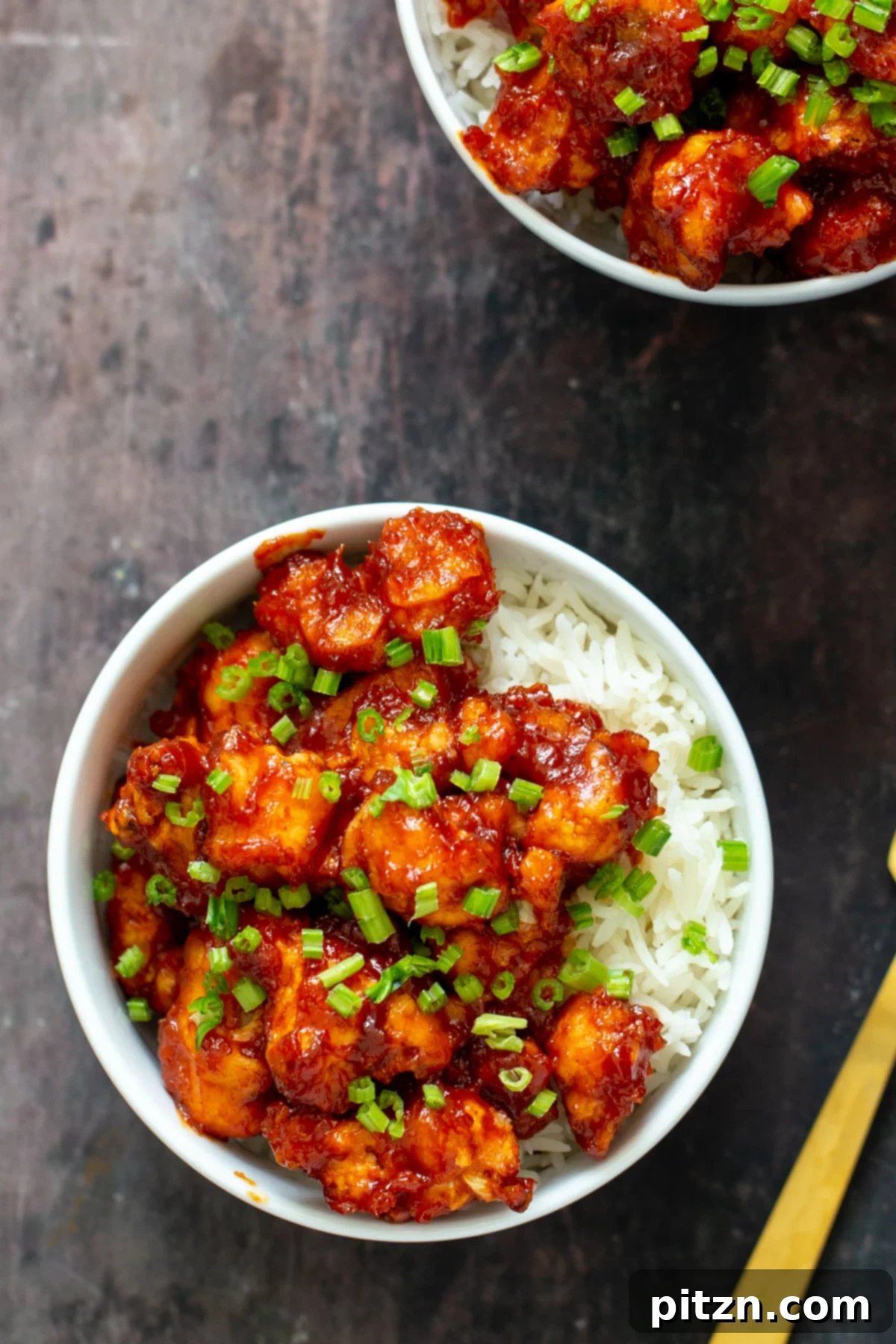
Irresistible Gochujang Cauliflower Wings: Sweet, Spicy, and Perfectly Crispy!
Get ready to elevate your snack game or weeknight dinner with these incredible Gochujang Cauliflower Wings! Combining a delightful sweet and spicy kick with an undeniably crunchy texture, these plant-based “wings” are a fantastic appetizer or a hearty main course. They’re perfect for game day gatherings, a vibrant addition to any party platter, or served simply over rice for a satisfying veggie-packed meal. Best of all, this recipe is naturally gluten-free and nut-free, making it a crowd-pleaser for many dietary preferences.
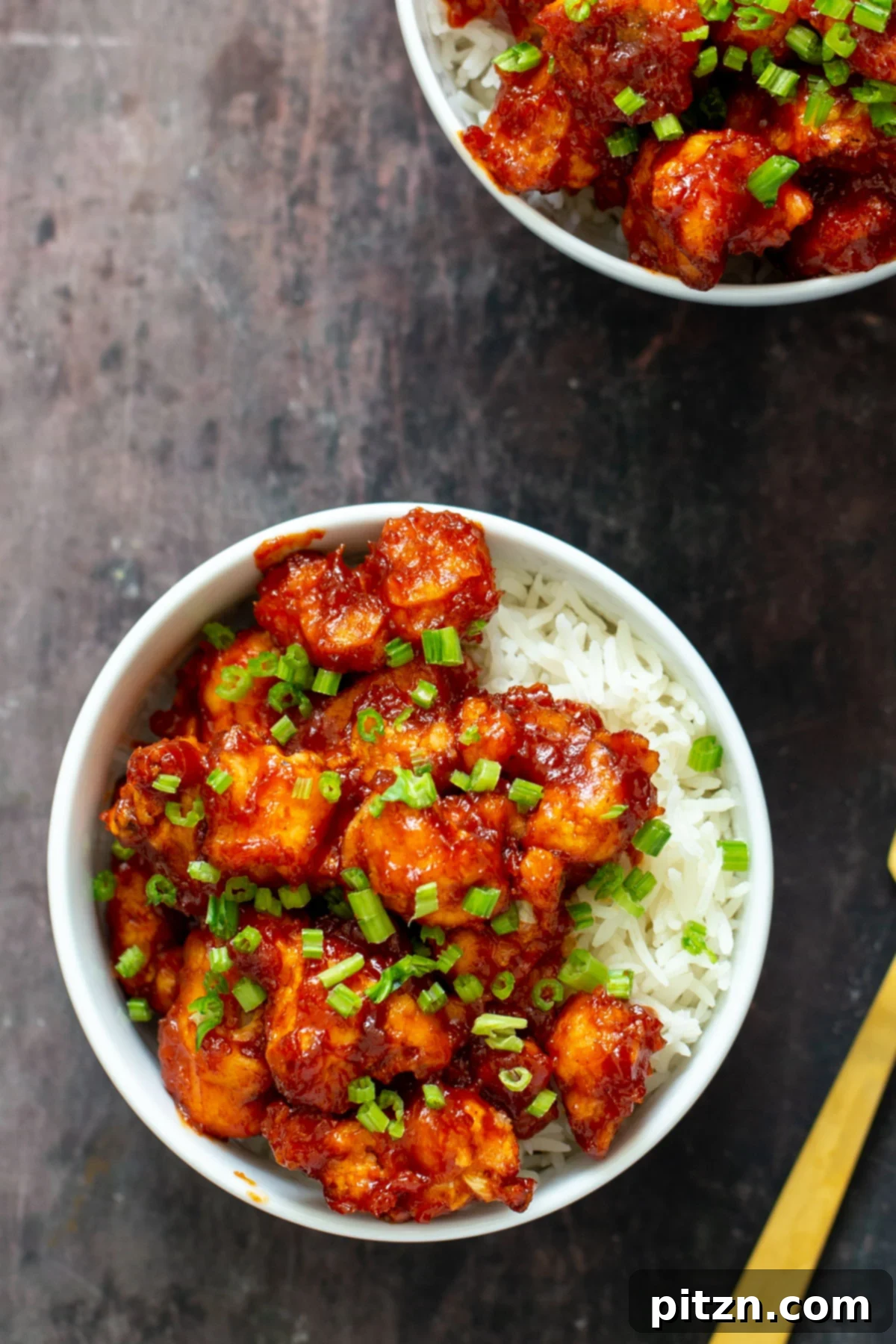
Unlike traditional deep-fried options, this recipe achieves its fantastic crispy exterior through baking, offering a healthier and less messy alternative without sacrificing flavor or texture. The process is straightforward: coat your cauliflower florets in a seasoned batter, bake them to golden perfection, then toss them in a rich, homemade Gochujang sauce. The result is a burst of savory, umami-rich, and fiery goodness in every bite.
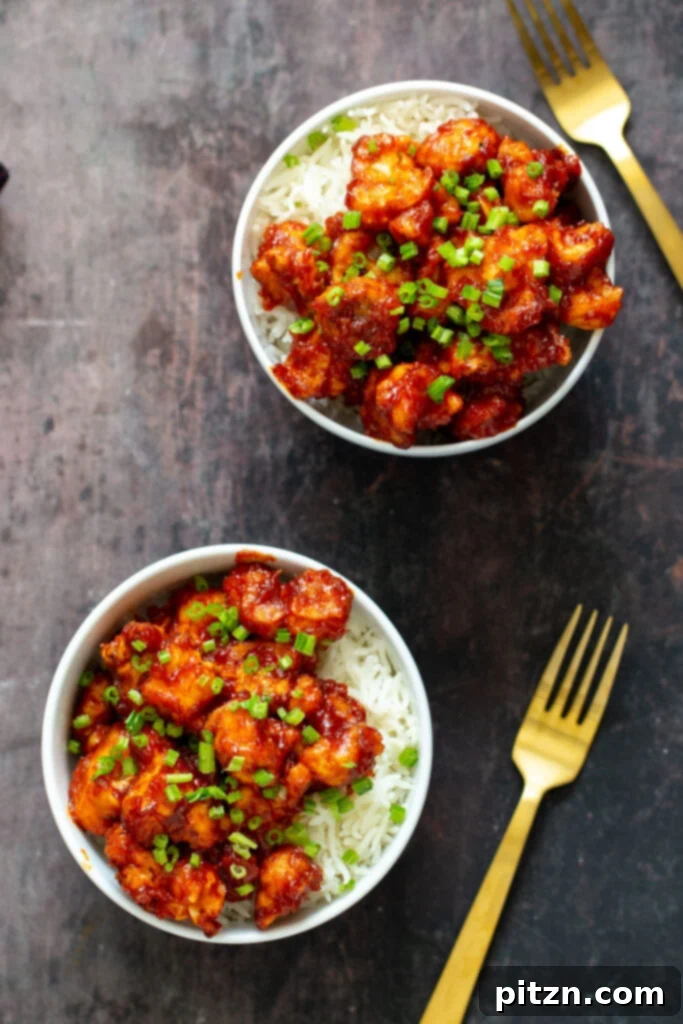
If Gochujang is a new ingredient for you, prepare to be amazed! It’s a cornerstone of Korean cuisine – a fermented red chili paste renowned for its complex flavor profile. Gochujang brings a unique blend of sweet, savory, and spicy heat, coupled with a deep umami richness that transforms any dish. In this recipe, its distinctive character pairs harmoniously with the mild, earthy cauliflower and crispy baked coating, creating an unforgettable culinary experience.
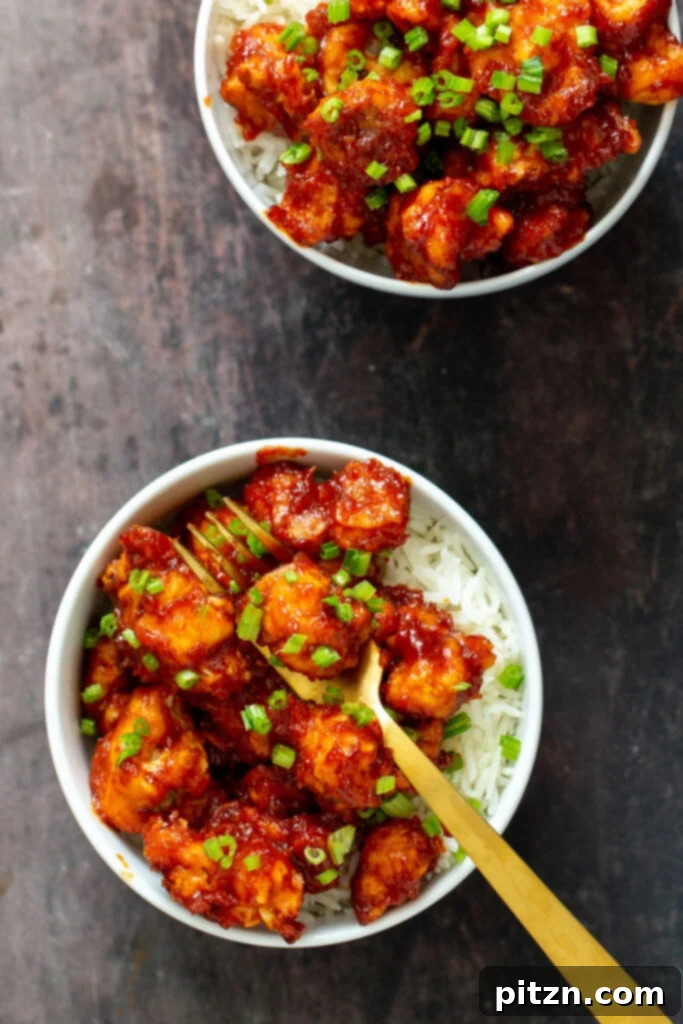
Why You’ll Fall in Love with Gochujang Cauliflower
- Effortlessly Simple: This recipe is designed for ease, making it accessible for home cooks of all skill levels. With minimal active cooking time, you can whip up these delicious wings without a fuss.
- Baked to Perfection: Say goodbye to oily deep-frying! Our method uses oven-baking to achieve that desired crunch, resulting in a lighter, healthier dish that still satisfies your cravings for crispy goodness.
- Unmatched Texture: The combination of rice flour and tapioca starch in the batter creates a remarkably crisp shell that holds up beautifully, even when coated in the rich Gochujang sauce. The tender cauliflower inside provides a perfect contrast.
- Explosion of Flavor: From the savory garlic notes in the batter to the complex sweet, spicy, and umami flavors of the Gochujang sauce, every bite is a flavor adventure.
- Naturally Gluten-Free: Using rice flour and tamari (instead of soy sauce) ensures this dish is perfectly suited for those avoiding gluten, without compromising on taste or texture.
- Allergy-Friendly: This recipe is also naturally nut-free, making it a safe and delicious option to share with friends and family who have nut allergies.
- Incredibly Versatile: Whether you need an impressive appetizer, a satisfying main course, or a unique side dish, these Gochujang Cauliflower Wings fit the bill perfectly for any occasion.
Discover the Magic of Gochujang
Gochujang is more than just a chili paste; it’s a culinary staple that defines much of Korean cuisine. This vibrant, reddish-brown condiment is made from gochugaru (Korean chili powder), glutinous rice, fermented soybeans, and salt. The fermentation process is key, developing its distinctive depth of flavor – a harmonious balance of sweet, savory, pungent, and spicy notes. It offers a powerful umami punch that can transform simple ingredients into extraordinary dishes. When selecting gochujang, look for “gluten-free” labels if needed, as some brands may contain wheat. You can typically find it in Asian grocery stores or the international aisle of larger supermarkets. Its versatility extends beyond these wings; try it in marinades, soups, stews, or even dipping sauces to add an authentic Korean flair.
The Nutritional Power of Cauliflower
Often referred to as a “superfood,” cauliflower is an incredibly versatile and nutritious vegetable. It’s low in calories but packed with vitamins and minerals, including a significant amount of Vitamin C, Vitamin K, and B vitamins. It’s also an excellent source of fiber, which is essential for digestive health. For this recipe, cauliflower serves as the perfect canvas for our flavorful sauce, mimicking the hearty texture of traditional wings while providing a wealth of health benefits. Its mild flavor readily absorbs the bold Gochujang sauce, making it an ideal plant-based alternative.
More Delicious Vegan Cauliflower Recipes:
Sticky Sesame Cauliflower
General Tso Cauliflower
Cauliflower Tikka Masala
Black Pepper Cauliflower
Gochujang Cauliflower Wings
Pin
Ingredients
For the Baked Cauliflower
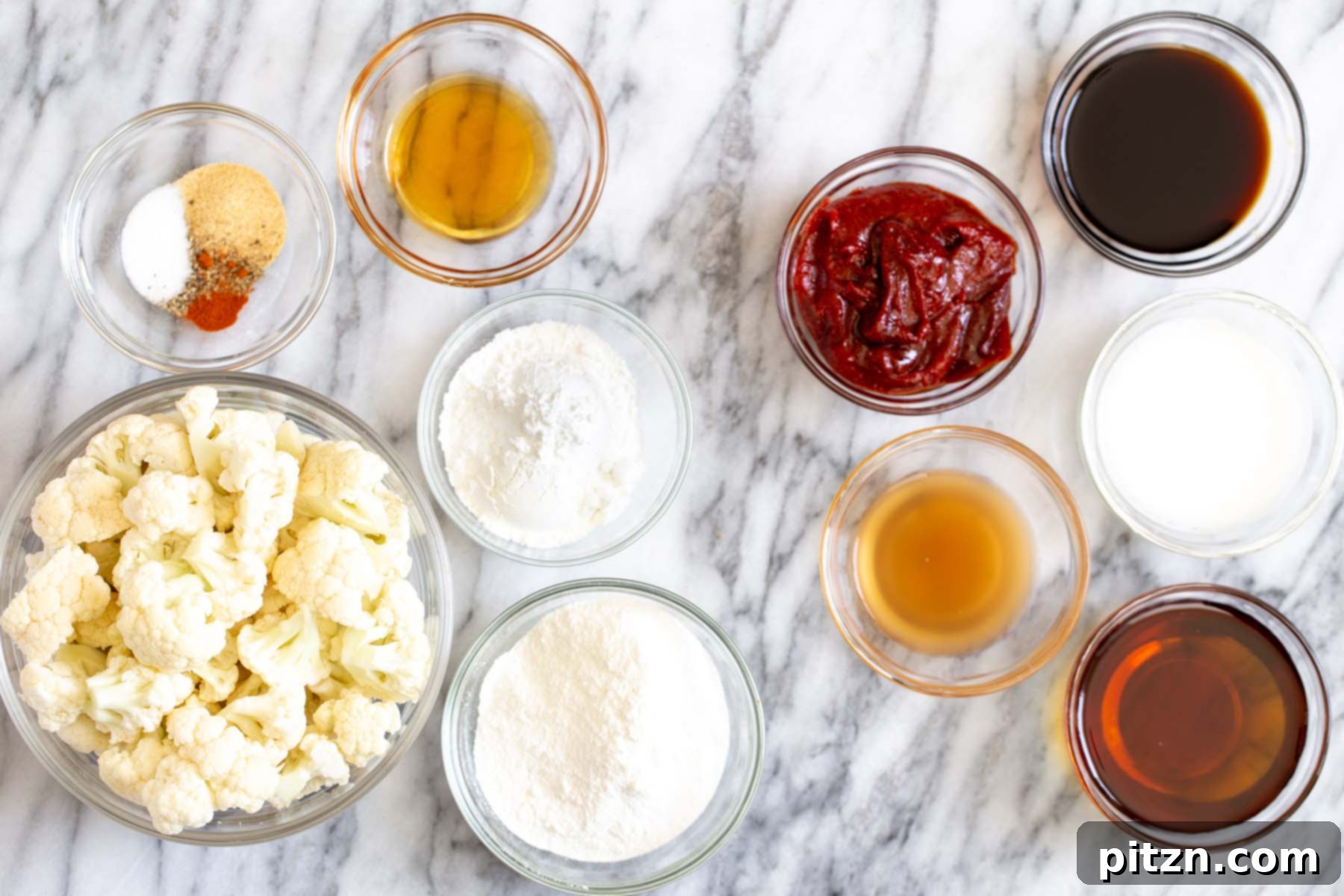
- 1/2 cup rice flour
- 3 tablespoons tapioca starch, or cornstarch
- 1/2 teaspoon garlic powder
- 1/4 teaspoon salt
- a good dash of black pepper
- 1/2 cup water
- 2 teaspoons oil
- 1 teaspoon sesame oil
- 1 small head of cauliflower, chopped into equal-sized florets, about 4 cups
For the Gochujang Sauce
- 1/2 cup gochujang, , I use Mother-in-Law brand, use Glutenfree brand if needed . Use 1/4 to 1/3 cup for less heat
- 2 tablespoons soy sauce, ,use tamari for gluten-free
- 2 tablespoons maple syrup
- 1/4 teaspoon salt
- 1 tablespoon rice vinegar or apple cider vinegar
- 1 teaspoon cornstarch, mixed with 1/4 cup of water
- green onion and sesame seeds for garnish
Instructions
To Bake the Cauliflower
-
Preheat your oven to 425° F (220° C) to ensure it’s perfectly hot for crispy cauliflower. Line a large baking sheet or a suitable baking dish with parchment paper to prevent sticking and make cleanup easier.
-
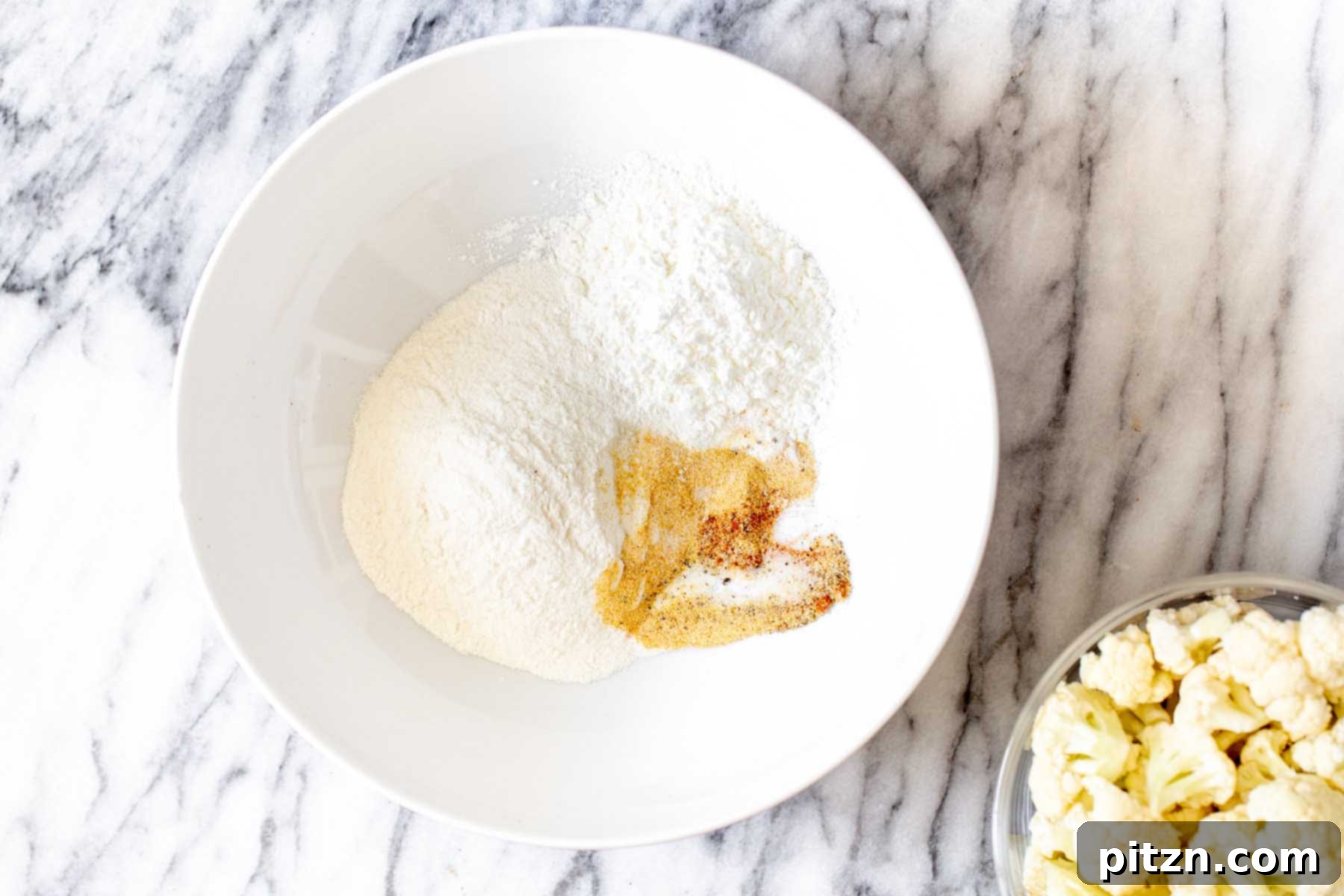
In a spacious mixing bowl, combine all the dry ingredients for the batter: rice flour, tapioca starch (or cornstarch), garlic powder, salt, and a generous dash of black pepper. Whisk these together thoroughly until well combined. Then, gradually add the water, oil, and sesame oil, mixing continuously until you achieve a smooth, lump-free batter.
-
Add the prepared cauliflower florets to the bowl with the batter. Toss them gently but thoroughly to ensure each floret is evenly coated. The batter should be thick enough to cling well to the cauliflower. Work quickly, as the batter will continue to thicken as it sits.
-
Carefully arrange the coated cauliflower florets onto the prepared baking sheet in a single layer. Make sure they are not touching each other to allow for even crisping. Bake for 30 minutes, or until the cauliflower is tender on the inside and beautifully golden and crispy on the outside. While it bakes, proceed to make your irresistible Gochujang sauce.
To Make the Gochujang Sauce
-
In a large skillet over medium heat, combine the gochujang, soy sauce (or tamari for gluten-free), maple syrup, salt, and rice vinegar (or apple cider vinegar). Whisk vigorously until all ingredients are well incorporated and the sauce begins to simmer gently.
-
In a small bowl, whisk 1 teaspoon of cornstarch with 1/4 cup of water until a smooth slurry forms. Add this cornstarch slurry to the simmering sauce mixture in the skillet, stirring constantly. Continue to cook and stir until the sauce thickens to a glossy, desirable consistency. As soon as it thickens, remove the skillet from the heat to prevent it from becoming too thick.
-
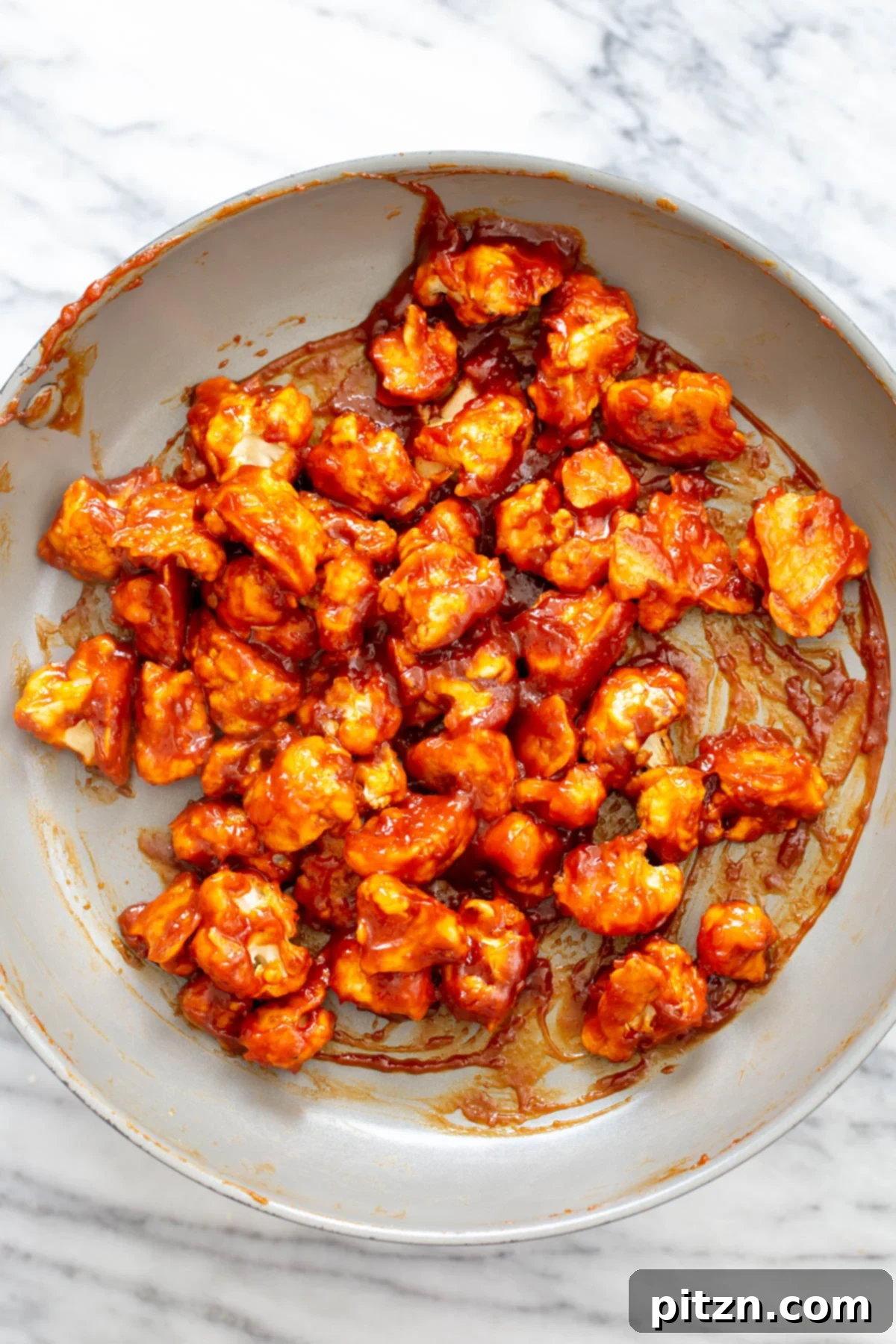
Once the cauliflower is baked and the sauce is ready, add the hot, crispy cauliflower florets directly into the skillet with the Gochujang sauce. Toss everything together gently using a spatula or tongs, ensuring every piece of cauliflower is thoroughly coated in the rich, sticky sauce. Garnish generously with fresh green onions and a sprinkle of sesame seeds, if desired. Serve immediately with a side of steamed rice, noodles, or in refreshing lettuce cups for a complete and flavorful meal.
Video
Notes
Gochujang: While Gochujang offers a unique flavor, if unavailable, you can experiment with other Asian chili sauces, though the taste profile will shift. For a milder version, reduce the amount of Gochujang to 1/4 to 1/3 cup.
Rice Flour: For a slightly less crispy but still delicious coating, all-purpose flour can be used as a substitute. Keep in mind it will alter the texture slightly.
Soy Sauce: Ensure you use tamari for a fully gluten-free dish. Regular soy sauce contains wheat.
Starch: Both tapioca starch and cornstarch work effectively to create that desirable crispiness in the batter.
Flavor Boosters: Consider adding a teaspoon of grated fresh ginger or a pinch of red pepper flakes to the sauce for an extra layer of warmth and spice.
Protein Variation: This recipe can also be made with pressed and torn 14 oz extra-firm tofu for a different texture and protein boost. Simply follow the same batter and baking instructions. Mushrooms (like oyster or king oyster) also make a fantastic substitute.
Key Tips for Perfect Gochujang Cauliflower Wings:
Prep Ahead: Have all your cauliflower florets ready and neatly chopped before you start mixing the batter. The batter thickens quite rapidly, so you’ll want to toss the cauliflower in immediately after preparing it to ensure an even coating.
Single Layer Baking is Crucial: When transferring the battered cauliflower to the baking sheet, arrange them in a single layer with sufficient space between each floret. Overcrowding the pan will cause the cauliflower to steam instead of crisp, resulting in a soggy texture. This separation is key for achieving that golden, crunchy exterior.
Storage and Reheating Best Practices:
Storage: Store any leftover Gochujang Cauliflower Wings in an airtight container in the refrigerator for up to 3 days.
Reheating: For the best results, reheat your leftovers in a preheated oven at 350° F (175° C) or in a pan on the stovetop over medium heat until warmed through and re-crisped.
Avoid the Microwave: Do NOT reheat these cauliflower wings in the microwave. The microwave heat will unfortunately turn the crispy batter into a mushy, undesirable texture.
Nutrition
Nutrition information is automatically calculated, so should only be used as an approximation.
Did you make this recipe? Rate and comment below!
Decoding the Ingredients for Our Gochujang Cauliflower
Understanding each component of this dish helps in appreciating its unique flavor and texture profile, as well as making informed substitutions if needed:
- Cauliflower Coating: This crispy layer is key to the “wing” experience.
- Rice Flour: Provides an exceptionally light and crispy texture, superior to many other flours for this application. It’s also naturally gluten-free.
- Tapioca Starch (or Cornstarch): Enhances the crispiness further and helps the batter adhere to the cauliflower florets.
- Garlic Powder, Salt, and Pepper: These foundational seasonings infuse the cauliflower with savory flavor right from the start.
- Water, Oil, and Sesame Oil: Form the liquid base of the batter, ensuring it’s smooth and coats evenly. Sesame oil adds a subtle nutty aroma and flavor.
- Cauliflower: The star of the show, cut into bite-sized florets to maximize surface area for crisping and sauce adherence.
- Gochujang Sauce: The heart of the dish, delivering its signature sweet, spicy, and umami notes.
- Gochujang: The fermented Korean red chili paste responsible for the dish’s distinctive heat and depth. Adjust the quantity to control spice level.
- Soy Sauce (or Tamari): Adds a crucial salty, umami component. Use tamari for a gluten-free version.
- Maple Syrup: Balances the spice and savory elements with natural sweetness, contributing to the glossy finish.
- Salt: Further seasons the sauce, enhancing overall flavor.
- Rice Vinegar (or Apple Cider Vinegar): Provides a bright, tangy counterpoint that cuts through the richness of the sauce.
- Cornstarch mixed with Water (Slurry): This simple mixture is vital for thickening the sauce to the perfect consistency, ensuring it beautifully clings to the cauliflower.
- Garnish: Fresh green onions and toasted sesame seeds are traditional and add a lovely visual appeal, fresh aroma, and a slight textural crunch.
Pro Tips for Perfectly Crispy Gochujang Cauliflower Wings
- Timing is Everything with the Batter: Ensure your cauliflower is prepped and ready to go before you even think about mixing the batter. The batter, especially with rice flour and starch, can thicken very quickly. You’ll want to toss the cauliflower in immediately after the batter is mixed to ensure a smooth, even coating before it becomes too thick to work with.
- Give Them Space: When spreading the battered cauliflower onto the baking sheet, arrange them in a single layer with a little breathing room between each floret. This prevents them from steaming and encourages air circulation, which is crucial for achieving that irresistible crispy exterior. If florets are touching, they’ll stick together and won’t get as crispy.
- Even Florets for Even Cooking: Try to chop your cauliflower into roughly equal-sized florets. This ensures they cook evenly in the oven, preventing some pieces from being undercooked while others are perfectly tender-crisp.
- Adjust the Heat: Gochujang comes in various spice levels, and your preference might differ. If you prefer a milder flavor, start with less Gochujang (e.g., 1/4 to 1/3 cup) and adjust to taste. For an extra kick, a pinch of red pepper flakes can be added to the sauce.
How to Prepare Gochujang Cauliflower Wings: A Step-by-Step Guide
Let’s walk through the simple steps to create these wonderfully flavorful and crispy Gochujang Cauliflower Wings:
First, begin by preparing your cauliflower. Wash and pat dry a small head of cauliflower, then carefully cut it into uniform, bite-sized florets. This ensures even cooking and perfect portions for “wings.” Gather all your ingredients for both the batter and the Gochujang sauce, having them measured and ready to use.
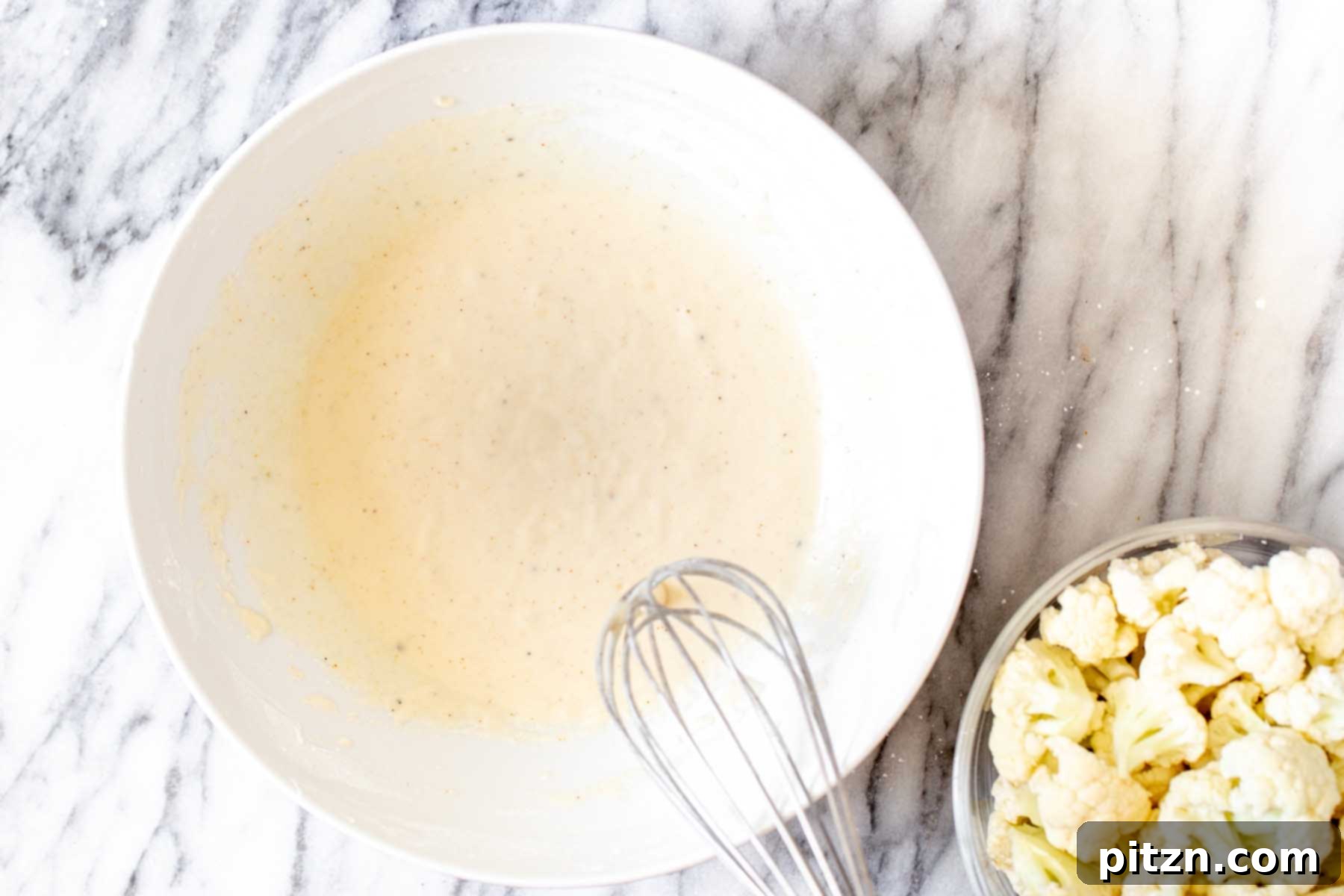
Next, prepare the crispy coating for the cauliflower. In a large mixing bowl, combine the dry ingredients for the batter: rice flour, tapioca starch (or cornstarch), garlic powder, salt, and black pepper. Whisk them together thoroughly until uniformly blended. Then, pour in the wet ingredients—water, regular oil, and sesame oil—and whisk continuously until you achieve a smooth, lump-free batter. It should be thick enough to cling to the cauliflower without being overly gloppy.
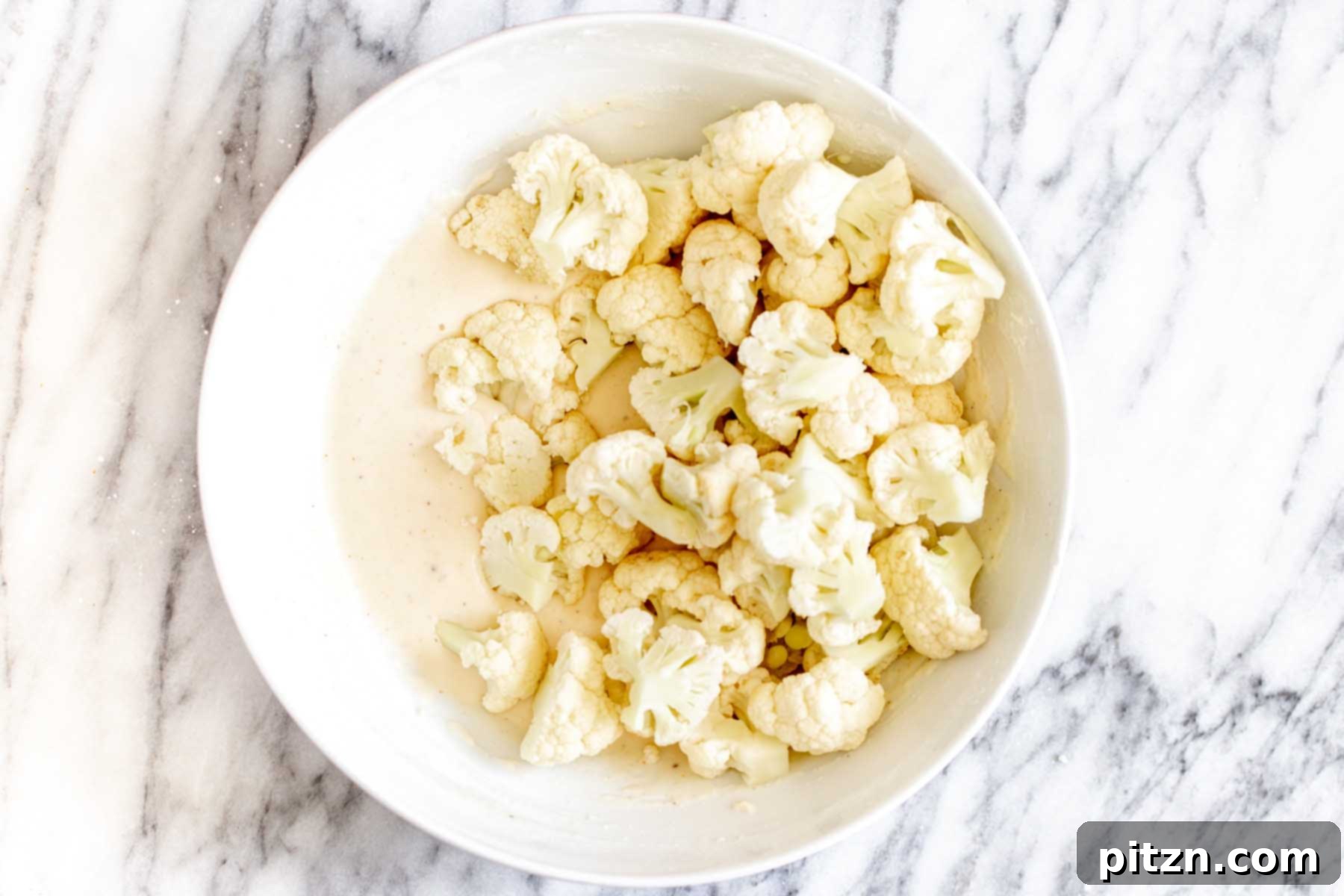
Now, it’s time to coat the cauliflower. Add the cauliflower florets into the bowl with the batter. Using a spatula or your hands, gently toss and mix until each floret is thoroughly coated in the batter. Remember, the batter can thicken as it sits, so work quickly to ensure even coverage across all the cauliflower pieces.
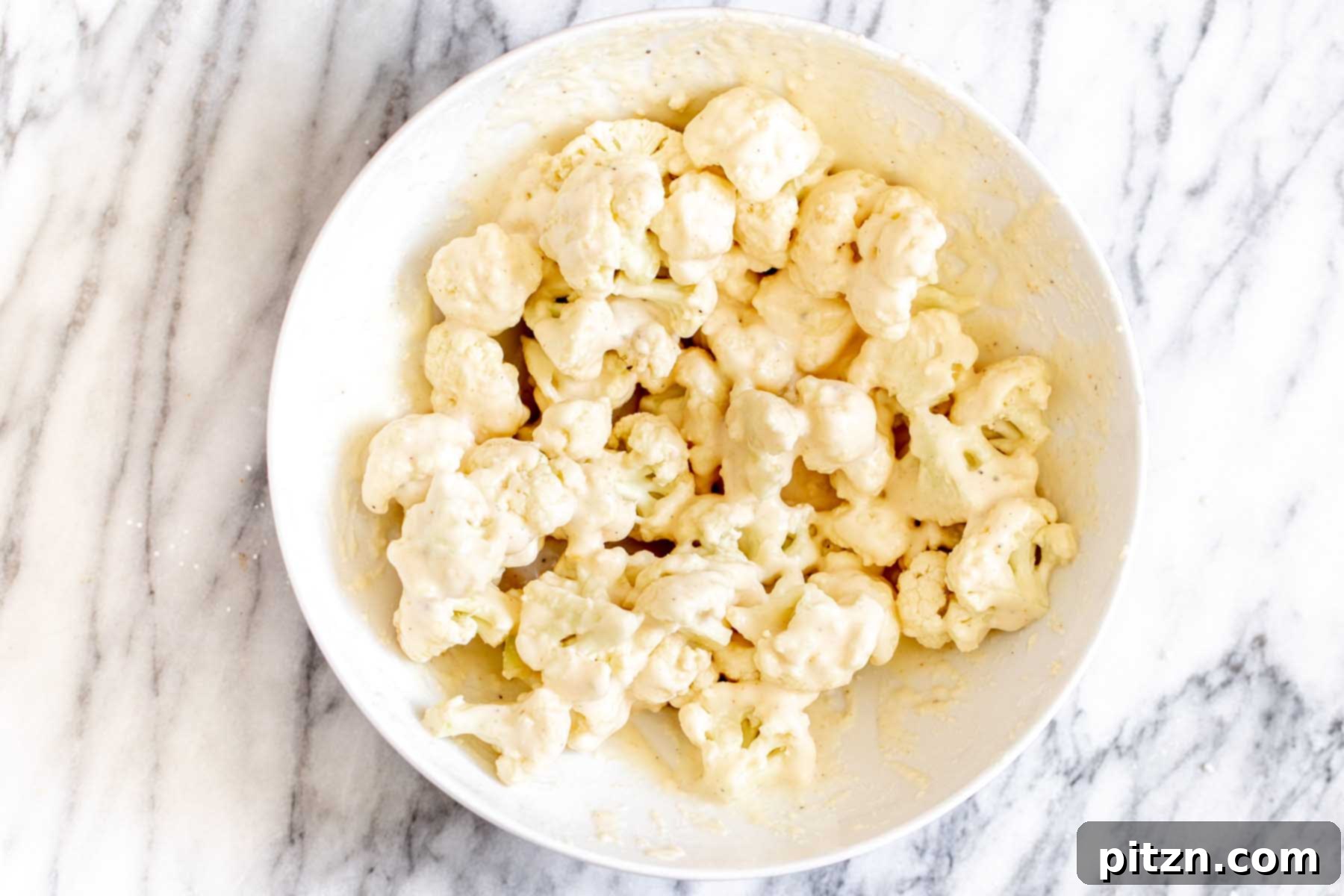
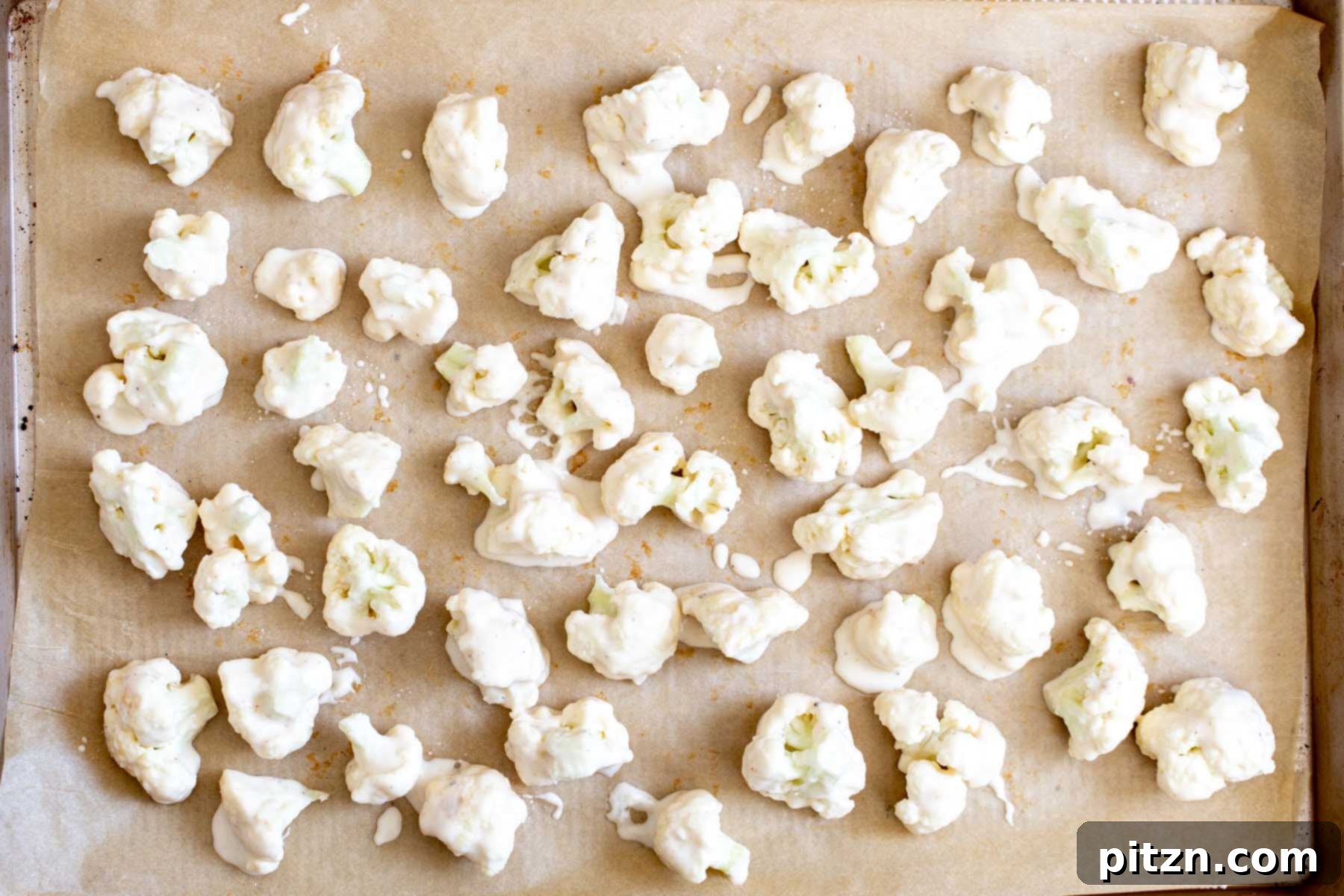
Preheat your oven to 425°F (220°C) and line a baking sheet with parchment paper. Transfer the battered cauliflower florets onto the prepared baking sheet, spreading them out in a single layer. Ensure none of the florets are touching each other; this is critical for achieving maximum crispiness. Bake for 30 minutes, or until the cauliflower is tender on the inside and beautifully golden-brown and crispy on the outside.
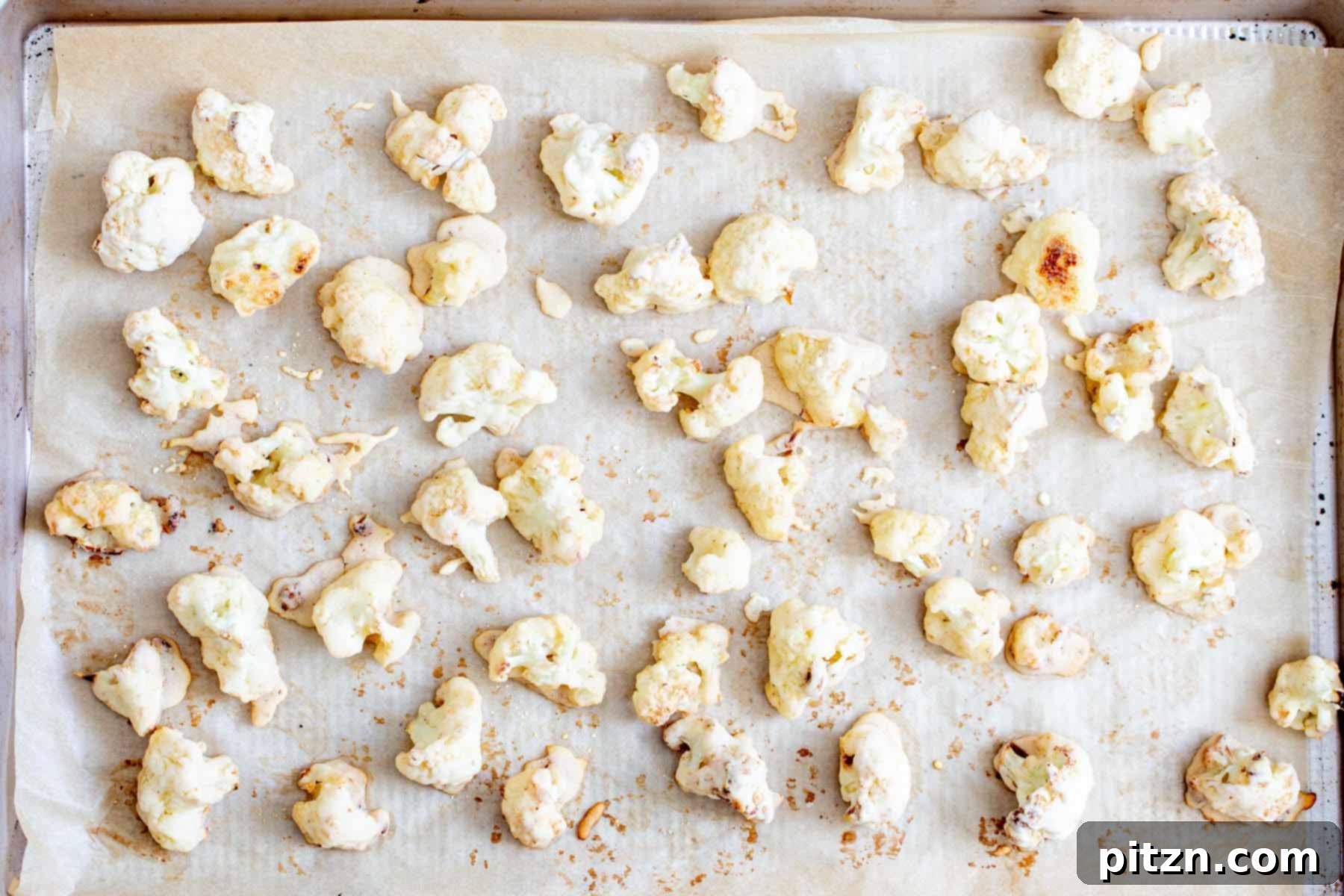
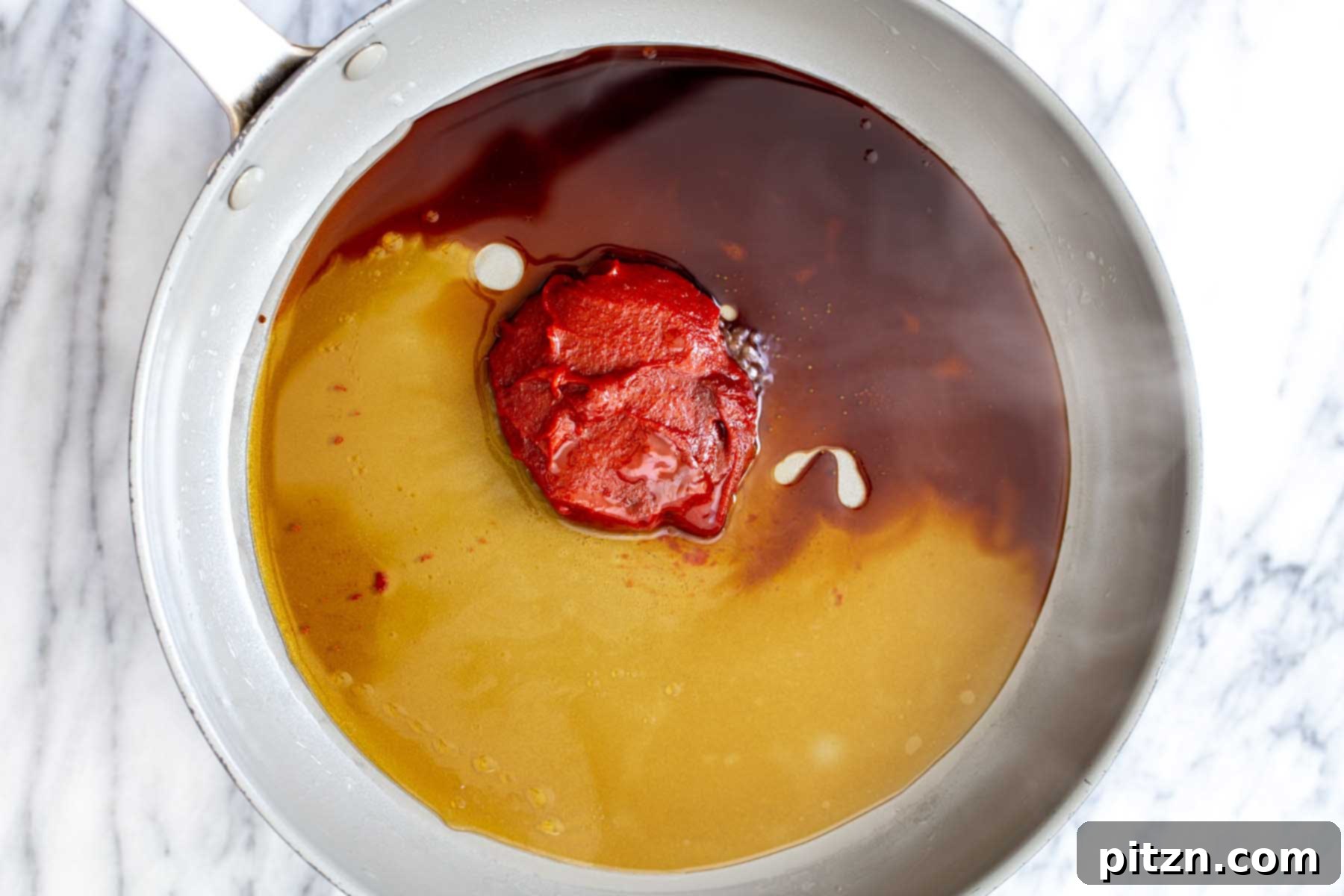
While your cauliflower bakes to perfection, prepare the star of the show: the sweet and spicy Gochujang sauce. In a large skillet set over medium heat, combine the Gochujang, soy sauce (or tamari), maple syrup, salt, and rice vinegar (or apple cider vinegar). Whisk these ingredients together thoroughly until they are well blended and begin to simmer gently.
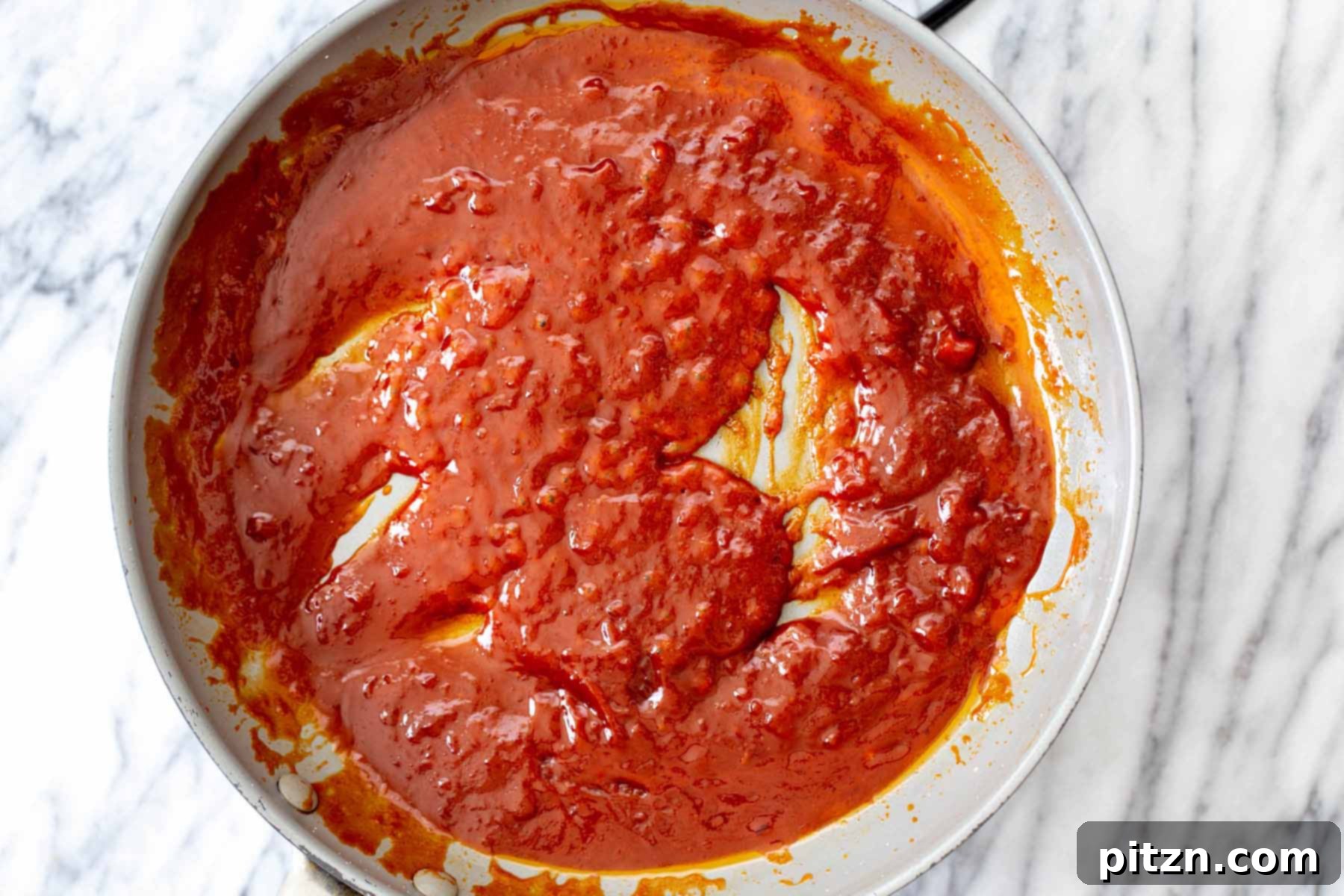
To thicken the sauce, mix one teaspoon of cornstarch with a quarter cup of cold water in a small bowl to create a smooth slurry. Pour this cornstarch mixture into the simmering sauce in the skillet, stirring continuously. As you stir, you’ll notice the sauce quickly thicken to a beautiful, glossy consistency. As soon as it reaches your desired thickness, remove the pan from the heat immediately to prevent it from becoming too dense.
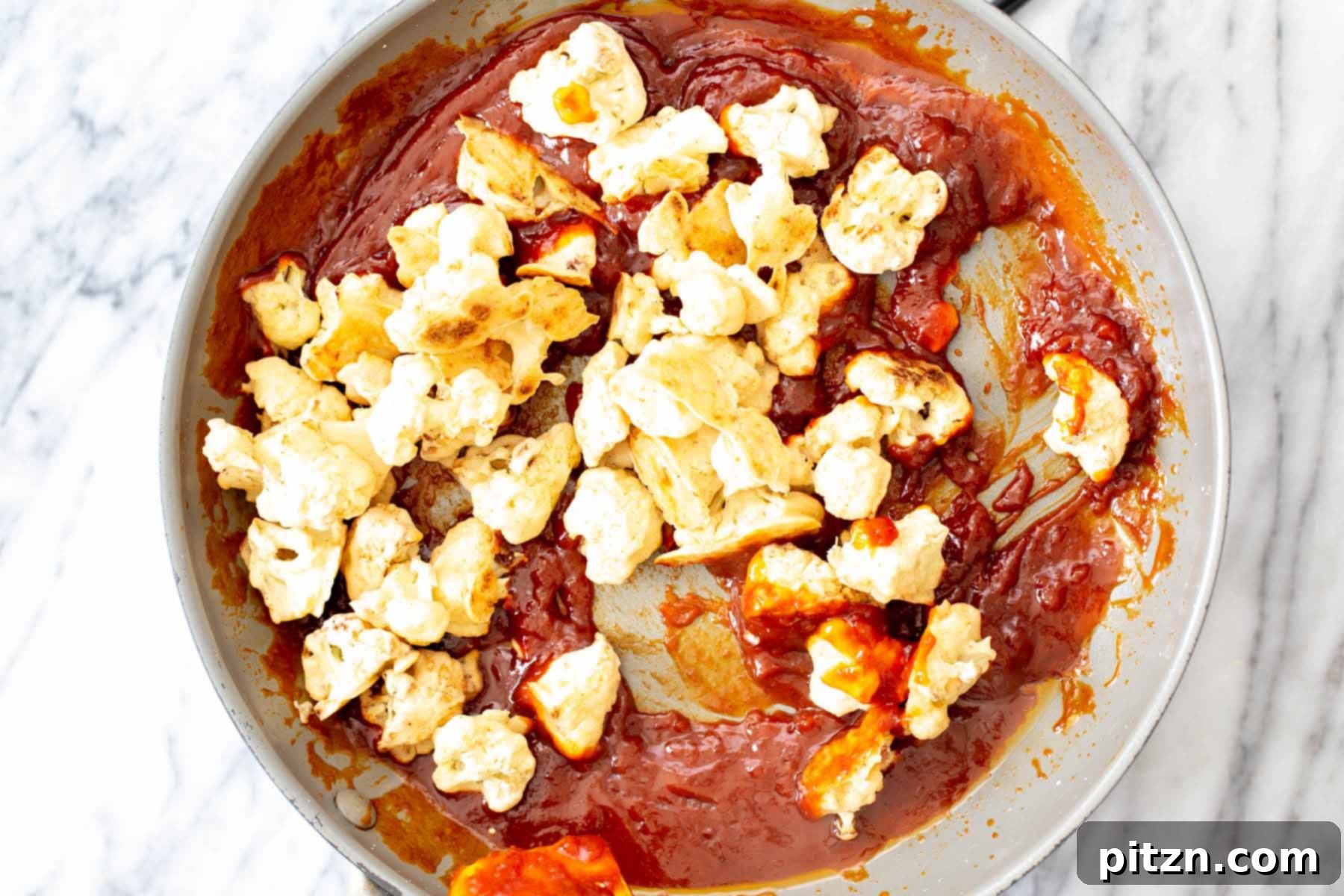
Finally, the moment of truth! Add the hot, freshly baked cauliflower directly into the skillet with the prepared Gochujang sauce. Using tongs or a spatula, gently toss the cauliflower to ensure every single piece is thoroughly coated in the rich, sticky, and intensely flavorful sauce. The heat from the cauliflower will help the sauce adhere beautifully.
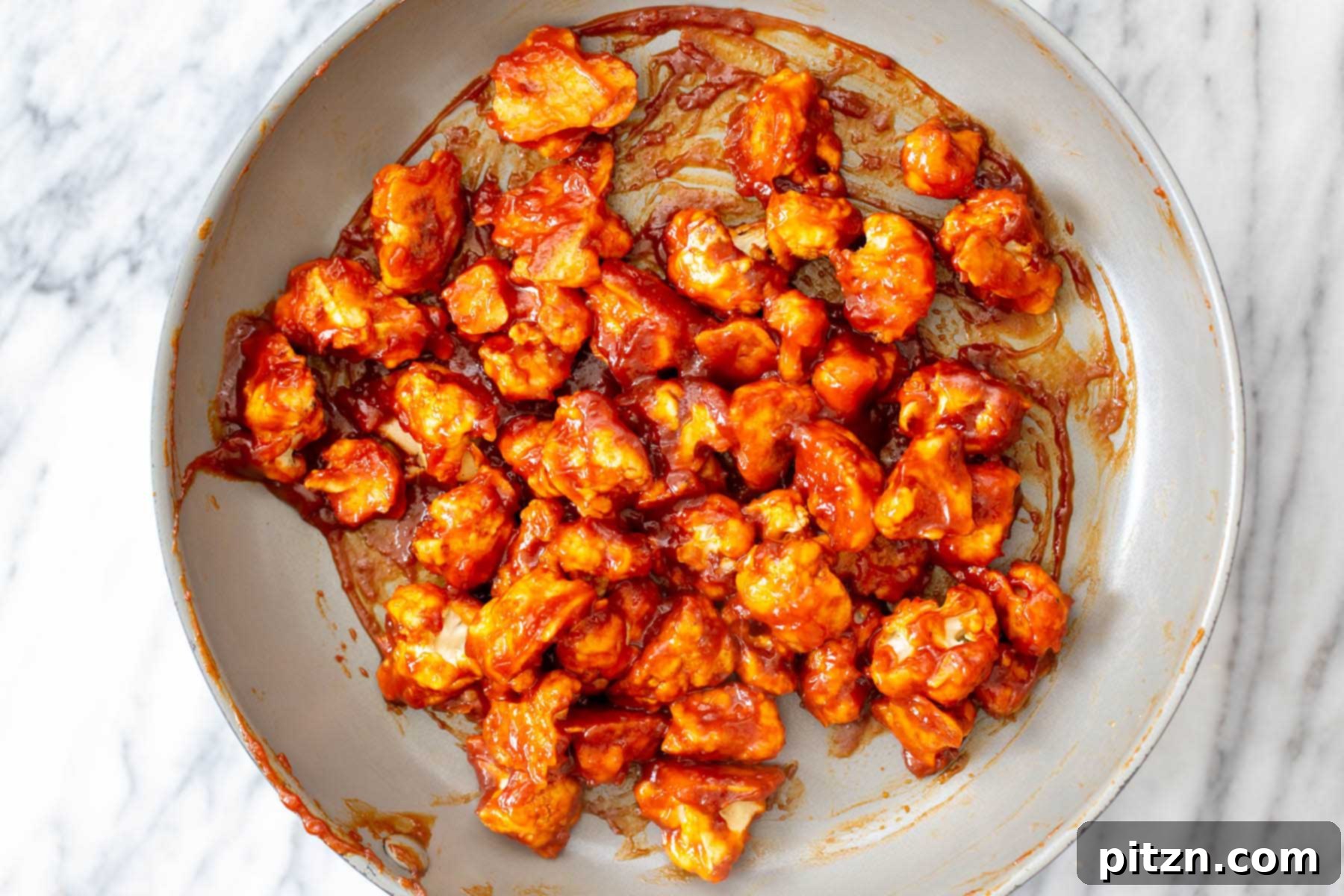
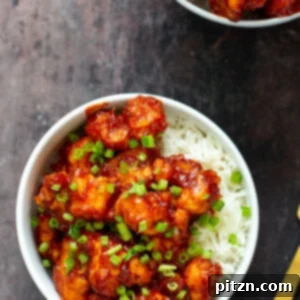
Garnish your finished Gochujang Cauliflower Wings with a generous sprinkle of chopped green onions and sesame seeds, if you like. The fresh green onions add a pop of color and a mild oniony bite, while sesame seeds offer a nutty crunch. Serve these irresistible wings immediately with a side of fluffy steamed rice, perfectly cooked noodles, or in crisp lettuce cups for a fresh, lighter meal.
Serving Suggestions for Your Gochujang Cauliflower Wings
These versatile Gochujang Cauliflower Wings are fantastic on their own, but they truly shine when paired with complementary sides. For a complete and satisfying meal, consider serving them alongside:
- Steamed Rice: A classic pairing, white or brown rice provides a comforting base to soak up all the delicious sauce.
- Noodles: Toss them with stir-fried noodles or serve over a bed of ramen or rice vermicelli.
- Lettuce Wraps: For a lighter, fresher option, serve the wings in crisp lettuce cups, perhaps with some shredded carrots or cucumber for added crunch.
- Quinoa or Other Grains: A healthy alternative to rice, adding extra protein and fiber.
- Steamed or Roasted Vegetables: Broccoli, snap peas, or bell peppers make great companions, adding more nutrients and color.
- Korean Banchan (Side Dishes): Elevate your meal with traditional Korean side dishes like kimchi, pickled radishes, or seasoned spinach.
- As an Appetizer: Arrange them on a platter with toothpicks for an easy, crowd-pleasing party snack.
Storage and Reheating Tips
While these Gochujang Cauliflower Wings are best enjoyed fresh and hot, you can store any leftovers to savor later. Place them in an airtight container and refrigerate for up to 3 days. When reheating, remember the golden rule: avoid the microwave! Microwaving will turn the beautifully crispy coating into an unappetizingly mushy texture. Instead, opt for reheating in a preheated oven at 350°F (175°C) until warmed through and the crispiness is revived, or warm them gently in a pan on the stovetop over medium heat.