

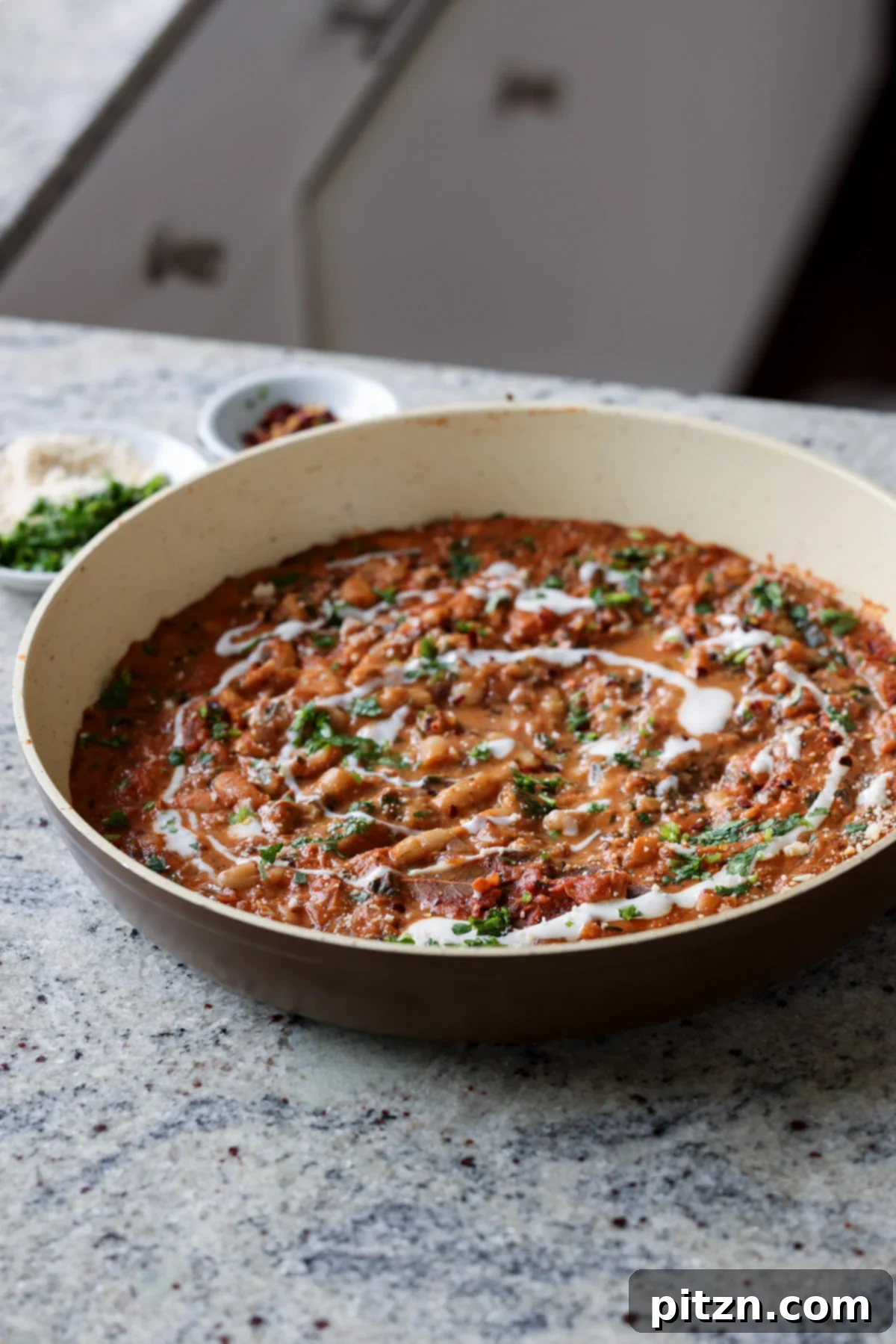
Embark on a culinary journey to the bustling highways of North India with this delightful Dhaba White Bean Curry. This recipe reimagines the beloved Dhaba-style “Chikin” curry into a vibrant, meatless masterpiece, showcasing the incredible versatility and depth of traditional Indian flavors. At its heart lies an aromatic cumin-onion sauce, so rich and complex, it beautifully complements any protein or vegetable you choose. Best of all, this incredibly flavorful dish comes together effortlessly in just one pan, ready to savor in less than half an hour. It’s not just delicious; it’s also naturally gluten-free, nut-free, and easily adaptable to be soy-free, making it a perfect meal for diverse dietary needs.
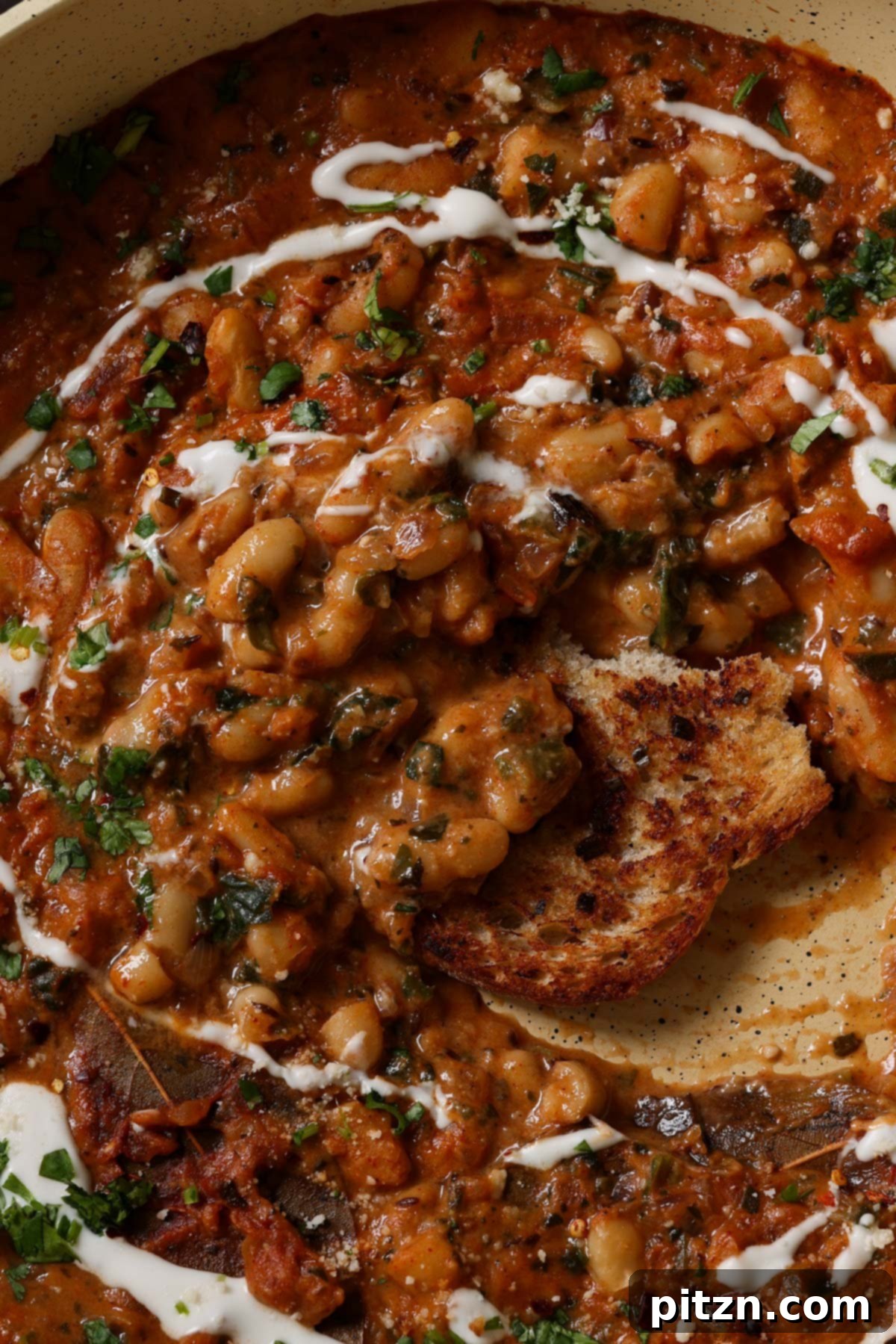
Table of Contents
- Why You’ll Love This Dhaba White Bean Curry
- The Story Behind Dhaba Cuisine
- Dhaba White Beans (North Indian Cumin Onion Sauce Bean Curry) Recipe
- Ingredients and Flavor Profiling
- 💡 Pro Tips for a Perfect Dhaba Curry
- Step-by-Step Guide: How to Make Dhaba White Beans
- Serving Suggestions
- Storage and Reheating
- Frequently Asked Questions
North Indian cuisine is renowned for its rich and diverse flavors, with many culinary gems found in humble, roadside restaurants known as “Dhabas.” These eateries, often catering to truckers and travelers, serve hearty, rustic meals that have become iconic. Dishes like Dhaba Chicken Curry, Dhaba Chicken Masala, or Dhaba Paneer Masala are signature offerings, each restaurant boasting its unique twist on the classic recipes. The secret to their allure lies in the incredible sauces – deeply flavorful, aromatic, and often naturally close to vegan with their base of spices, fresh aromatics, onions, and tomatoes.
Inspired by these authentic flavors, we’ve crafted this delectable Dhaba White Bean Curry. We’ve taken that amazing, spice-laden sauce, traditionally enjoyed with meat, and paired it with nutritious white beans to create a satisfying and wholesome plant-based meal. The result is a curry that captures the essence of Dhaba cooking – robust, comforting, and utterly delicious – all while being entirely vegan.
The term “Dhaba” itself stems from the word “dabba,” which loosely translates to “lunchbox.” This culinary style initially emerged to provide quick, energizing meals for truckers traversing long routes across India. Over time, Dhabas evolved into beloved cultural landmarks, becoming essential stops for anyone seeking an authentic taste of local cuisine. The food served is characteristically rustic, deeply flavorful, and celebrates the power of fresh spices and expertly crafted sauces, offering a true taste of regional Indian hospitality.
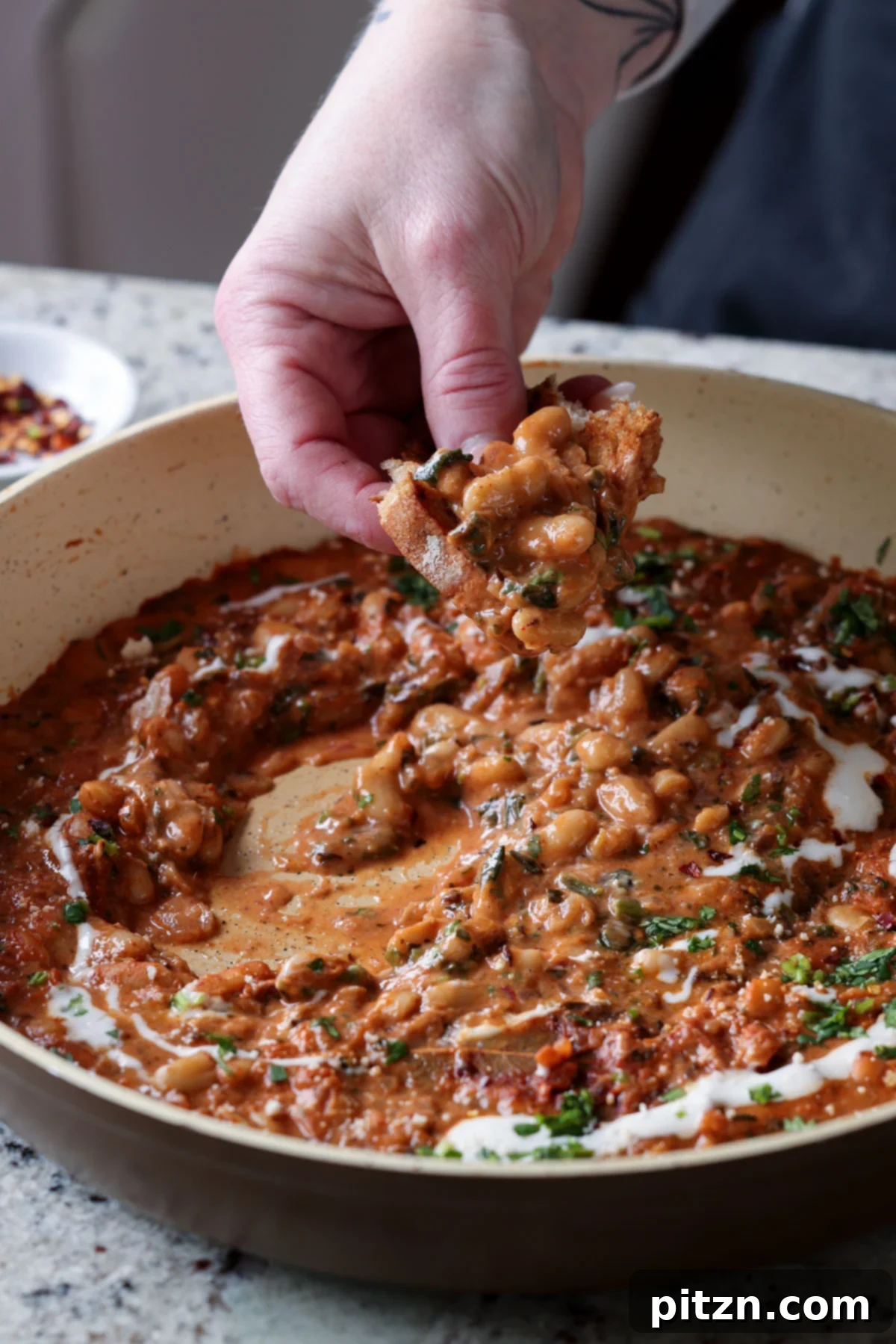
The magic of this curry lies in its meticulously layered flavor profile, built from both whole and ground spices. Fragrant cumin seeds are toasted to release their earthy aroma, followed by the warmth of coriander, the complex blend of garam masala, and the subtle bitterness of fenugreek. These spices meld together in a luxurious, tomato-infused, and subtly creamy sauce, creating a dish that is not just flavorful but truly addictive. Each spoonful offers a harmonious balance of savory, aromatic, and mildly spicy notes that dance on your palate.
Our Dhaba White Bean Curry is a testament to how incredible vegan food can be, proving that you don’t need meat to create a dish bursting with authentic Indian flavor. By substituting white beans for traditional meat, we’ve created a plant-based version that is every bit as delicious and satisfying as its non-vegetarian counterpart. This recipe is designed for ease and efficiency, requiring just one pan and a few simple steps from start to finish. For those looking to boost the protein content or add another layer of texture, consider incorporating crisped-up tofu, cooked lentils, or your favorite plant-based protein for a truly exceptional weeknight meal.
Why You’ll Love This Dhaba White Bean Curry
- Unforgettable Flavor: Experience the incredible, fragrant sauce characteristic of traditional Dhaba cuisine, now perfectly paired with tender, protein-rich white beans for a satisfying depth of flavor.
- Effortless One-Pan Cooking: Say goodbye to extensive cleanup! This entire dish comes together in a single pan, making it ideal for busy weeknights and simplifying your kitchen routine.
- Speedy Preparation: From start to finish, this flavorful curry is ready in approximately 25 minutes, proving that delicious, wholesome meals don’t have to take hours to prepare.
- High-Protein Main Dish: Packed with nutritious white beans, this curry offers a substantial protein boost, keeping you full and energized. It’s a fantastic plant-based alternative that doesn’t compromise on nutrition.
- Allergy-Friendly: Designed with dietary considerations in mind, this recipe is naturally gluten-free. With mindful choices for non-dairy yogurt, it can easily be made completely soy-free and nut-free, catering to a wide range of dietary needs.
Explore More North Indian Favorites
If you’ve enjoyed the rich flavors of this Dhaba White Bean Curry, you’re sure to love these other popular North Indian dishes:
- Vegan Adraki Chicken
- Aloo Gobi
- Punjabi Dal Fry
- Sabut Moong Dal
- White Beans Do Pyaza
Dhaba White Beans (North Indian Cumin Onion Sauce Bean Curry)

Print Recipe
This Dhaba White Bean Curry offers a delicious meatless take on the popular North Indian Dhaba “Chikin” curry. The incredibly flavorful cumin-onion sauce, rich with traditional spices, pairs perfectly with tender white beans. This hearty and satisfying dish comes together quickly in just one pan, making it an ideal choice for a wholesome meal in under 30 minutes. Enjoy the authentic taste of Indian roadside cuisine, reimagined for a plant-based diet.
Ingredients
- 2 teaspoons oil
- 1/2 teaspoon cumin seeds
- 2 bay leaves
- 1″ cinnamon stick
- 1 1/2 cups chopped red onion
- 1/4 teaspoon salt
- 1 tablespoon ground coriander
- 1 teaspoon Kashmiri chili powder, or use paprika for milder heat
- 1 teaspoon garam masala, (or use a mix of 1/2 teaspoon each ground coriander, ground cumin, and generous pinches of cardamom, cinnamon, black pepper)
- 1/2 teaspoon dried fenugreek leaves, (Kasuri methi)
- 2 tablespoons ginger garlic paste, (or 4 cloves garlic minced, 1/2 inch ginger minced)
- 1 tablespoon tomato paste
- 1/4 cup non-dairy yogurt, (use soy-free and/or nut-free if needed; non-dairy cream like cashew or coconut cream can be substituted)
- 1/4 teaspoon salt (adjust to taste)
- 1 cup water, (or vegetable stock for added depth)
- 15 ounce can of white beans, drained (such as butter beans, cannellini beans, or great northern beans). Approximately 1.5 cups cooked beans. Cooked lentils or crisped tofu can also be used.
- 1/4 cup frozen spinach, thawed and squeezed of excess water
- Red pepper flakes, fresh cilantro, and a drizzle of non-dairy yogurt or cashew cream, for garnish
Instructions
-
Bloom the Spices: Heat a large skillet or deep pan over medium heat, then add the oil. Once the oil shimmers, add the cumin seeds. Cook them gently, stirring frequently, until they darken significantly and release a wonderfully fragrant, toasted aroma. This process typically takes between 1 to 3 minutes, depending on your pan and stove heat. Be careful not to burn them, as this can make the curry bitter.
-
Sauté Aromatics: Add the bay leaves and cinnamon stick to the pan and stir for a few seconds to infuse the oil. Immediately after, add the chopped red onion and the initial 1/4 teaspoon of salt. Sauté the onions, stirring regularly, until they turn golden or mostly golden brown. This browning step is crucial for developing the rich, sweet, and savory base of your curry, and it usually takes 5 to 8 minutes. If the onions start to stick or dry out, add small splashes of water (about 1-2 tablespoons at a time) to help them cook evenly and prevent scorching.
-
Layer the Ground Spices: Once the onions are beautifully caramelized, add all of the remaining ground spices: ground coriander, Kashmiri chili powder (or paprika), garam masala, and dried fenugreek leaves (Kasuri methi). Stir constantly for about 1 minute. This short cooking time allows the ground spices to toast slightly, enhancing their flavor and aroma without burning.
-
Build the Sauce: Stir in the ginger garlic paste and cook for another 30 seconds until fragrant. Then, incorporate the tomato paste and non-dairy yogurt, mixing thoroughly until everything is well combined and the yogurt is fully integrated into the sauce. Bring the mixture to a gentle boil, then add the remaining 1/4 teaspoon of salt (or to taste) and the water (or vegetable stock). Bring it to a boil again, then reduce the heat to a simmer. Stir in the drained white beans and thawed spinach. Cover the pan and let it simmer for 3 to 5 minutes, allowing the flavors to meld and the beans to warm through. Taste the curry and adjust the salt and any other seasonings as needed to achieve your desired flavor balance.
-
Garnish and Serve: Ladle the warm Dhaba White Bean Curry into serving bowls. Garnish generously with a sprinkle of red pepper flakes for a touch of heat, fresh cilantro for brightness, and a drizzle of non-dairy yogurt or your chosen vegan cream (like cashew cream) for a creamy finish. This versatile curry is fantastic served with traditional Indian accompaniments such as warm roti or fluffy naan bread, or alongside a mound of basmati rice. For a delightful fusion twist, you can even spoon it over toasted sourdough bread or your favorite pasta.
Video
Notes & Adaptations
Gluten-Free: This recipe is naturally gluten-free, making it a safe and delicious option for those avoiding gluten.
Soy-Free: To ensure this curry is entirely soy-free, simply use a non-dairy yogurt that is specifically labeled soy-free (e.g., coconut yogurt, oat yogurt, or almond yogurt if not avoiding nuts).
Nut-Free: For a completely nut-free version, select a non-dairy yogurt that is free from nuts (e.g., soy-free coconut yogurt or oat yogurt). Avoid cashew cream for garnish if strictly nut-free.
Oil-Free Preparation: To make this recipe oil-free, dry toast the cumin seeds in a hot skillet over medium heat until they are fragrant. Then, add the bay leaves, cinnamon stick, onion, and 2-3 tablespoons of vegetable stock. Sauté until the onions are golden, adding splashes of water or vegetable stock as needed to prevent sticking and aid in sautéing.
No Onion or Garlic Option: If you need to make this recipe without onion and garlic, replace the chopped onion with an equal amount of chopped zucchini or a mix of zucchini, celery, or fennel. Omit the garlic completely and add a generous pinch of asafoetida (hing) to compensate for the missing allium flavor, or increase the dried fenugreek leaves by 1/2 teaspoon.
Nutrition
Carbohydrates: 48g,
Protein: 16g,
Fat: 4g,
Saturated Fat: 0.4g,
Polyunsaturated Fat: 1g,
Monounsaturated Fat: 2g,
Sodium: 465mg,
Potassium: 1020mg,
Fiber: 12g,
Sugar: 6g,
Vitamin A: 331IU,
Vitamin C: 13mg,
Calcium: 201mg,
Iron: 6mg
Nutrition information is automatically calculated and should be used as an approximation. Actual values may vary based on ingredients and preparation methods.
Did you make this recipe? We’d love to hear your thoughts!
Share your experience and rate the recipe below. Your feedback helps us and other home cooks!
Key Ingredients and Flavor Profiling
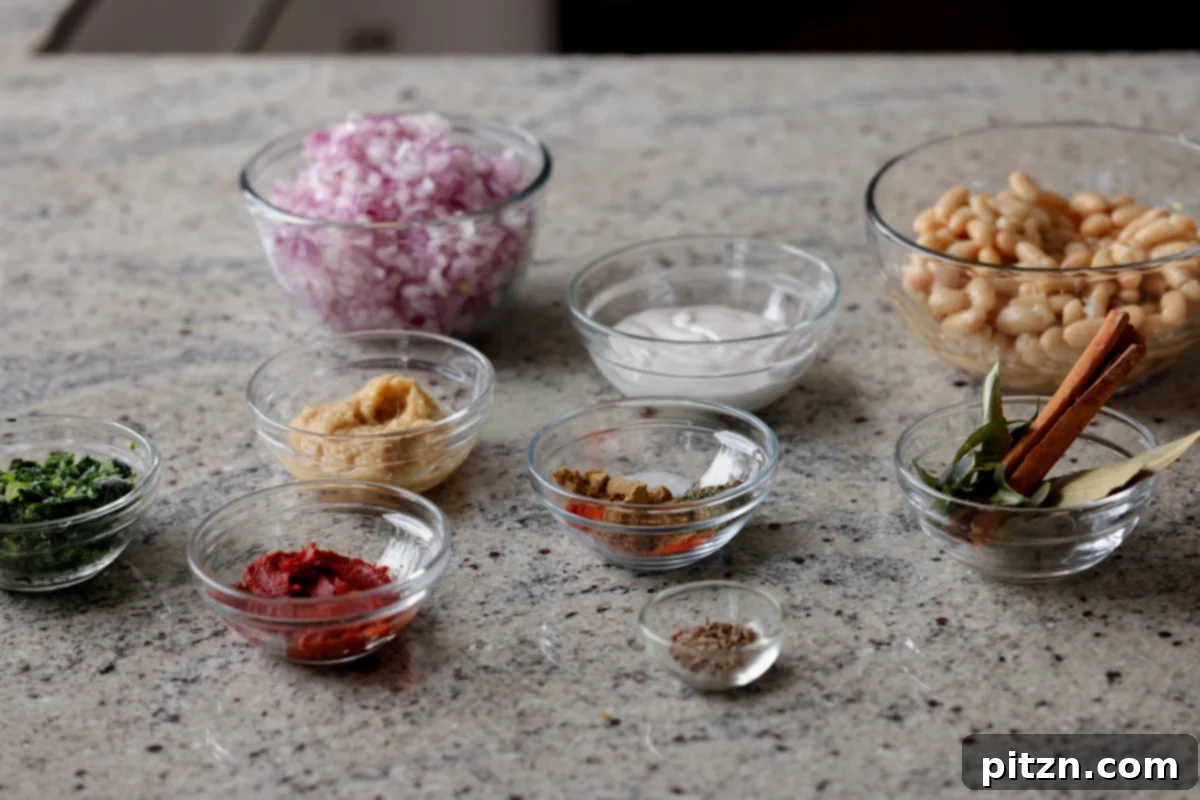
Crafting an authentic Dhaba-style curry relies on a balanced blend of fresh and dried spices, combined with essential aromatic components. Here’s a closer look at the ingredients that bring this Dhaba White Bean Curry to life and how you can adapt them:
- Oil: A good quality cooking oil (such as canola, sunflower, or avocado oil) is essential for toasting the whole spices and sautéing the aromatics. It serves as the base, helping to extract and carry the flavors throughout the dish.
- Whole Spices – The Aromatic Foundation:
- Cumin Seeds: These are the backbone of many North Indian curries. When toasted, they release a warm, earthy, and slightly nutty aroma that is fundamental to the Dhaba flavor.
- Bay Leaves: Adding a subtle, herbaceous, and slightly floral note, bay leaves contribute to the complexity of the spice blend.
- Cinnamon Stick: A small piece of cinnamon infuses the oil with a sweet and woody warmth, providing a counterpoint to the savory spices.
These whole spices form the initial layer of flavor, blooming in the hot oil to create a fragrant base before other ingredients are added.
- Onion – The Sweet and Savory Base: Chopped red onion is crucial for creating the body and sweetness of the sauce. Sautéing it until deeply golden caramelizes its natural sugars, adding an incredible depth of umami and richness that cannot be replicated.
- Ground Spices – The Heart of the Curry:
- Ground Coriander: Earthy, sweet, and citrusy, ground coriander is a staple that balances the stronger flavors.
- Kashmiri Chili Powder (or Paprika): This vibrant chili powder adds a beautiful red color to the curry without excessive heat. If you prefer a milder curry, paprika is an excellent substitute, offering similar color with even less spice. For those who like more heat, a pinch of cayenne pepper can be added alongside.
- Garam Masala: A quintessential Indian spice blend, garam masala brings warmth, complexity, and a hint of sweetness. It’s typically added towards the end of cooking to preserve its delicate aromas.
- Dried Fenugreek Leaves (Kasuri Methi): These dried leaves offer a unique, slightly bitter, and aromatic flavor that is distinctive in North Indian cuisine. Rubbing them between your palms before adding helps to release their full aroma.
- Ginger Garlic Paste: This dynamic duo is a cornerstone of Indian cooking. Freshly made paste offers the best flavor, providing a pungent, spicy, and aromatic punch that elevates the entire dish.
- Tomato Paste: A concentrated burst of umami and tanginess, tomato paste deepens the color and richness of the sauce, providing a crucial acidic balance to the spices.
- Non-Dairy Yogurt: This ingredient is key to achieving the signature creamy texture of many Indian curries. It also adds a subtle tang that brightens the overall flavor. For allergy purposes, ensure you use a soy-free and/or nut-free variety if needed. Alternatively, non-dairy cream like cashew cream, coconut cream, or a rich oat cream can be used as a substitute for a similar creamy consistency.
- Water: Water or vegetable stock is used to adjust the consistency of the sauce, ensuring it’s neither too thick nor too thin, and allows all the flavors to meld beautifully. Vegetable stock can add an extra layer of savory depth.
- White Beans: The star protein of this vegan curry. Canned or cooked white beans (such as butter beans, cannellini beans, or great northern beans) are ideal for their creamy texture and ability to absorb the rich flavors of the sauce. Ensure they are well-drained before adding. If you prefer, cooked lentils or even pre-crisped tofu pieces make excellent alternatives, offering different textures and nutritional profiles.
- Spinach: Thawed frozen spinach adds a touch of green vegetable goodness, a subtle earthy flavor, and a nutritional boost to the curry. Fresh spinach can also be used; simply add it in batches as it wilts down.
- Garnishes: A final flourish of red pepper flakes adds a visual appeal and a hint of extra heat. Fresh cilantro provides a burst of fresh, herbal flavor and a vibrant green color. A final drizzle of non-dairy yogurt or cashew cream not only looks beautiful but also adds a cooling, creamy element that complements the spice.
💡 Pro Tips for a Perfect Dhaba Curry
- Don’t Rush the Spices: When roasting whole spices like cumin seeds, patience is key. Stir frequently to prevent burning, but allow them enough time (1-3 minutes) to darken significantly and become intensely fragrant. This blooming process releases their essential oils and is crucial for the curry’s foundational flavor.
- Perfectly Browned Onions are Essential: The browning of the onions is not just for color; it’s for flavor. Cook them until they are a deep golden brown, almost caramelized. This caramelization adds a deep, sweet, and umami richness that forms the backbone of the sauce. Don’t hesitate to add small splashes of water if they start to stick to help them cook evenly without burning.
- Adjust Spiciness to Your Palate: Kashmiri chili powder provides beautiful color with mild heat. If you prefer a spicier curry, you can add a pinch of cayenne pepper or a finely chopped green chili along with the ginger-garlic paste. For a milder version, stick to paprika.
- Ensure Freshness of Ginger-Garlic Paste: For the most vibrant flavor, use freshly made ginger-garlic paste. Pre-made pastes are convenient but may lack the fresh punch. If using pre-made, ensure it’s of good quality.
- Taste and Adjust: Always taste your curry before serving! Indian cooking is all about balance. Adjust salt, spice, and tanginess (perhaps with a squeeze of lemon or lime juice at the end) until it perfectly suits your preference.
- Versatility in Serving: This curry is incredibly versatile. You can go traditional with warm Indian flatbreads like roti or naan, or serve it alongside fluffy basmati rice. For a unique and delicious fusion experience, try spooning it over toasted sourdough bread or even your favorite pasta!
Step-by-Step Guide: How to Make Dhaba White Beans
Creating this flavorful Dhaba White Bean Curry is a straightforward process, broken down into easy-to-follow steps. Follow along to bring this North Indian delight to your kitchen.
Step 1: Bloom the Whole Spices
Heat a large, sturdy skillet or deep pan over medium heat. Once the pan is hot, add the cooking oil. When the oil is shimmering, carefully add the cumin seeds. Cook them gently, stirring continuously, until they transform in color, becoming visibly darker, and release an incredibly aromatic, toasted fragrance. This usually takes about 1 to 3 minutes. The exact time depends on your specific skillet and the intensity of your stove’s heat. This step is crucial as it awakens the flavor of the cumin, forming the aromatic foundation of your curry.

Step 2: Sauté Aromatics to Golden Perfection
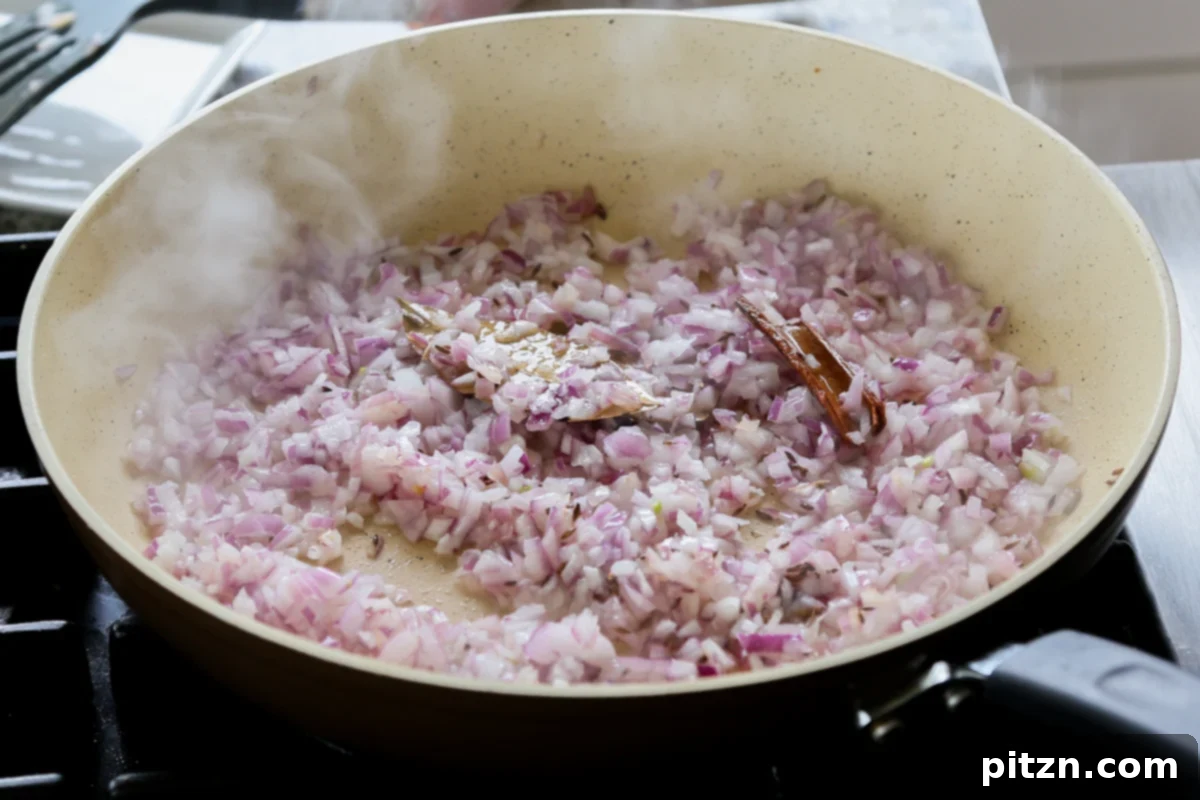
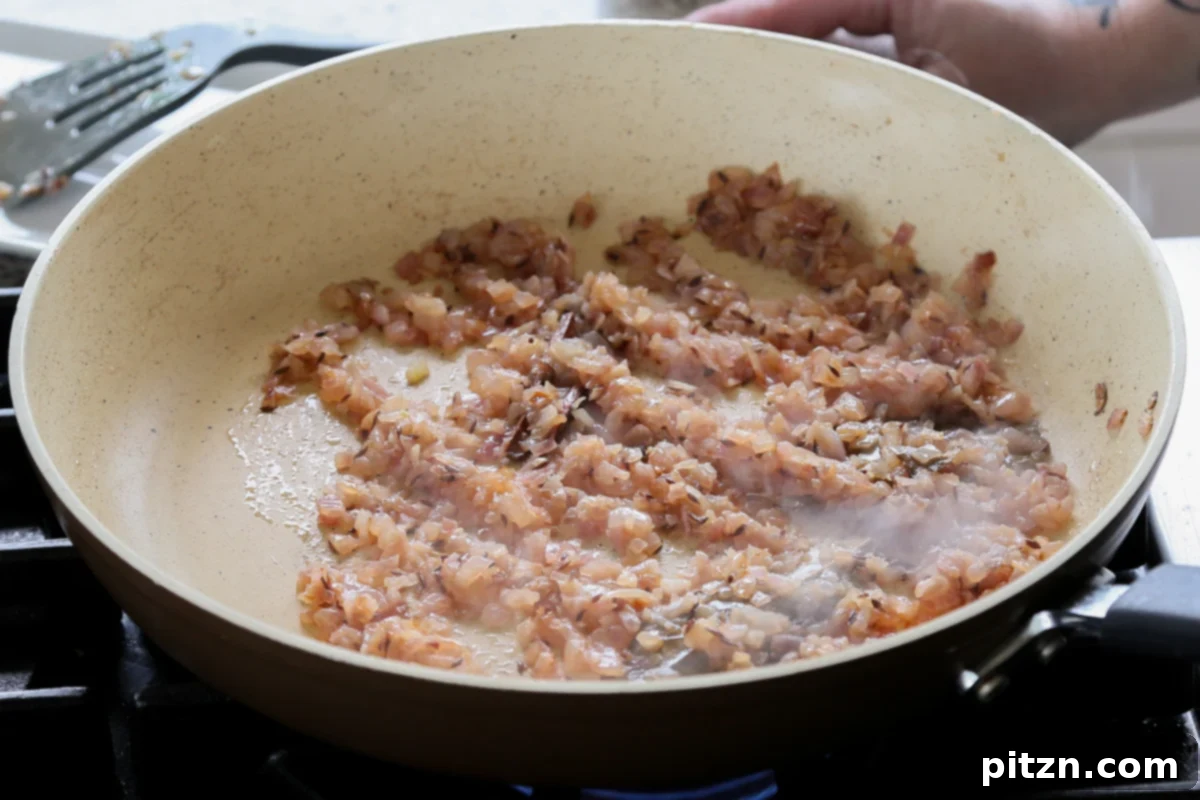
To the fragrant cumin seeds, add the bay leaves and cinnamon stick. Stir these whole spices for just a few seconds, allowing their essences to infuse the hot oil. Immediately afterward, introduce the chopped red onion and the initial 1/4 teaspoon of salt to the pan. Continue to cook, stirring regularly, until the onion achieves a beautiful golden or mostly golden-brown color. This browning process is vital, as it caramelizes the natural sugars in the onion, contributing significant depth and sweetness to your sauce. This step can take anywhere from 5 to 8 minutes. If the onions begin to stick to the bottom of the pan or appear dry, add small splashes of water (about 1-2 tablespoons at a time) to prevent burning and ensure even cooking.
Step 3: Toast the Ground Spices
Once your onions are perfectly golden, it’s time to add the next layer of flavor. Mix in all of the remaining ground spices: ground coriander, Kashmiri chili powder (or paprika), garam masala, and dried fenugreek leaves (Kasuri methi). Stir constantly for approximately one minute. This brief toasting period for the ground spices helps to intensify their flavors and aromas, ensuring they are fully integrated into the curry base without burning.


Step 4: Combine, Simmer, and Infuse Flavors
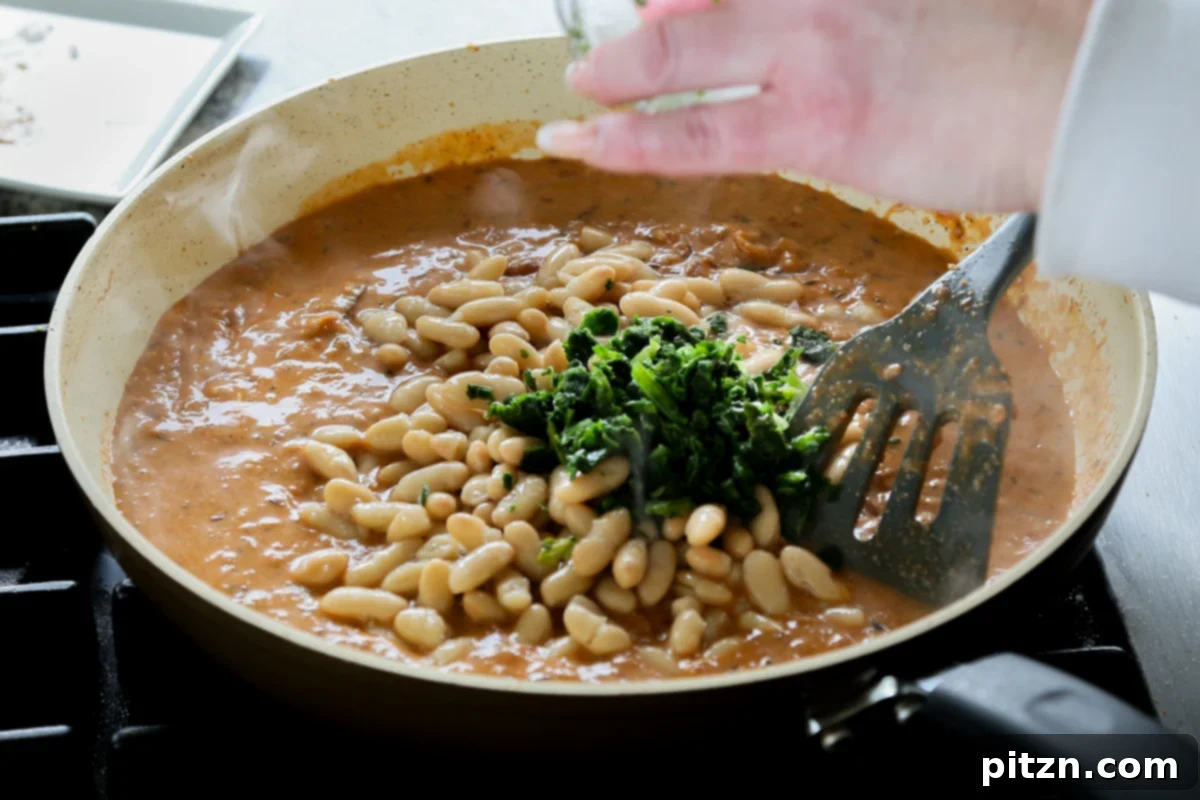
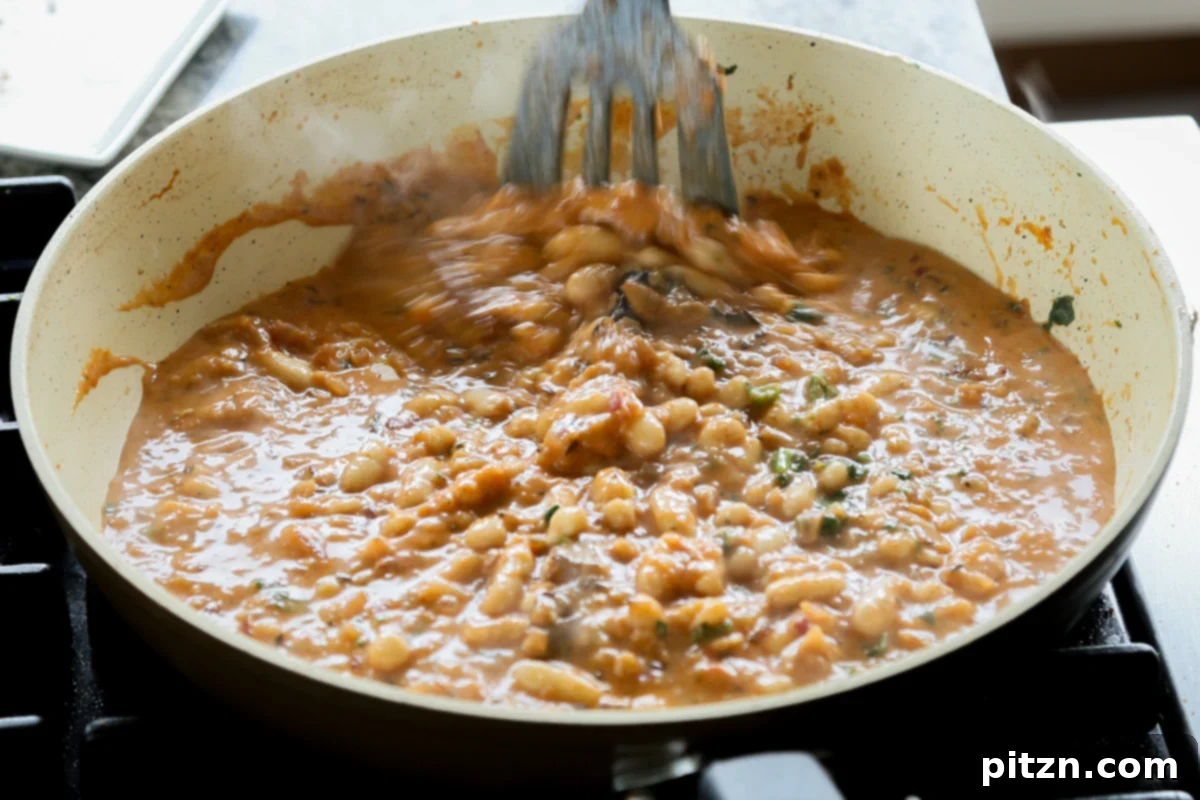
Now, add the ginger garlic paste to the pan and mix it in thoroughly, cooking for about 30 seconds until its raw aroma dissipates. Next, incorporate the tomato paste and non-dairy yogurt. Stir vigorously until these ingredients are fully combined, creating a thick, creamy, and vibrant sauce base. Bring this mixture to a gentle boil, then stir in the remaining 1/4 teaspoon of salt (or adjust to your taste preference) and the water (or vegetable stock). Allow it to return to a boil once more, then reduce the heat to a steady simmer. Gently fold in the drained white beans and thawed spinach. Cover the pan and let the curry simmer for 3 to 5 minutes, allowing all the distinct flavors to meld together beautifully and the beans to absorb the rich sauce. After simmering, taste the curry and make any final adjustments to the salt or other seasonings to ensure it’s perfectly balanced to your liking.

Step 5: Garnish and Serve
To complete your culinary masterpiece, ladle the steaming Dhaba White Bean Curry into individual serving bowls. Generously garnish each portion with a sprinkle of vibrant red pepper flakes for a subtle kick, a handful of fresh cilantro for a burst of herbaceous freshness, and a delicate drizzle of non-dairy yogurt or your chosen vegan cream (such as cashew cream). This visually appealing and flavorful finish adds another dimension to the dish. Serve your exquisite curry alongside warm, crusty sourdough bread, traditional Indian flatbreads like roti or naan, or a bed of fluffy basmati rice. For an innovative and delightful fusion meal, consider spooning this rich curry over your favorite pasta.

Serving Suggestions
This versatile Dhaba White Bean Curry pairs wonderfully with a variety of accompaniments, offering options for traditional Indian meals or exciting fusion dishes. Here are some of our favorite ways to enjoy it:
- Traditional Indian Breads: Serve hot with freshly made roti, paratha, or soft, pillowy naan bread (garlic naan is especially delicious!). These breads are perfect for scooping up the rich sauce.
- Rice: A classic pairing, serve over a bed of fluffy basmati rice, brown rice, or even quinoa for a complete and satisfying meal.
- Sourdough Bread: For a delightful fusion experience, toast some thick slices of sourdough bread and use them to soak up the flavorful curry. The tangy notes of sourdough complement the rich spices beautifully.
- Pasta: Feeling adventurous? Spoon this curry over your favorite pasta shape for an unconventional yet incredibly tasty fusion dish. Penne or linguine would work well.
- Side Salad: A simple, crisp green salad with a light vinaigrette can provide a refreshing contrast to the richness of the curry.
- Pickles and Chutneys: Traditional Indian pickles (achar) or a sweet mango chutney can add an extra layer of flavor and texture to your meal.
Storage and Reheating
This Dhaba White Bean Curry tastes even better the next day as the flavors continue to meld. Here’s how to store and reheat it:
- Storage: Allow the curry to cool completely to room temperature before transferring it to an airtight container. It can be stored in the refrigerator for up to 3-4 days.
- Freezing: For longer storage, this curry freezes exceptionally well. Portion it into freezer-safe containers or bags, leaving a little headspace. It can be frozen for up to 2-3 months. Thaw overnight in the refrigerator before reheating.
- Reheating:
- Stovetop: Transfer the desired amount of curry to a saucepan over medium-low heat. Stir occasionally, adding a splash of water or vegetable stock if the sauce has thickened too much, until heated through.
- Microwave: Place a portion of curry in a microwave-safe bowl. Cover loosely and heat in 1-minute intervals, stirring in between, until piping hot.
Be mindful not to overcook the beans when reheating, as they can become mushy.
Frequently Asked Questions
Yes, this Dhaba White Bean Curry is designed to be very allergy-friendly. It is naturally gluten-free. To make it soy-free, simply ensure you use a non-dairy yogurt that is specifically soy-free (e.g., coconut or oat-based). Similarly, for a nut-free version, choose a nut-free non-dairy yogurt (avoiding options like almond or cashew yogurt) and substitute cashew cream garnish with another nut-free vegan cream or more non-dairy yogurt.
Absolutely! You can easily adapt this recipe to be free of onion and garlic. Instead of onion, use an equal amount of finely chopped zucchini or a mix of zucchini, celery, or fennel. Omit the garlic paste entirely. To replicate some of the umami depth lost from the alliums, add a generous pinch of asafoetida (also known as “hing”) to the oil after the whole spices, or increase the dried fenugreek leaves (Kasuri methi) by an extra 1/2 teaspoon. These substitutions will help maintain a rich and complex flavor profile.
Yes, the base cumin-onion sauce is incredibly versatile and works well with various ingredients. Instead of white beans, you could use chickpeas, kidney beans, or even a mix of cooked lentils. For vegetables, try adding chopped cauliflower, potatoes, bell peppers, or green peas. Adjust cooking times as necessary for different vegetables to ensure they are tender but not overcooked. You can also add some crispy pan-fried tofu or tempeh for extra protein and texture.