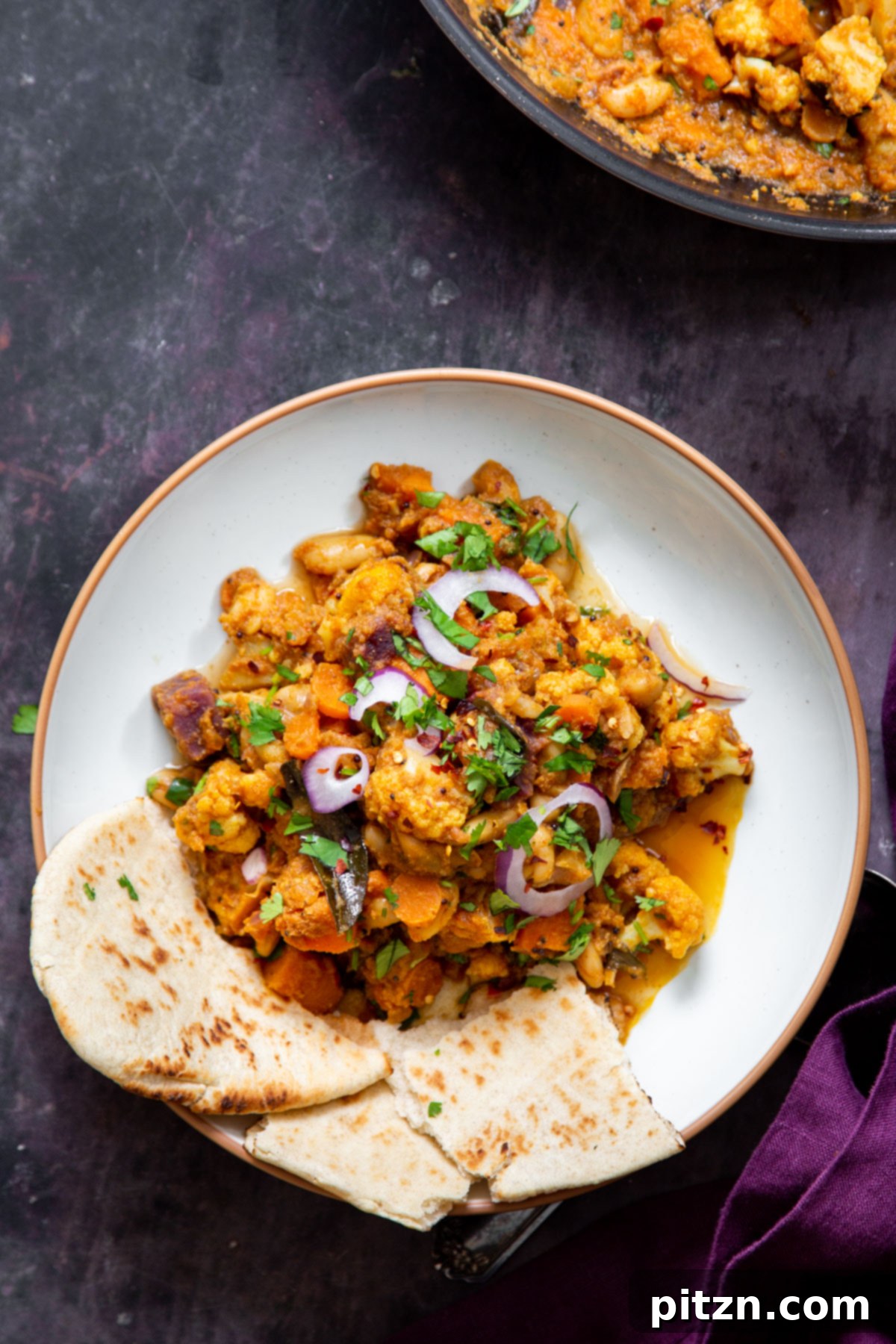
Welcome to a culinary journey that promises to transport your taste buds to the vibrant shores of Kerala, India. Today, we’re diving into the rich, aromatic world of Malabar Curry, reimagined in a wholesome and utterly delicious vegan rendition. My recipe for **Vegan Keralan Malabar Curry** features tender white beans and an array of colorful vegetables, all lovingly simmered in a fragrant coconut sauce that balances spicy warmth with soothing creaminess. This isn’t just a meal; it’s an experience – and it’s proudly **gluten-free, soy-free, and nut-free**, making it accessible to a wide range of dietary preferences without compromising on authentic flavor.

Are you craving a dish that offers a perfect symphony of spice tempered by the luxurious richness of coconut? Then you’re in for a treat! This exquisite Malabar Curry hails from the northern region of Kerala, a coastal state in South India renowned for its lush landscapes and incredible cuisine. Unlike many North Indian curries that rely on tomato and cream bases, Keralan dishes, especially those from Malabar, are often characterized by their extensive use of fresh coconut, whole spices, and a unique tempering technique.
The heart of this curry lies in its unforgettable sauce, a masterful blend crafted from fresh coconut, the delicate anise-like notes of fennel, the citrusy warmth of cardamom, and a symphony of other classic Indian spices and aromatics like pungent black pepper and sweet cinnamon. While traditionally this sauce might be paired with chicken, our vegan interpretation embraces the incredible versatility of plant-based ingredients. We use a hearty mix of seasonal vegetables and protein-rich white beans, ensuring every spoonful is packed with diverse textures and a burst of complex flavors. This approach creates a curry that is not only satisfying and deeply flavorful but also incredibly nourishing.
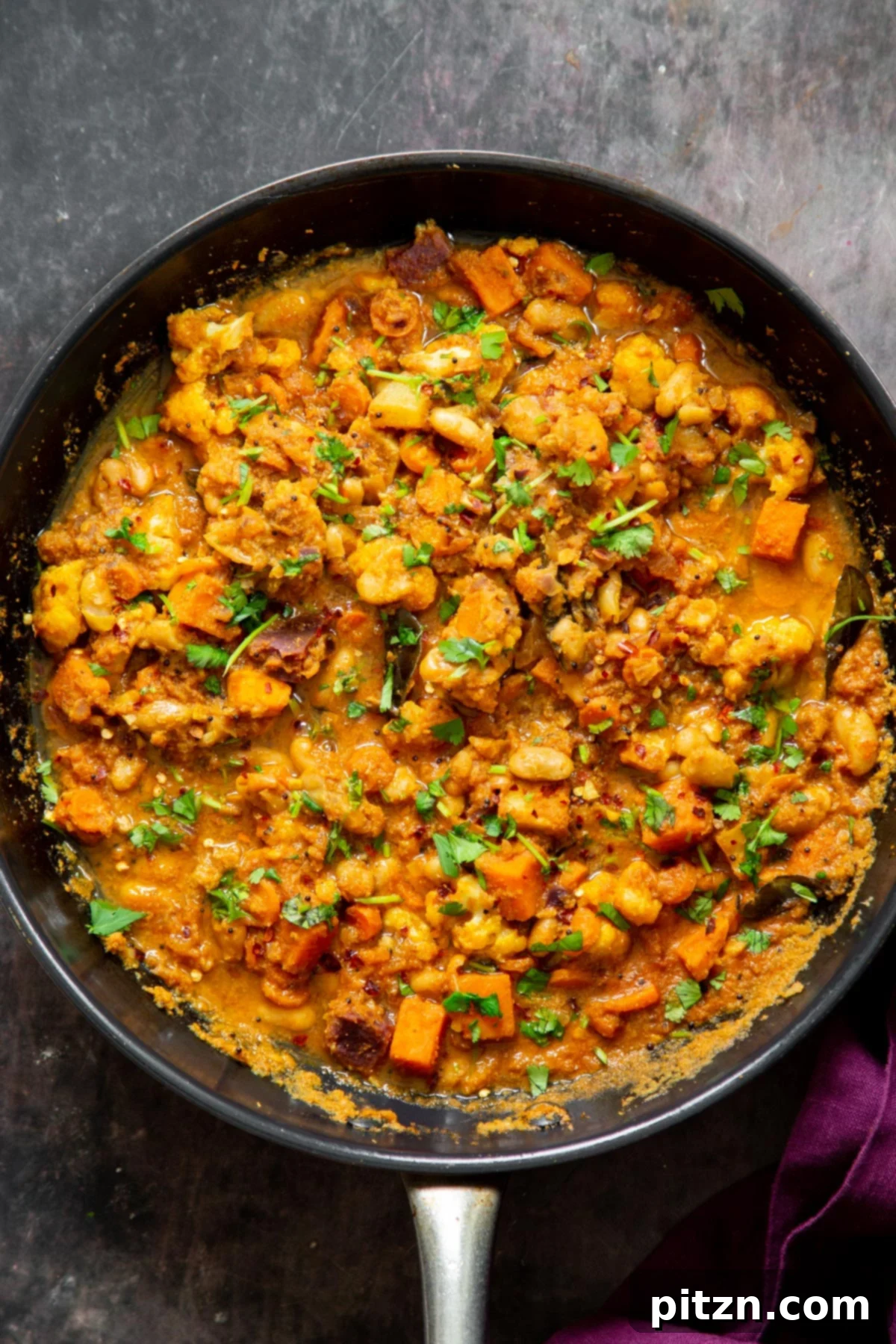
One of the many joys of cooking authentic Indian curries is how their flavors deepen and meld over time. This Malabar Curry is no exception; it’s incredibly filling and delicious right off the stove, but like many Indian sauces that incorporate whole spices, it often tastes even better the day after it’s made. This makes it an ideal dish for meal prepping or entertaining, as you can prepare it in advance and let the flavors fully develop.
Why You Will Absolutely Love This Vegan Malabar Curry
There are countless reasons why this vegan Malabar Curry deserves a permanent spot in your recipe rotation. It’s more than just a meal; it’s a celebration of vibrant flavors and wholesome ingredients.
- Veggie-Filled and Flavorful: This curry is brimming with a delightful assortment of vegetables, offering a nutrient-dense meal that doesn’t compromise on taste. Each vegetable soaks up the rich coconut gravy, contributing its unique texture and subtle sweetness to the overall dish.
- Allergen-Friendly: Crafted with care, this recipe is naturally **Nut-free, Gluten-free, and Soy-free**. This makes it a fantastic option for individuals with common dietary restrictions or allergies, ensuring everyone can enjoy a taste of Kerala.
- A Unique Flavor Profile: Step away from the familiar tomato and cream-based North Indian curries. Malabar Curry offers a distinct experience with its fresh coconut base, aromatic whole spices, and a nuanced balance of savory, sweet, and spicy notes that are truly captivating.
- Layers of Complex Flavors: This isn’t a one-note dish. The combination of toasted coconut, fragrant fennel, warm cardamom, spicy cayenne, and earthy turmeric creates a multi-layered flavor profile that evolves with every bite. The tempering of mustard seeds and curry leaves adds a final, fragrant flourish.
- Incredibly Versatile: The rich, aromatic Malabar sauce is a culinary canvas. While we’ve chosen a mix of veggies and white beans, this sauce beautifully complements other proteins. Feel free to experiment with chickpeas, black-eyed peas, crispy baked tofu, or your favorite vegan “chicken” substitutes. This adaptability ensures you can enjoy this delicious curry time and time again with exciting variations.
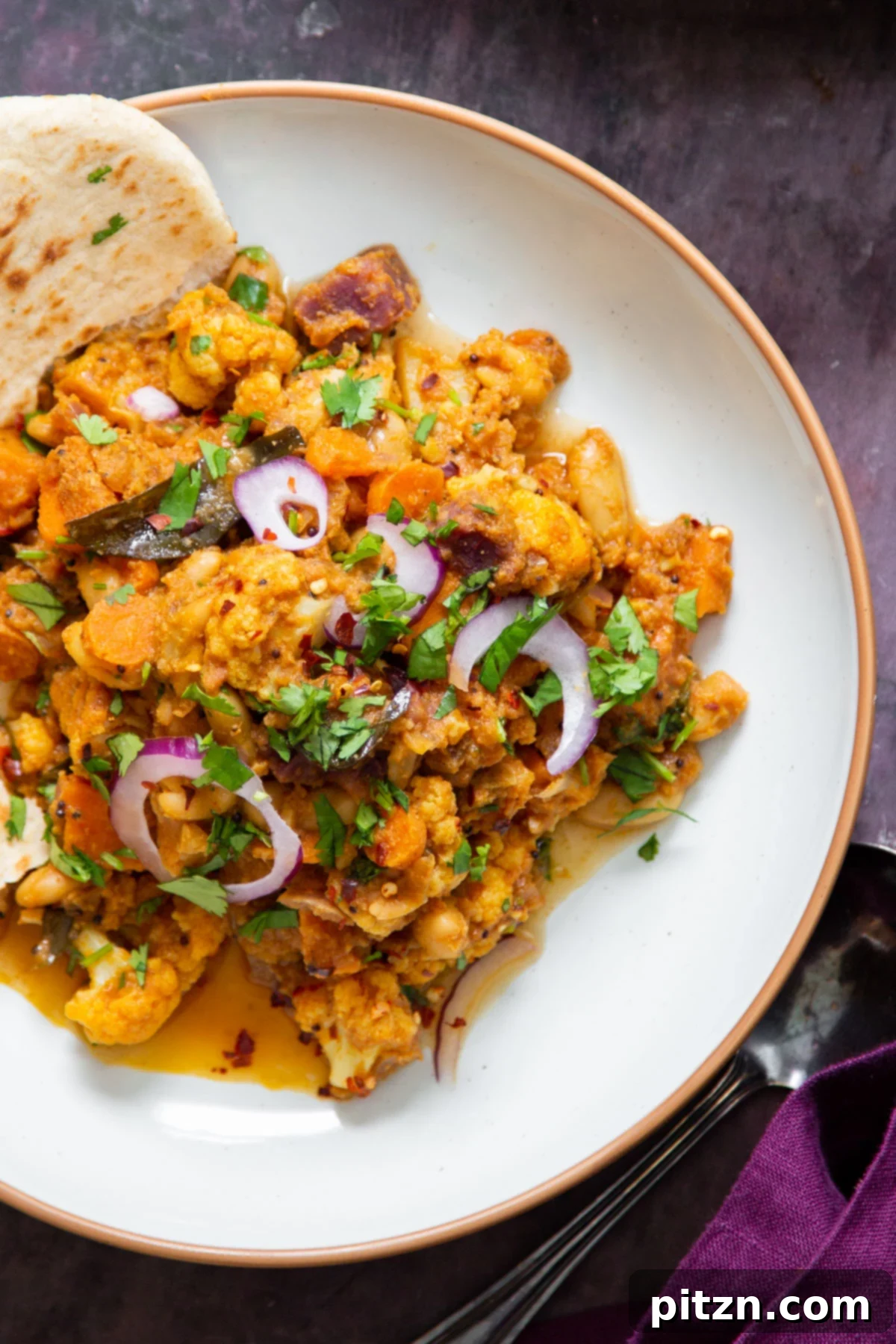
Discover More Indian Regional Curry Recipes
The vast culinary landscape of India offers an incredible diversity of flavors and cooking styles. If you’ve enjoyed this Keralan Malabar Curry, you might also love exploring other regional specialties:
- Khada Masala Murg Curry with Baked Tofu
- Fanasachi Bhaji – Jackfruit Chickpea Coconut Stir Fry
- South Indian Eggplant Curry Recipe (Baked Casserole)
- Chicken Kondattam – Crispy Spicy Soy Curls
- Dhaba Style Butter Dal
- Kashmiri Rogan Josh with Tofu
Easy Malabar Veggie Curry

Ingredients
For coconut paste:
- ½ cup shredded coconut, fresh or frozen, or dried unsweetened
- 1/4 teaspoon fennel seeds
- 1 clove
- 2 green cardamom pods, or use 1/2 teaspoon ground cardamom
For the curry sauce:
- 1 teaspoon oil
- 1 teaspoon mustard seeds
- 10 curry leaves
- 1 cup finely chopped onion
- 2 cloves garlic, minced
- ½ inch ginger, minced
- ½ teaspoon ground turmeric
- ½ teaspoon cayenne, or Indian red chili powder (adjust to heat preference)
- ¼ teaspoon ground cinnamon
- ¼ teaspoon freshly ground pepper
- 4 ounces tomato puree, canned unseasoned purée
- 2 cups chopped vegetables, such as cauliflower, sweet potato, carrots, green beans, zucchini, peas etc.
- 15 ounce can white beans, drained and rinsed, or 1 ¼ cup cooked. (Chickpeas or other beans can also be used)
- ¾ teaspoon salt or to taste
- Cilantro and lemon juice for garnish
Instructions
-
1. Prepare the Coconut Paste: Begin by adding all the ingredients for the coconut paste (shredded coconut, fennel seeds, clove, green cardamom pods) to a small skillet. Place the skillet over medium heat and dry roast, stirring frequently. The key is to toast the coconut until it turns a beautiful golden brown. Be vigilant and stir continuously once it starts to color, as coconut can burn quickly. This step is crucial for developing a deep, nutty flavor in your curry.
-
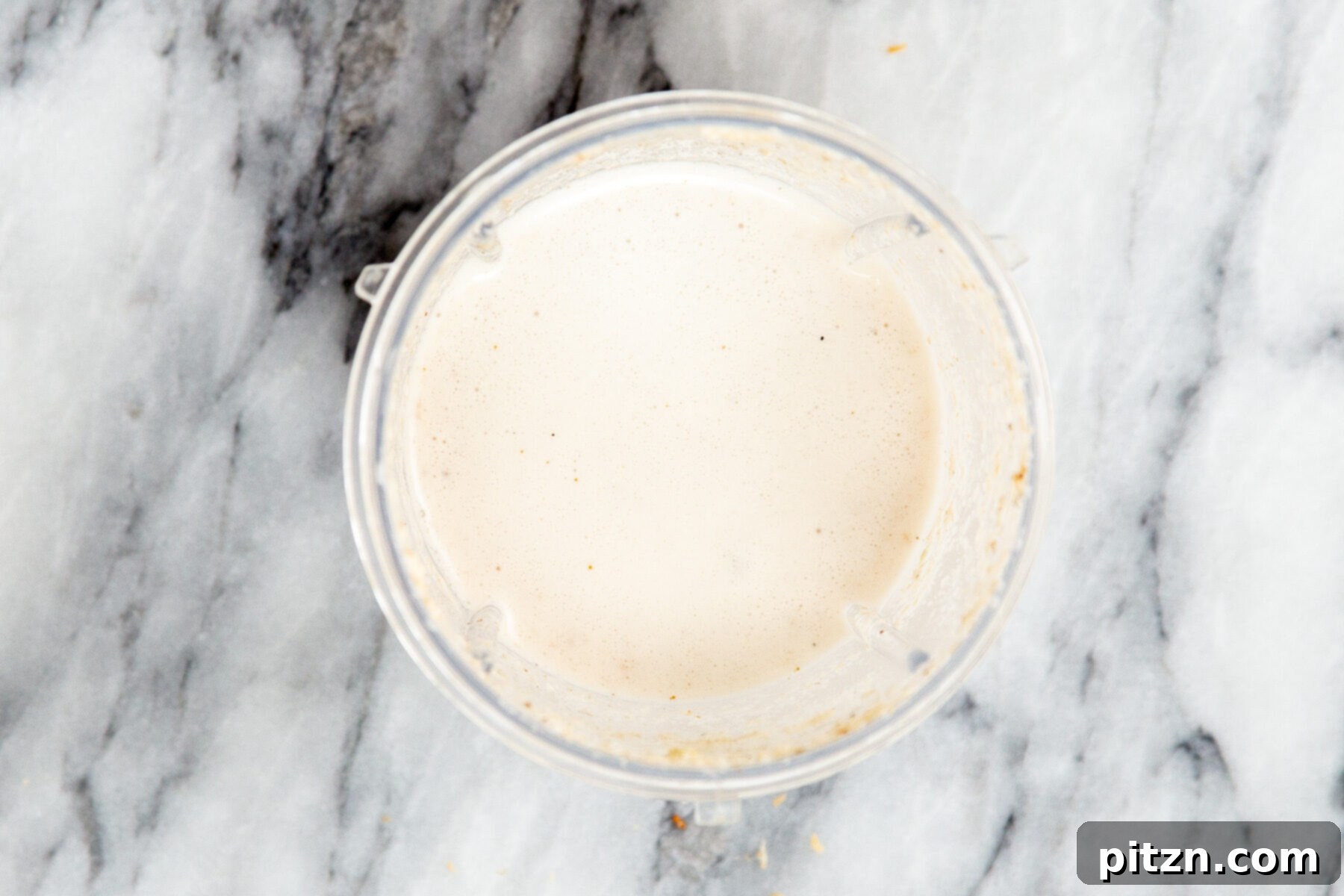
2. Blend the Paste: Once the coconut mixture is golden and fragrant, transfer it to a blender. Add 1 cup of water and blend until the coconut breaks down into a coarse, yet mostly smooth paste. You want the texture to be fine enough that the coconut pieces are barely visible, creating a creamy foundation for your curry.
-
3. Start the Curry Base: Heat 1 teaspoon of oil in a large skillet or Dutch oven over medium heat. Once the oil is hot and shimmering, add the mustard seeds. Allow them to splutter and pop vigorously. This process, known as tempering, infuses the oil with their distinct, pungent flavor.
-
4. Add Curry Leaves: Immediately after the mustard seeds finish popping, carefully add the curry leaves. Be cautious as the leaves can cause the hot oil to splash. The curry leaves will crisp up and release their intoxicating aroma. For an extra touch of presentation and flavor, you can optionally reserve about half of this mustard seed and curry leaf tempering for garnish later.
-
5. Sauté Aromatics and Spices: To the skillet, add the finely chopped onion, minced ginger, minced garlic, and a generous pinch of salt. Sauté, stirring occasionally, until the onion becomes soft and turns a deep golden brown, indicating it has caramelized and sweetened. Then, stir in the ground turmeric, cinnamon, cayenne (or Indian red chili powder), and black pepper. Cook for another minute, stirring constantly, to toast the spices and enhance their fragrance.
-
6. Combine Wet Ingredients: Pour in the tomato puree and the freshly blended coconut paste. Mix everything thoroughly, ensuring all the ingredients are well combined and the spices are evenly distributed throughout the rich gravy.
-
7. Simmer the Curry: Now, add your chopped vegetables and drained white beans to the skillet. Add the remaining ¾ teaspoon of salt (or adjust to taste). Stir well to coat the vegetables and beans in the sauce. Cover the skillet and let the curry simmer gently for 11-15 minutes, or until the vegetables are tender-crisp and cooked to your preference.
-
8. Check and Adjust: Periodically stir the curry to ensure the vegetables cook evenly and prevent anything from sticking to the bottom. Once the vegetables reach your desired tenderness, remove the skillet from the heat.
-
9. Final Touches: Uncover the lid. If the curry seems too saucy, you can continue to sauté it uncovered for another minute or two to reduce the liquid slightly, or simply turn off the heat if the consistency is just right. Taste and adjust for salt and any other seasonings as needed. Finish by garnishing generously with fresh cilantro and a squeeze of lemon juice. If you reserved some of the tempering earlier, sprinkle it over the top for an extra layer of aroma and crunch. Serve hot.
Video
Notes
Curry Leaves: Curry leaves are a quintessential ingredient in South Indian cuisine, offering a distinctive aroma that is hard to replicate. They can often be found fresh or dried in Indian grocery stores. For convenience, you can also purchase them online. If fresh or dried curry leaves are unavailable, lime leaves can serve as a decent substitute, or for a simpler option, a bay leaf can provide a subtle aromatic note, though the flavor profile will be slightly different.
Nutrition
Carbohydrates: 40g,
Protein: 14g,
Fat: 10g,
Saturated Fat: 7g,
Sodium: 536mg,
Potassium: 1027mg,
Fiber: 11g,
Sugar: 5g,
Vitamin A: 241IU,
Vitamin C: 81mg,
Calcium: 146mg,
Iron: 6mg
Nutrition information is automatically calculated, so should only be used as an approximation.
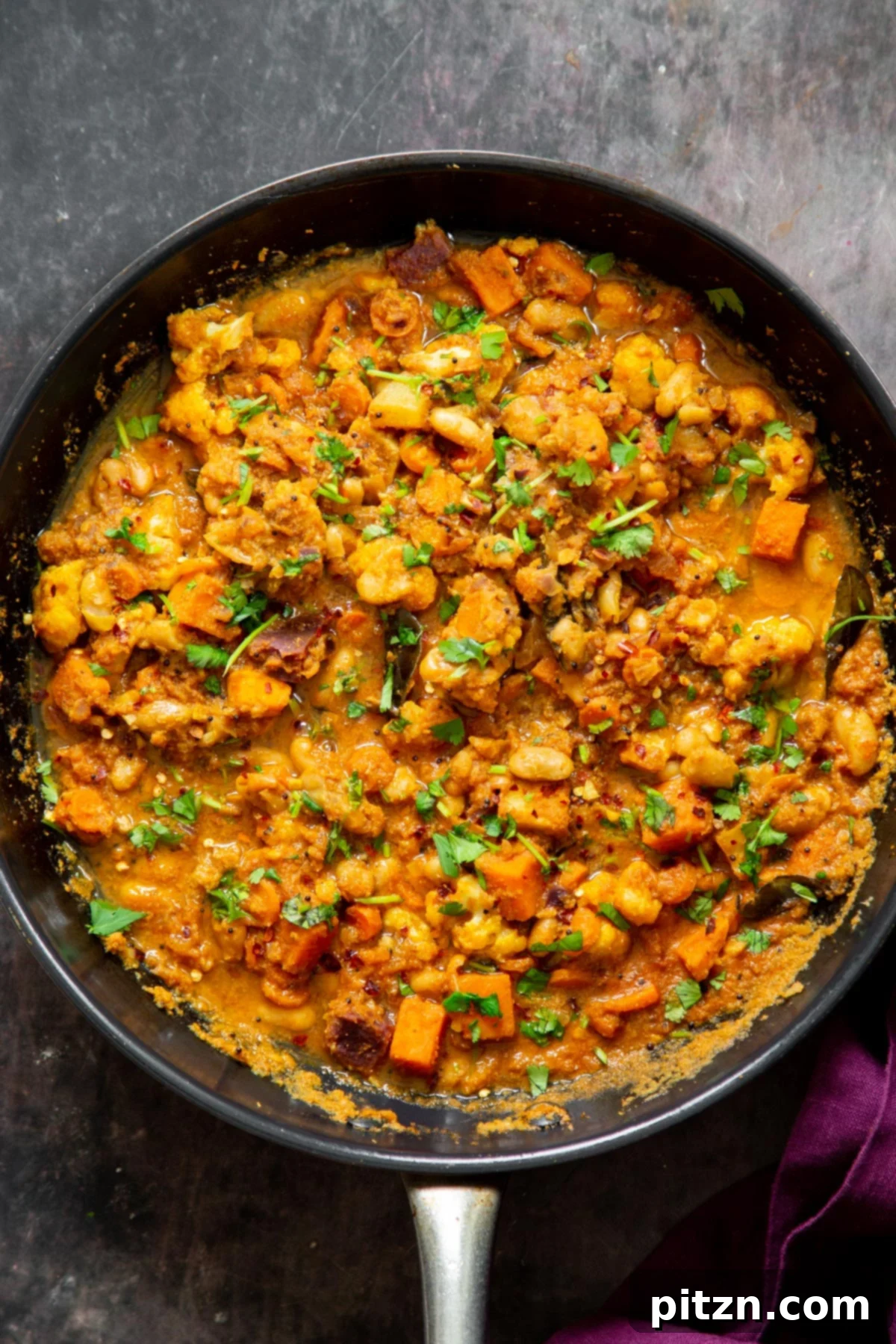
Key Ingredients for Our Vegan Malabar Curry
Crafting this flavorful curry relies on a combination of fresh, aromatic, and staple ingredients. Here’s a breakdown of what you’ll need to create the perfect vegan Malabar Curry:
- For the Aromatic Coconut Paste: This is the cornerstone of the Malabar flavor profile. We’ll toast and blend shredded coconut with fragrant fennel seeds, a single pungent clove, and two green cardamom pods. These whole spices release their essential oils when toasted, contributing a unique depth to the paste.
- For the Flavorful Tempering (Tadka): A quintessential Indian technique, tempering involves frying whole spices in hot oil to release their aromas. For our Malabar curry, we’ll use a teaspoon of oil with mustard seeds, allowing them to splutter and pop, followed by fresh curry leaves. This fragrant infusion is the soul of the dish, and a portion can be reserved for garnish.
- The Indian Trifecta of Aromatics: Finely chopped onion, minced garlic, and fresh minced ginger form the aromatic base of the curry. Sautéing these until golden brown builds a foundational layer of savory sweetness.
- Ground Spices: A judicious blend of ground spices adds warmth and complexity: vibrant ground turmeric for color and earthy notes, fiery cayenne (or Indian red chili powder) for heat, sweet ground cinnamon, and freshly ground black pepper for a subtle bite.
- Tomato Puree: Unseasoned canned tomato puree provides a touch of tanginess and helps to thicken the gravy, balancing the richness of the coconut.
- Seasonal Vegetables: We recommend about 2 cups of your favorite mixed chopped vegetables. Excellent choices include cauliflower florets, diced sweet potato, sliced carrots, green beans, zucchini, or fresh peas. The beauty of this curry is its flexibility, allowing you to use what’s fresh and available.
- Protein Powerhouse: To make this curry satisfying and hearty, we incorporate white beans. Canned white beans, drained and rinsed, or pre-cooked beans work perfectly.
- Fresh Garnishes: A final flourish of fresh cilantro and a squeeze of bright lemon juice elevate the flavors, adding a fresh, zesty counterpoint to the rich curry.
Expert Tips for a Perfect Vegan Malabar Curry
Achieving a truly outstanding Malabar curry is simple with a few key considerations:
- Coconut Choice: For the most authentic and fresh flavor, use fresh or frozen shredded coconut. If these aren’t readily available, unsweetened dried shredded coconut (often found in the baking aisle) is an excellent alternative. Ensure it’s unsweetened to control the sugar content of your curry.
- Bean & Protein Alternatives: This recipe utilizes drained and rinsed canned white beans, but feel free to get creative with your protein. Cooked chickpeas or black-eyed peas are fantastic, nutrient-rich substitutes. For a different texture and added protein, consider using about 7 ounces of crisped tofu (press well and pan-fry or bake until golden) or your preferred vegan “chicken” substitutes. If opting for soy curls, use about 2-3 ounces, and remember to add an extra ½ to 1 cup of water to the curry as they will absorb more liquid during cooking.
- The Importance of Tempering: Don’t skip the tempering step with the mustard seeds and curry leaves. This brief process unlocks incredible flavors and aromas that are characteristic of South Indian cuisine. Watch for the mustard seeds to splutter and pop – that’s your sign they’re ready.
- Roasting Coconut: Take your time when roasting the coconut for the paste. A golden-brown coconut yields a much deeper, nuttier flavor. Stir constantly to prevent burning, as burnt coconut will impart a bitter taste.
- Spice Level Adjustment: The amount of cayenne or red chili powder can be adjusted to your personal heat preference. Start with ½ teaspoon for a moderate spice level, and increase or decrease as desired.
- Vegetable Variety: Embrace seasonal vegetables! Harder vegetables like carrots and sweet potatoes may need to be cut into smaller pieces or added slightly earlier than softer ones like zucchini or peas to ensure even cooking.
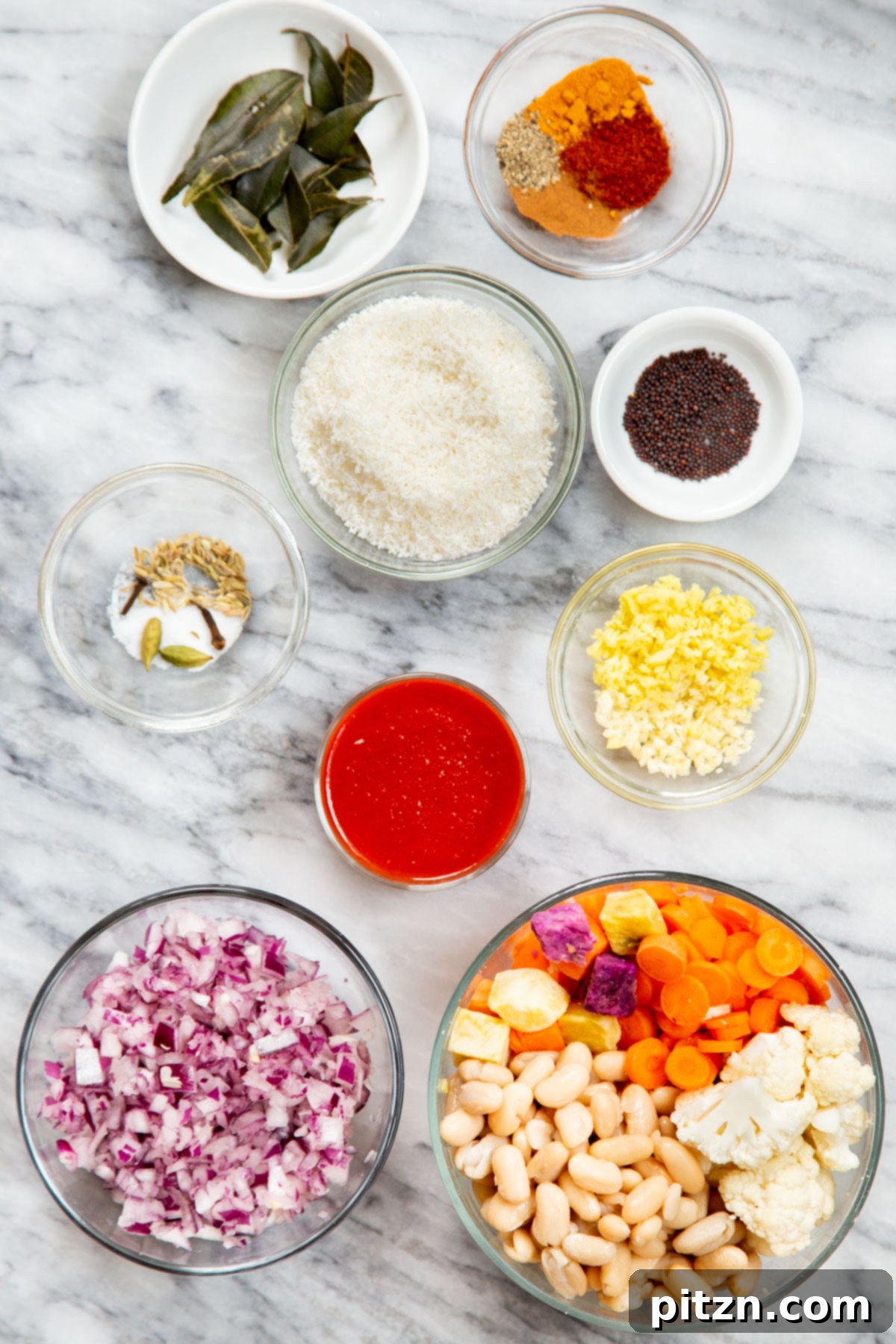
How to Make This Flavorful Vegan Malabar Curry: A Step-by-Step Visual Guide
Creating this aromatic vegan Malabar Curry is a rewarding process. Follow these detailed steps to achieve a perfectly balanced and flavorful dish:
Step 1: Preparing the Fragrant Coconut Paste
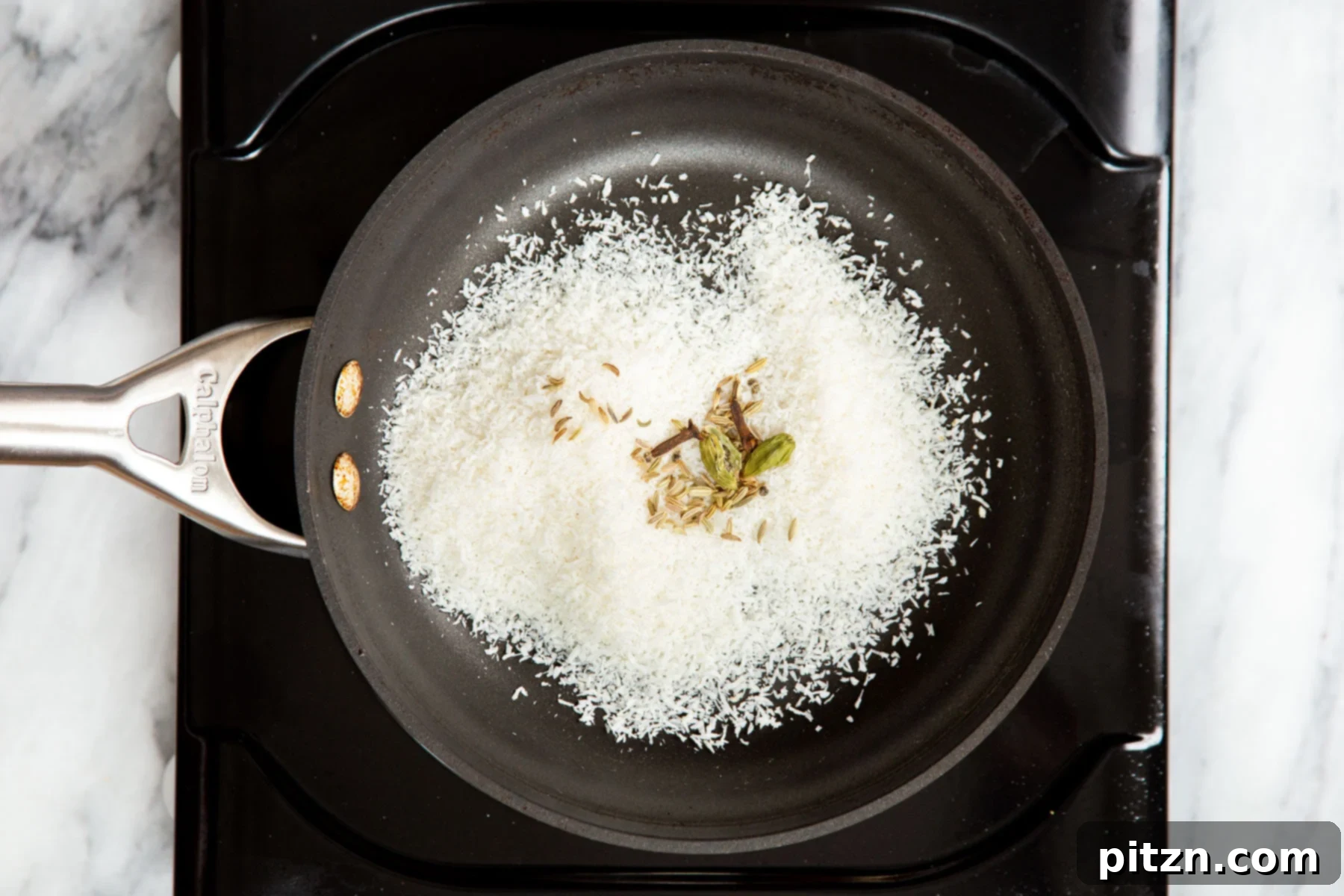
To begin, gather all the ingredients for your coconut paste: shredded coconut (fresh, frozen, or unsweetened dried), fennel seeds, one clove, and green cardamom pods. Place them in a small, dry skillet over medium heat. Toast these ingredients, stirring frequently, until the coconut turns a beautiful golden hue. This crucial step deepens the flavor profile significantly. Once the coconut starts to brown, vigilant stirring is essential to prevent it from burning, which can impart a bitter taste.

Once toasted to perfection, transfer this fragrant mixture to a blender. Add 1 cup of water. Blend until the coconut and spices break down into a coarse, yet mostly smooth paste. The goal is to achieve a fine texture where individual coconut shreds are no longer distinctly visible, creating a creamy base for your curry. A nearly smooth consistency is ideal for the best gravy.
Step 2: Building the Aromatic Curry Sauce

Heat 1 teaspoon of oil in a large skillet or Dutch oven over medium heat. Once the oil is hot and shimmering, add the mustard seeds. Allow them to splutter and pop vigorously. This ‘tempering’ releases their signature flavor. Immediately add the curry leaves, being careful as they might cause the hot oil to splash. Once the popping subsides, you have the option to reserve about half of this aromatic tempering aside to use as a garnish later, adding a delightful crunch and extra aroma to the finished dish.
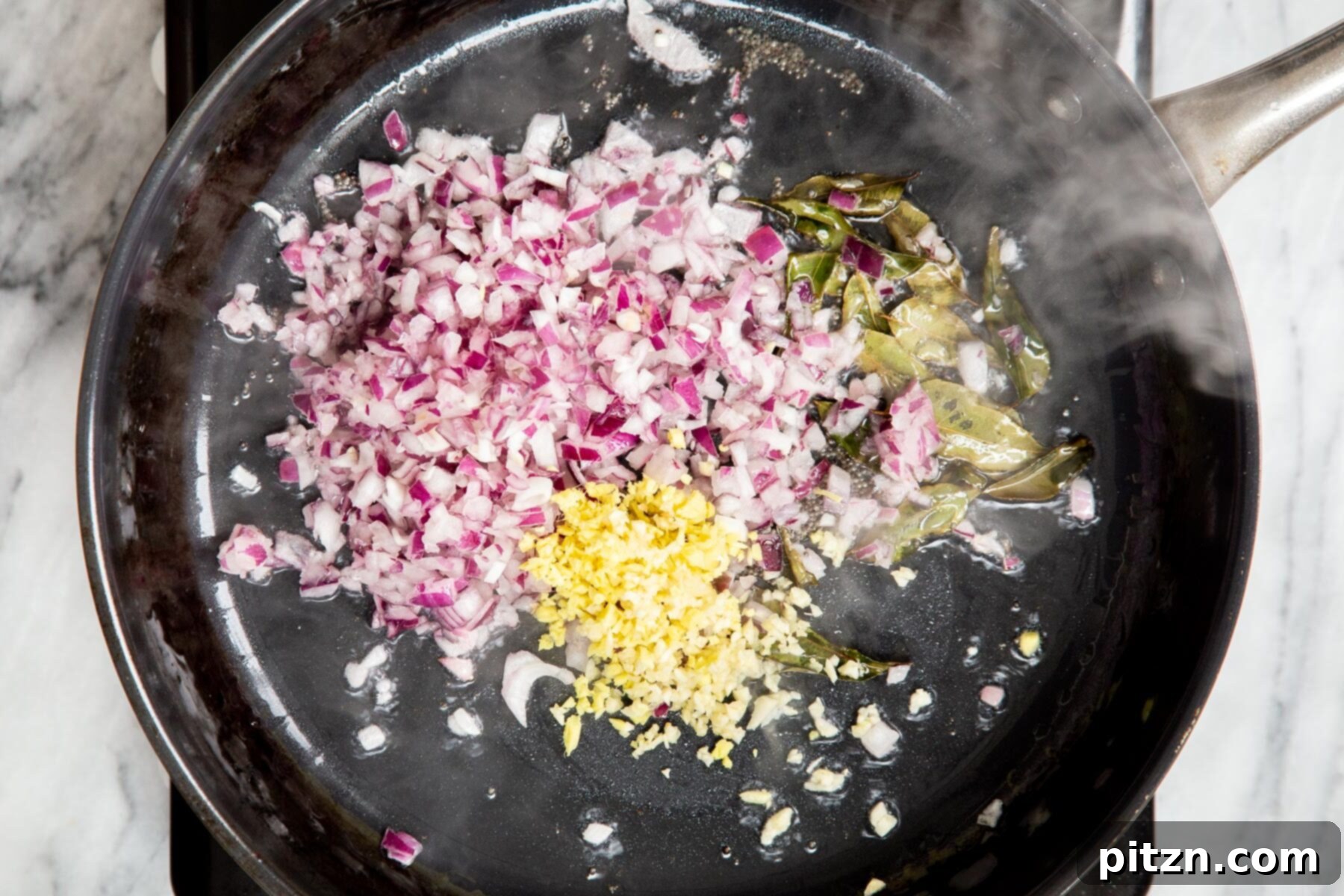
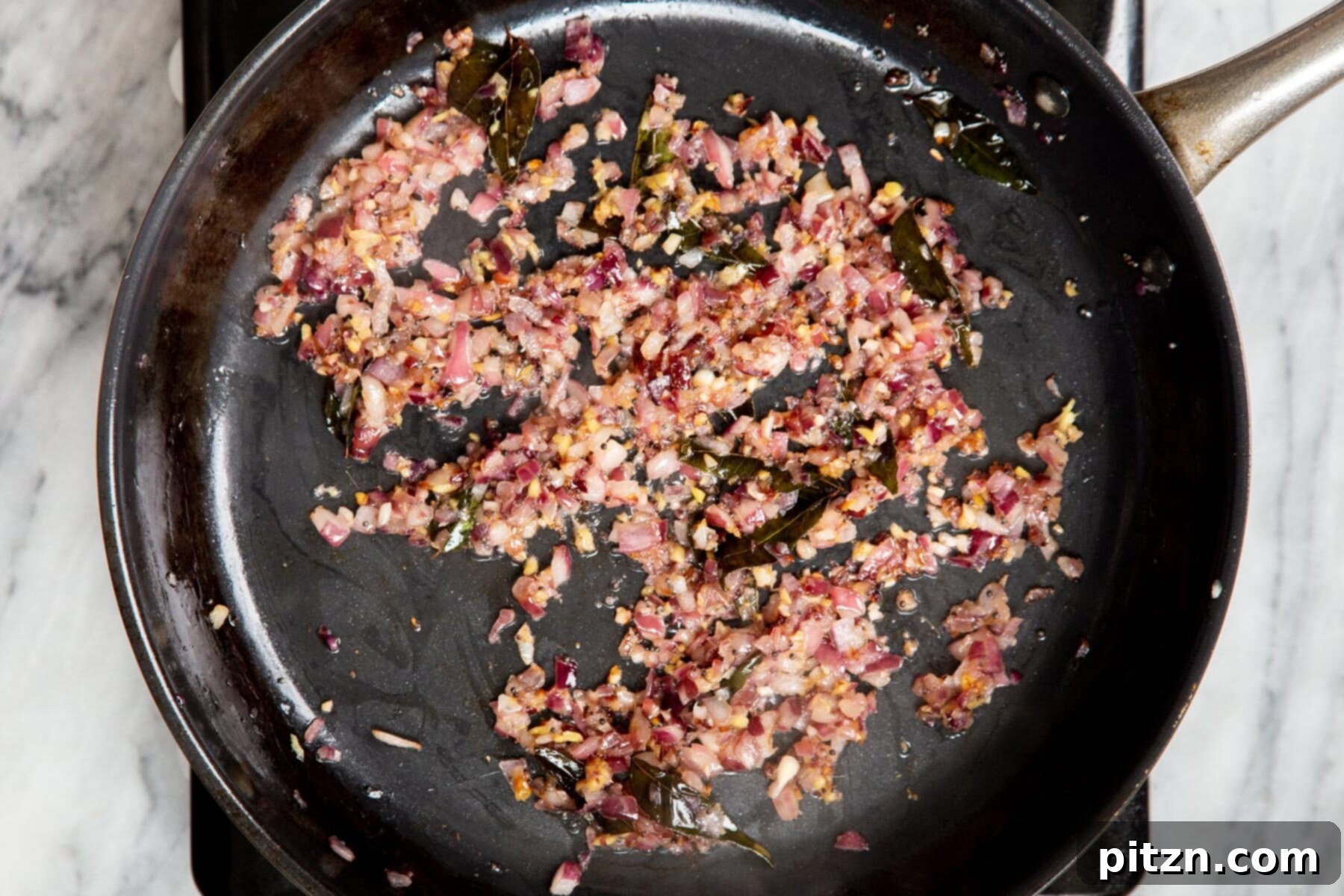
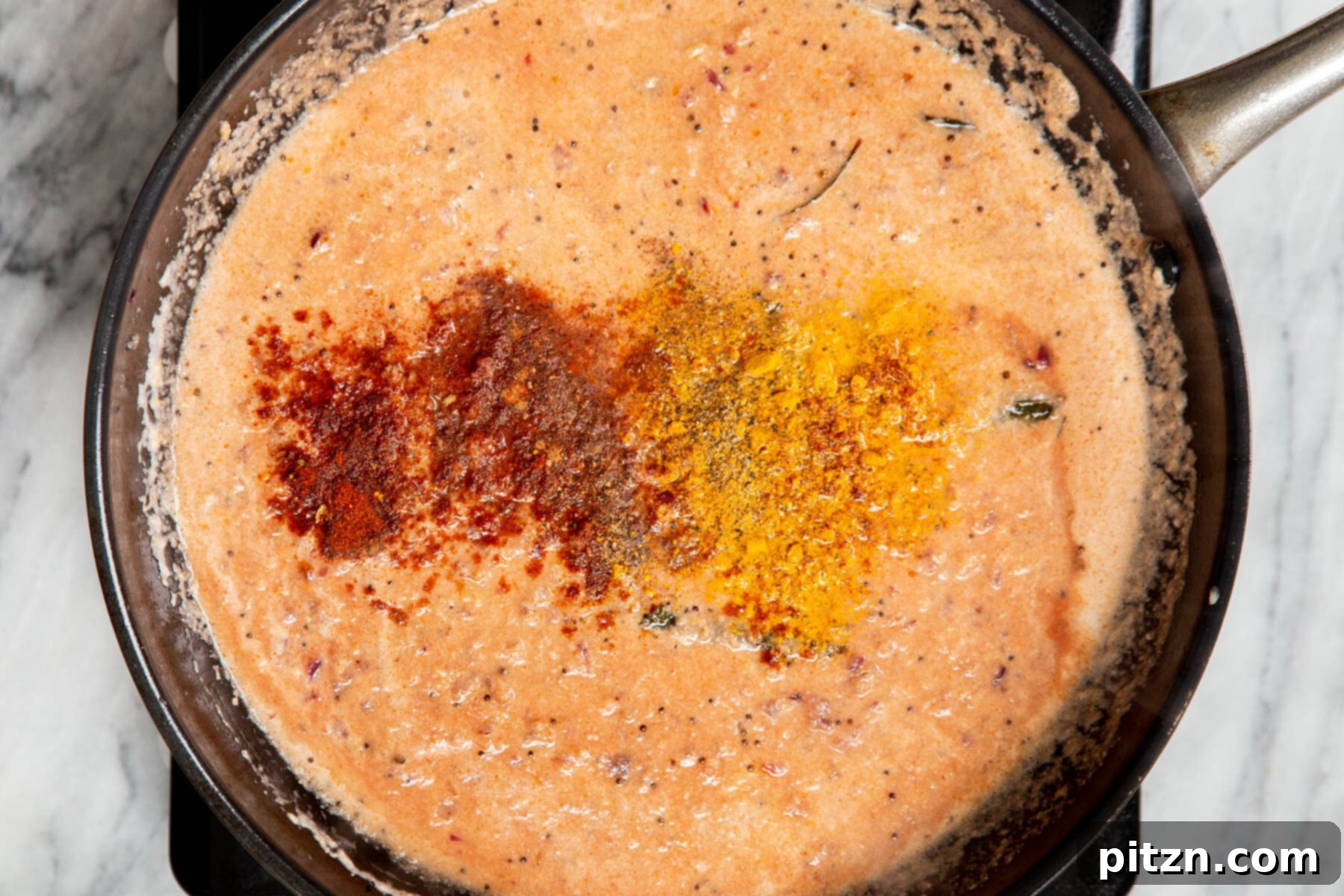
Next, add the finely chopped onion, minced ginger, and minced garlic to the skillet, along with a generous pinch of salt. Sauté, stirring frequently, until the onion turns a rich golden brown. This caramelization adds a depth of sweetness. Then, stir in the ground turmeric, cinnamon, cayenne (or Indian red chili powder), and black pepper. Continue to cook and stir for another minute, allowing the dry spices to toast and release their full fragrance.
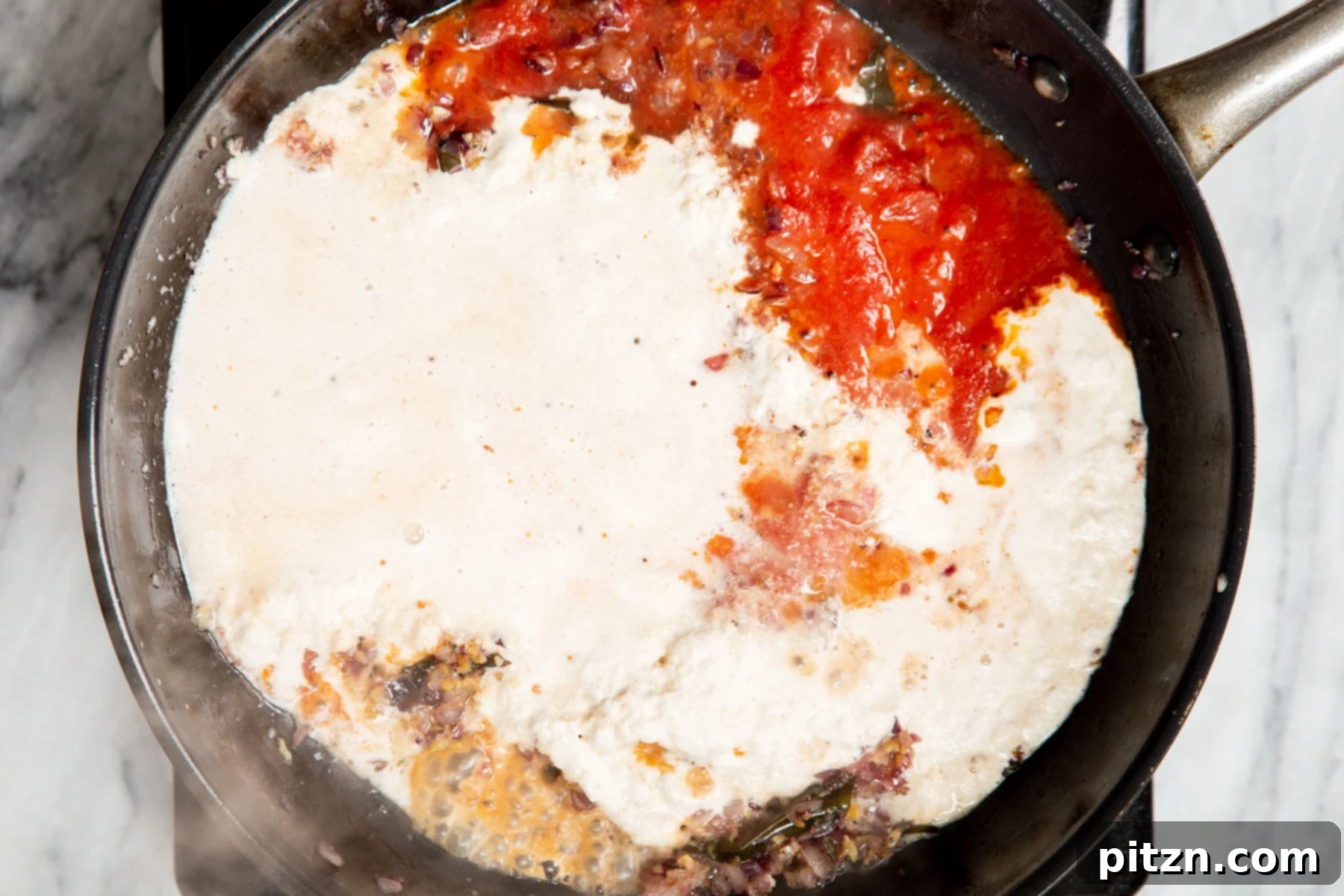
Add the tomato puree and the freshly blended coconut paste to the skillet. Mix everything thoroughly, ensuring all the ingredients are well incorporated and the spices are evenly distributed, forming a luscious gravy.
Step 3: Simmering the Vegetables and Finishing the Curry
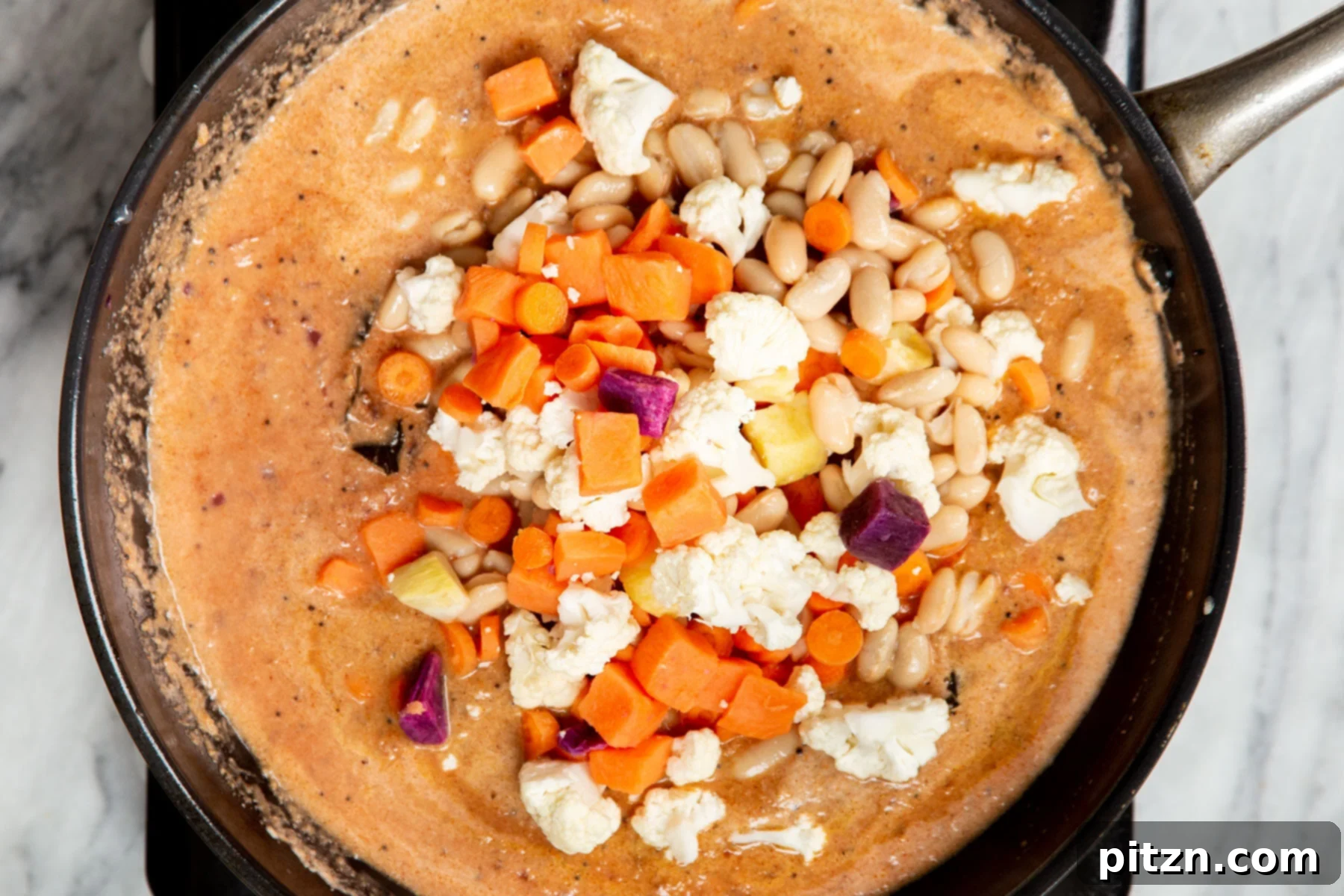
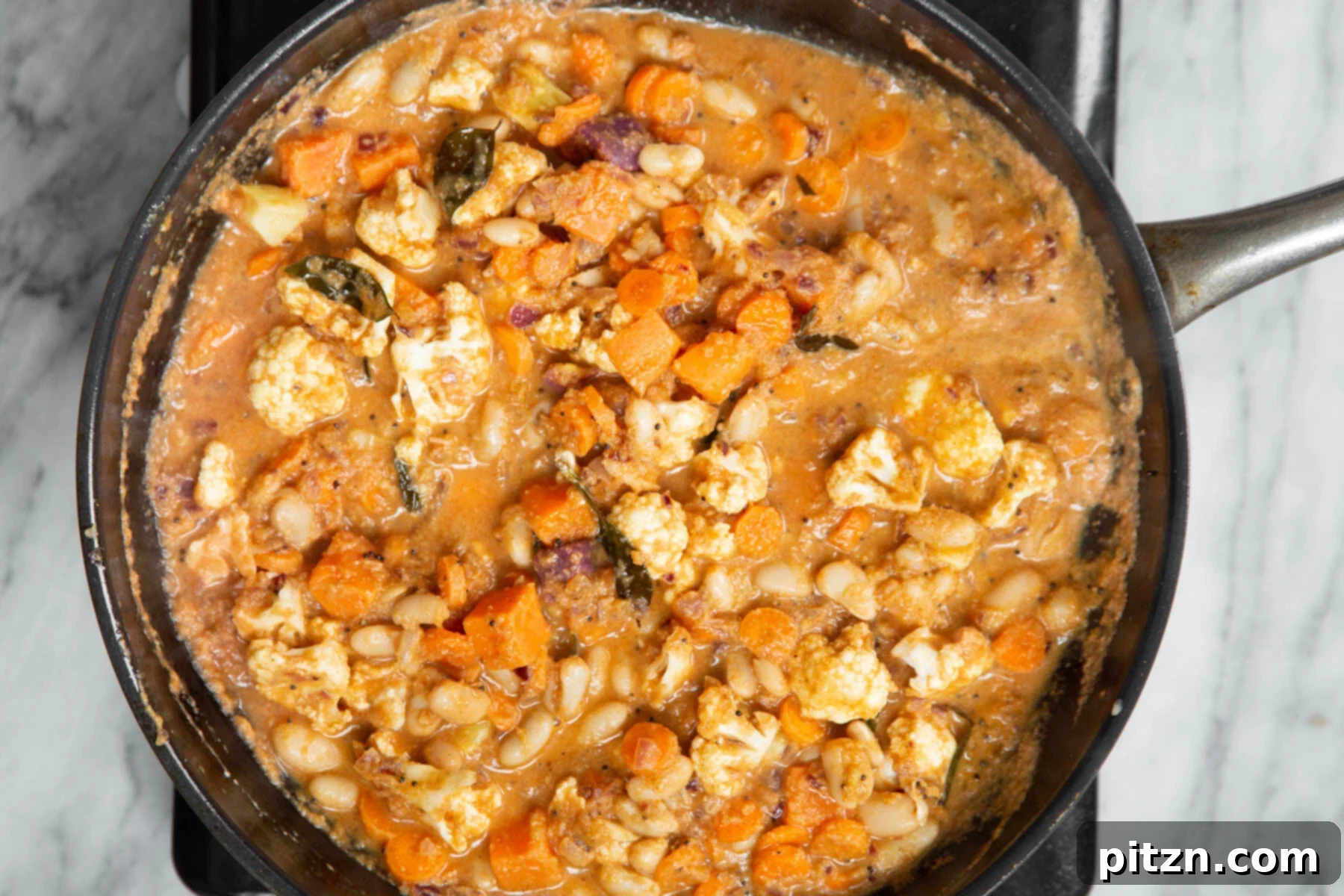
Now, add your chosen chopped vegetables and the drained white beans to the simmering sauce. Stir everything together gently, making sure the vegetables and beans are well coated. Add the remaining salt, adjusting to your taste. Cover the skillet with a lid and let the curry cook for 11-15 minutes, or until the vegetables are tender-crisp. The cooking time may vary slightly depending on the type and size of your vegetables.
Remember to stir the curry occasionally during the simmering process to ensure that all the vegetables cook evenly and prevent any sticking. Once the vegetables are cooked to your desired tenderness, turn off the heat.
Remove the lid. If the curry appears too saucy, you can continue to sauté it uncovered for another minute or two over low heat to allow some of the liquid to evaporate and the sauce to thicken slightly. If the consistency is perfect, simply switch off the heat.
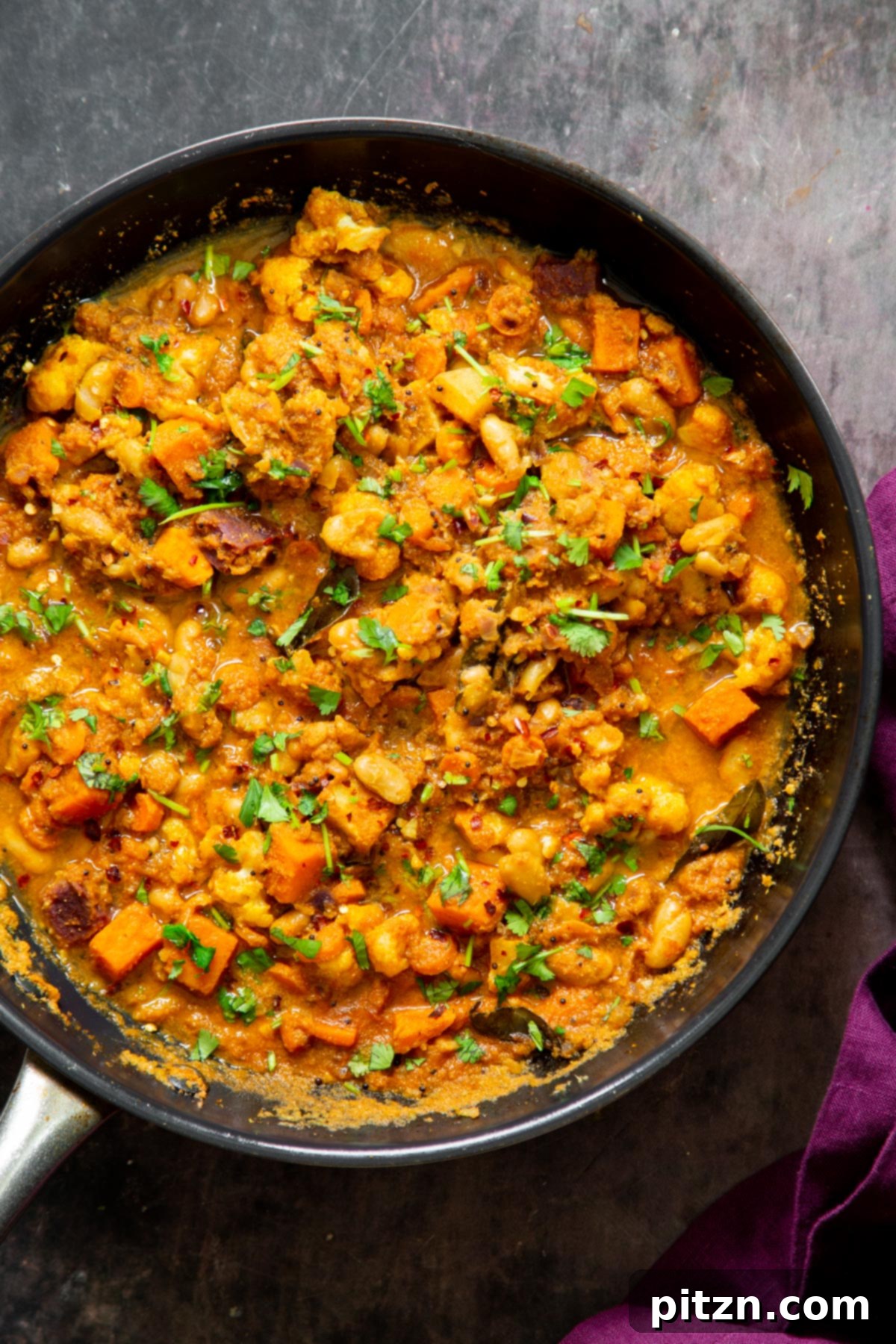
Before serving, taste the curry and adjust the salt or any other seasonings as needed. Garnish generously with fresh cilantro and a squeeze of bright lemon juice. If you set aside some of the initial tempering, sprinkle it over the top for an extra layer of flavor and a lovely visual appeal. Serve your delicious Vegan Malabar Curry hot with your choice of accompaniments.
What to Serve with Your Malabar Curry?
This flavorful Malabar Curry is incredibly versatile and pairs wonderfully with a variety of staples. While it tastes truly amazing with a simple bowl of steamed basmati rice, allowing the curry to be the star, you can also explore other traditional accompaniments:
- Rice: Plain white or brown rice is a classic choice, perfect for soaking up every drop of the rich coconut gravy. A fragrant jeera rice (cumin rice) would also be an excellent pairing.
- Flatbreads: Warm, freshly made flatbreads are ideal for scooping up this delightful curry. Consider serving it with Paratha (flaky Indian flatbread), soft roti, or even fluffy naan.
- Dosa: For a true South Indian experience, pair your Malabar Curry with crispy Dosa (savory rice and lentil crepes).
- Simple Sides: A refreshing side of cucumber raita (yogurt dip, can be made vegan with plant-based yogurt) or a simple kachumber salad (diced cucumber, tomato, onion with lemon) can provide a lovely cooling contrast to the curry’s warmth.
Storage Guidelines
This Vegan Malabar Curry is a fantastic dish for meal prepping, as its flavors tend to deepen beautifully over time. Store any leftovers in an airtight container in the refrigerator for up to 3 days. For longer storage, this curry freezes exceptionally well. Portion it into freezer-safe containers and freeze for up to a month. When ready to enjoy, thaw overnight in the refrigerator and gently reheat on the stovetop or in the microwave, adding a splash of water or coconut milk if needed to adjust consistency.