
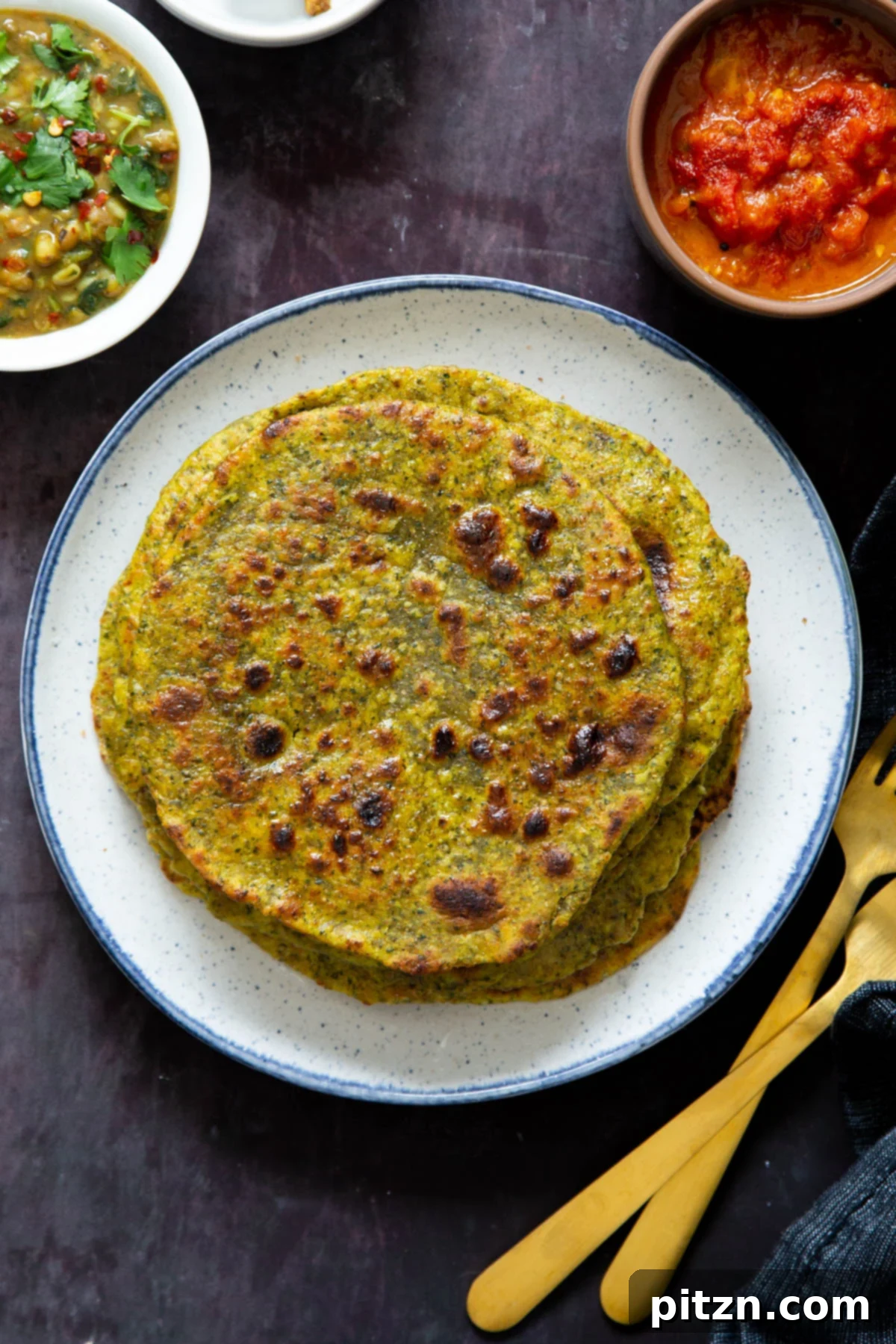
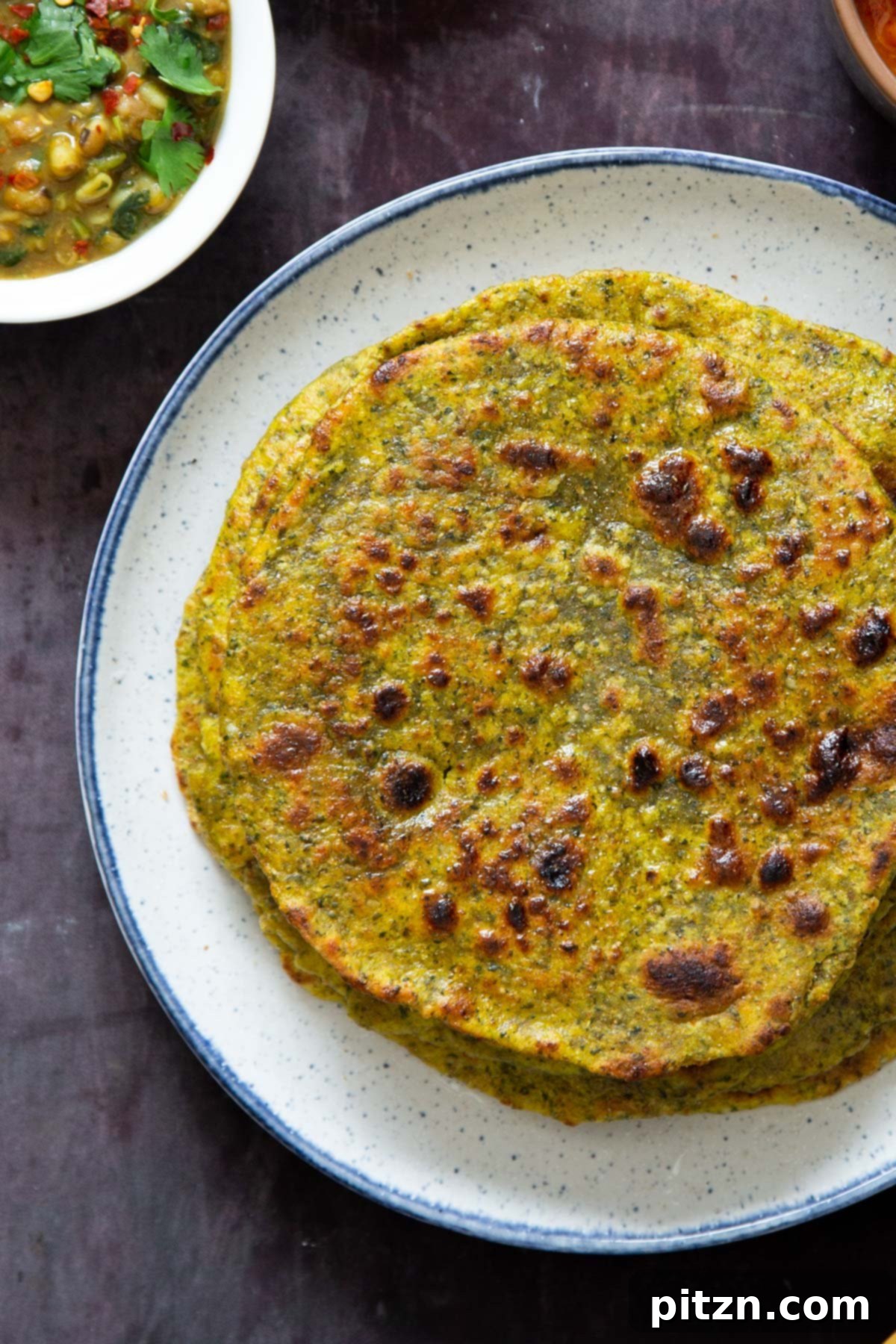
Masala Paratha, a delightfully spiced rendition of the classic plain paratha, stands as a versatile and beloved Indian flatbread. It’s the quintessential snack, a hearty breakfast, or a perfect accompaniment to your favorite curries and dals. What makes this particular recipe truly exceptional is the innovative incorporation of finely processed vegetables, aromatic spices, wholesome seeds, and nutrient-rich spinach directly into the dough. This method eliminates the need for precooking vegetables or the often-fussy process of stuffing, making it incredibly quick and easy to prepare. Whether you prefer a mildly spiced version or a vibrant, flavorful flatbread, this recipe allows for endless customization to suit your palate. It’s also freezer-friendly, nut-free, soy-free, yeast-free, and even offers a gluten-free option, ensuring everyone can enjoy this wholesome and delicious dish.
Discover the Rich Flavors of Masala Paratha: A Spiced Indian Flatbread
Imagine a warm, flaky flatbread, subtly crispy on the outside yet wonderfully soft and moist within, bursting with the earthy goodness of vegetables and a symphony of Indian spices. That’s the magic of Masala Paratha. Unlike its simpler cousin, the plain paratha, or even some stuffed variations that require intricate preparation, this recipe streamlines the process without compromising on flavor or texture. By integrating all the ingredients directly into the dough, we create a harmonious blend that cooks evenly and delivers a nutritious punch in every bite. This method is a game-changer for those seeking an authentic Indian experience with maximum convenience.
What is Paratha? Understanding This Indian Staple
Paratha is a beloved unleavened flatbread, deeply ingrained in Indian culinary traditions, especially as a breakfast item or a hearty snack. The word “paratha” literally means “layers of cooked dough” (parat and atta). Traditionally, parathas are made from whole wheat flour, rolled out, sometimes folded multiple times to create flaky layers, and then cooked on a griddle (tava) with oil or ghee. There are two main categories: plain parathas, which are simply the layered bread, and stuffed parathas, where a flavorful filling is enclosed within the dough. Common stuffed varieties include Aloo Paratha (potato), Gobi Paratha (cauliflower), and Mooli Paratha (radish).
While stuffed parathas are undeniably delicious, they often demand more time and skill to prepare, particularly for beginners. This Masala Paratha recipe offers a brilliant alternative by processing the vegetables and spices into a fine meal and mixing them directly into the dough. This approach sidesteps the challenges of stuffing, preventing any tearing or uneven cooking, and ensures that every part of the flatbread is infused with incredible flavor and nutrition. It’s an ingenious way to enjoy the richness of vegetable-filled paratha with significantly less effort.
Why This Masala Paratha Recipe Stands Out
This Masala Paratha recipe is designed for both seasoned cooks and newcomers to Indian cuisine, offering several compelling advantages:
- Uncomplicated Preparation: Forget the time-consuming steps of pre-cooking vegetables or painstakingly stuffing individual parathas. All ingredients are simply processed together with the flour, forming a single, flavorful dough.
- Nutritionally Enhanced: By blending raw vegetables like cauliflower, potato, and spinach directly into the dough, you effortlessly boost the fiber, vitamin, and mineral content of your meal. The addition of hemp and sesame seeds further enhances its nutritional profile.
- Consistent Flavor and Texture: With vegetables and spices evenly distributed throughout the dough, every bite delivers a consistent burst of flavor. The flatbreads cook to a delightful balance of flaky and soft, with beautiful golden-brown spots.
- Dietary Inclusivity: This recipe is naturally nut-free, soy-free, and yeast-free, making it suitable for a wide range of dietary preferences. A comprehensive guide is also provided for creating a successful gluten-free version.
- Freezer Friendly: Prepare a larger batch and freeze them for quick meals or snacks later, ensuring you always have a healthy, homemade option at hand.
- Versatile Serving Options: Whether enjoyed on its own, with a dollop of vegan butter, alongside a vibrant chutney, or as a staple with your favorite dal or curry, Masala Paratha seamlessly fits into any meal.
Key Ingredients for Your Homemade Masala Paratha
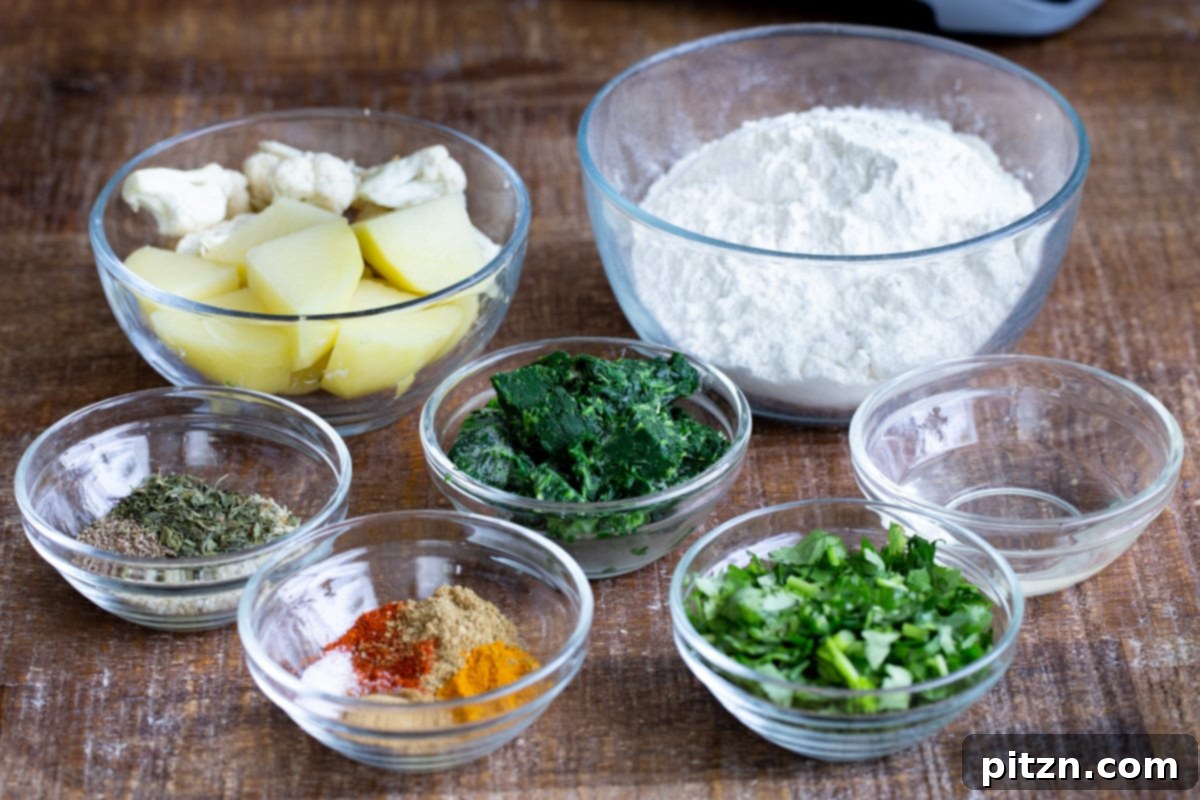
The beauty of Masala Paratha lies in its simple yet potent ingredient list. Here’s a closer look:
- Flour: A blend of all-purpose flour and whole wheat flour (or chapati flour) is recommended for the best balance of texture and authenticity. All-purpose flour contributes to softness, while whole wheat flour adds a nutty depth and nutritional value. For softer flatbreads, especially if using all whole wheat, chapati flour is ideal due to its finer grind.
- Vegetables: This recipe calls for cauliflower florets, cubed potato, and frozen spinach (thawed and squeezed to remove excess moisture). These vegetables provide essential nutrients and moisture to the dough. Feel free to experiment with other finely chopped or grated vegetables such as carrots, zucchini, sweet potatoes, or even finely minced bell peppers.
- Fresh Herbs: Freshly chopped cilantro is key for that bright, aromatic Indian flavor. If cilantro isn’t to your taste, fresh parsley can be a mild substitute.
- Seeds: Hemp seeds and sesame seeds are incorporated not just for their nutritional benefits (healthy fats, protein) but also for adding a delightful nutty flavor and subtle textural contrast to the parathas.
- Seasoning & Spices: This is where the “masala” truly comes alive.
- Ground Cumin and Coriander: The backbone of many Indian dishes, offering earthy and warm notes.
- Turmeric: Adds a beautiful golden hue and subtle peppery-mustard flavor, along with its well-known anti-inflammatory properties.
- Paprika: Contributes mild heat and a vibrant red color.
- Ginger: Freshly grated ginger provides a pungent, warm kick that complements the other spices.
- Dried Fenugreek Leaves (Kasoori Methi): An optional but highly recommended addition, offering a unique, slightly bitter, and aromatic flavor that elevates the paratha.
- Carom Seeds (Ajwain) or Cumin Seeds: These small seeds add a distinctive, slightly bitter, and pungent flavor, often used to aid digestion in Indian cuisine.
- Salt: Essential for balancing all the flavors.
- Oil: Used both in the dough and for cooking on the skillet, contributing to the paratha’s texture and golden finish.
- Water: To bring the dough together to the right consistency.
Essential Equipment for Making Paratha
You’ll need a few basic kitchen tools to make these delicious Masala Parathas:
- Food Processor: Indispensable for quickly and efficiently chopping the vegetables and blending them with the spices and flour to form the dough.
- Rolling Pin (Belan): To roll out the dough into uniform circles.
- Skillet or Tawa: A flat griddle or heavy-bottomed pan is crucial for cooking the parathas. Cast iron works wonderfully for even heat distribution.
- Mixing Bowl: For kneading the dough briefly after processing and allowing it to rest.
Step-by-Step Guide: How to Make Masala Paratha
Follow these detailed steps to create your own batch of delicious Masala Paratha:
-
Prepare the Vegetable and Spice Mixture
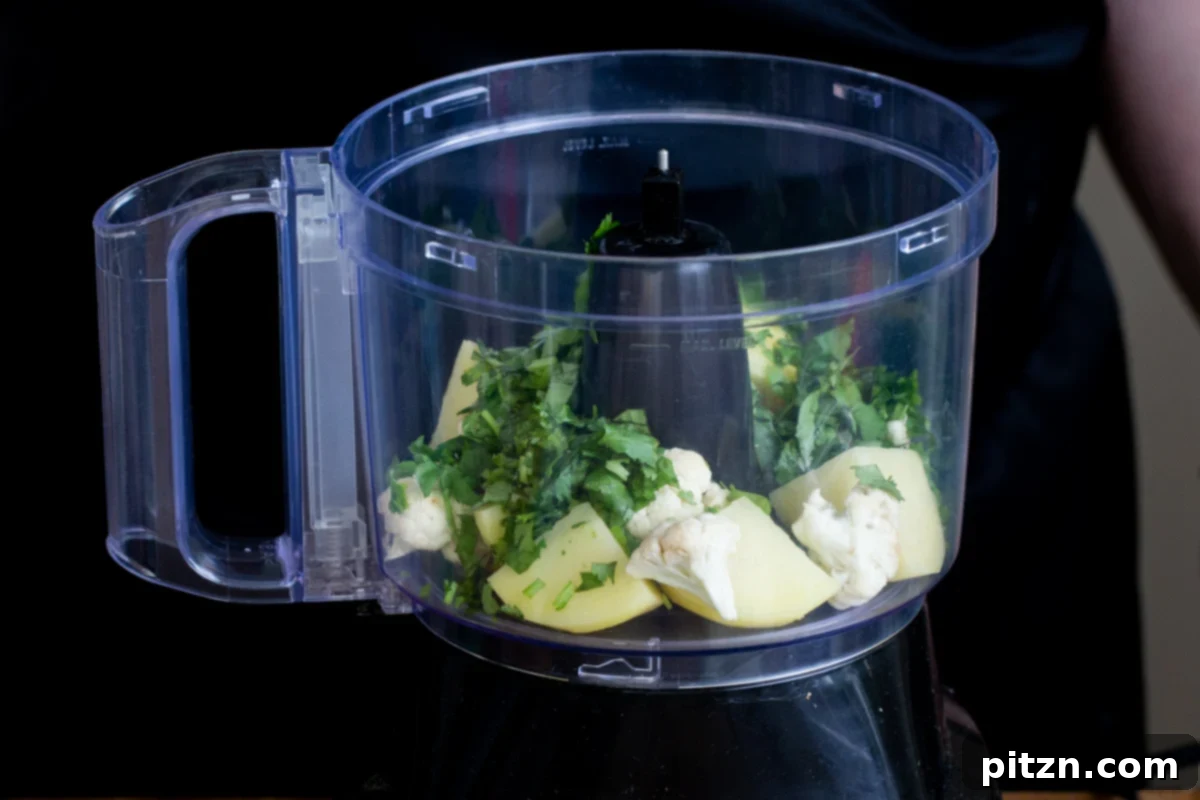
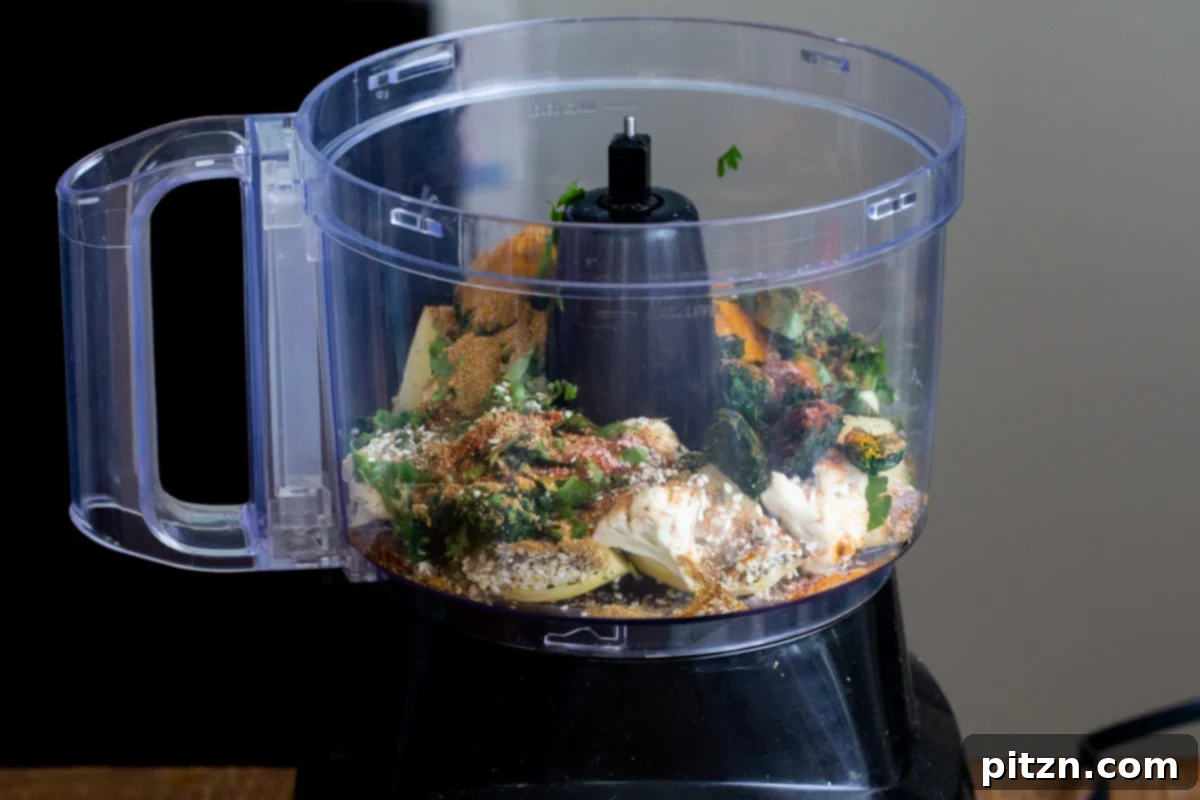
Begin by adding all of your raw vegetables (cauliflower florets, cubed potato, thawed and squeezed spinach), spices (ground cumin, coriander, turmeric, paprika, ginger, dried fenugreek leaves, carom seeds, salt), and 1 tablespoon of oil to your food processor. Ensure the vegetables are roughly chopped into manageable pieces before adding them.
-
Process into a Coarse Meal
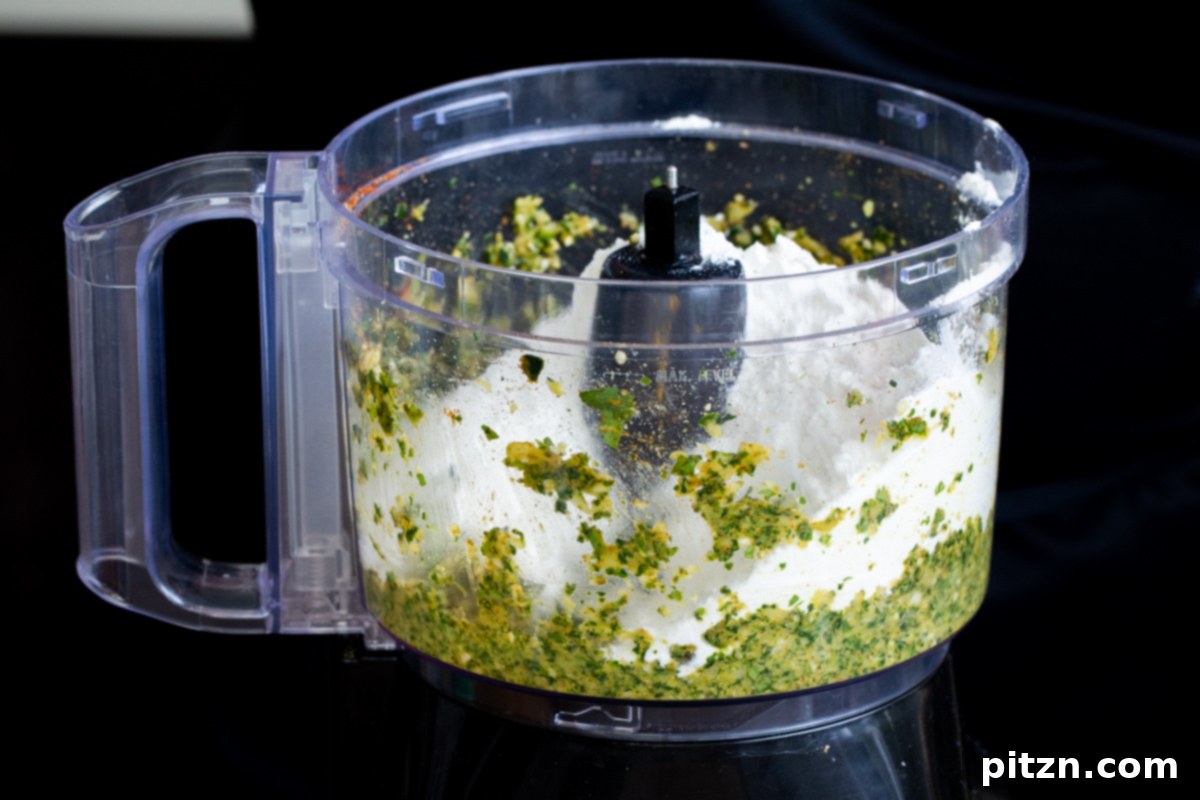
Process the mixture in the food processor until all the vegetables are finely chopped into a coarse meal consistency. You don’t want a smooth paste; a slightly textured mixture is perfect as it will integrate better into the dough and cook beautifully.
-
Form the Dough
Now, add your flour to the food processor. A good starting point is ¾ cup all-purpose flour and 1 cup whole wheat or chapati flour (total 1¾ cups). Add 2 tablespoons of water and pulse the mixture. Continue processing until the vegetables are thoroughly mixed with the flour.

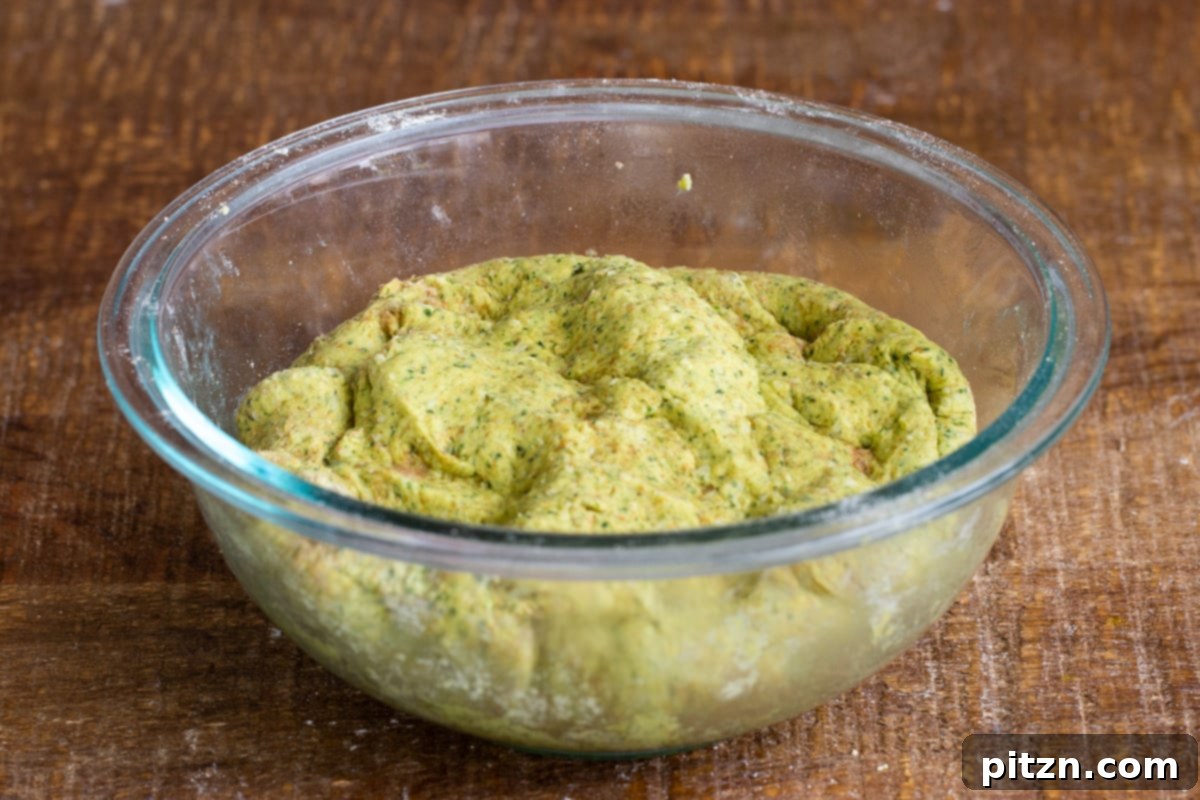
Depending on the moisture content from your vegetables and how absorbent your flour is, you might already have a good dough consistency. If not, add more water, one tablespoon at a time, pulsing after each addition, until a smooth, slightly stiff dough forms. It’s crucial that the dough isn’t sticky, as the vegetables will release more moisture as it rests. Once formed, remove the dough from the food processor, place it in a bowl, sprinkle with a little flour, and knead for a few seconds until smooth. Cover and let it rest for 10-15 minutes.
-
Roll Out the Flatbreads
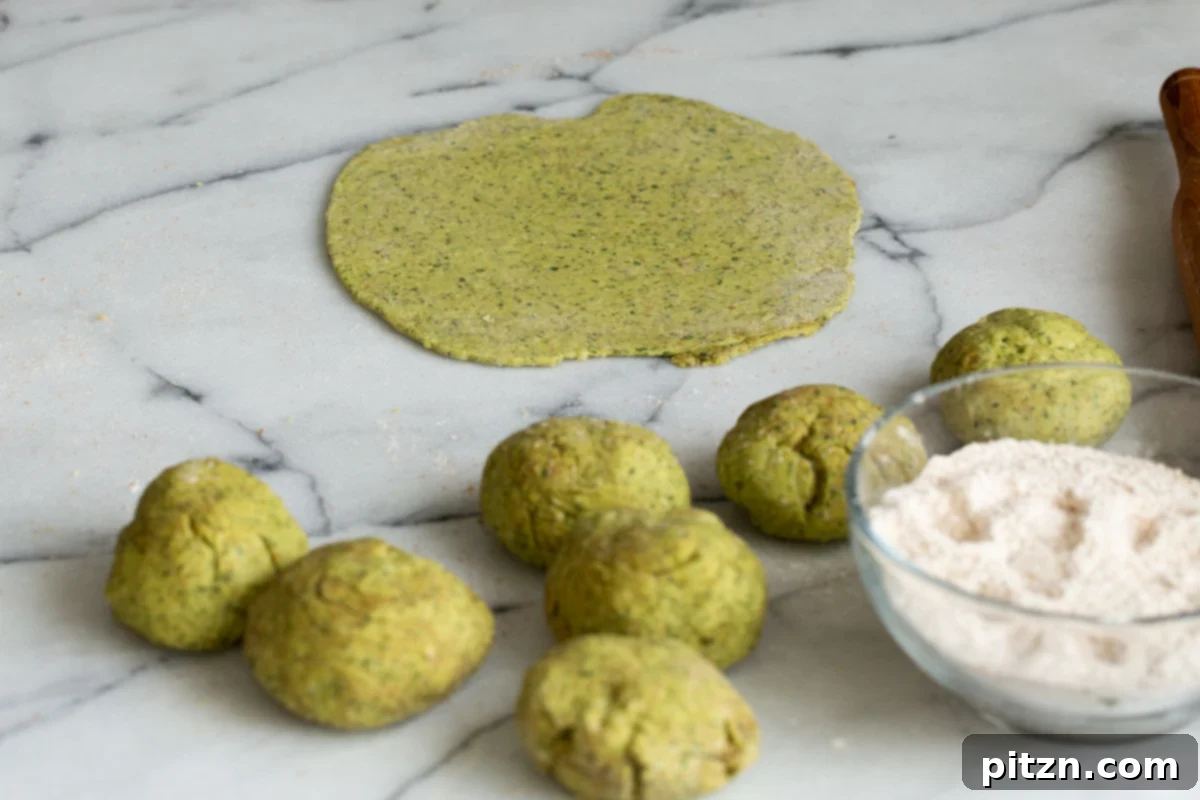
Prepare your workstation (a clean kitchen counter, wood plate, or marble surface). Lightly dust it with whole wheat flour. Briefly knead the rested dough for a few seconds, then divide it into 12 equal-sized balls. Using a rolling pin, roll each ball into a circular flatbread, aiming for about one millimeter in thickness. Avoid rolling them too thin, as this can make them excessively crispy and dry; a slight thickness helps them stay soft and cook the veggies thoroughly.
-
Cook the Parathas on a Skillet
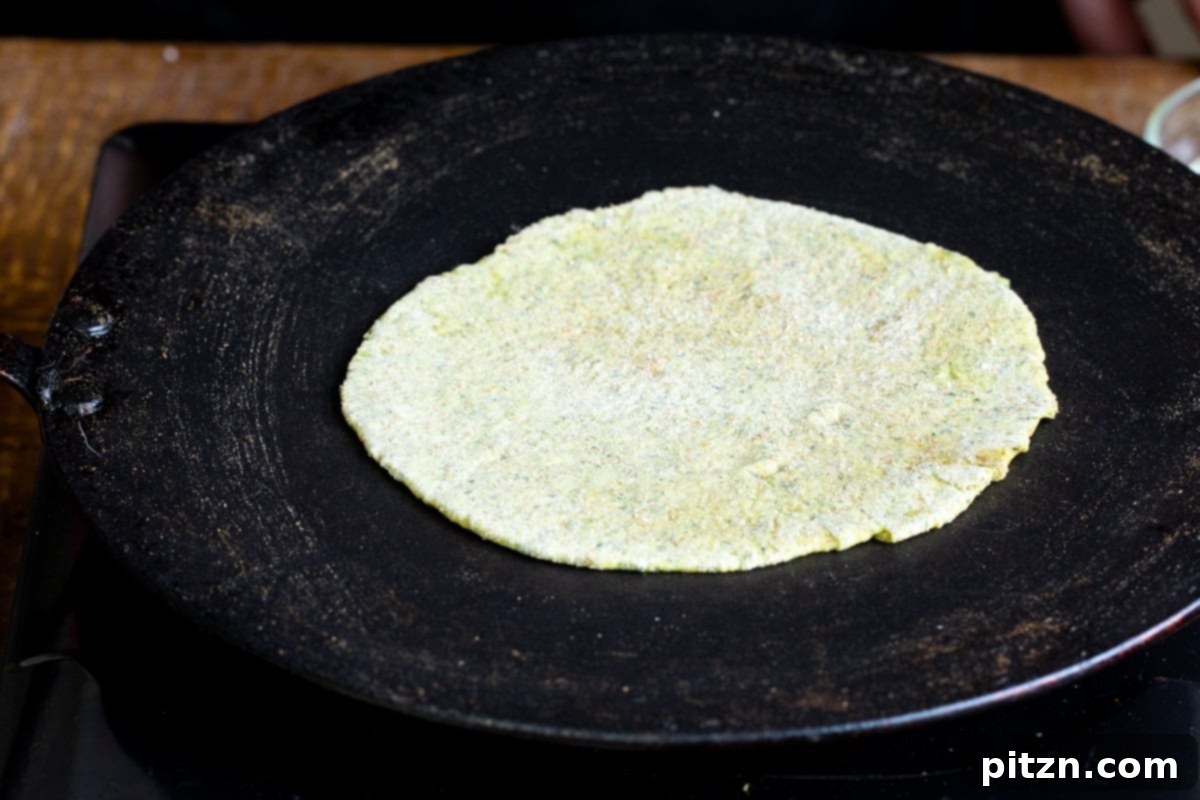
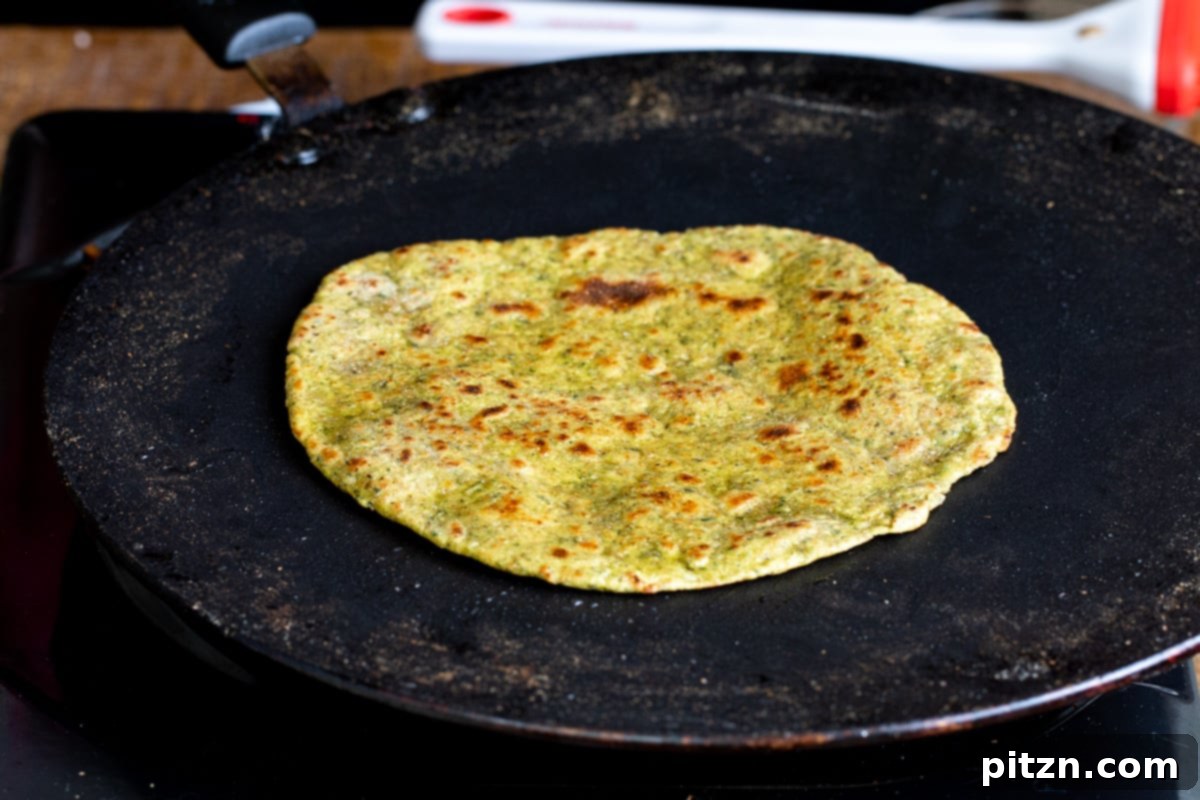
Heat a skillet or tava over medium-high heat. Once hot, place a rolled-out flatbread onto the skillet. Let it cook until small bubbles begin to appear on the surface.
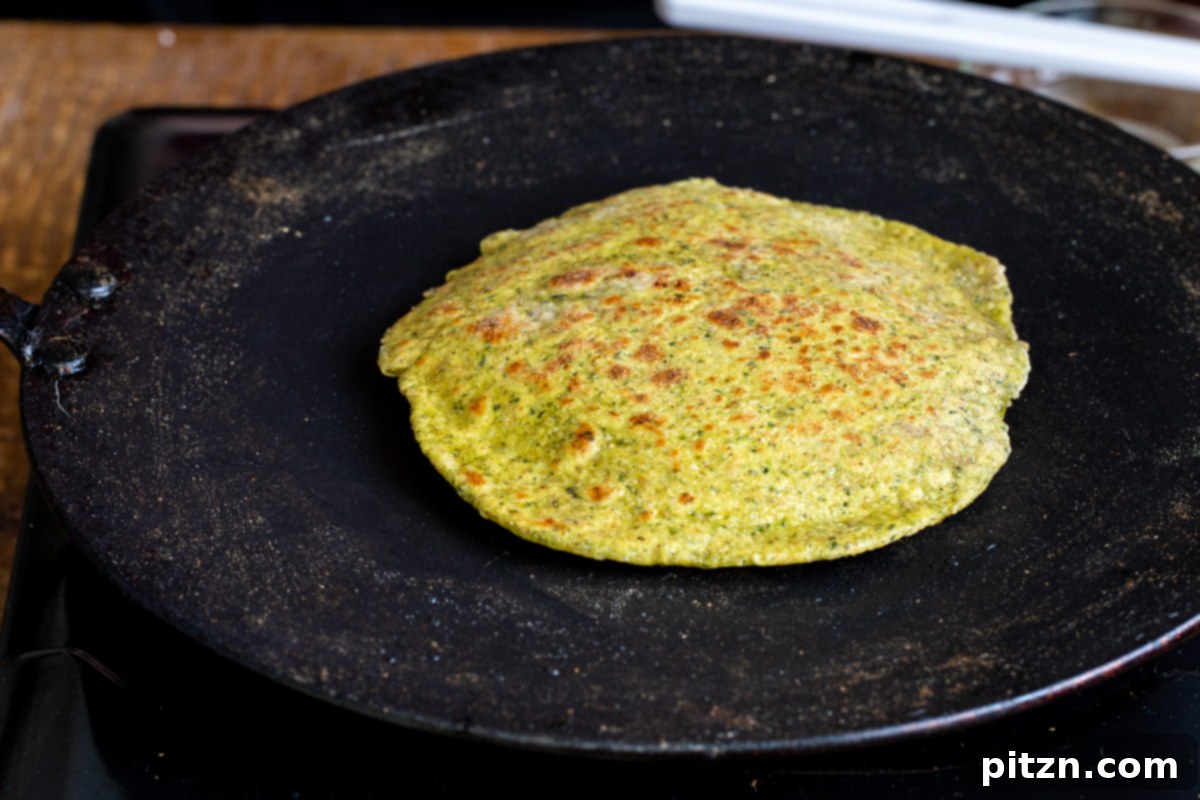
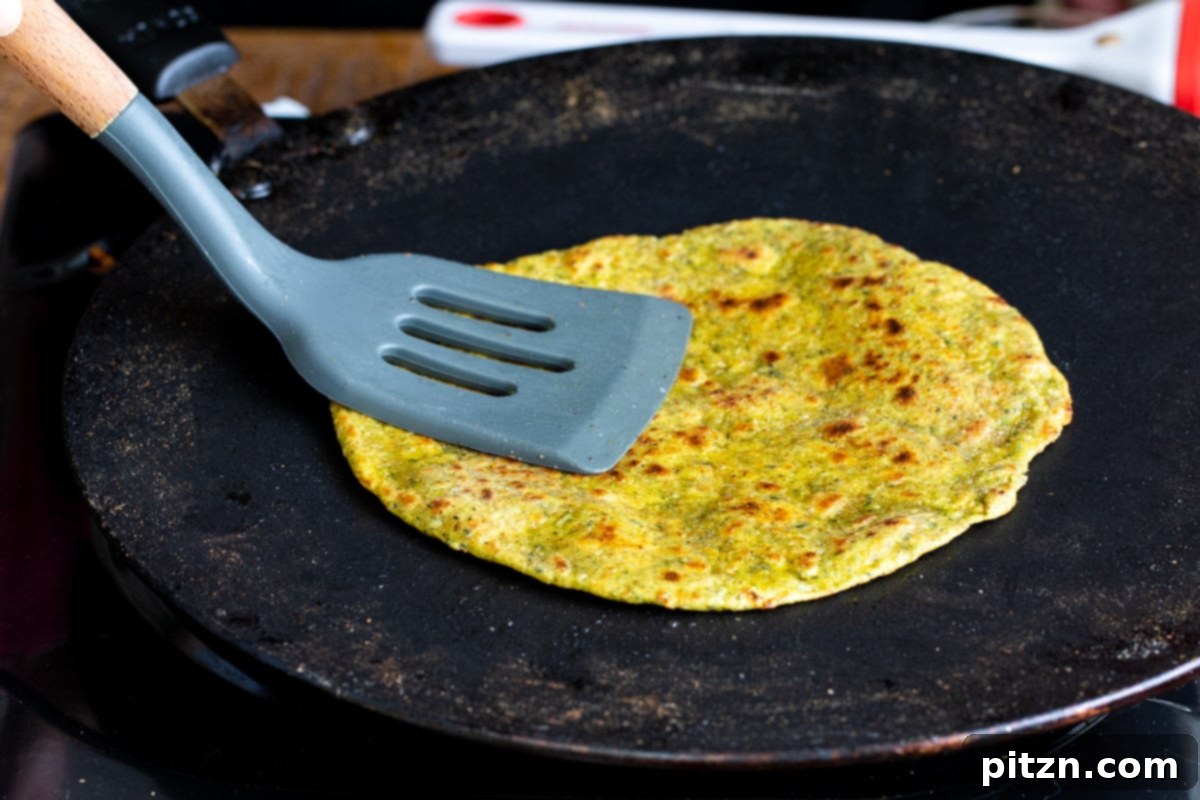
Flip the paratha and continue cooking until more bubbles form and the other side turns golden brown. During this stage, gently press different portions of the flatbread with your spatula for a few seconds at a time. This helps ensure even cooking, especially for the raw vegetables inside, and contributes to a softer paratha.
Lightly brush the top of the paratha with a little oil and flip it again. Brush oil on the other side and continue to press with your spatula until both sides have golden-brown spots and are cooked through. The entire cooking process for one paratha can take anywhere from 2-6 minutes, depending on your stove, skillet, and the thickness of the flatbread.
-
Serve and Enjoy
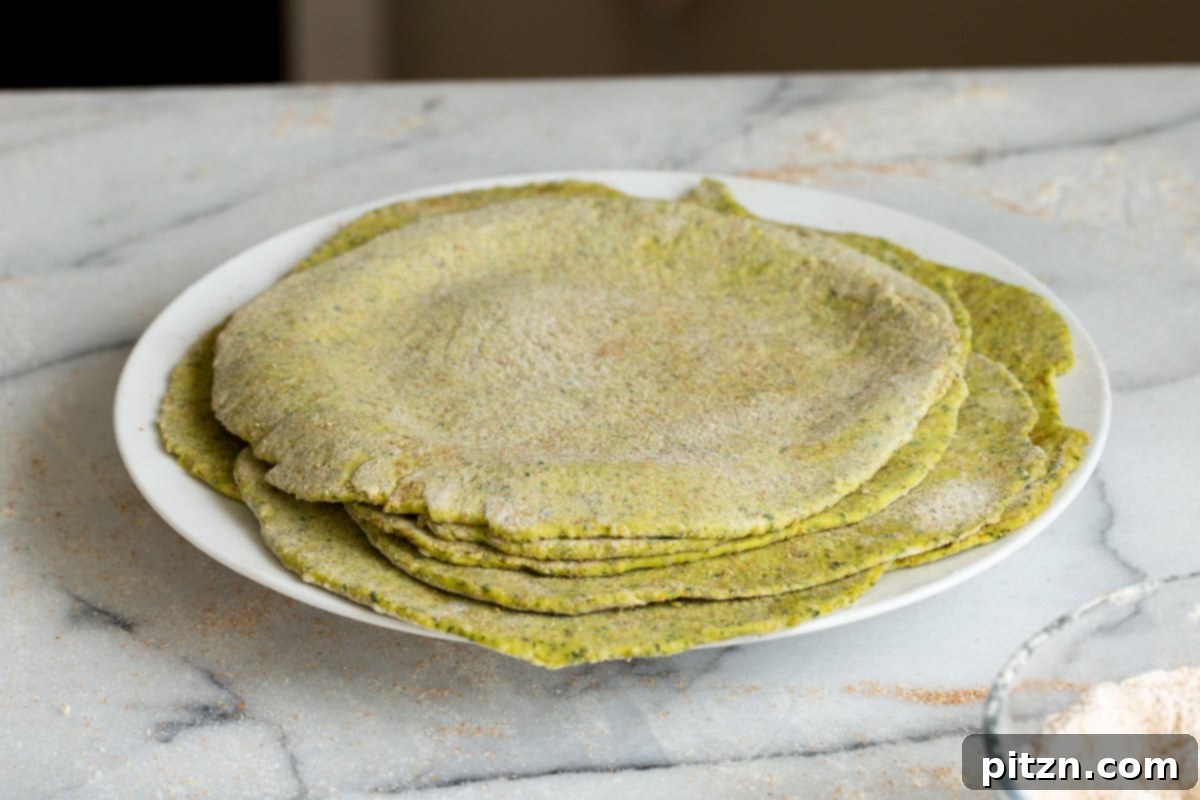
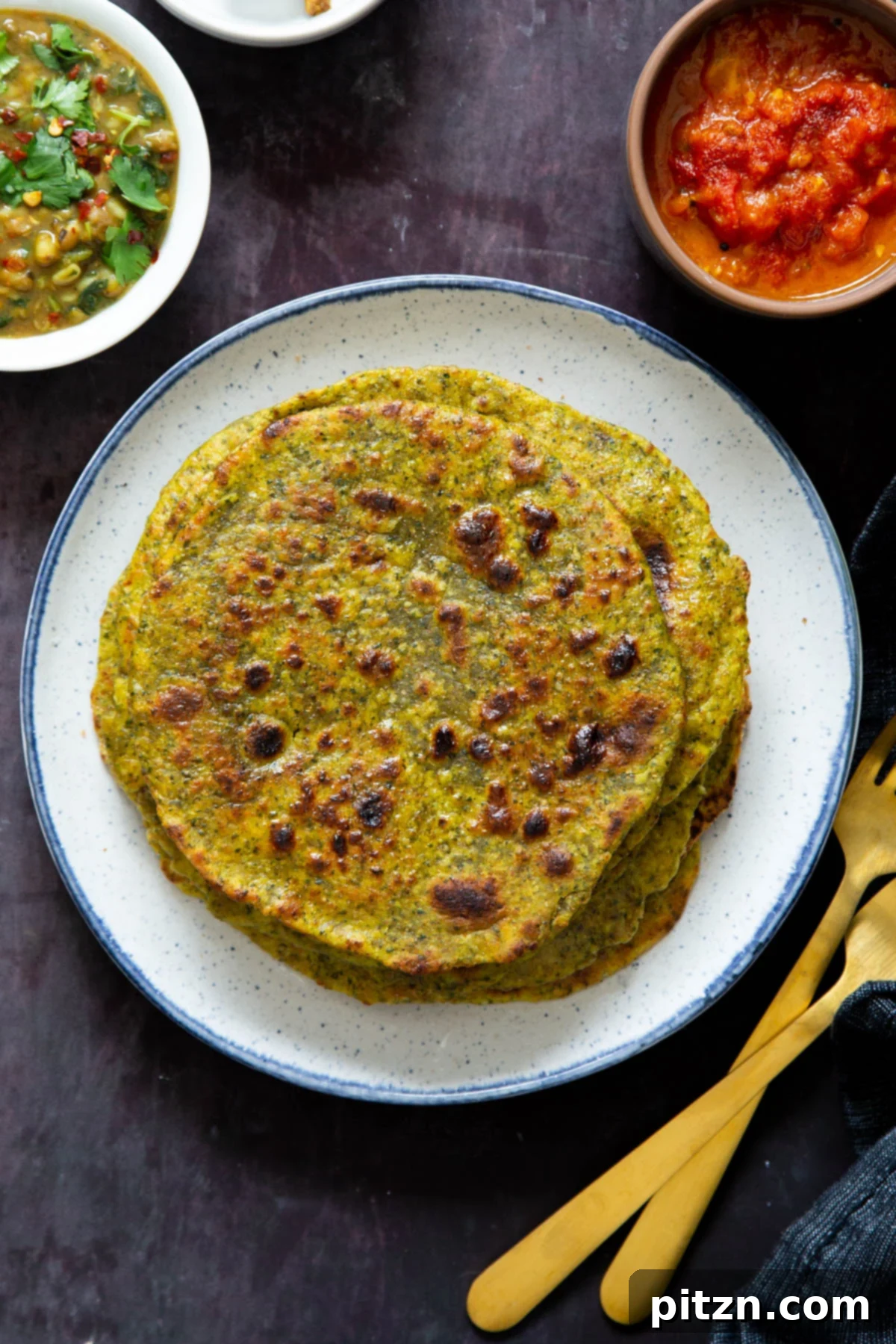
Once cooked, remove the paratha from the skillet and cover it with a thick kitchen towel to keep it warm and soft while you cook the remaining flatbreads. Repeat the cooking process for all the dough balls. You can brush a little vegan butter on the finished parathas for extra richness before serving. If consuming within the day, simply store them covered on the counter.
Expert Tips for the Best Masala Paratha
Achieving perfectly soft, flavorful Masala Parathas is easier with these tips:
- Dough Consistency is Key: Aim for a dough that is slightly stiff but pliable, not sticky. Too much moisture will make it difficult to roll, while too dry will result in tough parathas. Adjust water or flour by the tablespoon if needed. Remember, raw vegetables will release some moisture as the dough rests.
- Don’t Skip the Resting Time: Allowing the dough to rest for 10-15 minutes after kneading helps the gluten relax, making the dough easier to roll out and contributing to a softer final texture.
- Even Rolling Matters: Try to roll the parathas into uniform circles of approximately 1 millimeter thickness. Uneven thickness can lead to some parts being undercooked and others overly crispy. Dust your workstation with flour as needed to prevent sticking.
- Cook Over Medium-High Heat: A hot skillet is essential for cooking parathas quickly and preventing them from drying out. If the heat is too low, the parathas will spend too much time on the skillet, becoming hard and dry.
- Press During Cooking: Gently pressing the paratha with a spatula as it cooks is crucial. This helps cook the raw vegetables evenly inside, ensures the flatbread puffs up, and keeps it soft. Focus on pressing different spots to encourage even browning.
- For Extra Softness, Add Vegan Yogurt: Incorporating 2 tablespoons of non-dairy yogurt into the dough (reducing water slightly) can result in even softer parathas. The acidity in the yogurt helps tenderize the dough.
- Choosing the Right Whole Wheat Flour: If using all whole wheat flour, opt for “chapati flour” (atta). It’s typically a finer grind than regular whole wheat flour, yielding softer flatbreads. Regular coarser whole wheat flour can make parathas drier if not balanced with some all-purpose flour or extra moisture.
Delicious Variations to Try
The beauty of Masala Paratha lies in its adaptability. Don’t hesitate to customize it to your liking:
- Vegetable Swaps: Replace or add other finely grated or processed vegetables such as sweet potato, finely chopped carrots, zucchini, or even finely diced bell peppers. Just ensure they are processed to a fine consistency so they cook through quickly.
- Boost with Grains and Seeds: Enhance the nutritional value by adding 2 tablespoons of oats, chia seeds, or flax seeds to the dough. These can also help absorb excess moisture from the vegetables.
- Adjust Spice Level: For more heat, add finely minced green chilies or a pinch of cayenne pepper. For a milder flavor, reduce the paprika or skip the ginger.
- Aromatic Additions: Consider adding a pinch of asafoetida (hing) for a savory aroma, especially if omitting onion/garlic, or a touch of garam masala for an extra layer of complexity.
Serving Suggestions for Masala Paratha
Masala Paratha is incredibly versatile and pairs well with a variety of dishes, making it suitable for any meal of the day:
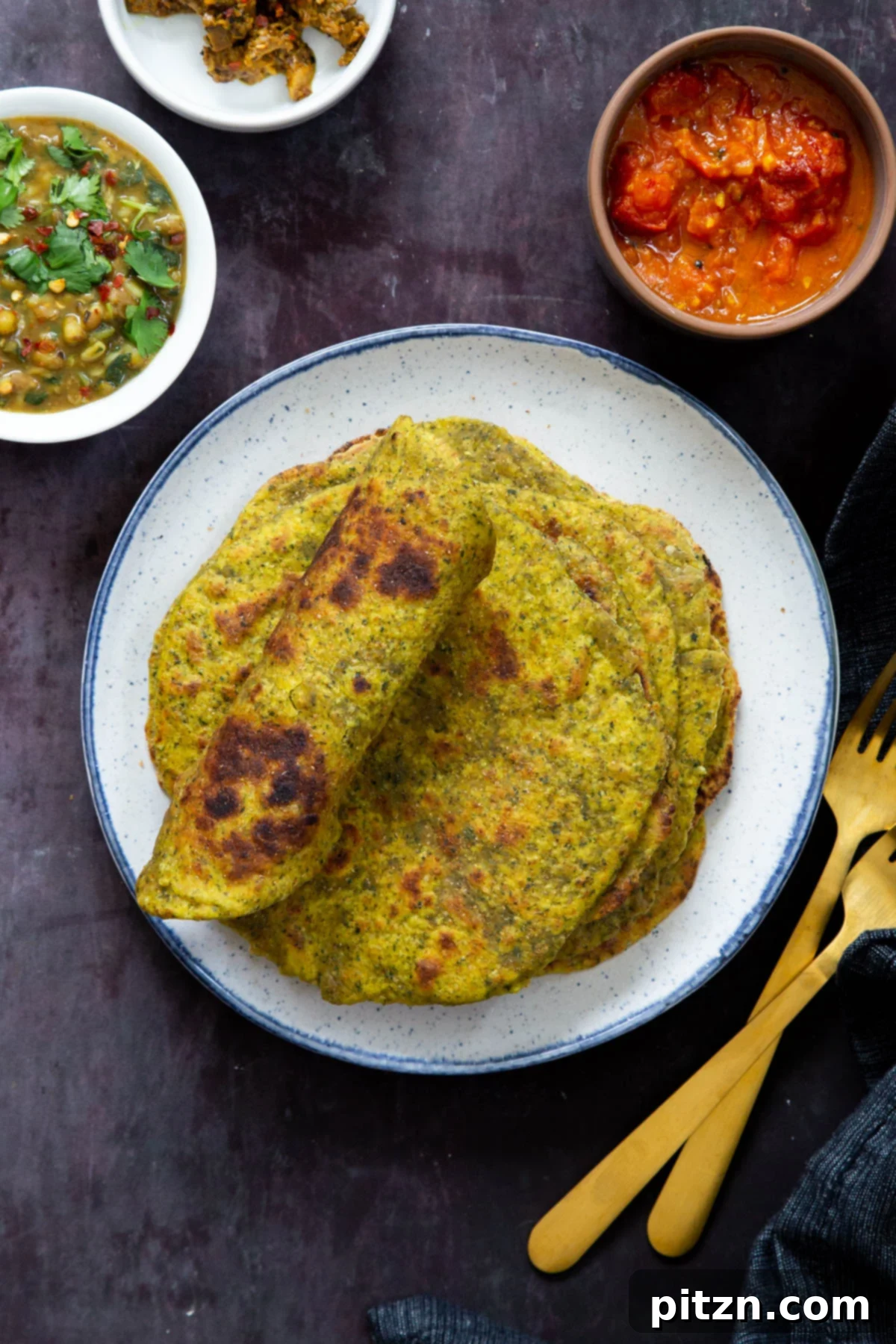
- Traditional Accompaniments: Serve warm with a dollop of vegan butter or a drizzle of olive oil. They are fantastic with a side of non-dairy yogurt, tangy Indian pickles (achaar), or a sweet and sour tomato chutney.
- Main Course Pairing: Masala Parathas are an excellent complement to rich and flavorful dals (lentil stews) or any of your favorite Indian curries, such as Chana Masala, Aloo Gobi, or a creamy vegetable curry.
- Breakfast or Snack: Enjoy them on their own with a hot cup of chai, or simply with some plain vegan curd for a light and satisfying breakfast or snack.
Storage and Freezing Masala Paratha
Masala Parathas are perfect for meal prepping. Here’s how to store and reheat them:
- Refrigeration: Cooked parathas can be stored in an airtight container in the refrigerator for up to 4 days.
- Freezing: For longer storage, allow the cooked parathas to cool completely. Place a piece of parchment paper between each flatbread to prevent sticking, then stack them in an airtight container or a freezer-safe bag. They can be frozen for several months.
- Reheating on Skillet: Reheat refrigerated or frozen parathas on a hot skillet over medium heat until warmed through and soft, about 1-2 minutes per side. You can add a tiny bit of oil if desired.
- Reheating in Microwave: To reheat in the microwave, cover the paratha with a damp paper towel before warming for 30-60 seconds. The damp towel helps retain moisture and keeps them soft.
Making Gluten-Free Masala Paratha
While the traditional recipe uses wheat flour, it is entirely possible to create delicious gluten-free Masala Parathas. The process, however, requires a slightly different approach due to the lack of gluten structure:
- Add Binding Agents: When preparing the vegetable mixture, add 2 tablespoons of chia seeds or flax seeds along with the vegetables. These act as binding agents, providing structure and flexibility to the gluten-free dough.
- Gluten-Free Flour Blend: Instead of wheat flour, use a good quality gluten-free all-purpose flour blend. Alternatively, you can create your own blend using a mix of oat flour, almond flour, chickpea flour, and a small amount of tapioca starch (for elasticity). A ratio like 1 cup oat flour, ½ cup almond flour, ½ cup chickpea flour, and ¼ cup tapioca starch can work well.
- Dough Consistency: Gluten-free doughs tend to be more delicate. Aim for a smooth, cohesive dough that isn’t too wet or too dry. You may need to adjust water slightly.
- Careful Rolling: Gluten-free flatbreads will be harder to roll out and more prone to cracking. Be gentle and use plenty of flour for dusting. If the dough is too sticky, add a little more GF flour; if too dry, a tiny bit more water. Some individuals find success by rolling GF dough between two sheets of parchment paper.
- Reference: For a more detailed guide on gluten-free flatbreads, you can refer to recipes like a sweet potato gluten-free flatbread, which often utilize similar techniques for dough handling. The key is to achieve a good dough consistency before attempting to roll, and patience is your best tool!
Nutrition Highlights of Masala Paratha
Masala Paratha is a relatively healthy and wholesome option, especially when packed with fresh vegetables and made with whole grains. Per serving (based on approximately 12 servings from this recipe), it offers:
- Calories: 111 kcal
- Carbohydrates: 19g
- Protein: 3g
- Fat: 2g (with minimal saturated fat)
- Fiber: 1g
- Essential minerals like Sodium (102mg), Potassium (115mg), Calcium (20mg), and Iron (2mg).
- Vitamins such as Vitamin A (454 IU) and Vitamin C (5mg), thanks to the included vegetables.
Nutrition information is automatically calculated, so should only be used as an approximation.
Video
More Flatbread Recipes to Explore
If you’ve enjoyed making this Masala Paratha, you might also like to try these other delicious flatbread recipes:
- Vegan Naan
- Broccoli Chickpea Stuffed Flatbread; Broccoli Paratha Yeast-free
- Spinach Paratha Flatbread
- Gluten-free Cauliflower Flatbread – Grain-free
- Herb Garlic Flatbread Recipe No Yeast
- Gluten-free Naan Almond Flour Naan