
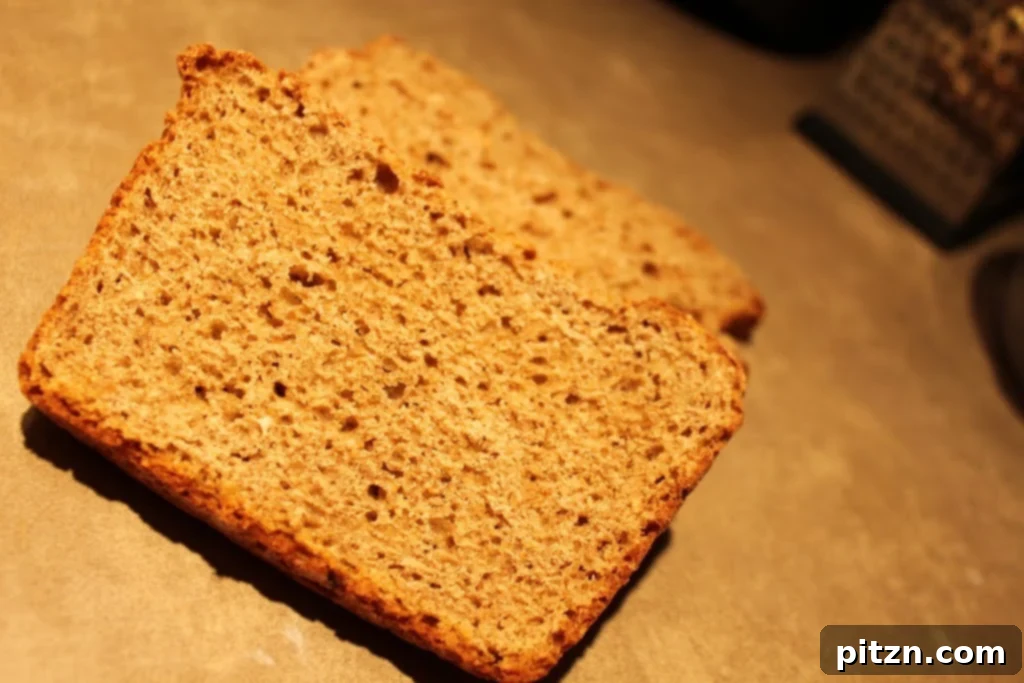
Gingerbread bread. Full of warming spices like cinnamon, ginger, cardamom, and cloves. Great toasted with tea or coffee. This is a delightful vegan recipe. Jump to Recipe
Cozy & Aromatic Vegan Gingerbread Bread: The Ultimate Comfort Bake
Step into the enchanting world of homemade baking with this exquisite Vegan Gingerbread Bread. Infused with a harmonious blend of warming spices such as fragrant cinnamon, zesty ginger, subtle cardamom, and rich cloves, this loaf is more than just a treat—it’s an experience. Forget gingerbread cookies; this hearty bread captures all the beloved flavors in a substantial, comforting form perfect for any occasion. Whether you’re seeking a wholesome breakfast, a cozy afternoon snack, or a unique dessert, this plant-based recipe promises to fill your home with an irresistible aroma and your soul with warmth.
Why This Vegan Gingerbread Bread Will Become Your New Favorite
Beyond its incredible taste, this gingerbread bread offers numerous reasons to fall in love. It’s a fantastic alternative to traditional gingerbread desserts, providing a satisfying density that holds up wonderfully to toasting and various toppings. Crafted entirely with plant-based ingredients, it’s accessible to vegans and those with dairy or egg allergies, without compromising on flavor or texture. The combination of fresh and ground ginger, along with a touch of molasses, creates a deep, complex flavor profile that’s both nostalgic and incredibly satisfying.
This recipe is designed to be straightforward, allowing even novice bakers to achieve impressive results. We focus on a simple, step-by-step process that demystifies bread making, ensuring a delicious outcome every time. While some bread recipes can be intimidating, this gingerbread loaf guides you through each stage, from activating the yeast to the final golden-brown bake. The result is a tender, moist loaf with a perfectly spiced crust that begs to be savored.
The Magic of Spices in Gingerbread
The heart of any gingerbread lies in its spices. This recipe celebrates that tradition by carefully balancing a medley of aromatic ingredients. Fresh ginger provides a vibrant, zesty kick, while ginger powder adds depth and a sustained warmth. Cinnamon brings a sweet, woody note, nutmeg adds a hint of creamy sweetness, and just a pinch of cloves and cardamom elevates the entire flavor profile with their intensely aromatic qualities. Each spice plays a crucial role, contributing to the bread’s signature festive and comforting character. This carefully chosen blend ensures that every bite is bursting with flavor, making it truly irresistible, especially during colder months or holiday seasons.
Vegan Gingerbread Bread Recipe
No ratings yet. Share your experience!
Print Recipe
This delightful vegan gingerbread bread is generously infused with the cozy and inviting flavors of cinnamon, ginger, cardamom, and cloves. It’s incredibly versatile, making it perfect for toasting and enjoying alongside your morning tea or coffee, establishing it as an essential and comforting staple for your plant-based kitchen.
Ingredients
Gathering the right ingredients is the first step to creating this aromatic masterpiece. This blend of flours, sweeteners, and fresh spices ensures a bread that’s both wholesome and bursting with classic gingerbread flavor.
- 1 cup bread flour
- 3-4 cups whole wheat flour (you may adjust the quantity slightly to achieve the perfect dough consistency)
- 1 cup warm water (this will be divided for yeast activation and dough kneading)
- 2 tablespoons oil or melted vegan butter
- 1 teaspoon salt
- 2 tablespoons granulated sugar
- 1 tablespoon molasses (essential for the signature gingerbread depth and color)
- 2 inch piece of fresh ginger, peeled and roughly chopped
- 1 teaspoon ginger powder
- 1/4 teaspoon cinnamon powder
- 1/4 teaspoon ground nutmeg
- Pinch of clove powder (use sparingly for a strong aromatic kick)
- Pinch of cardamom powder (for a subtle, exotic nuance)
- 2 teaspoons active dry yeast
Instructions
Follow these detailed steps carefully to bake your perfect loaf of vegan gingerbread bread. Patience during the rising periods is crucial for achieving a beautifully light and airy texture.
- Activate the Yeast: Begin by warming half a cup of water to approximately 105-115°F (40-46°C). In a small bowl, dissolve the granulated sugar into the warm water, then sprinkle the active dry yeast over the top. Stir gently and allow the mixture to sit undisturbed for about 10 minutes. It should become visibly frothy and bubbly, confirming that your yeast is active and ready to use.
- Prepare the Spice & Molasses Blend: While your yeast is activating, prepare your aromatic spice blend. In a blender, combine the peeled and roughly chopped fresh ginger, a small amount of the remaining warm water, all the dry spices (ginger powder, cinnamon powder, ground nutmeg, clove powder, and cardamom powder), and the molasses. Blend these ingredients until you achieve a smooth, fragrant paste. Set this flavorful mixture aside.
- Combine Dry Ingredients: In a large, greased mixing bowl, measure and add the bread flour, whole wheat flour, and salt. Use a whisk or fork to mix these dry ingredients thoroughly, ensuring they are evenly combined.
- Form and Knead the Dough: Pour the oil (or melted vegan butter), the frothy yeast mixture, and the aromatic ginger-spice blend into the dry ingredients in the large mixing bowl. Begin to knead the dough. If kneading by hand, continue for 8-10 minutes until the dough becomes smooth, elastic, and pulls away from the sides of the bowl. If using a stand mixer with a dough hook, knead for 3-4 minutes on medium speed, stopping intermittently to scrape down the sides of the bowl to incorporate all ingredients.
- Adjust Dough Consistency: During the kneading process, observe the dough’s texture. If it feels too dry or stiff, gradually add more of the remaining warm water, one tablespoon at a time, until the dough reaches a soft, pliable, and slightly tacky consistency. Avoid adding too much flour unless absolutely necessary, as this can lead to a dry loaf.
- First Rise (Bulk Fermentation): Once kneaded, transfer the dough to a well-greased container. Cover the container loosely with plastic wrap or a clean, damp kitchen towel. Place the dough in a warm, draft-free spot (such as a slightly warm oven that has been turned off) for approximately 2 hours, or until the dough has impressively doubled in size. This crucial step develops both flavor and texture.
- Shape the Loaf: Gently punch down the risen dough to release the accumulated air. Lightly flour your clean work surface. Briefly knead the dough again to redistribute the yeast and gluten. To shape it into a neat loaf, flatten the dough into a rectangular shape, then pull the longer sides inward and tuck them underneath, sealing the seams to form a tight, smooth loaf.
- Second Rise (Proofing): Carefully place the shaped loaf into a well-oiled bread pan. Cover the pan again with a damp towel and allow it to rise in a warm place for an additional hour. During this second rise, the loaf should noticeably increase in volume and appear puffy, indicating it’s ready for baking.
- Bake the Bread: Preheat your oven to 375°F (190°C). Once preheated and the bread has completed its second rise, place the bread pan into the oven. Bake for about 40 minutes, or until the crust is a rich golden brown and the internal temperature of the bread, checked with a thermometer, reaches between 200-210°F (93-99°C). A wooden skewer inserted into the center should also come out clean.
- Cool Completely: After baking, carefully remove the bread from the oven and immediately transfer it from the pan to a wire rack. Allow the gingerbread bread to cool completely before attempting to slice it. This step is essential to prevent a gummy texture and allows the internal structure of the bread to set properly and the flavors to fully meld.
Baking Tips for a Perfect Gingerbread Loaf
Achieving a perfectly textured and flavorful gingerbread bread at home is incredibly rewarding. Here are some expert tips to ensure your baking success:
- Temperature is Key for Yeast: When activating your yeast, ensure the water temperature is just right—lukewarm (105-115°F or 40-46°C). Water that’s too hot will kill the yeast, preventing your bread from rising. Water that’s too cold will not activate it efficiently. A good indicator is when it feels warm but not hot to the touch.
- Don’t Over-Flour the Dough: It’s tempting to add more flour if the dough feels sticky, but resist the urge to add too much. A slightly tacky dough after kneading is ideal. Excessive flour can lead to a dry, dense loaf. Gradually add small amounts of flour if the dough is unmanageably sticky, but aim for pliability over firmness.
- Optimal Proofing Environment: Yeast dough loves warmth and hates drafts. For an ideal rising environment, you can preheat your oven to its lowest setting for a few minutes, then turn it off and place the covered dough inside. Alternatively, a sunny spot on your countertop or near a warm appliance works well.
- Patience During Cooling: This might be the hardest step, but it’s crucial! Slicing into a hot loaf can compress the crumb, resulting in a gummy texture. Allowing the bread to cool completely on a wire rack allows the starches to set, moisture to distribute evenly, and flavors to fully develop, ensuring a superior texture and taste.
- Fresh Spices Make a Difference: While pre-ground spices are convenient, using freshly ground spices (or checking the freshness of your existing ones) can significantly boost the aroma and flavor of your gingerbread. Spices lose potency over time, so if yours have been in the pantry for years, consider refreshing them.
Important Notes and Considerations
- The listed total time for this recipe does not include the essential 3 hours of proving (rising) time required for the dough. Please factor this into your baking schedule.
- For the most vibrant and authentic flavor, always prioritize using fresh, high-quality spices. Their impact on the final taste of your gingerbread bread is substantial.
- The nutritional values provided for this recipe are automatically calculated and are based on a single serving. These figures should be used as an approximation, as actual values may vary depending on the precise ingredients used and exact portion sizes.
Approximate Nutrition Information (per serving)
This wholesome gingerbread bread offers a comforting balance of energy and fiber. Here’s an estimated nutritional breakdown per serving:
Calories: 217 kcal
Carbohydrates: 40 g
Protein: 7 g
Fat: 4 g
Sodium: 237 mg
Potassium: 201 mg
Fiber: 4 g
Sugar: 4 g
Calcium: 18 mg
Iron: 1.6 mg
Disclaimer: Nutrition information is automatically calculated and should only be used as an approximation.
Creative Variations & Customizations
While this gingerbread bread is perfect as is, it also serves as a wonderful canvas for your culinary creativity. Feel free to experiment with these variations to make it uniquely yours:
- Citrus Zing: For a bright, aromatic twist that beautifully complements the ginger, fold in 1-2 teaspoons of finely grated orange or lemon zest into the dough during the final stages of kneading.
- Sweet & Chewy Add-ins: During the last few minutes of kneading, incorporate 1/2 cup of finely chopped dried cranberries, golden raisins, or extra candied ginger for bursts of sweetness and chewiness throughout the loaf.
- Nutty Crunch: Add 1/2 cup of chopped walnuts, pecans, or almonds to the dough for an added layer of texture and a rich, earthy flavor that pairs wonderfully with the spices.
- Decadent Glaze: For a touch of elegant sweetness, prepare a simple glaze by whisking together 1 cup of powdered sugar with 2-3 tablespoons of plant-based milk (such as almond or oat milk) and a dash of vanilla extract. Drizzle this glaze generously over the cooled bread before serving.
- Chocolate Chips: For the ultimate indulgence, mix in 1/2 cup of vegan chocolate chips (dark chocolate works best) during the final kneading phase. The melting chocolate will create pockets of gooey goodness.
Delightful Serving Suggestions
This versatile gingerbread bread can be enjoyed in a multitude of ways, making it suitable for any meal or snack:
- Toasted Perfection: Slice and lightly toast a piece for a warm, fragrant treat that enhances the spices. Serve it simply with a spread of vegan butter, a dollop of apple butter, or your favorite fruit jam.
- Morning Ritual: It’s the quintessential companion for your morning coffee, a soothing cup of black tea, or a creamy chai latte. The spices awaken the palate and provide a comforting start to your day.
- Elegant Dessert: Serve a warm slice of gingerbread bread with a scoop of dairy-free vanilla ice cream or a dollop of coconut whipped cream for an easy yet impressive dessert. A drizzle of maple syrup can elevate it further.
- Unique Sandwiches: Surprisingly, this bread can form the base for delightful “dessert sandwiches.” Try it with a thin layer of vegan cream cheese, a spread of almond butter, or even sliced fresh fruit like pears or apples.
- Bread Pudding Base: Stale gingerbread bread makes an incredible bread pudding. Soak cubed pieces in a spiced custard made with plant-based milk, bake, and serve warm.
Storage and Freezing Guidelines
To keep your homemade vegan gingerbread bread tasting fresh and delicious for as long as possible, follow these storage recommendations:
- Room Temperature: Once the loaf has completely cooled, store it in an airtight container or a bread box at room temperature. It will stay fresh and moist for up to 3-4 days. For best results, avoid direct sunlight or warm environments.
- Refrigeration: If you need to extend its shelf life, you can store the gingerbread bread in an airtight container in the refrigerator for up to a week. Be aware that the texture might become slightly firmer when chilled, but a quick reheat in the toaster or microwave will restore its tenderness.
- Freezing for Long-Term: For longer storage, slice the cooled bread and wrap individual slices tightly in plastic wrap, then place them in an airtight freezer bag or container. This method helps prevent freezer burn. The bread can be frozen for up to 3 months. Thaw individual slices at room temperature, or toast them directly from frozen for a quick treat.
- Reviving Stale Bread: If your bread has become a bit dry, sprinkle a few drops of water over the slices, wrap them in foil, and warm them in a preheated oven (300°F/150°C) for 10-15 minutes. This will bring back some of its moisture and softness.
Did you try making this delicious Vegan Gingerbread Bread? We would absolutely love to hear about your experience! Please consider leaving a rating and comment below to share your feedback and help inspire other aspiring bakers. Your input is invaluable!
Conclusion: Embrace the Warmth of Homemade Gingerbread
Baking this vegan gingerbread bread is far more than just following a recipe; it’s an immersive experience that fills your entire home with comforting, festive aromas and brings immense joy to everyone who gets to savor a slice. Its rich, deeply spiced flavor combined with a satisfyingly tender texture makes it an instant favorite, perfect for any occasion – from a simple morning coffee to a special holiday gathering. So, gather your ingredients, embrace the comforting embrace of these aromatic spices, and prepare to bake a loaf that is sure to become a cherished and frequently requested addition to your culinary repertoire. Happy baking, and may your kitchen always be filled with the sweet scent of success!