
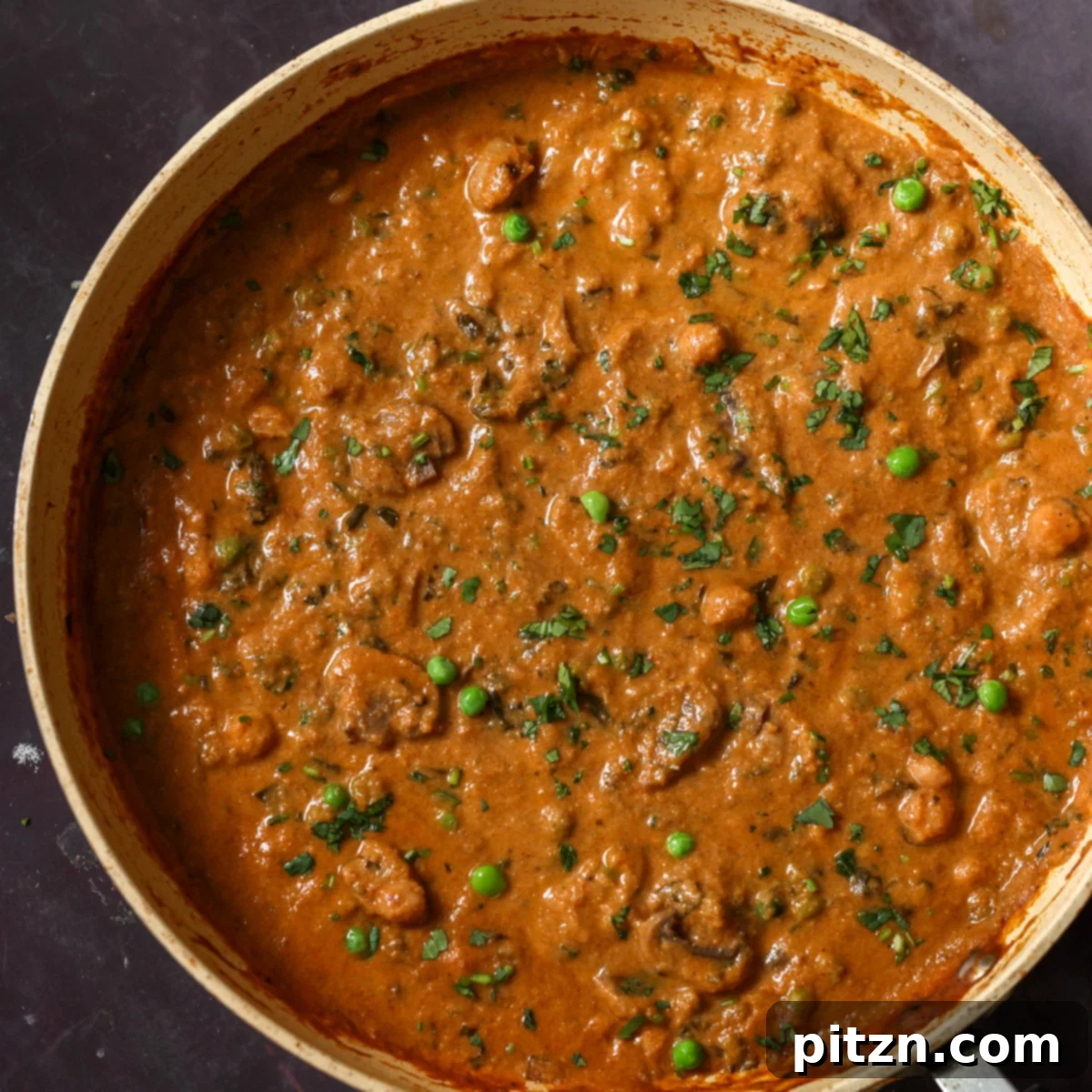
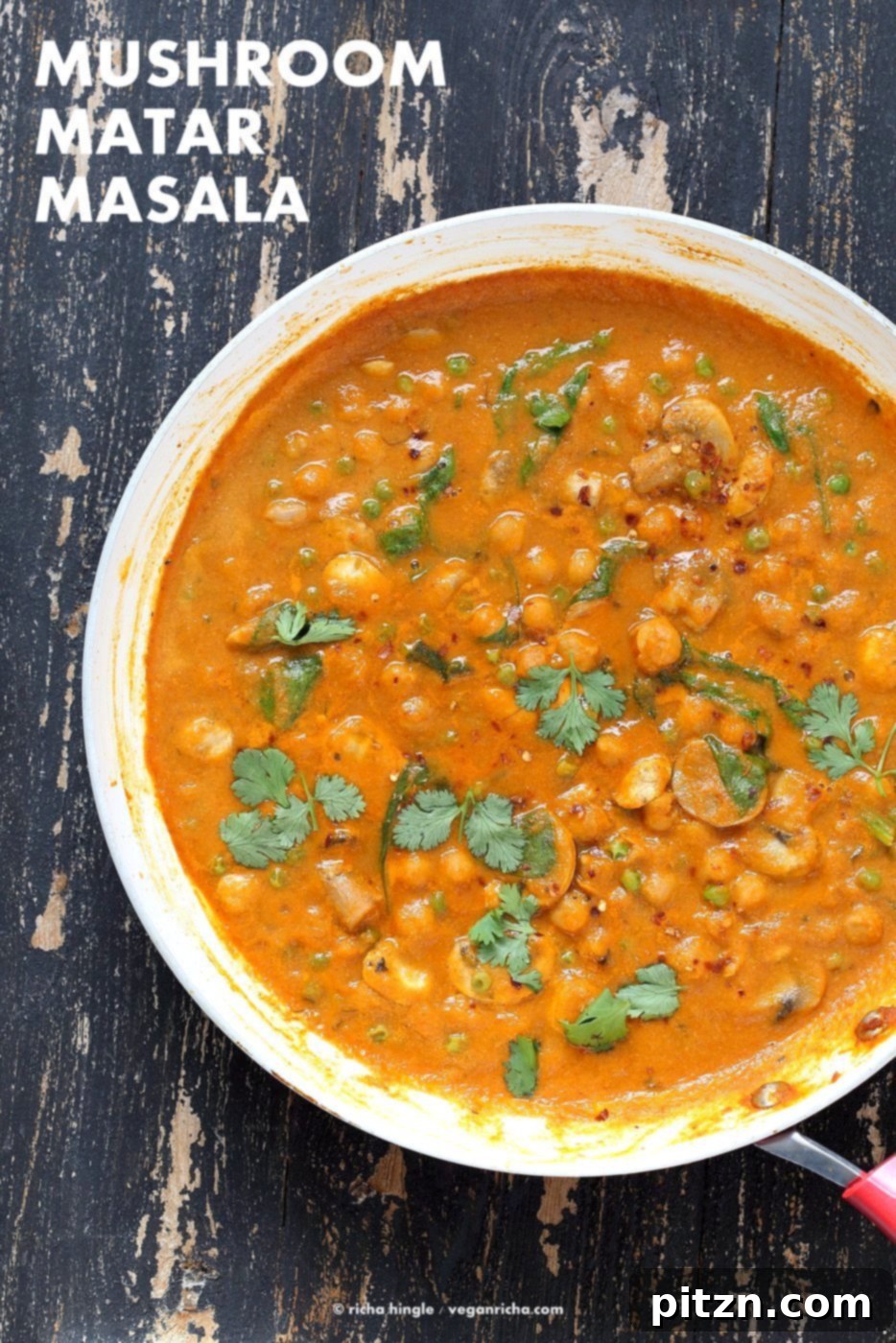
Embark on a culinary journey with this incredible Mushroom Matar Masala recipe, a vibrant and comforting Indian curry that promises to tantalize your taste buds. Starring tender mushrooms and sweet green peas enveloped in an effortlessly creamy tomato-based sauce, this dish is a true celebration of authentic Indian flavors. What makes it even more appealing is how quickly it comes together – you can have this versatile Indian curry ready in approximately half an hour, making it an ideal choice for busy weeknights or when you crave a hearty, flavorful meal without a long cooking process. Originally shared on August 19, 2016, this beloved recipe has been refined and expanded to ensure maximum flavor and ease, proving that delicious, wholesome meals are well within reach.
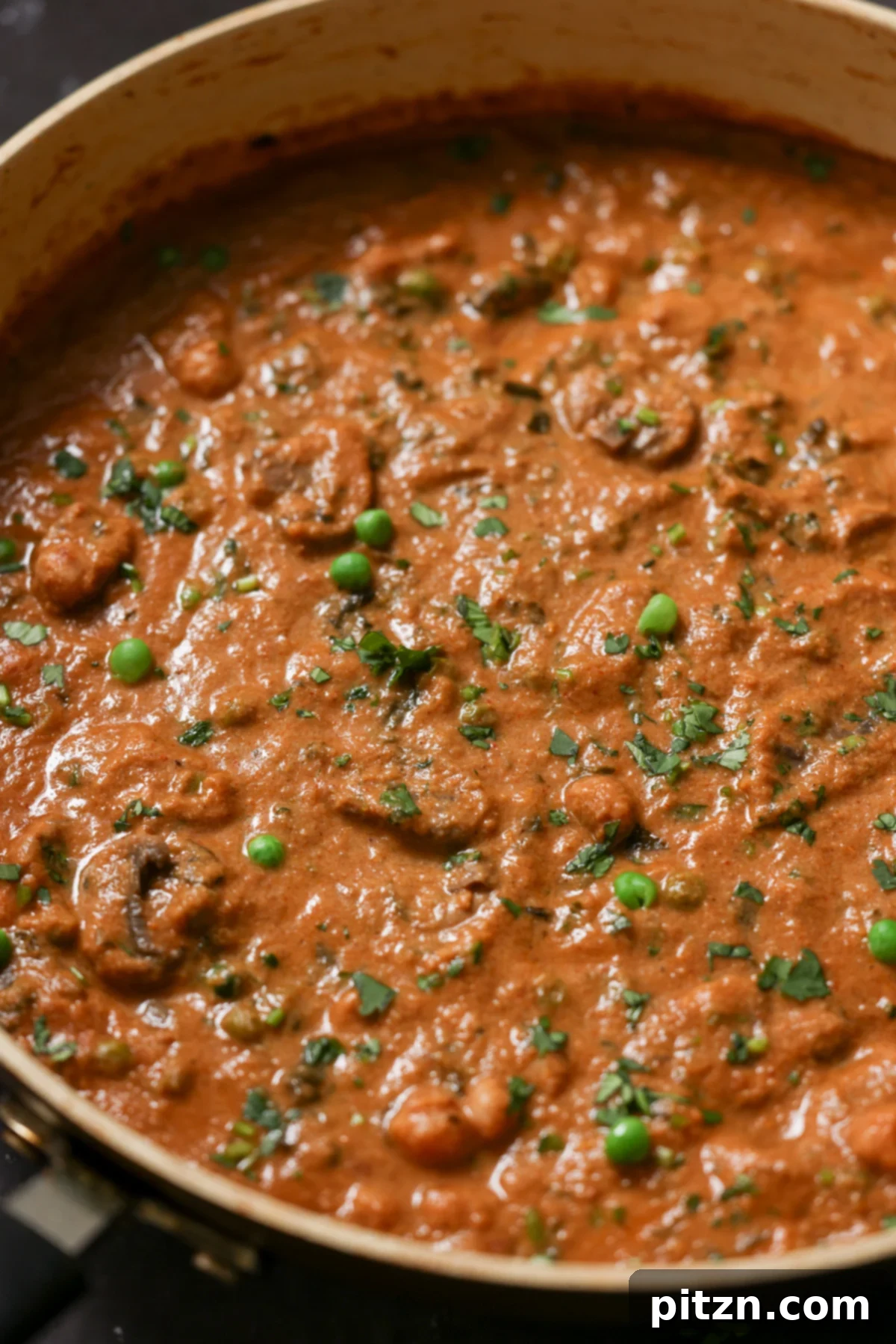
Table of Contents
- Why You’ll Love This Mushroom Matar Masala
- Understanding Masala: The Heart of Indian Cuisine
- Mushroom Matar Masala (Mushroom Pea Curry) Recipe
- Key Ingredients for Perfection
- Expert Cooking Tips
- How to Prepare Mushroom Matar Masala: Step-by-Step
- What to Serve with Mushroom Matar Masala
- Frequently Asked Questions
- Nutrition Information
This mushroom and pea curry stands out for its simplicity and exquisite taste, making it a perfect candidate for your regular dinner rotation. In Indian cuisine, the term “masala” is incredibly versatile and foundational. It can refer to a dry blend of spices, a fresh paste made from ground spices and aromatics, or even a rich sauce base that forms the backbone of countless dishes. In this recipe, we craft a luscious masala sauce that beautifully complements the earthy flavors of browned mushrooms and the sweet pop of green peas, creating a truly delicious and satisfying vegan mushroom pea curry.
To elevate this dish, we often incorporate nutrient-rich spinach or other leafy greens, along with protein-packed chickpeas, enhancing both its nutritional value and textural complexity. The beauty of this recipe lies in its adaptability. For an extra creamy sauce, simply increase the quantity of cashews. If you desire a rich, buttery “makhani” style curry, a touch of vegan butter can be swirled in at the end. You also have complete control over the spice level, allowing you to tailor the heat to your personal preference, from mildly comforting to boldly fiery. This Mushroom Matar Masala is more than just a meal; it’s a flavorful and fulfilling experience, embodying the vibrant spirit of North Indian cuisine.
Understanding Masala: The Heart of Indian Cuisine
The term “masala” is fundamental to Indian cooking, embodying the essence of its aromatic depth and complexity. Far from being a single ingredient, a masala is a blend of spices, herbs, and other flavor agents. It can be:
- Dry Spice Blends: Such as garam masala, which is a warming mix of ground spices used to finish dishes and add a fragrant aroma. These blends are carefully curated to bring balance and depth to Indian cooking.
- Wet Spice Pastes: Made from grinding fresh ingredients like ginger, garlic, chilies, and sometimes onions or tomatoes. These pastes form the essential aromatic base for many curries, providing a fresh, vibrant kick.
- Curry Sauces: A more comprehensive term for a rich, flavorful gravy made from a combination of dry and wet masalas. Often featuring a tomato or onion base, these sauces provide a creamy texture and robust taste, making them the heart of dishes like this Mushroom Matar Masala.
This Mushroom Matar Masala recipe focuses on creating a harmonious masala sauce that perfectly coats the star ingredients, transforming them into a delightful culinary creation. Its versatility allows it to pair wonderfully with a variety of staples, from fluffy rice and wholesome cooked grains to soft, freshly baked flatbread. It can even be served over toast for a unique and satisfying snack or breakfast. With an active cooking time of just around 20 minutes, followed by a gentle simmer to allow the flavors to truly meld, this recipe is designed for maximum flavor with minimal effort.
Historically, this recipe often utilized a blended sauce technique, a method I frequently employed to significantly cut down on chopping time while still achieving a smooth, integrated flavor. This method ensures that the aromatics are fully integrated into the sauce, creating a homogeneous texture. However, if you prefer a different texture or enjoy the process of chopping, you can certainly finely mince the aromatics (onion, garlic, ginger, green chili) and sauté them directly in the oil. Both approaches yield fantastic results, allowing you to choose the method that best suits your cooking style and preferences, without compromising on taste.
The term “Matar” literally translates to “peas,” making them an essential and defining component of this delightful curry. Feel free to adjust the quantity of peas according to your liking – whether you prefer a subtle hint or a generous burst of their sweet flavor, they complement the earthy mushrooms perfectly. Beyond mushrooms and peas, this incredibly adaptable masala sauce also pairs beautifully with virtually any vegetable you have on hand, or with other plant-based proteins like crispy baked tofu, textured soy curls, hearty chickpeas, or nourishing lentils, offering endless possibilities for culinary creativity and meal customization.
For those with nut allergies or preferences, crafting this rich and creamy sauce without cashews is entirely achievable. Excellent alternatives include raw pumpkin seeds for a subtle nutty flavor, silken tofu for a smooth and velvety texture, plain unsweetened non-dairy yogurt for a tangy depth and creamy consistency, or full-fat coconut milk or coconut cream for a luxurious, tropical richness. Each option offers a unique profile while maintaining the desired creamy consistency, ensuring everyone can enjoy this flavorful and comforting curry without compromise.
Why You’ll Love This Mushroom Matar Masala
- Rich and Satisfying Flavors: Indulge in a hearty, exquisitely creamy, and perfectly tomatoey curry sauce, beautifully balanced with the earthy, toothsome texture of tender mushrooms and the sweet burst of vibrant green peas. Every spoonful is a delight, offering a truly comforting and deeply flavorful experience that is characteristic of authentic Indian cuisine.
- Protein-Packed and Versatile: This curry features chickpeas as a fantastic and robust source of plant-based protein, making it a fulfilling and sustaining meal. However, it’s incredibly versatile; feel free to swap them out for your preferred plant-based protein, such as crisped tofu, nourishing lentils, or even chewy soy curls, to customize it perfectly to your dietary needs and taste preferences.
- Aromatic Depth: Experience an explosion of authentic Indian flavors derived from a robust and fragrant blend of fresh garlic, zesty ginger, a hint of spicy green chili, and the quintessential warmth and complexity of garam masala. These carefully selected aromatics and spices are expertly combined to build a profound depth of taste that will awaken your senses.
- Customizable to Your Palate: One of the greatest advantages of this recipe is its inherent flexibility. You can effortlessly adjust the creaminess by adding more cashews (or a suitable nut-free alternative), dial up or down the spiciness to your desired level with cayenne or green chilies, and even vary the texture or incorporate different vegetables and proteins. It truly adapts to your personal taste and dietary requirements.
- Dietary Friendly: This Mushroom Matar Masala is not only naturally gluten-free but also inherently soy-free, catering to common dietary needs and restrictions. Furthermore, it includes simple and delicious options to make it entirely nut-free, ensuring that almost everyone can enjoy this delectable and nourishing dish without compromise, making it a crowd-pleaser for diverse gatherings.
- Quick and Easy Weeknight Meal: Despite its rich and complex flavor profile, this curry comes together remarkably quickly. With a minimal active cooking time of about 20-25 minutes, it’s an ideal solution for busy weeknights when you want a homemade, healthy, and satisfying meal without spending hours in the kitchen. The blender-based sauce simplifies preparation even further.
- Healthful and Wholesome: Packed with nutrient-dense ingredients like mushrooms, peas, tomatoes, and chickpeas, this curry is not just delicious but also incredibly healthy. It’s a fantastic way to incorporate more vegetables and plant-based protein into your diet, offering fiber, vitamins, and minerals in every bite.
More North Indian Curries to Explore
- Vegan Butter Chicken: A plant-based take on a classic, rich and creamy, offering all the indulgence without dairy.
- Smoky Tofu Angara Curry: A flavorful and smoky tofu curry, offering a unique and deeply aromatic taste experience perfect for adventurous palates.
- Punjabi Kadhi Pakora (Onion Fritters in Spiced Yogurt Sauce): A traditional and tangy yogurt-based curry (veganized) with crispy onion fritters, providing a delightful textural contrast.
- Punjabi Chole (North Indian Chickpea Curry): A robust and spicy chickpea curry, a beloved staple in North Indian cuisine, bursting with vibrant spices and hearty texture.
Mushroom Matar Masala (Mushroom Pea Curry)
★★★★★
Vegan Richa
10
25
35
4
Main
Indian
Print Recipe
Ingredients
- 3/4 cup red onion, chopped
- 5 cloves garlic
- 1 inch ginger
- 1 hot green chili such as Serrano or Indian, remove seeds to reduce heat if needed
- 1 tsp oil
- 2 large tomatoes, or 14 oz diced tomatoes
- 1/4 cup raw cashews, soaked for 15 mins if needed, use 1/3 cup for creamier sauce
- 1 to 2 tsp garam masala
- 1 tsp paprika
- 1 tsp dried fenugreek leaves, kasuri methi
- 6 to 8 oz sliced white mushrooms, or cremini or baby bella, sliced thin 1-2 mm
- 15 ounce can of chickpeas, drained and rinsed, or 1 1/2 cups cooked chickpeas
- 3/4 cup or more peas
- 1/2 tsp or more salt
- 1/4 tsp or more sugar
- 1 cup chopped spinach, optional
- cayenne, to preference
- cilantro, for garnish
Instructions
-
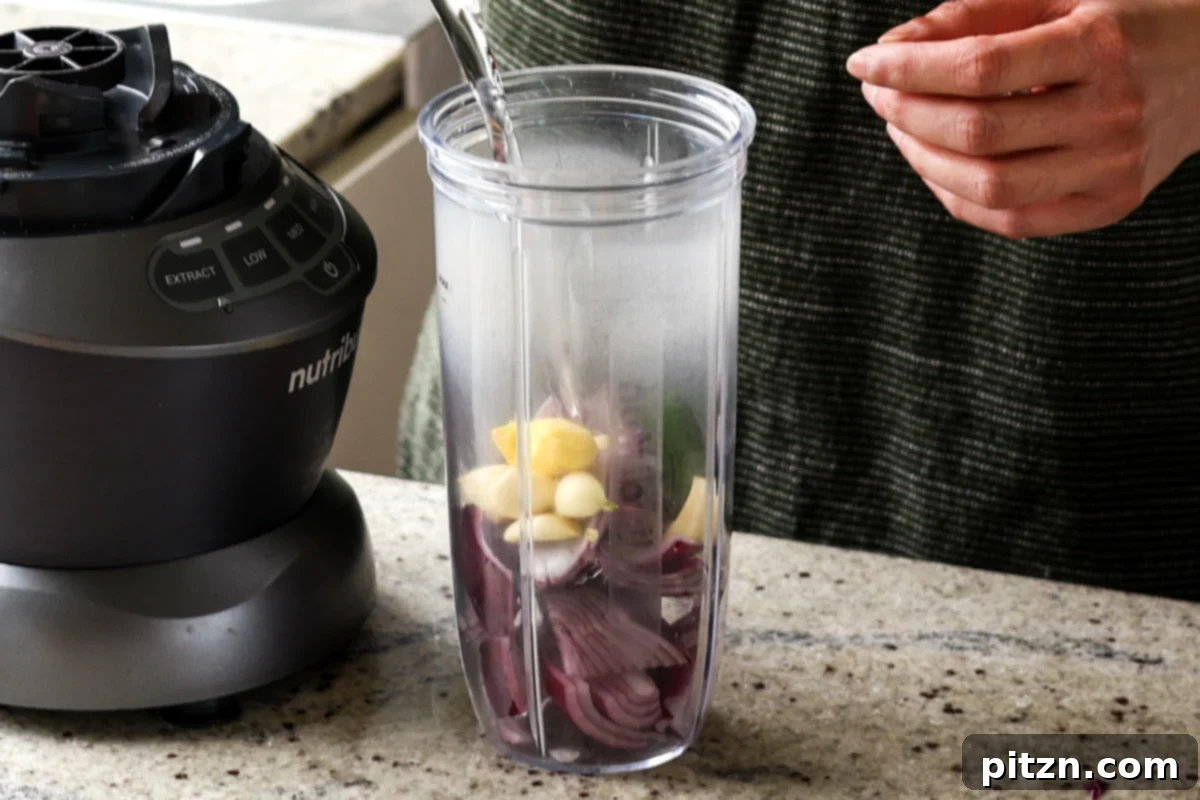
1. Prepare the Aromatic Paste: Blend the onion, garlic, ginger, and green chili with a few tablespoons of water to create a smooth, fine puree in your blender. This aromatic base is crucial for the curry’s foundational flavor.
-
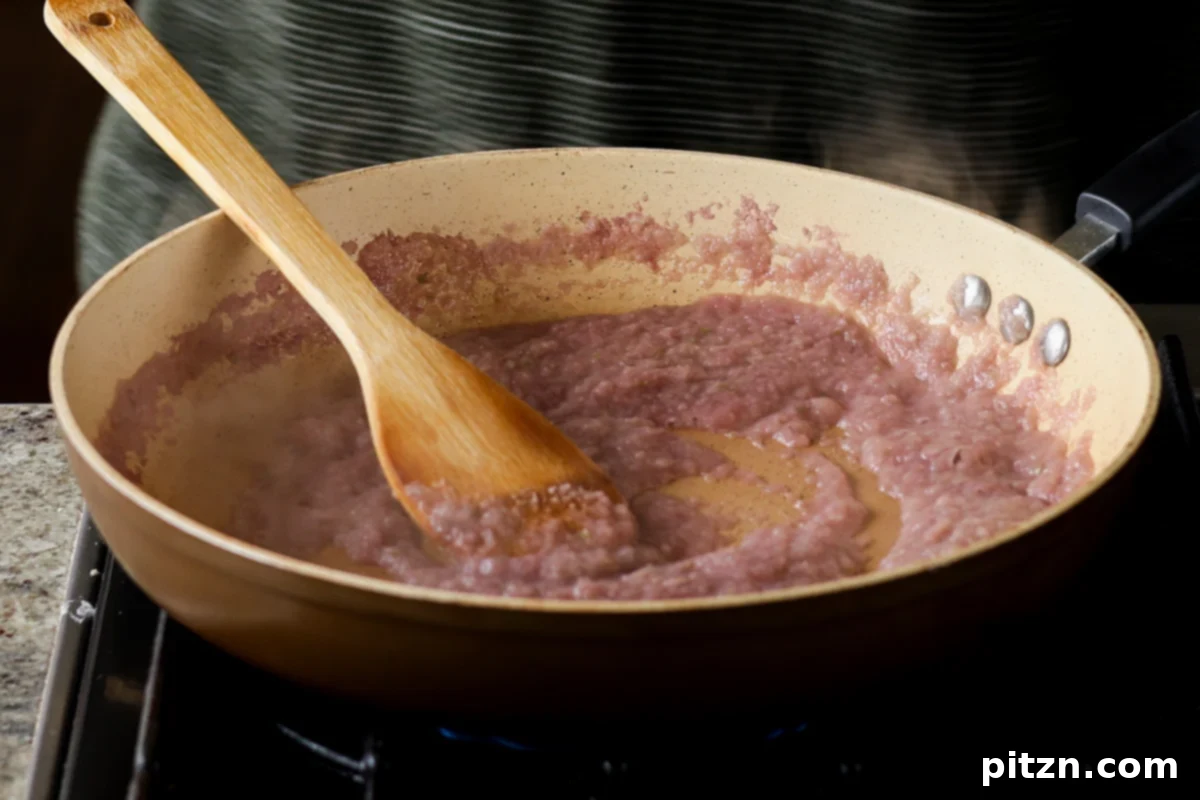
2. Sauté the Aromatics: Heat the oil in a large skillet over medium heat. Add the prepared aromatic puree and cook for 5 to 7 minutes, stirring occasionally, until the raw onion smell dissipates and the mixture slightly thickens and darkens. Alternatively, finely chop the onion, ginger, garlic, and green chili and sauté them in oil for 5-6 minutes until the onion is translucent before proceeding.
-
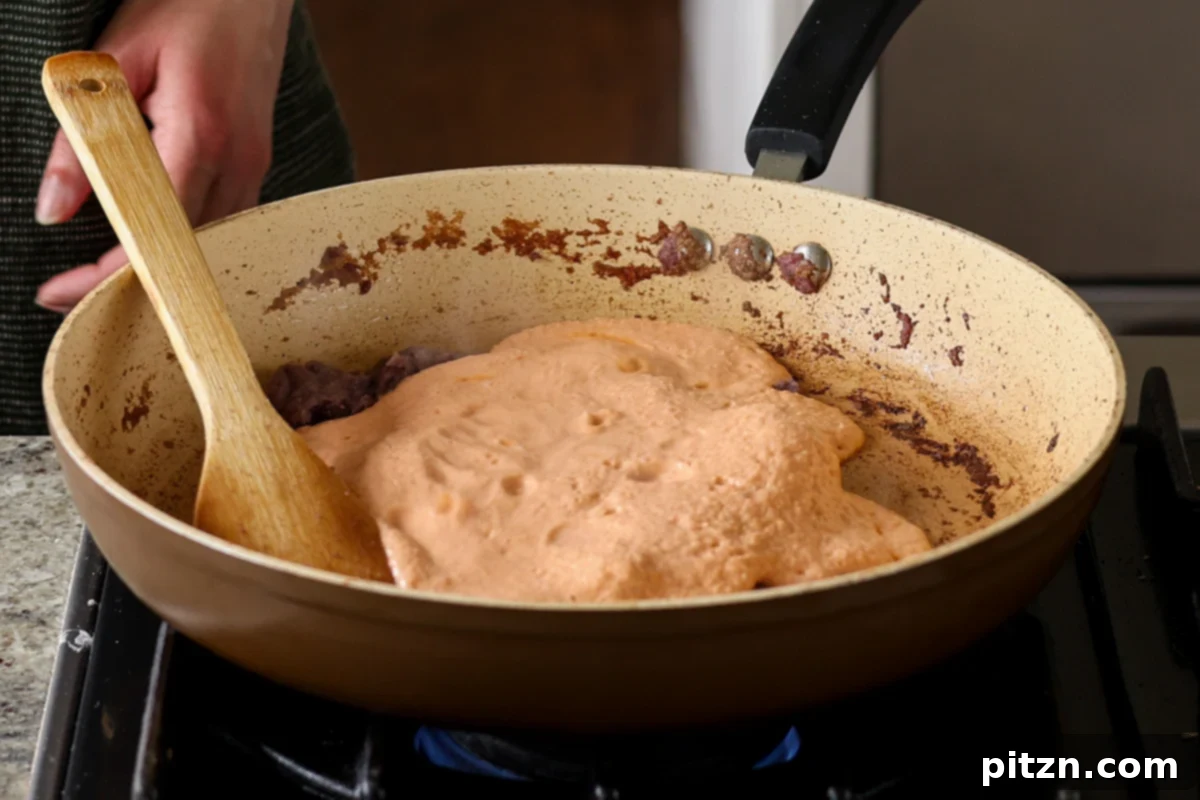
3. Develop the Creamy Tomato Base: Meanwhile, blend the tomatoes and cashews in the same blender until completely smooth. For optimal creaminess, blend for two 1-minute cycles, ensuring the cashews are fully incorporated. Add a few tablespoons of water if necessary to achieve a thick, rich tomato purée. Add this tomato mixture, along with garam masala, paprika, and fenugreek leaves, to the skillet. Cook for another 2-3 minutes, stirring occasionally, allowing the spices to bloom and flavors to deepen.
-
4. Combine and Simmer: Introduce the mushrooms, chickpeas, any other desired vegetables (such as bell peppers or carrots), 1/2 cup of water, salt, and sugar to the skillet. Mix all ingredients thoroughly, ensuring everything is well coated in the fragrant masala.
-
5. Final Simmer and Finish: Cover the skillet and let it simmer for 10 minutes, or until the mushrooms reach your preferred tenderness. Check in between to prevent sticking and add a little more water if the curry becomes too thick. Cook for an additional 5-10 minutes, depending on the mushroom variety, to allow the flavors to further meld and the sauce to deepen. Finally, gently fold in the peas and fresh spinach (if using). Adjust the consistency with a splash more water if needed, and taste to fine-tune the salt and heat. A pinch of cayenne is often added for an extra kick. Bring the curry to a gentle boil for 1-2 minutes, then remove from heat. Garnish generously with fresh cilantro and serve hot.
Video Tutorial
Notes and Variations
For an even quicker preparation, consider making this curry in an Instant Pot version.
To create a nut-free sauce, you can easily substitute cashews with other creamy alternatives such as pumpkin seeds, silken tofu, plain unsweetened non-dairy yogurt, or rich coconut cream. These options provide similar lusciousness without nuts.
If you don’t have dried fenugreek leaves (kasuri methi) on hand, you can use a 1/4 teaspoon of fenugreek seed powder as a substitute for 1 teaspoon of leaves. If you only have whole fenugreek seeds, grind them finely and use 1/4 teaspoon of the ground powder. Alternatively, 1/4 teaspoon of ground mustard can offer a similar aromatic complexity.
Storage: Leftover Mushroom Matar Masala can be stored in an airtight container in the refrigerator for up to 3-4 days. It often tastes even better the next day as the flavors continue to meld and develop further.
Freezing: This curry freezes beautifully. Portion into freezer-safe containers and freeze for up to 2-3 months. To enjoy, thaw overnight in the refrigerator and reheat gently on the stovetop, adding a splash of water or vegetable broth if needed to adjust consistency.
Nutrition Information (Approximate Per Serving)
Carbohydrates: 29g,
Protein: 11g,
Fat: 7g,
Saturated Fat: 1g,
Polyunsaturated Fat: 2g,
Monounsaturated Fat: 3g,
Trans Fat: 0.01g,
Sodium: 639mg,
Potassium: 644mg,
Fiber: 9g,
Sugar: 6g,
Vitamin A: 1563IU,
Vitamin C: 26mg,
Calcium: 73mg,
Iron: 3mg
Nutrition information is automatically calculated and should only be used as an approximation. Actual values may vary based on specific ingredients and preparation methods.
Key Ingredients for Perfection
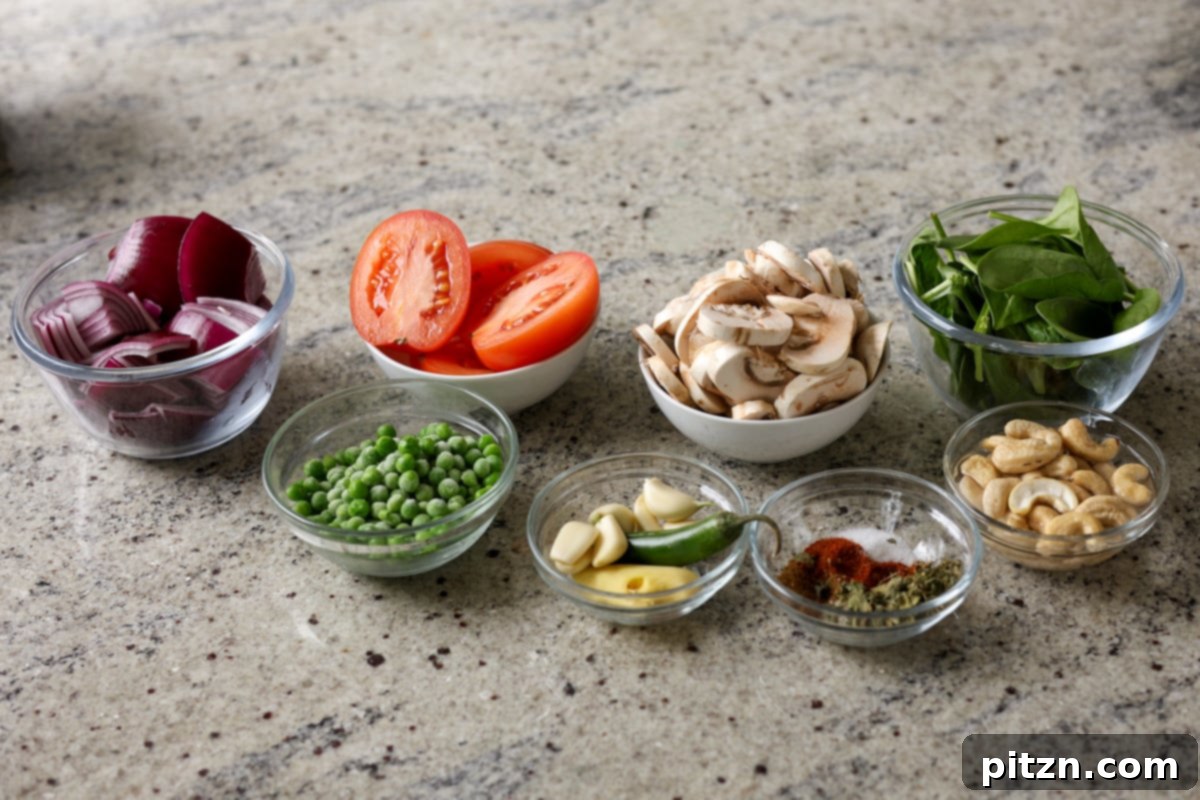
Crafting a truly exceptional Mushroom Matar Masala hinges on using fresh, aromatic ingredients that build layers of flavor and contribute to its characteristic taste and texture. Here’s a deeper look at the essential components that make this curry shine:
- Aromatics: Onion, Garlic, Ginger, and Green Chili – These are the absolute cornerstone of any good Indian curry, forming the foundational flavor base. Whether you choose to blend them into a smooth puree for a seamless, integrated sauce or finely chop them for a more textural experience, their pungent, sweet, and spicy notes are utterly indispensable. The green chili, such as Serrano or Indian varieties, provides a fresh heat that can be precisely adjusted to your preference by removing its seeds for a milder flavor.
- Cooking Oil – A neutral cooking oil, like canola, sunflower, or avocado oil, is used to gently sauté the aromatics and spices. This crucial step helps them release their full fragrance and flavor compounds, infusing the base with rich aromas before other ingredients are added.
- Tomatoes – Essential for the rich, tangy, and deeply umami-packed base of the masala sauce. Fresh large tomatoes or convenient canned diced tomatoes (approximately 14 oz) both work perfectly, providing vibrant color, natural sweetness, and a pleasant acidity that balances the spices.
- Cashews – The secret to achieving that luxurious, velvety, and creamy texture without the need for any dairy. When soaked briefly and then blended, cashews create a luscious consistency that significantly enriches the entire curry, adding body and mouthfeel. For an even creamier sauce, feel free to increase the quantity slightly to 1/3 cup. If you require a nut-free option due to allergies or preference, excellent alternatives include raw pumpkin seeds, silken tofu, plain unsweetened non-dairy yogurt, or rich full-fat coconut milk/cream.
- Ground Spices: Garam Masala, Paprika, and Dried Fenugreek Leaves (Kasuri Methi) – These spices are the very soul of the curry, providing its distinctive Indian character. Garam Masala adds a warm, complex, and fragrant bouquet of flavors. Paprika contributes a mild sweetness and a beautiful, vibrant red hue to the sauce. Dried fenugreek leaves (kasuri methi) impart a distinctive, slightly bitter, and uniquely aromatic essence that is characteristic of North Indian cuisine, adding an irreplaceable depth. If kasuri methi is unavailable, you can substitute with fenugreek seed powder or even a tiny pinch of ground mustard in smaller quantities as noted in the tips.
- Mushrooms – The star protein of this dish, offering a wonderful “meaty” texture and a deep, earthy umami flavor that is incredibly satisfying. White button, cremini (baby bella), or even shiitake mushrooms are ideal. Slicing them thinly (1-2 mm) ensures they cook quickly and absorb the curry’s complex flavors beautifully, becoming tender and succulent.
- Chickpeas – A fantastic source of plant-based protein and dietary fiber, adding heartiness, substance, and a pleasant, slightly firm bite to the curry. Canned chickpeas, thoroughly drained and rinsed, are a convenient option, or you can use freshly cooked chickpeas from scratch. For variations, consider other plant-based proteins like crisped tofu cubes, rehydrated and cooked soy curls, or other types of white beans for a different profile.
- Peas (Matar) – As the name of the dish suggests, peas are a crucial component, adding delightful bursts of sweet flavor and vibrant green color that contrast beautifully with the rich, red sauce. Both fresh or frozen peas can be used interchangeably, and the quantity is easily adjustable to your liking, from a subtle scattering to a generous presence.
- Salt and Sugar – Fundamental for balancing and enhancing all the other intricate flavors in the curry. Salt brings out the natural tastes of the vegetables and spices, while a judicious touch of sugar helps to round out the tanginess of the tomatoes and mellow the heat of the spices, creating a harmonious and well-rounded taste.
- Spinach (Optional) – A great way to easily incorporate extra greens and a boost of nutrients into your meal. Any quick-wilting green like kale, Swiss chard, or even mustard greens can also be used, or omitted entirely if you prefer a curry solely focused on mushrooms and peas.
- Cayenne Pepper (Optional) – For those who appreciate an extra layer of heat and a gentle kick, cayenne pepper allows you to precisely control the spiciness of your curry, adding it to taste during the final stages of cooking.
- Fresh Cilantro – Used generously as a garnish, fresh cilantro offers a bright, herbaceous, and slightly citrusy contrast that beautifully complements the rich and warm spices of the curry. Don’t skip this fresh finish, as it adds both visual appeal and a refreshing aroma!
💡Expert Cooking Tips for the Perfect Matar Masala
- Fenugreek Leaf Substitution: Dried fenugreek leaves (Kasuri Methi) are key for an authentic North Indian flavor profile. If unavailable, use 1/4 teaspoon of fenugreek seed powder for every 1 teaspoon of dried leaves. If you have whole fenugreek seeds, lightly toast them in a dry pan until fragrant, then grind them into a powder and use 1/4 teaspoon. A tiny pinch of ground mustard can also serve as a last-resort substitute for a similar aromatic complexity, though the flavor will differ slightly.
- Achieving Ultimate Creaminess: When blending the tomato and cashew mixture, don’t rush the process. Blending in two 1-minute cycles, with a short break in between, ensures the cashews are completely pulverized and the sauce achieves a silky-smooth, non-grainy consistency. Adding a tiny bit of warm water or vegetable broth can also aid in achieving that perfect, luxurious blend.
- Thorough Sautéing of Aromatics: Whether you choose to blend your aromatics into a paste or finely chop them, ensure they are cooked thoroughly until the raw onion smell is completely gone and they turn lightly golden. This crucial step builds the foundational depth of flavor for your curry; skipping it can lead to a less refined or slightly raw-tasting sauce.
- Browning Mushrooms for Umami: For the best texture and depth of flavor, consider cooking your sliced mushrooms separately in a hot pan before adding them to the sauce. This allows them to release their moisture and brown nicely, developing a rich, savory umami depth that significantly elevates the entire dish. Don’t overcrowd the pan for effective browning.
- Adjusting Curry Consistency: Indian curries can vary greatly in thickness. During the simmering process, if your curry becomes too thick for your preference, gradually add small amounts of water or vegetable broth until it reaches your desired consistency. If it’s too thin, simply let it simmer uncovered for a few extra minutes to allow the sauce to reduce and thicken naturally.
- Enhanced Flavor Development: The longer the curry simmers gently (within a reasonable timeframe, without overcooking the vegetables), the more the flavors meld, deepen, and become integrated. Don’t be afraid to let it cook a bit beyond the minimum required time, especially after adding the tomatoes and spices. This slower process develops a richer, more complex taste profile.
- For an Instant Pot Version: To save time without sacrificing any of the delicious flavor, you can adapt this recipe for pressure cooking. Find the specific instructions and tips for an Instant Pot Mushroom Matar Masala recipe here, offering a convenient alternative for busy schedules.
- Nut-Free Options Expanded: As previously mentioned, for a nut-free version, pumpkin seeds, silken tofu, unsweetened non-dairy yogurt, or coconut cream are all excellent and effective substitutes for cashews, each providing a delightful creamy texture and unique subtle flavor without compromising the luxurious mouthfeel.
How to Prepare Mushroom Matar Masala: Step-by-Step
Creating this delicious Mushroom Matar Masala is a straightforward process, broken down into simple, manageable steps. Follow these instructions for a perfectly balanced and flavorful curry that you’ll want to make again and again.
Step 1: Prepare the Aromatic Paste
Begin by combining the red onion, garlic cloves, fresh ginger, and green chili in a high-speed blender. Add a few tablespoons of water (just enough to help the blades move) to facilitate blending, then process until you achieve a smooth, uniform puree. This vibrant paste forms the fragrant and pungent foundation of your curry, infusing it with essential aromatic depth.

Step 2: Sauté the Aromatics
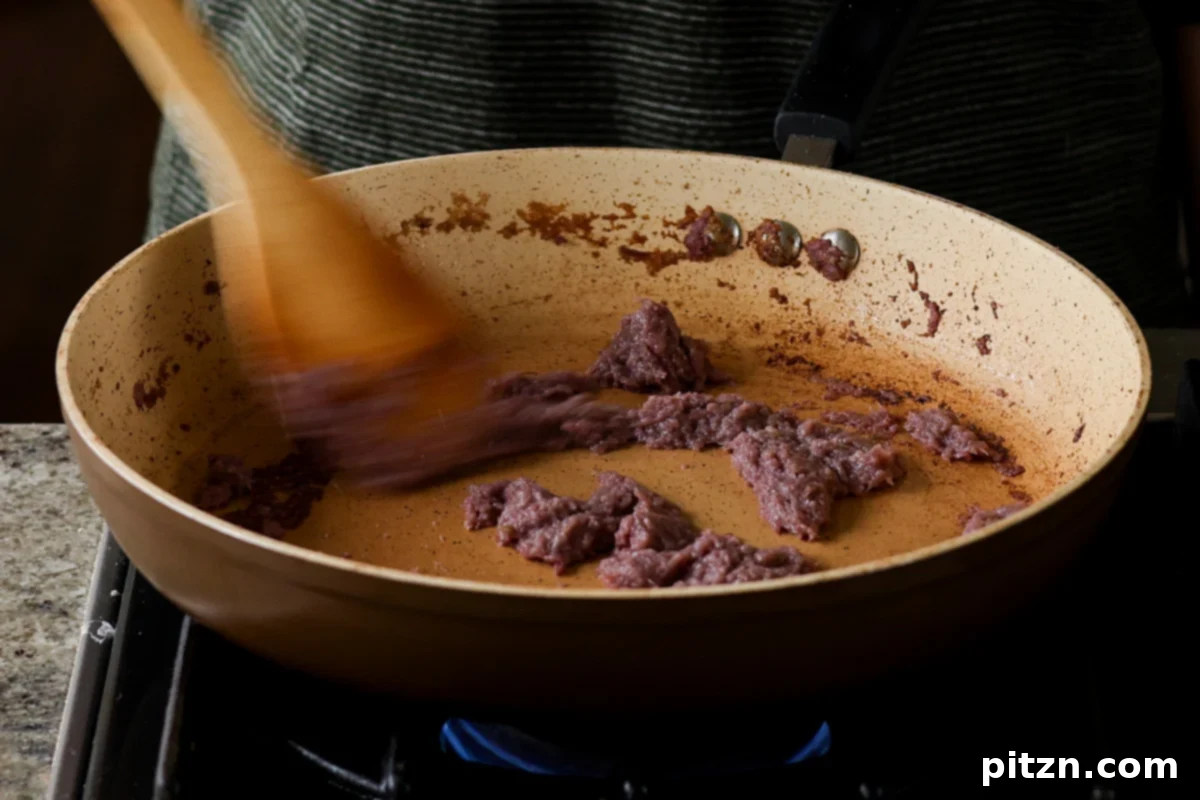
Heat the oil in a large skillet or pan over medium heat until shimmering. Once hot, add the blended aromatic puree from Step 1. Cook this mixture for 5 to 7 minutes, stirring occasionally. It’s crucial to cook until the strong, raw smell of the onion completely disappears and the puree begins to thicken and slightly darken in color, indicating that the flavors are developing. Alternatively, if you prefer a different texture, you can finely chop the onion, ginger, garlic, and green chili by hand, add them directly to the hot oil, and sauté for 5-6 minutes until the onion becomes soft and translucent. Both methods ensure a rich, flavorful foundation for your curry.
Step 3: Create the Creamy Tomato Base
While the aromatics are cooking, rinse your blender and add the large tomatoes and raw cashews. Blend until the mixture is completely smooth and creamy. For best results and to ensure the cashews are fully pulverized without any graininess, run the blender for two 1-minute cycles. If needed, add a few tablespoons of water to achieve a thick, pourable tomato purée. This purée will give the curry its rich color and velvety texture. Once blended, add this luscious tomato mixture to the skillet with the cooked aromatics. Stir in the garam masala, paprika, and dried fenugreek leaves (kasuri methi). Continue to cook for an additional 2-3 minutes, stirring occasionally, allowing the spices to toast and deeply infuse into the tomato base, further deepening the overall flavor profile of your curry.


Step 4: Combine Main Ingredients and Simmer
Now, it’s time to introduce the stars of the dish to the pan: the sliced mushrooms, drained and rinsed chickpeas, any other optional vegetables you wish to include (such as diced bell peppers, carrots, or green beans), 1/2 cup or more of water (to achieve desired consistency), salt, and sugar. Stir all ingredients together very well to ensure all components are thoroughly coated with the rich and fragrant masala sauce. This combination creates the hearty and flavorful core of your curry, ready for its final simmer.
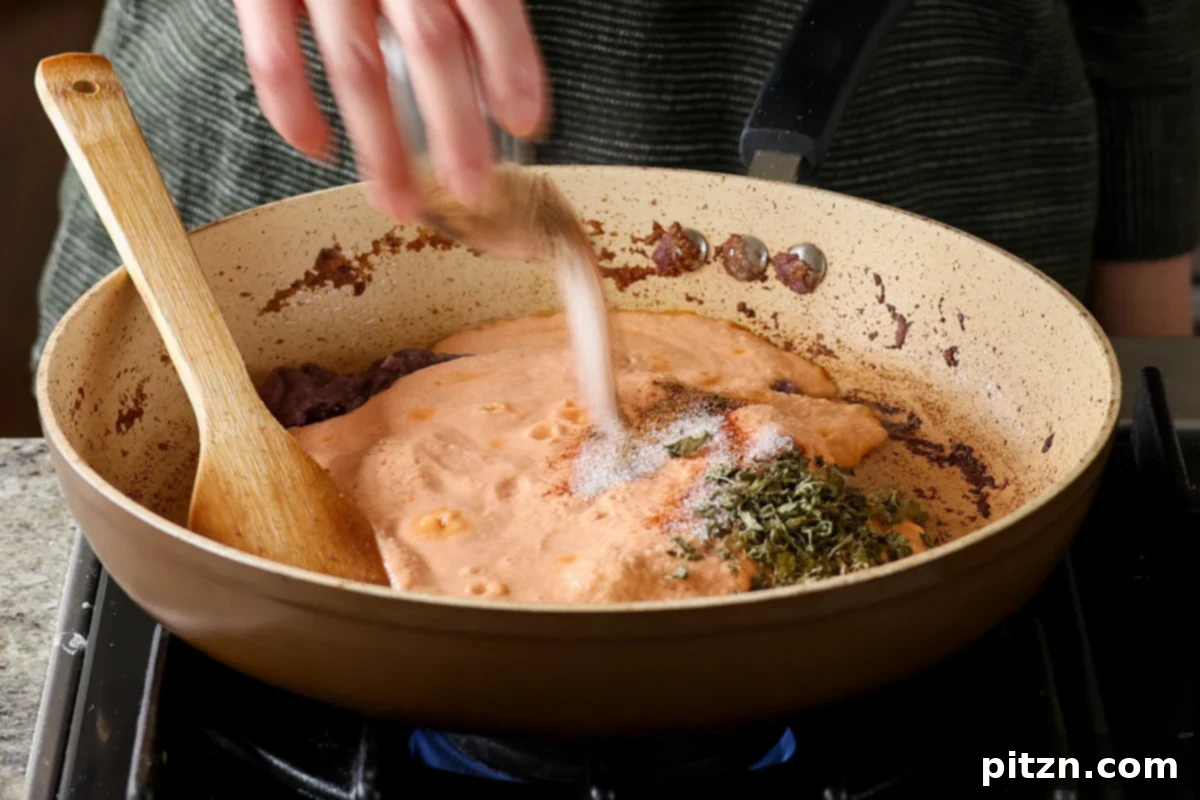
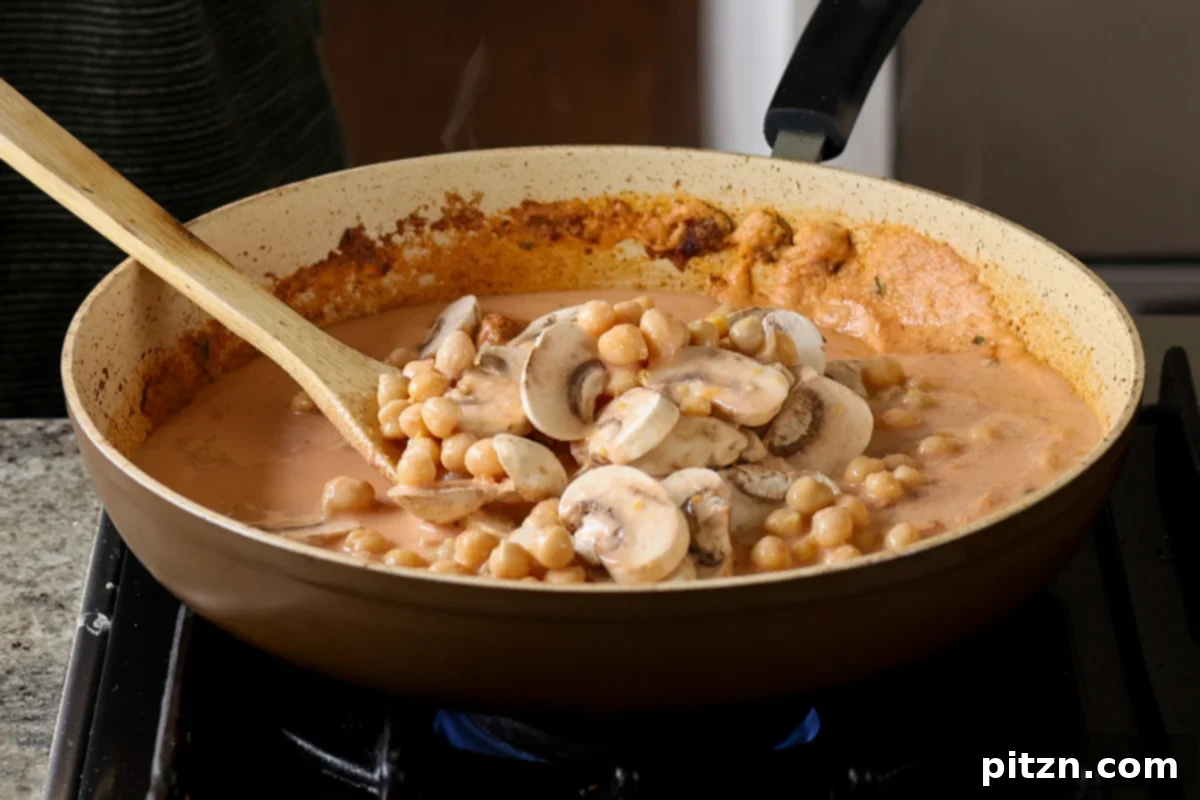
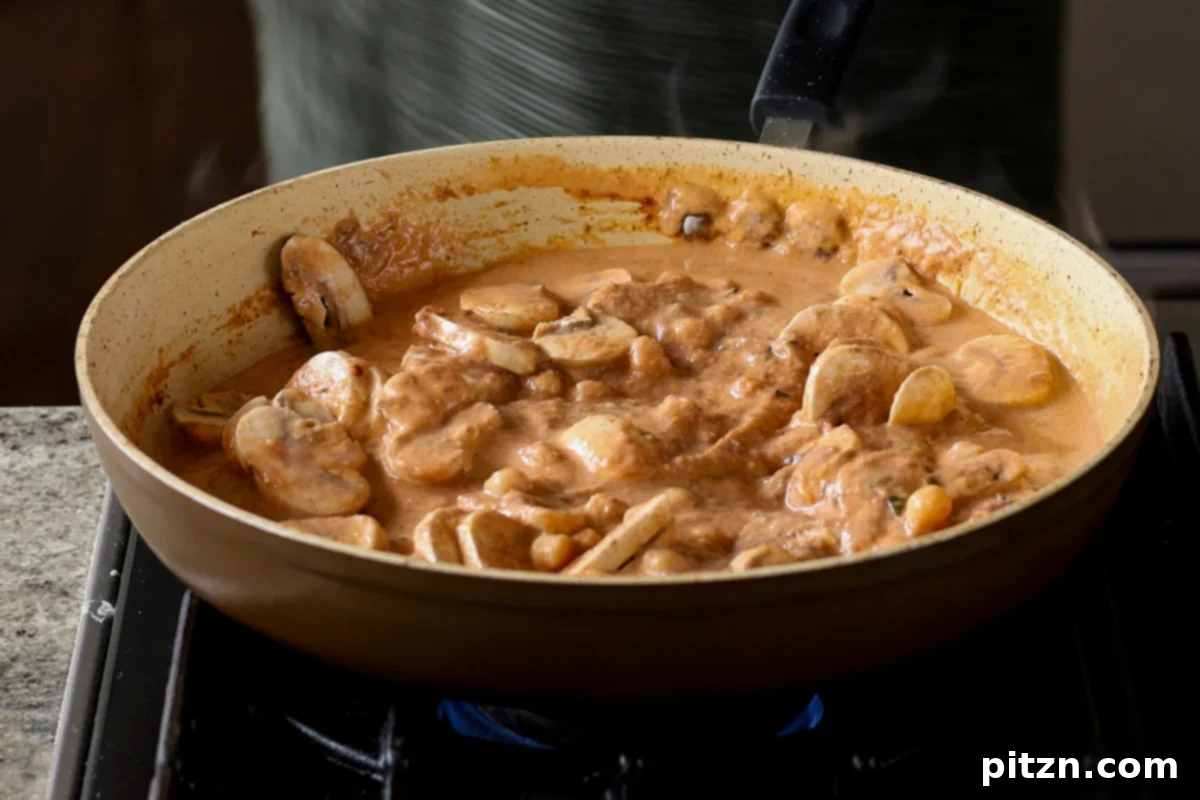
Step 5: Final Simmer and Finish
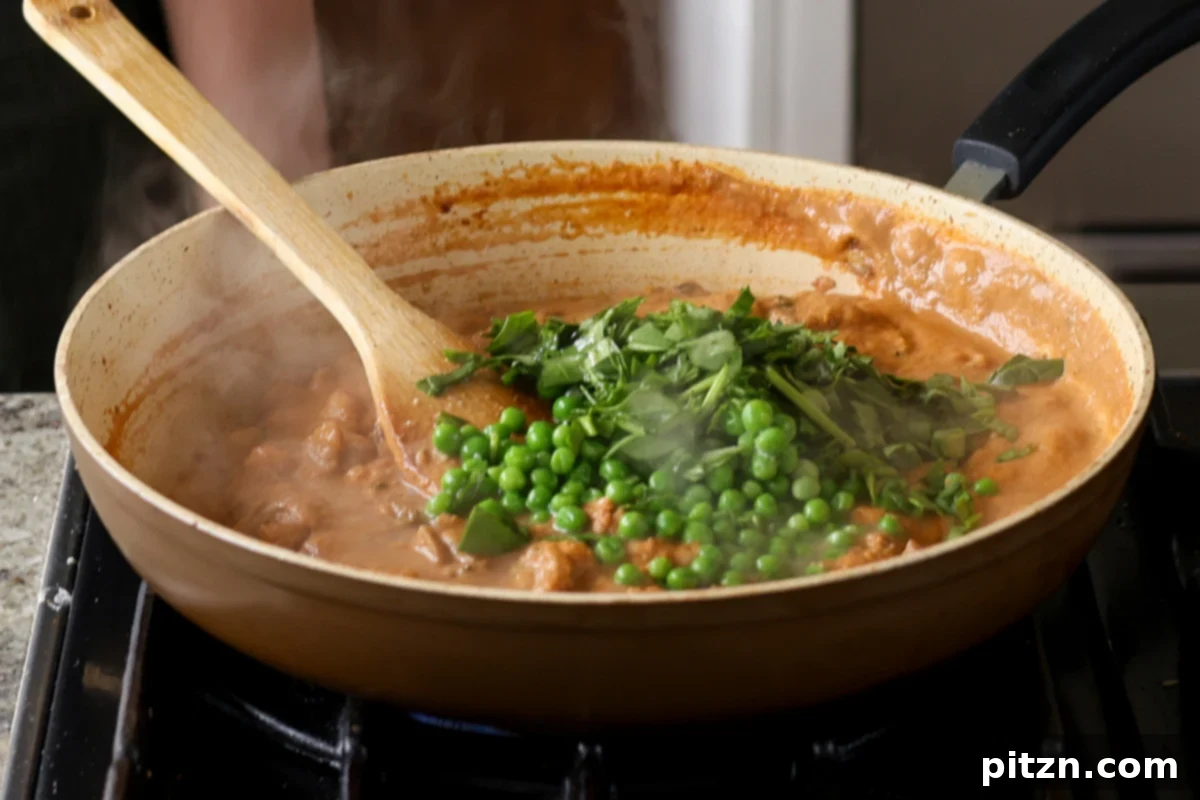
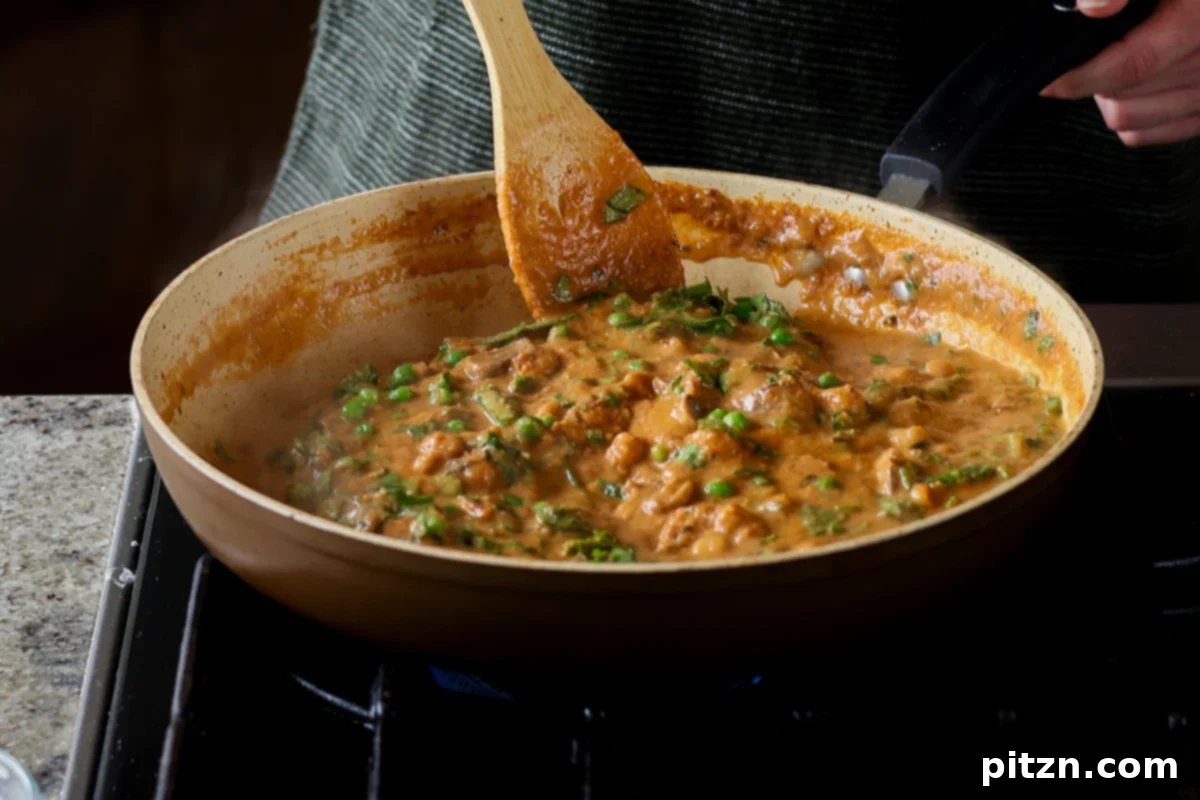
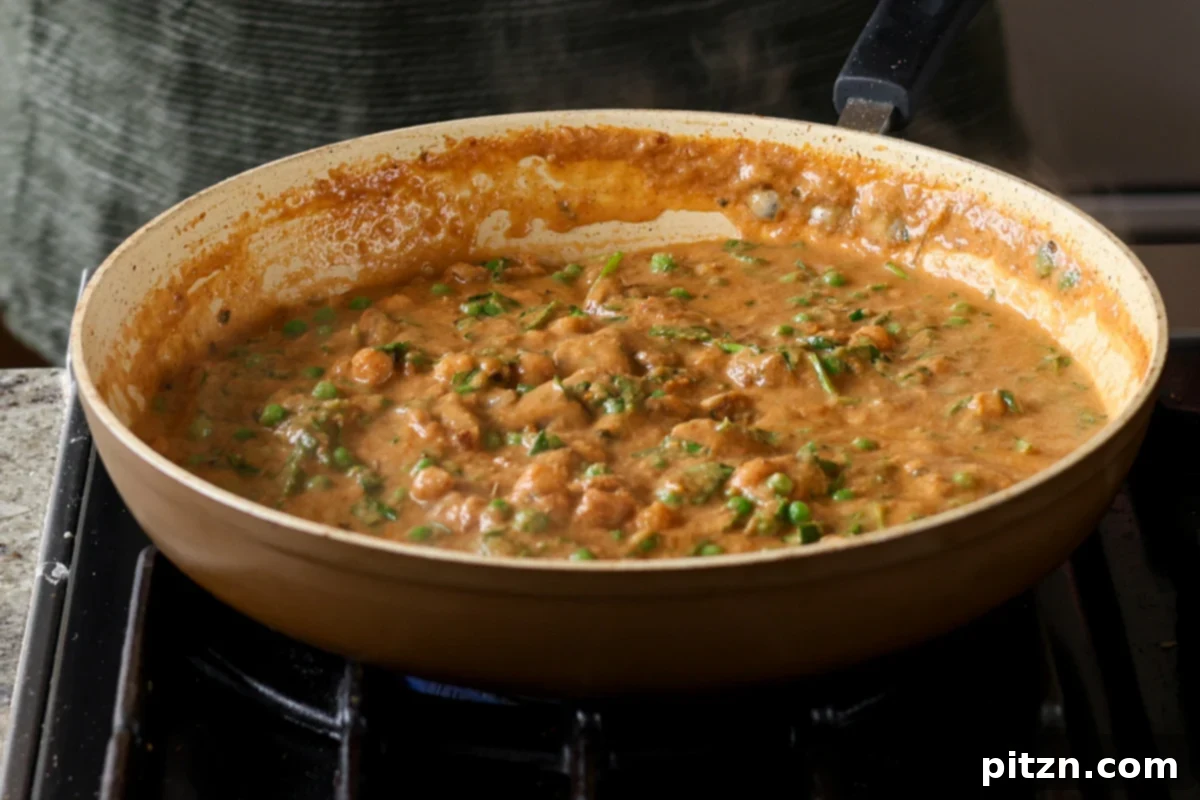
Cover the skillet and allow the curry to simmer gently for 10 minutes. During this period, the mushrooms will cook down to a tender perfection, fully absorbing the flavors of the masala. Check periodically, stirring occasionally to ensure the mixture isn’t thickening too much or scorching at the bottom; add a splash of water if needed to maintain desired consistency. Depending on the type and size of mushrooms, you might cook it for an additional 5-10 minutes. Longer simmering helps deepen the flavors and slightly darkens the sauce as it caramelizes, developing a richer taste. Finally, gently fold in the peas and fresh, chopped spinach (if using). Add a little more water if necessary to achieve your ideal consistency for serving. Taste and adjust the salt and heat one last time; a dash of cayenne pepper can be added for an extra kick if desired. Bring the curry to a gentle boil for 1-2 minutes, then remove it from the heat. Garnish generously with freshly chopped cilantro just before serving. This fresh herb brightens the rich, warm flavors of the curry beautifully.
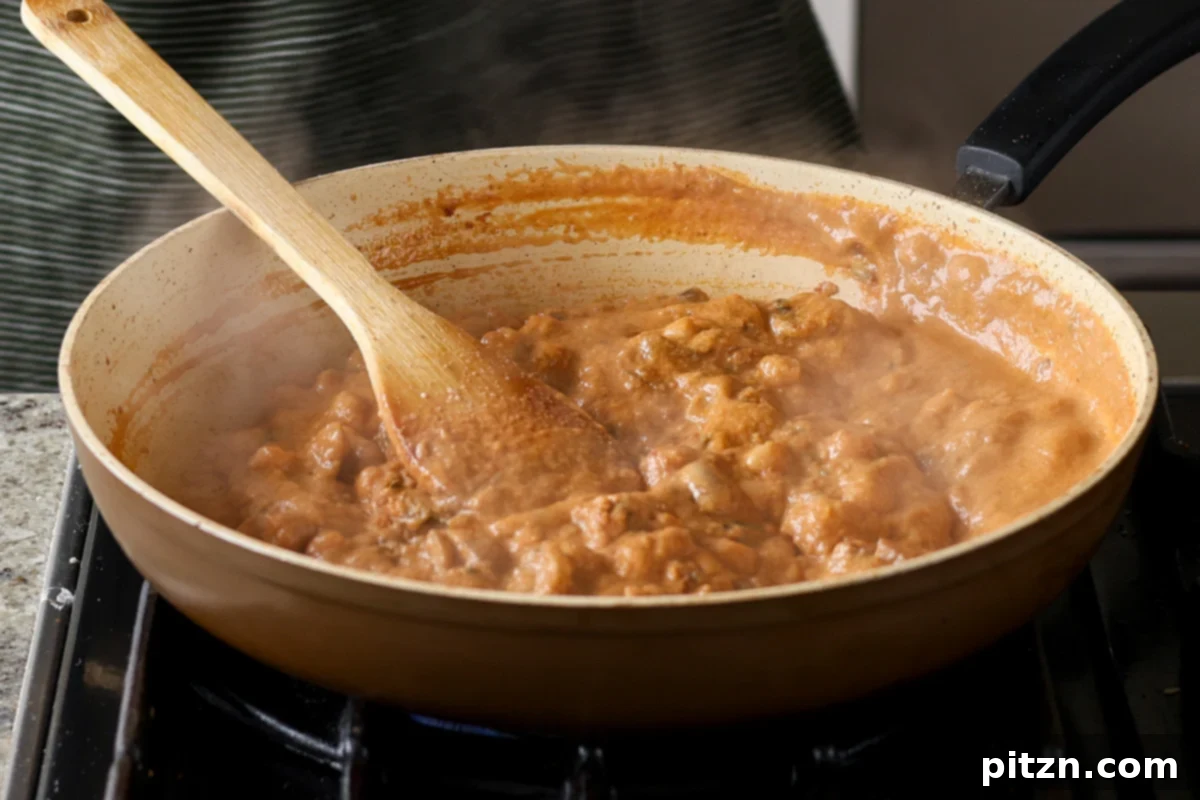
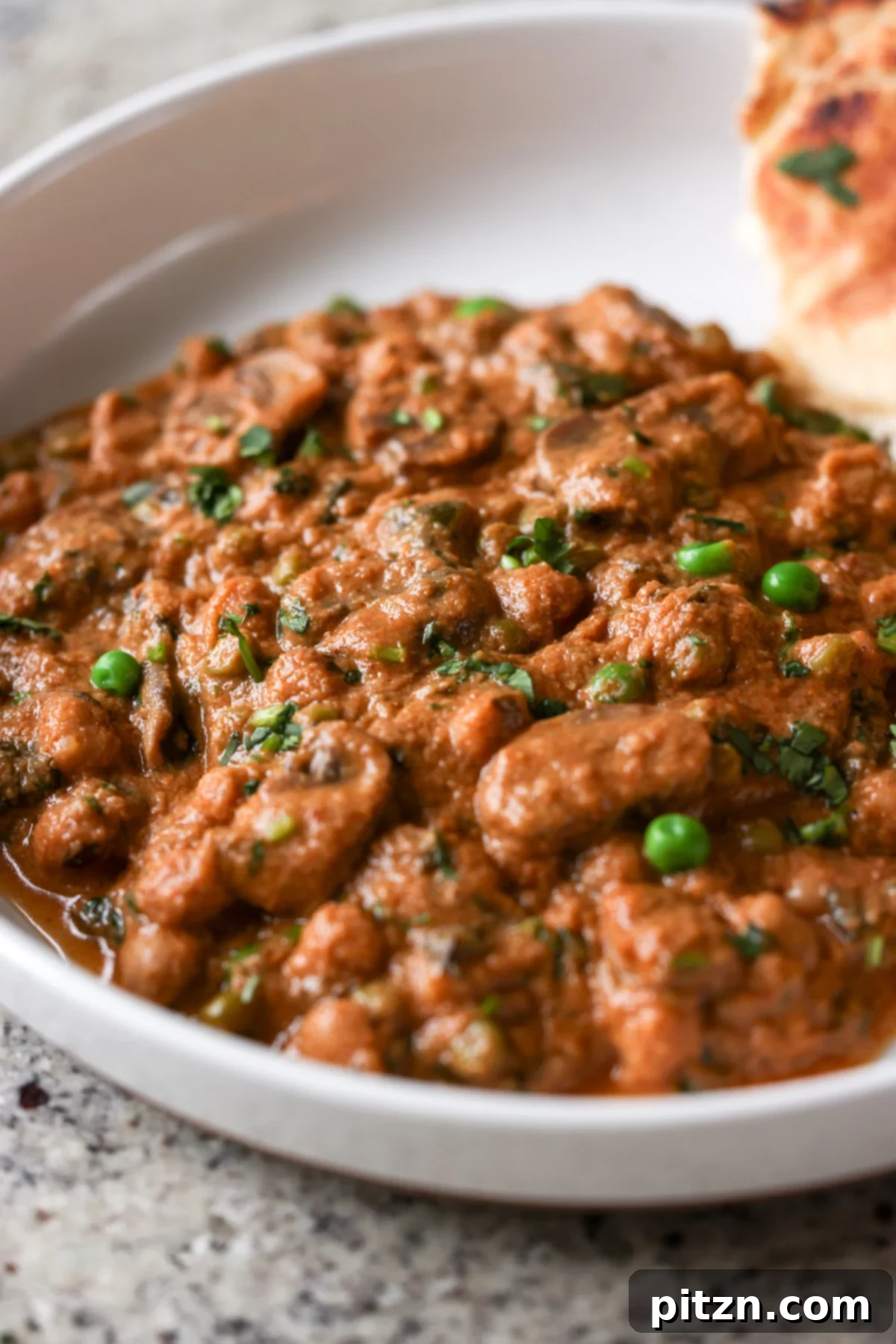
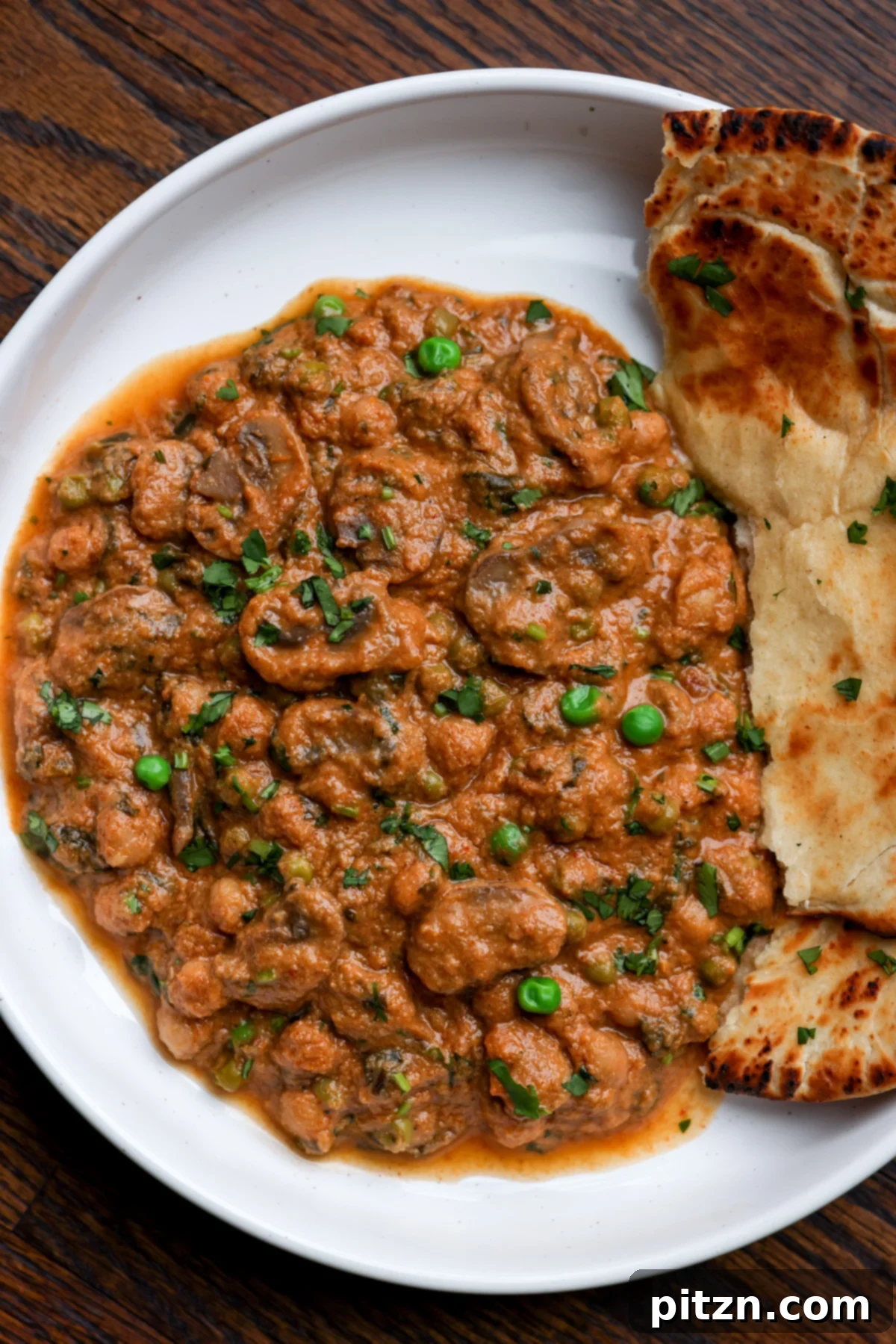
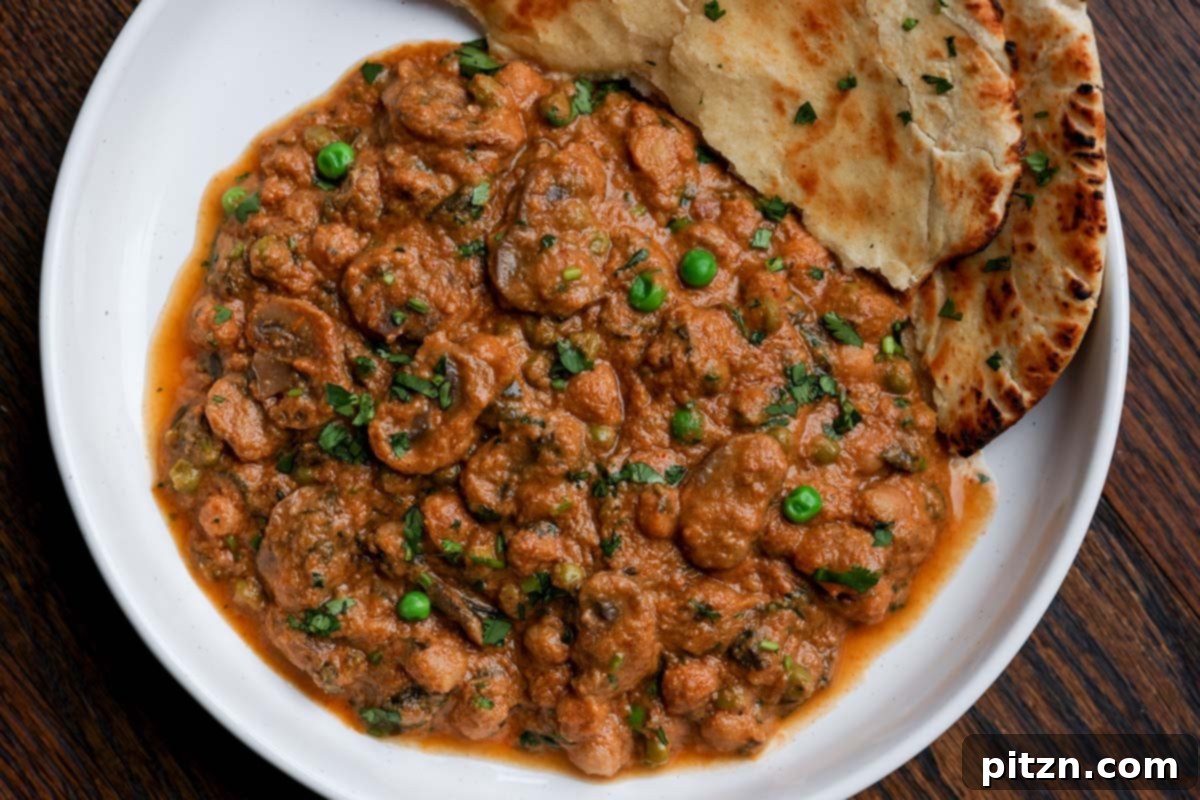
Serve this flavorful Mushroom Matar Masala over a bed of fluffy basmati rice, wholesome cooked grains like quinoa or millet, or alongside warm, soft flatbreads. For a delightful twist, consider pairing it with gluten-free flatbread for an equally satisfying experience. Its versatility makes it suitable for any meal, offering a comforting and delicious experience every time.
What to Serve with Mushroom Matar Masala
Mushroom Matar Masala is a wonderfully versatile dish that pairs beautifully with a variety of accompaniments, transforming a simple meal into a delightful and wholesome feast. Here are some of the best ways to enjoy this flavorful and creamy curry, enhancing its taste and providing a complete culinary experience:
- Fluffy Rice: The classic and arguably most popular pairing! A bed of fluffy basmati rice, fragrant jasmine rice, or even a wholesome brown rice provides the perfect neutral base to absorb all the rich, creamy sauce and complex flavors of the curry. The soft texture of the rice beautifully contrasts with the tender mushrooms and peas.
- Warm Indian Flatbreads: Soft, freshly made or warmed Indian flatbreads are absolutely ideal for scooping up every last drop of the delicious curry. They add an authentic touch and a satisfying textural element. Popular options include:
- Naan: A soft, slightly chewy, and often slightly charred leavened flatbread, perfect for a restaurant-style experience. Garlic naan or plain naan are excellent choices.
- Roti or Chapati: Lighter, unleavened flatbreads that are staples in many Indian households. Their simpler flavor allows the curry to truly shine.
- Paratha: Flaky, layered flatbreads that offer a wonderful textural dimension and a richer taste, often made with whole wheat flour.
- Gluten-Free Flatbread: For those with dietary restrictions, a good quality yeast-free or sweet potato gluten-free flatbread works just as wonderfully, ensuring everyone can enjoy this delightful curry.
- Wholesome Cooked Grains: For a healthier alternative or a different textual experience, consider serving your Mushroom Matar Masala with other cooked grains such as fluffy quinoa, hearty couscous, or even nutritious millets. These grains absorb the sauce beautifully and add a wholesome, fiber-rich boost to your meal.
- Refreshing Side Salads: A simple, crisp, and refreshing side salad with a light vinaigrette can provide a cooling and acidic contrast to the rich and spicy curry. Traditional Indian side salads often feature freshly chopped cucumber, tomatoes, and red onion, sometimes with a squeeze of lemon.
- Cool Vegan Raita: A cool, dairy-free yogurt dip (typically made with plain coconut yogurt or a cashew-based yogurt) mixed with grated cucumber, mint, and a sprinkle of roasted cumin powder can be a fantastic palate cleanser and a soothing accompaniment to balance the curry’s heat.
- Indian Pickle or Chutney: A small serving of traditional Indian pickle (achaar) – which can be spicy, tangy, or sweet – or a sweet and tangy chutney (like mango or tamarind chutney) can add an exciting burst of flavor and a delightful complexity to your meal, creating layers of taste.
- Steamed or Roasted Vegetables: If you wish to further boost the vegetable content of your meal, a simple side of steamed or lightly roasted vegetables like green beans, broccoli florets, or cauliflower can round out the meal without competing with the curry’s robust flavors.
Frequently Asked Questions
Absolutely! This Mushroom Matar Masala recipe is naturally designed to be gluten-free and soy-free, making it a safe and delicious option for many individuals with these common dietary needs. Furthermore, for those avoiding nuts, the cashews in the sauce can be easily and effectively replaced. Excellent nut-free alternatives include raw pumpkin seeds, creamy silken tofu, plain unsweetened non-dairy yogurt, or rich full-fat coconut cream, ensuring the curry remains wonderfully creamy and flavorful without any compromise on texture or taste.
Yes, absolutely! Both frozen mushrooms and frozen peas work wonderfully in this recipe, making it convenient year-round. If using frozen sliced mushrooms, it’s often beneficial to thaw them first and pat them dry slightly before adding them to the pan. This helps them to brown better and develop more flavor. Frozen peas, on the other hand, can be added directly to the curry in the final simmering stage, as they cook very quickly and retain their vibrant color and sweet flavor.
While a blender makes the sauce incredibly smooth and quick to prepare, you can still make this delicious curry without one. Instead of blending, you can very finely chop the onion, garlic, ginger, and green chili by hand or use a small food processor to mince them as finely as possible. For the creamy tomato-cashew mixture, you can finely grate the tomatoes and then either use a plain, unsweetened cashew butter (if not nut-free) or opt for a nut-free alternative like silken tofu, mashed very smoothly, to achieve a creamy consistency. The overall texture will be slightly different, but the flavors will still be fantastic and comforting.
Adjusting the heat level of this curry is quite easy and fully customizable! For a spicier curry, you can choose to include the seeds from your green chili (which hold most of the heat), or add an extra green chili. You can also incorporate more cayenne pepper (or a pinch of red chili powder) to taste during the final simmering stage. For a milder version, simply remove the seeds from the green chili entirely, or omit it altogether if you are very sensitive to spice. You can also reduce the amount of cayenne pepper or skip it.
Absolutely! This curry is incredibly versatile and lends itself beautifully to additions. Feel free to incorporate other quick-cooking vegetables to boost nutrition and variety, such as diced bell peppers, finely chopped carrots, tender zucchini, or even small cauliflower florets. Add them along with the mushrooms and chickpeas, or according to their specific cooking times. Leafy greens like spinach or kale are also a wonderful and easy addition for extra nutrition and vibrant color, typically folded in at the end as they wilt quickly.
Leftover Mushroom Matar Masala stores wonderfully! When kept in an airtight container, it will last for up to 3-4 days in the refrigerator. In fact, many people find that the flavors deepen and meld even further overnight, making it taste even better the next day. This makes it an excellent option for meal prep!
Yes, this Mushroom Matar Masala curry freezes exceptionally well. Allow it to cool completely before transferring it into freezer-safe containers or bags. It can be stored in the freezer for up to 2-3 months without significant loss of quality. To reheat, thaw overnight in the refrigerator and then gently warm on the stovetop, adding a splash of water or vegetable broth if needed to restore its ideal consistency.