
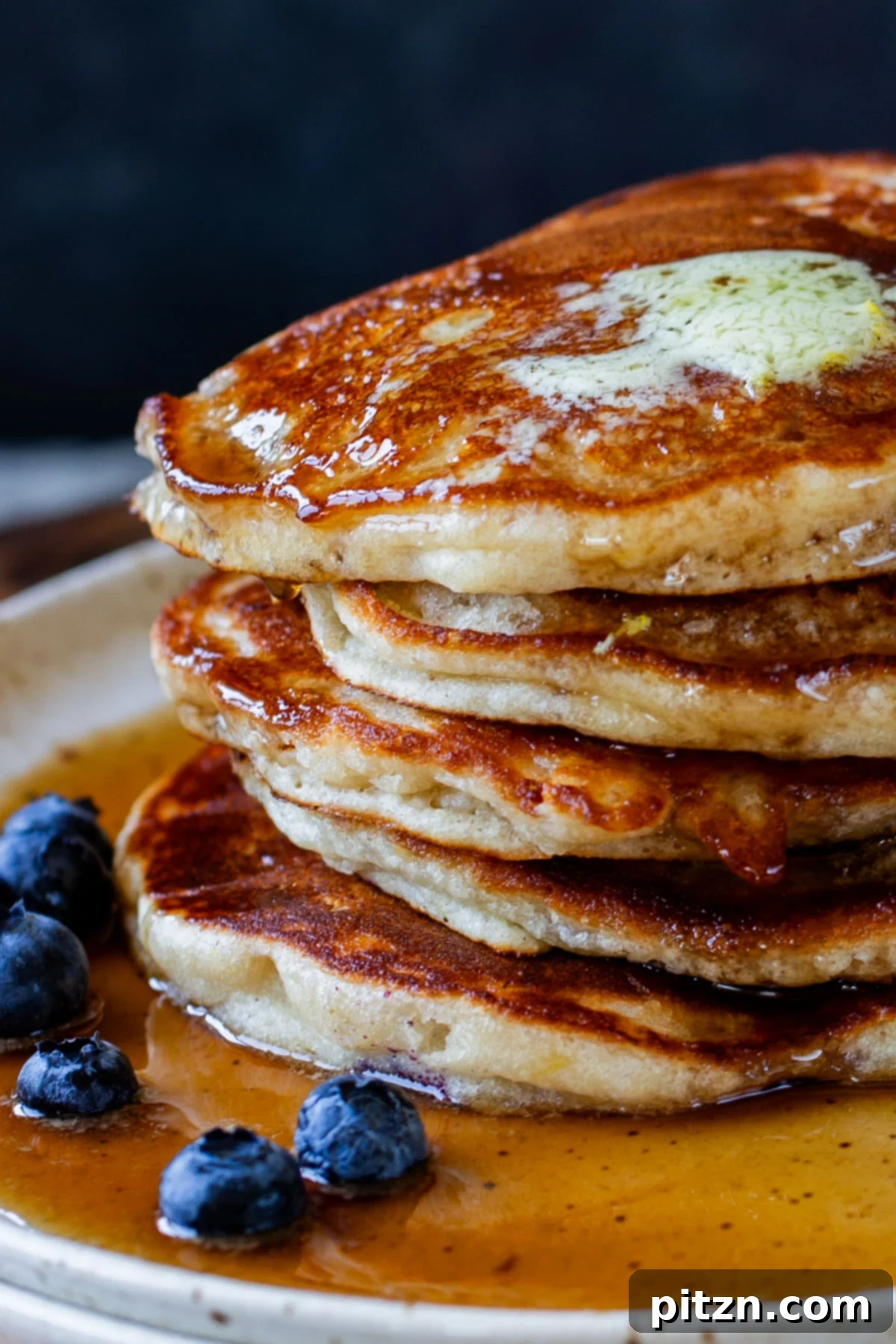
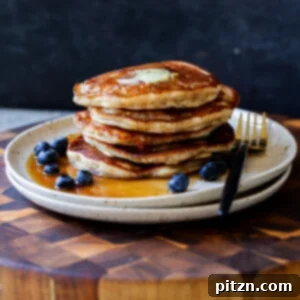
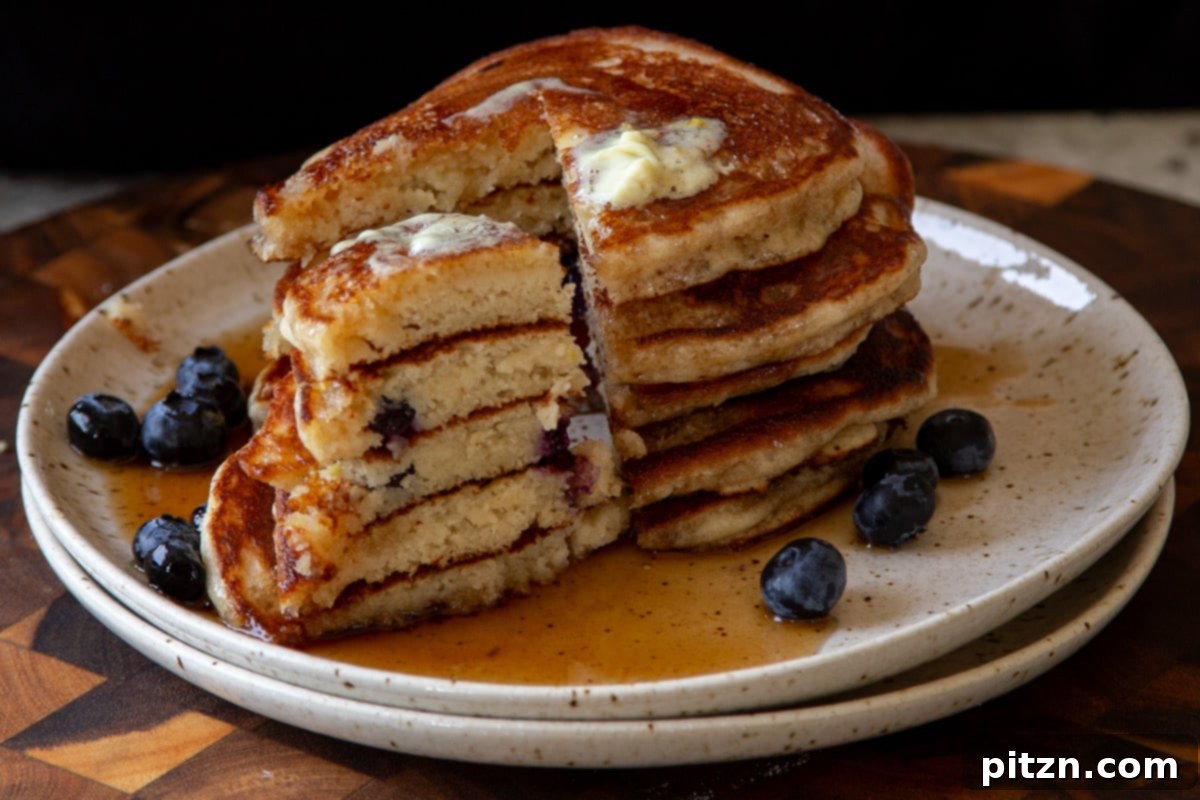
Welcome to your new favorite breakfast recipe! These delightful **lemon blueberry pancakes** are not just sweet and zesty; they’re also entirely **gluten-free and grain-free**, yet manage to be incredibly light and fluffy. Prepare to be amazed by how these almond flour pancakes deliver on taste and texture, defying all expectations for a gluten-free dish. They offer a hearty and satisfying start to your day, proving that pancakes can be much more than just a vehicle for maple syrup.
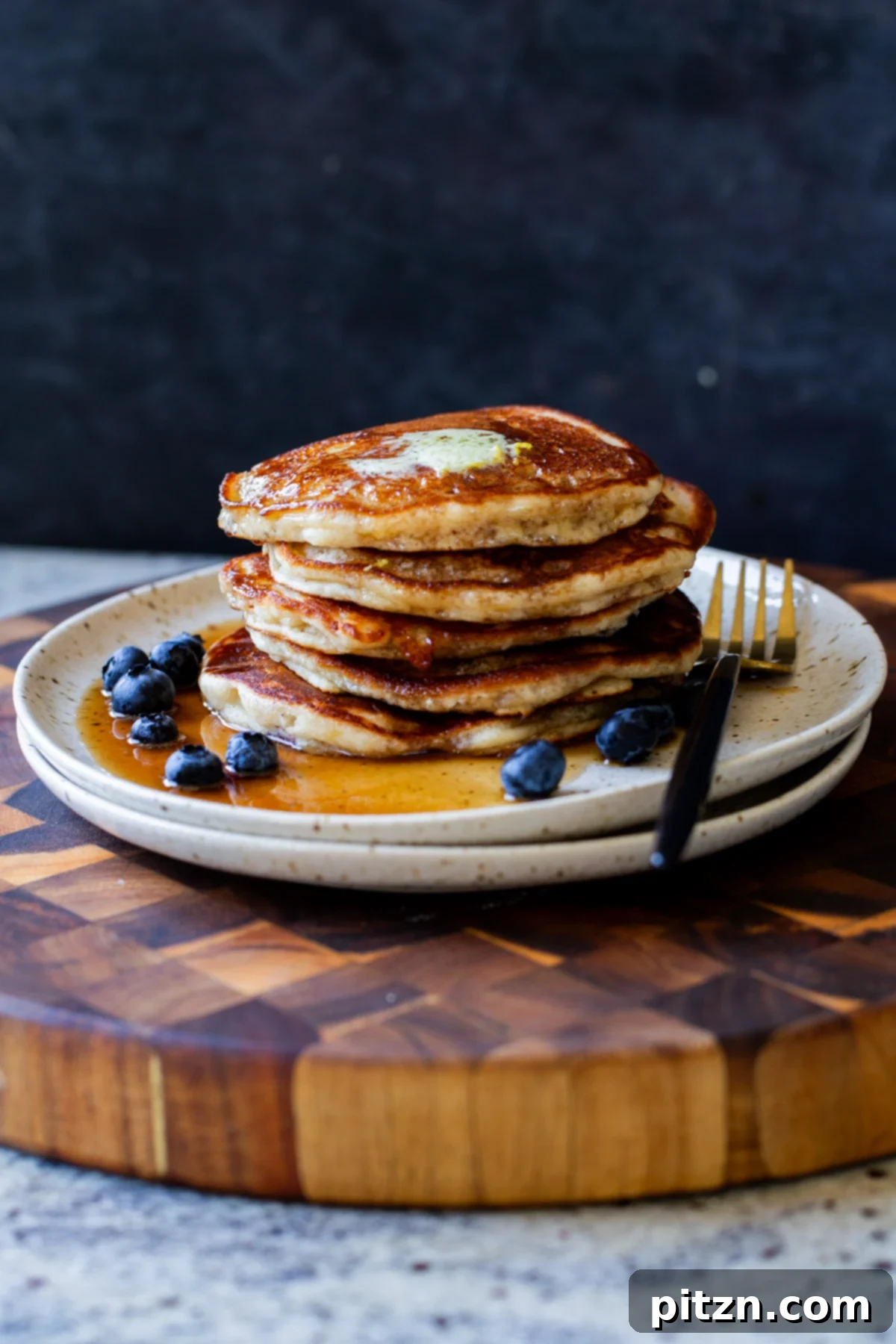
Table of Contents
- Why These Lemon Blueberry Pancakes Are a Must-Try
- More Lemon Blueberry Inspiration
- Gluten-Free Lemon Blueberry Pancakes Recipe
- Ingredients Deep Dive
- Expert Tips for Perfect Pancakes
- Step-by-Step: How to Make Gluten-Free Lemon Blueberry Pancakes
- Frequently Asked Questions
- Storage and Reheating Tips
- Nutrition Information
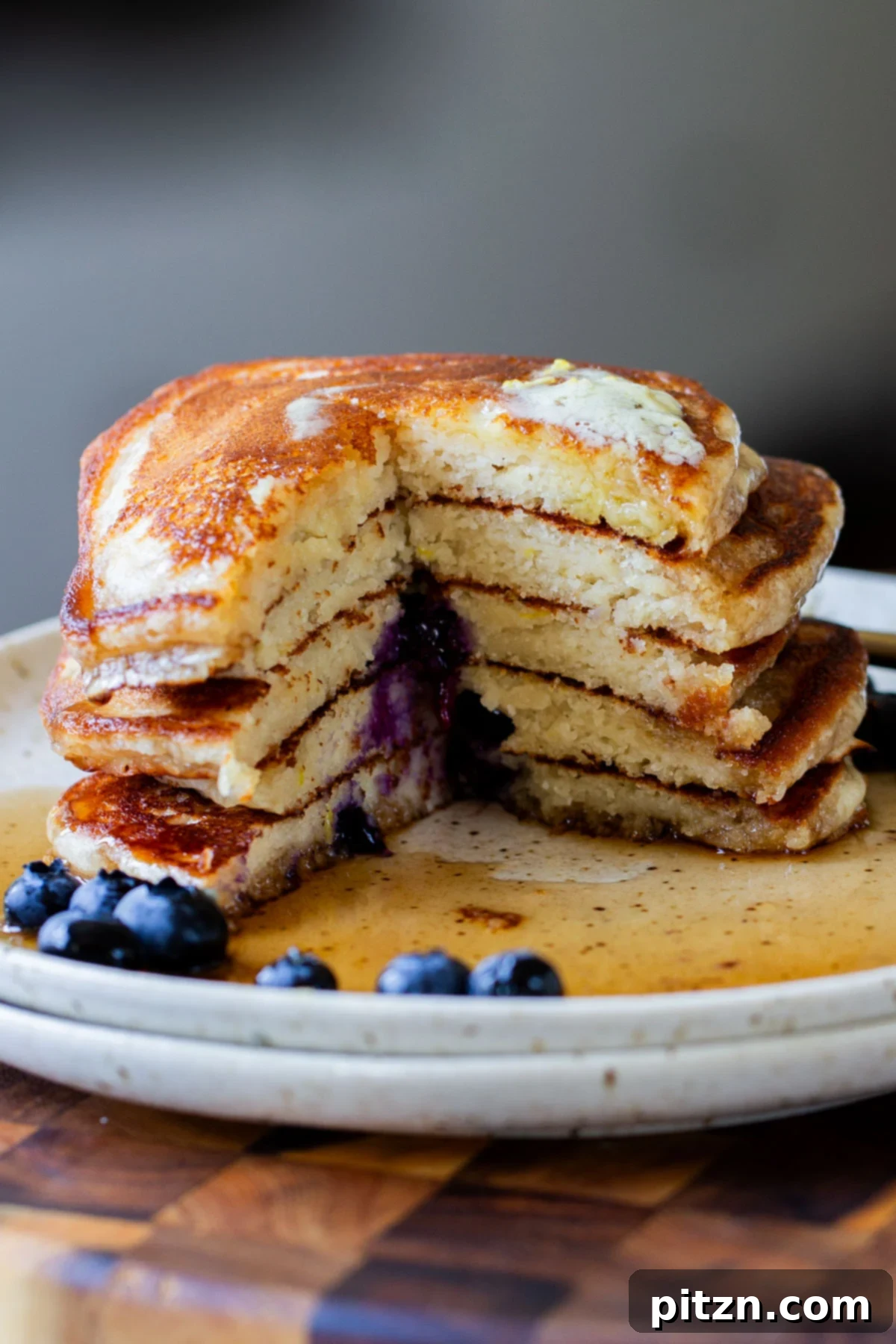
My latest culinary adventure in pancake making has led me to these incredible **gluten-free lemon blueberry almond flour pancakes**. They represent the perfect fusion of robust flavor and satisfying texture. Each bite is bursting with the sweet juiciness of blueberries, beautifully complemented by the bright, tangy zest and juice of fresh lemons. The use of almond flour not only makes them a healthy choice but also contributes to their rich flavor profile and wonderful consistency. You’ll find these pancakes so delightful, it will be hard to believe they are both gluten-free and grain-free!
For those who love an extra-fluffy pancake, here’s a secret tip: replace some or all of the non-dairy milk with a splash of club soda. As I’ve explored in many of my other gluten-free recipes, including my popular gluten-free cakes, incorporating carbonated liquids like club soda acts as a fantastic leavening agent. The added aeration helps the batter rise beautifully, resulting in a lighter, airier pancake and significantly reducing the common concern of a gummy texture often associated with gluten-free baking. This simple swap can elevate your pancake game to a new level of fluffy perfection.
If these lemon blueberry delights capture your heart, don’t stop there! Explore my other vegan pancake creations designed to satisfy every craving. From my innovative sheet pan pancakes, perfect for feeding a crowd, to the wholesome banana oat pancakes, and the indulgent cinnamon streusel pancakes, there’s a vegan and often gluten-free option for everyone. These recipes are either inherently gluten-free or offer simple adjustments to make them so, ensuring deliciousness for all dietary needs.
Why These Lemon Blueberry Pancakes Are a Must-Try
These Lemon Blueberry Pancakes aren’t just a meal; they’re an experience. Here’s why they’ll become a staple in your kitchen:
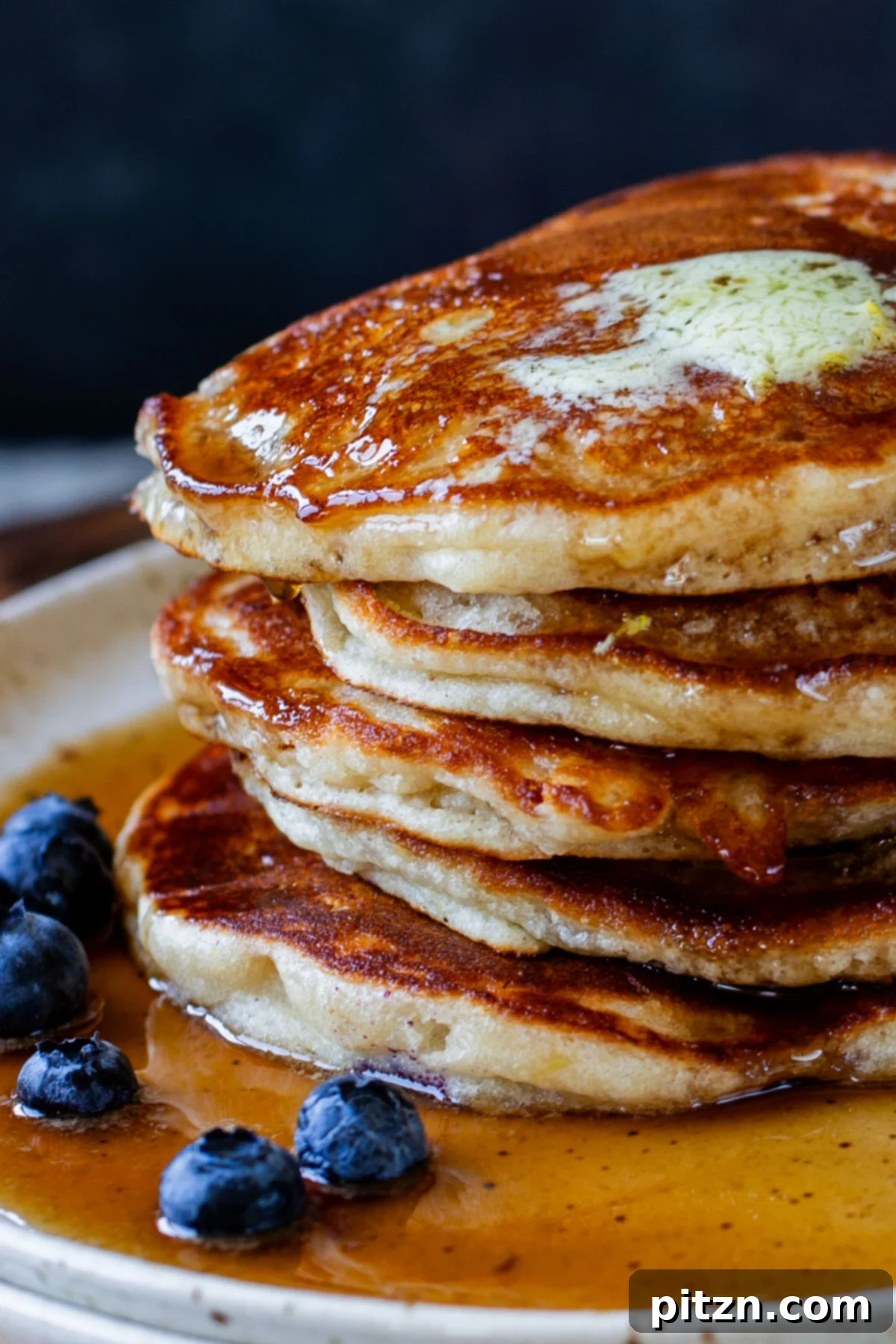
- **Unbelievably Light and Fluffy Texture:** Despite being gluten-free and grain-free, these pancakes achieve an airy, tender consistency that will surprise and delight you. The almond flour provides a rich base, while tapioca starch ensures a perfect bind and delicate chewiness.
- **Bursting with Sweet-Tart Flavor:** The combination of juicy, sweet blueberries and vibrant, tangy lemon zest and juice creates a harmonious flavor profile that is both refreshing and comforting. Each bite is a burst of summery goodness.
- **Effortless 1-Bowl Batter:** Simplify your breakfast routine with a recipe that requires minimal cleanup. All the dry and wet ingredients come together easily in a single bowl, making prep a breeze even on busy mornings.
- **Dietary-Friendly and Inclusive:** Perfect for a variety of dietary needs, these pancakes are naturally gluten-free, grain-free, and soy-free (when using soy-free non-dairy alternatives). This means more people can enjoy a delicious, wholesome breakfast without compromise.
- **Quick 30-Minute Vegan Breakfast:** From mixing the batter to flipping the last pancake, you can have a stack of warm, delicious vegan pancakes ready in just about 30 minutes. It’s an ideal choice for a satisfying weekday breakfast or a leisurely weekend brunch.
- **Hearty and Satisfying:** Unlike some lighter pancake recipes, these almond flour pancakes are wonderfully filling. They’re packed with protein and fiber, ensuring you stay energized and satisfied long after the last bite.
More Lemon Blueberry Inspiration
If you’ve fallen in love with the vibrant pairing of lemon and blueberry, you’re in for a treat! This dynamic duo shines in a variety of other delicious recipes. Expand your culinary horizons with these additional lemon blueberry delights:
- Lemon Blueberry Pound Cake: A rich, moist cake perfect for dessert or a decadent snack.
- Lemon Blueberry Waffles: Start your day with crispy, golden waffles bursting with flavor.
- Blueberry Lemonade: A refreshing beverage, ideal for hot summer days.
- Lemon Blueberry Multigrain Muffins: A wholesome and delicious grab-and-go option.
Gluten-Free Lemon Blueberry Pancakes
★
★
★
★
Vegan Richa
10
20
30
4
Breakfast, brunch
American
Print Recipe
Ingredients
Dry Ingredients
- 1 cup blanched almond flour
- 1/2 cup tapioca starch
- 1 1/2 teaspoons baking powder
- 1/4 teaspoon baking soda
- 1/4 teaspoon salt
- 1 teaspoon lemon zest
Wet Ingredients
- 3 tablespoons non-dairy yogurt
- 2 tablespoons maple syrup
- 1 tablespoon lemon juice
- 1/2 teaspoon vanilla extract
- 1 tablespoon oil
- 2 to 3 tablespoons non-dairy milk, or use club soda for extra fluffiness
To Add Later
- 1/4 cup fresh blueberries, or more, to your preference
Instructions
-
In a large mixing bowl, combine all the dry ingredients: almond flour, tapioca starch, baking powder, baking soda, salt, and lemon zest. Whisk them together thoroughly, ensuring to press and break apart any almond flour lumps. This step is crucial, as lumps will be much harder to incorporate once the wet ingredients are added, potentially affecting the smooth texture of your pancakes.
-
Next, add the wet ingredients to the bowl: non-dairy yogurt, maple syrup, vanilla extract, fresh lemon juice, and oil. Mix these into the dry ingredients until just combined. Be careful not to overmix; a few small lumps are perfectly fine for pancake batter.
-
Start by adding 2 tablespoons of non-dairy milk or club soda to the batter. Mix gently and assess the consistency. The goal is a pourable batter, slightly thicker than traditional pancake batter, as gluten-free batters often benefit from a bit more body. If needed, add 1 to 2 more tablespoons of non-dairy milk until the desired consistency is achieved. Let the batter rest for five minutes; this allows the tapioca starch to hydrate and the leavening agents to begin activating, resulting in a slightly thicker and more cohesive batter.
-
Preheat a skillet or griddle over medium heat. It’s essential for the skillet to be evenly hot but not too high, as almond flour can brown quickly. Once hot, lightly grease the surface with a small amount of oil or vegan butter. Ladle about 1/4 cup of batter per pancake onto the skillet, spreading it gently into a round shape. Immediately sprinkle a generous amount of fresh blueberries on top of each pancake. Repeat this process until your skillet is full.
-
Cover the skillet with a lid. This is a vital step for gluten-free pancakes. Covering the pan traps heat and steam, creating a moist environment that helps the pancakes cook evenly, rise properly, and prevents them from drying out—a common challenge with gluten-free batters.
-
Once the pancakes show visible signs of rising and their edges appear set and slightly firm, carefully remove the lid. Gently flip each pancake using a spatula. Replace the lid and continue cooking for another 2 minutes or until the second side is beautifully golden brown and cooked through.
-
Transfer the cooked pancakes to a plate and keep them warm while you repeat the cooking process with the remaining batter. Serve your freshly made gluten-free lemon blueberry pancakes immediately with a dollop of vegan butter, a generous drizzle of maple syrup, or an extra sprinkle of fresh fruit for an irresistible breakfast or brunch.
Video Tutorial
Ingredients Deep Dive
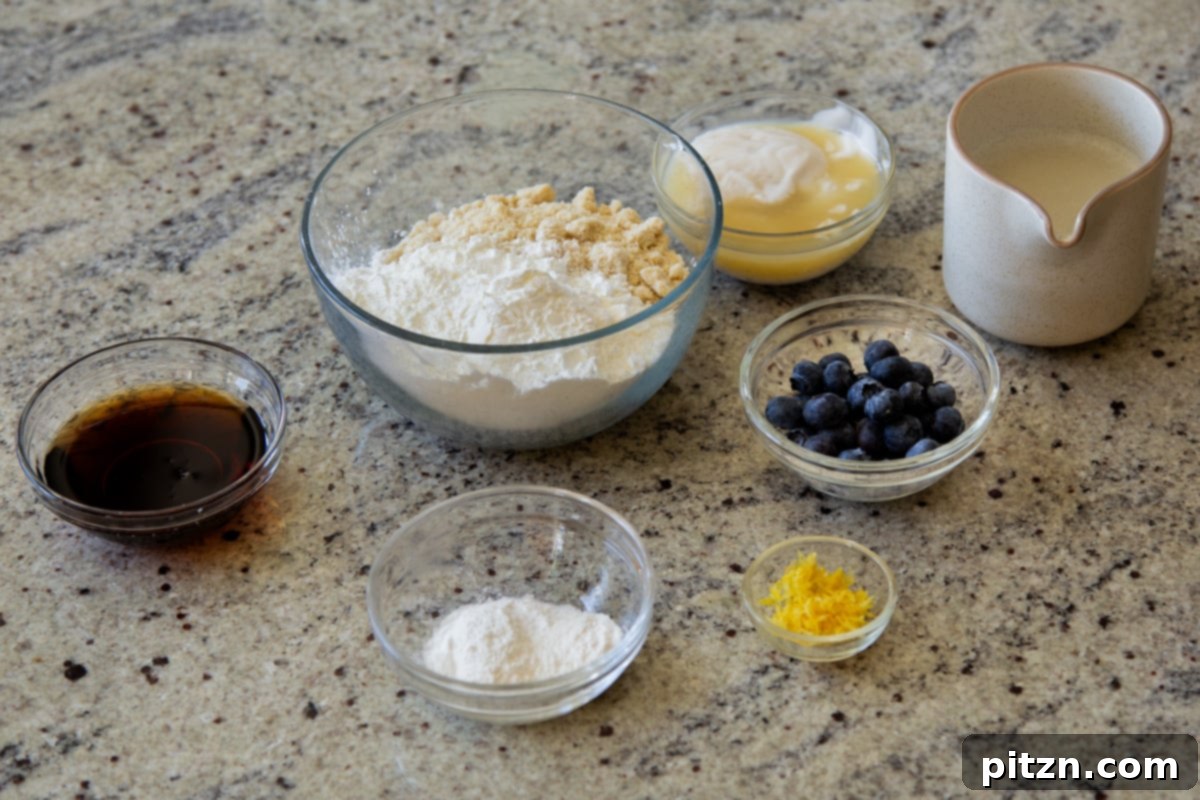
Each ingredient in this recipe plays a crucial role in achieving the perfect texture and flavor for these gluten-free lemon blueberry pancakes:
- **Blanched Almond Flour:** This is the foundation of our grain-free pancakes. Blanched almond flour, made from almonds with their skins removed, provides a fine, light texture and a subtle, nutty flavor. It’s key for creating pancakes that are moist and tender. If unblanched almond flour is used, the pancakes will have a slightly coarser texture and a darker color, but will still be delicious. For those with almond allergies, alternatives like cashew flour or macadamia nut flour might be possible, but results may vary.
- **Tapioca Starch:** Essential for binding the ingredients together in a gluten-free batter, tapioca starch is what gives these pancakes their characteristic chewiness and elasticity. It helps prevent a crumbly texture and contributes to the light and fluffy interior. While tapioca starch yields the best results, a mix of other starches like cornstarch, potato starch, or arrowroot starch (using at least two of these) can be used as an alternative if needed.
- **Baking Powder and Baking Soda:** These are our primary leavening agents. Baking powder provides a quick lift, while baking soda reacts with the acidic elements (like lemon juice and non-dairy yogurt) to create additional bubbles, ensuring a beautifully risen and airy pancake. Using both helps achieve that signature fluffy texture.
- **Lemon Juice and Zest:** The dynamic duo for that irresistible bright and tangy lemon flavor. The zest contains concentrated lemon oils, providing an aromatic burst, while the fresh juice adds a refreshing tartness that perfectly complements the sweet blueberries. Always use fresh lemons for the best flavor!
- **Vanilla Extract:** A touch of vanilla extract rounds out the flavors, adding a classic warmth and depth that enhances both the lemon and blueberry notes, making the pancakes even more inviting.
- **Non-Dairy Yogurt:** This ingredient is a secret weapon for gluten-free pancakes. It contributes significantly to moisture, creating a tender crumb, and its slight tanginess beautifully complements the lemon. Plain, unsweetened non-dairy yogurt (such as almond, soy, or coconut-based) works best. Choose a soy-free option if adhering to a soy-free diet.
- **Maple Syrup:** Beyond just sweetness, maple syrup adds a natural, complex sweetness and contributes to the overall moisture of the batter. Its liquid form helps achieve the right consistency.
- **Oil:** A small amount of neutral-flavored oil (like canola, sunflower, or melted coconut oil) adds richness and helps the pancakes brown beautifully, developing a lovely golden crust. It also keeps them from sticking to the pan.
- **Non-Dairy Milk:** Used to achieve the ideal batter consistency. Almond milk, oat milk, or soy milk are all great options. For an extra boost of fluffiness, consider substituting a portion of the non-dairy milk with club soda, as the carbonation aids in leavening.
- **Blueberries:** The stars of the show! Fresh blueberries are preferred for their burst of flavor and texture, but frozen blueberries can also be used. If using frozen, there’s no need to thaw them; simply toss them directly into the batter just before cooking. The sweetness of the blueberries pairs exquisitely with the zesty lemon.
Expert Tips for Perfect Pancakes
Achieving the perfect gluten-free lemon blueberry pancakes is easier than you think with these expert tips:
- **Thoroughly Mix Dry Ingredients:** Before adding any liquids, take the time to really break up any lumps in the almond flour and thoroughly combine all the dry ingredients. Almond flour can be prone to clumping, and it’s far easier to deal with these lumps while the mixture is dry. Once wet ingredients are added, those stubborn clumps will be much harder to smooth out, leading to an uneven batter. Pressing with a spatula or fork works well, or you can sift the almond flour through a coarse sieve.
- **Achieve the Right Batter Consistency:** After mixing all ingredients and letting the batter rest for 5 minutes, it should be slightly thicker than a traditional pancake batter. This slightly denser consistency is crucial for gluten-free pancakes, providing better structure and preventing them from spreading too thin or becoming fragile. If it seems too thick, add a tiny bit more non-dairy milk; if too thin, a small amount of extra almond flour can help.
- **The Power of a Covered Pan:** This is perhaps the most critical tip for perfectly moist and fluffy gluten-free pancakes. Cooking with a lid on the skillet traps steam, which not only helps the pancakes cook evenly all the way through but also infuses them with moisture. Gluten-free flours can dry out quickly, so this steaming method ensures your pancakes remain tender and light, avoiding a dense or dry result.
- **Mind the Heat:** When cooking with almond flour, medium heat is your best friend. High heat can cause the exterior of the pancakes to burn before the interior is fully cooked, especially since almond flour browns more quickly than wheat flour. A medium heat allows for even cooking and a beautiful golden-brown finish without scorching.
- **Serve Immediately for Best Texture:** While these pancakes are delicious reheated, their peak fluffiness and softness are experienced right off the skillet. Prepare to serve them fresh and hot, perhaps with warm maple syrup and a sprinkle of extra blueberries.
- **Don’t Overmix:** Overmixing develops gluten in wheat flour, but for gluten-free batters, it can lead to tough pancakes because it over-activates starches. Mix until just combined and smooth enough, then let it rest.
- **Rest the Batter:** The 5-minute resting period is not just for thickening. It allows the starches to fully hydrate and the leavening agents to begin their work, resulting in a more uniform and effective rise.
Step-by-Step: How to Make Gluten-Free Lemon Blueberry Pancakes
Follow these detailed steps to create a stack of incredibly delicious and fluffy gluten-free lemon blueberry pancakes:
Step 1: Combine Dry Ingredients and Eliminate Lumps
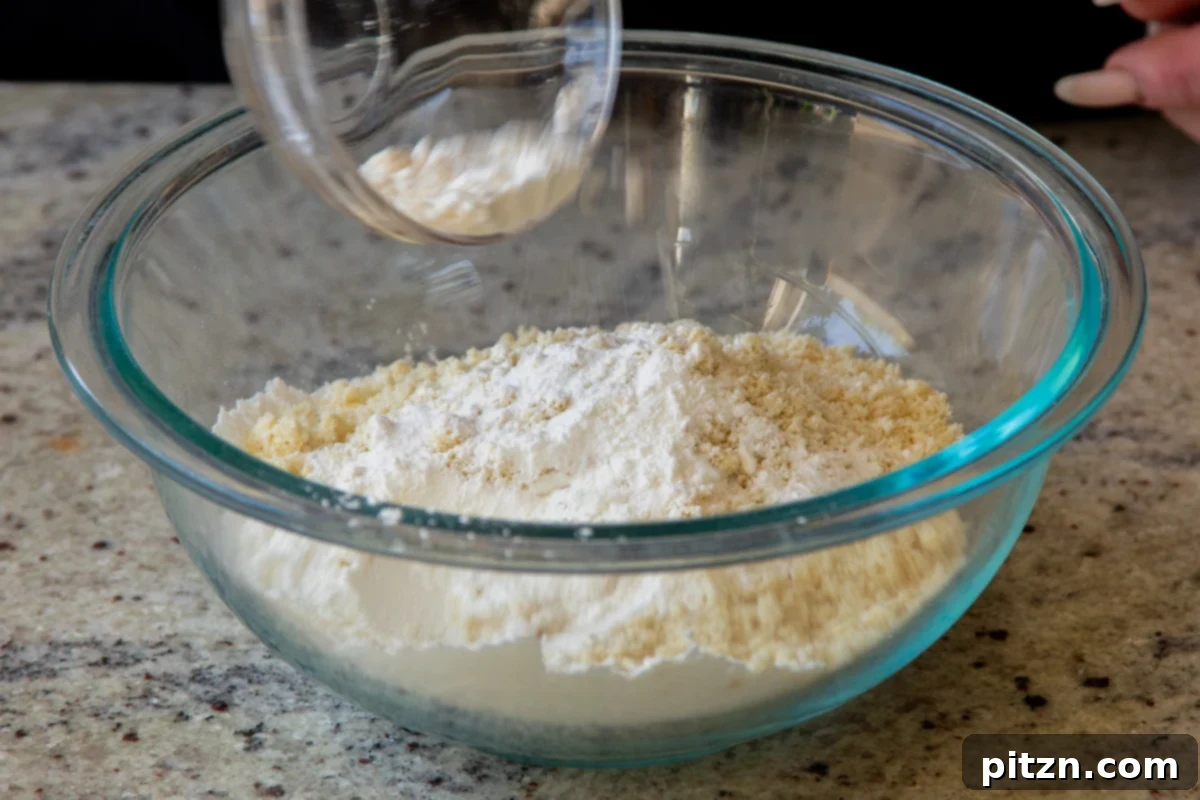
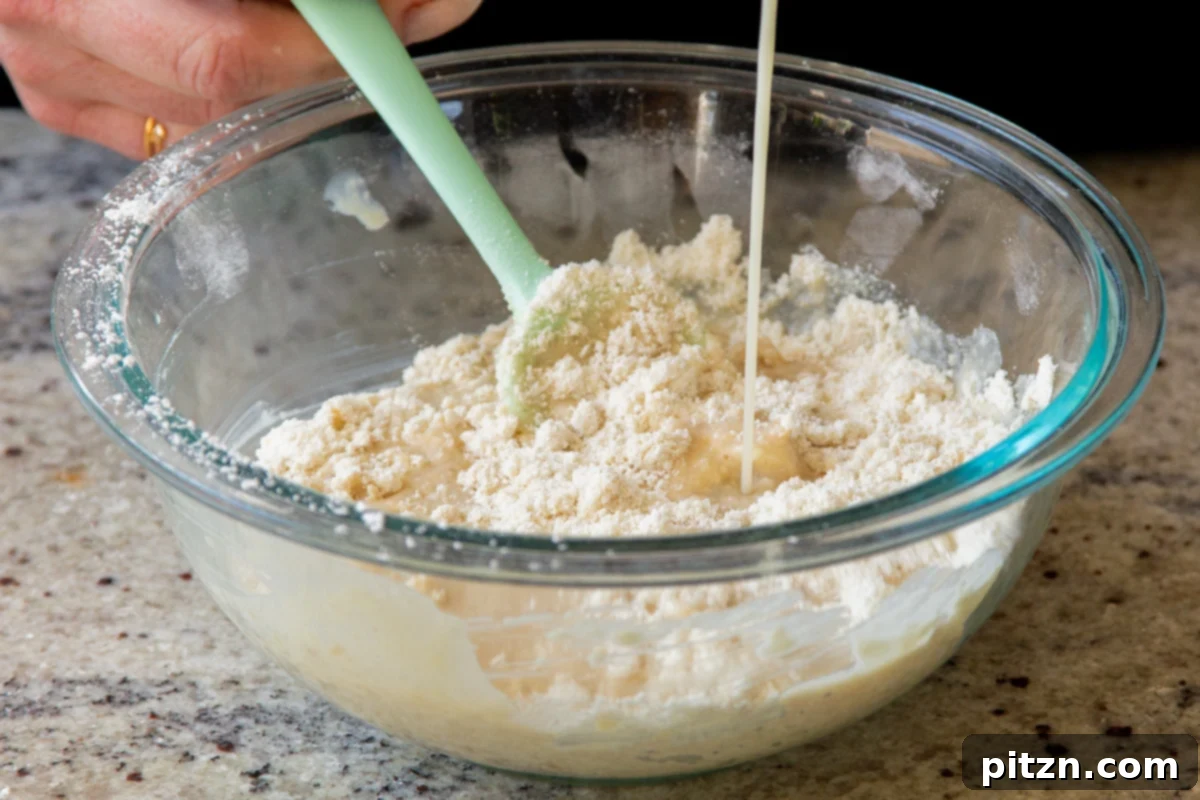
Begin by gathering all your dry ingredients: blanched almond flour, tapioca starch, baking powder, baking soda, salt, and lemon zest. Place them into a large mixing bowl. Using a whisk, fork, or even your hands, thoroughly combine these ingredients. It’s absolutely essential to break down any lumps in the almond flour at this stage. Almond flour can be quite clumpy, and attempting to remove these after adding wet ingredients will be much more challenging and can lead to overmixing. Press firmly with a spatula or fork against the side of the bowl until the mixture is smooth and evenly incorporated. While sifting is an option, a good manual breakdown works perfectly fine, especially with the slightly coarser nature of almond flour compared to all-purpose flour.
Step 2: Incorporate Wet Ingredients
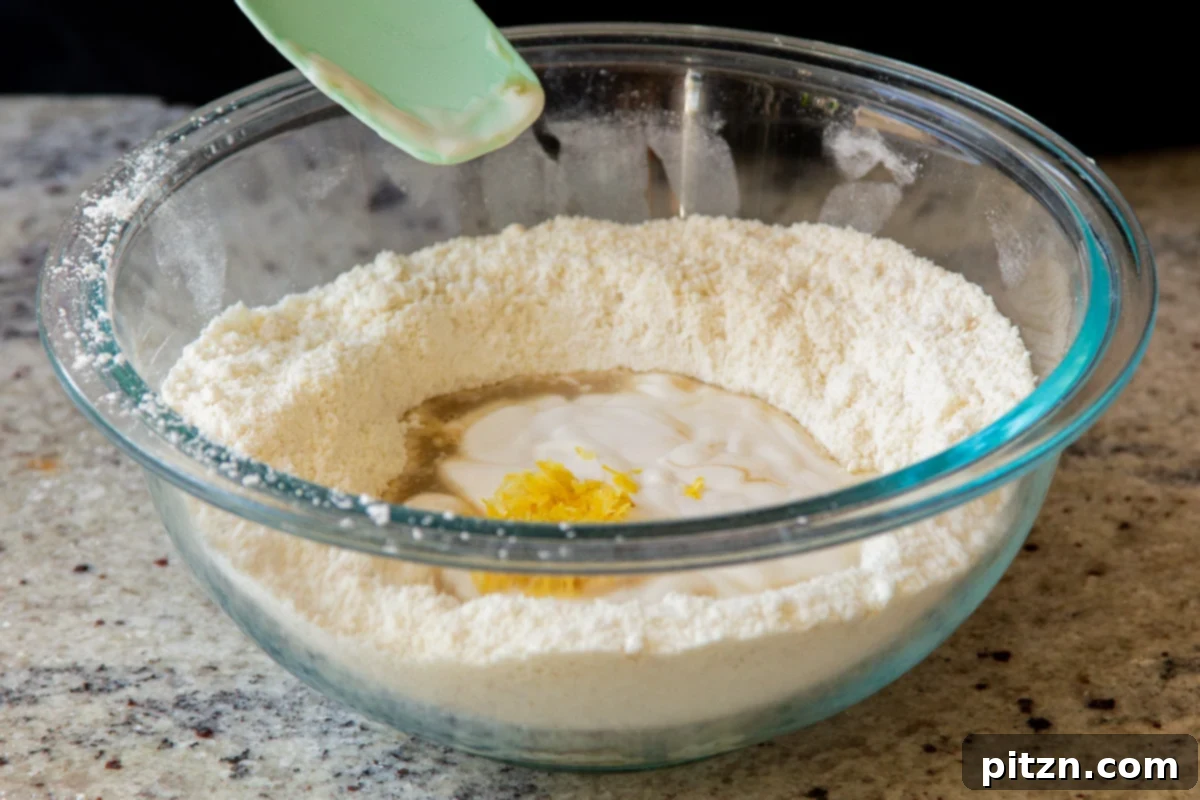
Now, add the non-dairy yogurt, maple syrup, fresh lemon juice, vanilla extract, and oil to the bowl with the dry mixture. Gently fold and mix these wet components into the dry. Continue mixing until the batter is just combined. Avoid vigorous overmixing, as this can negatively affect the final texture of your gluten-free pancakes.
Step 3: Adjust Batter Consistency and Rest
Pour in 2 tablespoons of your chosen non-dairy milk or club soda. Stir gently and observe the batter’s consistency. It should resemble a slightly thicker-than-usual pancake batter. If it appears too thick, add an additional 1 to 2 tablespoons of non-dairy milk, mixing until the desired consistency is reached. Once the batter looks just right, let it sit undisturbed for five minutes. This resting period is crucial; it allows the starches to fully hydrate and the leavening agents to activate, contributing to a lighter and fluffier final product.
Step 4: Preheat Skillet and Cook First Side
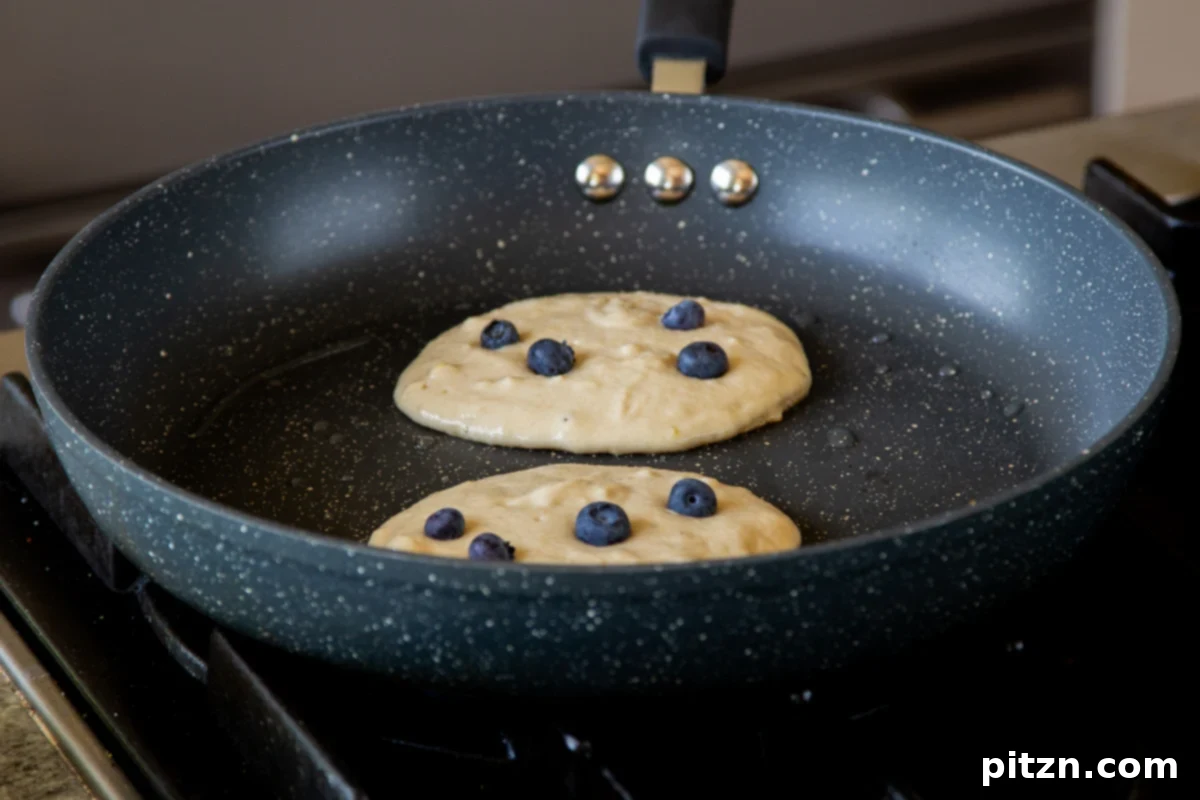
Place a skillet or griddle over medium heat and allow it to heat up thoroughly and evenly. Maintaining a medium heat is vital, as almond flour pancakes cook more delicately and can burn easily if the heat is too high. Once hot, lightly brush the skillet with a bit of oil or vegan butter. Ladle approximately 1/4 cup of batter per pancake onto the hot surface, gently spreading it to form a neat circle. Immediately after, sprinkle a few fresh blueberries over the top of each pancake. Arrange as many pancakes as can comfortably fit in your skillet without overcrowding.
Step 5: Cover and Steam for Optimal Fluffiness
Cover the skillet with a lid. This step is a game-changer for gluten-free pancakes. Trapping the heat and steam within the skillet creates a moist environment, which is crucial for helping gluten-free batters rise properly and preventing them from becoming dry or dense. The steam ensures an even cook and a wonderfully fluffy result.
Step 6: Flip and Cook Second Side
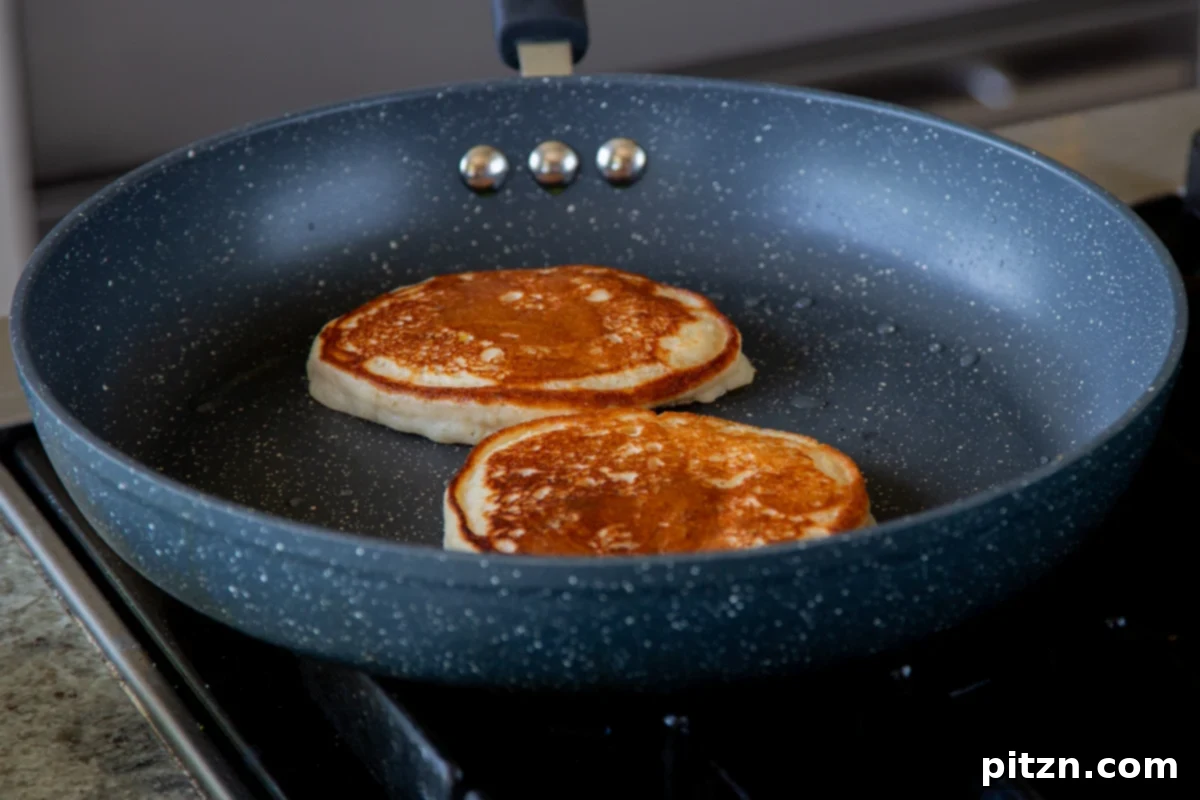
Watch for signs that the pancakes are rising and the edges are beginning to set. Once these indicators are present, carefully lift the lid and, using a spatula, gently flip each pancake to cook the other side. Immediately replace the lid and continue cooking for an additional 2 minutes, or until the second side is golden brown and fully cooked through. This ensures both sides are beautifully caramelized and the interior is tender.
Step 7: Serve and Enjoy!
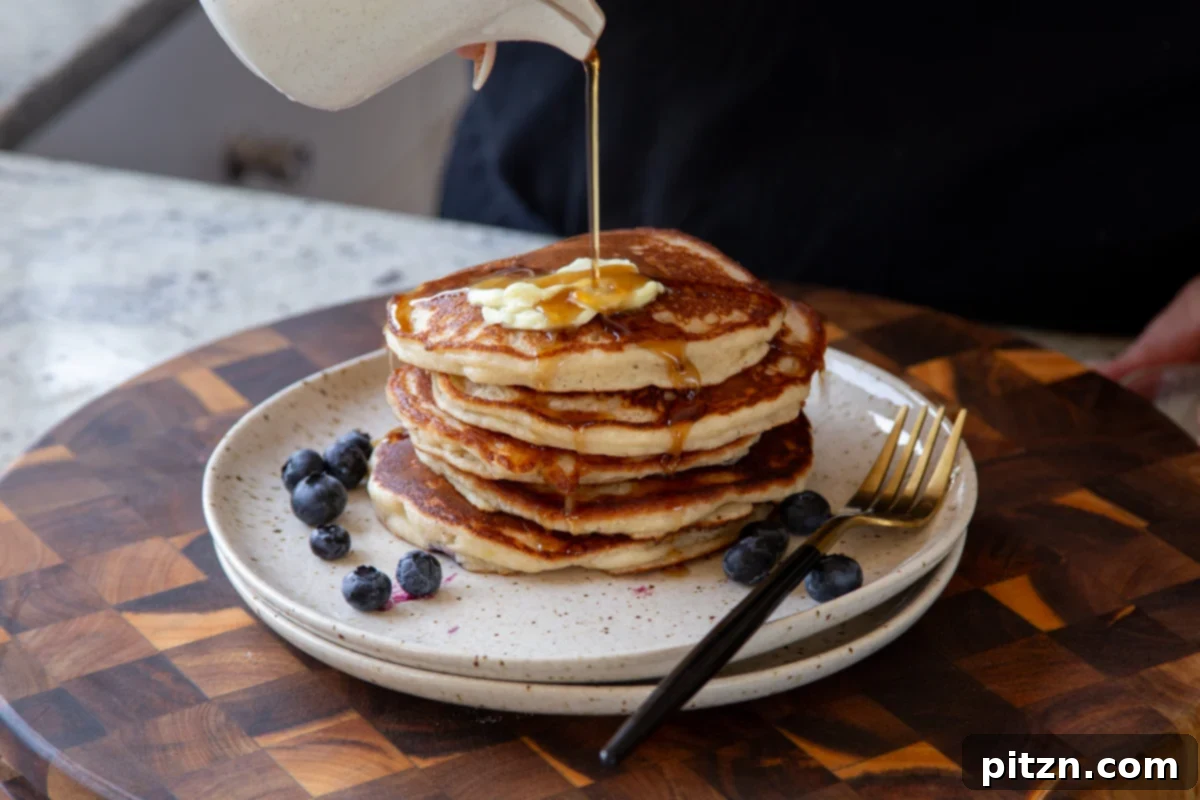
Remove the cooked pancakes from the skillet and transfer them to a plate. Repeat steps 4 through 6 with the remaining batter until all pancakes are cooked. Serve these delectable pancakes immediately with your favorite toppings. A drizzle of pure maple syrup, a dollop of vegan butter, or an extra scattering of fresh blueberries will make these a truly unforgettable breakfast or brunch.
Frequently Asked Questions
This recipe is designed to be **gluten-free and grain-free**. Additionally, it can easily be made **soy-free** by ensuring you use a non-dairy yogurt and non-dairy milk that are explicitly soy-free (e.g., almond milk, oat milk, or coconut yogurt). However, it’s important to note that the recipe’s base is entirely almond flour, making it **nut-based**. While it’s challenging to make it completely nut-free without a major reformulation, if you have an almond allergy, you might experiment with other nut flours like cashew flour or macadamia nut flour. Please be aware that results will vary significantly in texture and flavor with such substitutions.
Gluten-free pancakes can be made from a wide variety of alternative flours. In this particular recipe, we use a winning combination of **almond flour and tapioca starch**. Almond flour provides a rich, slightly nutty flavor and a tender crumb, while tapioca starch acts as an excellent binder, contributing to the light, airy, and fluffy texture we all desire in a pancake. Other popular gluten-free flours include oat flour, rice flour, buckwheat flour, and various gluten-free all-purpose blends, each offering a unique texture and flavor profile.
Yes, absolutely! Frozen blueberries work wonderfully in this recipe. There’s no need to thaw them beforehand; simply add them directly to the batter just before cooking. Adding them frozen helps them maintain their shape and prevents them from bleeding too much color into the batter. They will warm through and soften beautifully during the cooking process.
While tapioca starch yields the best results for binding and creating a light chew, if you don’t have it, you can try a blend of other starches. A good substitute would be a mix of at least two of the following: cornstarch, potato starch, or arrowroot starch. For instance, you could use 1/4 cup cornstarch and 1/4 cup potato starch to replace 1/2 cup tapioca starch. Using just one alternative starch might result in a slightly different texture.
Several factors can lead to gummy or dense gluten-free pancakes. Common culprits include: 1) **Overmixing the batter**, which can develop starches too much; 2) **Not letting the batter rest**, preventing proper hydration of flours and activation of leavening agents; 3) **Cooking on too high a heat**, which browns the outside too quickly before the inside is fully cooked; and 4) **Not covering the pan** during cooking, which means the pancakes don’t get enough steam to rise and stay moist. Follow the tips in this recipe, especially covering the pan, for best results!
Storage and Reheating Tips
Serving: These pancakes are truly at their peak when served fresh and warm, straight off the griddle. Their light and fluffy texture is best enjoyed immediately.
Refrigeration: If you have leftovers, allow the pancakes to cool completely before storing them in an airtight container in the refrigerator for up to 4 days. This makes them perfect for quick breakfasts throughout the week.
Freezing: For longer storage, these pancakes freeze beautifully. Once cooled, place them in a single layer on a baking sheet to freeze for about an hour. Once firm, transfer them to a freezer-safe bag or container, separating layers with parchment paper to prevent sticking. They can be stored in the freezer for up to a month.
Reheating: Reheat refrigerated pancakes gently in a toaster, microwave, or a lightly oiled skillet over medium-low heat until warmed through. For frozen pancakes, you can reheat them directly from frozen using the same methods, adding a few extra minutes to the cooking time.
Nutrition Information
Nutrition
Carbohydrates: 29g,
Protein: 6g,
Fat: 18g,
Saturated Fat: 1g,
Sodium: 227mg,
Potassium: 189mg,
Fiber: 3g,
Sugar: 9g,
Vitamin A: 5IU,
Vitamin C: 4mg,
Calcium: 160mg,
Iron: 1mg
Nutrition information is automatically calculated and should only be used as an approximation.
Did you make this delicious recipe? We’d love to hear from you! Please rate and share your experience in the comments below.