
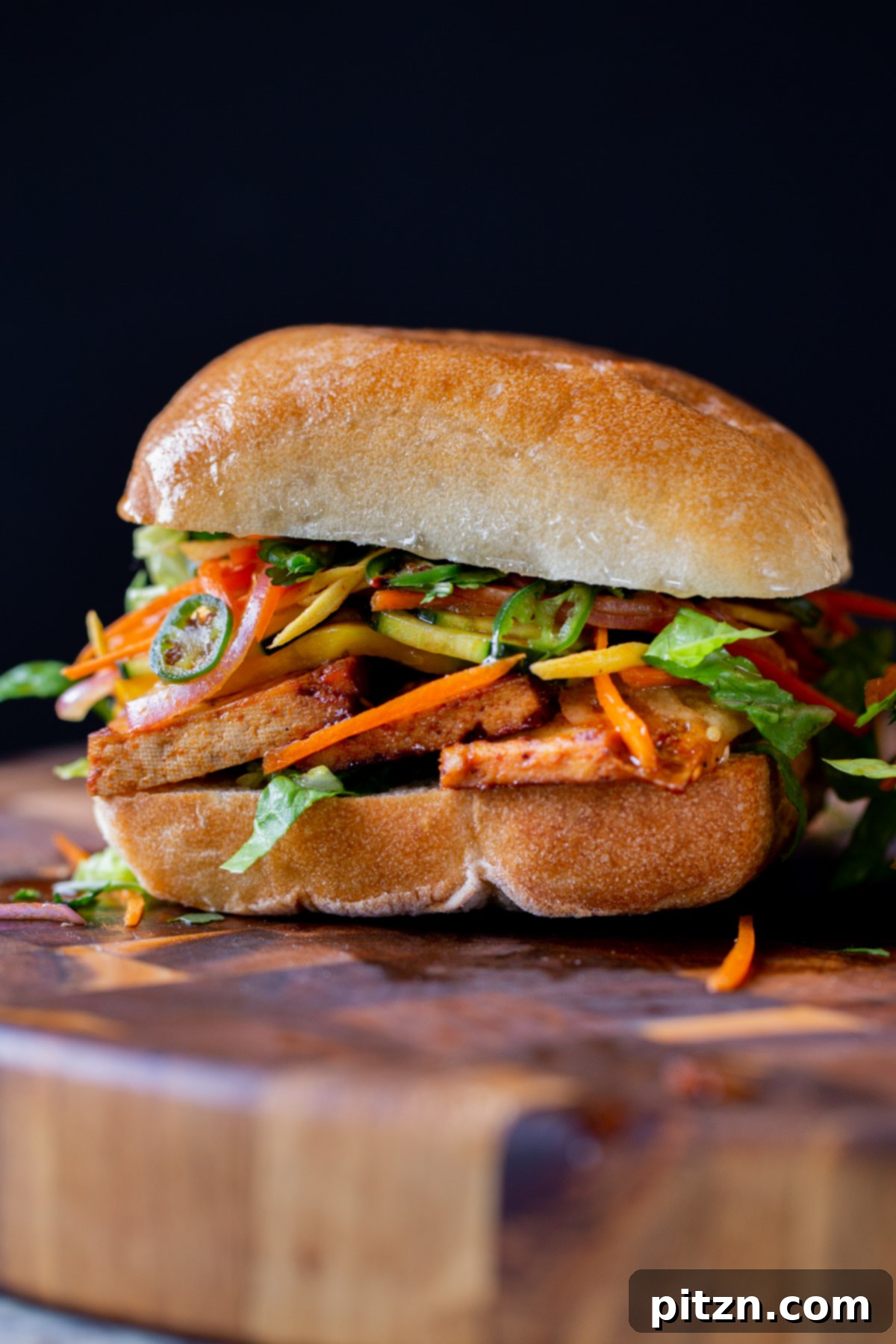
Ultimate Gochujang Tofu Banh Mi: A Spicy, Sweet & Tangy Vegan Sandwich
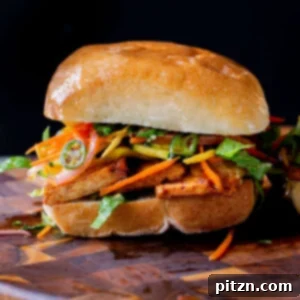
Prepare your taste buds for an explosion of flavors with this incredible Gochujang Tofu Banh Mi-style sandwich! This vibrant, hearty, and satisfying plant-based creation is an absolute dream for any summer lunch or a quick weeknight meal. It masterfully blends the spicy-sweet depth of gochujang-baked tofu with the refreshing crispness of zesty quick-pickled cucumber, carrots, and jalapeño, all brought together with the tropical sweetness of fresh mango and aromatic cilantro. This isn’t just a sandwich; it’s a culinary journey, offering a delightful fusion of Korean and Vietnamese influences in every bite.
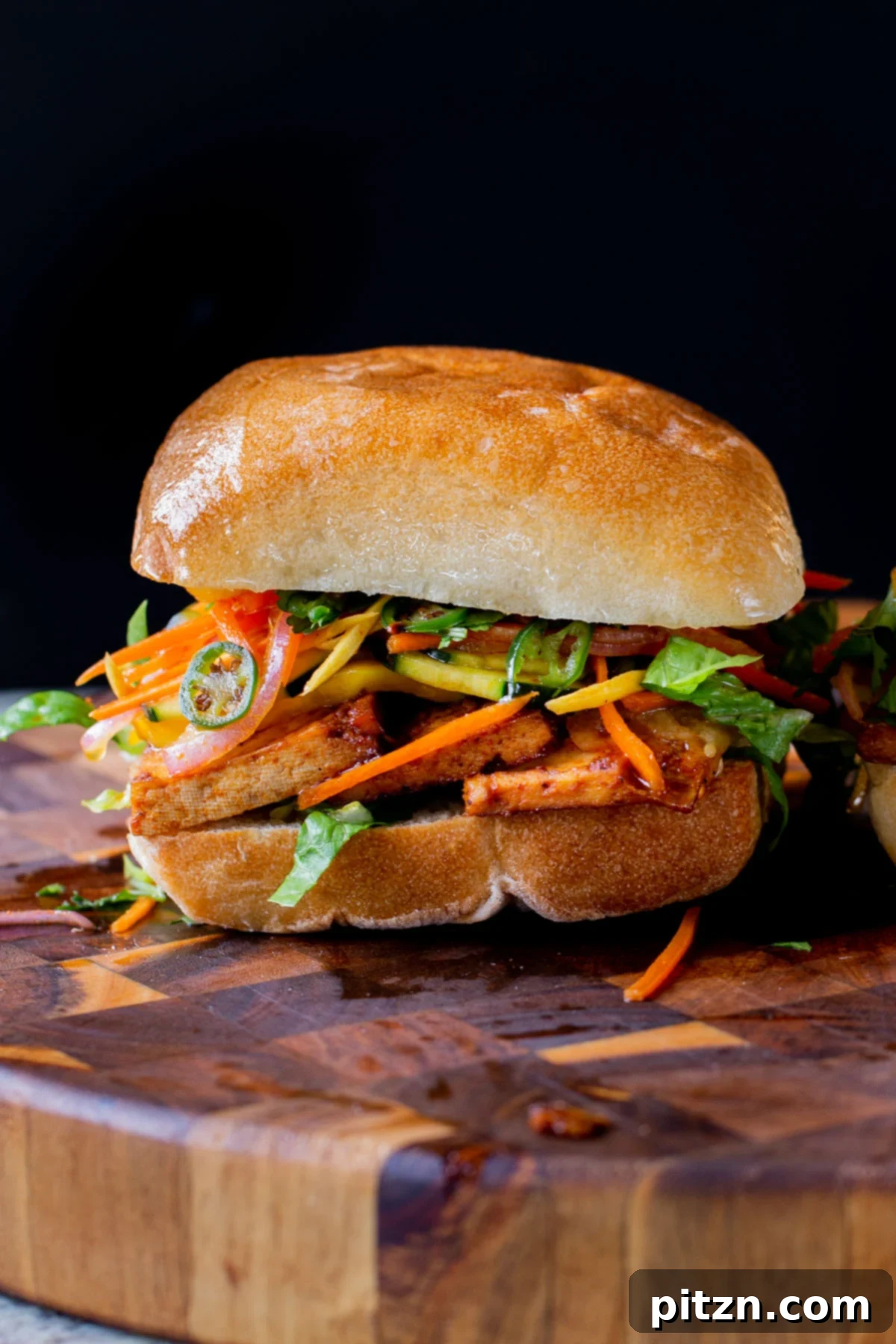
What makes this sandwich truly stand out is its innovative gochujang marinade. This versatile marinade isn’t just for the tofu; a modified version, enhanced with extra vinegar for a pronounced tang, is also used to quick-pickle the fresh, crunchy vegetables. This clever technique ensures a cohesive flavor profile throughout the sandwich and streamlines the preparation process, meaning fewer dishes and more time to enjoy your delicious creation!
Table of Contents
- Why You’ll Love This Gochujang Tofu Banh Mi
- What is Gochujang?
- What is Banh Mi?
- Gochujang Tofu Sandwich Recipe
- Essential Ingredients and Smart Substitutions
- Expert Tips for the Perfect Gochujang Tofu Banh Mi
- Step-by-Step: How to Make a Gochujang Tofu Sandwich
- Frequently Asked Questions About Gochujang Tofu Sandwiches
This recipe delivers a fabulously fresh summer sandwich that is bursting with savory, sweet, and spicy notes. It’s incredibly adaptable too – if you’re not in the mood for bread, easily transform it into a vibrant wrap or a satisfying salad bowl. The use of a single, adaptable marinade for both the tofu and the quick-pickled veggies not only saves time but also guarantees a harmonized flavor. Don’t let any of that luscious marinade go to waste; serve any remaining on the side for an irresistible dipping experience. Trust us, you’ll want to savor every drop! This quick and easy lunch will surely become a family favorite, made again and again.
Why You’ll Love This Gochujang Tofu Banh Mi
This Gochujang Tofu Banh Mi isn’t just another sandwich; it’s a culinary experience designed to delight. Here’s why you’ll fall in love with this recipe:
- **Effortless Preparation:** With smart techniques like using one marinade for both tofu and veggies, this recipe comes together quickly, making it ideal for busy days without compromising on flavor.
- **Explosive Gochujang Flavor:** The star of the show, gochujang, infuses the tofu and vegetables with its unique spicy, sweet, and savory notes, creating an unforgettable taste.
- **Hearty & Satisfying:** Inspired by the classic Banh Mi, this vegan version is packed with protein-rich tofu and an abundance of vegetables, making it a substantial and fulfilling meal.
- **The Magic of Pickled Veggies:** The quick-pickled cucumber, carrots, and jalapeño add an irresistible tangy crunch that perfectly complements the rich tofu and sweet mango.
- **Summer Freshness:** Loaded with crisp vegetables and fresh herbs, this sandwich is wonderfully refreshing, making it the perfect light yet satisfying option for warmer weather.
- **Versatile Meal:** Easily customize it into a vibrant wrap, a refreshing salad bowl, or even serve the components deconstructed for a build-your-own meal experience.
What is Gochujang? The Korean Chili Paste Explained
Gochujang is a savory, sweet, and spicy fermented Korean chili paste, a staple in Korean cuisine. Made from gochugaru (chili powder), glutinous rice, fermented soybean powder (meju), barley malt powder, and salt, it undergoes a traditional fermentation process, often for years. This process develops its deep red color, thick consistency, and complex flavor profile—a harmonious balance of heat, sweetness, umami, and a subtle fermented tang. It’s widely used in various Korean dishes, from marinades and dipping sauces to stews and soups, adding a distinctive depth and kick. While it is spicy, it’s not just about heat; its richness comes from the fermented ingredients, providing a unique umami that elevates any dish it touches. In this recipe, gochujang forms the heart of our marinade, infusing the tofu with its signature taste and giving the pickled vegetables their spicy-sweet edge.
What is Banh Mi? A Vietnamese Culinary Icon
Banh Mi is a celebrated Vietnamese sandwich, a delicious legacy of French colonial influence combined with vibrant Vietnamese flavors. Traditionally served on a crispy baguette, it typically features a variety of savory fillings, such as pork sausage, grilled meats, or pâté, complemented by fresh herbs like cilantro, and crisp pickled vegetables (daikon and carrots), along with a smear of mayonnaise or other flavorful sauces. The beauty of Banh Mi lies in its contrast: the soft, airy interior of the baguette against the crunch of the vegetables, the richness of the protein, and the bright, tangy notes of the pickles and herbs. Our Gochujang Tofu Banh Mi captures this essence, offering a plant-based twist that embraces the traditional elements while introducing the bold, exciting flavors of Korean gochujang.
Explore More Vegan Gochujang Recipes
If you love the bold, umami-rich flavor of gochujang, you’re in for a treat! This versatile Korean chili paste can elevate a wide array of plant-based dishes. Here are a few more vegan recipes where gochujang shines:
- **Gochujang Lentils:** A hearty and flavorful dish, perfect for a warming meal. The lentils soak up the spicy-sweet gochujang sauce beautifully.
- **Gochujang Noodles:** Quick and easy stir-fried noodles coated in a delectable gochujang sauce. A fantastic option for a fast, flavorful weeknight dinner.
- **Miso Gochujang Tofu Stir Fry:** Combining the depths of miso with the kick of gochujang, this tofu stir-fry is rich, savory, and incredibly satisfying.
- **Baked Gochujang Cauliflower Wings:** Crispy cauliflower florets baked to perfection and tossed in a sticky, spicy gochujang glaze. A crowd-pleasing appetizer or side dish.
- **Peanut Gochujang Ramen:** A comforting bowl of ramen broth infused with creamy peanut butter and spicy gochujang for a truly unique and delicious experience.
Gochujang Tofu Sandwich
Vegan Richa
20 minutes
20 minutes
15 minutes
55 minutes
4
Lunch, Sandwich
Korean, Vietnamese
Ingredients for 4 Servings
For the Marinade:
- 3 tablespoons soy sauce, or tamari for gluten-free
- 2 tablespoons gochujang
- 1/2 teaspoon garlic powder
- 1 teaspoon sesame oil
- 1/4 teaspoon black pepper
- 1/4 teaspoon salt
- 1 teaspoon maple syrup
For the Tofu:
- 14 ounces firm or extra firm tofu, pressed for at least 15 minutes, then sliced into 1 1/2-2 inch squares or 1/2″ cubes or any other size that you like
For the Vegetables:
- 1/2 of a cucumber, thinly sliced, optionally peeled a little
- 1/2 cup thinly sliced onion
- 1/2 cup julienned carrots
For Marinating the Veggies:
- remaining marinade from above
- 1 tablespoon white vinegar or rice vinegar
- 1/4 teaspoon salt
- 1/2 teaspoon sugar
- 2-3 tablespoons of water
For the Sandwich Assembly:
- 4 ciabatta rolls, or other soft, sturdy rolls
- lettuce, chopped, as needed
- 1 ripe mango, peeled and sliced
- 1/4 cup or more chopped cilantro
- 1 jalapeño, thinly sliced, optional
Instructions
-
Preheat your oven to 400°F (205°C). This ensures it’s ready when your tofu is marinated.
Prepare the Gochujang Tofu:
-
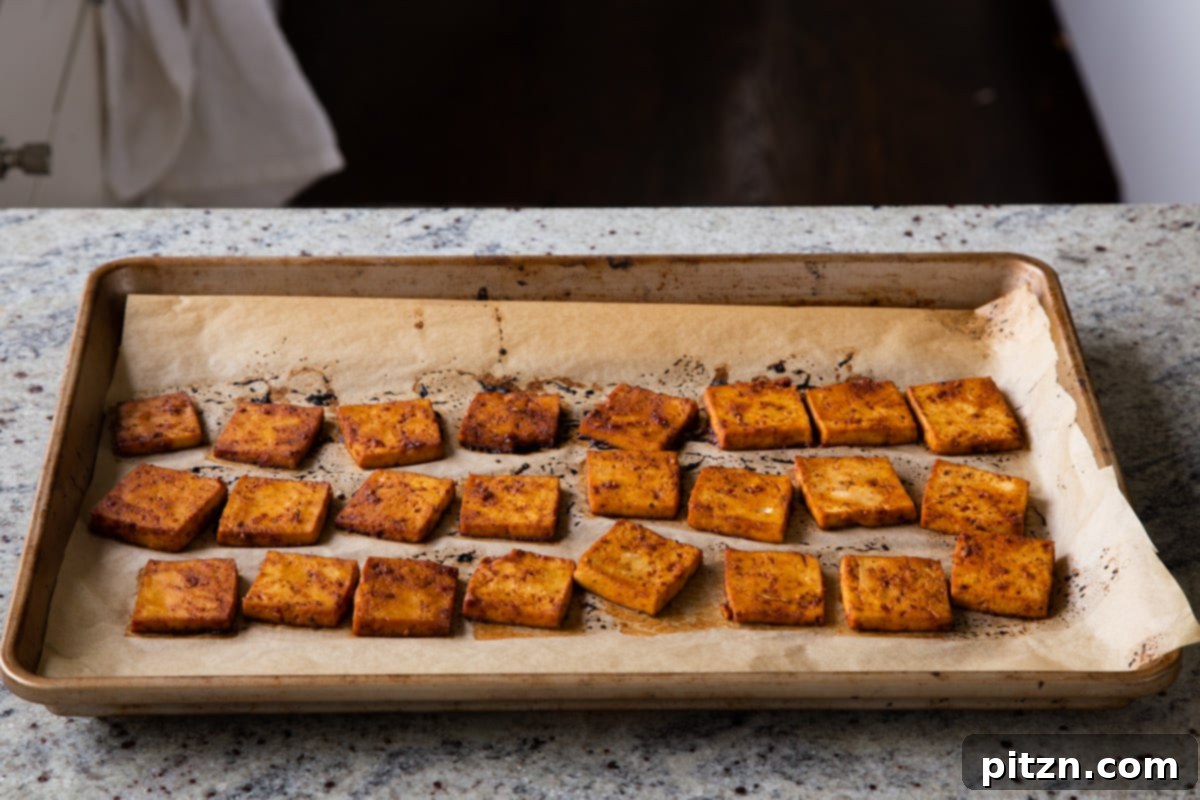
In a large, shallow bowl, combine all the marinade ingredients: soy sauce (or tamari), gochujang, garlic powder, sesame oil, black pepper, salt, and maple syrup. Whisk thoroughly until a smooth, uniform sauce forms. If the marinade is too thick, add a tablespoon or two of water to achieve a coating consistency. Add your pre-pressed and sliced tofu to this flavorful marinade, gently tossing to ensure every piece is evenly coated. Allow the tofu to marinate for at least 15 minutes, letting it absorb all the delicious flavors. Once marinated, carefully transfer the tofu slices onto a parchment-lined baking sheet, arranging them in a single layer. Bake for 15 to 20 minutes, or until the tofu turns crisp and slightly dry to your liking.
Quick-Marinate the Veggies:
-
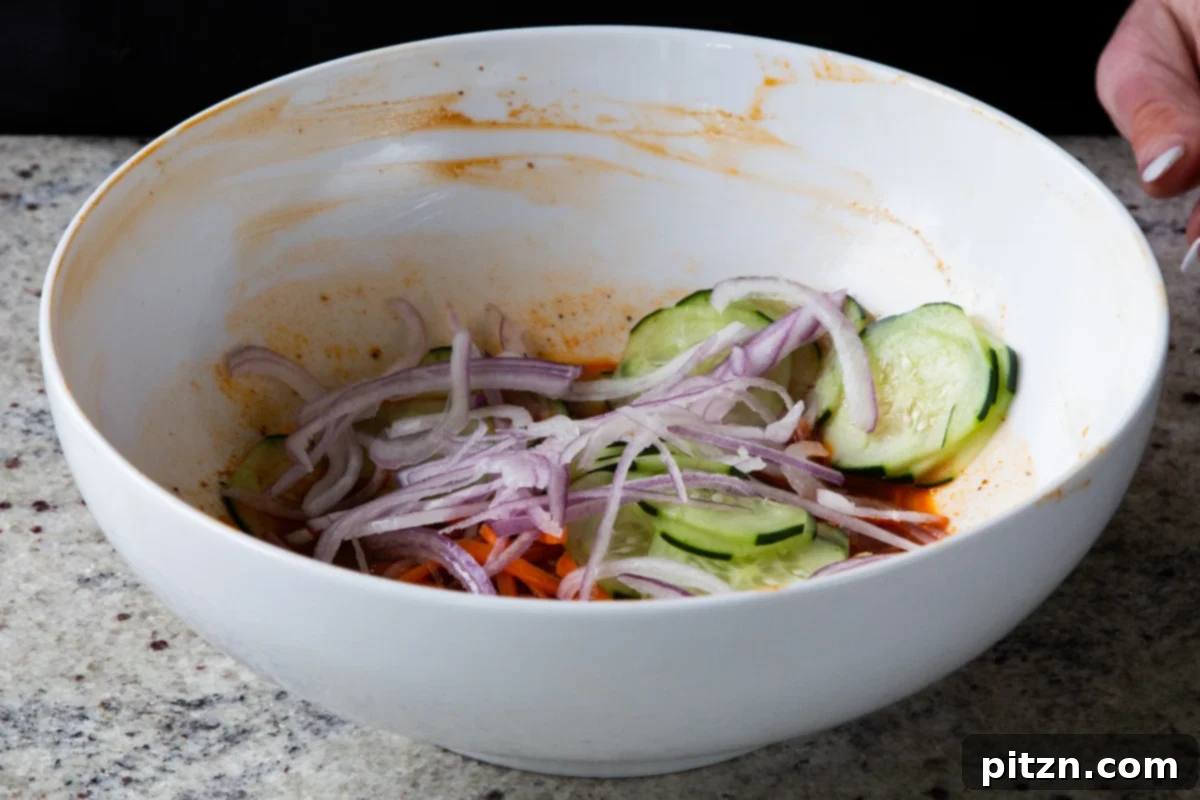
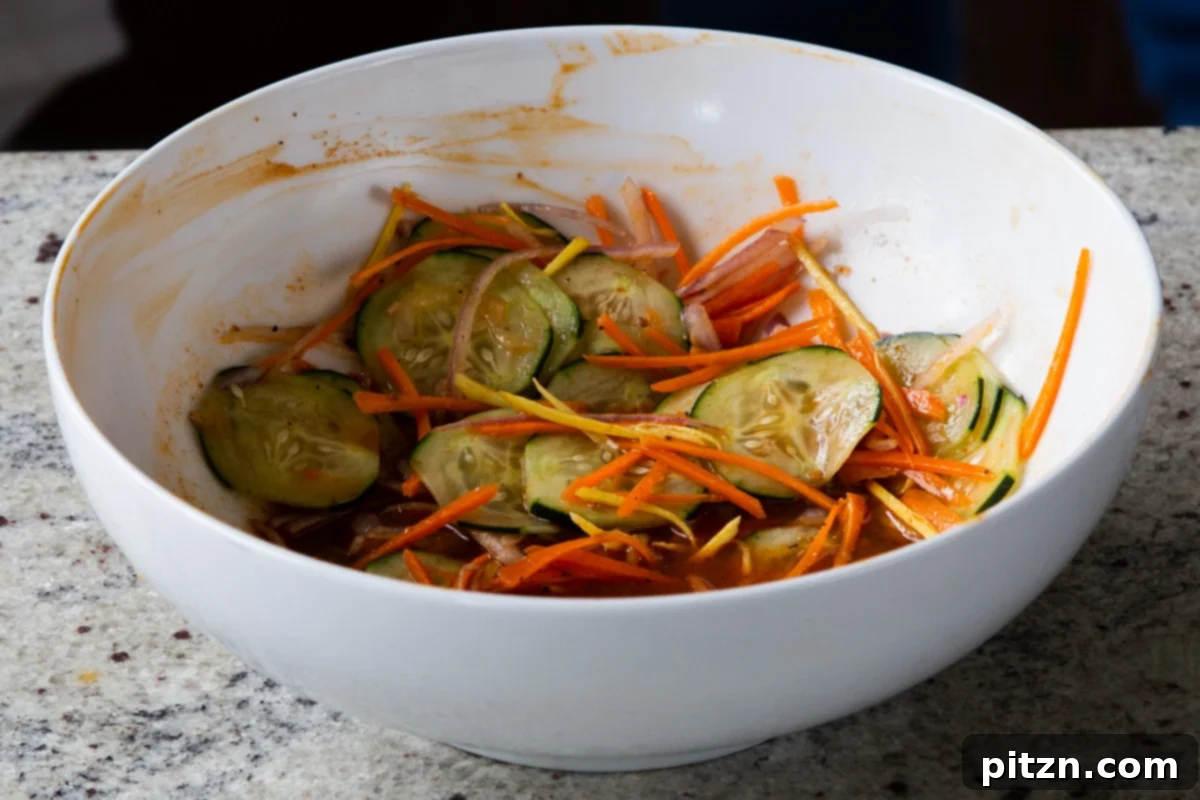
There will be some leftover marinade in the bowl after removing the tofu. To this remaining marinade, add the white or rice vinegar, salt, sugar, and 2-3 tablespoons of water. Mix well to create a zesty quick-pickling liquid. If there isn’t quite enough residual marinade, you can add an additional tablespoon of soy sauce and gochujang to ensure sufficient coating for your vegetables. Add all your thinly sliced cucumber, onion, and julienned carrots to this bowl, tossing them to coat thoroughly. Let these vegetables marinate for 5-10 minutes while the tofu finishes baking; this brief time is enough to infuse them with a delightful tangy flavor and tenderize them slightly.
Assemble Your Gochujang Tofu Sandwich:
-
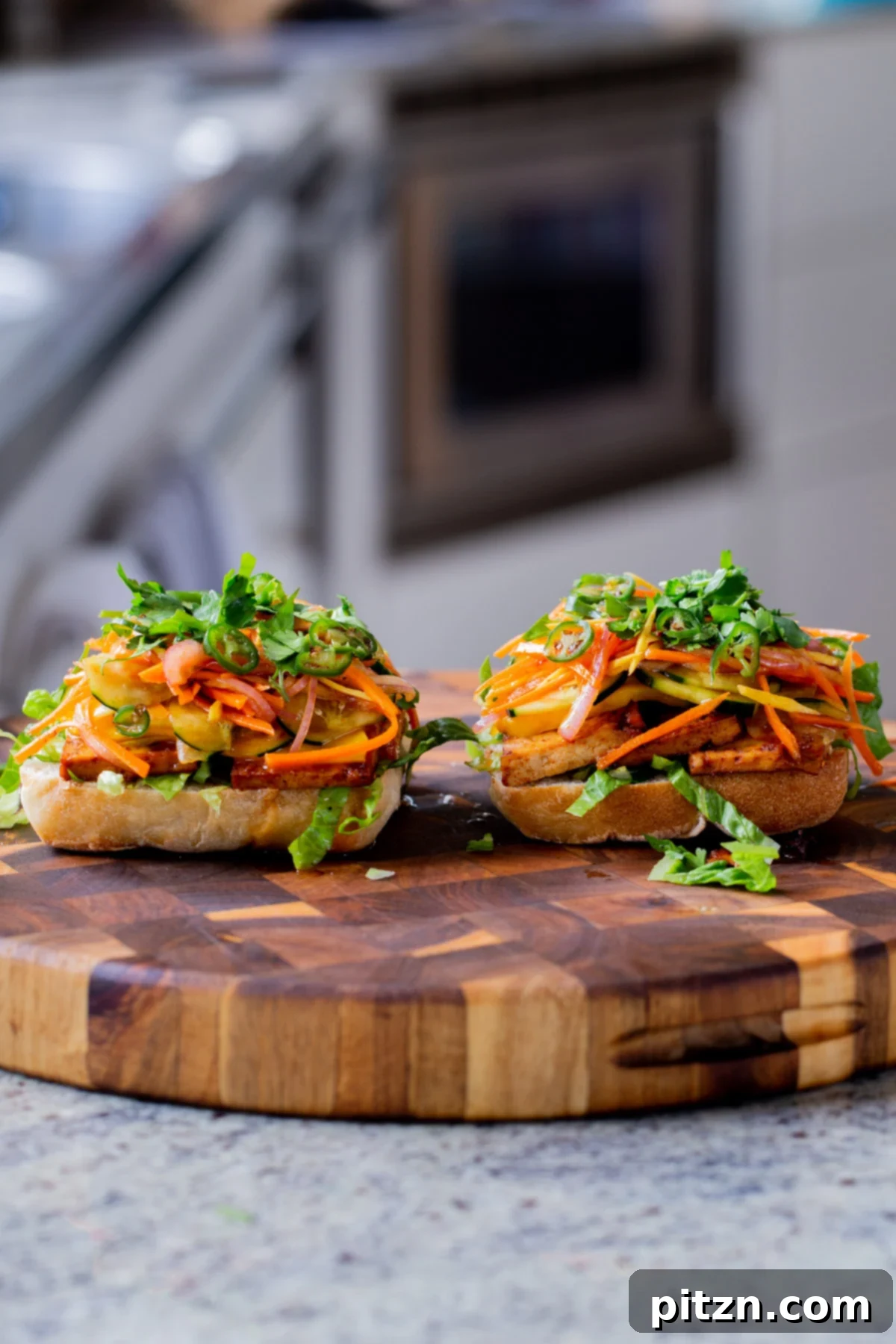
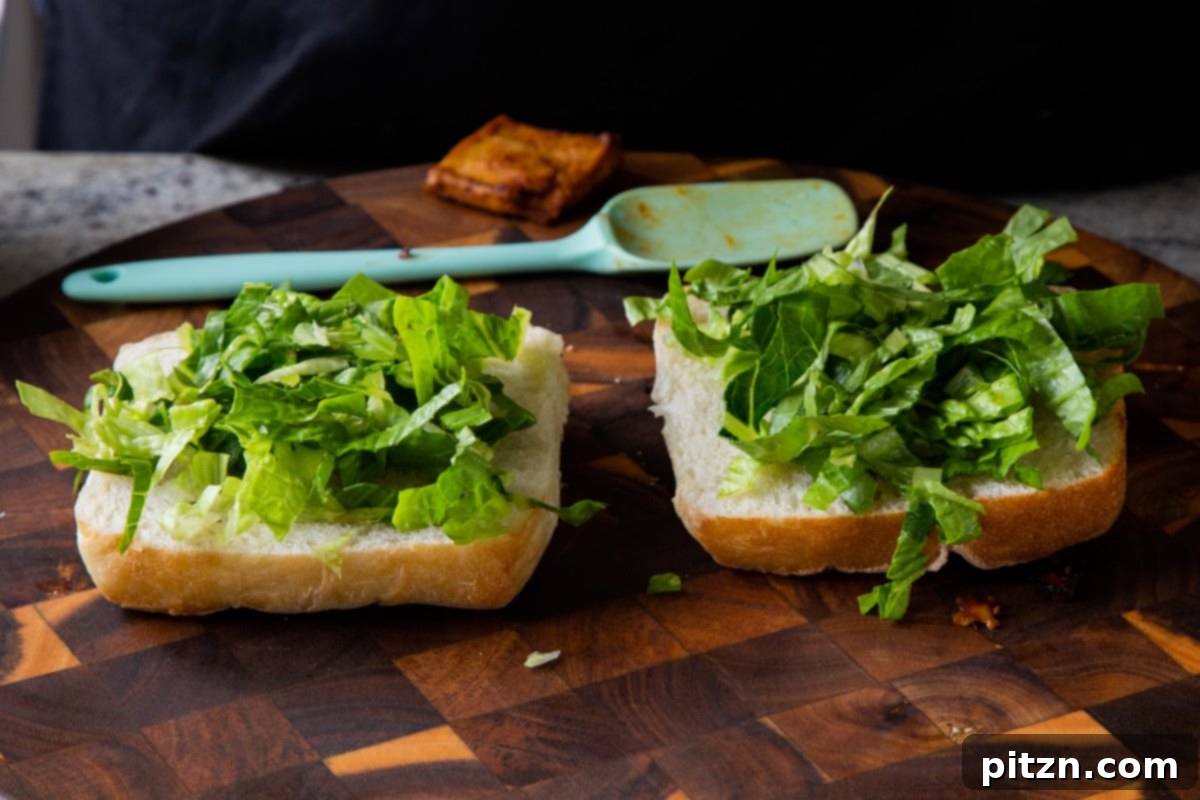
Prepare your ciabatta rolls or soft bread by slicing them horizontally. You can toast the bread lightly if you prefer a warm, crispy base. Lay a generous layer of fresh, chopped lettuce on the bottom half of each roll. Once the tofu is baked to a perfect crispness, remove it from the oven and arrange a plentiful layer over the lettuce. Next, add a layer of sweet, sliced ripe mango (or your chosen fruit), providing a delightful counterpoint to the spicy gochujang.
-
Generously pile the marinated vegetable mixture on top of the mango and tofu. Don’t be shy – the more veggies, the juicier and more satisfying your sandwich will be! Finish with a sprinkle of thinly sliced jalapeño (if you enjoy extra heat) and a fresh garnish of chopped cilantro. Place the top bread slice over your meticulously layered creation and serve immediately. For an added burst of flavor, offer any remaining marinade on the side as a dipping sauce.
Video Tutorial
Watch our step-by-step video to see how easily this incredible Gochujang Tofu Banh Mi comes together. Perfect for visual learners!
Chef’s Notes & Storage Tips
**Allergy Information:** This recipe is naturally **nut-free**. To make it **gluten-free**, ensure you use gluten-free bread or opt for lettuce wraps as your base. Additionally, substitute regular soy sauce with tamari and confirm that your gochujang brand is certified gluten-free, as some varieties may contain wheat. Making this recipe entirely **soy-free** is challenging, as gochujang typically contains fermented soybeans, and tofu is a soy product. If you have a severe soy allergy, this recipe might not be suitable, or you may need to explore very specific soy-free gochujang alternatives and substitute tofu with another plant-based protein like baked tempeh or seitan (check for gluten if needed).
Nutrition Information (per serving)
Calories:
234
kcal
,
Carbohydrates:
32
g
,
Protein:
14
g
,
Fat:
7
g
,
Saturated Fat:
1
g
,
Sodium:
729
mg
,
Potassium:
335
mg
,
Fiber:
3
g
,
Sugar:
13
g
,
Vitamin A:
3345
IU
,
Vitamin C:
24
mg
,
Calcium:
207
mg
,
Iron:
3
mg
Nutrition information is automatically calculated, so should only be used as an approximation.
Did you make this recipe? We’d love to hear from you! Rate and comment below!
Your feedback helps us improve and inspires other home cooks.
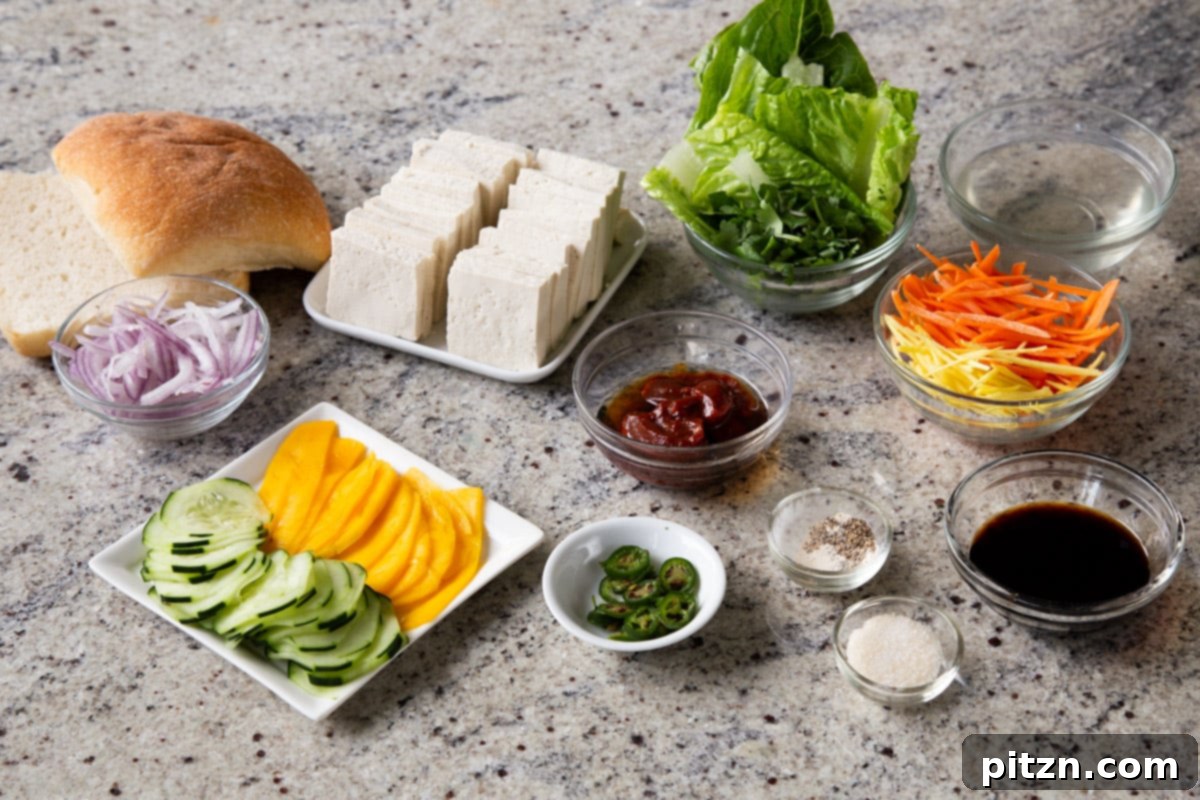
Essential Ingredients and Smart Substitutions
Crafting the perfect Gochujang Tofu Banh Mi relies on a balance of specific flavors and textures. Here’s a breakdown of the key ingredients and how you can adapt them:
- **Gochujang Marinade Ingredients:** This robust marinade is the heart of the sandwich. It’s a harmonious blend of spicy gochujang paste, savory soy sauce (or tamari for gluten-free diets), subtly sweet maple syrup, aromatic sesame oil, pungent garlic powder, and a touch of salt and black pepper. Each component plays a crucial role: gochujang provides the signature Korean kick, soy sauce adds umami depth, maple syrup balances the heat, and sesame oil brings a nutty aroma. Feel free to adjust the maple syrup for more sweetness or reduce the gochujang for less heat.
- **Tofu:** Firm or extra-firm tofu is the ideal choice for its ability to absorb flavors and achieve a satisfying chewy texture when baked. It acts as the “meat” in this plant-based banh mi. Remember to press the tofu thoroughly before slicing; this removes excess water, allowing it to better soak up the marinade and crisp up nicely in the oven. If tofu isn’t available, other plant-based proteins like tempeh or seitan can be used, though cooking times and marinade absorption may vary.
- **Pickled Vegetables:** The quick pickles are a non-negotiable component of any banh mi-style sandwich, providing essential tang and crunch. Our mix includes thinly sliced cucumber, julienned carrots, and thinly sliced onion. These are marinated in a diluted version of the gochujang sauce, fortified with white or rice vinegar, salt, and a touch of sugar. This quick pickle method means they’re ready in minutes, adding a bright, zesty contrast. For variation, consider adding julienned daikon radish or red bell peppers to your pickled medley.
- **Ciabatta Rolls or Soft Rolls:** The bread is paramount for a banh mi. You need a hearty, yet soft and somewhat airy bread that can stand up to the juicy fillings without becoming overly soggy. Ciabatta rolls are excellent for their sturdy crust and airy interior, but any soft, substantial rolls will work. If you’re looking for a gluten-free option, ensure you use gluten-free ciabatta or rolls. Alternatively, serve the filling in large lettuce wraps for a low-carb, gluten-free option.
- **Mango:** Thinly sliced ripe mango introduces a delightful tropical sweetness that beautifully complements the spicy and tangy elements of the sandwich. Its juicy texture and vibrant flavor make it a standout ingredient. If fresh ripe mango is out of season or unavailable, consider using thin slices of ripe pear or even a touch of apricot jam for a similar sweet note.
- **Cilantro and Lettuce:** Fresh herbs are key to banh mi, and cilantro brings an incomparable freshness and zesty aroma. Chopped lettuce adds a necessary layer of cooling crunch. Don’t skimp on these fresh elements; they elevate the entire sandwich experience. If you’re not a fan of cilantro, fresh mint or basil can offer a different but equally refreshing herbal note.
- **Jalapeño:** For those who crave an extra layer of heat, thinly sliced jalapeño is the perfect addition. Its fresh, sharp spice cuts through the richness of the tofu and adds an authentic banh mi kick. If you prefer a milder sandwich, simply remove the seeds from the jalapeño before slicing, or omit it entirely. For a more intense heat, thinly sliced Thai bird chilies can be used sparingly.
Expert Tips for the Perfect Gochujang Tofu Banh Mi
Achieving banh mi perfection with this Gochujang Tofu recipe is easy with a few insider tips:
- **Press Your Tofu Properly:** This is a crucial step for flavorful and crispy tofu. Pressing removes excess water, allowing the tofu to absorb the gochujang marinade more effectively and achieve a firmer texture when baked. Aim for at least 15 minutes of pressing, or even longer if you have the time, using a tofu press or heavy objects.
- **Don’t Overcrowd the Baking Sheet:** When baking the tofu, ensure there’s enough space between each slice on the parchment-lined baking sheet. Overcrowding will steam the tofu instead of allowing it to crisp up. Bake in batches if necessary.
- **Adjust Marinade Consistency:** The initial marinade for the tofu should be thick enough to cling to the slices. If your gochujang is very thick, a tablespoon of water helps achieve the right consistency. For the pickled veggies, ensure the thinned marinade is enough to coat all vegetables; add a little extra soy sauce, gochujang, and water if needed.
- **Assemble Just Before Serving:** This gochujang sandwich is wonderfully saucy, which means the bread can get soggy if assembled too far in advance. To maintain the integrity of your bread and the crispness of your veggies, assemble your sandwiches right before you plan to eat them.
- **Prep Ahead for Ease:** To make meal prep simple, you can bake the gochujang tofu and prepare the marinated pickled vegetables up to a day in advance. Store them separately in airtight containers in the refrigerator. This way, assembly is a breeze when hunger strikes.
- **Embrace the Dipping Sauce:** That leftover marinade is a treasure! Don’t let it go to waste. Serve it on the side as an additional dipping sauce for your sandwich. It adds another layer of flavor and ensures every bite is juicy.
- **Experiment with Heat Levels:** The amount of gochujang and jalapeño can be adjusted to your preference. For less spice, reduce the gochujang or remove the seeds from the jalapeño. For more heat, increase the gochujang slightly or use more jalapeño.
- **Toast Your Bread:** While optional, lightly toasting your ciabatta rolls adds another textural dimension and helps create a barrier against moisture, further preventing sogginess.
Step-by-Step: How to Make a Gochujang Tofu Sandwich
Creating this flavorful Gochujang Tofu Banh Mi is a straightforward process. Follow these detailed steps to bring your delicious sandwich to life:
1. Prepare the Marinade
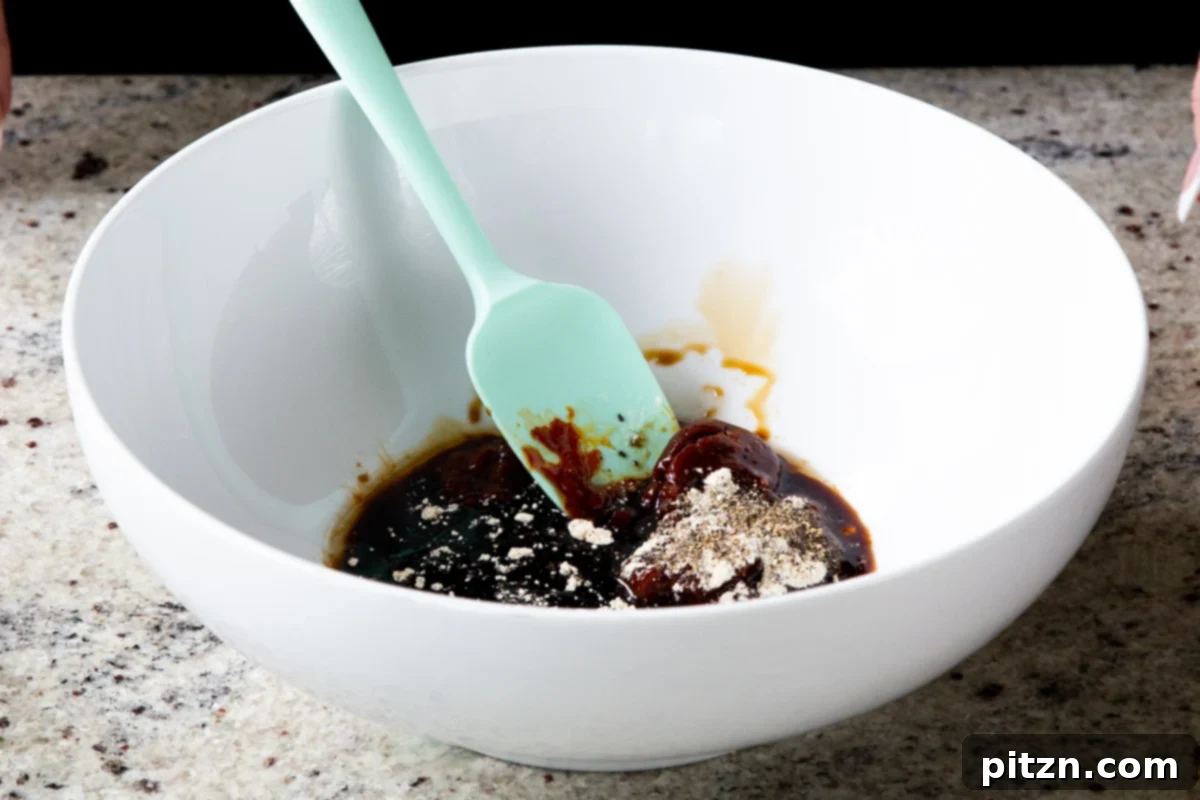
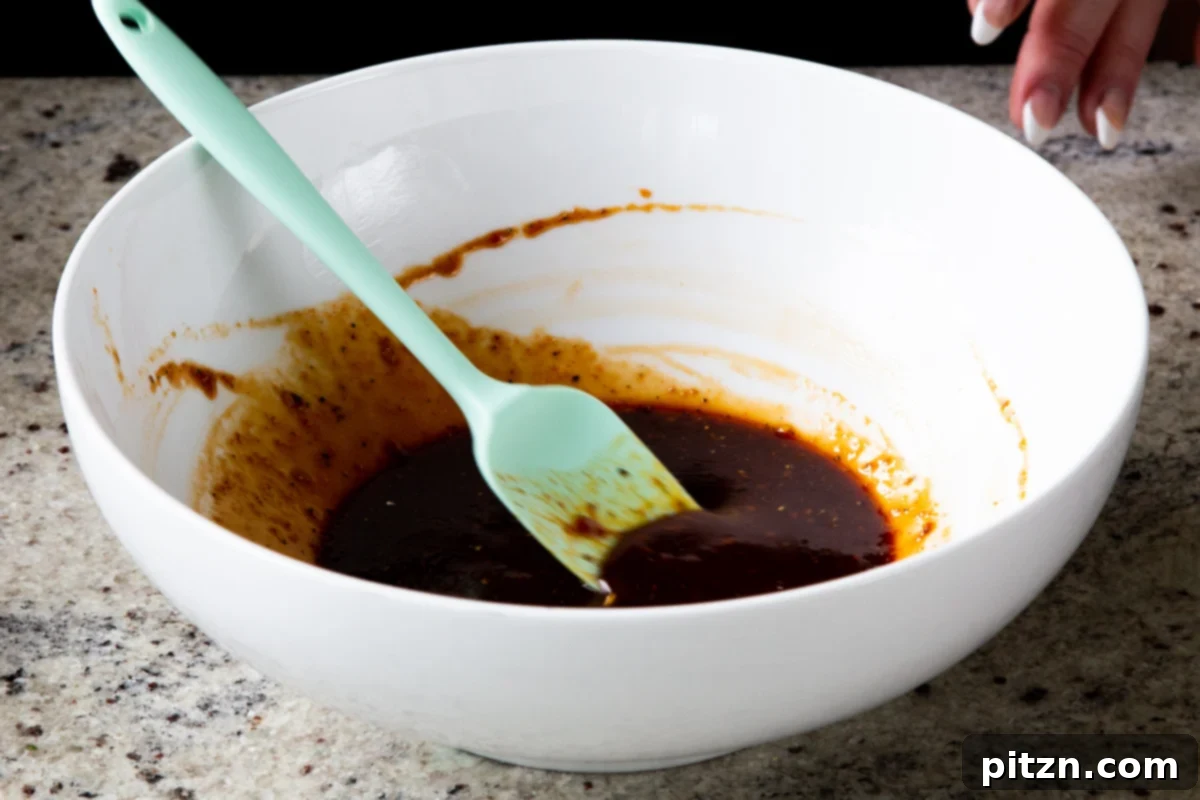
Begin by preheating your oven to 400°F (205°C). In a spacious, shallow bowl, combine all the ingredients for the tofu marinade: soy sauce (or tamari), gochujang, garlic powder, sesame oil, black pepper, salt, and maple syrup. Whisk everything thoroughly until you achieve a wonderfully smooth, glossy sauce. If the gochujang is particularly thick, you may need to add a tablespoon of water to reach an ideal consistency that will evenly coat the tofu slices without being overly viscous.
2. Marinate and Bake the Tofu
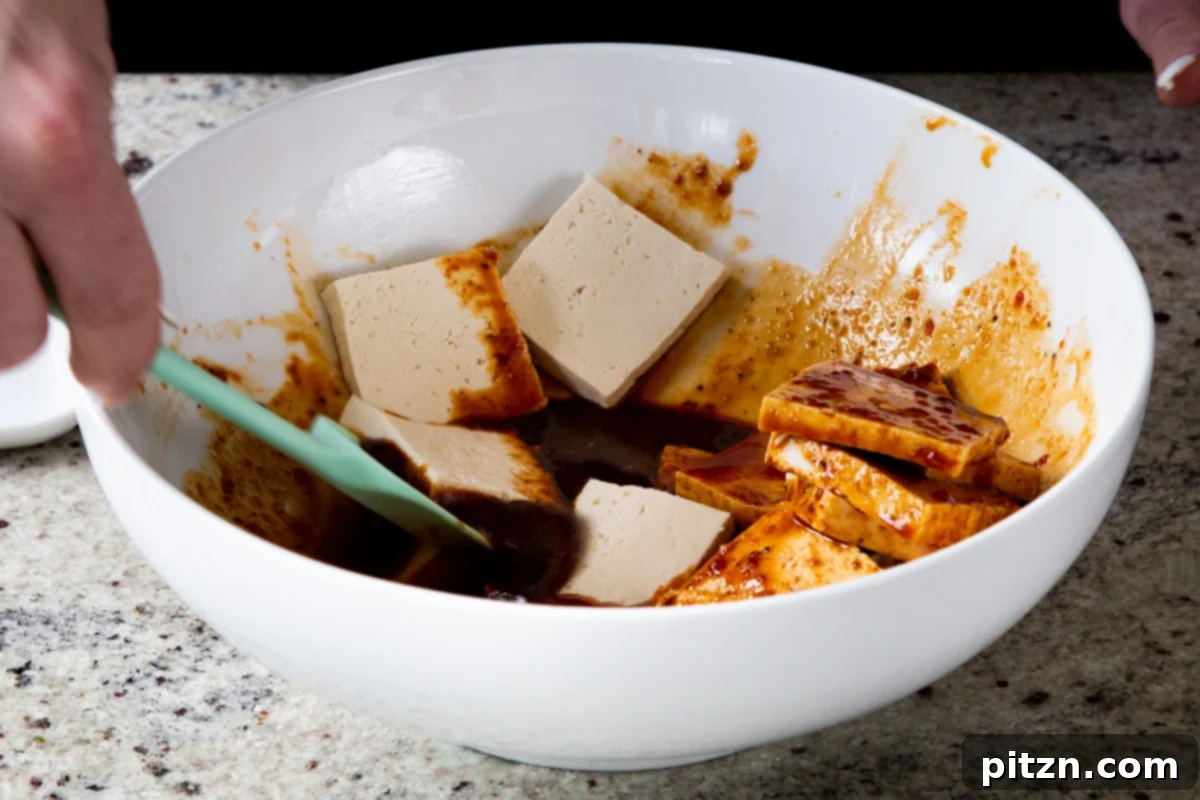
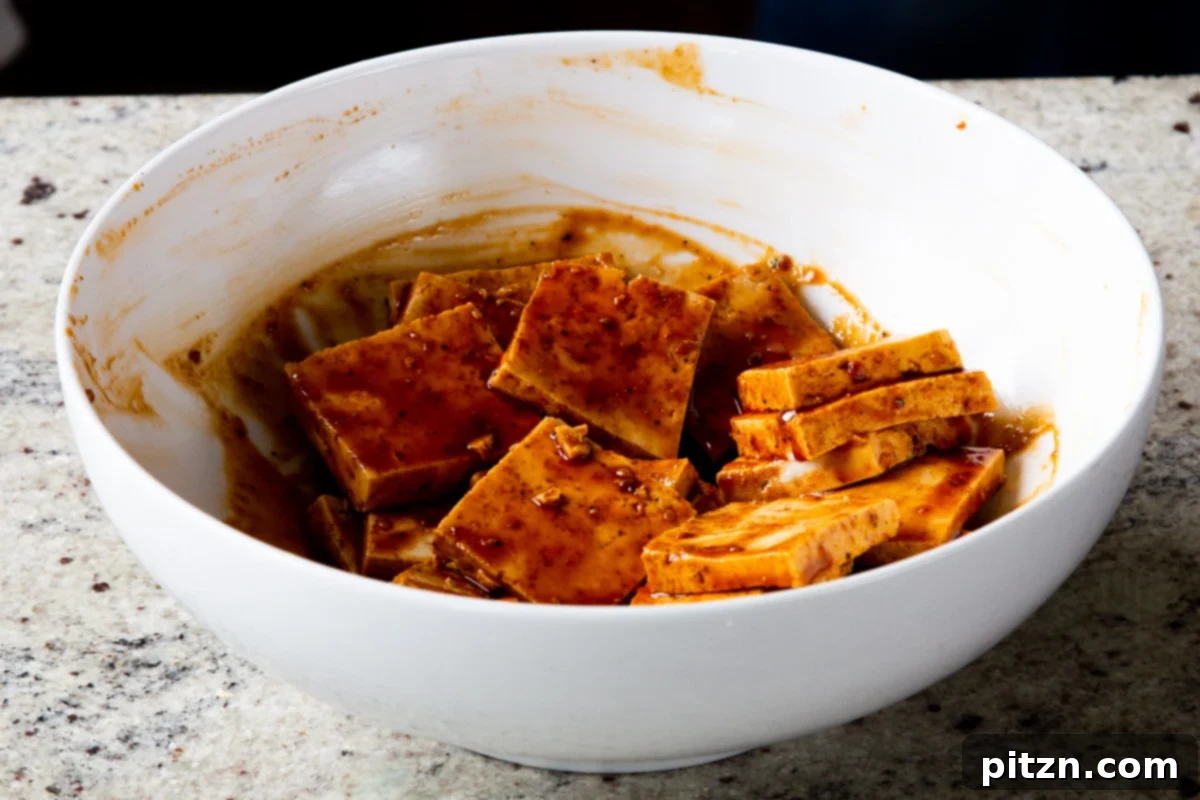
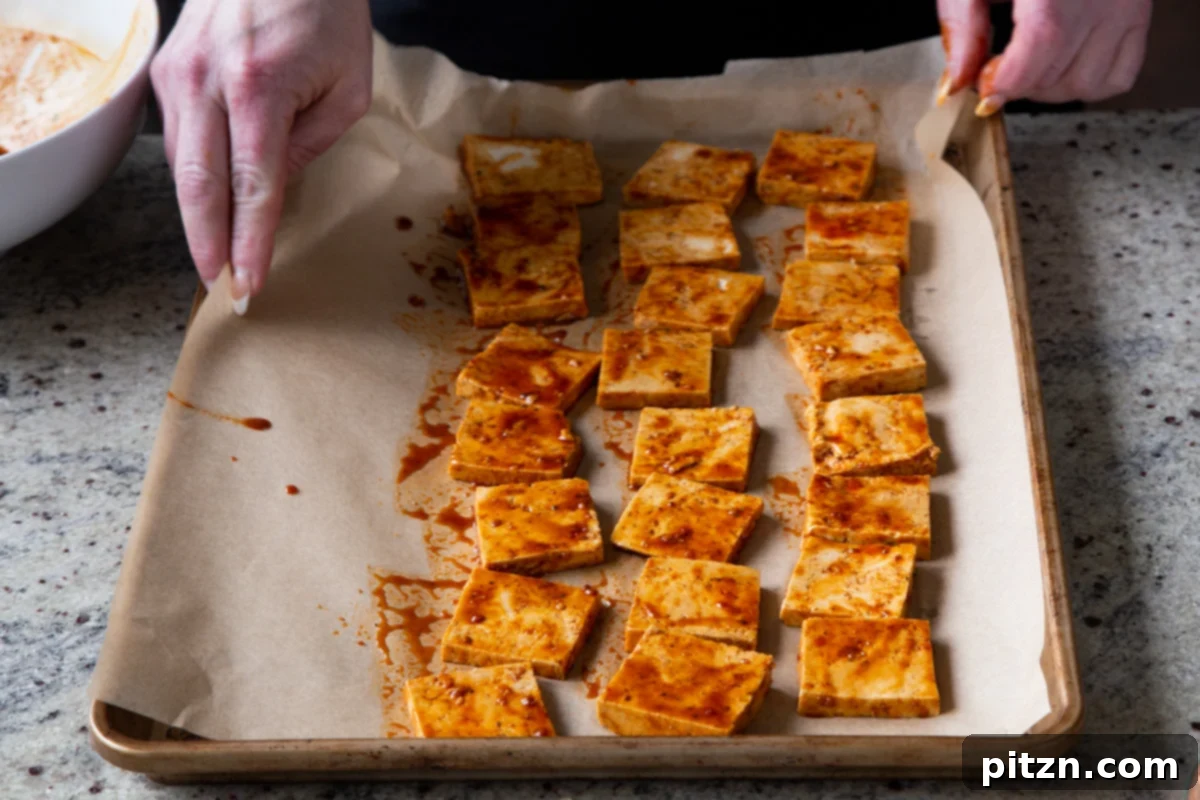
Once your marinade is prepared, add the pressed and sliced firm or extra-firm tofu directly into the bowl. Gently toss the tofu, ensuring that every square or cube is thoroughly coated with the rich gochujang sauce. Let the tofu marinate for a minimum of 15 minutes; this allows the flavors to truly penetrate the tofu. After marinating, carefully remove the tofu pieces from the bowl, allowing any excess marinade to drip off, and arrange them in a single layer on a parchment-lined baking sheet. Bake in your preheated oven for 15 to 20 minutes, or until the tofu turns beautifully crisp and slightly dry, achieving your preferred texture.
3. Prepare the Quick-Pickled Vegetables
After you’ve transferred the tofu to the baking sheet, there will be some delicious marinade remaining in your mixing bowl. To this, add one tablespoon of white or rice vinegar, 1/4 teaspoon of salt, 1/2 teaspoon of sugar, and two to three tablespoons of water. Stir well to combine, creating a thinner, zesty pickling liquid. This forms the base for your quick-pickled vegetables. If you find the remaining marinade is not quite enough to coat all your vegetables, feel free to add an extra tablespoon of soy sauce, gochujang, and water until you have ample liquid.
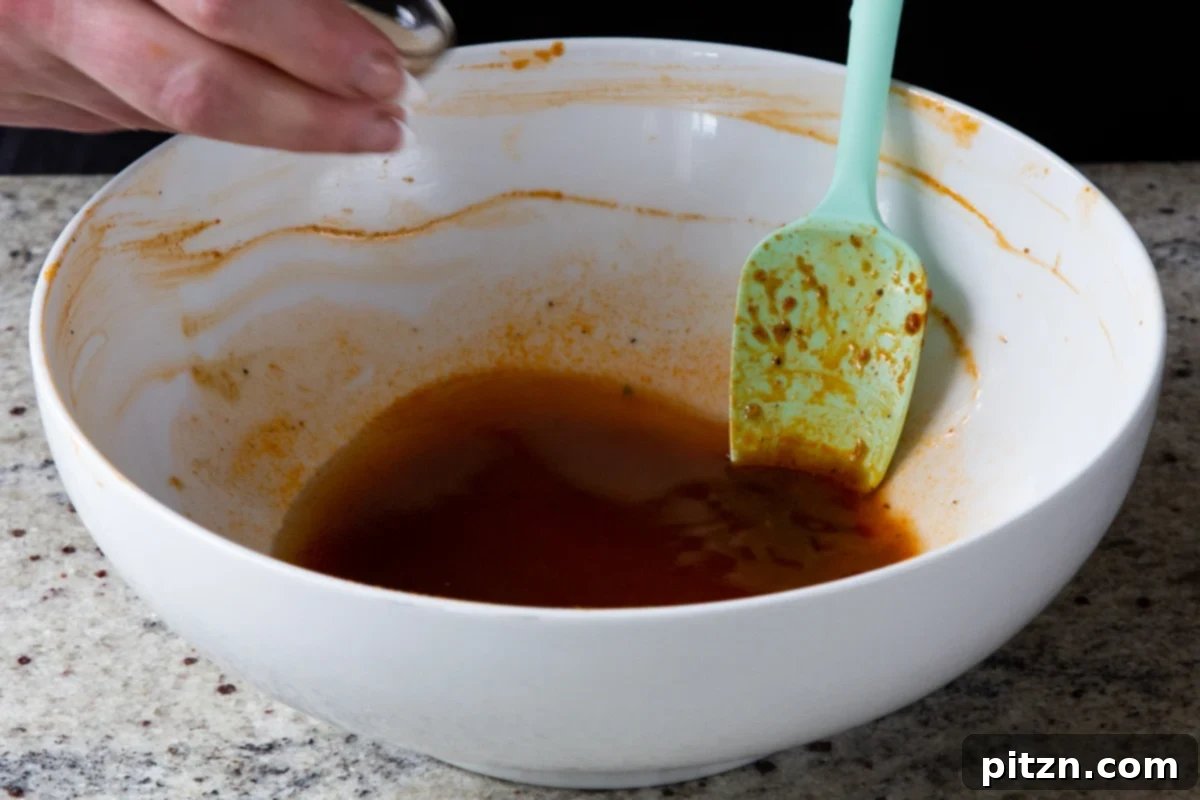
Next, add all your thinly sliced cucumber, onion, and julienned carrots to this bowl. Toss everything gently to ensure the vegetables are thoroughly coated in the tangy marinade. Allow these vibrant veggies to sit and marinate for about five to ten minutes while your tofu is baking. This brief pickling time is sufficient to soften them slightly and infuse them with a delightful sour and spicy flavor that is essential for a banh mi.
4. Assemble the Gochujang Banh Mi
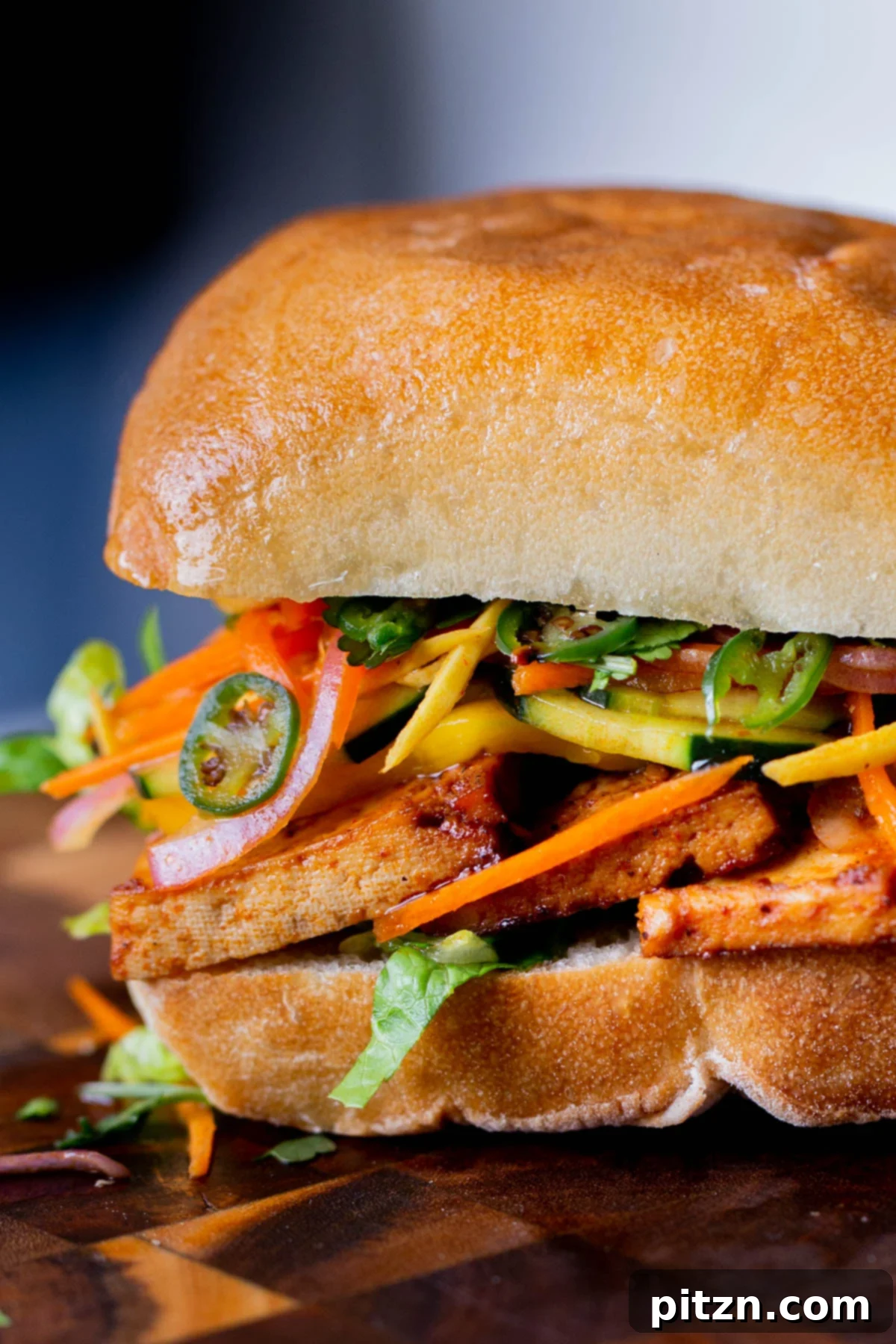
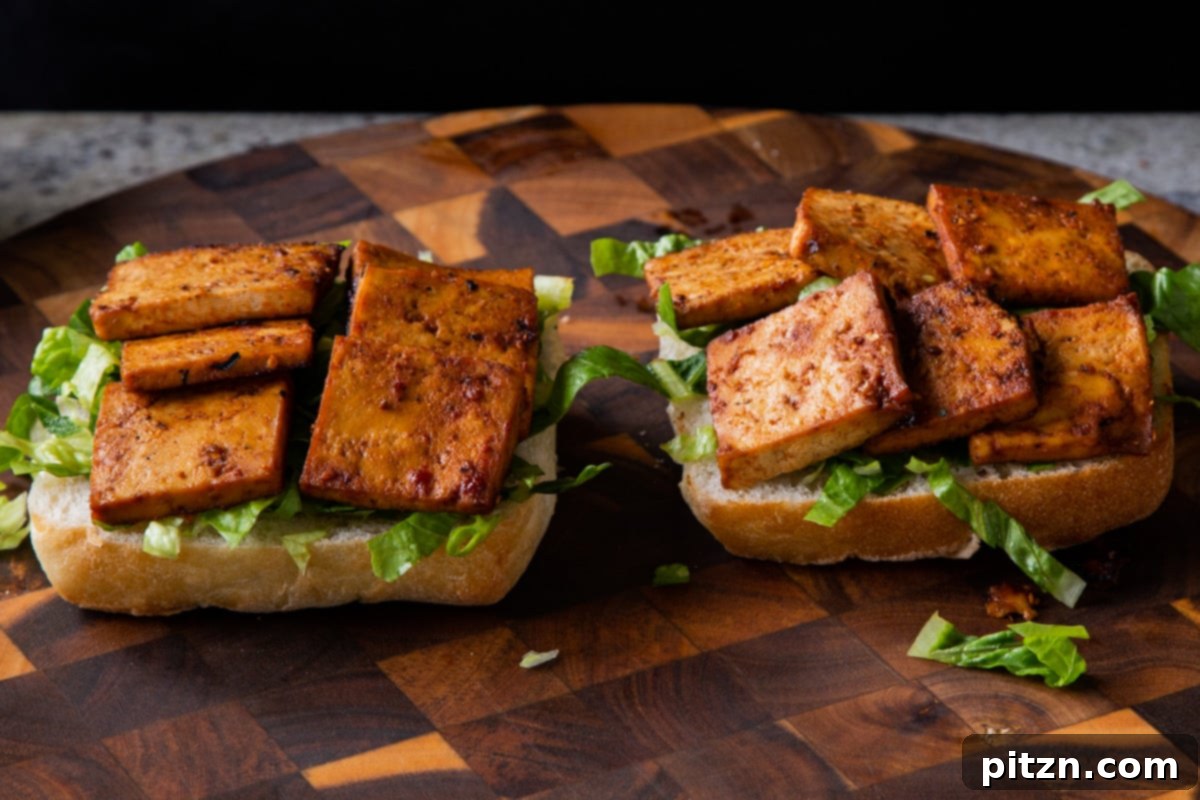
Now it’s time to bring all the delicious components together! Slice your ciabatta rolls horizontally. For an enhanced experience, you can lightly toast the bread for a warm, slightly crispy texture. Place a layer of fresh, chopped lettuce on the bottom half of each roll, providing a cooling base. Once the gochujang tofu is perfectly baked and removed from the oven, arrange a generous portion of the crispy tofu slices over the lettuce. Next, add a layer of sweet, thinly sliced ripe mango (or your preferred fruit) to introduce a refreshing, tropical sweetness that beautifully contrasts the spicy tofu and tangy pickles.
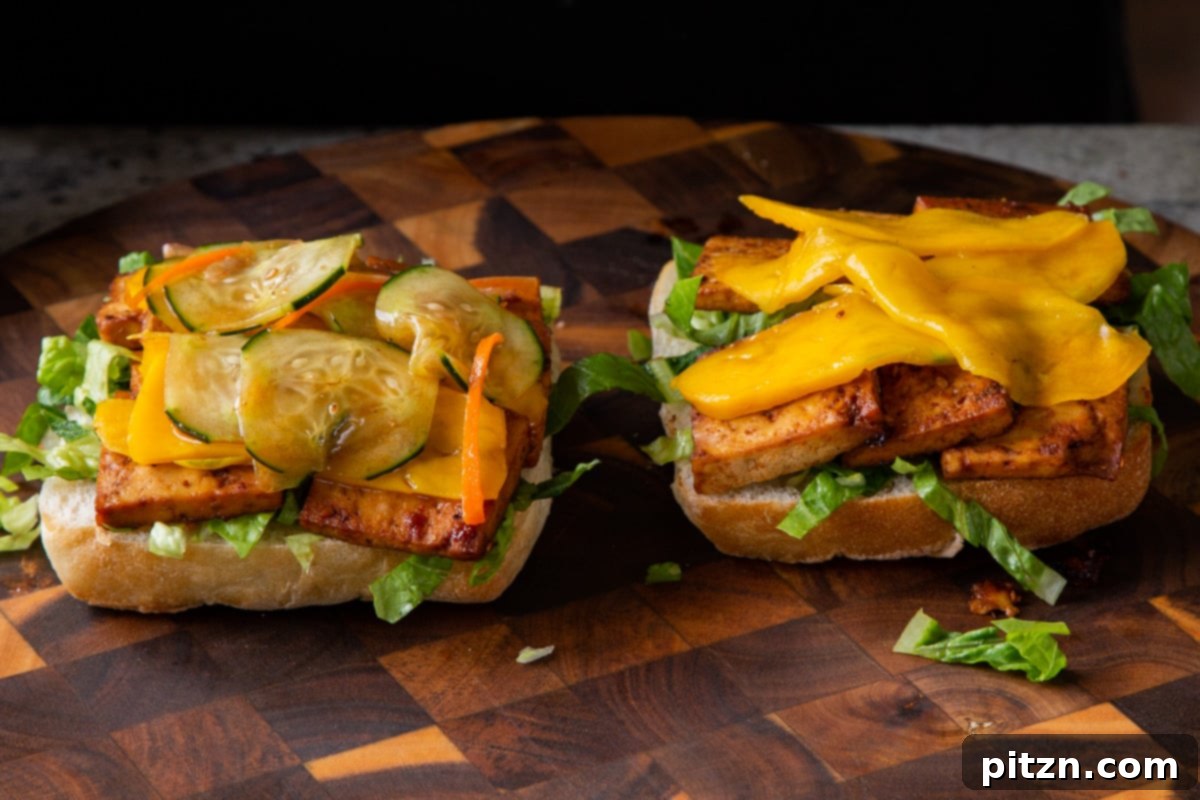
Finally, generously pile the marinated vegetable mixture on top of the mango and tofu layers. Be sure to add plenty, as the juicy vegetables contribute significantly to the sandwich’s fantastic texture and flavor. Crown your sandwich with thin slices of jalapeño (if using) for an extra spicy kick and a sprinkle of fresh, chopped cilantro for vibrant herbaceous notes. Place the other half of the bread on top, gently pressing down. Serve your magnificent Gochujang Tofu Banh Mi immediately, ideally with any remaining marinade on the side for dipping. Enjoy the incredible symphony of flavors!
Frequently Asked Questions About Gochujang Tofu Sandwiches
Gochujang’s spicy-sweet and umami profile makes it incredibly versatile in vegan cuisine. It’s an excellent marinade for plant-based proteins such as tofu, tempeh, seitan, and even hearty mushrooms. Beyond proteins, it shines with a variety of vegetables like cauliflower (think baked “wings”), eggplant, broccoli, and bell peppers. It’s also fantastic in noodle dishes, stir-fries, and as a base for creamy sauces or dressings when blended with plant-based yogurts or nut butters.
Yes, gochujang paste is safe to eat raw as it is a fermented product. However, consuming it straight from the tub is generally not recommended due to its very concentrated and intense flavor. Its robust taste is best appreciated when combined with other ingredients, where its complexity can mellow and enhance the overall dish, forming a balanced sauce or dressing, as we do in this sandwich marinade.
Typically, yes! Traditional gochujang is made from fermented glutinous rice, soybeans, chili powder (gochugaru), and salt, making it inherently vegan. However, as with any packaged food, it’s always a good practice to check the ingredient list to ensure no non-vegan additives have been included by specific manufacturers. For the vast majority of brands, gochujang is a fantastic vegan-friendly ingredient.
Gochujang offers a unique and complex flavor profile that is simultaneously spicy, sweet, and deeply savory with a distinct fermented undertone (umami). It has a rich, bold chili flavor, but it’s more nuanced than just heat. You’ll notice hints of sweetness from the glutinous rice, a savory depth from the fermented soybeans, and a satisfying warmth. This paste truly transforms dishes, adding a delicious Korean essence that is hard to replicate with other ingredients.
This recipe is naturally **nut-free**, making it a great option for those with nut allergies. To ensure it’s **gluten-free**, you must use gluten-free bread or lettuce wraps. Crucially, substitute regular soy sauce with tamari and verify that your chosen gochujang brand is certified gluten-free, as some may contain wheat. Creating a completely **soy-free** version is quite difficult because gochujang itself contains fermented soybeans, and tofu is a primary soy-based protein. While soy-free gochujang alternatives exist, they are less common, and substituting the tofu would require a different plant-based protein, altering the core of the recipe.
Absolutely! The spice level is easily customizable. For a spicier sandwich, you can increase the amount of gochujang in the marinade, add extra thinly sliced fresh jalapeños (or even a spicier chili like serrano), or include a dash of sriracha or chili oil in your marinade. For a milder version, reduce the gochujang, remove the seeds from the jalapeño, or omit the jalapeño entirely. You can also balance the heat with a bit more maple syrup or mango for added sweetness.
This Gochujang Tofu Banh Mi is more than just a meal; it’s an exciting culinary adventure that brings together diverse and delicious flavors in a single, satisfying package. Whether you’re a seasoned vegan or simply looking to explore vibrant plant-based dishes, this sandwich promises a delightful experience. Its blend of spicy, sweet, savory, and tangy notes, combined with varied textures, makes it an unforgettable summer favorite. Don’t hesitate to experiment with the ingredients and make it truly your own. Enjoy the process, and savor every incredible bite!